
Rally racing in the 1960s and 1970s represented one of the most formative eras in motorsport history.
Long before the age of computerized traction control, carbon fiber chassis, and hybrid rally cars, manufacturers relied on mechanical ingenuity, durability, and driver skill to conquer some of the toughest roads in the world.
Events such as the Monte Carlo Rally, Safari Rally, and RAC Rally demanded vehicles that could survive icy Alpine passes, dusty African savannas, and muddy forest stages.
The cars that succeeded during this period were not simply fast, they were robust, adaptable, and capable of performing under wildly varying conditions.
This era also marked a period when rally cars were still closely related to production vehicles. Automakers used rallying as a proving ground to demonstrate reliability and performance to everyday consumers.
Winning rallies translated directly into showroom credibility. The result was a golden age of homologation specials and innovative engineering solutions, from lightweight rear-engine layouts to the early experimentation with all-wheel drive.
The following ten vehicles stand out as some of the most successful rally machines of the 1960s and 1970s, cars whose results and engineering innovations helped shape the future of the sport.
1. Mini Cooper S (1964–1967)
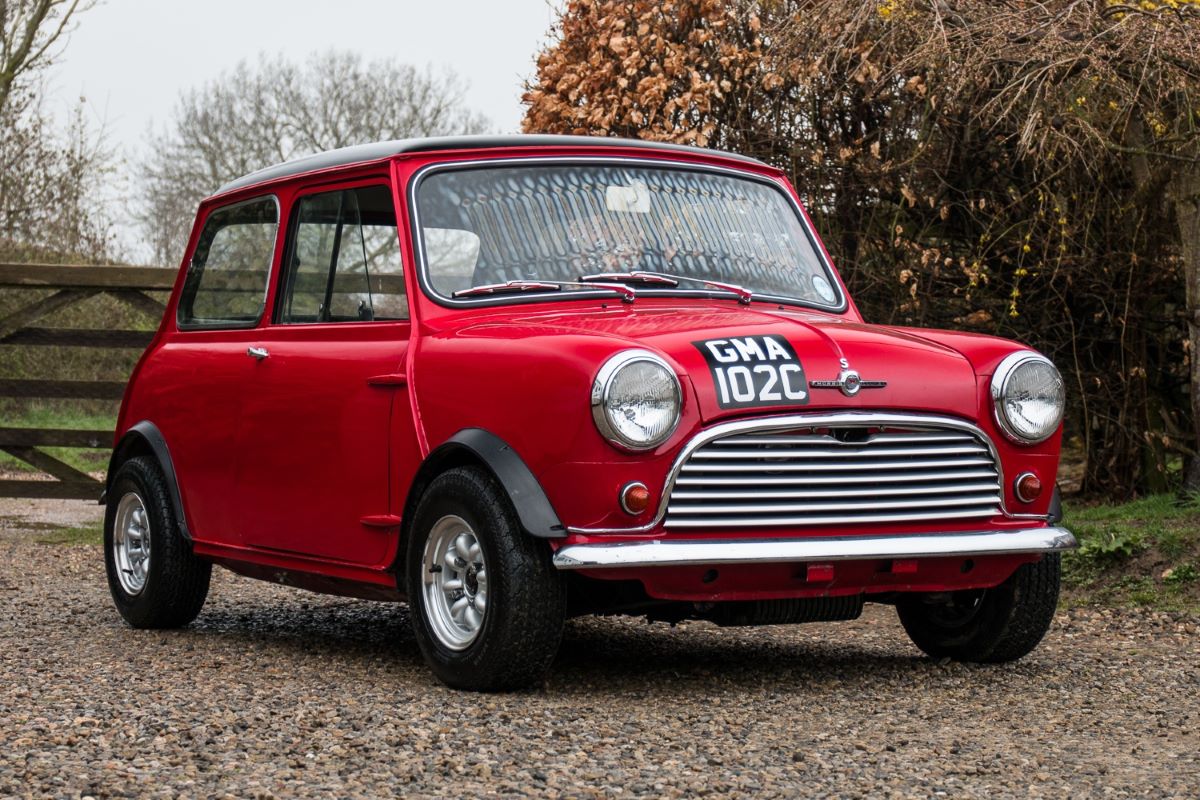
The 1964–1967 Mini Cooper S stands as one of the most unlikely yet successful rally cars of the 1960s, proving that intelligent engineering and agility could defeat far more powerful competitors.
Developed from the original Mini introduced by the British Motor Corporation in 1959, the Cooper S variant transformed the compact economy car into a formidable motorsport machine.
During the mid-1960s, it became synonymous with rally success, particularly on tight, technical courses where maneuverability and traction were often more important than raw horsepower.
The Mini itself was created by engineer Alec Issigonis as a response to fuel shortages and the need for an efficient small car.
Its revolutionary front-wheel-drive layout placed the engine transversely, with the gearbox mounted in the oil sump below the engine. This packaging allowed the wheels to be pushed to the corners of the chassis, maximizing interior space while keeping the car extremely compact.
The Cooper S used a modified version of the Mini’s inline four-cylinder engine, enlarged to displacements ranging from 970 cc to 1275 cc depending on the version.
The most famous variant, the 1275 Cooper S, produced roughly 75 horsepower, a modest figure by conventional standards but impressive for a car weighing barely over 1,500 pounds.
Power was delivered to the front wheels through a four-speed manual transmission integrated with the engine assembly. This front-engine, front-wheel-drive configuration gave the Mini exceptional traction on loose or slippery rally surfaces.
Equally important was the car’s chassis design. The Mini featured a very short wheelbase and a wide stance relative to its size, which gave it remarkable agility on narrow rally stages.
Its compact dimensions allowed drivers to navigate tight corners and winding mountain roads with precision, while the front-wheel-drive layout helped maintain traction on gravel, snow, and wet pavement. These characteristics made the Mini Cooper S particularly effective on technical rally courses such as the famous Monte Carlo Rally.
Visually, the Mini Cooper S remained largely faithful to the original Mini’s simple, boxy design. Its upright shape, minimal overhangs, and small footprint emphasized practicality rather than aggressive styling.
Yet in rally trim, the car’s auxiliary lights, widened wheels, and racing numbers created a distinctive competition look that became iconic during the decade.
The Mini Cooper S achieved international fame through its remarkable rally victories, including Monte Carlo Rally wins in 1964, 1965, and 1967. These victories demonstrated that clever engineering and lightweight design could outperform larger, more powerful rivals.
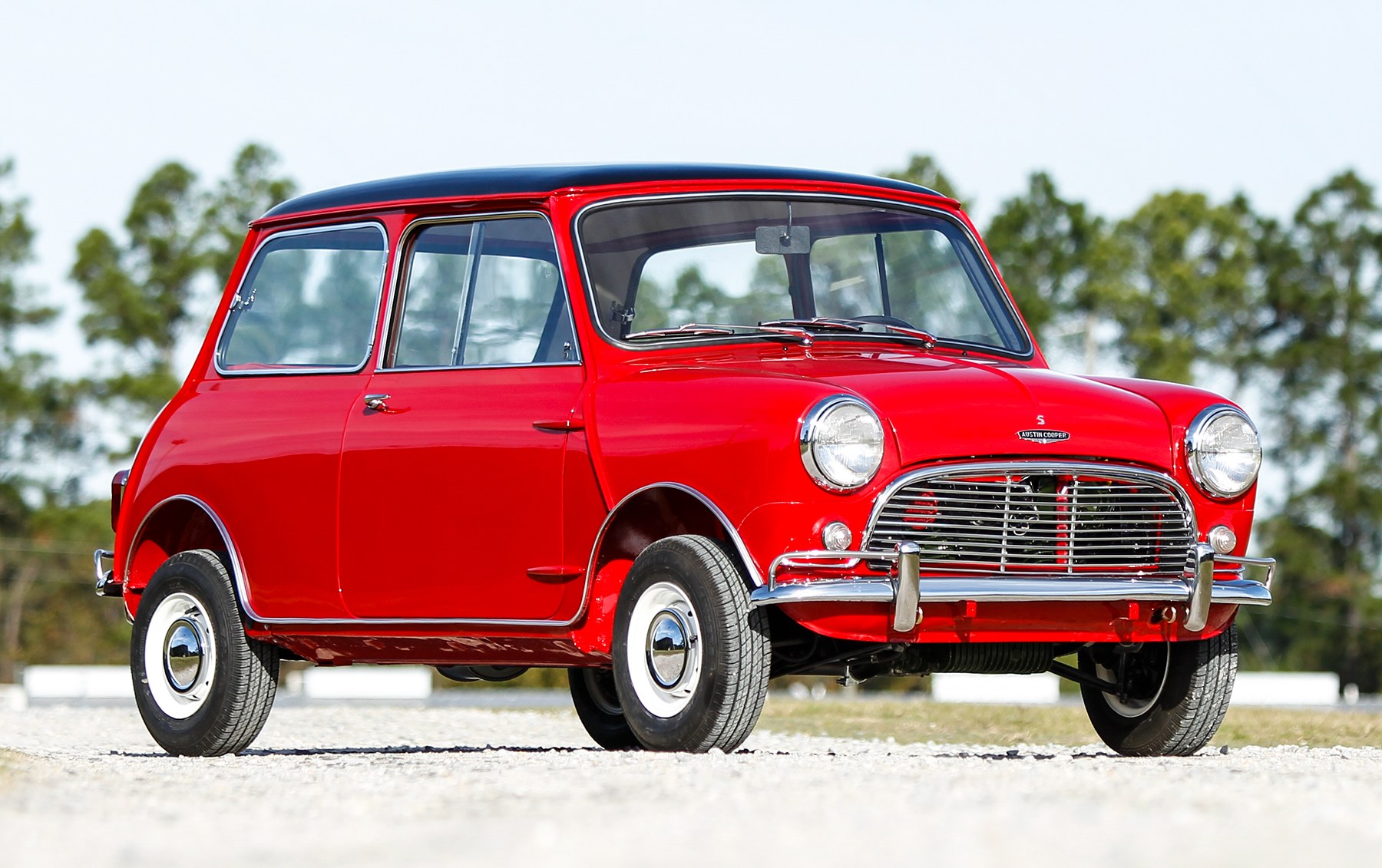
However, its front-wheel-drive layout and extremely low weight allowed it to maintain remarkable speed through corners. The car’s compact dimensions made it particularly effective on narrow, winding mountain roads where larger vehicles struggled.
The Mini Cooper S achieved legendary status with its victories at the Monte Carlo Rally in 1964, 1965, and 1967. Driven by talented competitors such as Paddy Hopkirk and Rauno Aaltonen, the car consistently outperformed more powerful rivals thanks to its agility and reliability.
Its success also demonstrated the competitive potential of front-wheel drive in rally racing, influencing many future designs.
2. Ford Escort RS1600 (1969–1974)
The Ford Escort RS1600 became one of the defining rally cars of the early 1970s and a cornerstone of Ford’s motorsport success.
Introduced as a high-performance homologation version of the first-generation Escort, the RS1600 combined lightweight construction with an advanced twin-cam engine.
At the heart of the car was the legendary Cosworth BDA (Belt Drive A-series) engine, a 1.6-liter inline-four capable of producing impressive power for its displacement.
The Escort retained a traditional front-engine, rear-wheel-drive layout, which gave it predictable handling and strong traction on gravel surfaces.
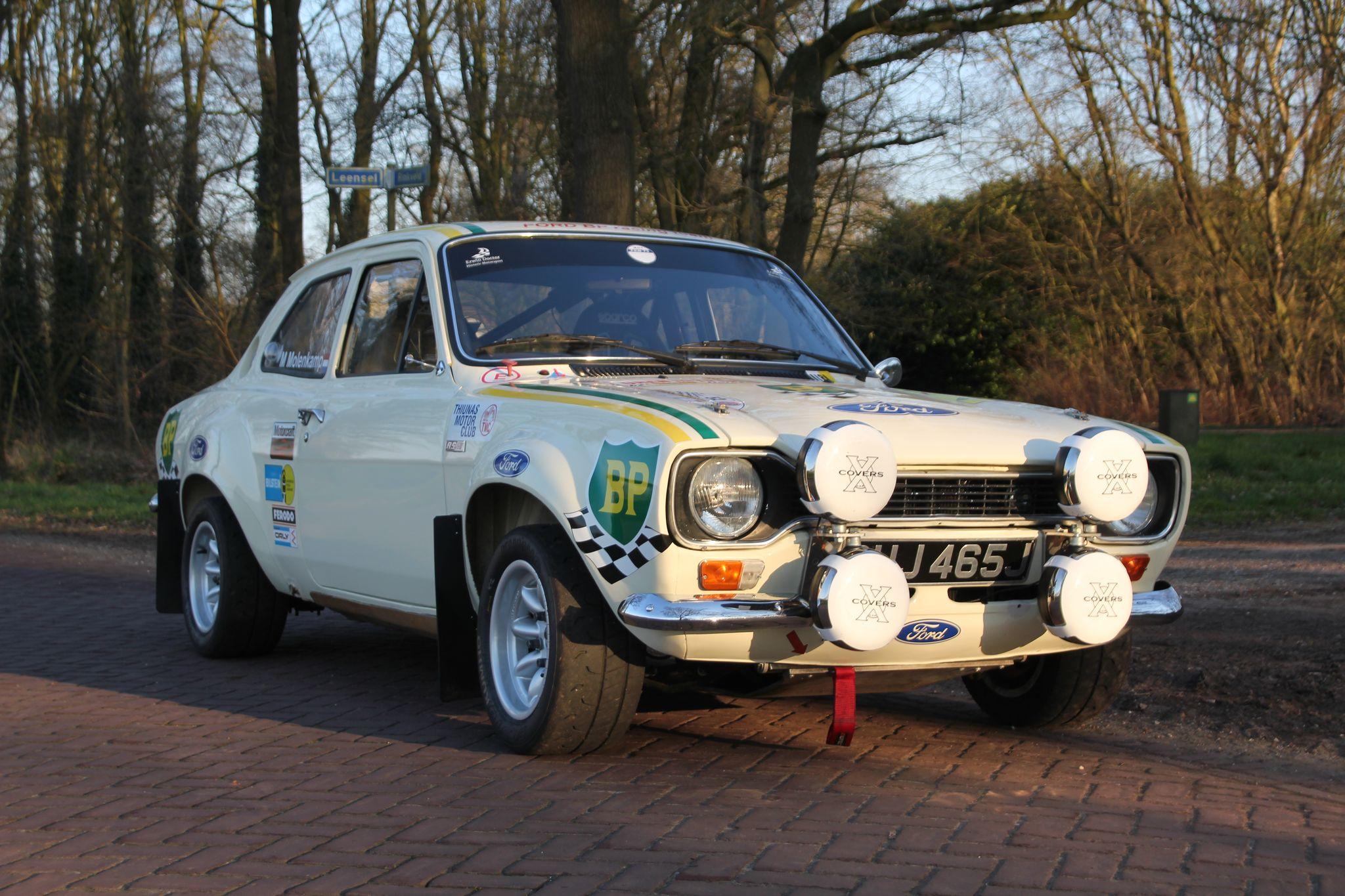
The RS1600 quickly proved its competitiveness in international rallying. Drivers such as Hannu Mikkola and Roger Clark achieved numerous victories in major European events.
Its balanced chassis and strong engine made it adaptable to a wide variety of rally conditions, from fast forest stages to technical tarmac sections.
The Escort platform remained competitive for years and eventually evolved into later models like the RS1800, which would dominate the World Rally Championship later in the decade.
3. Lancia Fulvia HF (1965–1973)
The Lancia Fulvia HF, produced from 1965 to 1973, stands as one of the most technically distinctive rally cars of the late 1960s and early 1970s.
Developed from Lancia’s Fulvia coupe platform, the HF variants were created specifically to compete in international rally competition during a period when manufacturers were rapidly refining lightweight chassis and high-revving engines for motorsport.
With its unusual engineering and exceptional handling, the Fulvia HF became a dominant force in European rallying and played a major role in establishing Lancia as one of the most successful manufacturers in the sport.
The Fulvia itself was introduced in 1963 as a compact sporting coupe designed to combine Italian styling with advanced mechanical engineering. Lancia had long been known for innovative design solutions, and the Fulvia continued this tradition with an unconventional front-wheel-drive layout paired with a narrow-angle V4 engine.
Recognizing the car’s potential for motorsport, Lancia created the high-performance HF versions, short for “High Fidelity,” the designation used by the brand’s racing division. These models were developed with weight reduction, improved suspension tuning, and increased engine performance to compete effectively in rally events.
At the heart of the Fulvia HF was Lancia’s unique narrow-angle V4 engine, mounted longitudinally at the front of the vehicle and driving the front wheels. Early versions displaced around 1.2 liters, but later HF variants used larger 1.3- and 1.6-liter engines.
Despite the relatively small displacement, the engines produced impressive power for their size thanks to high compression ratios and careful tuning. In the most developed 1.6 HF versions, output approached 130 horsepower, delivered through a five-speed manual transmission.
The front-wheel-drive configuration allowed the car to maintain strong traction on loose surfaces, an advantage in rally conditions where grip was often unpredictable.
The Fulvia’s chassis design further enhanced its rally capability. Independent front suspension and a well-tuned rear suspension system gave the car precise handling and stability on narrow, winding rally stages.
The relatively lightweight construction and compact dimensions allowed drivers to maintain high cornering speeds and quickly change direction on technical sections of road. These qualities made the Fulvia HF particularly effective on the twisting mountain routes that defined many European rally events.
Visually, the Fulvia coupe combined elegant Italian styling with purposeful proportions. The narrow front grille, round headlights, and smooth body lines gave the car a refined appearance that contrasted with its aggressive performance credentials. Rally versions often featured additional driving lamps and widened wheels, emphasizing their competition role.
The Lancia Fulvia HF reached its greatest success in international rallying during the late 1960s and early 1970s, culminating in Lancia winning the International Championship for Manufacturers in 1972, a precursor to the World Rally Championship.
This achievement firmly established the Fulvia HF as one of the most successful rally cars of its era. Its combination of advanced engineering, front-wheel-drive traction, and lightweight agility made it ideally suited for rally competition, securing its place among the most important rally machines of the 1960s and 1970s.
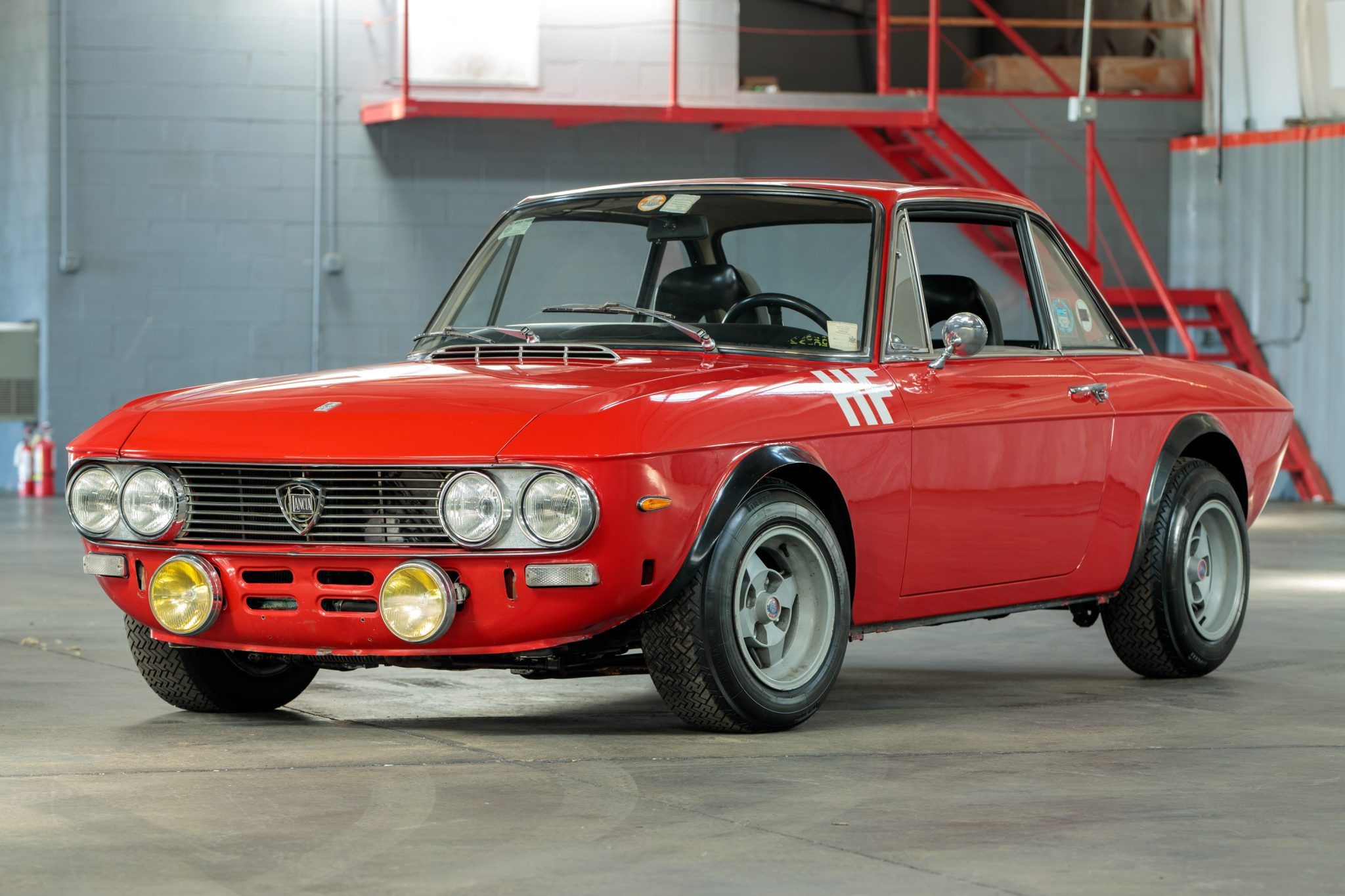
Despite relatively modest horsepower figures, the car’s excellent balance and front-wheel-drive traction made it highly effective on slippery surfaces.
The Fulvia HF achieved its greatest success by winning the International Championship for Manufacturers in 1972, the precursor to the modern World Rally Championship.
It secured major victories in events such as the Monte Carlo Rally and the Sanremo Rally. The car’s reliability and predictable handling allowed drivers to maintain consistent pace over long endurance events, cementing Lancia’s status as a rally powerhouse.
4. Alpine A110 (1963–1977)
The Alpine A110 represented a radically different approach to rally car design. Built around a lightweight fiberglass body and a rear-engine layout derived from Renault mechanical components, the A110 emphasized agility and acceleration rather than brute force.
Power came from a range of Renault-derived inline-four engines, with later rally versions producing around 140 horsepower.
While that may not sound extraordinary today, the A110 weighed significantly less than most competitors, giving it an outstanding power-to-weight ratio.
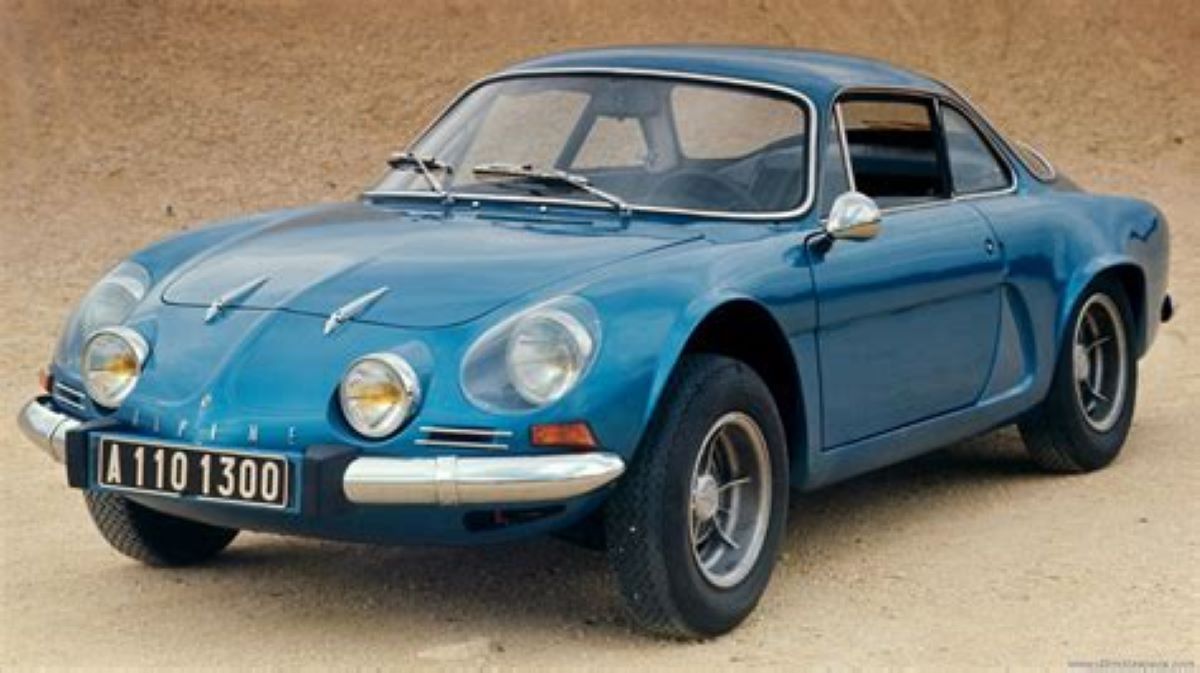
The car excelled on twisting mountain roads where its low weight and rear-engine traction allowed it to exit corners rapidly.
These characteristics helped Alpine dominate the early years of the World Rally Championship. In 1973, the A110 secured the first official WRC manufacturers’ title. Its numerous victories throughout Europe made it one of the most successful rally cars of its era.
5. Saab 96 V4 (1967–1976)
Saab’s rally success began with two-stroke engines in earlier models, but the introduction of the Saab 96 V4 marked a new chapter.
The car adopted a 1.5-liter Ford-sourced V4 engine, which provided significantly more torque and reliability compared to the earlier powerplants.
The Saab 96 maintained front-wheel drive and a relatively simple mechanical layout, but its durability made it extremely competitive in endurance rallies.
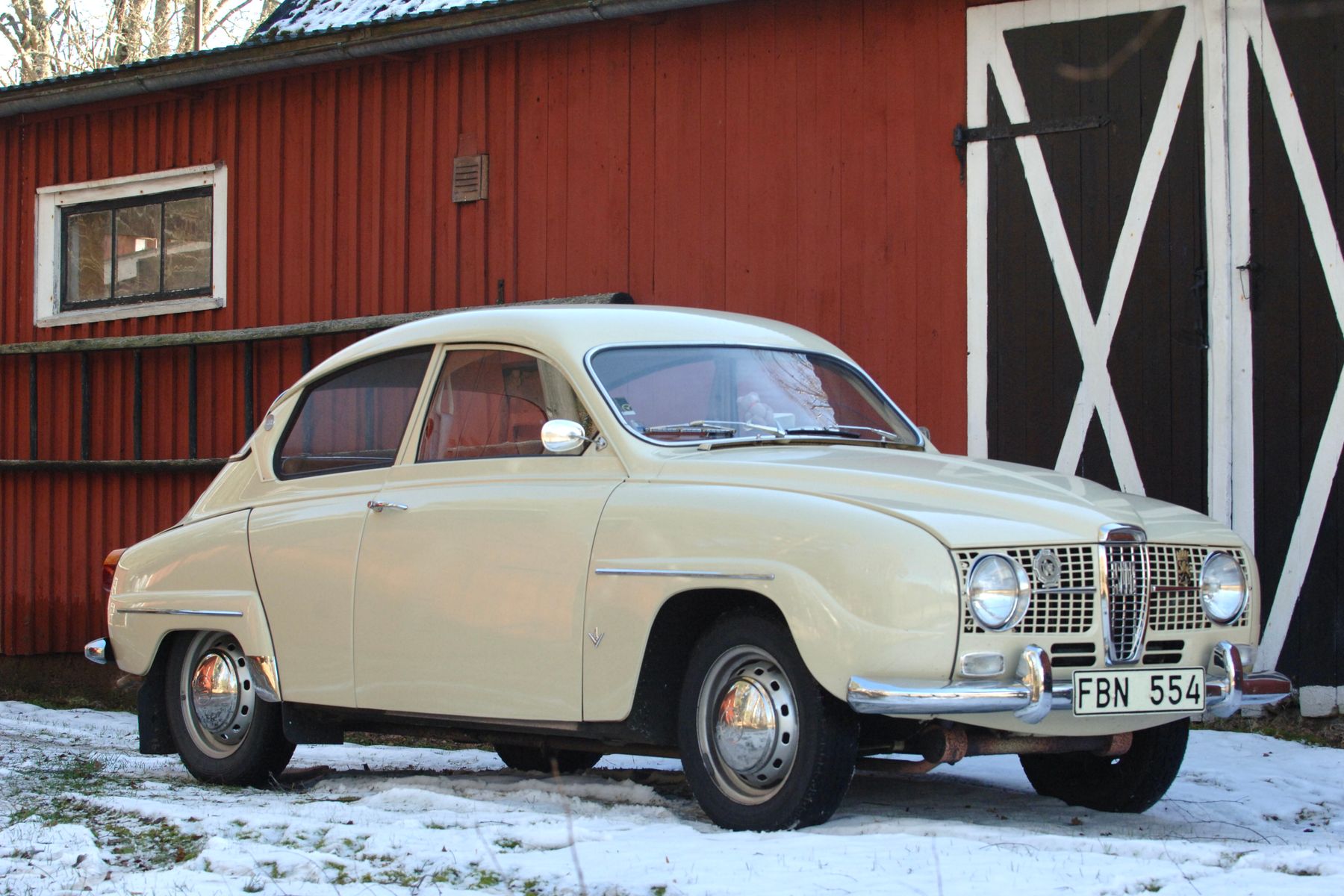
Swedish rally legend Erik Carlsson had already demonstrated Saab’s capabilities earlier in the decade, and the V4 version continued that legacy.
The car performed particularly well in winter rallies and events with challenging weather conditions. Its strong traction on snow and ice allowed it to compete effectively against larger and more powerful vehicles.
The Saab 96 V4’s reliability made it a consistent finisher, which was often just as important as outright speed in long-distance rally events.
6. Porsche 911 (1965–1978 Rally Versions)
The Porsche 911 rally cars of the late 1960s and 1970s demonstrated how a road-going sports car could be transformed into a formidable competitor in international rally competition.
Introduced in 1964 as the successor to the Porsche 356, the 911 quickly gained recognition for its distinctive rear-engine layout, lightweight construction, and precise handling.
While originally designed as a high-performance road car, Porsche engineers and privateer teams soon realized that the 911’s mechanical configuration made it exceptionally capable on the demanding rally stages of Europe and beyond.
The development of the rally-spec 911 evolved alongside the production versions of the car throughout the late 1960s and 1970s. Porsche continuously refined the model with improved engines, suspension systems, and braking technology.
Early rally entries often used lightly modified versions of the standard 911, but by the early 1970s Porsche was building increasingly specialized competition variants. These cars incorporated stronger components, upgraded suspension setups, and enhanced engine tuning to handle the extreme conditions of long-distance rally events.
At the heart of the 911 was Porsche’s signature air-cooled flat-six engine mounted behind the rear axle. Early rally versions used engines ranging from around 2.0 to 2.7 liters, producing power outputs that often exceeded 200 horsepower in competition trim.
This rear-engine configuration placed significant weight over the driven rear wheels, providing excellent traction when accelerating out of corners or climbing steep rally stages. Power was delivered through a five-speed manual transmission to the rear wheels, allowing drivers to exploit the engine’s high-revving character and strong torque.
The 911’s chassis design contributed significantly to its rally success. Independent suspension at all four corners allowed the car to maintain stability over uneven surfaces, while its relatively compact dimensions made it agile on narrow mountain roads and forest stages.
Although the rear-engine layout required careful driving technique due to its unique weight distribution, skilled drivers could use the configuration to their advantage by applying power early when exiting corners, improving acceleration on loose surfaces.
Visually, rally-prepared 911s retained the recognizable silhouette of the road car but incorporated functional modifications such as wider wheels, reinforced suspension components, and multiple auxiliary driving lights mounted on the front bumper or hood.
These additions reflected the car’s transformation from a sleek sports coupe into a durable competition machine capable of enduring the harsh conditions of international rallying.
The Porsche 911 achieved significant success in rally competition during the 1960s and 1970s, including a major victory at the 1970 Monte Carlo Rally with the Porsche 911 S driven by Björn Waldegård.
The model continued to compete successfully in events around the world throughout the decade. Its combination of strong traction, robust engineering, and responsive handling made the 911 one of the most effective rally cars of its era, securing its place among the most successful and influential rally machines of the period.
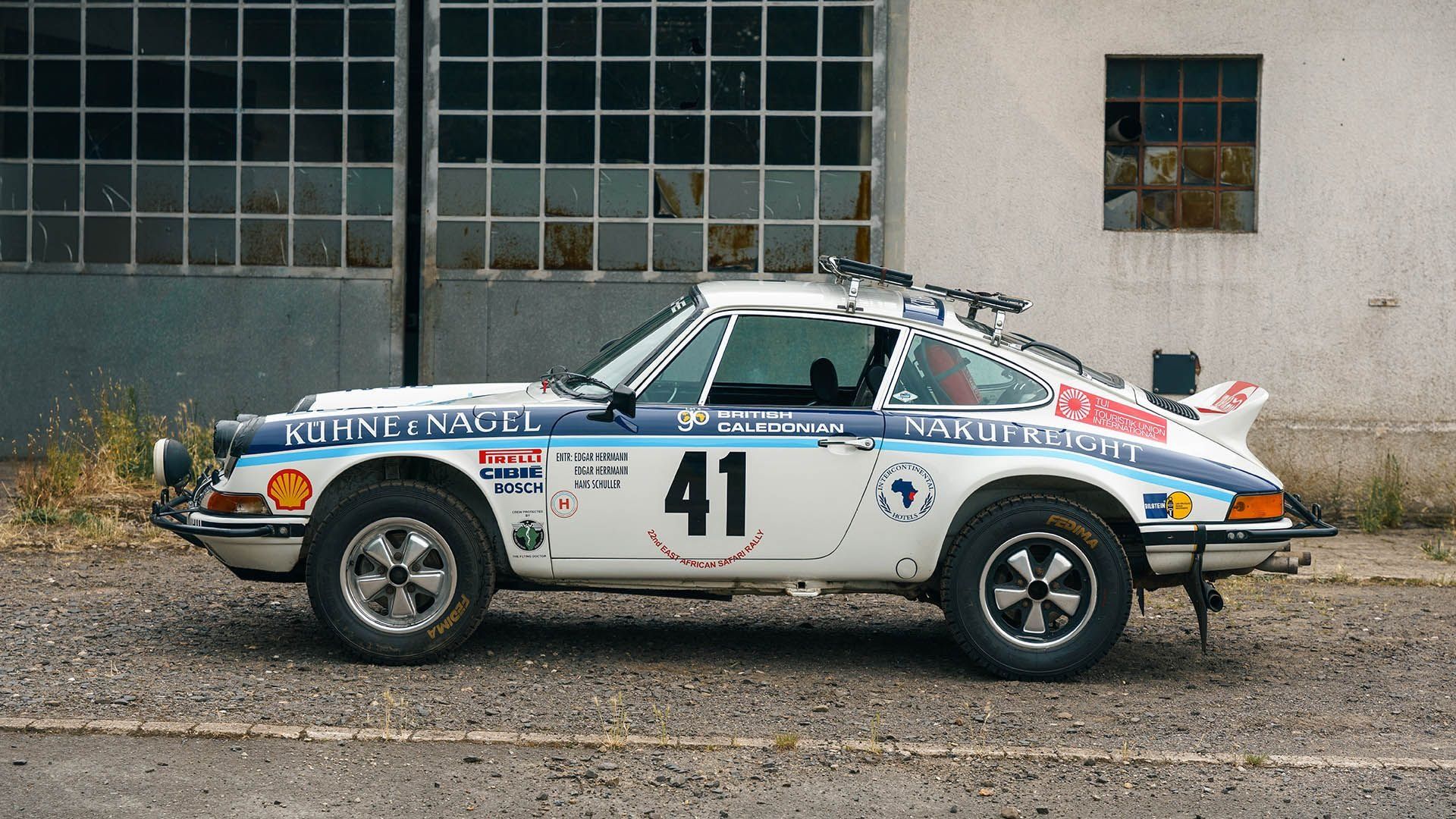
The Porsche 911 achieved notable victories including the Monte Carlo Rally in 1968 and again in 1970. It also won the grueling East African Safari Rally in 1978, one of the toughest events in the world.
The car’s ability to combine sports-car performance with rally durability made it a unique competitor in the rally scene of the time.
7. Lancia Stratos HF (1973–1978)
Few rally cars have been as purpose-built for the sport as the Lancia Stratos HF. Introduced in the early 1970s, the Stratos was designed from the ground up specifically to win rallies, rather than being adapted from a production road car.
Its striking wedge-shaped body concealed a mid-mounted Ferrari Dino V6 engine that produced substantial power relative to the car’s compact size.
Combined with a short wheelbase and lightweight construction, the Stratos delivered explosive acceleration and exceptional agility.
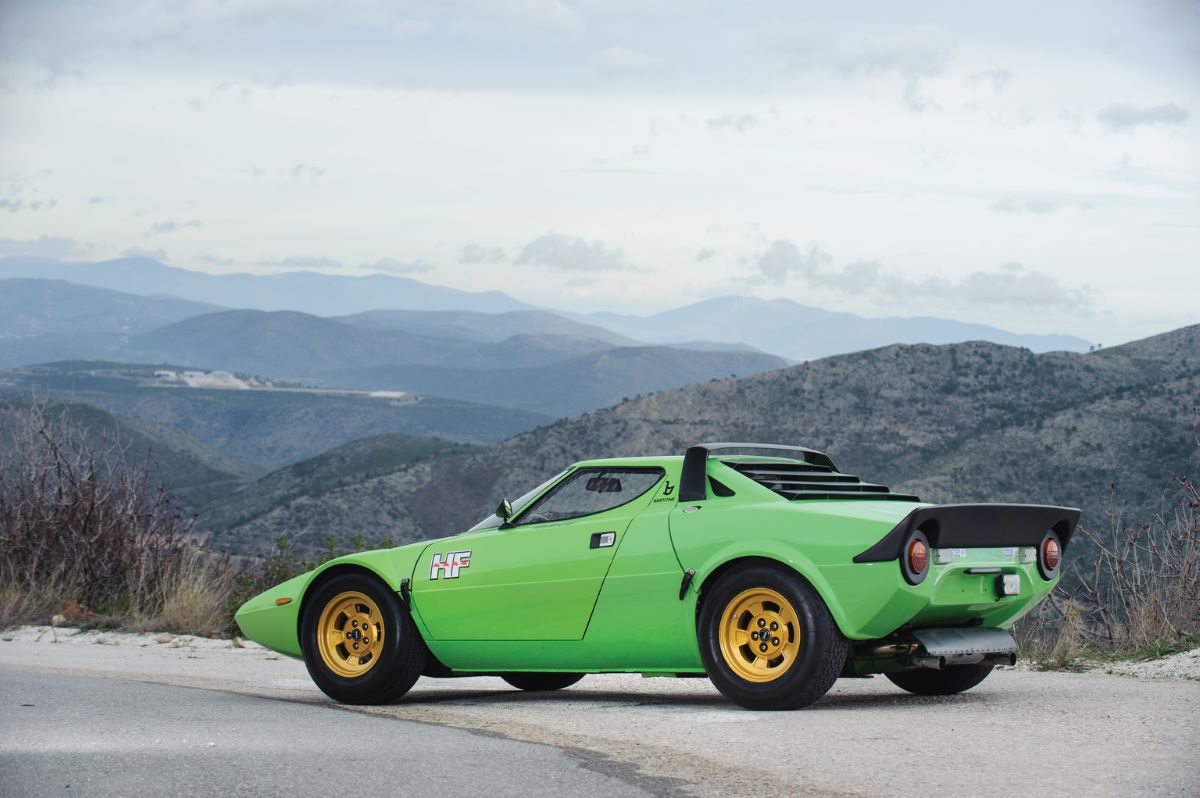
The Stratos quickly proved dominant, winning the World Rally Championship manufacturers’ title in 1974, 1975, and 1976. Drivers such as Sandro Munari used the car’s extraordinary performance to dominate numerous events across Europe.
The Stratos set a new standard for specialized rally machines and influenced how manufacturers approached rally car development in the years that followed.
8. Fiat 124 Abarth Rally (1972–1975)
The Fiat 124 Abarth Rally, produced between 1972 and 1975, was one of the most successful purpose-built rally cars of the early World Rally Championship era. Developed from the Fiat 124 Sport Spider, the competition version was extensively re-engineered by Abarth, Fiat’s performance and racing division.
At a time when manufacturers were increasingly building specialized machines for international rallying, the 124 Abarth Rally demonstrated how a lightweight chassis, a high-revving engine, and carefully tuned suspension could create a formidable rally contender.
At the heart of the Fiat 124 Abarth Rally was a 1.8-liter inline four-cylinder engine derived from Fiat’s twin-cam powerplant designed by engineer Aurelio Lampredi. In rally trim, the engine was equipped with dual overhead camshafts and dual carburetors, producing approximately 170 horsepower depending on the specification.
For a relatively lightweight car, this output provided strong acceleration and responsiveness, essential qualities for rally competition where drivers constantly navigated steep climbs and tight corners.
Power was delivered to the rear wheels through a five-speed manual transmission and a limited-slip differential, following a traditional front-engine, rear-wheel-drive layout.
The chassis and suspension were key factors in the car’s effectiveness on rally stages. Abarth engineers upgraded the suspension system to handle rough terrain and improved the car’s stability on loose surfaces.
Wider wheels, stronger components, and competition-grade brakes ensured that the vehicle could withstand the intense demands of long-distance rallies.
The car’s relatively compact dimensions and balanced weight distribution allowed drivers to maintain precise control on narrow mountain roads and twisting forest stages.
Visually, the Fiat 124 Abarth Rally retained much of the graceful design of the original Spider but featured functional modifications that emphasized its competition role.
Flared wheel arches accommodated wider tires, and rally versions often carried multiple auxiliary driving lamps mounted on the front. These additions highlighted the car’s transformation from a stylish roadster into a dedicated rally machine.
The Fiat 124 Abarth Rally quickly proved its effectiveness in international competition. It achieved numerous podium finishes in World Rally Championship events and helped Fiat secure the 1972 European Rally Championship for manufacturers.
These successes demonstrated the strength of the car’s engineering and the skill of Abarth’s development team.
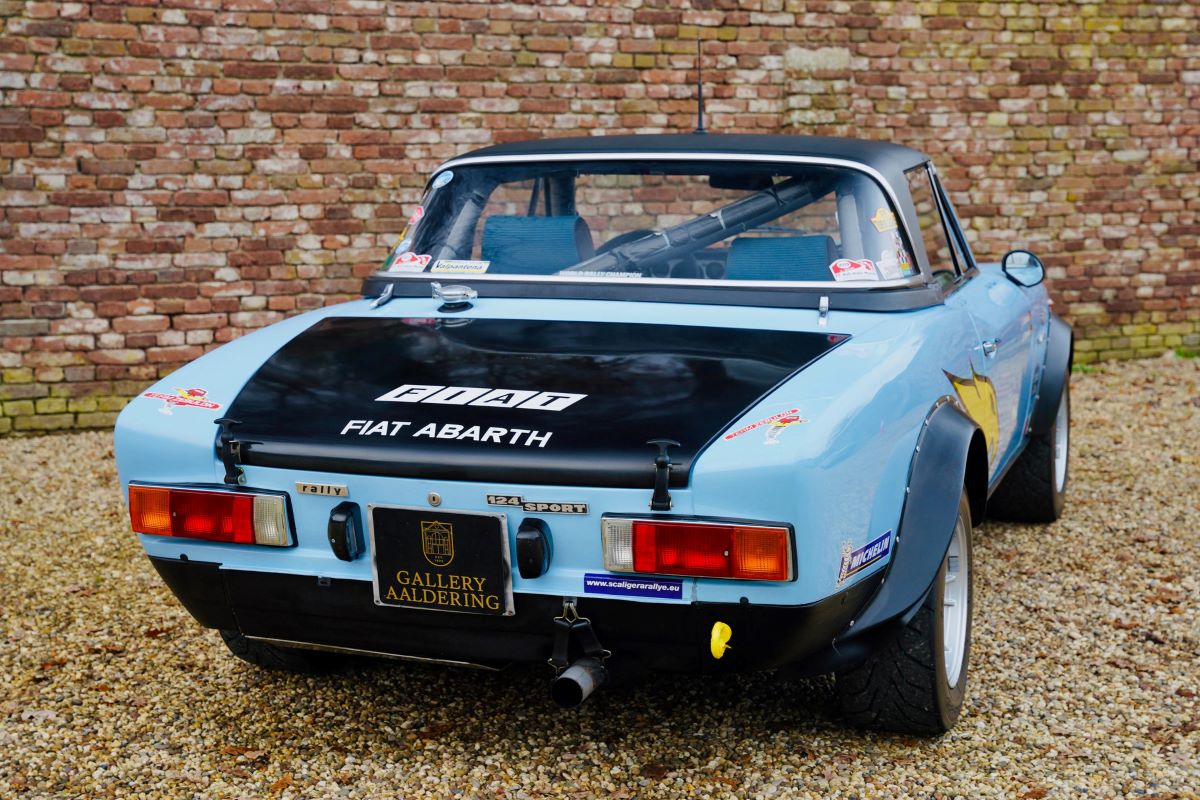
The rear-wheel-drive layout allowed skilled drivers to exploit controlled oversteer on gravel stages, making the car particularly effective in technical sections.
The Fiat 124 Abarth Rally achieved multiple victories in international competition and helped Fiat secure the European Rally Championship in 1972.
It served as a stepping stone toward later Fiat and Lancia rally programs, contributing valuable experience that would influence future championship-winning vehicles.
9. Ford Capri RS2600 (1970–1974 Rally Use)
The Ford Capri RS2600 was primarily known for touring car racing, but it also achieved notable success in rally competition during the early 1970s.
Designed as a high-performance variant of Ford’s popular European coupe, the RS2600 featured a powerful V6 engine and reinforced chassis.
With a 2.6-liter V6 producing well over 150 horsepower in competition trim, the Capri had significantly more power than many of its rivals.
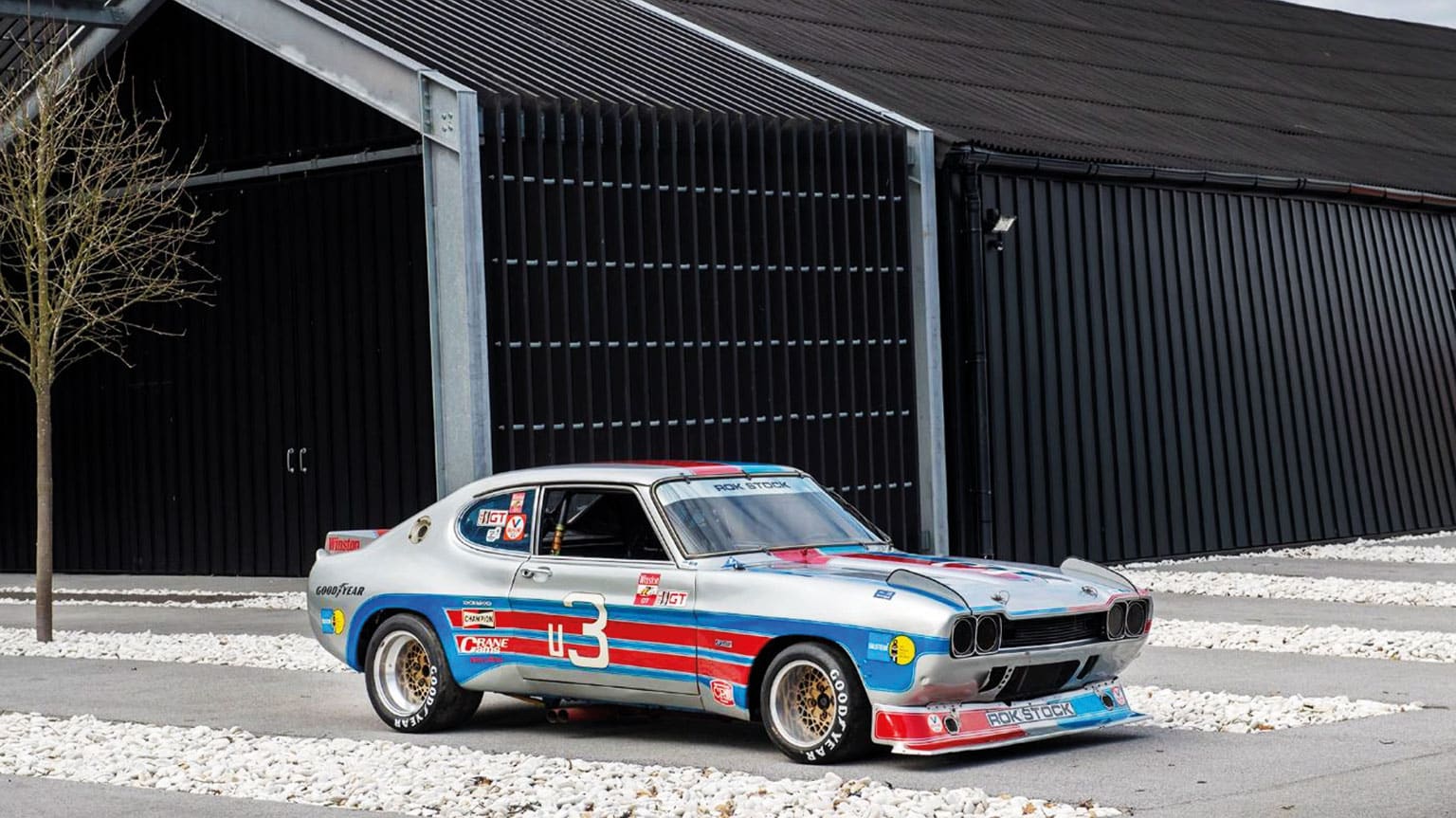
Its long wheelbase and rear-wheel-drive layout gave it stability at high speeds, making it effective on fast rally stages.
While not as dominant as some purpose-built rally machines, the Capri still secured respectable results in European rally events. Its participation highlighted the versatility of Ford’s performance models and reinforced the company’s strong presence in international motorsport.
10. Toyota Celica 1600GT (TA22) (1970–1977)
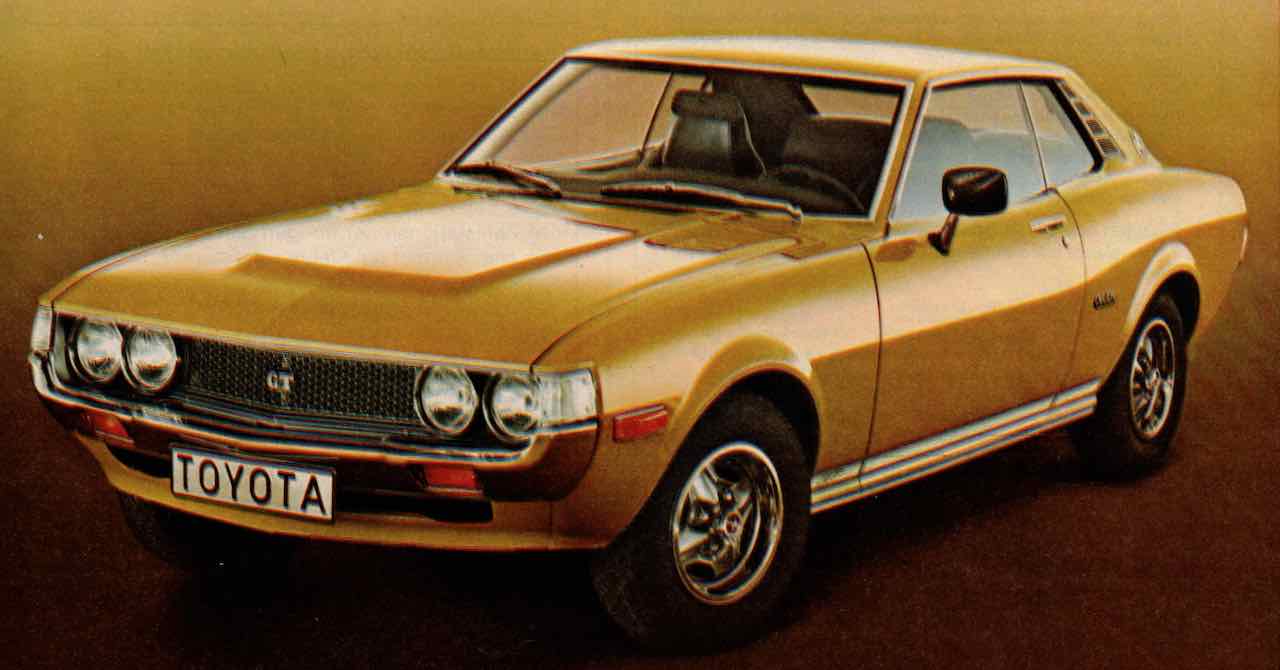
The first-generation Toyota Celica played an important role in establishing Toyota as a competitive force in international rallying. The 1600GT variant featured a high-revving twin-cam inline-four engine that delivered strong performance relative to its displacement.
With its front-engine, rear-wheel-drive configuration and relatively lightweight construction, the Celica offered balanced handling on a variety of surfaces.
Toyota invested heavily in rally development during this period, refining the car for durability and endurance.
The Celica achieved significant success in events such as the RAC Rally and the Safari Rally, where reliability was critical.
These early victories helped build Toyota’s rally reputation, laying the groundwork for later championship-winning programs that would emerge in the 1980s and 1990s.
The rally cars of the 1960s and 1970s laid the foundation for everything that followed in the sport. During this period, manufacturers experimented with different engine layouts, drivetrain configurations, and lightweight construction techniques in pursuit of competitive advantage.
Some relied on clever engineering and agility, while others pursued raw power or specialized designs.
Many of the innovations introduced during this era influenced later rally legends. The concept of purpose-built rally machines, demonstrated so effectively by the Lancia Stratos, eventually led to the extreme Group B cars of the 1980s.
Meanwhile, the lessons learned from vehicles like the Mini Cooper S and Alpine A110 showed that lightweight design and precise handling could overcome horsepower disadvantages.
Today, these classic rally cars remain icons of motorsport history. They represent a time when mechanical ingenuity, driver bravery, and endurance defined success in rally racing.
Decades later, their victories and innovations continue to shape the evolution of rally cars and inspire enthusiasts around the world.
