
Luxury cars have long been associated with high ownership costs, and insurance premiums are often one of the biggest expenses.
Historically, many luxury vehicles featured powerful engines, expensive materials, and complex technology, all of which could push insurance costs higher.
However, not every premium vehicle follows that pattern. Some classic luxury cars are surprisingly affordable to insure because they combine lower replacement values, reliable engineering, modest performance figures, and strong parts availability.
In many cases, these cars were produced in significant numbers or used durable components that make repairs relatively inexpensive compared with exotic sports cars or rare collector vehicles.
For American buyers interested in vintage luxury on a budget, this creates an interesting opportunity.
Insurance companies typically evaluate risk using several factors, including repair costs, accident statistics, horsepower, theft rates, and the car’s overall market value.
Many older luxury sedans and coupes from the 1970s through the early 2000s fall into a sweet spot where they still offer premium comfort and prestige but are inexpensive enough that insurers treat them more like ordinary vehicles rather than high-risk collectibles.
Another advantage is that classic luxury cars are often driven less frequently. Owners tend to use them as weekend cruisers, show cars, or occasional commuter vehicles.
This reduced mileage can further lower insurance costs, especially when drivers qualify for classic or limited-use insurance policies.
Combined with strong reliability records and simpler mechanical layouts compared with modern luxury vehicles, some older models deliver the elegance and presence of premium cars without the intimidating insurance bills.
The following eight luxury classics demonstrate how buyers can experience traditional luxury while keeping insurance costs manageable.
Each vehicle offers a distinctive blend of comfort, engineering pedigree, and historical significance, while remaining relatively affordable for insurers to cover.
1. Mercedes-Benz W124 E-Class (1985–1995)
The Mercedes-Benz W124 E-Class, produced from 1985 to 1995, represents one of the most respected luxury sedans of the late twentieth century and remains a benchmark for durability and engineering quality.
Introduced during a period when Mercedes-Benz prioritized long-term reliability and precision engineering, the W124 was designed to replace the earlier W123 platform with improved aerodynamics, stronger safety features, and more advanced drivetrain technology.
Over its decade-long production run, the model gained a reputation for exceptional build quality and mechanical longevity, qualities that continue to make it appealing to classic car buyers today.
Development of the W124 began in the late 1970s as Mercedes-Benz sought to modernize its midsize luxury lineup. Engineers focused heavily on efficiency and structural integrity, producing a body that was both lighter and more aerodynamic than its predecessor.
With a drag coefficient as low as 0.29 in certain versions, the W124 was remarkably efficient for a luxury sedan of its era. The platform was also designed to support multiple body styles, including sedans, wagons, coupes, and convertibles, allowing the model to serve a wide range of buyers while maintaining consistent engineering standards.
Under the hood, the W124 offered a broad selection of engines tailored to different markets and performance preferences. U.S.-market models commonly featured inline-six engines such as the 3.0-liter M103, while later versions introduced more advanced engines like the 3.2-liter M104 inline-six.
Four-cylinder and diesel engines were also available globally. Power was delivered to the rear wheels through either a manual transmission or a four-speed automatic, maintaining Mercedes-Benz’s traditional front-engine, rear-wheel-drive layout.
The chassis featured independent suspension at all four corners, carefully tuned to provide the smooth ride and precise handling expected from a premium executive sedan.
The W124 reflected Mercedes-Benz’s restrained and functional design philosophy. The body emphasized clean lines, strong proportions, and understated elegance rather than dramatic styling.
The signature chrome grille, rectangular headlamps, and well-balanced profile created a timeless appearance that still looks purposeful decades later. Inside, the cabin was built with durable materials and an ergonomic layout designed to remain comfortable and functional over long periods of use.
In the context of luxury classics that are surprisingly affordable to insure, the W124 stands out for several practical reasons. Despite its prestigious badge and high level of engineering, the car’s reputation for reliability and relatively moderate performance figures often result in lower insurance premiums compared with high-performance luxury vehicles.
Its widespread production also means parts availability remains strong and repair costs are generally manageable. These factors make the W124 an appealing option for enthusiasts who want to experience classic Mercedes-Benz luxury without facing the high insurance costs often associated with exotic or high-performance vintage cars.
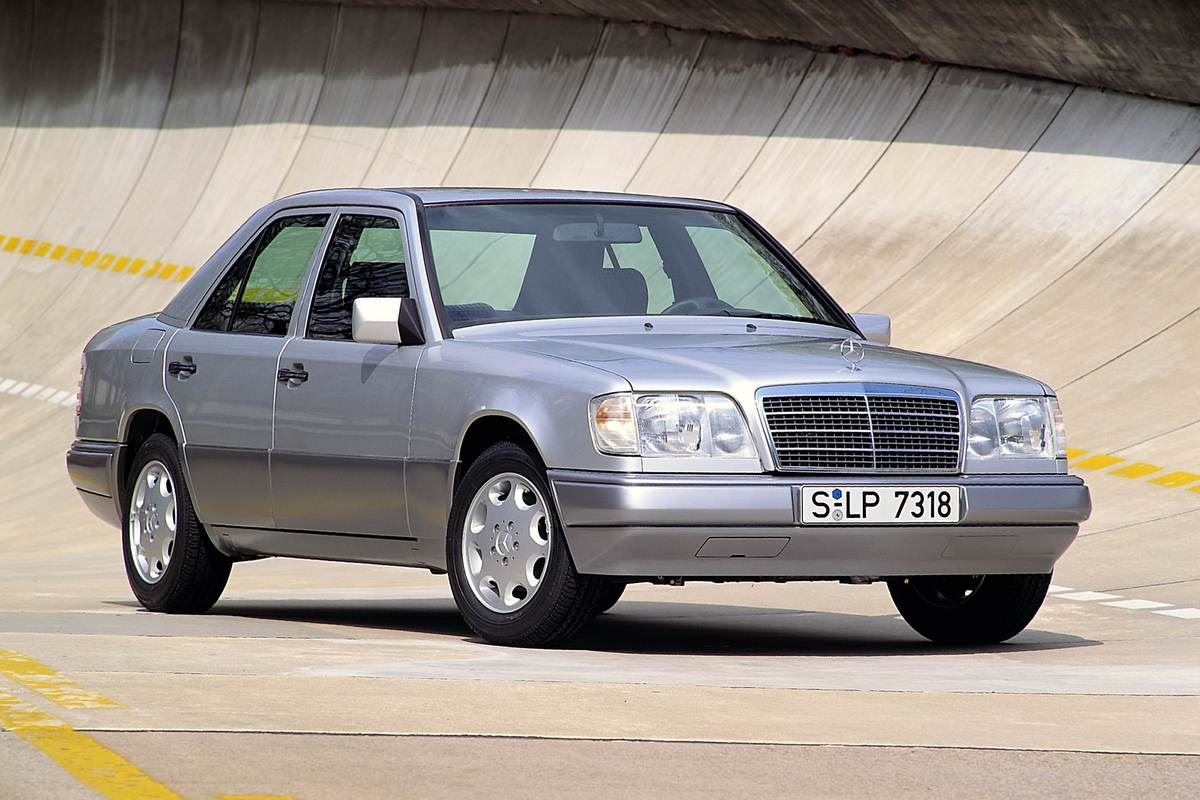
Design-wise, the W124 carried a restrained elegance that has aged remarkably well. The boxy yet aerodynamic shape reflected Mercedes’ commitment to functional design, while the interior emphasized ergonomics and high-quality materials.
Thick leather seats, durable switchgear, and impeccable build quality meant many examples remain in excellent condition decades later.
Because the W124 was produced in large numbers and parts remain widely available, repair costs are typically manageable.
Combined with its modest market value today, insurers often treat the W124 similarly to mainstream sedans rather than high-end luxury cars.
2. Lexus LS400 (1990–2000)
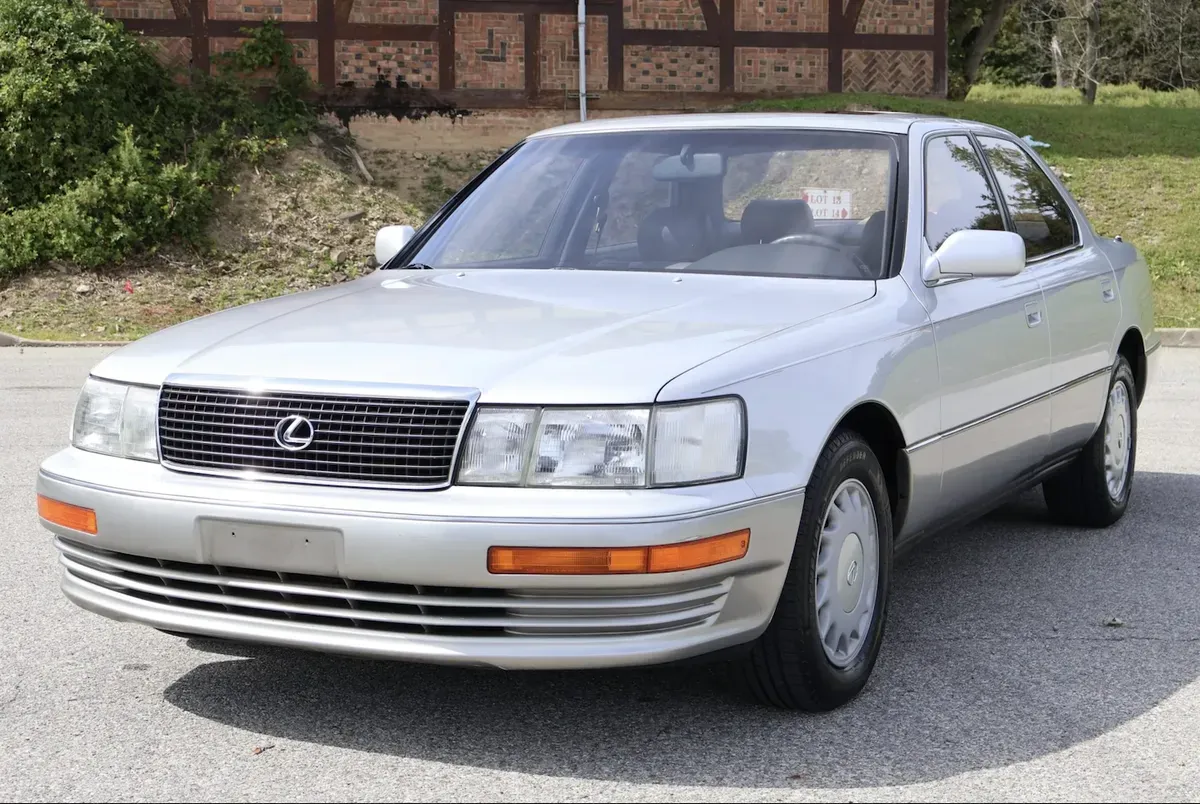
When Lexus launched the LS400 in 1989 for the 1990 model year, it fundamentally changed the luxury sedan market.
Designed to compete directly with European flagships such as the Mercedes S-Class and BMW 7 Series, the LS400 delivered exceptional build quality and reliability at a competitive price.
For modern owners, its reputation for dependability makes it a surprisingly inexpensive luxury car to insure.
At the heart of the LS400 was Toyota’s legendary 1UZ-FE 4.0-liter V8. The engine delivered smooth, refined power while maintaining excellent reliability.
Unlike many performance-focused luxury cars, the LS400 prioritized quietness and comfort rather than aggressive driving characteristics, which insurance companies typically view favorably.
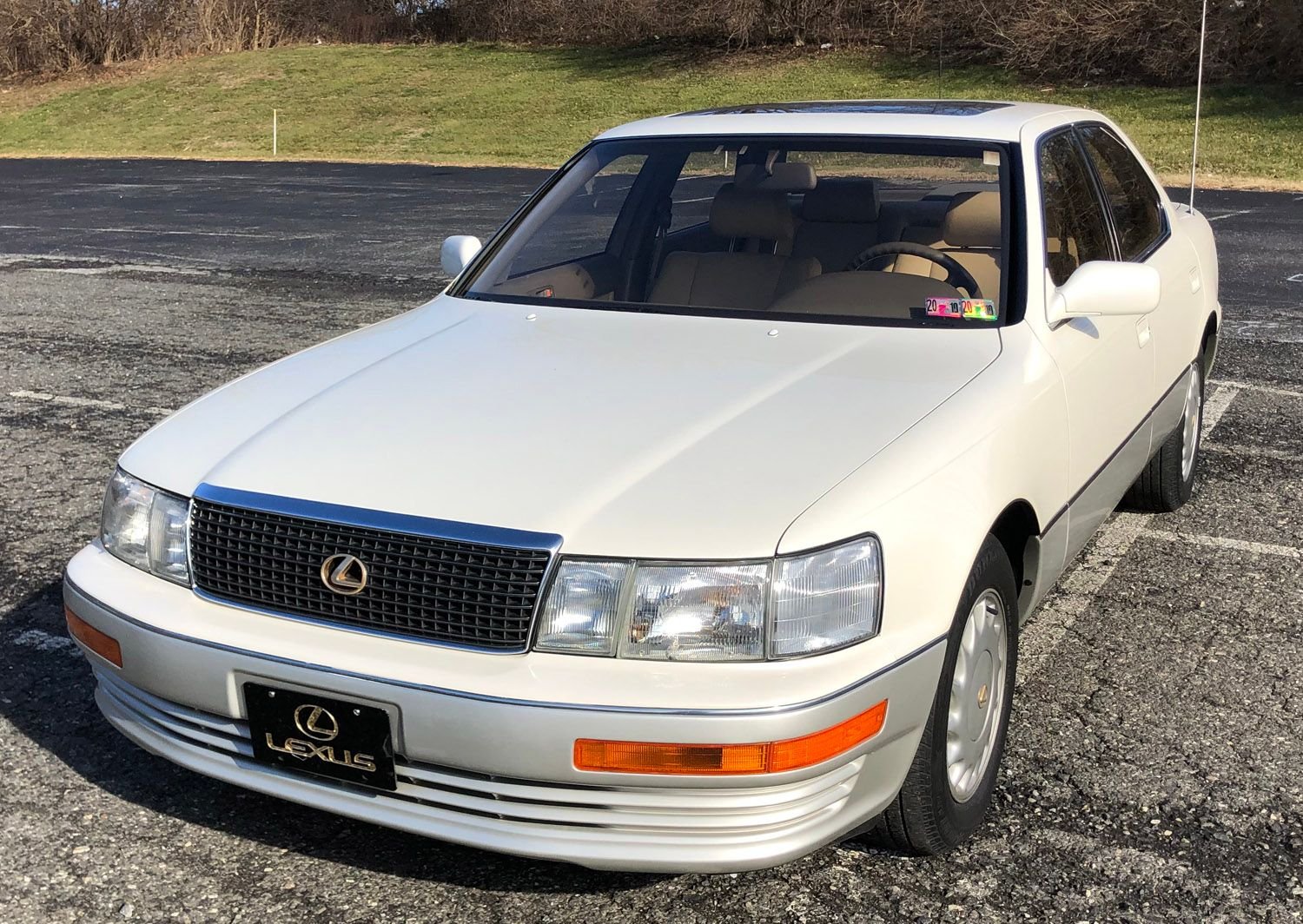
The LS400 also featured impressive safety engineering for its time, including strong crash protection and advanced braking systems.
Its conservative styling, long wheelbase, and understated presence reflected Lexus’ mission to emphasize refinement rather than flash.
Today, many LS400 models remain mechanically sound with relatively low repair costs thanks to Toyota’s engineering philosophy and strong parts availability.
Their modest resale values further reduce the financial risk for insurers, which often results in surprisingly reasonable premiums for such a prestigious vehicle.
3. Lincoln Town Car (1990–2011)
The Lincoln Town Car, produced from 1990 through 2011 in its later generations, represents one of the last traditional American full-size luxury sedans built on a body-on-frame platform.
Introduced during a time when many manufacturers were transitioning to smaller, more complex luxury vehicles, the Town Car maintained a classic formula centered on comfort, durability, and smooth V8 performance.
Its reputation for reliability and widespread use in limousine and fleet service helped make it one of the most recognizable luxury sedans on American roads for more than two decades.
The Town Car traces its roots back to earlier Lincoln models of the 1970s and 1980s, but the 1990 redesign marked a major turning point in the model’s development.
Ford’s luxury division sought to modernize the car’s appearance and aerodynamics while preserving the spacious interior and relaxed driving character that had long defined the nameplate.
Built on Ford’s Panther platform, which it shared with the Ford Crown Victoria and Mercury Grand Marquis, the Town Car used a traditional body-on-frame construction that emphasized durability and ease of repair.
This robust architecture was a major reason the car became popular with limousine operators, taxi fleets, and executive transportation services.
Under the hood, the Town Car used Ford’s dependable 4.6-liter modular V8 engine for most of its production run beginning in the early 1990s.
This overhead-cam engine produced power outputs typically ranging from around 190 to more than 230 horsepower depending on the model year and tuning. While not designed as a performance vehicle, the V8 delivered smooth and quiet power ideal for long-distance cruising.
Power was sent to the rear wheels through a four-speed automatic transmission, following a traditional front-engine, rear-wheel-drive layout that contributed to the car’s balanced ride quality and towing capability.
The chassis design focused heavily on comfort. The Town Car featured a long wheelbase and a suspension system tuned for smooth highway travel, often incorporating air suspension in the rear to maintain consistent ride height regardless of passenger or luggage load.
The result was a remarkably soft ride that absorbed road imperfections with ease, reinforcing the car’s reputation as a comfortable long-distance cruiser.
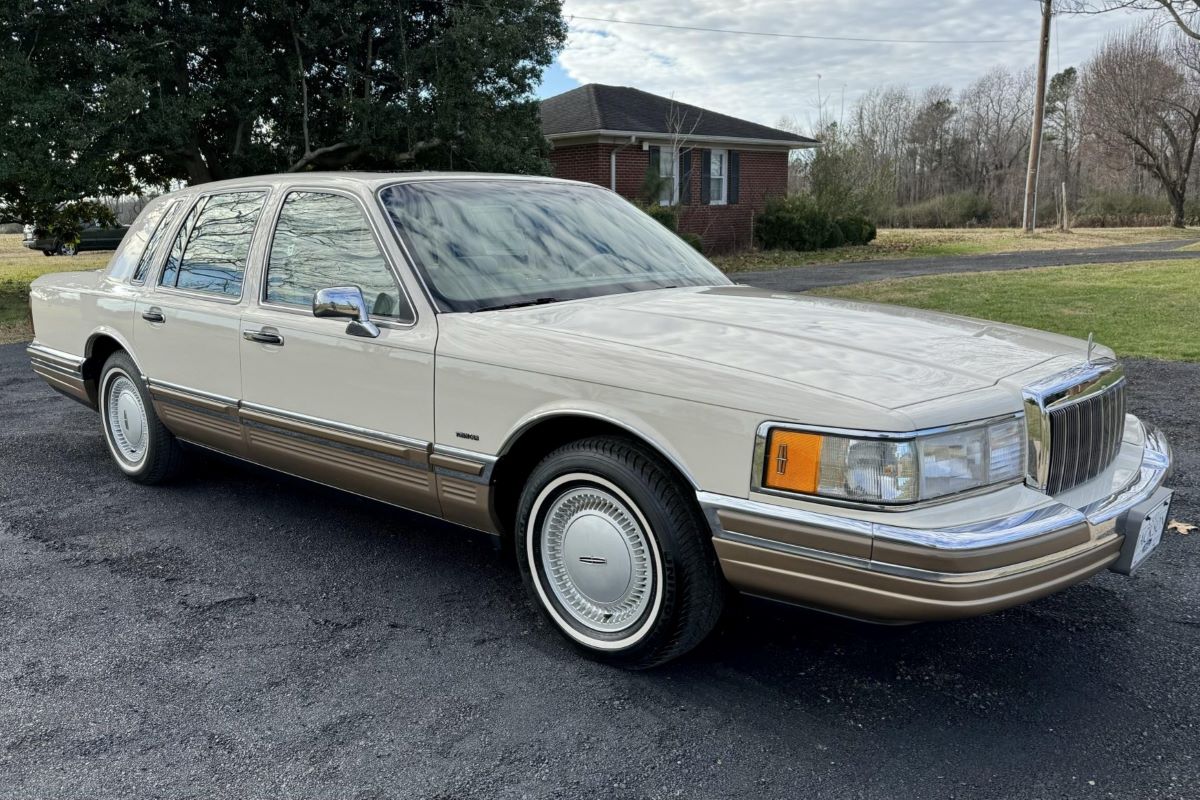
Stylistically, the Town Car emphasized classic American luxury proportions with a large chrome grille, a long hood, and a formal roofline that created a stately presence.
The interior reflected the same philosophy, offering wide bench seating or plush bucket seats, wood trim, and generous legroom in both rows.
Within the context of luxury classics that are surprisingly affordable to insure, the Lincoln Town Car stands out for its practical ownership characteristics. Its modest performance figures, reputation for durability, and strong parts availability often result in lower insurance costs compared with many luxury vehicles.
Combined with its spacious design and traditional American V8 character, the Town Car offers an accessible way for enthusiasts to experience full-size luxury without the high insurance premiums typically associated with premium or high-performance classic automobiles.
Another factor that keeps insurance costs reasonable is the Town Car’s demographic.
The vehicle has historically been driven by older, more conservative drivers, and it rarely appears in accident statistics involving aggressive driving. This reputation can positively influence insurance pricing.
Inside, the Town Car delivers classic American comfort with large bench seats, soft suspension tuning, and generous interior space.
Because millions were produced and parts are plentiful, maintenance and repairs are relatively affordable, which insurance companies take into account when calculating premiums.
4. Jaguar XJ8 (1998–2003)
Jaguar’s XJ8 from the late 1990s and early 2000s represents a blend of traditional British luxury and modern engineering.
Built on the X308 platform, the XJ8 retained the brand’s iconic styling while introducing a more refined and reliable powertrain than some earlier Jaguar models.
The centerpiece of the XJ8 was the AJ-V8 engine, a 4.0-liter V8 designed to deliver smooth power and refined performance. While capable of strong acceleration, the engine emphasized refinement over outright speed, which helps maintain reasonable insurance costs.
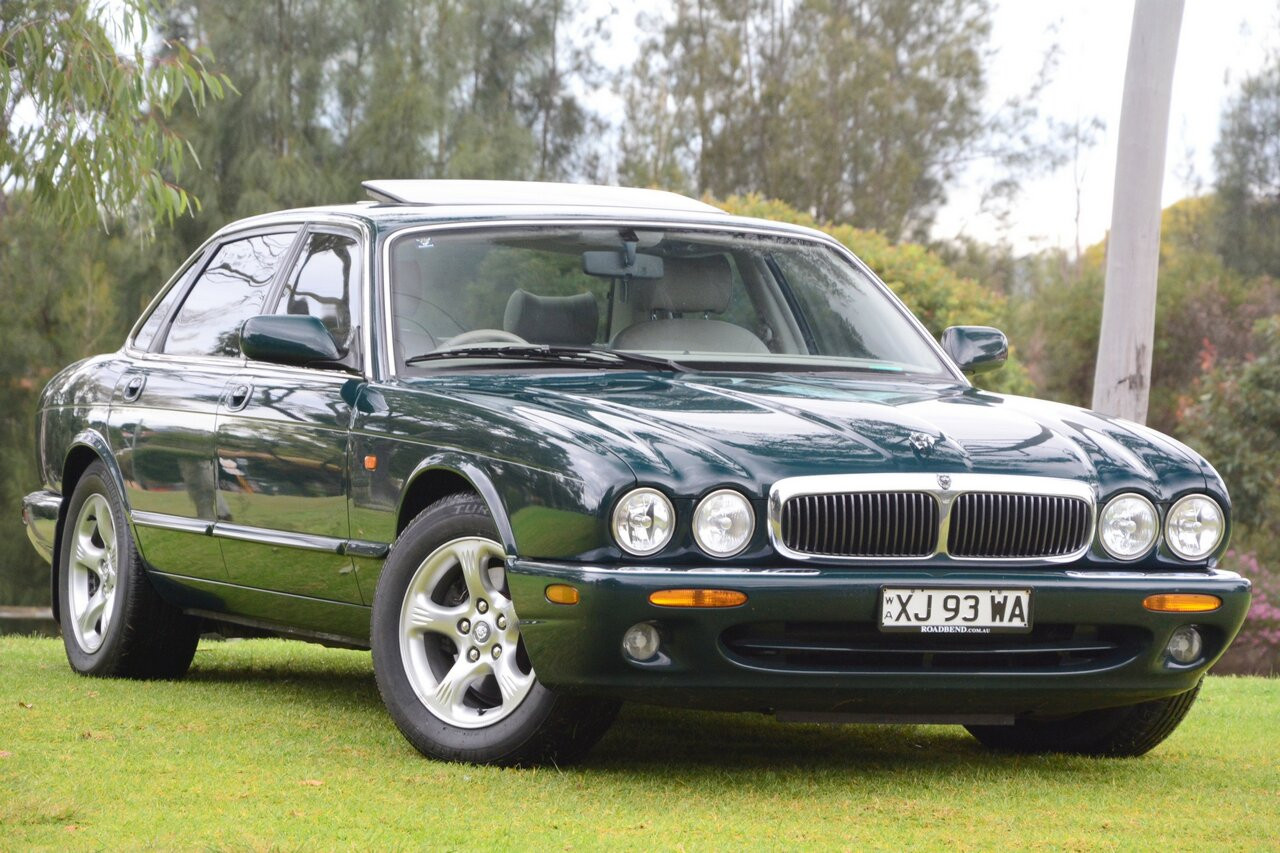
Jaguar’s elegant design language gave the XJ8 a timeless appearance. The long hood, graceful roofline, and classic grille evoke decades of British luxury tradition.
Inside, wood trim and leather upholstery created a sophisticated environment that rivaled far more expensive vehicles.
Because the XJ8 has depreciated significantly since its original release, replacement values today are relatively low compared with modern luxury sedans.
Insurance companies often base premiums partly on vehicle value, so this depreciation can make coverage more affordable than many buyers expect.
5. Cadillac DeVille (1994–2005)
The Cadillac DeVille produced between 1994 and 2005 represents one of the final chapters of Cadillac’s traditional American luxury sedan formula, combining spacious comfort with increasingly modern engineering.
During this period the DeVille served as Cadillac’s flagship front-wheel-drive luxury sedan, positioned as a refined yet practical alternative to European executive cars.
With its emphasis on comfort, reliability, and moderate performance rather than outright speed, the DeVille remains a compelling luxury classic that often carries surprisingly affordable insurance costs for modern collectors and enthusiasts.
The mid-1990s redesign marked an important evolution for the DeVille nameplate. Cadillac engineers modernized the platform with updated electronics, improved safety systems, and a more aerodynamic body design that reflected the brand’s gradual transition toward contemporary styling.
Despite these changes, the DeVille retained the characteristics that had long defined Cadillac luxury: a spacious interior, a smooth ride, and effortless highway cruising.
The car remained popular among buyers seeking traditional American comfort while benefiting from the technological improvements introduced during the 1990s and early 2000s.
Under the hood, the DeVille was powered by Cadillac’s Northstar V8 engine, a sophisticated aluminum powerplant that debuted in the early 1990s. The Northstar featured dual overhead camshafts and four valves per cylinder, representing a significant technological step forward compared with earlier pushrod Cadillac engines.
Displacement measured 4.6 liters, and depending on the model and trim level, output typically ranged from about 275 horsepower in the standard DeVille to roughly 300 horsepower in the more performance-oriented DeVille Touring Sedan (DTS).
Power was delivered to the front wheels through a four-speed automatic transmission, a layout that emphasized smooth acceleration and interior packaging efficiency.
The DeVille’s chassis design prioritized ride comfort above all else. A long wheelbase and carefully tuned suspension allowed the car to absorb road imperfections while maintaining stability on long highway drives.
Electronic ride control systems and advanced braking technology further enhanced safety and handling, reflecting Cadillac’s effort to modernize its flagship sedan without abandoning the traditional luxury experience.
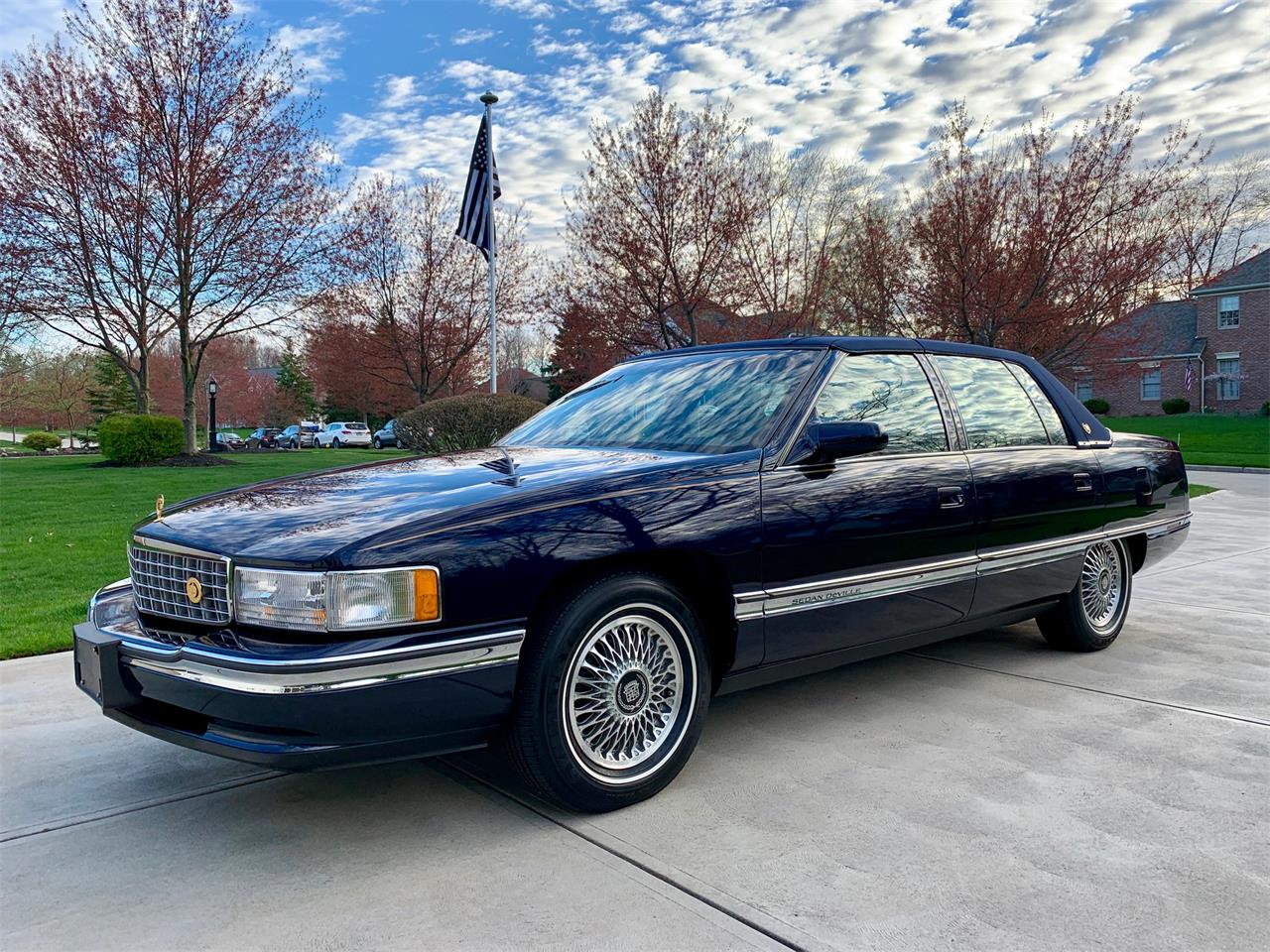
The DeVille’s front-wheel-drive platform contributed to stable, predictable handling characteristics. Insurance companies tend to favor vehicles with predictable driving behavior and strong safety records, which can help moderate premiums.
Interior comfort was a major selling point. Plush seating, large digital displays in later models, and a smooth ride quality made the DeVille popular among drivers seeking traditional American luxury.
Because these vehicles were produced in large numbers, parts availability and repair familiarity among mechanics remain strong.
Today, the DeVille’s relatively low resale value and widespread availability help keep insurance costs manageable compared with more exotic luxury cars.
6. Volvo 960 (1992–1997)
Volvo built its reputation on safety, durability, and understated luxury, and the Volvo 960 exemplifies these traits.
Introduced as the brand’s flagship sedan in the early 1990s, the 960 offered premium comfort while maintaining Volvo’s traditional focus on engineering integrity.
The 960 featured an inline-six engine that delivered smooth performance without excessive horsepower. Paired with a rear-wheel-drive layout and well-tuned suspension, the car provided a balanced driving experience focused on comfort and stability rather than speed.
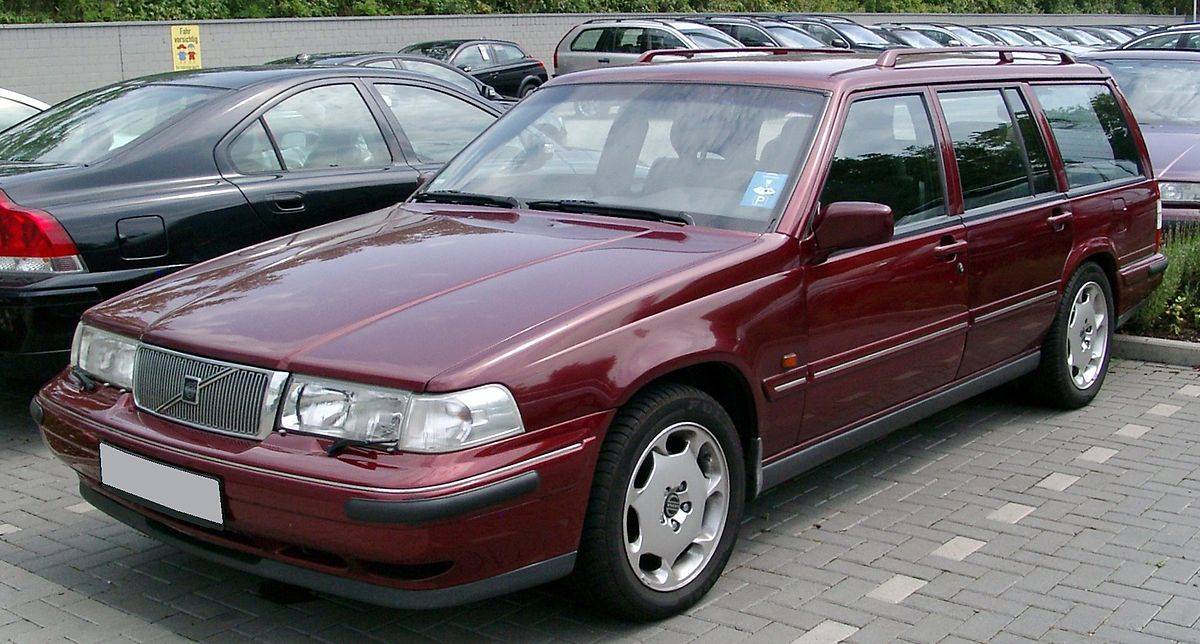
Safety innovations played a major role in the 960’s design. Volvo equipped the car with advanced crash protection systems, reinforced body structures, and effective braking technology. These safety features contribute positively to insurance risk assessments.
Styling remained conservative but elegant, with Volvo’s signature boxy design emphasizing practicality and durability. The interior featured comfortable seating, clear instrumentation, and high-quality materials designed for long-term use.
Because the Volvo 960 is now several decades old and holds modest market value, insurance companies typically consider it a low-risk vehicle to insure.
7. Acura RL (1996–2004)
The Acura RL produced from 1996 to 2004 represents an important chapter in the evolution of Japanese luxury sedans in the American market.
Introduced as the successor to the Acura Legend, the RL was designed to offer premium comfort, advanced engineering, and long-term reliability in a segment traditionally dominated by European brands.
During its production era, Acura emphasized refinement, build quality, and technological sophistication rather than high-performance driving dynamics. Those characteristics have helped the RL age into a luxury classic that often carries surprisingly reasonable insurance costs compared with more performance-focused vehicles.
The RL debuted for the 1996 model year on a new platform developed by Honda’s luxury division to replace the popular Legend. Acura engineers focused on improving structural rigidity, safety systems, and interior refinement while maintaining the smooth driving character that had made earlier models successful.
The car was positioned as Acura’s flagship sedan throughout the late 1990s and early 2000s, competing with executive sedans from Lexus, Infiniti, and European manufacturers. Rather than pursuing aggressive styling or high horsepower figures, Acura concentrated on delivering a comfortable, technologically advanced luxury experience.
Power for the RL came from a 3.5-liter V6 engine known internally as the C35A. This aluminum, single-overhead-cam engine used Honda’s variable valve timing technology to deliver smooth and efficient performance.
Output was approximately 210 horsepower in early models and increased to around 225 horsepower in later versions after a mid-cycle update. While not designed as a sports sedan, the engine provided adequate power for highway cruising and daily driving.
The drivetrain used a front-engine, front-wheel-drive layout paired with a four-speed automatic transmission, a configuration that prioritized interior space and predictable handling.
The RL’s chassis was engineered to deliver a balanced combination of comfort and stability. Independent suspension at all four corners helped absorb road imperfections while maintaining composure on long drives.
Acura also incorporated a range of electronic safety and convenience technologies that were becoming increasingly common in luxury vehicles during this era. These systems contributed to the car’s reputation for dependable everyday usability.
Stylistically, the Acura RL adopted a conservative design approach that emphasized clean lines and understated elegance. The body featured a smooth, aerodynamic profile with restrained chrome accents and a recognizable Acura grille.
Within the context of luxury classics that are surprisingly affordable to insure, the Acura RL stands out for several practical reasons. Its moderate performance levels, strong reputation for reliability, and relatively low theft rates often result in lower insurance premiums than more exotic luxury vehicles.
Combined with its comfortable interior and long-term durability, the RL provides an accessible way for enthusiasts to experience late-1990s luxury engineering without the higher ownership costs that often accompany premium classic sedans.
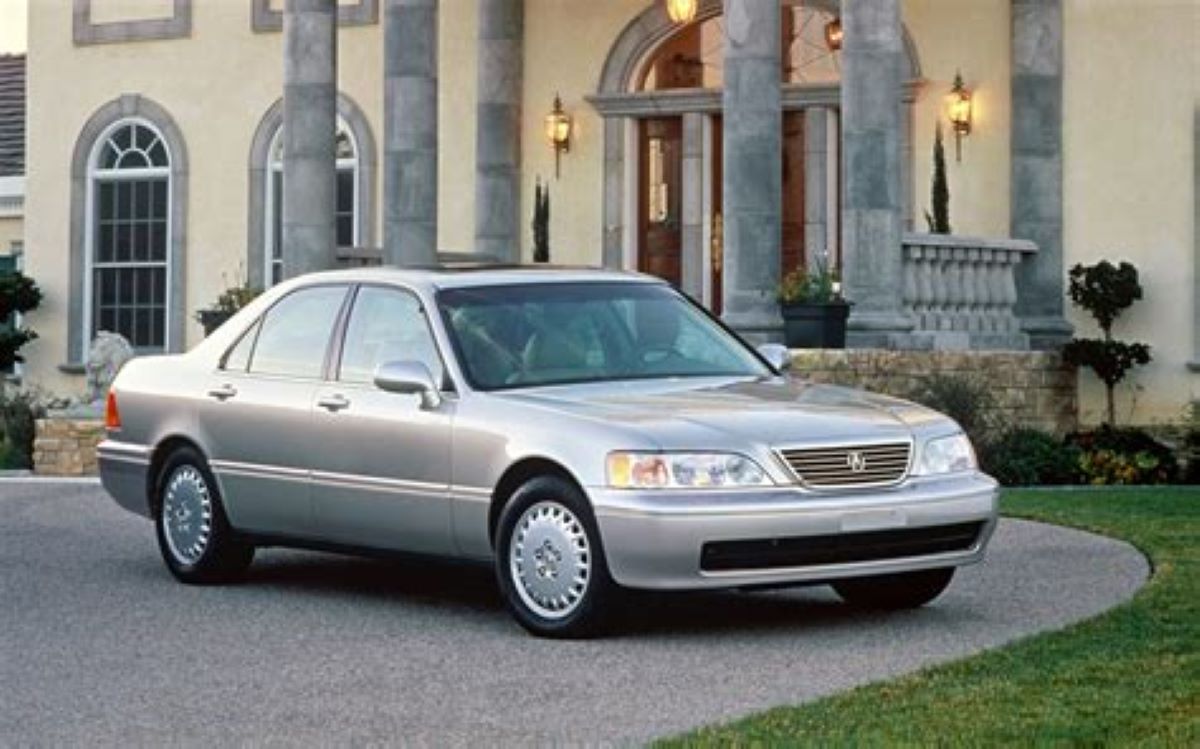
Acura’s emphasis on reliability also helped keep long-term ownership costs low. The RL offered a comfortable and technologically advanced interior for its time.
Features such as premium audio systems, navigation technology in later models, and high-quality materials created a luxurious driving environment.
Because the RL was never positioned as a high-performance luxury car, it generally avoids the risk factors that drive insurance costs upward.
Combined with Honda’s reputation for reliability and relatively low repair costs, the RL can be surprisingly inexpensive to insure today.
8. Buick Park Avenue (1991–2005)
The Buick Park Avenue served as Buick’s flagship luxury sedan for much of the 1990s and early 2000s. Known for its quiet ride, spacious interior, and dependable engineering, the Park Avenue appealed to buyers seeking understated luxury rather than performance.
Under the hood, many Park Avenue models featured the highly respected 3.8-liter Buick V6 engine. This powertrain delivered smooth acceleration and impressive durability, earning a reputation as one of General Motors’ most reliable engines.
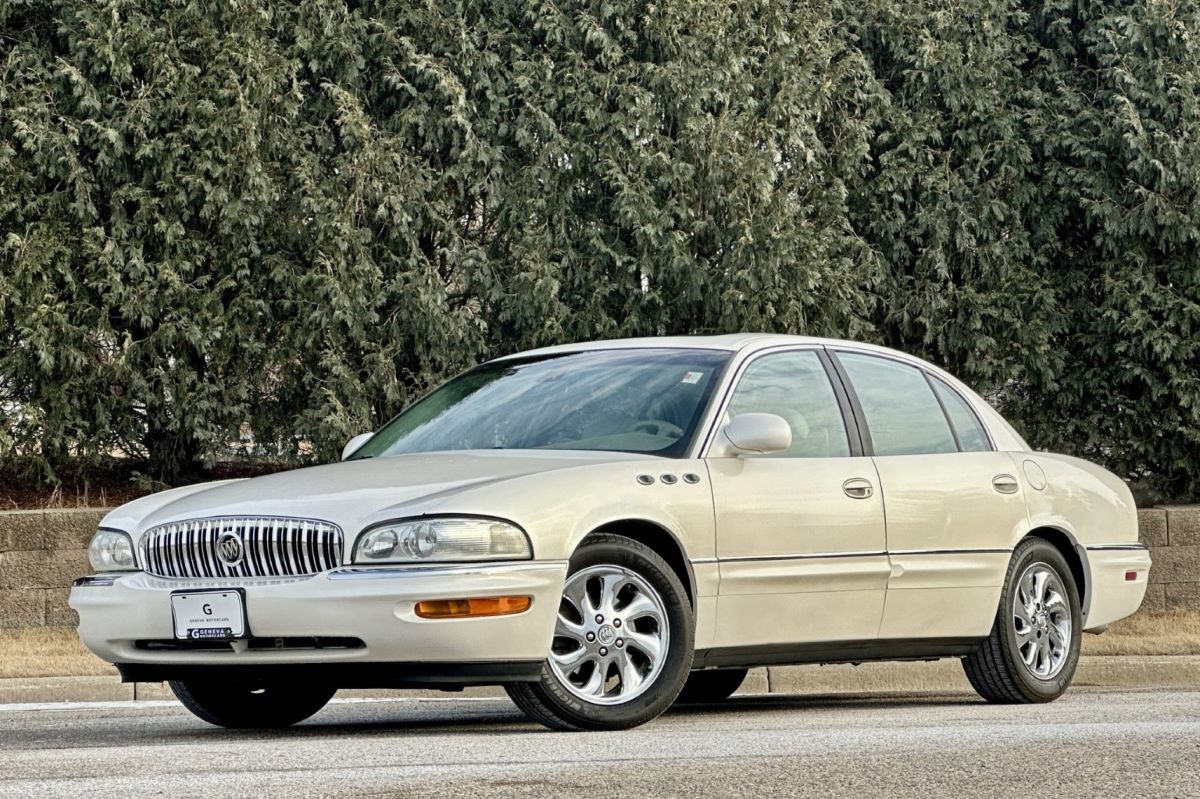
The Park Avenue’s design emphasized comfort and refinement. Its long wheelbase provided generous interior space, while the suspension tuning prioritized a smooth, relaxed driving experience.
Insurance companies often consider such vehicles lower risk compared with performance-oriented luxury models.
Because the Park Avenue has depreciated significantly and remains widely available on the used market, replacement values are relatively low.
Combined with the car’s reputation for reliability and conservative driving characteristics, this makes the Park Avenue one of the more affordable luxury classics to insure.
