Classic cars are remembered for their styling, engineering, and driving character, but many enthusiasts overlook a small yet fascinating part of automotive history: the factory tool kit.
Before modern roadside assistance programs and dealer service networks became widespread, automakers often included comprehensive tool kits with their vehicles so owners could perform basic maintenance themselves.
These kits typically lived in leather rolls, metal boxes, or custom compartments and contained specialized tools designed specifically for that vehicle’s mechanical layout.
In some cases, the tool kits were nearly as carefully engineered as the cars themselves.
For collectors today, original factory tool kits are a prized detail. A classic car that still retains its original tools, often stamped with the manufacturer’s logo, can command higher prices at auctions and concours events.
The tools reflect an era when owners were expected to understand their machines, adjust carburetors, change spark plugs, and tighten bolts on the roadside if necessary.
Some manufacturers went further by including rare or uniquely shaped tools designed specifically for hard-to-reach components.
While many vintage cars came with basic wrenches and screwdrivers, a few stood out for the quality, completeness, and craftsmanship of their factory kits.
These were not afterthoughts; they were extensions of the brand’s philosophy.
From meticulously organized European leather rolls to elaborate boxed sets from luxury manufacturers, these classic cars came with some of the best factory tool kits ever supplied with a production vehicle.
1. Ferrari 250 GTO (1962–1964)
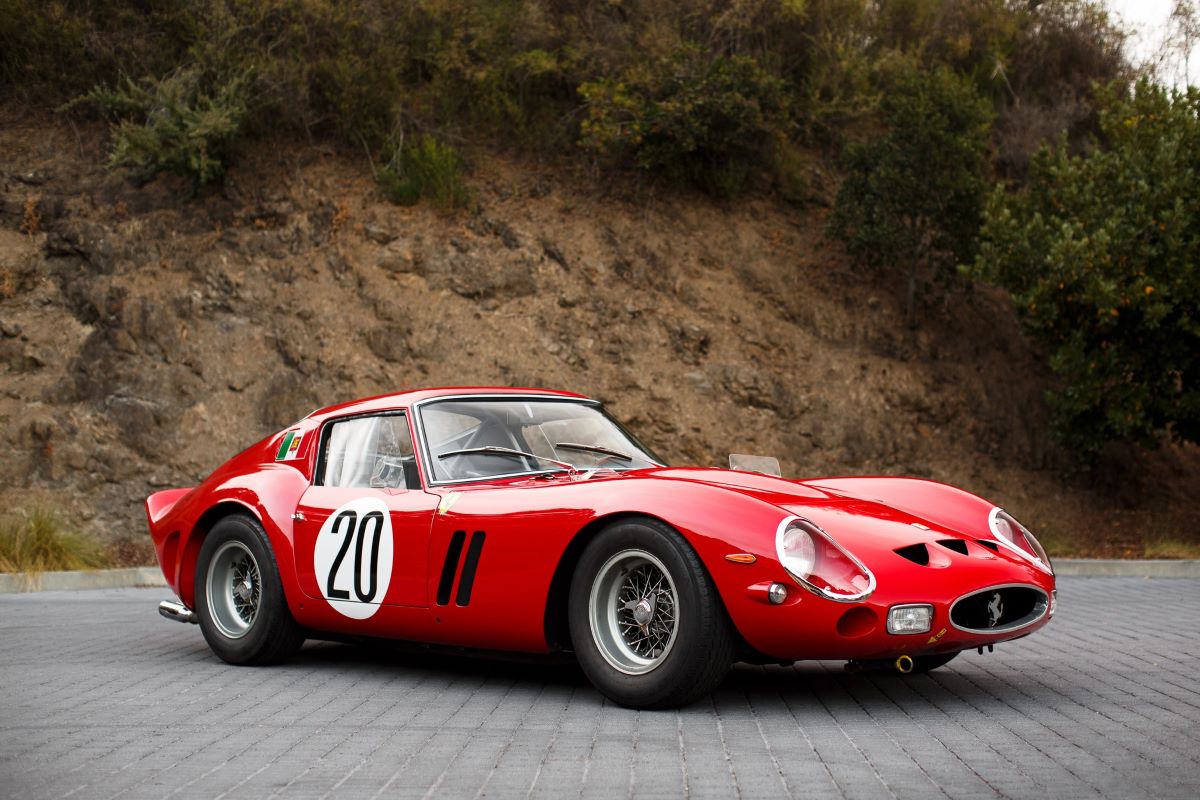
The Ferrari 250 GTO, produced between 1962 and 1964, is widely regarded as one of the most significant and valuable automobiles ever built.
Developed during a period when Ferrari was dominating international GT racing, the 250 GTO represented the ultimate evolution of the company’s 250-series competition cars.
Engineers led by Giotto Bizzarrini refined the platform with a stronger chassis, improved aerodynamics, and a more powerful version of Ferrari’s renowned Colombo V12 engine. Only 36 examples were produced between 1962 and 1964, making the car extraordinarily rare even when new.
Intended primarily for private racing teams and favored Ferrari clients, the GTO quickly established itself as one of the most competitive GT racers of its era, securing multiple championship victories throughout the early 1960s.
At the heart of the Ferrari 250 GTO was a 3.0-liter naturally aspirated V12 engine derived from the long-running Colombo design.
This engine featured a single overhead camshaft per bank and was fed by six Weber carburetors, producing approximately 296 horsepower. The high-revving V12 delivered its power through a five-speed manual transmission driving the rear wheels.
The car followed a traditional front-engine, rear-wheel-drive layout, but its lightweight construction and balanced chassis gave it remarkable performance for the time.
A tubular steel frame supported the mechanical components, while the suspension system used independent front suspension and a live rear axle with carefully tuned geometry to maintain stability at high speeds.
Visually, the 250 GTO became an instant icon thanks to its sculpted aluminum bodywork, which was shaped with aerodynamic efficiency in mind.
The long hood, aggressive front air intakes, and sweeping fastback roofline were not merely aesthetic choices but functional elements designed to improve airflow and high-speed stability on race circuits.
The cockpit reflected the car’s competition purpose, featuring minimal interior trim and instrumentation focused on essential driving information.
Despite its racing focus, Ferrari provided the 250 GTO with a carefully assembled factory tool kit intended to support maintenance and minor repairs during competition events. These kits typically included specialized tools, wrenches, screwdrivers, and service equipment tailored to the car’s mechanical components.
For racing teams and owners traveling between events, having a dedicated set of factory tools ensured that basic adjustments and repairs could be performed quickly without relying on external equipment.
Within the context of classic cars known for exceptional factory tool kits, the Ferrari 250 GTO stands out because its tools were designed to support a vehicle that was effectively a race car for the road.
The inclusion of a comprehensive, purpose-built toolkit reflected the practical realities of motorsport in the 1960s, when drivers and mechanics often needed to service their cars trackside. The GTO’s factory toolkit represents an integral part of the car’s heritage, complementing one of the most celebrated racing machines ever produced.
The tools themselves were high-quality European pieces, often produced by respected suppliers such as Beta or Ferrari’s own contractors.
Today, a complete original tool roll for a 250 GTO can fetch tens of thousands of dollars on its own, highlighting how significant these kits have become in the collector world.
2. Mercedes-Benz 300SL Gullwing (1954–1957)
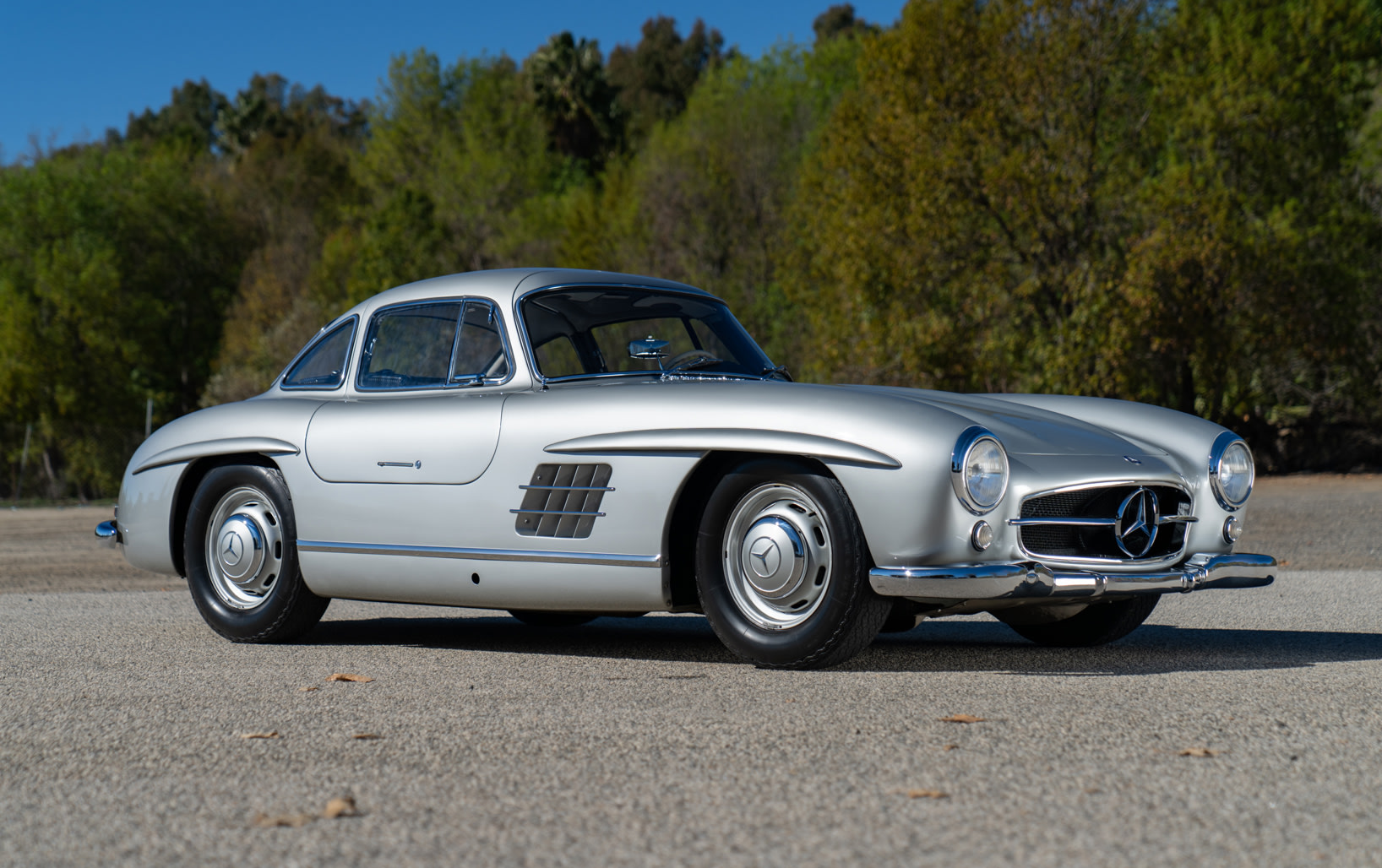
The Mercedes-Benz 300SL Gullwing, produced between 1954 and 1957, stands as one of the most celebrated sports cars of the twentieth century and a landmark in the evolution of high-performance engineering.
Introduced during a period when European manufacturers were rebuilding their reputations after World War II, the 300SL brought race-derived technology directly to a production automobile.
The car quickly gained international acclaim not only for its advanced mechanical design but also for its dramatic upward-opening doors, which gave the model its famous “Gullwing” nickname.
The 300SL’s development grew out of Mercedes-Benz’s highly successful W194 racing program of the early 1950s. Encouraged by victories in events such as the 24 Hours of Le Mans and the Carrera Panamericana, Mercedes engineers sought to adapt the racing platform for a limited-production road car.
American importer Max Hoffman played a critical role in convincing the company that a production sports car based on the race-winning design could succeed in the U.S. market. The resulting 300SL debuted at the 1954 New York Auto Show and immediately became one of the most advanced production sports cars of its era.
At the heart of the 300SL was a 3.0-liter inline-six engine equipped with Bosch mechanical fuel injection, a system adapted from aviation technology. This direct fuel injection allowed the engine to produce approximately 215 horsepower, a remarkable output for the mid-1950s.
The engine was mounted at a slight angle to lower the car’s hood line and improve aerodynamics. Power was delivered to the rear wheels through a four-speed manual transmission, following a traditional front-engine, rear-wheel-drive layout.
The car’s lightweight tubular spaceframe chassis provided exceptional rigidity while keeping overall weight relatively low, although the frame’s high door sills necessitated the distinctive gullwing doors.
The design of the 300SL was both functional and visually striking. Its long hood, smooth aerodynamic body panels, and low stance reflected careful aerodynamic development aimed at maximizing high-speed stability.
The aluminum bodywork wrapped tightly around the chassis, giving the car a sleek, purposeful appearance that remains instantly recognizable decades later. Inside, the cabin was designed with performance in mind, featuring supportive seating, large instrumentation, and a steering wheel that could tilt outward to help drivers enter the car due to the high door sills.
Despite its racing pedigree, Mercedes-Benz equipped the 300SL with a well-organized factory tool kit intended for routine maintenance and roadside adjustments.
These kits typically included specialized wrenches, screwdrivers, and service tools neatly packaged in leather rolls or dedicated storage compartments.
For owners driving the car long distances, particularly in the era before modern roadside assistance, having a factory-supplied toolkit allowed basic mechanical work to be performed without professional equipment.
3. Porsche 356 (1948–1965)
Porsche’s early cars were designed with motorsport in mind, and the Porsche 356 reflected that philosophy. Its factory tool kit was compact but extremely functional.
Stored in a brown leather or vinyl roll, the kit included Hazet-made wrenches, a spark plug socket, pliers, screwdrivers, a fan belt, and even a small feeler gauge for adjusting valves.
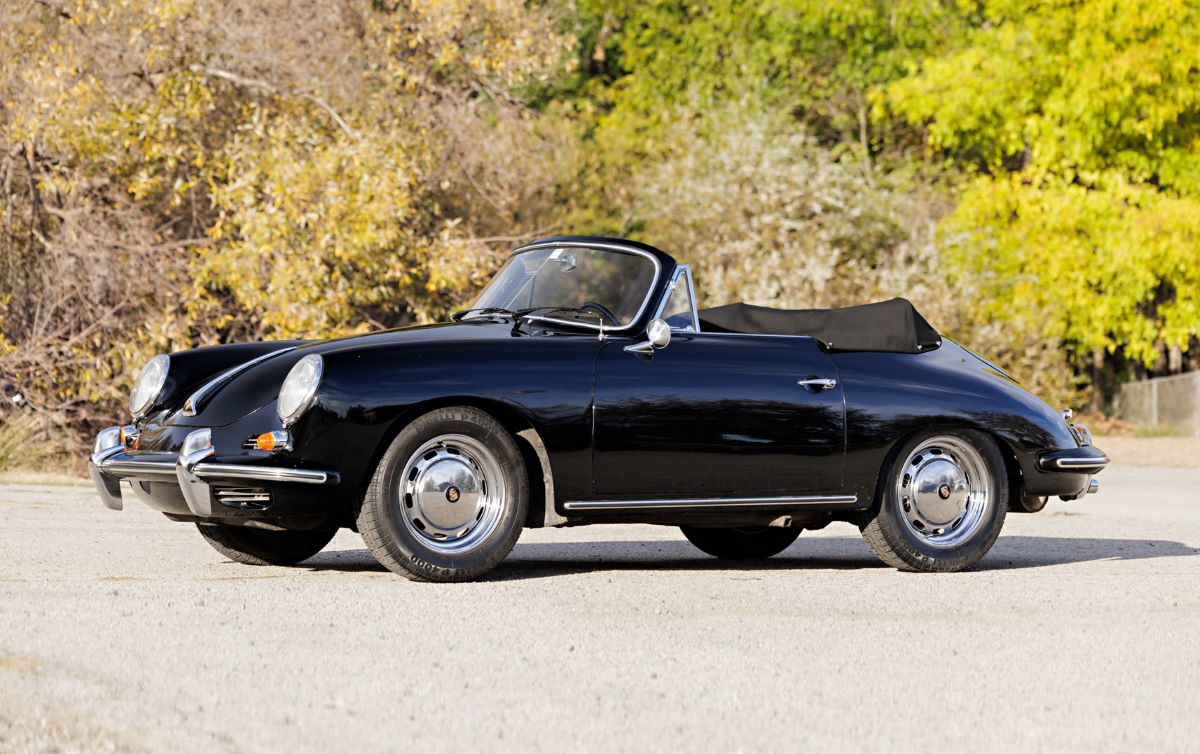
Porsche engineers knew owners were likely to perform maintenance themselves, particularly if they were racing the car on weekends. As a result, the kit contained precisely the tools needed to keep the air-cooled flat-four engine running smoothly.
Over time, variations of the 356 tool kit appeared across different production years, making them an interesting niche for collectors who specialize in Porsche authenticity.
4. Jaguar E-Type (1961–1974)
The Jaguar E-Type, produced from 1961 to 1974, remains one of the most admired sports cars ever created and a defining symbol of British automotive design during the 1960s. Introduced at the Geneva Motor Show in 1961, the E-Type immediately captivated audiences with its dramatic styling and impressive performance.
Jaguar developed the car as a road-going counterpart to its successful racing machines, combining advanced engineering with a level of affordability that allowed the model to reach a much broader audience than many exotic sports cars of the period.
The development of the E-Type drew heavily from Jaguar’s motorsport experience in the 1950s, particularly the engineering principles used in the company’s Le Mans–winning D-Type race car.
Under the direction of engineer Malcolm Sayer, the E-Type incorporated aerodynamic bodywork and a lightweight structure designed to deliver both speed and stability.
The car featured a monocoque passenger compartment paired with a tubular front subframe that supported the engine and front suspension, an advanced structural approach for a production vehicle at the time.
Powering the early E-Type was Jaguar’s renowned 3.8-liter inline-six engine, later expanded to 4.2 liters in mid-1960s models. This dual overhead-cam powerplant produced roughly 265 horsepower and delivered strong acceleration that rivaled far more expensive sports cars.
The engine was fed by triple SU carburetors and connected to a four-speed manual transmission, sending power to the rear wheels through a traditional front-engine, rear-wheel-drive layout.
Jaguar also equipped the E-Type with independent suspension at all four corners and four-wheel disc brakes, technologies that significantly improved handling and stopping power compared with many contemporaries.
The E-Type’s design became one of its most defining characteristics. The long, sculpted hood, covered headlights on early models, and sweeping fastback roofline created a profile that many consider among the most beautiful in automotive history.
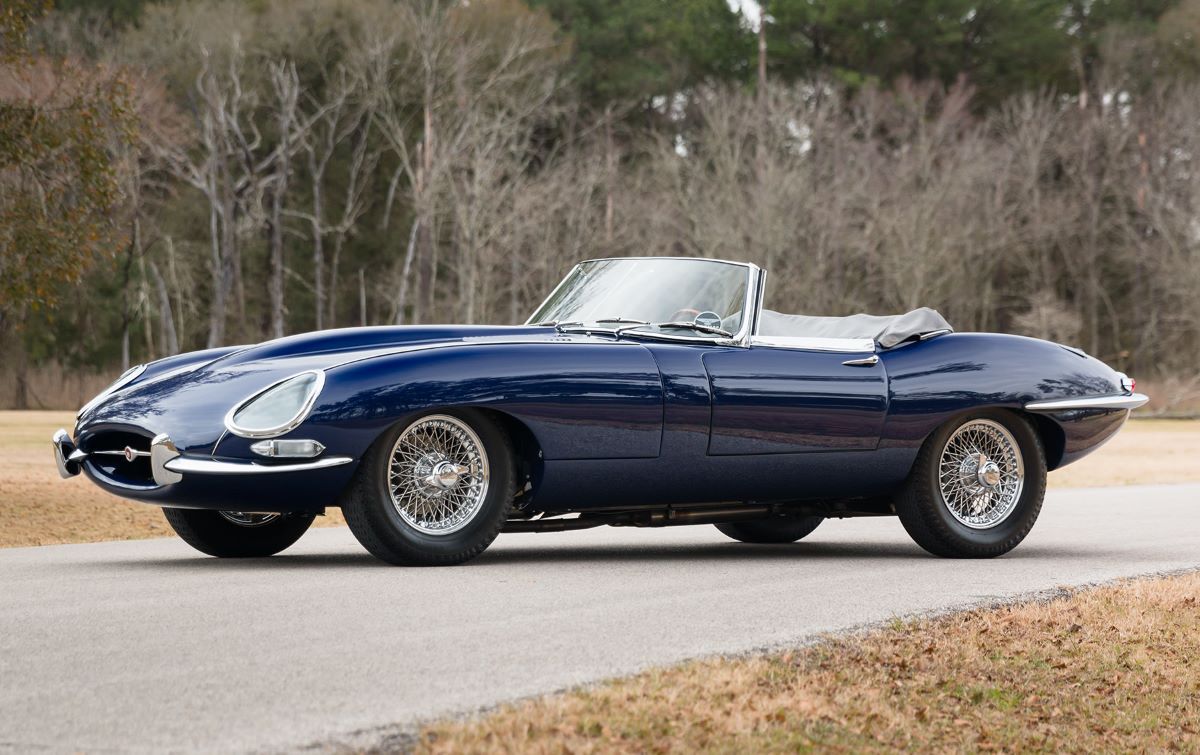
The proportions were not purely aesthetic; the elongated front end accommodated the large inline-six engine while contributing to the car’s aerodynamic efficiency. Inside, the cabin featured a driver-focused layout with classic Smiths instrumentation and a large wood-rimmed steering wheel.
In addition to its advanced engineering and striking design, the Jaguar E-Type was delivered with a carefully organized factory tool kit intended to support routine maintenance and minor repairs.
These kits typically included a selection of open-end wrenches, pliers, screwdrivers, and specialized service tools neatly stored in leather or vinyl rolls within the trunk. For sports car owners of the era, many of whom performed basic maintenance themselves, these tool kits were considered an essential part of the ownership experience.
Within the context of classic cars known for exceptional factory tool kits, the Jaguar E-Type stands out because its tools were thoughtfully designed to complement a highly sophisticated sports car.
The inclusion of a comprehensive toolkit reflected the practical needs of drivers during the 1960s, when even high-performance vehicles required occasional hands-on attention.
Combined with its groundbreaking design and engineering, the E-Type’s factory toolkit remains a fascinating detail of one of the most iconic sports cars ever produced.
Because British cars of the period used unique fastener standards, the Whitworth spanners were essential for proper maintenance. Jaguar sourced many of the tools from British manufacturer King Dick, whose stamped branding can still be seen on original kits.
The E-Type’s tool kit also reflected the car’s grand touring nature; it was designed to allow owners to perform quick roadside repairs during long drives across Europe or the United States.
5. BMW 2002 (1968–1976)
The BMW 2002 became a defining sports sedan of the late 1960s and early 1970s, and its factory tool kit exemplified German practicality. Mounted inside the trunk lid on most models, the kit was both accessible and visually distinctive.
The tools were held in place with clips and included wrenches, screwdrivers, pliers, a spark plug wrench, and a tow hook.
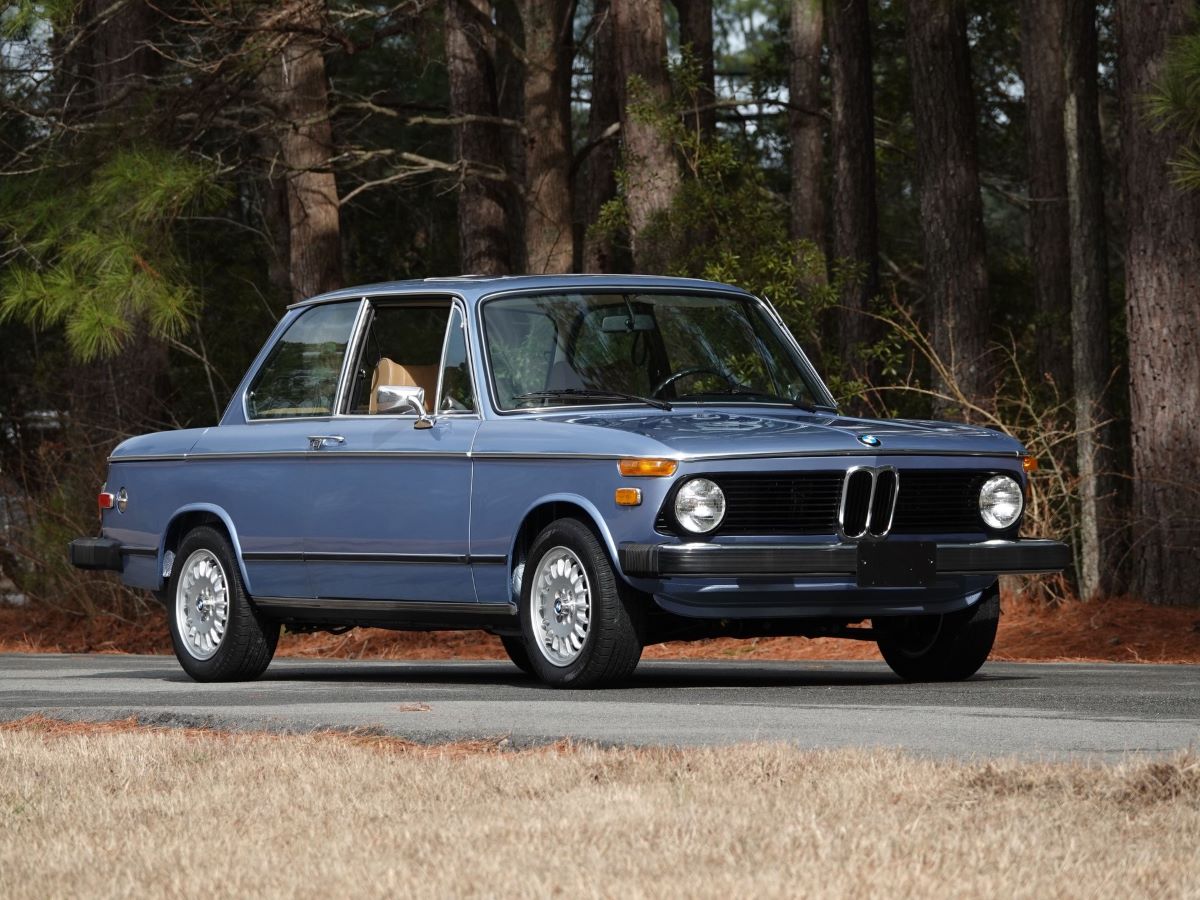
BMW designed the arrangement so drivers could immediately see if a tool was missing. Many of the pieces were supplied by Hazet or Heyco, both respected German tool manufacturers.
The inclusion of such a neatly integrated tool kit highlighted BMW’s emphasis on driver engagement and mechanical awareness.
6. Lamborghini Miura (1966–1973)
As one of the first true supercars, the Lamborghini Miura combined radical engineering with Italian craftsmanship. Its factory tool kit was equally elegant.
The tools were stored in a leather pouch or roll and often included finely finished wrenches, screwdrivers, and pliers sourced from Italian manufacturers.
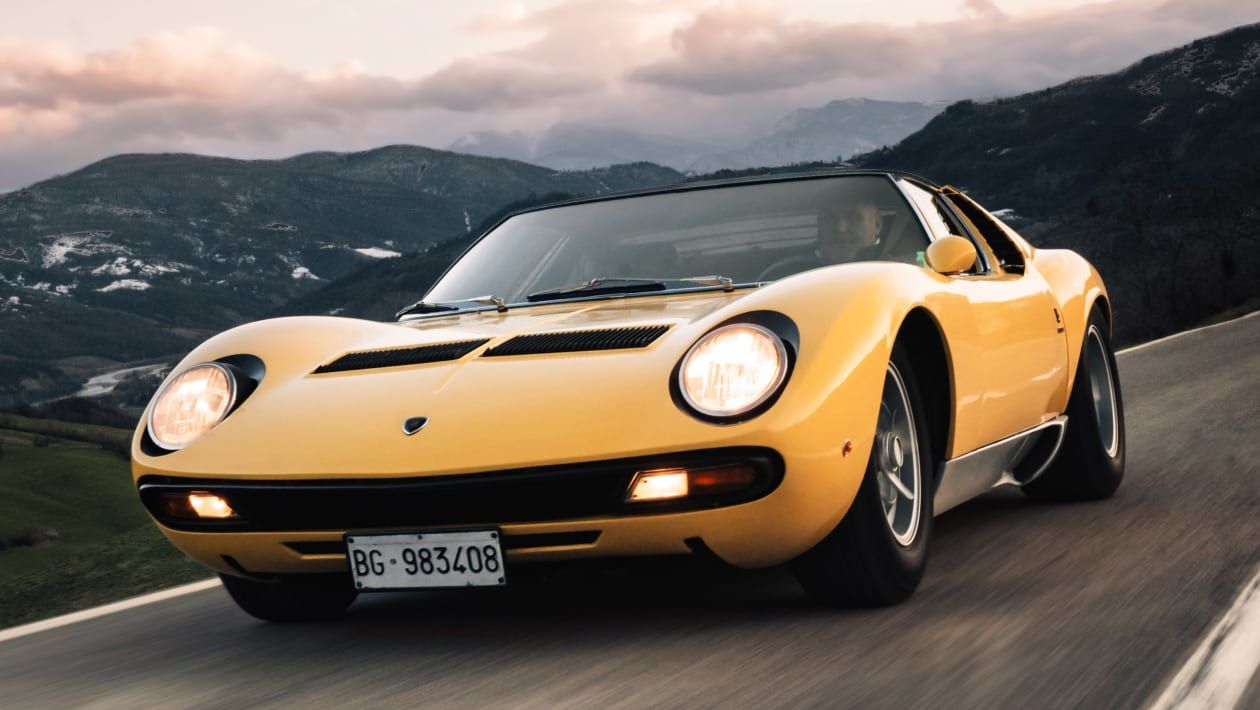
Because the Miura’s mid-engine layout made certain components difficult to access, Lamborghini included tools designed specifically for the car’s unique mechanical arrangement.
The kit complemented the Miura’s luxurious presentation while still serving a practical purpose. Today, surviving original Miura tool kits are rare and highly valued by collectors seeking to restore their cars to factory-correct condition.
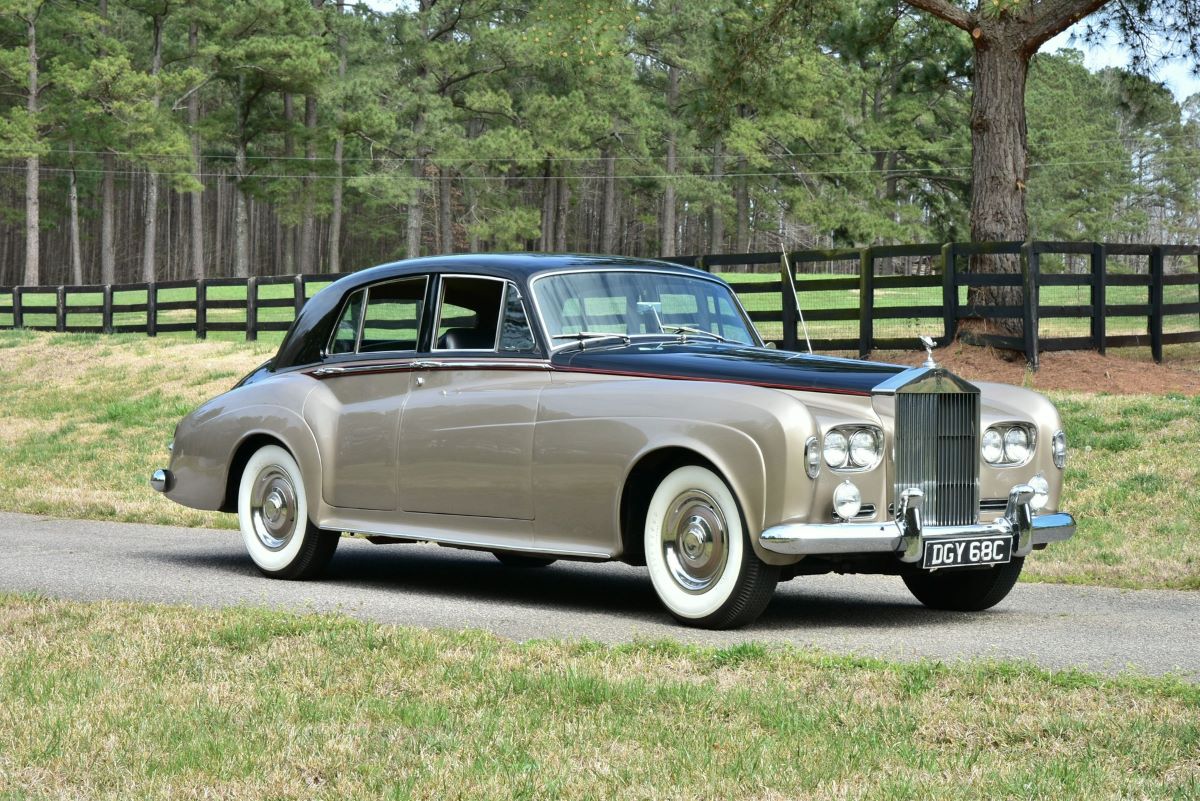
7. Rolls-Royce Silver Cloud (1955–1966)
The Rolls-Royce Silver Cloud, produced between 1955 and 1966, represents one of the most refined luxury automobiles of the postwar era and a defining model in the long tradition of British coachbuilt elegance.
Introduced as the successor to the Silver Dawn, the Silver Cloud reflected Rolls-Royce’s commitment to combining traditional craftsmanship with increasingly modern automotive engineering.
Development of the Silver Cloud coincided with a period of transition for Rolls-Royce as the company gradually modernized its manufacturing methods while preserving the hand-built character of its vehicles.
The model debuted in 1955 with a new steel body shell designed by the coachbuilder Pressed Steel Company, replacing the earlier body-on-frame construction that required extensive coachbuilding.
This change allowed Rolls-Royce to improve production efficiency while maintaining the brand’s traditional attention to detail. The result was a stately sedan that combined modern construction techniques with the elegance expected from the marque.
In 1959, the company introduced the Silver Cloud II with a new 6.2-liter aluminum V8 engine, dramatically improving power and flexibility while maintaining the brand’s trademark refinement.
These engines were paired with automatic transmissions that delivered power to the rear wheels through a traditional front-engine, rear-wheel-drive layout. The chassis featured independent front suspension and a carefully tuned rear suspension system designed to prioritize ride comfort and stability over aggressive handling.
The Silver Cloud’s design reflected Rolls-Royce’s philosophy of restrained elegance. The long hood, upright grille topped by the iconic Spirit of Ecstasy ornament, and flowing body lines created a dignified silhouette that immediately conveyed prestige.
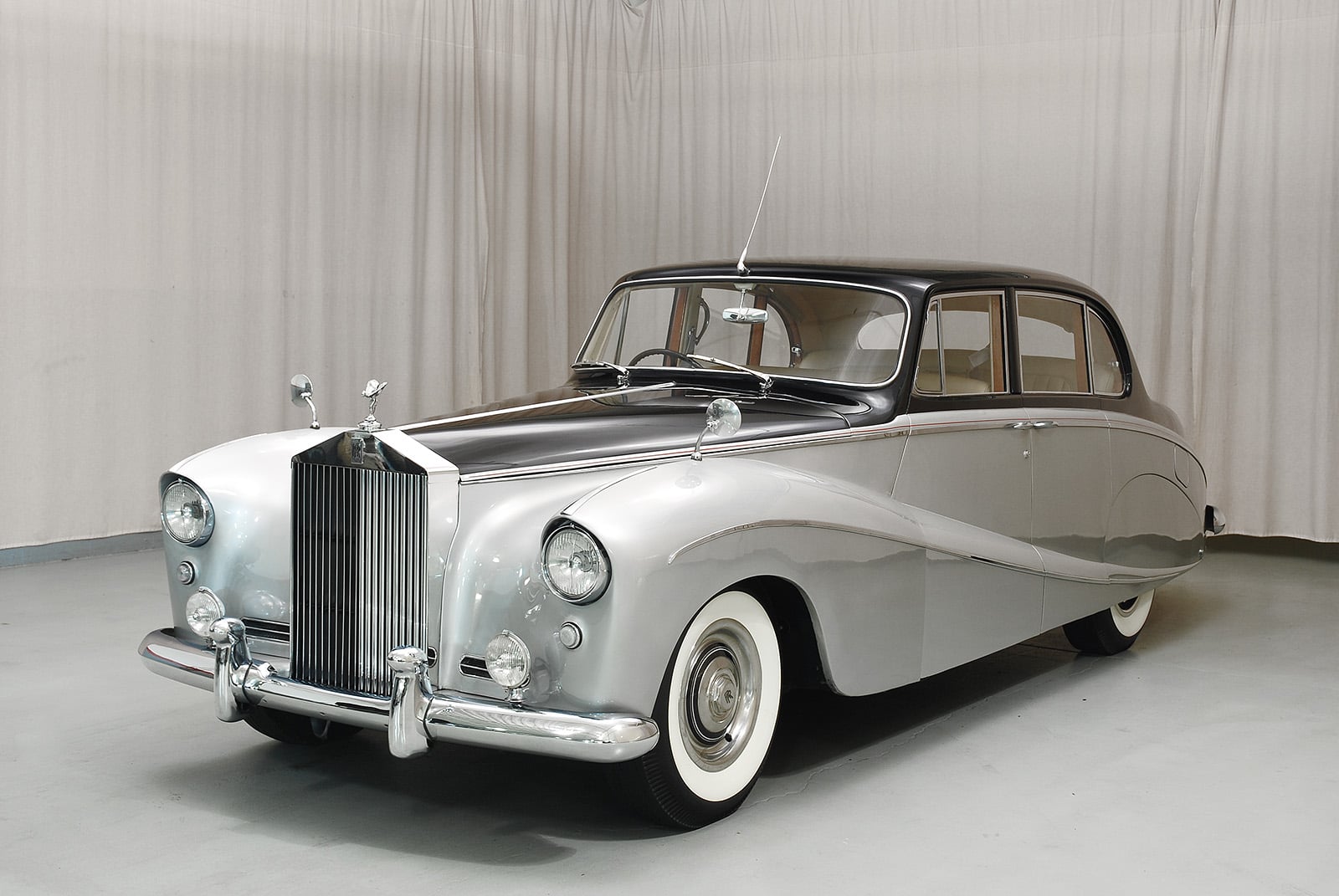
Even in a car defined by luxury rather than performance, Rolls-Royce included a carefully prepared factory tool kit intended for routine servicing and roadside adjustments.
These kits were typically organized in leather or fitted compartments and included precision tools such as wrenches, screwdrivers, and service equipment appropriate for maintaining the vehicle’s mechanical systems.
The inclusion of such a kit reflected the era’s expectation that even prestigious automobiles should be accompanied by the tools necessary for proper upkeep.
Within the context of classic cars known for exceptional factory tool kits, the Rolls-Royce Silver Cloud stands out for the quality and presentation of its tools, which matched the craftsmanship of the car itself.
The toolkit was not merely a practical accessory but a reflection of the brand’s commitment to completeness and attention to detail, reinforcing the Silver Cloud’s reputation as one of the most refined luxury automobiles of its time.
8. Chevrolet Corvette C2 (1963–1967)
America’s iconic sports car also featured a practical factory tool kit. The Corvette C2 included tools such as a lug wrench, jack handle, and other service equipment stored neatly in the rear compartment.
While not as elaborate as some European kits, the Corvette’s setup was tailored to the needs of American drivers who might find themselves far from service stations during long highway trips.
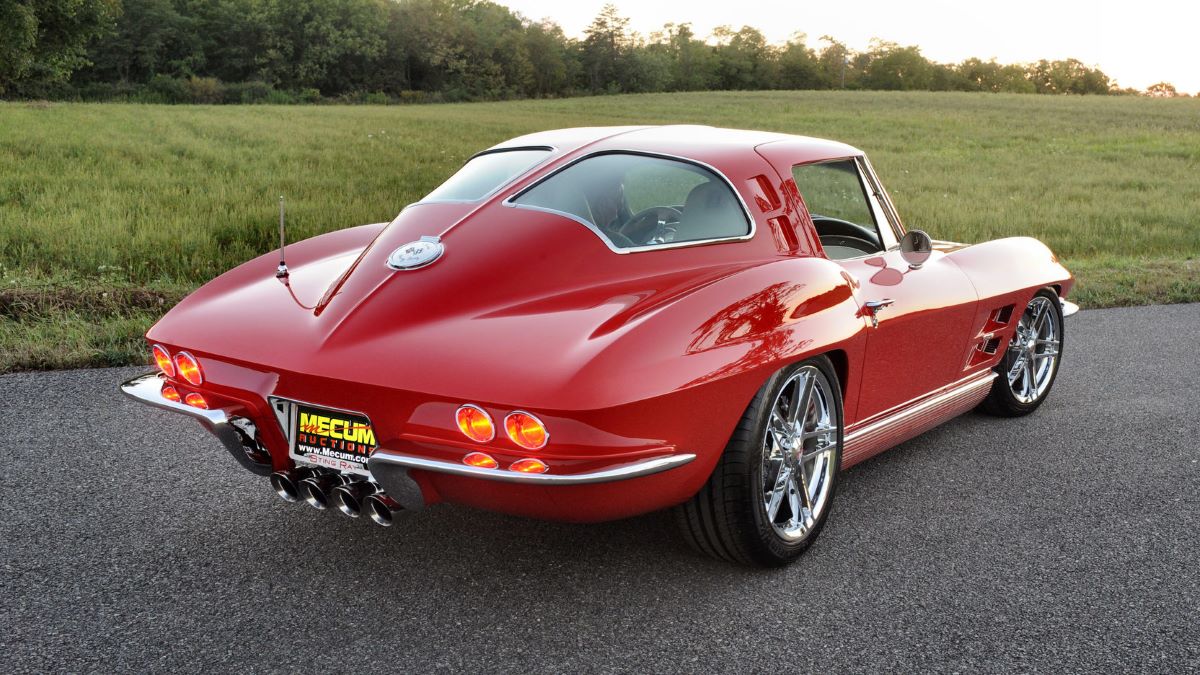
The tools were durable and designed to match the Corvette’s performance-oriented nature, ensuring owners could handle common roadside tasks like changing tires or tightening loose components.
9. Toyota 2000GT (1967–1970)
The Toyota 2000GT, produced between 1967 and 1970, represents one of the most important milestones in Japanese automotive history and remains one of the most elegant sports cars ever built.
Developed during a period when Japan’s automotive industry was striving to gain international credibility, the 2000GT demonstrated that Japanese manufacturers could compete with established European sports car builders in both engineering sophistication and design excellence
The project began in the mid-1960s as a collaboration between Toyota and Yamaha, with Yamaha assisting in engine development and aspects of chassis engineering.
Toyota’s goal was to produce a halo sports car that could showcase the company’s technical capabilities and elevate the perception of Japanese automobiles globally.
The result was a low-slung grand touring coupe that combined precision engineering with a design language inspired by contemporary European sports cars, yet distinctly refined in its own right.
Powering the Toyota 2000GT was a 2.0-liter inline-six engine derived from Toyota’s existing sedan powerplant but extensively reworked by Yamaha. The engine featured dual overhead camshafts and three Mikuni-Solex carburetors, producing approximately 150 horsepower.
The engineering of the 2000GT was remarkably advanced for a Japanese production car of the 1960s. Independent suspension at all four corners improved ride quality and handling precision, while four-wheel disc brakes provided strong and consistent stopping power.
These features helped the car achieve a level of performance and refinement that rivaled many European sports cars of the same period. The car’s balanced weight distribution and low center of gravity made it particularly capable on winding roads.
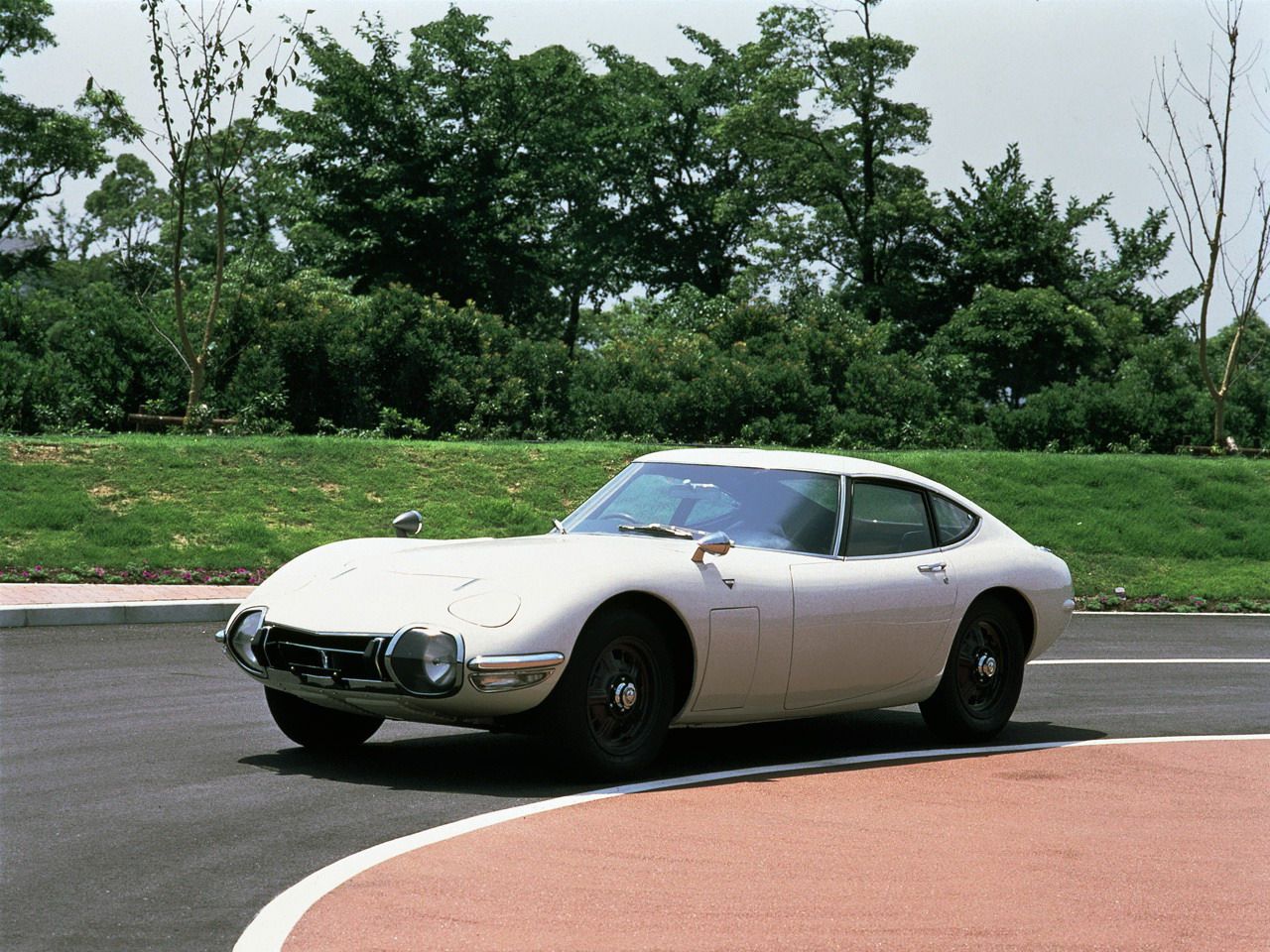
The presentation was almost jewelry-like, underscoring Toyota’s desire to show the world it could match European luxury and craftsmanship. Because only a small number of 2000GTs were built, surviving original tool kits are extremely rare and highly collectible.
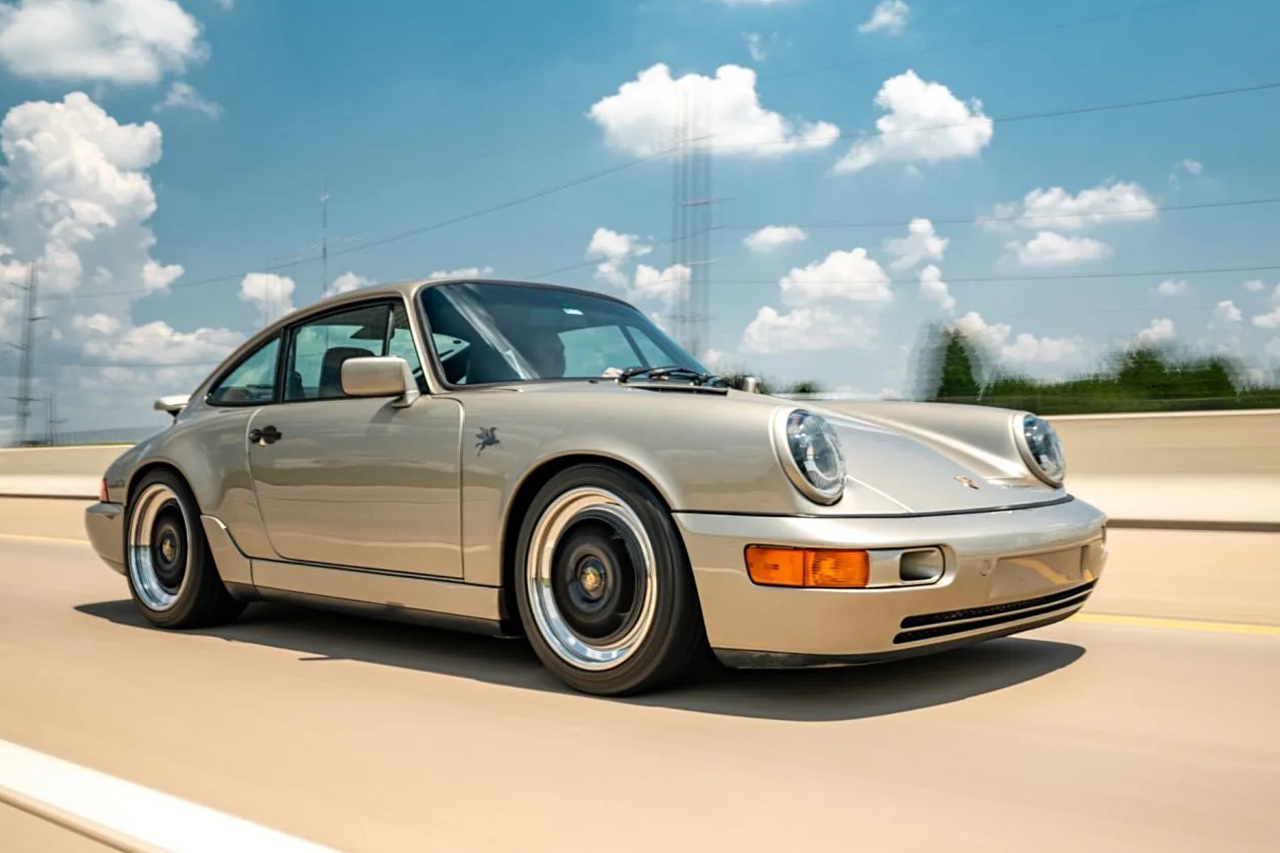
10. Porsche 911 (Early Air-Cooled Models, 1964–1989)
Few factory tool kits are as recognizable as the one supplied with early Porsche 911 models. The kit typically came in a green vinyl pouch and contained a carefully chosen set of tools, including wrenches, screwdrivers, pliers, a spark plug socket, and a fan belt.
Porsche’s engineers selected each item with the air-cooled flat-six engine in mind. Owners could perform essential maintenance tasks such as replacing the fan belt or adjusting minor components without specialized equipment.
Over the years, subtle changes in the pouch design and tool markings have become important details for Porsche collectors seeking originality.
Factory tool kits from classic cars reveal a time when automakers expected drivers to engage directly with the mechanics of their vehicles.
These kits were not generic collections of tools; they were carefully curated sets designed to complement each car’s engineering.
Today, they serve as small but meaningful artifacts of automotive history. For collectors and enthusiasts, finding a classic car with its original factory tool kit intact adds authenticity, value, and a tangible connection to the era when drivers and machines shared a much more hands-on relationship.