Limited edition trim packages have long served as a powerful marketing and engineering tool in the automotive industry.
Rather than designing an entirely new vehicle, manufacturers often introduced special trims that enhanced styling, performance, or exclusivity.
In the United States especially, these trims frequently became the most memorable versions of already popular models. They might celebrate a racing victory, commemorate an anniversary, or simply inject a bold new identity into an existing car.
During the golden age of American automobiles, from the 1960s through the early 1980s, limited edition trim packages played a major role in shaping enthusiast culture.
Many of these versions featured unique paint schemes, special badging, upgraded interiors, and mechanical improvements that made them more exciting than the standard models they were based on.
Over time, the most distinctive of these trims became collector favorites, commanding strong prices at auctions and remaining central attractions at classic car shows.
The following ten limited edition classic trim packages stand out as some of the most iconic examples ever offered, combining rarity, historical significance, and unmistakable character.
1. 1969 Dodge Charger Daytona
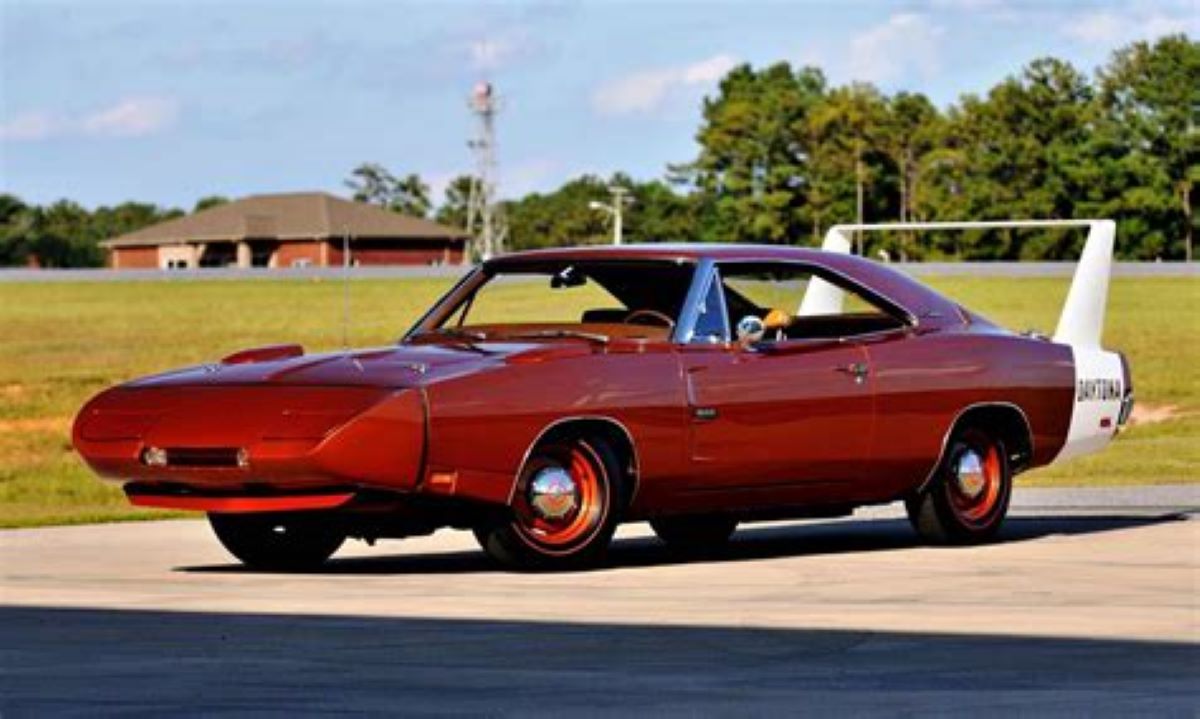
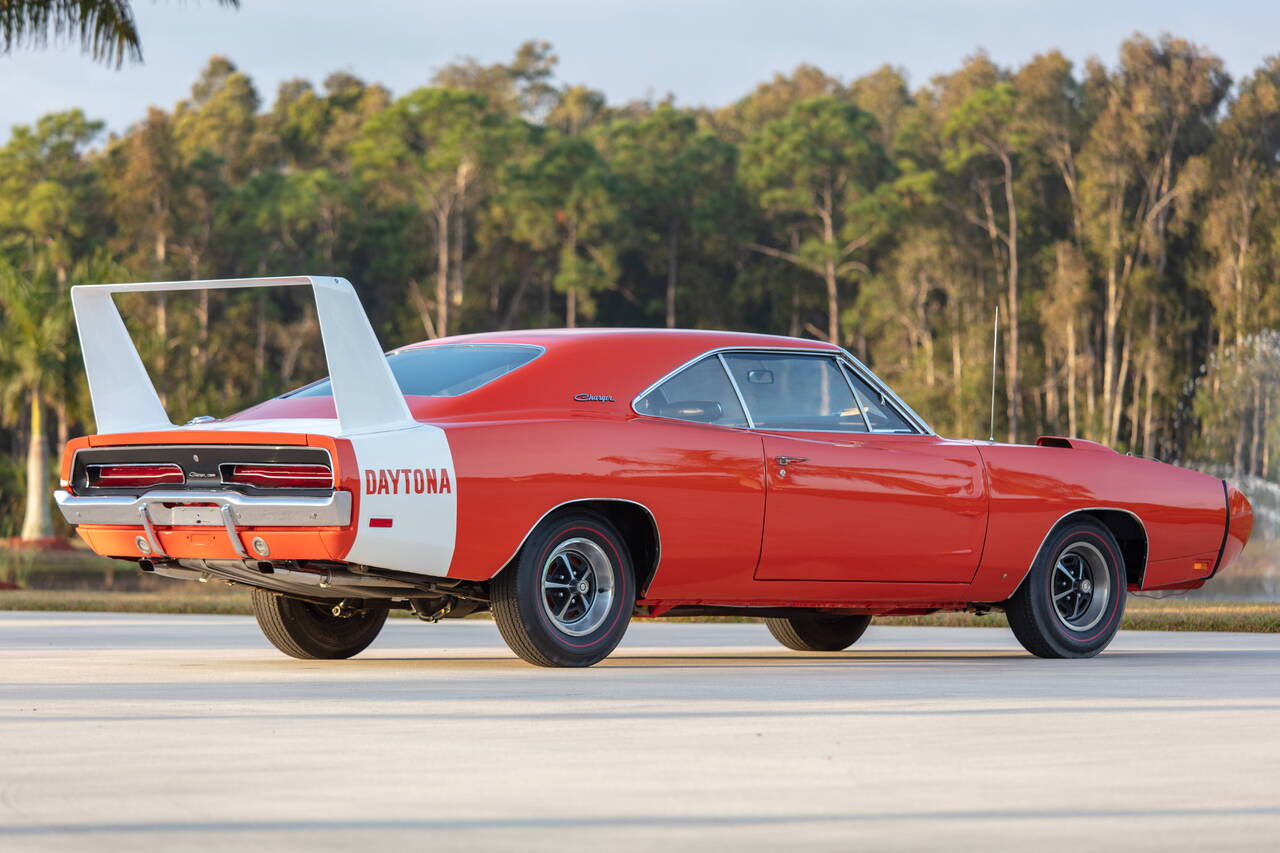
The 1969 Dodge Charger Daytona represents one of the most dramatic and recognizable limited-edition performance packages ever produced during the American muscle car era.
Introduced at the height of NASCAR’s aerodynamic arms race, the Charger Daytona was not simply a styling exercise but a highly specialized homologation model designed to dominate high-speed oval racing.
Built in extremely limited numbers, the Daytona transformed the already aggressive Dodge Charger into a purpose-built aerodynamic machine, making it one of the most iconic trim packages of the late 1960s.
The Charger Daytona was developed as Dodge’s response to aerodynamic challenges encountered in NASCAR competition. During the late 1960s, manufacturers began experimenting with body modifications that could improve high-speed stability and reduce drag on superspeedways.
Dodge engineers, working alongside Chrysler’s racing division, created a radical aerodynamic package for the Charger platform. To qualify the design for NASCAR competition, the company produced approximately 503 street-legal Daytona models in 1969, meeting the homologation requirements necessary for the race car’s approval.
Under the hood, the Charger Daytona retained the powerful engine lineup associated with Chrysler’s high-performance muscle cars. Buyers could choose between the formidable 440-cubic-inch Magnum V8 and the legendary 426 Hemi V8.
The Hemi engine, equipped with hemispherical combustion chambers and dual four-barrel carburetors, produced a factory-rated 425 horsepower, although actual output was widely believed to be higher.
What truly set the Charger Daytona apart, however, was its extraordinary aerodynamic design. The car featured a sharply pointed nose cone that replaced the standard Charger grille, reducing aerodynamic drag and improving airflow at high speeds.
At the rear, an enormous 23-inch-tall wing mounted on reinforced supports provided stability by generating downforce at racing speeds.
Visually, the Daytona’s extreme styling made it instantly recognizable. The elongated nose, towering rear wing, and bold color options such as Hemi Orange and Daytona Yellow created a dramatic presence unlike any other muscle car of the period.
2. 1970 Chevrolet Chevelle SS 454 LS6
The 1970 Chevrolet Chevelle SS 454 LS6 represents one of the most powerful and celebrated limited-edition performance packages of the American muscle car era.
Introduced during the peak years of Detroit’s horsepower competition, the LS6 option transformed the already potent Chevelle Super Sport into a street machine that bordered on race-car performance.
At a time when automakers were pushing the limits of engine output before tightening emissions and insurance pressures would soon change the industry, the Chevelle SS 454 LS6 emerged as one of the most formidable factory muscle cars ever offered to the public.
The Chevelle itself had been part of Chevrolet’s midsize lineup since 1964, but the 1970 model year brought a major redesign with more aggressive styling and expanded performance options.
Chevrolet’s Super Sport package had already established the Chevelle as a serious contender among American performance cars, yet the introduction of the LS6 engine option elevated the car to legendary status.
Designed primarily for enthusiasts seeking maximum performance, the LS6 package was offered in relatively limited numbers compared with standard Chevelle production, making it one of the most desirable factory trim packages of the era.
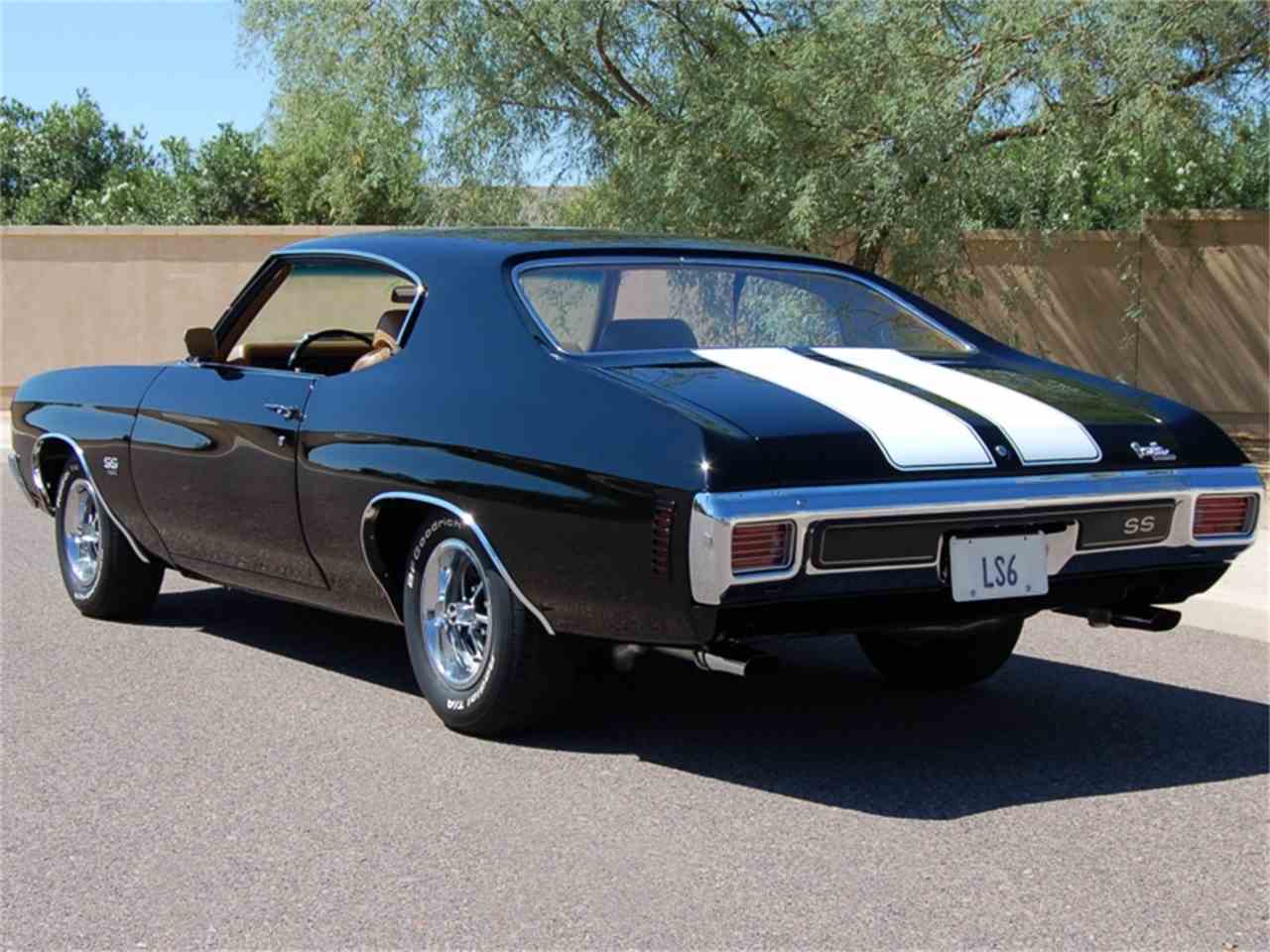
At the heart of the Chevelle SS 454 LS6 was Chevrolet’s massive 454-cubic-inch big-block V8 engine. This powerplant featured high-performance components including forged pistons, a high-lift camshaft, and an 11.25:1 compression ratio.
Officially rated at 450 horsepower and 500 lb-ft of torque, the LS6 engine was one of the most powerful engines Chevrolet ever installed in a production vehicle.
Many enthusiasts believe the actual output was even higher, as manufacturers of the time often reported conservative horsepower figures.
The engine was paired with either a four-speed manual transmission or a three-speed Turbo Hydra-Matic automatic, delivering power to the rear wheels through a traditional front-engine, rear-wheel-drive layout.
The Chevelle’s chassis and suspension were engineered to handle the immense power of the LS6 engine. The Super Sport package included heavy-duty springs, upgraded shock absorbers, and performance-oriented suspension tuning that improved stability during acceleration and cornering.
Power front disc brakes were also part of the package, helping drivers manage the car’s impressive performance capabilities.
3. 1965 Shelby GT350
The 1965 Shelby GT350 represents one of the most significant performance-oriented trim packages ever applied to an American production car.
Developed through a collaboration between Ford and legendary racing driver Carroll Shelby, the GT350 transformed the newly introduced Ford Mustang from a stylish pony car into a serious competition-ready performance machine.
Built in limited numbers and designed with racing homologation in mind, the GT350 quickly earned a reputation as one of the most capable American sports cars of the mid-1960s.
The origins of the GT350 trace back to Ford’s desire to strengthen the Mustang’s presence in motorsports, particularly in Sports Car Club of America (SCCA) competition.
Carroll Shelby, already famous for his work with the Shelby Cobra, was tasked with modifying the standard Mustang fastback into a high-performance variant capable of competing in the SCCA B-Production class.
Shelby American received Mustang fastbacks directly from Ford and re-engineered them extensively to improve performance, handling, and durability. The resulting vehicle debuted in 1965 as the Shelby GT350, immediately setting a new benchmark for American factory-backed performance packages.
Under the hood, the GT350 featured a heavily modified version of Ford’s 289-cubic-inch small-block V8 engine. Shelby engineers upgraded the engine with a high-performance intake manifold, a larger Holley four-barrel carburetor, and numerous internal improvements designed to enhance airflow and durability under racing conditions.
The engine produced approximately 306 horsepower, a significant increase over the standard Mustang V8. Power was delivered to the rear wheels through a four-speed manual transmission, reinforcing the car’s driver-focused character.
The GT350 retained the traditional front-engine, rear-wheel-drive layout but benefited from significant chassis enhancements that dramatically improved handling.
The suspension system received extensive upgrades, including stiffer springs, heavy-duty shock absorbers, and a lowered ride height that improved cornering stability.
Shelby also added a larger front anti-roll bar and modified steering components to deliver sharper response on winding roads or race circuits.
These improvements transformed the Mustang from a comfortable street car into a serious performance machine capable of competing successfully against European sports cars of the era.
Visually, the 1965 Shelby GT350 adopted a purposeful and distinctive design that set it apart from standard Mustangs. The car was finished exclusively in Wimbledon White with bold blue racing stripes running across the hood, roof, and trunk.
Additional visual cues included a fiberglass hood with functional air scoop, unique wheels, and subtle GT350 badging. Inside, the cabin emphasized performance with a wood-rim steering wheel, auxiliary gauges, and minimal luxury features.
Within the context of classic vehicles known for iconic limited-edition trim packages, the 1965 Shelby GT350 stands out because its modifications went far beyond cosmetic enhancements.
Shelby’s engineering transformed the Mustang into a track-capable performance car that achieved immediate success in American road racing.
The GT350’s limited production, racing pedigree, and distinctive styling make it one of the most influential and recognizable performance trim packages ever applied to a production automobile.
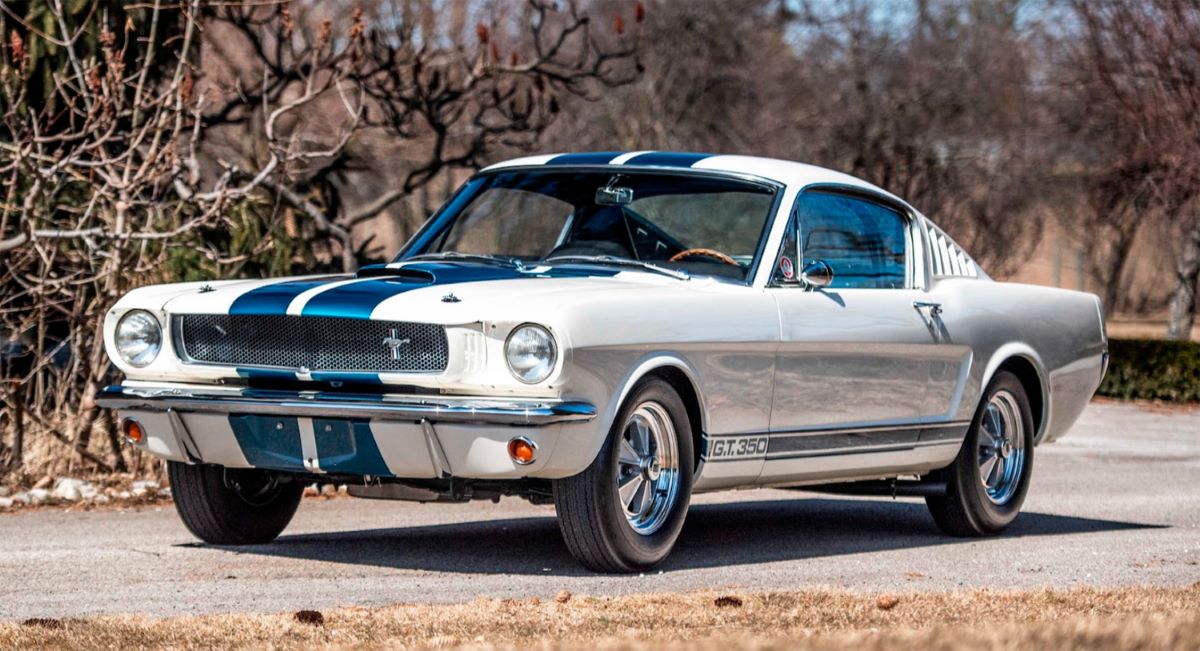
The cars were typically finished in Wimbledon White with bold blue racing stripes, giving them an unmistakable appearance.
Early GT350 models were essentially race-ready vehicles that could still be driven on public roads. Because of their direct connection to American motorsports and their relatively low production numbers, they remain some of the most desirable Mustangs ever produced.
4. 1976 Pontiac Trans Am Special Edition
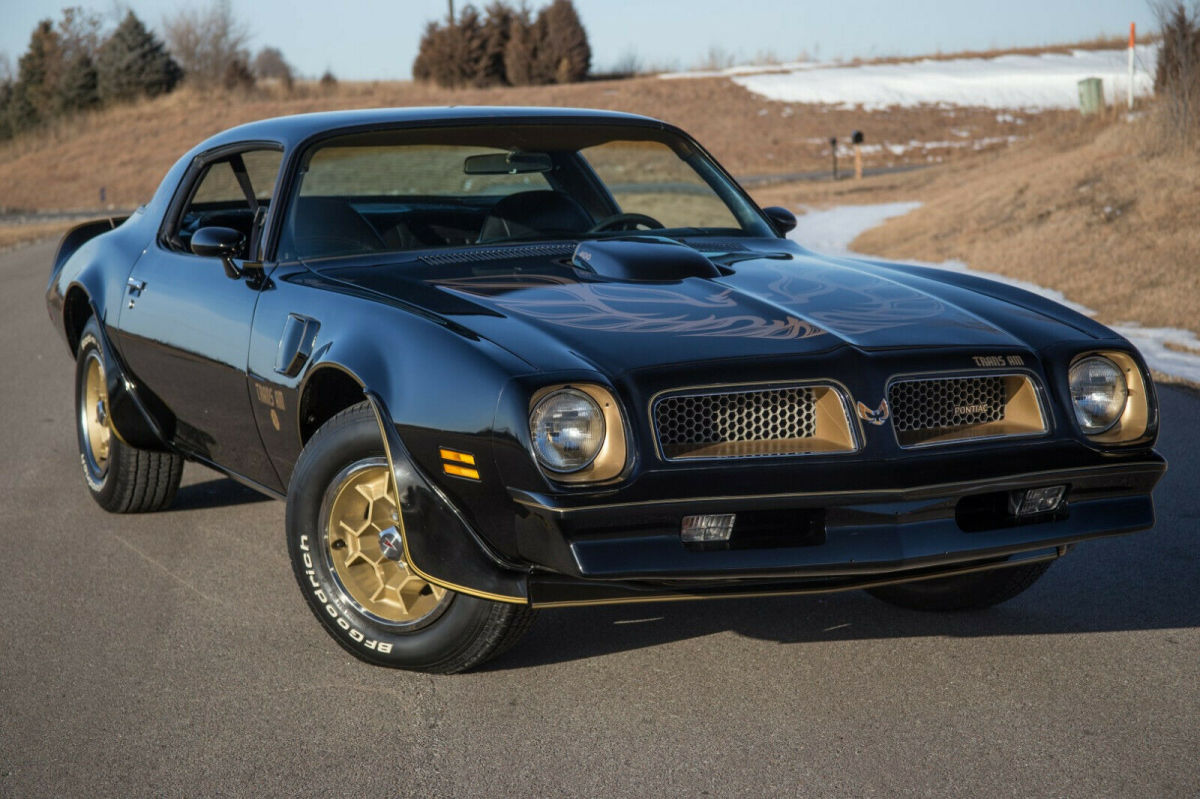
Few trim packages have achieved the cultural impact of the 1976 Pontiac Trans Am Special Edition. Instantly recognizable thanks to its black-and-gold color scheme, the Special Edition became famous after appearing in the film Smokey and the Bandit.
The trim package included gold snowflake wheels, gold pinstriping, and an enormous gold firebird decal across the hood.
The 1976 Pontiac Trans Am Special Edition stands as one of the most recognizable limited-edition trim packages of the 1970s, combining bold styling with the enduring appeal of Pontiac’s performance-oriented Firebird lineup.
Introduced during a period when the American muscle car era was evolving under stricter emissions regulations and changing consumer priorities, the Special Edition package demonstrated how manufacturers could maintain performance image and visual drama even as engine output declined from the peak years of the late 1960s.
The result was a car that became both a cultural icon and one of the most memorable factory appearance packages of the decade.
The Special Edition Trans Am emerged from Pontiac’s ongoing effort to keep the Firebird lineup competitive and visually distinctive. By the mid-1970s, Pontiac designers recognized that styling and brand identity would play an increasingly important role in maintaining enthusiasm for performance cars.
Although the package did not radically alter the car’s mechanical configuration, it transformed the Firebird into a striking limited-edition model that immediately stood out on American roads.
Mechanically, the 1976 Trans Am retained the engineering layout typical of American performance cars of the era. The vehicle followed a traditional front-engine, rear-wheel-drive configuration built on General Motors’ F-body platform. Several engine options were available depending on the market and emissions requirements.
Many Special Edition models were equipped with Pontiac’s 400-cubic-inch V8 engine, which produced approximately 185 horsepower in mid-1970s specification. Other versions used a 455-cubic-inch V8 or smaller engines in certain markets.
Power was delivered through either a four-speed manual transmission or a three-speed automatic, providing drivers with the strong low-end torque that defined classic American V8 performance.
The car’s styling was where the Special Edition truly distinguished itself. The most famous version featured a deep black exterior finish accented by gold trim, including gold striping, gold wheels, and a gold bird emblem on the hood.
This dramatic combination created a striking visual contrast that quickly became associated with the Trans Am’s bold personality. The large “screaming chicken” hood decal, which had grown larger and more elaborate over the years, became one of the most recognizable graphic elements in automotive design.
5. 1978 Chevrolet Corvette Indy 500 Pace Car Edition
In 1978 Chevrolet celebrated the Corvette’s 25th anniversary with a special pace car edition tied to the Indianapolis 500. This limited trim package featured a distinctive two-tone black and silver paint scheme accented with red pinstriping.
Additional details included mirrored T-top roof panels, special pace car decals, and a unique interior trimmed in silver leather.
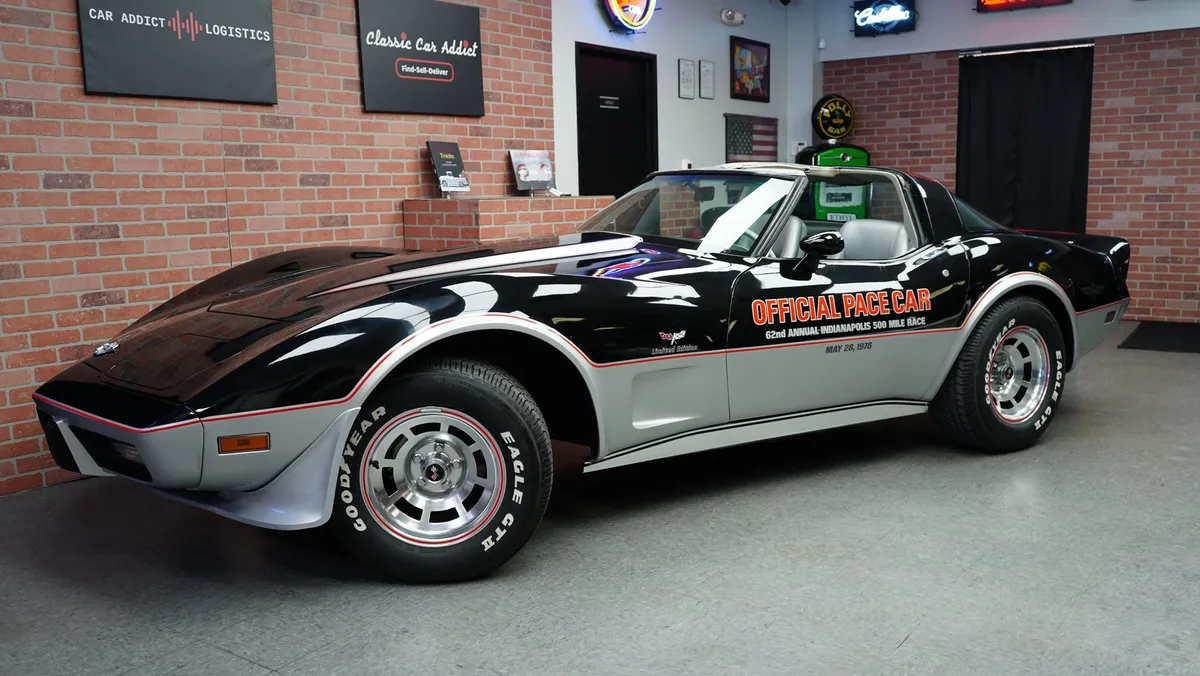
While pace car replicas have become more common in modern years, the 1978 Corvette version was one of the earliest examples to gain widespread collector attention.
Because of its connection to the Indianapolis 500 and the Corvette’s milestone anniversary, the Pace Car Edition remains an important part of Corvette history.
6. 1967 Chevrolet Camaro Z/28
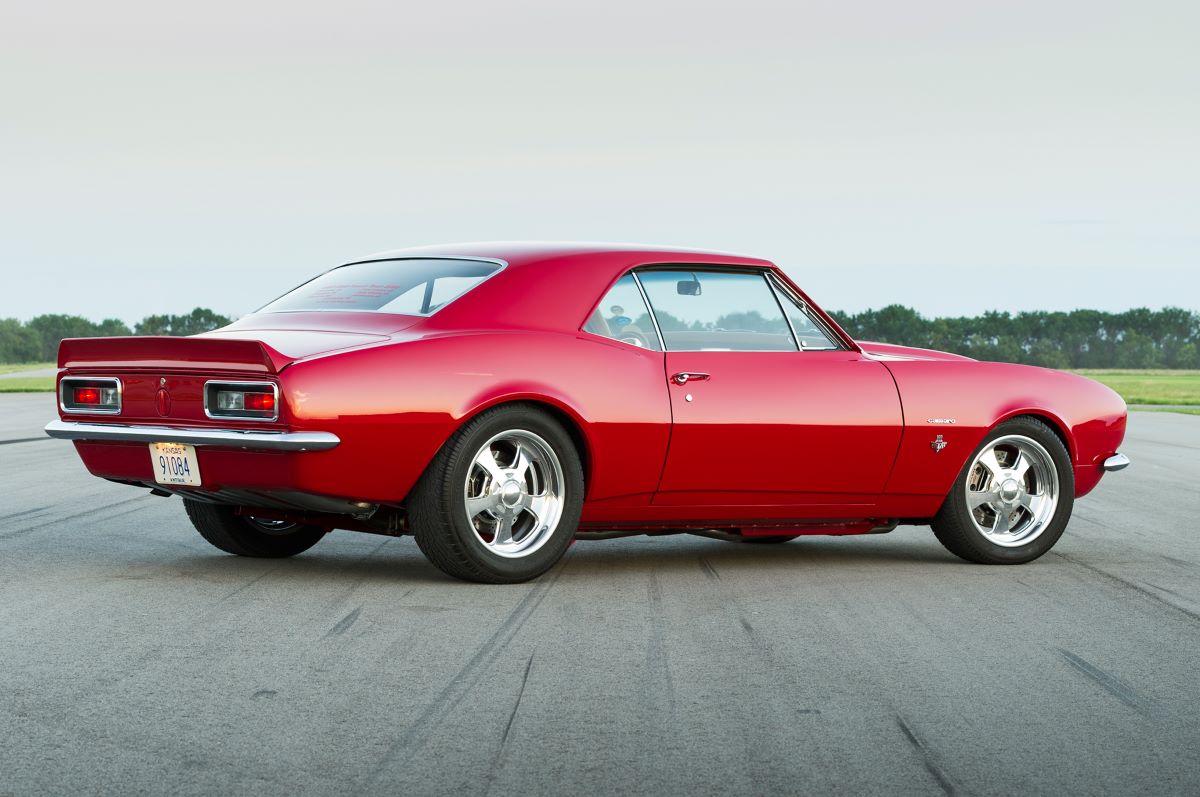
The 1967 Chevrolet Camaro Z/28 represents one of the most influential factory performance trim packages of the American muscle car era. Introduced during the first year of Camaro production, the Z/28 package was developed specifically to allow Chevrolet to compete in the Sports Car Club of America (SCCA) Trans-Am racing series.
Unlike many muscle cars of the time that emphasized sheer engine displacement, the Z/28 focused on balanced performance, precise handling, and high-revving power.
Because it was built primarily to satisfy racing homologation requirements, production numbers were relatively limited, making the Z/28 one of the most significant and desirable factory trim packages ever offered by Chevrolet.
The Camaro itself was introduced in 1967 as General Motors’ answer to the hugely successful Ford Mustang. Chevrolet engineers quickly recognized the potential to turn the new pony car into a competitive road-racing machine.
To qualify for the Trans-Am series, manufacturers needed to produce a certain number of road-going vehicles equipped with engines no larger than 305 cubic inches.
Chevrolet responded by creating a special performance package that paired a unique high-revving engine with extensive chassis upgrades, resulting in the Z/28 designation.
At the heart of the 1967 Camaro Z/28 was a specially engineered 302-cubic-inch small-block V8. This engine was created by combining a 327-cubic-inch block with a short-stroke 283 crankshaft, allowing it to meet the Trans-Am displacement limit while maintaining strong performance.
Officially rated at 290 horsepower, the engine was widely believed to produce considerably more power in reality. The high-revving nature of the 302 made it ideal for road racing, where sustained engine speed and responsiveness were critical.
Power was delivered exclusively through a four-speed manual transmission, sending torque to the rear wheels through a traditional front-engine, rear-wheel-drive layout.
7. 1989 BMW 325iX Special Edition
While American muscle cars often used bold styling for their limited trims, European manufacturers typically emphasized refinement and engineering. The BMW 325iX Special Edition exemplifies this approach.
Based on the beloved E30-generation 3 Series, the 325iX featured BMW’s early all-wheel-drive system designed to improve traction in challenging conditions.
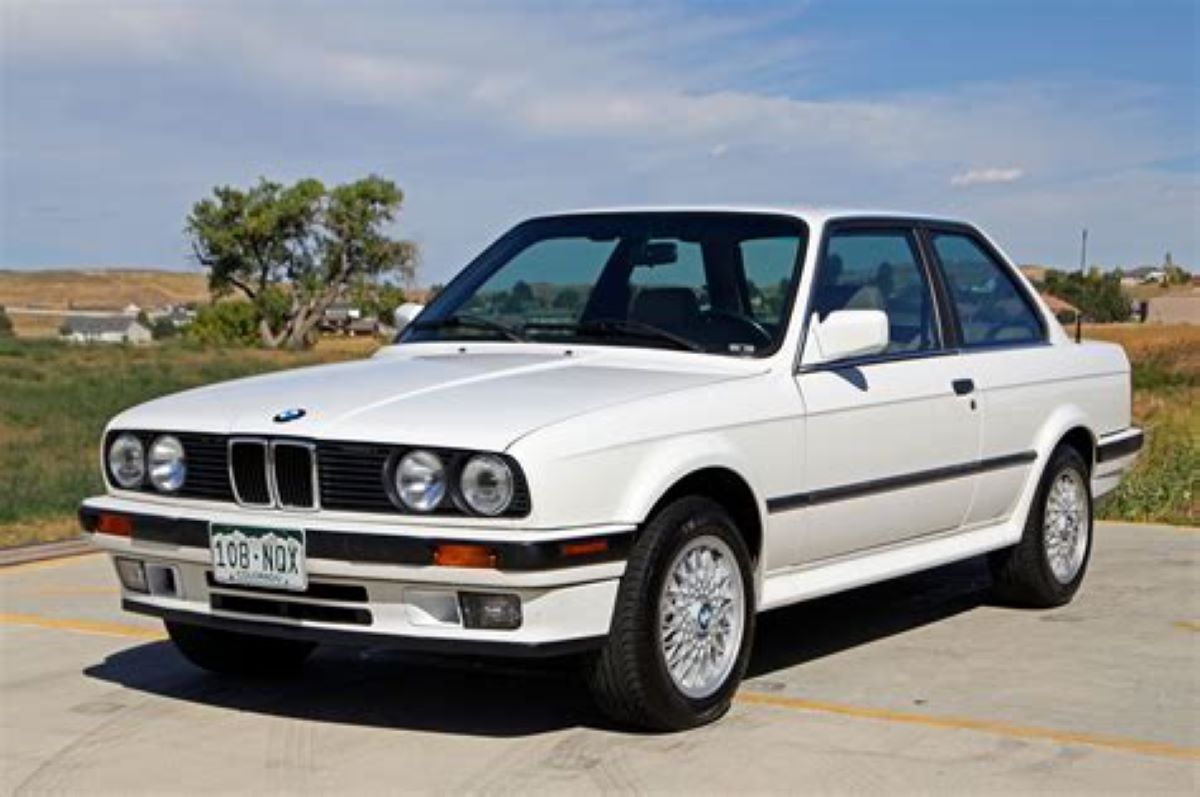
Special edition versions often included unique paint colors, upgraded leather interiors, and exclusive alloy wheels.
Although subtle compared to American special editions, these trims helped reinforce BMW’s reputation for driver-focused luxury and made the E30 platform one of the most respected sports sedans of its era.
8. 1970 Plymouth Road Runner Superbird
The 1970 Plymouth Road Runner Superbird remains one of the most visually dramatic and historically significant limited-edition trim packages ever produced during the American muscle car era.
Introduced during the height of NASCAR’s aerodynamic competition, the Superbird was designed specifically to dominate high-speed oval racing while meeting homologation requirements that mandated a certain number of street-legal versions.
Built on the already popular Plymouth Road Runner platform, the Superbird package transformed the car into a radically styled aerodynamic machine that quickly became one of the most recognizable performance cars of the early 1970s.
The Superbird’s development was closely tied to Chrysler’s intense rivalry with Ford in NASCAR competition during the late 1960s. After Dodge introduced the Charger Daytona in 1969 with significant aerodynamic improvements, Plymouth engineers sought to create a similar but refined design using the Road Runner as the base platform.
The goal was to improve high-speed stability and reduce drag on superspeedways such as Daytona and Talladega. To qualify the car for NASCAR racing, Plymouth produced approximately 1,920 street versions of the Superbird in 1970, making it a relatively limited production model compared with standard Road Runners.
Under the hood, the Superbird offered several powerful engine options typical of Chrysler’s performance lineup at the time. The base engine was the 440-cubic-inch Super Commando V8, which produced around 375 horsepower with a four-barrel carburetor.
Buyers seeking greater performance could opt for the 440 Six Barrel engine, featuring three two-barrel carburetors and delivering approximately 390 horsepower.
At the top of the lineup was the legendary 426 Hemi V8, rated at 425 horsepower and widely considered one of the most powerful engines available in a production car during the muscle car era.
Power was delivered to the rear wheels through either a four-speed manual transmission or a three-speed TorqueFlite automatic, following the traditional front-engine, rear-wheel-drive layout common to American muscle cars.
The Superbird’s defining feature was its extraordinary aerodynamic design. The car featured an extended pointed nose cone that replaced the standard Road Runner grille, improving airflow and reducing aerodynamic drag.
At the rear, an enormous elevated wing mounted on tall supports provided stability at racing speeds by generating downforce. These modifications were carefully engineered to enhance performance on NASCAR’s fastest tracks, where aerodynamic efficiency could make the difference between victory and defeat.
Within the context of classic vehicles known for iconic limited-edition trim packages, the 1970 Plymouth Road Runner Superbird stands out because its modifications were developed specifically for racing success.
The Superbird package dramatically altered the car’s design and performance capabilities, resulting in one of the most distinctive and historically important special-edition muscle cars ever produced.
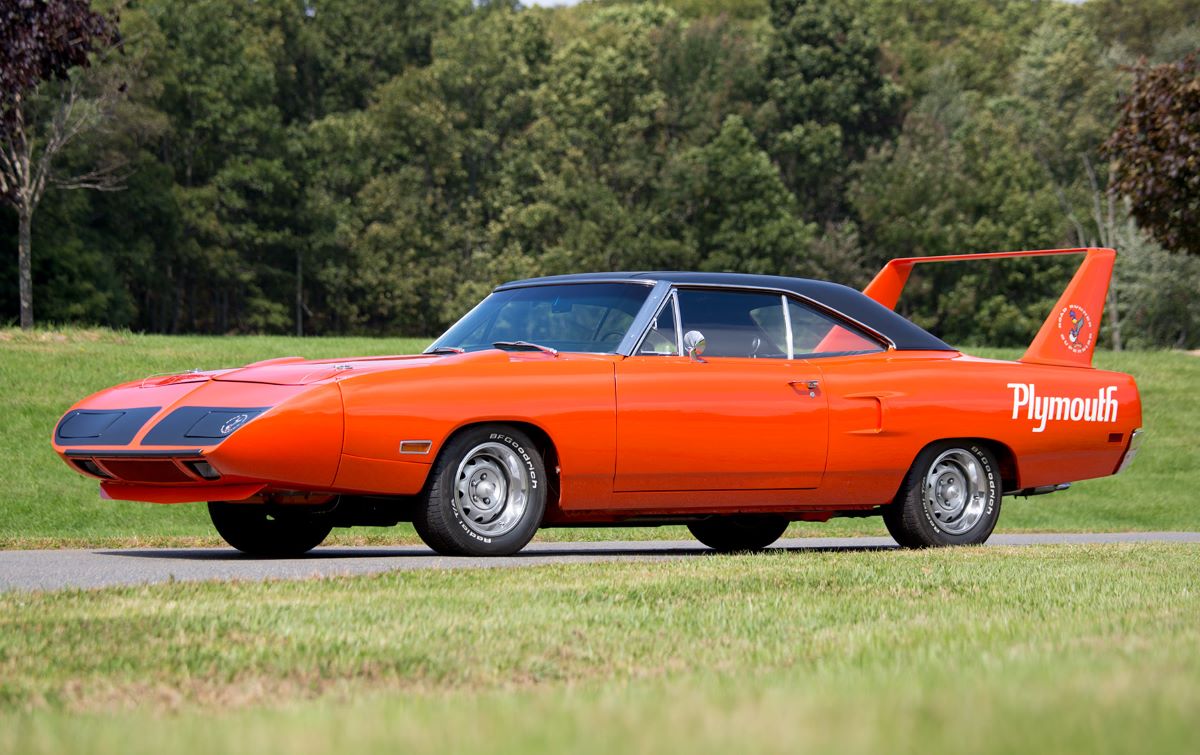
Engine options included the powerful 440 Super Commando V8 and the legendary 426 HEMI. While the unusual styling initially made the Superbird difficult to sell, it eventually became one of the most valuable and recognizable muscle cars ever produced.
9. 1969 Ford Mustang Mach 1
Ford introduced the Mach 1 trim package to give the Mustang a more aggressive personality. The package included a matte black hood treatment, hood pins, racing stripes, and a performance-oriented suspension setup.
Buyers could select from several powerful engine options, including the formidable 428 Cobra Jet V8. The Mach 1 quickly became one of the most popular Mustang variants of the late 1960s and early 1970s.
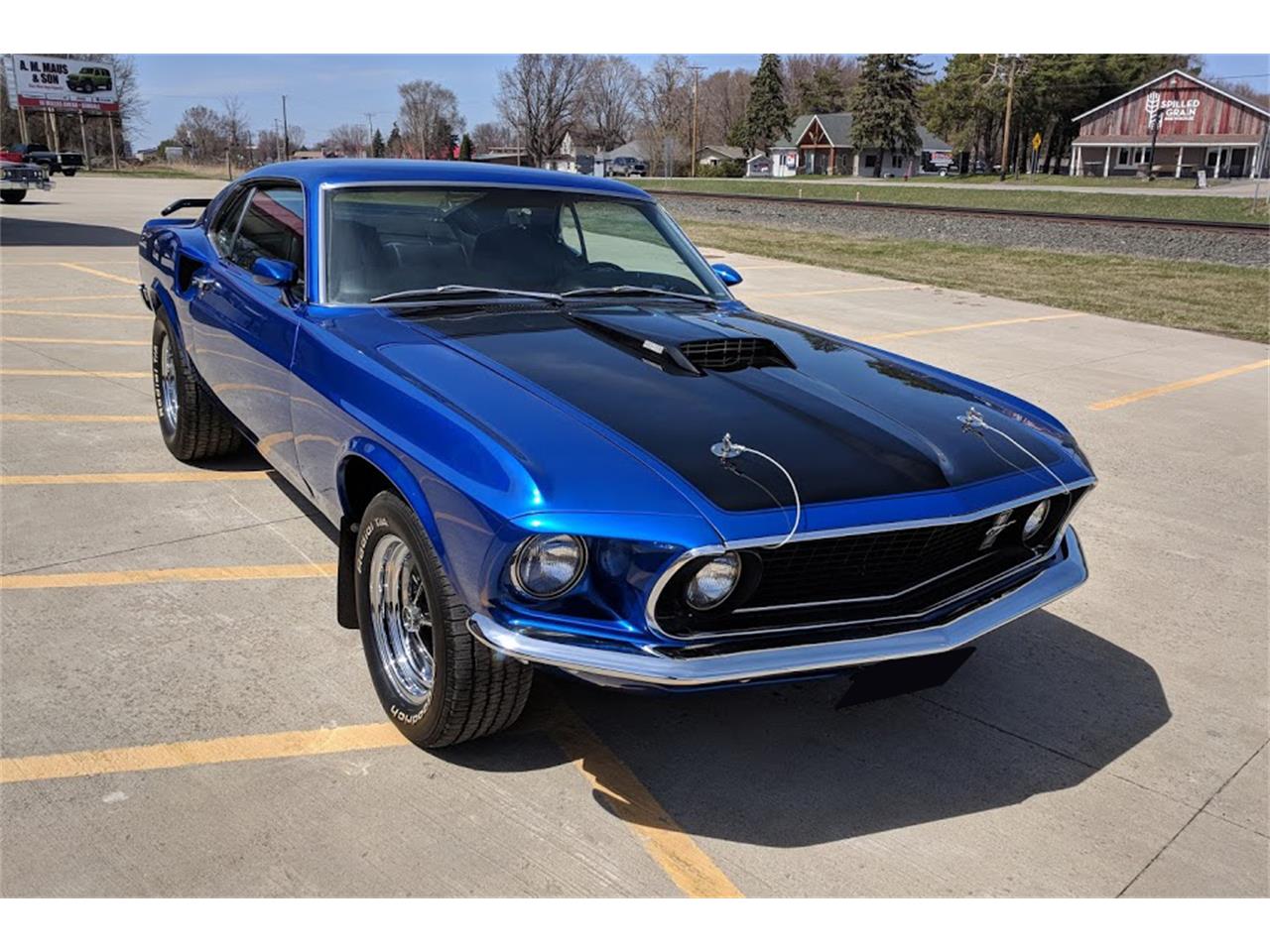
Its combination of bold styling and strong performance made it an instant favorite among American drivers, and it remains one of the most sought-after classic Mustang trims today.
10. 1979 Volkswagen Beetle Epilogue Edition
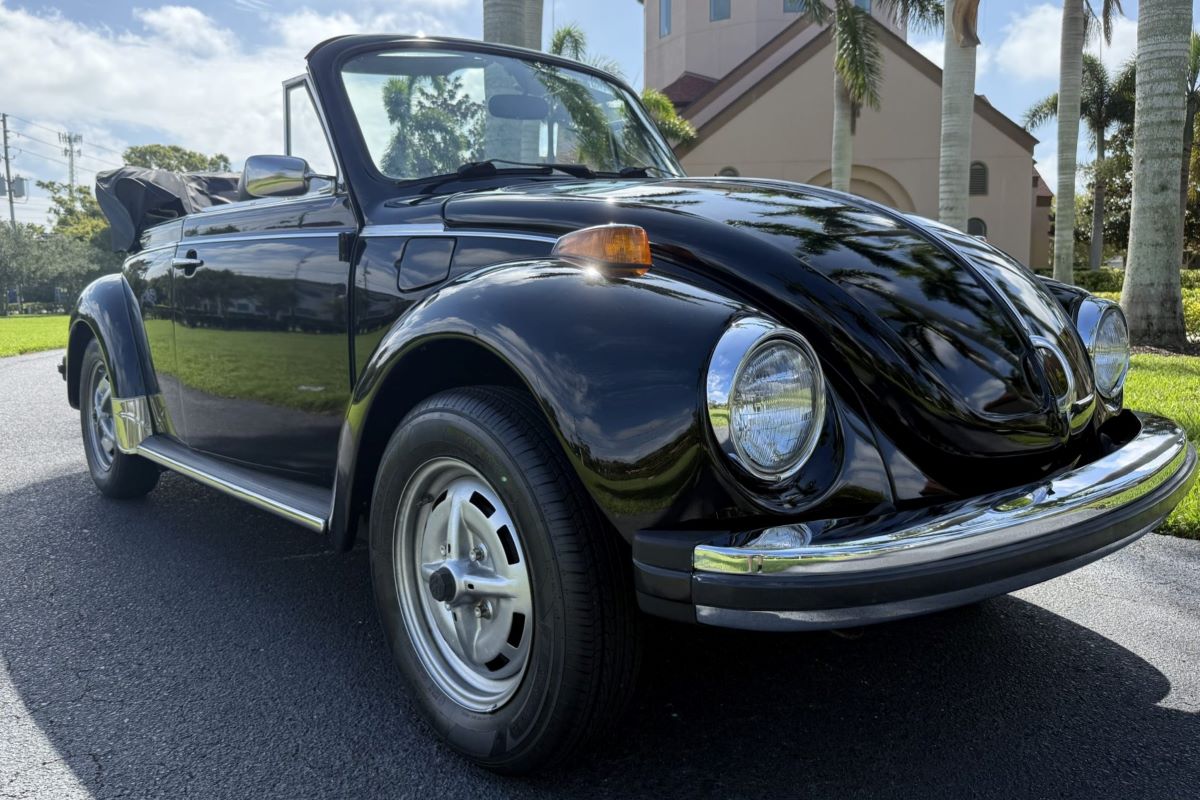
Not every iconic trim package was created for performance. The Volkswagen Beetle Epilogue Edition was introduced to mark the end of German Beetle production after decades of global success.
This special trim featured unique badging, exclusive paint options, and upgraded interior materials that distinguished it from regular Beetle models. While the changes were largely cosmetic, the historical significance of the Epilogue Edition made it an important collectible.
For many enthusiasts, this limited trim represents the closing chapter of one of the most influential automobile designs in history.
Limited edition trim packages capture unique moments in automotive history. They reflect the design trends, engineering ambitions, and marketing strategies of the eras in which they were created.
In many cases, these trims became the definitive versions of their respective vehicles.
For collectors and enthusiasts in the United States, these special editions often represent the most exciting examples of classic cars.
Their rarity, distinctive features, and cultural significance ensure they remain highly desirable decades after their original release. As the collector car market continues to grow, iconic trim packages like these will remain central to the legacy of classic automobiles.