Carbon buildup on intake valves is a common problem in modern engines, particularly those with direct injection. Over time, oil vapors and combustion byproducts stick to the valves, forming hard deposits that reduce airflow, cause misfires, and decrease engine efficiency and performance.
Some manufacturers have addressed this issue with a simpler solution: port fuel injection. By spraying fuel into the intake ports, these engines use gasoline itself as a cleaning agent, continuously washing the intake valves and preventing carbon accumulation.
This method provides reliability, low maintenance, and consistent performance, which is especially valuable for trucks, SUVs, and daily drivers. In this article, we highlight six engines that use port injection or hybrid injection systems to maintain clean valves.
From the Toyota 1GR-FE V6 to the Volkswagen EA888 TSI, these engines demonstrate how thoughtful engineering can deliver long-term dependability without the common problems associated with direct injection.
1. Toyota 1GR-FE (4.0L V6): Reliable Power for Trucks and SUVs
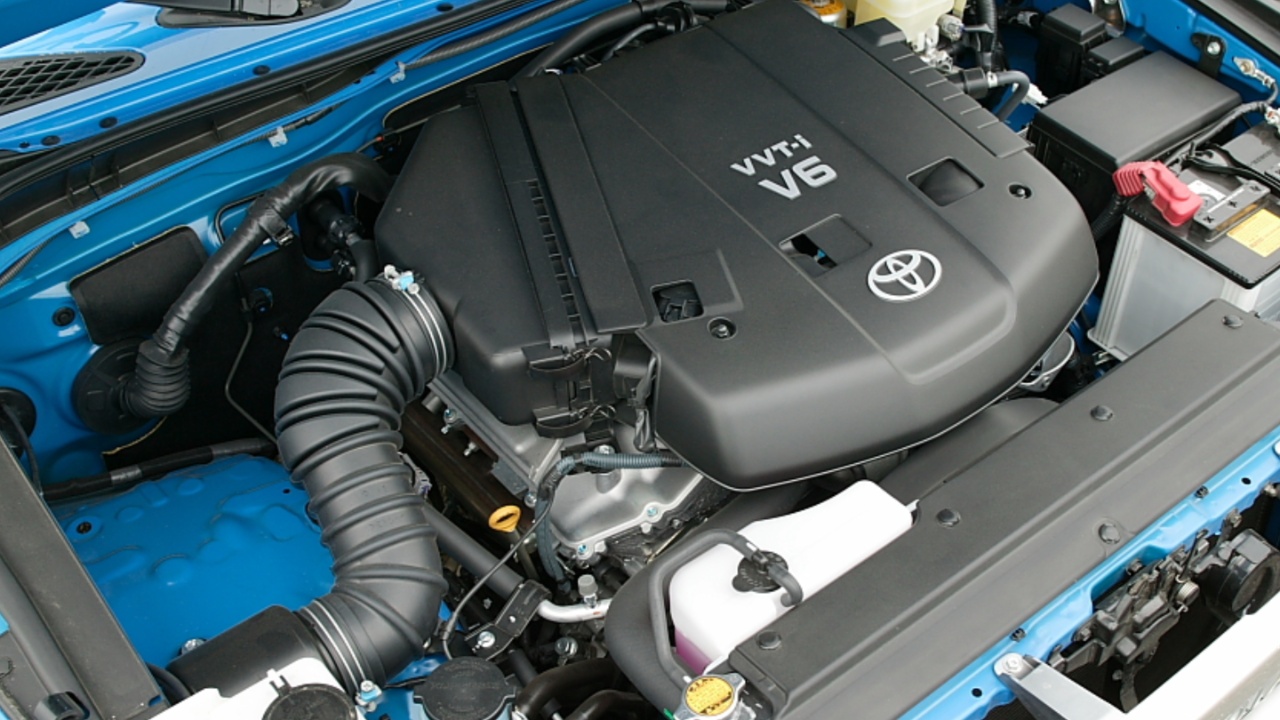
The Toyota 1GR-FE (4.0L V6) is widely regarded as one of Toyota’s most reliable modern engines, powering vehicles such as the Toyota 4Runner, Toyota Tacoma, FJ Cruiser, Tundra, and Land Cruiser Prado. Introduced in 2002, it has become a favorite in the off-road and truck community due to its robust design, durability, and simplicity.
Unlike many contemporary V6 engines, the 1GR-FE employs Sequential Multi-Port Fuel Injection (MPI) instead of Direct Injection (DI). This system sprays fuel into the intake manifold rather than directly into the combustion chamber, allowing gasoline to wash over the intake valves continuously.
The result is a natural cleaning effect that prevents carbon buildup, eliminating the need for costly maintenance procedures such as walnut blasting that DI engines often require. This straightforward approach contributes significantly to the engine’s reputation for reaching 300,000 miles with proper care.
The 1GR-FE’s design is focused on reliability rather than peak efficiency. The fuel spray cools the intake valves, preventing “baking” of oil vapors into hard carbon deposits, a common problem in DI engines.
Additionally, its Dual Variable Valve Timing (VVT-i) system optimizes valve timing on both intake and exhaust camshafts, reducing nitrogen oxide emissions and minimizing combustion byproducts that could contribute to carbon buildup. It’s simple, rugged construction tolerates variable fuel quality and harsh conditions, making it ideal for off-road use and long-term ownership.
Performance-wise, the 1GR-FE is tuned for trucks and SUVs, offering strong low-end torque between 3,700–4,400 RPM, which is advantageous for towing and off-road driving. Power delivery is smooth and predictable, though fuel efficiency is modest, often described as having “the power of a V6 with the fuel economy of a V8.”
In 2009–2010, Toyota upgraded the engine from Single VVT-i to Dual VVT-i, enhancing top-end power, efficiency, and convenience with self-adjusting hydraulic lifters. This increased horsepower from roughly 236–240 hp to 270–285 hp, while maintaining the engine’s reliability and torque characteristics.
Despite its bulletproof reputation, owners should be aware of a few potential issues. Water pump failures are common between 40,000–60,000 miles, and early models (pre-2006) may experience head gasket failures around 150,000 miles.
Ignition coil failures in early VVT-i units can cause misfires, and long oil change intervals can lead to sludge accumulation and oil pickup screen clogging. The engine’s aluminum block uses thin cast-iron liners that cannot be rebored, meaning cylinder damage typically requires complete block replacement.
Routine maintenance is straightforward but essential. Oil should be changed every 5,000 miles using high-quality 5W-30 synthetic oil to protect the timing chain and tensioners.
The cooling system should be flushed every 60,000 miles using Toyota Super Long Life Coolant (SLLC), and spark plugs should be replaced every 60,000–100,000 miles. The timing chain generally lasts the engine’s lifetime, though any rattling at startup may indicate a failing tensioner.
The Toyota 1GR-FE combines simplicity, durability, and dependable performance. Its port-injection design, low-maintenance nature, and rugged construction make it a standout engine for long-term use in Toyota’s body-on-frame trucks and SUVs.
2. Toyota A25A-FKS (2.5L Dynamic Force I4): Efficient, Reliable, and Carbon-Resistant
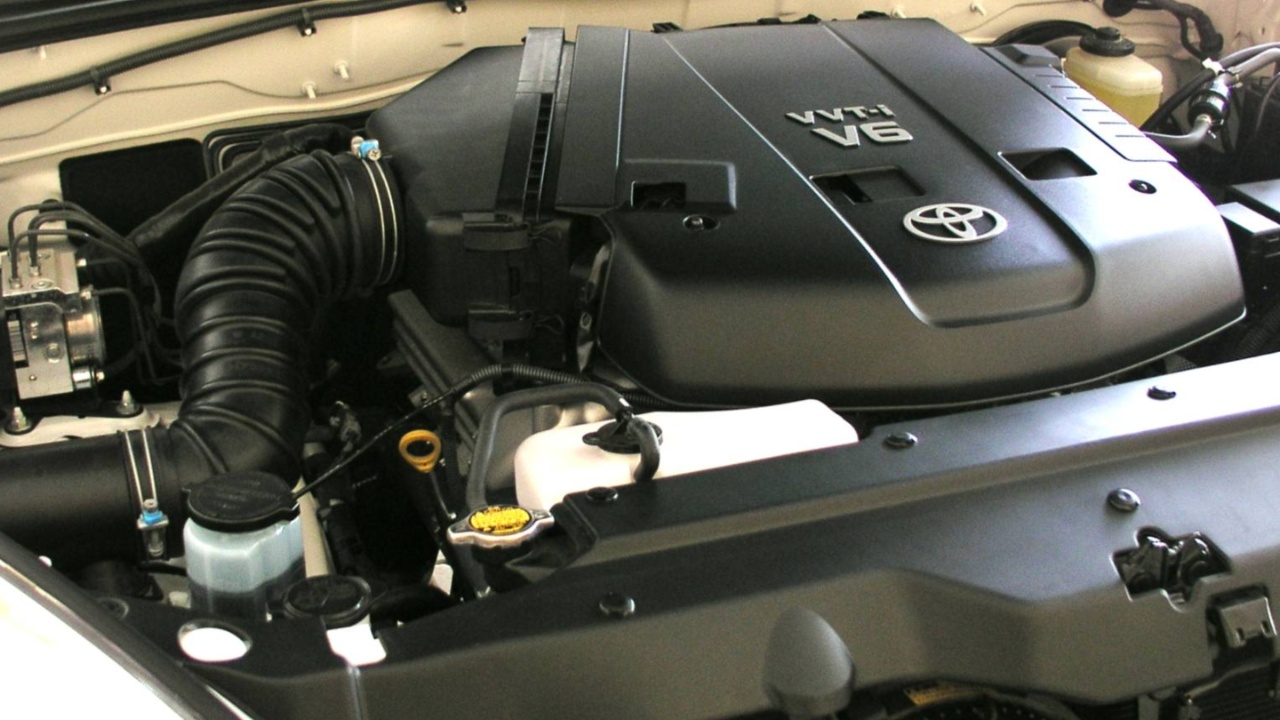
The Toyota A25A-FKS (2.5L Dynamic Force I4) is a modern, naturally aspirated four-cylinder engine found in vehicles like the Toyota Camry and Toyota RAV4. Introduced around 2018, it combines efficiency, performance, and durability through Toyota’s advanced D-4S dual-injection system, which uses both port fuel injection (PFI) and gasoline direct injection (GDI).
This dual-injection design allows the engine to achieve the high compression and fuel efficiency of direct injection while preventing one of the most common issues in modern four-cylinder engines: intake valve carbon buildup.
By using port injectors to spray fuel directly onto the intake valves at low-to-mid RPMs, the engine continuously cleans them, dissolving oil varnish and soot from the Exhaust Gas Recirculation (EGR) system. This prevents “coking,” the formation of hard carbon deposits that can lead to misfires, loss of power, and reduced engine longevity, especially in vehicles driven short distances or at low speeds.
The D-4S system optimizes performance by switching between injection methods depending on driving conditions. At low speeds and idle, the port injectors ensure cleaner valves and smoother operation. Under higher loads or RPMs, the engine primarily uses direct injection, providing superior fuel efficiency, better combustion, and more power.
Fuel passing over the intake valves also acts as a solvent, further reducing the risk of carbon accumulation and maintaining long-term reliability. This hybrid approach allows the A25A-FKS to offer the performance benefits of modern GDI technology without many of the chronic maintenance issues associated with single-injection engines.
In terms of performance, the A25A-FKS produces roughly 203–208 horsepower and 184–186 lb-ft of torque, depending on the vehicle model. It achieves over 40% thermal efficiency, remarkable for a naturally aspirated engine, and is designed for low fuel consumption without relying on turbocharging.
The engine also incorporates VVT-iE (electric variable valve timing) to optimize valve operation, paired frequently with an 8-speed direct-shift automatic transmission (UA80E/F). Drivers appreciate its responsive, linear acceleration, though the engine requires higher RPMs to reach full power compared to turbocharged alternatives. Its throttle feel is direct, providing a smooth yet engaging driving experience.
The A25A-FKS is generally considered robust and reliable, capable of high mileage with proper maintenance. However, early production models had some reported issues, including EGR cooler failures (pre-2022), higher oil consumption due to low-tension piston rings (2019–2020 models), and a fuel pump recall in certain early units.
Routine maintenance, such as regular oil changes and monitoring for EGR or fuel system issues, helps maintain its longevity. Aside from these early concerns, the engine demonstrates strong durability and minimal long-term maintenance requirements.
The Toyota A25A-FKS (2.5L Dynamic Force I4) is an efficient, reliable, and technologically advanced four-cylinder engine. Its dual-injection system effectively mitigates carbon buildup, combining the performance and efficiency of modern direct injection with the dependability of port injection.
With high thermal efficiency, smooth power delivery, and a generally low-maintenance design, it remains a standout powertrain for daily driving in the Camry, RAV4, and other Toyota models. Its thoughtful engineering strikes a balance between modern efficiency and long-term reliability, making it a practical choice for drivers seeking both performance and low-maintenance operation.
3. Honda K20C2 (2.0L Naturally Aspirated I4): Simple, Reliable, and Low-Maintenance
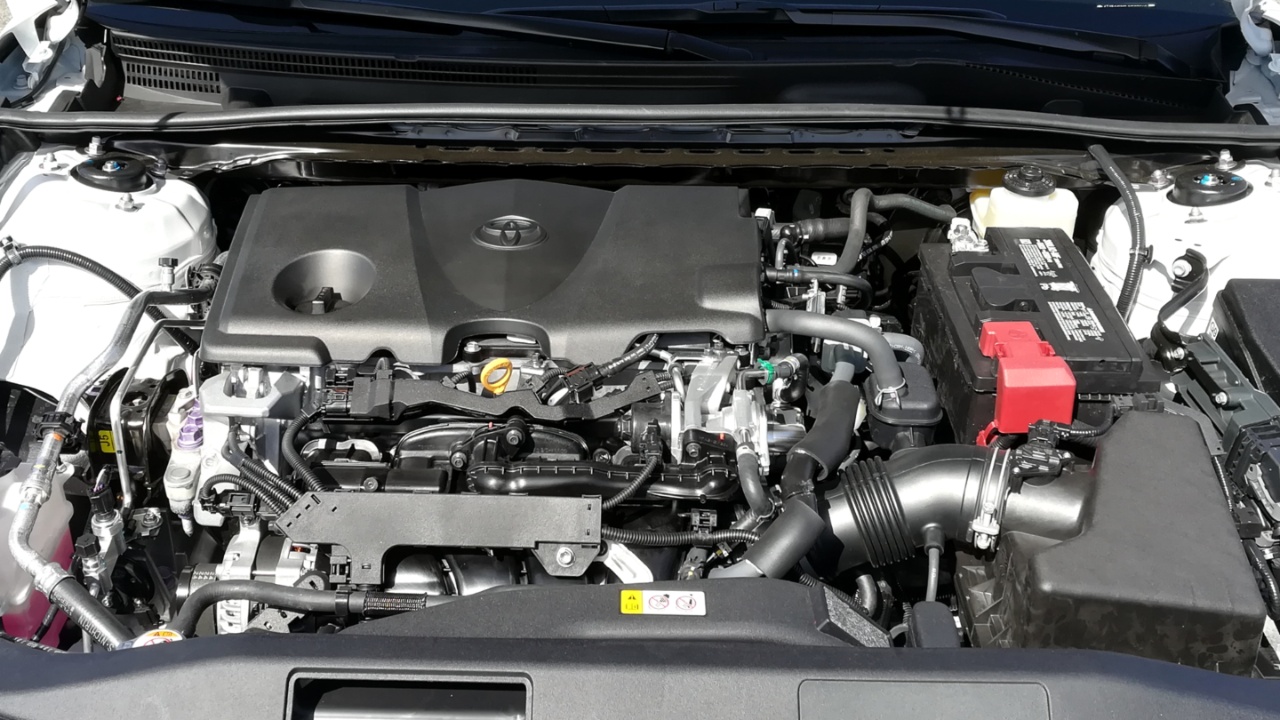
The Honda K20C2 is a naturally aspirated 2.0-liter inline-four engine used primarily in the 2016–2024 Honda Civic LX and Sport trims. Unlike Honda’s turbocharged engines, such as the 1.5L K-series, which have been criticized for issues like oil dilution and carbon buildup, the K20C2 relies on traditional port fuel injection (PFI).
This system sprays fuel into the intake port, ensuring the intake valves are constantly washed by the detergent additives in gasoline. This design prevents carbon deposits from forming on the valves, which are a common problem in direct-injection engines where fuel is sprayed directly into the cylinder.
As a result, the K20C2 avoids intake restriction, misfires, and rough idling, making it a particularly low-maintenance and reliable choice for long-term ownership.
The engine’s port injection system serves as a constant cleaning mechanism. Because fuel passes over the intake valves before combustion, it removes oil vapors and soot from the Positive Crankcase Ventilation (PCV) system, preventing hard carbon buildup.
This simplicity reduces the need for complex maintenance procedures, such as walnut blasting, which is often required in modern direct-injection engines. By avoiding high-pressure direct injection, the K20C2 also eliminates the need for specialized fuel pumps or injectors, further enhancing durability and lowering maintenance costs.
This engineering philosophy emphasizes reliability over raw power, making the K20C2 an ideal choice for commuters or drivers seeking a “bulletproof” engine in a modern chassis.
In terms of performance, the K20C2 produces 158 horsepower and 138 lb-ft of torque, with a redline of 6,800 RPM. It features a DOHC i-VTEC valvetrain and is generally tuned for smooth, high-revving operation rather than aggressive low-end torque. While it does not offer the strong initial shove of Honda’s turbocharged engines, it provides adequate power for daily driving, highway merging, and city commuting.
The engine is commonly paired with a CVT, though certain hatchback trims offer a 6-speed manual, which provides a more engaging driving experience. Its lighter weight contributes to the Civic’s responsive handling and well-balanced chassis dynamics.
The K20C2 is also robust and durable. Many engines reach high mileage with basic maintenance, thanks to their simple design. Known issues are minimal and generally minor, such as occasional valve lash adjustments or engine mount wear.
For those interested in tuning, bolt-on modifications such as upgraded intake systems, downpipes, or software tuning via Hondata or Ktuner can produce modest power gains of around 20–25 horsepower. Significant power increases would require extensive internal work due to its naturally aspirated design.
The Honda K20C2 is a reliable, low-maintenance, naturally aspirated engine that prioritizes longevity and simplicity over peak performance. Its port injection design keeps the intake valves clean, reducing maintenance costs and avoiding carbon-related issues common in modern direct-injection engines.
The engine delivers adequate power for commuting while maintaining the high-revving, smooth character typical of Honda’s traditional inline-four engines. It is an ideal choice for buyers who value durability, ease of ownership, and a dependable daily driver over turbocharged performance.
Also read: 5 Cars With Simple Interiors That Age Well vs 5 With Too Much Fragile Plastic
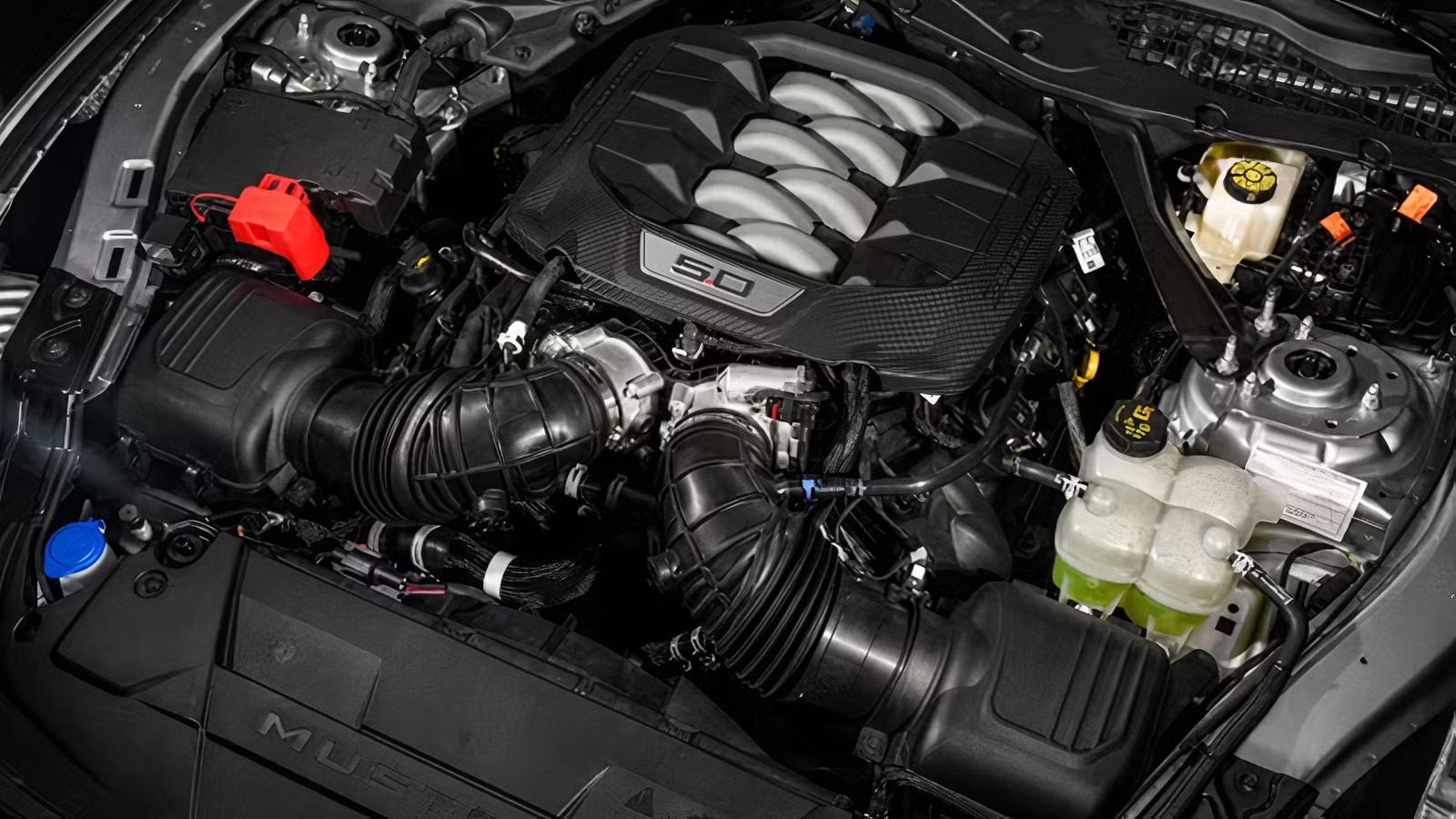
4. Ford 5.0L Coyote V8: High-Revving Power with Clean-Valve Reliability
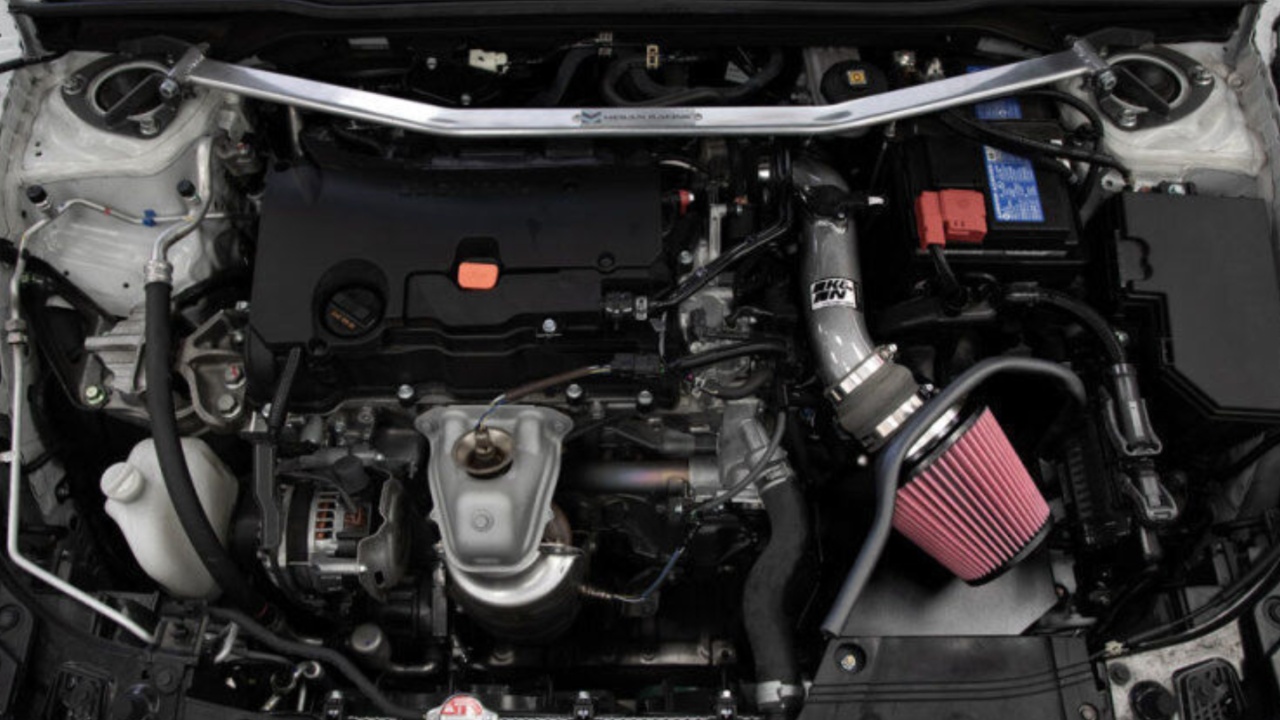
The Ford 5.0L Coyote V8 is a naturally aspirated dual-overhead-cam engine that has become one of the most respected modern V8s for performance and reliability. Introduced in 2011, it powers vehicles such as the Ford Mustang GT and Ford F-150. Since 2018, with the third-generation design, the engine features a Port-Fuel and Direct-Injection (PFDI) system.
This system combines direct injection for maximum power with port fuel injection to maintain clean intake valves. This dual-injection approach addresses a common problem in high-performance engines where direct injection alone can cause carbon buildup on intake valves. Carbon buildup reduces performance and can shorten engine life.
In a direct-injection-only engine, fuel is sprayed directly into the combustion chamber, leaving the intake valves exposed to oil vapors from the positive crankcase ventilation system. Over time, these vapors stick to the valves and form hard carbon deposits. The Coyote V8 solves this problem by using port injectors located in the intake manifold.
These injectors spray fuel over the intake valves, and the detergents in gasoline act as a solvent to wash away oil residues and prevent carbon formation. At low engine loads and idle, the engine uses port injection for smooth operation and cleaner valves.
At high loads and high RPMs, it blends in direct injection for improved combustion, efficiency, and power. This creates a self-cleaning system that reduces the need for additional maintenance, such as catch cans or walnut blasting.
The Coyote V8 is known for its performance. Depending on the application, it produces 400 to 500 horsepower. In the Mustang GT and Dark Horse models, the engine is tuned to reach peak power at over 7,000 RPM, offering a classic high-revving naturally aspirated feel.
In the F-150, the engine provides strong low-end torque of around 410 lb-ft, making it well-suited for towing while maintaining fuel efficiency comparable to some turbocharged V6 engines. Modern versions of the engine also include cylinder deactivation technology, which improves fuel economy without sacrificing performance.
The engine is also known for its reliability. Early generations experienced issues such as oil consumption, alternator failures, and timing chain tensioner rattles. These issues have been largely addressed in the latest models.
With proper maintenance, the Coyote V8 can exceed 200,000 miles. Owners should monitor ignition coils for misfires and ensure proper oil delivery during sustained high-RPM operation, as extreme use can stress the stock oil pump.
The Ford 5.0L Coyote V8 combines modern efficiency with classic V8 performance. Its dual-injection system keeps intake valves clean, enhancing long-term reliability.
The engine delivers high-revving power, smooth acceleration, and strong torque for towing applications. Its robust design, versatile tuning for both sporty and utility vehicles, and reputation for dependability make it a preferred choice for enthusiasts and truck owners who want reliable performance without the complexity of forced induction.
5. Chrysler 3.6L Pentastar V6: Reliable, Clean-Port Engine for Daily Driving
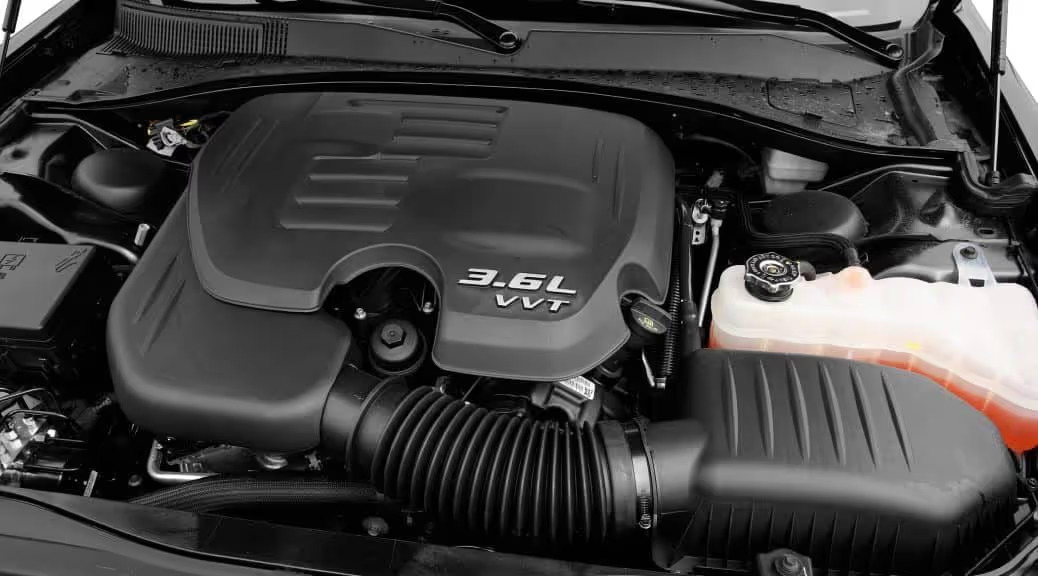
The Chrysler 3.6L Pentastar V6 is one of the most widely produced engines in North America, powering vehicles such as the Jeep Wrangler, Ram 1500, Chrysler 300, Dodge Charger, Dodge Challenger, and Jeep Grand Cherokee. Introduced in 2011, the Pentastar has become known for its versatility, reliability, and efficiency.
A key factor in its enduring popularity is its use of Multi-Port Injection (MPI), which injects fuel into the intake ports rather than directly into the combustion chamber.
This port-injection system ensures that the fuel-air mixture washes over the intake valves, preventing carbon buildup that is common in direct-injection engines, especially under stop-and-go driving or short trips. By keeping the valves clean, the engine avoids performance loss and rough idling associated with severe carbon deposits.
The Pentastar V6 uses electronic multi-port fuel injection (MPFI) combined with variable valve timing (VVT) and, in later iterations, two-stage variable valve lift (VVL) for improved performance. Port injection provides a “washing” effect that removes oil residue and soot from the intake valves.
This is particularly important in urban driving conditions where engines spend significant time idling or operating at low speeds, as carbon buildup occurs faster in these situations.
Chrysler deliberately chose to continue with port injection instead of switching entirely to gasoline direct injection (GDI), prioritizing durability and long-term reliability over marginal gains in fuel efficiency. The system also simplifies maintenance, as there is no need for specialized cleaning procedures common with GDI engines.
In terms of performance, the 3.6L Pentastar produces 275 to 305 horsepower and 251 to 268 lb-ft of torque, depending on the vehicle and configuration. It delivers smooth and linear acceleration, with 0–60 MPH times typically in the six to seven-second range.
The engine is designed to run on regular 87-octane fuel or E85 ethanol, and its torque curve is broad, offering 90 percent of maximum torque from 1,800 to 6,350 RPM. This makes it well-suited for daily driving, towing, and family SUV applications, as well as light-duty trucks. Its combination of VVT and VVL helps optimize fuel efficiency while maintaining strong performance.
The Pentastar is widely regarded as durable and reliable, with a typical lifespan of 150,000 to 250,000 miles. Common issues that can arise with high mileage or neglect include rocker arm failures that cause ticking noises, cracked plastic oil filter housings leading to oil and coolant leaks, and premature wear of cam phasers or timing chains.
Despite these potential concerns, proper maintenance, especially timely oil changes, allows the engine to maintain high reliability over the long term.
The Chrysler 3.6L Pentastar V6 is a proven, versatile engine that balances performance, durability, and low-maintenance operation. Its port-injection design prevents carbon buildup, supporting reliability in urban and long-distance driving alike.
With strong acceleration, smooth torque delivery, and wide adoption across multiple vehicle platforms, it remains a highly capable choice for daily drivers, family SUVs, and light-duty trucks. Its engineering philosophy emphasizes simplicity, proven technology, and dependable performance, making it one of the most enduring and practical V6 engines in modern North American vehicles.
6. Volkswagen EA888 Gen 3B and EVO 4 (2.0L TSI): Dual Injection for Performance and Reliability
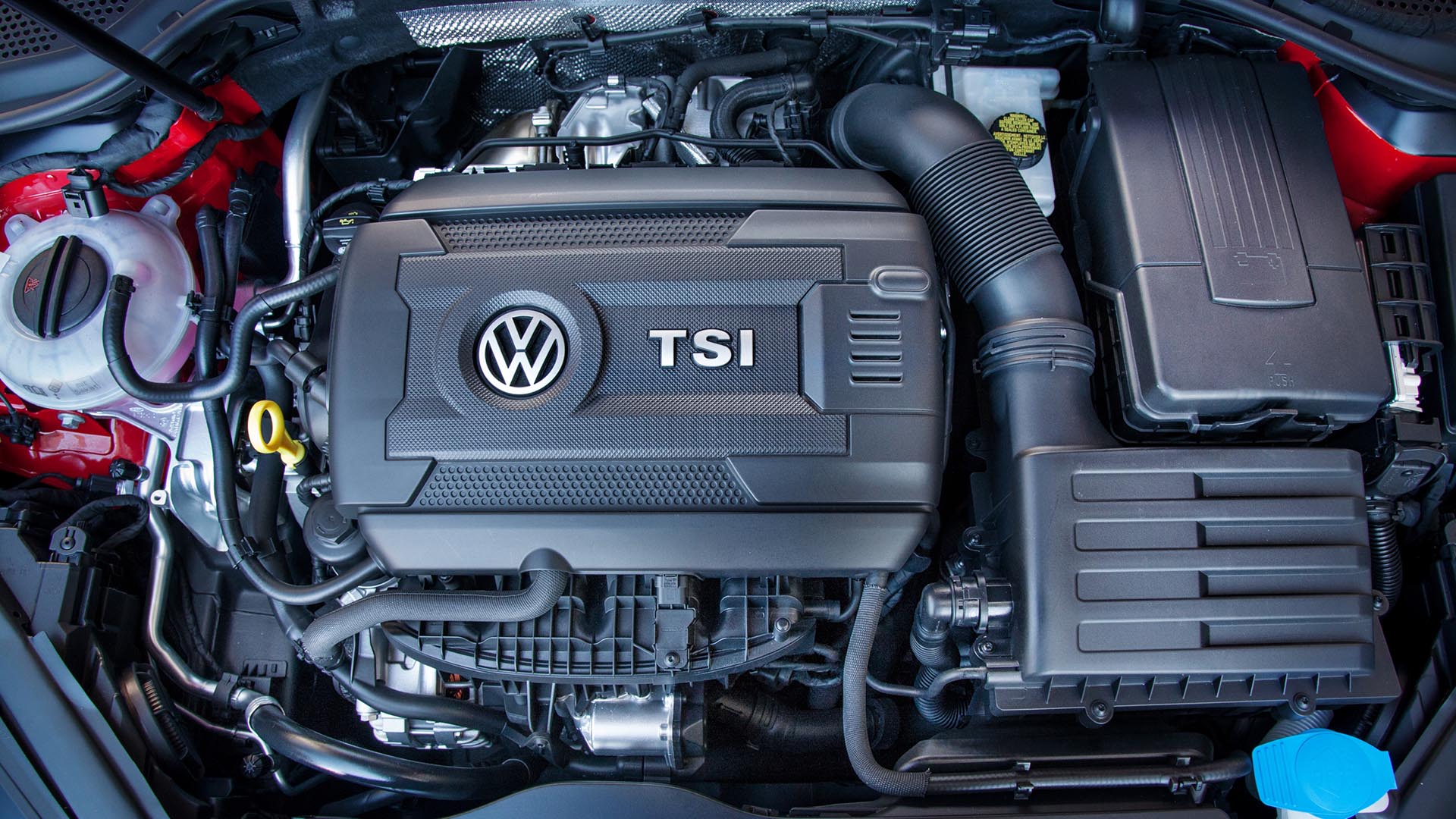
The Volkswagen EA888 Gen 3B and EVO 4 2.0L TSI engines represent the modern evolution of VW’s highly regarded 2.0-liter turbocharged four-cylinder platform. Early versions of the EA888 were prone to significant carbon buildup on the intake valves, a common issue in direct-injection-only engines.
Fuel in direct injection engines bypasses the intake valves, leaving them exposed to oil vapors from the positive crankcase ventilation system. Over time, this causes hard, baked-on deposits that reduce performance, roughen idle, and can necessitate invasive manual cleaning.
Volkswagen addressed this problem in the Gen 3B and EVO 4 engines by incorporating Multi-Port Fuel Injection (MPI) alongside direct injection (FSI), creating a dual-injection system that washes the intake valves under specific operating conditions.
In these dual-injection engines, the port injectors operate during warm-up, low load, and partial throttle situations. The detergents in the fuel act as a cleaning agent, preventing carbon buildup before it becomes a problem.
Under high-load or high-RPM operation, the system switches primarily to direct injection, which allows for better fuel atomization, higher compression, and maximum performance. This design ensures that the engine retains the efficiency and power benefits of direct injection while mitigating the chronic carbon fouling that plagued earlier generations.
The Gen 3B and EVO 4 engines feature eight injectors in total, four direct and four port, with the engine control unit precisely calibrating their operation based on load and operating temperature.
The Gen 3B engine, introduced around 2018 for models such as the VW Tiguan and Passat, is efficiency-focused. It employs a modified Miller combustion cycle, high compression, and variable valve timing on the intake cam to close valves earlier. This improves thermal efficiency and provides strong low-end torque, making it ideal for city driving and daily commuting.
Reliability has been improved over the first and second EA888 generations, resolving prior issues such as excessive oil consumption and timing chain failures. The Gen 3B is moderately tunable, with a smaller turbo and camshaft profile limiting high-output modifications compared to the performance versions.
The EVO 4, debuting with the Mk8 Golf GTI and Golf R, is a high-performance refinement of the Gen 3 platform. It features increased fuel injection pressure, upgraded turbochargers, and an integrated water-cooled exhaust manifold in the cylinder head. These improvements allow for higher power output and better thermal management.
The EVO 4 responds extremely well to Stage 1 ECU tuning, often reaching power levels that previously required hardware upgrades in earlier generations. This engine balances high-performance capability with the intake valve protection provided by dual injection.
Common maintenance considerations include the plastic water pump and thermostat housing, which are prone to cracking and coolant leaks, and the PCV valve, which can fail and cause rough idle or minor oil leaks. While carbon buildup is significantly reduced compared to previous generations, some owners still perform periodic walnut blasting for maximum performance longevity.
The EA888 Gen 3B and EVO 4 combine dual-injection technology, turbocharging, and refined engineering to deliver reliable, efficient, and tunable power suitable for both daily driving and high-performance applications.
The engines featured in this article show that simplicity and careful design often lead to long-lasting performance. Toyota’s 1GR-FE and A25A-FKS, Honda’s K20C2, Ford’s Coyote V8, Chrysler’s Pentastar V6, and Volkswagen’s EA888 all use port injection or dual-injection systems to prevent carbon buildup.
This design reduces maintenance needs and keeps engines running efficiently for many miles. Whether used for off-roading, daily commuting, or spirited driving, these engines provide dependable power and peace of mind.
For drivers who prioritize reliability, longevity, and low-maintenance operation, engines that use port injection or hybrid injection systems remain an excellent choice in a market dominated by high-pressure direct-injection designs.
Also read: Top 10 Cars That Look Like They Are From the Future But Are From the 70s