
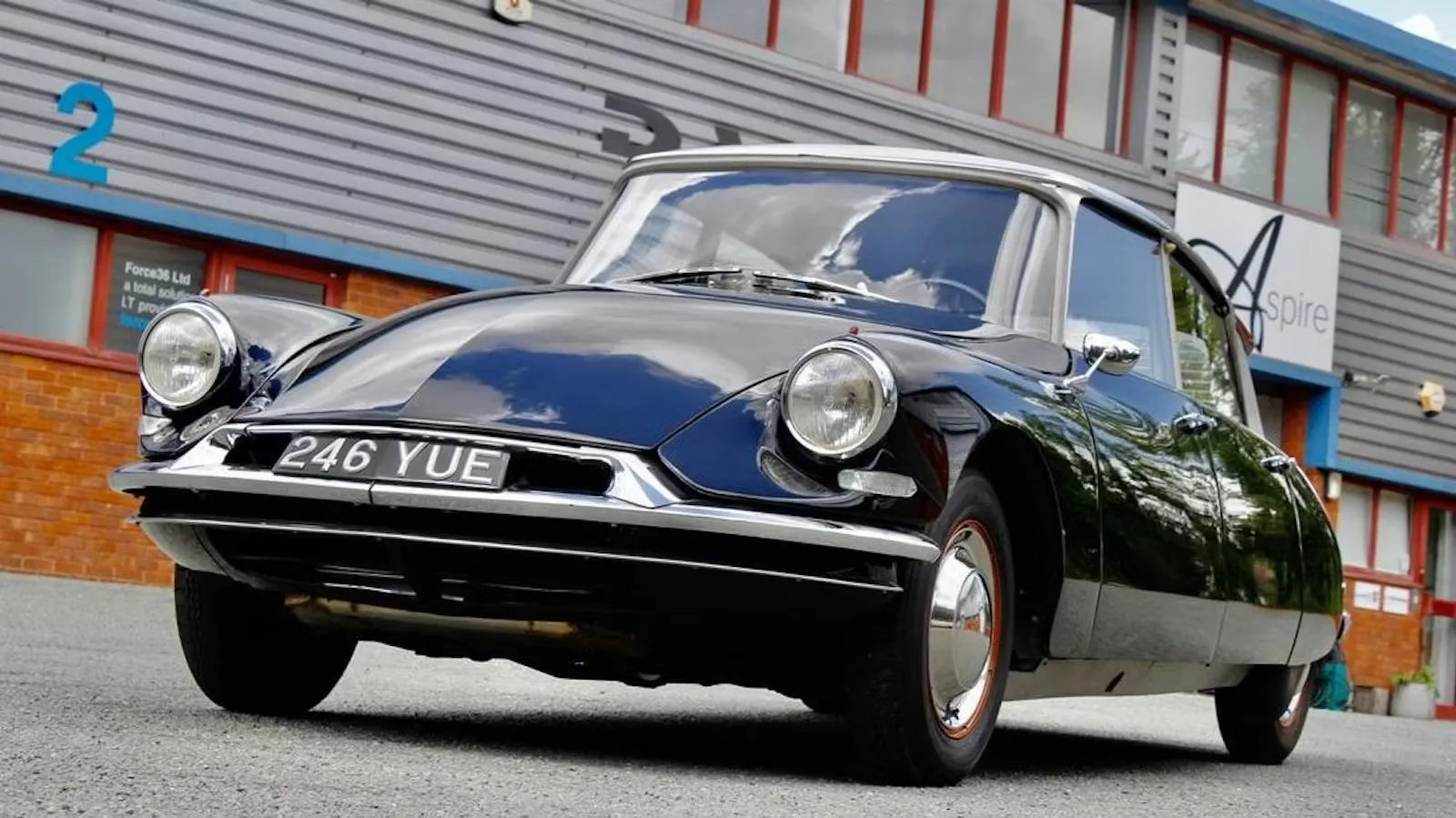
Before social media, before YouTube pre-roll ads, and before algorithms decided what you were supposed to want, there was the full-page magazine advertisement. During the 1960s, car advertising was treated like genuine art.
Agencies hired illustrators, painters, and photographers who understood light, composition, and emotion the way studio artists did. Copywriters crafted sentences that sounded like literature. Art directors obsessed over color combinations and negative space with the same intensity that designers brought to the cars themselves.
What resulted from that collision of ambition, craft, and commercial pressure was a decade of automotive advertising that has never been equaled. Pick up a 1965 issue of Life Magazine or a 1967 copy of Road and Track, and the car advertisements inside stop you cold. Not because they are trying to manipulate you, but because someone genuinely talented spent serious time making them beautiful.
These were not throwaway promotions. They were cultural documents that reflected how Americans and Europeans saw speed, freedom, style, and aspiration during one of the most turbulent and exciting decades in modern history.
A Pontiac GTO advertisement from 1964 was not just selling a car. It was selling a feeling, a social permission slip that said driving something powerful was not reckless but righteous. A Jaguar E-Type advertisement from 1961 was not just announcing a new model. It was making an argument about what beauty looked like when engineering and art occupied the same object.
Collecting and studying these advertisements has become a serious pursuit among automotive historians, graphic design scholars, and classic car enthusiasts who recognize them for what they are: a window into a moment when the automobile was genuinely new, genuinely exciting, and genuinely capable of inspiring the kind of creative work that stands up sixty years later.
This page presents ten of the most beautiful classic car advertisements from the 1960s, examined for their artistry, cultural context, and the cars they feature.
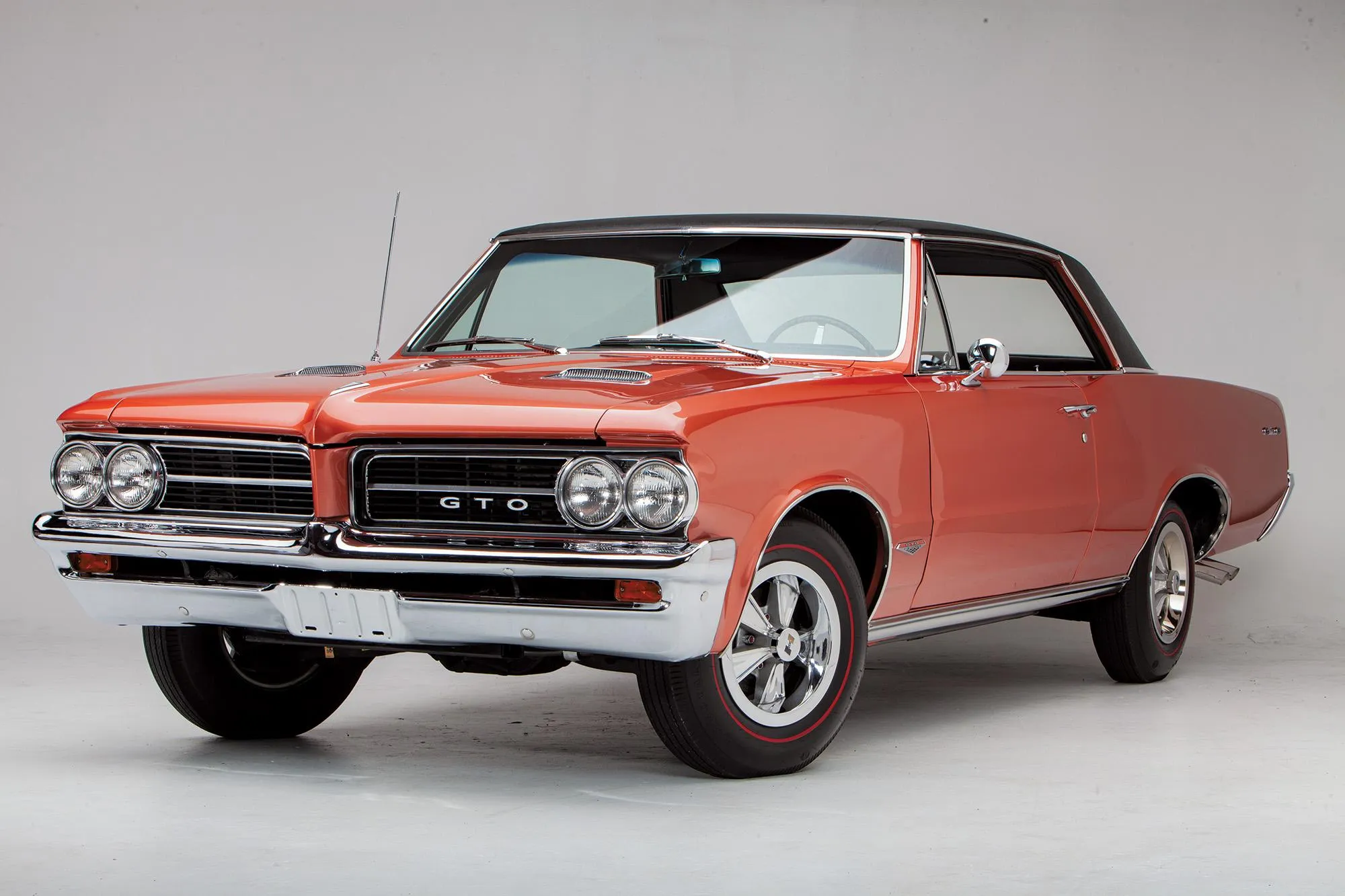
1. The 1964 Pontiac GTO Advertisement
Nobody in American automotive advertising saw 1964 coming quite the way it arrived. Pontiac’s decision to drop a 389 cubic inch V8 into the mid-size Tempest LeMans body and sell the result as the GTO was an act of calculated audacity, and the advertising campaign that supported it matched that audacity note for note. When the full-page GTO advertisements started appearing in magazines across the country, they did not simply announce a new car. They issued a challenge.
Pontiac’s agency, MacManus, John, and Adams, understood that the GTO buyer was not the same person who bought a Buick Riviera or a Cadillac DeVille. This was a younger, faster, more aggressive audience that wanted to feel something behind the wheel, and the advertising had to match that energy without crossing into the kind of recklessness that would trigger industry backlash. What they produced was advertising that walked that line with remarkable skill.
Copywriting on the GTO campaign was sharp and direct in a way that automotive advertising rarely achieved before this period. Lines like “The GTO: for the man who would rather be in front looking back than in back looking forward” communicated competitive intent without pedantry, and the brevity of the best headlines gave each page a visual confidence that matched the car’s own proportions.
What made the 1964 GTO advertisement genuinely beautiful rather than merely effective was the coherence between visual and verbal elements. Nothing competed. Nothing felt crowded or oversold. Pontiac’s advertising team treated white space as a design element equal in value to any photograph or illustration, allowing the car itself to carry the emotional weight of the communication.
Sixty years on, these advertisements still function as benchmarks for how performance car marketing should feel when executed by people who understood both their audience and their product at a deep level.
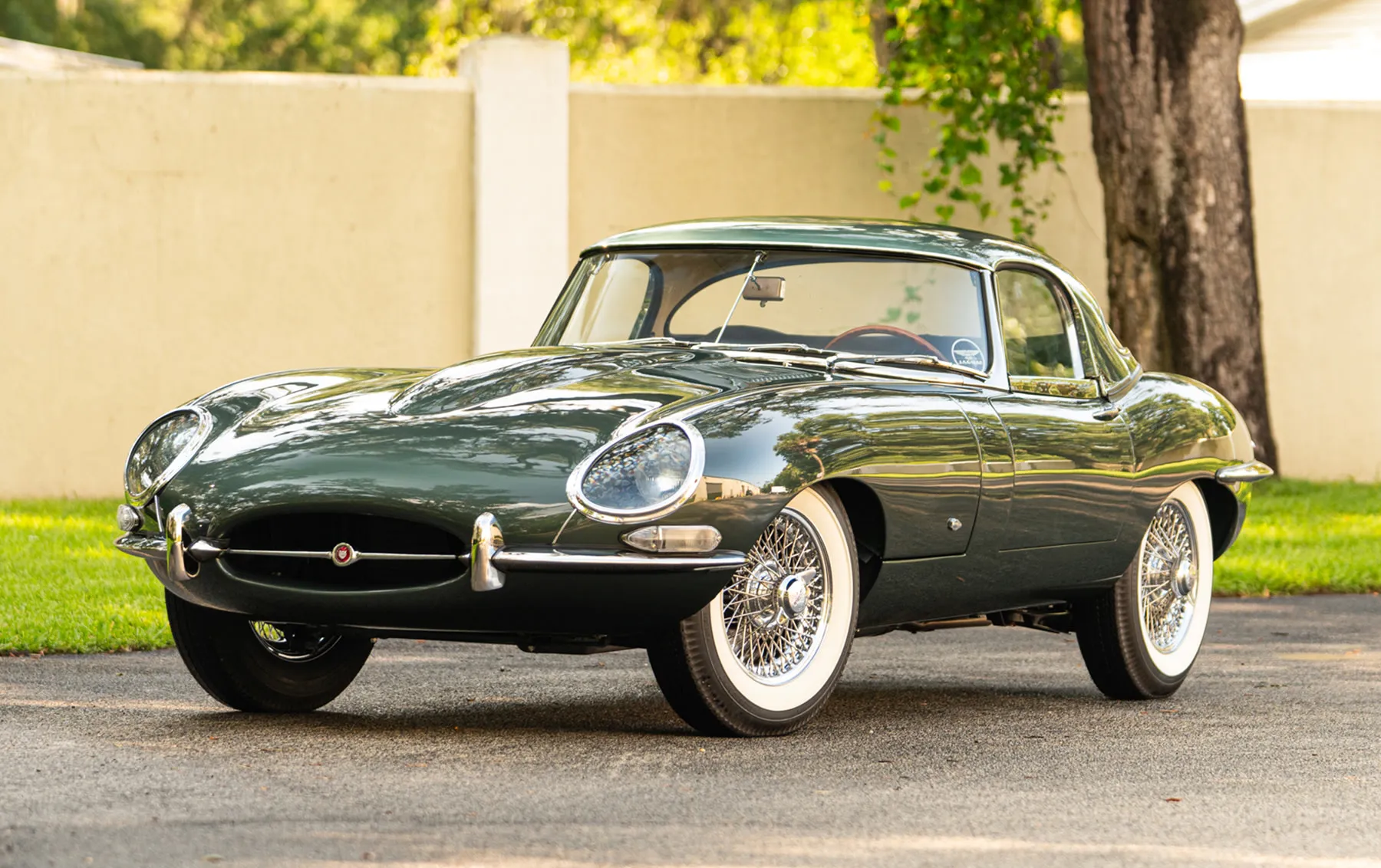
2. Jaguar E-Type Series 1 (1961)
Enzo Ferrari reportedly called the Jaguar E-Type Series 1 the most beautiful car ever made. Whether or not that precise quote is accurate, it captured a consensus opinion that formed almost instantaneously when the car appeared at the 1961 Geneva Motor Show, and Jaguar’s advertising team faced the extraordinary challenge of promoting something that had already generated more press than any campaign could have purchased.
Their solution was, in hindsight, perfect: step back and let the car do the communicating. Jaguar’s 1961 E-Type print advertisements are studies in restraint that achieve maximum impact precisely because of what they do not do. No hyperbole in the headlines. No cluttered specification lists competing for attention with the photograph. No celebrity endorsement is distracting from the subject.
What Jaguar’s advertisements offered instead was space, confidence, and a quietly devastating sense of proportion. Large-format photographs placed the E-Type Roadster against minimal, elegant backgrounds that put every line of Malcolm Sayer’s design in clear view.
Cream and white backgrounds in studio shots created an almost clinical purity that felt simultaneously luxurious and technical, as if the car were both a sculpture and a precision instrument displayed in the same frame. Typography in Jaguar’s 1961 advertising reflected the brand’s personality with accuracy.
Clean serif fonts in conservative weights communicated British heritage and refined taste without formality that might push away a younger performance-oriented buyer. Headline copy was spare and declarative, relying on statements of fact rather than claims of superiority, because Jaguar’s advertising team understood that stating the E-Type’s actual specifications was more persuasive than any superlative they could invent.
Beyond the formal qualities of the advertisements themselves, what made this campaign beautiful in a lasting way was its total alignment with the object it represented. Jaguar produced a genuinely extraordinary piece of design in the E-Type, and then produced advertising that treated that extraordinary design with the respect it deserved rather than overwhelming it with commercial noise.
That discipline, that willingness to trust the product, is rare in any era of advertising and was particularly rare in the aggressively competitive automotive market of the early 1960s.
Also Read: 8 Classic Vehicles With Strange Transmission Shifter Placements
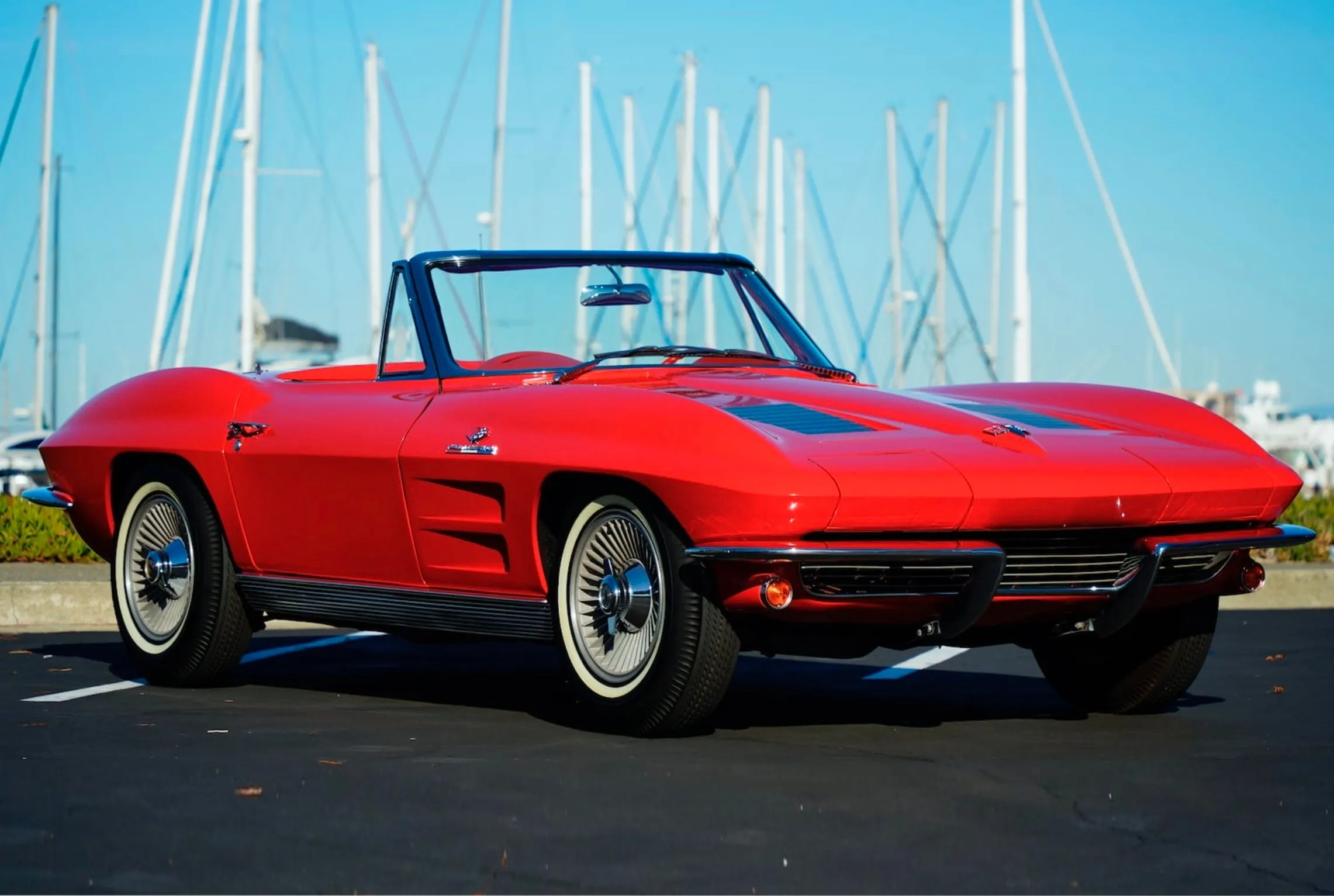
3. Chevrolet Corvette Sting Ray (1963)
The 1963 Chevrolet Corvette Sting Ray Coupe, widely recognised for its distinctive split rear window, provided Chevrolet’s advertising agency with an extraordinary subject for visual promotion. Campbell Ewald, the agency responsible for the campaign, recognised immediately that the car’s styling alone possessed the power to attract attention. Sharp body lines, low stance, and dramatic proportions meant that photographs required little manipulation. The vehicle itself carried the visual message.
What strengthened the campaign was the decision to emphasise the Corvette’s racing heritage. Chevrolet understood that the Sting Ray represented more than an attractive sports car. It symbolised American performance ambition shaped by motorsport influence.
Illustrations created by respected automotive artists of the period portrayed the car in motion, hugging the road with an impression of speed and precision. These painted interpretations appeared beside traditional photographs in magazines. Readers encountered both technical realism and artistic excitement within the same campaign.
Advertising copy complemented the imagery with clear and confident language. Engineers had introduced independent rear suspension for the Corvette during that model year. Instead of presenting the feature as a technical statistic, the advertisements described it as proof that Chevrolet invested genuine effort in performance engineering. Readers could sense that the company treated the Corvette as a serious sports machine.
Collectors of classic automotive publications frequently recognise the 1963 Sting Ray advertising series as an important example of American design and marketing skill. Framed magazine pages from that campaign continue to attract attention among enthusiasts who appreciate both automotive history and graphic design craftsmanship.
4. Ford Mustang (1964)
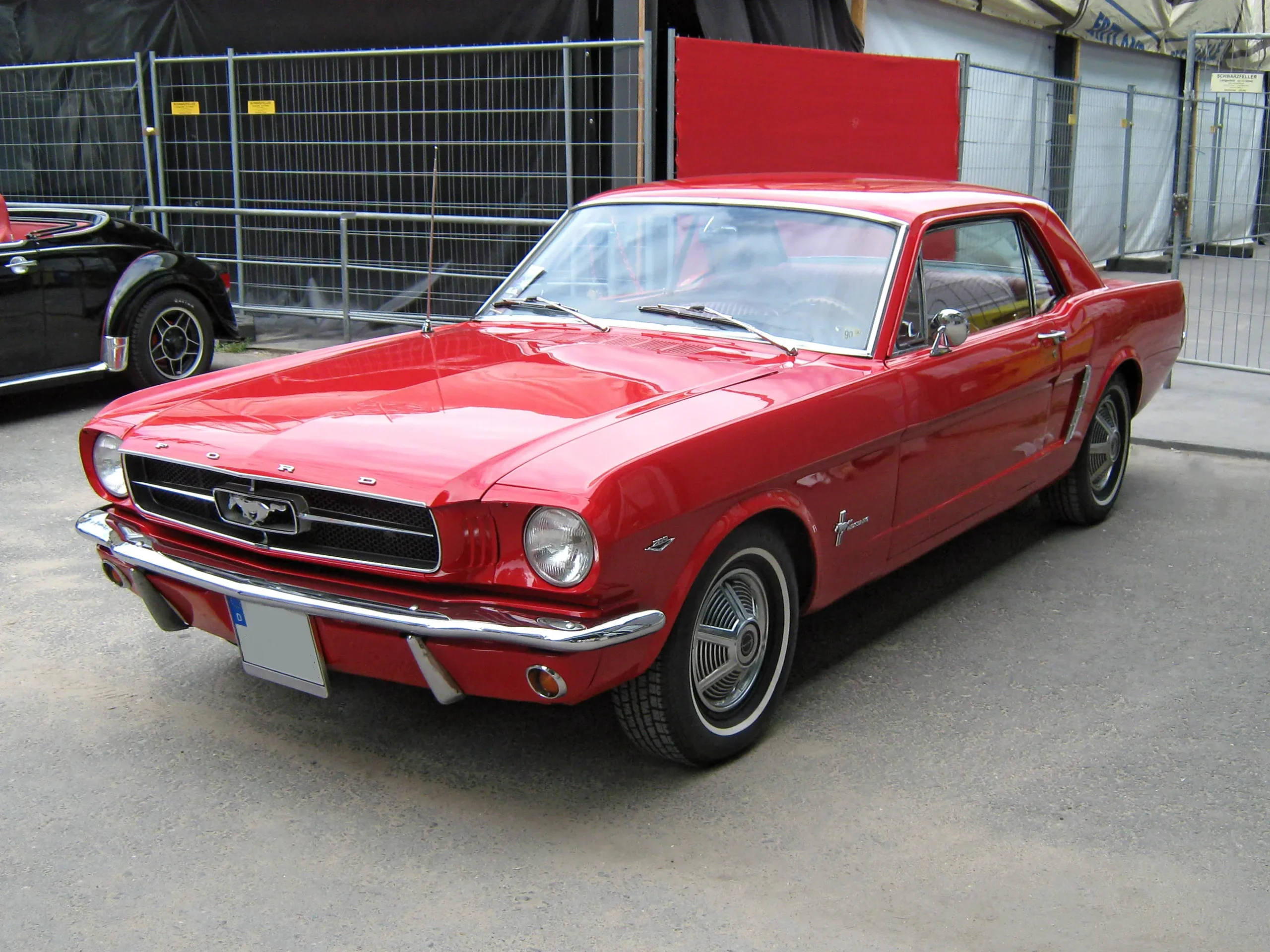
The arrival of the 1964 Ford Mustang marked one of the most influential moments in automotive marketing history. On April 17, 1964, Ford introduced the car to the public through a carefully organised advertising programme developed by the agency J. Walter Thompson. That launch produced an immediate reaction across the United States and established the Mustang as a symbol of youthful freedom and personal style.
Visual presentation in early Mustang advertisements reflected the spirit of the decade. Photographs frequently showed the vehicle in motion, driving along coastal highways, parked at social gatherings, or positioned beside racetracks. These images suggested excitement and independence. Ford intended to appeal to younger drivers who desired a car that expressed personality rather than simple transportation.
Headline writing played an equally powerful role in the campaign. The launch advertisement famously used the repeated declaration “Mustang! Mustang! Mustang!” printed boldly across the page. Such wording generated excitement and created a sense of anticipation among readers.
Later advertisements expanded upon the theme of individuality. Buyers could choose from numerous options, colours, and trim packages. Ford presented these choices as an opportunity for personal expression. An important element of the campaign involved the scale of its distribution.
Ford arranged for Mustang advertisements to appear in more than two thousand newspapers across the country on the same day. Television commercials aired simultaneously on major networks, creating a national marketing event rather than a routine product announcement.
Magazine advertisements supported the campaign with large colour spreads published in respected publications such as Life, Look, and Road and Track. Each page displayed different versions of the car, including the hardtop, convertible, and fastback. Though each model targeted slightly different preferences, the advertisements maintained a unified visual identity.
This coordinated marketing effort played an important role in establishing the Mustang as one of the most recognised cars in American automotive history.
5. Lincoln Continental (1961)
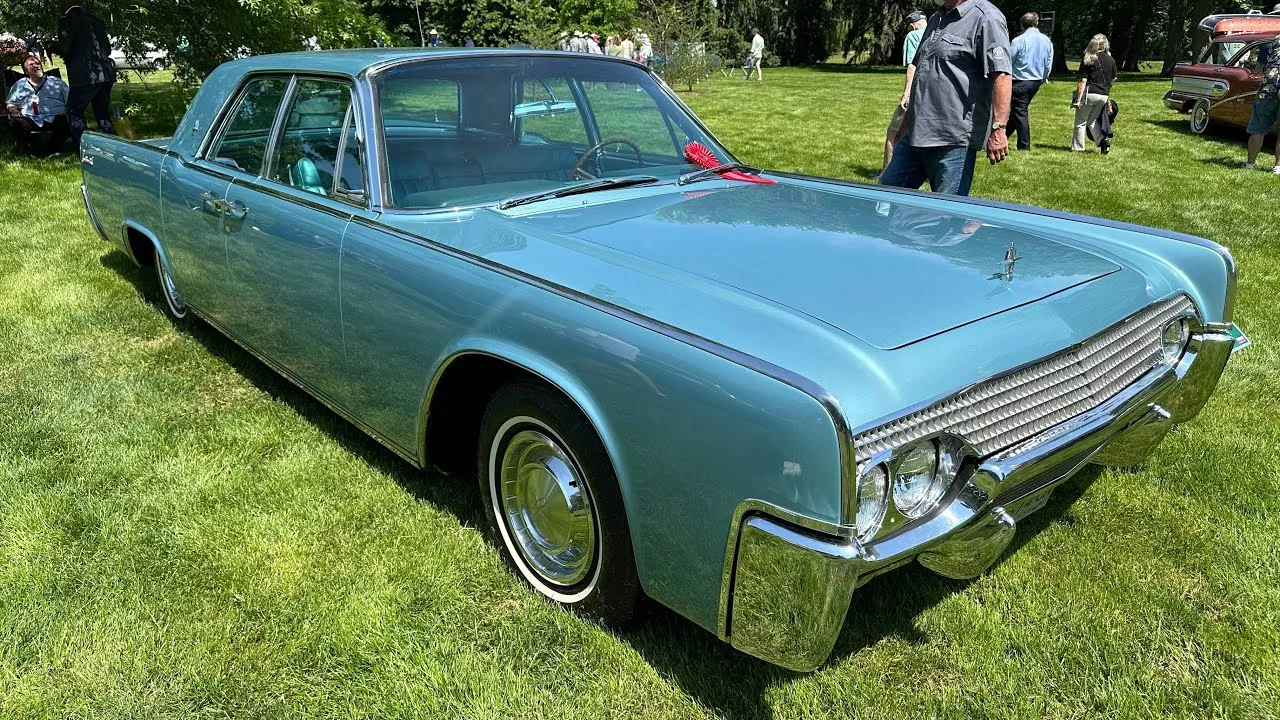
Not every memorable 1960s automotive advertisement was built around speed, power, or youth culture. Lincoln’s advertising for the 1961 Continental represents a completely different tradition, one that defined luxury through restraint, confidence, and the quiet authority that comes from a product so sure of its own quality that it requires no persuasion.
Designed by Elwood Engel and his team with a clean-lines philosophy that was genuinely revolutionary for American luxury cars of the period, the 1961 Lincoln Continental gave Lincoln’s advertising agency the visual foundation they needed to make something timeless. What J. Walter Thompson produced with this material was advertising that treated the Continental not as a product to be sold but as a standard to be established.
Print executions for the 1961 Continental used black-and-white photography with a frequency that was unusual for automotive advertising of the period, when color printing was increasingly available, and most manufacturers used it aggressively to showcase paint and trim options.
Lincoln’s choice to run black-and-white spreads was strategic rather than economical. Monochrome photography stripped away the distraction of color and forced the viewer’s attention to line, proportion, and form, which were precisely the Continental’s strongest attributes.
Copy in the Continental campaign was restrained to the point of austerity compared to what competitors were producing simultaneously. Long paragraphs were absent. Specification lists were minimal. What copy did appear focused on quality of material, precision of construction, and the experience of ownership rather than performance claims that Lincoln understood were not the Continental’s primary appeal.
What remains genuinely beautiful about the 1961 Continental advertising campaign, viewed from the perspective of today’s advertising-saturated environment, is how completely it communicated its message through absence rather than presence. Less copy.
Less color. Less decoration. Less salesmanship. By removing everything unnecessary, Lincoln’s advertising team revealed a product that needed no embellishment, and in doing so produced some of the most quietly persuasive luxury automotive advertising ever printed.
6. Volkswagen Beetle Type 1 (1960s)
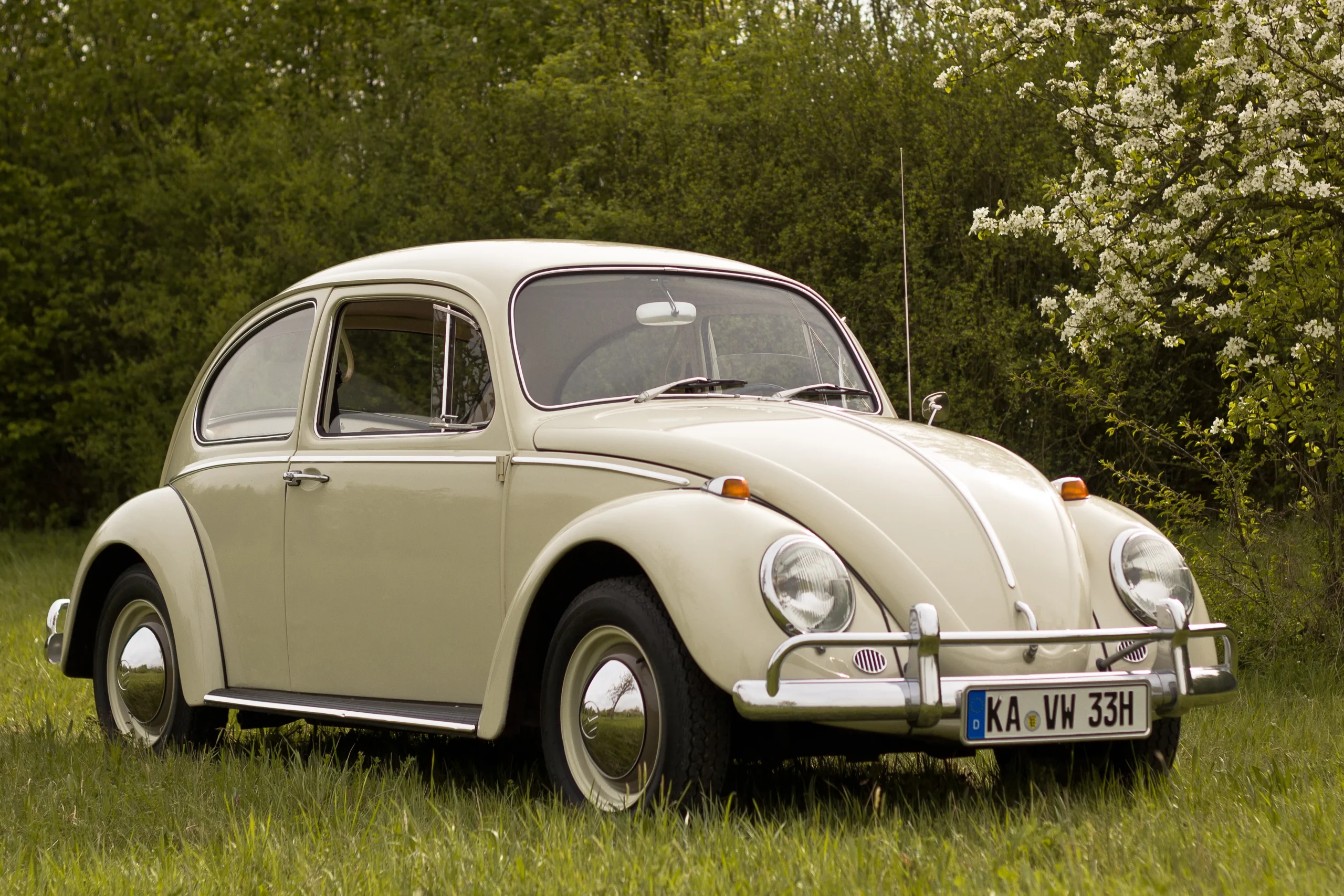
Ask any advertising professional to name the single most influential print campaign of the twentieth century, and a majority will name Doyle Dane Bernbach’s work for the Volkswagen Beetle. Ask any classic car enthusiast which 1960s automotive advertisement aged best, and the answer is usually the same. What DDB produced for Volkswagen during the 1960s was not merely good advertising. It was a redefinition of what advertising was allowed to do, say, and look like.
Working with a product that was, by any conventional standard, the opposite of what American automotive advertising celebrated, DDB and their creative team, led by Bill Bernbach, Helmut Krone, and Julian Koenig, built a campaign around honesty so radical it felt subversive.
American car advertising in 1960 was built on bigness, luxury, chrome, and aspiration. Into that environment, DDB introduced a small, ugly, air-cooled German car and chose to lead with its smallness. “Think Small,” the most celebrated headline in the history of advertising, appeared above a tiny photograph of the Beetle floating in an ocean of white space on the page.
By conventional metrics of the period, this was an advertisement that had failed before anyone read a word. By any honest assessment of what it achieved, it was a masterpiece of design, psychology, and strategic clarity that every advertising student in the Western world has studied since its publication.
Copy across the VW campaign was unlike anything else being published in American magazines during the 1960s. Written in a conversational, self-deprecating tone that acknowledged the car’s limitations before the reader could object to them, these advertisements converted every potential criticism into evidence of integrity.
A headline reading “Lemon” above a Beetle photograph, explaining that this particular car was rejected by quality control for a small cosmetic imperfection, turned Volkswagen’s quality process into a selling point by the most counterintuitive route imaginable.
What makes the VW Beetle campaign beautiful is that it understood beauty differently from everyone else in its category. It was not the beauty of airbrushed chrome or idealized proportions. It was the beauty of complete honesty, executed with absolute precision.
7. Aston Martin DB5 (1963)
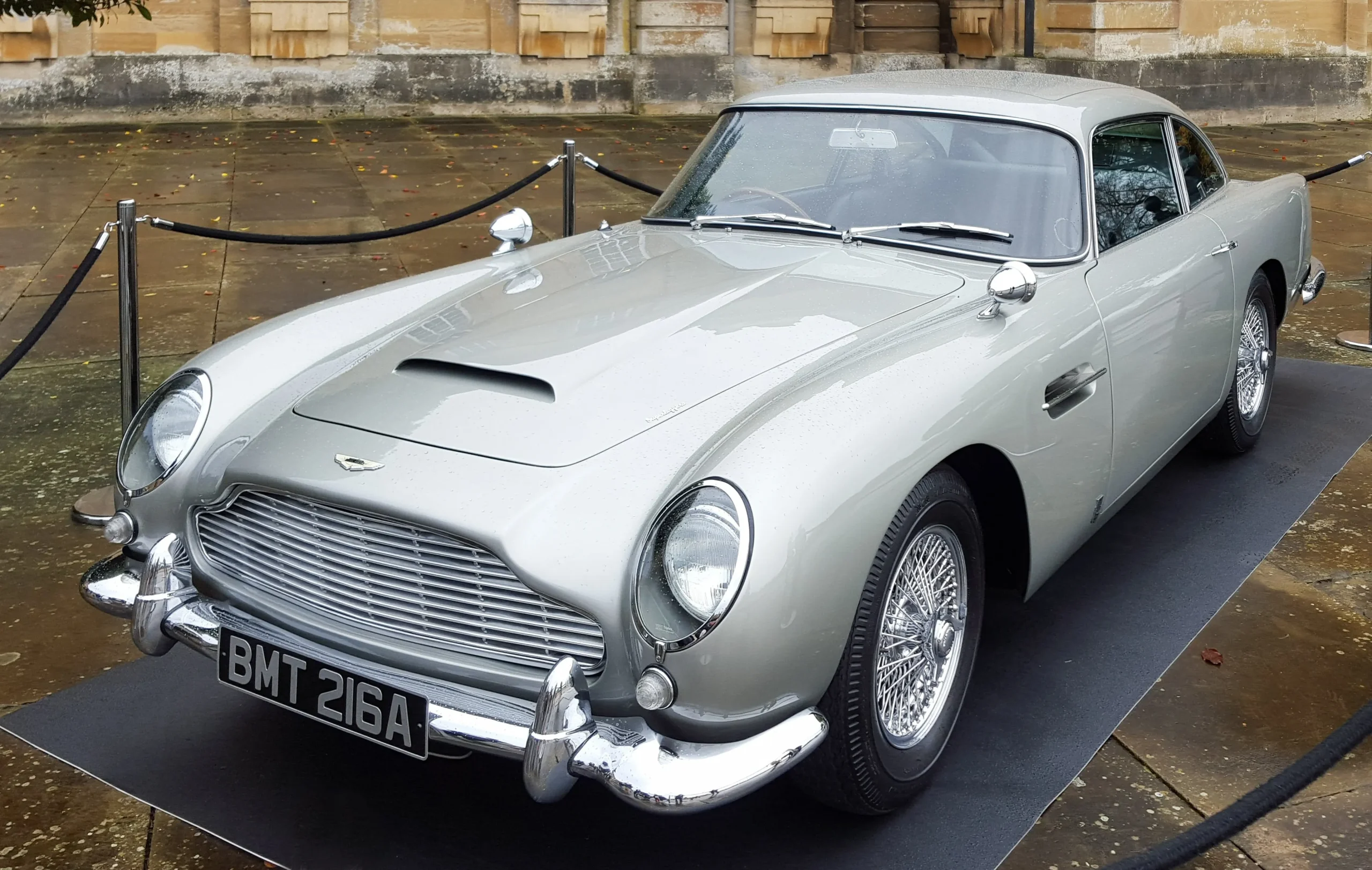
The 1963 Aston Martin DB5 holds a respected place in automotive history. Public recognition grew widely after the car appeared in the James Bond film Goldfinger, where Sean Connery drove it with calm authority.
Yet Aston Martin had already established the car’s visual reputation through carefully prepared print advertisements released before the film’s arrival. These advertisements presented the DB5 as a refined grand touring machine intended for a sophisticated audience.
Aston Martin worked with a much smaller advertising budget than large American manufacturers such as Ford, General Motors, and Chrysler. Instead of placing advertisements in numerous magazines, the company selected a limited number of respected publications read by affluent buyers. This careful placement ensured that the message reached the exact audience likely to appreciate the DB5. The approach relied on precision rather than wide exposure.
Photography played an important role in presenting the car properly. The DB5’s body was designed by Carrozzeria Touring of Milan together with Aston Martin’s internal design team. Its shape was long, low, and balanced in proportion.
Advertising photographers understood these qualities and chose elegant surroundings that suited the car’s character. Images frequently placed the vehicle near countryside estates, private airstrips, or quiet European roads during late evening light. Such settings highlighted the polished silver paint and graceful body lines.
Written copy within the advertisements also reflected confidence and technical knowledge. Instead of exaggerated language, the text described mechanical features with clarity. References to the twin cam straight six engine, the ZF five-speed gearbox, and hand-formed aluminium body panels demonstrated the craftsmanship invested in the vehicle. Readers who valued engineering quality could recognise the meaning behind those details.
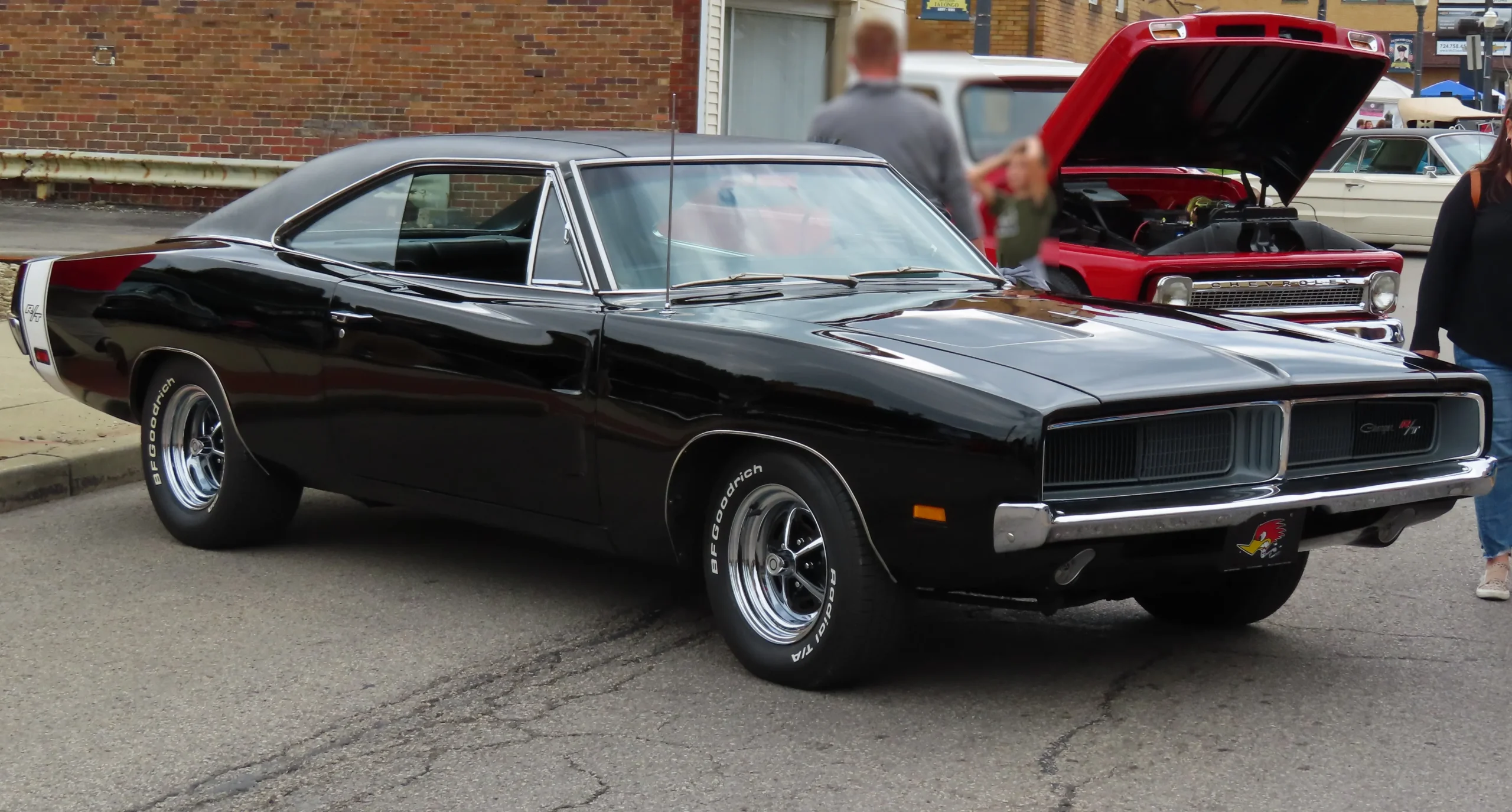
8. Dodge Charger (1966)
When Dodge introduced the 1966 Dodge Charger, the company’s advertising agency recognised that the car demanded a stronger visual presentation than traditional automotive advertisements of the period. The agency Young and Rubicam developed a campaign that reflected the creative energy present in American design culture during the mid nineteen sixties. These advertisements displayed a level of artistic ambition rarely seen in car marketing at that time.
Illustrations using flat colour shapes and strong outlines reflected artistic movements popular during that era. This style resembled the visual language seen in contemporary pop art. By incorporating these design ideas, the campaign placed Dodge advertising within the broader creative environment of the time.
The advertising strategy also communicated an image of the intended buyer. Dodge presented the Charger as a vehicle for drivers who appreciated design, power, and bold styling. The car combined American muscle car performance with a sleek fastback roofline inspired partly by European sports coupes. Through this message, Dodge positioned the Charger as something fresh within the domestic car market.
Copywriting supported the visual presentation with energetic language. Headlines emphasised performance, design confidence, and the car’s distinctive appearance. The tone reflected pride in the Charger’s engineering and styling direction. By presenting the vehicle through striking images and direct language, Dodge created an advertising campaign that matched the spirit of the Charger itself.
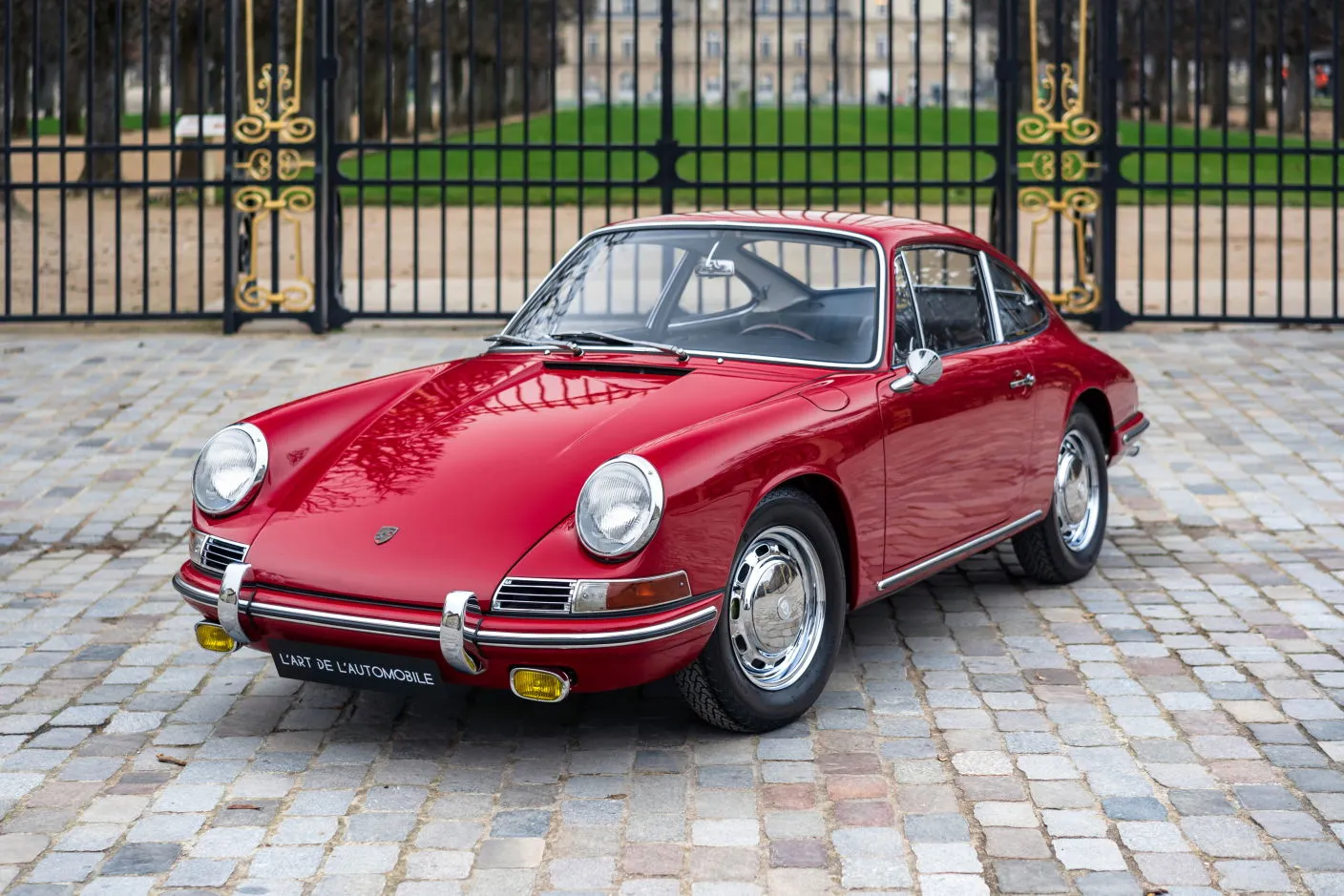
9. Porsche 911 (1964)
Porsche introduced the 911 to succeed the beloved 356 in 1963, with production beginning in 1964, and the challenge for the brand’s advertising was considerable. Replacing a car that had earned devoted followers across fifteen years of production required advertising that honored the 356’s legacy while establishing the 911’s own identity clearly enough that buyers understood the new model was not an incremental update but a genuinely new direction.
What Porsche’s advertising team produced for the early 911 campaign was quietly confident in a way that reflected the brand’s character more accurately than any amount of dramatic photography or ambitious copywriting could have achieved.
Porsche understood its buyers well enough to know that they did not need to be convinced of the car’s engineering credentials. They needed to be shown that Porsche’s commitment to driving integrity remained intact through the transition.
Copy across the early 911 campaign was technical in a way that was genuinely educational for buyers encountering the overhead-cam flat-six engine for the first time after years of the 356’s four-cylinder. Rather than simplifying the engineering story for a broader audience, Porsche’s copywriters trusted their buyers to appreciate technical information and presented it with clarity and depth that communicated respect for the reader’s intelligence.
What makes the early Porsche 911 advertisements beautiful from a contemporary perspective is their accuracy. They are truthful documents of a genuinely extraordinary engineering achievement, presented by people who understood what made that achievement worth communicating and who had the skill and restraint to let the truth do the persuasive work that lesser campaigns would have buried under hyperbole.
Also Read: Top 10 Classic Cars With the Best Factory Tool Kits Ever Included
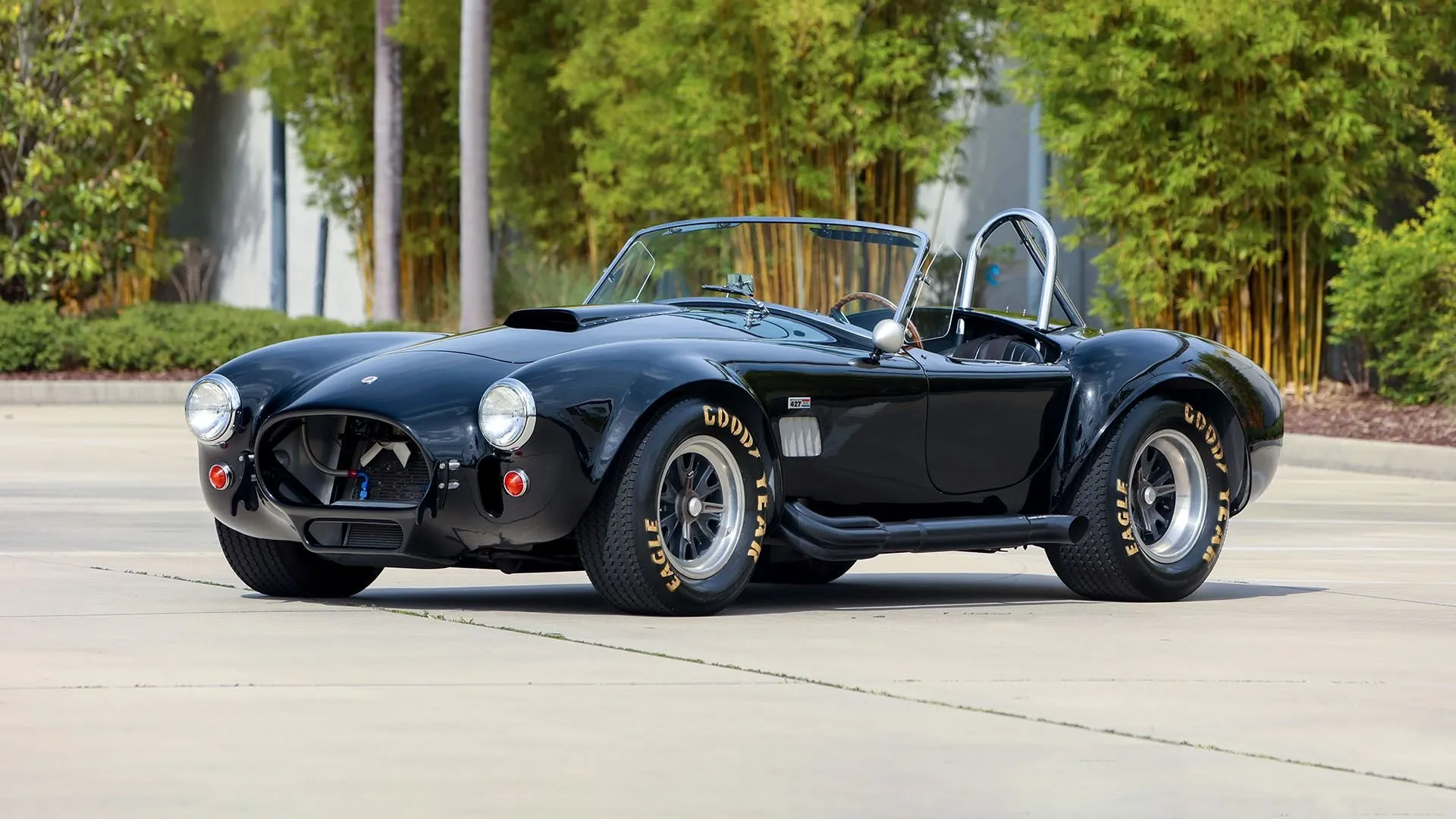
10. Shelby Cobra 427 (1965)
Carroll Shelby’s 427 Cobra was not a refined vehicle. It was a 480-horsepower aluminum-bodied racing car with a heater and a windshield that qualified it, technically, as a road car. Advertising something this extreme to a 1965 American public required an approach calibrated precisely for an audience that understood exactly what a 427 cubic inch side-oiler Ford V8 in a 2,300-pound body actually represented, and what it demanded from the person willing to drive it.
Shelby American’s advertising for the 427 Cobra during 1965 embraced this extremity rather than softening it for general audience palatability. Print executions showed the car without an apologetic context, no luxury interiors, no socialite associations, and no pastoral backgrounds, suggesting a genteel Sunday drive. What appeared on the page was an honest portrayal of a vehicle designed for one purpose, and the advertising trusted its audience to find that purpose as compelling as Shelby knew it to be.
Photography for the 427 Cobra advertisements leaned into the car’s aggressive proportions in ways that competitors with more conventionally proportioned vehicles could not achieve. Wide-angle lenses used at low angles made the front fenders appear to overwhelm the frame, communicating mass and menace before any headline confirmed what the viewer was looking at.
This photographic approach was artistically risky in that it sacrificed conventional beauty for an honest presentation of a car that was not conventionally beautiful but was visually magnificent on its own terms. Copy across the 427 Cobra campaign was among the most direct and technically honest in 1960s automotive advertising.
Shelby’s team wrote for buyers who knew what a chassis-dyno number meant, who understood the difference between a street-tuned engine and a race-prepared one, and who appreciated honest information over marketing poetry. This directness, this respect for the reader’s specific knowledge, gave the 427 Cobra advertising a credibility that broader audience campaigns rarely achieved.
What makes the Shelby Cobra 427 advertisements from 1965 genuinely beautiful, rather than merely interesting as automotive documents, is their integrity. Every visual choice and every copy decision was made in service of accurate communication rather than idealized presentation.
In an era when automotive advertising was often elaborate performance, Shelby’s campaign was a straightforward statement of capability addressed directly to the people capable of handling it.
