
When it comes to routine maintenance, especially spark plug and ignition coil replacement, not all engines are created equal. Some modern engines hide critical components beneath layers of intake manifolds, plastic covers, and tight engine bays, turning a simple tune-up into a frustrating ordeal.
However, a select group of engines stands out for their thoughtful design, prioritizing accessibility without sacrificing performance.
From practical inline-fours like Toyota’s 2.5L A25A-FKS and Honda’s L15/K20 to performance-oriented V8s such as Ford’s 5.0L Coyote and GM’s LS series, these engines make DIY maintenance straightforward and efficient. Clear layouts, coil-on-plug designs, and strategically placed spark plugs define their appeal to enthusiasts and technicians alike.
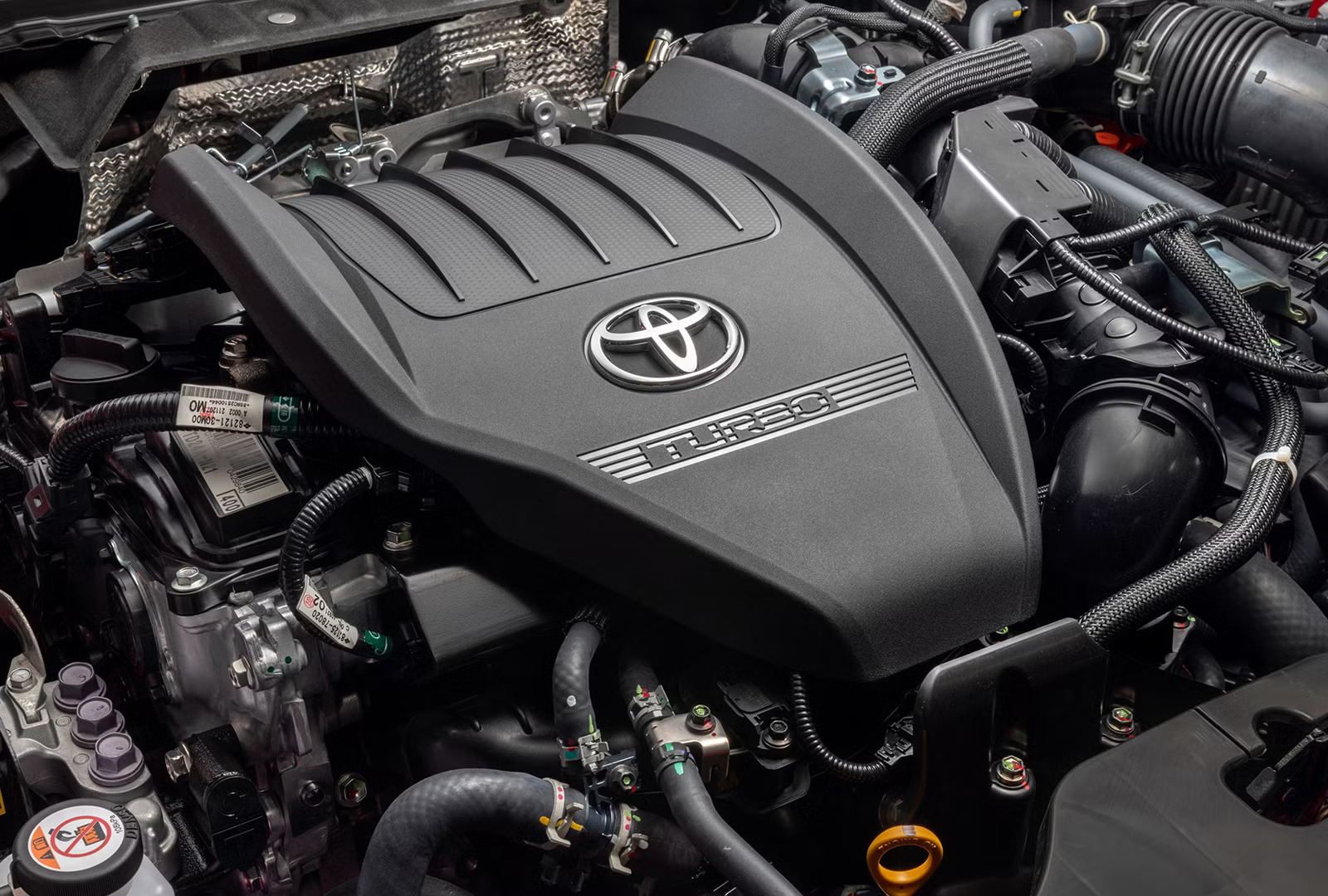
1. Toyota 2.5L I4 (A25A-FKS): Accessible Design and Modern Efficiency
The Toyota 2.5-liter inline-four A25A-FKS engine is part of Toyota’s Dynamic Force engine family and is widely recognized for its balance of efficiency, reliability, and serviceability.
Introduced in many 2018 and newer models, such as the Camry and RAV4, this naturally aspirated engine reflects Toyota’s modern engineering approach that focuses on performance, fuel economy, and easier maintenance. One of its most notable features is the highly accessible ignition system, which makes spark plug replacement simple even for inexperienced mechanics.
A key factor behind this accessibility is the engine’s coil-on-plug ignition design. All four ignition coils are mounted directly on top of the cylinder head and become visible after removing the plastic engine cover. Each coil is secured with a small bolt and sits directly above its spark plug tube.
Because the ignition components are placed in an open and unobstructed area, there is no need to remove major engine parts such as intake manifolds or cooling lines to reach the spark plugs. The process only requires basic tools such as an 8 mm socket for the coil bolts and a 14 mm or 9/16-inch spark plug socket. As a result, replacing all four spark plugs can take less than twenty minutes.
The inline-four configuration also improves accessibility. Engines with V-shaped layouts often have a rear bank of cylinders positioned close to the firewall, which makes spark plug access more difficult.
In contrast, the A25A-FKS places all cylinders in a single row across the top of the engine, allowing mechanics to reach each ignition coil and plug without working in cramped spaces. This clean layout demonstrates Toyota’s commitment to designing engines that remain practical to maintain.
Beyond ease of maintenance, the A25A-FKS delivers strong efficiency and respectable performance. The engine produces about 203 to 206 horsepower and roughly 184 to 186 lb-ft of torque.
It achieves over 40 percent thermal efficiency through technologies such as the Atkinson combustion cycle, the D-4S system that combines direct and port fuel injection, and advanced valve timing with VVT-iE. These features help maximize fuel economy while maintaining smooth operation.
Maintenance requirements are relatively low because the engine uses long-lasting iridium spark plugs with replacement intervals of up to 120,000 miles. Toyota recommends using genuine Toyota or Denso plugs to maintain reliability and proper performance. The engine also requires 0W-16 oil and consistent servicing to preserve durability.
The A25A-FKS engine stands out as a modern powertrain that combines efficiency, dependable performance, and convenient maintenance access.
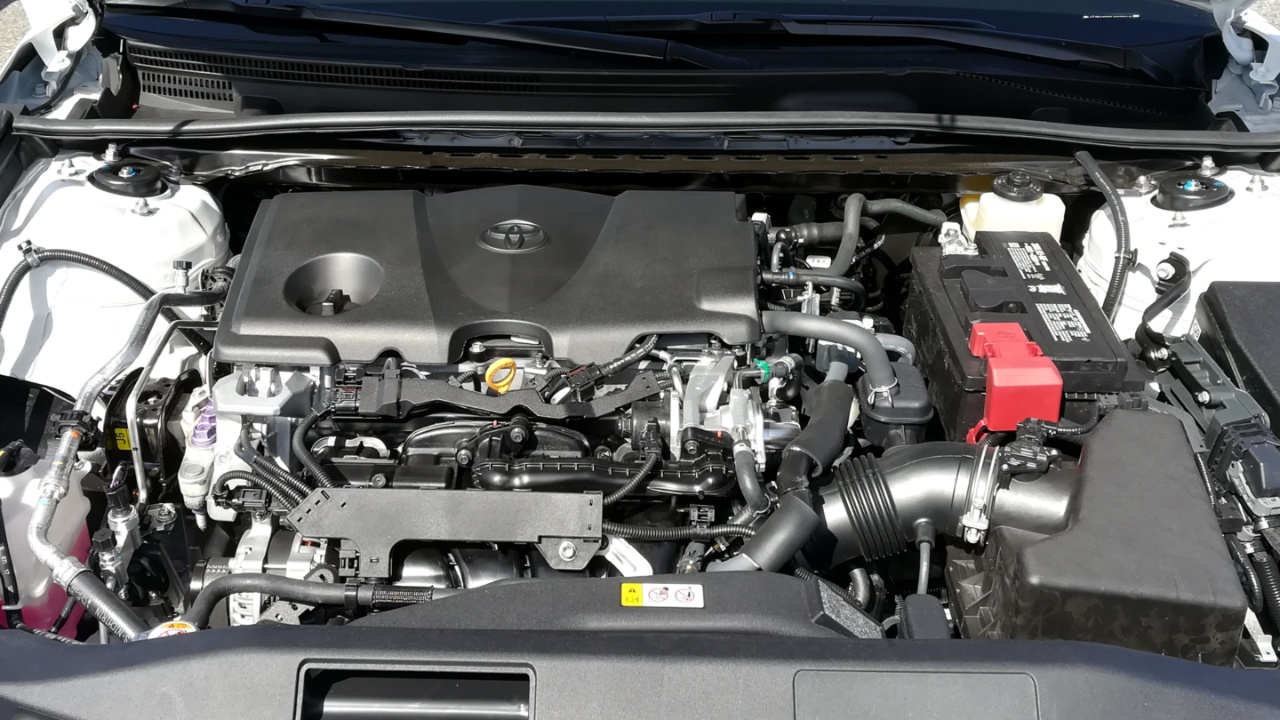
2. Honda L15 and K20 Engines: Simple Layout and DIY-Friendly Maintenance
Honda’s 1.5-liter L15 and 2.0-liter K20 engine series are widely known for their accessible design and ease of maintenance. Found in popular vehicles such as the Honda Civic, Accord, and CR-V, these engines demonstrate Honda’s emphasis on straightforward engineering and serviceability.
One of their most appreciated features is the highly accessible ignition system, which allows spark plugs and coil packs to be replaced quickly with minimal tools.
A major reason for this accessibility is the coil-on-plug ignition system used in both engine families. Instead of traditional spark plug wires connected to a distributor, each spark plug has its own ignition coil mounted directly above it. This design places the ignition components directly on top of the cylinder head.
After removing the thin plastic engine cover, the coil packs are immediately visible and easy to reach. Each coil is typically secured with a single 10 mm bolt, and removing it allows direct access to the spark plug underneath. Because the wiring harness is designed with enough slack, disconnecting the electrical connectors is simple and rarely requires extra effort.
Another advantage is the top-mounted vertical layout of the spark plugs. The spark plug wells are positioned vertically in the valve cover, which allows a socket and extension to reach them directly from above. Unlike some engines where spark plugs are buried under intake manifolds or surrounded by tight engine bay components, the L15 and K20 engines provide a clear path for tools.
The plug tubes are also relatively shallow, so complex swivel joints or long extensions are usually unnecessary. This straightforward layout reduces the risk of damaging threads during installation and makes routine tune-ups easier for both professional technicians and DIY mechanics.
The inline-four configuration further improves serviceability. With all cylinders arranged in a single row, there is no hidden rear cylinder bank to reach around. The engine design keeps the ignition system clear of large components that might block access. In many Honda models, replacing spark plugs requires only basic tools such as a 10 mm socket for the coil bolts and a 5/8-inch or 16 mm spark plug socket.
Beyond maintenance accessibility, the L15 and K20 engines offer different driving characteristics. The 1.5-liter L15 turbo engine focuses on efficiency and strong low-end torque, producing around 174 to 205 horsepower depending on the model. It delivers quick acceleration and excellent fuel economy, often exceeding 30 to 40 miles per gallon on the highway.
The 2.0-liter K20 naturally aspirated engine emphasizes simplicity and durability. Producing about 158 horsepower, it offers smooth, linear power delivery and a high-revving character that many enthusiasts appreciate.
Honda’s L15 and K20 engines combine efficient performance with a clean, service-friendly design. Their accessible ignition layout and simple maintenance requirements make them among the most DIY-friendly modern engines available.
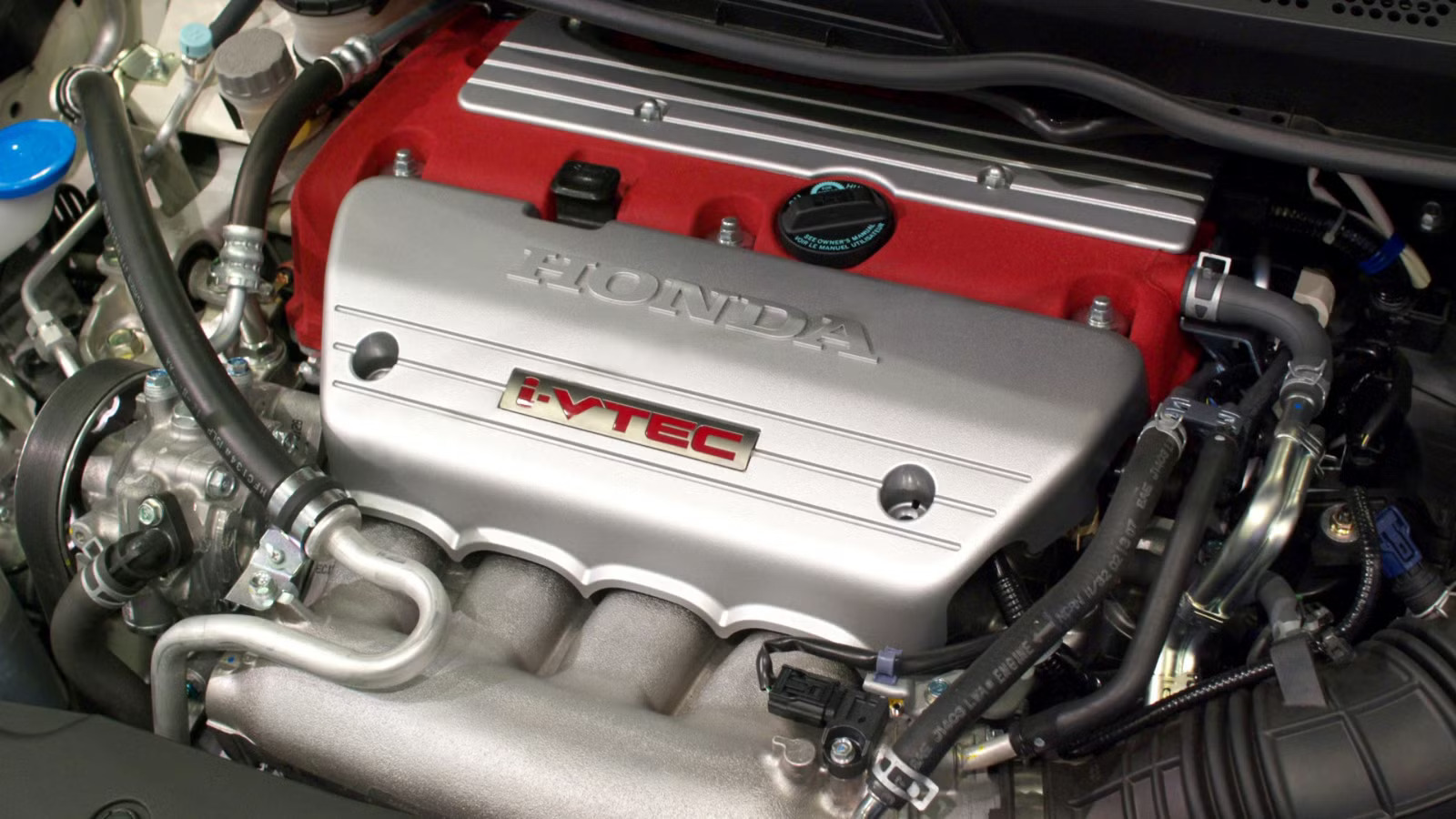
3. Ford 5.0L Coyote V8: Performance Power with Serviceable Design
The Ford 5.0-liter Coyote V8 is widely respected for combining strong performance with a surprisingly maintenance-friendly layout. Introduced in 2011 and used in vehicles such as the Ford Mustang and Ford F-150, the Coyote represents Ford’s modern approach to naturally aspirated V8 design.
While many V8 engines are difficult to service because of tight engine bays and hidden components, the Coyote stands out for its relatively accessible ignition system and thoughtful placement of key maintenance items.
One of the main reasons for this accessibility is the engine’s coil-on-plug ignition system. Each cylinder has its own ignition coil mounted directly on top of the spark plug, eliminating the need for traditional spark plug wires or distributor systems.
These coils sit prominently on the valve covers and are usually secured with a small 8 mm bolt. Once the bolt is removed, the coil pack can be lifted out, allowing direct access to the spark plug underneath. Because the spark plugs are positioned vertically and close to the top of the engine, a standard socket extension can easily reach them.
The layout also benefits from the large engine bay found in vehicles like the F-150. Trucks generally provide more room around the engine compared to smaller vehicles, and Ford used this space effectively when designing the Coyote installation.
Unlike older Ford modular engines such as the 5.4-liter Triton, which often required removing additional components to reach the spark plugs, the Coyote’s design allows most plugs to be accessed without removing intake parts, wheel well liners, or other major components. Even the rear cylinders, which are often difficult to reach in many V8 trucks, remain accessible with basic tools.
Another improvement over earlier Ford engines is the use of a one-piece spark plug design. Older modular engines were known for spark plugs that could break during removal, creating difficult repairs. The Coyote’s design reduces this risk and makes routine maintenance safer and faster.
Beyond serviceability, the Coyote V8 is known for its strong performance and durability. It is a dual overhead camshaft engine that can rev much higher than traditional pushrod V8s, often reaching around 7,500 RPM.
Modern versions produce roughly 400 to 460 horsepower, depending on the vehicle and model year. The engine also features a durable aluminum block, forged internal components, and improved fuel systems in later generations.
The Ford 5.0L Coyote V8 stands out as a modern performance engine that balances power, reliability, and relatively easy maintenance access.
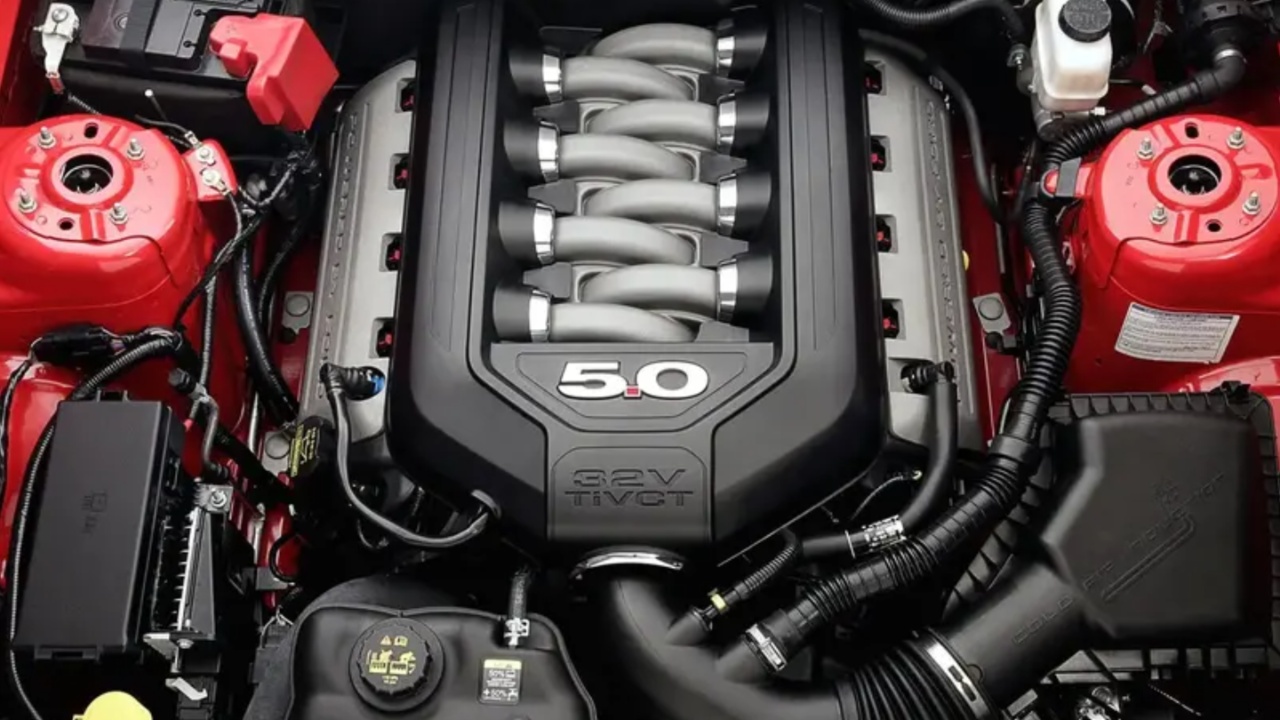
4. GM 5.7L and 6.0L LS V8: Compact Engineering and Easy Maintenance
The GM 5.7-liter and 6.0-liter LS V8 engines are widely regarded as some of the most reliable and service-friendly engines produced by General Motors. Found in vehicles such as the Chevrolet Corvette, Camaro, and Silverado, these engines are known for their strong performance, durability, and simple design.
Mechanics and enthusiasts often praise the LS platform because routine maintenance tasks, particularly spark plug and ignition system service, are far easier than in many modern V8 engines.
A major reason for this accessibility is the LS engine’s pushrod overhead valve (OHV) architecture. Unlike overhead cam engines that place large camshafts and timing components above the cylinder heads, the pushrod design keeps the engine smaller and narrower.
This compact configuration leaves more room around the engine inside the bay, making it easier to reach key components. With fewer parts occupying the top of the engine, the layout remains clean and relatively uncluttered.
The ignition system further improves serviceability through a coil-near-plug design. Instead of using a traditional distributor or a single coil pack, LS engines feature individual ignition coils for each cylinder. These coils are mounted on brackets attached to the valve covers.
Short spark plug wires connect the coils to the plugs. This arrangement keeps the ignition components organized and accessible without placing them directly on top of the spark plugs. As a result, mechanics can remove or replace coils without disturbing other major engine parts.
Spark plug placement is another advantage of the LS design. The plugs are located on the sides of the cylinder heads, pointing outward toward the fenders. Because the engine block is relatively narrow, the plugs can usually be reached easily from the top of the engine bay.
Servicing them is typically a simple process that involves removing the spark plug wire and using a standard spark plug socket. Unlike many modern engines, this procedure rarely requires removing intake components or other large assemblies.
In addition to easy maintenance, the LS engines are known for their strong performance and longevity. The 5.7-liter LS1 and LS6 engines, commonly used in performance cars, produce roughly 305 to more than 400 horsepower depending on the version.
Their aluminum construction keeps weight low while maintaining excellent strength. The 6.0-liter LS engines, including truck variants such as the LQ4 and LQ9 and the LS2 used in cars, deliver greater torque and are widely respected for their durability in heavy-duty applications.
The LS platform combines compact engineering, dependable performance, and a straightforward maintenance layout, which explains why it remains one of the most popular V8 engine families among enthusiasts and professional mechanics.
5. Acura 3.2L J-Series V6: Practical Packaging and Accessible Maintenance
The Acura 3.2-liter V6, part of Honda’s J-series engine family, is celebrated for its combination of strong performance, durability, and accessible design. Found in early 2000s models like the Acura TL and CL, the engine balances smooth V6 power with practical maintenance, standing out among transverse V6 engines that often hide components under intake manifolds.
A key feature of the J-series is its service-friendly ignition layout. Each cylinder has an individual coil-on-plug ignition coil mounted directly above the spark plug. The coils are secured by a single 10mm bolt and feature easily disconnectable wiring harnesses. Once removed, spark plugs can be accessed with a standard 5/8-inch socket and short extension, eliminating the complexity of distributor systems or long spark plug wires.
The transverse-mounted engine and open engine bay further enhance accessibility. Unlike many V6 designs, the rear cylinder bank is not tightly pressed against the firewall, avoiding the need to remove the intake plenum for maintenance. This spacing allows technicians to reach the rear plugs with basic tools, sometimes using a small mirror or working by feel. Minor adjustments, such as temporarily moving the coolant reservoir, may be necessary, but major component removal is rarely required.
Performance-wise, the 3.2L J-series delivers between 225 and 260 horsepower, utilizing a single overhead camshaft with Honda’s VTEC system for efficient low-speed operation and stronger high-RPM power. This provides smooth, responsive daily driving with a sporty character.
The engine is also highly durable, with many examples exceeding 200,000–300,000 miles when maintained properly. Routine oil changes and timing belt replacements are essential to longevity. The combination of accessible ignition components, thoughtful engine layout, and robust engineering makes the Acura 3.2L J-series V6 a standout example of how a V6 engine can deliver both strong performance and user-friendly maintenance.
Also read: 5 Cars With Simple Interiors That Age Well vs 5 With Too Much Fragile Plastic
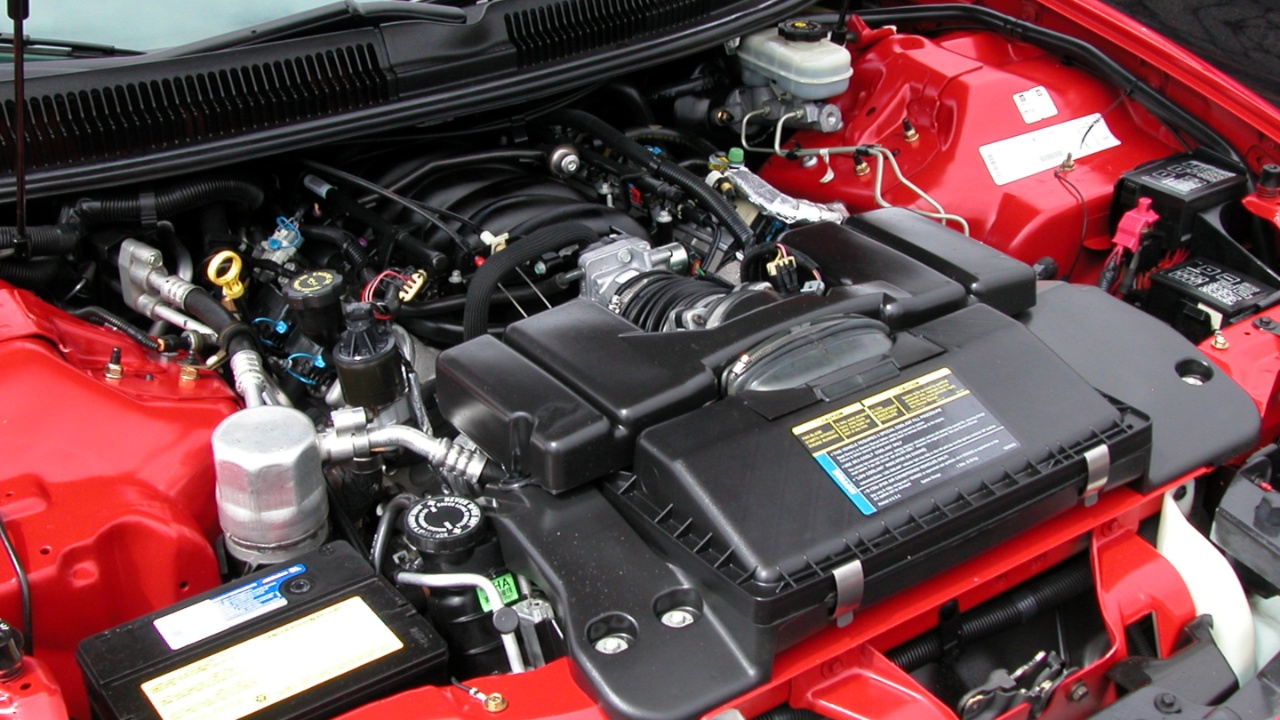
6. Hyundai 1.6L Gamma I4: Simple Engineering and Beginner-Friendly Maintenance
The Hyundai 1.6-liter Gamma inline-four engine is widely known for its simple design, solid reliability, and highly accessible ignition system. Commonly used in compact vehicles such as the Hyundai Accent, Kia Soul, and Kia Rio, this engine was designed primarily for efficiency and affordability rather than high performance.
Because of its straightforward layout, it has become a popular platform for beginner mechanics and vehicle owners who want to perform basic maintenance tasks themselves.
One of the most notable advantages of the Gamma engine is the easy access to its spark plugs and ignition coils. The engine uses a coil-on-plug ignition system, meaning each cylinder has an individual ignition coil mounted directly above the spark plug.
These coils sit in a straight row across the top of the cylinder head and are secured by a single 10 mm bolt. Once the bolt is removed and the wiring connector is unplugged, the coil can simply be lifted out, allowing direct access to the spark plug below.
The engine’s open top-mounted layout further simplifies maintenance. In many vehicles equipped with the 1.6L Gamma engine, there is either no decorative engine cover or only a simple plastic cover held by push pins. If present, the cover can be removed in seconds without tools.
With the cover off, the ignition coils and spark plug wells are immediately visible. Unlike some modern engines, where components are hidden beneath intake manifolds or surrounded by complex plumbing, the Gamma engine leaves the spark plugs unobstructed. A standard 5/8-inch spark plug socket and extension are usually all that is required for the job.
Another factor that contributes to the engine’s accessibility is the spacious engine bay layout in many of the vehicles that use it. The compact inline-four design sits relatively low in the engine compartment, allowing technicians or owners to reach the ignition components easily without leaning deeply into the engine bay.
This design reduces the difficulty of routine maintenance and makes spark plug replacement one of the simplest jobs on the engine.
Beyond its serviceability, the 1.6L Gamma engine provides dependable daily performance. Most versions produce around 138 horsepower and are designed to prioritize fuel efficiency and smooth operation rather than aggressive acceleration. Technologies such as gasoline direct injection and dual continuously variable valve timing help improve fuel economy and reduce emissions.
With regular oil changes and proper maintenance, the Hyundai 1.6L Gamma engine can deliver reliable long-term operation while remaining one of the most maintenance-friendly small engines available to everyday drivers.
7. Ford 2.3L Lima I4: Classic Simplicity and Easy Maintenance
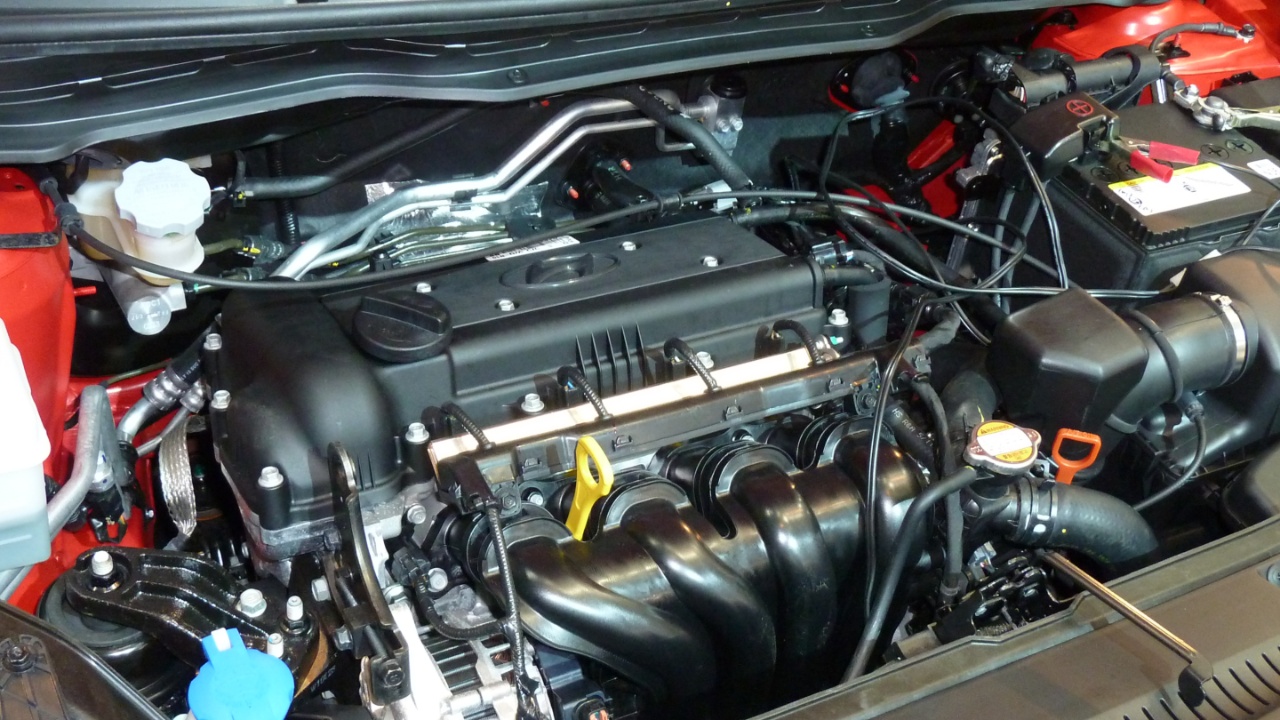
The Ford 2.3-liter Lima inline-four engine is widely recognized for its simple construction, long-term durability, and exceptional ease of maintenance. Produced from the 1970s through the early 2000s, the engine was commonly used in vehicles such as the Ford Ranger, Ford Pinto, and Mustang II.
Unlike many modern engines that hide components under layers of plastic covers and complex hardware, the Lima engine reflects an earlier design philosophy focused on practicality and straightforward serviceability.
One of the most notable features of the Lima engine is its highly accessible spark plug layout. The spark plugs are mounted on the sides of the cylinder head rather than buried beneath intake manifolds or engine covers.
This placement allows technicians or owners to clearly see and reach each plug while standing beside the vehicle. Servicing the plugs usually requires only a standard spark plug socket and extension. There are no fragile plastic clips, complicated sensors, or large engine components that must be removed before beginning the job. This open design makes spark plug replacement quick and uncomplicated.
Another factor contributing to the engine’s accessibility is its longitudinal mounting orientation in vehicles like the Ford Ranger. Because the engine sits front to back in the engine bay, there is significant space on both sides of the block.
This layout provides easy access to components such as spark plugs, ignition wires, and coil packs. The roomy engine compartment of many Ranger models also allows mechanics to work comfortably without removing other parts.
Later versions of the Lima engine, especially those produced after 1989, feature a distributorless ignition system with coil packs mounted on the side of the engine. These coil packs are easy to reach and connect to the spark plugs through short ignition wires.
Many of these engines also use a dual-plug design with two spark plugs per cylinder, resulting in eight plugs total. Even with this configuration, the plugs remain accessible because they are spread across both sides of the engine rather than crowded into a single tight location.
Beyond maintenance accessibility, the Lima engine has earned a reputation for strong reliability and durability. Its heavy cast-iron block and simple single overhead cam design allow it to withstand high mileage when properly maintained.
Many examples exceed 200,000 to 300,000 miles of service life. While the engine is not known for high performance in stock form, its robust construction has made it popular for modifications and turbocharged builds.
The Ford 2.3L Lima I4 stands as a classic example of straightforward automotive engineering, where reliability and ease of repair were central priorities.
8. Toyota 1.8L 2ZR-FE: Reliable, Accessible, and DIY-Friendly
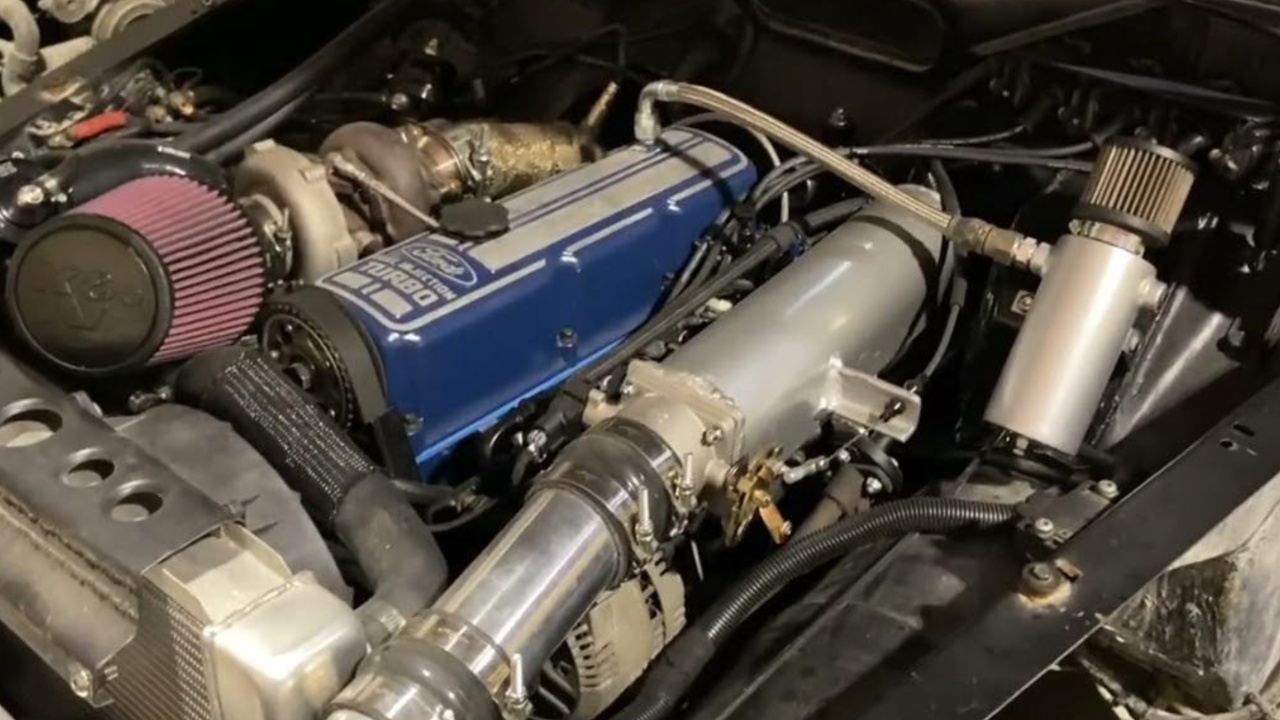
The Toyota 1.8-liter 2ZR-FE engine, found in the Corolla, Matrix, and Scion tC, is renowned for its reliability, longevity, and ease of maintenance. Produced since 2007, this inline-four emphasizes straightforward serviceability, making it popular with both DIY enthusiasts and professional mechanics.
Its design prioritizes accessibility, particularly to the ignition system, without compromising Toyota’s reputation for durable, low-maintenance engines.
A standout feature is the top-mounted coil-on-plug (COP) ignition system. Each cylinder has its own ignition coil directly above the spark plug, eliminating spark plug wires and simplifying maintenance.
The spark plugs sit beneath a simple plastic engine cover secured by just two 10mm nuts or clips. Once removed, all four coils, held by single 10mm bolts, are easily accessible. The spark plug wells are precisely machined, allowing a standard 14mm or 5/8-inch socket to reach the plugs without wobbling, even for first-time DIYers.
The transverse-mounted engine layout further enhances accessibility, positioning the plugs toward the front or top of the engine bay and providing ample space for ratchets and extensions. There is no need to remove intake manifolds, airboxes, or other major components, which makes routine maintenance faster and less frustrating.
Beyond serviceability, the 2ZR-FE delivers solid reliability and longevity. Equipped with Dual VVT-i and a timing chain, it produces roughly 130–140 horsepower, offering smooth, efficient daily driving.
While modest in performance and occasionally noisy, it provides excellent fuel economy and low ownership costs. Common issues include minor oil leaks, occasional water pump failures, and higher oil consumption in high-mileage engines, with proper maintenance enabling service life beyond 200,000–300,000 miles.
The Toyota 1.8L 2ZR-FE combines durable engineering, accessible design, and low-cost upkeep. Its coil-on-plug system, open engine bay layout, and robust construction make spark plug replacement and routine maintenance simple, reinforcing its status as one of Toyota’s most user-friendly modern engines.
9. Mazda 2.0L SkyActiv-G: Efficient, Accessible, and DIY-Friendly
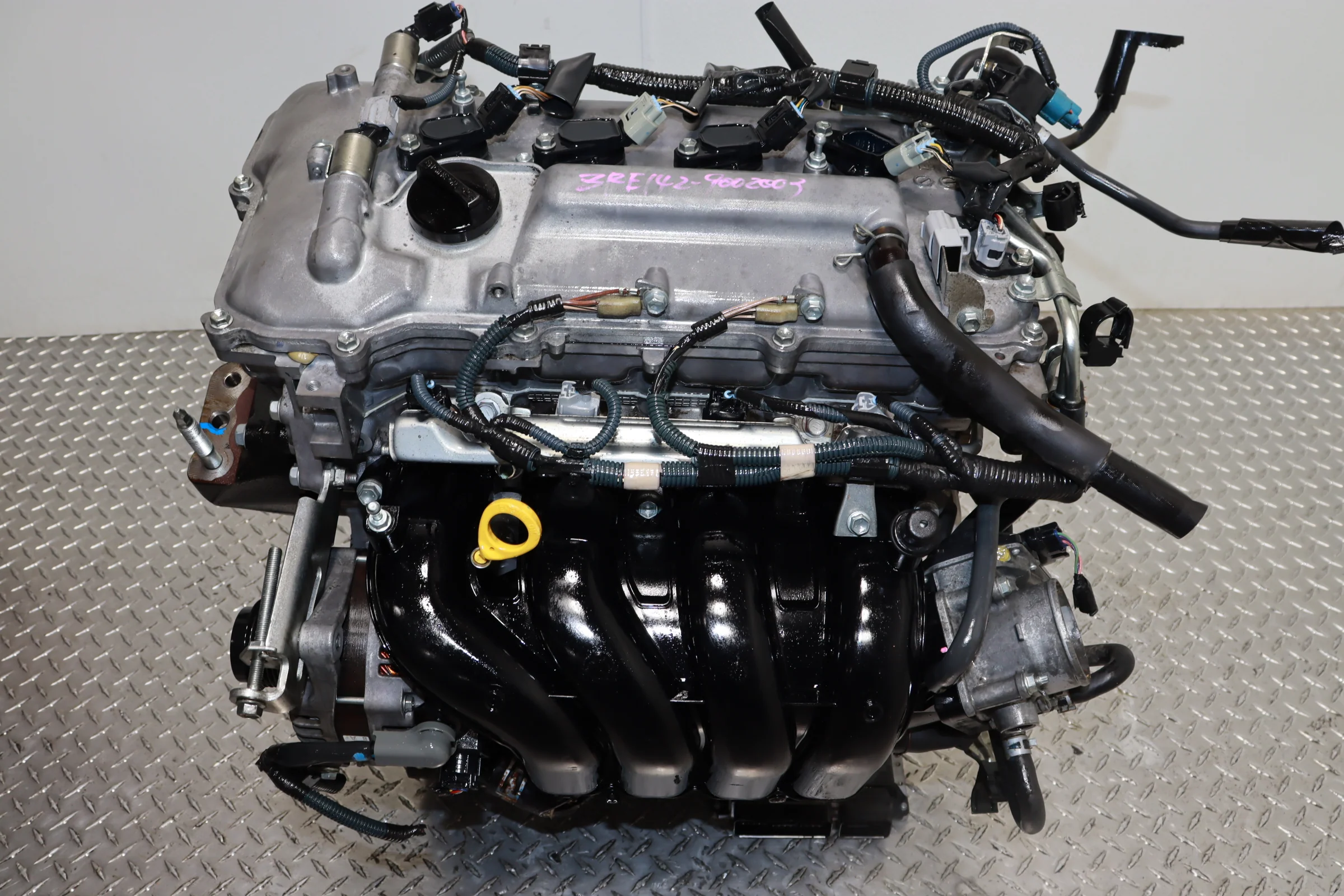
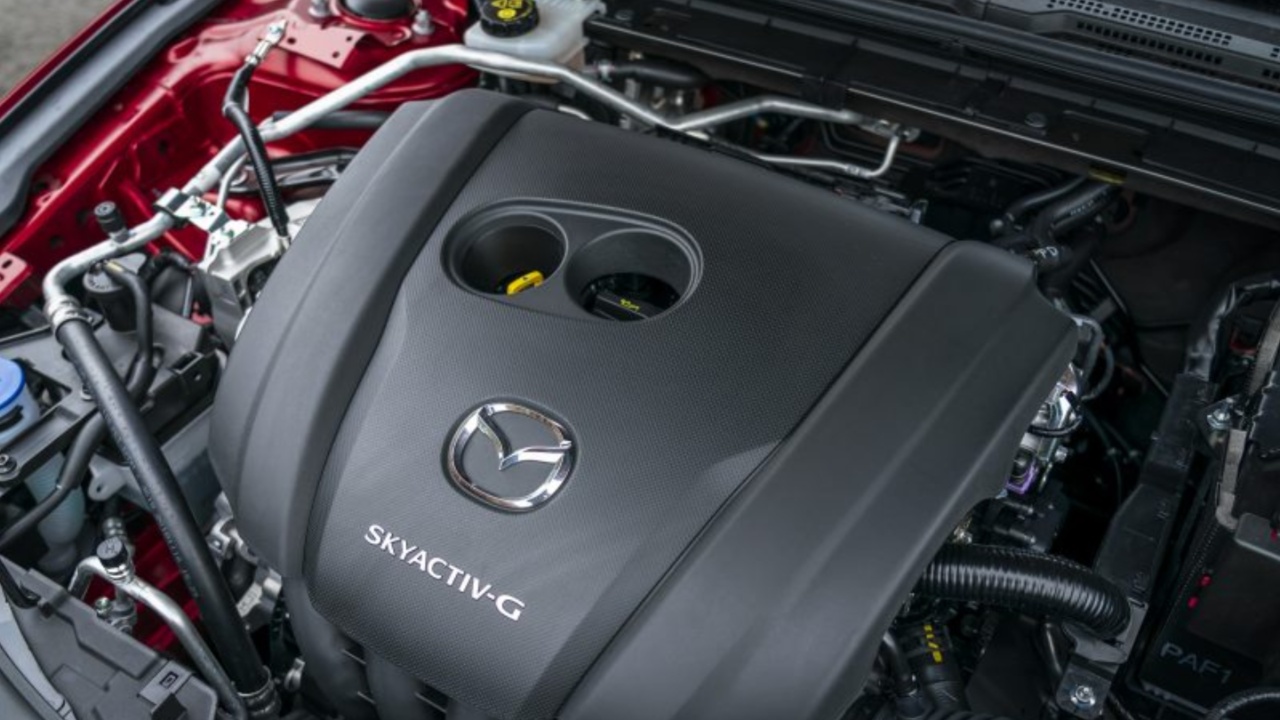
The Mazda 2.0-liter SkyActiv-G engine is highly regarded for blending modern engineering, smooth performance, and user-friendly maintenance. Found in the Mazda3, CX-30, and CX-5, this naturally aspirated inline-four emphasizes both efficiency and serviceability through a well-organized engine layout.
Its coil-on-plug (COP) ignition system positions each coil directly above the spark plug, eliminating spark plug wires and simplifying access. A friction-fit plastic engine cover can be removed without tools, revealing the coils secured by a single bolt and easy-to-unplug electrical connectors.
Spark plugs are centered in the valve cover, offering a straight, wobble-free path for standard 5/8-inch sockets, with long-lasting iridium tips that typically last 60,000–100,000 miles.
The clean, uncluttered engine bay enhances accessibility, allowing spark plug and coil maintenance to be completed quickly, often in under an hour. Minimal component removal contrasts sharply with many modern engines that hide plugs under intake manifolds or require specialized tools. This layout makes the SkyActiv-G an appealing choice for DIY enthusiasts and professional mechanics alike.
In addition to its service-friendly design, the engine delivers smooth, efficient performance. Producing roughly 155–165 horsepower, the naturally aspirated engine thrives at higher RPMs, providing linear and predictable power delivery without turbo lag. Its 13:1 compression ratio, direct fuel injection, and efficiency features like i-STOP and i-ELOOP contribute to excellent fuel economy.
While it may lack low-end torque compared to turbocharged engines and become noisy at high RPMs, it offers a refined, quiet driving experience during regular use.
The Mazda 2.0L SkyActiv-G combines accessibility, reliability, and efficiency. Its logical layout, simple ignition system, and smooth performance make it ideal for daily commuting, DIY maintenance, and drivers seeking fuel-efficient, user-friendly engineering without sacrificing driving refinement.
10. BMW N52 Inline-Six: Accessible, Smooth, and Reliable
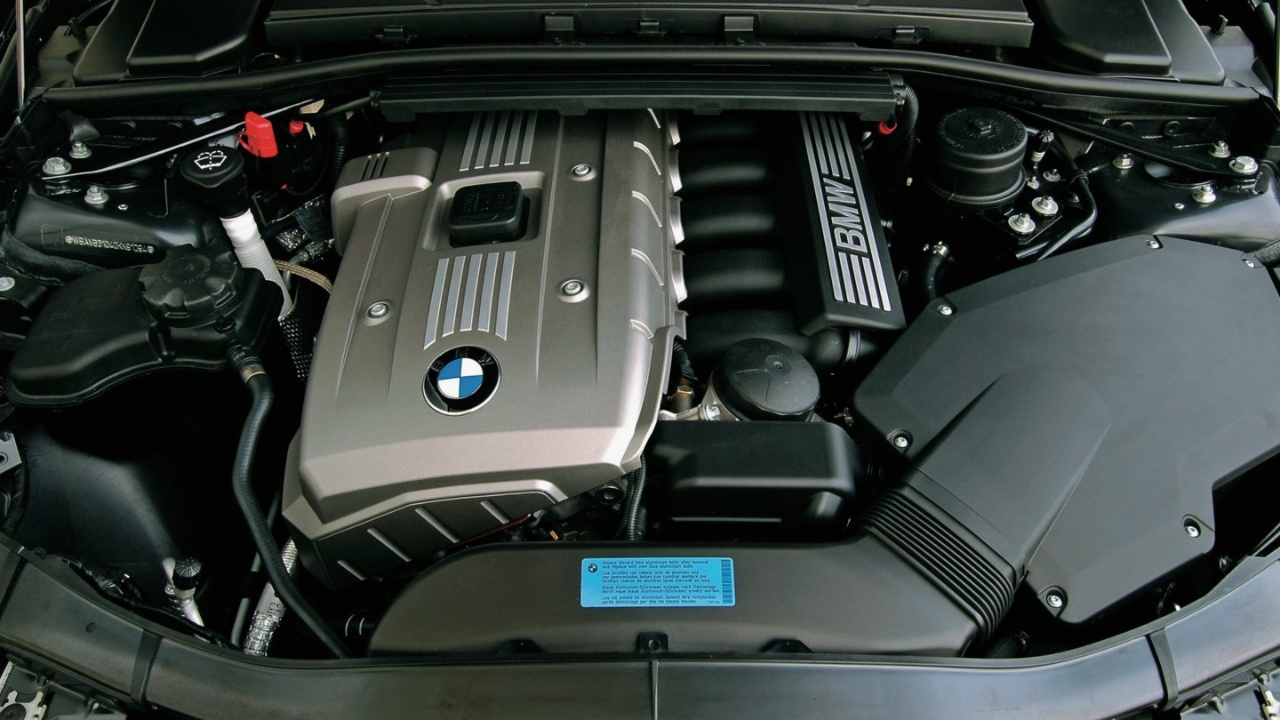
The BMW N52 inline-six engine, found in mid-2000s 3 Series models, is widely praised for its combination of smooth performance, reliability, and surprisingly user-friendly maintenance.
Unlike many European engines with cramped layouts, the N52 is naturally aspirated and longitudinally mounted, providing a clean, uncluttered engine bay that is ideal for DIY mechanics and professional technicians alike. Its inline-six configuration places all six cylinders in a straight row, allowing straightforward, vertical access to the spark plugs and ignition coils.
A key factor in the engine’s accessibility is its coil-on-plug (COP) ignition system. Each spark plug has a dedicated coil mounted directly on top, eliminating spark plug wires. The coils are “pull-style,” with retention tabs that allow for tool-free removal, simplifying maintenance.
The spark plugs are located under a single plastic engine cover, secured with a few small screws. Removing this cover exposes all coils, and a standard ratchet with a spark plug socket is sufficient to service them. The clean design, with minimal turbo or high-pressure fuel clutter, makes plug and coil replacement a straightforward task, even for the rear cylinders.
While generally easy to work on, minor accessibility considerations include the cabin microfilter housing, which may need removal to access the rear plugs, and occasional loosening of the strut brace for improved tool clearance. Additionally, valve cover gasket leaks are common, and cleaning the spark plug wells is often part of routine maintenance.
The N52 is also known for smooth, balanced performance. Its lightweight magnesium/aluminum composite block contributes to a refined, high-revving driving experience.
The engine produces naturally aspirated power with linear delivery, offering an enjoyable mechanical exhaust note and predictable daily performance. With proper maintenance, the N52 can exceed 200,000 miles and is considered one of BMW’s most reliable modern inline-sixes.
Common maintenance points include oil leaks from the valve cover, oil filter housing, or pan gaskets, potential failure of the electric water pump, and occasional VANOS solenoid or hydraulic lifter issues. Upgrading the plastic coolant flange to aluminum is often recommended to prevent breakage.
The BMW N52 remains a favorite among enthusiasts seeking a durable, smooth, and accessible inline-six. Its combination of accessible ignition components, longitudinal layout, and naturally aspirated balance makes it an ideal choice for drivers who value reliability, maintainability, and a refined driving experience over turbocharged power.
Engines like the Mazda 2.0L SkyActiv-G, BMW N52 inline-six, and Acura 3.2L J-Series V6 showcase how thoughtful engineering can simplify maintenance while maintaining reliability and performance. By placing coils directly on top of spark plugs, minimizing obstructive components, and providing ample engine bay clearance, these powerplants reduce labor time and frustration.
For car owners, mechanics, and DIY enthusiasts, these ten engines represent the ideal balance of efficiency, durability, and serviceability, proving that accessibility doesn’t have to come at the expense of power or refinement. They are benchmarks for designing engines with both performance and ease of care in mind.
Also read: 10 Cars With the Most Unusual Engine Placements in History
