Automotive maintenance can often be challenging, especially when replacing spark plugs and ignition coils. Some engines, however, stand out for their accessibility, making routine maintenance simpler and faster for both professionals and DIY enthusiasts.
These engines feature top-mounted coil-on-plug systems, uncluttered engine bays, and thoughtfully arranged components that allow easy access to spark plugs without extensive disassembly.
From compact inline-fours like the Toyota A25A-FKS and Honda K24 to high-performance V8s such as the Ford Coyote and GM LS6, these powerplants combine serviceability with reliability and performance.
Vehicles equipped with these engines save time and effort during regular maintenance, ensuring that even first-time mechanics can handle tasks like coil and plug replacement efficiently. This list highlights ten engines that exemplify smart engineering for accessible ignition systems, making routine service straightforward and less frustrating for vehicle owners.
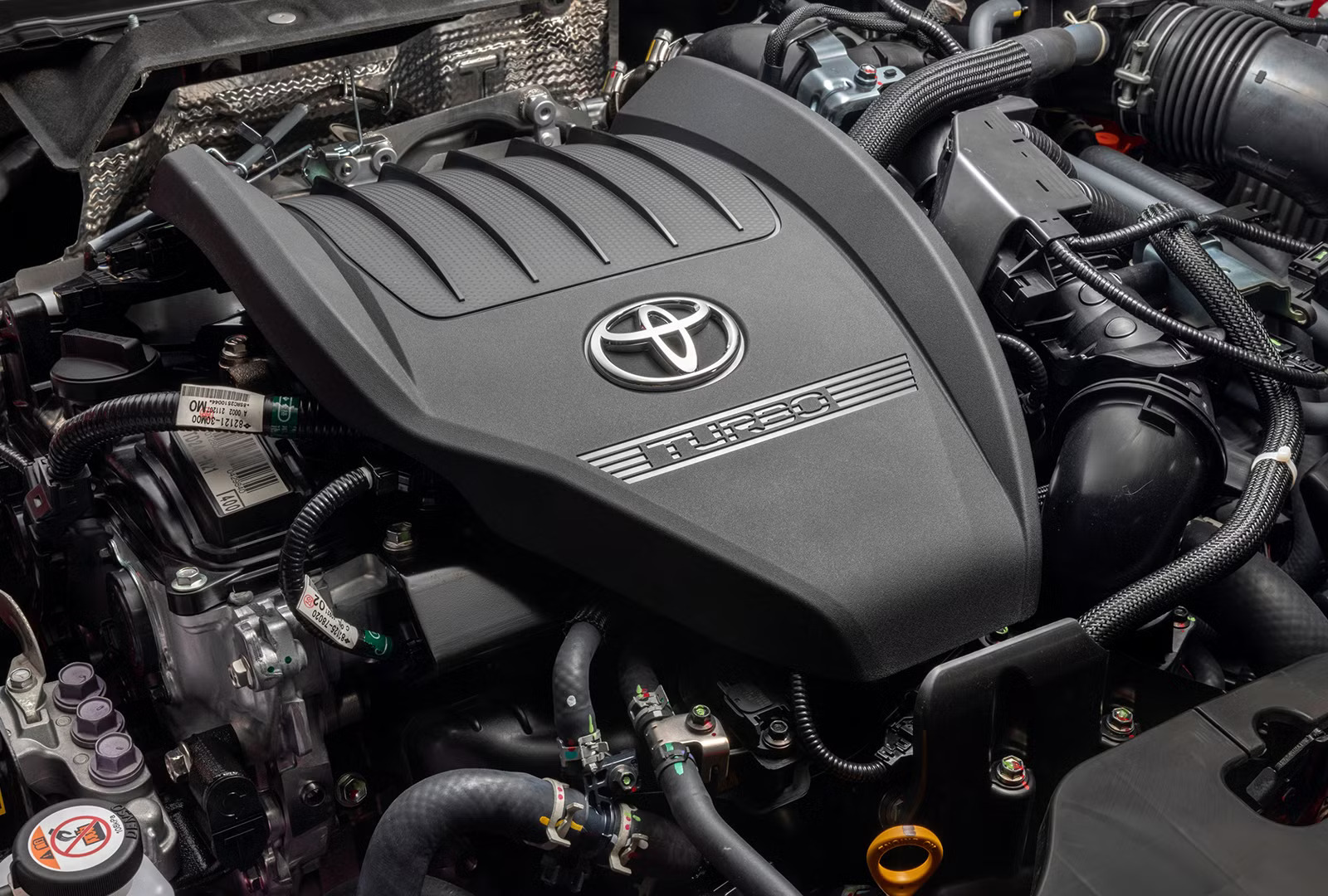
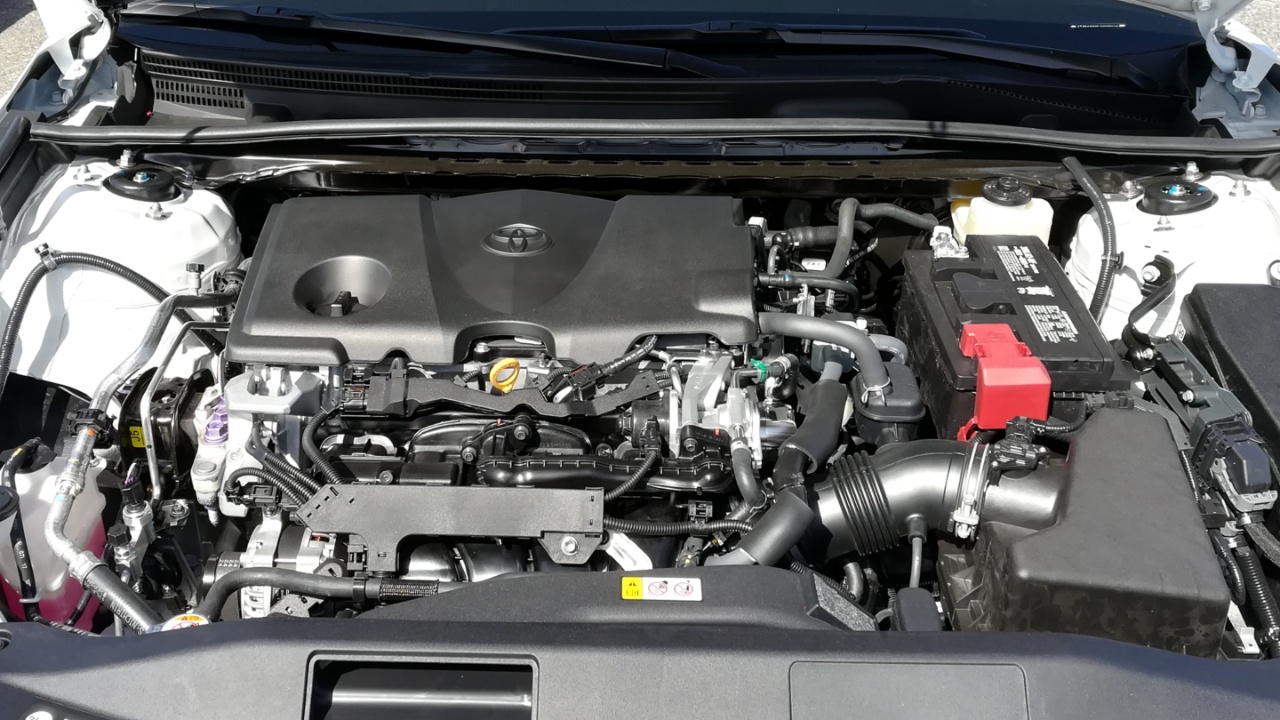
1. Toyota 2.5L I4 (A25A-FKS) Engine
The Toyota 2.5L Dynamic Force engine, also known as the A25A-FKS, is used in models such as the Camry and RAV4. It is a naturally aspirated inline-four engine known for its reliability, efficiency, and ease of maintenance.
The engine features a Coil-on-Plug ignition system with each cylinder’s ignition coil mounted directly on top of the spark plug. This design eliminates spark plug wires and allows easy access for maintenance. Replacing the spark plugs is typically a 30 to 60-minute task using basic tools such as a 14mm or 5/8-inch spark plug socket, a 10mm socket for coil bolts, and a torque wrench.
The engine has a clean, top-mounted layout. A plastic engine cover protects the ignition coils, which can be removed and disconnected without the need to take off large components such as the intake manifold.
Coil packs are held in place with simple 8mm or 10mm bolts that are easily accessible from the top. The open engine bay provides ample space for tools, making spark plug replacement one of the most user-friendly maintenance tasks on modern Toyota engines.
The A25A-FKS uses advanced technologies, including the Atkinson cycle, D-4S fuel injection, and VVT-iE variable valve timing. It produces around 202 horsepower and delivers solid torque for smooth acceleration.
The engine achieves a high thermal efficiency of up to 40 percent and offers excellent fuel economy while paired with an 8-speed automatic transmission. High-quality iridium spark plugs such as the FC16HR-Q8 are designed to last up to 120,000 miles.
The engine is generally robust and long-lasting, capable of over 100,000 miles with proper maintenance. Early 2018 to 2019 models occasionally experienced water pump issues. Regular maintenance requires the use of specific low-viscosity 0W-16 oil.
While spark plug replacement is simple, other tasks may be more challenging due to the extensive use of plastics and complex cooling systems. The FKS differs from the hybrid A25A-FXS engine, which achieves higher efficiency for hybrid applications.
The Toyota 2.5L I4 (A25A-FKS) is a reliable, efficient, and practical engine with a layout that makes DIY maintenance accessible and straightforward.
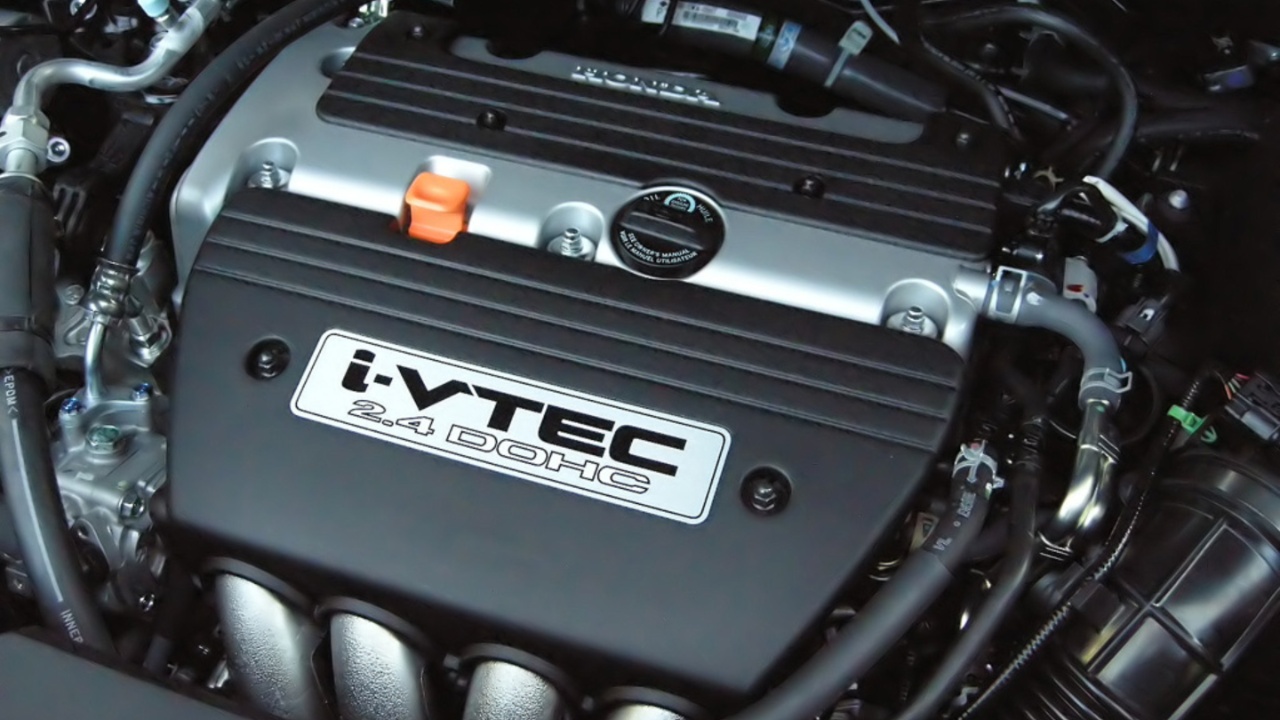
2. Honda 2.4L I4 (K-Series) Engine
The Honda 2.4L K-Series engine, commonly referred to as the K24, is found in vehicles such as the Accord and CR-V. It is renowned for its simplicity, reliability, and ease of maintenance. The engine uses a coil-on-plug ignition system, with each spark plug having its own dedicated coil mounted directly on top of the valve cover.
This top-mounted layout allows immediate access to all four spark plugs and coils after removing a simple plastic cover fastened with four 10mm bolts. Each coil is held by a single bolt and can be pulled straight up, while the shallow spark plug tubes reduce the risk of cross-threading. This design allows even novice mechanics to replace all spark plugs and coils in under an hour with basic hand tools.
The K24’s accessibility is enhanced by its inline-four layout, which provides unobstructed access to all coil packs. Unlike many V6 or transversely mounted engines, there are no rear plugs buried against the firewall, and all coils are identical, simplifying installation.
Standard tools such as a 5/8-inch spark plug socket, a 6-inch extension, and a 10mm socket are typically sufficient for maintenance. This design has been used across multiple K24 variants, including the 2003–2007 Accord, 2002–2009 CR-V, 2004–2008 Acura TSX, and later Earth Dreams K24 engines.
The K24 is celebrated for both daily reliability and performance potential. Stock engines produce 160 to 205 horsepower and 160 to 180 lb-ft of torque, with a redline of 7,200 rpm in many models.
The engine incorporates Honda’s i-VTEC technology for variable valve timing and lift, optimizing power and efficiency. Its overbuilt internals make it capable of handling significant performance upgrades, including turbocharging or hybrid K20/K24 builds.
The K24 is highly durable, with many examples surpassing 200,000 miles and some exceeding 500,000 miles. Common issues include oil consumption in high-mileage engines, timing chain tensioner wear, VTEC solenoid leaks, and occasional front crankshaft seal leaks.
The K24 delivers a strong balance of reliability, efficiency, and tuning potential, making it an excellent engine for both everyday use and performance projects.
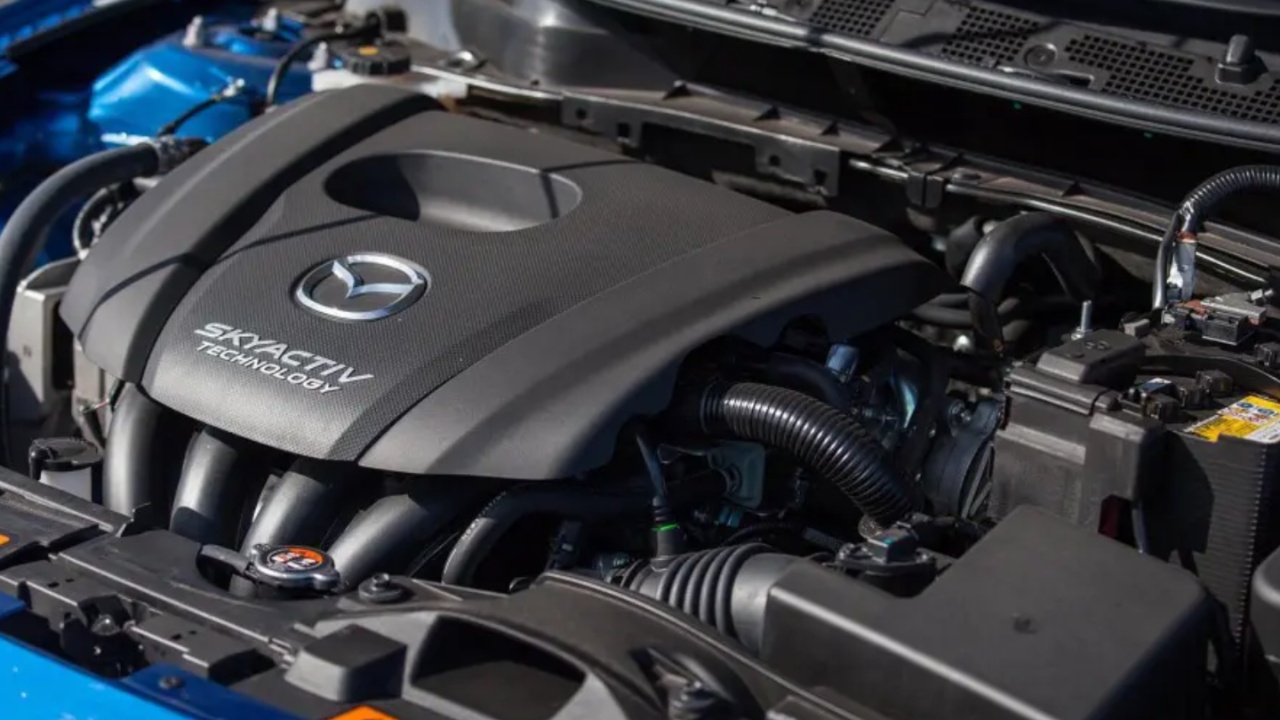
3. Mazda 2.0L/2.5L SkyActiv-G Engine
The Mazda SkyActiv-G engines, available in 2.0L and 2.5L versions, power models such as the Mazda 3 and CX-5. They are designed for simplicity, reliability, and fuel efficiency. Both engines use a coil-on-plug ignition system, with each spark plug having its own coil mounted directly on top of the cylinder head. On non-turbo models, all four ignition coils are easily accessible after removing the engine cover.
Turbocharged 2.5L versions may require moving a small vacuum hose bracket, but the process remains straightforward. Coils are secured with 8mm bolts, and 14mm spark plugs are positioned vertically for easy tool insertion. Mazda recommends tightening spark plugs to 13 ft-lb, and iridium plugs provide long service intervals, typically between 40,000 and 75,000 miles.
The top-mounted layout ensures unobstructed access to all ignition components. Unlike V6 or boxer engines, where rear plugs are difficult to reach, the SkyActiv-G places all coils and plugs directly on top of the engine. The spacious engine bay allows most maintenance tasks to be completed in 10 to 20 minutes using standard tools such as a 14mm spark plug socket and a short extension.
In terms of performance, the 2.0L SkyActiv-G delivers smooth, quiet, and efficient power, making it suitable for urban driving. It may feel underpowered in heavier vehicles or during highway acceleration.
The 2.5L SkyActiv-G produces higher torque, around 176 lb-ft in some models, providing a stronger and more responsive driving experience. Both engines offer linear power delivery and refinement, pairing well with Mazda’s automatic transmissions.
The SkyActiv-G engines are highly reliable, often surpassing 200,000 miles with proper care. High compression ratios and direct injection technology optimize efficiency, though periodic maintenance may be needed to prevent carbon buildup on the valves. Rare issues include timing chain wear under extreme conditions, but the engines remain durable and low-maintenance.
The 2.5L SkyActiv-G is preferred for a better balance of power and efficiency, while the 2.0L is ideal for smaller cars focused on fuel economy. Both engines combine accessible design, dependable performance, and long-term durability, making them user-friendly for DIY maintenance.
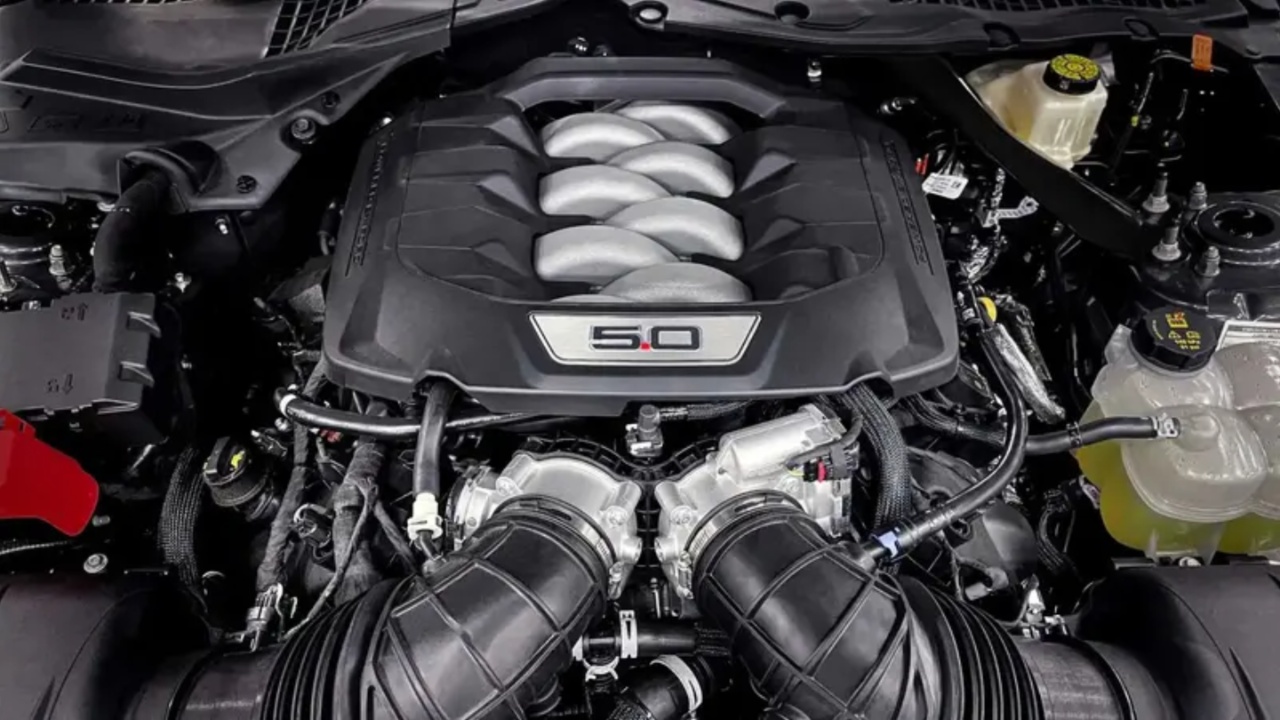
4. Ford 5.0L Coyote V8 Engine
The Ford 5.0L Coyote V8 powers vehicles such as the Mustang and F-150, combining high performance with user-friendly maintenance for a V8 engine. Despite having eight cylinders, the ignition coils and spark plugs are highly accessible. The engine uses a coil-on-plug system, with each coil mounted directly on top of its spark plug.
Accessing the coils typically requires removing only a plastic engine cover and a single 8mm bolt per coil. In the F-150, the large engine bay provides plenty of room to reach all cylinders, while the Mustang offers sufficient spacing around the valve covers. Using a 5/8-inch spark plug socket with an extension, a DIYer can service all eight plugs with minimal frustration compared to many other V8 engines.
The Coyote’s dual overhead cam (DOHC) design positions the coils and plugs on top of the valve covers, eliminating clutter from spark plug wires or complex intake plumbing. Unlike some predecessors, such as the 5.4L Triton V8, the Coyote does not bury spark plugs under hard-to-reach components.
The aluminum block and cylinder heads provide a robust platform, and disconnecting electrical connectors is often the most challenging part of routine maintenance. This layout allows spark plug replacement to be completed quickly with basic hand tools.
Performance is a strong point for the Coyote V8. Modern versions produce up to 400 horsepower and 410 lb-ft of torque, with peak power at higher RPMs around 6,000. The engine delivers a linear and predictable power band, making it suitable for both daily driving and performance use.
Reliability has improved through successive generations, with later models addressing oil consumption and cam phaser concerns. Many Coyote engines are capable of exceeding 250,000 miles with proper maintenance.
The 5.0L Coyote V8 remains one of the few naturally aspirated V8s in mainstream vehicles. Its combination of accessible maintenance, high-RPM performance, and durable construction makes it a favorite among enthusiasts and professionals alike.
It provides a traditional V8 experience with distinct engine sound, strong towing capability, and efficient power delivery, making it a versatile and low-maintenance choice for both trucks and performance cars.
5. GM 5.7L LS1/LS6 V8 Engine
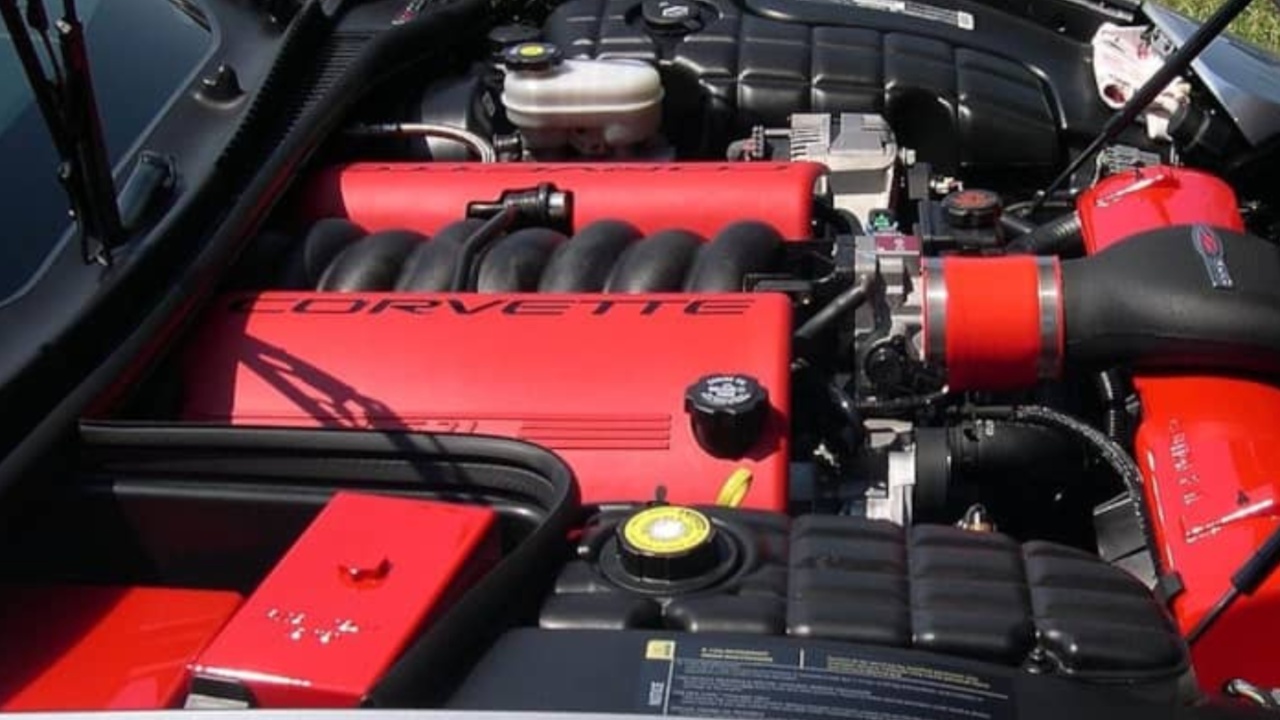
The GM 5.7L LS1 and LS6 engines, part of General Motors’ Generation III small-block V8 family, are highly regarded for both performance and serviceability. Found in vehicles such as the Chevrolet Corvette and various GM performance cars, these engines feature a “coil-near-plug” ignition system. Unlike many overhead cam designs that bury coils under covers, the LS1 and LS6 mount individual coils directly on the valve covers.
Short spark plug wires connect the coils to the plugs, allowing easy removal and installation. While rear plugs near the firewall can be slightly harder to reach in compact engine bays, the overhead valve (pushrod) layout keeps the cylinder heads narrow and accessible, leaving ample space for hands and tools.
The coil-near-plug design eliminates distributor caps and long spark plug wires, providing a clean, uncluttered top-end. The spark plugs are located on the outboard sides of the cylinder heads, and the compact V8 packaging allows easy access without removing major components such as intake manifolds.
This simplicity, combined with the wide, shallow cylinder heads and minimal obstructions, makes ignition system maintenance straightforward and approachable for DIY enthusiasts.
Performance is a major strength of these engines. The LS1, produced from 1997 to 2004, generates 305 to 350 horsepower with reliable aluminum block and heads. The LS6, found in 2001–2005 Corvette Z06 models, delivers 385 to 405 horsepower with higher compression, improved cylinder heads, and a more aggressive cam profile.
Both engines are known for durability, often reaching 200,000 to 250,000 miles with proper care, and they offer extensive aftermarket support for performance upgrades. Common issues include potential oil consumption, oil pump failures, and overheating in extreme conditions.
The LS6 improves on the LS1 with better airflow, stronger internals, and upgraded intake manifolds, which are often used by LS1 owners seeking enhanced performance. These engines are popular for swaps, tuning projects, and high-power builds due to their lightweight construction, reliability, and ease of modification.
Their combination of accessible maintenance, high performance, and broad aftermarket support makes the 5.7L LS1/LS6 V8 a versatile and enduring choice for enthusiasts and DIY mechanics alike.
Also read: 5 Cars With Simple Interiors That Age Well vs 5 With Too Much Fragile Plastic
6. Chrysler 3.6L Pentastar V6 (Longitudinal) Engine
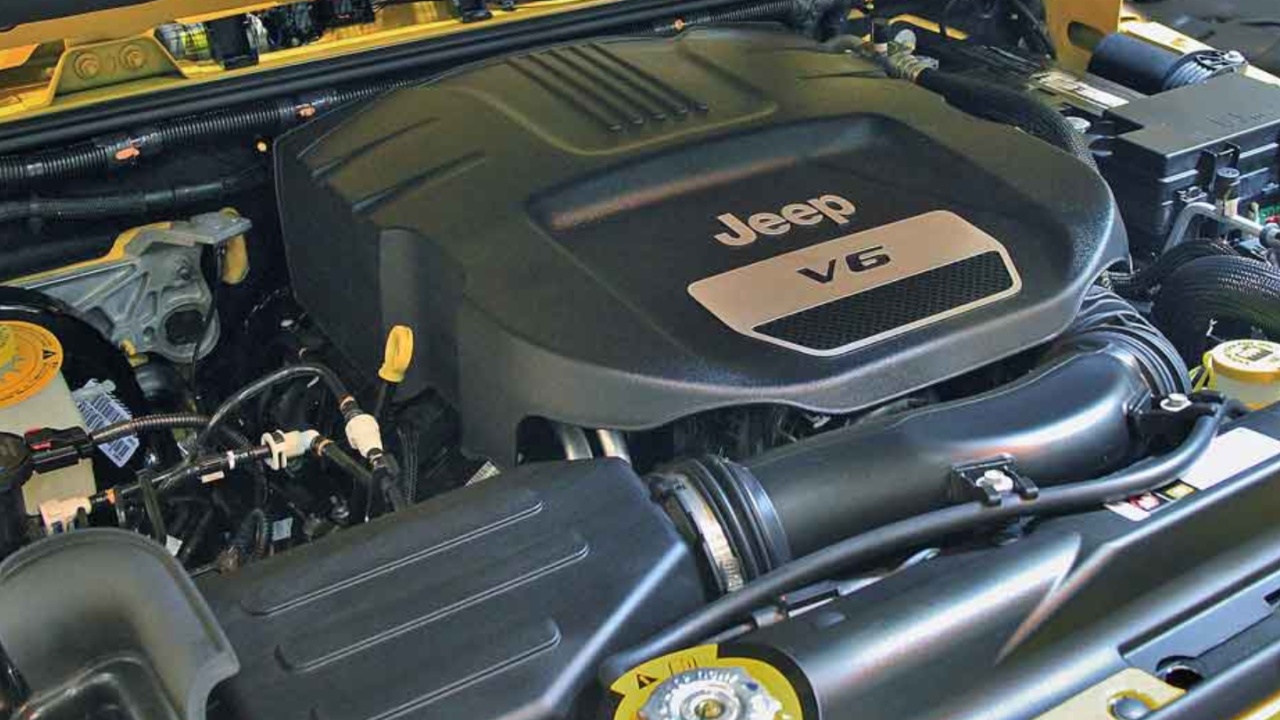
The Chrysler 3.6L Pentastar V6, used in vehicles such as the Jeep Wrangler, Grand Cherokee, Dodge Charger, Challenger, and Ram 1500, is highly regarded for its service-friendly design in longitudinal applications. In this front-to-back layout, both banks of spark plugs and coil packs are accessible from the sides of the engine bay.
This eliminates the common V6 challenge of removing the intake plenum to reach the rear plugs. Generous vertical clearance in trucks and SUVs makes using tools like torque wrenches simple, allowing spark plug replacement to take approximately 45 minutes.
The engine features a coil-on-plug ignition system, with individual coils mounted directly on the valve covers above each spark plug. In longitudinal setups, the sides of the engine remain uncluttered, giving technicians and DIY enthusiasts ample room to reach all six coils.
No intake manifold removal is required in these applications, and Chrysler intentionally designed the engine bay for serviceability. Iridium spark plugs are used for long service intervals, typically set to a gap of 0.043–0.044 inches, which reduces maintenance frequency.
The Pentastar produces between 280 and 305 horsepower and 260 to 271 lb-ft of torque, depending on the vehicle. It is smooth and refined, with hydraulic engine mounts minimizing vibration. Paired with ZF 8-speed automatic transmissions in many models, it delivers responsive power for daily driving and light-to-moderate towing needs, with the Jeep Wrangler capable of towing up to 5,000 pounds.
The engine is durable when properly maintained, often surpassing 200,000 to 250,000 miles. Common issues include ticking sounds from worn valve lifters, rocker arms, or cam lobes, and occasional cracking in the plastic oil filter housing.
Early 2011–2013 models experienced higher rates of cylinder head problems, which were largely addressed in later years. Regular oil changes, typically every 3,000 to 5,000 miles, help prevent top-end wear and maintain engine health.
The longitudinal Pentastar V6 combines accessibility, reliability, and efficiency. While it does not produce the torque of a Hemi V8, it provides better fuel economy, easier maintenance, and dependable performance. Its design, including accessible spark plugs and coil packs, makes it a practical and durable choice for trucks, SUVs, and daily drivers.
7. BMW B48 2.0L I4 Engine
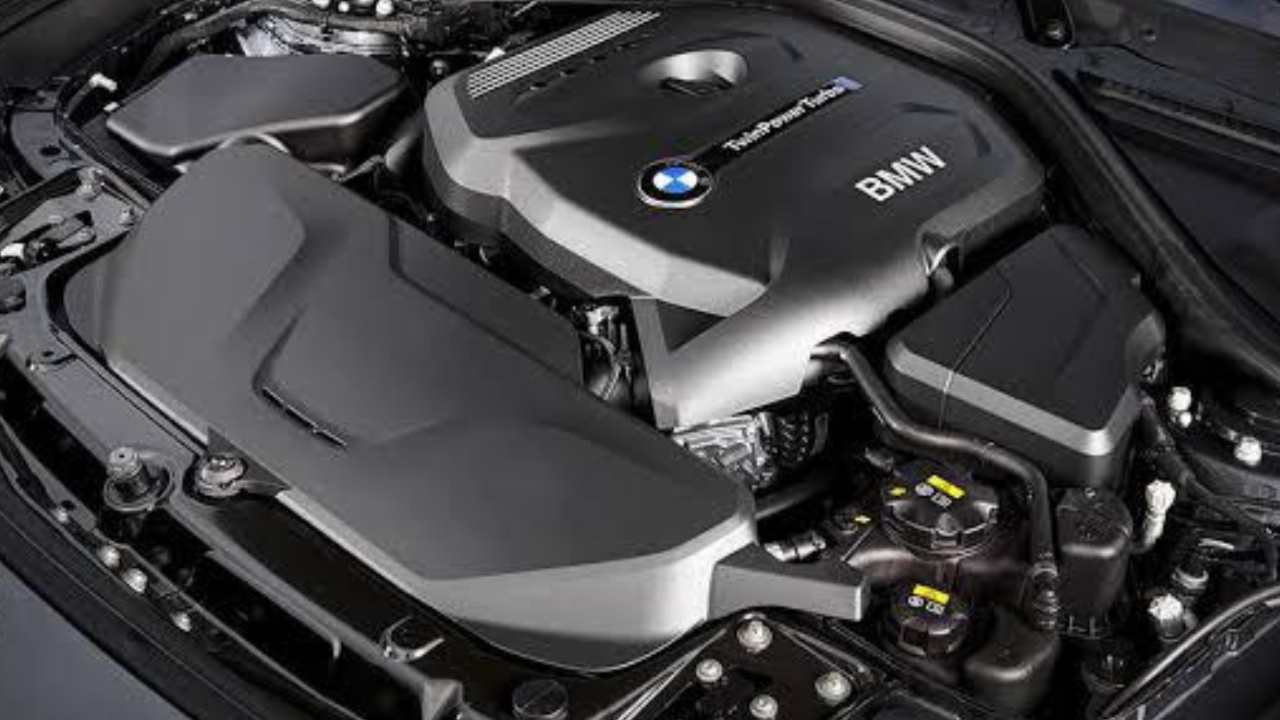
The BMW B48 2.0L inline-four engine, introduced in 2014 and used in models such as the 3 Series, 2 Series, 4 Series, 5 Series, X3, X4, and MINI Cooper S and JCW, combines turbocharged performance with surprisingly accessible maintenance. The engine features a top-mounted “pencil” coil-on-plug design, where each ignition coil integrates the boot and coil into a single unit.
Once the plastic engine cover is removed, all four coils are visible and easy to access. Electrical connectors use locking levers, which simultaneously disconnect and help lift the coils upward. Spark plugs are arranged in a straight line, allowing them to be threaded without interference from surrounding components.
Maintenance is simplified by the B48’s compact inline-four layout, minimal engine bay clutter, and reduced peripheral plastic components. Access typically requires removing only the engine cover and, on some models, a strut brace secured with a few E-torx bolts.
The coils are held by E8 Torx screws, and the spark plugs require a 14mm 12-point thin-wall magnetic socket. Recommended replacement intervals for stock plugs range from 30,000 to 50,000 miles, although some guides extend this to 60,000 miles. Tuned engines require more frequent changes, generally around 30,000–40,000 miles.
Performance-wise, the B48 is highly versatile, offering strong low-end torque and responsive acceleration suitable for daily driving. Power output varies by application, from standard models to high-output variants like the MINI JCW or BMW M135i.
The engine is praised for refinement, acting as a smaller but smooth counterpart to BMW’s B58 inline-six. Its closed-deck design, forged pistons, and steel crankshaft make it robust and receptive to aftermarket tuning, with significant gains achievable through stage 1 and stage 2 modifications.
The B48 is generally reliable, improving on its predecessor, the N20. Common issues include plastic cooling system component failures, water pump and thermostat leaks, oil leaks from the filter housing or oil pan, and potential carbon buildup due to direct injection. Regular maintenance and monitoring of the cooling system help prevent long-term issues.
The BMW B48 2.0L I4 is considered one of BMW’s best modern four-cylinder engines. It balances fuel efficiency, performance, and service accessibility, making it a popular choice for enthusiasts and daily drivers alike. Its simple top-down ignition layout allows for relatively easy DIY spark plug and coil replacement compared to older BMW engines.
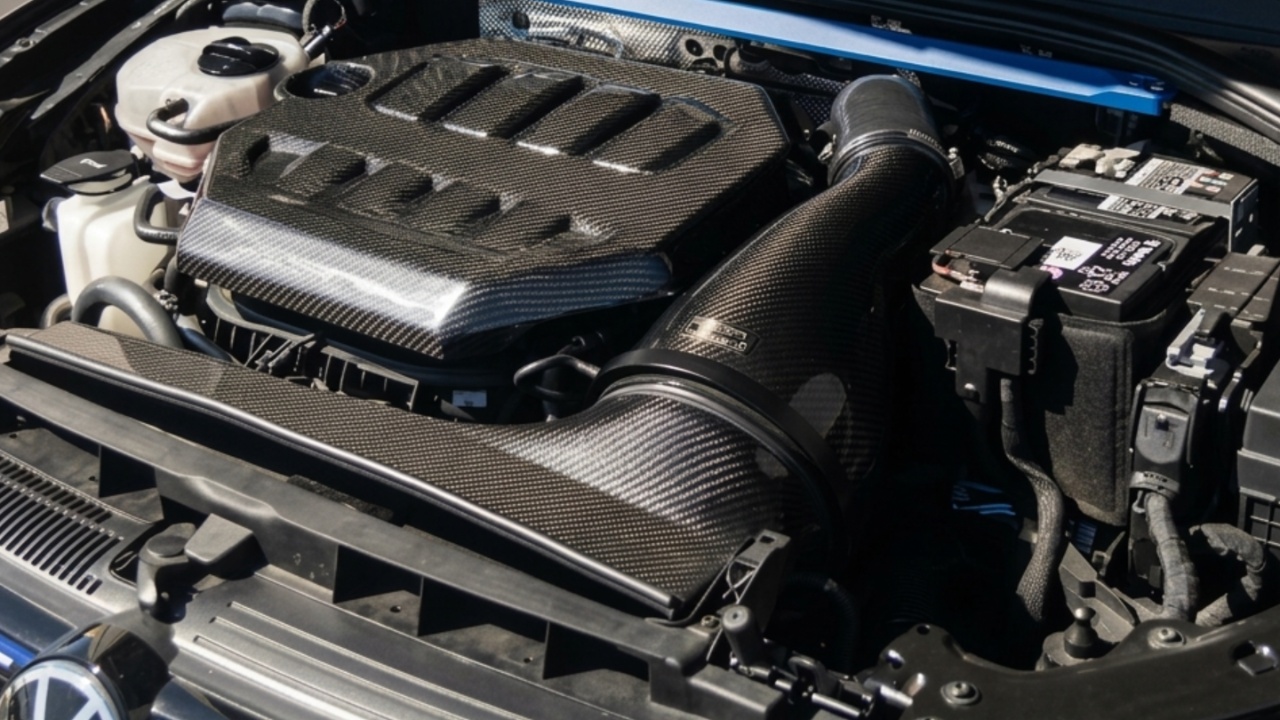
8. Volkswagen/Audi 2.0T TSI EA888 Engine
The Volkswagen/Audi 2.0T TSI EA888 engine powers models such as the GTI, Golf R, and Audi A4. It is widely praised for its coil-on-plug ignition accessibility, making spark plug and coil maintenance straightforward for DIY enthusiasts. The four coils are positioned across the top of the engine and are visible once the plastic engine cover is removed.
Electrical connectors use simple plastic clips, and most coils can be removed by hand with careful leverage, though a coil puller can help prevent boot damage. This layout allows spark plugs to be serviced quickly, typically within 30 minutes, using basic hand tools.
The EA888’s top-mounted layout minimizes interference from surrounding components. Coils sit directly on the spark plugs, eliminating traditional wires and reducing clutter. Depending on the generation, coils are secured by either press-fit or a single 10mm/T30 bolt.
The wiring harness often clips to a plastic rail, which can be unfastened easily, further simplifying service. Engine covers pop on and off without tools, providing immediate access to ignition components.
Direct-injection technology requires spark plug replacement every 40,000–60,000 miles, or sooner for tuned engines. While the OE coils are accessible, they may fail under high-performance conditions, prompting many owners to upgrade to aftermarket coils.
Some generations have ground wires secured by 10mm nuts, which should be handled carefully to avoid harness damage. Carbon buildup on intake valves is a potential concern, though dual-injection Gen 3 and Gen 4 engines mitigate this issue.
The EA888 has evolved through several generations. Gen 1 and 2 engines (2008–2013) were prone to timing chain tensioner failures and oil consumption. Gen 3 (2013–2020) improved reliability with an integrated exhaust manifold and dual injection.
Gen 3B/4 (2017+) added a modified Miller-cycle process for improved efficiency and lower emissions. These engines are highly tunable, with Stage 1 and 2 upgrades producing significant horsepower and torque gains.
Routine maintenance, including regular oil changes every 5,000–7,500 miles and carbon cleaning around 60,000–80,000 miles, ensures long-term reliability.
The EA888 Gen 3 and 4 engines combine accessible maintenance, efficient turbocharged performance, and strong tuning potential, making them a favorite among both daily drivers and enthusiasts. Proper inspection of timing chains is recommended when considering older Gen 1 and 2 models.
9. Nissan 2.5L I4 (QR25DE) Engine
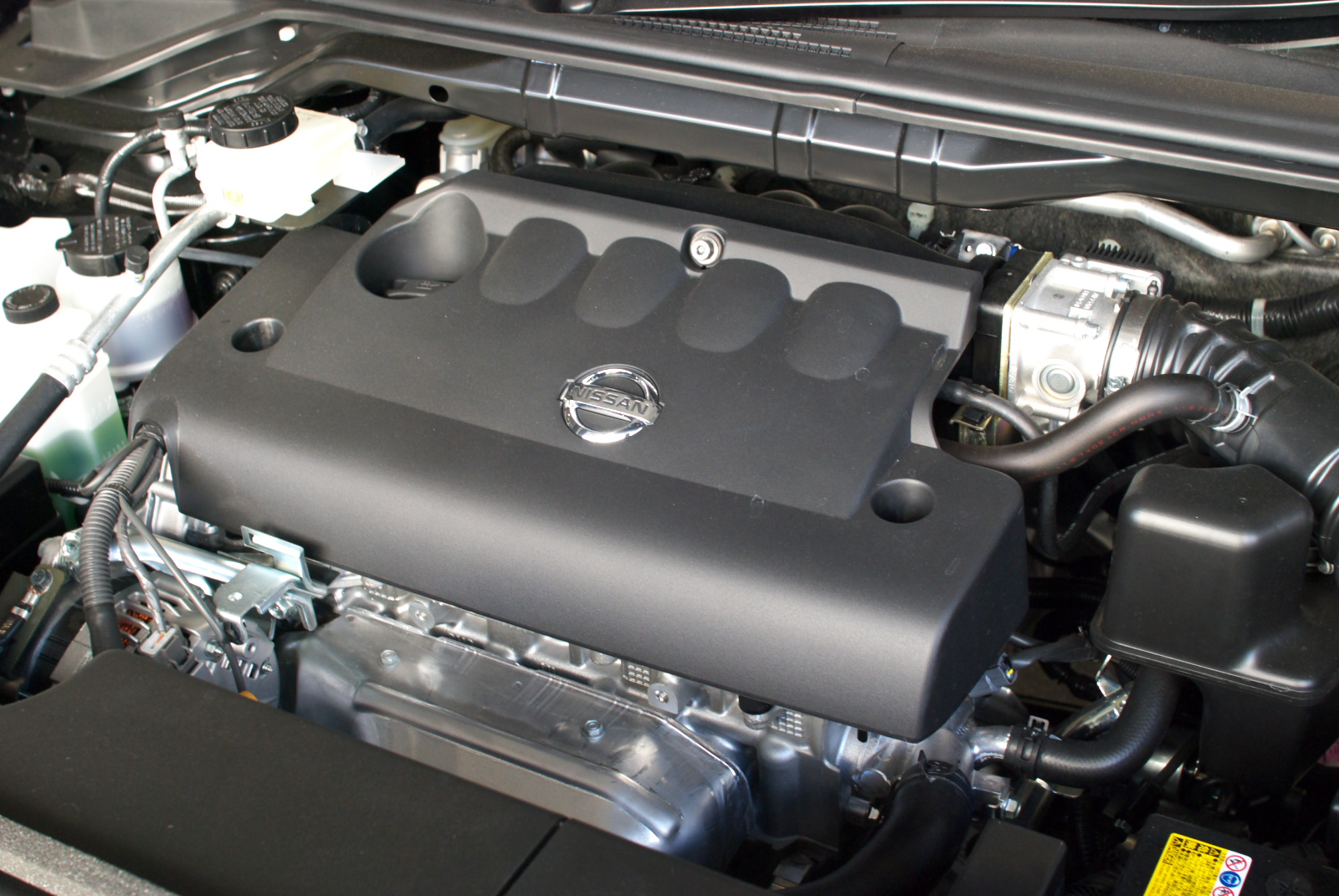
The Nissan 2.5L I4 QR25DE engine, used in models such as the Altima, Rogue, and Sentra, is a straightforward and reliable inline-four powerplant. Its simple top-mounted coil-on-plug (COP) design makes spark plug and ignition coil maintenance highly accessible.
All four coils are positioned directly on top of the valve cover in a straight line, allowing them to be removed without disturbing the intake manifold or other major engine components. Removing the decorative engine cover requires only a few bolts, and the coils themselves are secured by a single 10mm bolt each.
The engine’s design provides ample space in the engine bay, making it easy to work with standard hand tools. Spark plugs are positioned in wells of standard depth, allowing use of a full-sized ratchet and extension without obstruction. The distributorless ignition system eliminates the need for spark plug wires, further simplifying servicing.
Typical maintenance involves removing the cover, unbolting the coils, and using a 14mm or 5/8-inch spark plug socket to replace the plugs. The engine commonly uses platinum-tipped or copper-core spark plugs, depending on the model year, with straightforward installation.
In terms of performance, the QR25DE produces between 152 and 182 horsepower and 171–180 lb-ft of torque. It is designed for reliable daily driving, prioritizing low-end torque for commuting, light towing, and efficient highway driving.
Fuel economy is generally good for its class, and the engine is known to last 200,000–250,000 miles when properly maintained. Post-2007 models feature improved piston and cylinder design, reducing the early-generation oil consumption issues.
Common maintenance considerations include minor oil consumption, timing chain tensioner wear, and occasional mass airflow or cam/crank sensor issues. Regular oil changes and timely replacement of spark plugs help preserve engine longevity.
The QR25DE is valued for its beginner-friendly serviceability, solid reliability, and smooth power delivery, making it an excellent choice for both sedans and small crossovers. When paired with a well-maintained CVT or automatic transmission, it provides dependable performance and low long-term maintenance costs.
The Nissan QR25DE exemplifies a practical, user-friendly inline-four engine. Its accessible top-mounted ignition system, simple coil-on-plug layout, and spacious engine bay make it ideal for DIY maintenance while maintaining dependable performance across a wide range of Nissan vehicles.
10. Subaru 2.5L FB25 Engine (2018+ Models)
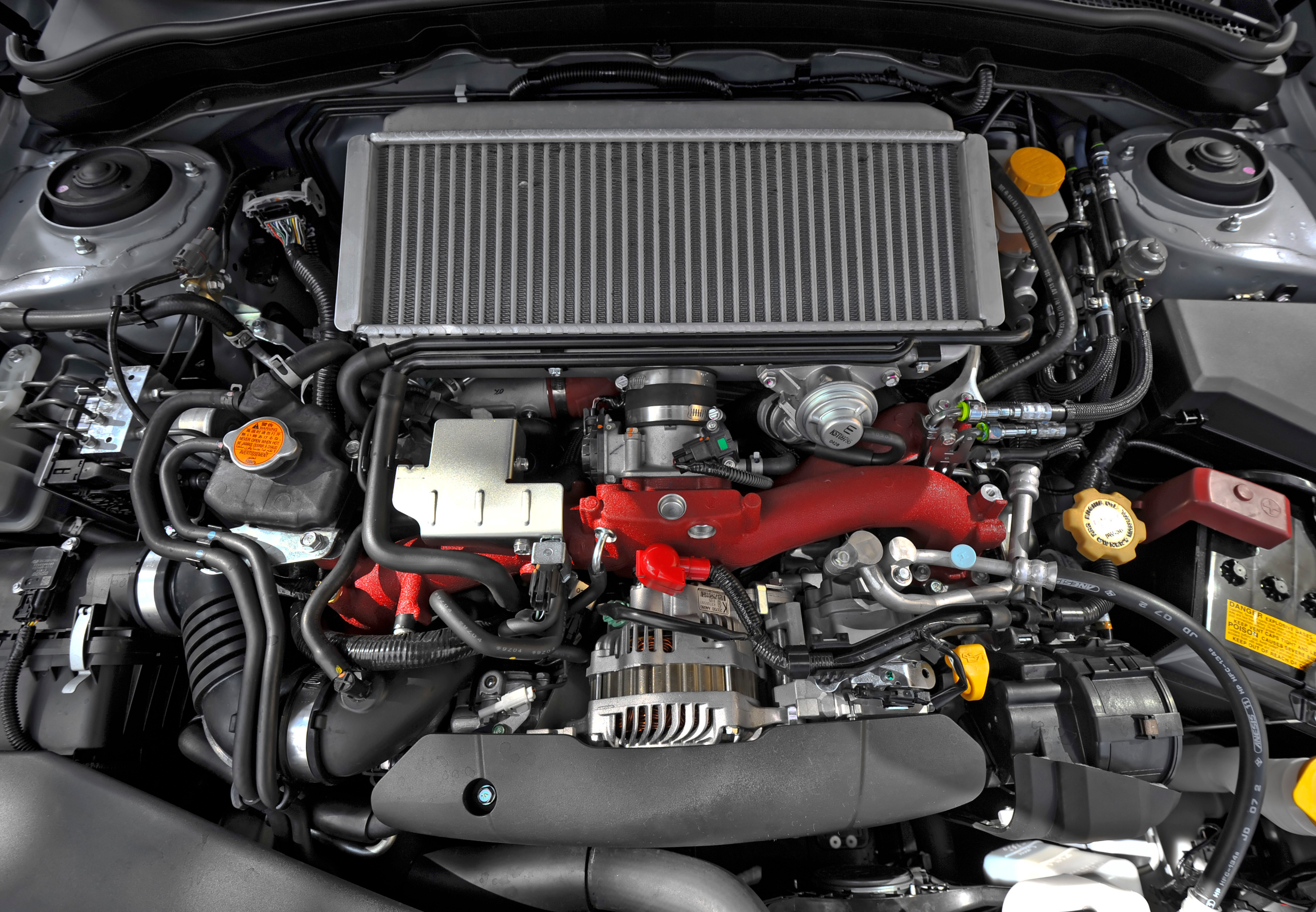
The Subaru 2.5L FB25 engine, found in models such as the Forester, Outback, Legacy, and Crosstrek, represents a significant improvement in serviceability over older Subaru boxer engines. Traditional horizontally opposed engines were notoriously difficult to maintain, with spark plugs facing the frame rails and often requiring engine lifts.
The 2018+ FB25 addresses these issues by redesigning the engine block and camshaft carriers, creating better clearance around the cylinder heads and ignition components.
The engine retains a horizontally opposed layout, but the revised design allows easier access to the coils and spark plugs. On the passenger side (cylinders 1 and 3), most DIYers can reach the components from above after removing the battery and airbox.
The driver’s side (cylinders 2 and 4) often requires access from below, which can be achieved by loosening the battery tray and using a small creeper or lift, eliminating the need for engine hoists. The FB25 uses smaller, compact coil packs that are easier to remove in tight spaces.
Successful maintenance typically requires a thin-wall 14mm magnetic spark plug socket and 1.5–3-inch wobble extensions to reach the rear plugs. Ignition coils use straightforward mounting bolts and standard push-fit electrical connectors, allowing spark plug replacement without removing engine mounts or extensive disassembly. Decorative engine covers are easily removed, providing clear visibility of the top components.
The FB25 engine delivers moderate power suitable for daily driving and light off-roading. Post-2019 direct-injection models improved efficiency and performance, although the naturally aspirated engine is slower compared to turbocharged competitors. It produces sufficient torque for highway driving and towing small loads, paired with Subaru’s Lineartronic CVT for fuel-efficient operation.
Reliability is strong when the engine is properly maintained, often reaching 200,000 miles or more. The FB25 largely resolves the head gasket issues that plagued older EJ-series engines.
Common considerations include carbon buildup on intake valves in direct-injection models, minor oil consumption at higher mileage, and standard CVT maintenance. Regular oil changes and periodic intake valve cleaning every 100,000–120,000 miles help maintain longevity.
The 2018+ FB25 is widely regarded as a serviceable, dependable boxer engine that balances practicality, fuel efficiency, and durability. While still more cramped than a traditional inline-four, its improved design makes spark plug and coil replacement a realistic DIY task, making it a significant step forward for Subaru’s horizontally opposed engines.
The ten engines featured show how careful design can simplify maintenance while maintaining strong performance and durability. Engines such as the Subaru FB25 and Volkswagen EA888 provide top-mounted ignition components, ample space, and clear layouts that make spark plug and coil service practical and efficient.
Choosing a vehicle with one of these engines allows owners to perform maintenance with confidence, reducing time and effort for routine tasks. Accessibility in engine design ensures that essential maintenance remains manageable, supporting engine longevity and keeping vehicles reliable throughout their lifespan.
These engines prove that high performance can coexist with service-friendly design, making everyday automotive care easier for drivers and enthusiasts.
Also Read: Top 10 Cars That Changed Name Depending on Which Country They Were In