
Three-speed automatic transmissions do not get the appreciation they deserve. Enthusiasts obsess over six-speed manuals, dual-clutch gearboxes, and ten-speed automatics, but the humble three-speed automatic built the foundation that every modern transmission stands on.
These were the gearboxes that carried millions of cars through decades of daily driving, survived brutal heat, neglected fluid changes, and towing loads that would embarrass most modern transmissions, and kept working long after the vehicles around them had been retired.
There is something genuinely impressive about an engineering design so fundamentally sound that it outlasts the vehicle it was built for. Mechanics who have worked on classic cars will tell you that finding a three-speed automatic in a barn-stored vehicle from the 1960s or 1970s is rarely cause for alarm.
These transmissions were over-engineered for their era, built with tolerances and materials that reflected an industry that had not yet optimized the cost out of its products the way modern manufacturing does.
Ask a transmission rebuilder which automatic gearboxes they trust most when a customer brings in a vintage American car, a classic Japanese import, or an older European sedan, and the answers cluster around a surprisingly small group of units that earned their reputations honestly. Not through marketing, not through racing sponsorships, but through millions of miles of documented service that speak louder than any specification sheet.
This page covers ten of the most reliable three-speed automatic transmissions ever built, examining what made each one special, which vehicles used it, and why its reputation has only grown stronger with the passage of time.
Whether you are restoring a classic car, shopping for a vintage daily driver, or simply curious about the mechanical history of the automatic transmission, these ten units tell the story of when simplicity and durability defined what a great gearbox was supposed to be.
Read through all ten. You will come away with a new respect for engineering that has been hiding in plain sight for decades.
1. General Motors Turbo Hydramatic 350: A Benchmark for Three-Speed Automatic Transmissions
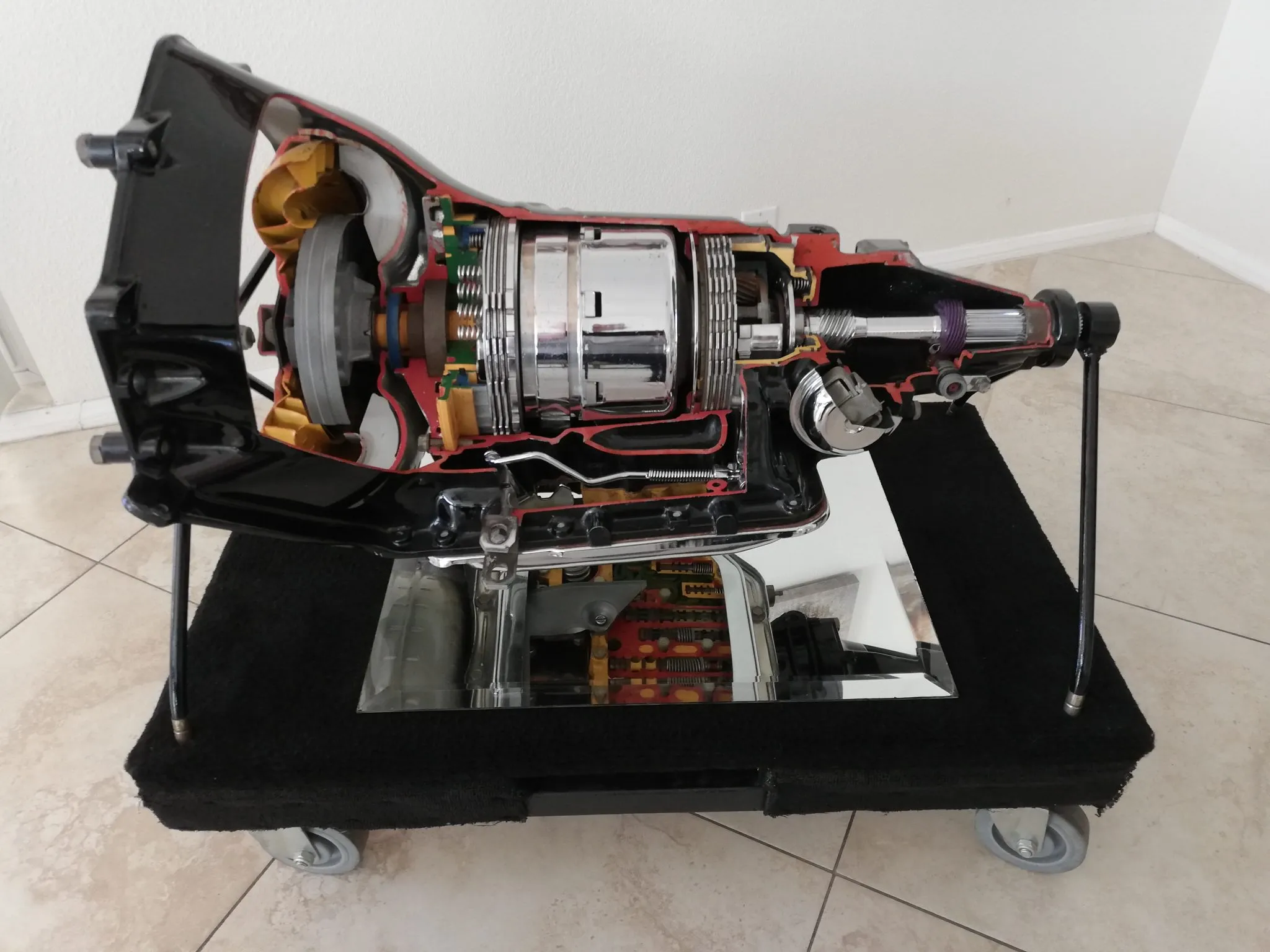
The General Motors Turbo Hydramatic 350, commonly called the TH350, holds a respected position among automatic transmissions used in American vehicles from the late nineteen sixties through the nineteen nineties.
Introduced in 1969 through joint engineering work between Buick and Chevrolet divisions, the transmission quickly developed a reputation for durability, mechanical strength, and practical serviceability. Mechanics and restorers frequently regard it as one of the most dependable three-speed automatic transmissions ever installed in a production car.
Engineers designed the TH350 as a compact unit capable of handling higher torque loads than many of the vehicles that originally received it. This design philosophy provided a comfortable margin of strength that allowed the transmission to continue operating reliably even when drivers subjected it to demanding use. Vehicles fitted with more powerful engines or modified for greater output often retained the TH350 without serious mechanical concerns.
Maintenance and repair also contributed greatly to the transmission’s reputation. The internal layout remains relatively straightforward when compared with later automatic gearboxes that depend on electronic control systems.
Skilled technicians can disassemble and rebuild the transmission using widely available tools and affordable replacement parts. Because the unit remained in production for many years, the aftermarket supply of components remains strong even today.
Several General Motors vehicles gained dependable performance through the use of this transmission. Examples include the 1972 Chevrolet Chevelle Malibu SS 350 and the 1975 Pontiac Firebird Esprit 5.7L. The TH350 functioned effectively with a wide range of engines, from moderate V6 units to large V8 powerplants, without requiring major mechanical alterations.
Transmission specialists often praise the valve body design because it allows adjustments to gear change timing and firmness through relatively simple procedures. Such flexibility enables owners and mechanics to tailor driving behaviour according to vehicle purpose.
Strong internal gearing and reliable hydraulic control further explain why the Turbo Hydramatic 350 remains widely respected among automotive technicians and enthusiasts.
2. Ford C6 Heavy Duty Three Speed: A Transmission Built for High Engine Torque
During the mid nineteen sixties, engineers at Ford Motor Company faced the challenge of supporting powerful engines that were beginning to appear in performance vehicles. Earlier automatic transmissions were suitable for moderate engine output, yet they struggled when paired with the large displacement engines that defined the emerging muscle car period.
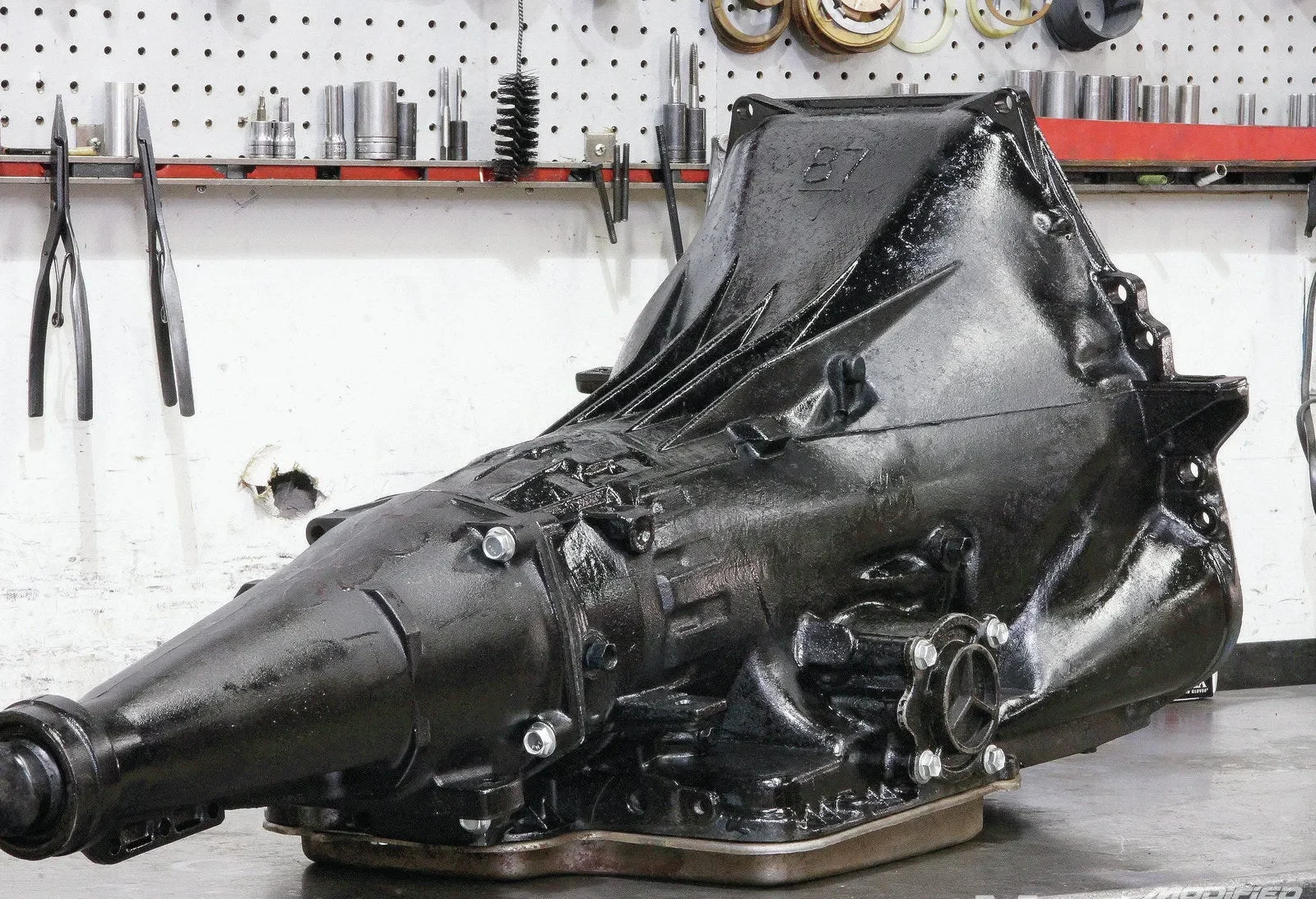
Ford responded to this challenge with the C6 three-speed automatic transmission, introduced in 1966 as a heavy-duty unit designed specifically for high torque applications. The C6 transmission featured a strong internal geartrain and durable clutch assemblies capable of withstanding demanding operating conditions.
Engineers intentionally designed the system with a high margin of strength so that it could function reliably with Ford’s largest engines. This conservative design approach helped the transmission maintain dependable performance even during sustained heavy use.
Several well-known Ford vehicles relied on this gearbox for reliable operation. Cars such as the 1969 Ford Mustang Mach 1 428 Cobra Jet, and the 1971 Ford Torino GT 429 Cobra Jet paired powerful engines with the C6 transmission. Mechanics of the period often expressed appreciation for its ability to operate for long periods without requiring internal repair.
Thermal management formed another important part of the design. The C6 used generous fluid passages that encouraged strong circulation of transmission fluid during operation. Many installations also incorporated external cooling systems, which helped maintain proper operating temperature during demanding driving conditions.
Serviceability also remains a practical advantage of this transmission. The main case construction provides strong structural stability that helps maintain correct internal alignment during extended use. Rebuilding procedures are well documented, and replacement components remain available because the transmission continued to appear in Ford trucks and commercial vehicles after passenger car production ended.
For restorers working with classic Ford vehicles equipped with high-output engines, the C6 transmission continues to represent a dependable and proven automatic gearbox.
Also Read: 10 Common Driving Habits That Destroy Automatic Transmissions
3. Chrysler TorqueFlite A727: Engineering Excellence From the Brand That Invented Reliability
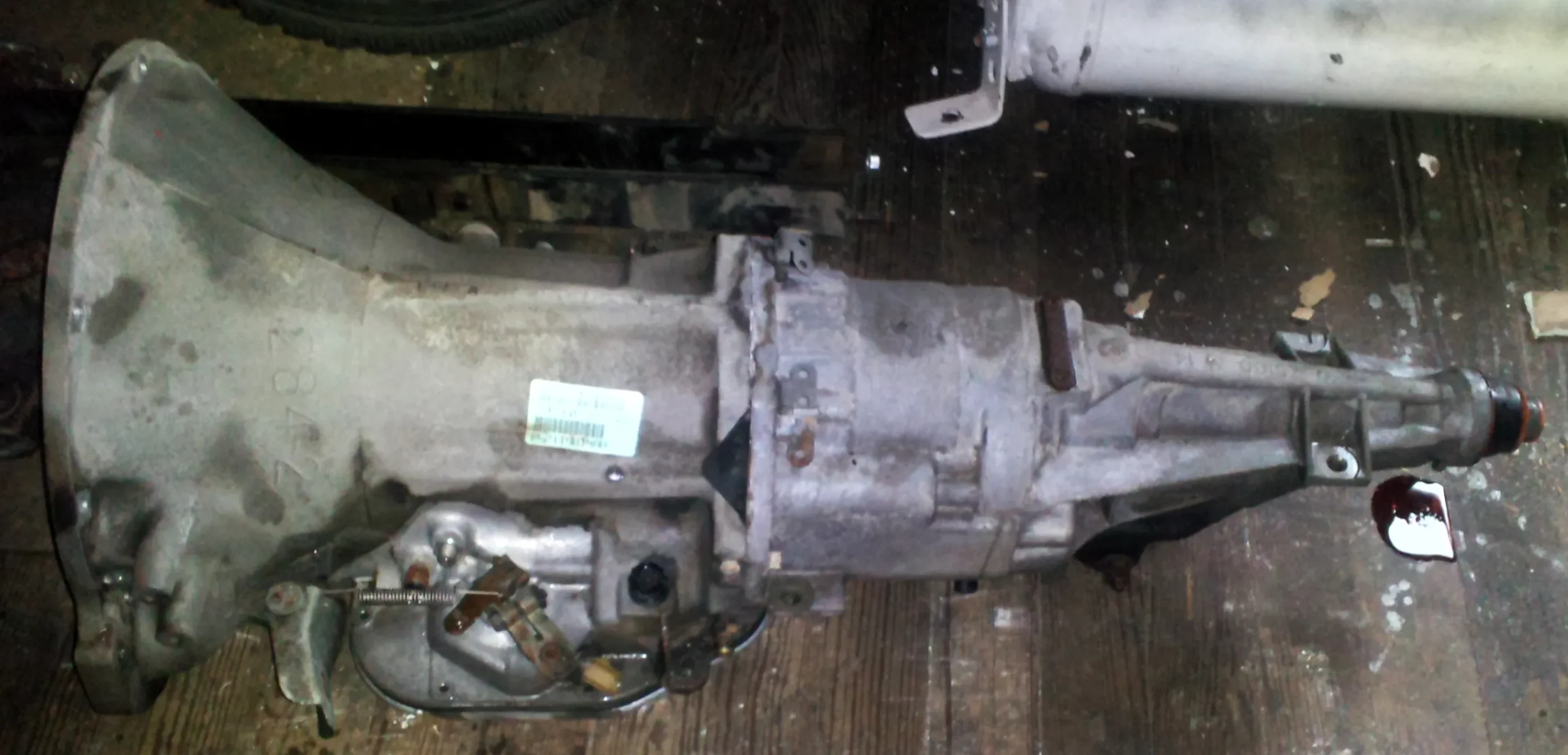
Chrysler’s TorqueFlite transmission is widely regarded as the most important automatic transmission development of the late 1950s, and the A727 variant that carried Chrysler’s B and RB big-block engines through the muscle car era is the version that earned the unit its permanent place in automotive engineering history.
Introduced in 1962 and remaining in production in various forms through the 1990s, the A727 established a reliability benchmark that competitors studied and aspired to for decades. What distinguished the TorqueFlite A727 from its contemporaries was a combination of design elegance and material quality that reflected Chrysler engineering at its most confident.
Aluminum construction reduced weight without sacrificing structural integrity, and Chrysler’s manufacturing tolerances were tight enough that A727 units from different production runs exhibited remarkably consistent behavior. Mechanics who worked on multiple examples of this transmission noted a uniformity in its operation and feel that suggested genuine quality control rather than statistical average.
Clutch pack design in the A727 is particularly praised by transmission specialists. Chrysler used a dual-clutch arrangement that provided positive engagement without the harshness that characterized some competing units, and the quality of friction material used in production versions gave the clutch packs a service life that consistently exceeded expectations even in demanding applications.
Vehicles like the 1970 Dodge Challenger R/T 440 Six Pack and the 1971 Plymouth Road Runner 440+6 ran A727 transmissions in configurations that subjected the unit to extreme torque loading on a regular basis, and dealer service records from the period show remarkably low transmission failure rates for these applications relative to the power levels involved. This performance under extreme conditions is the truest test of any transmission’s fundamental soundness.
Chrysler built the A727 in multiple torque rating configurations, allowing the same basic architecture to serve applications ranging from mid-size six-cylinder cars to maximum-performance big-block muscle cars, and this scalability within a consistent design framework is evidence of how thoroughly the engineering team understood their subject.
Rebuilding an A727 today is straightforward, parts are plentiful, and the technical knowledge is broadly distributed through Mopar enthusiast communities that have maintained detailed documentation for generations of builders.

4. Toyota A40 Series Three Speed: Japanese Engineering Built for Long Service
Toyota earned strong respect during the nineteen seventies and early nineteen eighties through careful engineering and dependable manufacturing standards. One clear example is the A40 series three-speed automatic transmission, a gearbox designed with durability and steady operation as primary priorities.
While certain American manufacturers focused heavily on transmissions capable of handling high engine torque for performance cars, Toyota directed its attention toward reliability and consistent behaviour throughout many years of regular driving.
The A40 transmission entered production during the middle of the nineteen seventies and remained in use across several Toyota passenger vehicles for nearly twenty years. Such long service across multiple models demonstrated the confidence Toyota engineers placed in the design.
Manufacturing processes maintained tight internal tolerances that reduced component wear and allowed the gearbox to operate smoothly through extended mileage. Heat management also received careful attention during development. Engineers designed the internal parts to remain stable across different operating temperatures.
Whether the vehicle had just started on a cool morning or had been travelling at highway speed for a long distance, the transmission continued to deliver predictable gear changes. This steady behaviour strengthened Toyota’s reputation for mechanical dependability at a time when many buyers in the United States were still evaluating the durability of Japanese vehicles.
Several Toyota models benefited from this transmission. Cars such as the 1983 Toyota Corolla Deluxe 1.8L Sedan and the 1980 Toyota Cressida 2.6L Wagon used the A40 gearbox in everyday driving situations where high mileage accumulated quickly. Owners frequently reported dependable service from these vehicles even after many years of use.
Drivers and mechanics often described the transmission’s move quality as smooth yet deliberate. Gear changes occurred at consistent points without hesitation. Routine maintenance was also simple. Fluid replacement required a standard pan removal procedure and no specialised equipment.
Because the servicing process remained straightforward, many owners carried out regular maintenance, helping the transmission maintain dependable operation throughout long periods of use.
5. Hydramatic M38 Slim Jim: Simplicity as a Mechanical Advantage
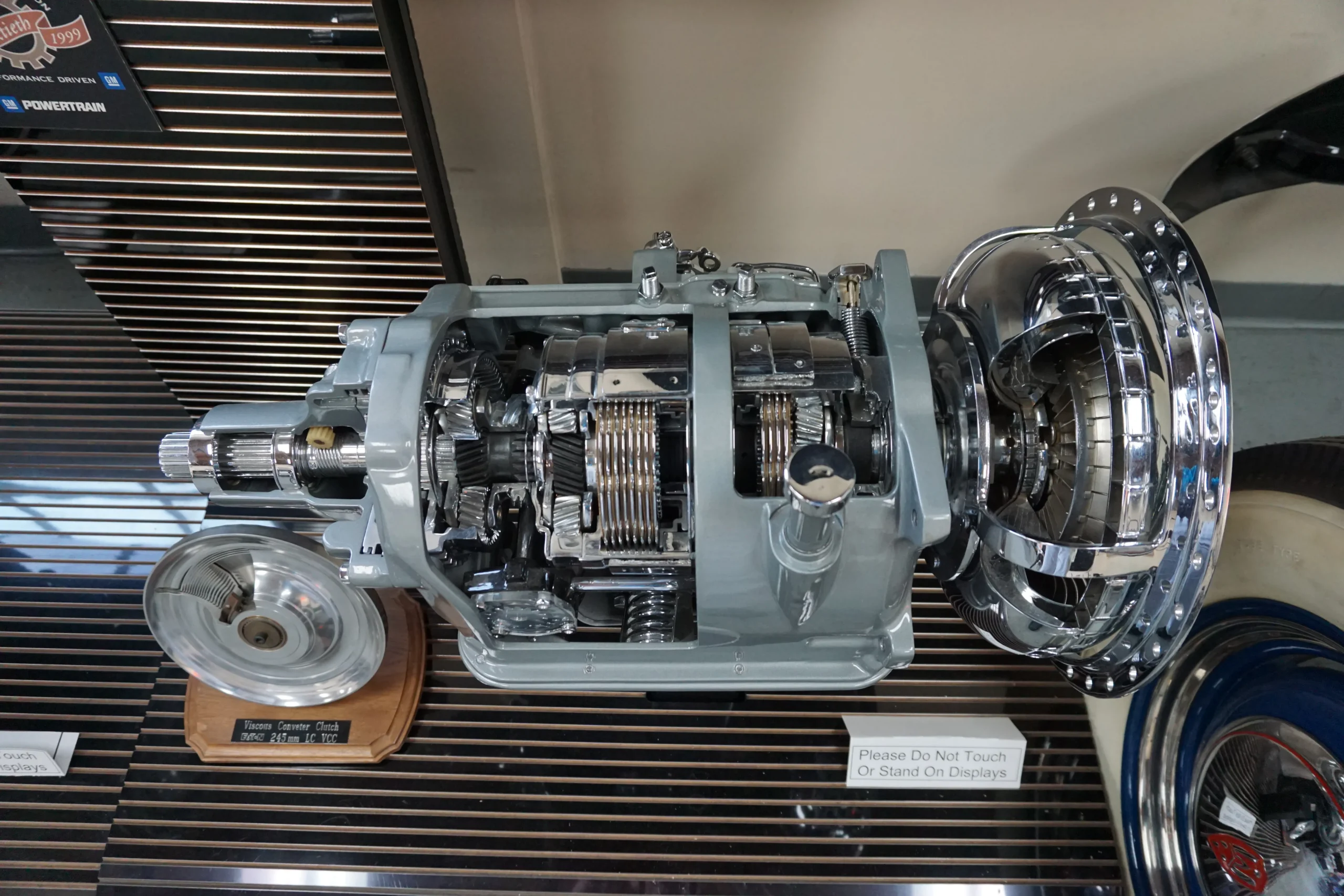
General Motors introduced several automatic transmissions during the mid-twentieth century, and among them, the Hydramatic M38, commonly called the Slim Jim by technicians, occupies an interesting place in automotive engineering history.
This transmission appeared mainly in Oldsmobile and Pontiac vehicles during the late nineteen fifties and early nineteen sixties. Engineers developed it as a lighter and narrower version of the earlier Hydramatic design so that it could fit vehicles with tighter engine bay dimensions.
The M38 demonstrated how mechanical simplicity could support dependable performance when used within appropriate operating limits. Compared with heavier transmissions built for very powerful engines, the Slim Jim contained fewer internal components and a slimmer housing. This design helped reduce weight while allowing the transmission to fit smaller vehicle platforms where space was limited.
The reliability of the M38 depended largely on how it was used and maintained. In vehicles equipped with moderate engine output, the transmission often delivered smooth and reliable service for many miles. Problems tended to appear when the gearbox was placed behind engines producing higher torque than the design comfortably supported. Lack of proper fluid maintenance also affected long-term durability.
Vehicles such as the 1959 Oldsmobile 88 Dynamic 371 V8 and the 1961 Pontiac Catalina 389 Tri Power sometimes operated near the practical limits of the M38 transmission. Owners who followed regular fluid replacement schedules and avoided aggressive driving often achieved impressive mileage without transmission failure.
One quality frequently praised by restoration specialists is the smoothness of gear changes when the M38 operates in good condition. Upshifts occur gently and with very little vibration. This refined behaviour influenced later automatic transmission development within General Motors.
Engineers studied the lessons learned from the Slim Jim while designing later gearboxes such as the TH350. For this reason, the M38 remains an important example within the history of automatic transmission engineering.
6. Ford FMX Three-Speed: The Dependable Workhorse Behind Millions of American Fords
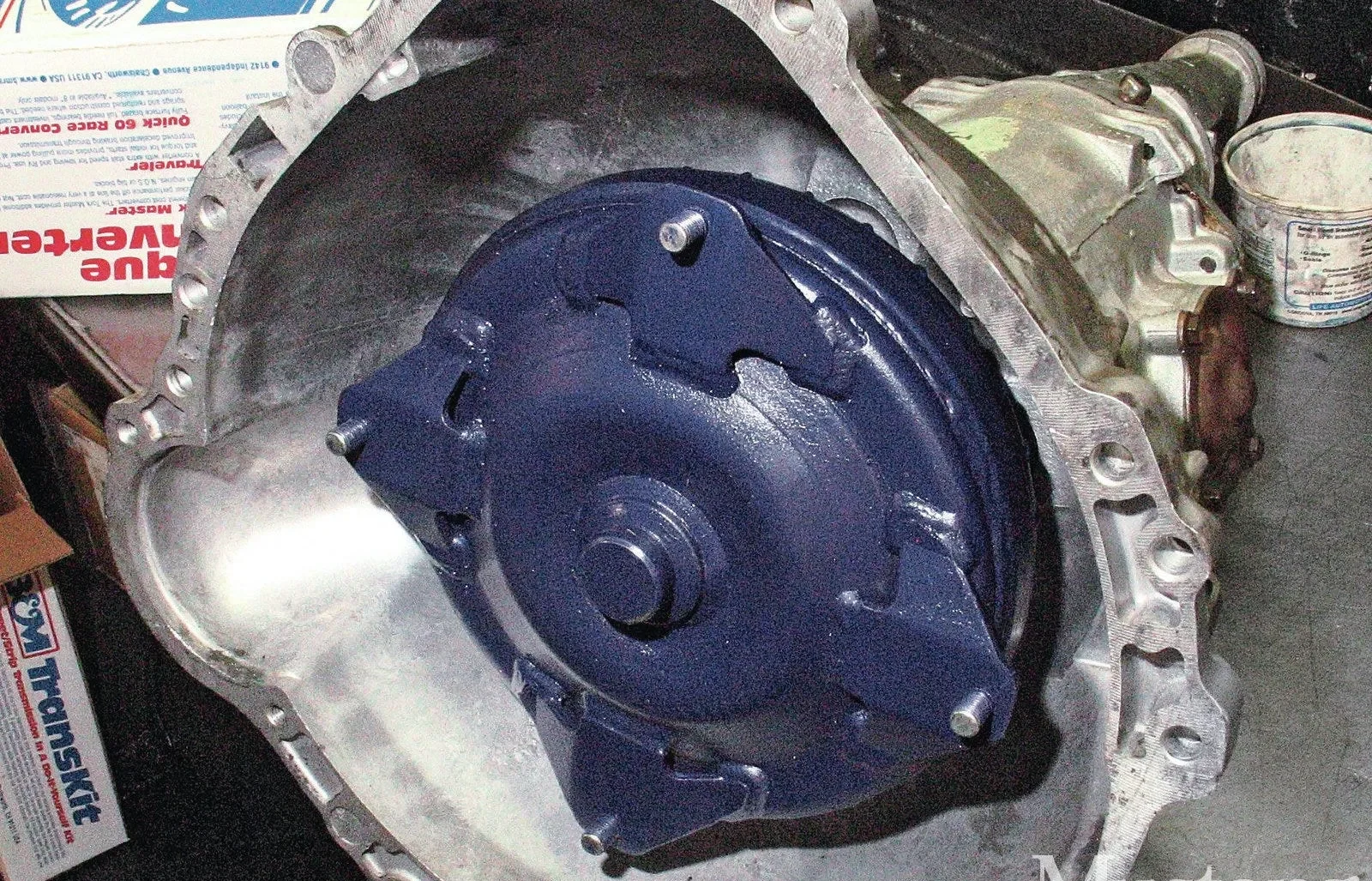
Before the C6 claimed the performance application crown within Ford’s transmission lineup, the FMX served as the everyday automatic gearbox for an enormous range of Ford passenger cars and light-duty applications throughout the late 1960s and 1970s.
Replacing the earlier Cruise-O-Matic and Merc-O-Matic units in Ford’s medium-duty applications, the FMX combined a cast-iron case with a hydraulic control system refined through years of predecessor development, producing a three-speed automatic that delivered genuine durability in the moderate-output applications it was matched to most frequently.
Unlike the C6, which was deliberately over-engineered for high-torque big-block applications, the FMX operated in a different segment of Ford’s powertrain strategy. Small-block V8 applications and larger six-cylinder pairings defined its primary use case, and within those parameters, the FMX performed with a consistency and longevity that earned it a quiet reputation among Ford technicians who serviced large numbers of the vehicles it inhabited.
Vehicles like the 1972 Ford Maverick Grabber 302 V8 and the 1974 Ford Pinto Runabout 2.3L used adjacent transmission applications from this family, while the core FMX served the mainstream Ford lineup in models like the 1969 Ford Galaxie 500 XL 390 V8, where the transmission’s torque capacity was well within its comfort zone and long-term reliability was correspondingly strong.
Valve body design in the FMX borrowed heavily from Ford’s accumulated experience with earlier three-speed automatic units and produced a move calibration that was smooth in normal operation while providing adequate response under acceleration demand.
Technicians who rebuilt large numbers of FMX units during the 1970s and 1980s consistently noted the transmission’s predictability, with internal condition correlating closely to external fluid maintenance history in a way that made pre-purchase assessment straightforward.
Cast iron case construction, as with the C6, provided dimensional stability across the thermal cycles of extended operation, and the FMX’s bearing and seal geometry remained consistent enough under operating conditions that properly maintained examples lasted well beyond 150,000 miles without internal service requirements.
For the millions of everyday Ford vehicles it served throughout its production run, the FMX delivered exactly what its intended application required: uncomplicated, long-lived automatic transmission service that asked little more from the owner than clean fluid at regular intervals.
7. Buick Super Turbine 300: Compact Elegance From General Motors’ Premium Division
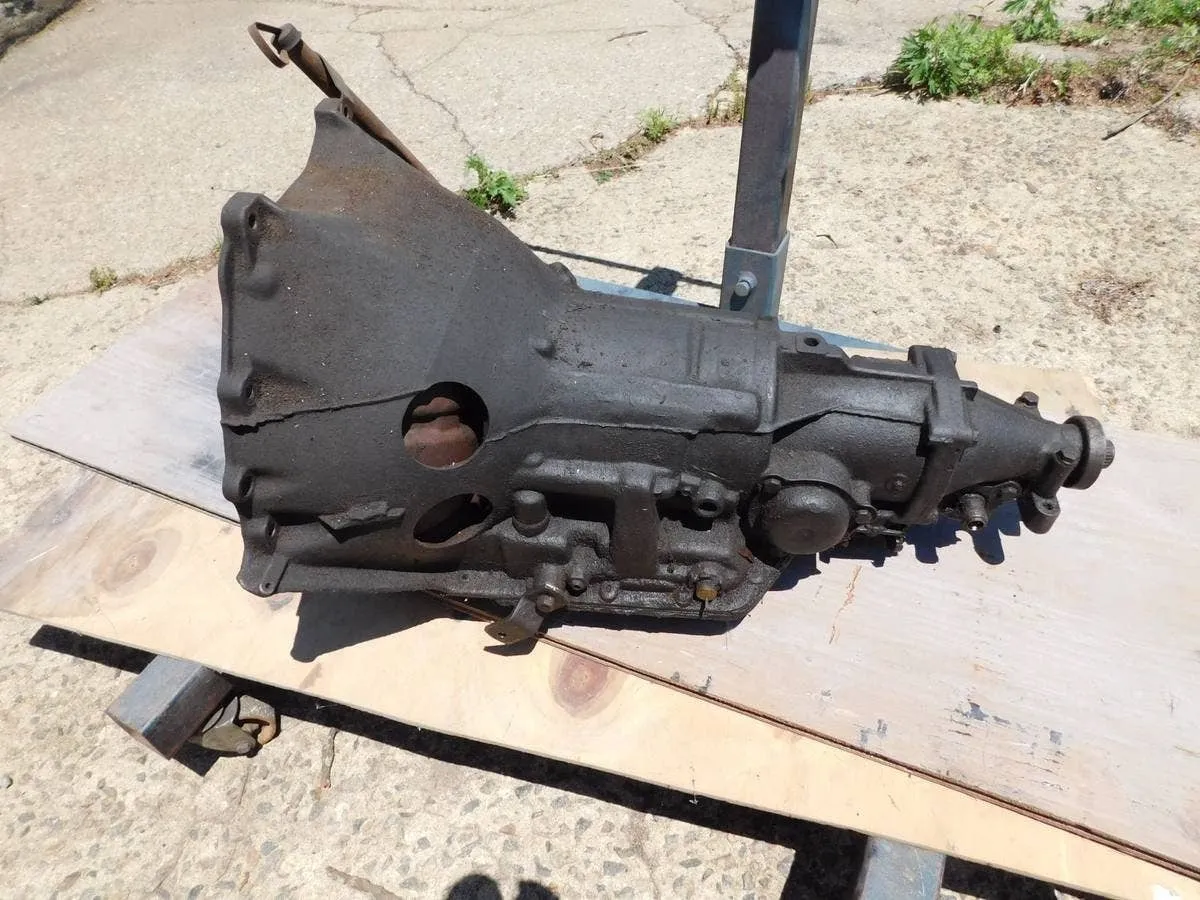
Buick’s Super Turbine 300 occupied a specific and interesting position within GM’s transmission family during its production years in the mid-1960s. Developed as a lighter, more compact alternative to the full-size Hydramatic units used in larger GM vehicles, the Super Turbine 300 was matched to Buick’s V6 and smaller V8 applications in a pairing that produced one of the smoothest-shifting three-speed automatics in American passenger car production of its era.
Vehicles like the 1965 Buick Skylark Custom 300 V8 and the 1966 Buick Special Deluxe V6 benefited from this calibration philosophy in daily operation, with owners consistently describing the transmission’s behavior as effortless and unobtrusive in a way that reinforced Buick’s broader brand character of refined, comfortable transportation.
Durability in matched applications was strong. Like most of GM’s transmission engineering during this period, the Super Turbine 300 was built with adequate margin above its standard application requirements, and the predominantly moderate-output engines it served kept operating stresses well within design parameters. Fluid maintenance requirements were conventional and accessible, with standard pan-drop service procedures producing consistent results.
What prevents the Super Turbine 300 from ranking higher on this list is its limited torque capacity relative to the TH350 and TH400 units that would replace it in GM’s lineup, and the parts availability situation that exists today compared to the more widely produced units.
Rebuilding a Super Turbine 300 requires more focused sourcing than rebuilding a TH350, because production volumes were lower and the subsequent aftermarket infrastructure is correspondingly smaller. For original restoration applications in appropriate vehicles, however, the Super Turbine 300 remains a rewarding transmission to work with.
8. Borg-Warner Model 35 Three-Speed: A Global Workhorse with Proven Durability
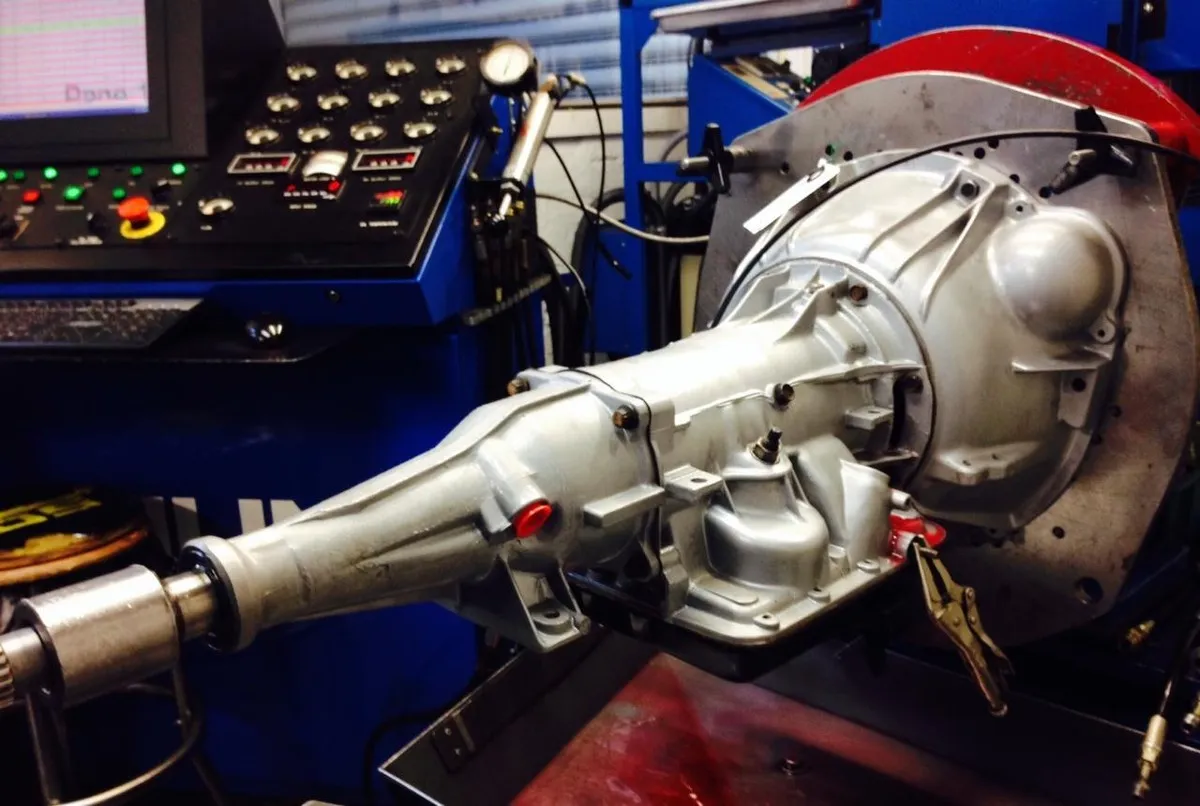
The Borg-Warner Model 35 stands as one of the most widely used three-speed automatic transmissions in automotive history, earning a reputation for dependable service across American, European, and Australian vehicles throughout the 1960s and 1970s.
Developed by Borg-Warner as a compact and adaptable automatic gearbox, the Model 35 was designed to suit a wide variety of engines and vehicle types. Its relatively lightweight construction and straightforward hydraulic control system made it an attractive option for manufacturers seeking reliability without excessive complication.
Unlike some heavy-duty transmissions built primarily for high-torque applications, the Model 35 excelled in everyday driving conditions. Engineers focused on balanced performance, ensuring smooth gear changes, consistent operation, and durability within moderate power ranges. This made it particularly well-suited for mid-size sedans and compact vehicles.
The transmission appeared in an unusually broad range of vehicles. Examples include the 1967 Ford Cortina Mk2, the 1973 Volvo 144 Sedan, and several Australian-built Ford Falcon models. Its global adoption demonstrated both its adaptability and the confidence manufacturers placed in its design.
Mechanics often describe the Model 35 as predictable and easy to service. Its internal layout is relatively simple compared to later automatic transmissions, allowing straightforward disassembly and repair. Replacement parts remain accessible due to the transmission’s widespread use and long production life.
Durability under proper maintenance is one of the Model 35’s defining characteristics. Regular fluid changes and careful operation allow the transmission to deliver long service life, often exceeding expectations for vehicles in its class. While it was not intended for high-performance applications, it performed exceptionally well within its design limits.
For restorers and enthusiasts working with classic vehicles from multiple regions, the Borg-Warner Model 35 represents a reliable and historically important example of three-speed automatic transmission engineering that proved its worth on a global scale.
9. Mercedes-Benz W4A 040 Three Speed: German Engineering Precision in Automatic Form
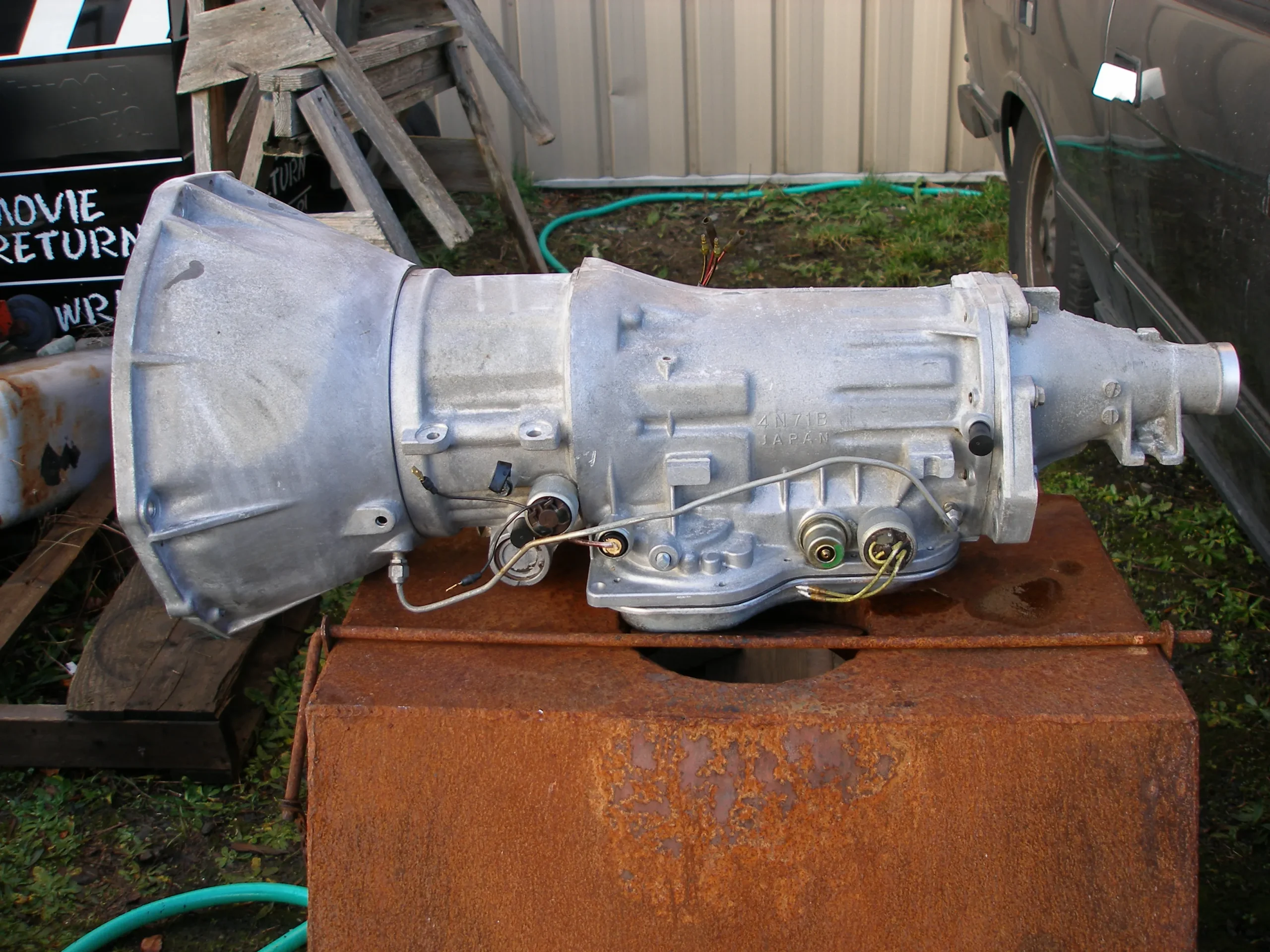
During the nineteen sixties and nineteen seventies, Mercedes-Benz collaborated with ZF Friedrichshafen to develop a range of automatic transmissions designed for durability and refined operation. One example from that period is the W4A 040 three-speed automatic transmission, widely used in Mercedes-Benz passenger cars such as the W114 and W115 series. This gearbox reflected the company’s dedication to careful manufacturing standards and long-term mechanical reliability.
Production methods used for the W4A 040 required precise machining and strict dimensional control. Internal components were manufactured to exact tolerances so that each transmission operated smoothly and consistently.
Such attention to detail distinguished the unit from many automatic transmissions produced elsewhere during the same era. Stable internal clearances allowed the gearbox to maintain dependable operation for extended service periods.
Vehicles, including the 1971 Mercedes-Benz 250 W114 Sedan and the 1975 Mercedes-Benz 240D W115 Diesel Sedan, frequently accumulated high mileage while using this transmission. Owners during that period often drove their cars for many years and expected durable mechanical performance. The W4A 040 responded well to that expectation, especially when routine maintenance such as fluid replacement was carried out according to recommended intervals.
The driving behaviour of the transmission reflected Mercedes-Benz design philosophy. Gear changes occurred smoothly and without sudden force. The hydraulic control system ensured that upshifts happened at carefully determined engine speeds that suited the operating characteristics of the engine.
Temperature variations had little influence on move behaviour, which helped maintain consistent driving comfort during long journeys. Restoring or rebuilding the W4A 040 today may require specialist knowledge because the components are less common than parts used in certain domestic transmissions.
Even so, experienced Mercedes-Benz restoration technicians maintain technical documentation and established parts supply networks. With proper servicing and skilled repair work, the W4A 040 continues to provide dependable operation for classic Mercedes-Benz vehicles preserved for modern road use.
Also Read: 10 Automatic Transmissions That Rarely Need A Rebuild
10. General Motors Turbo-Hydramatic 250: The Three-Speed That Served GM’s Everyday Lineup Faithfully
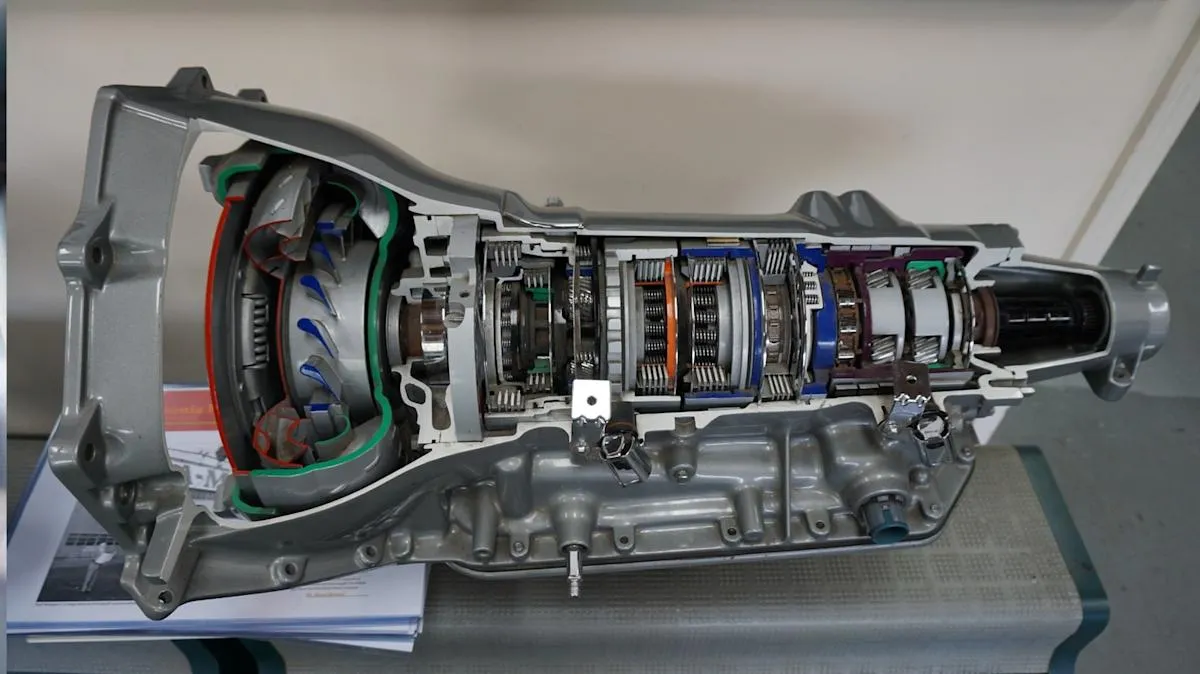
Closing this list with another General Motors transmission reflects a straightforward reality: GM’s Turbo-Hydramatic family represented the most thoroughly developed three-speed automatic transmission architecture in American automotive history, and the TH250 variant that served GM’s lower and mid-range passenger car applications during the 1970s earned its own distinct place within that family through a service record built on millions of miles of undramatic, reliable operation.
Introduced in 1974 as a lower-torque-rated companion to the TH350, the TH250 shared the TH350’s fundamental architecture while being calibrated and internally sized for applications where maximum torque handling was less critical than cost-efficiency and smooth everyday behavior.
This conscious optimization for its specific application produced a transmission that performed with appropriate reliability in the vehicles it served, even if its torque ceiling made it unsuitable for performance applications that the TH350 handled without strain.
Vehicles like the 1976 Chevrolet Nova Concours 4.1L Inline-Six and the 1977 Oldsmobile Cutlass Supreme 3.8L V6 used the TH250 in pairings where the transmission’s capacity matched the engine’s output with a comfortable margin, and these vehicles accumulated service lives that demonstrated the TH250’s genuine durability when properly matched applications were respected.
Fluid maintenance on the TH250 is identical in procedure to the TH350, and the two units share enough architectural similarity that mechanics familiar with TH350 service can transfer their knowledge directly. This familiarity reduced service costs throughout the TH250’s production life and continues to make it an accessible unit for rebuilders who encounter it in vehicles undergoing restoration or recommissioning today.
Parts availability for the TH250 is strong because the unit’s architectural similarity to the TH350 means that many components are interchangeable, and the TH350 parts supply is effectively a backstop for TH250 rebuilds.
Gasket sets, seals, friction kits, and steel kits for both units are available from multiple suppliers at prices that reflect the ongoing demand from classic car owners and professional rebuilders who keep these transmissions in service decades after their production ended.
