
Buying a used car with a fresh paint job should feel like a bonus. Clean, bright, uniform color across every panel, and the car looks almost new. But experienced car buyers know that a fresh paint job can be either a genuine improvement or a warning sign wrapped in shiny clear coat.
Professional refinishing work adds value, corrects accident damage properly, and protects the vehicle for years. A cheap backyard spray hides problems, covers rust or structural damage, and often begins deteriorating within months of the transaction. Here is the uncomfortable reality about used car paint: a bad paint job and a good one can look nearly identical in a sunny dealership lot or in a photograph posted online.
Poor lighting, quick inspections, and the natural tendency to take a clean-looking car at face value mean buyers often miss signs of substandard paintwork until they have already signed the paperwork. By that point, they are dealing with peeling clear coat, paint lifting at panel edges, color mismatches that appear in different lighting conditions, and overspray on rubber seals that the seller had no intention of disclosing.
Learning to distinguish professional paint work from a cheap backyard spray is a practical skill that protects your money, your time, and your ability to make fully informed purchase decisions. It is not a skill that requires professional training or specialized equipment. It requires knowing where to look, what to look for, and how different paint quality indicators present themselves on a real vehicle surface under real inspection conditions.
This page walks through five specific inspection areas where professional and amateur paint work separate themselves clearly, with enough detail that you can apply each check confidently during your next used car evaluation.
1. Surface Texture and Orange Peel: Reading the Finish Quality That Tells the Whole Story
Surface texture is often the earliest visual signal that distinguishes professional refinishing from poor workmanship, and it can be identified from a short distance under proper lighting by a trained observer. Every painted vehicle surface displays some level of texture. The ability to recognise what an acceptable texture looks like, as opposed to flawed application, forms the foundation of any reliable paint inspection.
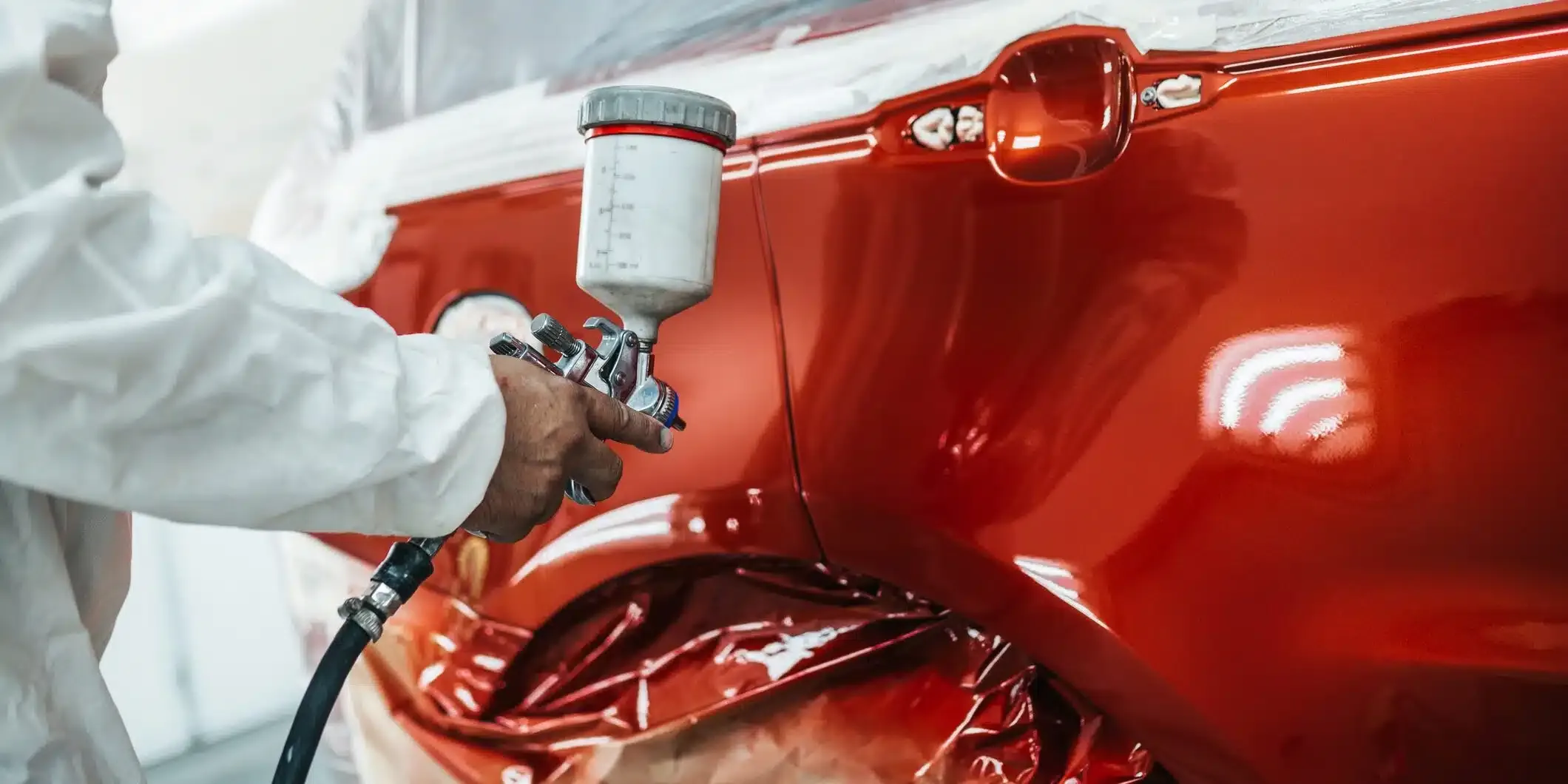
Professionally applied automotive paint, completed in a controlled spray booth with correct material ratios and calibrated equipment, produces a fine and even surface appearance across all panels. Mild orange peel, a texture similar to citrus skin, exists even on factory finishes and falls within accepted manufacturing tolerances.
Common indicators include exaggerated orange peel, scattered bumps in the clear coat, visible pits, paint runs, and sagging areas. These defects frequently vary between panels because the work was completed at different times or under inconsistent conditions.
Effective inspection requires viewing the surface at a shallow angle. Standing near the rear quarter and looking along the length of the vehicle toward a strong light source allows irregularities to stand out. Natural daylight and overhead workshop lighting both work well when the observer positions themselves to allow light to skim across the paint surface. Defects hidden from direct viewing angles become obvious under this approach.
Comparing adjacent panels is equally important. A properly refinished single panel should closely match neighbouring factory surfaces in texture. Poor repairs often reveal rougher texture, heavier paint build-up at edges, or visible runs near lower sections.
On vehicles such as the BMW 3 Series 330i xDrive of the G20 generation, factory paint application is highly uniform due to automated processes. Any panel displaying noticeably rough or inconsistent texture relative to surrounding areas indicates refinishing outside factory standards. The quality of that work is judged by how closely it aligns with the established texture of the original finish.
2. Panel Gap and Edge Inspection: Where Masking Quality Reveals Everything About the Painter’s Skill
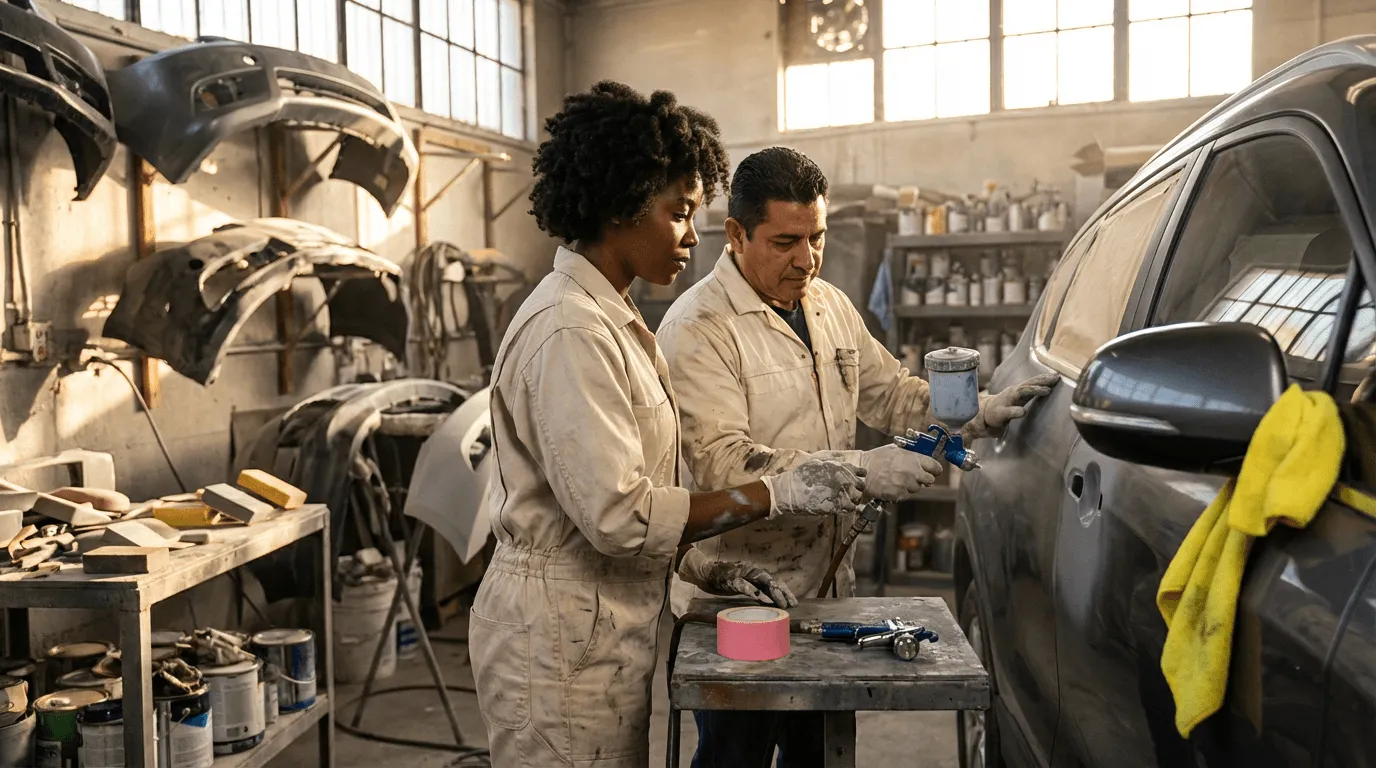
Panel gaps and edges are the areas where the quality difference between professional and amateur paint work is most consistently exposed, and inspecting them takes less than two minutes on a complete vehicle walk-around if you know what to look for. Professional painters tape, mask, and edge-prep with a level of care that preserves clean transitions between painted and unpainted surfaces.
Amateur sprayers cut corners on masking because it is time-consuming, and the result is visible in every gap, seam, and rubber seal on the vehicle. Paint at panel edges, particularly around door edges, hood edges, and trunk lid edges, reveals masking quality differently.
Professional painters address panel edges either by back-masking, which creates a tapered transition that blends into adjacent panels, or by removing components entirely to paint behind them, ensuring complete color coverage without sharp paint lines at visible edges.
Amateur sprayers who mask over existing panel edges leave a raised paint line exactly at the tape edge that is visible and tactile on inspection. Run a fingertip along a panel edge and feel for a ridge that indicates the painter taped across rather than behind the panel boundary.
Door jambs and trunk jambs are the single most revealing inspection areas for paint work quality because they are areas that amateur sprayers routinely skip or barely address. Professional refinish work includes the door jambs to ensure color consistency is maintained where doors open and the repainted area transitions to the original body color.
A vehicle with a freshly painted exterior door panel but original-color door jambs has been refinished without proper jamb treatment, indicating either a very limited touch-up or an amateur spray that did not include the jamb preparation that professional work requires.
An owner inspecting a used 2020 Chevrolet Camaro 2SS Coupe (sixth generation) for potential repaints can use the door jamb comparison as a quick screening tool before investing time in a more detailed inspection. Any exterior panel showing color that differs from the door jamb adjacent to it has been repainted after the factory paint was applied, and the quality of that repaint should then be assessed using all the inspection criteria covered in this article.
Also Read: Top 10 Classic Engines Known for Their Unique Exhaust Notes
3. Color Matching Under Variable Lighting: The Test That Amateur Work Rarely Passes
Accurate color matching represents one of the most demanding aspects of automotive refinishing, and it is the stage where differences between trained professionals and unskilled application become easiest to identify. A repaint may appear acceptable under a single lighting condition, particularly under flat indoor illumination or shaded outdoor areas, yet that appearance often changes once lighting conditions vary.
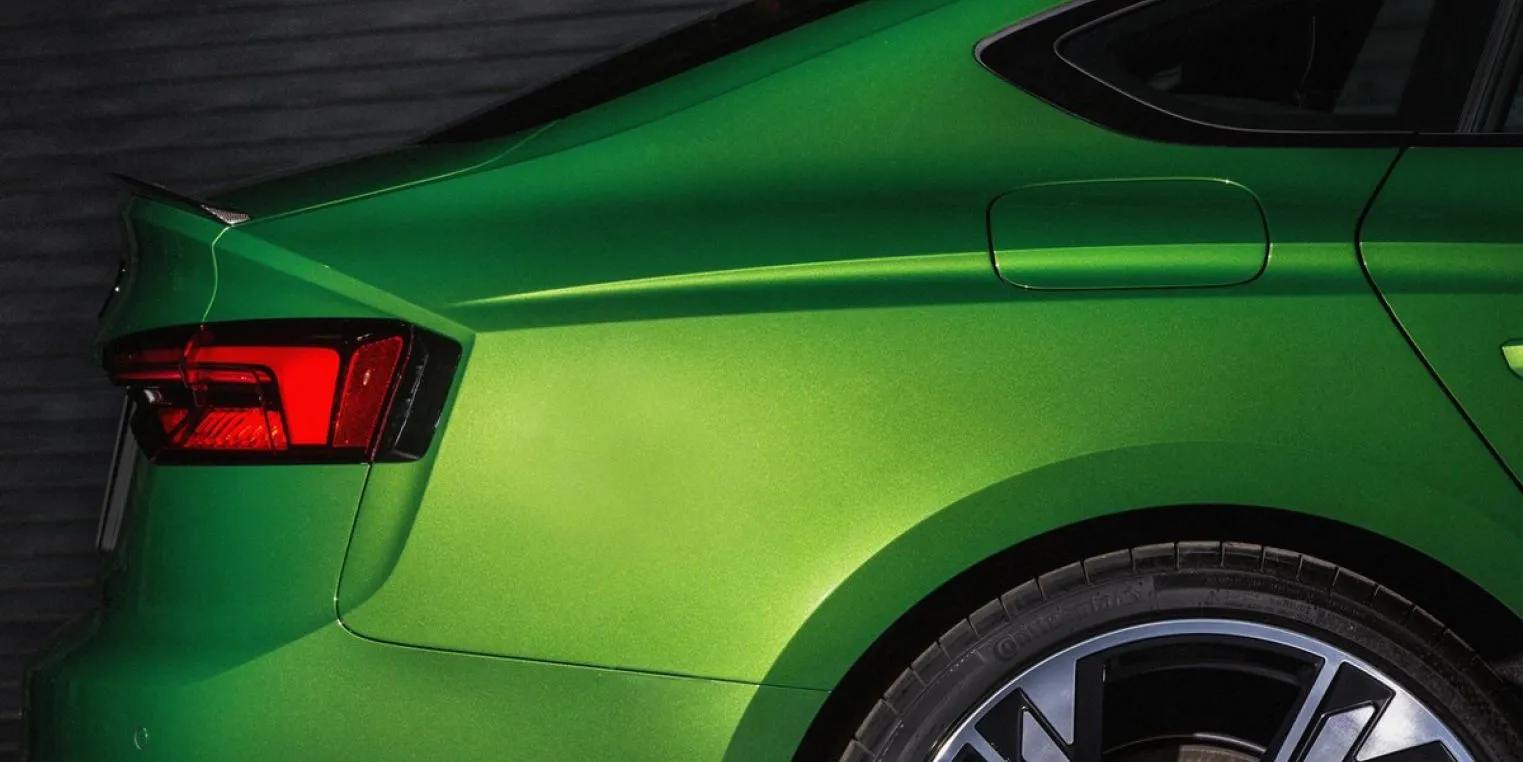
True color accuracy can only be judged when a vehicle is viewed under multiple light sources and from different viewing positions. Modern automotive finishes, especially metallic and pearlescent paints, change visual character based on light direction and viewing angle.
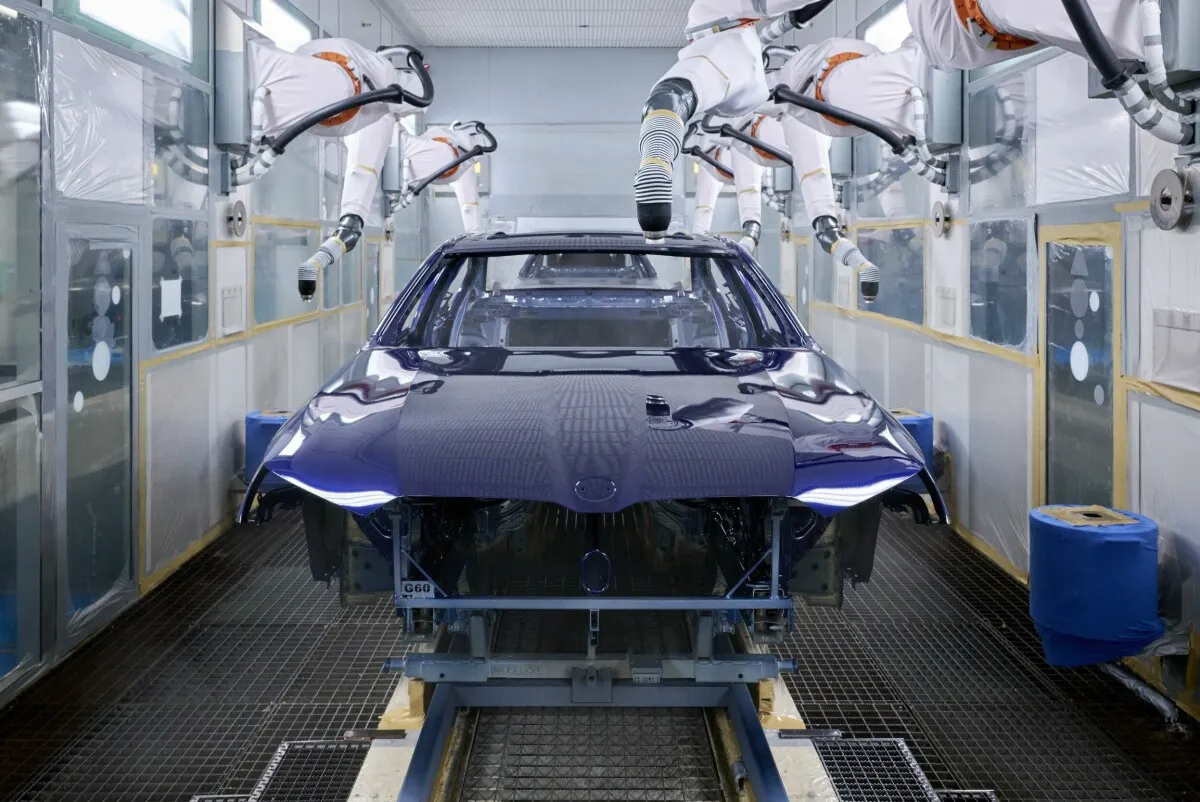
This behaviour is created by metallic flakes or pearl particles suspended within the paint. During factory application, robotic spray systems maintain controlled distance, angle, and movement speed, ensuring uniform particle orientation across all panels. This consistency allows color to behave predictably regardless of lighting or angle.
Effective inspection requires viewing the vehicle under at least two lighting conditions. Natural daylight, direct sun exposure, and artificial indoor lighting each reveal different characteristics of metallic paint. Moving the vehicle between these environments during inspection often exposes mismatches not visible initially. Sellers should accommodate reasonable requests for repositioning during inspection.
Viewing angle is equally important. Standing directly in front of adjacent panels may show acceptable color alignment. Observing the same panels from a low or side angle often highlights differences in metallic orientation. Panels that change tone or sparkle differently when viewed from varying angles indicate repaint work applied with a dissimilar technique.
Inspection of a Ford Mustang GT 5.0 Fastback finished in Kona Blue Metallic illustrates this principle clearly. Factory-applied paint shows consistent sparkle and tone movement across all panels. Any amateur repaint on this colour will reveal uneven particle behaviour once lighting and viewing angle are varied deliberately during inspection.
4. Clear Coat Thickness and Edge Condition: How Paint Depth Reveals the Story of What Came Before
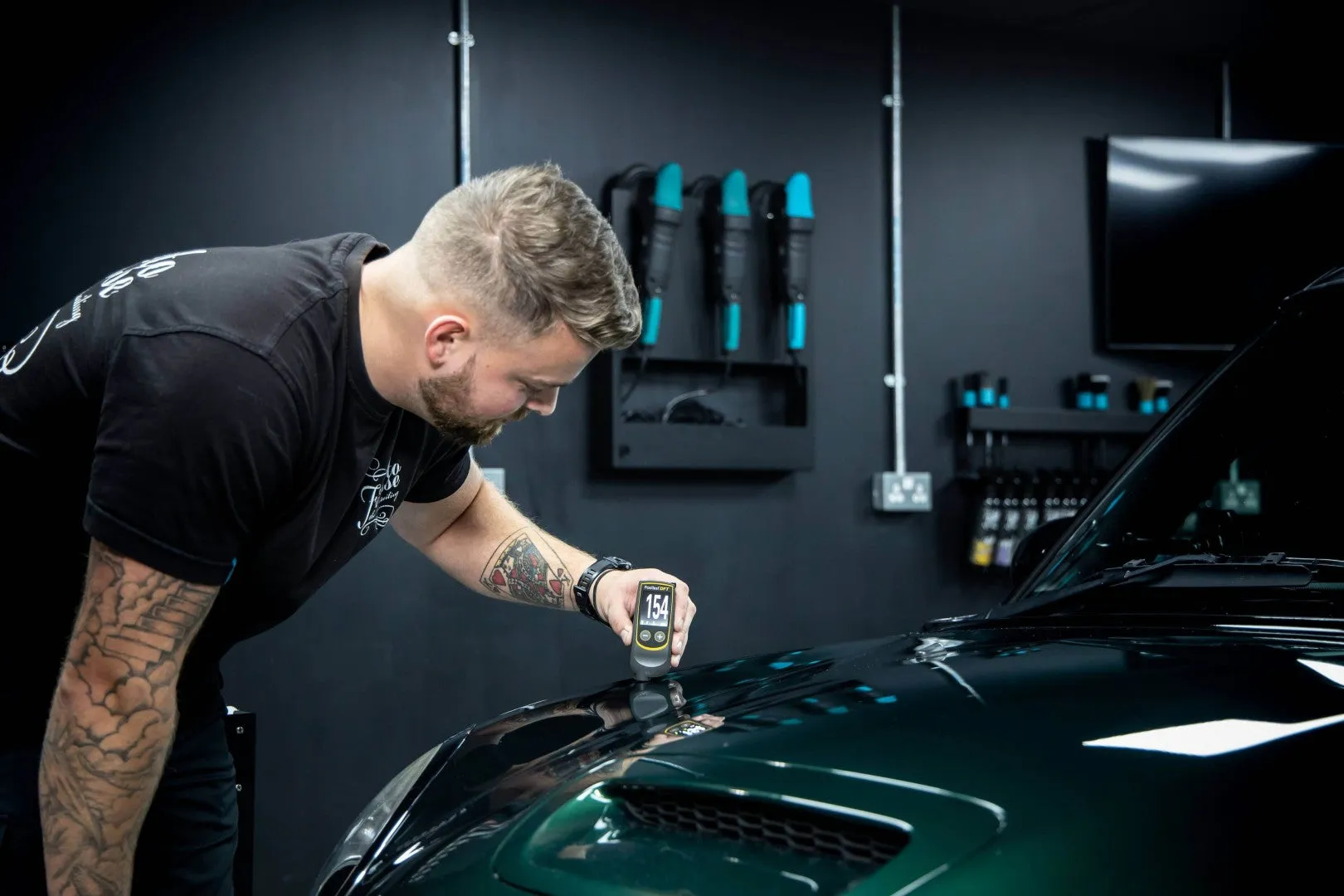
Clear coat depth and edge finish provide reliable evidence about prior paintwork and repair quality. Proper refinishing maintains controlled clear coat thickness across panel surfaces and produces clean, well-prepared edges around trims, badges, and panel boundaries. Poor workmanship often results in uneven thickness, material buildup, and visible layering that reveals previous repaint activity.
Paint thickness gauges measure total coating depth on metal panels by assessing resistance between the surface and the metal substrate. Most modern factory finishes fall within a predictable thickness range. Panels measuring far above neighbouring readings usually carry additional layers applied over existing paint rather than being properly stripped.
Lower readings may indicate removal of original paint before refinishing, a practice common in professional collision repair but one that still deserves explanation. Consistency matters as much as absolute values. Uniform readings across a panel suggest controlled application.
High readings concentrated at the lower edges often indicate runs or excess material that was not corrected. These issues reflect poor spray control and inadequate finishing practices. Panels that show moderate, even thickness similar to surrounding factory areas, combined with tidy edges, usually point to professional repair work.
Even without specialised tools, edge inspection can reveal useful information. Door edges, bonnet edges, and boot openings should appear smooth and evenly coated. Visible paint ridges, slight lifting, or abrupt texture changes at these locations suggest multiple paint layers applied without proper preparation. Skilled refinishers address edges carefully during sanding and blending to prevent such signs.

5. Masking Line Position at Trim and Glass Boundaries: The Tell-Tale Sign That Most Buyers Miss Completely
Masking line position is the inspection criterion that most buyers never think to apply, yet it is one of the most reliably informative indicators of paint work quality because it reveals exactly how the painter managed the boundaries between painted and unpainted surfaces at every trim piece, glass edge, and rubber seal on the vehicle.
Professional painters position masking precisely, remove it carefully, and may back-tape to create invisible transitions. Amateur painters mask roughly, leave overspray at boundaries, and frequently have masking lines that sit in the wrong position relative to trim piece edges.
A correctly masked and painted body panel has a paint edge that terminates exactly at the boundary between the panel surface and the adjacent trim piece, rubber seal, or glass edge. Looking closely at where painted metal transitions to a plastic trim strip, a rubber door seal, or a window frame reveals whether the masking tape was positioned correctly and removed cleanly.
A professional paint line at these transitions is invisible because it sits exactly at the boundary where the eye expects a material change. An amateur paint line sits slightly inside or outside this boundary, leaving either a strip of unpainted original color visible inside the trim boundary or overspray visible on the trim surface outside it.
Glass edges around windshields and rear windows are particularly informative masking quality indicators. Professional painters mask glass with clean tape lines positioned exactly at the glass-to-body seal, or remove glass entirely for the best results. Amateur sprayers often tape roughly around glass, leaving the masking line visible as a slightly different color or texture band adjacent to the glass edge, or leaving overspray on the glass itself that was partially cleaned but shows residue in raking light inspection.
Headlight and taillight housing boundaries follow the same masking quality principle. A professional refinish of a front bumper or rear bumper cover handles the transition to adjacent headlight and taillight housings with precise masking that produces clean, invisible transitions. An amateur spray leaves paint that does not quite meet the housing edges correctly, creating gaps where the original color shows through, or overspray on the housing surface that dulls its optical quality.
5 Ways to Spot a Professional Paint Job vs a Cheap Backyard Spray
1. Using Surface Texture Reading in Real Buying Situations
Understanding surface texture as a quality indicator is only useful when it can be applied effectively during an actual vehicle inspection. Real purchase environments rarely provide ideal conditions. Buyers often face time limits, shared spaces, and lighting that was not designed for detailed surface evaluation.
The ability to read paint texture quickly and accurately under these conditions transforms surface inspection from theory into a dependable decision tool. Natural daylight in open shade offers the most dependable setting for texture evaluation. This lighting creates even illumination without the glare that direct sunlight introduces.
Direct sun tends to flatten irregularities, while harsh overhead lighting masks surface detail. When a vehicle is presented inside a garage or beneath a canopy, it is reasonable to request repositioning into open shade where light strikes the panels at a gentle angle. Final judgement should never rely solely on fluorescent indoor lighting, as it reduces the visibility of surface variation.
A disciplined inspection sequence improves reliability. Begin at the front of the vehicle and proceed in a continuous loop, leaving horizontal panels such as the bonnet until last. Vertical panels respond best to angled viewing. Stand roughly fifteen to twenty degrees off the panel face, keeping a visible light reflection within the paint surface. This reflection acts as a guide, revealing texture changes as you move along curved body sections.
Time of day influences inspection clarity. Early morning or late afternoon sun positioned behind the viewer creates directional illumination that highlights surface variation. Midday sun tends to illuminate evenly from above, which reduces the visibility of textural detail on side panels. When midday inspection is unavoidable, shade positioning becomes essential.
2. Making Panel Gap and Edge Inspection Systematic and Reliable
Panel gap and edge evaluation yields the most accurate results when performed methodically. Casual inspection of a few obvious areas often misses the subtle evidence left behind by unskilled refinishing. Less experienced painters usually leave traces in overlooked locations, making complete coverage essential for reliable assessment.
Begin at one corner of the vehicle and walk its entire exterior perimeter. At each panel junction, lower your viewpoint and inspect the gap from multiple angles. Observe whether the paint colour remains consistent throughout the depth of the gap. Factory application coats all reachable surfaces evenly. Refinished panels often display a visible colour boundary partway inside the gap, where paint application stopped short of factory depth.
Door jambs require close attention. Open each door fully and inspect the jamb under direct light. Compare the jamb finish with the outer door skin while both are visible. Colour tone, surface texture, and gloss level should align closely. Masking lines, rough edges, or abrupt texture changes along the jamb indicate repaint activity.
Bonnet and boot edges reveal layering history. Viewing these edges from the side with the panel closed can expose slight paint buildup caused by repeated applications. Using a torch aimed along the edge enhances visibility. Factory edges remain thin and clean. Multiple repaint layers create a faint raised profile that becomes both visible and tactile under careful inspection.
A structured routine prevents missed evidence. Repeat the same checks on every door, wing, and closure panel without exception. Consistency in method ensures that deviations stand out clearly against the established standard.
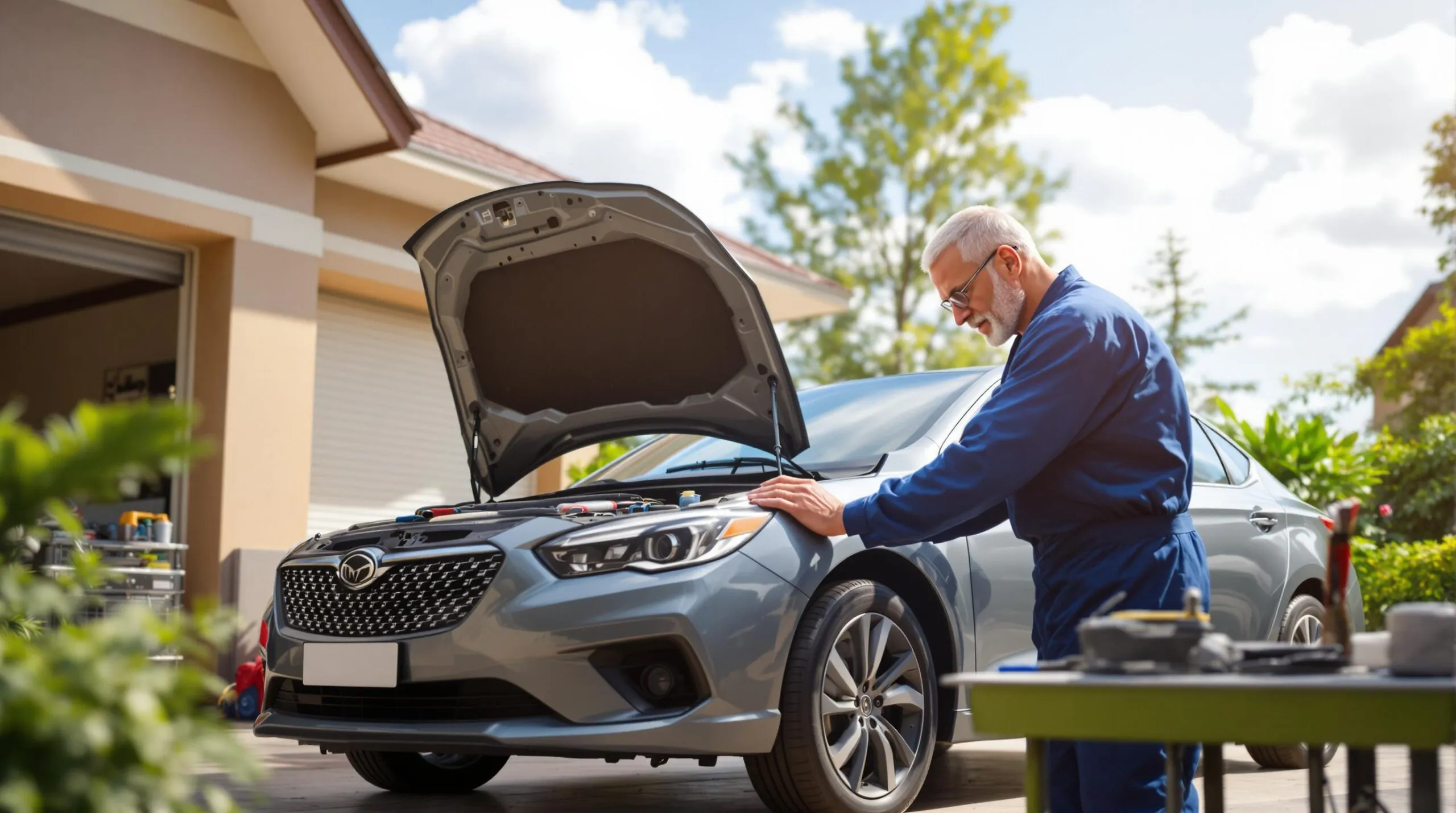
For a vehicle such as the 2023 CX-50 Turbo Premium Plus AWD manufactured by Mazda, factory assembly delivers uniform panel gaps and clean jamb finishes. Any area that departs from this standard provides a credible indication of post-production refinishing and should be examined carefully before any purchase commitment is made.

3. Building a Variable Lighting Inspection Routine for Color Match Verification
Color match verification under variable lighting is the inspection criterion that most sellers are least prepared to accommodate, which is itself informative. Sellers of vehicles with professional, high-quality paint work generally have no concern about viewing the vehicle in multiple lighting conditions because the professional match holds up regardless of where the vehicle is positioned.
Sellers of vehicles with amateur or low-quality refinish work sometimes resist lighting condition changes or rush the inspection in ways that prevent adequate variable-light assessment. Smartphone camera inspection is a useful supplement to direct visual assessment for color matching because camera sensors respond to color differently from human eyes in some lighting conditions, making mismatches visible in photographs that are less obvious to direct observation.
Take photographs of adjacent panels from identical angles in the same lighting conditions and compare them on the phone screen. Even modest color differences that blend in direct observation sometimes appear clearly separated in a camera image because the device’s image processing does not blend colors the way human visual perception naturally does.
Documenting your inspection with photographs provides a reference record that is useful for later comparison if you return for a second look or if questions arise after purchase. A photograph taken during inspection in specific lighting conditions cannot be disputed the way a verbal description of an observation can be.
For a vehicle like the 2021 Genesis GV70 Sport Prestige AWD (JK1 generation) in a metallic color like Uyuni White or Mauna Red, color match verification across lighting conditions is particularly informative because Genesis factory paint for these colors has a specific visual character under different lighting that professional refinish work closely matches and amateur work diverges from in ways that the variable-light inspection approach reliably reveals.
4. Interpreting Paint Thickness Gauge Results in Context
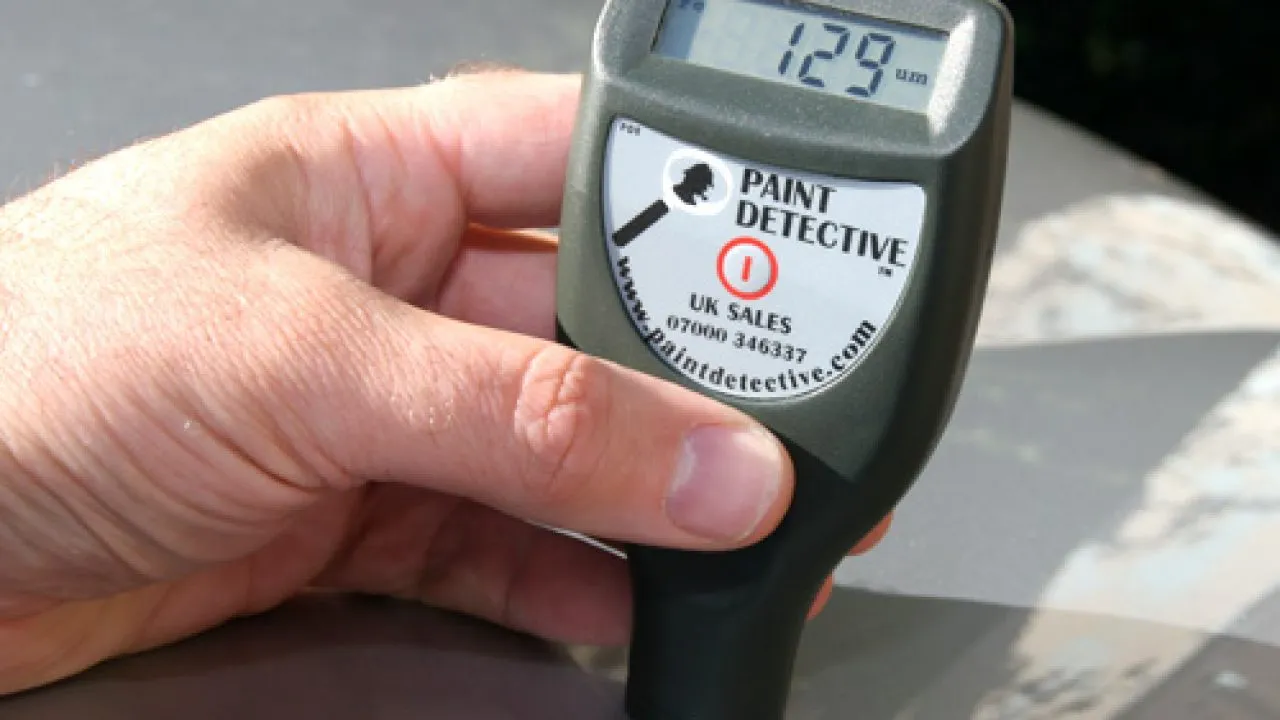
Paint thickness gauges provide factual measurements that remove guesswork from repaint identification, yet the readings only become useful when interpreted with proper understanding. The numbers produced by a gauge do not function as automatic approval or rejection signals.
Instead, they serve as indicators that must be assessed alongside repair history, seller disclosure, and visible finish quality. Treating gauge readings as isolated figures often leads to incorrect assumptions about a vehicle’s condition. The presence of repaint evidence should not automatically discourage a buyer.
Vehicles that have undergone professional refinishing after minor collision repairs can remain mechanically sound and visually correct when the work is documented and performed to a standard comparable to factory application. Such repairs are part of normal vehicle life, particularly in urban driving environments. What matters is honesty in disclosure and evidence that repairs were carried out correctly.
Problems arise when thickness readings conflict with seller statements, reveal excessive material build-up, or appear on structural areas where filler use may be present. These situations demand closer evaluation before any purchase decision is made. Establishing reference readings from panels unlikely to have been repainted, such as the roof, helps create a baseline.
Once this reference exists, deviations on other panels can be assessed more accurately. Using a gauge during a dealership inspection typically requires permission, which reputable sellers usually grant without hesitation. Resistance to this process may signal uncertainty regarding paint history.
For vehicles such as the Toyota 4Runner TRD Off-Road Premium 4WD, this step carries added value due to likely exposure to trail conditions. Understanding whether body repairs resulted from cosmetic damage or heavy use allows buyers to ask informed questions and assess long-term suitability.
Also Read: 8 Classic Models That Featured Early Versions of Fuel Injection
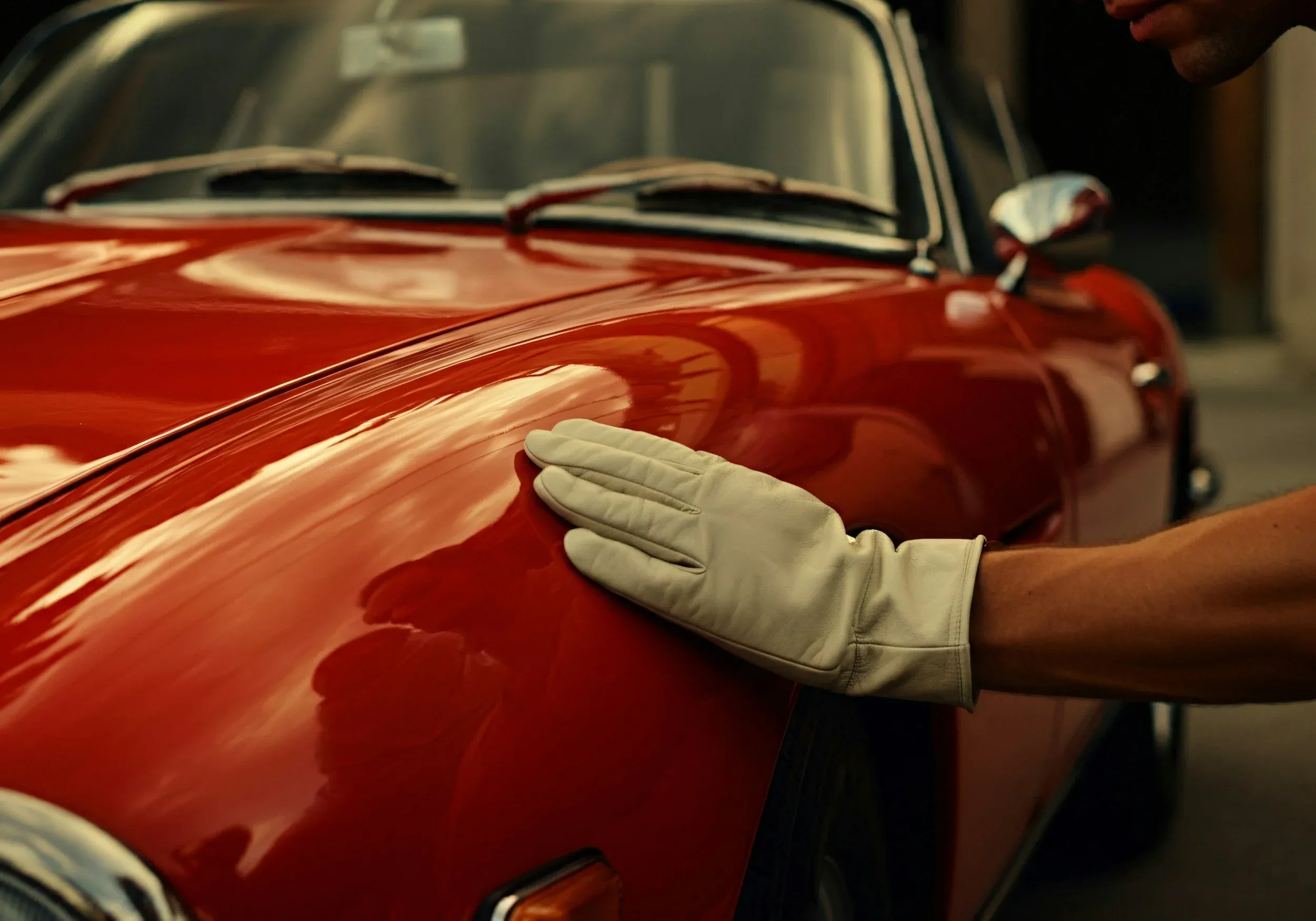
5. Incorporating All Five Checks Into a Complete Pre-Purchase Paint Inspection
Each inspection method contributes useful information, yet true evaluation strength comes from applying all five checks consistently across the entire vehicle. A structured inspection that examines every panel, seam, and transition ensures that no area escapes scrutiny. This approach replaces casual observation with disciplined assessment, reducing the chance of missing poor workmanship or undisclosed repairs.
A full inspection typically requires no more than half an hour and relies on simple tools such as good lighting, careful observation, and optional measuring equipment. Progressing methodically around the vehicle ensures that each panel is assessed using the same standards. This consistency prevents reliance on partial checks that often allow defects to remain unnoticed.
Recording observations is essential. Photographs of overspray, uneven texture, or masking marks create verifiable evidence that supports negotiation or confirms a decision to walk away. Written notes paired with images provide clarity when reviewing findings after the inspection is complete.
Professional evaluation becomes appropriate when personal inspection leaves unanswered questions. Body shops equipped with advanced measuring tools and trained technicians can assess paint condition within the context of factory specifications. This added step is especially appropriate for higher-value vehicles where errors carry financial consequences.
For vehicles such as the Porsche 911 Carrera T Coupe, careful application of all inspection checks is a basic requirement rather than an optional step. Accurate assessment protects resale value and prevents costly corrective work. Buyers who understand inspection techniques gain the ability to make confident, well-supported purchase decisions based on verified condition rather than assumption.
