Wheel bearings are small components, but they play a massive role in a vehicle’s reliability, safety, and long-term durability. These precision-engineered parts allow the wheels to rotate smoothly while supporting the vehicle’s weight and absorbing the stresses created by acceleration, braking, and cornering.
When wheel bearings fail prematurely, drivers often experience vibrations, humming noises, and expensive repairs that can disrupt daily driving. Fortunately, some vehicles are engineered with exceptionally robust hub assemblies, high-grade materials, and sealing technologies that dramatically extend bearing lifespan.
Automakers that prioritize durability often use oversized bearings, hardened steel alloys, precision machining, and advanced sealing systems to prevent contamination from water, dirt, and road salt. These design choices reduce internal friction, minimize wear, and allow the bearings to endure heavy loads, rough terrain, and high-mileage driving without developing the common “growl” associated with worn hubs.
In this list, we highlight 10 vehicles with robust wheel bearings that rarely fail prematurely. From heavy-duty trucks and rugged SUVs to reliable compact cars and performance sedans, these models demonstrate how thoughtful engineering and quality components can deliver long-lasting reliability and peace of mind for drivers who expect their vehicles to go the distance.
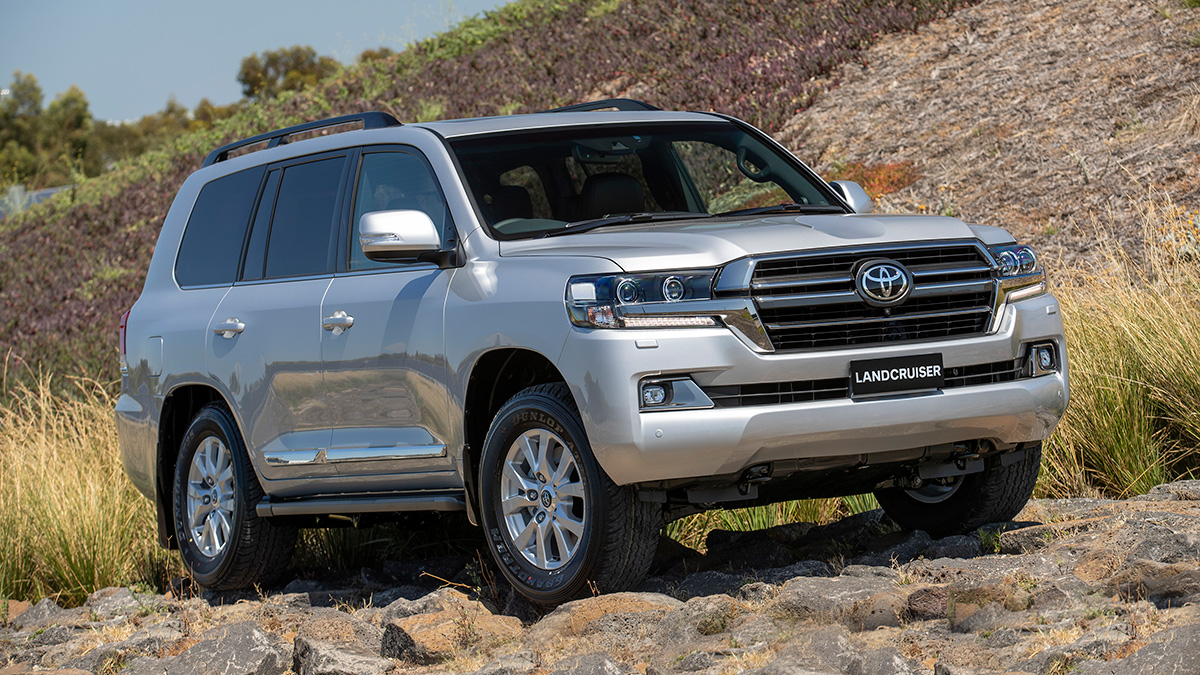
1. Toyota Land Cruiser (200 Series and Older): Durability and Off-Road Excellence
The Toyota Land Cruiser, including the 200 Series and older models, is celebrated for its legendary durability, off-road capability, and long-term reliability. Built with a no-compromise approach, these vehicles feature robust tapered roller bearings engineered to handle extreme radial and axial loads.
Older series, such as the 60, 70, 80, and 100, use serviceable bearings that can be repacked with grease, potentially lasting the vehicle’s lifetime when properly maintained. The 200 Series introduced sealed bearing units while retaining high-strength steel alloys and advanced triple-lip sealing technology to prevent water, dust, and mud from contaminating critical components.
The Land Cruiser’s strength comes from its over-engineered design, fully sealed assemblies, and use of high-grade steel, which ensure resilience under heavy-duty off-road conditions and towing. Older models often include fully floating rear axles that transfer vehicle weight to the housing rather than the axle shaft, reducing bearing stress.
Regular maintenance of older, serviceable units extends longevity, while the 200 Series’ sealed construction minimizes wear and simplifies upkeep.
The 200 Series, produced from 2007 to 2021, combines off-road prowess with modern luxury, offering powerful 4.5L twin-turbo diesel and petrol V8 engines, 3,500-kilogram towing capacity, spacious and quiet interiors, and advanced systems such as Kinetic Dynamic Suspension System (KDSS) for superior on-road handling and off-road articulation.
The Land Cruiser offers unmatched reliability, exceptional off-road performance, strong towing capability, and high resale value. However, it has high fuel consumption, can be difficult to maneuver in tight spaces due to its size, and older diesel models may incur higher maintenance costs.
The Toyota Land Cruiser remains a benchmark for long-distance touring, off-road exploration, and heavy-duty applications, making it a trusted choice for enthusiasts, professional operators, and overlanders worldwide.
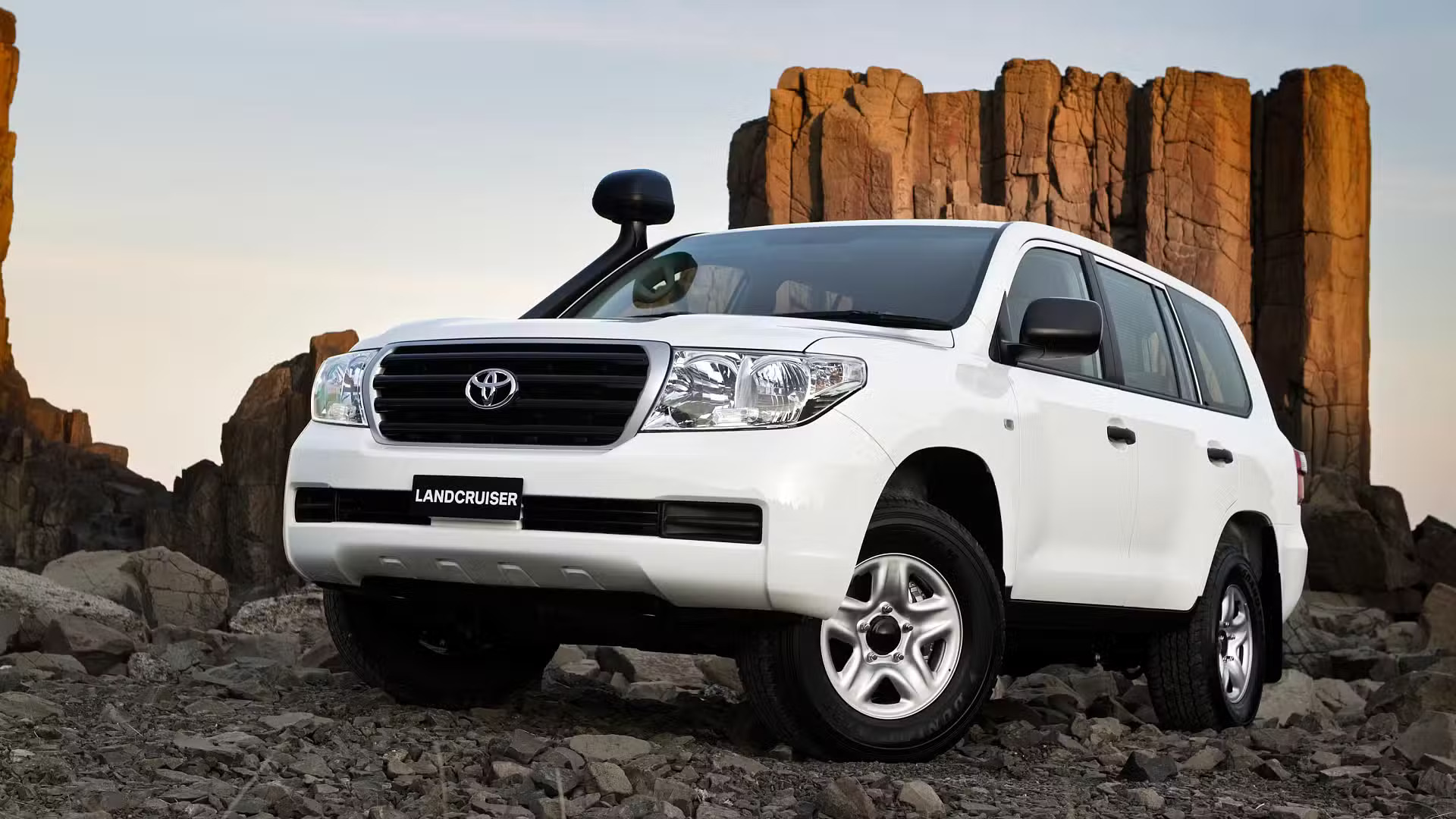
2. Toyota Tundra (1st and 2nd Generation): Durable Full-Size Truck Bearings
The Toyota Tundra, including both the first generation (2000–2006) and second generation (2007–2021), is widely recognized for its exceptional durability, particularly in wheel bearing design. These trucks use front hub assemblies that are highly regarded for lasting well beyond 200,000 miles, thanks to high-carbon chromium steel bearings sourced from premium Japanese suppliers such as NSK and KOYO.
The second-generation Tundra features an integrated hub assembly with a reinforced flange to resist warping under heavy towing loads. Precision machining ensures minimal lateral play, which reduces heat buildup and prevents premature bearing fatigue common in lesser trucks.
Both generations utilize heavy-duty bearings constructed from high-grade GCR15 steel, often with ceramic coatings to resist oxidation and fatigue. Advanced sealing technologies, including triple and quadruple lip seals with O-rings or labyrinth designs, protect against water, mud, and road salt intrusion.
The reinforced hub assembly, frequently roll-formed rather than welded, eliminates potential weak points, enhancing structural integrity. Tight OEM tolerances and quality control further ensure longevity, with many Tundras reaching well over 100,000 to 200,000 miles on stock bearings. While heavy off-roading or wheel spacer use can accelerate wear, these trucks are generally far more robust than other vehicles in their class.
The first-generation Tundra is praised for its maneuverability, compact full-size dimensions, and reliable 4.7L 2UZ-FE V8 engine, making it a practical choice for daily driving and adventure. Drawbacks include lower towing power, poor fuel economy, and some frame rust issues.
The second-generation Tundra is larger, more powerful, and designed for heavy-duty towing, particularly with its 5.7L V8 option. It offers a spacious interior, high reliability, and many models have surpassed 1 million miles. Minor drawbacks include early frame rust concerns and occasional power steering recalls.
The Tundra delivers extremely durable wheel bearings, high towing capacity, and long-term reliability, with the first generation offering better maneuverability and lower cost, and the second generation excelling in power, passenger space, and resale value. Cons include lower fuel efficiency, potential frame rust, and heavier second-generation models.
The Toyota Tundra’s robust wheel bearings and high-quality hub assemblies make it a trusted choice for drivers seeking a reliable full-size truck for long-term use, heavy towing, and off-road capability.
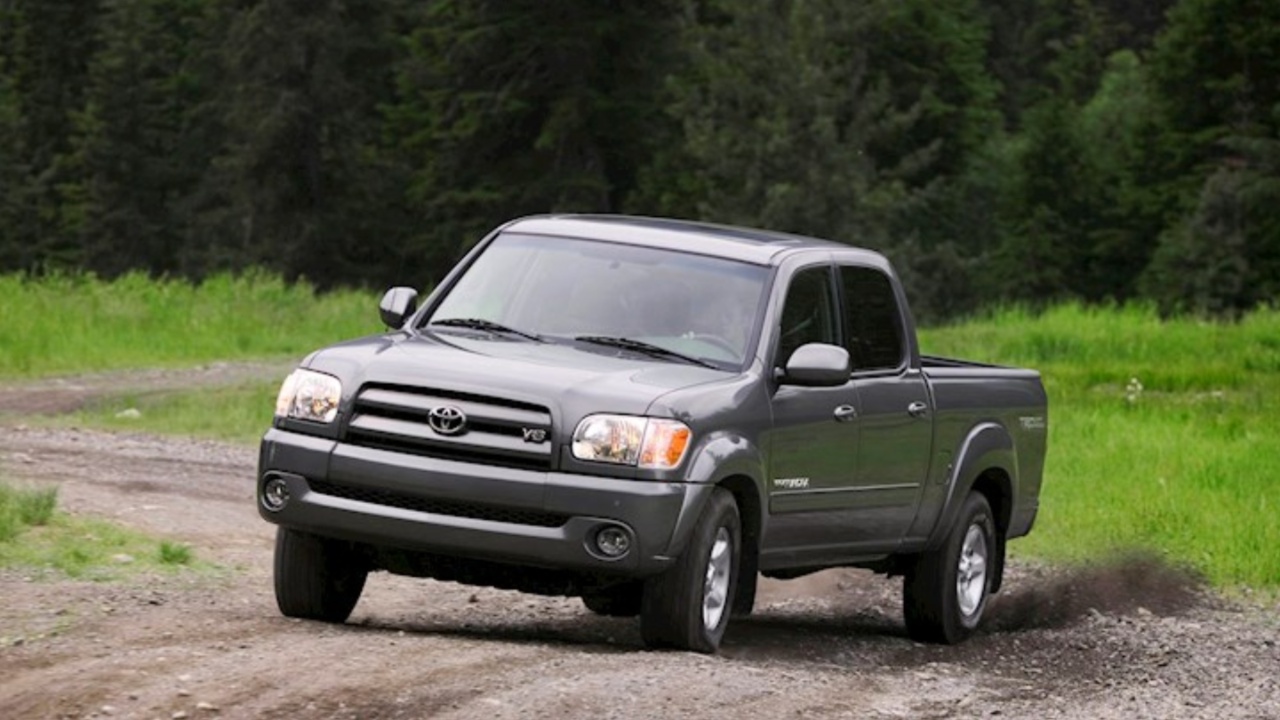
3. Lexus GX 470 and GX 460: Durable Luxury SUV Wheel Bearings
The Lexus GX 470 (2003–2009) and GX 460 (2010–2023) are body-on-frame luxury SUVs built on the Toyota Land Cruiser Prado platform, known for combining off-road capability with high-end comfort. A key factor in their longevity is the robust front hub assembly.
These wheel bearings are sealed, factory-packed with grease, and protected by high-performance fluorocarbon (FKM) seals that maintain flexibility under extreme temperatures. This design prevents contamination from water, mud, and road salt, allowing many owners to exceed 150,000 miles on the original bearings, significantly outperforming typical luxury SUV standards.
The GX wheel bearings are durable due to several factors. First, they are engineered to handle heavy loads from towing and off-road use, preventing premature fatigue. The sealed, maintenance-free assembly eliminates the need for manual grease packing and protects internal components from debris.
Many models integrate ABS tone rings within the hub, preserving precise sensor function while maintaining structural integrity. Factory-installed bearings meet Toyota’s high durability standards, often outlasting aftermarket replacements. The GX’s heavy-duty platform also ensures that components are over-engineered for daily driving and long-term reliability.
Both the GX 470 and GX 460 feature strong V8 engines, reliable 4WD systems, and advanced off-road technologies such as KDSS and Crawl Control. The 470 provides a more spacious, plush interior with larger wheel wells for bigger tires, while the 460 emphasizes modern technology, quieter cabins, and improved powertrains with a 6-speed automatic transmission.
Common drawbacks include poor fuel economy and, for the 470, dated infotainment and a heavier, truck-like ride feel. Despite these limitations, both models are capable of surpassing 200,000 miles with routine maintenance.
The Lexus GX 470 and 460 offer exceptionally durable wheel bearings, over-engineered heavy-duty platforms, reliable V8 performance, and strong off-road capability. Pros include long-lasting reliability, plush or modern interiors, and advanced off-road systems. Cons include poor fuel economy, relatively tight cargo space in the 460, dated technology in older models, and the 470’s heavier suspension feel.
The Lexus GX 470 and GX 460 are excellent choices for buyers seeking a luxury SUV with durable wheel bearings and dependable performance over extended lifespans, capable of handling both daily driving and challenging off-road conditions.
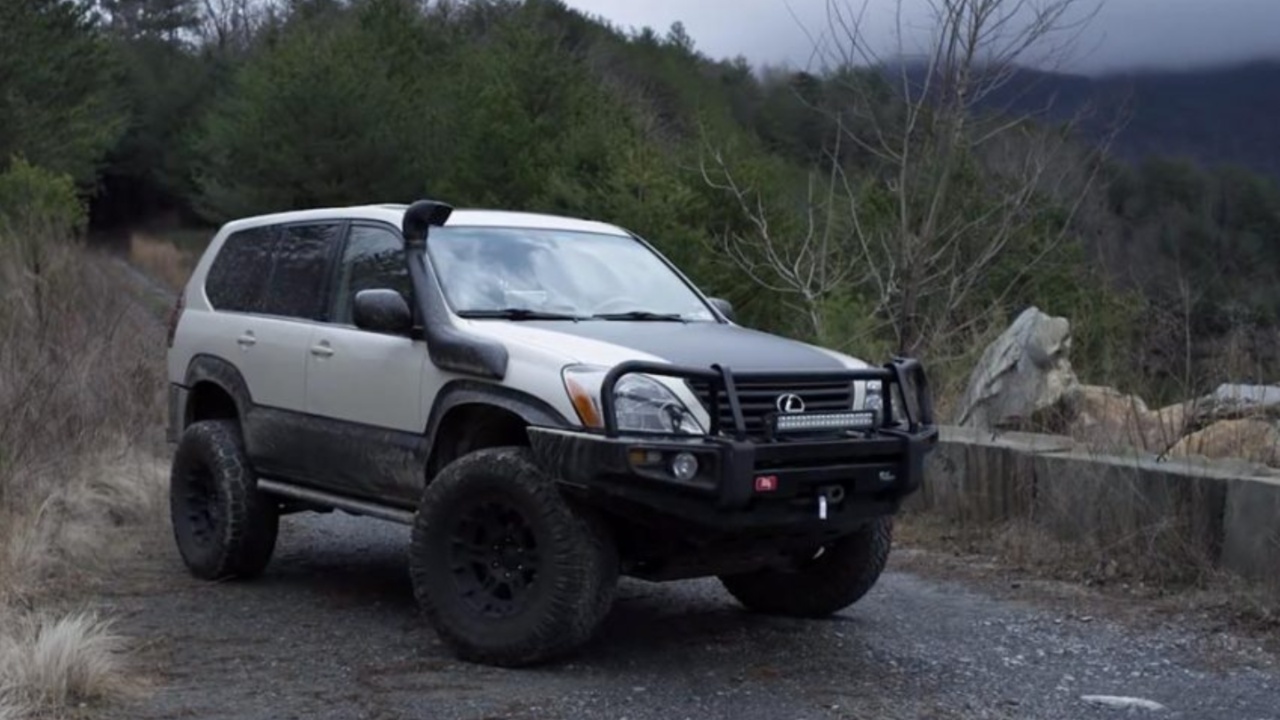
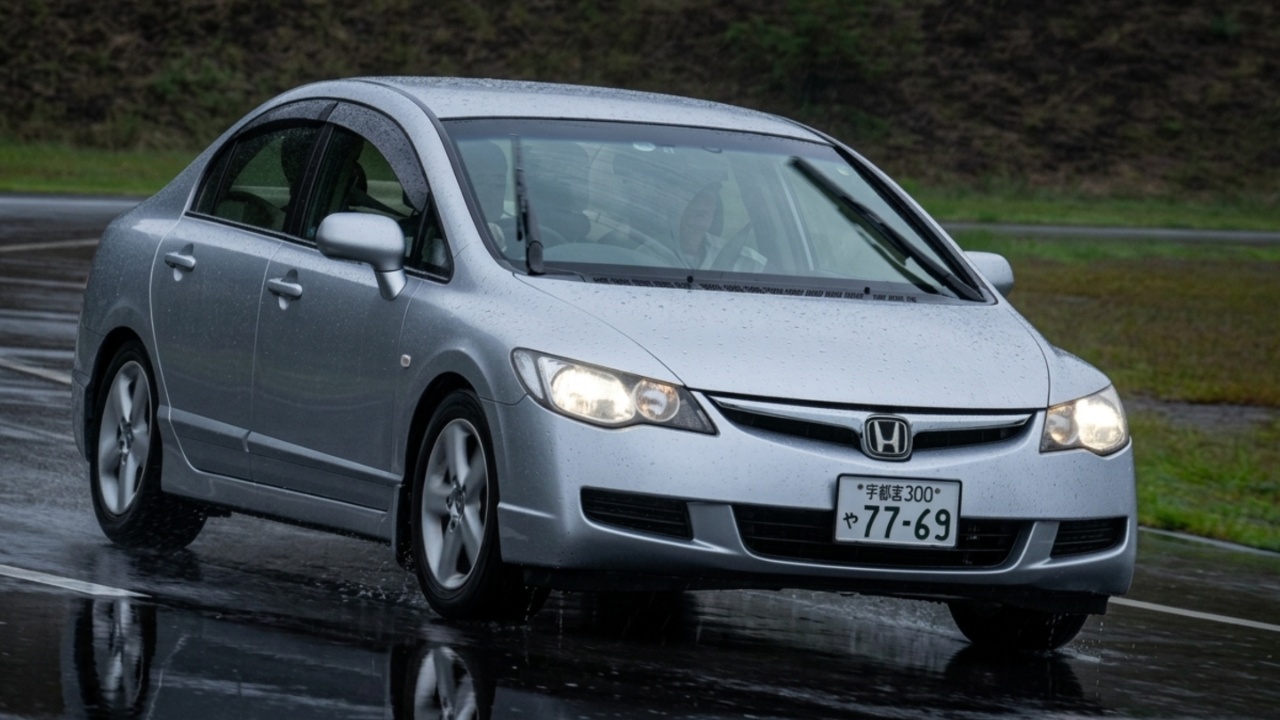
4. Honda Civic (8th Generation and Newer): Durable Wheel Bearings for Compact Cars
The Honda Civic, starting with the 8th generation (2006–2011) and continuing through newer models, is well-regarded for its durable, maintenance-free wheel bearings. Unlike many compact cars that use lower-quality components, Honda prioritized high-quality German or Japanese-made sealed ball bearings.
These units are engineered to handle the radial and lateral loads imposed by the Civic’s suspension geometry, minimizing stress on the hub. This reduces the likelihood of spalling or surface pitting, a common issue in lesser-designed compact car bearings.
Even under high-mileage commuter use, Civic bearings rarely develop the characteristic “helicopter hum,” unless subjected to severe impacts such as potholes or improper installation.
Key reasons for their robustness include Honda’s precise engineering and strict OEM standards. Bearings on manual transmission Civics are particularly long-lasting due to lower drivetrain stress, often exceeding 140,000 kilometers and, in some cases, surpassing 200,000 miles with proper care.
The 2009–2011 8th-generation models incorporated improved hub and suspension designs, further increasing reliability and service life. The bearings are fully sealed, factory-packed with grease, and resistant to dirt, water, and road debris, which makes them essentially maintenance-free compared to older or aftermarket alternatives.
Despite their durability, factors such as frequent driving on rough roads, heavy loads, pothole damage, or incorrect installation torque can cause premature failure. Nevertheless, regular maintenance and careful driving allow these wheel bearings to remain trouble-free over the vehicle’s lifespan.
The 8th-generation Civic, including the Si performance model, is praised for combining sporty handling, efficient engines, and spacious interiors. Base models feature a 1.8L four-cylinder, while the Si offers a high-revving 2.0L K20Z3 engine with a 6-speed manual and limited-slip differential.
Beyond the 8th generation, the 9th, 10th, and 11th generations built on this foundation, improving refinement, fuel economy, turbocharged powertrains, and interior quality, while maintaining Honda’s hallmark reliability.
Civic wheel bearings offer high durability, maintenance-free operation, and OEM-level reliability. Pros include long lifespan, resistance to contamination, and precise engineering. Cons include vulnerability to rough-road impacts and potential failure if installed incorrectly or overstressed.
The 8th-generation and newer Honda Civics are a standout among compact cars for robust wheel bearings that provide decades of dependable, low-maintenance performance.
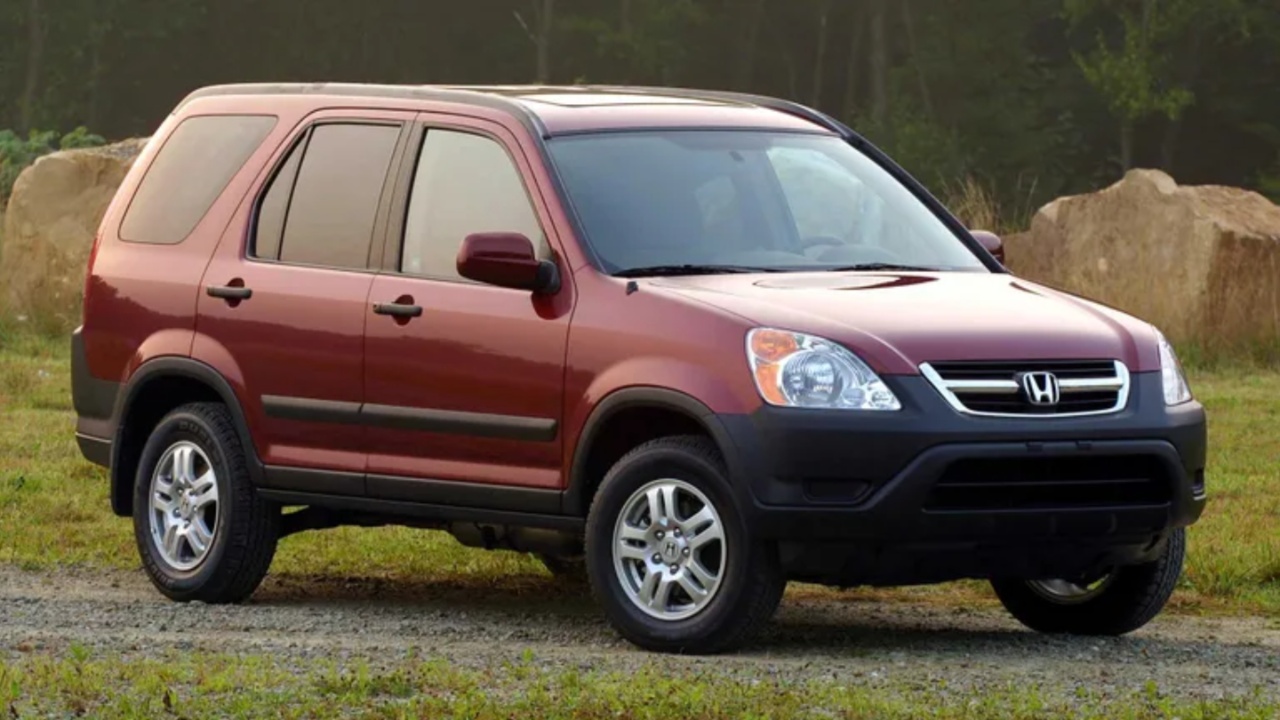
5. Honda CR-V (1st and 2nd Generation): Durable Wheel Bearings in Compact SUVs
The first and second generation Honda CR-V, produced from 1997 to 2006, are celebrated for their reliability, practical design, and surprisingly durable drivetrain components. One of the standout features of these early CR-Vs is their robust wheel bearings.
Unlike smaller or cheaper bearings found in some compact SUVs, Honda engineered these units with a larger-than-necessary diameter relative to the vehicle’s weight. This lowers the load-to-capacity ratio, reducing friction and heat during highway driving.
Combined with factory-packed high-temperature grease, these bearings can withstand extended use in hot climates without thinning or leaking past the seals. It is not uncommon to find well-maintained examples of these CR-Vs exceeding 250,000 miles on their original hubs.
The key to the CR-V’s bearing longevity lies in a combination of materials and engineering. Bearings are sealed with rubber or metal shields to block water, dirt, and road salt, preventing premature failure. The hubs are constructed from high-strength steel alloys that resist fatigue, heavy loads, and impacts.
Integrated unitized assemblies ensure a precision zero-play fit, reducing lateral movement that typically causes rapid wear and operational noise. The design also accommodates the mixed load requirements of AWD and FWD driving, making the units durable across varied terrain.
While highly reliable, age-related wear is inevitable, especially for first-generation models now over 20 years old. Extreme conditions or neglected maintenance can lead to bearing noise or premature wear, although these cases are relatively rare.
The first-generation CR-V (1997–2001) is praised for car-like handling, a 2.0L engine, double-wishbone suspension, and unique features like a stowaway rear picnic table. Second-generation models (2002–2006) introduced i-VTEC engines, more interior space, and refined comfort, with improved safety and a versatile cabin layout. Common faults include suspension wear, engine mount deterioration, and minor AWD limitations.
These CR-Vs offer extremely durable, maintenance-free wheel bearings, reliable daily driving, and practical interiors. Cons include age-related bearing wear, occasional suspension and engine component issues, and a light-duty AWD system not intended for heavy off-roading.
The 1st and 2nd generation Honda CR-Vs remain a benchmark for reliability and affordability, with wheel bearings that exemplify Honda’s focus on durability and long-term performance in compact SUVs.
Also read: 5 Cars That Are Unstoppable in Deep Snow vs 5 AWD Models That Get Stuck
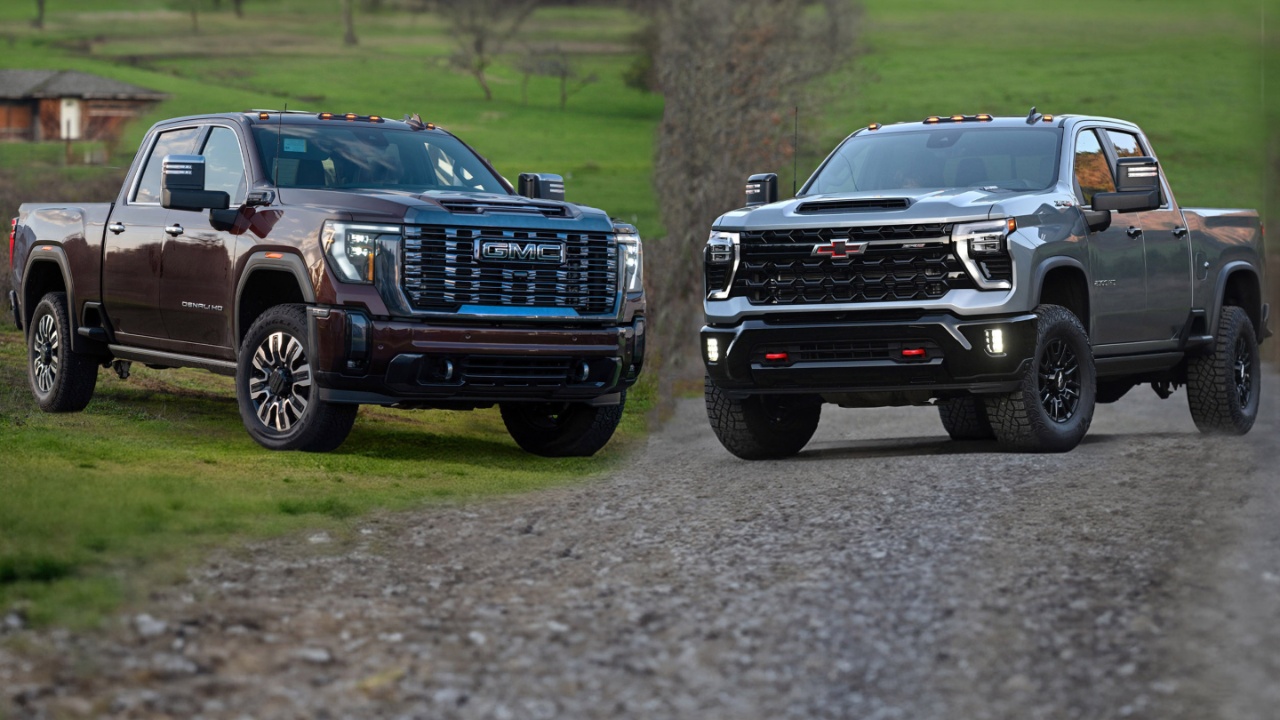
6. Chevrolet Silverado and GMC Sierra (GMT900 & K2XX): Heavy-Duty Hub Bearings
The Chevrolet Silverado and GMC Sierra, spanning the GMT900 (2007–2013) and K2XX (2014–2018) platforms, are known for their durable, heavy-duty hub and wheel bearings designed to withstand demanding commercial and towing applications. Both generations use bolt-on hub assemblies with premium tapered roller bearings from Timken or SKF, engineered to handle high radial and axial loads.
These bearings are sealed units that resist contamination from water, dirt, and road salt, helping prevent rust-related failures and extending service life. The K2XX platform further improved bearing longevity through induction-hardened raceways, which increase surface durability while maintaining toughness.
Key features contributing to the robustness of these bearings include tapered roller design, high-strength steel construction, and precision-machined assemblies that ensure minimal lateral play. The GMT900 and K2XX hubs are specifically engineered to handle the vertical cycles of towing, hauling, and off-road stress.
Sealed, integrated designs protect internal grease from contamination, preventing premature failure under heavy loads. Both platforms are known to deliver service life between 85,000 and 150,000 miles, though extreme off-road use, heavy towing, or frequent exposure to road salt can shorten this.
The K2XX Silverado and Sierra also introduced several upgrades over the GMT900, including increased high-strength steel usage for a stiffer, quieter cab, improved braking systems with larger rear discs, and EcoTec3 engines with cylinder deactivation for better fuel economy.
GMT900 models, while older, are recognized for long-term reliability and straightforward mechanical durability, often exceeding 300,000 miles with proper maintenance. Early K2XX trucks, however, may face issues such as 8-speed transmission shudder and A/C condenser leaks in certain model years.
GMT900 trucks offer proven long-term durability, a traditional truck feel, and lower purchase costs, making them ideal for buyers prioritizing reliability. K2XX models provide modern comfort, enhanced cabin quietness, advanced infotainment, improved towing capacity, and better fuel efficiency, but some early models can experience transmission or A/C issues.
The Silverado and Sierra GMT900 and K2XX platforms demonstrate how GM engineered hub assemblies and bearings for heavy-duty performance, combining long-lasting materials, precise tolerances, and sealed designs to ensure reliable operation in demanding work and towing conditions.
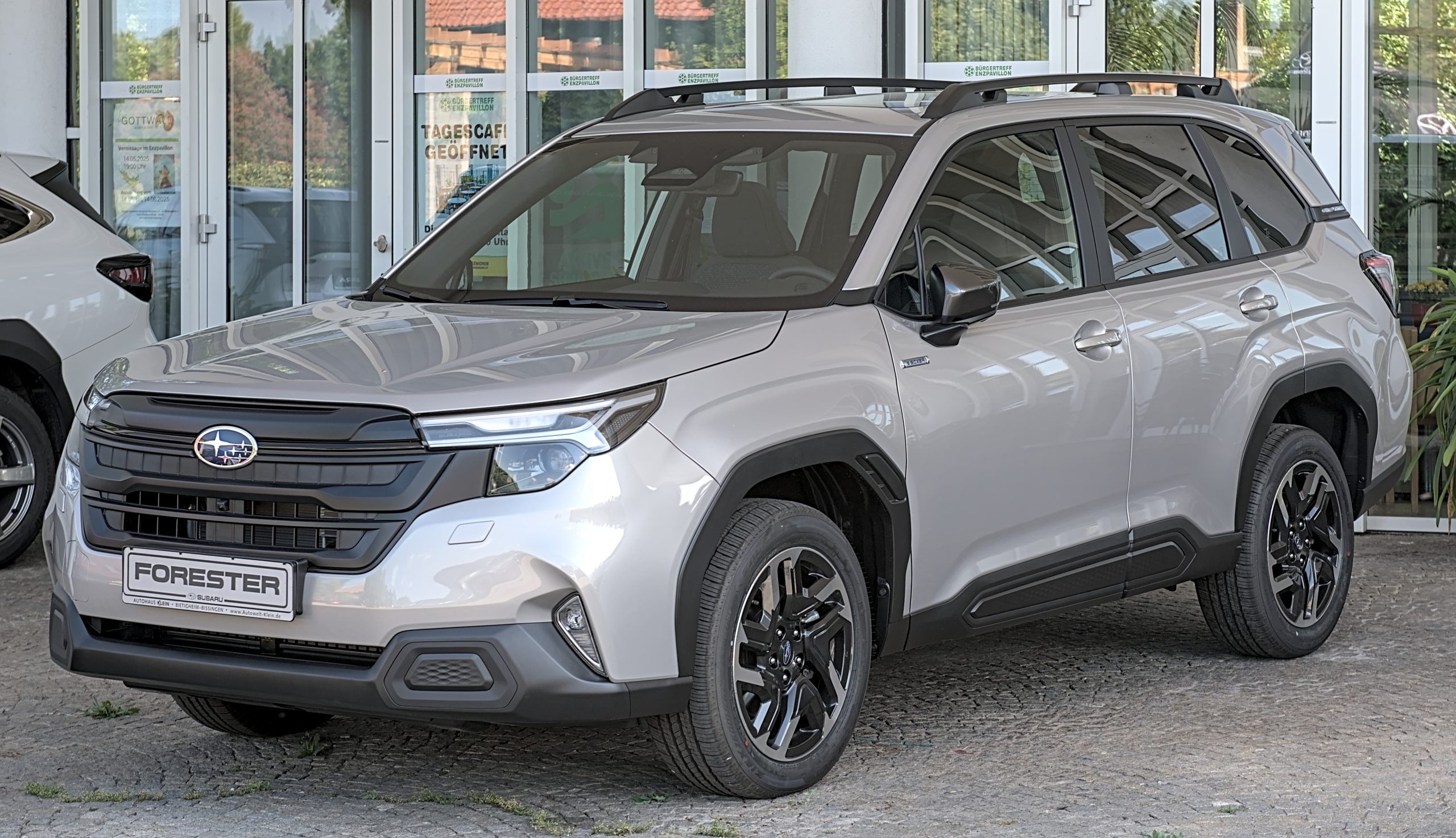
7. Subaru Forester (2012 & Newer): Rear Wheel Bearings and Durability
The 2012 and newer Subaru Forester models introduced redesigned rear hub assemblies intended to improve wheel bearing longevity. Subaru implemented upgraded double-row angular contact bearings to better handle the lateral loads generated by its Symmetrical All-Wheel-Drive system.
The outer race was thickened, and the hub housing received a corrosion-resistant coating to prevent the rust-related issues that made earlier replacements difficult. These improvements aimed to reduce vibration-induced wear, theoretically enhancing durability compared with prior Forester generations.
Despite these updates, 2012–2018 Foresters, particularly the 2014–2018 models, are often prone to premature rear wheel bearing failures, with replacements commonly required before 100,000 miles. Contributing factors include exposure to road salt, snow, water, and mud, which can contaminate the bearing grease.
The constant high loads from the AWD system further accelerate wear. Improper installation, aggressive driving, and aftermarket wheel offsets may also lead to early failure. Many owners report a droning or humming noise, a common indicator of bearing wear.
To maximize lifespan, OEM Subaru bearings are recommended over aftermarket alternatives, ensuring proper ABS and speed sensor function. Correct torque application on axle nuts during installation is critical, and bearings should be inspected during regular brake maintenance if unusual noise or vibration occurs.
While some units last much longer, these bearings are generally considered a wear item requiring periodic attention.
The 2012–2013 Subaru Forester (3rd Gen facelift) remains a practical, capable compact SUV with notable AWD performance, 225-mm ground clearance, and a spacious interior.
It features a horizontally opposed boxer engine, offering a low center of gravity for improved handling, with options including a 2.0L petrol, a turbo XT variant, and a 2.0L turbodiesel. The suspension balances comfort with capable handling, while the cabin emphasizes durability, offering fold-flat rear seats and ample cargo space.
The Forester excels in AWD traction, visibility, roominess, and safety, making it a reliable choice for variable conditions. However, interior noise levels can be high at highway speeds, cabin materials prioritize practicality over luxury, and the fuel economy of the standard petrol engine is modest compared to some competitors. Despite bearing issues, the Forester remains a durable and versatile compact SUV when properly maintained.
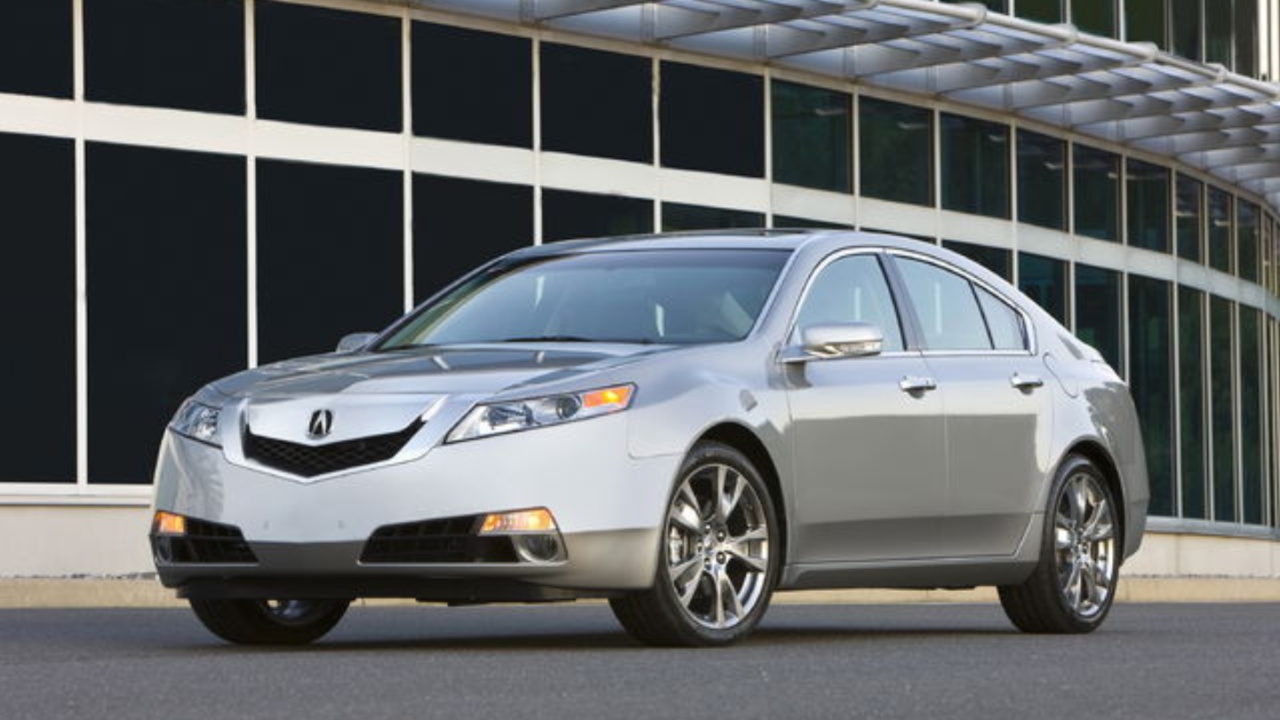
8. Acura TL (3rd Generation): Long-Lasting Wheel Bearings in a Performance Sedan
The third-generation Acura TL, produced from 2004 to 2008, is widely regarded as one of the most reliable luxury sport sedans of its era. A major contributor to this reputation is its durable wheel bearing design.
Unlike many sedans that use smaller, lighter hub components, the TL shares parts of its front suspension architecture with the heavier-duty Honda Odyssey minivan. This engineering decision resulted in oversized wheel bearings for a vehicle of its size, giving them greater load capacity and improved durability.
These bearings are typically sourced from NTN, a well-known Japanese manufacturer known for precision components. The factory units use precision-ground bearing balls and high-quality heat-treated steel alloys, which reduce internal friction and resist fatigue over long periods of use.
Because the TL was designed as a performance-oriented sedan capable of handling aggressive driving, the hubs were engineered to tolerate high lateral forces during cornering.
This resistance to race deformation and structural fatigue provides strong fracture toughness, allowing the bearings to remain quiet and smooth even after many years of operation. Many owners report original factory bearings still functioning well past 200,000 miles.
The durability of the TL’s wheel bearings is further supported by Acura’s high manufacturing standards during this generation. The design balances comfort and performance while ensuring components can withstand heat, stress, and repeated loads without premature wear.
While wheel bearings are rarely a common failure point in these vehicles, routine maintenance and inspections help preserve their lifespan. Ensuring proper suspension alignment and replacing worn suspension components can prevent unnecessary stress on the bearings.
Beyond its durable hub assemblies, the 3rd generation TL is praised for its strong V6 engines and refined driving experience. Standard models feature a 3.2L VTEC V6, while the performance-focused Type-S variant includes a more powerful 3.5L engine, sport-tuned suspension, and an available six-speed manual transmission. The car also stood out for its comfortable cabin, advanced technology for its time, and a premium audio system.
The Acura TL offers strong performance, a comfortable interior, durable wheel bearings, and excellent long-term reliability. However, early models can experience automatic transmission issues, noticeable torque steer due to front-wheel drive, cracking dashboards, and aging infotainment technology.
The third-generation Acura TL remains a respected example of dependable luxury sedan engineering, with wheel bearings designed to provide exceptional longevity under both daily driving and spirited performance conditions.
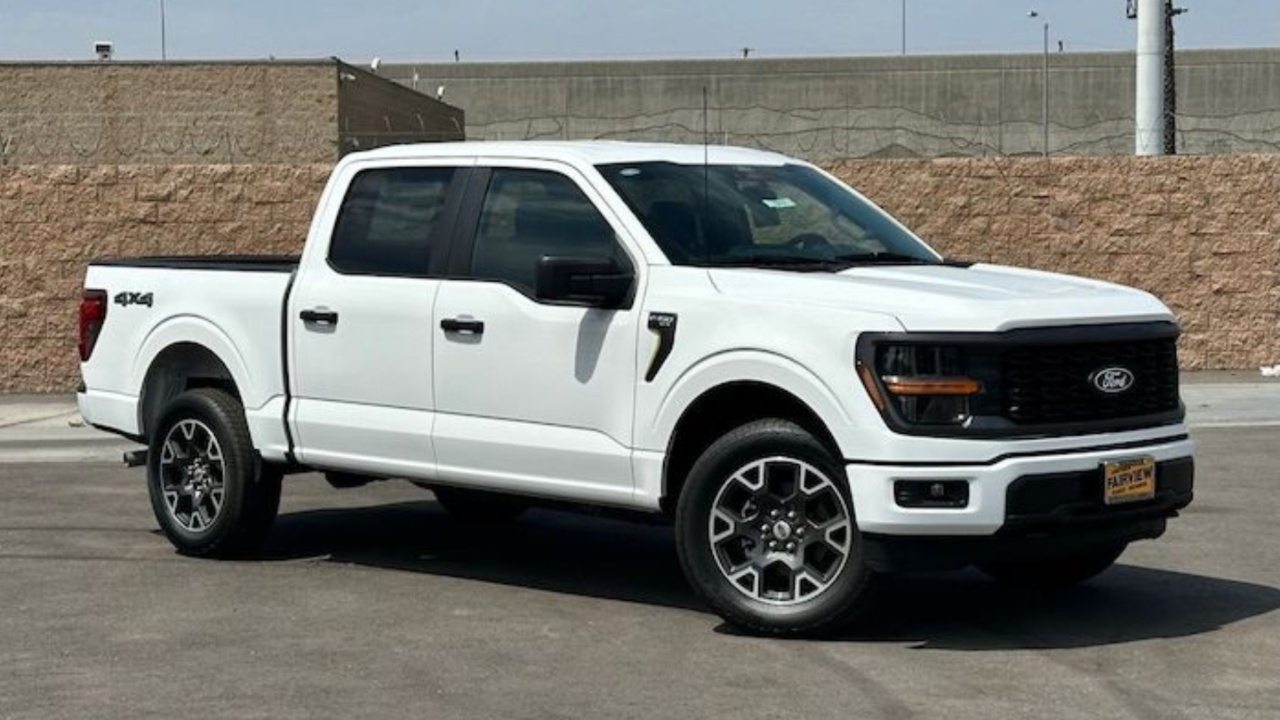
9. Ford F-150 (2.7L EcoBoost & 5.0L V8): Durable Hub Bearings in Modern Trucks
Modern Ford F-150 models equipped with the 2.7L EcoBoost V6 and the 5.0L Coyote V8 feature durable hub and wheel bearing assemblies designed to handle demanding workloads. A central component of this system is Ford’s Integrated Wheel End (IWE) setup used in many four-wheel-drive versions.
Although the IWE system adds mechanical complexity, the internal bearing core is engineered for heavy-duty performance. Reinforced bearing cages keep the rollers precisely aligned even under high loads, while high-strength alloy hub flanges reduce flex that could cause uneven bearing wear. These features allow the bearings to endure hundreds of thousands of rotation cycles with minimal grease breakdown.
Another factor supporting bearing durability is Ford’s move to an aluminum-intensive body beginning with the 2015 model year. The lighter structure reduces strain on suspension components, including hubs and wheel bearings.
By lowering the load on these parts, the system experiences less stress during acceleration, braking, and towing. The hub assemblies are also sealed units, which protect the internal grease from contamination caused by water, dirt, and road debris. This sealed design minimizes maintenance requirements and helps extend the lifespan of the bearings in daily driving conditions.
The strong hub and bearing design complements the truck’s capable drivetrain options. The 2.7L EcoBoost engine uses a compacted graphite iron block, a material commonly found in diesel engines because of its strength and resistance to heat and pressure. This construction allows the engine to deliver strong torque while maintaining good fuel efficiency, making it a popular choice for commuters and light towing tasks.
The 5.0L naturally aspirated Coyote V8 is favored for its straightforward design and long-term durability. With high horsepower and strong towing capability, it appeals to drivers who frequently haul heavy loads or plan to keep their trucks for many years.
The F-150 offers durable wheel bearings, strong towing capability, and dependable engine options. The 2.7L EcoBoost delivers excellent fuel efficiency and responsive performance for daily driving, while the 5.0L V8 provides traditional reliability and strong power. However, EcoBoost engines may lose fuel efficiency during heavy towing, and certain 2018–2020 5.0L models have reported oil consumption issues.
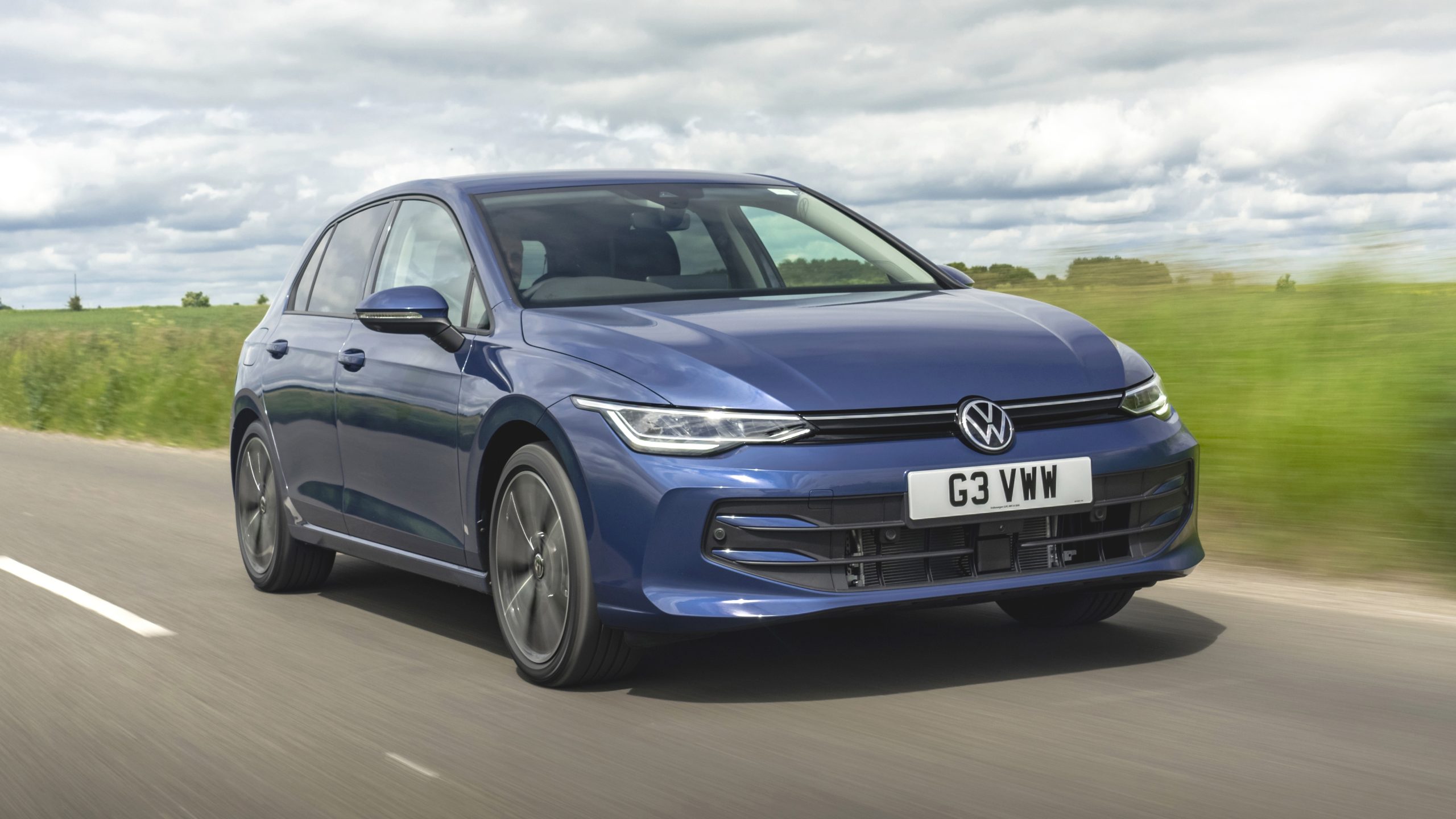
10. Volkswagen Golf / GTI (MK7 and Newer): Precision Hub Bearings on the MQB Platform
The Volkswagen Golf and GTI models built on the MK7 platform and newer generations are known for their advanced hub and wheel bearing design. These vehicles use Volkswagen’s MQB architecture, which introduced high-precision “Generation 3” hub assemblies engineered for durability and performance.
The bearings are commonly supplied by major manufacturers such as FAG and SKF and are produced with extremely tight manufacturing tolerances. This precision helps reduce internal friction, vibration, and premature wear, allowing the hub assemblies to maintain consistent performance over long periods of driving.
One of the key advantages of the MK7 platform is its bolt-on unitized hub design. Unlike older press-fit bearing systems that required specialized tools and could be damaged during installation, the integrated bolt-on assembly combines the hub and bearing into a single sealed unit.
This configuration reduces the risk of installation errors and ensures that the bearing arrives from the factory properly lubricated and aligned. Because the assembly is sealed, contaminants such as water, dirt, and road salt are less likely to enter the bearing housing, which helps extend service life and maintain reliability.
Another important improvement involves the materials used in the bearings. Earlier European vehicles sometimes suffered from softer bearing steels that could develop pitting over time. The MQB hub assemblies use through-hardened steel alloys designed to resist surface fatigue and damage caused by constant road vibrations.
These stronger materials allow the bearings to handle the loads produced by spirited driving, which is especially important for performance models such as the Golf GTI. The integration of the ABS tone ring directly into the bearing seal also protects critical sensors from exposure to dirt and moisture, reducing electronic faults that can sometimes resemble wheel bearing problems.
Beyond the hub assemblies, the MK7 Golf and GTI have earned a reputation as practical performance vehicles. Powered by a turbocharged 2.0-liter engine producing between about 230 and 245 horsepower, the GTI combines strong acceleration with everyday usability.
The MQB chassis provides balanced handling and ride comfort, while the interior offers quality materials and practical features such as spacious rear seating and a generous cargo area.
The Golf GTI delivers engaging performance, solid build quality, and reliable sealed hub bearings that require minimal maintenance. However, some drivers criticize the subtle exterior styling, artificial exhaust sound, and the touch-heavy infotainment system in newer models.
Vehicles with durable wheel bearings stand out because they are designed with longevity and resilience in mind. Strong materials, sealed hub assemblies, and precise engineering help these vehicles handle demanding conditions such as towing, off-road driving, long commutes, and spirited performance without excessive wear on critical components. As a result, many of the models featured on this list routinely exceed well over 150,000 or even 200,000 miles before needing wheel bearing replacements.
Another factor contributing to their durability is how manufacturers balance load capacity with vehicle design. Oversized bearings, reinforced hubs, and advanced sealing technologies protect internal components from contamination and fatigue, ensuring smooth and quiet operation throughout years of use.
While proper maintenance and careful driving still play a role, these vehicles provide a strong mechanical foundation that reduces the likelihood of premature failures.
For buyers prioritizing long-term reliability and lower ownership costs, choosing a vehicle known for robust wheel bearing design can make a meaningful difference. These ten models prove that thoughtful engineering and high-quality components can deliver dependable performance and durability for many years of driving.
Also read: Top 10 Cars That Changed Name Depending on Which Country They Were In