
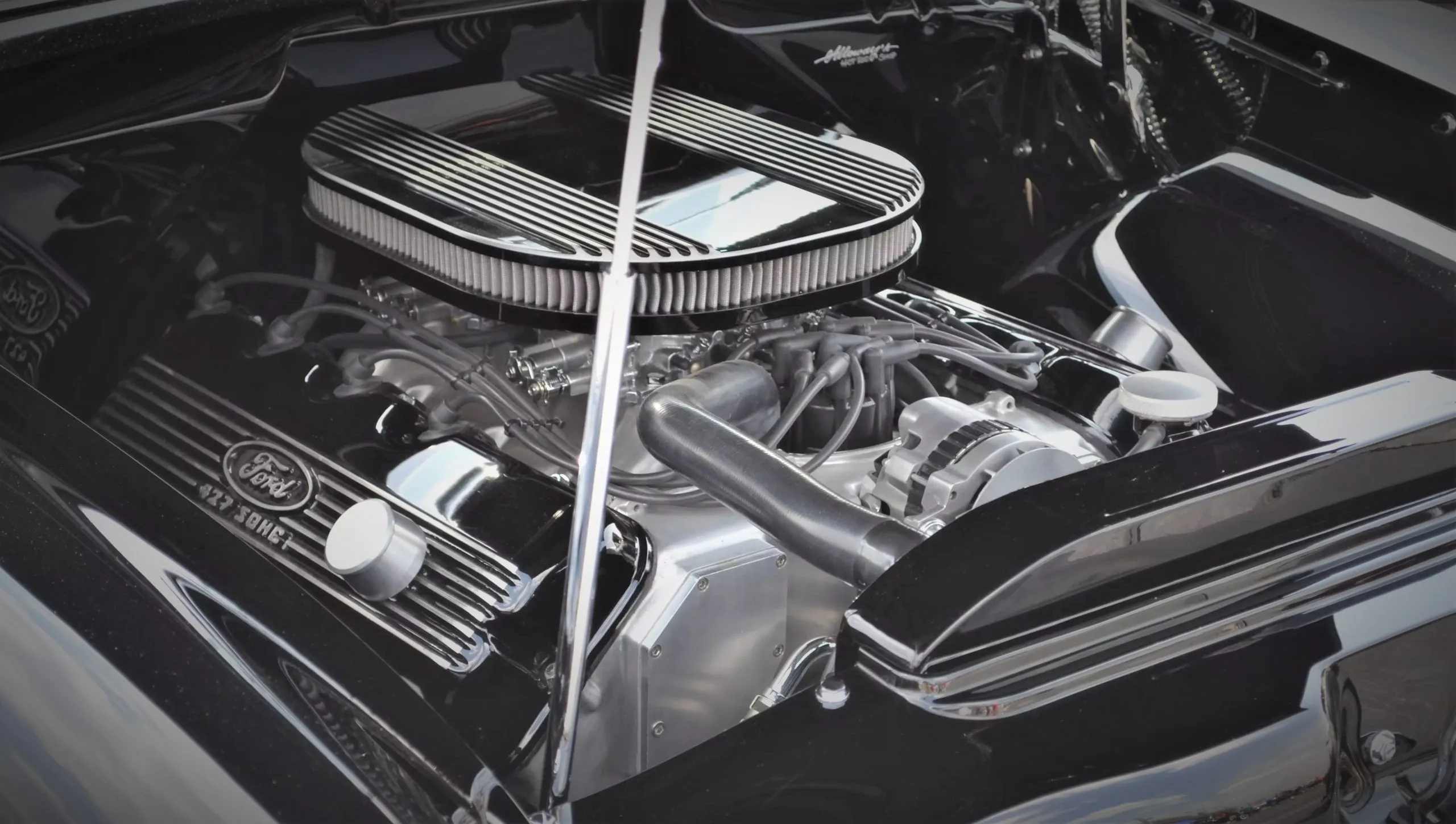
Racing engines are not supposed to be street-friendly. That is the whole point of building them. A pure racing engine is designed to produce maximum power within the rules of a specific competition, operate within a narrow RPM band where it delivers its best output, consume fuel at rates that would be economically ruinous in daily use, and survive only as long as a race demands before being torn down, inspected, and rebuilt.
Comfort, noise, emissions compliance, and long-term durability are engineering priorities that racing teams set aside entirely in pursuit of competitive performance. What makes this topic so fascinating is what happens when engineers decide to bridge those two worlds.
When an automaker takes a racing engine and asks a team of engineers to make it work in a production road car, sold to regular buyers, registered on public roads, and expected to start reliably on cold mornings for a decade, the result is one of automotive history’s most compelling engineering challenges.
Meeting that challenge sometimes produced cars that became legendary, engines that defined their eras, and performance benchmarks that influenced everything that followed. Some of these adaptations were astonishing successes, producing street engines that retained genuine racing character while delivering the reliability and usability that road car customers demanded.
Others required so many compromises to achieve street legality and durability that only the most informed enthusiasts could identify the racing heritage beneath the detuned output figures and emissions equipment. All of them represent genuine engineering achievement, and all of them produced road cars that drove differently from anything else available because of the competition DNA encoded in their mechanical design.
This page covers eight vintage racing engines that made the transition to street use, each one tied to a specific production vehicle, each with a story that spans the track and the public road. These are engines that earned their reputations in competition first and then proved they could make road cars genuinely extraordinary.
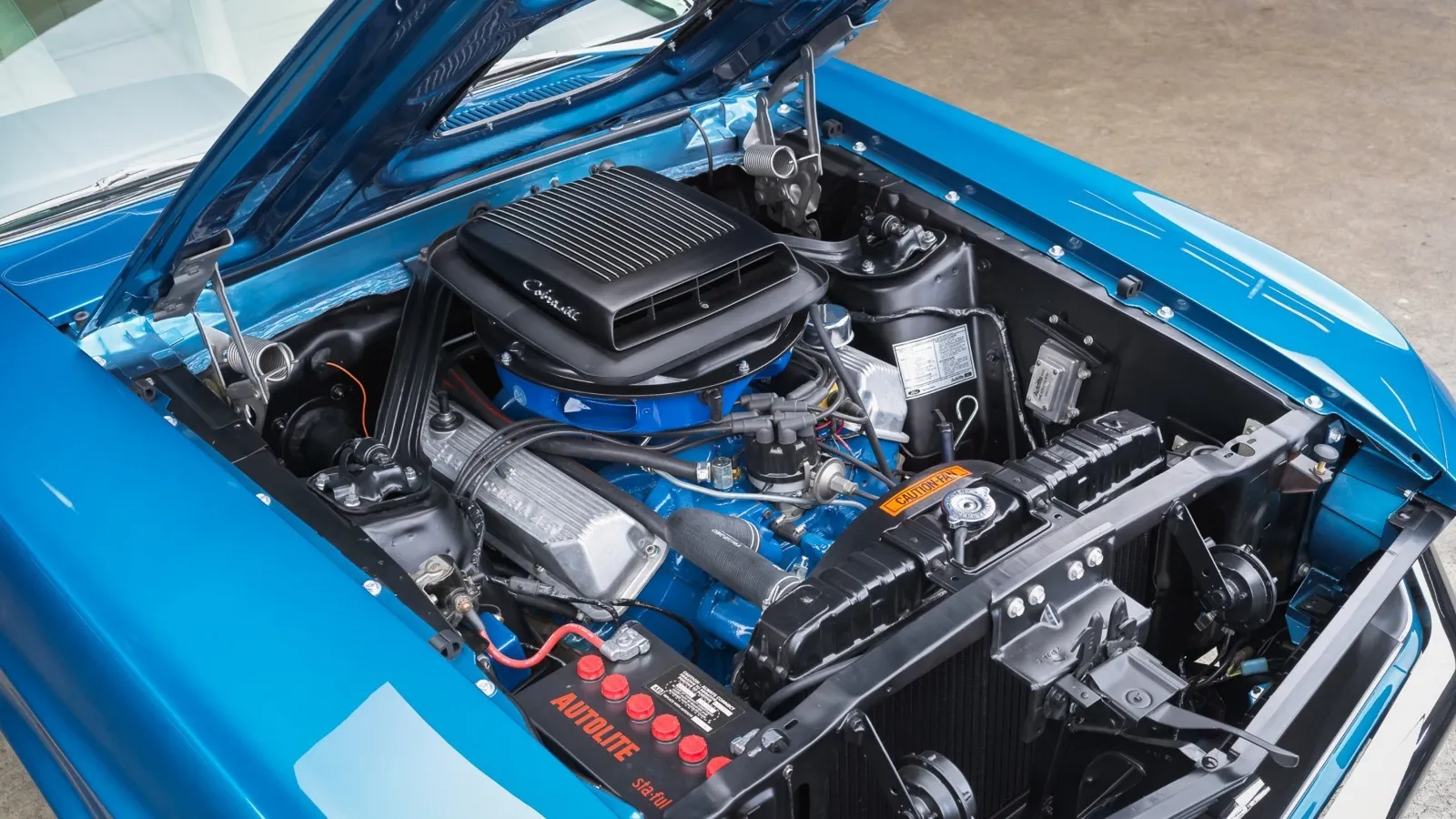
1. Ford’s GT40 Le Mans V8 in the 1968 Ford Mustang 428 Cobra Jet (SportsRoof Fastback)
Few engines carry the weight of motorsport history as directly as the powerplant lineage connected to Ford’s Le Mans victories of the mid-1960s. Ford’s GT40 program produced racing engine development that fed directly back into street-going Ford products, and the 428 Cobra Jet V8 that arrived in the 1968 Ford Mustang SportsRoof Fastback carried measurable influence from the lessons learned building engines capable of winning at Le Mans.
Ford’s 427 FE V8 racing engine, which powered the GT40 to its landmark 1966 Le Mans victory, was a high-revving, high-output unit developed specifically for endurance racing where reliability at sustained high power output was as critical as peak performance.
Engineering knowledge gained from making this engine survive 24 hours of racing at maximum effort informed how Ford approached the development of high-performance street engines in the years that followed.
The 428 Cobra Jet that arrived for 1968 reflected this influence in its conservative internal specifications that prioritized torque delivery and durability over peak horsepower numbers. Rated at 335 horsepower at the crankshaft, the 428 Cobra Jet’s official output figure understated actual performance in a way that became industry legend.
Contemporary dyno testing of preserved and restored examples consistently measured actual output substantially above the factory rating, and Ford’s decision to understate the figure reflected both insurance industry pressures and a marketing strategy that allowed the engine’s performance to exceed expectations in every owner’s experience.
What made the 428 Cobra Jet feel like a racing engine in a street car was its torque delivery, a massive 440 pound-feet that arrived low in the RPM range and built steadily to the engine’s power peak. Police interceptor-spec internal components, including stronger connecting rods, a modified cylinder head with improved port geometry, and a free-flowing exhaust manifold design, gave the engine a mechanical substance that owners could feel in the way the car accelerated compared to other vehicles of its era.
A well-maintained 1968 Ford Mustang 428 Cobra Jet SportsRoof Fastback with its original drivetrain intact is now a serious collector car whose value reflects both the rarity of original examples and the engine’s historical position as a direct beneficiary of Ford’s racing program engineering. Finding one is increasingly difficult. Understanding why it matters requires knowing the racing heritage that shaped it.
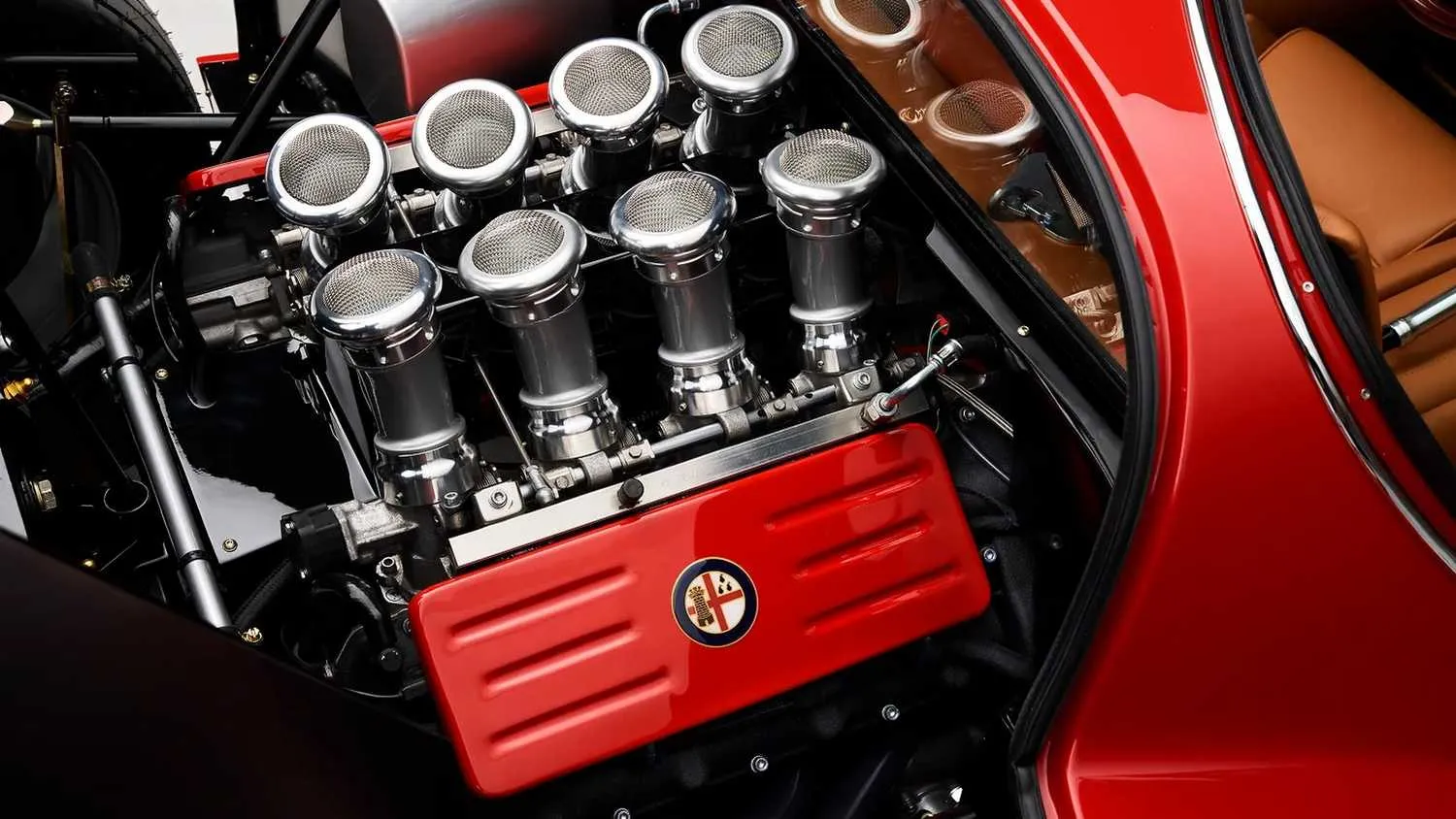
2. Alfa Romeo’s Tipo 33 Stradale V8 and the 1967 Alfa Romeo 33 Stradale Road Car
Italian engineering ambition produced some of the most extraordinary street cars of the 1960s, and none carries a more direct racing-to-road adaptation story than the 1967 Alfa Romeo 33 Stradale. Built around a detuned version of the Tipo 33 racing car’s V8 engine, this is one of the purest examples of a manufacturer taking a genuine racing powerplant and adapting it for road use with relatively minimal compromise, producing a road car that drove like a racing car because at its heart, it essentially was one.
Alfa Romeo’s racing program during the 1960s produced the Tipo 33, a purpose-built prototype racer that competed at Le Mans, at Sebring, and in the World Sportscar Championship. Its 2.0-liter V8, designed by Alfa’s racing department under Carlo Chiti, produced approximately 270 horsepower in racing specification at a time when most road cars could not approach half that output from twice the displacement.
Achieving this from two liters required precision engineering of intake, combustion, and exhaust systems that represented the absolute limit of 1960s Italian metallurgy and machining capability. Street adaptation for the 33 Stradale road car retained the V8’s fundamental architecture while detuning it to approximately 230 horsepower and modifying it for the reliability and low-speed usability that road driving demands, but racing engines never need.
Weber carburetion replaced the racing specification fuel delivery, camshaft profiles were softened for better low-RPM behavior, and the engine’s operating characteristics were adjusted to tolerate the variable conditions of public road use rather than the controlled environment of competitive motorsport.
Only 18 examples of the 1967 Alfa Romeo 33 Stradale were produced, making it among the rarest street cars of its era and among the most directly racing-derived road cars ever offered to private buyers. Each one was essentially a racing machine given the minimum concessions required for road registration, and driving one produced an experience that distinguished it from any other vehicle available to a private buyer of the period.
Current auction values for authentic 33 Stradale examples reflect their extreme rarity and their position as genuine pieces of motorsport and automotive design history, with sales at major auction houses reaching into the tens of millions of dollars for clean, documented examples. No production road car of its era came closer to genuine racing machine status while remaining technically street-legal.
Also Read: 8 Vintage Cars With Rear Mounted Engines That Are Fun to Drive
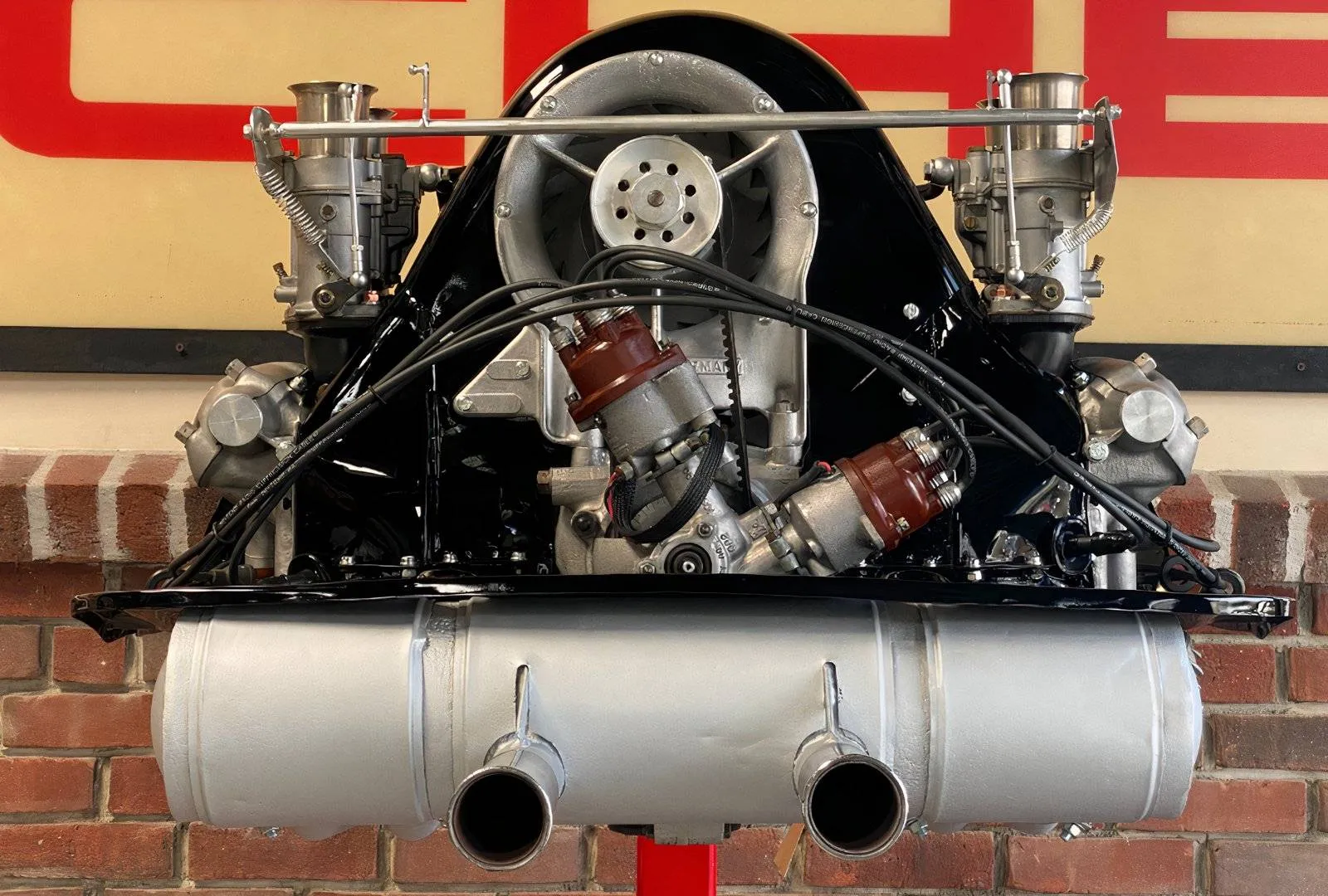
3. Porsche’s Type 547 Flat-Four Racing Engine and the 1955 Porsche 550 Spyder
Porsche’s engineering culture has always maintained a close connection between racing development and road car production, and the Type 547 engine represents one of the earliest and most influential examples of that philosophy, producing a road car whose mechanical sophistication was decades ahead of its price class.
Ernst Fuhrmann’s four-cam flat-four, designed originally for racing application, found its way into the 550 Spyder in a form that made this lightweight roadster one of the most technically advanced vehicles available to any buyer, regardless of price. Fuhrmann’s Type 547 design incorporated dual overhead camshafts per cylinder bank, producing a four-cam layout that was extraordinarily unusual for a four-cylinder engine of this displacement in the mid-1950s.
Four camshafts allowed independent control of intake and exhaust valve timing in ways that single-cam and pushrod engines of the period could not achieve, permitting combustion chamber designs and valve timing strategies borrowed directly from much larger and more expensive racing engine programs.
In racing specification, the Type 547 produced approximately 110 horsepower from 1.5 liters, an output-per-liter ratio that was extraordinary by mid-1950s standards and competitive with purpose-built racing engines from manufacturers with far greater resources than Porsche had available at the time.
This specific power output required precision manufacturing of every component and careful assembly by Fuhrmann himself on early engines, earning the Type 547 the nickname “Fuhrmann engine” that attached to it permanently in Porsche history. Street adaptation of the Type 547 for the 1955 Porsche 550 Spyder retained the fundamental four-cam architecture while adjusting output for reliability across road use.
Producing approximately 110 horsepower in street form, the engine nonetheless delivered a driving experience that was fundamentally different from any pushrod or single-cam engine available in comparable road cars, with a mechanical precision and a rev-loving character that came directly from the racing application that defined its design parameters.
James Dean’s fatal 1955 accident in his personal 550 Spyder gave this car an unintended cultural profile that added to its historical importance, but the engine’s technical achievement stands entirely independently of that association.
As a racing-to-road adaptation story, the Type 547 in the 550 Spyder represents Porsche’s philosophy at its most concentrated: racing development producing road car technology that simply could not have been justified by road car economics alone.
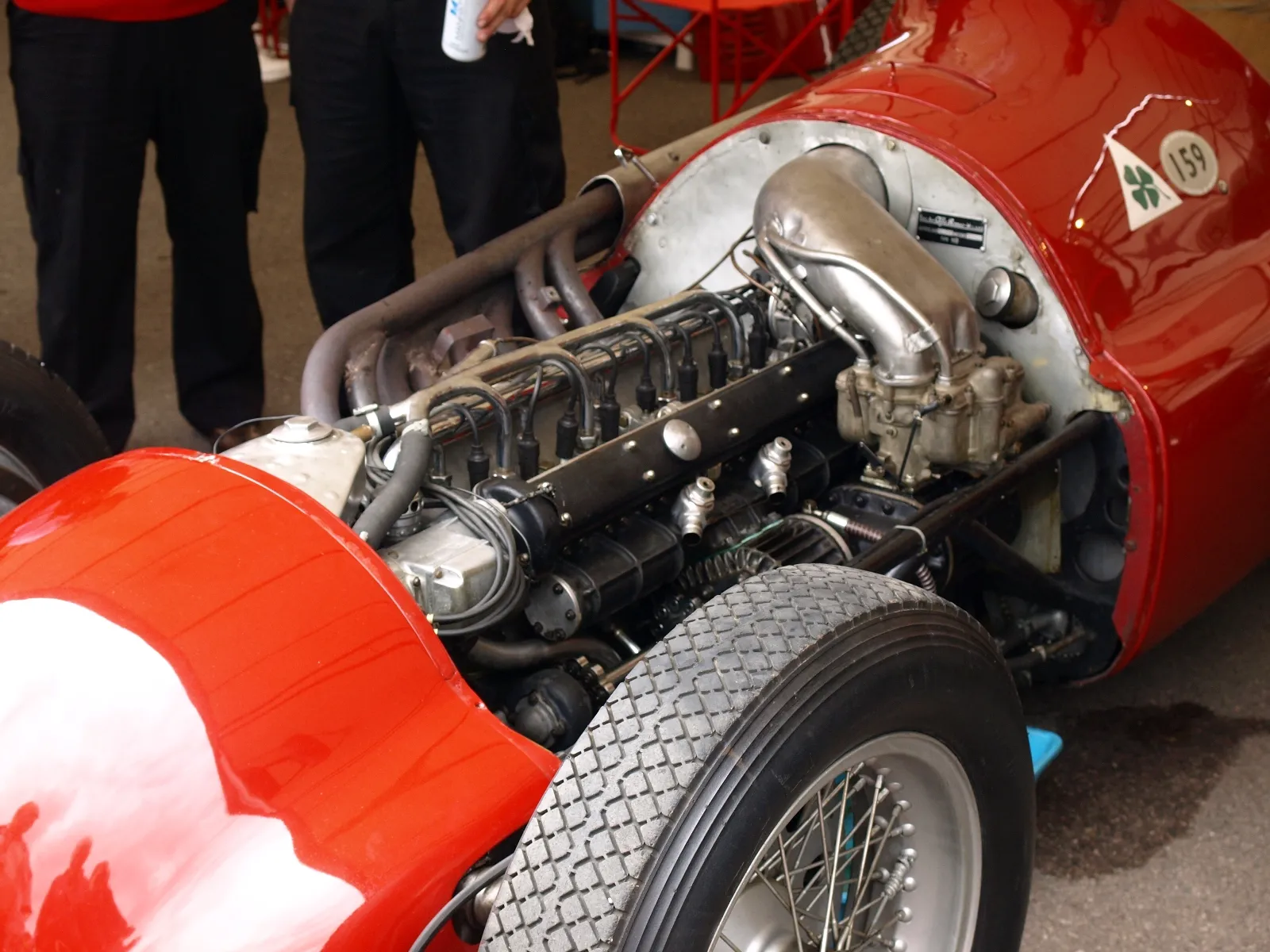
4. Ferrari’s Tipo 158/159 F1 V8 Influence on the 1964 Ferrari 275 GTB V12
Ferrari’s approach to street car development has always drawn directly from Formula 1 engineering, and the 275 GTB represents one of the clearest examples of racing technology influencing a production road car’s fundamental mechanical architecture rather than merely contributing specific components.
Ferrari’s mid-1960s Formula 1 V8 development, which produced the Tipo 158 and 159 engines, informed the combustion chamber design, valve angle geometry, and high-revving character of the Colombo-derived V12 that powered the 275 GTB in a way that reflected direct knowledge transfer from F1 to street car engineering.
Ferrari’s Enzo Ferrari insisted throughout the 1960s that street cars and racing cars share engineering DNA in ways that went beyond surface appearance. This philosophy meant that lessons learned from developing the Tipo 158 and 159 F1 engines were actively applied to refining the production V12 that powered the 275 GTB, particularly in the combustion chamber geometry that affected high-RPM efficiency and the intake tract design that shaped the engine’s power delivery characteristics.
Producing 280 horsepower from 3.3 liters in standard single-carburetor configuration, the 275 GTB V12 delivered an RPM range and a power delivery character that reflected its F1 engineering influence. Six twin-choke Weber carburetors in the higher-specification configuration elevated output and narrowed the engine’s operating character toward the competitive end of the road car spectrum, producing a street car that demanded driver engagement in ways that less racing-influenced contemporaries did not.
Driving a genuine 1964 Ferrari 275 GTB today reveals the engine’s racing character through the tactile and acoustic experience it provides at higher RPM, an experience that no amount of description fully conveys and that distinguishes cars whose engines carry genuine racing development from those whose performance is achieved through simpler means.
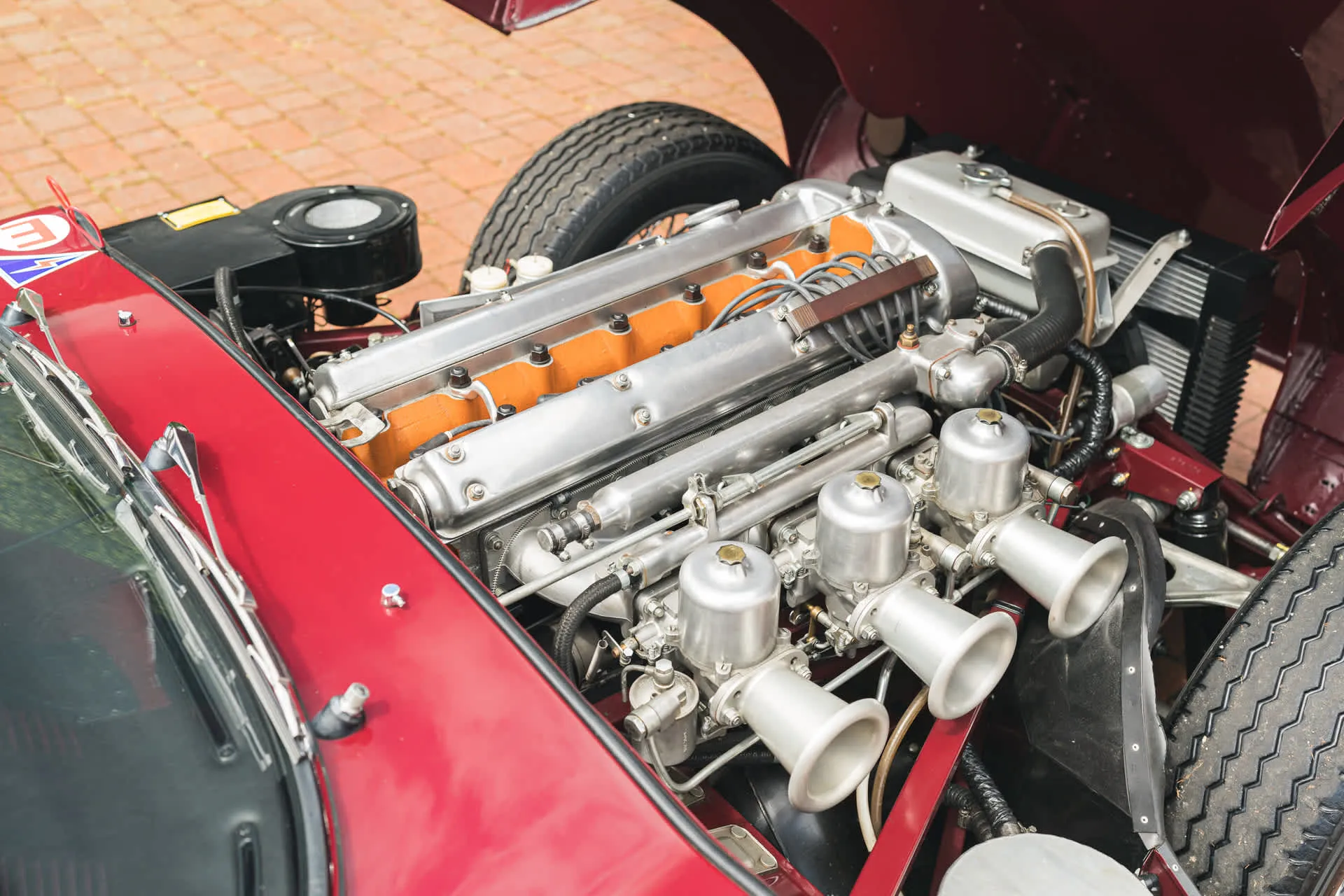
5. Jaguar’s XK Engine From Le Mans Success to the 1961 Jaguar E-Type Series 1 3.8
Jaguar’s XK engine arrived in 1948 as a design that was advanced enough to power Jaguar’s racing cars at Le Mans throughout the 1950s and refined enough to serve as the basis for Jaguar’s road car powerplants across more than three decades of production.
By the time the 1961 Jaguar E-Type Series 1 arrived wearing the 3.8-liter version of this engine, the XK had accumulated a racing pedigree that included outright victories at Le Mans and a development history that had progressively extracted more performance from its fundamental architecture in direct response to racing competition demands.
William Heynes and Walter Hassan designed the twin-cam inline-six that became the XK engine with specific attention to the high-RPM capability that racing required. Twin overhead camshafts, a combustion chamber design inspired by the best aircraft engine practice of the immediate postwar period, and a cylinder head that prioritized breathing efficiency over manufacturing simplicity gave the XK engine a structural capability that allowed it to be developed progressively from its initial 160 horsepower output toward the 265 horsepower that the triple-carburetor competition specification produced in C-Type and D-Type racing applications.
Street adaptation in the E-Type Series 1 3.8 used a detuned version of the engine that produced 265 horsepower in the standard road specification with three SU carburetors, which was the full racing output figure from the C-Type configuration applied directly to a production road car available at a price point that astonished the automotive world at the E-Type’s 1961 Geneva Motor Show debut. Enzo Ferrari famously described the E-Type as the most beautiful car ever made, but the engine beneath its curvaceous hood was as technically compelling as the body above it.
Racing knowledge shaped the XK engine’s durability as much as its output. Jaguar’s endurance racing experience at Le Mans required engines that could sustain high power output for 24 hours under racing conditions, and that reliability requirement produced an engine architecture with sufficient material strength and thermal management capability to serve as the basis for reliable street car powerplants across decades of production.
An E-Type with a well-maintained original 3.8 XK engine is not just historically important. It is a mechanically robust foundation that responds well to proper care. Collector values for Series 1 3.8-liter E-Types reflect their position as the most directly racing-influenced of the E-Type family, combining the most powerful early engine specification with the purest original body design before subsequent series introduced changes that modified the original vision.
Finding a genuine, matching-numbers Series 1 3.8 with documented history is the work of years rather than months, and the search rewards the patient buyer with one of automotive history’s most complete expressions of racing technology applied to road car design.
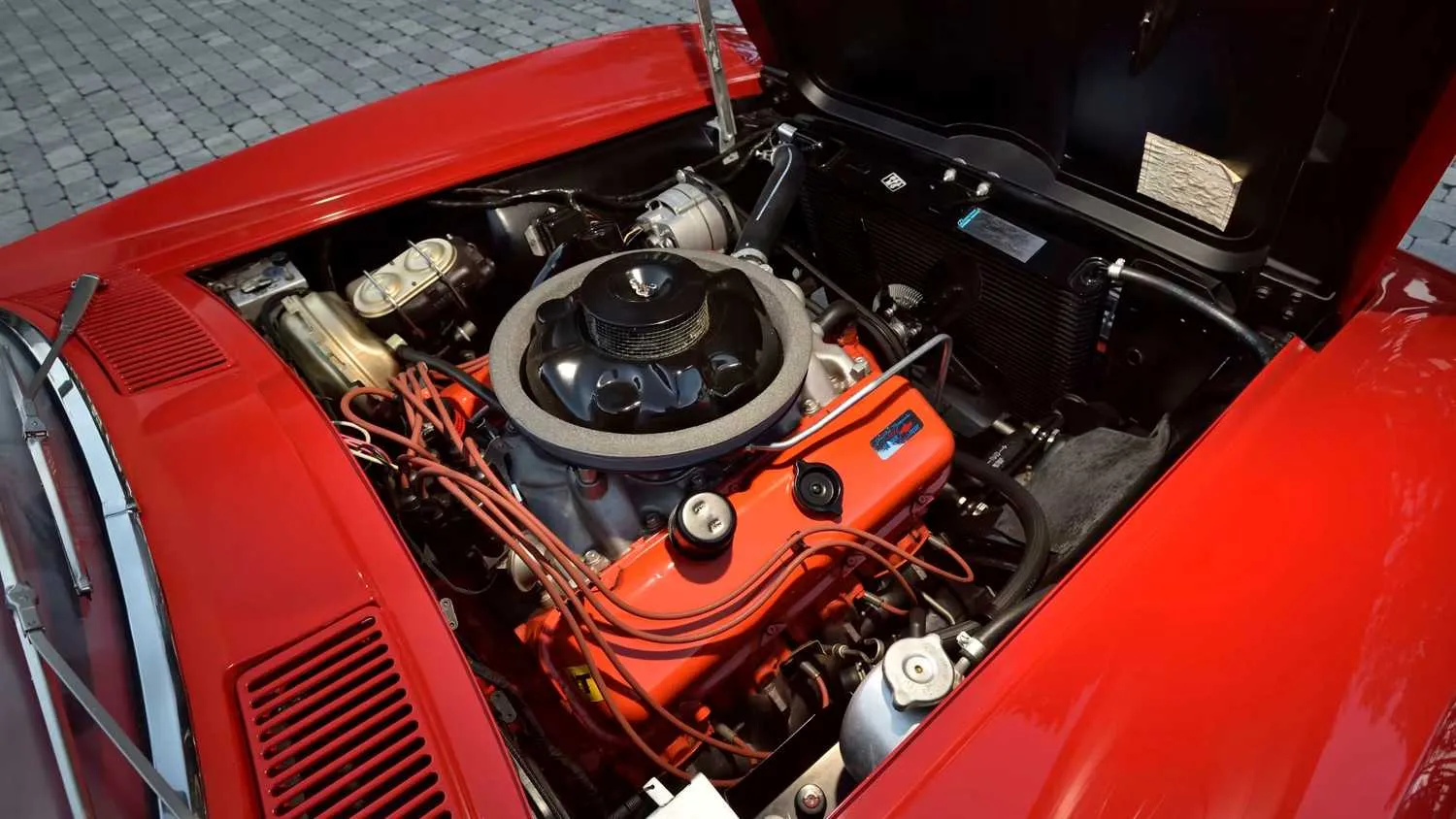
6. Chevrolet’s Z06 L88 Racing V8 and the 1967 Chevrolet Corvette Sting Ray L88 Coupe
Chevrolet’s L88 engine option for the 1967 Corvette was one of the most brazenly racing-oriented powerplants ever offered in a production road car by a major American manufacturer, and Chevrolet went to extraordinary lengths to discourage ordinary buyers from ordering it.
Factory-rated at a transparently dishonest 430 horsepower to manage insurance costs and suppress buyer interest among those who would not use it correctly, the L88 produced closer to 560 horsepower in the high-compression, high-octane configuration its design demanded. This was not a street engine that happened to have racing capability. It was a racing engine that happened to be installed in a car with a license plate.
Chevrolet’s racing program under Zora Arkus-Duntov developed the L88 specifically to provide serious racing competitors with a factory-built engine that could be purchased as a production vehicle option, maintaining the legal distinction between factory race car and production car that racing regulations required.
Every specification decision made for the L88 reflected racing priorities: aluminum cylinder heads that reduced unsprung weight and improved thermal management, a high-lift, long-duration camshaft that made the engine nearly undriveable at low RPM, and a compression ratio of 12.5:1 that required 103-octane fuel unavailable at any public filling station.
Factory warnings accompanying L88 orders noted that the engine was not suitable for street use and that its warranty coverage was limited to non-competition applications. Chevrolet actively discouraged civilian buyers from ordering it by omitting the L88 from consumer-facing advertising and by training dealers to redirect interested buyers toward the more manageable 427 Tri-Power option.
Despite these deterrents, 20 examples of the 1967 Corvette Sting Ray L88 Coupe were produced, each one a factory-built racing car sold through regular dealer channels to buyers who knew exactly what they were getting.
Surviving authenticated L88 Corvettes from 1967 are among the most valuable American production cars ever offered at auction, with verified examples selling at prices that reflect their extreme rarity and their status as the most directly racing-derived production car Chevrolet ever offered.
Owning one is a custodial responsibility as much as a privilege, because each example represents an irreplaceable piece of American automotive and motorsport history.
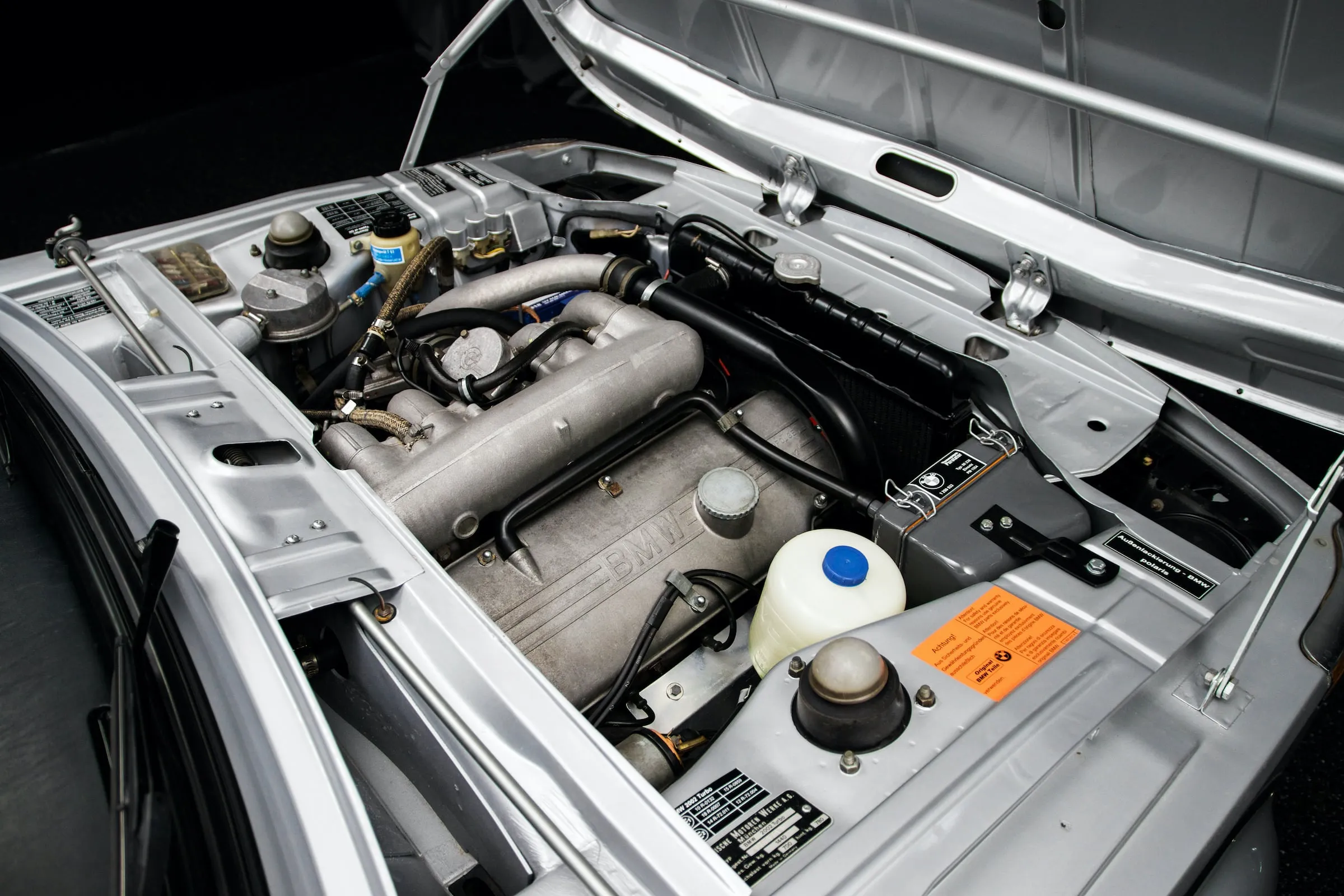
7. BMW’s M10 Formula 2 Engine in the 1973 BMW 2002 Turbo (E20 Generation)
BMW’s M10 four-cylinder engine began its life as a production car unit before becoming one of the most successful racing engines in European motorsport history, but its story as a racing-to-road adaptation runs in a uniquely iterative direction.
Racing development of the M10 in Formula 2 competition produced knowledge about turbocharging, combustion optimization, and high-output reliability that BMW’s engineers applied directly to the 2002 Turbo, creating Europe’s first turbocharged production car and bringing Formula 2 engineering directly to a street machine that regular buyers could purchase from a BMW dealer.
Paul Rosche’s racing engine development work with the M10 in Formula 2 during the early 1970s included extensive turbocharger development that explored how forced induction could extract dramatically more power from the engine’s fundamental displacement.
This development work informed the turbocharging system that BMW applied to the 2002 Turbo’s 2.0-liter M10 production engine, using a KKK turbocharger to boost output to 170 horsepower, which was a substantial increase over the naturally aspirated 2002’s already respectable 100 horsepower from the same basic engine.
Turbo lag in the 1973 2002 Turbo was a genuine driving challenge that reflected the state of turbocharger technology at the time and the direct adaptation of racing-oriented boost delivery to a street car application without the electronic management systems that later turbocharged road cars used to smooth power delivery.
Power arrived in a pronounced surge above approximately 4,000 RPM that required experienced throttle management and planning in a way that naturally aspirated cars did not demand. This characteristic was a racing engine trait that BMW carried directly into the street application rather than engineering it away.
Production numbers for the 1973 BMW 2002 Turbo E20 were limited by the timing of the oil crisis that struck European markets during the car’s launch period, restricting total production to approximately 1,672 examples across the production run.
This limited production, combined with the car’s historical position as the first turbocharged production car in Europe, has made clean, authentic examples serious collector pieces that continue to appreciate as their historical position becomes more widely understood.
Also Read: 10 Vintage All Wheel Drive Cars That Were Way Ahead of Their Time
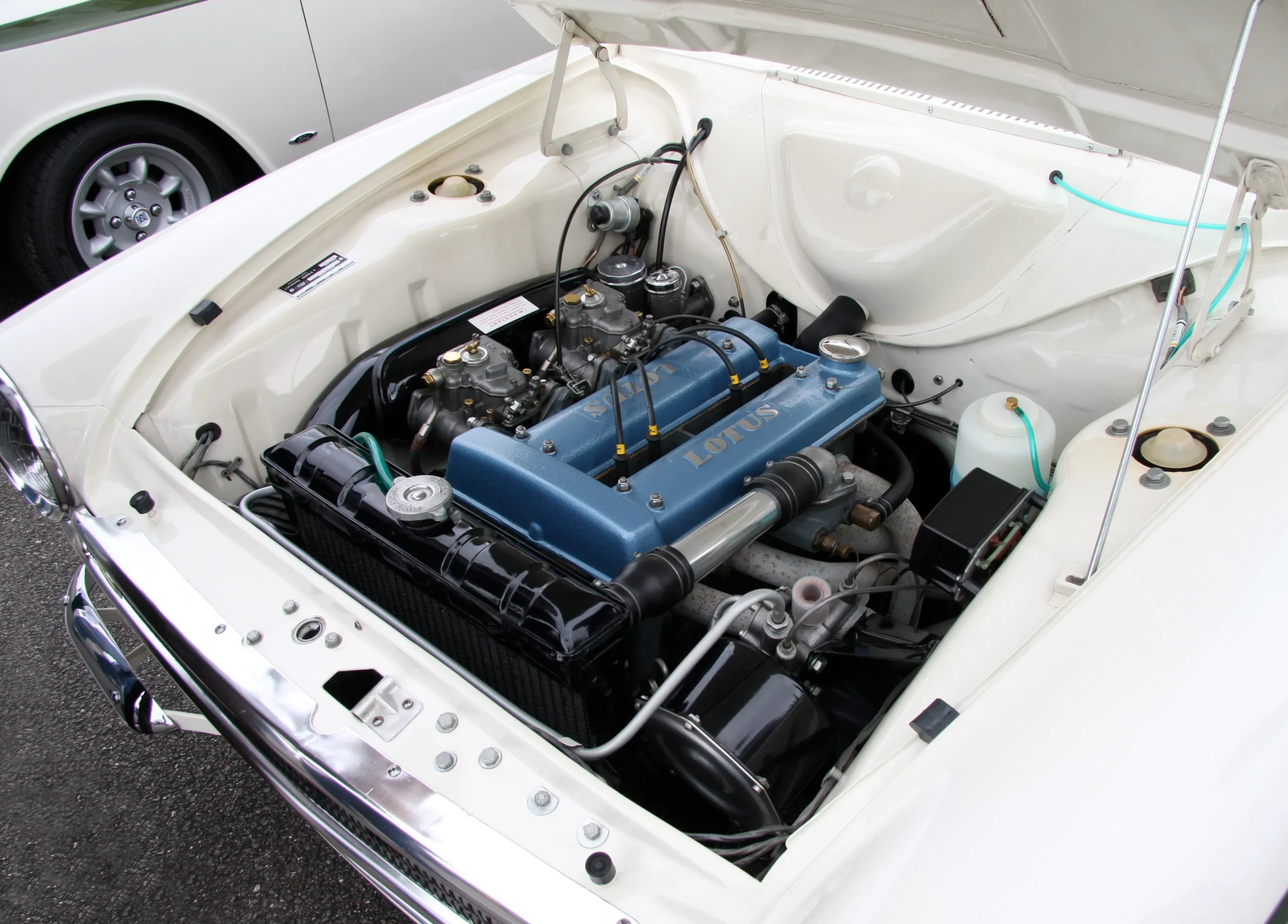
8. Lotus’s Twin-Cam Ford Engine and the 1966 Lotus Elan Sprint Series 4
Colin Chapman’s philosophy of achieving performance through lightness rather than power produced some of the most technically interesting cars in automotive history, and the 1966 Lotus Elan Sprint Series 4 represents this philosophy at its most refined.
Chapman’s relationship with Ford produced the twin-cam Lotus-Ford engine, a unit that took Ford’s Kent pushrod block as its foundation and fitted it with a Lotus-designed twin-cam cylinder head developed with direct input from Lotus’s racing engine experience in Formula Junior and Formula 2 competition.
Harry Mundy designed the twin-cam cylinder head that transformed Ford’s pedestrian crossflow pushrod block into a high-revving, precision-engineering piece that bore no operational resemblance to the production engine beneath it.
Mundy’s racing background informed every aspect of the head design, from the included valve angle that optimized combustion chamber geometry for high-compression efficiency to the port shapes that allowed the engine to breathe freely at RPM levels that the pushrod block’s basic architecture could mechanically withstand.
Producing 126 horsepower in the Sprint specification with twin Dell’Orto carburetors, the Lotus-Ford twin-cam delivered a specific power output that was extraordinary for a 1.6-liter engine available to production car buyers in 1966.
More important than the output figure was the character of the engine’s power delivery, which reflected its racing development through a willingness to rev freely to its power peak and a responsiveness to throttle inputs that contemporary pushrod engines of any displacement could not replicate.
Weighing approximately 680 kilograms in road-ready specification, the 1966 Lotus Elan Sprint Series 4 used its twin-cam engine’s output with a mechanical efficiency that produced a power-to-weight ratio comparable to much more powerful contemporary sports cars.
This combination produced a driving experience that Lotus owners of the era described as unlike any other available road car, an experience directly attributable to the racing engine heritage of the twin-cam head that Chapman and Mundy had specified for a vehicle they intended to be genuinely competitive in amateur motorsport as well as usable on public roads.
Restoring and maintaining a genuine 1966 Lotus Elan Sprint Series 4 with its original Lotus-Ford twin-cam engine requires access to specialist knowledge and parts that are increasingly rare as the vehicles age and as the community of specialists familiar with these engines contracts.
The investment is rewarded by one of the most communicative and mechanically honest driving experiences available in a vintage road car, an experience that traces directly to the racing development that gave this small engine its outsized character.
