
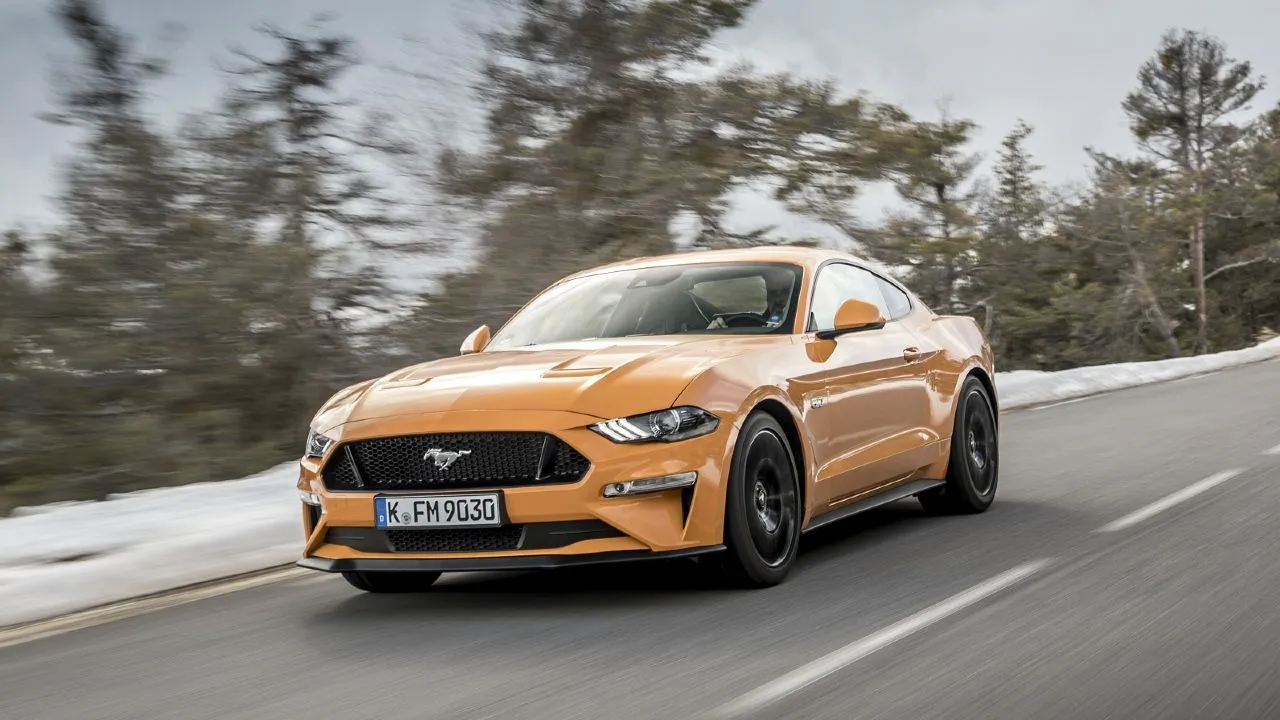
Front-wheel drive has a reputation problem it has never fully shaken. Mention FWD to a group of driving enthusiasts and watch the eye rolls begin. Torque steer, understeer, and lack of driver engagement are the complaints that come up every time, and some of them are fair criticisms of poorly engineered examples.
But here is what the critics consistently miss: when front-wheel drive is done right, when engineers genuinely commit to making the layout work rather than simply accepting its limitations, the result can be one of the most rewarding driving experiences available at any price point. Front-wheel-drive cars require a different kind of driving skill than rear-wheel-drive machines. You cannot throw them sideways the same way.
Power oversteer is largely off the menu. But the trade-off is a connected, immediate feel through the steering that communicates grip levels with surprising precision, a compact mechanical layout that allows lighter weight and tighter packaging, and a handling balance that rewards smooth, committed driving with a feedback loop that rear-wheel-drive cars of the same era rarely matched at equivalent price points.
Classic FWD cars from the 1970s, 1980s, and 1990s occupy a special place in automotive history because they were built during the period when engineers were actively solving the layout’s challenges rather than working with decades of accumulated solutions. Watching a period test driver push a 1980s hot hatchback through a tight circuit is watching someone work with a genuinely challenging machine, and the results when it works are deeply impressive.
This list covers ten front-wheel-drive classics that stand out specifically for their driving enjoyment, vehicles chosen not because they were the fastest or the most powerful, but because they delivered a driving experience that made their owners want to find the long way home every single time they got behind the wheel.
If you have ever dismissed front-wheel drive without driving one of these cars, this list is your invitation to reconsider.
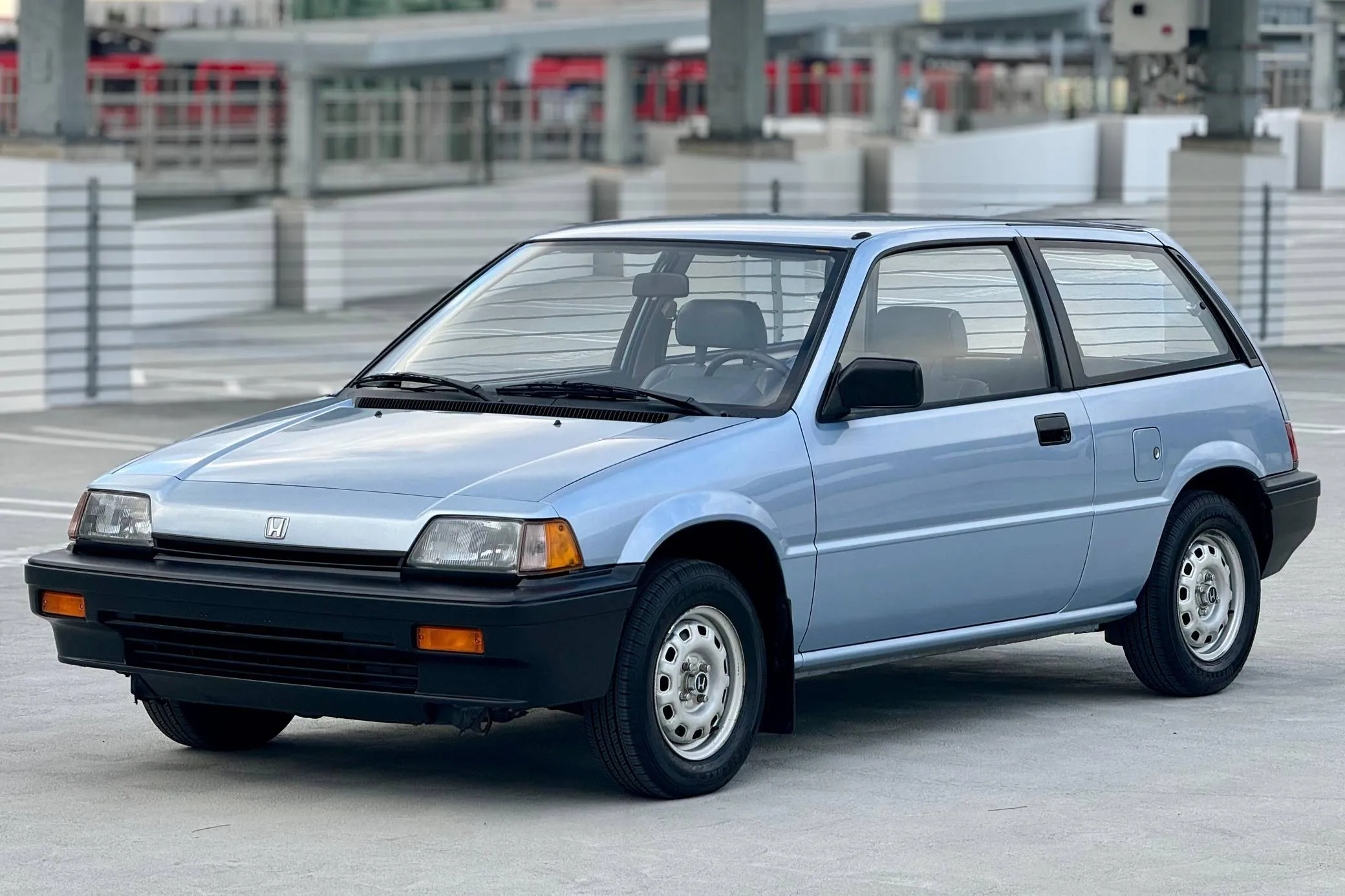
1. Honda Civic Si Hatchback (1986-1987 ED6)
Honda produced several respected versions of the Civic before the arrival of the 1986 Si hatchback, yet the ED6 generation introduced a new standard for Front Wheel Drive performance. With this model, Honda demonstrated that engineering discipline and driver-focused design could produce a compact car capable of genuine driving satisfaction.
The combination of a twin cam engine, a closely spaced five-speed manual transmission, and a carefully tuned chassis gave the car a character that stood apart from earlier Civic variants. The ED6 Si used the D16A1 1.6 litre DOHC engine, producing 91 horsepower.
While this figure appears modest when compared with modern performance vehicles, the car’s relatively light weight of about 1,900 pounds ensured that the available power was used effectively. The transmission ratios were selected to keep the engine within its most responsive range, allowing drivers to take full advantage of its high-revving nature.
Reaching the 7,000 RPM redline, particularly in lower gears, provides a sense of engagement that reflects Honda’s focus on driver involvement rather than simple cruising comfort. Chassis development played a major role in defining the vehicle’s behaviour. Engineers strengthened the body structure, lowered the suspension height, and refined the steering system to deliver accurate and immediate responses.
Unlike many Front Wheel Drive cars of the same period, which often displayed imprecise handling, the Civic Si maintained strong front-end grip while remaining predictable at higher speeds. This balance allowed drivers to approach the limits of traction with confidence.
Owners of the 1986 Honda Civic Si Hatchback often describe the driving experience as deeply engaging. Steering feedback, throttle response, and road contact remain direct, without electronic interference. This level of mechanical connection demands attention from the driver, yet it also provides a strong sense of control.
Well-maintained examples have become increasingly sought after, and those who acquire one often find that its reputation is fully justified.
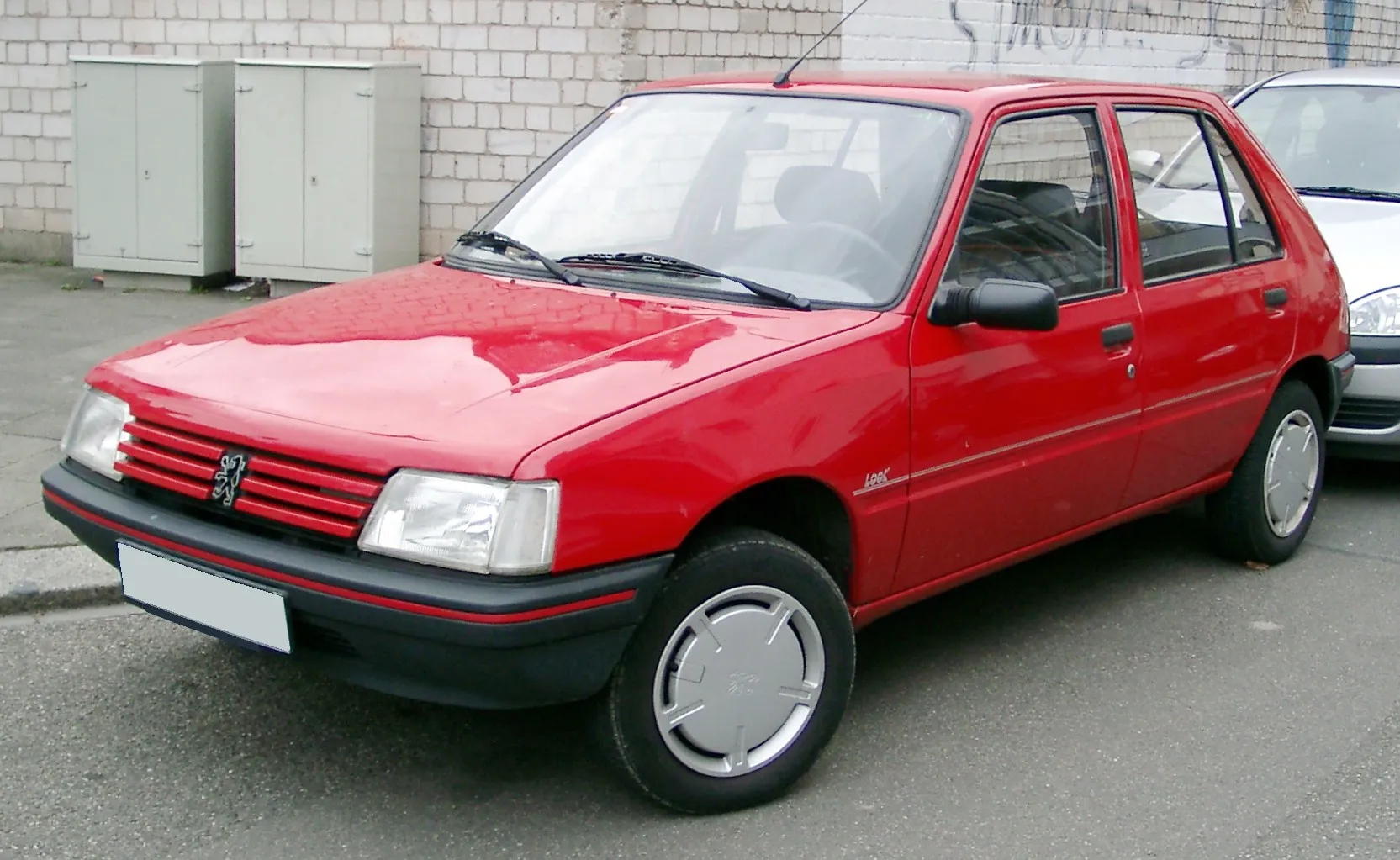
2. Peugeot 205 GTI 1.9 (1987-1994)
Ask any European automotive journalist who was working during the late 1980s to name the best-handling front-wheel-drive car of that decade, and a meaningful percentage will answer Peugeot 205 GTI 1.9 before they finish processing the question.
Ask professional racing drivers who competed in production-based touring car classes during the same period, and the answer is remarkably consistent. Ask everyday owners who pushed their 205 GTI through country roads on weekend mornings, and the stories have a similar emotional pitch: this was a car that made you better.
Peugeot’s 205 GTI arrived in 1.6-liter form first, but it was the 1.9-liter version launched in 1986 that found the genuine sweet spot between power and chassis capability. Producing 130 horsepower from a 1.9-liter naturally aspirated engine in an era when that figure was genuinely quick for a production car, the 1.9 GTI weighed around 1,930 pounds and delivered a power-to-weight ratio that translated into real-world performance more effectively than comparable numbers in heavier vehicles.
What made the 205 GTI’s handling special was a combination of factors that Peugeot’s engineers either calculated precisely or stumbled into with extraordinary luck, depending on who tells the story. Rear suspension geometry that allowed the rear end to rotate predictably under load, rather than the pronounced understeer that afflicted most FWD cars when pushed hard, gave the 205 GTI a handling balance closer to a neutral mid-engine car than a conventional front-driver.
Drivers who learned to trail-brake into corners and use weight transfer deliberately found that the car could be posed through bends in ways that seemed to defy its drivetrain layout. Steering feel in the 205 GTI is still discussed with reverence by driving enthusiasts who have experienced it. Hydraulic power steering assistance calibrated for a featherweight car produced a wheel that talked to the driver’s hands with a richness of information that modern cars, insulated by variable-rate electric power steering, rarely approach.
Rust is this car’s enemy, and finding a structurally sound example requires serious diligence. But a clean, honest 205 GTI 1.9 remains one of the most purely enjoyable front-wheel-drive driving experiences available at any price.
Also Read: 10 Best Used Cars for Commuters Who Need to Fit Into Tight Urban Parking
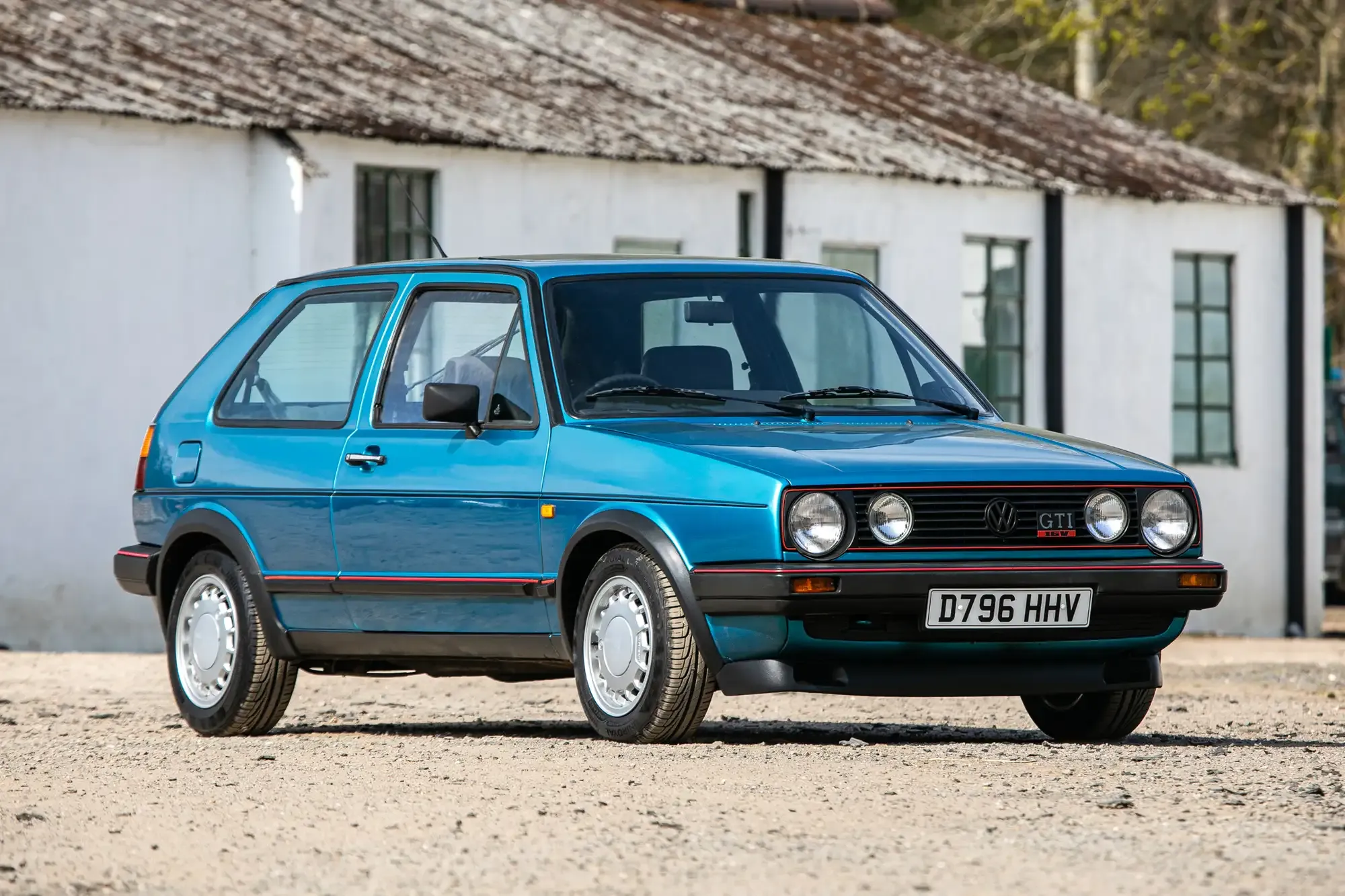
3. Volkswagen Golf GTI Mark II 16V (1986-1992)
Volkswagen’s second-generation Golf GTI is the car that defined what a hot hatchback should be for an entire generation of European and American buyers, and the 16-valve version that arrived in 1986 raised the standard further than most people expected.
Where the original 8-valve GTI had introduced the concept of a practical, refined, genuinely fast small hatchback, the 16V brought cylinder head technology borrowed directly from motorsport development into a production car that anyone with modest means could purchase at a Volkswagen dealership.
Powered by the 1.8-liter 16-valve engine producing 123 horsepower in US specification and 139 horsepower in European trim, the Golf GTI 16V delivered its power with a character that the 8-valve could not match. Higher revving, more immediate in its throttle response, and producing a mechanical sound from the dual overhead cams and eight additional valves that made even routine acceleration feel like an event, the 16V engine changed the driving experience of the GTI from competent to genuinely exciting.
Chassis tuning on the Mark II GTI reflects Volkswagen’s engineering culture of methodical refinement rather than dramatic reinvention. Suspension geometry was carefully calibrated to manage the 16V’s additional power without introducing the torque steer that plagued less carefully engineered performance FWD cars of the same period.
Body roll was controlled without the harshness that German performance cars sometimes sacrificed ride quality to achieve, and the result was a chassis that could be driven quickly on imperfect road surfaces without demanding constant driver correction.
Practicality remained fully intact in the Mark II 16V, which was a deliberate Volkswagen priority that distinguished the GTI from pure performance machines that demanded sacrifices in everyday usability. Four genuine seats, a usable rear hatch, a sensibly positioned driving position, and a build quality that aged well all contributed to an ownership experience that extended beyond weekend driving enjoyment.
Owners of the 1987 Volkswagen Golf GTI 16V Hatchback who drove both the 8-valve and 16-valve versions consistently describe the 16V as the more rewarding driver’s car, with the higher-revving engine and marginally more committed chassis delivering a driving experience that justified the premium and expanded the GTI’s capabilities without sacrificing the civility that made the car genuinely useful.
4. Renault 5 GT Turbo (1985-1991)
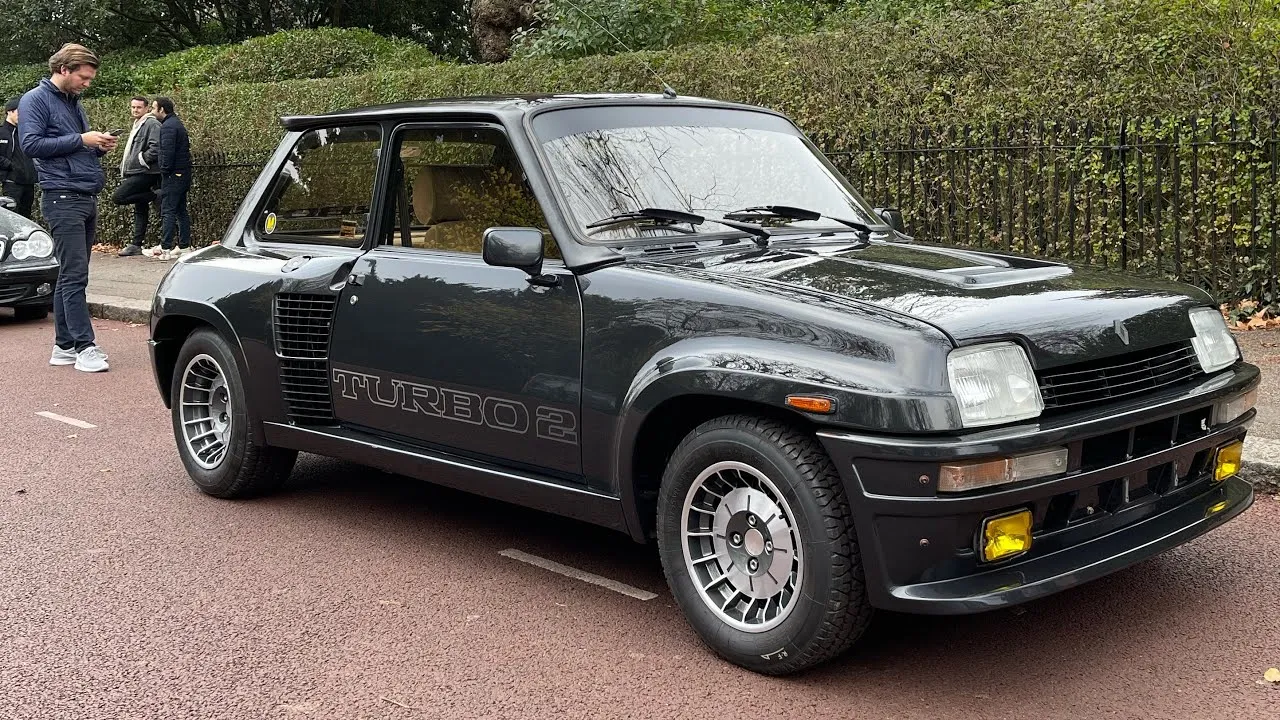
Renault’s decision to fit a turbocharged engine into the compact Renault 5 and present it as a performance vehicle reflected a bold and unconventional approach to small car engineering. At first consideration, the idea of extracting strong performance from a lightweight five-door hatchback appeared ambitious.
Yet the final product, the Renault 5 GT Turbo, proved that careful engineering could deliver an engaging and memorable driving experience. With approximately 115 horsepower from a 1.4 litre turbocharged engine and a vehicle weight of about 1,830 pounds, the car achieved an impressive power-to-weight balance for its time.
A defining characteristic of the GT Turbo lies in its turbocharger behaviour. The Garrett T2 turbo produces a clear distinction between low and high engine speeds. At lower revolutions, the car behaves in a controlled and predictable manner, similar to a standard economy hatchback.
Once engine speed rises beyond roughly 3,500 RPM, the turbocharger engages with force, delivering a rapid increase in power that transforms the vehicle’s response. Drivers must therefore develop precise throttle control and timing to use this power effectively, particularly when exiting corners where stability and traction are critical.
The suspension system further contributes to the car’s dynamic behaviour. Renault engineers employed a torsion bar arrangement at the front and a bent beam configuration at the rear. This setup, combined with the car’s short wheelbase and low mass, results in sharp directional response. The handling balance requires constant driver input, as the vehicle reacts quickly to steering and throttle adjustments.
Owners of the 1986 Renault 5 GT Turbo frequently describe the car as both engaging and demanding. It rewards careful attention and disciplined driving technique, while also making any lack of focus immediately apparent. This combination gives the car a distinct personality that continues to attract enthusiasts.
5. MINI Cooper S Mk1 (2002-2006 R53)
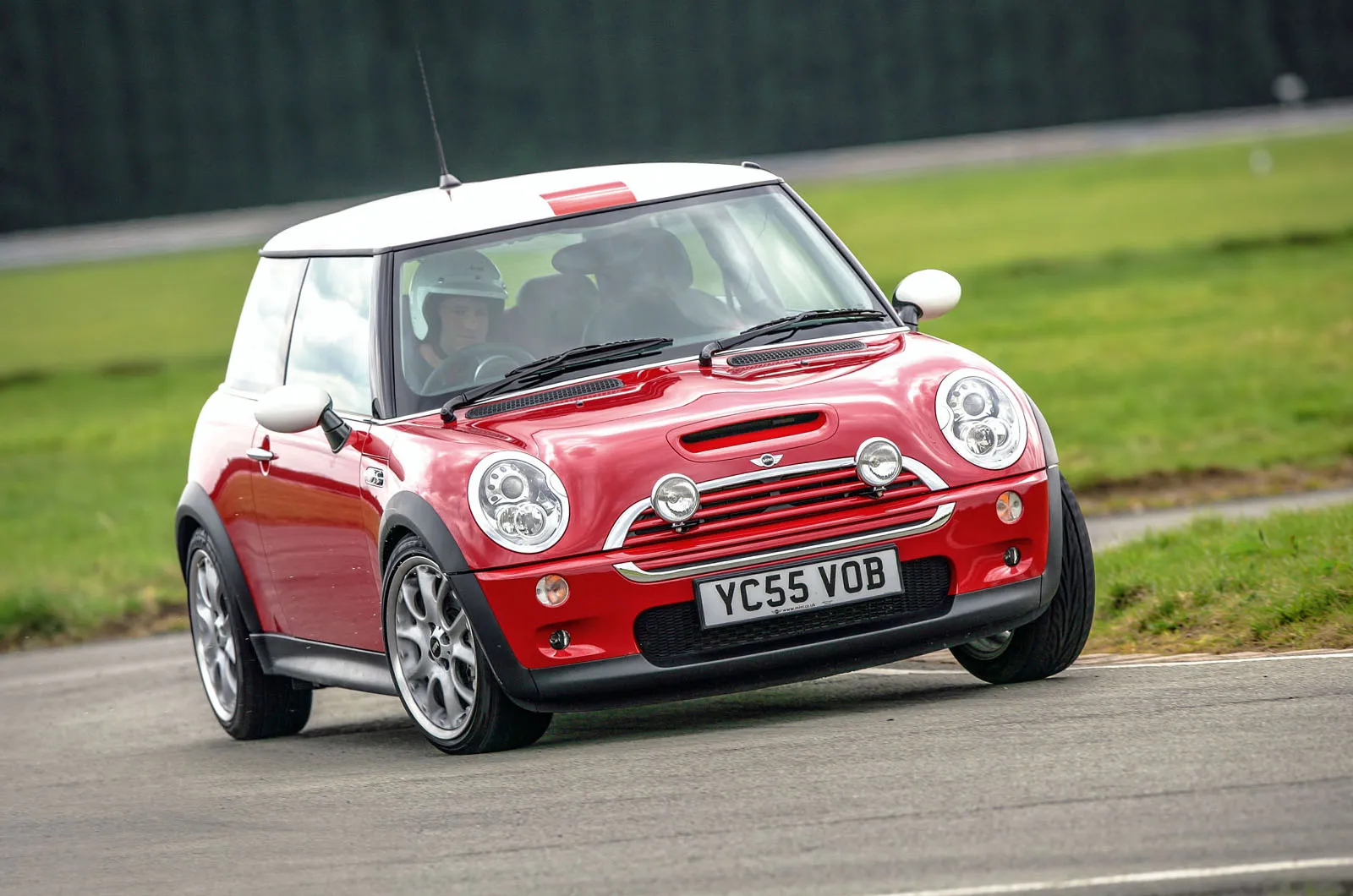
Purists argue about whether the BMW-era MINI deserves to be called a true classic yet, but any serious assessment of which front-wheel-drive cars deliver genuine driving enjoyment cannot exclude the supercharged R53 Cooper S without misrepresenting the category.
This is a car that automotive journalists consistently rated as one of the most rewarding small performance cars available at its launch price, and the driving experience it delivers has not diminished with age. Powered by a 1.6-liter supercharged engine producing 163 horsepower, the R53 Cooper S benefits from supercharger boost characteristics that differ fundamentally from the turbocharged alternatives that came before and after it.
Supercharger response is immediate and linear in a way that turbo power delivery is not, which means the R53’s throttle communicates honestly at all times rather than making the driver wait for a boost threshold before the performance arrives. In a car weighing approximately 2,600 pounds, 163 horsepower delivered without lag or surge produces acceleration that feels genuinely quick in real-world driving.
Steering in the R53 Cooper S is hydraulically assisted and calibrated with a precision that BMW’s engineers brought from their larger vehicle development work, scaled appropriately for a car this size. Turn-in response is immediate, feedback through the wheel is rich, and the front axle tracks cornering forces with a tenacity that makes the car feel genuinely planted rather than merely composed.
Owners of the 2003 MINI Cooper S Hatchback R53 who have driven the car on mountain roads consistently describe it as a vehicle that makes every bend and crest an active engagement rather than passive transportation. This quality, the ability to make an ordinary road feel like an occasion, is the defining characteristic of a genuinely fun car, regardless of its technical specification or its drivetrain layout.
6. Citroën ZX 16V Volcane (1992-1997)
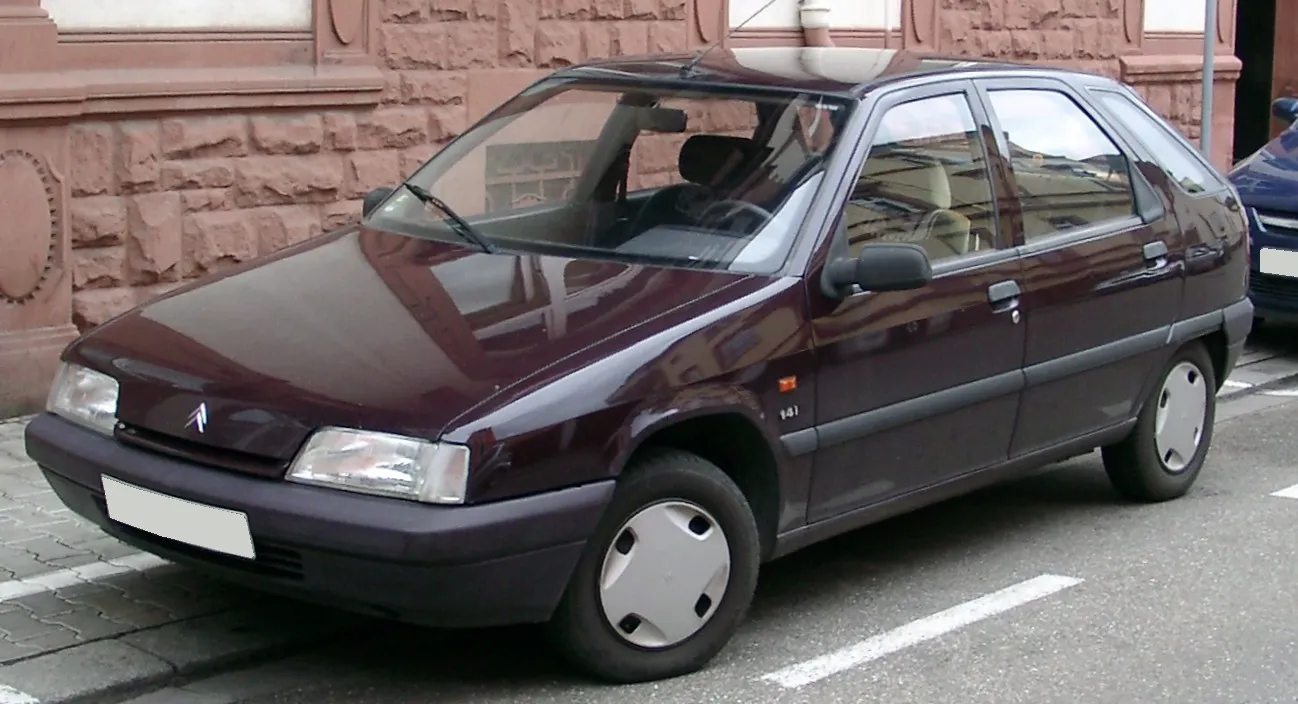
Citroën’s ZX is not a car that appears on many best-of lists, which is precisely why it belongs on this one. Overlooked in its own time and underappreciated in the classic car community today, the ZX 16V Volcane represents French performance engineering at its most thoughtful and most underrated, delivering a front-wheel-drive driving experience that rivaled more celebrated contemporaries in nearly every measurable dimension.
Powered by a 2.0-liter 16-valve naturally aspirated engine producing 150 horsepower, the ZX Volcane had more power than the 205 GTI 1.9 it effectively succeeded in Citroën’s performance range, and it deployed that power through a chassis that Citroën’s engineers had developed with the specific intention of creating a car that handled neutrally rather than defaulting to the understeer that buyers associated with front-wheel-drive performance cars at the time.
Citroën achieved this neutral balance through a combination of rear suspension geometry that allowed controlled rotation under load, carefully tuned front strut geometry that managed camber change through cornering in a way that maintained front grip without overloading the leading edge of the contact patch, and a front-to-rear weight distribution that was more favorable than most competing front-wheel-drive cars of the period managed to achieve.
Steering in the Volcane is one of the most direct of any road car from its era, communicating grip levels and surface texture with a clarity that drivers accustomed to more isolated setups find initially surprising and then impossible to stop appreciating.
Nothing is filtered unnecessarily. Everything important reaches the driver’s hands immediately, which requires attentiveness but rewards it with a level of awareness about what the car is doing that contributes directly to safer, more confident fast driving.
Finding a ZX 16V Volcane today requires patience in most markets, but buyers who locate a well-preserved example discover a car that delivers everything its technical specification promises and then adds a driving character that no specification sheet can adequately communicate.
For drivers interested in genuine front-wheel-drive performance from the early 1990s, the Volcane is one of the most rewarding discoveries available in today’s classic car market.
7. Honda CRX Si (1988-1991 EF8)
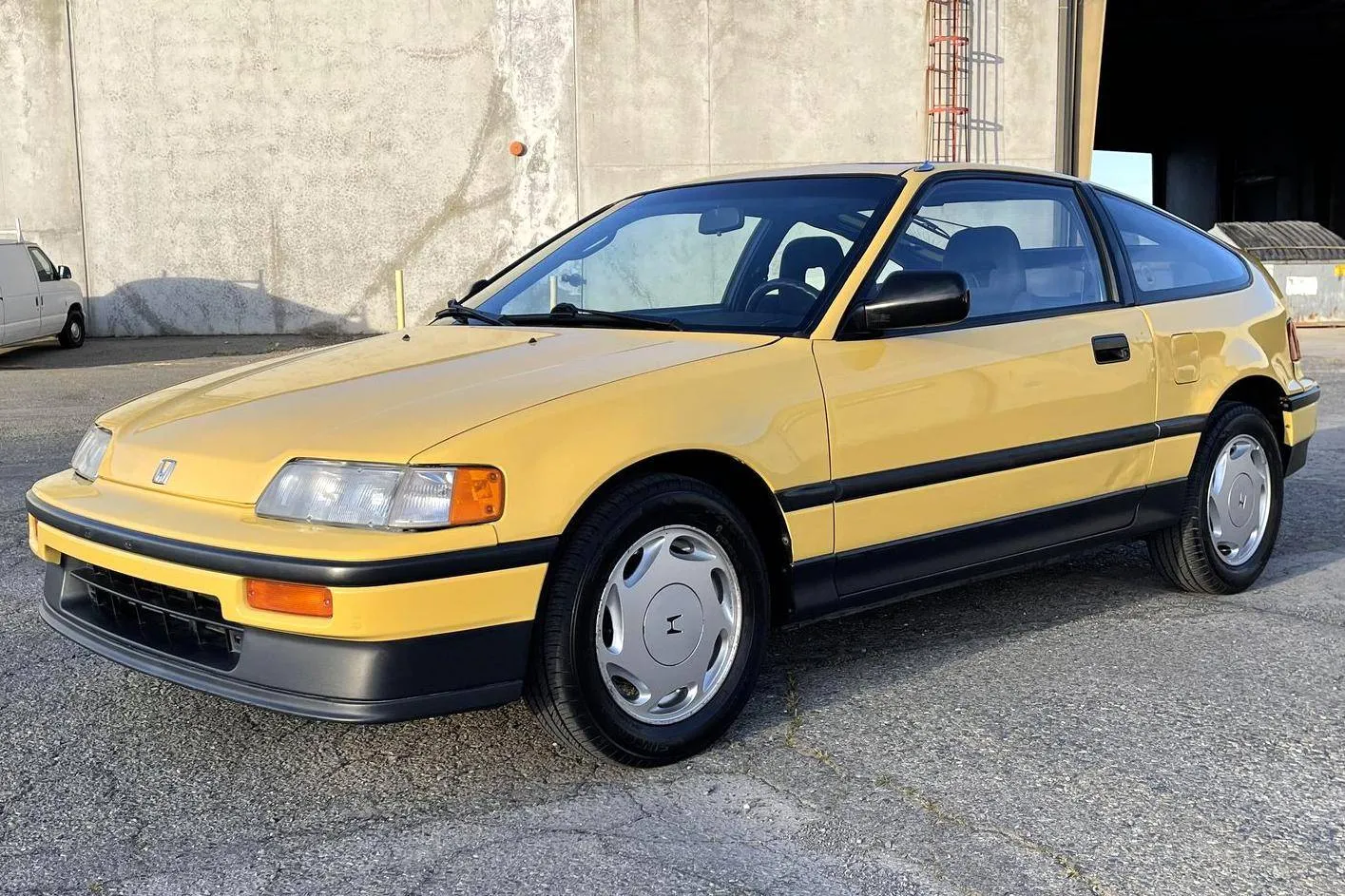
Honda developed the CRX as a more focused alternative to the Civic, reducing weight, lowering the body, and prioritising driving precision above everyday convenience. In Si specification, the EF8 generation combined compact dimensions with a carefully engineered chassis to deliver a driving experience that many observers at the time regarded as comparable to dedicated sports cars, yet available at a far more accessible price.
With a total weight of approximately 1,900 pounds, the CRX Si relied primarily on its light structure rather than high engine output to achieve performance. Its 1.6 litre dual overhead cam engine produced about 105 horsepower in United States specification.
While this figure appears modest, the low mass of the vehicle ensured that acceleration remained lively and responsive. The engine’s willingness to rev, combined with a well-matched manual transmission, allowed drivers to extract maximum performance without excessive effort.
A major strength of the EF8 CRX Si lies in its suspension design. Honda fitted double wishbone suspension at both the front and rear, a configuration rarely seen in vehicles within this category. This setup allowed precise control of wheel movement, maintaining proper tyre contact with the road during cornering. As a result, the car delivered strong grip and predictable handling characteristics without depending solely on tyre composition.
Drivers frequently highlight the CRX Si as an excellent platform for developing driving skill. The car responds immediately to steering, braking, and throttle inputs, making its behaviour easy to understand and improve upon. Mistakes are clearly communicated, while correct technique produces satisfying results.
Due to age and prolonged use, well-preserved examples have become less common. Despite this, demand remains strong among enthusiasts who appreciate the model’s engineering clarity and the engaging driving experience it continues to provide.
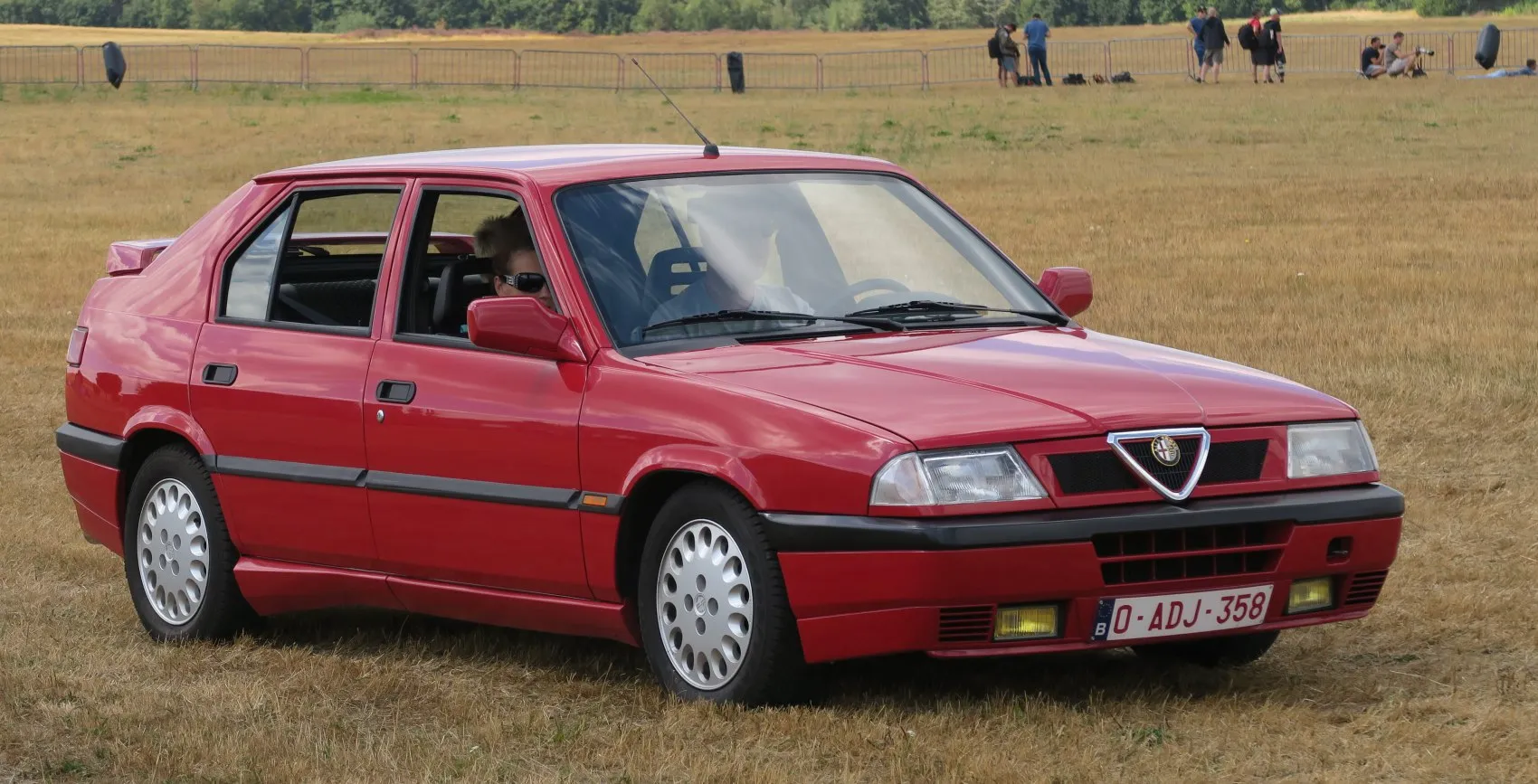
8. Alfa Romeo 33 1.7 16V (1990-1993)
Alfa Romeo has long maintained a reputation for producing vehicles with strong character, and the 33 in 1.7 litre 16 valve form stands as a clear example of that tradition. Designed as a compact Front Wheel Drive car, it reflects the Italian approach to performance, placing emphasis on responsiveness, steering feedback, and driver involvement rather than relying solely on numerical performance figures.
The vehicle is powered by a 1.7 litre twin cam 16 valve engine, producing approximately 132 horsepower. This engine delivers power in a manner that complements the car’s lightweight construction and agile chassis. Acceleration is supported by a responsive throttle and a distinctive engine sound that reinforces the mechanical character of the vehicle.
Suspension tuning on the Alfa Romeo 33 prioritises agility. Engineers chose a setup that allows the car to change direction quickly while maintaining strong communication between the road and the driver. This approach differs from more conservative Front Wheel Drive designs that focus heavily on stability. The result is a vehicle that requires attention and skill but provides a rewarding experience for those who engage with it properly.
Steering response is one of the defining features of the 33 16V. The rack and pinion system delivers a direct connection between driver input and vehicle movement. This precision creates the impression that the car responds immediately to steering commands, making it particularly effective on narrow or winding roads.
Owners of the 1990 Alfa Romeo 33 1.7 16V Sport Wagon often describe the car as possessing a character that remains difficult to replicate with modern vehicles. It offers not just movement, but a sense of mechanical involvement that continues to appeal to those who value active participation in driving.
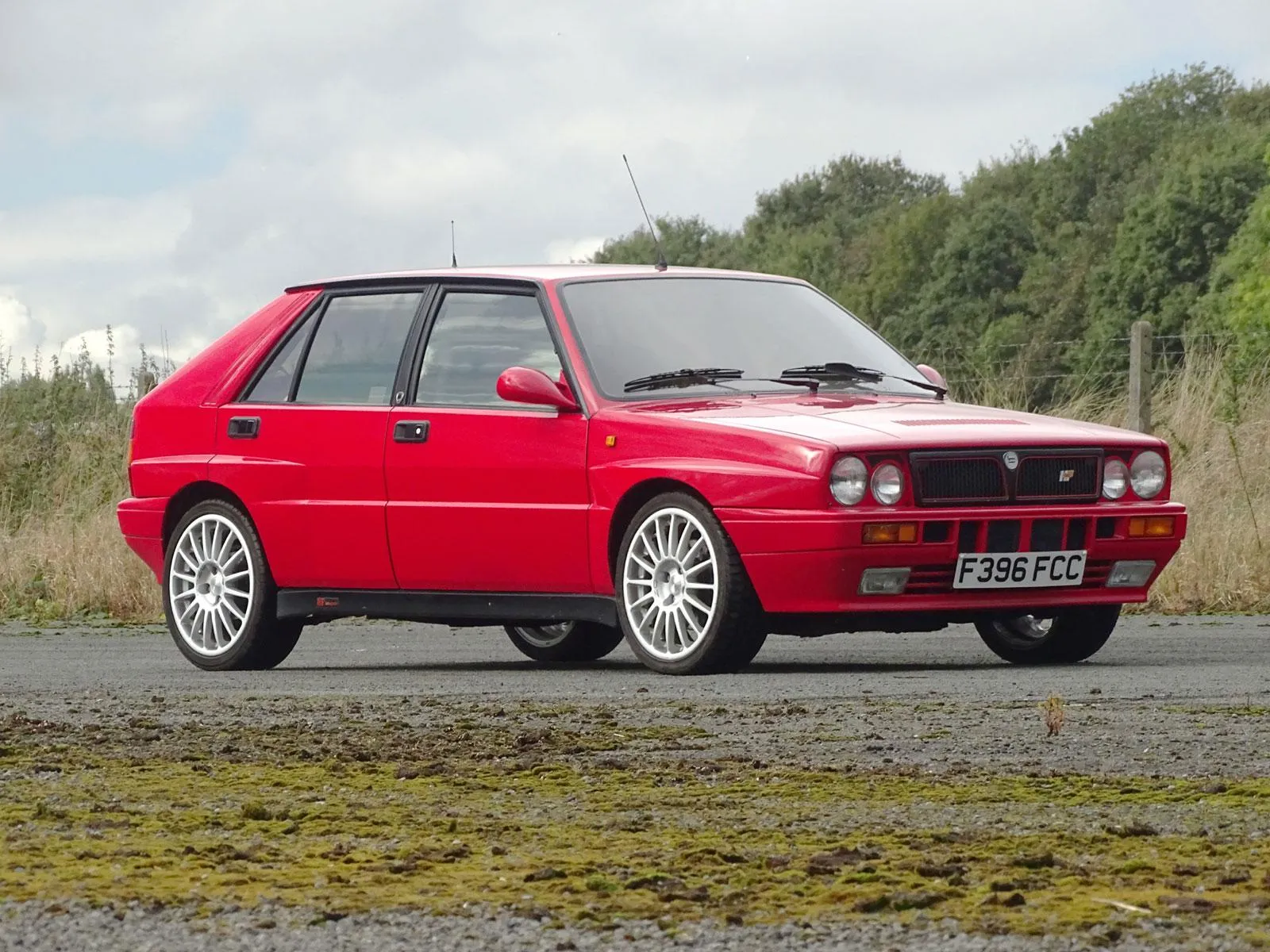
9. Lancia Delta HF Integrale 8V (1987-1989)
Most enthusiasts know the Lancia Delta HF Integrale for its legendary four-wheel-drive Evoluzione variants that dominated the World Rally Championship during the late 1980s and early 1990s. Fewer know the original front-wheel-drive HF Integrale 8V that preceded the four-wheel-drive versions, and even fewer have experienced the particular kind of driving intensity that the turbocharged, front-wheel-drive-only 8V delivers in a form that the later AWD cars, for all their technical advancement, cannot replicate.
Producing 185 horsepower from a 2.0-liter turbocharged engine in a car weighing approximately 2,560 pounds, the original Delta HF Integrale 8V deployed more power through its front wheels than almost any contemporary front-wheel-drive production car attempted. Torque steer was a genuine and immediate reality, and the car demanded that drivers understand this characteristic and work with it rather than against it.
What the 8V’s demanding nature delivered in exchange for that driver commitment was a front-wheel-drive performance experience of extraordinary intensity. The turbocharger’s boost arrived with authority, the limited-slip front differential managed power delivery with mechanical determination, and the combination of wide fenders, lowered suspension, and serious tire width created a car that communicated its intentions and demands with total honesty.
Drivers of the 1988 Lancia Delta HF Integrale 8V Hatchback who mastered the car’s powertrain and chassis characteristics describe the experience as unlike any other front-wheel-drive car of the era. Getting maximum performance from the 8V requires genuine skill and active management, but the reward for that skill is a driving experience that remains vivid in the memory long after a drive ends.
Also Read: 10 Best Cars for Real Estate Agents Who Need a Clean and Impressive Interior
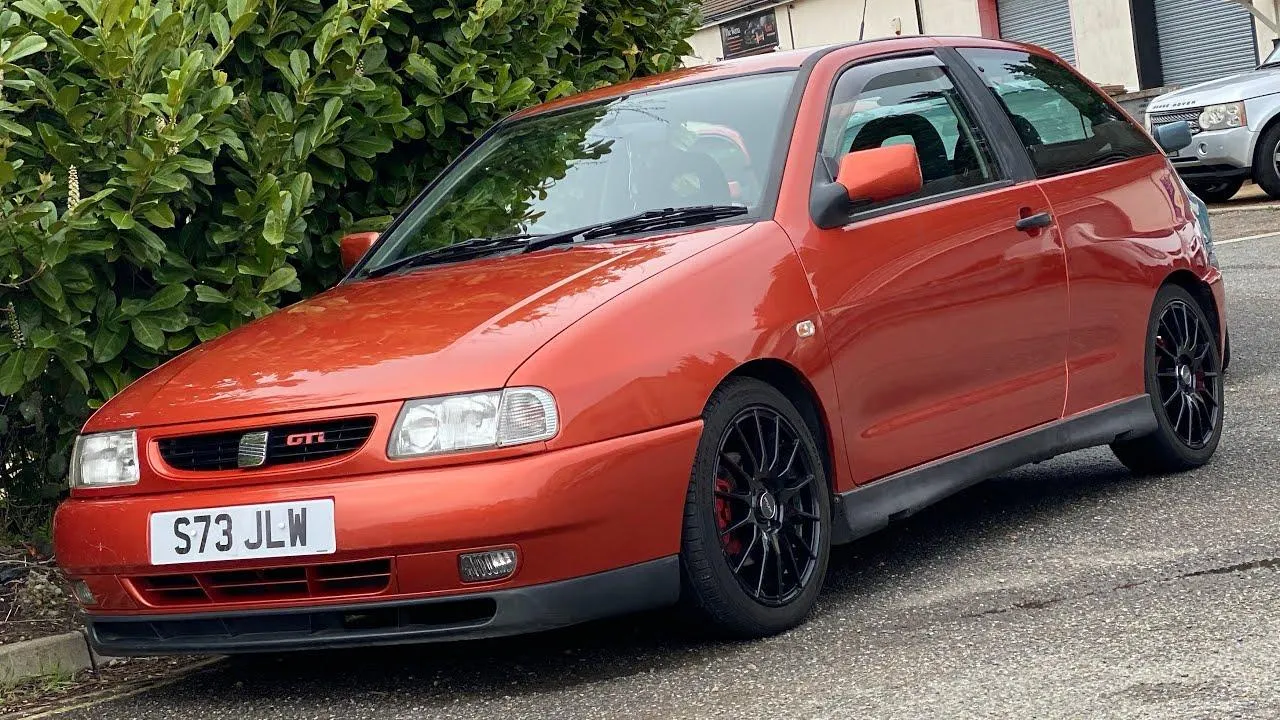
10. Seat Ibiza Cupra 16V (1997-1999)
Closing this list with the Seat Ibiza Cupra 16V is a deliberate choice to end on a car that deserves substantially more attention than it typically receives outside Spain and dedicated European hot hatch communities. Built on the VW Group’s PQ24 platform, sharing architecture with the Volkswagen Polo and Skoda Fabia of the same era, the Ibiza Cupra 16V used VW Group engineering as its foundation and then added Seat’s own tuning sensibility to produce a hot hatch with a distinct character.
Powered by the 1.8-liter 16-valve engine producing 122 horsepower in a car weighing approximately 2,138 pounds, the Cupra 16V delivered a power-to-weight ratio that translated into genuinely quick real-world performance. More importantly, it delivered that performance through a chassis that Seat’s engineers specifically tuned for a sharper, more committed handling character than the Volkswagen-badged equivalents typically offered.
Suspension settings on the Cupra 16V are noticeably firmer than standard Ibiza specification, with spring and damper rates calibrated for a car that prioritizes cornering response over ride compliance. This calibration produces a hot hatch that feels genuinely eager rather than merely competent, responding to steering inputs with a directness that gives drivers confidence to use the available grip fully.
Owners of the 1998 Seat Ibiza Cupra 16V Hatchback who have compared the car to its platform siblings consistently describe the Cupra as the most engaging of the group, with Seat’s chassis tuning delivering a driving character that the engineering foundation was clearly capable of supporting but that other brands chose not to extract as completely.
For buyers looking to discover a genuinely rewarding front-wheel-drive classic that has not yet been fully priced into collector territory, the Ibiza Cupra 16V represents exactly the kind of overlooked gem that rewards research and a willingness to look past the most familiar names on any best-of list.
