Not every used car buyer is looking for cutting edge technology or complex performance engineering. Many simply want a dependable vehicle that can run for hundreds of thousands of miles without constant expensive repairs.
This is where cars equipped with simple six speed automatic transmissions have built a strong reputation. These gearboxes often prioritize durability, proven mechanical design, and ease of maintenance rather than aggressive shift speeds or complicated electronics.
One of the biggest advantages of traditional six speed automatics is their predictable long term behavior.
Unlike dual clutch or continuously variable transmissions, these units usually rely on well understood hydraulic systems and torque converters that mechanics have been servicing for decades. This makes repairs more straightforward and often less expensive even when problems eventually appear.
Another reason these transmissions are valued in the used market is their tolerance for imperfect maintenance. While regular fluid changes are always recommended, many of these gearboxes are known to survive even when maintenance schedules were not followed perfectly by previous owners.
This kind of resilience makes them attractive to buyers who want mechanical simplicity rather than technological risk.
Vehicles paired with these transmissions are often known for reaching extremely high mileage with basic care. Stories of 250000 mile examples are not rare, especially when owners follow simple habits such as fluid servicing, cooling system maintenance, and avoiding aggressive driving when the vehicle is cold.
There is also a strong supply advantage. Many manufacturers used these transmissions across multiple models, meaning parts availability remains strong and independent mechanics are familiar with them. This helps keep long term ownership realistic even as the vehicle ages.
The following vehicles stand out because they combine simple six speed automatic transmissions with strong reputations for longevity. Each one shows how proven engineering and sensible design can sometimes be more valuable than complexity when the goal is long lasting dependable transportation.
Also Read: 10 Vehicles That Were Designed by Famous Architects or Artists
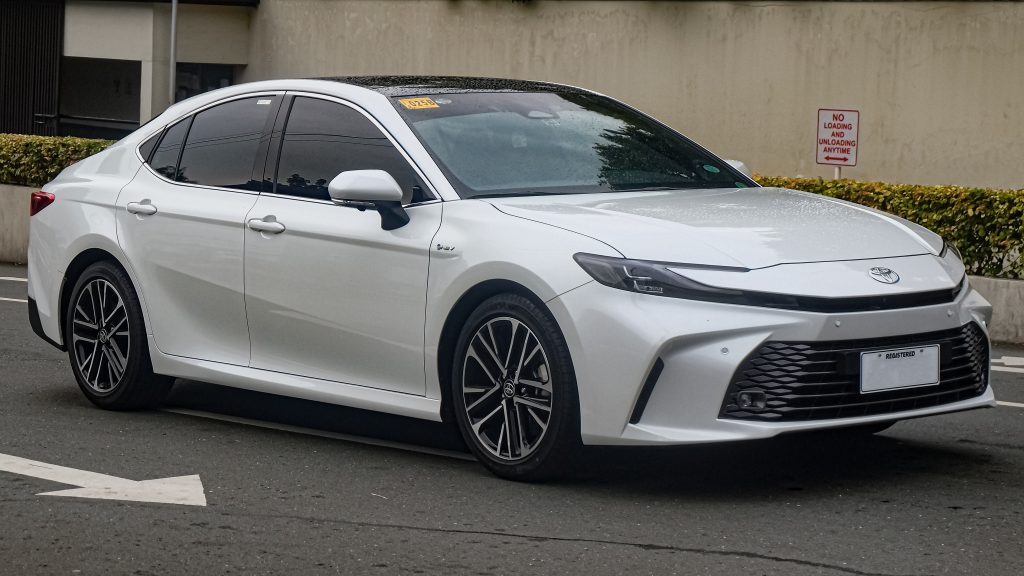
1. Toyota Camry (2012–2017)
The Toyota Camry from this generation built its reputation not through excitement but through consistency. Its six speed automatic transmission reflects Toyota’s long standing philosophy of prioritizing reliability over complexity.
Owners who value durability often point toward this model because it avoids unnecessary complications while delivering predictable performance year after year.
What makes this transmission stand out is its conservative tuning. Shift behavior is designed to reduce internal stress rather than chase sporty driving feel. This approach reduces heat buildup and helps clutch packs last longer. Many high mileage examples show that this careful engineering approach pays off over time.
Maintenance simplicity is another reason this car frequently appears on long life vehicle lists. Fluid changes are straightforward and do not require unusual procedures. Independent repair shops are extremely familiar with this transmission, which means labor costs usually remain reasonable compared to more complicated gearboxes.
A different strength comes from how the transmission pairs with Toyota’s naturally aspirated engines. Because these engines deliver smooth and predictable power, the transmission avoids harsh load changes that can shorten lifespan. This balanced pairing contributes heavily to the reputation for reaching very high mileage.
Long term owners often report that problems tend to appear gradually rather than suddenly. Minor shift delays or slightly firmer gear changes usually appear before any major repair becomes necessary. This gives attentive owners time to address issues before they become expensive failures.
The Camry may not be exciting, but it demonstrates how thoughtful engineering can create vehicles that quietly build trust over time. Buyers looking for a used car focused on long term dependability rather than novelty often find this generation particularly reassuring.
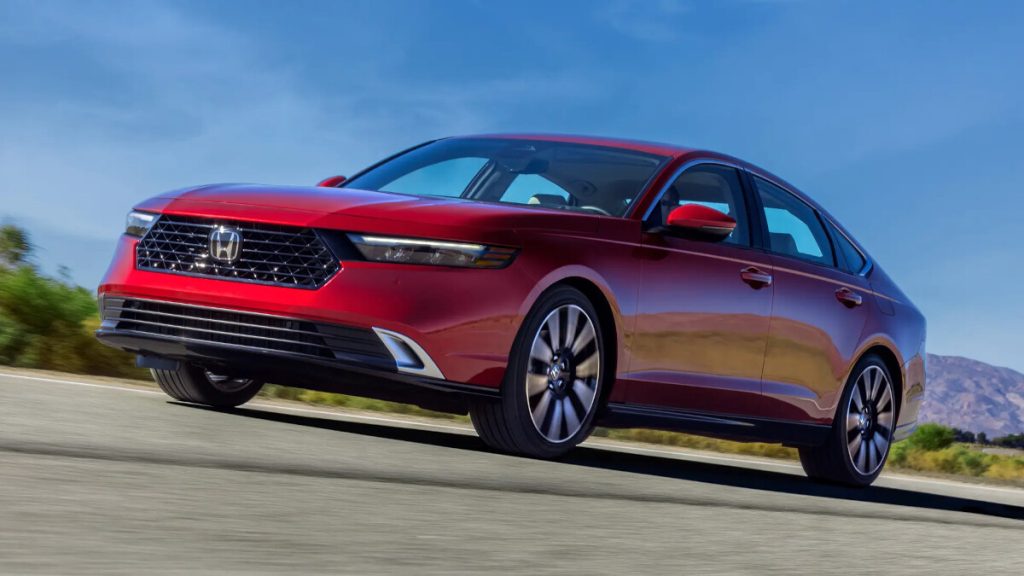
2. Honda Accord (2013–2017)
The Honda Accord takes a slightly different path toward durability. While still known for reliability, its six speed automatic transmission focuses on balancing efficiency with smooth daily usability. Honda engineered this gearbox to work seamlessly with its engines, helping reduce unnecessary strain during daily commuting conditions.
One factor that helps this transmission reach high mileage is its shift logic. The programming emphasizes gradual engagement and controlled torque delivery rather than abrupt gear changes. This reduces wear on internal friction materials and helps maintain smooth operation even as mileage increases.
Cooling efficiency also contributes to long life. Honda paid attention to thermal management, ensuring that the transmission operates within safe temperature ranges during extended highway driving. This becomes important because excessive heat is one of the main causes of automatic transmission wear.
The Accord also benefits from strong owner communities and widely available service knowledge. Because so many units were sold, common maintenance practices are well documented. This reduces the chances of incorrect servicing and helps owners make informed maintenance decisions.
Another strength is how the vehicle communicates early warning signs. Instead of sudden failure, aging transmissions often begin showing slightly different shift timing or responsiveness. Owners who respond early with fluid servicing often manage to extend lifespan significantly.
For buyers searching for a used sedan capable of extremely high mileage, the Accord presents a strong balance between refinement and mechanical simplicity.
It shows that reliability does not have to come from basic design alone but can also result from careful calibration and thoughtful engineering decisions.
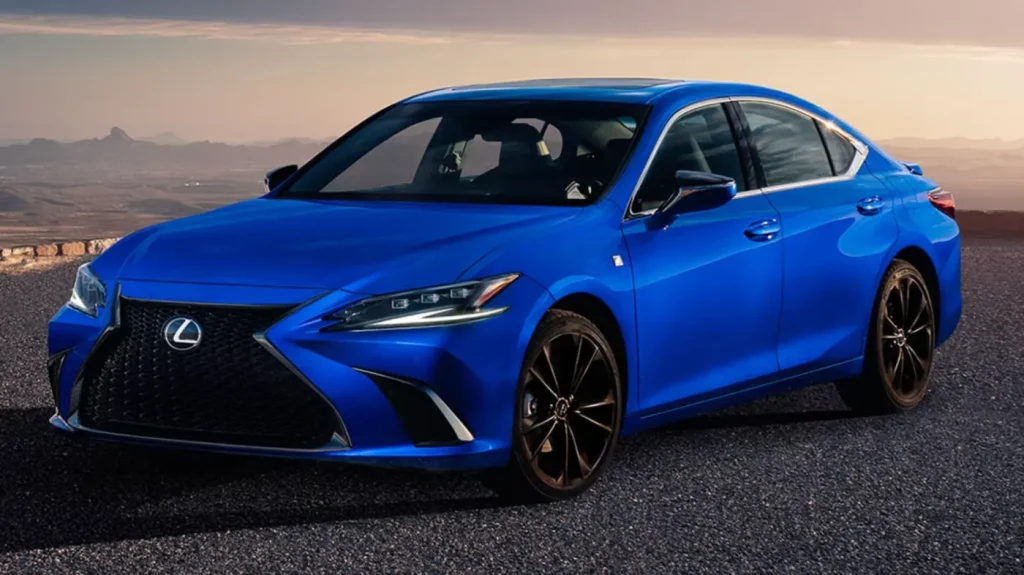
3. Lexus ES 350 (2013–2018)
When discussing long lasting automatic transmissions, the Lexus ES 350 often enters the conversation because it combines Toyota engineering with an additional focus on refinement. Its six speed automatic does not attempt to feel sporty or aggressive. Instead, it operates to reduce mechanical stress and maintain smoothness over very long ownership periods.
What separates this car from many others is the way durability is built into the ownership experience rather than advertised as a performance feature. The transmission rarely draws attention to itself. Gear changes happen quietly, and the torque converter is tuned to absorb small driveline shocks that might otherwise shorten internal component life.
Another reason these cars frequently cross extremely high mileage is their typical ownership pattern. Many ES models were owned by drivers who valued comfort and routine servicing. This means used examples often come with consistent maintenance histories, which increases the chances of finding well preserved transmissions.
Servicing costs also remain manageable compared to other luxury vehicles. While Lexus is considered a premium brand, the mechanical relationship with Toyota means parts availability remains strong. This creates a rare situation where a luxury sedan does not automatically translate into luxury level transmission repair costs.
Instead of focusing on failure points, many discussions about this car focus on what does not go wrong. Internal gearsets, valve bodies, and torque converters often last far longer than expected when fluid changes are performed periodically. This consistency makes the vehicle popular among drivers who want quiet dependability.
There is also a strong reputation among highway drivers. Long distance commuting tends to be easier on traditional automatics, and the ES seems particularly suited to this kind of use. Stable cruising behavior reduces heat cycling and helps preserve internal seals.
The ES 350 shows that durability can also be part of the luxury experience. Rather than exciting the driver with aggressive behavior, it builds confidence by continuing to operate smoothly long after many competitors begin showing transmission fatigue.
4. Mazda6 (2014–2019)
The Mazda6 approaches durability from a different angle. Instead of relying purely on conservative tuning, Mazda engineered its SKYACTIV six speed automatic to combine efficiency with mechanical simplicity. The result is a transmission that feels responsive without introducing unnecessary internal complexity.
Mazda took an unusual approach by designing a torque converter that locks up more frequently than many competitors. This improves fuel efficiency while also reducing heat generated by slippage. Lower heat levels often translate directly into longer fluid life and slower wear of internal friction materials.
Another advantage appears in how Mazda avoided overcomplicating the design. While many manufacturers moved toward highly complex transmission programming, Mazda focused on keeping the hydraulic control systems straightforward. This reduces the number of electronic components that might fail as the vehicle ages.
Owners often describe the transmission as feeling closer to a well tuned manual in responsiveness, yet without sacrificing the reliability benefits of a traditional automatic. This balance helps attract drivers who want both engagement and longevity without moving into performance car maintenance territory.
The vehicle also benefits from relatively low ownership costs outside the transmission. Because engine and cooling system reliability also influence transmission lifespan, the overall mechanical stability of the Mazda6 helps the gearbox avoid the cascading problems sometimes seen in less balanced designs.
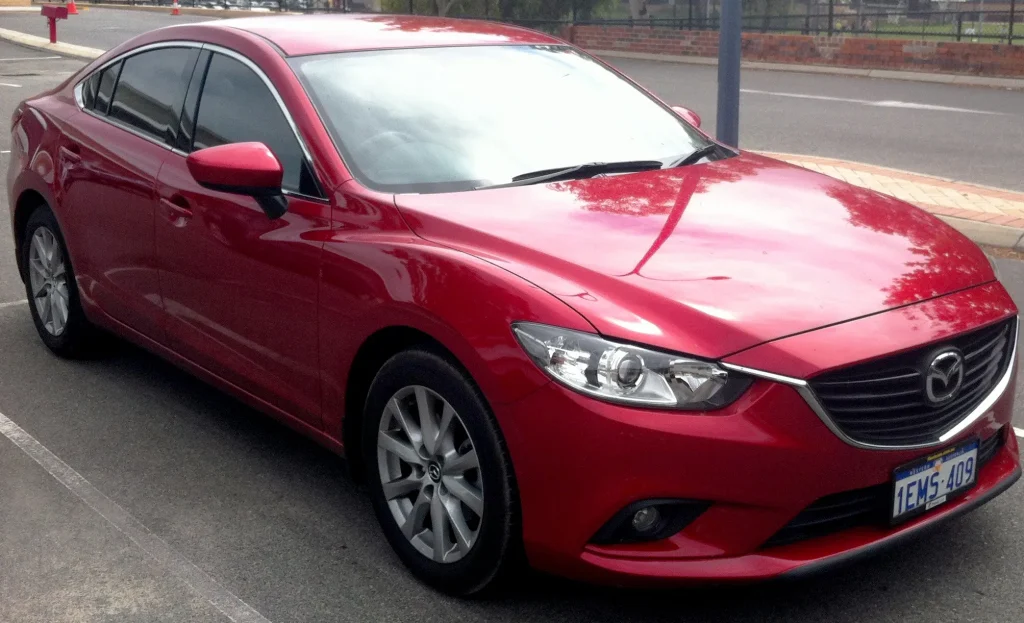
A different point worth noting is the car’s appeal among practical enthusiasts. These are drivers who enjoy maintaining their vehicles properly. As a result, many used examples come from owners who followed maintenance schedules carefully, which improves the odds of finding durable transmissions.
The Mazda6 proves that durability does not require boring design. It shows that thoughtful engineering can produce a car that feels enjoyable to drive while still delivering the kind of long term reliability that used car buyers value most.
5. Toyota Highlander (2014–2019)
Some vehicles earn their durability reputation not because they are simple sedans, but because they successfully handle heavier daily responsibilities without major mechanical complaints.
The Toyota Highlander is one such example. Built as a family SUV, it uses a six speed automatic transmission designed to manage weight, passengers, and cargo without pushing the gearbox to its limits.
A major reason this transmission survives long term use is its conservative stress margins. Toyota engineered the gearbox to handle more load than most owners will ever demand. Because of this, when the vehicle is used for normal commuting rather than constant towing, internal wear tends to progress slowly.
Another advantage comes from the torque converter design. Smooth engagement helps reduce driveline shock when accelerating from a stop. This matters in SUVs because sudden stress from heavy launches can shorten transmission life if not properly managed. The Highlander instead focuses on gradual power delivery.
Many long term owners also highlight how predictable the vehicle feels even after years of use. Instead of developing erratic behavior, aging examples usually maintain familiar shift patterns. When changes do occur, they are often corrected through fluid service rather than requiring major mechanical work.
The Highlander also benefits from strong parts circulation due to shared components with other Toyota vehicles. This makes repairs less intimidating because transmission parts remain widely available. Mechanics rarely consider it a difficult unit to service compared to more complex modern designs.
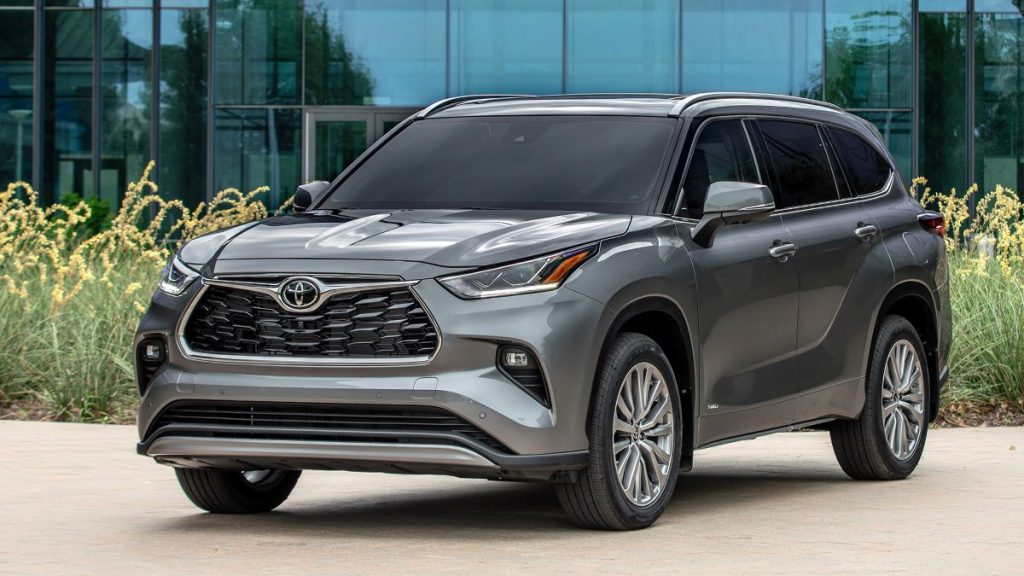
Another factor supporting longevity is how the vehicle is typically driven. Most examples spend their lives as family transport rather than performance machines. This means fewer aggressive launches and less exposure to harsh driving conditions that normally accelerate wear.
Cooling system stability is also part of the story. A transmission cannot last long if heat is not managed well, and Toyota’s approach to thermal management helps the gearbox maintain consistent operating temperatures even during summer traffic or long highway trips.
The Highlander shows how durability often comes from overengineering for real world use. It may not attract attention for performance, but its quiet ability to continue operating past very high mileage makes it a practical long term ownership choice.
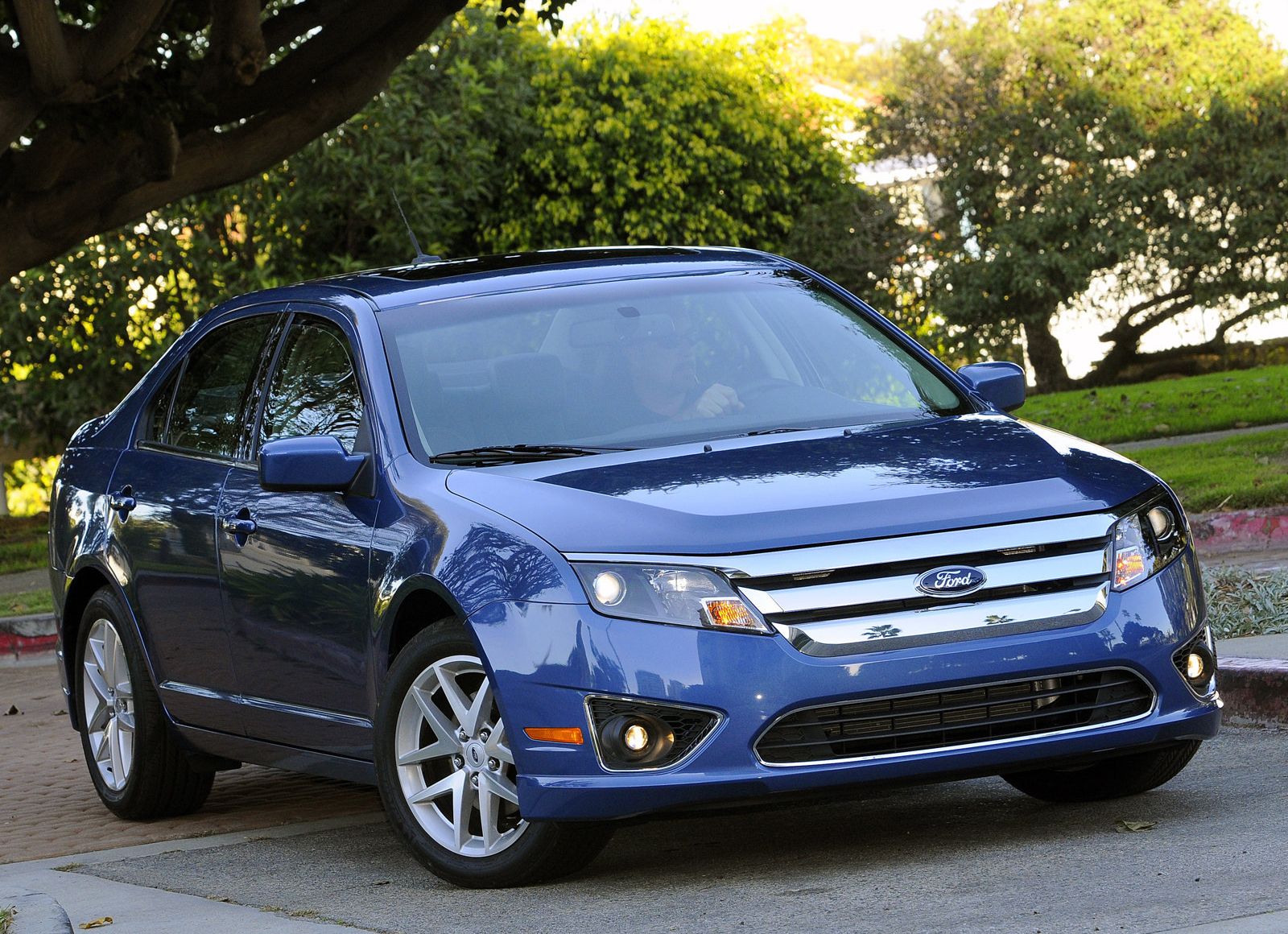
6. Ford Fusion (2013–2020)
The Ford Fusion presents a different durability case because it comes from a manufacturer not always associated with ultra high mileage transmission stories. Yet models equipped with the conventional six speed automatic have shown surprising long term resilience when properly maintained.
One reason is the widespread use of this transmission across multiple Ford and Lincoln vehicles. Because it was produced in high numbers, the design benefited from continuous improvements and widespread service knowledge. This often helps long term reliability because problems become well understood and easier to address.
Instead of focusing on luxury smoothness alone, the Fusion transmission balances durability with efficiency. Gear ratios are spaced to avoid unnecessary shifting during steady driving. This reduces internal cycling and helps preserve clutch material over extended ownership periods.
Some owners point to the importance of early fluid servicing even though the transmission was sometimes marketed as low maintenance. Those who replaced fluid before problems appeared often report significantly better long term results compared to those who waited for symptoms.
A different strength appears in repair accessibility. Unlike some tightly packaged modern sedans, the Fusion allows reasonable access for transmission servicing. This reduces labor time and helps keep repair bills from becoming excessive if work becomes necessary.
The car also developed a quiet reputation among fleet users. Vehicles used for business travel often accumulate high mileage quickly. The fact that many Fusions survived this kind of use helped demonstrate the practical durability of the transmission when subjected to constant driving.
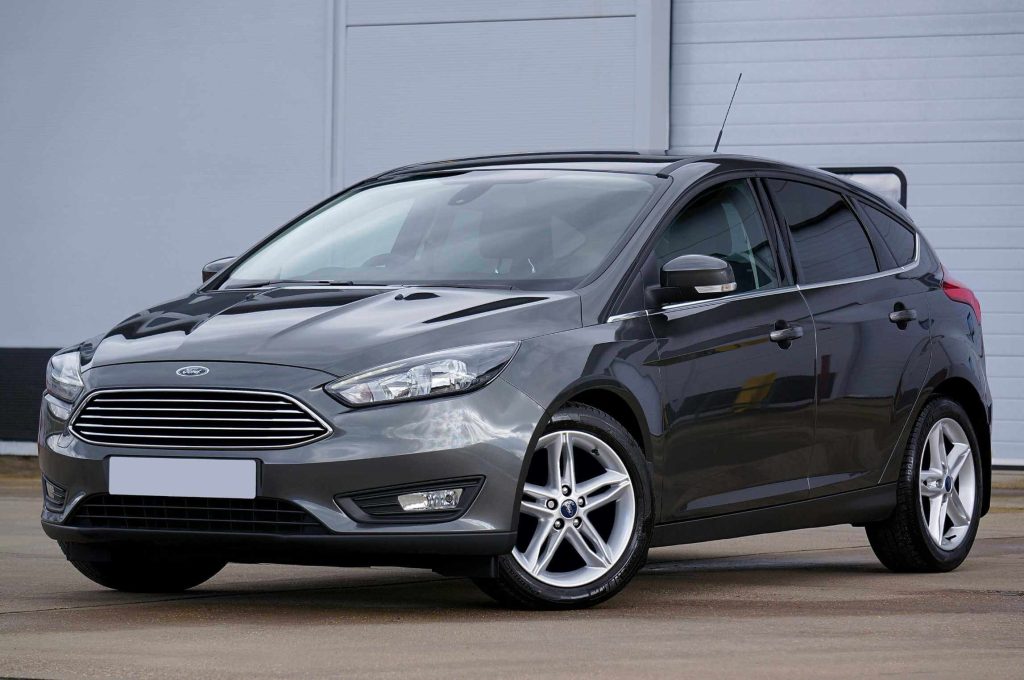
Driver behavior also plays a role here. The Fusion tends to attract practical drivers rather than aggressive enthusiasts. This indirectly helps the transmission because calm driving habits usually translate into longer component life.
The Fusion proves that durability can sometimes come from refinement of an existing design rather than revolutionary engineering. With reasonable care, its six speed automatic has shown it can remain dependable far beyond what many used buyers might initially expect.
7. Chevrolet Impala (2014–2020)
The Chevrolet Impala represents a category of cars that quietly built reputations through real world endurance rather than enthusiast attention.
Its six speed automatic transmission was designed for smooth highway travel and daily commuting reliability, and this focus helped many examples reach extremely high mileage without transmission drama becoming part of the ownership story.
One element that works in its favor is how relaxed the transmission behaves in normal driving. Instead of constantly hunting for gears, the programming favors stability. This reduces unnecessary internal movement, which helps friction components maintain their integrity over longer distances.
The transmission also benefits from being paired with engines that deliver steady torque rather than sudden spikes. This type of predictable power delivery is easier on planetary gearsets and clutch packs. When the drivetrain works in harmony like this, durability often follows naturally.
Another interesting aspect of the Impala’s long life reputation comes from how often it was used for highway driving. Many were purchased by drivers who valued comfort during long commutes. Highway miles generally create less wear than constant city stop and go use, which indirectly supports transmission longevity.
Looking at maintenance patterns tells another part of the story. Owners who simply kept up with basic fluid servicing often found that the transmission did not demand much additional attention. It rarely developed the kind of complicated electronic issues seen in more experimental gearbox designs.
The availability of affordable replacement parts also plays a role. Because this transmission family was used across several General Motors vehicles, replacement components remain accessible. Even when repairs are needed, the costs often remain reasonable compared to niche or low production models.
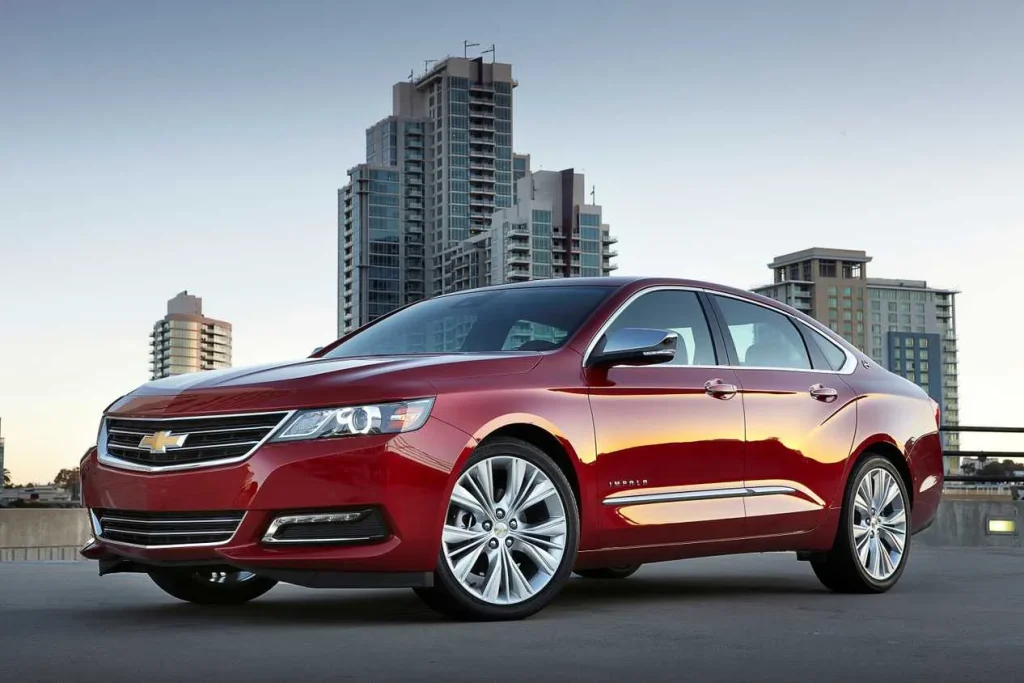
Instead of relying on advanced technology, the Impala shows the value of mature engineering. It proves that sometimes the best way to achieve long life is by refining an existing transmission design until it becomes predictable and dependable.
For buyers seeking a used full size sedan capable of extremely long service life without complex ownership demands, the Impala remains an example of how simplicity and proven engineering can still deliver impressive results.
8. Hyundai Sonata (2015–2019)
The Hyundai Sonata built its reputation by offering strong value along with mechanical designs that focused on practical ownership rather than complexity.
Its six speed automatic transmission reflects this philosophy, showing how a well developed conventional gearbox can support very long service life when paired with sensible engineering choices.
One of the most noticeable strengths is how naturally the transmission adapts to different driving conditions. Whether used in city traffic or steady highway travel, it tends to maintain consistent behavior. This predictability helps reduce unexpected mechanical stress that can shorten lifespan in more aggressively tuned transmissions.
Hyundai also focused on improving internal friction efficiency. Careful material selection and improved lubrication flow help reduce wear rates. While these improvements are not always visible to owners, they play a significant role in helping the transmission survive extended mileage.
Service accessibility is another reason ownership remains manageable. Routine maintenance does not involve unusual procedures, and many independent repair shops are comfortable working on these vehicles. This keeps long term ownership realistic even as the vehicle ages.
A different advantage appears in the evolution of Hyundai’s quality control during this era. By the mid 2010s, the company had invested heavily in improving durability testing. The Sonata benefited from this push, and its transmission reliability reflects that development period.
Many owners also mention how the vehicle rarely develops sudden major transmission faults. Instead, any aging signs tend to appear gradually. This gives attentive drivers the opportunity to respond with maintenance rather than facing unexpected breakdowns.
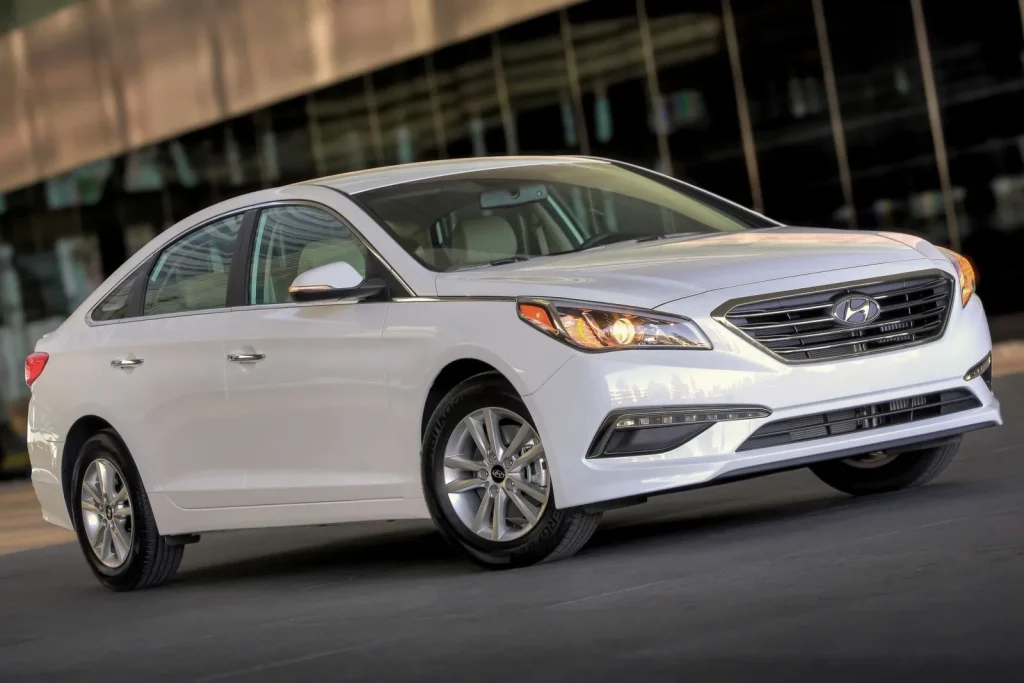
The Sonata demonstrates that long life vehicles do not always need to come from traditional reliability leaders. With careful engineering and continued refinement, Hyundai produced a sedan capable of delivering the kind of long term dependability that used car buyers increasingly look for.
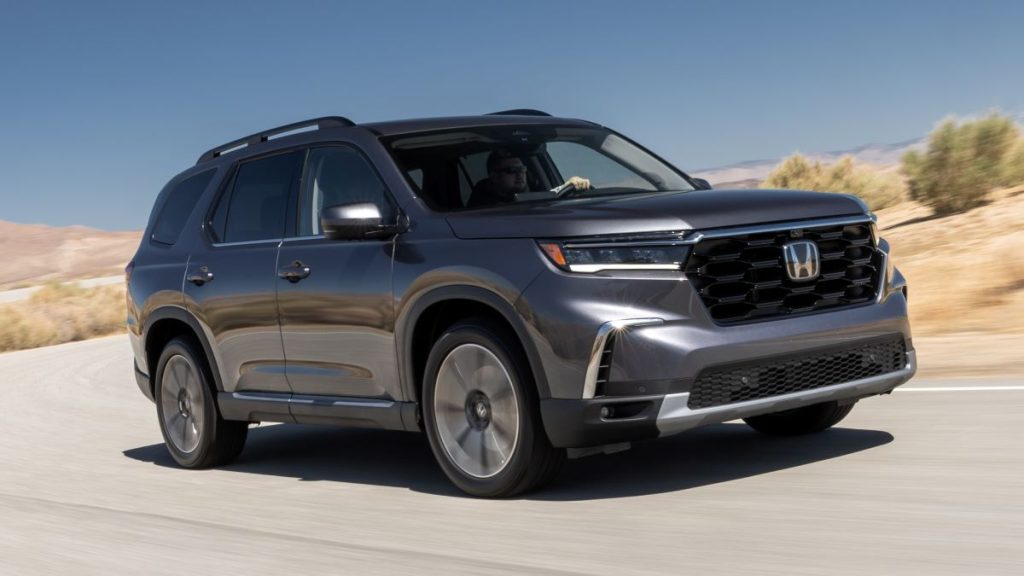
9. Honda Pilot (2016–2022)
Durability discussions often focus on sedans, yet some of the strongest long mileage transmissions exist in midsize SUVs built for daily family duty. The Honda Pilot is a strong example because its six speed automatic transmission was designed to prioritize consistency under load rather than chasing aggressive performance characteristics.
The engineering approach here is centered around controlled stress. Honda designed this gearbox to handle passenger weight, luggage, and long distance travel without placing the internal components under constant strain. Because most drivers never fully utilize the vehicle’s load capacity, the transmission often operates well within its limits.
A different strength appears in how Honda refined the shift behavior for smooth engagement rather than speed. This helps reduce internal friction shock. Over time, that design choice becomes important because small reductions in mechanical stress can significantly influence whether a transmission reaches extremely high mileage.
There is also a pattern seen among high mileage Pilot owners. Many report that the transmission continues operating reliably as long as fluid is changed before contamination builds up. While this sounds basic, it highlights how this gearbox responds well to preventative care rather than requiring complex servicing.
From a mechanical standpoint, the transmission also benefits from strong internal cooling behavior. Heat is one of the biggest long term threats to any automatic gearbox. Honda’s approach to keeping operating temperatures stable contributes directly to extended service life.
The Pilot also has a practical advantage because it was often purchased by owners focused on dependability rather than performance. This typically results in calmer driving habits. Fewer harsh accelerations and less aggressive use often translate into longer clutch and gearset life.
Another overlooked benefit is the strong availability of technical knowledge. Because Honda vehicles are widely used globally, experienced mechanics are rarely difficult to find. This helps ensure that even as the vehicle ages, proper servicing remains accessible.
The Pilot shows how durability sometimes comes from designing a transmission for real life responsibilities rather than impressive specifications. When engineering is focused on long term usability instead of short term excitement, the result is often a vehicle capable of remaining dependable far beyond expectations.
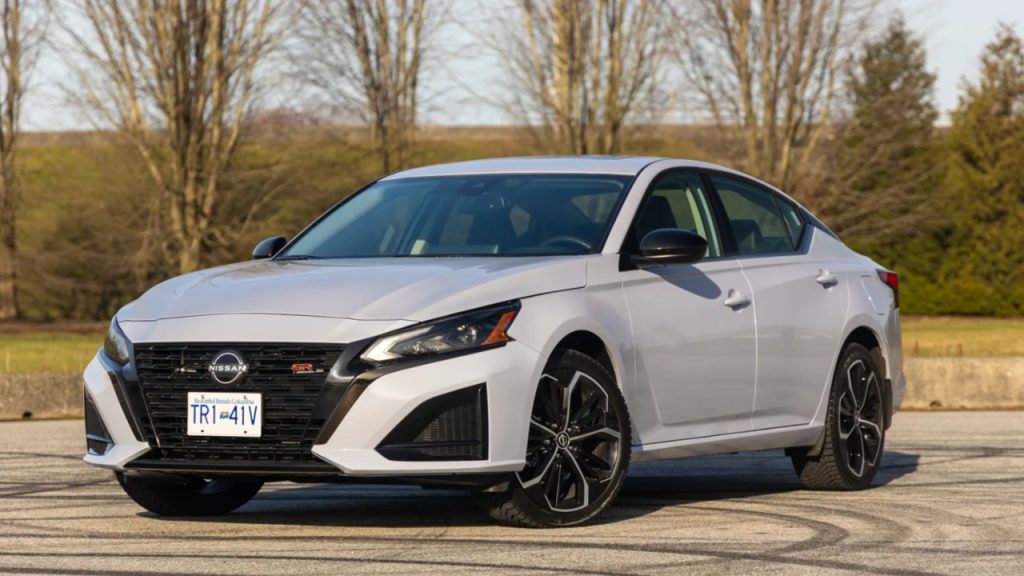
10. Nissan Altima (2013–2018 V6 Automatic Models)
The Nissan Altima is often associated with continuously variable transmissions, yet the V6 equipped versions from this period used a conventional six speed automatic that developed a much stronger long term durability reputation. These models present an interesting alternative for buyers who want Altima practicality without CVT concerns.
What makes this transmission notable is its straightforward mechanical layout. Without the additional complexity of variable pulley systems, the gearbox behaves like a traditional automatic with proven internal architecture. This simplicity tends to support predictable long term maintenance outcomes.
Another reason these versions stand out is how the V6 engine interacts with the transmission. The engine delivers strong but smooth power, which allows the gearbox to operate without sudden torque spikes. Balanced power delivery helps reduce stress on internal clutch packs and planetary assemblies.
A practical ownership benefit also appears in how these vehicles age. Many examples continue operating with minimal transmission complaints when fluid changes are performed at sensible intervals. The transmission does not demand unusual service tools or rare components, which keeps maintenance realistic.
Instead of building its reputation through marketing claims, this version of the Altima earned quiet respect among mechanics. Some technicians consider it one of the more overlooked durable combinations in the midsize sedan segment simply because most discussions focus on the CVT equipped models.
Long distance commuters also contributed to the durability story. Vehicles used primarily for highway driving tend to accumulate mileage in ways that are less stressful mechanically. Many V6 Altimas benefited from this type of use, which helped demonstrate the transmission’s ability to survive extended operation.
Parts availability remains another strong point. Because Nissan produced this transmission in significant numbers, sourcing replacement components has remained relatively manageable compared to more specialized gearboxes.
The V6 Altima proves that sometimes the best used car choices are the ones that avoided controversial technology. By sticking with a conventional automatic in these models, Nissan created a version of the Altima capable of delivering the kind of long service life that practical buyers continue to search for.
Also Read: 10 Common Causes of Overheating in Vintage Engines During Summer