
Snow plowing is one of the harshest real world tests any truck can face because it combines extreme cold, constant stop and go movement, heavy front end loads, and repeated shifting under stress.
Unlike highway driving where transmissions can maintain steady temperatures and predictable shift patterns, plow trucks operate in conditions that constantly challenge durability.
Ice packed roads increase resistance, wet snow adds weight, and repeated directional changes place unusual strain on drivetrain components.
Transmission strength becomes especially important because plow trucks rarely get the luxury of smooth operation. Operators often move forward only a few feet before reversing again, sometimes hundreds of times in a single shift.
This repeated gear engagement generates heat and wear that quickly exposes weak engineering. Trucks chosen for this work usually earn their reputation through years of municipal use, contractor fleets, and private operators who depend on reliability during winter storms.
Another factor that separates snow plow capable trucks from ordinary pickups is how their transmissions manage torque delivery. Pushing dense snow requires low speed power rather than high speed performance.
Strong torque converters, reinforced gear sets, heavy duty clutch packs, and intelligent cooling strategies often determine whether a truck survives multiple seasons or requires expensive rebuilds.
Many of the best plow trucks are not necessarily the newest or most high tech. Some older models earned legendary status because their transmissions were overbuilt with durability in mind.
Others gained popularity because their automatic gearboxes handled abuse without overheating or slipping, even after years of commercial use. Fleet managers often choose trucks based on how rarely their transmissions fail rather than comfort or styling.
This list highlights ten trucks known for having transmissions capable of surviving the punishing routine of snow removal duty. Each one developed a reputation among operators who needed dependable performance in the worst winter conditions.
These trucks are not just strong on paper but proven through years of real work where failure simply was not an option.
Also Read: 10 Modern Transmissions With Easily Accessible Fluid Filters for DIY Service
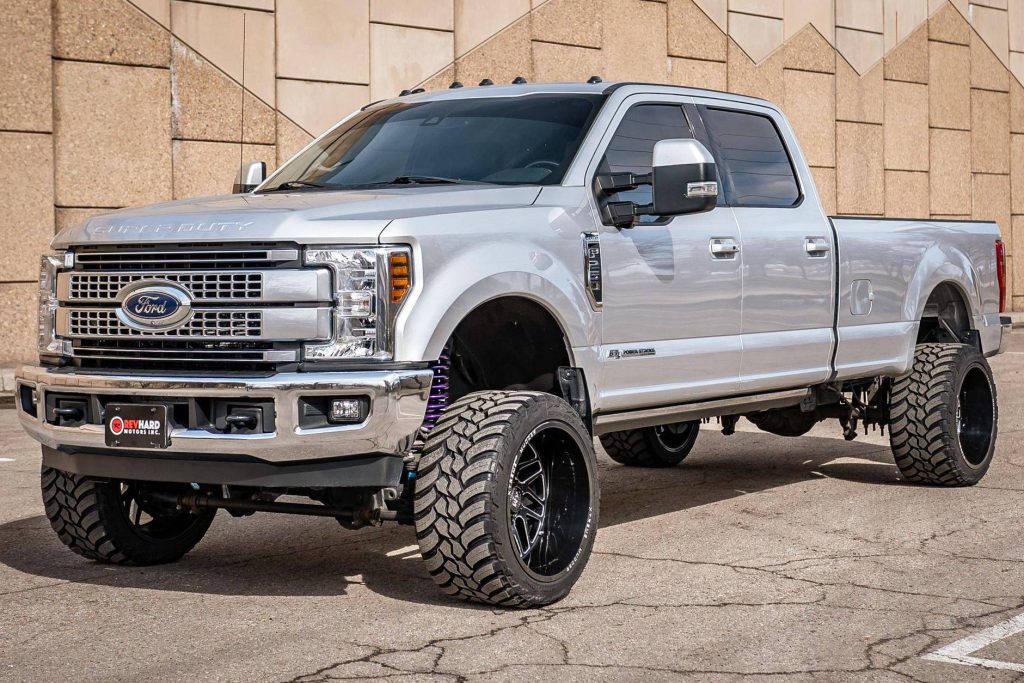
1. Ford F250 Super Duty
The Ford F250 Super Duty built its reputation in snow belt regions largely because of how well its heavy duty automatic transmissions handled commercial workloads.
Models equipped with the TorqShift transmission became especially respected among plow operators because they were designed with commercial usage in mind rather than light consumer driving.
One reason this truck stands out is how its transmission programming supports controlled low speed movement. Snow plowing is less about speed and more about precision.
The ability to apply power gradually while maintaining traction matters more than acceleration numbers. The F250 transmission calibration allowed operators to maintain steady pushing force without sudden gear hunting.
Durability also comes from internal construction. The transmission uses reinforced planetary gear sets and strong clutch materials designed to tolerate frequent directional changes.
This matters because plowing requires repeated shifts between drive and reverse, which is far more demanding than highway miles. Trucks that fail at plowing often do so because their transmissions were never designed for this kind of repeated stress.
Cooling also plays a big role in why many contractors trust this truck. Many Super Duty models included large transmission coolers that helped prevent overheating during long plowing sessions.
Heat is one of the biggest enemies of automatic transmissions, especially when pushing heavy wet snow. Keeping fluid temperatures stable can dramatically increase lifespan.
Another advantage is how well the transmission pairs with Ford’s diesel engines. The torque delivery characteristics allow the truck to push heavy snow loads without excessive throttle input. Lower throttle combined with strong torque reduces unnecessary shifting and limits wear.
Owners often report that with basic maintenance such as fluid changes and proper warm up procedures, these transmissions can survive years of harsh winter use. This reliability helped the F250 become a common sight in municipal fleets and private snow removal businesses.
Instead of relying on marketing claims, this truck earned its place through consistent performance in environments where breakdowns could stop entire operations. That real world dependability is what makes its transmission stand out among serious snow plow operators.
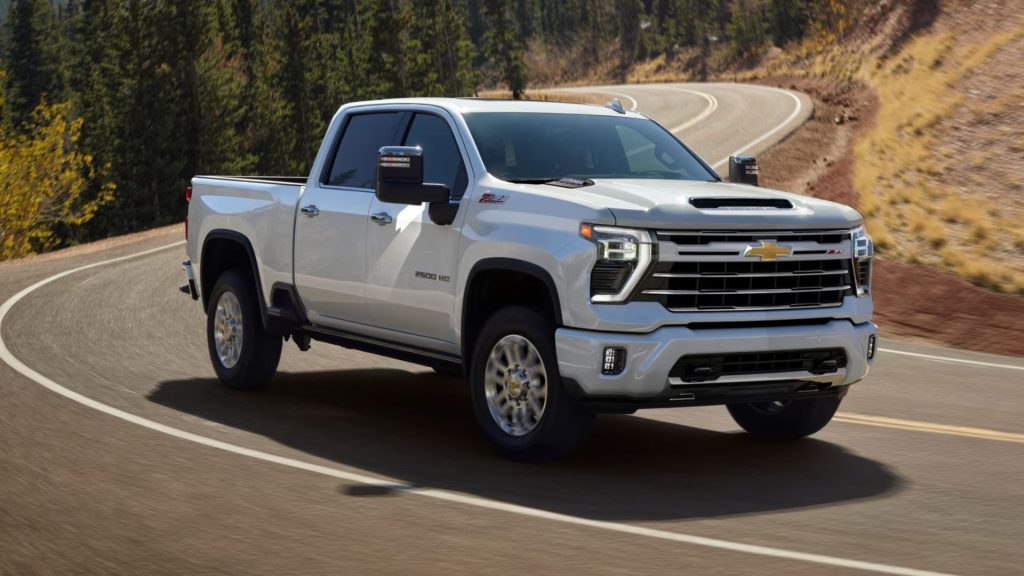
2. Chevrolet Silverado 2500HD
The Chevrolet Silverado 2500HD gained trust among snow removal professionals because of the Allison automatic transmission offered in many heavy duty models. This gearbox developed a strong following not because of advertising but because of how consistently it performed under commercial stress.
What makes this transmission particularly suitable for snow plowing is its adaptive shift behavior. Rather than shifting aggressively, it tends to prioritize smooth engagement, which helps reduce shock loads when changing direction.
Since plow drivers may shift between forward and reverse hundreds of times in a storm, smooth engagement can reduce mechanical fatigue over time.
The Allison transmission is also known for its fluid capacity advantage. Larger fluid volume helps maintain temperature stability, which is critical during extended plowing sessions. Transmission overheating is one of the most common causes of failure in working trucks, and this design helps reduce that risk through better thermal management.
Strength is also evident in how the transmission handles torque multiplication. Snow plowing places unusual resistance on the drivetrain because the truck is constantly pushing against a moving wall of snow. The Silverado’s transmission is designed to distribute this stress across durable internal components rather than concentrating it in one area.
Another detail often appreciated by operators is predictable downshift behavior. When pushing uphill or through packed snow, the transmission responds in a controlled way instead of searching between gears. This makes the truck feel stable and reduces driver fatigue during long work hours.
Contractors also value the long service intervals possible with proper care. When transmission fluid is kept clean and cooling systems remain functional, these gearboxes often last through multiple truck ownership cycles. This has made the Silverado 2500HD a dependable choice in regions where winter work defines a truck’s true value.
Perhaps the biggest compliment comes from fleet operators who repeatedly purchase the same platform. In industries driven by cost efficiency, repeat purchases usually reflect real reliability. The Silverado’s transmission has proven itself not through claims but through years of winter duty where failure would have meant lost income.
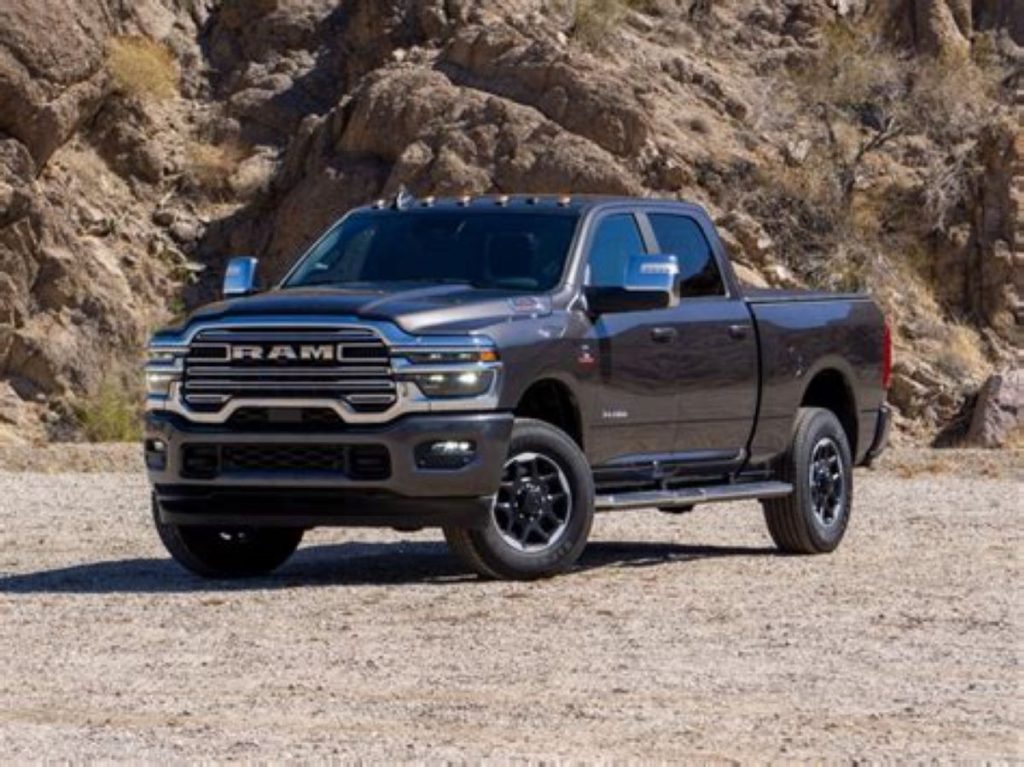
3. Ram 2500 Heavy Duty
When discussing trucks that survive repeated plowing duty, the Ram 2500 often enters the conversation because of how confidently its transmission handles continuous torque loads.
Many heavy duty variants equipped with the 68RFE automatic transmission developed a working class reputation rather than a luxury image, which is exactly what snow contractors tend to value.
What separates this truck is how its transmission behaves when the truck is under constant resistance. Instead of frequent unnecessary shifts, it tends to hold gears longer when pushing heavy snow.
This reduces internal wear because every shift represents friction and heat. By minimizing gear changes under pressure, the transmission preserves its internal components.
Operators often notice how controlled the reverse engagement feels. Since plowing is essentially a forward push followed by a careful reverse reposition, the quality of reverse gear matters just as much as forward drive strength.
The Ram transmission provides a firm but predictable engagement that allows drivers to work confidently without worrying about hesitation.
Another strength comes from how the truck distributes drivetrain stress. The transmission works together with the transfer case and axle gearing to spread load evenly. This coordination matters when pushing uneven snow piles where traction changes quickly.
A transmission that reacts poorly can cause jerking movements, but this setup tends to remain composed.
Instead of focusing purely on specifications, many owners judge this truck based on how it behaves after several winters. Reports often highlight how the transmission continues shifting consistently even after years of plow installation. This consistency is what separates work trucks from casual pickups.
There is also something to be said about how easy it is to maintain. Availability of service parts and widespread familiarity among mechanics makes repairs more manageable if needed. For contractors, downtime is often more costly than the repair itself, so serviceability becomes part of durability.
Rather than relying on a single standout feature, the Ram 2500 earns its place through balanced engineering. It may not always be the flashiest choice, but when winter storms arrive and trucks are expected to perform without excuses, its transmission proves why it remains a trusted tool among snow removal professionals.
4. GMC Sierra 2500HD
The GMC Sierra 2500HD approaches snow plowing durability from a slightly different perspective, focusing on refinement combined with strength. While it shares mechanical similarities with its Chevrolet counterpart, its reputation among some operators comes from how composed its transmission feels even after extended use.
One characteristic that stands out is how the transmission manages creeping movement. Snow plowing often requires the truck to move slowly while maintaining steady pressure on the blade. The Sierra allows this type of controlled crawling without excessive throttle input, which reduces heat buildup and improves long term transmission survival.
There is also an emphasis on stability during unpredictable traction situations. Snow covered surfaces can shift from grip to slip instantly.
The Sierra transmission tends to react smoothly to these changes, preventing harsh shock loads that could damage gears or clutch packs. This makes the truck feel dependable during complex plowing routes such as parking lots.
Another factor worth noting is how the transmission contributes to driver confidence. Long snow removal shifts can last through the night, and operator fatigue becomes a real factor. A transmission that behaves predictably allows the driver to focus on blade positioning and safety rather than worrying about drivetrain behavior.
Some fleet users also appreciate how the transmission interacts with tow haul modes. While originally intended for towing, these settings often improve shift firmness and cooling behavior during plowing. Using these modes strategically can help extend transmission life during winter operations.
Instead of dramatic claims, the Sierra built its standing through quiet competence. Many trucks gain popularity through performance figures, but work trucks gain respect through consistency. In this case, the transmission rarely becomes the weak point, which is exactly what professionals want.

Its presence in contractor fleets is often explained simply. When equipment continues working without creating unexpected repair bills, it tends to stay in rotation.
The Sierra 2500HD transmission has demonstrated that kind of reliability, making it a logical choice for operators who measure value through winters survived rather than features advertised.
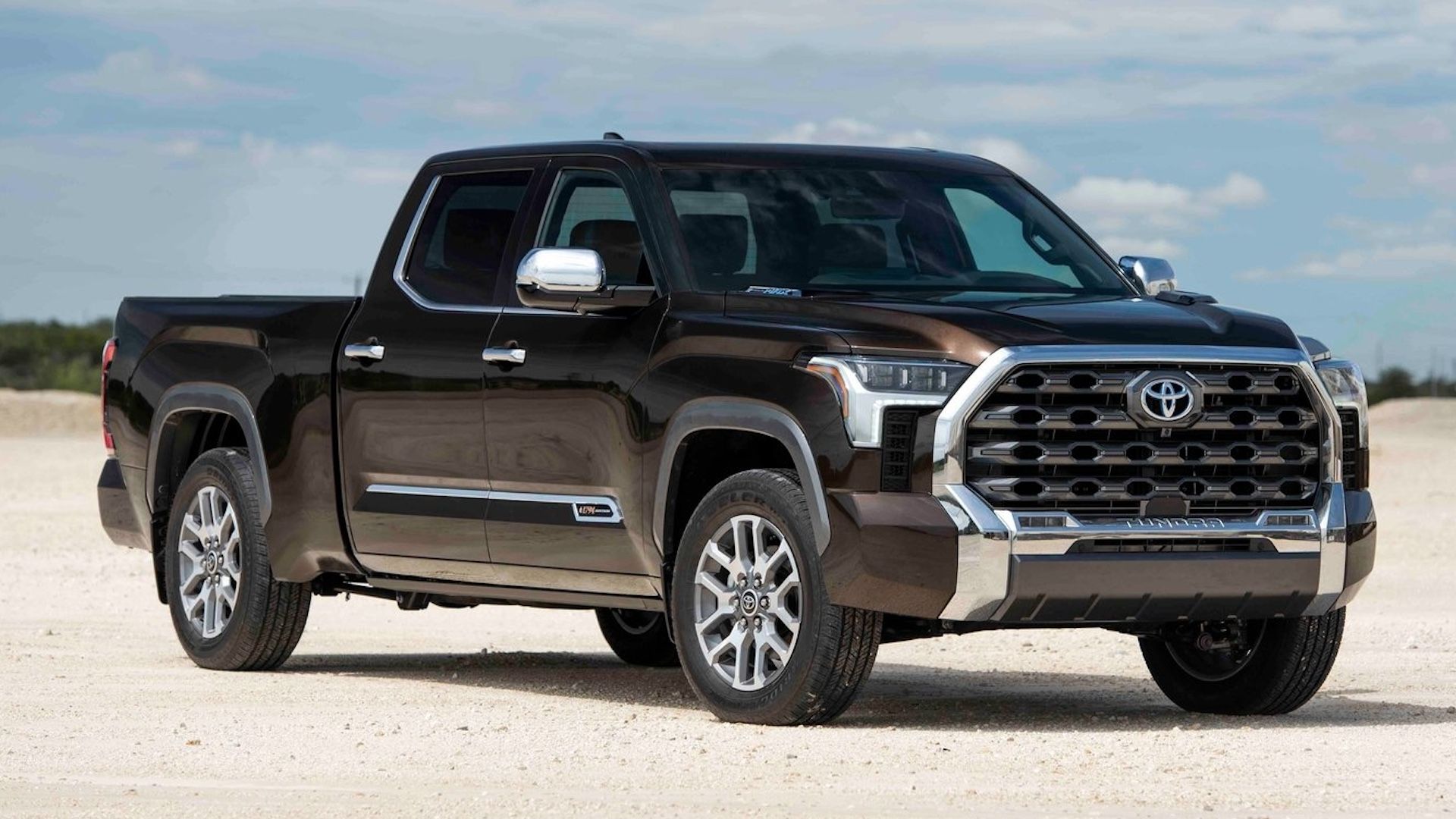
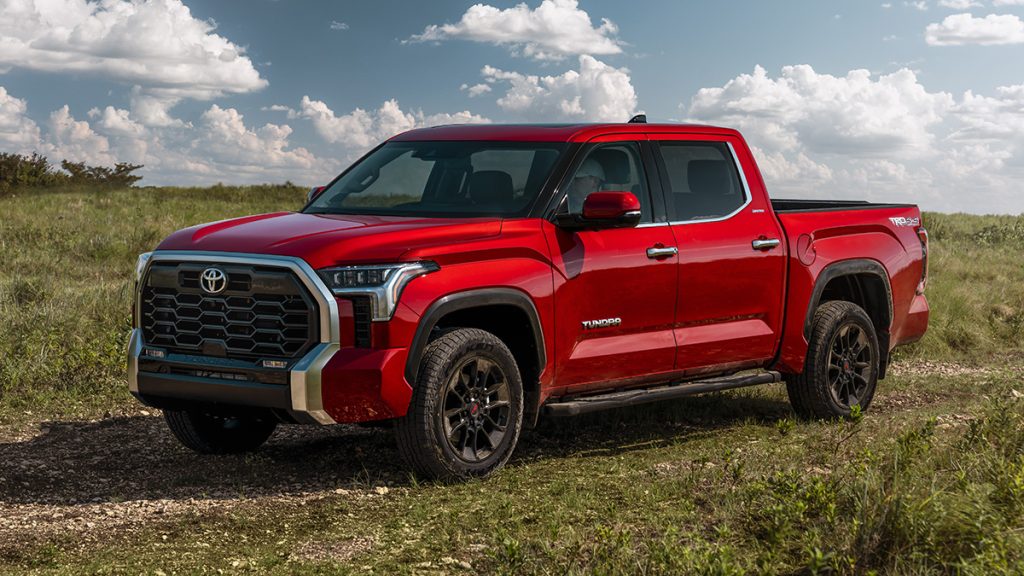
5. Toyota Tundra
Not every truck earns snow plow respect through brute force alone. Some earn it through consistency, and the Toyota Tundra is a strong example of this philosophy. While it is sometimes seen as a lighter alternative compared to traditional heavy duty domestic trucks, its transmission reliability has made it surprisingly capable in long term winter service.
The automatic transmissions used in the Tundra were engineered with a focus on longevity. Instead of chasing aggressive shift performance, the design emphasizes smooth power delivery and reduced internal stress.
For snow plowing, this approach can actually be beneficial because smooth engagement reduces shock loads when the plow hits resistance.
Another reason some operators trust this truck comes from its predictable behavior in cold weather. Extremely low temperatures can thicken transmission fluid and affect shift timing.
The Tundra developed a reputation for maintaining consistent shift quality even during freezing starts, which is important for operators who begin work before sunrise.
Reliability discussions around this truck often highlight something different from torque numbers or gear ratios. Many users simply point out how rarely the transmission becomes a problem. In industries where unexpected failures can cost contracts, dependability often outweighs outright strength.
An interesting advantage is how the transmission responds to moderate plowing rather than extreme commercial abuse. Property managers and smaller contractors often prefer trucks that can handle regular use without requiring constant monitoring.
The Tundra fits this role well because its transmission tends to tolerate repeated seasonal use without developing erratic behavior.
Maintenance culture also plays a role in this truck’s success. Owners who follow fluid replacement schedules frequently report very long service life from the transmission. This supports the idea that engineering plus proper care produces durability rather than relying on strength alone.
Instead of dominating through heavy duty specifications, the Tundra proves that careful engineering and reliability focused design can also succeed in snow duty. Its transmission may not always be the biggest, but its reputation for staying functional year after year gives it credibility where it matters most.
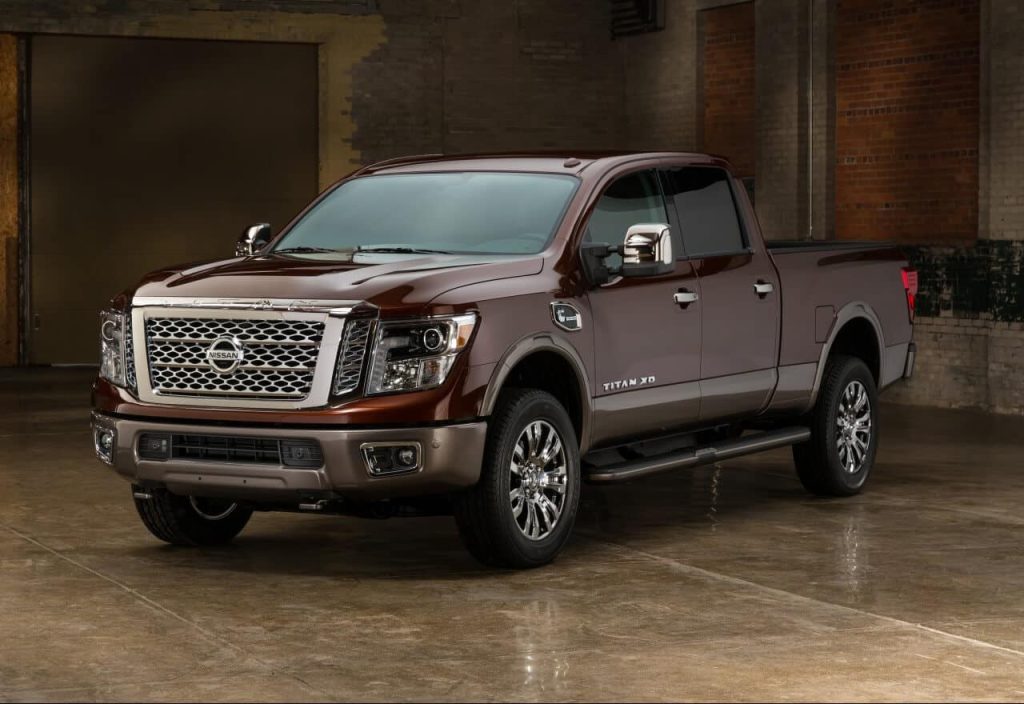
6. Nissan Titan XD
The Nissan Titan XD occupies an interesting middle ground between traditional half ton and heavy duty trucks, and its transmission capability reflects this blended purpose. Designed to handle heavier workloads than typical light duty pickups, it found a place among some snow contractors who wanted strength without stepping into full commercial platforms.
The transmission often discussed in this truck is the Aisin sourced automatic, which is known in multiple industries for durability. This gearbox emphasizes strong internal construction and controlled torque management. For snow plowing, this translates into confidence when pushing heavy accumulations without excessive slipping.
One way to understand the Titan XD transmission is to look at how it behaves under repeated load transitions. Snow removal is rarely smooth work.
The truck may encounter packed snow, loose powder, and icy patches within minutes. The transmission adapts to these changes by maintaining stable gear engagement rather than reacting abruptly.
Cooling performance is another reason this truck makes discussions about plow durability. Heavy duty cooling support helps the transmission survive extended operation. Since plow trucks often run for hours without long breaks, temperature control can determine whether a transmission lasts one season or many.
Driver impressions also provide insight. Some describe the transmission as feeling more like a commercial vehicle than a recreational pickup. This perception comes from firm but controlled shifts that suggest the truck was designed for work cycles rather than occasional hauling.
There is also value in how the transmission pairs with the truck’s frame strength. A transmission can only be as effective as the platform supporting it. The Titan XD benefits from a chassis designed to tolerate heavier stress, allowing the transmission to operate without being overstressed by flex or instability.
Rather than trying to outcompete the biggest heavy duty trucks, the Titan XD built its identity around balanced strength.
Its transmission reflects that mindset by delivering durability suited for repeated winter workloads without unnecessary complexity. This practical balance is why it continues to appear in discussions about dependable snow capable trucks.
7. Ford F350 Super Duty
If snow plowing had a reputation hierarchy based purely on endurance, the Ford F350 Super Duty would sit close to the top.
This truck is often chosen not because it is just capable, but because many operators consider it overqualified for the task. That extra engineering margin is exactly what helps its transmission survive punishing winter workloads.
The transmission strength in this truck comes from its commercial design philosophy. Instead of being engineered around occasional heavy use, it was built assuming the truck would regularly operate near its limits.
This mindset shows up in how the gearbox tolerates heavy plow assemblies, salt spreaders, and additional equipment weight without quickly developing wear symptoms.
Plow operators sometimes describe this truck using a simple phrase. It feels unfazed. That description often relates to how the transmission responds when pushing large snow banks at low speeds. Instead of hesitation or gear confusion, the truck maintains steady movement as if the resistance is expected rather than extreme.
Another interesting advantage comes from how the transmission manages engine braking. During downhill plowing or when controlling speed on icy surfaces, controlled downshifting helps maintain stability. The F350 transmission often provides this control naturally, which helps reduce brake stress and improves vehicle control.
Looking at long term ownership stories also reveals something important. Trucks that work in municipal environments often accumulate extremely high idle hours along with mileage. The F350 transmission has proven capable of surviving this kind of mixed usage where the truck may idle for long periods before immediately returning to heavy pushing.
Rather than focusing on individual features, the true strength of this transmission is how little attention it demands. Operators tend to talk about what does not happen. No overheating warnings, no sudden slipping, and no erratic behavior after long storms. In work equipment, the absence of problems is often the greatest compliment.

This truck demonstrates what happens when a transmission is built with excess capacity rather than minimum requirements. That engineering buffer is what allows it to tolerate the unpredictable and often brutal reality of commercial snow removal work.
8. Chevrolet Colorado ZR2
At first glance, the Chevrolet Colorado ZR2 may seem like an unusual addition to a snow plow discussion because it is smaller than traditional heavy duty choices. However, its transmission durability comes from a different advantage, its off road engineering background.
The transmission in this truck benefits from design priorities intended for difficult terrain. Off road driving and snow plowing actually share some mechanical similarities.
Both involve low speed control, unpredictable traction, and the need for careful torque application. Because of this, the Colorado ZR2 transmission often adapts well to light and medium duty plowing tasks.
One aspect that helps is how the transmission works with the truck’s low speed gearing. The ability to maintain controlled forward motion without constant throttle changes reduces transmission strain. This type of controlled movement is extremely valuable when clearing tight areas such as driveways or narrow access roads.
Durability in this case also comes from weight balance. Because the truck is lighter than full size heavy duty models, the transmission sometimes experiences less total drivetrain stress during moderate plowing. This does not mean it is stronger than larger trucks, but it does mean it can operate efficiently within its intended workload.
Driver feedback often mentions how responsive the transmission feels during repeated maneuvering. Smaller trucks can sometimes feel more agile when clearing complex properties. The Colorado’s transmission complements this by delivering predictable shifts that match careful steering inputs.
Another interesting point is how this truck appeals to private property owners rather than large contractors. For individuals maintaining long rural driveways or small commercial lots, transmission reliability matters just as much as raw pushing power. In these cases, the Colorado ZR2 provides a balance between durability and maneuverability.

Instead of earning its place through size, this truck earns it through adaptability. Its transmission shows how engineering meant for challenging environments can translate effectively into winter work.
It proves that snow plow durability is not always about being the biggest option available but about having the right kind of mechanical resilience.
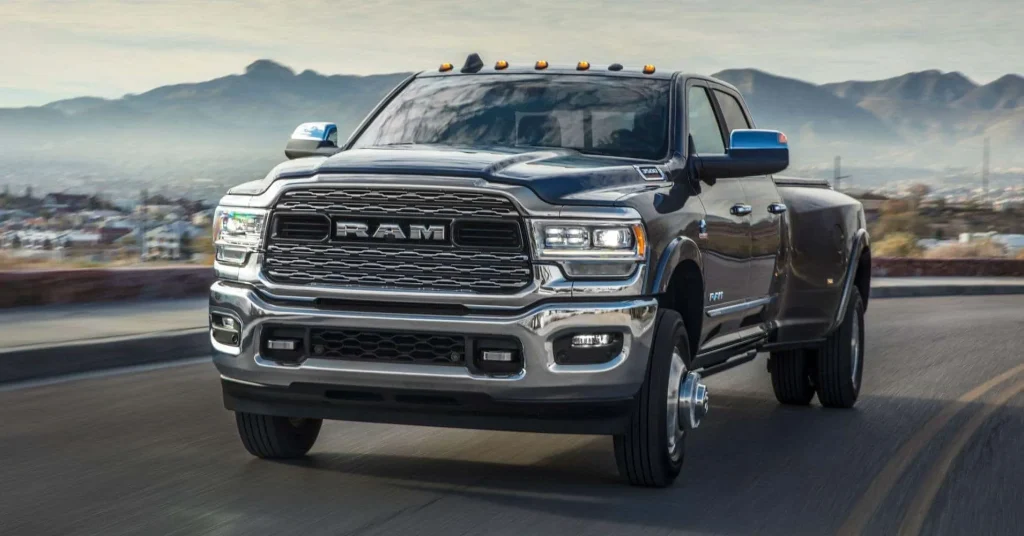
9. Ram 3500 Heavy Duty
Strength sometimes shows itself not through numbers but through the kind of work a machine is trusted to do.
The Ram 3500 is one of those trucks that frequently ends up assigned to the toughest winter assignments, and a large part of that confidence comes from the way its transmission handles extreme operational pressure.
To understand why this truck fits snow plowing duty so well, it helps to look at workload tolerance. Trucks in this class are often expected to carry front mounted commercial plows while also managing rear ballast or salt spreaders.
That combination puts continuous strain on the drivetrain. The Ram 3500 transmission was designed with this type of combined stress in mind rather than occasional heavy use.
What makes this truck particularly interesting is how calmly the transmission responds when the truck meets resistance. When pushing dense roadside buildup left behind by highway plows, many transmissions begin to hunt between gears.
In contrast, this transmission often stays committed to the correct gear, allowing the driver to focus on steering precision instead of mechanical behavior.
There is also a noticeable difference in how the truck handles long duration work. Snow removal rarely happens in short bursts. Storm response can mean ten or even twelve hours of continuous operation. The Ram 3500 transmission shows its value in these situations by maintaining consistent shift feel even after extended use.
Some contractors also point out that this truck feels built for repetition. Snow plowing is repetitive by nature. Push, lift, reverse, reposition, and repeat. The transmission seems comfortable with this routine, maintaining engagement quality even after hundreds of cycles in a single night.
Another strength comes from how this transmission handles torque from diesel engine options. High torque at low speeds allows the truck to move heavy snow without aggressive throttle use. Lower throttle demand means less heat and less wear inside the transmission.
When viewed as a complete system rather than a single component, the Ram 3500 shows why overbuilt drivetrains matter. Its transmission does not just survive plowing. It is part of a platform designed to treat hard labor as normal operation rather than exceptional use.
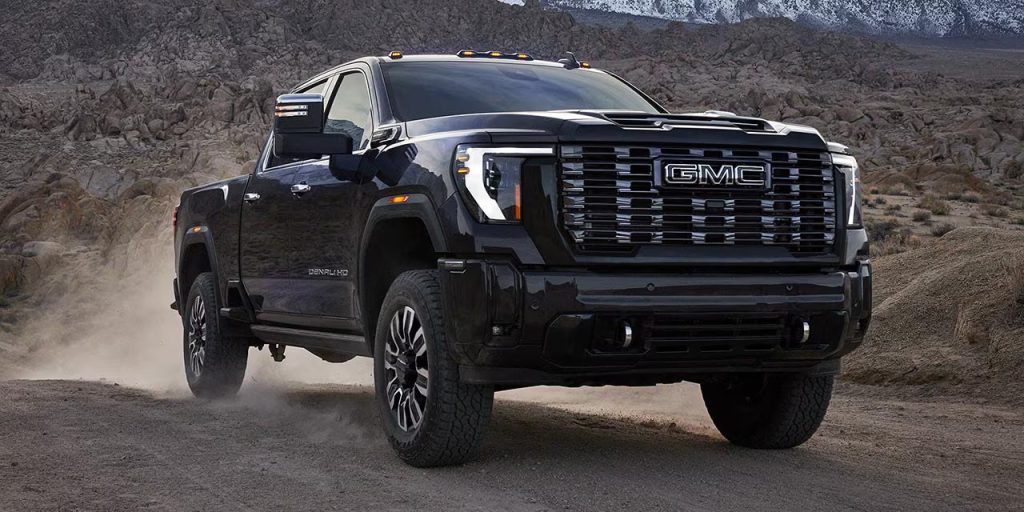
10. GMC Sierra 3500HD
The GMC Sierra 3500HD represents the idea that durability can also come from refinement. While this truck clearly belongs in the heavy duty category, its transmission reputation often comes from how smoothly it delivers its strength rather than how aggressively it does so.
A key part of its snow plow suitability is how the transmission manages controlled force. Pushing snow is not simply about power. It is about applying that power progressively so traction is not lost. The Sierra 3500HD transmission allows gradual torque application, helping the truck maintain grip even when clearing uneven surfaces.
One detail that experienced operators appreciate is how stable the transmission feels during angled plow work. When the blade is positioned to push snow to one side, the truck experiences uneven resistance. A weaker transmission might react with harsh shifts, but this one tends to maintain composure, helping the truck track smoothly.
Another advantage appears during transport between job sites. Snow contractors often travel from one property to another without long breaks. The Sierra transmission transitions well between work mode and road driving, which reduces stress caused by constant changes in driving style.
Thermal control once again becomes part of the story. This truck benefits from strong cooling support that helps maintain transmission fluid integrity during long storms. Stable temperatures help prevent premature wear and protect internal seals and friction materials.
Instead of being known for a single standout specification, this truck is often respected because nothing about the transmission feels weak. This balanced strength is what allows it to survive years of seasonal abuse without becoming a maintenance burden.
Professionals often judge equipment by a simple question. Does it still perform when the conditions are worst. The Sierra 3500HD continues to appear in snow regions because its transmission answers that question with consistent performance rather than promises.
Also Read: 10 Vehicles With Heavy Duty Alternators Built for High Electrical Demands
