
At a time when the automotive industry is rapidly shifting toward automatic transmissions, dual clutch systems, and electric drivetrains, the manual transmission has become something of a rare engineering commitment.
Yet despite this industry wide move toward automation, a few manufacturers still continue to build manual gearboxes designed not just for basic driving, but for serious performance use. These transmissions are not included simply for nostalgia.
They remain because they provide mechanical control, durability, and driver involvement that many enthusiasts still consider unmatched.
Manual transmissions built for hard driving are very different from economy focused manuals of the past. These modern units are designed to handle high torque outputs, aggressive acceleration, track use, and demanding driver inputs.
Reinforced synchronizers, strengthened gearsets, improved clutch materials, and precise shift linkages allow these transmissions to tolerate stress that would quickly wear out lighter duty designs.
One reason these transmissions still exist is driver engagement. Hard driving demands predictability and control. Manual gearboxes allow drivers to select exactly when shifts occur, control engine braking, and maintain power delivery through corners.
This level of control is especially valued by drivers who prioritize performance consistency rather than convenience.
Durability is another major factor. Performance oriented manual transmissions are often built with stronger internal components because they must survive repeated aggressive shifts and high torque loads.
Many of these transmissions are designed with track testing in mind, meaning they must tolerate heat buildup, rapid gear changes, and extended high RPM operation.
Another important advantage is mechanical simplicity compared to many modern automatics. While modern automatic transmissions may have more gears, they also have more complexity. A strong manual transmission often relies on fewer moving parts, which can sometimes improve long term reliability when properly maintained.
Manufacturers that still offer manuals often do so in vehicles aimed at enthusiasts. These vehicles are typically engineered with stronger drivetrains overall, including reinforced differentials, upgraded cooling systems, and performance tuned suspension.
The transmission becomes part of a complete performance package rather than just a gear changing device.
Survival of the manual transmission in 2026 is not accidental. It exists because certain cars still prioritize driver connection and mechanical strength. The vehicles that still offer them tend to be purpose built machines designed for people who value driving as an active experience rather than passive transportation.
The following manual transmission cars stand out not just because they still exist, but because they are specifically engineered to tolerate aggressive use, spirited driving, and long term performance stress.
Also Read: 10 Best Used Cars With Simple 6 Speed Automatics Known for 250000 Mile Durability
1. Toyota GR Corolla
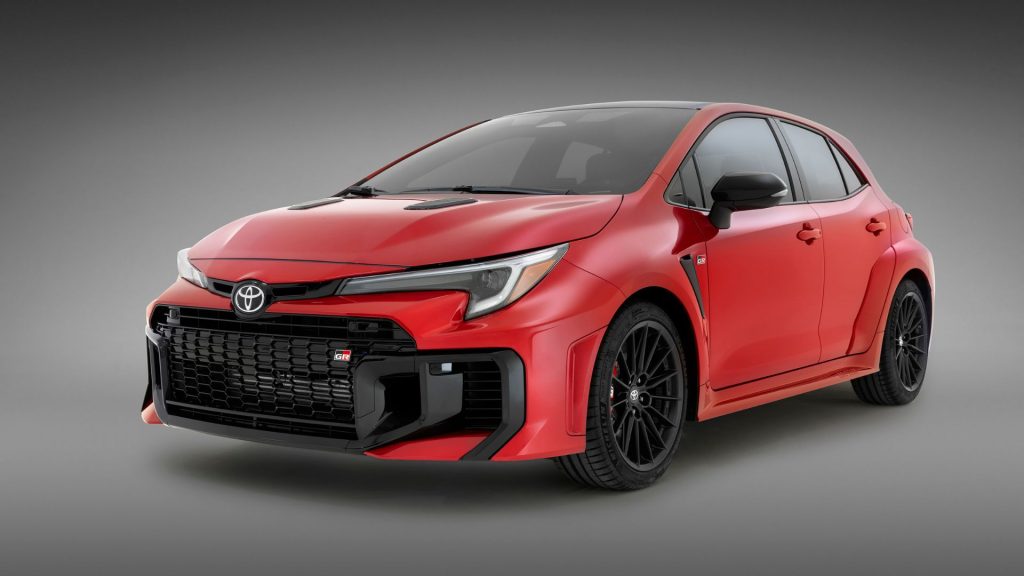
The Toyota GR Corolla represents a modern interpretation of what a durable performance manual transmission should feel like. Rather than adapting a basic gearbox for performance duty, this car was engineered from the beginning with motorsport durability in mind.
The six speed intelligent manual transmission included in this platform reflects lessons learned from rally racing where drivetrain components must tolerate repeated shock loads.
One of the most noticeable characteristics is shift precision. The transmission provides a short, mechanical shift feel that communicates directly with the driver. Instead of feeling isolated or rubbery, each gear engagement feels deliberate.
This kind of tactile feedback is important during aggressive driving because it allows the driver to confidently execute fast shifts without uncertainty.
Strength is another defining trait. The gearbox is built to handle the turbocharged engine’s torque output without sacrificing reliability. Reinforced gears and improved synchronizer materials help the transmission tolerate aggressive shifting that might cause premature wear in lighter designs.
Cooling also plays a role in hard driving durability. When driven aggressively, transmissions generate heat through friction and gear loading.
The GR Corolla’s drivetrain is designed with performance use in mind, meaning heat management was considered during development. This allows the transmission to maintain consistent performance even during demanding use.
The clutch system also contributes to durability. Performance manuals often use stronger clutch assemblies designed to tolerate repeated engagement under high load. This ensures the transmission can continue operating predictably even when driven enthusiastically.
Another factor that makes this transmission suitable for hard use is rev matching technology. While purists may choose to shift manually without assistance, the available automatic rev matching system helps maintain drivetrain balance during aggressive downshifts. This reduces shock loading on gears and helps extend component life.
Driver confidence is also improved by the predictable engagement point. When a transmission responds consistently, drivers are less likely to make mistakes that cause unnecessary wear. This predictability becomes especially valuable during spirited driving where rapid decisions matter.
Unlike some performance cars that treat the manual as a secondary option, this transmission feels central to the car’s identity. The gear ratios are chosen to keep the engine in its power band, encouraging performance use rather than casual commuting.
Long term durability also depends on how well a transmission tolerates driver variation. Not every driver shifts perfectly every time. A strong manual transmission must survive occasional imperfect shifts without developing immediate problems. The GR Corolla gearbox shows this kind of resilience.
Another advantage comes from the structural rigidity of the drivetrain mounting. Reduced drivetrain flex helps maintain alignment between gears during heavy load situations. This contributes to long term reliability.
This transmission also benefits from modern material science. Advances in metallurgy allow gears to be both strong and resistant to fatigue. This helps the transmission maintain performance even after repeated stress cycles.
In practical terms, what makes this transmission suitable for hard driving is not just strength but consistency. Drivers can push the car repeatedly without feeling like the transmission is becoming unpredictable.
The GR Corolla demonstrates that modern manual transmissions can still be engineered for drivers who demand durability under aggressive conditions.
2. Honda Civic Type R
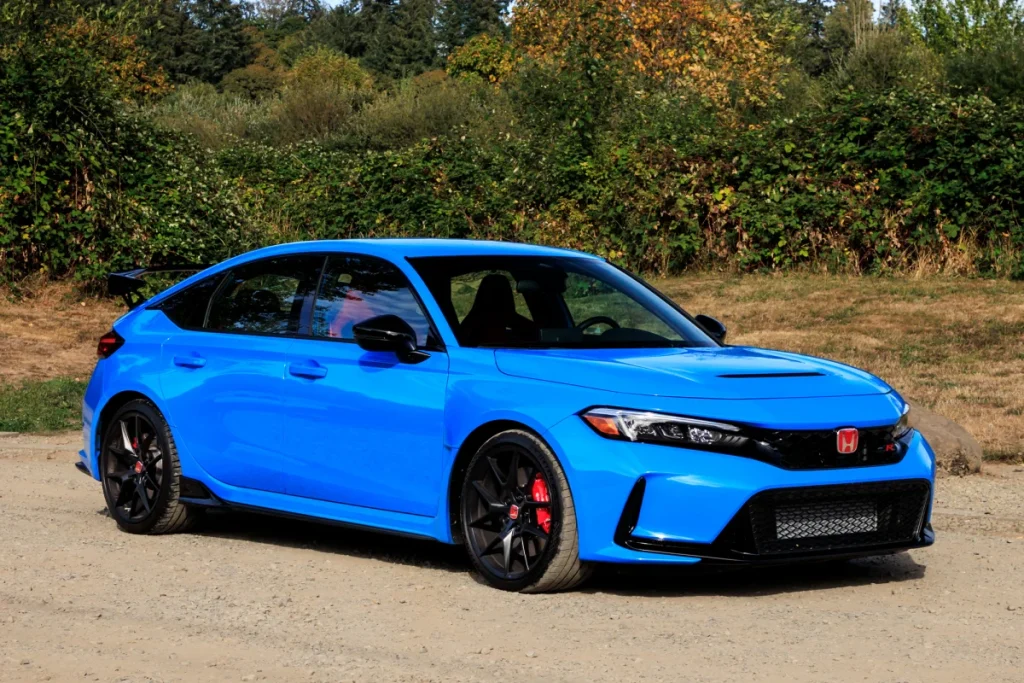
The Honda Civic Type R continues to stand as one of the strongest arguments for why the manual transmission still belongs in performance driving. Its six speed manual transmission has built a reputation not just for precision but also for its ability to withstand repeated aggressive use without losing refinement.
One of the most defining characteristics is its mechanical smoothness combined with structural strength. Many performance transmissions sacrifice refinement for durability, but this gearbox manages to deliver both. The shift action feels light yet extremely precise, which reduces driver fatigue during repeated spirited driving.
Shift accuracy becomes extremely important when driving hard. Missed shifts can cause mechanical damage or loss of momentum. The Type R transmission includes a highly refined shift gate design that makes gear selection extremely clear. This clarity helps drivers maintain accuracy even during rapid driving situations.
Another reason this transmission stands out is synchronizer quality. Strong synchronizers are essential for managing gear speed differences during quick shifts. The materials used here are designed to tolerate repeated high RPM shifting without rapid degradation.
Heat resistance also plays a major role in why this transmission survives aggressive use. Hard driving produces significant thermal stress. The Type R transmission is designed to maintain smooth operation even when temperatures increase, which is essential for drivers who participate in track days or extended spirited driving.
A unique advantage comes from the rev match control system. This feature automatically adjusts engine speed during downshifts, helping maintain drivetrain stability. While experienced drivers may not require assistance, this technology helps reduce unnecessary drivetrain shock, which contributes to component longevity.
Another important strength is the clutch pedal tuning. The engagement point is predictable and progressive. This makes it easier for drivers to manage launches and aggressive shifts without placing unnecessary shock loads on the gearbox.
Structural rigidity again plays a role. The transmission casing is designed to resist flex under load. Reduced flex helps gears remain properly aligned even under high torque conditions. Proper alignment reduces wear and improves durability.
Driver feedback is another area where this transmission excels. The tactile feel through the shift lever allows drivers to sense gear engagement quality. This helps drivers naturally adjust their technique to reduce wear.
Gear ratios also contribute to hard driving suitability. The ratios are selected to maximize acceleration while maintaining engine responsiveness. This encourages performance use while maintaining mechanical balance.
Another factor is how well the transmission tolerates repeated fast shifts. Some manual gearboxes begin to feel vague after extended aggressive use. The Type R maintains consistent shift feel even after repeated stress, which indicates strong internal design.
Longevity also depends on how well a transmission tolerates repeated clutch engagement under load. The Type R system is engineered to manage these stress cycles without rapid deterioration.
This transmission shows that performance durability does not have to come at the cost of precision. It remains one of the best examples of how modern manual transmissions can be engineered for serious driving demands.
3. Ford Mustang GT
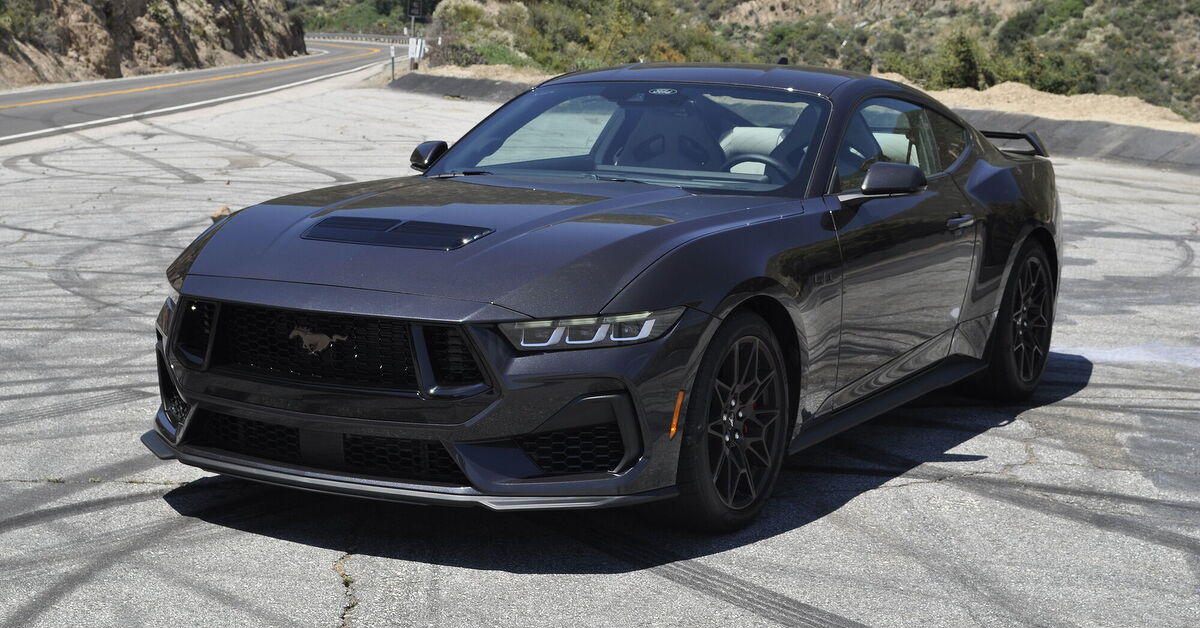
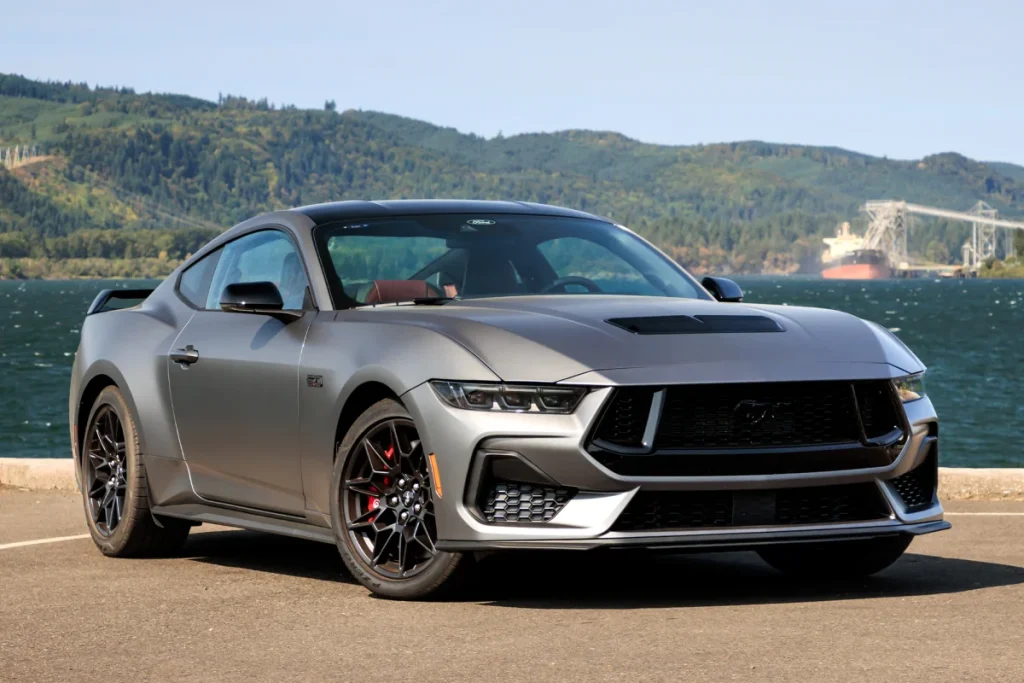
Some manual transmissions are built to be delicate and precise, while others are built to tolerate brute force. The six speed manual available in the Ford Mustang GT clearly belongs in the second category. This transmission reflects the philosophy of traditional muscle cars where strength and torque tolerance are just as important as shift feel.
What immediately separates this transmission from lighter performance manuals is the way it handles torque delivery. The naturally aspirated V8 produces strong low end power, which places continuous load on the gearbox even during normal acceleration.
A transmission that survives this environment must be built with strong gears, durable shafts, and synchronizers capable of handling repeated force.
Hard driving in a Mustang often involves rapid acceleration rather than delicate cornering precision. This creates a different kind of stress compared to smaller performance cars. Instead of constant high RPM shifting, the transmission must tolerate sudden torque spikes. This type of load tests gear strength more than shift speed.
Another important factor is shift fork durability. Under aggressive driving, shift forks must guide gears into engagement while resisting deformation. The Mustang manual transmission uses robust internal hardware designed to prevent misalignment even under repeated aggressive shifts.
The clutch system also plays a major role. A performance clutch must balance grip and control. Too aggressive and it becomes difficult to drive smoothly. Too soft and it cannot hold torque. The Mustang achieves this balance by using a clutch capable of handling repeated launches while still allowing controlled engagement.
One interesting strength is how this transmission tolerates imperfect driving inputs. Hard driving does not always mean perfect technique. Drivers may occasionally shift slightly late or apply uneven clutch pressure.
A transmission designed for performance must tolerate these situations without immediate wear. The Mustang gearbox demonstrates this type of resilience.
The weight of the vehicle also adds stress. A heavier performance car places greater load on the drivetrain during acceleration. This means the transmission must be built to handle not just engine torque but also vehicle mass resistance.
Another characteristic that supports durability is gear engagement feel. Instead of extremely short throws, the Mustang uses a slightly more mechanical shift action. This reduces the chance of accidental mis shifts during aggressive use.
Cooling capacity is also important. Aggressive driving generates heat not only in the engine but also in the transmission. The drivetrain is engineered to tolerate extended periods of performance driving without rapid heat related degradation.
The transmission also benefits from a long history of refinement. Muscle cars have always required durable manual gearboxes. Lessons learned over decades of performance development contribute to the current design’s durability.
Another strength appears during highway pulls and sustained acceleration. Some transmissions perform well during short bursts but struggle under continuous load. The Mustang transmission is designed to tolerate both situations.
Driver confidence also increases when a transmission feels solid under load. A gearbox that feels fragile discourages aggressive driving. The Mustang manual encourages confident use because it feels built for stress.
One overlooked advantage is serviceability. Traditional performance manuals often allow easier clutch replacement compared to complex automatic systems. This helps long term ownership when the vehicle is driven hard regularly.
Overall, what makes this transmission suitable for hard driving is not just its strength but its tolerance for real world performance use. It is designed for drivers who expect their car to handle aggressive acceleration repeatedly without mechanical hesitation.
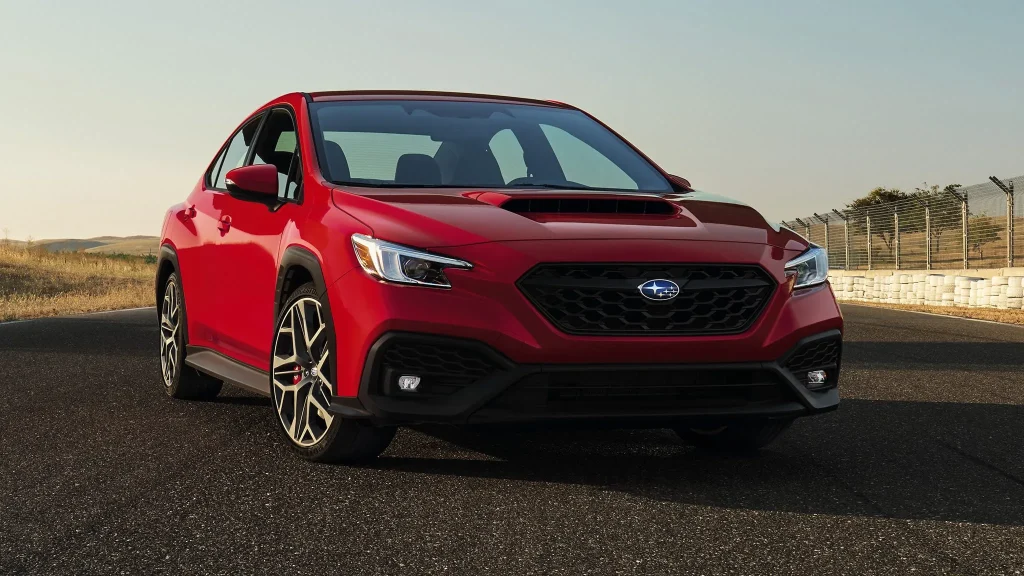
4. Subaru WRX
Performance driving is not always about straight line speed. Sometimes durability comes from how well a transmission handles constant gear changes, varying traction conditions, and demanding road surfaces. The Subaru WRX manual transmission stands out because it is designed for exactly these kinds of unpredictable performance situations.
Unlike rear wheel drive performance cars, the WRX uses an all wheel drive system. This creates a completely different kind of stress pattern.
Instead of power flowing through one axle, the transmission must distribute torque through a more complex drivetrain. This increases the importance of gear strength and internal durability.
One of the biggest challenges in all wheel drive performance is traction variation. When grip changes suddenly, shock loads can travel back through the transmission. A weak gearbox would quickly develop wear under these conditions. The WRX transmission is built to tolerate these changes without instability.
Another factor is how frequently gears are used. All wheel drive performance driving often involves constant adjustment rather than long steady acceleration. This means the transmission must tolerate repeated shifts in quick succession. Strong synchronizers and durable shift components help support this style of driving.
The WRX also benefits from rally inspired engineering philosophy. Rally conditions demand transmissions that can survive rough surfaces, sudden traction changes, and constant driver input. This durability mindset influences the gearbox design.
Another strength is the way the transmission manages power distribution without hesitation. Consistent engagement helps maintain balance during aggressive driving. This predictability is essential when traction varies.
Clutch durability is also important here. All wheel drive systems place more demand on the clutch during launches because more drivetrain components must be moved. A strong clutch system helps ensure reliable engagement even under repeated hard starts.
Driver feedback also contributes to durability. A transmission that communicates clearly allows drivers to shift more accurately. The WRX manual provides mechanical feedback that helps drivers sense engagement points.
Another benefit is how well the gearbox handles mixed driving environments. Hard driving is not always done on perfect pavement. The WRX transmission is designed to tolerate rougher conditions without losing shift consistency.
Gear ratio selection also supports performance durability. Ratios are chosen to maintain power delivery without forcing excessive shifts. This reduces unnecessary wear.
Structural design also contributes to longevity. A rigid transmission housing helps maintain internal alignment even when torque loads fluctuate. This alignment helps prevent premature wear.
Another advantage is how the transmission responds to engine braking. Hard drivers often rely on downshifting to control speed. A durable manual must tolerate repeated engine braking loads. The WRX gearbox is built for this kind of use.
Consistency is another defining trait. Some transmissions feel excellent when new but lose precision after repeated stress. The WRX manual is designed to maintain predictable operation even after aggressive use.
What ultimately makes this transmission suitable for hard driving is its ability to tolerate constant workload variation. Instead of focusing on one type of performance, it is designed to survive multiple forms of stress including traction changes, frequent shifting, and sustained driver involvement.
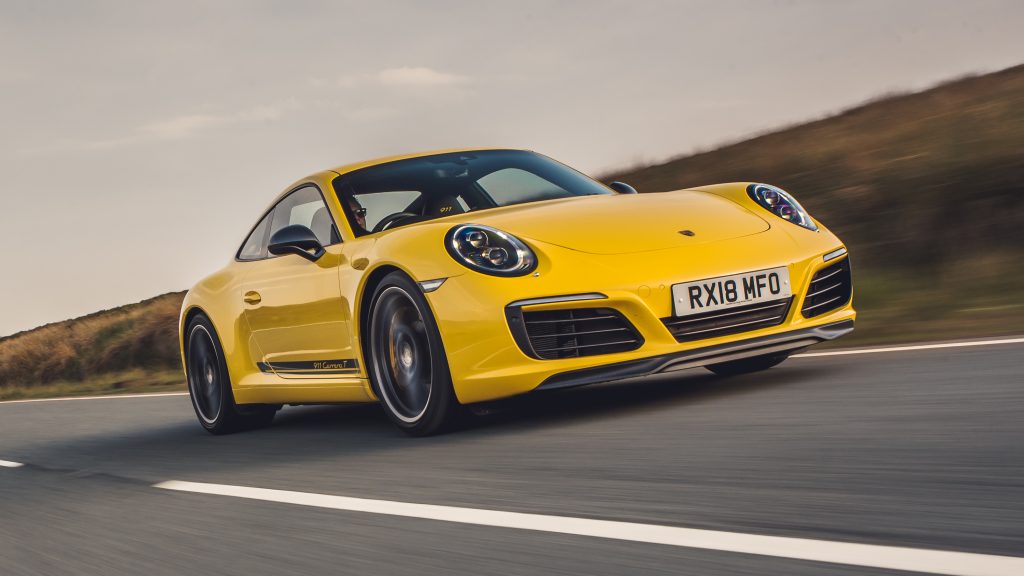
5. Porsche 911 Carrera T
Some manual transmissions are designed to handle power, others are designed to deliver precision, but a few manage to combine durability, balance, and mechanical purity into one system.
The manual transmission available in the Porsche 911 Carrera T represents this philosophy. It is not simply included as an enthusiast option. It is engineered as a core part of the driving experience.
What makes this transmission unique begins with how it manages rear engine performance dynamics. Because the engine sits behind the rear axle, drivetrain forces behave differently compared to front engine cars.
The transmission must tolerate not only torque but also unique load transfers during acceleration and deceleration. This requires extremely precise internal engineering.
One of the defining strengths is shift accuracy at high speed. Hard driving in a 911 often involves rapid gear changes while maintaining vehicle balance through corners. A vague or weak transmission would compromise control. This gearbox is designed to maintain exact engagement even during aggressive performance driving.
Another advantage is material quality. Porsche is known for using high strength alloys and precision machining. The gears inside this transmission are designed to withstand repeated high RPM use without fatigue. This contributes to long term durability even when the vehicle is driven aggressively.
A major factor that makes this transmission suitable for hard driving is its tolerance for sustained performance use rather than just short bursts.
Many cars can handle brief aggressive driving, but extended spirited driving exposes weaknesses. The Carrera T manual is designed for drivers who expect consistency over long driving sessions.
Another interesting strength is how the transmission responds to rapid downshifting. Performance driving often requires precise gear selection while braking. This transmission maintains smooth engagement even during quick sequential downshifts, which helps maintain drivetrain stability.
Driver input precision also helps reduce wear. Because the transmission offers extremely clear engagement feedback, drivers are less likely to apply incorrect force. This reduces accidental gear grinding and helps extend component life.
The clutch system is also tuned for performance durability. It provides enough resistance to handle torque loads while still offering predictable engagement. This helps prevent shock loading that could damage internal gears.
Another advantage is how well the gearbox tolerates engine braking forces. Rear engine cars can place unique stress on transmissions during deceleration. A strong gearbox must handle this reverse loading just as effectively as forward acceleration loads.
Thermal management also contributes to reliability. Performance driving creates heat not just in the engine but throughout the drivetrain. This transmission is engineered to operate consistently even as temperatures rise during demanding driving.
Another factor that supports longevity is balance between gear spacing and engine response. Gear ratios are selected to maintain power delivery without placing unnecessary strain on the drivetrain. This balance allows performance use without excessive stress accumulation.
Mechanical simplicity compared to complex automatic performance transmissions also helps. Fewer hydraulic systems mean fewer failure points. With proper maintenance, this kind of mechanical design can remain reliable even under repeated stress.
The transmission also reflects a philosophy where driver involvement is considered part of durability. When a gearbox communicates clearly, drivers naturally operate it more smoothly. This indirect benefit contributes to longevity.
Long term performance vehicles must tolerate not only aggressive driving but also driver enthusiasm. Owners of cars like this rarely drive them gently all the time. The transmission is built with this expectation in mind.
Ultimately, what makes this transmission suitable for hard driving is not just strength but engineering balance.
It delivers durability without sacrificing precision and precision without sacrificing reliability. It represents one of the last examples of a manual transmission engineered at the highest level for drivers who demand mechanical excellence.
Manual transmissions have become increasingly rare in modern cars, especially as automatics and electric vehicles continue to dominate the market.
However, a small number of performance focused vehicles still offer manual gearboxes designed not just for driver engagement but also for durability under demanding conditions.
These transmissions prove that the manual gearbox still has a place where strength, reliability, and mechanical control are important.
One of the biggest advantages of these modern performance manuals is their ability to handle high torque and aggressive driving.
Unlike basic manual transmissions built for economy cars, these gearboxes use stronger internal components such as reinforced gears, high strength synchronizers, and durable clutch systems. This allows them to survive repeated hard acceleration, fast shifting, and demanding driving situations.
Another important factor is consistency. A transmission built for hard driving must maintain predictable behavior even after repeated stress.
Smooth engagement, precise shift feel, and reliable clutch response allow drivers to push the vehicle without worrying about sudden mechanical weakness. This kind of predictability is essential for performance driving.
Heat resistance also plays a major role in transmission durability. Hard driving naturally produces higher temperatures.
Performance oriented manual transmissions are built to tolerate these thermal stresses without rapid wear. Strong materials and careful engineering help maintain performance even during extended spirited driving.
Driver control is another major benefit. Manual transmissions allow precise gear selection, better engine braking control, and improved power management.
This level of control is especially valuable during performance driving because it allows the driver to manage the vehicle more actively. This is one reason manuals continue to attract enthusiasts despite the convenience of automatic transmissions.
Another key advantage is mechanical simplicity compared to complex modern automatic transmissions. With fewer hydraulic systems and electronic components, manual transmissions often offer long term durability when properly maintained.
Regular clutch maintenance and fluid changes are usually enough to keep these transmissions functioning well.
These remaining manual transmission performance cars also represent a commitment by certain manufacturers to keep enthusiast driving alive. They show that there is still demand for vehicles built around driving experience rather than pure convenience.
Overall, the few manual transmissions still available in 2026 demonstrate that durability, driver involvement, and performance engineering can still exist together.
While their numbers may continue to decline, the examples that remain show how strong and capable a well designed manual transmission can be when built for serious driving demands.
Also Read: 10 Vehicles With Dual Clutch Gearboxes That Are Expensive to Service After 80000 Miles
