
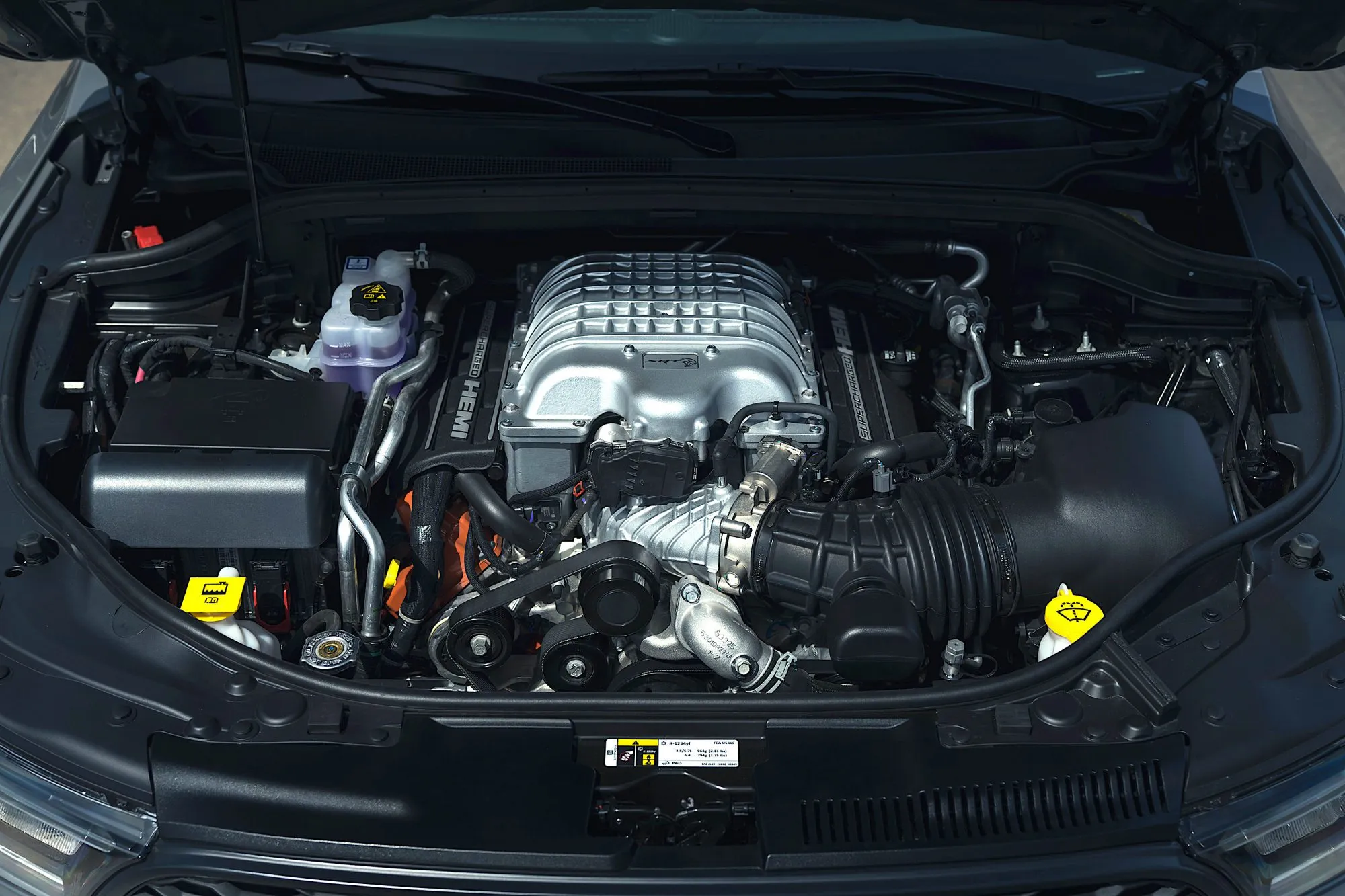
High torque engines have always held a special place in automotive culture because they deliver the kind of acceleration you can physically feel. Unlike horsepower, which often shows its strength at higher speeds, torque delivers immediate force.
It is what pushes you back into the seat when you press the throttle and what allows a car to spin its tires from a standstill. For performance enthusiasts, that instant response is often more exciting than top speed numbers.
However, torque also brings a serious engineering challenge. Delivering huge amounts of rotational force without destroying the transmission requires careful design. If torque delivery is too aggressive or poorly managed, it can damage gears, overheat clutches, or cause premature wear.
This is why some powerful engines develop reputations for drivetrain failures while others become known for balanced strength.
The best high torque engines are not just powerful. They are engineered with drivetrain harmony in mind. This includes progressive torque delivery, strong internal components, advanced traction management, and transmissions designed to handle the load.
When done correctly, the result is a vehicle that can easily overwhelm the tires while still protecting the gearbox.
Another important factor is how torque is applied rather than how much exists. Some engines deliver torque smoothly across the rev range, which reduces shock loads on the transmission.
Others use intelligent engine management to prevent sudden spikes that could damage internal components. These details often determine whether a car becomes known for durability or constant repairs.
Modern performance engineering has made it possible to build engines that produce incredible torque while maintaining long transmission life. These vehicles prove that extreme performance does not automatically mean mechanical fragility.
This list focuses on ten engines known for producing strong torque capable of spinning tires while still maintaining reputations for transmission durability. These examples show how smart engineering can allow serious performance without sacrificing drivetrain longevity.
Also Read: Top 10 Most Iconic Limited Edition Classic Trim Packages
1. Chevrolet LS3 V8 (Chevrolet Camaro SS)
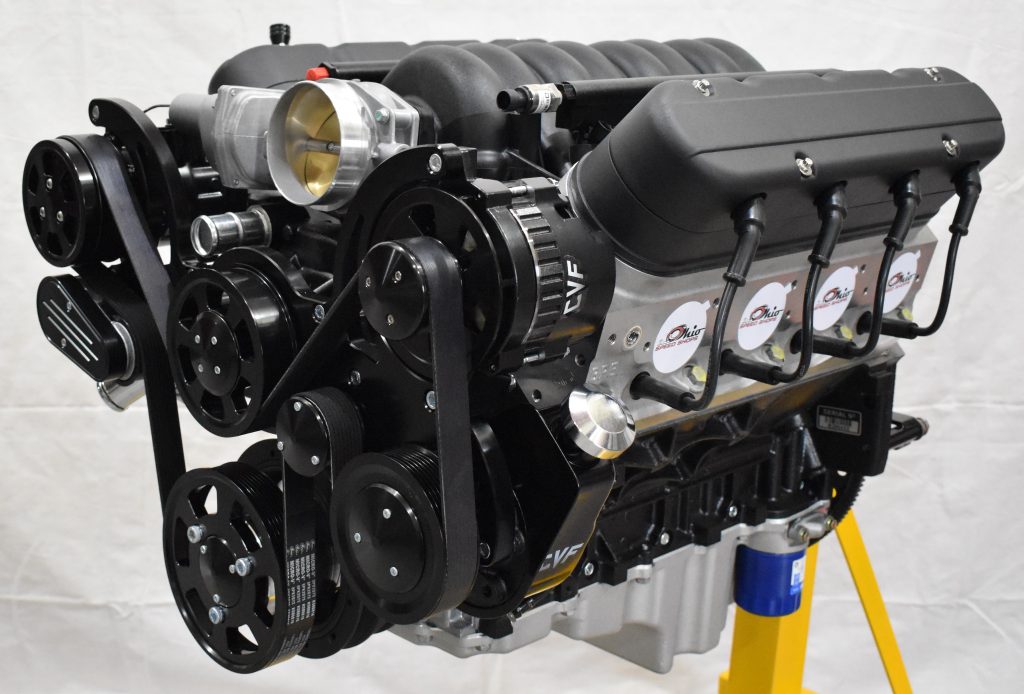
The Chevrolet LS3 represents a philosophy that performance should be both exciting and dependable. This naturally aspirated V8 became respected not just because it produces strong torque but because it delivers that power in a predictable and controllable way that helps protect the transmission.
One of the key reasons this engine works so well is its linear torque curve. Instead of delivering power in sudden spikes, the LS3 builds torque progressively. This helps reduce shock loads that can damage drivetrain components. Drivers still get strong acceleration, but the transmission receives power in a way it can manage.
Another strength comes from the simplicity of the pushrod V8 design. Fewer moving parts compared to complex overhead cam systems can sometimes translate into durability advantages. This engine focuses on strong low end torque rather than chasing extremely high rev limits, which also helps reduce drivetrain stress.
Transmission pairing also plays a major role. The LS3 was often matched with robust manual and automatic gearboxes designed specifically for high torque applications. These transmissions feature strong gear materials and clutch systems capable of handling repeated hard acceleration.
Looking at real world usage tells the story clearly. Many of these cars have seen track days, drag strip runs, and spirited street driving while maintaining transmission reliability. This shows how balanced engineering can support performance without constant mechanical failure.
Cooling also contributes to durability. Strong drivetrain cooling systems help maintain fluid stability during aggressive driving. Managing heat is often just as important as managing torque when it comes to protecting transmissions.
Another factor worth mentioning is aftermarket knowledge. Because the LS platform is well understood, maintenance practices and upgrades are widely documented. This allows owners to maintain reliability even when pursuing higher performance.
The LS3 shows how traditional V8 engineering combined with modern drivetrain design can produce a car that delivers thrilling torque while still maintaining mechanical trustworthiness.
2. Ford 5.0L Coyote V8 (Ford Mustang GT)
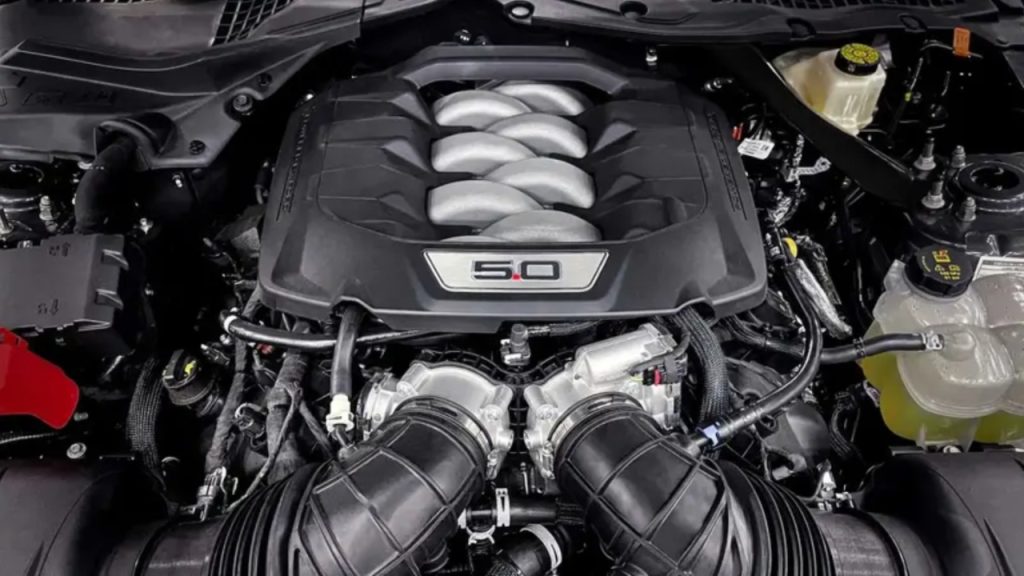
Some engines earn their reputation through raw numbers, while others earn it through how well they balance power and reliability. The Ford 5.0L Coyote V8 falls into the second category. While it produces impressive torque, what really makes it notable is how well that torque is managed.
Unlike older muscle car engines that sometimes delivered unpredictable bursts of power, the Coyote uses modern engine management to control torque delivery. Electronic throttle mapping and advanced fuel control help smooth out power application. This reduces the kind of sudden impact loads that transmissions dislike.
Engineering discipline also shows up in material choices. The rotating assembly is built to tolerate high stress, which helps ensure the engine itself remains stable during aggressive use. A stable engine produces more predictable torque delivery, which helps protect the drivetrain.
Another advantage is how well the engine integrates with Ford’s transmission options. Whether paired with a manual gearbox or modern automatic, the driveline was designed to tolerate repeated performance use. This compatibility helps explain why many Mustangs see spirited driving without constant transmission issues.
Driver control also plays a role in this engine’s success. Multiple drive modes allow torque response to be adjusted. This allows drivers to choose between aggressive response and smoother behavior depending on conditions. This flexibility contributes to drivetrain longevity.
Looking at enthusiast ownership patterns also reveals something interesting. Many Coyote powered cars remain reliable even when modified moderately. This suggests the base drivetrain was engineered with a safety margin rather than minimum tolerance.
Another detail involves traction control integration. By managing wheel spin electronically, the system allows dramatic acceleration while still preventing drivetrain shock. The tires may lose grip, but the transmission remains protected.
The Coyote V8 demonstrates how modern performance engineering allows engines to deliver impressive torque without sacrificing reliability. It represents a new era where performance and durability no longer have to be opposing goals.
3. Dodge 6.4L HEMI V8 (Dodge Challenger Scat Pack)
Torque can sometimes feel violent when it is not properly controlled, but the 6.4L HEMI shows how massive power can still be delivered in a way that respects drivetrain limits.
This engine is known for producing the kind of low end force that can easily overwhelm street tires, yet it also gained a reputation for being surprisingly manageable from a mechanical standpoint.
A good way to understand this engine is to look at how it produces its strength. Large displacement allows the engine to generate torque without relying on extreme boost pressure or high rpm stress. Because the engine does not need to be pushed to extremes to make power, it can often operate within comfortable mechanical limits.
Another important factor comes from how the torque arrives. Instead of unpredictable surges, the power delivery feels heavy and consistent. This kind of steady force is easier for transmissions to tolerate compared to engines that deliver abrupt spikes of power.
Engineers also paid attention to driveline matching. Strong automatic transmissions paired with this engine were built with reinforced internal components. Clutch packs, gear materials, and cooling capacity were designed to cope with repeated high torque use.
Enthusiast experience also helps support the engine’s reputation. Many owners regularly perform hard launches or aggressive acceleration runs without immediate transmission problems. While any performance use creates wear, this platform shows how preparation matters.
The engine also benefits from electronic torque management. Modern control systems monitor how much force is being delivered and can reduce drivetrain shock when necessary. This allows dramatic acceleration while still protecting internal parts.
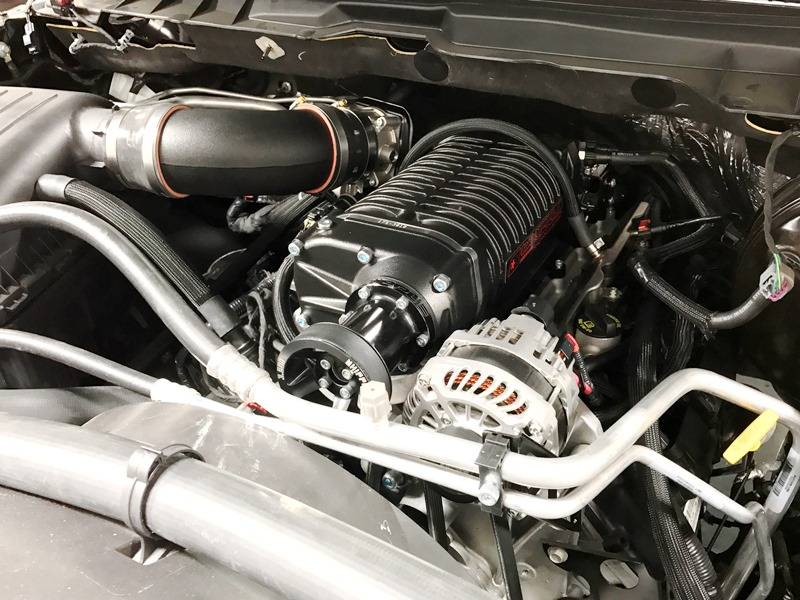
Another interesting aspect is the engine’s relaxed operating character. Because it produces strong torque without needing high rpm, it often feels effortless. This relaxed nature can actually help durability because the engine does not constantly operate at extreme speeds.
The 6.4L HEMI proves that big displacement muscle can still be engineered responsibly. It delivers the kind of tire shredding performance enthusiasts love while maintaining the structural discipline needed to protect the transmission.
4. Mercedes Benz 5.5L Biturbo V8 (Mercedes E63 AMG)
Performance engineering in luxury performance cars often takes a different path compared to traditional muscle cars. The Mercedes 5.5L biturbo V8 shows how extreme torque can be delivered through refinement and control rather than brute force alone.
This engine produces enormous torque thanks to forced induction, but what makes it special is how carefully that torque is managed. Instead of allowing uncontrolled power delivery, the engine works closely with transmission software to coordinate how torque reaches the drivetrain.
One unique aspect is how torque is staged. Rather than dumping full force instantly, the system meters power depending on traction and transmission load. This approach allows the car to feel explosive while still preventing drivetrain shock.
Transmission engineering is equally important. AMG transmissions are built to handle extreme loads while maintaining smooth operation. Reinforced internals and intelligent shift logic help the gearbox tolerate the high torque environment created by this engine.
Thermal management also deserves attention. High torque turbo engines generate significant heat, and Mercedes invested heavily in cooling strategies. Stable transmission temperatures help maintain fluid quality and prevent internal damage during repeated acceleration.
Another factor that contributes to durability is software integration. Modern performance cars rely heavily on communication between engine and transmission controllers. By constantly sharing data, these systems can prevent damaging torque spikes before they occur.
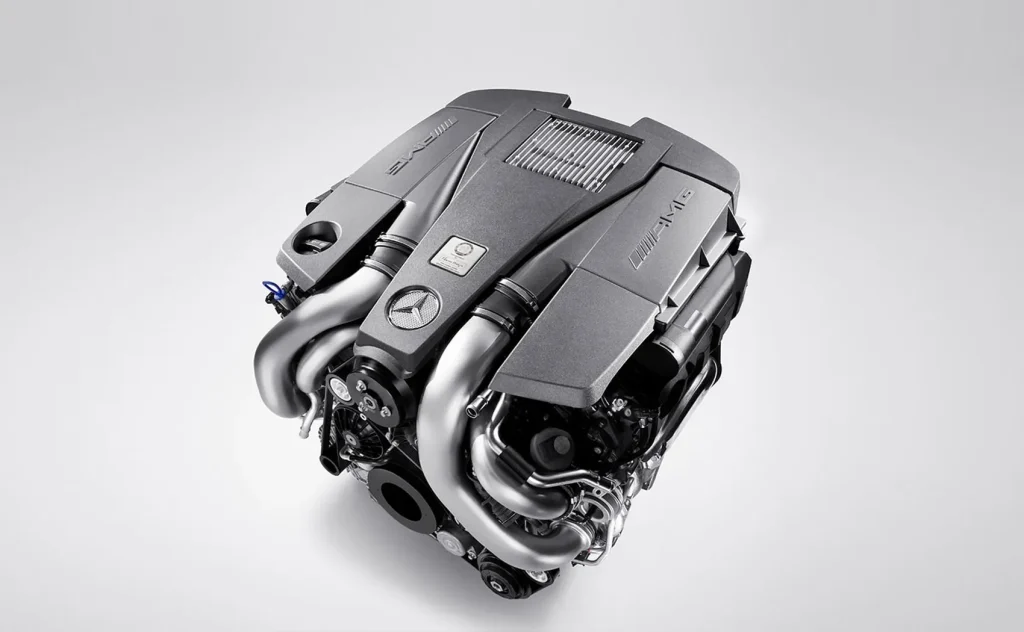
Owner experience also supports this balanced approach. Despite the engine’s ability to produce dramatic acceleration, many examples have proven capable of handling daily driving without constant transmission repairs. This shows how engineering balance matters more than raw numbers.
This engine represents how performance has evolved. Instead of simply chasing power, manufacturers now focus on how power is delivered. The Mercedes 5.5L biturbo V8 shows how extreme torque can exist alongside long term drivetrain stability when engineering discipline leads the design.
5. BMW S63 4.4L Twin Turbo V8 (BMW M5)
If torque were measured by how effortlessly a car can break traction, the BMW S63 engine would easily qualify as one of the most impressive examples of controlled aggression.
This twin turbo V8 produces enormous rotational force, yet it also demonstrates how modern engineering can allow such power to exist without constantly destroying drivetrain components.
The story of this engine is not just about output but about control systems. BMW designed this powerplant to operate within a carefully managed performance environment. Torque delivery is constantly monitored and adjusted based on traction conditions, gear selection, and drivetrain stress levels.
What makes this engine particularly interesting is how it balances brutality with intelligence. Under hard acceleration the car can easily spin its tires, yet the transmission rarely feels overwhelmed. This balance comes from careful calibration rather than simple mechanical strength.
Another point worth examining is how the transmission was designed alongside the engine rather than adapted afterward. Performance transmissions in these vehicles use strong internal structures and fast reacting control systems that prepare for torque loads before they arrive.
Heat management also becomes part of the conversation. High torque turbocharged engines generate substantial thermal stress. BMW addressed this with advanced cooling strategies that help maintain transmission fluid stability even under repeated high load acceleration.
From an ownership perspective, this engine shows how predictability helps durability. Even though the performance is extreme, the way it is delivered remains structured. This predictability allows the transmission to operate within safe limits despite the engine’s strength.
There is also an engineering philosophy lesson here. Instead of limiting torque to protect the transmission, BMW strengthened the transmission and improved torque management. This allowed the engine to remain exciting while maintaining drivetrain reliability.
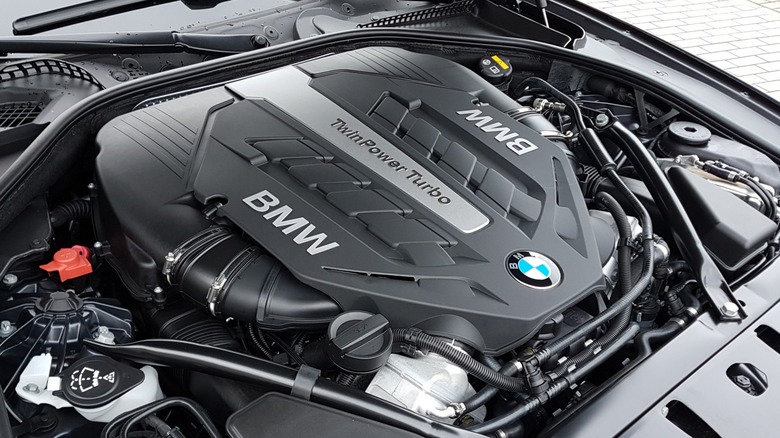
The S63 demonstrates how performance engineering has matured. It shows that tire shredding torque and transmission survival can coexist when the entire drivetrain is designed as a unified system rather than as separate components.
6. Chevrolet LT4 Supercharged V8 (Chevrolet Corvette Z06)
Some engines are built to dominate racetracks, others are built to dominate conversations. The Chevrolet LT4 manages to do both. This supercharged V8 produces massive torque that can easily overpower the rear tires, yet it has also developed a reputation for being matched with transmissions capable of surviving the punishment.
A useful way to think about this engine is through mechanical preparation. Chevrolet did not simply add a supercharger to an existing design and hope the drivetrain would cope. The entire system was engineered to handle the additional torque, including transmission reinforcement and improved cooling.
Another element that helps protect the transmission is the way the engine produces torque across the rev range. Strong low end output allows rapid acceleration without needing extreme rpm spikes. Lower peak rpm stress can sometimes reduce drivetrain shock compared to engines that rely on high revving power delivery.
Driver selectable modes also contribute to durability. The ability to adjust throttle response allows torque delivery to be tailored to conditions. Aggressive settings provide maximum excitement while more progressive modes reduce stress during normal driving.
Engineering attention also extended to clutch and gear material strength. Components were chosen specifically to tolerate the high torque environment produced by the supercharger. This preparation helps explain why many examples withstand aggressive driving without immediate drivetrain failure.
Another interesting factor involves driver psychology. Because the engine feels extremely powerful even at partial throttle, drivers often do not need to push it to extremes to enjoy it. This can indirectly contribute to longer transmission life.
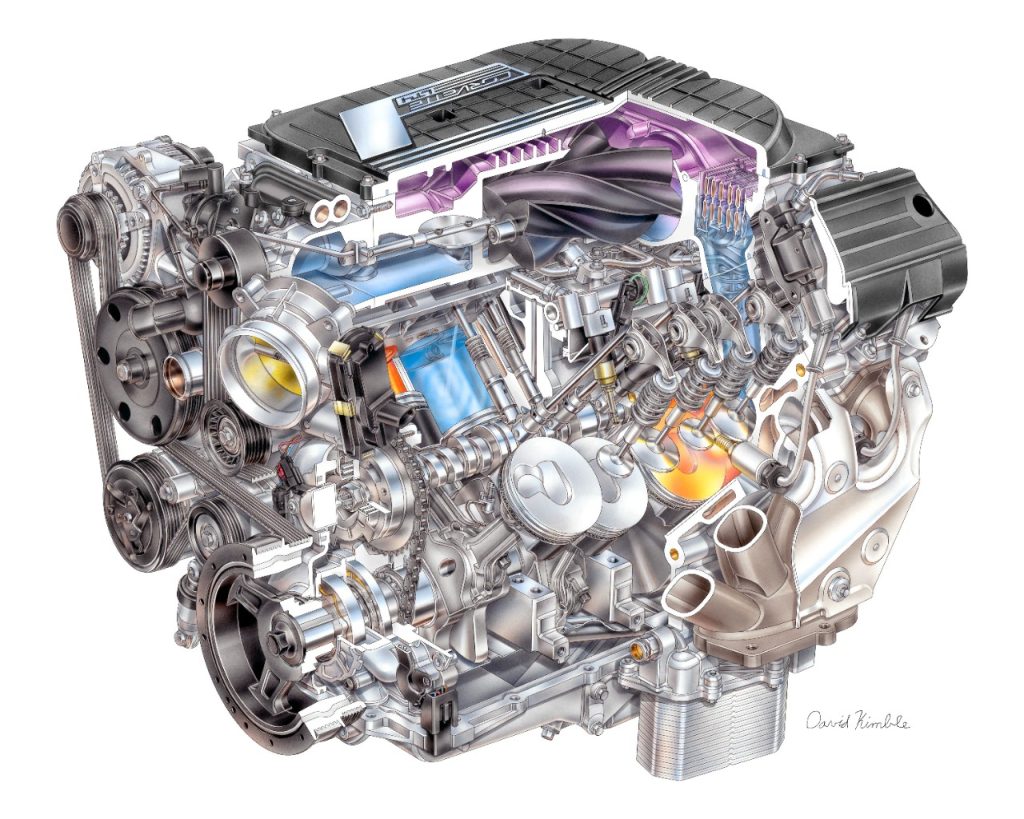
Looking at the broader design shows how performance vehicles have evolved. Instead of treating the transmission as a secondary concern, it becomes part of the performance package itself. This integrated thinking is what allows engines like the LT4 to remain both thrilling and durable.
The LT4 shows how careful engineering allows extreme torque to exist without sacrificing mechanical confidence. It proves that proper preparation can turn overwhelming power into something sustainable.
7. Toyota 5.7L i-Force V8 (Toyota Tundra)
Torque does not always come from performance cars. Sometimes the most impressive examples come from trucks built to work every day without failure.
The Toyota 5.7L i-Force V8 is one such engine. Built primarily for durability and towing strength, it produces the kind of low end torque that can easily spin rear tires when unloaded while still maintaining a reputation for transmission longevity.
To understand why this engine fits here, it helps to examine its purpose. Unlike sports car engines designed for short bursts of performance, this V8 was engineered for continuous stress.
Towing heavy loads demands stable torque delivery that does not shock the drivetrain. That same engineering discipline helps protect the transmission during aggressive acceleration.
Instead of relying on forced induction, the engine uses displacement and conservative tuning. This approach produces strong torque without placing excessive strain on internal components. Predictable torque behavior often results in better drivetrain survival compared to engines tuned aggressively for peak numbers.
Transmission pairing also deserves attention. Toyota matched this engine with gearboxes known for strength rather than speed alone. The transmission was designed to tolerate towing stress, which is often more demanding than occasional performance driving.
Another advantage comes from calibration philosophy. Toyota tends to prioritize reliability over extreme responsiveness. Throttle mapping often smooths torque application, which helps avoid the kind of sudden shock loads that can shorten transmission life.
Real world usage provides additional proof. Many of these trucks accumulate high mileage while performing heavy duty tasks. Despite the engine’s ability to produce strong torque, the transmission often remains reliable because it was built with significant safety margins.
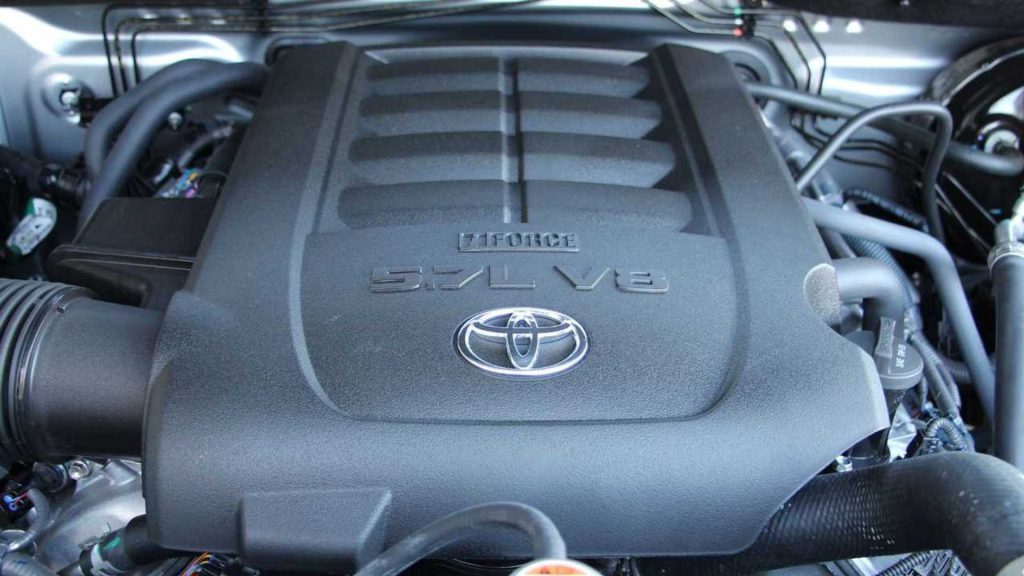
This engine also shows how torque does not have to be aggressive to be impressive. Its strength comes from steady pulling force rather than explosive delivery. That steady nature is exactly what helps maintain drivetrain health.
The 5.7L i-Force V8 demonstrates that an engine designed for work can also deliver excitement when pushed, while still maintaining the durability expected from a serious truck platform.
8. Audi 4.0L Twin Turbo V8 (Audi RS7)
Some engines combine technical precision with overwhelming force, and the Audi 4.0L twin turbo V8 is a perfect representation of that balance. Known for producing massive torque across a wide rpm range, this engine can easily overwhelm available traction while still being paired with transmissions engineered for longevity.
A different way to view this engine is through the lens of torque management strategy. Audi designed this powerplant with a strong focus on how torque enters the drivetrain rather than just how much it produces. Sophisticated software constantly monitors traction and transmission load to prevent damaging force spikes.
The transmission itself is part of this strategy. High performance dual clutch and automatic gearboxes used with this engine are reinforced and designed to anticipate torque loads. Fast shift capability is matched with strong internal components capable of surviving repeated acceleration.
Another interesting feature involves how the engine spreads torque across the rev range. Instead of delivering everything at once, the engine maintains strong output throughout acceleration. This consistent delivery helps reduce sudden drivetrain stress.
Cooling once again becomes critical. Audi incorporated advanced cooling systems that help maintain stable operating temperatures even when the engine is used aggressively. Proper temperature management often plays a major role in transmission survival.
Driver assistance systems also contribute. Launch control and traction systems allow dramatic acceleration while still protecting mechanical components. The tires may lose grip, but the system prevents damaging shock loads from reaching the gearbox.
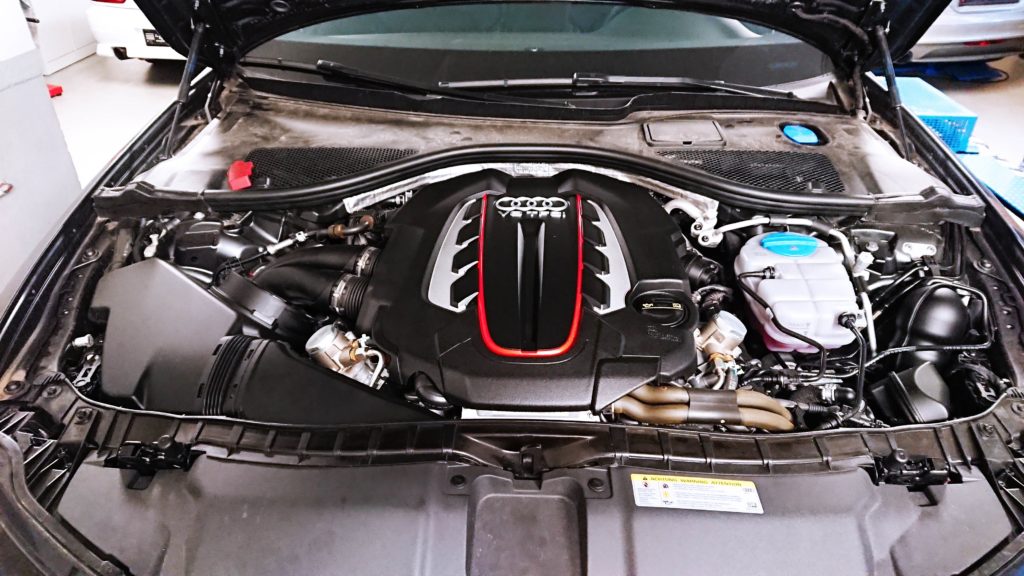
Ownership experience often reflects this engineering approach. Despite producing extreme torque, many examples maintain transmission health when properly maintained. This reinforces the importance of integrated engineering rather than focusing on one component alone.
The Audi 4.0L twin turbo V8 shows how technology allows modern engines to deliver extreme torque with surprising refinement. It represents how careful coordination between engine and transmission can allow serious performance without sacrificing durability.
9. Porsche 4.0L Flat Six (Porsche 911 GT3)
High torque discussions usually focus on turbocharged or large displacement engines, yet the Porsche 4.0L flat six proves that intelligent engineering can produce impressive usable torque while maintaining extraordinary drivetrain health.
While it may not rely on forced induction, its ability to apply strong rotational force efficiently still allows it to break traction under aggressive launches.
Understanding this engine requires looking beyond simple torque numbers. Porsche focuses heavily on how force is transferred rather than just how much exists. Precision balancing and careful internal construction allow the engine to deliver power smoothly. Smooth torque application is often easier on transmissions than sudden explosive output.
Another strength comes from the way Porsche engineers its transmissions alongside the engine. The gearboxes paired with this flat six are designed with motorsport experience in mind. Strong gear materials, precise machining, and advanced lubrication strategies all help ensure the transmission can tolerate aggressive use.
There is also something unique about how the engine communicates with the drivetrain. The responsiveness allows drivers to modulate throttle input precisely. This level of control reduces accidental drivetrain shock because torque can be applied progressively rather than abruptly.
Thermal stability is another major factor. Porsche invests heavily in maintaining stable operating temperatures. Transmission cooling and lubrication quality help ensure that even repeated track use does not immediately compromise drivetrain reliability.
Another perspective comes from motorsport influence. Engines developed with racing knowledge often benefit from durability improvements learned under extreme conditions. This experience often translates into better long term reliability even when used on public roads.
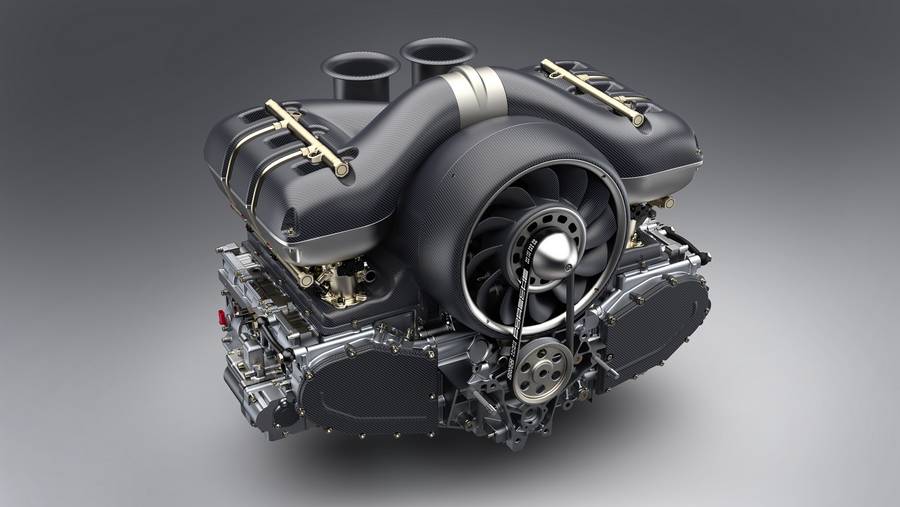
Driver discipline also plays a role in this platform’s success. Because the engine rewards smooth driving technique, many owners naturally develop habits that reduce drivetrain stress. This behavioral factor sometimes contributes to the platform’s durability reputation.
The Porsche flat six shows how high performance engineering does not have to sacrifice longevity. Through precision design and balanced power delivery, it demonstrates that tire spinning capability and transmission health can coexist.
10. Dodge Hellcat 6.2L Supercharged V8 (Dodge Challenger Hellcat)
If any modern engine represents the idea of overwhelming torque, it would be the supercharged 6.2L Hellcat V8. Producing massive low end force capable of destroying rear tire grip almost instantly, it might seem like a recipe for constant transmission failure.
Yet this engine demonstrates how preparation can allow extreme torque to exist without constant drivetrain damage.
The key to understanding this platform lies in the supporting engineering. Dodge knew the torque figures would be extreme, so the transmission options were built with that reality in mind. Heavy duty internal components and advanced torque management systems were part of the plan from the beginning.
Instead of allowing uncontrolled torque spikes, the engine uses sophisticated management software. Even though the car feels wild, electronic controls often smooth torque application just enough to protect drivetrain components. This balance allows dramatic performance without immediate mechanical consequences.
Another detail involves drivetrain strength margins. Components were selected with tolerance levels exceeding expected loads. This safety buffer helps explain why many examples survive repeated hard acceleration when maintained correctly.
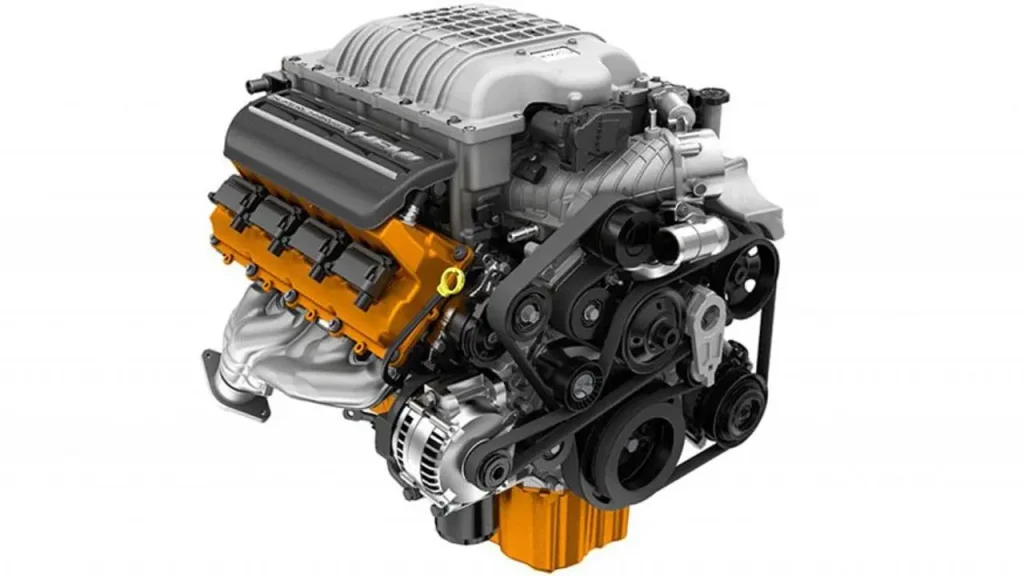
There is also an interesting paradox with this engine. Because it produces so much torque at low throttle input, drivers often experience strong acceleration without needing full throttle. This can actually reduce mechanical stress compared to smaller engines that must be pushed harder.
Cooling also plays a critical role. Supercharged engines generate heat quickly, and the Hellcat platform includes significant cooling support. Keeping transmission temperatures stable is one of the most effective ways to ensure long term durability.
Another factor comes from how the engine distributes its force. Rather than relying on fragile high rpm operation, it produces usable torque early. This helps reduce the need for extreme gear changes that can stress transmissions.
The Hellcat engine proves a simple but important point. Extreme torque does not automatically mean weak durability. When the entire drivetrain is engineered to match the engine’s strength, even the most tire shredding powerplants can maintain transmission health.
Also Read: 10 Common Causes of Overheating in Vintage Engines During Summer
