
Mountain driving places very different demands on a vehicle compared to normal highway or city use. Long climbs, steep descents, unpredictable weather, thin air, and constant gear changes all place stress on the drivetrain.
While many modern vehicles now use Continuously Variable Transmissions, also known as CVTs, traditional torque converter automatic transmissions still offer important advantages when vehicles are pushed in these demanding environments.
A torque converter automatic transmission operates using fixed gears and hydraulic fluid coupling, allowing it to manage torque loads in a very predictable way. CVTs operate differently. Instead of fixed gears, they rely on variable pulleys and belts or chains to continuously adjust gear ratios.
While this design is excellent for fuel efficiency and smooth driving in normal conditions, mountain driving introduces stresses that can highlight the strengths of traditional automatics.
One of the biggest differences becomes clear during steep climbs. Mountain roads often require sustained power delivery for long periods. A torque converter transmission can handle this by locking into lower gears and maintaining steady torque multiplication.
CVTs can also simulate gear ratios, but they often rely on maintaining high engine speeds, which can sometimes lead to heat buildup under prolonged load.
Another major consideration is heat management. Climbing steep grades places constant strain on transmissions. Torque converter automatics are often built with cooling strategies designed for towing and heavy load conditions.
Since mountain driving can resemble towing conditions due to gravity resistance, this type of durability becomes valuable.
Descending mountains also creates unique demands. Engine braking becomes extremely important for controlling speed without overheating brakes.
Traditional automatics with fixed gears often provide more predictable engine braking because drivers can manually select lower gears. Some CVTs simulate this behavior, but the response can sometimes feel less consistent depending on design.
Durability under repeated load changes is another factor. Mountain roads rarely provide steady conditions. Drivers may encounter steep inclines followed by sharp turns and then sudden descents. Transmissions that handle repeated torque changes well tend to inspire more confidence.
Driver control also matters more in mountain environments. Vehicles that allow manual gear selection or strong gear holding behavior allow drivers to prepare for climbs and descents. This predictability can improve safety when driving through steep terrain.
Reliability also becomes more important when driving in remote mountainous regions where service facilities may be limited. A transmission known for handling heavy loads and long term stress may offer peace of mind for drivers traveling far from urban support.
The debate between CVTs and torque converter automatics often focuses on fuel economy, but in challenging terrain, durability and control may matter more.
The following reasons explain why many experienced drivers still prefer traditional torque converter transmissions when mountain driving becomes demanding.
Also Read: 10 Used Mazdas That Offer Toyota Reliability Without the Used Market Markup
1. Better Heat Management During Long Uphill Climbs
One of the most important advantages of torque converter automatic transmissions in mountain driving is their ability to manage heat during sustained uphill driving.
Climbing steep roads requires continuous torque delivery, which naturally increases transmission temperatures. How a transmission handles this heat can determine how well it performs over long periods.
Torque converter transmissions are often designed with heavy load conditions in mind. Many of these transmissions are used in vehicles that also tow trailers or carry heavy cargo. Because of this, they often include stronger cooling systems and fluid circulation strategies that help manage thermal stress.
During long uphill drives, a torque converter can multiply torque efficiently at lower speeds. This allows the vehicle to climb steadily without forcing the engine to remain at excessively high RPM levels for extended periods. Maintaining balanced RPM levels helps reduce continuous thermal buildup.
CVTs often handle climbs differently. To maintain power, they may keep the engine at higher RPM ranges for extended periods. While this allows efficient power delivery, the continuous high load operation may increase heat in both the transmission fluid and belt system.
Another advantage of traditional automatics is their ability to lock into specific gears. When climbing, holding a lower gear allows the transmission to operate within a predictable stress range. This prevents constant ratio adjustments that may increase internal friction.
Thermal stability also improves fluid life. Transmission fluid plays a major role in cooling and lubrication. Systems that manage temperature more effectively often experience slower fluid degradation. This helps maintain consistent performance over repeated mountain trips.
Driver confidence also increases when temperature management is predictable. A transmission that maintains steady behavior under load allows drivers to focus more on road conditions rather than mechanical concerns.
Another factor is how torque converters absorb shock loads. When climbing uneven mountain roads, sudden throttle changes may occur. The fluid coupling inside a torque converter can soften these transitions, reducing stress spikes.
Climbing at altitude can also reduce engine power due to thinner air. This often requires the transmission to work harder to maintain speed. A transmission that can handle this without excessive temperature rise offers an advantage.
Repeated mountain driving can expose weaknesses in cooling design. Transmissions that struggle with heat may show performance reduction over time. Systems built with heavy duty cooling capacity often maintain more consistent behavior.
Another advantage comes during stop and go climbing situations such as traffic on mountain roads. Torque converter transmissions handle low speed crawling efficiently because fluid coupling allows smooth movement without excessive clutch engagement.
Heat management ultimately affects longevity. Transmissions that repeatedly operate near their temperature limits may experience accelerated wear. Designs that keep temperatures under control tend to last longer under demanding conditions.
The ability to handle long uphill climbs without overheating is one of the strongest arguments in favor of traditional torque converter transmissions when driving in mountainous environments.
2. More Predictable Engine Braking on Steep Descents
Descending a mountain can often be more demanding than climbing it. Gravity constantly pushes the vehicle forward, and relying only on brakes can quickly lead to overheating. Engine braking becomes an essential safety tool, and this is an area where traditional torque converter transmissions often provide a clear advantage.
Engine braking works by using the engine’s internal resistance to slow the vehicle. In a traditional automatic transmission, selecting a lower gear increases engine resistance and helps control speed. Because these transmissions use fixed gear ratios, the braking effect is usually consistent and predictable.
CVTs may simulate engine braking through programmed ratio changes, but the sensation may vary depending on the design. Some systems may adjust ratios dynamically rather than holding a fixed ratio. This can sometimes make the braking feel less consistent.
Predictability becomes extremely important during long descents. Drivers must be able to trust how the vehicle will respond when selecting a lower gear. A transmission that holds a gear firmly allows the driver to maintain steady speed without constant brake use.
Brake overheating is a serious safety risk in mountain driving. Continuous braking generates heat that can reduce braking effectiveness. Using engine braking reduces this load and helps maintain brake performance.
Torque converter automatics also allow manual gear selection in many vehicles. This gives drivers the ability to prepare for descents before speed increases. Being able to select the correct gear early improves control.
Another benefit comes from how fixed gears maintain stable RPM ranges. When a lower gear is selected, engine speed increases in a predictable way. This allows drivers to judge braking force accurately.
Driver workload is also reduced when engine braking behaves consistently. Instead of constantly adjusting brake pressure, drivers can rely on the transmission to help control speed.
Another factor is how torque converters maintain smooth transitions when selecting lower gears. Fluid coupling helps prevent sudden drivetrain shock when downshifting, which improves stability on steep roads.
Weather conditions such as rain or snow can make mountain descents even more dangerous. Smooth and predictable engine braking helps maintain traction because it avoids sudden wheel deceleration.
Confidence is another advantage. Drivers who know their transmission will hold a gear without unexpected changes often feel more secure navigating steep terrain.
Mechanical durability also benefits. Using engine braking reduces brake wear and prevents excessive heat cycles in braking components. This can improve long term maintenance costs.
Another advantage is the ability to combine engine braking with light brake input. This layered control helps drivers maintain precise speed control on long descents.
Overall, the ability to deliver predictable and controllable engine braking is one of the most important reasons many drivers prefer torque converter transmissions when regularly driving through mountainous terrain.
3. Stronger Torque Handling Under Continuous Load Changes
Mountain roads rarely provide consistent driving conditions. Unlike highways where speed and load may remain steady, mountain routes constantly change demands on the drivetrain. Vehicles may move from steep climbs to tight corners, then to short descents, followed by another climb.
This constant variation places repeated stress on the transmission. Traditional torque converter automatics tend to handle these repeated load transitions more effectively than CVTs because of how they manage torque flow.
A torque converter transmission uses a hydraulic coupling that can absorb changes in torque demand.
This fluid connection allows smoother transitions when the driver changes throttle input. Instead of placing direct mechanical stress on belts or chains, the fluid absorbs part of the load change. This can reduce shock stress inside the transmission.
CVTs depend on continuous belt or chain contact between variable pulleys. While these systems are engineered to be strong, repeated torque fluctuations under heavy load can increase wear over time. Mountain driving often creates these exact conditions because the vehicle constantly transitions between load levels.
Another advantage of torque converter transmissions is their use of fixed gear ratios. Each gear is designed to operate within a certain torque range. When the vehicle shifts, the next gear is already engineered to accept the load. This predictable load handling improves durability under repeated stress.
Throttle variation is another factor. Drivers often need to adjust power frequently while navigating mountain roads. Accelerating out of corners and then reducing speed before the next turn creates constant torque changes. A torque converter helps smooth these transitions.
Mechanical fatigue is often caused by repeated stress cycles rather than single extreme loads. Transmissions that can soften these cycles often show better long term durability. The fluid coupling inside a torque converter helps distribute these forces more gradually.
Traction variation also contributes to load changes. Mountain roads may include uneven pavement, gravel sections, or wet surfaces. When traction changes, torque delivery must adapt quickly. A transmission that can handle these variations smoothly improves vehicle stability.
Another advantage appears when climbing at moderate speeds. Some CVTs may continuously adjust ratios to maintain efficiency. While this is beneficial for fuel economy, repeated adjustments under heavy load may increase internal friction. Fixed gear transmissions reduce this constant adjustment.
Driver confidence also improves when power delivery feels consistent. A transmission that reacts predictably allows the driver to better judge throttle input. This helps maintain smooth driving behavior, which indirectly reduces mechanical stress.
Another factor is the ability to maintain momentum. Torque converter transmissions often hold gears longer under load. This helps maintain steady climbing performance rather than constantly adjusting ratios.
Vehicle balance also benefits from predictable torque flow. Sudden changes in power delivery can affect stability when navigating tight mountain turns. Smooth torque transfer helps maintain control.
Repeated uphill starts also test transmission durability. Starting on steep inclines requires strong torque multiplication. Torque converters are particularly well suited to this because they can multiply torque at low speeds without requiring excessive clutch slip.
Another advantage is how these transmissions tolerate driver variation. Not every driver maintains perfectly smooth throttle control on mountain roads. A transmission that can tolerate occasional abrupt inputs without damage provides long term reliability benefits.
From a durability perspective, the ability to handle constant load variation without excessive internal wear is one of the major strengths of traditional automatic transmissions. This makes them particularly suitable for drivers who frequently travel through mountainous regions.
4. Greater Reliability in Remote and Harsh Driving Conditions
Mountain driving often means traveling far from major cities and service centers. In these environments, reliability becomes more important than maximum efficiency.
A transmission that can tolerate difficult conditions without developing sensitivity issues becomes a valuable advantage. Traditional torque converter automatics have built a long reputation for reliability in demanding environments.
One important factor is proven design history. Torque converter transmissions have been used for decades in trucks, SUVs, and heavy duty applications. This long development history means many designs have been refined to handle difficult conditions.
Environmental exposure also matters. Mountain regions often include dust, temperature swings, and elevation changes. Transmissions that rely on well understood hydraulic systems may be less sensitive to environmental changes than more complex variable ratio systems.
Another factor is how these transmissions respond to temperature changes. Mountain climates can shift rapidly from warm valleys to cold elevations. Fluid based torque converter systems often maintain consistent behavior across temperature ranges when properly maintained.
Service familiarity is another advantage. Many mechanics are experienced with traditional automatic transmissions. If service is needed in a remote area, finding someone familiar with these systems may be easier than locating specialists for newer transmission designs.
Another benefit is predictable failure behavior. Traditional transmissions often show gradual symptoms before major failure. This can give drivers time to seek service. Systems that fail gradually provide more warning than systems that may become suddenly limited.
Fluid durability also plays a role. Traditional automatic transmission fluid systems are often designed to tolerate a wide range of conditions. Proper maintenance helps ensure these systems remain reliable over long periods.
Another advantage is tolerance for extended driving. Mountain travel often involves long continuous drives with few stops. A transmission known for sustained operation without sensitivity to continuous use provides peace of mind.
Electrical dependency is another consideration. While modern automatics do include electronics, their fundamental operation is still strongly hydraulic. This balance can sometimes improve reliability compared to systems heavily dependent on precise electronic ratio control.

Another reliability factor is resistance to overload. Unexpected conditions such as detours, rough roads, or carrying additional cargo may increase drivetrain stress. Transmissions known for handling heavy loads may offer better durability margins.
Driver adaptability also improves reliability. When a transmission behaves predictably, drivers can adjust driving style to reduce stress. This is easier to do with transmissions that respond consistently to input.
Another advantage is how these transmissions handle emergency driving situations. If quick acceleration is needed to avoid obstacles on narrow mountain roads, strong torque delivery helps maintain control.
Maintenance planning also becomes easier. Traditional automatic transmissions usually follow well understood maintenance intervals. This allows drivers to prepare their vehicles before mountain trips.
Another consideration is long term ownership. Drivers who regularly travel through difficult terrain often prefer systems known for long service life rather than maximum efficiency. Durability becomes the priority.
In difficult environments, reliability is not just about mechanical strength but also about predictability. Knowing how a transmission will behave under stress allows drivers to make safer decisions.
Overall, the reputation for durability and predictable behavior in difficult environments remains one of the strongest reasons many drivers continue to prefer torque converter automatics for mountain driving situations.
5. Better Low Speed Control and Throttle Modulation on Steep Terrain
One of the most underrated advantages of a traditional torque converter transmission during mountain driving is its superior low speed control.
Mountain roads often include tight switchbacks, narrow passes, steep parking areas, and slow moving traffic sections where precise speed control becomes more important than outright performance. In these situations, the smooth power delivery characteristics of a torque converter become extremely valuable.
At very low speeds, torque converters allow what is commonly known as creeping movement. When the driver releases the brake slightly, the vehicle can begin moving smoothly without pressing the accelerator. This allows very fine speed adjustments when navigating tight mountain roads.
CVTs can also provide smooth movement, but they often depend more heavily on throttle input to maintain motion. This can sometimes make very slow movement feel less predictable compared to the natural fluid coupling behavior of a torque converter.
Steep incline maneuvering is another area where this advantage becomes clear. When starting on a steep slope, maintaining smooth movement without rollback requires careful control. A torque converter provides gradual torque transfer, allowing the vehicle to move forward without sudden engagement.
Another important benefit appears when maneuvering through tight mountain switchbacks. These turns often require slow entry speeds followed by gradual acceleration. A transmission that allows precise throttle control helps maintain stability during these transitions.
Driver fatigue is also reduced when low speed control is smooth. Mountain driving already requires constant attention. A transmission that allows easy speed management reduces mental workload, allowing the driver to focus on road positioning.
Another advantage is smooth throttle modulation. Torque converters allow drivers to apply very small amounts of power without sudden response changes. This is useful when traction conditions are uncertain, such as wet pavement or loose gravel.
Hill parking situations also highlight this benefit. Pulling into a steep parking space requires delicate control to avoid sudden movement. The gradual engagement provided by a torque converter improves confidence during these maneuvers.
Another important factor is how these transmissions behave in stop and go uphill traffic. In mountain tourist areas, traffic congestion can occur on steep roads. A transmission that allows smooth creeping reduces clutch stress and improves comfort.
Traction control also benefits from smoother torque delivery. Sudden power application can cause wheel slip. Gradual torque application helps maintain grip, which improves safety.
Another advantage comes during off camber turns where the road surface may not be perfectly level. Maintaining steady low speed movement without abrupt torque changes helps maintain vehicle balance.
Emergency maneuvering also benefits from predictable low speed response. If the driver must quickly adjust position on a narrow road, smooth torque response allows precise corrections.
Another important point is driver confidence. Drivers who know their vehicle responds smoothly at low speeds are less likely to overcorrect steering or throttle input. This improves overall control.
Mechanical wear can also be reduced. Smooth engagement reduces sudden stress on drivetrain components. Over time, this can contribute to longer transmission life.
Another benefit appears during descending hairpin turns where drivers must slow significantly before accelerating again. Smooth reapplication of power helps maintain stability through the turn exit.
In mountain environments where control matters more than speed, the ability to precisely manage vehicle movement becomes extremely valuable. Torque converter transmissions provide this level of control through their fluid coupling characteristics.
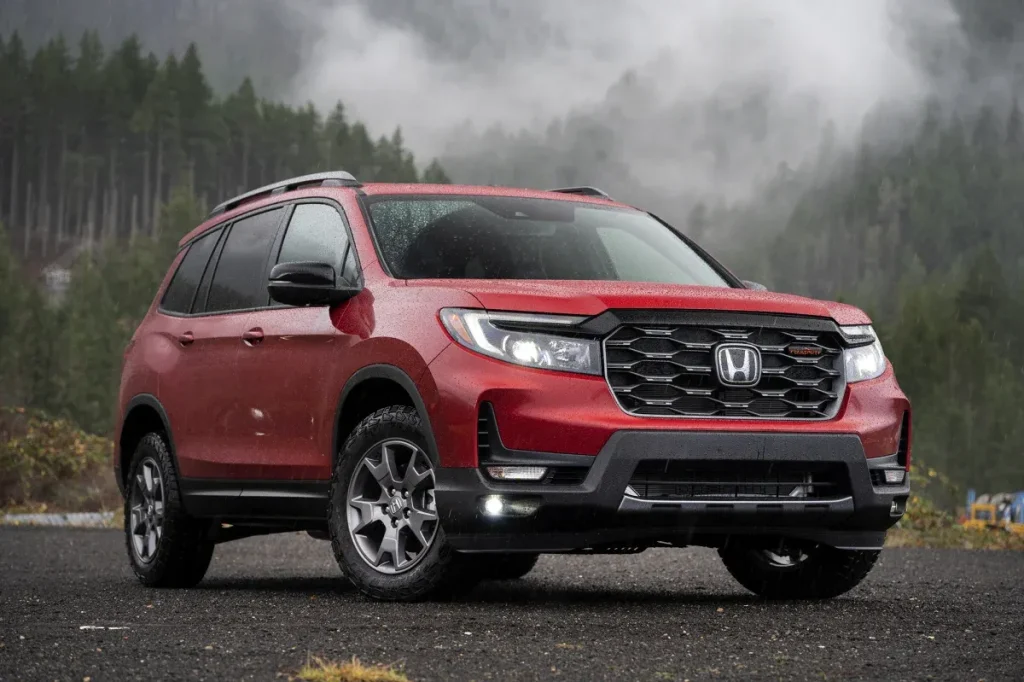
This ability to combine smooth movement, predictable response, and strong low speed control makes traditional automatic transmissions particularly well suited for challenging mountain terrain where precision often matters more than efficiency.
Mountain driving presents unique mechanical challenges that place heavy demands on a vehicle’s transmission.
Long uphill climbs, steep descents, constant speed changes, and low speed maneuvering all require a transmission that can deliver durability, control, and predictable performance.
While Continuously Variable Transmissions offer smooth operation and fuel efficiency in everyday driving, traditional torque converter automatic transmissions often provide advantages in these demanding conditions.
One of the biggest advantages is heat management. Climbing mountain roads requires sustained power, which naturally increases transmission temperature.
Torque converter transmissions are often designed to handle heavy loads, making them better suited for prolonged uphill driving. Their ability to hold fixed gears allows them to manage stress more consistently without constant ratio adjustments.
Engine braking is another important factor. Controlling speed during steep descents is critical for safety. Traditional automatics allow drivers to select lower gears that provide consistent engine braking.
This reduces brake overheating and improves vehicle control. Predictable gear holding also allows drivers to maintain steady speed without excessive brake use.
Another important benefit is stronger torque handling during constantly changing driving conditions. Mountain roads require frequent acceleration and deceleration. Torque converter transmissions use fluid coupling that helps absorb torque changes smoothly. This reduces mechanical shock and improves long term durability under repeated stress.
Reliability is also a major consideration when driving in remote mountain areas. Traditional automatic transmissions have decades of proven durability in demanding applications such as trucks and SUVs.
Their predictable behavior and well understood maintenance needs make them attractive for drivers who prioritize long term dependability over maximum efficiency.
Low speed control is another area where torque converter transmissions perform well. Navigating steep switchbacks, narrow roads, and slow traffic requires precise throttle control.
The smooth creeping ability of a torque converter allows drivers to move gradually without sudden power delivery. This improves control and reduces driver fatigue in difficult terrain.
Overall, while CVTs offer advantages in fuel economy and smoothness for everyday use, traditional torque converter transmissions often provide better durability, control, and confidence when driving in mountainous environments.
Their ability to manage heat, provide strong engine braking, handle torque variation, maintain reliability, and deliver precise low speed control makes them a practical choice for drivers who regularly face challenging terrain.
Also Read: 10 Trucks With Transmissions Built to Handle Constant Snow Plowing Abuse
