
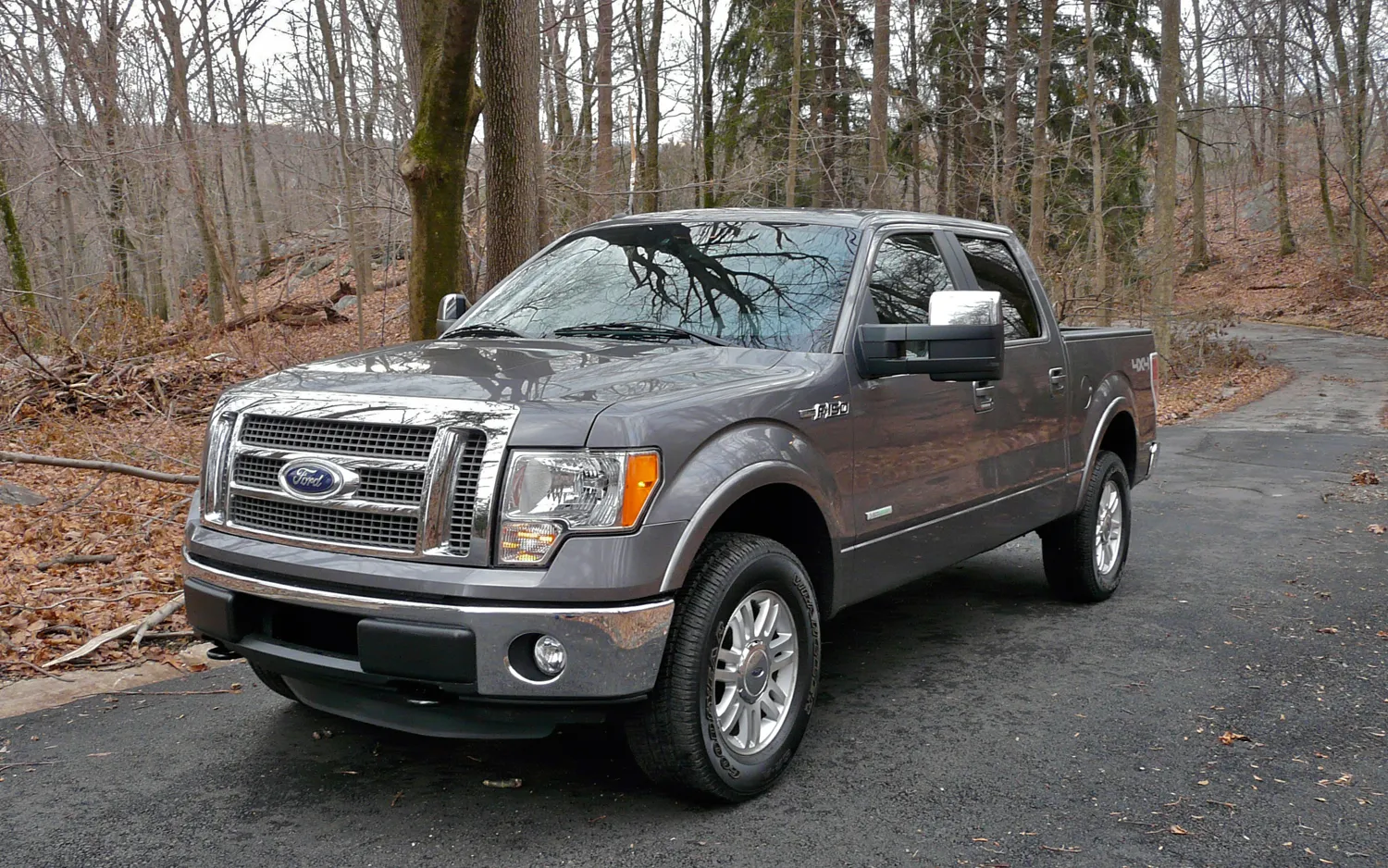
When people talk about vehicle durability, they often focus on engines or transmissions, yet one of the most important components for heavy duty use often receives far less attention.
The drive shaft and its universal joints are critical parts of the drivetrain because they transfer power from the transmission to the differential while allowing suspension movement and drivetrain flexibility. When these parts are weak, even the strongest engine becomes useless.
Heavy use situations place enormous stress on these components. Towing heavy trailers, hauling construction equipment, off road driving, snow plowing, and commercial use all create constant torque loads and angle changes that test drive shaft strength.
U joints must handle rotational force while also flexing with suspension travel. Poor design or weak materials can quickly lead to vibration, failure, or expensive drivetrain damage.
Durable drive shafts are usually found in vehicles designed with work in mind. These vehicles often use thicker tubing, stronger welds, heavy duty splines, and high quality universal joints designed for long service life. Some also include greaseable joints or serviceable components that allow preventive maintenance instead of complete replacement.
Another important factor is engineering philosophy. Vehicles designed for commercial or severe duty use often include driveline components with significant safety margins.
This means the parts are built to handle more stress than they normally encounter. This extra capacity is often what allows these vehicles to survive years of demanding use.
Maintenance also plays a major role. Even the strongest U joints require lubrication and inspection. Vehicles that allow easy servicing often last longer because worn parts can be maintained before catastrophic failure occurs.
This list highlights ten vehicles known for having strong drive shafts and durable universal joints that hold up well under heavy workloads. These vehicles have earned reputations among fleet operators, off road enthusiasts, and contractors who depend on driveline reliability every day.
Also Read: 10 Vintage All Wheel Drive Cars That Were Way Ahead of Their Time
1. Ford F250 Super Duty
Durability in heavy duty trucks rarely happens by accident. The Ford F250 Super Duty represents a design approach where every drivetrain component is expected to handle serious workloads, including the often overlooked drive shaft and universal joints.
One reason this truck earns recognition is because of how it was engineered for towing and hauling from the beginning. Rather than adapting lighter duty components, Ford designed the driveline with heavy torque transfer in mind. Thick drive shaft construction helps resist twisting forces that would fatigue weaker designs.
The universal joints used in these trucks are also designed for longevity. Heavy duty bearing caps and strong cross designs allow the joints to tolerate repeated torque loading without quickly developing play. This becomes especially important when towing because drivetrain loads increase significantly during acceleration.
Another strength involves how the driveline handles suspension travel. Trucks used for heavy work often operate on uneven terrain. The ability of the U joints to maintain smooth rotation even under angle changes helps reduce vibration and stress.
Fleet experience often tells the real story. Many F250 trucks operate for hundreds of thousands of kilometers while performing demanding tasks. While maintenance is always required, the base driveline design often proves capable of long service intervals.
Serviceability also contributes to durability. Many versions allow U joint replacement without replacing the entire shaft. This helps extend the life of the driveline because maintenance becomes practical rather than excessively expensive.
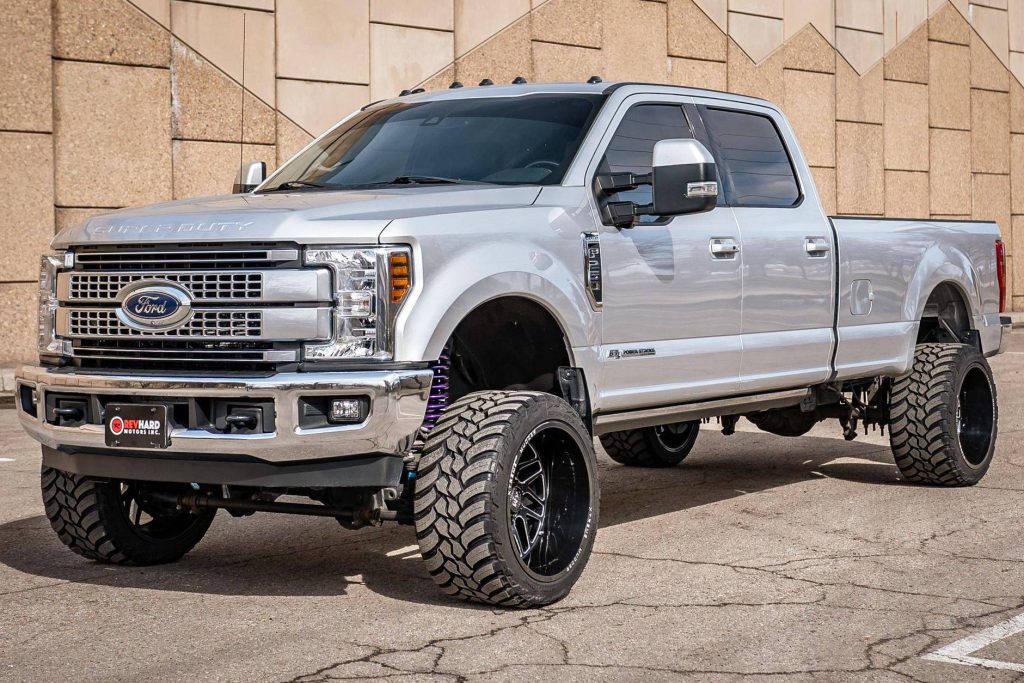
Looking at how these trucks are used gives further insight. Construction companies, utility services, and agricultural users often depend on these vehicles daily. The drive shaft and joints must survive repeated starts under load, something not every truck can handle.
This truck shows how driveline strength is not about a single component but about designing the entire torque transfer system to tolerate real world stress rather than ideal conditions.
2. Toyota Land Cruiser (J200 Series)
If durability were measured by reputation alone, the Toyota Land Cruiser would easily qualify as one of the most trusted heavy use vehicles ever built. Known globally for operating in extreme environments, its driveline components including the drive shafts and U joints reflect this philosophy.
Unlike vehicles designed primarily for comfort, the Land Cruiser was built with expedition reliability in mind. This means the drive shafts were engineered to handle rough terrain, heavy loads, and long distance travel without constant servicing.
One of the most impressive aspects of this vehicle is how its driveline handles articulation. Off road conditions often force suspension components into extreme positions. Strong universal joints allow the drive shaft to maintain smooth power transfer even when operating at steep angles.
Material strength also contributes significantly. Toyota is known for conservative engineering, often building parts stronger than necessary for normal use. This philosophy helps explain why many Land Cruisers operate reliably in remote regions where mechanical failure could have serious consequences.
Maintenance design also deserves recognition. Many examples include greaseable joints that allow preventive lubrication. This small feature significantly increases U joint life when used properly.
Real world stories often involve vehicles operating in deserts, mountains, and undeveloped regions. In these situations, driveline reliability becomes more than convenience. It becomes essential for safety.
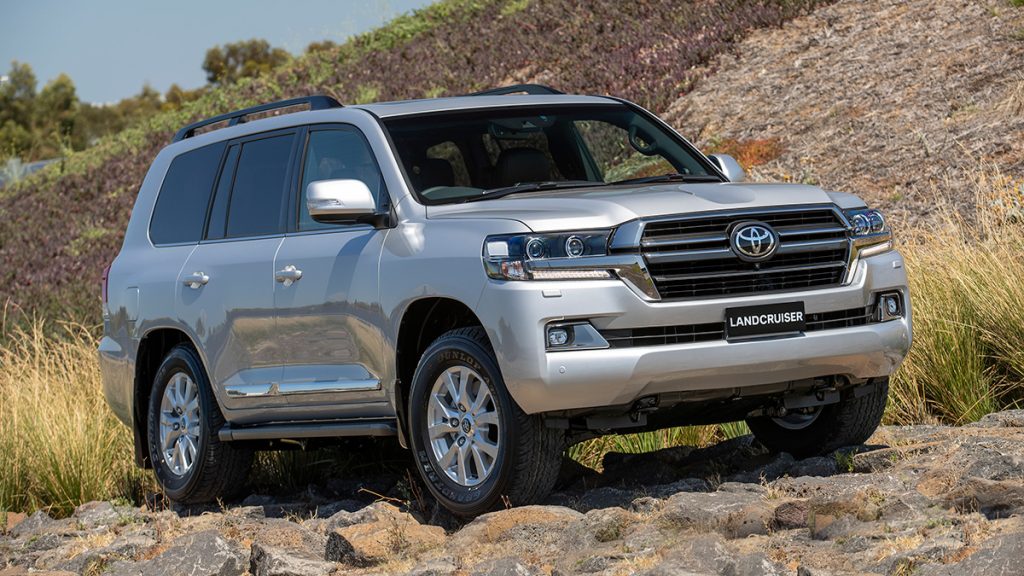
Another factor involves torque management. Smooth power delivery from the engine and transmission reduces sudden drivetrain shock. This helps the drive shaft and joints survive even under demanding off road use.
The Land Cruiser demonstrates how durability comes from planning for worst case conditions rather than average use. Its drive shaft and universal joints reflect the same philosophy that made the vehicle famous worldwide for reliability.
3. Chevrolet Silverado 2500HD
Some trucks earn their reputation through marketing, while others earn it through years of hard labor. The Chevrolet Silverado 2500HD belongs firmly in the second category. Designed with serious work expectations, its driveline components including the drive shaft and U joints were built to tolerate repeated heavy torque loads.
To understand why this truck stands out, it helps to think about the stress created during towing. When pulling heavy trailers, the drive shaft must transfer constant rotational force while also absorbing small shocks from changing road surfaces. The Silverado driveline was built with thick wall shaft construction to resist deformation under these conditions.
Universal joint strength becomes particularly important during load transitions. Every time a heavy trailer begins moving from a stop, the drivetrain experiences a moment of high stress. Strong bearing surfaces and durable cross assemblies help these joints survive repeated stress cycles.
Another area where this truck shows its strength is long term vibration resistance. Weaker drive shafts sometimes develop imbalance after years of use. Silverado heavy duty shafts are designed with attention to balance and structural integrity, helping maintain smooth operation even after extensive mileage.
Commercial users often provide the best evidence. Many examples spend their lives pulling equipment trailers or carrying construction loads. Despite this punishment, driveline failures are not commonly the first problem owners report when proper maintenance is followed.
Another advantage comes from how the driveline integrates with the truck’s suspension design. Proper alignment between drivetrain components reduces unnecessary angle stress on the U joints. This kind of detail often determines how long these parts last.
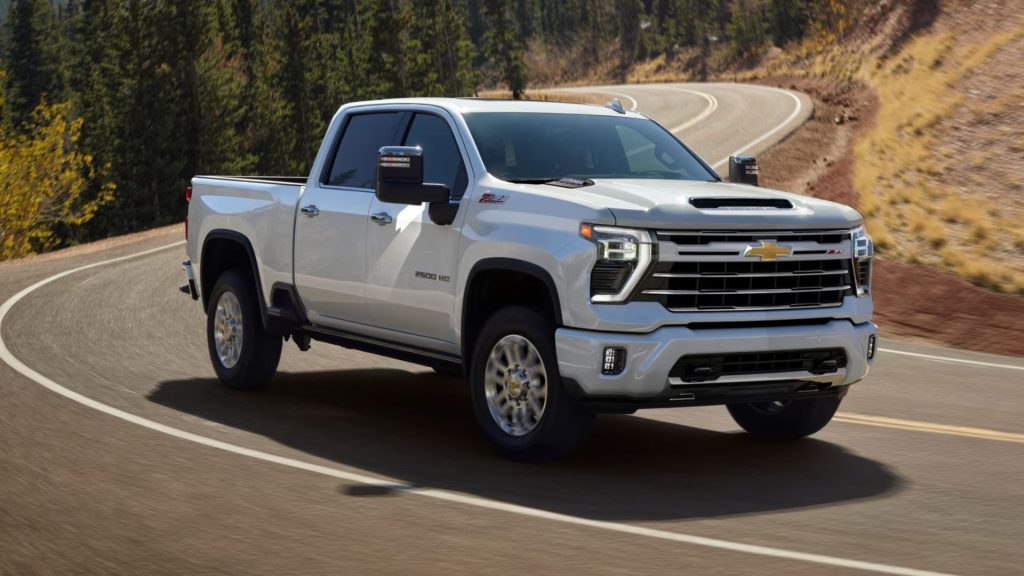
Service practicality also matters. Replacement parts are widely available, and experienced mechanics are familiar with the design. This makes preventive repair easier, which indirectly contributes to durability.
The Silverado 2500HD shows that heavy duty driveline strength comes from careful planning rather than luck. Its ability to handle repeated commercial workloads explains why it continues to be trusted in demanding industries.
4. Ram 3500 Heavy Duty
Strength can often be measured by what a vehicle is expected to do daily. The Ram 3500 is not just built for occasional heavy use but for constant exposure to serious loads. This expectation is clearly reflected in the design of its drive shaft and universal joints.
Imagine the mechanical challenge involved in towing multi ton trailers. Every rotation of the drive shaft must handle immense torque without flexing excessively. Ram engineers addressed this by using strong materials and robust joint construction designed to tolerate long term stress.
Another way to examine this truck is through repetition endurance. Work trucks often experience thousands of load cycles each year. Starting under load, climbing grades, and maneuvering trailers all create repeated strain. The durability of the Ram driveline comes from its ability to survive this repetition without quickly developing wear.
A notable feature in some models is the use of larger diameter drive shafts. Increased diameter can improve resistance to twisting forces, helping maintain structural stability under high torque conditions.
U joint longevity also benefits from careful sealing. Keeping contaminants out of the joint bearings helps maintain smooth operation. Trucks operating in dusty or muddy environments especially benefit from this kind of protection.
From a user experience standpoint, durability often shows up as the absence of problems. Contractors using these trucks frequently report long service intervals before driveline attention becomes necessary. This kind of reliability becomes a major factor in purchase decisions.
There is also a design culture factor. Heavy duty trucks often include components built with extra capacity because failure during work operations can be extremely costly. The Ram 3500 reflects this thinking through its driveline construction.
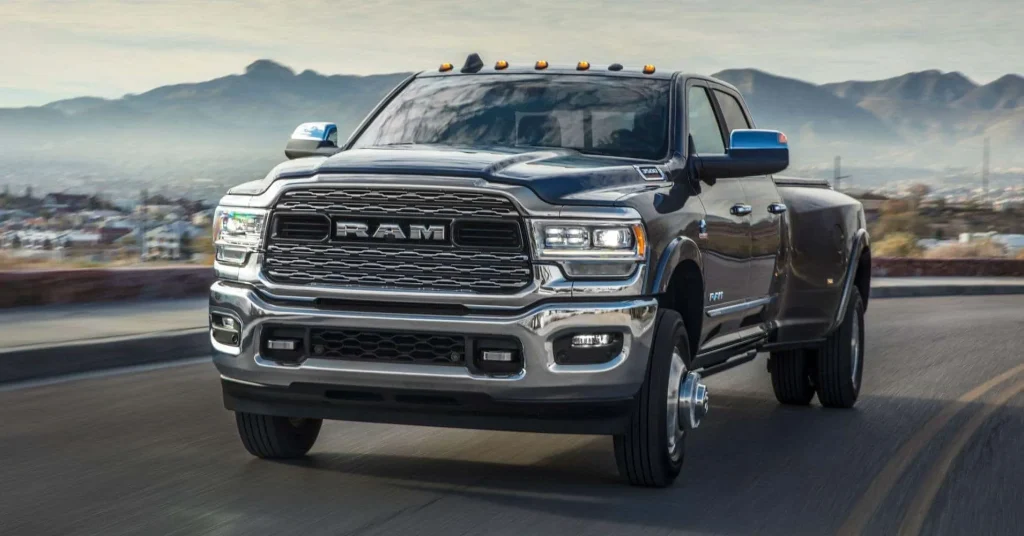
Looking at the vehicle as a complete system explains its success. Engine torque, transmission strength, and driveline durability were designed together rather than separately. This integrated approach helps explain why these trucks continue to perform under serious workloads.
5. Nissan Patrol (Y62)
Some vehicles earn their durability reputation not from specification sheets but from the environments they survive. The Nissan Patrol is one of those machines. Built to handle desert crossings, rocky trails, and long distance expeditions, its driveline components had to be strong enough to survive where failure would not be easily repaired.
Instead of looking at the Patrol purely as a luxury off roader, it helps to view it as a vehicle designed with mechanical survival in mind. The drive shafts are built to tolerate high torque loads generated during low speed off road driving. Crawling over obstacles creates stress patterns very different from highway use.
Universal joints in this platform benefit from designs meant to accommodate suspension articulation. Off road driving often forces the suspension to extend and compress dramatically. Strong joints ensure that even under extreme driveline angles, power continues flowing smoothly without binding.
Material thickness also contributes to the reputation. Heavy duty shaft construction helps resist damage from sudden traction changes. When a tire regains grip after slipping on sand or rock, the driveline must absorb a sudden shock. Strong shaft design helps prevent twisting damage.
Another element worth noting is how these vehicles are used globally. In many regions they are relied upon for transport across undeveloped terrain. Reliability of the drive shaft is not just about convenience but about ensuring the vehicle can return safely from remote areas.
Maintenance design also helps. Accessible lubrication points allow regular servicing, which significantly extends U joint life. Vehicles that allow easy maintenance often remain dependable longer because owners can address wear early.
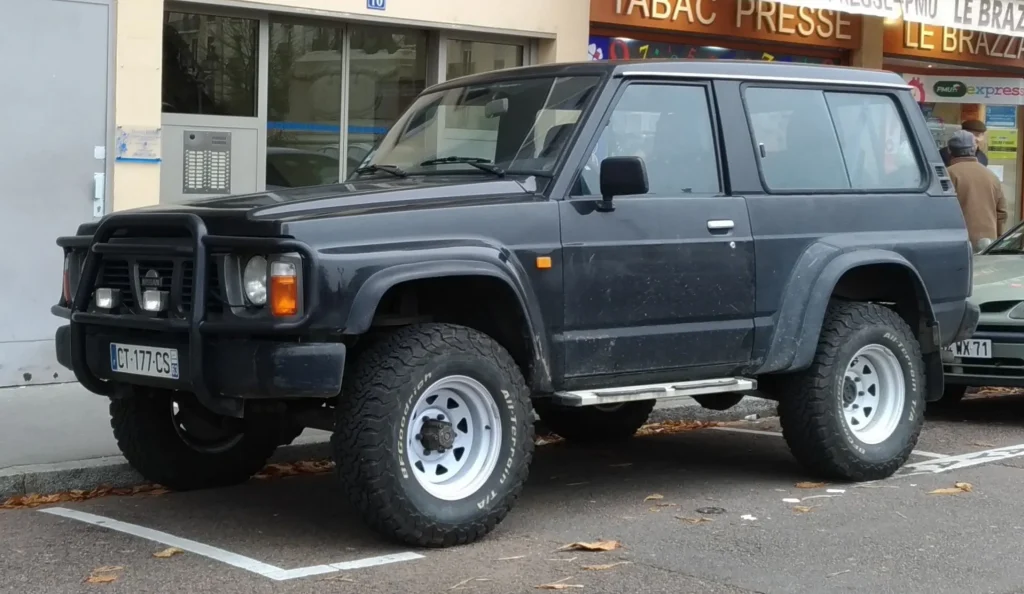
Another strength comes from drivetrain tuning. Smooth torque delivery helps prevent sudden impacts that could damage joints. This careful calibration shows how durability often comes from how power is delivered rather than how much exists.
The Nissan Patrol shows how driveline durability becomes essential when a vehicle is expected to operate far from repair facilities. Its drive shaft and U joints reflect that mission clearly.
6. Ford F150 (2011–2017)
Durability does not always require extreme size. The Ford F150 from this generation demonstrates how even a light duty truck can have a driveline built to handle serious real world demands when engineered correctly.
One way to evaluate this truck is by looking at how widely it is used. From construction sites to farming operations, these trucks often perform tasks beyond what their category suggests. This real world use highlights the importance of having a reliable drive shaft and strong U joints.
Another interesting feature involves driveline balance. Properly engineered shafts reduce vibration, which helps prevent long term fatigue damage. Even small improvements in balance can dramatically extend component life when a truck accumulates high mileage.
Universal joint design also reflects durability priorities. Quality bearing surfaces and proper sealing help prevent early wear. Trucks used in wet or dusty environments especially benefit from these protective details.
Looking at maintenance culture also reveals something important. Because the F150 is one of the most widely used trucks, service knowledge is extensive. Owners often understand the importance of periodic inspection, which helps extend driveline life.
The truck also benefits from drivetrain compatibility. Engine torque levels are matched with appropriate driveline strength. This balance helps prevent situations where excessive power overwhelms the drive shaft components.
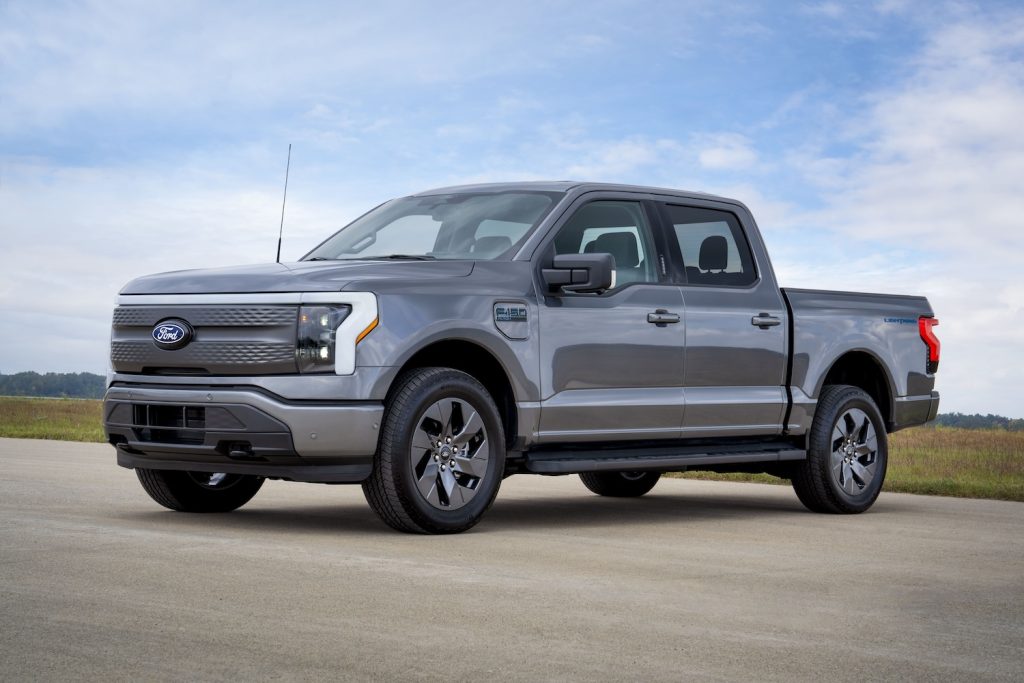
Another factor comes from usage flexibility. Many F150 trucks transition between daily driving and heavy work. The driveline must tolerate both smooth highway cruising and sudden load demands. This versatility requires strong baseline engineering.
A broader view shows why this truck appears on the list. It may not be the largest platform, but it demonstrates how thoughtful engineering can provide durability even in vehicles expected to serve many different roles.
The F150 proves that durability is not only about maximum size. It is about designing components that can survive the variety of demands owners place on them every day.
7. Toyota Hilux
There is a reason the Toyota Hilux has become almost legendary in discussions about mechanical durability. Around the world it is often used in environments where vehicles are pushed beyond what most manufacturers would consider normal usage.
Under these conditions, driveline strength becomes one of the most important survival factors.
Start by considering how these trucks are commonly used. Overloaded cargo, rough terrain, agricultural work, and long distance travel on poor roads all place continuous stress on the drive shaft. The Hilux driveline is designed with this reality in mind rather than ideal driving conditions.
The universal joints in this platform benefit from a very practical engineering approach. Instead of chasing lightweight construction, durability takes priority. Strong bearing construction helps these joints tolerate repeated torque application even when maintenance intervals are not perfect.
Another detail that helps explain its durability is torque progression. The engine’s torque characteristics allow smooth engagement rather than violent drivetrain shock. This type of predictable torque transfer plays a major role in extending drive shaft life.
It is also worth mentioning how the Hilux handles environmental challenges. Dust, mud, and water crossings are common in the places where these trucks operate. Proper sealing and strong joint construction help prevent premature wear caused by contamination.
Looking at long term ownership stories provides additional insight. Many Hilux trucks continue operating after extremely high mileage with original driveline components still functioning. This does not happen by accident. It reflects conservative engineering decisions.
There is also an important simplicity factor. Designs that avoid unnecessary complexity often prove more durable over time. The Hilux driveline reflects this principle by focusing on strength and serviceability rather than novelty.
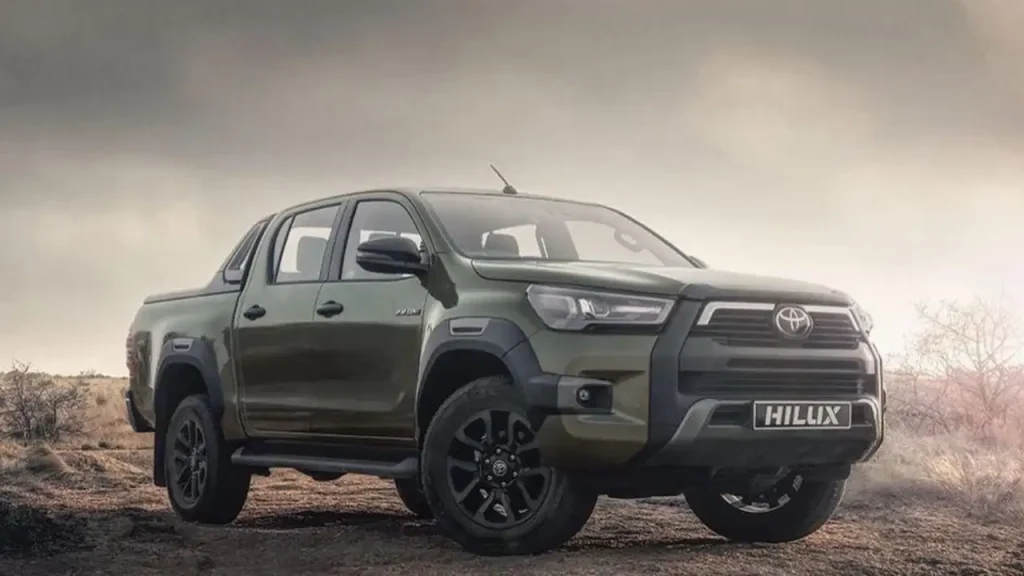
This truck shows how durability often comes from respecting real world conditions. Its drive shaft and universal joints demonstrate how building for harsh environments can produce components capable of surviving almost anything normal use can deliver.
8. Chevrolet Tahoe (2015–2020)
Full size sport utility vehicles face a unique engineering challenge. They must combine passenger comfort with truck like durability. The Chevrolet Tahoe manages this balance well, and part of that success comes from the strength of its driveline components.
A useful way to analyze this vehicle is by considering how it is used. Many Tahoes serve as tow vehicles, family transport, and sometimes fleet vehicles. This wide range of use requires drive shaft components that can tolerate both smooth highway travel and heavy load situations.
One important strength involves structural rigidity. A well constructed drive shaft resists flex during torque transfer. This helps prevent vibration and reduces fatigue on the universal joints. Tahoe driveline components were designed with these factors in mind.
Universal joint life also benefits from careful alignment design. Proper drivetrain geometry reduces unnecessary operating angles. This helps ensure the joints rotate smoothly without developing premature wear patterns.
Another advantage comes from the vehicle’s towing capability. Pulling trailers introduces significant torque loads during acceleration. The Tahoe’s driveline components are built to handle these situations without quickly developing looseness or vibration.
Maintenance access is another small but meaningful factor. Vehicles that allow straightforward inspection encourage better upkeep. Early detection of wear helps extend the life of the entire driveline system.
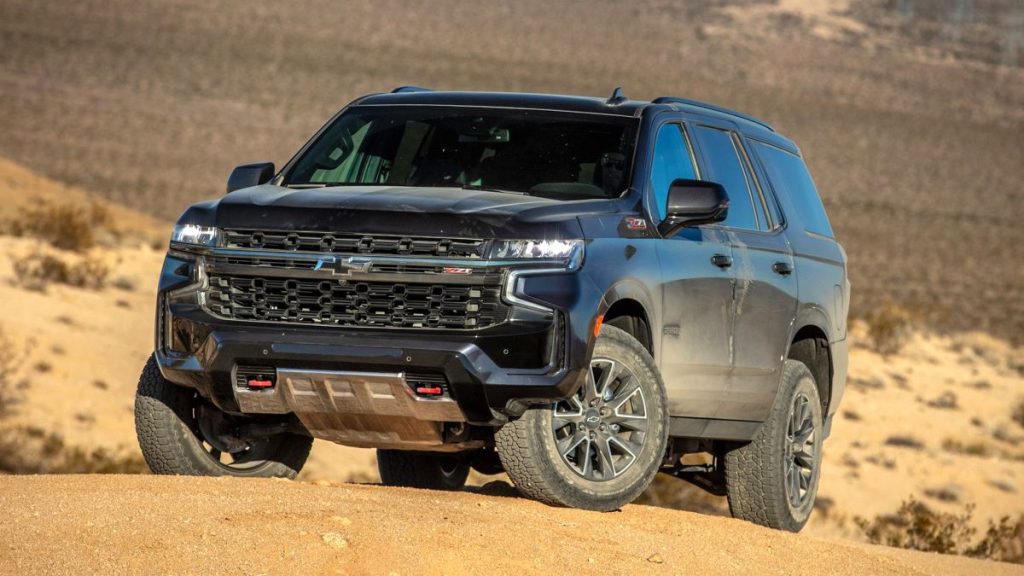
Another observation involves how these vehicles are used by law enforcement and commercial fleets. These demanding applications often reveal weak components quickly. The Tahoe’s continued presence in these roles suggests confidence in its driveline durability.
The Tahoe demonstrates how combining passenger vehicle refinement with truck based strength can produce a driveline capable of handling demanding work while still providing everyday comfort.
9. GMC Sierra 3500HD
When engineers design a truck intended for extreme towing, they cannot afford weak points anywhere in the drivetrain. The GMC Sierra 3500HD represents this philosophy clearly. Every rotating component between the engine and rear axle is expected to tolerate enormous stress, including the drive shaft and its universal joints.
Rather than focusing only on torque ratings, it helps to consider the daily reality of trucks like this. Pulling heavy equipment trailers, transporting construction machinery, and carrying large payloads all create constant mechanical tension. The drive shaft must endure this force without distortion, which is why heavy gauge steel construction is commonly used.
Another area where the Sierra shows its preparation is joint sizing. Larger universal joints can distribute stress across wider bearing surfaces. This reduces localized wear and improves long term durability, particularly when the truck operates under heavy load conditions regularly.
There is also a fatigue resistance factor. Continuous torque cycles can slowly weaken driveline components if they are not designed with proper strength margins. Sierra driveline components were developed with this long term fatigue resistance in mind.
A different way to look at durability is through smoothness. A properly balanced drive shaft reduces harmonic vibration. Less vibration means less long term stress on U joint bearings and mounting points. This kind of refinement often separates long lasting trucks from those needing frequent repair.
Fleet service history also provides useful evidence. Trucks used for commercial hauling often accumulate high mileage rapidly. The Sierra’s continued use in these environments shows confidence in its driveline structure.
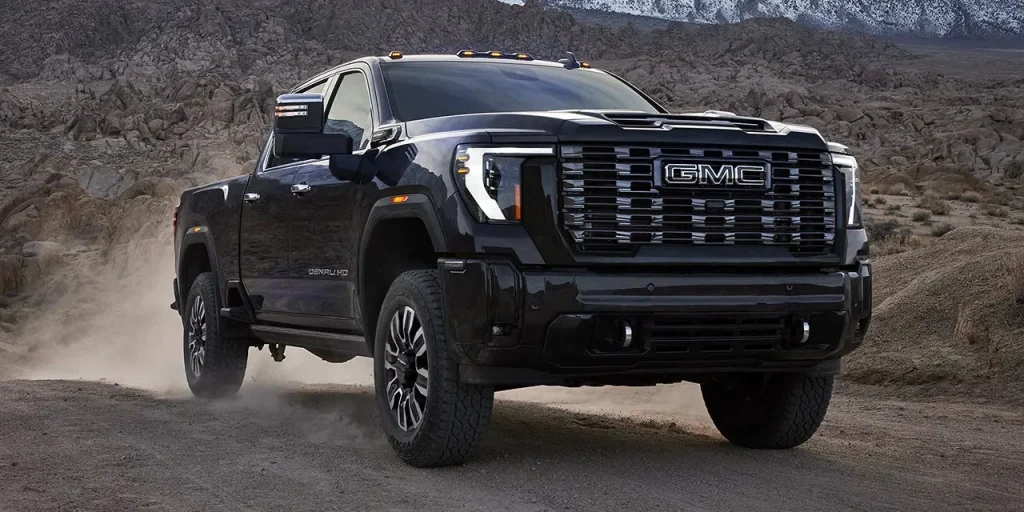
Another important element is drivetrain integration. The transmission, differential, and drive shaft must work together. In this platform, torque capacity is balanced across all components, preventing one part from becoming a weak link.
The Sierra 3500HD proves that durability is not about one strong part but about a complete system designed to share mechanical stress effectively across the entire driveline.
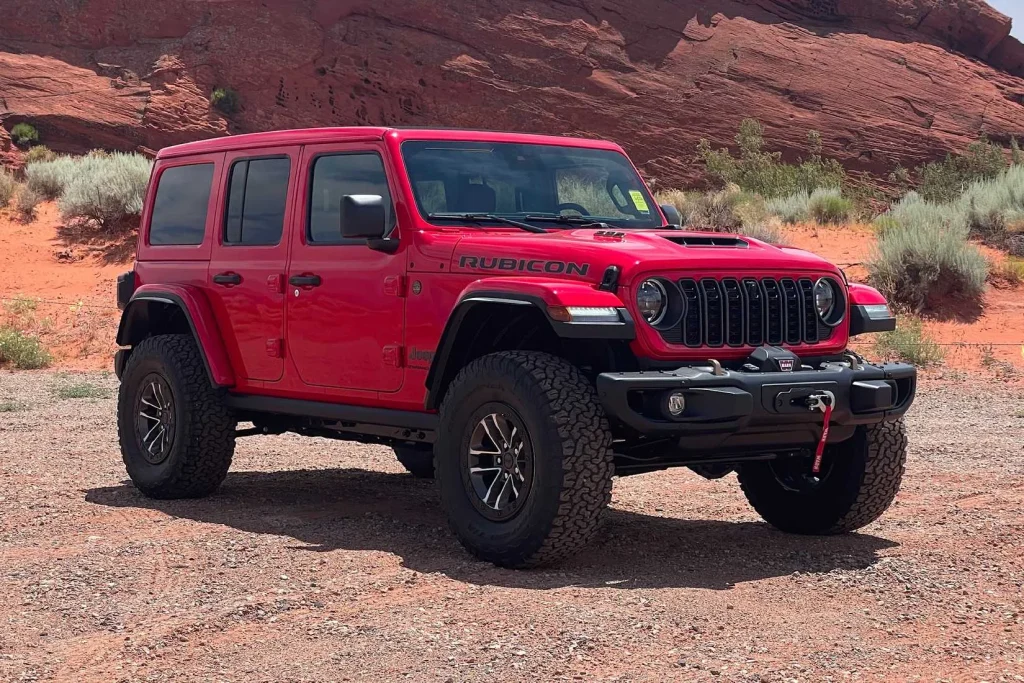
10. Jeep Wrangler Rubicon
Off road vehicles face a completely different kind of stress compared to highway trucks. The Jeep Wrangler Rubicon earns its place here because its drive shaft and U joints are designed to tolerate extreme articulation, sudden traction changes, and constant terrain variation.
To understand the demands placed on this vehicle, picture slow rock crawling. At low speeds, engines produce high torque while suspension components move through extreme angles. Under these conditions, the drive shaft must flex constantly while still delivering smooth rotation.
The Rubicon’s driveline reflects this reality. Heavy duty shafts and strong universal joints allow the system to operate at steep angles without binding. This is critical because off road vehicles regularly operate far outside normal suspension geometry.
Another factor is impact tolerance. When tires suddenly regain traction after slipping on rocks or mud, the driveline must absorb sudden force. Reinforced components help prevent twisting damage or joint failure in these situations.
Ground clearance also plays a role. Off road vehicles risk contact with rocks and obstacles. Strong shaft construction helps resist damage from occasional impacts that could bend weaker components.
Serviceability is also important in this type of vehicle. Off road enthusiasts often inspect and maintain their driveline regularly. Replaceable U joints and accessible components allow repairs without replacing the entire shaft.
Another strength comes from drivetrain gearing. Low range gearing allows torque multiplication without requiring excessive throttle. This reduces sudden shock loads, which helps preserve driveline components.
The Wrangler Rubicon highlights how driveline durability is not just about handling weight but also about handling movement. Its drive shaft and universal joints demonstrate how engineering for extreme flexibility can produce impressive long term reliability.
Drive shafts and universal joints rarely receive the same attention as engines or transmissions, yet they play an equally critical role in vehicle durability. Without strong driveline components, even the most powerful vehicle cannot reliably transfer power to the ground.
The vehicles in this list demonstrate how proper engineering can create driveline systems capable of surviving heavy workloads. Thick shaft construction, strong joint materials, proper balancing, and good sealing all contribute to long service life.
Another important theme is integration. The most durable vehicles are those where the engine, transmission, differential, and drive shaft are designed to work together. Balanced engineering prevents one component from carrying more stress than it was designed to handle.
Usage patterns also influence durability. Vehicles designed for towing, off road use, or commercial work tend to include driveline components with higher safety margins. This extra strength often allows them to survive demanding conditions that would quickly damage lighter vehicles.
Maintenance remains equally important. Even the strongest universal joints benefit from lubrication, inspection, and timely replacement. Preventive care often determines whether a driveline lasts decades or fails prematurely.
These ten vehicles show how durability often comes from preparation. When manufacturers expect their vehicles to face harsh conditions, they build driveline components accordingly.
Ultimately, the strongest drive shafts and U joints are found in vehicles designed to work rather than just travel. These machines demonstrate how careful engineering can ensure that power reaches the ground reliably no matter how demanding the task becomes.
Also Read: 10 Vehicles With Heavy Duty Alternators Built for High Electrical Demands
