
Chrome ruled the roads during the 1950s, and nowhere was its presence more dramatic than on the front ends of America’s most memorable cars. Designers treated grilles as more than functional air intakes. They became statements of identity, confidence, and ambition.
Each manufacturer sought to outdo the next with brighter finishes, bolder shapes, and intricate patterns that reflected the optimism of the decade. Step back into that era, and you will notice how grille designs told stories before a car even moved.
Some resembled jet intakes inspired by aviation progress, while others embraced luxury with fine mesh and polished bars. A single glance could reveal whether a car aimed for elegance, performance, or sheer visual impact.
Car enthusiasts today still admire these chrome masterpieces because they represent a time when design had fewer restraints. Creativity flowed freely, and automakers embraced risk in pursuit of attention. These grilles were not subtle, yet that boldness remains part of their charm decades later.
This list highlights ten vehicles whose chrome grilles defined the visual identity of the 1950s. Each one reflects a unique approach to styling, proving that even a single component can shape how an entire car is remembered.
1. 1959 Cadillac Eldorado Biarritz
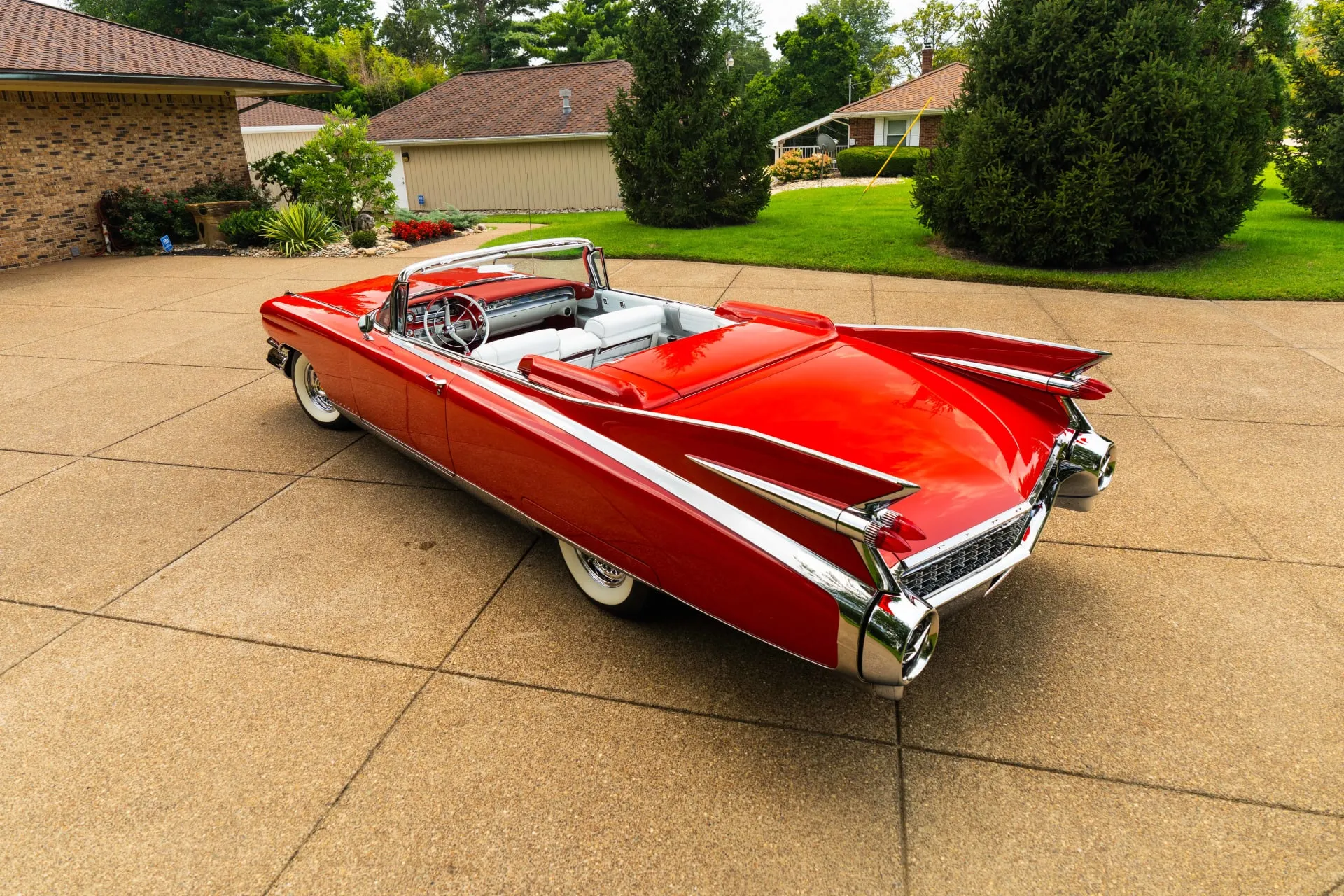
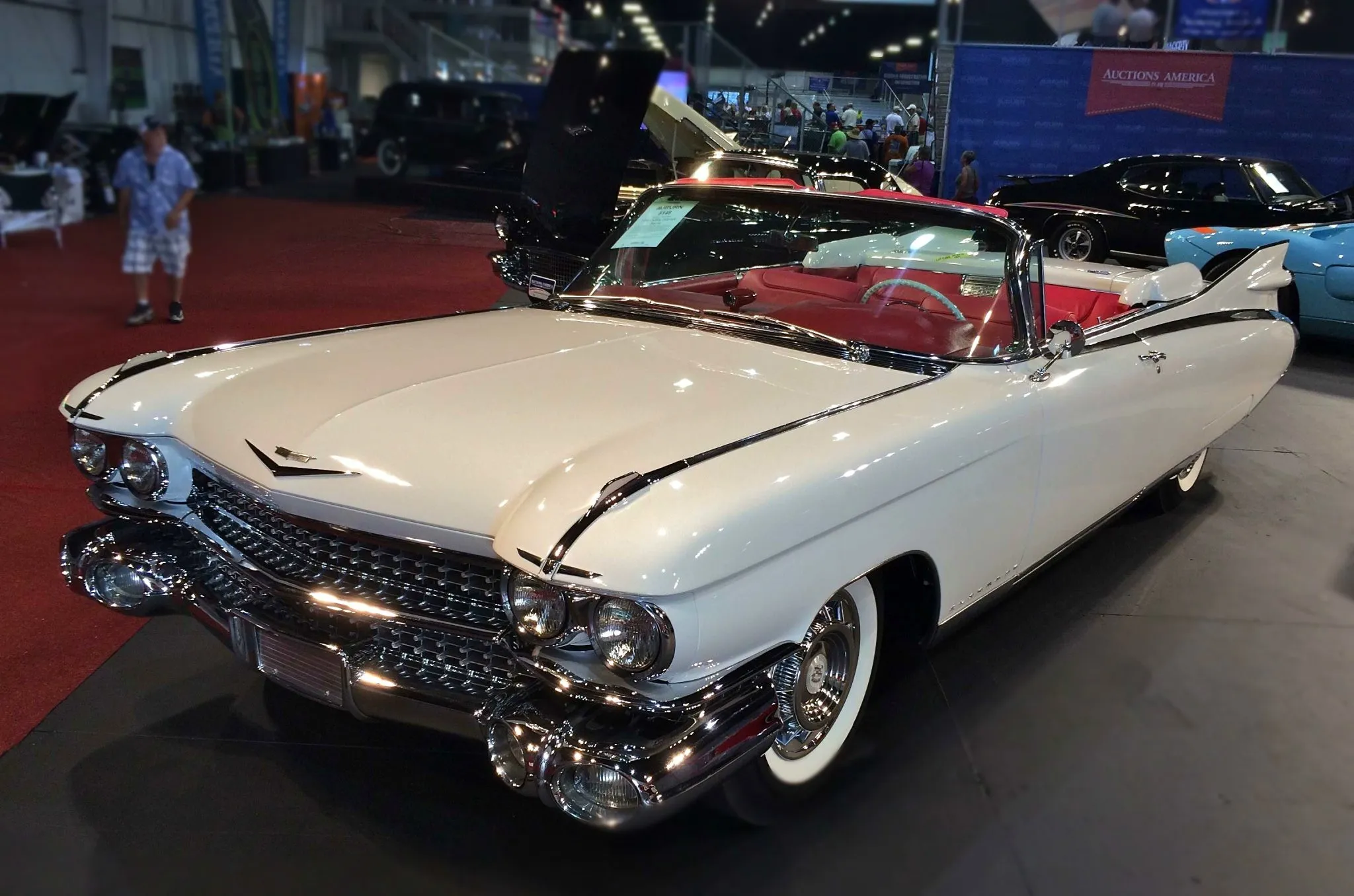
Gleaming under showroom lights, the 1959 Cadillac Eldorado Biarritz introduced a grille that felt as extravagant as the era itself. Cadillac designers embraced width and presence, stretching the chrome front end across the full face of the vehicle. Horizontal bars stacked tightly together created a sense of depth, while the bright finish reflected everything around it like polished jewelry.
What stands out immediately is the confidence behind the design. Nothing about this grille attempts to blend in. Each chrome strip appears deliberately oversized, reinforcing Cadillac’s position as a symbol of success. Parked at the curb, the Eldorado Biarritz announces itself before the engine even starts.
Design influence during this period leaned heavily toward aviation. Jet age inspiration shaped not only tailfins but also frontal elements. The grille resembles a wide intake, suggesting power and forward motion. That visual cue connected with buyers who associated modern cars with technological progress.
Viewed from different angles, the grille changes character. From straight on, it feels imposing and structured. From the side, reflections ripple across the chrome, adding movement even when the car is stationary. Such visual dynamism contributed to its enduring appeal.
Collectors continue to value this model because it captures a moment when excess became art. The grille does not exist merely to cool the engine. It serves as a centerpiece that defines the entire vehicle’s personality. Cadillac’s approach during this era set a benchmark for luxury styling.
Competitors responded with their own interpretations, yet few matched the sheer boldness displayed here. This grille remains a lasting reminder that automotive design once embraced theatrical expression without hesitation.
2. 1957 Chevrolet Bel Air
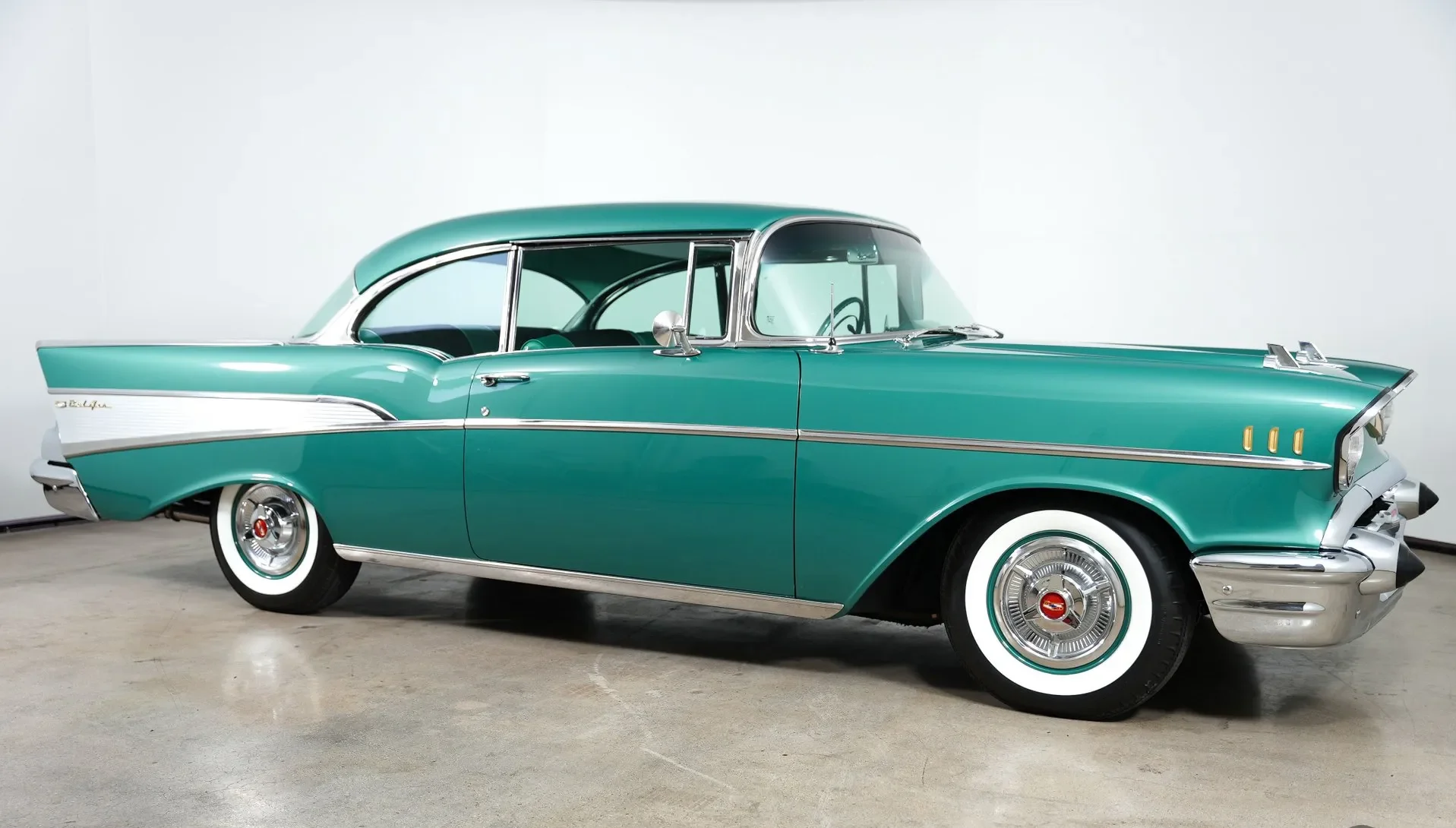
Nothing says classic Americana quite like the 1957 Chevrolet Bel Air, and its chrome grille plays a major role in that reputation. Instead of overwhelming the viewer with size, Chevrolet opted for a balanced design that combines elegance with approachability.
A wide central opening framed by clean chrome edges creates a welcoming face. Subtle detailing within the grille adds texture without appearing busy. This careful restraint allowed the Bel Air to appeal to a broad audience, from families to young drivers seeking style without excess.
Standing in front of one, you notice how the grille complements rather than dominates. Chrome accents extend into the headlights and bumper, forming a cohesive look. Every element feels connected, giving the car a sense of unity that enhances its timeless appeal.
Designers clearly understood proportion. The grille occupies just enough space to draw attention while leaving room for the rest of the body to shine. This balance helped the Bel Air remain visually relevant long after its production years ended.
Cultural impact cannot be ignored. The 1957 Bel Air became a symbol of prosperity and optimism in postwar America. Its grille, with its clean lines and polished finish, reflected that spirit perfectly. Even today, enthusiasts admire how this design avoids extremes while still delivering presence. It proves that a chrome grille does not need to be oversized to make a lasting impression.
Chevrolet’s approach demonstrated that thoughtful design could resonate across generations. The Bel Air’s grille continues to represent a golden age of automotive styling where simplicity and elegance worked hand in hand.
Also Read: Top 10 Most Reliable Vintage Alternator Upgrades for Reliability
3. 1955 Chrysler C-300
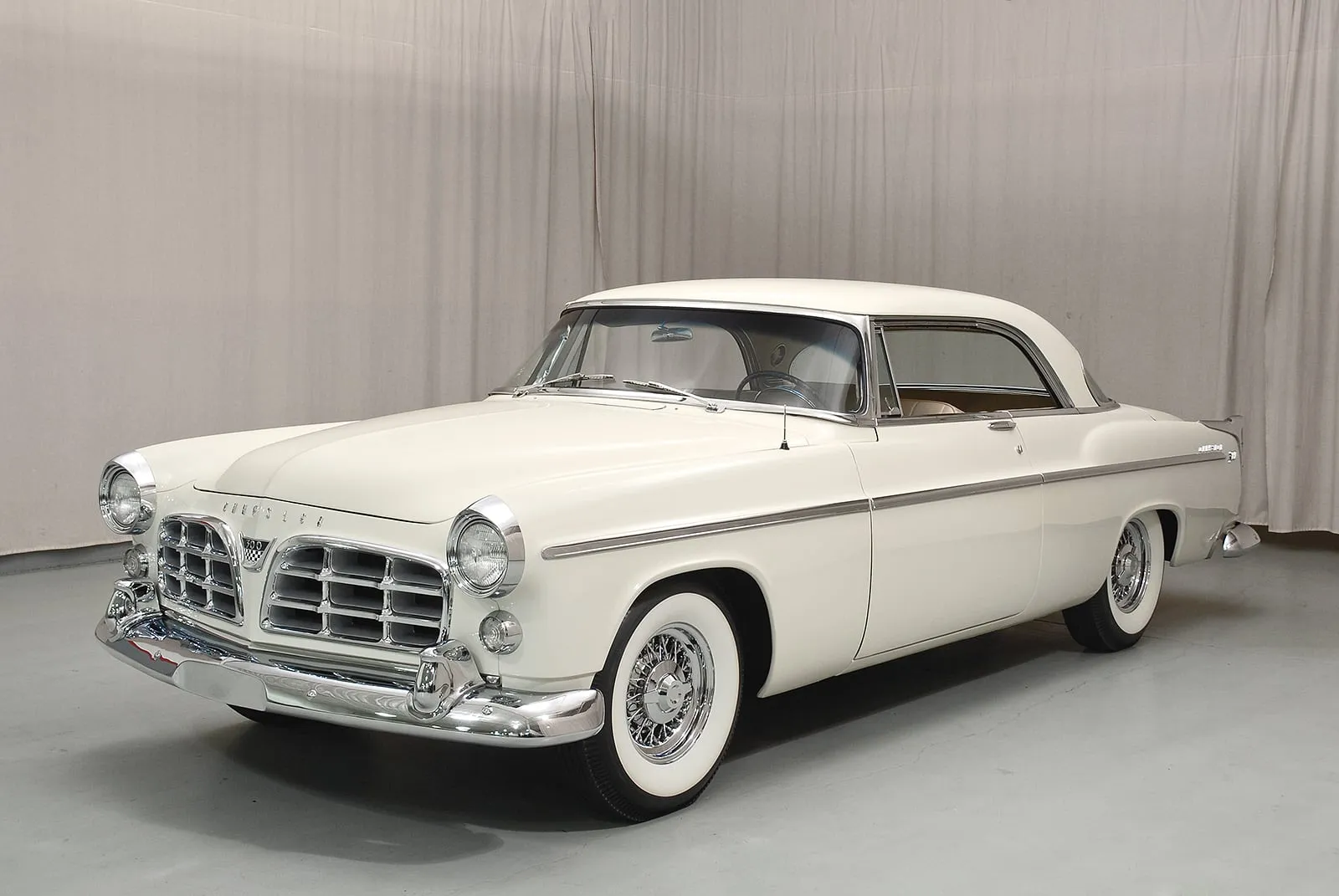
Authority defines the face of the 1955 Chrysler C-300. Its chrome grille carries a seriousness that separates it from more decorative rivals. Rather than intricate patterns, Chrysler chose a bold rectangular opening filled with a mesh structure that suggests performance and purpose.
Visual weight sits low and wide, giving the car a planted stance. Chrome surrounds the grille with clean precision, emphasizing strength rather than ornamentation. This approach aligns with the C-300’s identity as one of the earliest American performance cars.
Step closer, and the mesh detail reveals itself. Fine metallic lines create a textured surface that contrasts with the smooth chrome border. This interplay between texture and shine adds depth without relying on excessive decoration.
Unlike some contemporaries that chased flamboyance, the C-300 communicates confidence through restraint. The grille looks purposeful, almost industrial, hinting at the powerful engine behind it. That connection between form and function gives the design lasting credibility.
Racing heritage also plays a role. Chrysler’s success in motorsport during this period reinforced the car’s performance image. The grille reflects that background by prioritizing airflow and efficiency alongside visual appeal. Collectors appreciate how this design stands apart from the chrome-heavy excess often associated with the decade.
It offers a different interpretation of 1950s style, one rooted in strength and engineering focus. Chrysler proved that chrome could express more than luxury. With the C-300, it became a symbol of power and discipline, leaving a distinct mark on automotive design history.
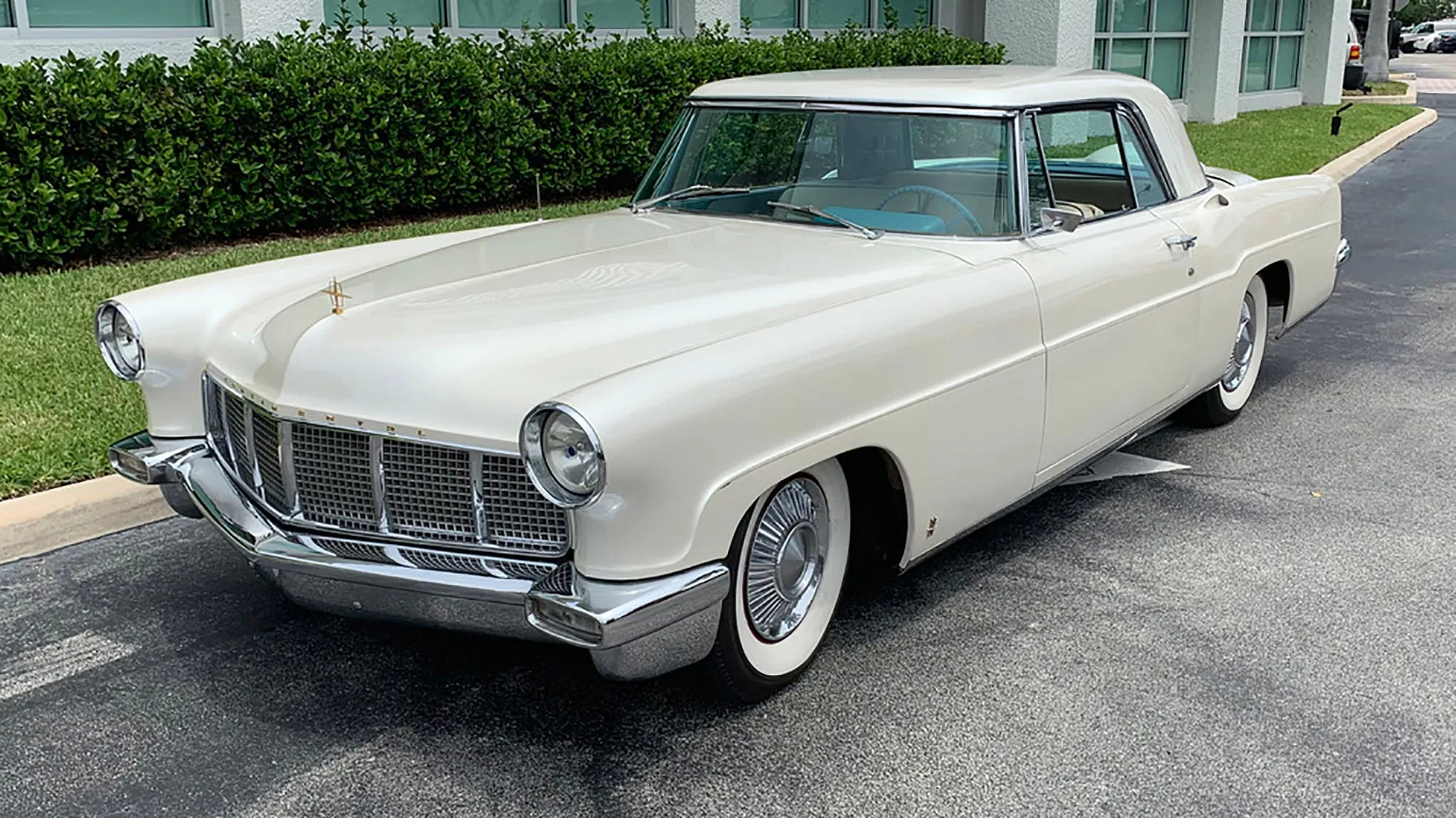
4. 1956 Lincoln Continental Mark II
Elegance is expressed with measured restraint in the 1956 Lincoln Continental Mark II, a vehicle that reflects a disciplined and carefully considered approach to chrome grille design. Rather than relying on visual excess, Lincoln chose to present a front fascia defined by order, precision, and quiet confidence.
This decision positioned the Mark II as a refined alternative to more flamboyant contemporaries, appealing to individuals who valued dignity above display. At the centre of its design lies a finely executed egg crate grille pattern. Each square is proportioned with consistency, creating a uniform structure that interacts with light in a controlled and deliberate manner.
The chrome surround frames this pattern with clarity, neither overpowering the design nor diminishing its presence. Such a balance demonstrates a high level of design maturity, where every element serves a defined purpose. Observation of the vehicle from a close distance reveals a distinct character.
Unlike models that rely on bold ornamentation, the Mark II communicates authority through subtle detailing. The grille does not demand immediate attention; instead, it invites careful examination. This quality gives the vehicle a composed presence that becomes more impressive with time rather than at first glance.
A desire for longevity guided design direction for this model. Lincoln avoided temporary styling trends and focused instead on geometry that would remain relevant across decades. Clean lines, measured spacing, and proportional harmony contribute to a timeless appearance. This approach has allowed the Mark II to retain its visual appeal long after its production period.
Craftsmanship becomes evident when one studies the grille closely. Each chrome component appears meticulously finished, with smooth surfaces and consistent alignment. This level of execution reflects the standards upheld by the Continental division, where quality was treated as a defining principle rather than a secondary consideration.
Exclusivity also played a central role in shaping the identity of the Mark II. Limited production numbers and careful assembly elevated the vehicle’s status among luxury automobiles of its time. The grille serves as a visual expression of that exclusivity, conveying refinement without resorting to unnecessary embellishment.
Lincoln’s philosophy in this instance demonstrates that chrome need not be excessive to achieve impact. Precision, restraint, and thoughtful design can create a presence that endures, offering a lasting impression grounded in sophistication and balance.
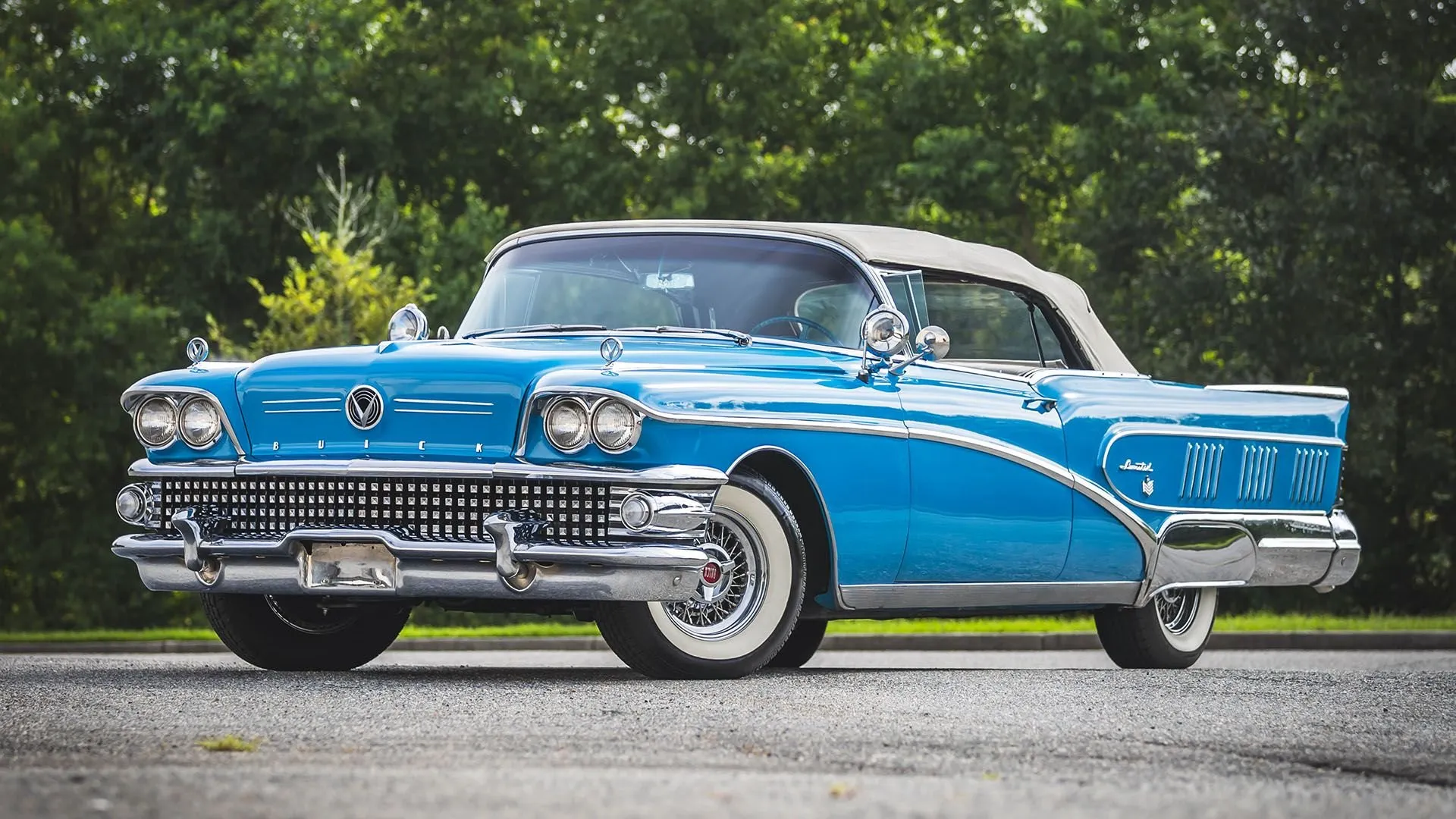
5. 1958 Buick Limited
Visual drama defines the front end of the 1958 Buick Limited, a vehicle that expresses boldness through an expansive, highly distinctive chrome grille. Buick’s design team pursued a concept emphasizing scale and visual impact, resulting in a grille that extends across nearly the entire width of the vehicle. This approach transformed the front fascia into a dominant feature that immediately commands attention.
Vertical chrome bars form the foundation of the grille’s design, arranged in a cascading pattern that resembles a flowing waterfall. Each bar is positioned with deliberate spacing, allowing light to interact dynamically with the polished surfaces. As a viewer moves around the vehicle, reflections move continuously, producing a sense of motion even when the car remains stationary. This visual effect contributes greatly to the grille’s commanding presence.
Initial impressions often include a sense of overwhelming scale. That reaction aligns with Buick’s intention to create a vehicle that projects grandeur and confidence. The grille serves as the focal point of the entire design, drawing the eye and establishing the car’s identity without ambiguity. Its size and complication distinguish it clearly from more restrained designs of the same period.
Chrome application extends beyond the grille itself, continuing into surrounding trim elements and reinforcing the vehicle’s bold character. Every reflective surface appears carefully positioned to enhance visibility and presence. This extensive use of chrome reflects a design philosophy that prioritised visual impact and expressive styling.
Close examination reveals that the apparent excess is supported by thoughtful execution. Each vertical element maintains alignment and proportion, preventing the design from appearing disordered. The interplay between repetition and spacing ensures that the grille retains clarity despite its scale.
Buick’s willingness to pursue such a daring concept demonstrates confidence in its design direction. Few manufacturers were prepared to apply chrome with such intensity, yet this decision resulted in a model that remains instantly recognisable. The grille has become one of the defining features of late-1950s automotive styling.
Collectors continue to value the Buick Limited for its bold interpretation of luxury. The grille represents a period when design boundaries were tested with enthusiasm, producing results that remain memorable and influential.
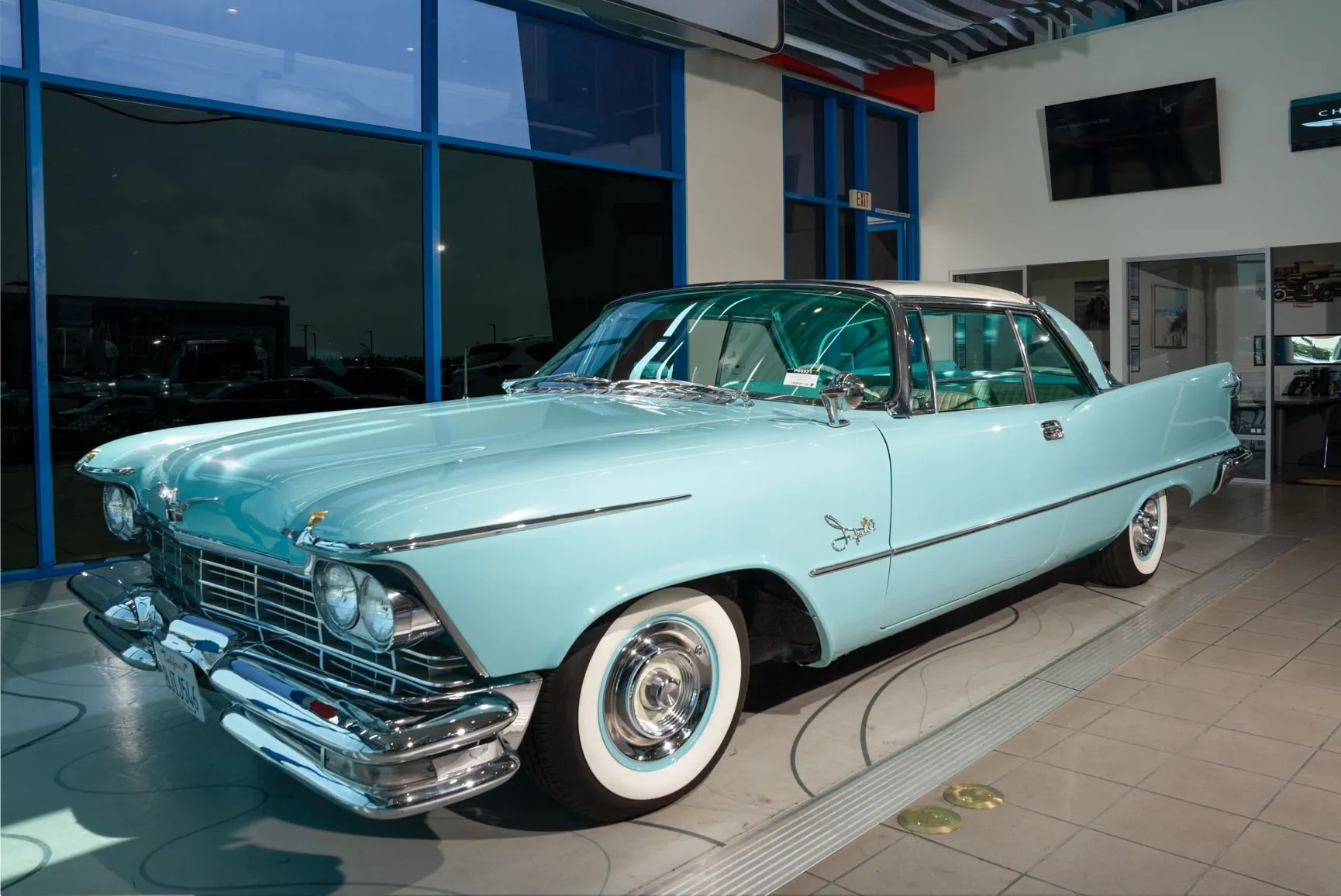
6. 1957 Chrysler Imperial Crown
Presence becomes undeniable when facing the 1957 Chrysler Imperial Crown, a vehicle that treated its grille as a defining signature rather than a supporting detail. Designers at Imperial sought to separate the brand from Chrysler’s mainstream offerings, and the grille became the visual anchor for that ambition.
A bold, freestanding design sets the tone immediately. Unlike integrated grilles that blend into the front fascia, this one stands upright with a commanding vertical orientation. Heavy chrome surrounds a finely detailed mesh insert, creating a layered appearance that draws attention from every angle. The result feels formal, almost architectural, as though the front of the car were crafted with the same care as a grand building entrance.
Walking around the vehicle reveals how the grille interacts with surrounding elements. Quad headlights sit slightly apart, allowing the grille to maintain its identity without competition. This separation reinforces a sense of exclusivity, making the front end feel composed rather than crowded.
Reflections play a central role in the design. Chrome surfaces mirror the environment, adding motion and depth as light moves across the contours. Under bright sunlight, the grille appears almost luminous, emphasizing the craftsmanship behind its construction.
Imperial positioned itself as a direct rival to Cadillac, and this grille reflects that ambition. It communicates authority without relying on excessive ornamentation, instead focusing on proportion and detail. That restraint, paired with confident execution, gives the design a timeless quality.
Collectors often admire how the Imperial Crown balances boldness with refinement. The grille does not rely on gimmicks; it stands firm as a statement of identity. Even decades later, it remains instantly recognizable, proving that strong design principles endure far beyond their era.
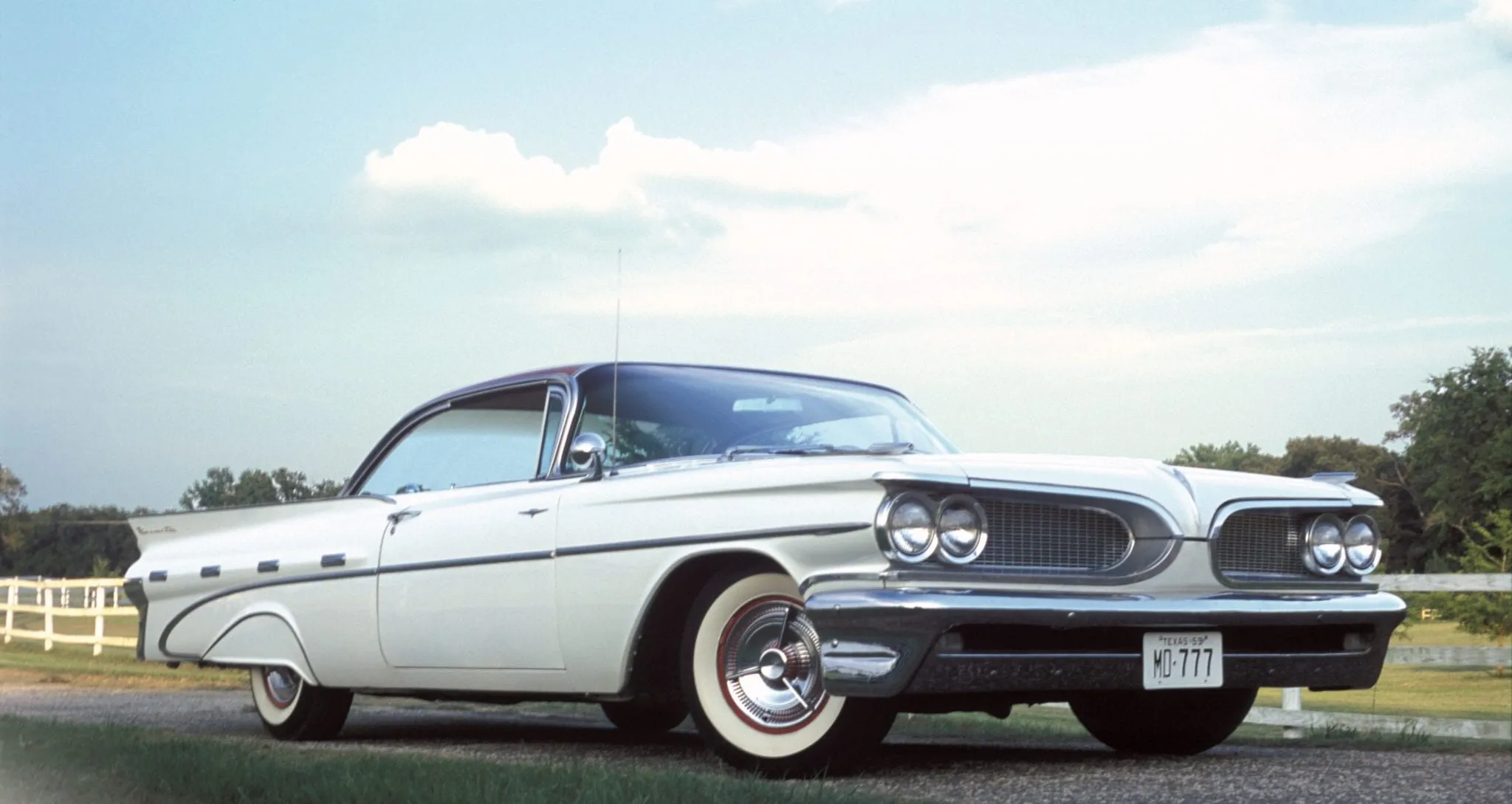
7. 1959 Pontiac Bonneville
Energy defines the face of the 1959 Pontiac Bonneville, where a wide split grille introduces a dynamic approach to chrome styling. Pontiac designers embraced motion and excitement, creating a front end that feels alive even when parked.
A central divider separates two horizontal grille sections, each filled with finely spaced chrome bars. This split arrangement adds visual rhythm, guiding the eye across the width of the car. The design feels purposeful, as though airflow and style were considered together rather than treated as separate goals.
Standing directly in front of the Bonneville reveals a sense of balance. The grille stretches outward, aligning with the car’s broad stance, while the central divider anchors the composition. This interplay between width and structure gives the vehicle a confident presence.
Chrome detailing extends into the bumper and headlight surrounds, creating continuity across the front end. Every element appears connected, reinforcing the idea that the grille is part of a larger design story rather than an isolated feature.
Pontiac aimed to attract drivers who valued excitement and individuality. The grille reflects that ambition by avoiding conservative choices. Instead of a single opening, the split design introduces variation and visual interest, setting the Bonneville apart from its peers.
Light interacts differently across each section, producing subtle variations in reflection. This effect adds depth, making the grille appear more intricate than it first seems. Such attention to detail contributes to its lasting appeal. Enthusiasts continue to appreciate how this design captures the spirit of late 1950s optimism. The Bonneville’s grille stands as a reminder that creativity often thrives when designers push beyond established norms.
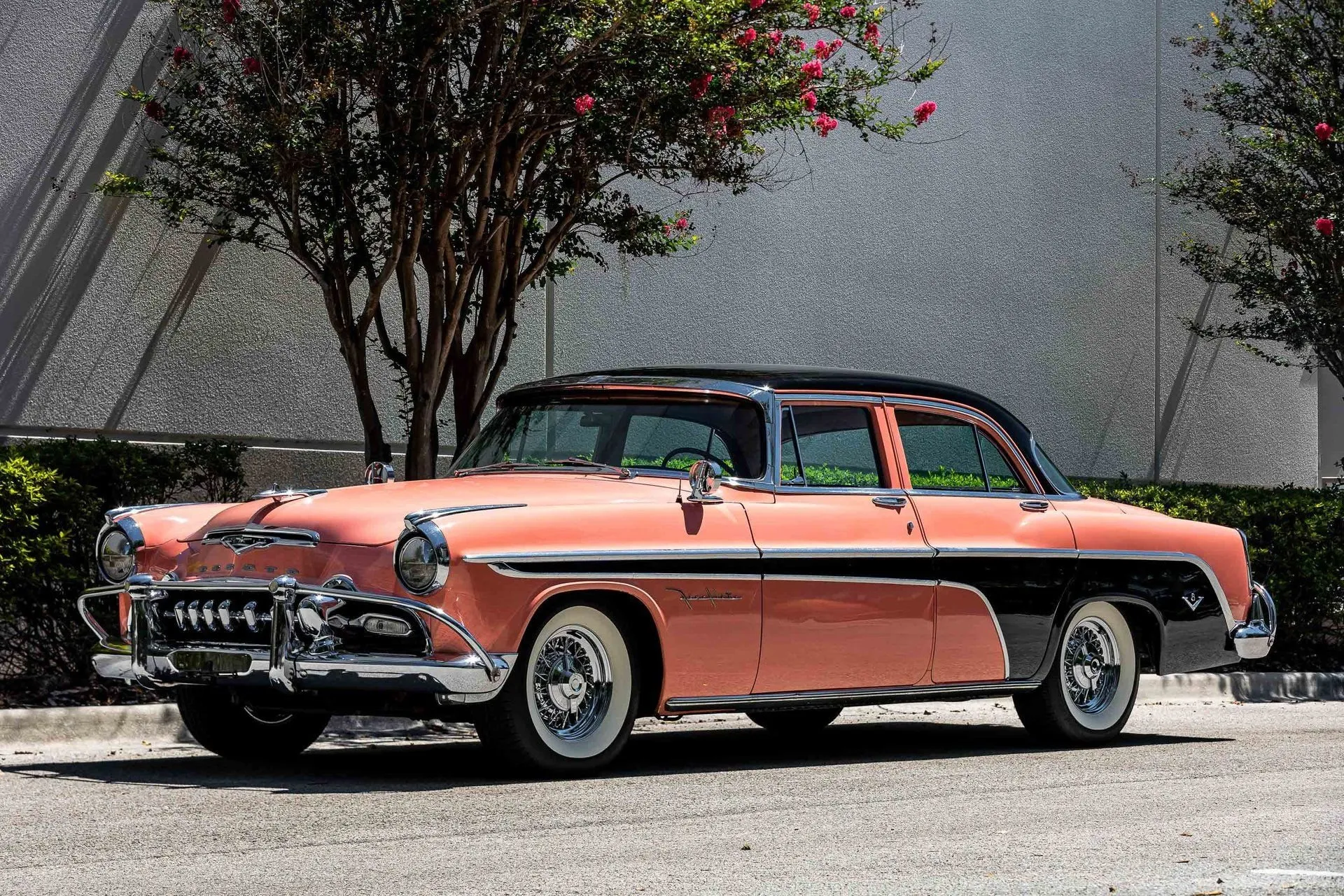
8. 1955 DeSoto Fireflite
A dramatic first impression greets anyone approaching the 1955 DeSoto Fireflite, largely due to its distinctive grille design. DeSoto introduced a bold interpretation known as the “toothy” grille, featuring vertical chrome elements that resemble a row of polished bars.
This arrangement creates a strong visual identity. Each vertical piece catches light independently, producing a shimmering effect that changes with movement. The repetition of these elements gives the grille a sense of rhythm, almost like a pattern crafted with deliberate precision.
From a design perspective, the Fireflite avoids subtlety entirely. Chrome dominates the front end, extending into surrounding trim and reinforcing the car’s presence. This approach reflects the competitive nature of the era, where standing out meant embracing bold ideas.
Closer inspection reveals careful spacing between each vertical bar. That spacing prevents the design from feeling cluttered, allowing light to pass through and interact with the underlying structure. The result feels intricate without becoming overwhelming. DeSoto’s choice to pursue such a distinctive grille paid off in terms of recognition. Even today, enthusiasts can identify a Fireflite at a glance, thanks largely to this defining feature.
Cultural context adds another layer of appreciation. During the mid 1950s, automakers sought to capture attention through visual drama. The Fireflite’s grille embodies that pursuit, serving as both functional component and artistic expression.
Collectors value this model for its willingness to take risks. The grille may not appeal to every taste, yet its originality ensures that it remains memorable. DeSoto demonstrated that bold experimentation could leave a lasting impression.
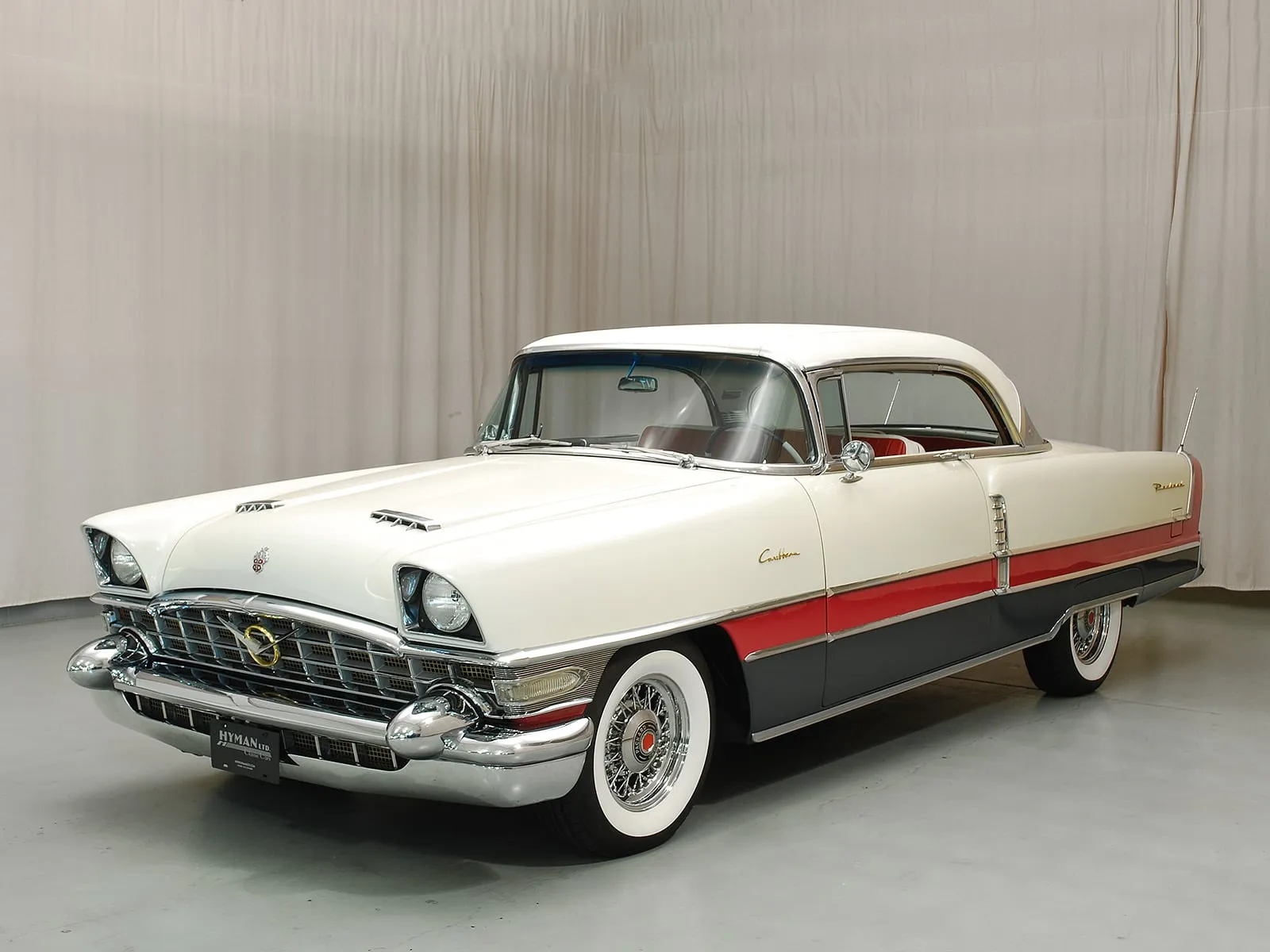
9. 1956 Packard Caribbean
Refinement takes a different form with the 1956 Packard Caribbean, where the grille blends elegance with subtle complication. Packard approached chrome design with a focus on sophistication, creating a front end that feels composed rather than extravagant.
A wide horizontal opening forms the foundation, framed by polished chrome that outlines the grille with precision. Within this frame, a delicate mesh pattern adds texture without overwhelming the design. This combination of structure and detail creates a balanced appearance.
Standing near the Caribbean highlights the quality of execution. Chrome surfaces appear smooth and carefully finished, reflecting a commitment to craftsmanship that defined Packard’s reputation. Each element feels intentional, contributing to a cohesive visual identity.
Designers avoided excessive ornamentation, instead emphasizing proportion and clarity. The grille complements the car’s flowing body lines, giving the entire vehicle a unified look. This restraint gives the Caribbean a timeless quality that continues to resonate.
Light plays gently across the chrome, producing soft reflections rather than dramatic flashes. That subtle interaction enhances the car’s refined character, making it appealing to those who prefer elegance over bold display. Packard’s approach during this period focused on maintaining a sense of dignity. The grille reflects that philosophy, serving as a quiet statement of luxury rather than a loud declaration.
Collectors often admire how the Caribbean balances presence with restraint. It stands as an example of how thoughtful design can achieve impact without relying on excess, proving that simplicity and craftsmanship can work together effectively.
Also Read: 10 Common Causes of Overheating in Vintage Engines During Summer
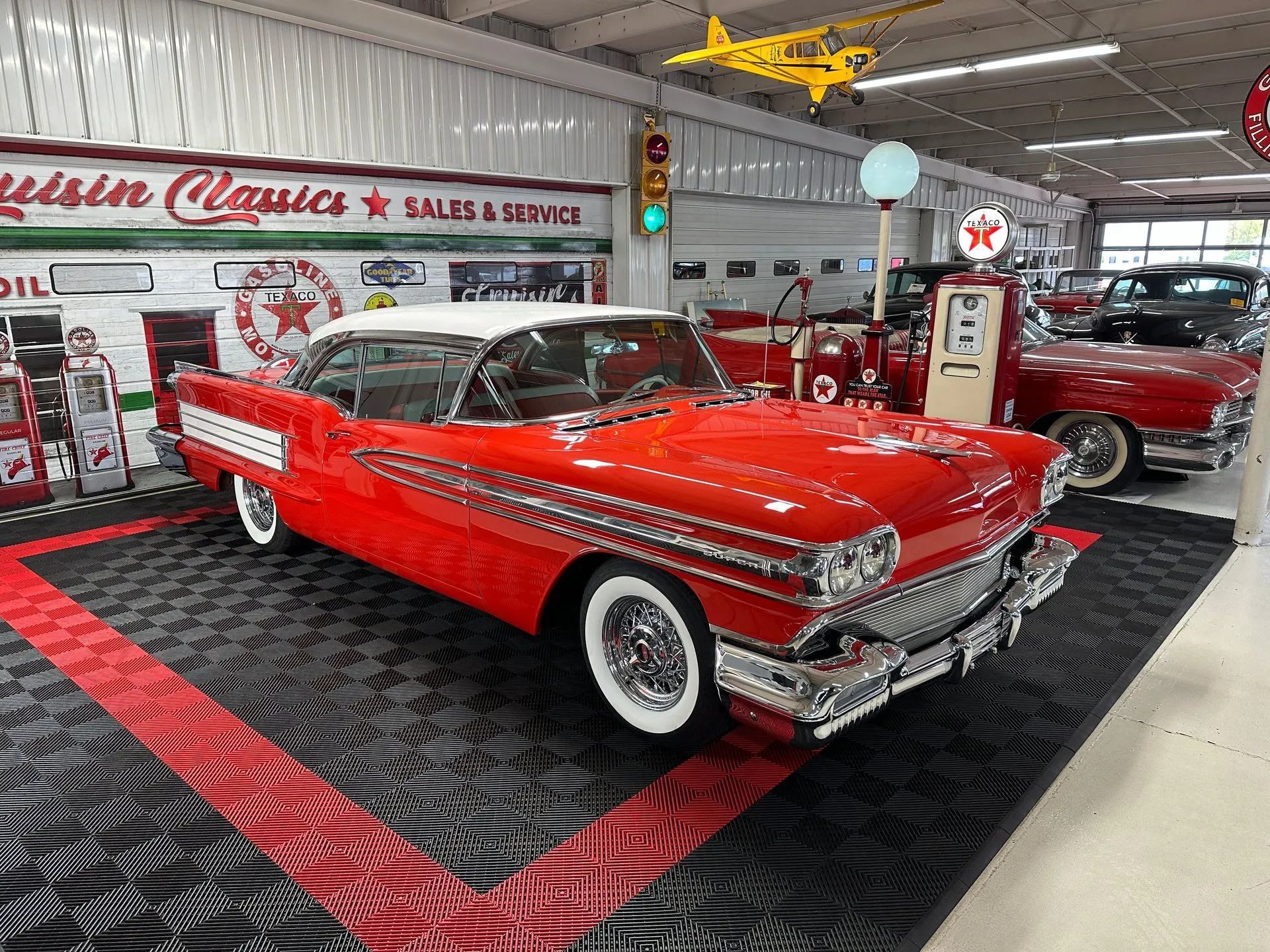
10. 1958 Oldsmobile Super 88
A distinct impression of movement defines the front fascia of the 1958 Oldsmobile Super 88, where chrome detailing is applied with careful attention to flow and proportion. Oldsmobile’s designers adopted a thoughtful approach that moved away from rigid straight lines, instead shaping the grille to complement the bodywork’s natural curves.
This decision introduced a sense of continuity that enhances the vehicle’s visual character. Horizontal chrome bars extend across the front, each one subtly arched to mirror the contours of the bonnet and fenders. That gentle curvature adds depth, making the grille appear more sculpted rather than flat.
Even at a standstill, the design conveys a sense of forward motion, as though the car is poised to move at any moment. Such visual energy reflects a deliberate effort to align styling with the spirit of progress associated with the period.
Viewed from different positions, the grille reveals varying patterns of reflection. Light fluidly moves across the chrome surfaces, creating shifting highlights that reinforce the impression of motion. This interaction between material and environment adds a layer of sophistication, as the appearance of the grille advances with perspective.
Integration remains a defining feature of this design. The grille connects seamlessly with adjacent components, including the headlights and bumper assembly. Each element is positioned to support a unified composition, ensuring that no single part appears isolated. This cohesion strengthens the vehicle’s identity and demonstrates a disciplined design process.
Oldsmobile intended to project an image of modernity and advancement, and the grille supports that intention through its refined execution. Curved lines and polished finishes communicate a forward-looking attitude, aligning with the optimism that influenced automotive styling during the late 1950s.
Attention to detail is evident in the spacing of the horizontal bars. Each line is positioned with precision, maintaining clarity while introducing texture. This careful arrangement prevents visual overload and preserves a balanced appearance.
Appreciation for the Super 88 continues among enthusiasts who recognise the thoughtful craftsmanship behind its design. The grille stands as a clear example of how controlled styling choices can produce a lasting impression grounded in both creativity and discipline.
