
Buying a used car with a modified engine is not automatically a bad decision. Sometimes the previous owner invested in quality machine work, premium components, and professional assembly that actually improved the engine’s long-term durability.
But here is the reality that catches most buyers off guard: you cannot assume that. A bored-out or modified engine can represent either a thoughtfully executed performance upgrade or a ticking time bomb assembled by someone with more ambition than skill, and the difference between those two outcomes is not visible on a Carfax report.
Sellers are not always forthcoming about engine modifications. Some do not disclose them because they assume buyers will be scared off. Others genuinely do not know the full history of the vehicle before they acquired it.
A few are actively trying to misrepresent a problematic engine as a stock unit to avoid the questions and negotiation that modification disclosure invites. Whatever the reason, the burden of discovery falls on you as the buyer, and that requires knowing what to look for.
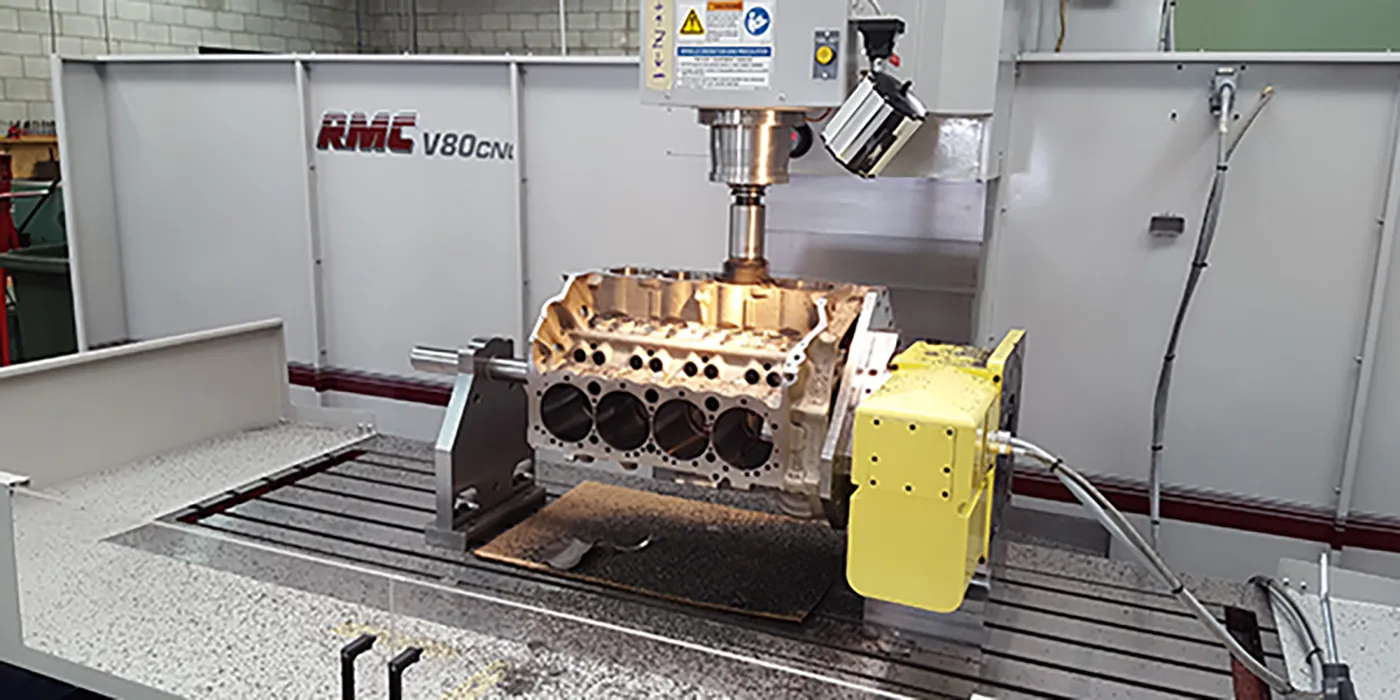
Engine boring involves machining the cylinder walls to a larger diameter to accept oversized pistons, usually as part of a rebuild after wear or as a deliberate displacement increase for performance purposes.
Additional modifications might include ported and polished cylinder heads, aftermarket camshafts, performance intake manifolds, modified compression ratios, upgraded valve springs, or a combination of all of these. Each modification leaves physical evidence if you know where to look and what that evidence means.
This page walks through eight specific methods for identifying an engine that has been bored out or otherwise modified, covering both the physical inspection techniques and the documentation checks that give you the most complete picture of what you are actually buying.
Whether you are shopping for a classic muscle car, a vintage import, or a high-mileage domestic sedan, these eight approaches will serve you well.
1. Check the Valve Covers and Intake Manifold for Non-Stock Hardware
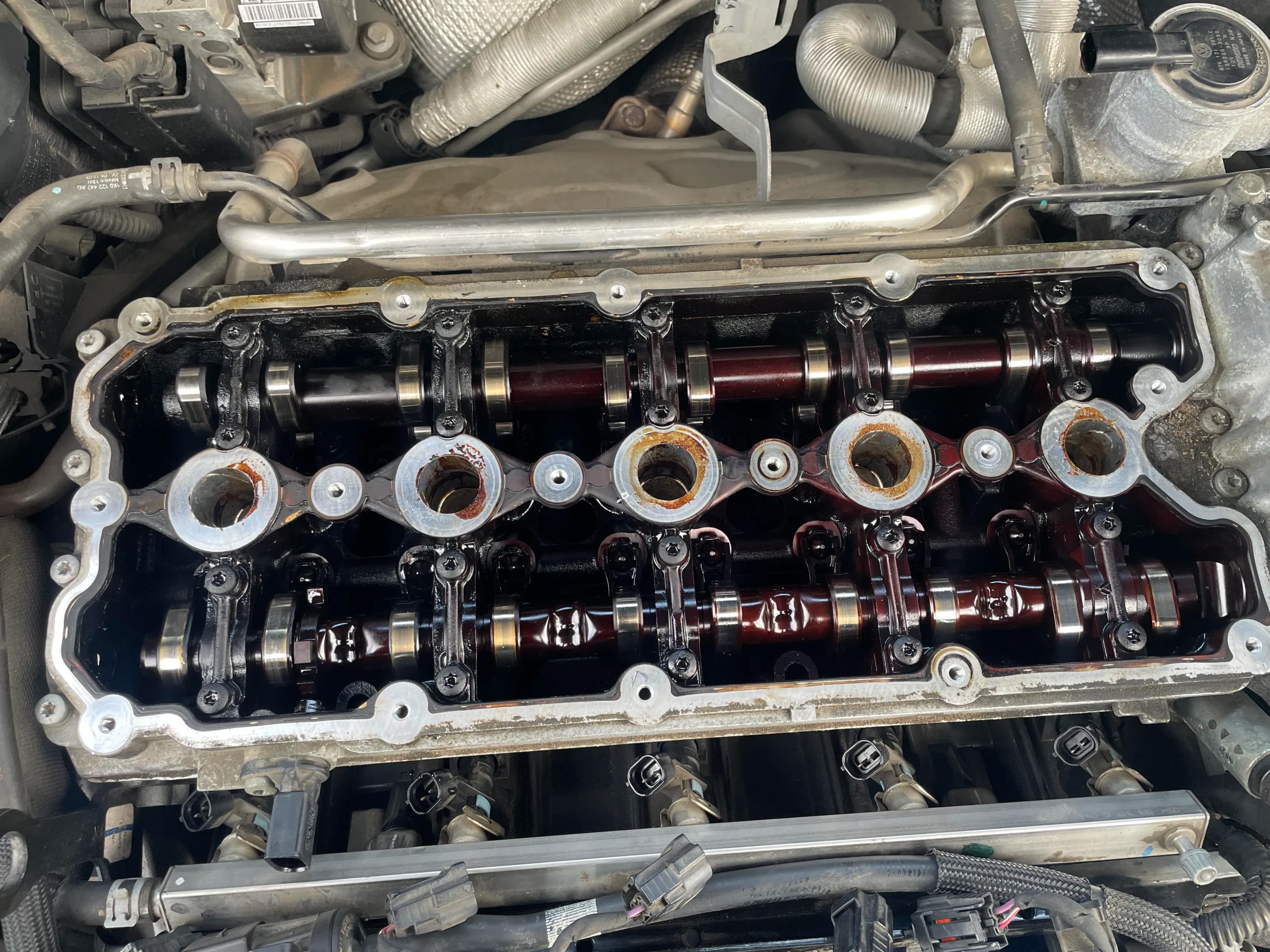
Before any diagnostic equipment is connected and before the hood is even fully raised, experienced engine inspectors start with a simple visual survey of everything visible at the top of the engine. Valve covers and intake manifolds are among the first components that performance builders replace or modify, and aftermarket versions of these parts are visually distinctive enough that they announce engine modifications to anyone who knows what factory hardware looks like.
Stock valve covers on most production engines are either stamped steel or cast aluminum finished in factory-specific colors, textures, and markings. Chevrolet small-block valve covers from the factory look nothing like the finned aluminum aftermarket covers that performance builders favor.
Ford’s Windsor V8 covers have a specific factory profile and finish that Edelbrock, Holley, and Brodix replacement covers do not replicate. Honda’s VTEC valve covers have a characteristic appearance that differs from the covers used on non-VTEC engines from the same family, which matters when a seller claims a vehicle has stock displacement but the hardware tells a different story.
Look specifically for valve covers with aftermarket manufacturer names cast or stamped into them. Edelbrock, Holley, Trick Flow, ARP, Proform, and Moroso are common names that appear on performance valve covers in American V8 applications.
On import engines, Mugen, Skunk2, Brian Crower, and similar names indicate that someone invested in aftermarket components, which is rarely something that happens in isolation without other modifications accompanying it.
Intake manifolds are equally revealing. A performance intake manifold on a vehicle advertised as stock is one of the clearest indicators that the engine has been modified in ways beyond simple wear parts replacement. Vehicles like the 1968 Pontiac GTO 400 Ram Air and the 1970 Chevrolet Camaro Z28 350 came with performance intake manifolds from the factory, but any other vehicle from the same era wearing a high-rise dual-plane or single-plane racing intake has received deliberate performance modification.
Carbureted engines deserve special attention to the carburetor itself. A 750 CFM Holley double-pumper sitting on top of an engine that left the factory with a two-barrel Motorcraft or Rochester is a clear sign that the entire fuel delivery system has been upgraded, which in turn strongly suggests that the engine below it was built to use that additional fuel and air capacity effectively.
2. Look at the Pistons and Bore Diameter Through the Spark Plug Holes
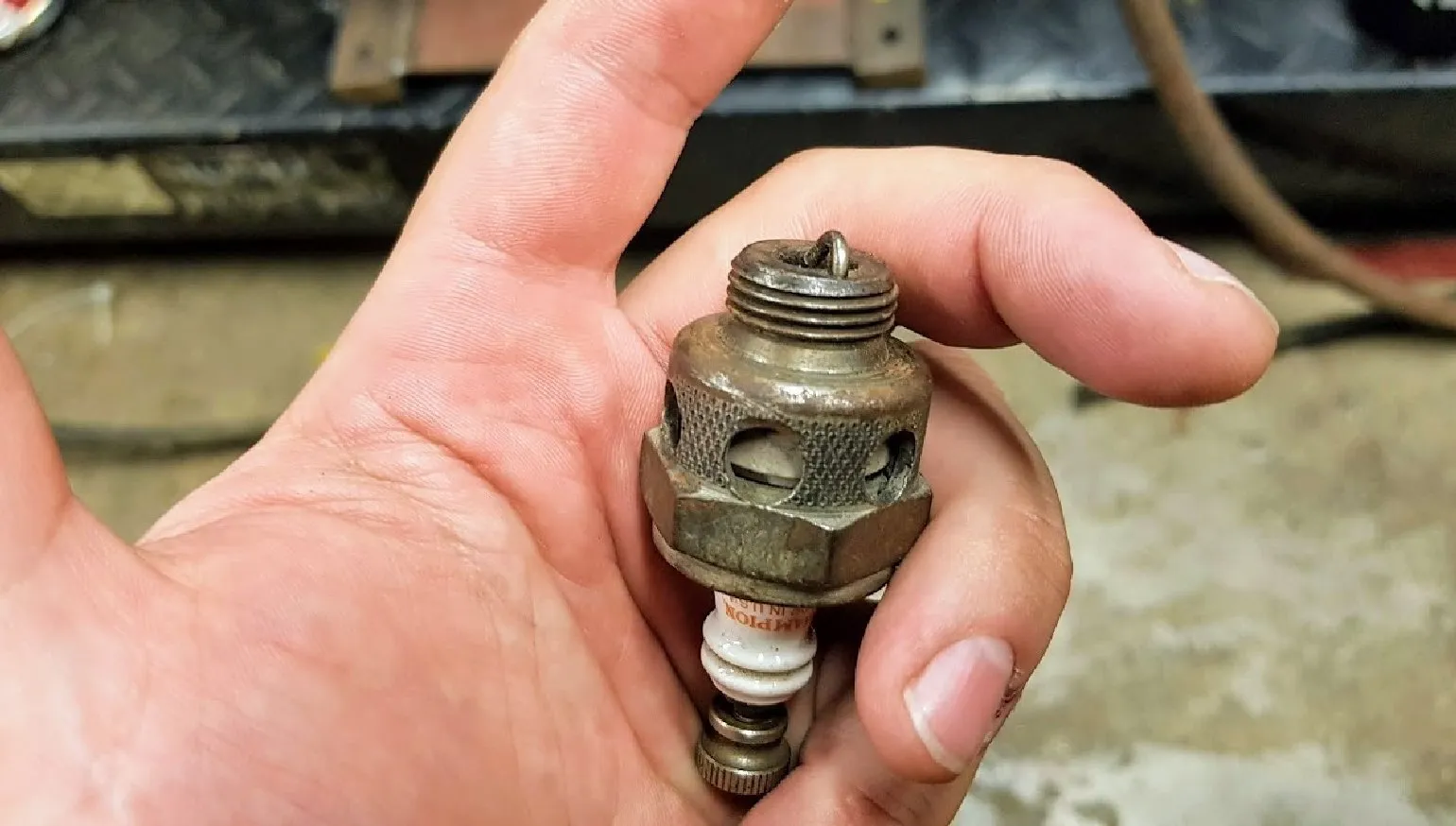
Direct inspection of the cylinder bore and piston crown is one of the most definitive methods available for identifying engine boring, and it requires nothing more expensive than a quality borescope camera that connects to a smartphone and costs less than $50 at most hardware retailers.
This single tool, combined with the knowledge of what to look for once the camera is inside the cylinder, can reveal bore work that no external inspection would ever detect. Remove one or more spark plugs and insert the borescope carefully into the spark plug bore, angling the camera to view the cylinder wall and piston crown.
A factory-bored cylinder will show consistent, fine honing marks in a cross-hatch pattern that runs at a specific angle determined by the engine manufacturer’s specifications. These marks are subtle and uniform, with consistent spacing that reflects controlled machining from a professional production environment.
An aftermarket bore job will often show different honing characteristics, depending on when and how carefully the work was done. Fresh bore work may show coarser cross-hatch marks at angles that differ from factory specification, reflecting the honing equipment and technique used by the rebuilder rather than the original production process.
Piston crown inspection reveals modifications in several ways. Dished pistons, flat-top pistons, or domed pistons each produce different compression ratios when combined with a given combustion chamber volume, and the presence of piston crown geometry that differs from factory specification for that engine is evidence of deliberate compression ratio modification.
High-performance builds frequently use flat-top or domed pistons to increase compression above factory levels, and this geometry is visible through the borescope. Valve reliefs on the piston crown are another indicator.
Vehicles like the 1969 Ford Boss 302 Mustang and the 1971 Plymouth ‘Cuda 383 Magnum used pistons with specific valve relief designs that matched their high-lift camshafts, and finding relief cuts on pistons in an engine that did not originally use a high-lift cam suggests that both components were replaced as part of a performance build.
Also Read: 8 Vintage Cars With Rear Mounted Engines That Are Fun to Drive
3. Inspect the Cylinder Head Casting Numbers Against Factory Documentation
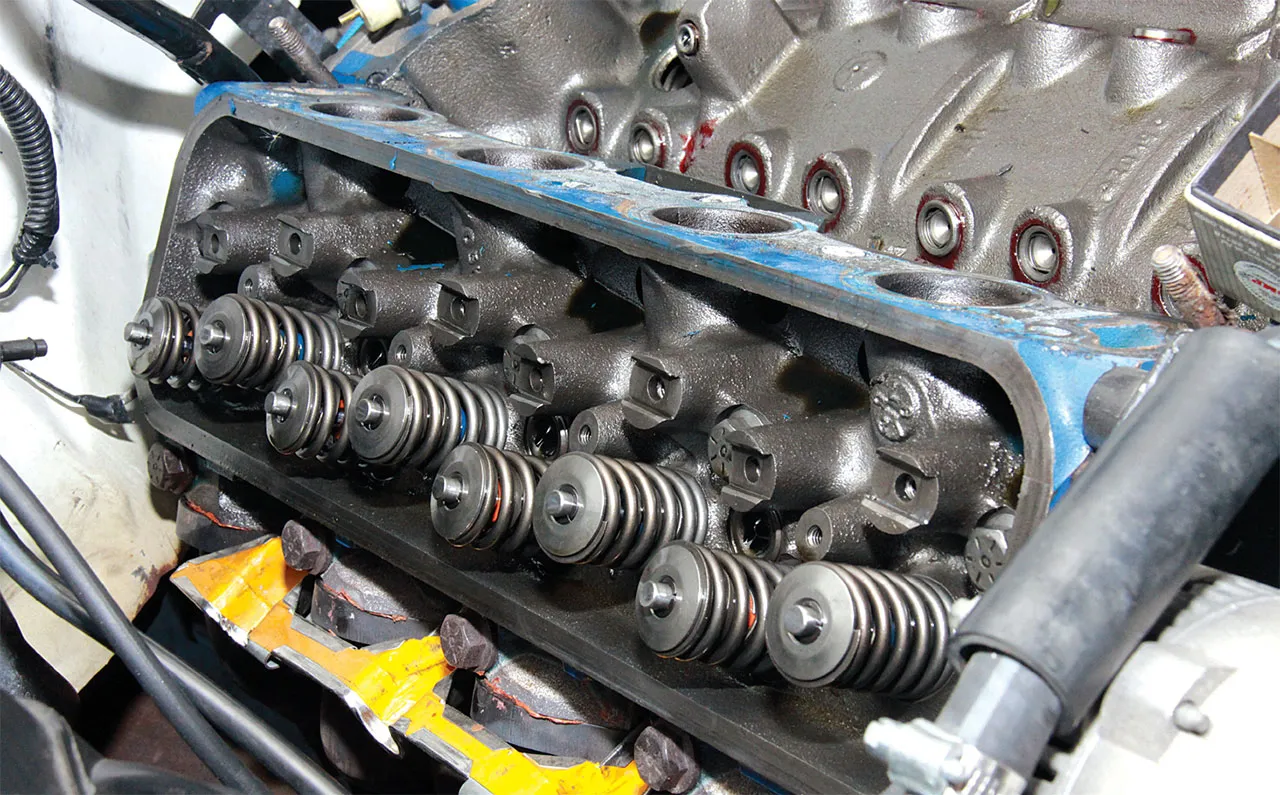
Every factory cylinder head carries casting numbers that identify the specific head design, the production facility where it was cast, and often the approximate production date. These numbers are the fingerprints of the cylinder head, and checking them against published factory documentation for the specific engine application is one of the most reliable methods for determining whether a cylinder head is original to the engine, a factory replacement unit, or an aftermarket casting.
Casting numbers on American V8 engines are typically found on the exterior of the head, often on the end face near the water passages or on the underside surface that faces the block deck. Chevrolet small-block heads carry their casting numbers in a location that varies slightly by generation, and the same is true for Ford Windsor heads, Chrysler B-series heads, and Pontiac V8 heads.
Reference guides for these casting numbers are widely published in print and online, and cross-referencing a specific number takes minutes with a smartphone and internet access. A cylinder head casting number that does not match the factory specification for the engine in question is not necessarily evidence of performance modification.
Factory engine rebuilds sometimes used different head castings, and dealership service replacements were not always model-specific. However, a casting number that corresponds to a known high-performance head variant is strong evidence of deliberate performance building.
Vehicles like the 1966 Chevrolet Impala SS 396 and the 1972 Oldsmobile 442 W-30 came with specific cylinder head castings that are well-documented in hobbyist literature, and finding those heads on an engine that was not originally equipped with them tells a clear story about what the previous owner was trying to build.
Evidence of porting and polishing on the cylinder head’s intake and exhaust ports is visible during a valve cover removal inspection. Factory ports have a specific surface finish that reflects production casting and machining procedures.
Ported heads show smoother, more rounded port entries and exits with tool marks from grinding equipment that differ in appearance from factory casting texture. This work is done to improve airflow through the head and is a strong indicator that the engine was built for performance rather than simple stock replacement.
4. Listen to the Engine’s Idle Quality and RPM Behavior at Cold Start
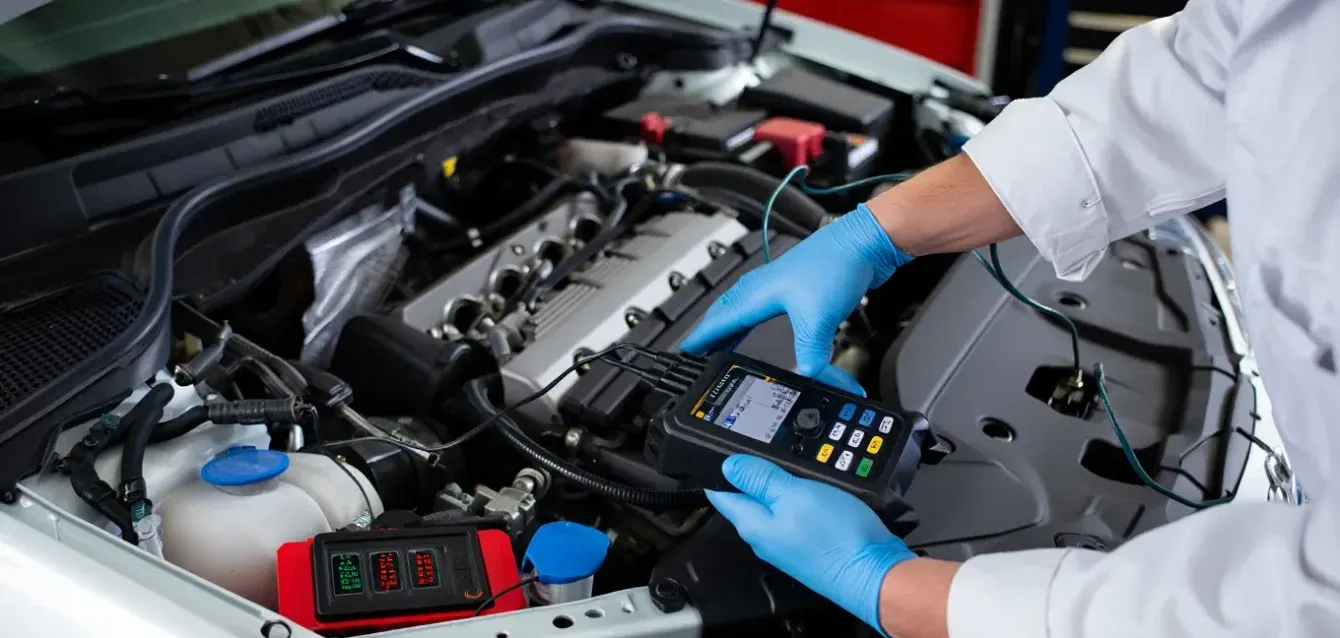
An engine that sounds normal at operating temperature can reveal its modifications clearly during a cold start and during the first few minutes of warm-up, because aftermarket camshafts and modified valve timing produce idle and startup characteristics that factory-calibrated engines do not exhibit.
Learning to recognize these characteristics is a skill that requires attention and some baseline knowledge of what a stock engine sounds and behaves like, but it is accessible to any buyer who takes the time to develop it.
Performance camshafts with increased lift and duration produce a distinctive loping idle quality that experienced listeners recognize immediately. This sound, sometimes described as a rhythmic chop or a lumpy idle, results from the camshaft’s overlap characteristics causing incomplete cylinder filling at low engine speeds.
Factory camshafts are calibrated for smooth, stable idle quality across a wide RPM range, and they do not produce the rhythmic irregularity that aggressive aftermarket profiles exhibit. Cold start behavior is particularly revealing for modified engines.
An engine with a high-performance camshaft frequently idles poorly when cold, hunting for a stable RPM point while the choke system or electronic fuel injection attempts to compensate for the camshaft’s overlap characteristics at low temperature and low engine speed.
Some heavily modified engines require elevated idle speeds to maintain stability even when cold, and watching the RPM gauge during the first 60 seconds after startup can tell you a great deal about what camshaft is inside the engine.
Vehicles like the 2001 Ford SVT Mustang Cobra 4.6L 32V and the 1998 Chevrolet Camaro Z28 5.7L LS1 are examples where aftermarket camshaft installations produce changes in cold idle behavior that are immediately audible and observable on the RPM gauge during startup. Buyers inspecting these vehicles after cam replacement can detect the modification without opening the hood, simply by listening carefully during the first minute of operation.
Fuel consumption at idle is another behavioral indicator. Modified engines with performance camshafts and increased compression typically consume more fuel at idle than factory equivalents, and a vehicle that seems to use fuel quickly during warm-up driving may be running a modified engine that requires richer fuel delivery to idle stably than factory fuel management expects.
5. Pull Engine Codes and Compare Displacement Data to Factory Specifications
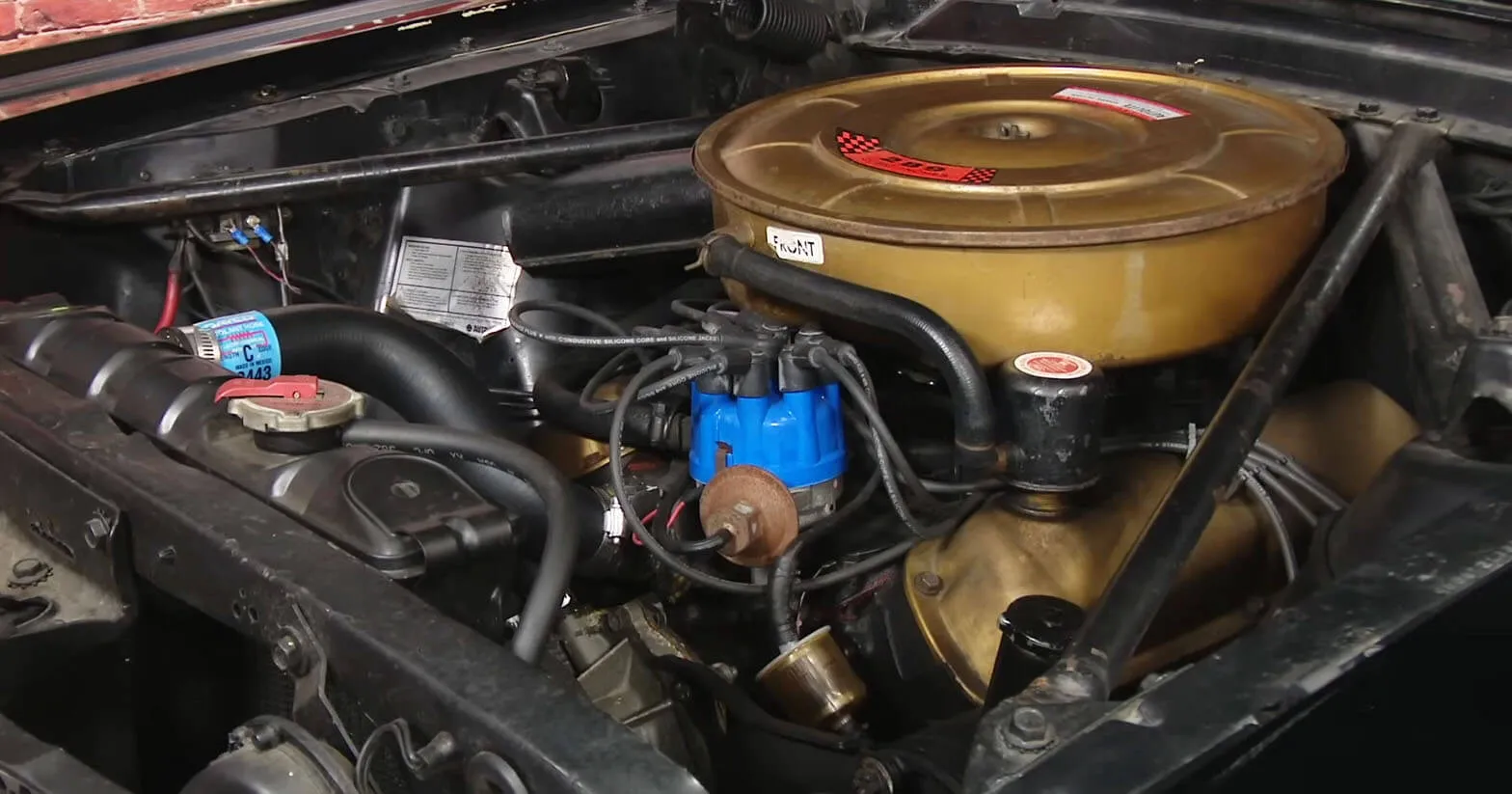
Modern vehicles with electronic engine management systems store a surprising amount of information that buyers can access with a basic OBD-II scanner, and some of that information directly reveals modifications that affect displacement, compression, fuel delivery, and timing advance. Knowing which data parameters to examine and how to interpret what you find gives you a diagnostic capability that no visual inspection alone can match.
Scan tool data showing fuel trim values that differ substantially from expected ranges is one of the most reliable electronic indicators of engine modification. Long-term and short-term fuel trim values reflect the ECU’s ongoing adjustment of fuel delivery to maintain proper air-fuel ratios based on oxygen sensor feedback.
A factory engine running stock components will show fuel trim values within a narrow window around zero under steady-state conditions, indicating that the fuel injection system is delivering approximately what it was calibrated to deliver and the engine is consuming it as expected.
An engine with increased displacement from boring, higher compression from modified pistons, or an aftermarket camshaft that changes air intake characteristics will often show fuel trim values outside the normal window because the ECU is compensating for an air-fuel mixture that does not match its factory calibration.
Positive long-term fuel trim above plus ten percent or negative values below minus ten percent under steady conditions suggest that something about the engine’s airflow or combustion characteristics differs from factory specification.
Vehicles like the 2004 Dodge Ram 1500 5.7L Hemi and the 2006 Honda Accord 2.4L K24A deserve careful fuel trim examination when being considered as used purchases, because both platforms have been subject to popular displacement and performance modifications that change fuel delivery requirements in ways that ECU fuel trim data will reflect, even when external inspection reveals nothing obviously modified.
Timing advance data from the scan tool provides another comparison point. Factory timing maps are calibrated for specific fuel octane requirements, compression ratios, and combustion chamber geometries.
An engine with increased compression from overbore work or modified pistons will often show that the ECU is retarding timing aggressively under load to prevent knock on the fuel grade the seller is currently using, which produces timing advance values under load that are lower than factory maps specify.
Alternatively, an engine tuned for premium fuel with increased compression may show timing advance values that exceed factory specifications under light-load conditions when sufficient octane is available.
Comparison of these electronic parameters against published factory specifications for the specific engine application requires factory service data access, but this information is broadly available through subscription services like AllData and Mitchell, and through free resources maintained by enthusiast communities for popular platforms. Armed with factory specification data and a quality scan tool, a buyer can complete this electronic inspection in under 30 minutes.
6. Examine the Engine Block for External Signs of Machine Work and Decking
A careful inspection of the engine block can reveal clear evidence that an engine has undergone rebuilding or performance preparation. External signs of machining often remain visible even after reassembly, and these signs help a buyer or mechanic understand the engine’s history without dismantling it completely. Recognising such details requires attention and basic knowledge rather than specialised equipment.
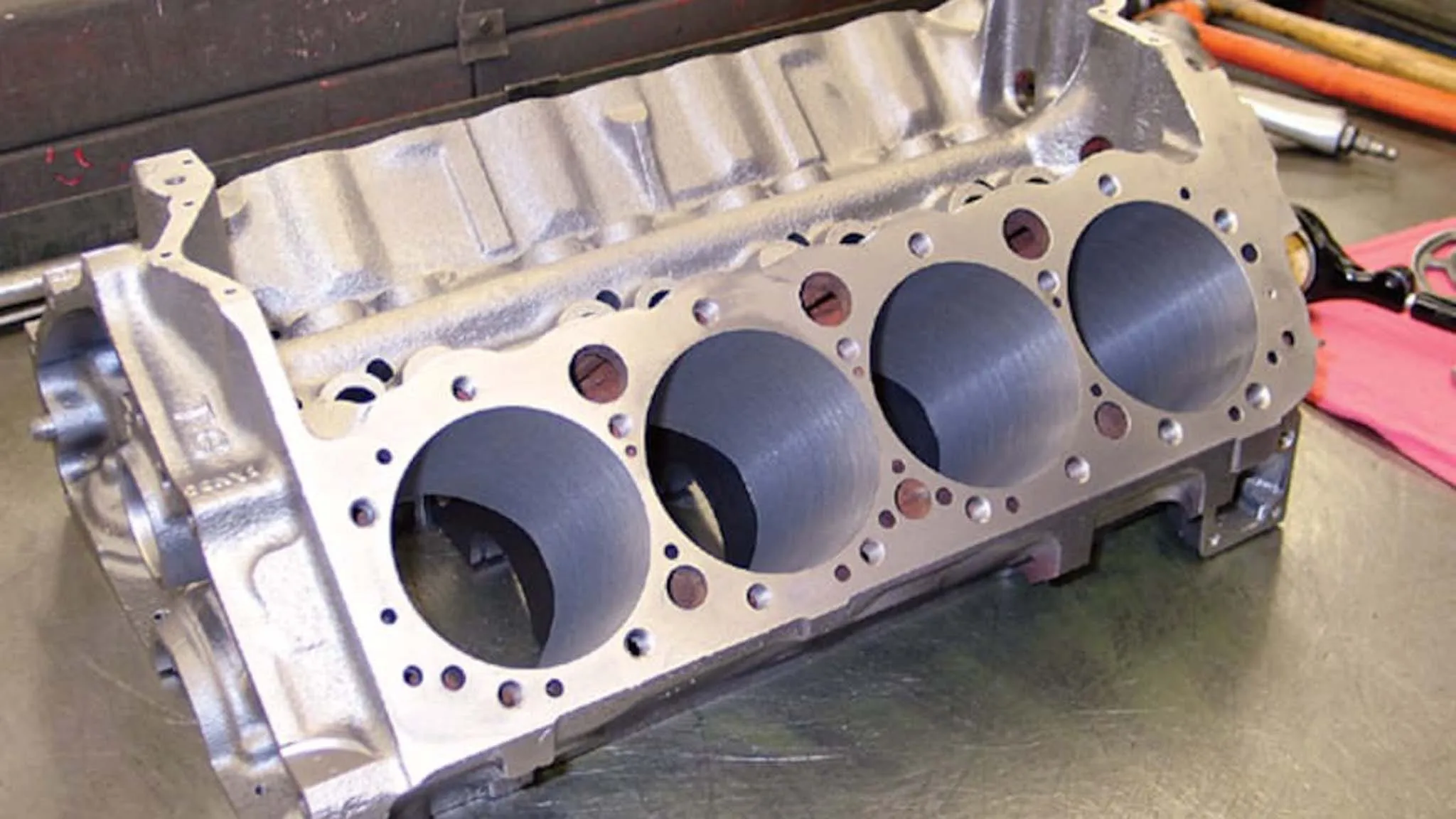
One of the most important areas to inspect is the top surface of the engine block, known as the deck. During a rebuild, machinists often resurface this area to correct warping or to achieve a precise compression ratio. A factory-finished deck has a uniform appearance based on production machining methods.
When the surface has been reworked, it usually displays a cleaner, more defined pattern that differs slightly in texture. In some cases, this difference can be seen at the gasket line even when the engine remains assembled.
If the cylinder head is removed, further confirmation becomes possible. The tops of the cylinder bores may show fresh machining marks, indicating that the cylinders were honed or enlarged. Oversized bores can also suggest that the engine was rebuilt to restore worn surfaces or to increase displacement. These details provide direct evidence of internal work carried out on the engine block.
Certain vehicles, such as the 1969 Chevrolet Nova SS 396 and the 1973 Pontiac Firebird Formula 455, frequently underwent such machining during performance rebuilds. Observing these signs alongside other modifications often gives a consistent picture of how the engine was prepared.
Additional clues can be found in the freeze plugs located along the block. Rebuilt engines often receive new plugs, and the presence of clean brass or stainless steel plugs in an otherwise aged engine may indicate recent machine work.
Inspection of the lower section of the engine, particularly when the oil pan is removed, may also reveal new bearing shells or signs of crankshaft servicing. Together, these observations provide valuable insight into the engine’s condition and prior maintenance.
7. Examine the Exhaust System for Performance Headers and High-Flow Components
Inspection of the exhaust system provides valuable information about whether a vehicle has undergone performance modification. Many upgrades made to improve engine output become visible through the exhaust layout, making this area one of the easiest to assess during a physical examination.
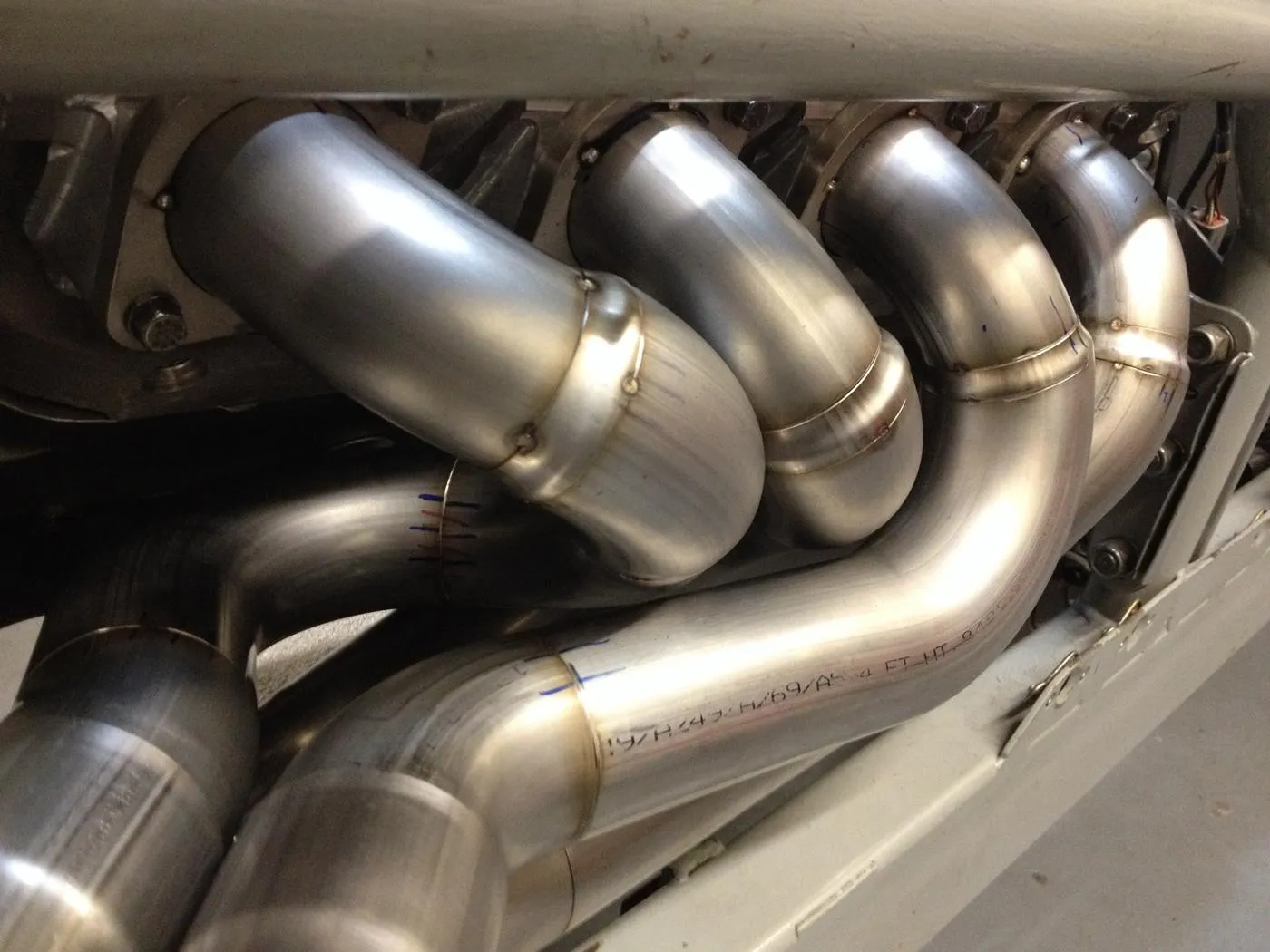
The first component to evaluate is the exhaust manifold or header. Factory-installed manifolds on most American V8 engines are made from cast iron and have a compact, solid appearance. Their design prioritises durability and compliance with emissions standards.
In comparison, aftermarket performance headers are constructed from individual steel tubes that connect each cylinder to a collector. This design improves exhaust gas flow and is visually distinct, making it easy to identify even without advanced technical knowledge.
Different types of headers indicate different levels of modification. Short tube headers provide moderate improvement and are often installed without major engine changes. Longer, equal-length headers suggest a more deliberate approach, as they are designed to optimise exhaust scavenging within a specific engine speed range. Their presence often indicates that other components within the engine were adjusted to match this tuning approach.
Vehicles such as the 2003 Ford Mustang GT 4.6L 2V and the 2000 Chevrolet Corvette C5 5.7L LS1 are commonly modified with aftermarket headers. When inspecting such vehicles, it is advisable to trace the entire exhaust system from the engine to the tailpipe. This allows identification of additional components such as high-flow catalytic converters, larger diameter pipes, and performance mufflers.
When these components appear together, they suggest that the exhaust system was selected to handle increased engine output. Each part contributes to improved gas flow, which is necessary when engine performance has been enhanced.
A catback system alone may only indicate a preference for improved sound, but when combined with headers and upgraded catalytic converters, it supports the conclusion that the vehicle has received deliberate performance upgrades.
Also Read: 10 Engines With Integrated Water Pumps That Can Destroy the Block If They Leak
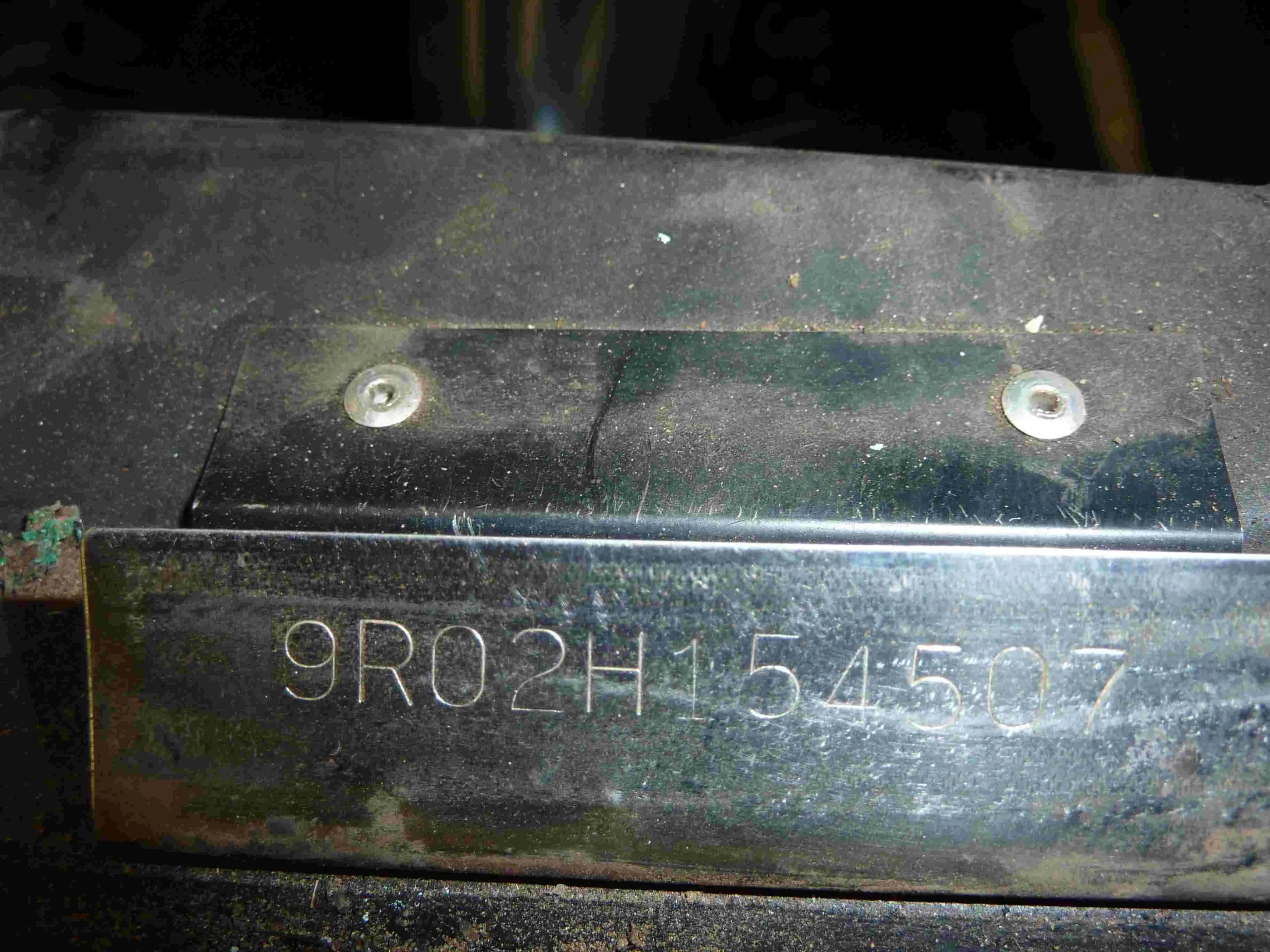
8. Review Service Records, Window Sticker Copies, and Engine Code Stamps for Discrepancies
Documentation tells stories that physical inspection cannot always confirm independently, and a thorough review of available paperwork for a vehicle being considered for purchase can reveal engine modification history that physical evidence supports but does not definitively prove.
Service records, original window sticker documentation, and engine block code stamps together form an evidence base that either confirms or contradicts what the physical inspection found. Engine block stamps are the most direct documentary evidence of original engine specification.
American V8 engines from the 1960s through the 1980s carry partial VIN stamps on the engine block that identify the vehicle the engine was originally installed in, along with a suffix code that identifies the specific engine configuration.
Matching these stamps against the vehicle’s VIN and against published suffix code references for that engine family confirms whether the engine is original to the vehicle and whether it was built to factory specification. A VIN-matching engine in a muscle car or classic vehicle adds substantial value and credibility to the seller’s representation of the vehicle.
A non-matching engine, indicated by VIN stamps that differ from the vehicle’s identification number, tells you that the original engine was replaced at some point, which raises legitimate questions about when the replacement occurred, what was replaced with, and whether the replacement engine was stock or built.
Vehicles like the 1967 Chevrolet Corvette 327 Sting Ray Coupe and the 1969 Pontiac GTO Judge 400 Ram Air III are examples where VIN matching is a critical element of value assessment, and discrepancies between block stamps and vehicle VIN can represent either honest replacement history or deliberate misrepresentation that buyers need to investigate thoroughly before committing.
Service records from dealerships and independent shops sometimes document engine work explicitly, and reviewing available records for references to bore work, head work, camshaft replacement, or engine assembly work provides paper confirmation of modifications that physical evidence suggests.
Gaps in service records at mileage points where rebuilds commonly occur are worth noting and questioning, because a well-documented engine rebuild is usually a positive indicator of quality work, and its absence from documentation may indicate work done outside normal shop channels.
Requesting a compression test and a leak-down test from a professional mechanic before completing any purchase provides quantitative evidence of engine condition that complements every other inspection method described here.
An engine with abnormally high compression readings across all cylinders has likely been rebuilt with increased compression ratio pistons or machined combustion chambers. Inconsistent compression between cylinders indicates potential sealing issues that may relate to improperly executed bore work or gasket installation.
