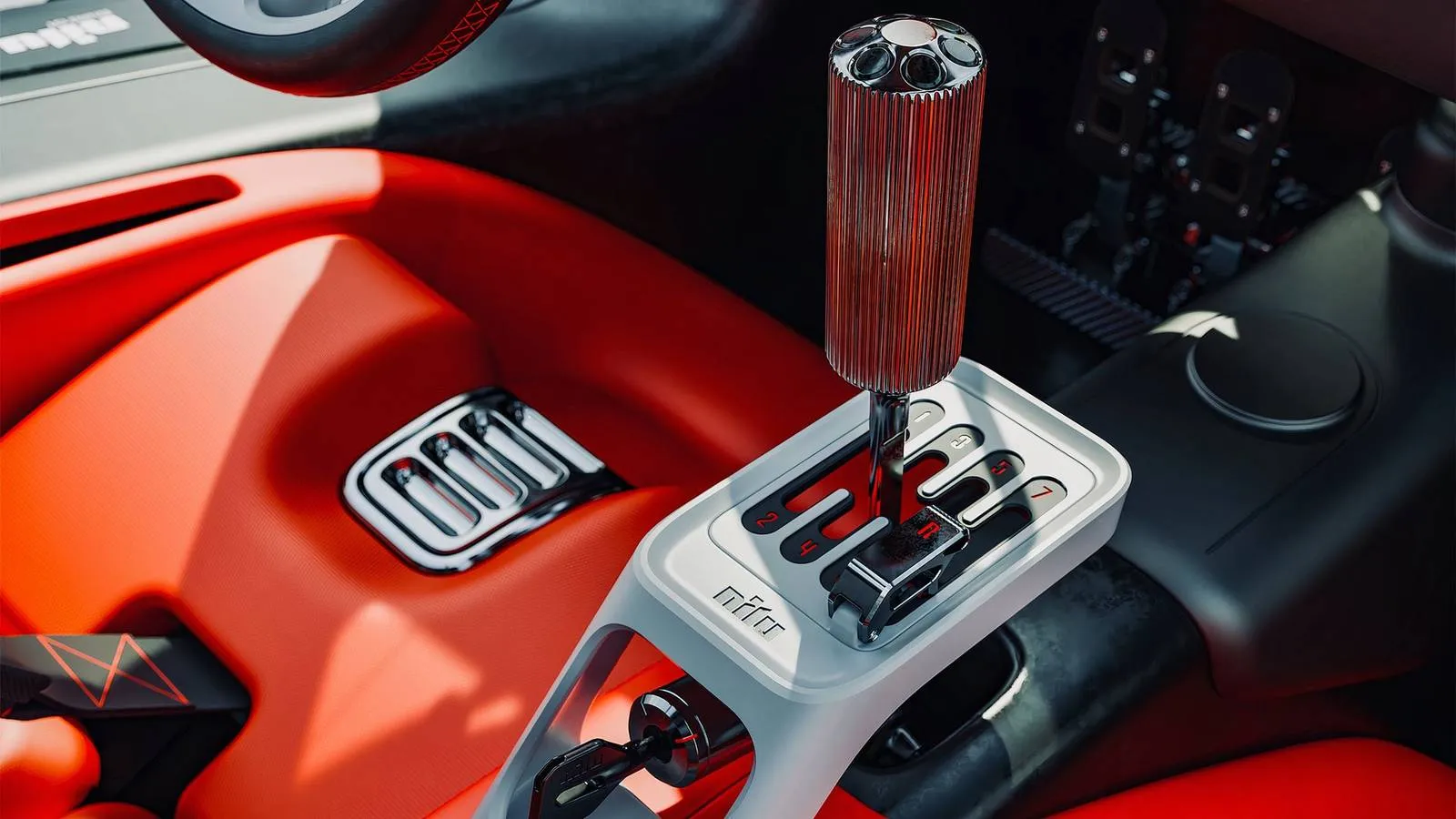
Discussions about muscle cars often focus heavily on engine output, with attention given to displacement figures and horsepower ratings. Comparisons frequently arise between engines such as the Chevrolet 454, the Chrysler 440, and the Ford 429 Cobra Jet, each representing a different approach to power delivery during the classic
American performance era. While these engines remain central to the identity of muscle cars, less attention is given to the component responsible for transferring that power to the wheels in a controlled and reliable manner.
The gearbox served as the mechanical link between engine output and vehicle motion, handling intense stress generated during acceleration, rapid gear engagement, and repeated use under demanding conditions.
Without a properly engineered transmission, even the most powerful engine would fail to deliver consistent performance. The ability of a vehicle to operate effectively under pressure depended greatly on the durability and design of its transmission system.
During the 1960s and early 1970s, manufacturers faced limitations in engineering tools and materials compared to present standards. Despite these constraints, they relied on accumulated technical knowledge and practical experience to produce transmissions capable of withstanding high torque loads. Competitive pressure among manufacturers also encouraged the development of gearboxes that could endure sustained use without frequent failure.
Several transmissions from this period demonstrated exceptional durability, remaining functional long after initial production. These units have continued to operate through years of restoration work and ongoing use, confirming the strength of their original design and construction.
This discussion presents ten transmissions recognised for their durability in vintage muscle cars, each associated with a specific vehicle that demonstrated its performance capability. Some remain in demand for modern performance applications, while others continue to operate in preserved vehicles, reflecting engineering quality proven through consistent real-world use.
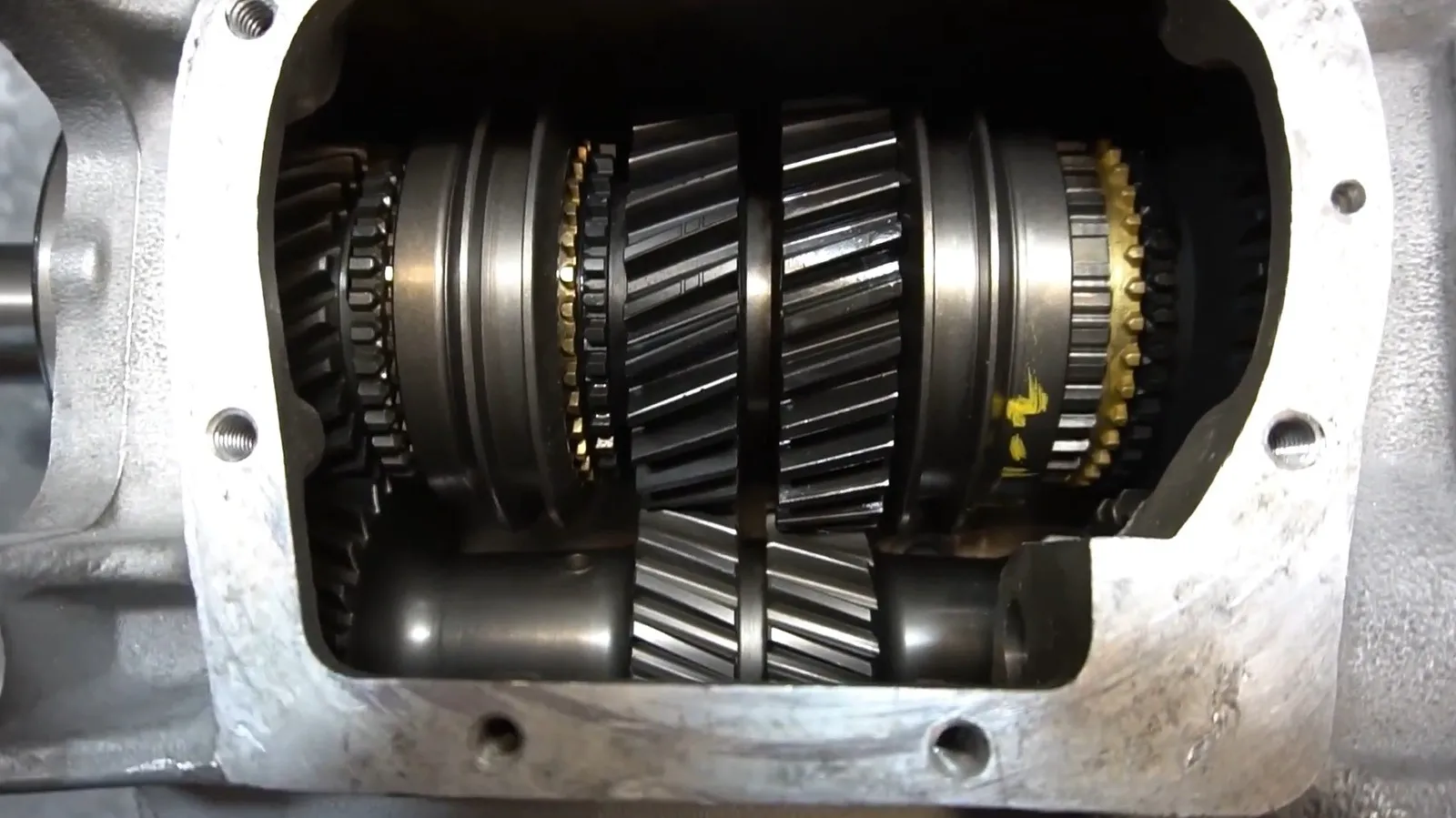
1. Muncie M22 Rock Crusher in the 1970 Chevrolet Chevelle SS 454 LS6
If you want to start a conversation about the toughest manual transmission ever fitted to an American muscle car, say “Rock Crusher” and stand back. Chevrolet’s Muncie M22 four-speed close-ratio manual transmission earned its nickname from the characteristic gear whine produced by its straight-cut helical gears, which were cut at a shallower helix angle than conventional transmissions to reduce the heat generated under extreme torque loading.
That whine was not a flaw. It was evidence of an engineering decision that prioritized mechanical strength over noise refinement. Chevrolet installed the Muncie M22 in the 1970 Chevelle SS 454 LS6 as the manual transmission choice for what was arguably the most powerful production muscle car of the era.
Matched to a 450-horsepower solid-lifter 454 cubic inch big-block producing 500 pound-feet of torque, the M22’s gear set needed to be strong enough to survive full-throttle launches, power moves, and the sustained mechanical stress of hard driving in the most powerful configuration Chevrolet offered to the public.
What makes the M22’s durability story so compelling is how well these transmissions have survived into the present day. Restoration shops and drag racing builders who source original M22 units from Chevelles, Camaros, and Corvettes of this era regularly find gear sets that are still within tolerance specification after fifty years and hundreds of thousands of miles of use. Some examples required nothing beyond fresh lubricant and new seals to return to full service condition.
Finding a genuine, numbers-matching 1970 Chevrolet Chevelle SS 454 LS6 with its original Muncie M22 still in place is the holy grail of muscle car transmission collecting, because the combination represents the apex of American manual gearbox engineering from its most celebrated era. Current values for documented LS6 Chevelles with original drivetrains reflect this status directly.
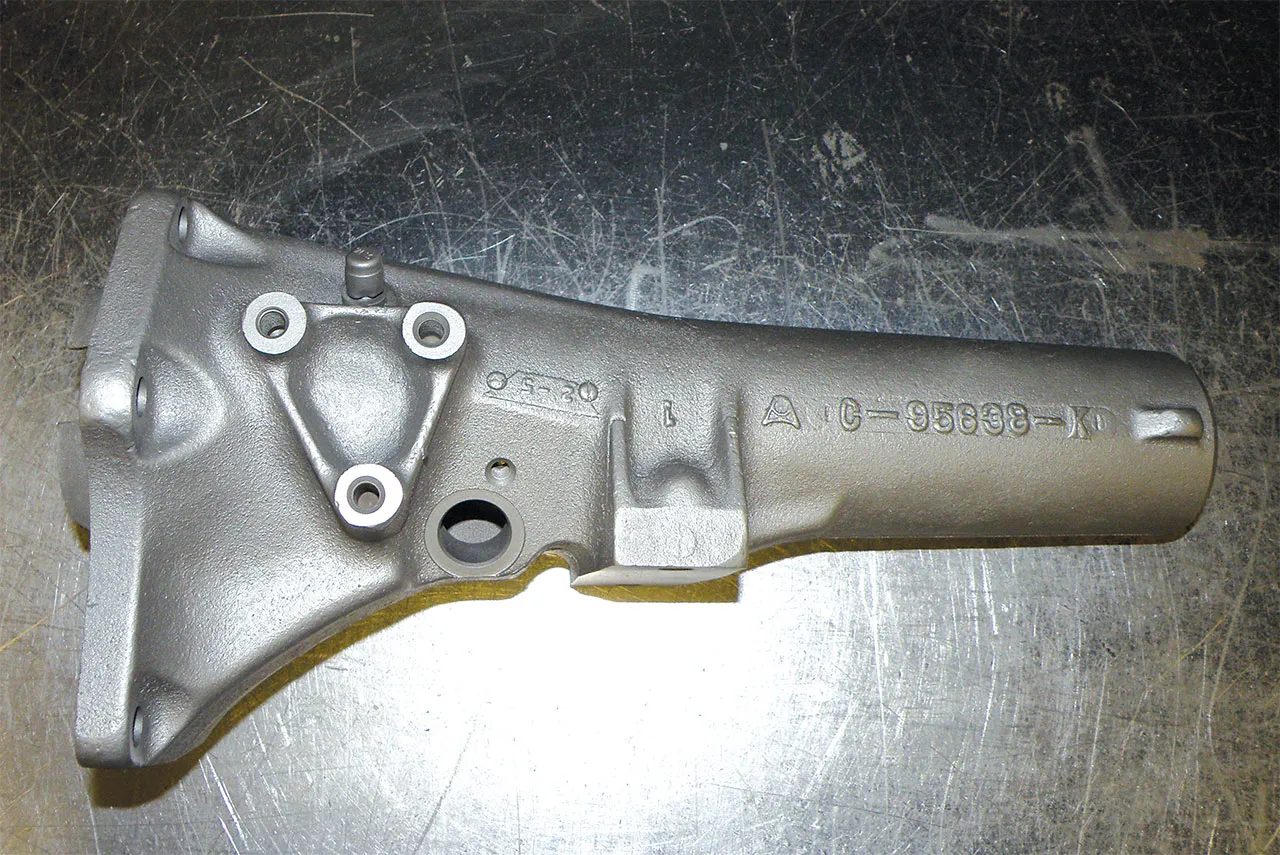
2. Chrysler 833 TorqueFlite Four-Speed in the 1970 Plymouth Hemi ‘Cuda 440 Six Pack
Chrysler’s A833 four-speed manual transmission is one of the most consistently praised manual gearboxes in American muscle car history, and its installation in the 1970 Plymouth Hemi ‘Cuda 440 Six Pack provided one of the most demanding torque environments any production manual transmission faced during the muscle car era.
Built in New Process Gear’s factory in Syracuse, New York, the A833 reflected Chrysler’s engineering tradition of building drivetrain components with substantial safety margins above their rated capacity. New Process Gear’s manufacturing approach for the A833 produced a case architecture and gear set that automotive engineers considered overbuilt by the standards of the era, which is precisely why these transmissions developed their legendary durability reputation.
Gear material specifications exceeded what was strictly necessary for the rated torque capacity, and assembly tolerances were held to standards that reduced internal clearances to levels that minimized the wear-producing movement between mating surfaces during torque application and reversal.
Chrysler offered the A833 in two ratio configurations for the 440 Six Pack application: a wide-ratio version with first gear ratios suited for street driving, and a close-ratio version that served competition-oriented buyers who wanted the tighter ratio spacing that aggressive track and strip use demanded.
Both configurations used the same fundamental case and gear material specifications, with ratio changes achieved through gear set substitution rather than through any structural change that would have affected the unit’s durability.
Plymouth’s 440 Six Pack engine produced 390 horsepower and 490 pound-feet of torque that challenged every drivetrain component in the 1970 ‘Cuda, and the A833’s ability to manage this torque load in daily street use while also surviving drag strip launches that placed instantaneous shock loads on the gear set far exceeding the engine’s sustained output figures reflects the fundamental over-engineering that New Process Gear built into the design.
Also Read: 5 Honda Engines Known for Oil Dilution Issues vs 5 That Are Unkillable
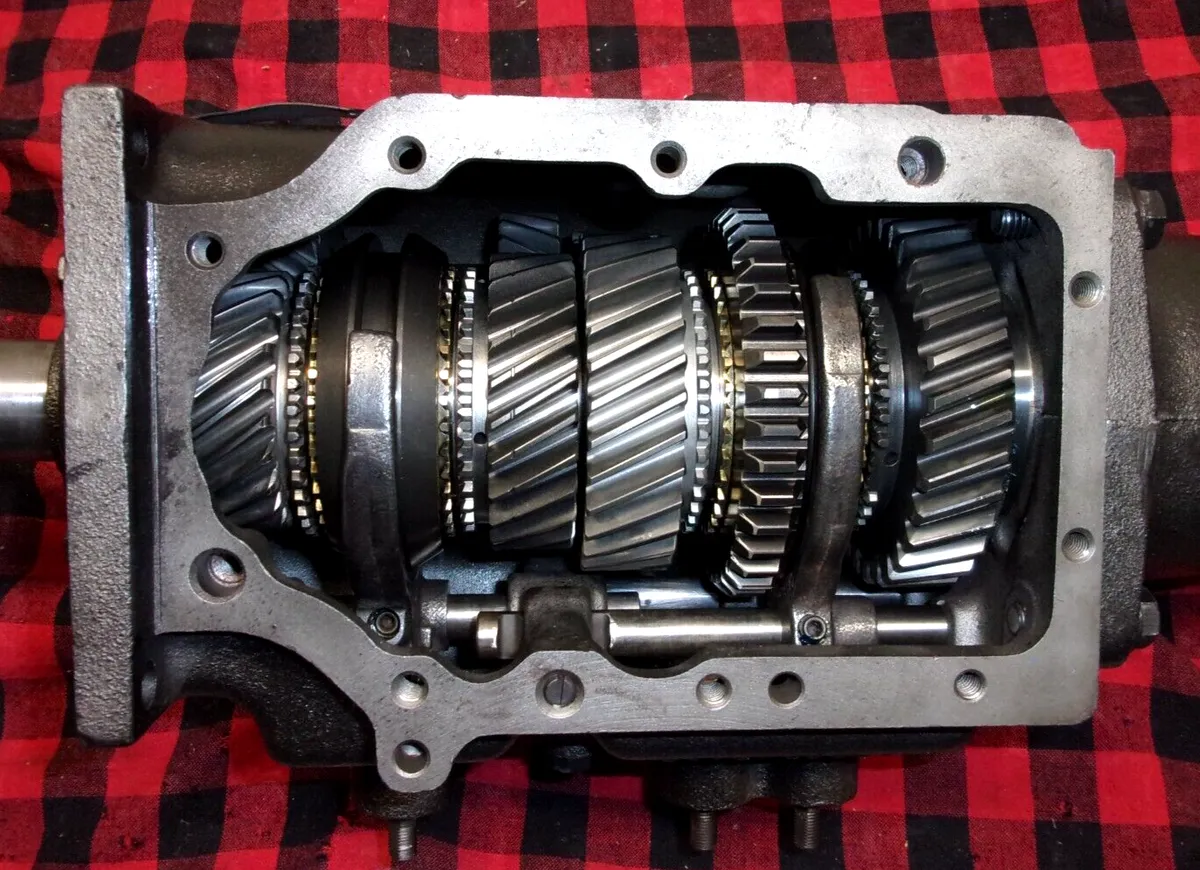
3. Ford’s Top Loader Four-Speed in the 1969 Ford Mustang Boss 429 KK Number Fastback
Ford’s Top Loader four-speed manual transmission earned its name from the access cover position on top of the case, which distinguished it from competing designs with side-cover configurations, and it earned its reputation from the combination of gear strength, movement precision, and long-term durability that made it the transmission of choice for Ford’s most powerful muscle car applications through the late 1960s and early 1970s.
Paired with the Boss 429 in the 1969 Mustang, it faced one of the most demanding torque environments Ford created for a street car in this era. Ford’s Top Loader used a robust aluminum case design that was stiffer than comparable designs from some competitors, reducing the case flex that allowed gear sets to move slightly out of alignment under peak torque application.
Reduced case flex meant more consistent gear tooth contact under load, which translated directly into lower unit stress per tooth and longer gear set service life under sustained hard use. This case rigidity was one of the engineering decisions that separated Top Loader durability from gearboxes whose cases deflected enough to affect gear alignment at peak torque.
Internal gear specification for Top Loader units matched to high-output Ford big-block engines used increased gear face width compared to specifications used with smaller displacement V8s, providing additional torque capacity without requiring a completely redesigned case or gear set family.
This modular approach to torque capacity scaling allowed Ford to use a single basic gearbox architecture across a wide range of engine outputs by adjusting internal specifications rather than maintaining multiple entirely different transmission designs.
A 1969 Ford Mustang Boss 429 KK Number Fastback with its original Top Loader intact is one of the most desirable collector vehicles in the American muscle car category, and the transmission’s contribution to this vehicle’s identity is inseparable from the engine it supported.
Boss 429 engines were installed by Kar Kraft at their Michigan facility rather than at Ford’s production plants, and the complete drivetrain integrity of surviving documented examples is a critical element of their authentication and their value.
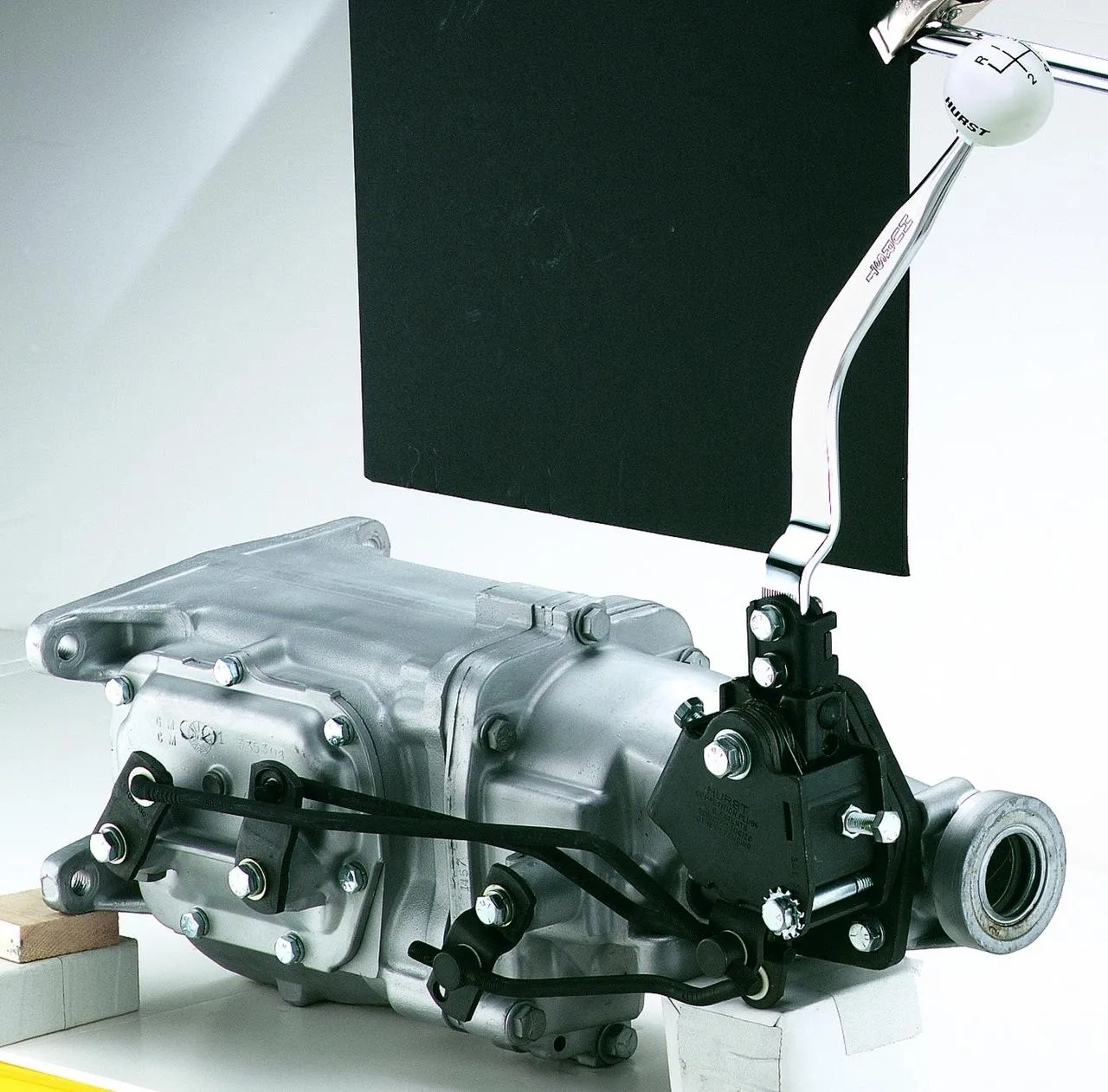
4. Pontiac’s Hurst Competition Plus with M21 in the 1969 Pontiac GTO Judge Ram Air IV
The partnership between Pontiac and Hurst Performance produced a manual control system that remains one of the most respected engineering combinations from the American muscle car period. In the 1969 Pontiac GTO Judge Ram Air IV, the Hurst Competition Plus shifter worked together with the Muncie M21 close-ratio four-speed transmission to deliver a level of driver control and mechanical reliability suited to the vehicle’s high-output engine. This arrangement reflected a clear focus on precision, durability, and consistent driver feedback.
Hurst Performance had already gained strong recognition through its involvement in competitive motorsport, where accurate and dependable gear selection was essential. Pontiac’s adoption of the Competition Plus shifter for factory installation showed confidence in Hurst’s engineering standards.
Drivers immediately recognised the improvement in operation. Gear selection through this system felt firm and direct, with each movement clearly defined. This reduced the likelihood of missed gears and provided confidence during both regular driving and high acceleration conditions.
The Muncie M21 transmission complemented this shifter with an internal construction designed for performance use. It shared several structural elements with the more heavy-duty M22 variant, including durable gear materials and a strong casing.
The M21 differed mainly in its ratio arrangement, which allowed closer spacing between gears. This configuration helped maintain engine speed within an effective operating range during acceleration, ensuring that power delivery remained consistent as the driver moved through each gear.
Durability remained a central feature of this drivetrain combination. The M21 transmission handled repeated high-load conditions without rapid wear when properly maintained. Its internal components were manufactured to withstand demanding use, making it suitable for both everyday driving and occasional performance applications. The Hurst Competition Plus mechanism also maintained its precision across extended periods, preserving the quality of gear engagement.
Collectors continue to value vehicles that retain this original combination. Surviving examples of the 1969 Pontiac GTO Judge Ram Air IV often show that both the shifter and transmission remain functional after many years. Authenticity contributes strongly to market value, and vehicles that preserve their original drivetrain components attract serious interest.
This pairing stands as a clear example of how careful engineering and quality manufacturing can deliver lasting performance and dependable driver control.
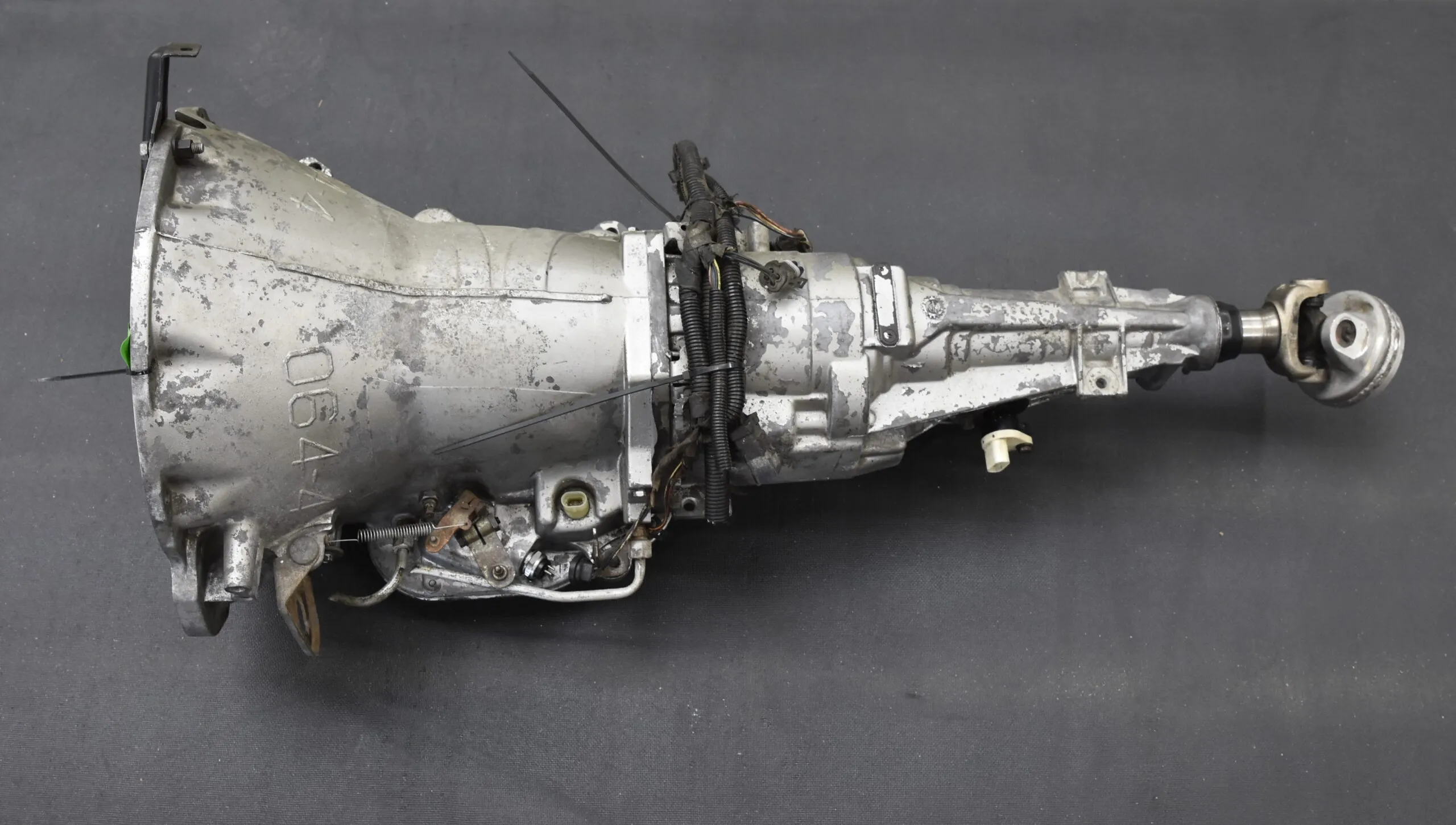
5. Chrysler’s TorqueFlite 727 Automatic in the 1970 Dodge Challenger R/T 440 Magnum
The TorqueFlite 727 automatic transmission developed by Chrysler is widely regarded as one of the most durable transmission systems produced during the muscle car period. Its installation in the 1970 Dodge Challenger R/T 440 Magnum demonstrated how an automatic gearbox could manage high engine output while maintaining dependable operation.
The 440 cubic inch V8 engine produced substantial torque, and this required a transmission capable of handling sustained load without failure. A major strength of the TorqueFlite 727 lies in its internal gear design. Chrysler engineers employed a Simpson compound planetary gear system that distributed engine torque across multiple gear elements.
This arrangement reduced stress on individual parts and improved long-term durability. By spreading load across several contact surfaces, the transmission maintained structural stability during demanding use, including repeated acceleration and extended driving at higher speeds.
The hydraulic control system also contributed to consistent performance. Instead of relying on vacuum-based control alone, Chrysler used a mechanical kickdown linkage connected directly to the throttle. This allowed the transmission to respond accurately to driver input, ensuring that gear changes occurred at appropriate points during acceleration.
The result was predictable behaviour that supported both smooth driving and performance use without unnecessary strain on internal components. Thermal control formed another important aspect of the design.
The transmission incorporated a relatively large fluid capacity, which helped manage the heat generated during operation. Lower operating temperatures improved the durability of seals and internal components, while also maintaining fluid effectiveness. This feature allowed the transmission to operate reliably even under demanding conditions.
Owners of the 1970 Dodge Challenger R/T 440 Magnum benefited from a drivetrain that required limited intervention when properly maintained. Many units have remained in service for decades with minimal internal repair.
Vehicles that retain their original TorqueFlite 727 transmission continue to attract strong interest among collectors. The combination of durability, engineering clarity, and performance capability ensures that this transmission remains highly regarded in classic American automotive history.
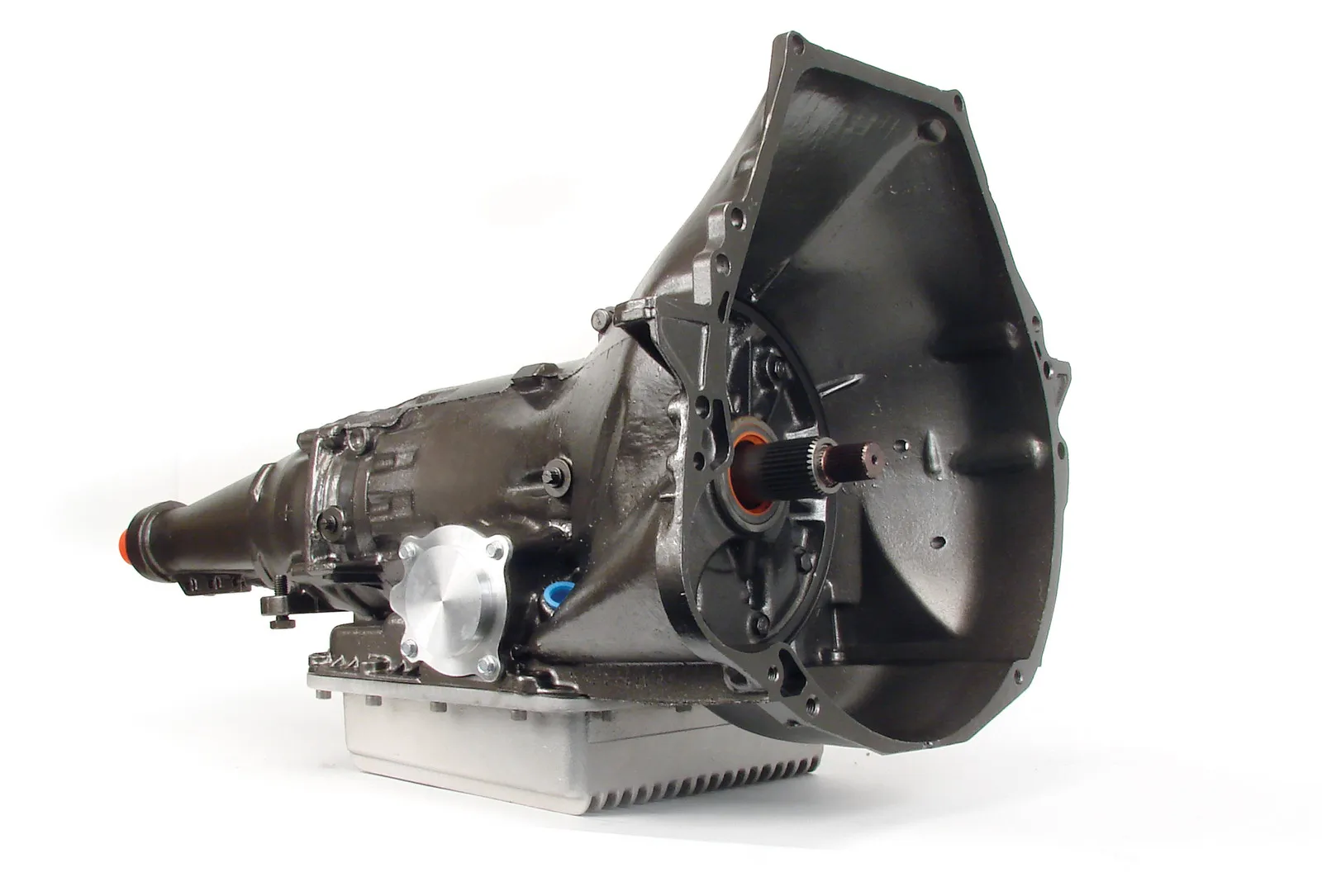
6. Ford’s C6 Heavy-Duty Automatic in the 1971 Ford Torino Cobra 429 CJ
Ford’s C6 automatic transmission earned a reputation for almost indestructible durability through its application behind Ford’s most powerful production engines, and the 1971 Ford Torino Cobra 429 Cobra Jet provided one of the most demanding production street car environments that any automatic transmission encountered during the muscle car era.
Introduced in 1966 as a replacement for the C4 automatic in high-torque applications, the C6 was engineered with materials and specifications that placed it in the professional drag racing level of durability while remaining suitable for street use and fuel economy compliance.
Ford’s C6 used a Simpson compound planetary gear arrangement, similar in concept to Chrysler’s 727 approach, gaining the torque-distribution advantages of compound planetary designs while implementing Ford’s own valve body and hydraulic control philosophy.
Cast iron case construction gave the C6 dimensional stability under heat that aluminum cases of the period could not match, preventing the case expansion under operating temperature that contributed to seal leakage and hydraulic control degradation in competing designs.
Clutch pack design in the C6 reflected Ford’s engineering decision to use more clutch plates per pack than strictly necessary for the rated torque capacity, creating a friction surface area margin that allowed the clutch packs to handle the shock torque loading of full-throttle operation without the glazing and slippage that underpowered clutch packs experienced.
Additional clutch surface area meant that heat per unit of friction material was reduced during slip events, extending clutch pack service life in the demanding use patterns that high-output muscle car applications generated.
Performance in the 1971 Torino Cobra 429 CJ demanded a transmission that could translate the 370 horsepower and 450 pound-feet of torque that the Cobra Jet engine produced into consistent, reliable acceleration without the transmission becoming the performance-limiting factor.
Ford’s decision to use the C6 rather than lighter, less capable automatic options for this combination reflected engineering confidence in the C6’s ability to handle the Cobra Jet’s output without compromise or qualification.
Drag racing teams discovered the C6’s capabilities early in its production life and adopted it as the preferred automatic for professional and amateur competition applications, which led to an extensive aftermarket support ecosystem that developed stronger internal components, improved valve body designs, and performance-oriented converter options.
This racing ecosystem simultaneously validated the C6’s fundamental architecture and created the parts supply infrastructure that continues supporting these transmissions in restoration and performance applications today.
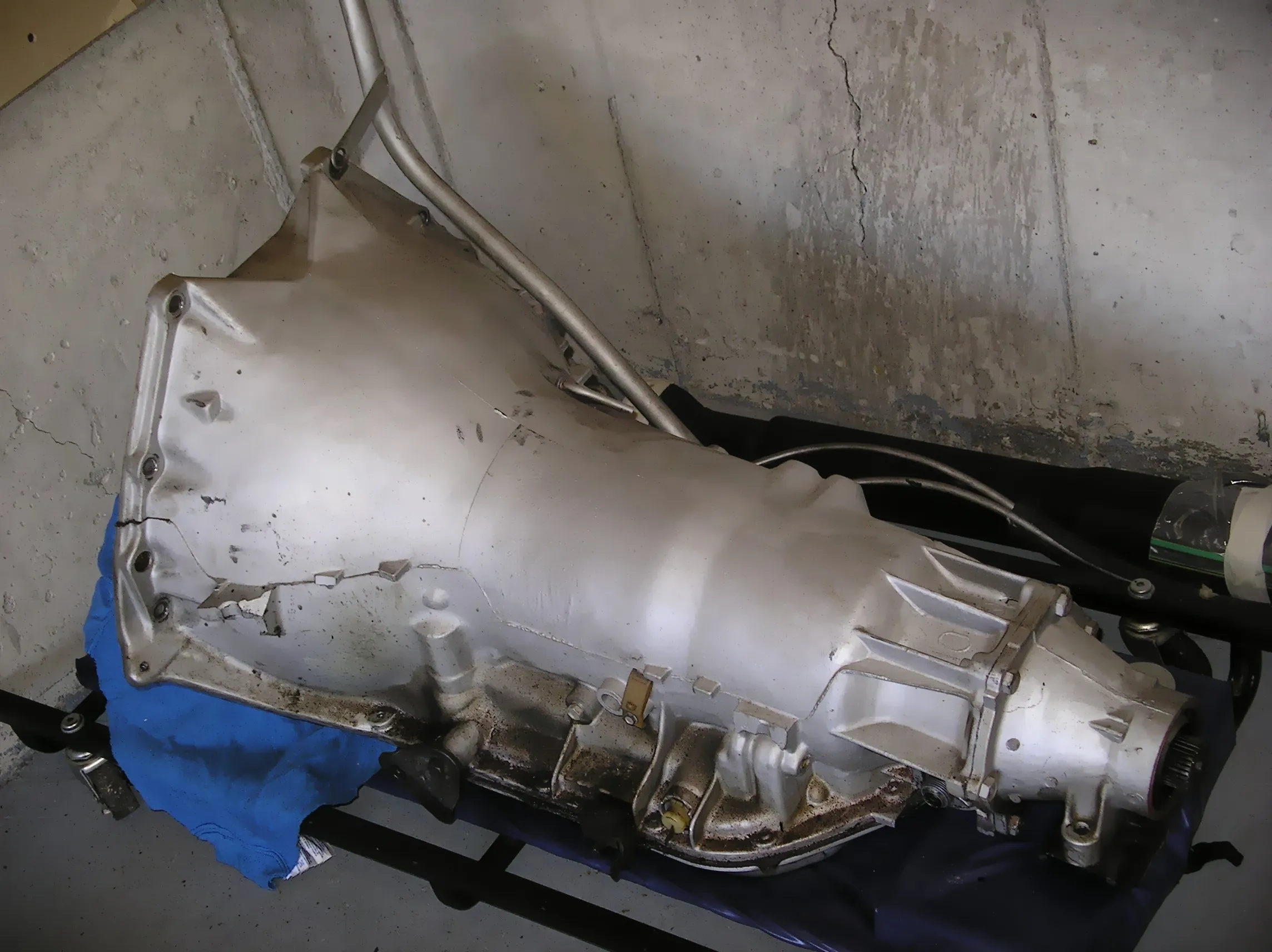
7. GM’s Turbo Hydramatic 400 in the 1970 Buick GSX Stage 1 455
The General Motors Turbo Hydramatic 400 stands as one of the most dependable automatic transmissions produced during the American muscle car period. Its installation in the 1970 Buick GSX Stage 1 455 placed it behind an engine that demanded exceptional mechanical strength.
The Buick 455 cubic inch V8 in Stage 1 form delivered 510 pound feet of torque at relatively low engine speed, a figure that exceeded many competitors at the time. This level of output required a transmission engineered with durability as a primary objective, rather than convenience alone.
Introduced in 1964, the TH400 employed a Simpson compound planetary gear arrangement designed for high torque transfer. Internal components such as clutch packs, bands, and the input shaft were specified with strength margins that surpassed lighter-duty transmissions within the same corporate family.
The input shaft, in particular, featured a larger diameter and stronger material composition, allowing it to transmit engine force without deformation or fatigue. This design decision ensured that the transmission could operate reliably even under repeated full-throttle acceleration.
Hydraulic control within the TH400 also contributed to its reputation. The valve body was engineered to deliver gear changes that combined firmness with controlled engagement. Firm engagement reduced internal slippage, which limited heat generation and extended component life.
At the same time, smooth completion of each gear change reduced stress on connected drivetrain components such as the driveshaft and rear axle assembly. This balance between control and refinement reflected careful engineering rather than compromise.
The widespread use of the TH400 across various high-performance models from General Motors created a strong support network for maintenance and restoration. Replacement components, rebuild kits, and specialist knowledge remain readily available, making long-term ownership practical for collectors. Mechanics familiar with this transmission continue to service it with confidence due to its straightforward design and proven durability.
A verified example of the 1970 Buick GSX Stage 1 455 equipped with its original TH400 represents an important piece of automotive history. It combines one of the highest torque outputs of its period with a transmission capable of managing that force consistently.
This pairing highlights the importance of proper engineering alignment between engine output and transmission capacity, ensuring performance without sacrificing mechanical reliability or long-term serviceability for owners and collectors alike.
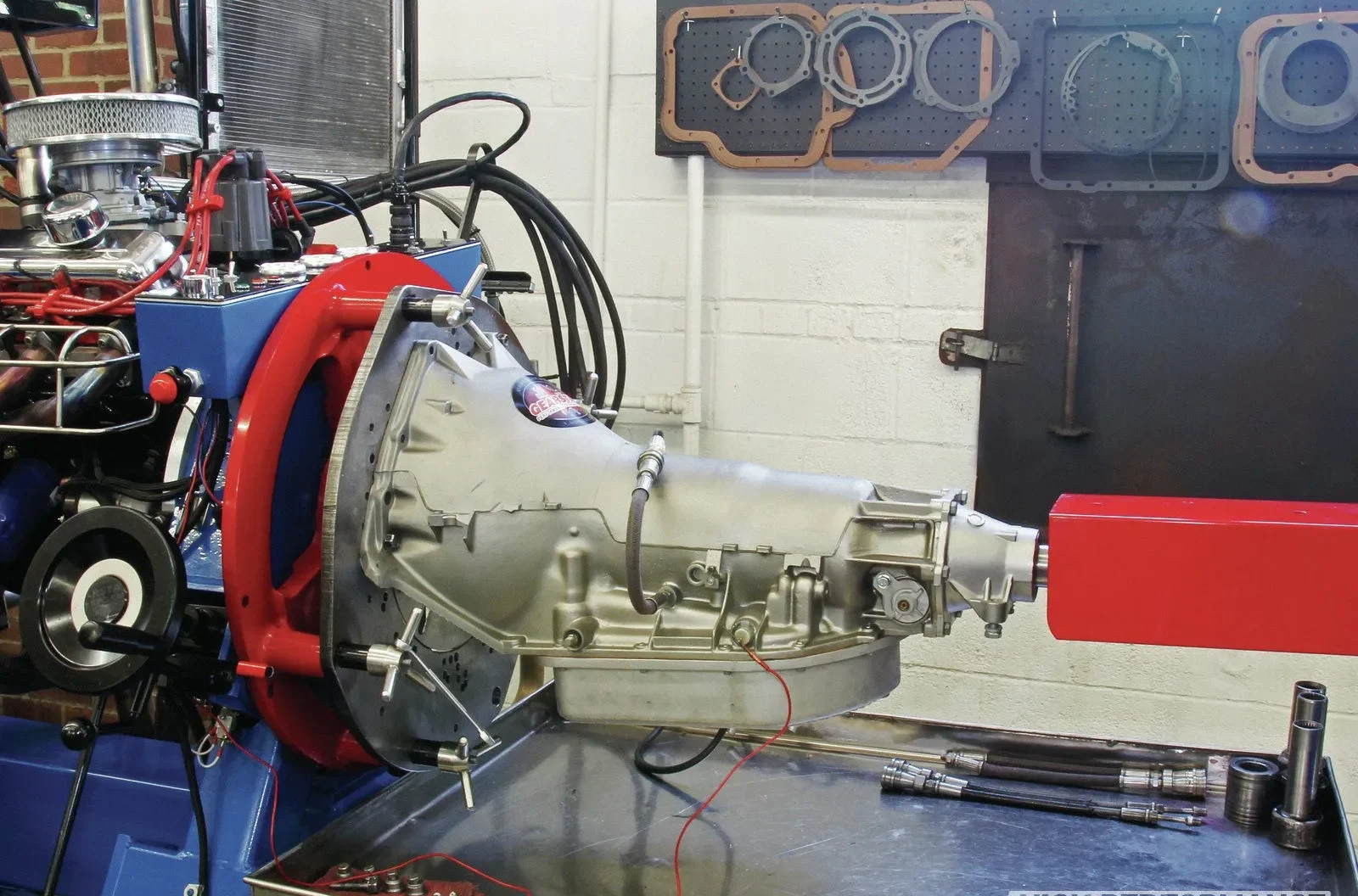
8. Pontiac’s Turbo Hydramatic 400 in the 1969 Pontiac Firebird Trans Am Ram Air III
The use of the Turbo Hydramatic 400 transmission in the 1969 Pontiac Firebird Trans Am Ram Air III reflected a clear and intentional engineering decision aimed at supporting performance driving. Pontiac’s engineers understood that buyers choosing the Trans Am variant expected stronger acceleration, quicker response, and a more engaging driving experience than what was offered in standard Firebird models.
To meet these expectations, the TH400 transmission received specific internal calibration adjustments that improved its behaviour under demanding conditions. The Ram Air III engine, a 400 cubic inch V8 producing 335 horsepower and 430 pound feet of torque, required a transmission capable of handling high output without compromising reliability.
In this application, the TH400 was configured with a revised valve body calibration that allowed for faster and firmer gear changes. This ensured that the engine remained within its most effective operating range during acceleration, allowing the vehicle to maintain steady power delivery and improved responsiveness.
Although these adjustments were internal and not immediately visible, their effect on driving behaviour was clear. Drivers could feel the difference through more direct gear engagement and reduced delay during movements.
Compared with other General Motors vehicles using standard TH400 configurations, the Trans Am displayed a more performance-focused character. This refinement made the transmission suitable for repeated high-load use without introducing excessive wear.
Another advantage of this transmission was its adaptability. The same TH400 unit could support both the Ram Air III engine and the more powerful Ram Air IV without requiring major redesign. This allowed Pontiac to maintain consistency in production while ensuring that performance standards were upheld across different configurations.
Durability has remained one of the defining strengths of this combination. Many surviving examples within the collector market still retain original TH400 transmissions that continue to operate effectively. Restoration specialists often encounter units that require minimal internal repair despite decades of use. This lasting reliability reflects the strength of the design and the quality of its engineering.
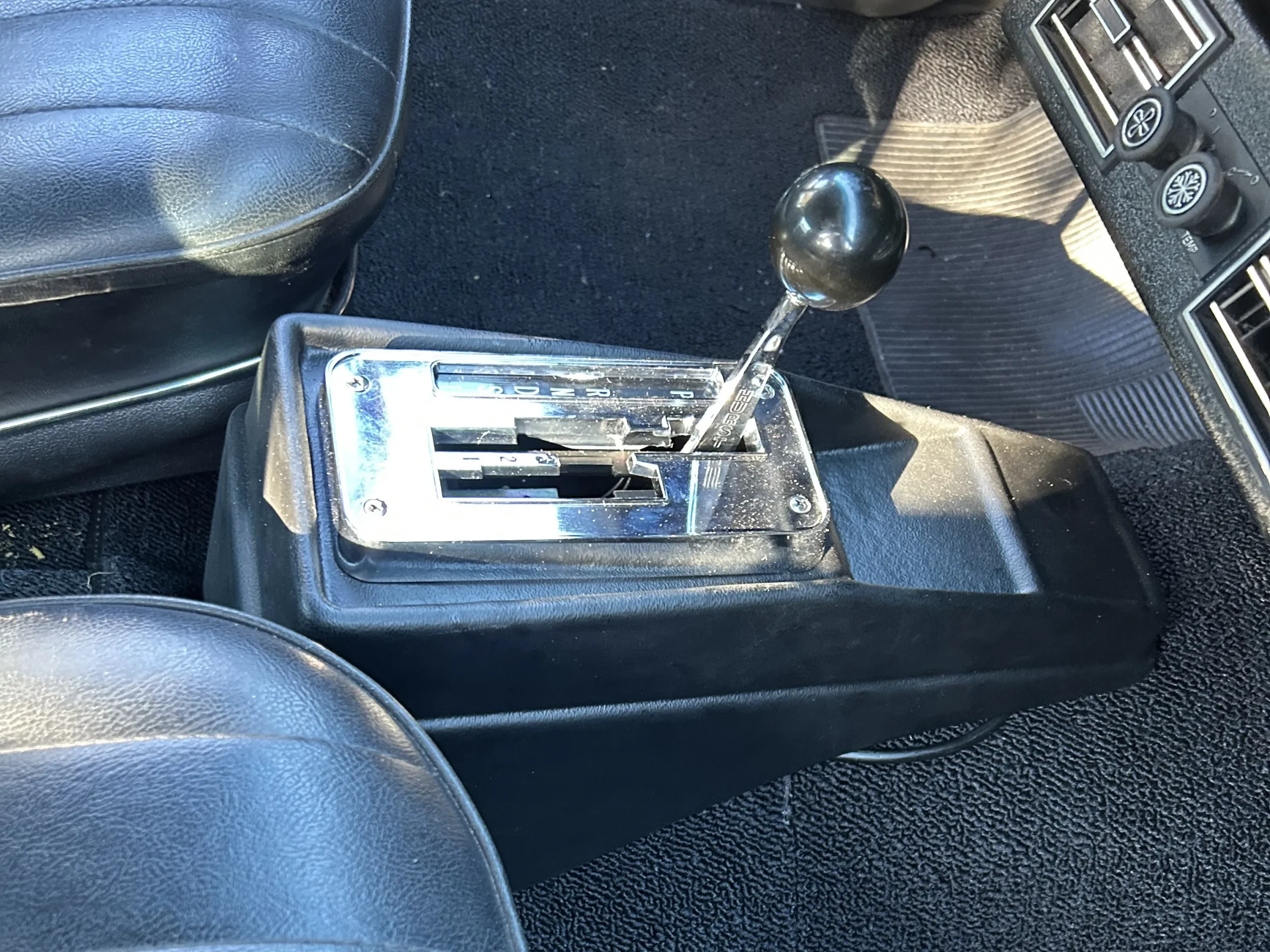
9. Oldsmobile’s Hurst DualGate in the 1969 Oldsmobile 442 W-30 Holiday Coupe
The partnership between Oldsmobile and Hurst Performance resulted in the development of the DualGate shifter, a system that introduced a higher level of driver involvement to automatic transmission vehicles. Installed in the 1969 Oldsmobile 442 W-30 Holiday Coupe, the DualGate provided a unique solution that combined the ease of automatic operation with the control associated with manual gear selection.
The system was designed with two separate movement paths. One path functioned as a traditional automatic, allowing the Turbo Hydramatic 400 transmission to manage gear changes without driver input. The second path allowed the driver to manually select gears in sequence.
This arrangement gave drivers the ability to control movement timing directly, especially during performance driving situations, without requiring any internal modification to the transmission itself. The W-30 package further strengthened the vehicle’s performance capability.
Its Force Air induction system directed cooler air into the engine intake, improving combustion efficiency and supporting stronger output from the 400 cubic inch V8 engine. This increase in performance required a transmission that could manage both high power demands and everyday driving conditions. The TH400 provided that reliability, ensuring that the DualGate system operated smoothly in different environments.
The DualGate shifter represented an important development in performance vehicle design. It allowed drivers to enjoy greater control while retaining the durability associated with automatic transmissions. This balance made it particularly appealing to drivers who wanted flexibility without sacrificing mechanical dependability.
Today, vehicles that retain the original DualGate system and matching transmission are highly valued. Collectors place strong importance on authenticity, and the presence of original drivetrain components contributes directly to desirability. Continued proper operation of the DualGate mechanism also serves as evidence of its durable design and the quality of engineering behind its development.
Also Read: 10 High Torque Engines That Shred Tires But Keep the Transmission Healthy
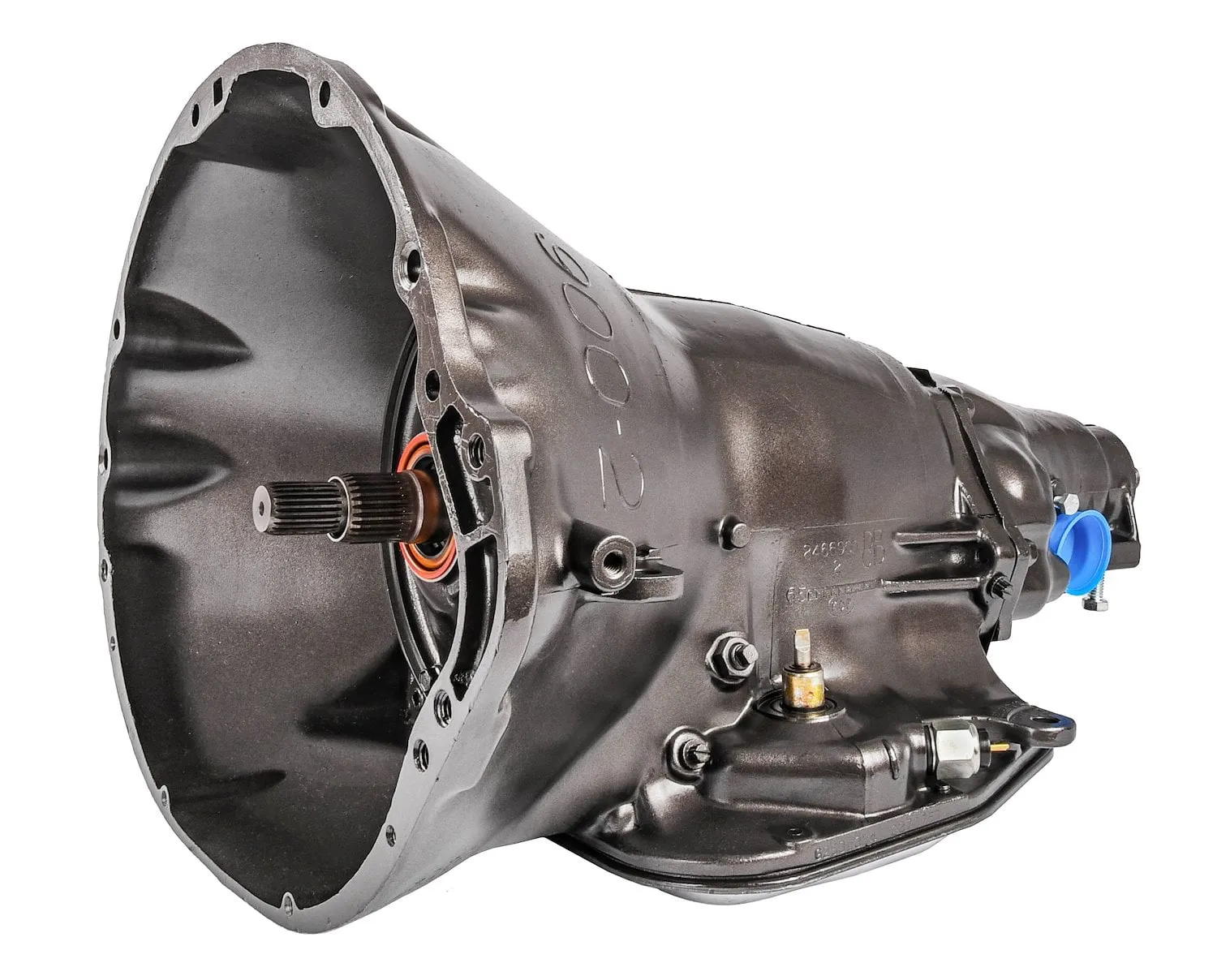
10. AMC’s Chrysler TorqueFlite 727 in the 1971 AMC Javelin AMX 401
The decision by American Motors Corporation to utilise the Chrysler TorqueFlite 727 in the 1971 Javelin AMX 401 demonstrated a practical engineering approach focused on performance reliability. Rather than relying solely on in-house components, AMC selected a transmission with a proven record of handling high torque outputs.
This choice aligned with the demands of the 401 cubic inch V8 engine, which produced strong power figures that required a robust transmission solution. The TorqueFlite 727 was configured to suit the engine’s performance characteristics.
Engineers adjusted valve body calibration to deliver move timing and firmness that complemented the engine’s power delivery. This level of tuning ensured that the transmission responded appropriately under acceleration while maintaining durability during extended use. Such attention to calibration detail reflected a commitment to performance integrity, even during a period when AMC faced financial constraints.
Drivers who selected the automatic option in the Javelin AMX received a drivetrain combination capable of consistent performance under demanding conditions. The reliability of the TorqueFlite 727 in this application has been confirmed through long-term ownership records, which show that the transmission performs with the same strength observed in Chrysler vehicles where it was originally developed.
This consistency highlights the inherent quality of the transmission design rather than reliance on specific installation variables. The Javelin AMX occupies a respected position within collector circles due to its distinctive identity and performance capability. While it may not carry the same level of public recognition as offerings from larger manufacturers, it delivers comparable driving performance.
Examples from 1971 equipped with the original 401 engine and TorqueFlite transmission are valued for their authenticity and mechanical strength. Their relative scarcity adds to their appeal, attracting buyers who prioritise originality, engineering substance, and historical relevance within the American performance vehicle category.