Modern vehicles are increasingly dependent on powerful electrical systems to support everything from infotainment and driver-assistance features to auxiliary lighting, work tools, and mobile power stations.
Meeting these demands requires alternators capable of delivering high, consistent output while withstanding heavy use, extreme temperatures, and long idle periods. The vehicles featured in “10 Vehicles With Heavy Duty Alternators Built for High Electrical Demands” showcase how manufacturers design trucks, SUVs, vans, and specialty vehicles to handle these challenges.
From the Ford Super Duty and Ram 2500/3500 pickups to the Ford Transit and Mercedes-Benz Sprinter vans, each model integrates high-capacity alternators that maintain voltage stability, protect batteries, and ensure reliable operation of both factory and aftermarket electrical components.
These systems are essential for work, recreational, and emergency applications where dependable power is critical, and they allow drivers to maximize the capabilities of their vehicles without compromising performance or durability.
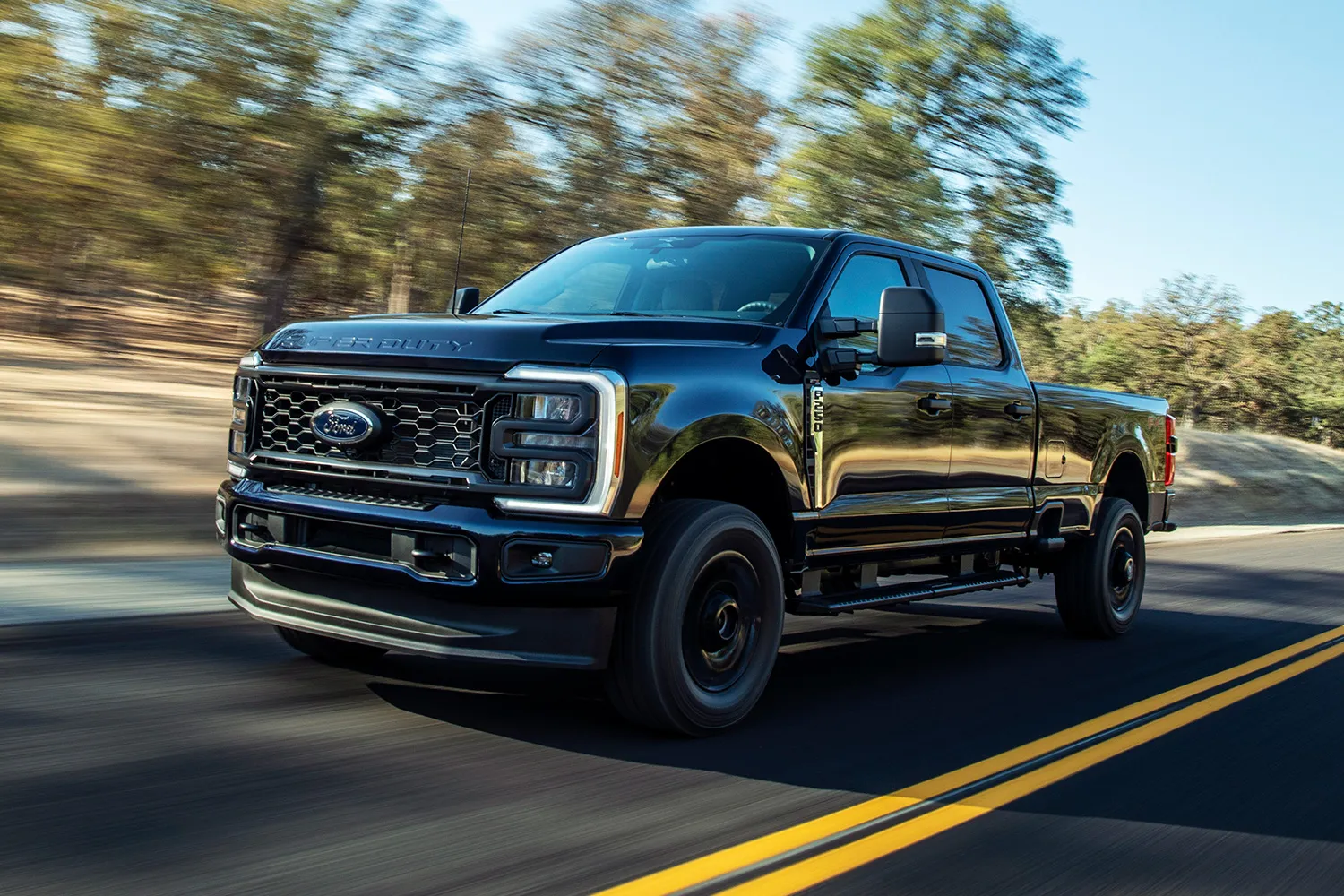
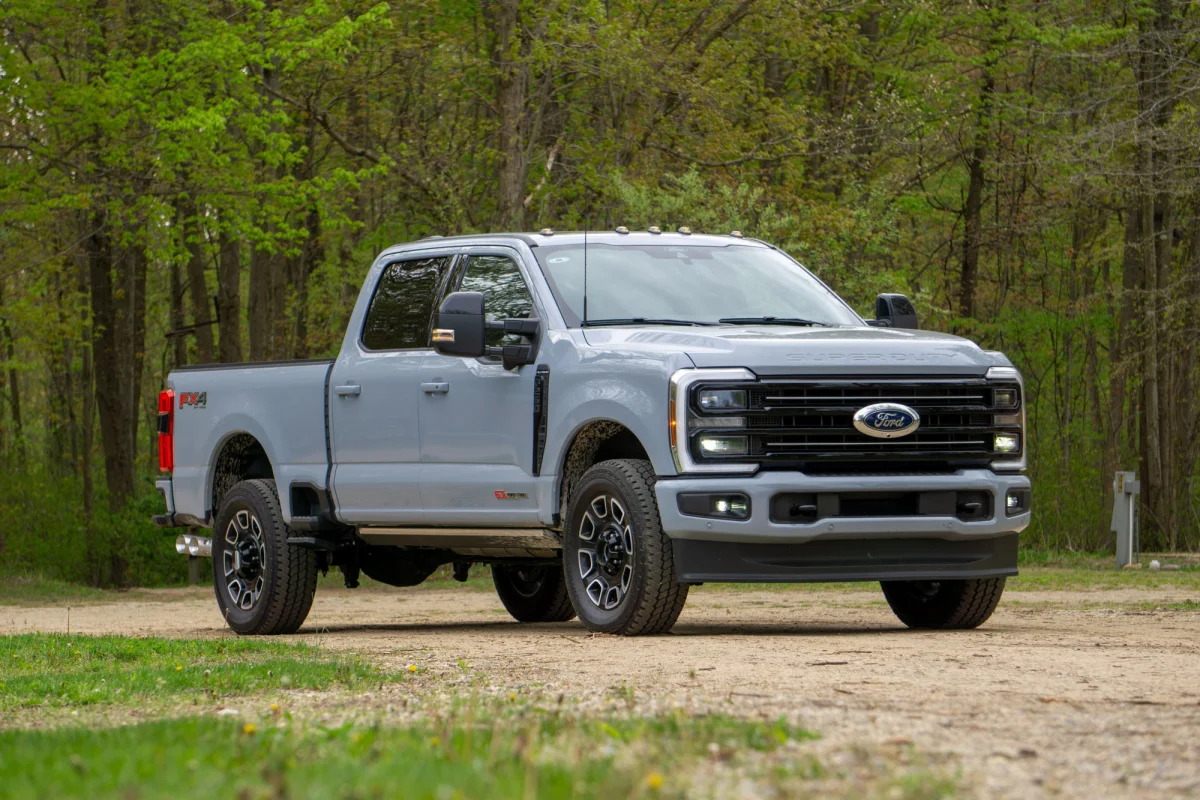
1. Ford Super Duty (F-250 / F-350 / F-450): Power, Performance, and Electrical Capability
The Ford Super Duty lineup, which includes the F-250, F-350, and F-450, is built for extreme workloads and demanding environments. One of its most important strengths is its advanced electrical system. These trucks are equipped with high-output alternators that typically range from 170 to 210 amps.
For more intensive applications, dual alternator setups are available and can exceed 300 amps, with some diesel configurations reaching close to 400 amps. This ensures stable voltage and reliable power delivery even when the truck is idling and running high-demand equipment.
Heavy-duty alternators are essential because Super Duty trucks are often used in commercial and industrial roles. They commonly support equipment such as dump beds, cranes, snowplows, winches, and emergency lighting systems. These applications require continuous and high electrical output.
The 6.7L Power Stroke V8 diesel engine also increases electrical demand due to systems like fuel injection and pre-heating. In addition, modern features such as SYNC 4 infotainment, large touchscreens, and 5G Wi-Fi raise the baseline electrical load compared to standard vehicles. The robust charging system helps ensure long-term reliability and reduces the risk of electrical failure during continuous heavy use.
Performance is another key strength of the 2026 Super Duty lineup. It offers multiple engine choices, including the high-output 6.7L turbo-diesel V8, the 7.3L gasoline V8 known as “Godzilla,” and a 6.8L gasoline V8 base engine. All options are paired with a 10-speed automatic transmission for smooth and efficient power delivery.
Towing and payload capabilities are among the best in the segment. The F-250 can tow up to 23,000 pounds, the F-350 up to 38,000 pounds, and the F-450 reaches a maximum of 40,000 pounds. Payload capacity can go as high as 8,000 pounds, depending on the model.
Inside, the Super Duty offers a balance of durability and comfort. The cabin is spacious and includes modern technology, making it suitable for long drives or job site use.
Features such as a large touchscreen, towing assistance systems, and a configurable center console enhance usability. However, there are some drawbacks. Higher trims can be expensive, the large size can make parking difficult, and heavier models may have a stiffer ride.
The 2026 Ford Super Duty stands out as a top choice for heavy-duty performance, combining power, advanced technology, and a highly capable electrical system.
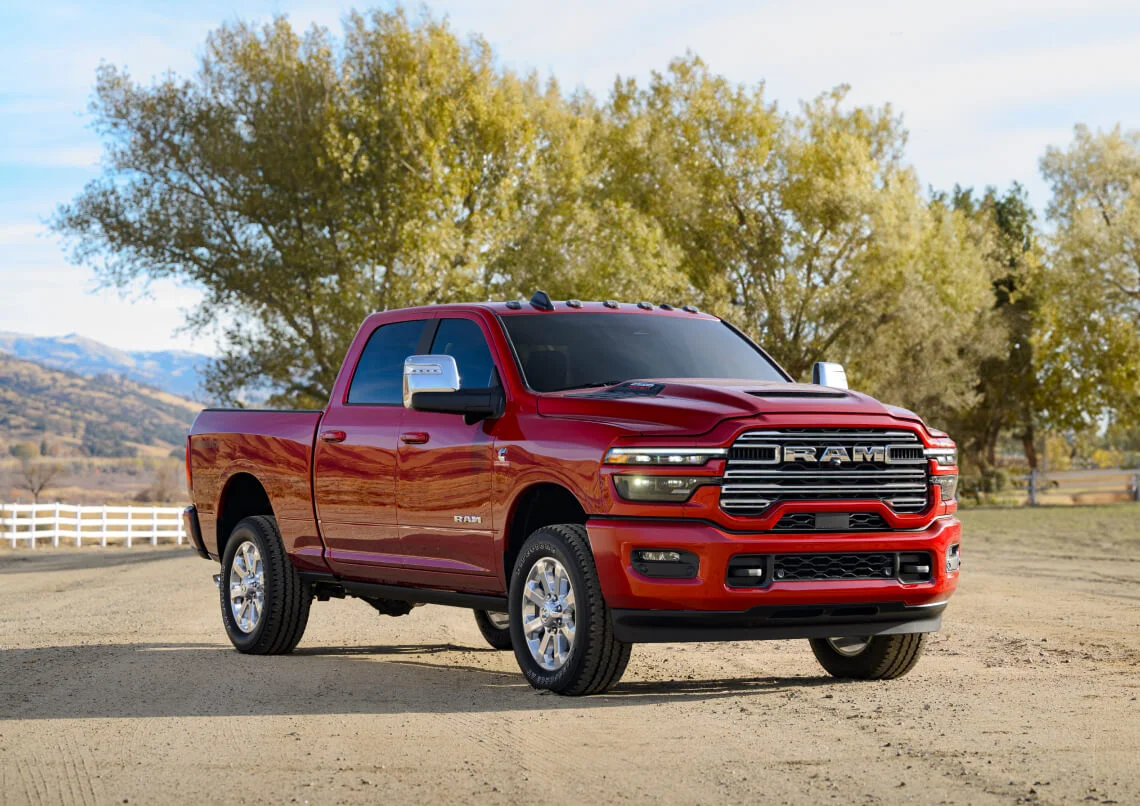
2. Ram 2500 / 3500 Heavy Duty: Durable Power and High-Capacity Electrical Systems
The Ram 2500 and 3500 Heavy Duty trucks are engineered for extreme workloads, combining strong towing performance with highly capable electrical systems. A major highlight is their use of high-output alternators, which typically range from 180 to 220 amps in standard form.
For more demanding applications, optional dual alternator setups can produce up to 380 amps. These systems are critical for trims such as the Power Wagon, which comes equipped with a factory winch, and for commercial trucks running auxiliary lighting, hydraulic tools, or other high-draw equipment.
Reinforced housings and advanced cooling systems allow the alternators to withstand heat and vibration from heavy-duty diesel operation.
The powerful charging system supports the truck’s impressive performance capabilities. Equipped with a 6.7L Cummins turbo-diesel engine, the Ram Heavy Duty lineup delivers up to 1,075 lb-ft of torque. This enables maximum towing capacities of about 37,000 pounds and payload capacities of up to 7,680 pounds.
Such performance places constant demand on the electrical system, especially when powering both engine-related components and external equipment. High-output alternators help maintain stable voltage, prevent overheating, and ensure consistent operation even under heavy load.
In addition to mechanical demands, modern technology significantly increases electrical requirements. These trucks feature large infotainment displays, digital instrument clusters, advanced safety systems, and towing technologies such as surround-view cameras and trailer reverse steering control.
Commercial applications like snowplowing, emergency lighting, and winching also require continuous, high-amperage output. Dual alternator systems are especially valuable in these scenarios, as they distribute the load and reduce the risk of electrical failure during long periods of operation.
The 2025 to 2026 Ram 2500 and 3500 models also emphasize comfort and refinement. Interiors are designed with high-quality materials and offer features such as large touchscreens and optional passenger displays. The Ram 2500 provides a smoother ride due to its rear coil spring suspension, while the 3500 focuses on maximum towing strength, especially in dual-rear-wheel configurations.
There are some trade-offs to consider. These trucks can be expensive in higher trims; their large size makes maneuvering in tight areas challenging, and some seating adjustments may feel limited. Even with these drawbacks, the Ram Heavy Duty lineup remains a strong choice for users who need a balance of power, durability, advanced technology, and long-distance comfort.
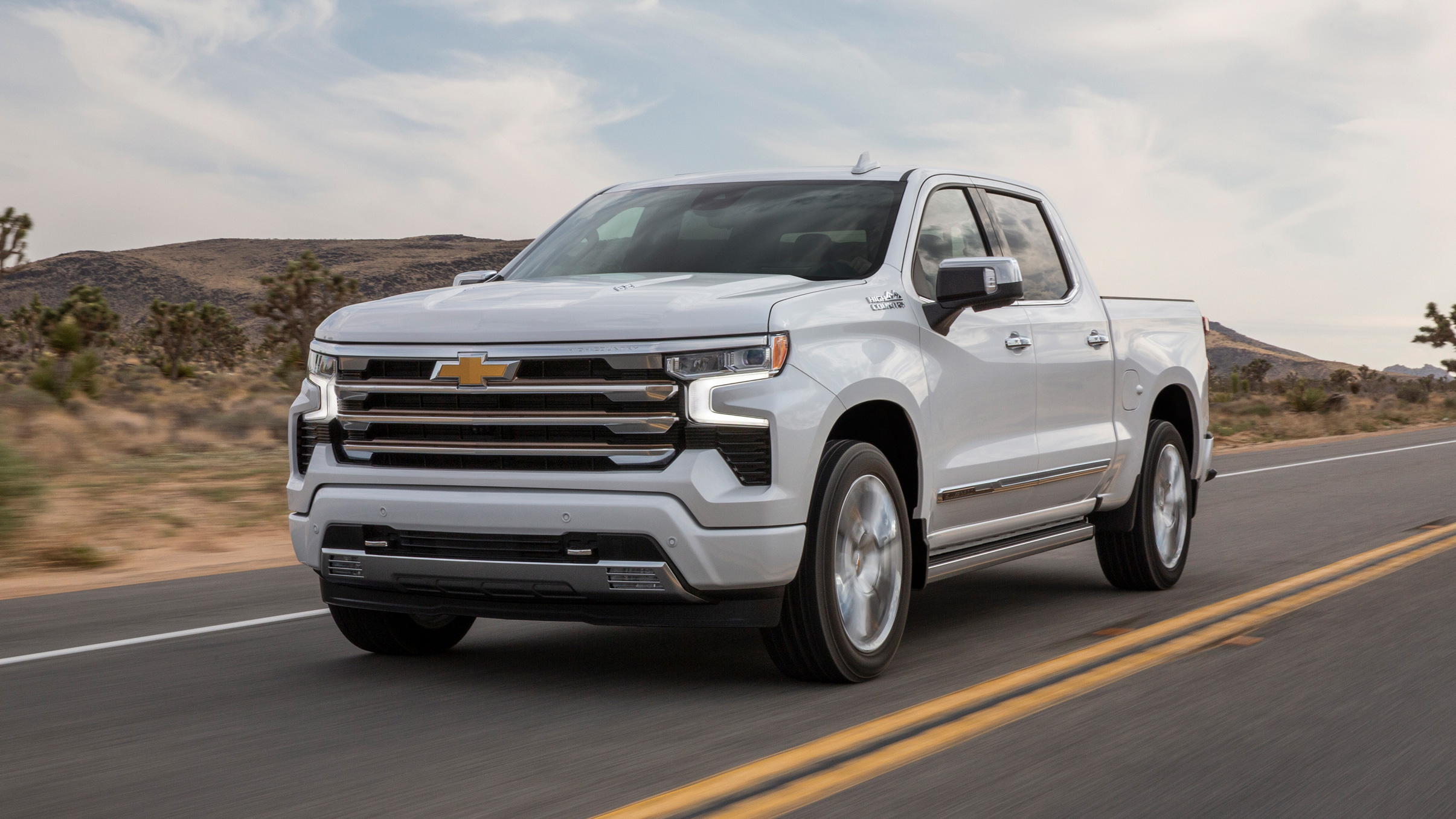
3. Chevrolet Silverado / GMC Sierra HD (2500/3500): Reliable Power and Advanced Electrical Support
The Chevrolet Silverado and GMC Sierra 2500/3500 HD trucks are built for demanding work environments, with a strong focus on dependable electrical performance. These heavy-duty models typically come equipped with high-output alternators rated between 150 and 250 amps, with some configurations offering dual alternator setups for even greater capacity.
This provides a large power reserve for operating aftermarket electronics, commercial tools, and high-demand accessories. Their electrical systems are carefully engineered to prevent overloads, maintain voltage stability, and support high-idle operation, ensuring reliable performance in both worksite and towing scenarios.
High-output alternators are essential in these trucks due to their wide range of applications. They are commonly used for tasks such as snow plowing, winching, towing, and running lift gates or auxiliary lighting. These activities require consistent electrical output without draining the battery.
In addition, modern features like heated seats, advanced infotainment systems, and powerful HVAC units increase the baseline electrical load. When towing large trailers, the electrical system must also power brake controllers, trailer lighting, and battery charging systems, making stable amperage critical.
To meet these demands, GM offers optional dual alternator configurations, such as a combination of 220-amp and 150-amp units, effectively increasing total output.
This setup helps prevent voltage drops, flickering lights, and system strain when multiple high-draw components are in use. Specialized packages like the Snow Plow Prep Package further enhance the truck’s ability to handle sustained electrical loads in extreme conditions.
In terms of performance, the 2025 to 2026 Silverado and Sierra HD models are highly capable. They offer a standard 6.6L gasoline V8 engine and an available 6.6L Duramax turbo-diesel V8 producing up to 975 lb-ft of torque.
Paired with a 10-speed automatic transmission, these trucks deliver smooth and consistent power. Towing capacity reaches up to 22,500 pounds for the 2500HD and over 35,500 pounds for the 3500HD when properly equipped.
Inside, recent updates have improved comfort and technology. Higher trims feature premium materials, large infotainment displays, and advanced trailering systems with multiple camera views. While the ride quality is refined for a heavy-duty truck, some drawbacks include high pricing for top trims, bold exterior styling that may not appeal to all buyers, and limited availability of certain advanced driving features.
These trucks stand out for their combination of strong electrical systems, high towing capability, and modern interior features, making them well-suited for both professional and personal heavy-duty use.
4. Ford F-150: High-Output Electrical Systems and Versatile Performance
The Ford F-150 is a light-duty truck that stands out for its advanced electrical capabilities and adaptability. Many models are equipped with high-output alternators ranging from 180 to 240 amps, with some configurations exceeding 300 amps. These systems provide enough power to support demanding accessories such as off-road lighting, winches, and premium audio systems.
For users with even greater electrical needs, the F-150 is well-suited for aftermarket upgrades that can increase output to as much as 320 to 370 amps, making it ideal for mobile workstations and specialized setups.
One of the F-150’s most notable features is the Pro Power Onboard system, which allows the truck to function as a mobile generator. This system can supply substantial electrical power for tools, appliances, and job site equipment, making it highly useful for contractors, outdoor activities, and emergency use.
To support this capability, the truck uses advanced alternator designs that include high-purity copper windings for better conductivity and reduced heat. Dual-bearing rotor systems also improve durability and performance, especially under heavy loads and high engine speeds.
The electrical system is engineered to maintain strong performance even at idle, ensuring consistent voltage when the truck is stationary but still powering equipment. This is especially important for worksite conditions or stop-and-go driving. Stable power delivery helps prevent battery drain and protects sensitive electronics, which is increasingly important given the growing number of onboard technologies.
In addition to its electrical strengths, the 2025 to 2026 Ford F-150 offers solid performance and capability. It can tow up to 13,500 pounds when properly equipped and comes with a variety of engine options, including V8 and EcoBoost variants.
The interior is spacious and designed for comfort and functionality, particularly in crew cab models. It also features modern technology such as large infotainment displays, wireless smartphone integration, and advanced safety systems with high safety ratings.
There are some drawbacks to consider. Higher trims can be expensive, fuel consumption can be high in city driving, and larger configurations may be harder to maneuver in tight areas. The F-150 remains a strong choice for those seeking a balance of power, technology, and everyday usability.
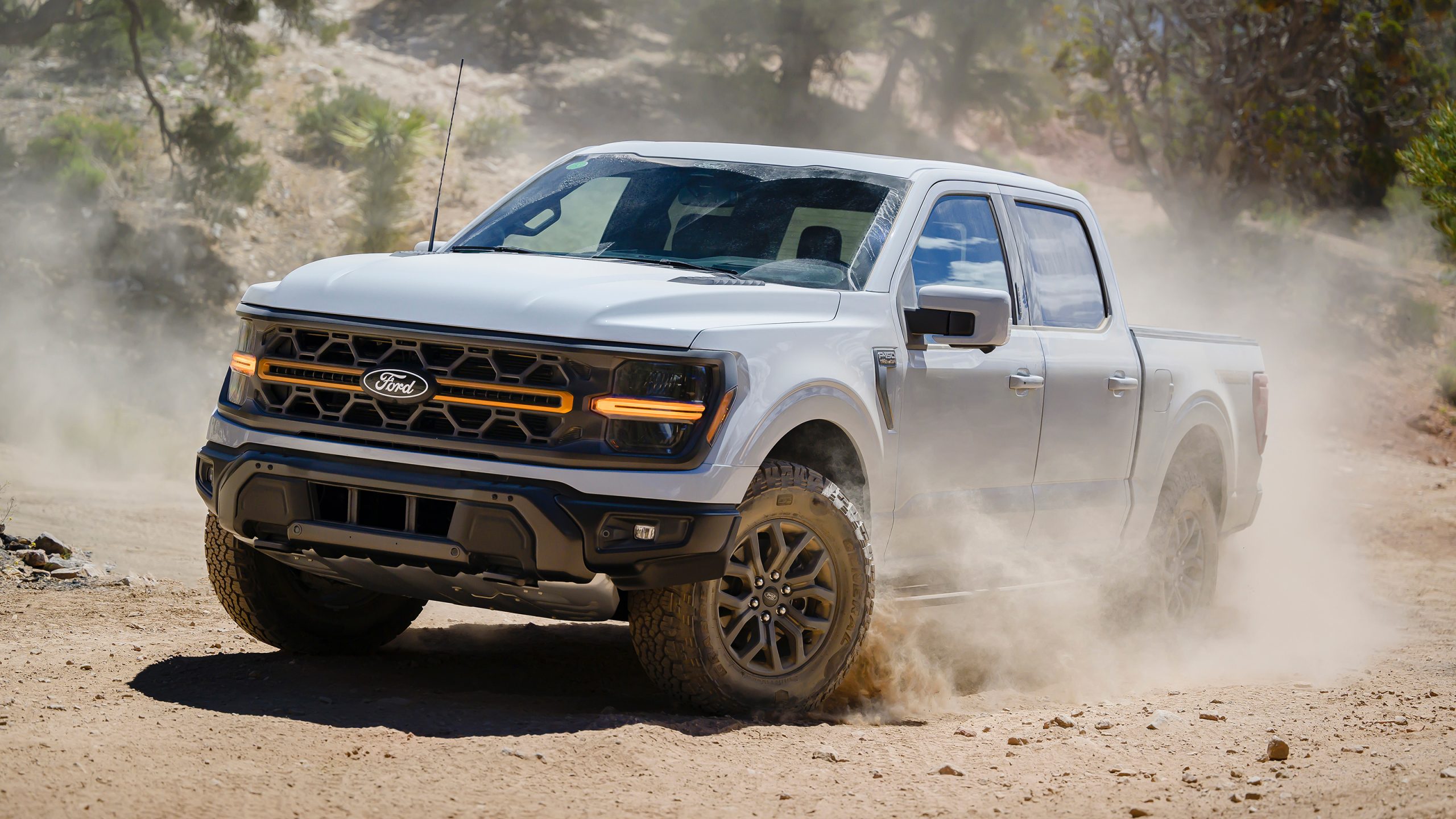
5. Jeep Wrangler: Rugged Electrical Systems for Extreme Off-Roading
The Jeep Wrangler is widely recognized for its exceptional off-road capability, and its electrical system is built to support the demanding conditions that come with trail driving and overlanding. Modern Wrangler models, particularly the JL generation, can be equipped with high-output alternators reaching up to 240 amps.
This is significantly higher than most SUVs and is essential for powering off-road accessories such as winches, LED light bars, air compressors, and navigation systems. These components require a steady and reliable power supply, especially in remote environments where failure is not an option.
Heavy-duty alternators in the Wrangler typically range from 160 to over 220 amps, ensuring sufficient electrical output for both factory and aftermarket equipment. One of the key reasons for this is the nature of off-road driving.
Activities such as rock crawling and trail navigation often occur at low speeds or while idling, where standard alternators may not generate enough power. The Wrangler’s system is designed to deliver high amperage even at low engine speeds, preventing battery drain and ensuring continuous operation of essential gear.
Durability is another critical factor. The alternators are designed with advanced cooling systems, often using fan-cooled designs to manage heat during extended use. This helps prevent overheating when running multiple high-draw accessories for long periods.
In addition, the electrical system is built to withstand harsh conditions, including dust, water exposure, and constant vibration. This makes it reliable for extended off-road trips and overlanding adventures.
Beyond its electrical capabilities, the Jeep Wrangler offers a unique driving experience. It is known for its removable doors and roof, customizable design, and strong off-road performance. Recent models have improved in terms of interior technology, offering features like modern infotainment systems and advanced safety options. However, these improvements do not fully eliminate its drawbacks.
On-road comfort is one of the Wrangler’s main limitations. It can be noisy, less fuel-efficient, and less comfortable than typical SUVs. Rear passenger space and cargo capacity can also be limited. Despite these compromises, the Wrangler remains a top choice for enthusiasts who prioritize off-road performance and rugged capability over everyday comfort.
Also Read: 10 Cars With the Most Unusual Engine Placements in History
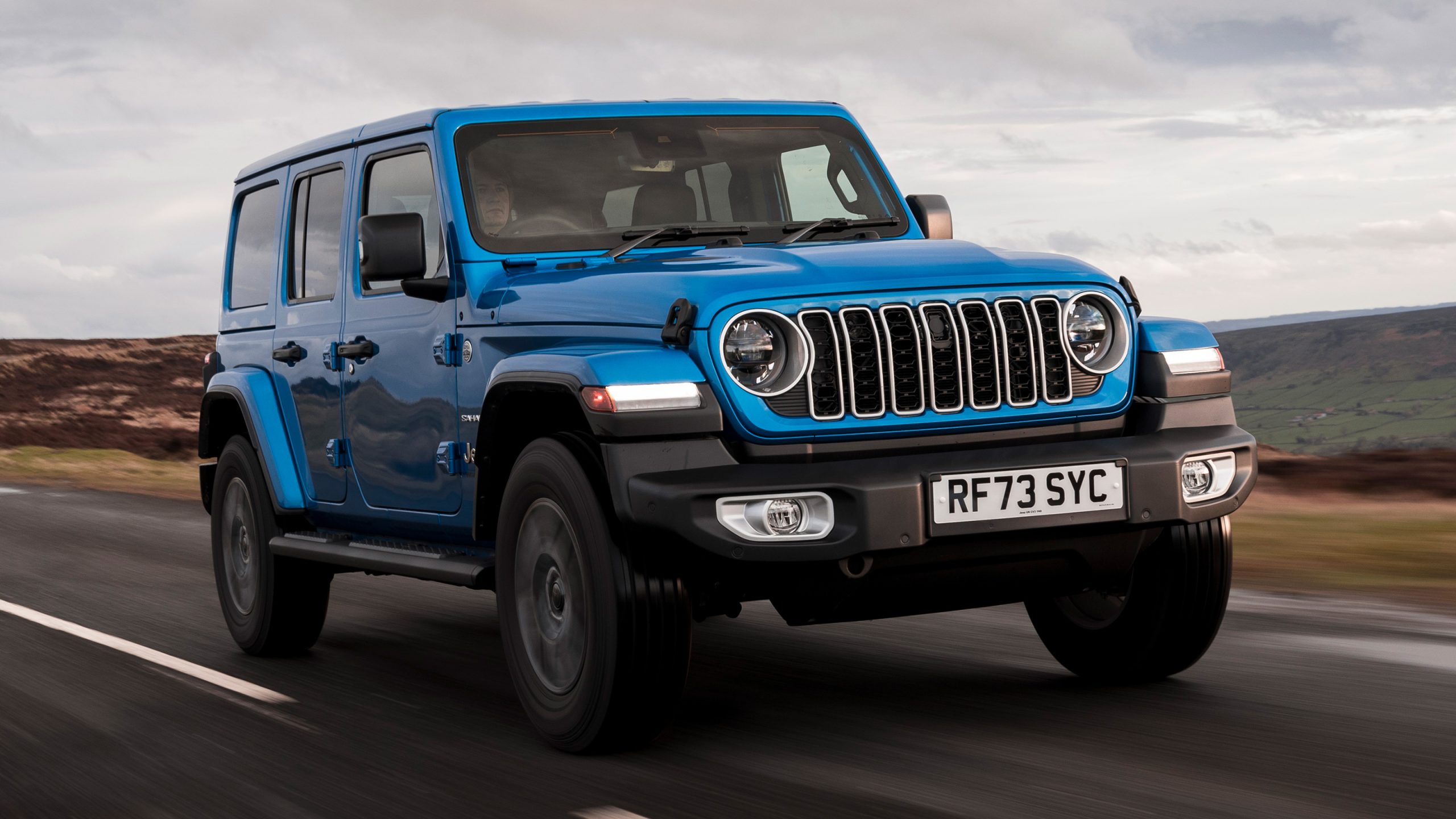
6. Mercedes-Benz Sprinter: Heavy-Duty Electrical Systems for Versatility and Reliability
The Mercedes-Benz Sprinter is widely regarded as a top choice for commercial operations, luxury camper vans, and ambulance conversions, thanks in large part to its robust electrical system. Most Sprinter models come equipped with a heavy-duty 250-amp alternator, providing ample power for high-demand applications.
This high-output alternator allows the vehicle to charge large auxiliary battery banks efficiently while driving and power energy-intensive systems such as refrigerators, induction stoves, climate control, and medical equipment. The system is designed for reliability and longevity, ensuring consistent voltage even under heavy loads and extreme operating conditions.
Sprinters utilize high-output alternators ranging from 120 to 250 amps or more, designed for intensive commercial use, van conversions, and multiple simultaneous electronics.
These alternators incorporate advanced cooling, 6-phase technology, and materials engineered to resist heat and wear, maintaining stable power delivery under high electrical loads. Intelligent charging strategies, often integrated with LIN-controlled systems, prevent voltage drops, protect sensitive electronics, and support start-stop technology.
High-output alternators are crucial due to the Sprinter’s wide range of uses. Commercial operators rely on the van to power refrigeration units, GPS tracking, telematics, and other continuous high-draw equipment.
Camper and RV conversions require robust power for auxiliary batteries, 24V systems, and onboard appliances. Even with heavy electrical loads, the alternators maintain thermal efficiency and reliability, allowing the Sprinter to operate effectively in harsh environments.
The 2025–2026 Sprinter lineup combines this electrical capability with versatile configurations and premium features. Vans are available in multiple lengths and roof heights, with cargo, passenger, or crew layouts accommodating 12–15 occupants.
Engines include efficient 2.0L turbo diesel units paired with smooth 9-speed automatic transmissions, and all-wheel-drive options enhance capability. Interiors are designed for comfort and technology, featuring options like the 10.25-inch MBUX touchscreen, voice control, and supportive seating.
Strengths of the Sprinter include refined handling for a large vehicle, long-distance comfort, excellent visibility, and durability capable of high mileage. Drawbacks include a higher purchase price, elevated maintenance costs, a long brake pedal feel, and rear blind spots caused by large panels.
The Mercedes-Benz Sprinter remains a leading choice for operators needing a versatile, reliable, and high-performance van platform, excelling in both commercial and luxury conversion applications.
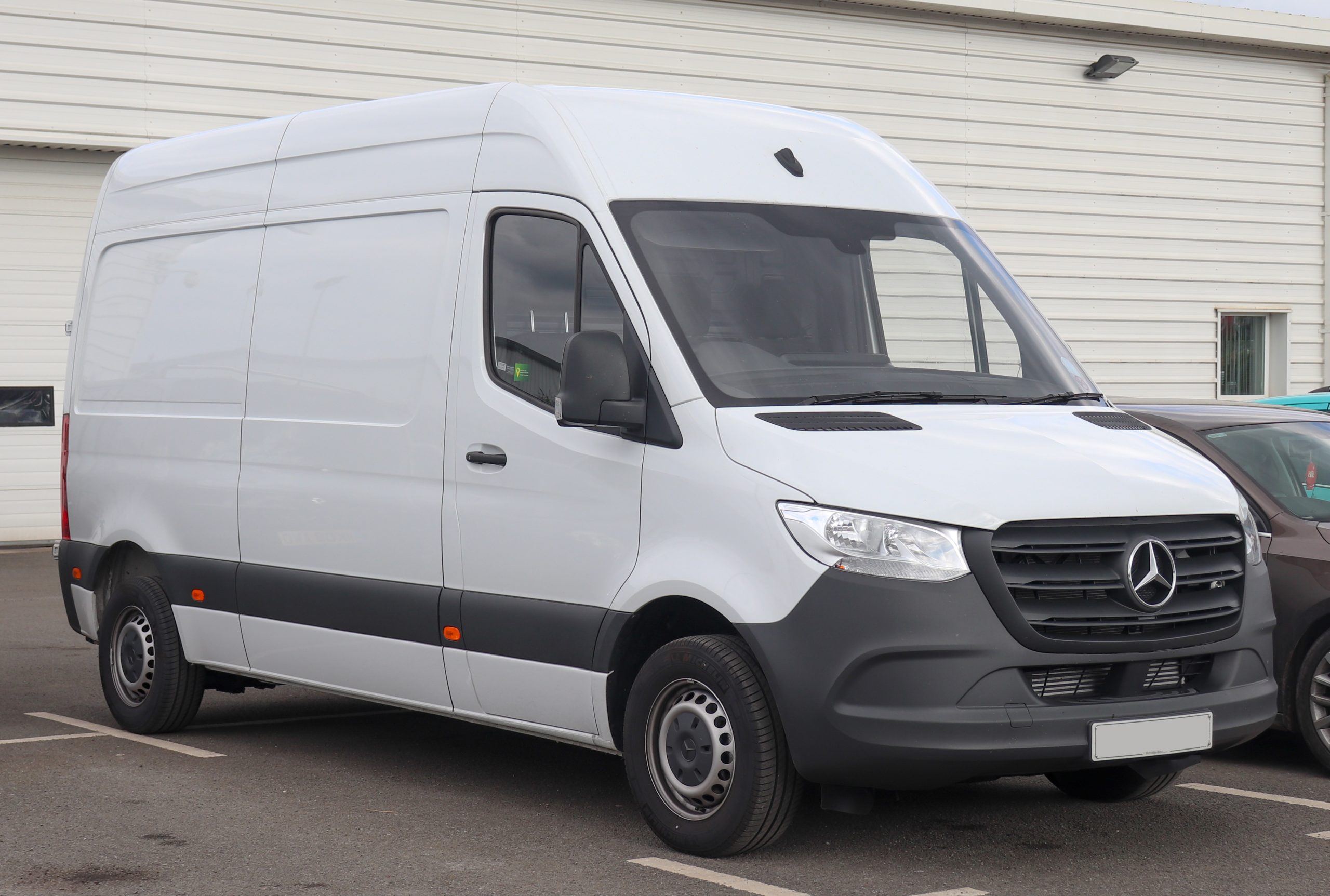
7. Toyota Tundra: Durable Electrical Systems and Proven Reliability
The Toyota Tundra is well known for its long-term reliability, and its electrical system reflects this reputation. Even older models are recognized for having factory alternators that perform strongly compared to many competitors in the light-duty truck segment.
Typically, the Tundra comes equipped with alternators rated between 130 and 150 amps, though aftermarket upgrades can push output beyond 370 amps. This makes it a popular choice for drivers who need dependable electrical power for work tasks, towing, or overlanding setups.
High-output alternators are important in the Tundra due to its wide range of uses. Trucks equipped with factory towing packages rely on stable electrical systems to power trailer brake controllers, additional cooling systems, and lighting.
The Tundra is also frequently used in commercial environments such as construction, where it may operate for extended periods and require consistent electrical output. Owners often install aftermarket accessories like LED light bars, winches, and power inverters, all of which demand higher amperage than standard systems can provide.
Modern Tundra models also include advanced electronics that increase electrical load. Newer versions feature twin-turbo V6 engines and driver-assistance technologies that depend on stable voltage. For off-road and overlanding use, the alternator must supply power at low speeds or while idling, ensuring that devices such as portable refrigerators and auxiliary lighting continue to function without draining the battery.
To support these demands, Tundra alternators are built with durability in mind. They feature strong thermal management systems, including ribbed casings and heat-dissipating designs that reduce the risk of overheating. High-quality bearings and copper windings improve efficiency and longevity.
Many heavy-duty or aftermarket units are also sealed to protect against dust and moisture, making them suitable for harsh environments. Some designs include self-exciting capability, allowing them to begin charging immediately at low engine speeds.
Beyond its electrical system, the 2025 to 2026 Tundra offers solid performance with a twin-turbo V6 engine paired with a 10-speed transmission. It provides strong towing capability, a comfortable interior, and modern technology. However, some drawbacks include lower real-world fuel efficiency, occasional quality concerns, and its large size, which can make maneuvering difficult.
The Toyota Tundra remains a dependable and capable truck, especially for those who value durability, consistent power delivery, and long-term ownership confidence.
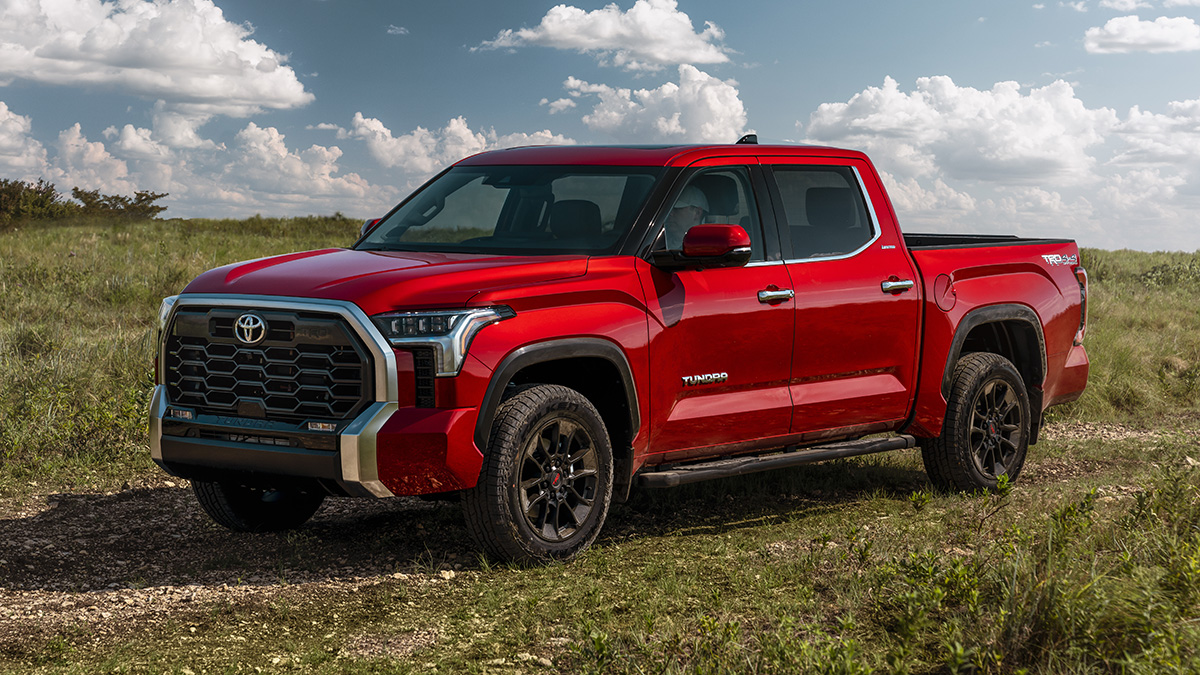
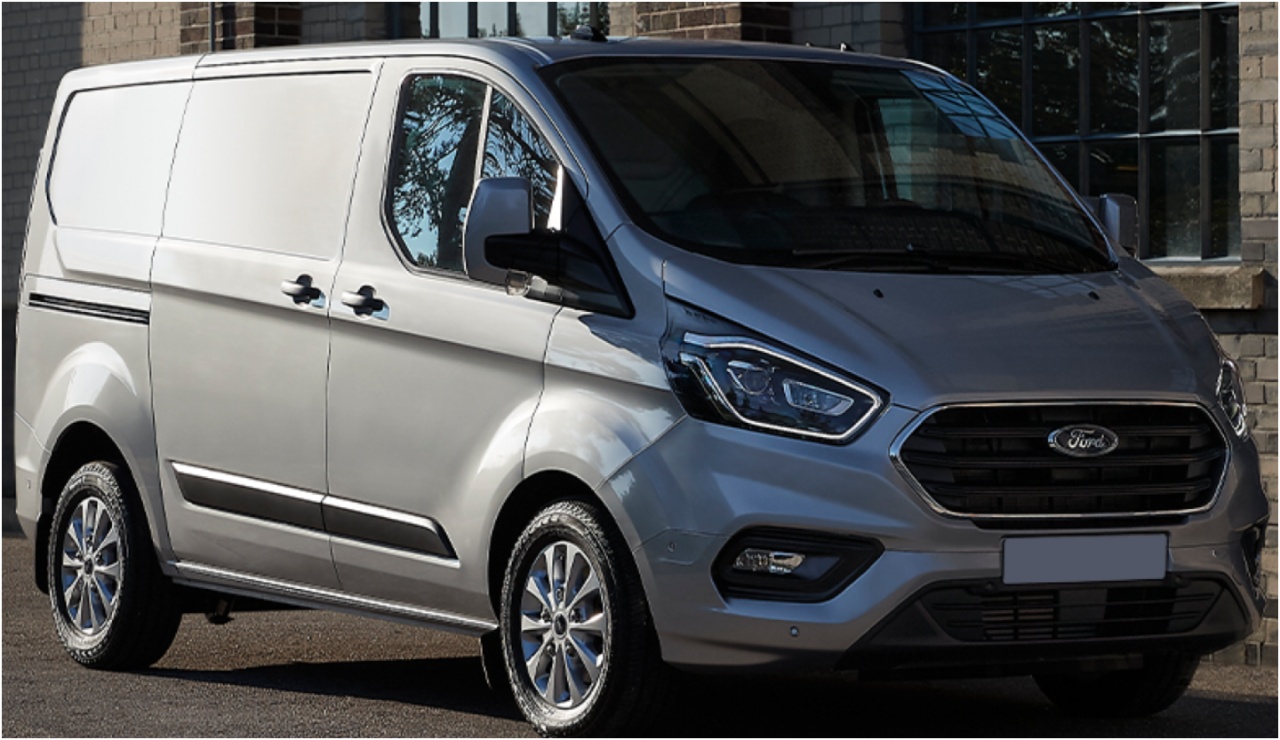
8. Ford Transit: Heavy-Duty Electrical Systems for Commercial Versatility
The Ford Transit is a cornerstone of commercial fleets, offering a durable electrical system built to handle demanding work environments. Many configurations feature a 250-amp heavy-duty alternator, providing sufficient power for mobile workshops, delivery vehicles, and vocational upfits.
This high-output system allows operators to run power inverters, specialized tools, refrigeration units, and auxiliary lighting without risking electrical failure. Its adaptability also makes the Transit popular with van-lifers who rely on solar-integrated battery setups for off-grid travel.
Heavy-duty alternators in the Transit are designed to provide consistent high-current output even at idle, which is crucial for stop-and-go driving or extended periods of operation. This ensures that GPS units, dash cameras, 48-volt systems, and other accessories continue to function reliably.
Advanced thermal management systems protect the alternator from under-hood heat and stress, enhancing durability and minimizing maintenance downtime. Smart regenerative charging technology integrates with the van’s architecture to maintain stable voltage, supporting both factory and aftermarket electrical loads.
The Transit’s electrical design complements its commercial utility. It is widely used for businesses requiring power-hungry tools, refrigeration, and onboard lighting, and its architecture is built to endure continuous, high-demand use. This makes it well-suited for both vocational fleets and mobile living applications.
In addition to its electrical capabilities, the 2025–2026 Ford Transit offers strong performance and versatility. Engine options include a standard 3.5-liter V6 producing 275 hp and a 310-hp twin-turbo EcoBoost V6, paired with responsive handling that is often described as car-like for a large van.
Multiple lengths, roof heights, and configurations, including cargo, passenger, crew, minibus, and chassis-cab variants, ensure it can meet a wide range of commercial needs. Available all-wheel drive enhances all-weather capability, further increasing its utility.
Strengths include its versatility, driving dynamics, reliable engines, and modern technology such as a 13-inch touchscreen and optional 360-degree cameras. Drawbacks include rising purchase costs, fuel consumption for larger V6 engines, and interiors focused more on durability than luxury.
Despite these considerations, the Ford Transit remains a leading choice for operators seeking a reliable, flexible, and capable commercial van with strong electrical performance and practical features for both work and mobile applications.
9. Nissan Titan XD: Heavy-Duty Electrical Systems in a Mid-Size Pickup
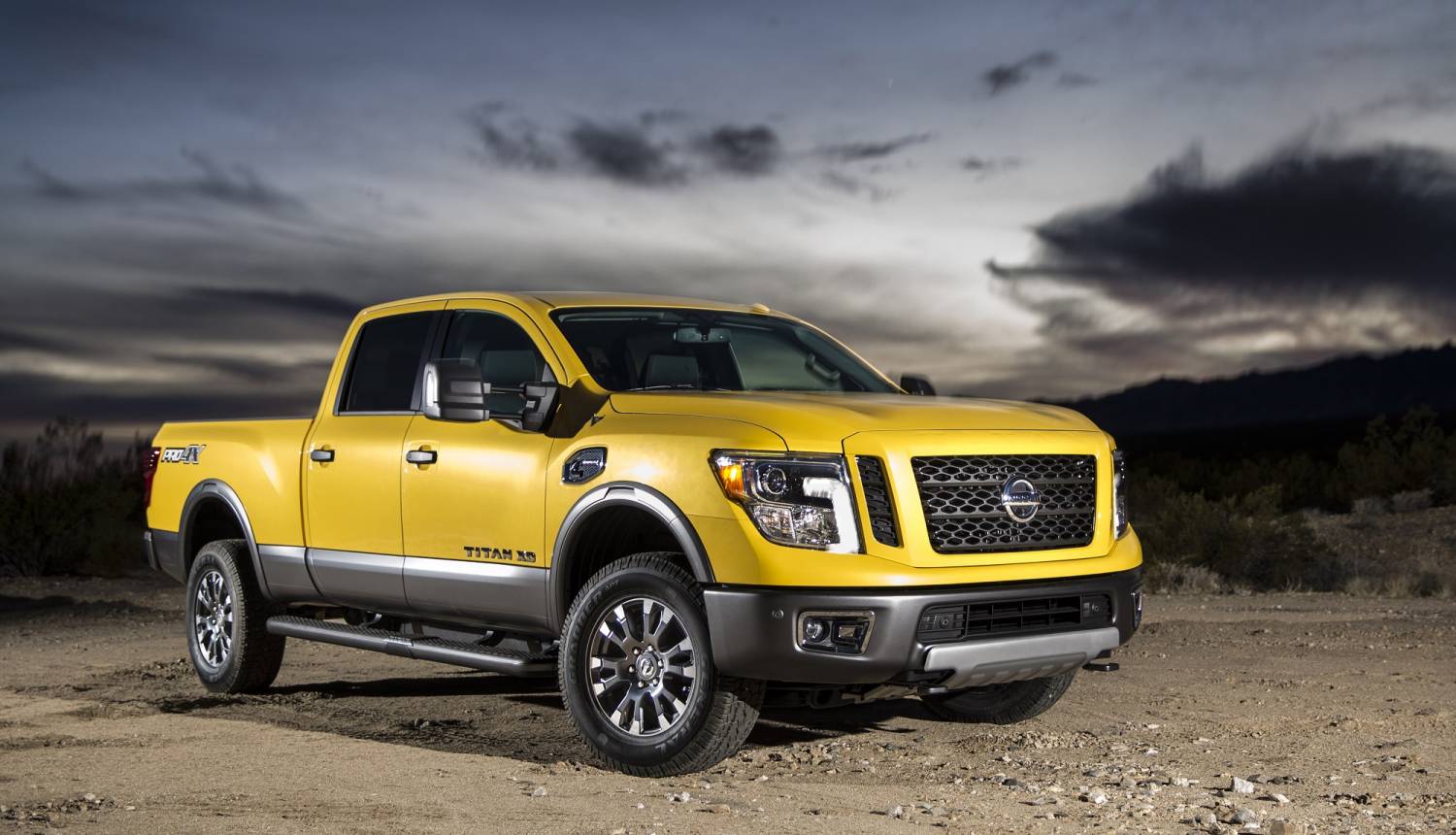
The Nissan Titan XD occupies a unique position between light-duty and heavy-duty trucks, and its electrical system reflects its more robust, commercial-grade design. Many XD models, particularly those equipped with the 5.0L Cummins V8 diesel, feature heavy-duty alternators rated between 200 and 220 amps.
These high-output units provide stable power to support towing electronics, advanced turbocharging systems, glow plugs, and accessories such as tow mirrors, cameras, and braking systems. This makes the Titan XD a strong option for drivers who require moderate auxiliary power without stepping fully into a heavy-duty pickup.
The heavy-duty alternators are crucial for several reasons. Diesel engines, like the Cummins V8, require additional electrical capacity for cold starts, ceramic glow plugs, and precise turbo control. Standard alternators in typical pickups, producing roughly 90–120 amps, cannot meet these demands.
By contrast, the Titan XD alternators deliver significantly higher amperage, ensuring reliable operation even under sustained high loads or extreme conditions. This makes them well-suited for commercial applications, towing, running electric winches, additional lighting, or other power-hungry equipment.
Durability and thermal management are key features of the Titan XD’s alternators. They incorporate reinforced bearings, enhanced cooling, and robust internal components to handle high vibration and prolonged use without overheating. This helps maintain consistent voltage, reducing the risk of battery drain and protecting sensitive electronics during heavy-duty service or extended idling.
The 2024 Titan XD combines these electrical strengths with practical performance. Gas-powered versions include a 5.6L V8 producing 400 hp paired with a 9-speed automatic transmission. Maximum towing reaches roughly 11,050 pounds with a gooseneck setup, while payload capacity tops out at about 2,450 pounds.
The ride is smoother than many true heavy-duty trucks, making the XD more comfortable for daily driving. Crew cab models provide spacious interiors with comfortable seating, though infotainment and onboard technology feel dated compared to competitors.
Potential drawbacks include a large turning radius, poor fuel economy, and limited modern tech refinements. Older diesel models (2016–2019) with the 5.0L Cummins engine faced emission and turbocharger reliability issues, resulting in high repair costs.
Despite this, the gas-powered Titan XD is a reliable, capable mid-range truck with a strong electrical system that bridges the gap between half-ton pickups and full heavy-duty trucks.
10. Ford Police Interceptor: Heavy-Duty Electrical Systems for Law Enforcement
The Ford Police Interceptor, offered in both Utility and Sedan models, is engineered specifically for law enforcement and features one of the most durable electrical systems in production vehicles.
Police vehicles spend a large portion of their shifts idling, often nearly five hours in an eight-hour shift, while powering high-draw equipment such as sirens, LED light bars, radar, cameras, mobile data terminals, and multiple two-way radios. To handle these demands, Police Interceptors come standard with high-output alternators rated at 225 amps or higher, with gas models frequently reaching up to 250 amps.
Heavy-duty alternators are essential because standard units cannot maintain sufficient voltage at low engine speeds. Police electronics require continuous power even while the vehicle is idle. The Interceptor alternators produce high amperage at idle, preventing battery drain and ensuring emergency systems are always operational.
These alternators are designed for extreme durability, incorporating high-grade copper windings, reinforced steel, and components capable of withstanding heat, vibration, and prolonged operation during pursuits or long idle periods.
The electrical system also supports extensive upfitting. Interceptors are equipped with multiple LED light bars, strobe lights, sirens, onboard computers, radar and lidar units, printers, and communication devices.
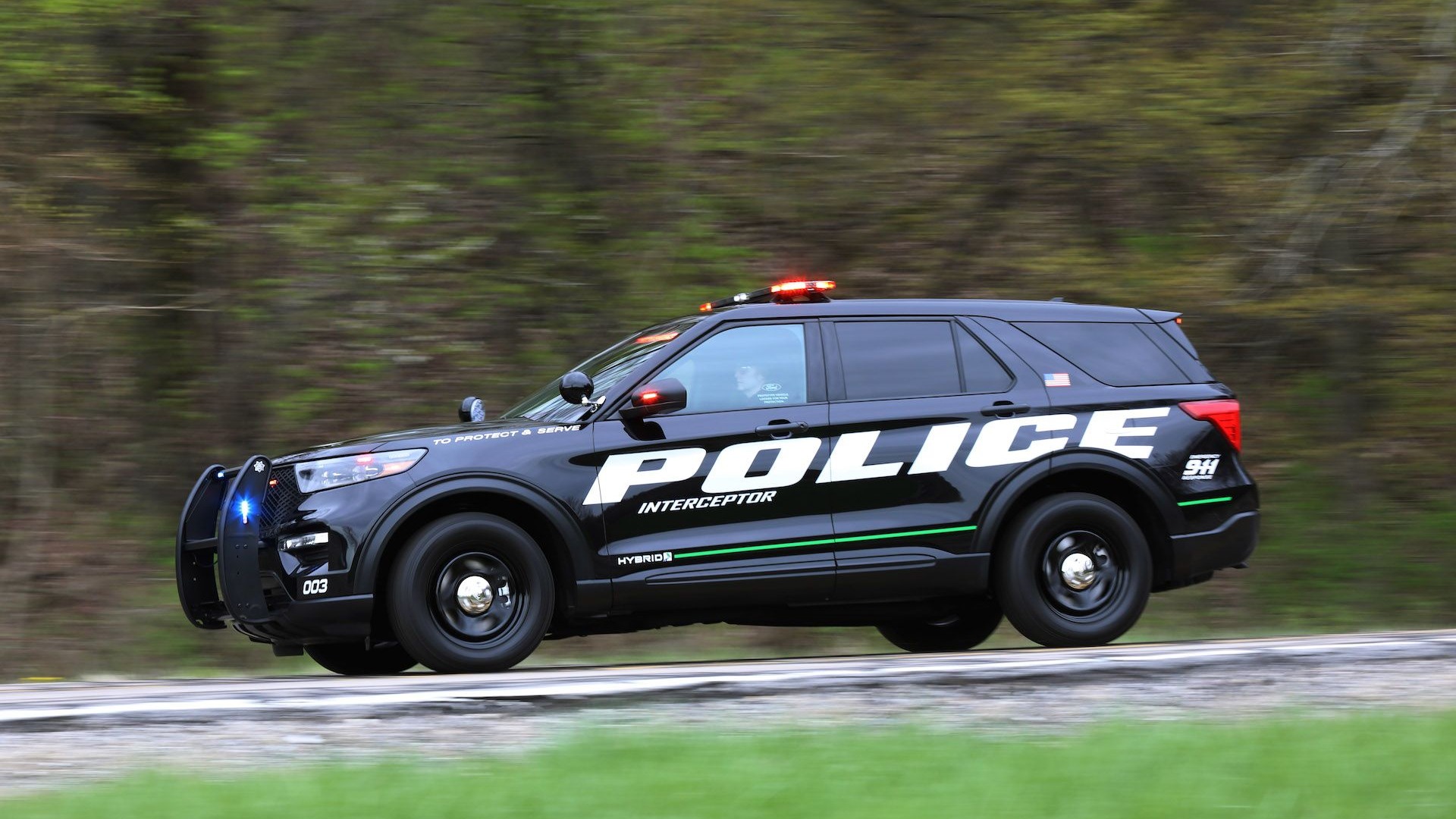
Hybrid Interceptor Utilities add additional capability. The lithium-ion battery assists with powering high-demand electronics, while the hybrid motor acts as a 220-amp generator to maintain the battery without needing the engine to run constantly, improving fuel efficiency and reducing engine wear.
Beyond electrical performance, the Police Interceptor Utility provides strong driving capability and handling. Engine options include a 3.3L V6, a 3.3L Hybrid, and a high-performance 3.0L EcoBoost V6. The EcoBoost engine delivers acceleration that rivals many V8 vehicles.
The all-wheel-drive platform provides stability in high-speed pursuits and adverse weather conditions. Police-tuned suspension, heavy-duty brakes, and high-strength steel construction ensure durability. The interior is designed for officer utility with duty belt accommodations and durable rear vinyl seats. Optional features include Level IV ballistic armor and perimeter alert systems.
The Ford Police Interceptor has replaced the Crown Victoria as the industry standard, providing reliable electrical performance, durability, and capability. Its heavy-duty alternator and electrical system ensure critical equipment functions properly during long idling, continuous high-demand use, or high-speed operation. The Utility model adds space, versatility, and hybrid efficiency, making it a modern, mission-ready pursuit vehicle.
Also read: Top 10 Cars That Changed Name Depending on Which Country They Were In