Jeep vehicles have long held a unique place in automotive culture, blending rugged off-road capability with an unmistakable style. They appeal to adventurers, weekend explorers, and those who simply appreciate a vehicle that can handle rough terrain while offering a commanding presence on the road.
Over the years, Jeep has produced a wide array of models, each with its own strengths, weaknesses, and quirks. Among these vehicles, some models have developed reputations for persistent electrical issues that frustrate owners and mechanics alike.
These electrical gremlins can range from malfunctioning dashboards and faulty sensors to intermittent power problems that make reliability a concern. At the same time, other Jeep models have earned accolades for their exceptional durability and trail performance, proving themselves capable of tackling the harshest terrains with minimal fuss.
Understanding the difference between these two categories is important for anyone considering a Jeep, whether for daily driving, weekend adventures, or serious off-road excursions. Electrical reliability is a critical factor because modern vehicles rely heavily on sensors, wiring harnesses, and electronic modules to manage everything from engine performance to safety features.
A vehicle plagued by electrical issues can compromise performance, create safety concerns, and even lead to costly repairs. Conversely, trail-tough models often feature more robust engineering, improved component quality, and design choices that minimize potential problems in challenging conditions.
This article will break down five Jeep models notorious for electrical issues and contrast them with five Jeep models widely recognized for their off-road toughness and reliability.
By comparing these two groups, readers can gain insight into what makes some models frustrating and others dependable. Factors such as build quality, design choices, historical trends, and owner reports will all be considered.
Whether you are a Jeep enthusiast, a potential buyer, or simply someone curious about the brand’s track record, understanding the nuances between these models will help make informed decisions.
The goal is not only to highlight faults or praises but also to provide context for why certain vehicles perform differently in similar conditions. Reliability, user experience, and capability intersect in complex ways, and this article aims to clarify these intersections. By examining patterns across multiple models, it becomes easier to spot potential pitfalls and appreciate the engineering successes within the Jeep lineup.
The contrast between electrically troublesome models and trail-tested vehicles demonstrates how Jeep’s design philosophy can vary depending on target markets, production years, and technological complexity. The information provided here will allow readers to better assess their needs and preferences when choosing a Jeep, balancing everyday usability with adventure-ready performance.
With this understanding, owners can anticipate common problems, make more informed maintenance decisions, and enjoy the strengths of their Jeep vehicles without unnecessary surprises. This discussion will also serve as a useful guide for those weighing the trade-offs between modern electronic conveniences and raw mechanical reliability, which often defines the off-road experience.
5 Jeep Models With Persistent Electrical Gremlins
1. Jeep Cherokee (KL, 2014–2020)
The Jeep Cherokee KL marked a major redesign for the brand, emphasizing a modern appearance and more advanced electronics. Unfortunately, this model quickly earned complaints for recurring electrical issues that affected engine performance, infotainment systems, and sensor reliability.
Owners reported problems with the electrical harness that led to intermittent dashboard failures and warning lights that appeared without explanation. These gremlins were particularly noticeable during cold weather or after exposure to moisture, highlighting potential design weaknesses in wiring insulation.
Mechanically, the vehicle performed well, but the persistent electronic faults created frustration and frequent trips to the dealership for diagnosis and repairs.
Another common problem involved the Cherokee’s Uconnect infotainment system, which occasionally froze or failed to recognize connected devices. Bluetooth connections and navigation features often malfunctioned, requiring software updates or module resets.
Some owners noted that these issues worsened over time, affecting the daily usability of the vehicle. For individuals relying on electronic systems for safety or convenience, these persistent glitches became a drawback.
The combination of a visually appealing interior with temperamental electronics created a contrast between expectation and real-world performance. Despite software patches and recalls, certain electrical faults remained difficult to resolve completely.
The engine management system also contributed to the Cherokee’s reputation for electrical problems. Reports indicated that sensors controlling fuel delivery and emissions sometimes sent conflicting signals, triggering warning lights and occasional stalling.
Diagnosing these issues required specialized tools, making simple fixes more complicated than anticipated. Dealers occasionally replaced wiring harnesses or individual sensors, but the underlying design vulnerabilities meant that problems could reappear. Owners were advised to monitor dashboard indicators closely and remain proactive in seeking repairs to prevent further complications.
Even auxiliary systems such as power windows, door locks, and lighting controls occasionally failed due to faulty wiring connections. Jeep attempted to address these concerns through extended warranties and service bulletins, but the frequency of electrical complaints persisted.
These smaller issues compounded the frustration for owners who otherwise enjoyed the Cherokee’s ride quality, interior comfort, and off-road potential. In some cases, owners reported multiple failures within the same year, highlighting a recurring pattern of electrical unreliability.
The Jeep Cherokee KL serves as a cautionary example of how advanced electronics, while enhancing convenience, can introduce complex reliability concerns.
The combination of modern features and electrical sensitivity made this model less appealing for those prioritizing consistent performance over tech sophistication. While the vehicle retains capable off-road credentials, potential buyers must consider the likelihood of ongoing electronic maintenance.
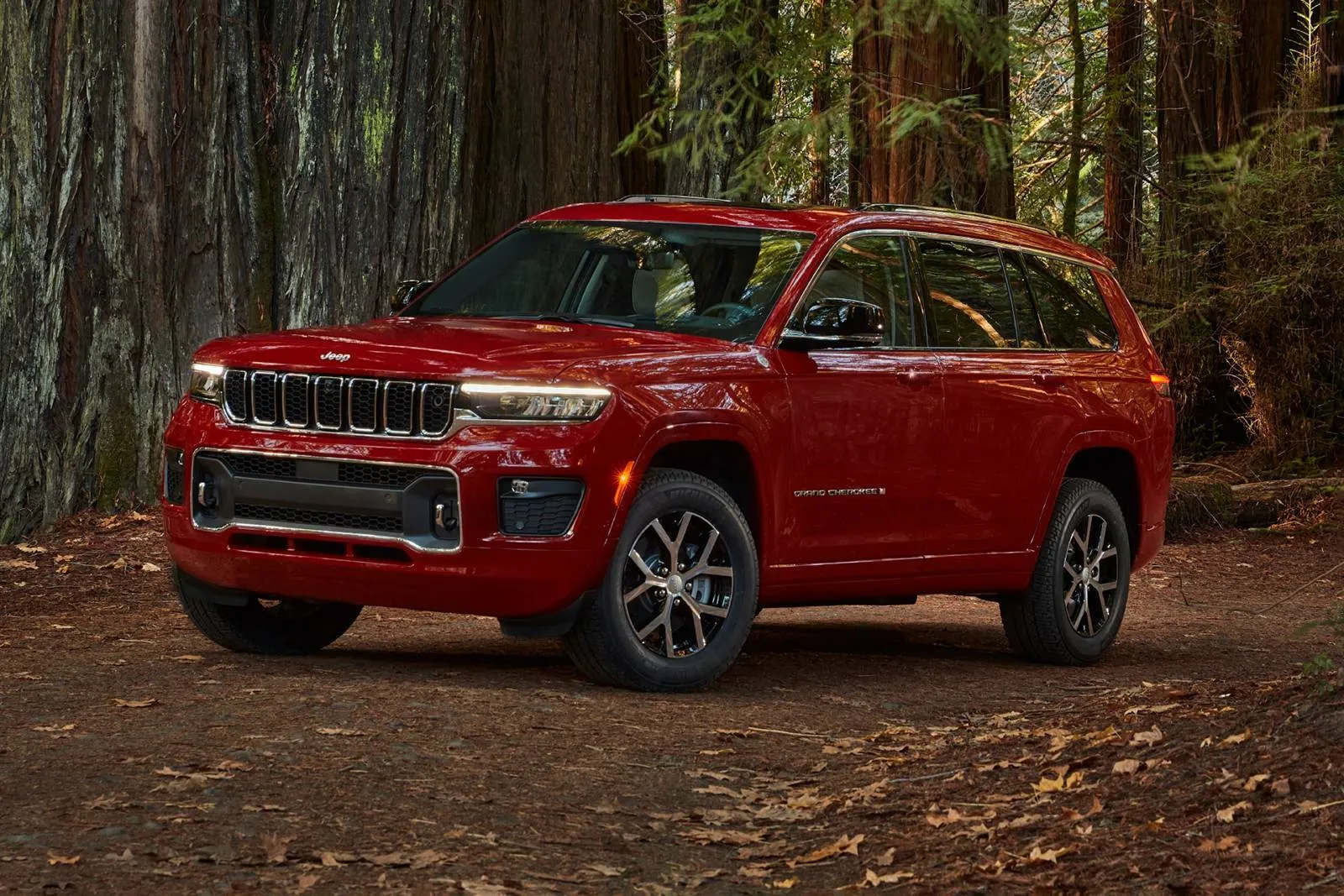
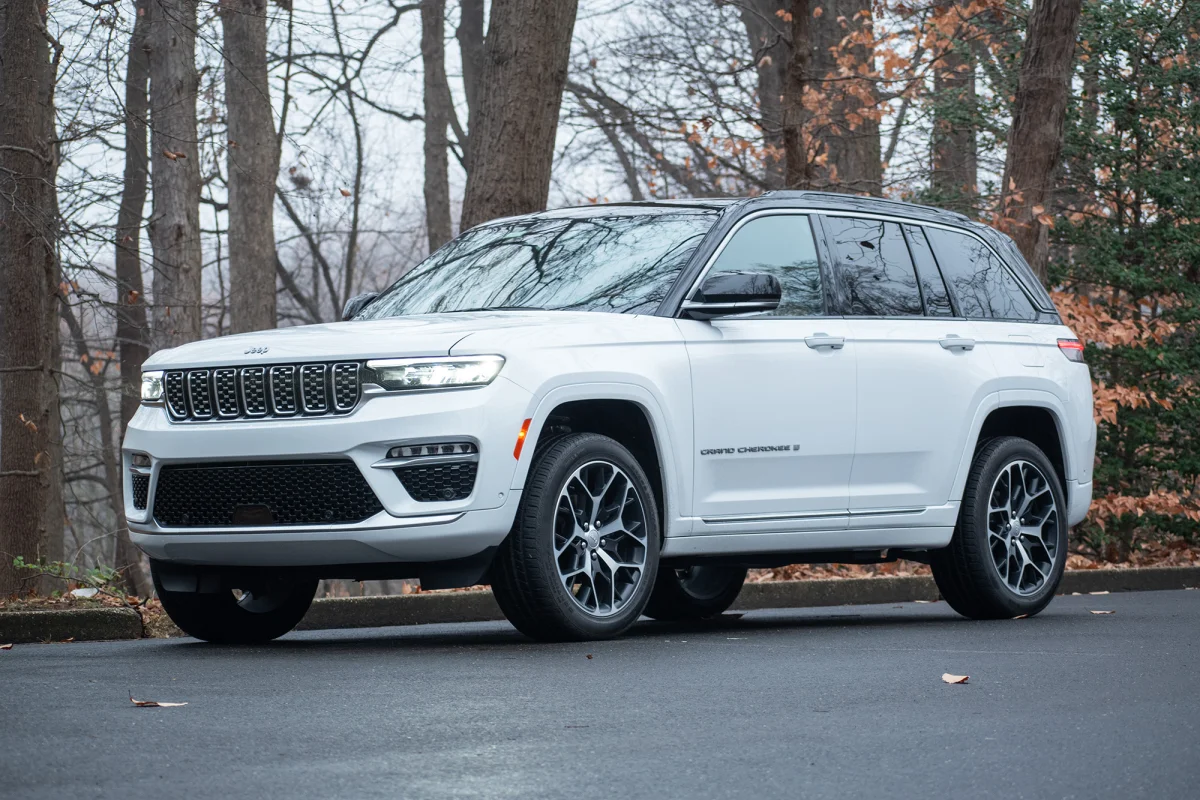
2. Jeep Grand Cherokee (WK2, 2011–2021)
The Jeep Grand Cherokee WK2 is a popular luxury SUV that balances comfort, performance, and off-road capability. However, this model gained attention for recurring electrical issues that affected both driver assistance features and interior electronics.
Problems often manifested as erratic behavior in the infotainment screen, random warning lights, and intermittent failures of adaptive cruise control systems.
Many owners noted that these problems were unpredictable, occurring without warning and often after a relatively short period of ownership. The complexity of modern electronics in this vehicle increased the likelihood of malfunctions, highlighting a trade-off between advanced features and reliability.
Another frequent complaint involved the Grand Cherokee’s keyless entry and ignition system. Sensors sometimes failed to detect the key fob properly, preventing the vehicle from starting or locking. This issue was particularly disruptive for daily drivers, requiring multiple attempts or temporary workarounds.
Additionally, the wiring harnesses in certain areas were prone to corrosion or loose connections, exacerbating the electrical problems. Service visits for these issues could be time-consuming, as multiple modules might need replacement or reprogramming to restore proper function.
Owners also reported intermittent problems with lighting systems, including headlamps, brake lights, and interior illumination. These faults often required replacement of control modules or wiring connectors, and in some cases, the root cause was difficult to identify.
The persistence of such issues undermined confidence in the vehicle’s dependability. Despite the vehicle’s mechanical robustness, the electrical system introduced significant uncertainty. Frequent error codes and unexplained warnings became a source of frustration for drivers who expected luxury reliability.
Climate control and auxiliary systems also suffered from glitches in some WK2 models. Users reported erratic heating or air conditioning behavior, malfunctioning seat heaters, and unreliable window operation.
Although these issues did not directly affect engine performance, they diminished the daily driving experience and raised concerns about long-term maintenance costs. The combination of luxury amenities and electrical vulnerability created a noticeable contrast with Jeep’s simpler, more mechanically reliable models.
The Grand Cherokee WK2 demonstrates how modern SUVs with integrated electronics can encounter persistent electrical gremlins. The vehicle excels in comfort, power, and off-road performance, but its electronics require careful attention.
Owners and prospective buyers must weigh the convenience of advanced features against the potential inconvenience of recurring electrical faults. This model serves as a reminder that even premium vehicles can be vulnerable to electrical issues.
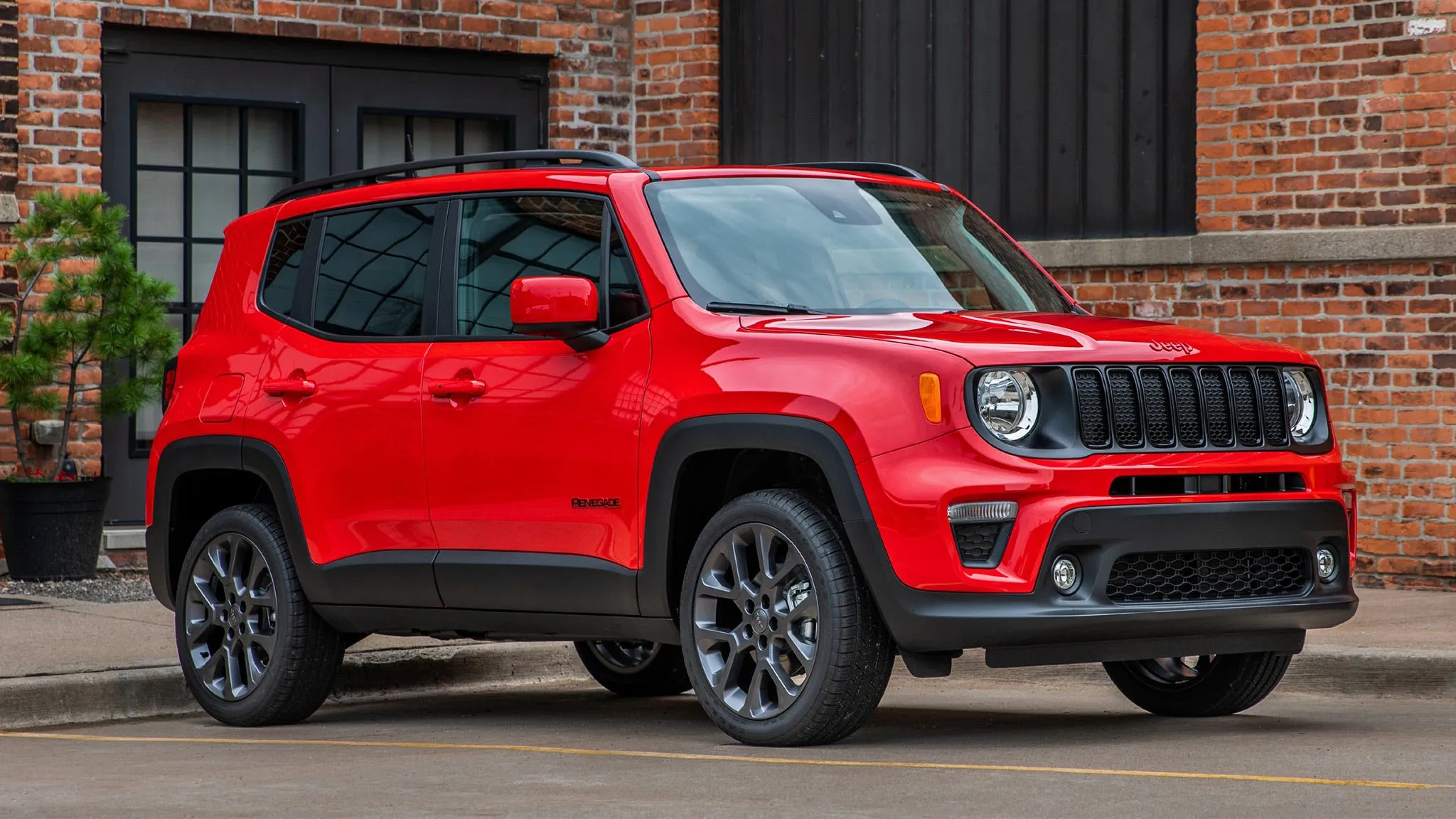
3. Jeep Renegade (BU, 2015–2022)
The Jeep Renegade BU introduced a compact and city-friendly design with a surprising level of off-road capability. Unfortunately, this small SUV also developed a reputation for electrical quirks. Owners frequently reported dashboard malfunctions, erratic warning lights, and glitches in the infotainment system.
These issues were sometimes triggered by environmental factors such as temperature fluctuations or moisture ingress. The electrical problems often required multiple dealer visits for diagnosis and module replacement. Despite its small footprint and playful design, the Renegade’s electronics proved a source of ongoing concern for some users.
A recurring problem involved the vehicle’s engine management electronics. Faulty sensors could trigger random check engine lights or inconsistent performance alerts. These errors often required dealer intervention to clear codes and replace components.
Users found the combination of electronic faults and software-driven modules frustrating, particularly because they were not easily diagnosable by standard OBD tools. As a result, what should have been minor inconveniences sometimes escalated into expensive repairs.
Connectivity systems also suffered from frequent failures. Bluetooth, smartphone integration, and navigation systems occasionally became unresponsive or disconnected without explanation. These issues hindered convenience and reduced the sense of modern technology that the vehicle otherwise offered.
Owners reported varying success with software updates, highlighting inconsistent reliability across model years. In some cases, updates resolved problems temporarily but did not prevent recurrence.
Other minor electrical gremlins affected door locks, window regulators, and interior lighting. These smaller issues added up over time, creating a perception of unreliable electronics. While mechanically solid and agile, the Renegade’s persistent electronic faults overshadowed its strengths in the eyes of certain buyers.
The contrast between the vehicle’s rugged styling and temperamental electronics became a frequent discussion point among Jeep communities.
The Jeep Renegade demonstrates how compact models with modern electronics can be vulnerable to persistent faults. While appealing in design and capable in performance, potential owners must remain aware of recurring electrical issues that may affect long-term reliability. These concerns do not prevent enjoyment of the vehicle but require ongoing vigilance and maintenance awareness.
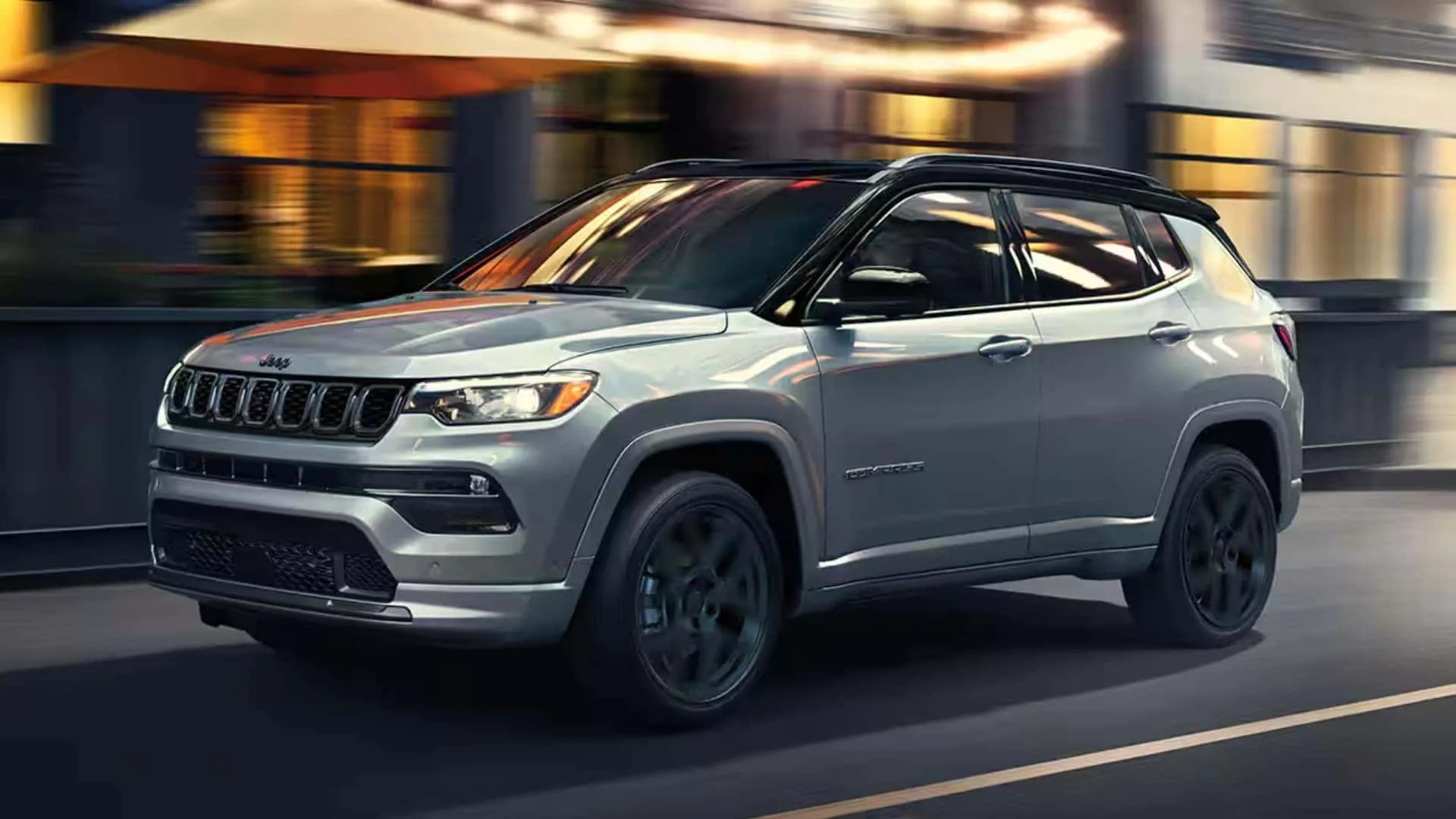
4. Jeep Compass (MK, 2017–2022)
The Jeep Compass MK sought to appeal to buyers looking for a stylish, mid-sized SUV with both city comfort and light off-road ability. Despite its attractive design, this model developed a reputation for recurring electrical problems that frustrated owners. Dashboard malfunctions, erratic warning lights, and intermittent infotainment failures were frequently reported.
Some users found that the digital gauges would flicker or reset unexpectedly, creating confusion while driving. These recurring faults diminished confidence in the vehicle’s reliability and made even simple trips stressful for some owners.
Another common issue involved the Compass’s keyless entry and push-button start system. Sensors sometimes failed to recognize the key fob, preventing the vehicle from starting or shutting down unexpectedly. These failures often required dealer intervention and sometimes replacement of the entire keyless entry module.
Owners reported that such problems were inconsistent, occurring sporadically and without clear triggers. The unpredictability of these electrical faults created ongoing inconvenience, particularly for those relying on the Compass as a daily driver.
Infotainment and connectivity issues were also prevalent. Owners frequently noted that the touchscreen would freeze, reboot, or fail to respond to input. Smartphone pairing and Bluetooth connectivity could suddenly stop working, interrupting navigation, music, and hands-free phone usage.
While software updates occasionally addressed specific bugs, many problems persisted due to underlying hardware or wiring issues. These technical gremlins reinforced a pattern of electronic unreliability across multiple model years.
Lighting and auxiliary electronics also caused concern. Headlights, brake lights, and interior illumination occasionally failed or behaved inconsistently, often requiring module resets or component replacement. Even simple convenience features like window operation or seat heating were sometimes affected.
Although these issues did not directly impact engine performance, they eroded the user experience and highlighted weaknesses in the electrical design.
The Jeep Compass MK illustrates how modern mid-size SUVs with advanced electronics can encounter persistent faults. While mechanically sound and visually appealing, recurring electrical issues may create frustration for owners who expect dependable, everyday performance. Prospective buyers must weigh the convenience of modern systems against the potential need for ongoing maintenance.
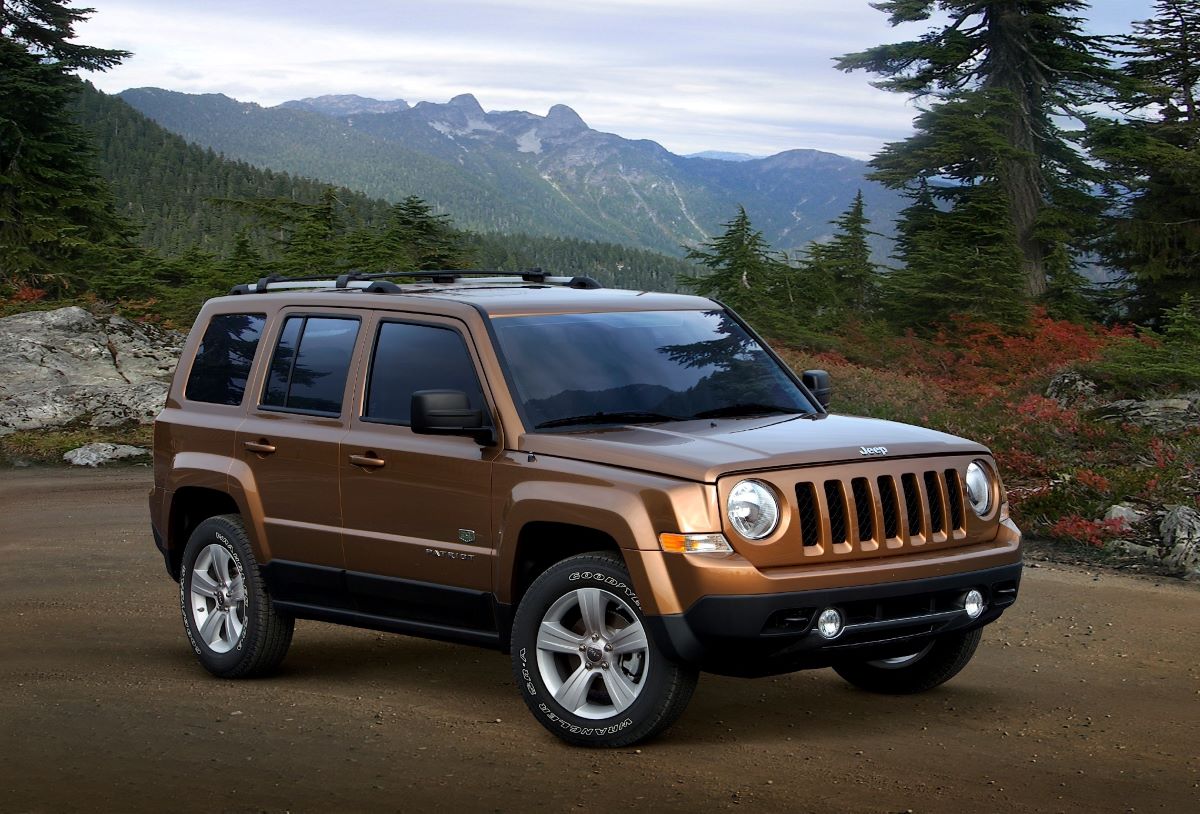
5. Jeep Patriot (MK, 2011–2017)
The Jeep Patriot MK, a compact SUV positioned as a budget-friendly alternative in the Jeep lineup, also experienced electrical problems. Owners frequently reported dashboard malfunctions, erratic warning lights, and inconsistent sensor readings.
Engine warning lights sometimes appeared without any underlying mechanical problem, creating confusion and unnecessary service visits. These electronic gremlins became a defining characteristic of certain Patriot model years, impacting reliability perceptions.
Another recurring issue involved the vehicle’s power distribution and wiring harnesses. Loose connections or corrosion sometimes caused intermittent failures in multiple systems, including lighting, climate control, and accessory power.
Owners noted that these faults could occur even with low mileage, highlighting potential design and manufacturing vulnerabilities. Repairs often involved replacing harnesses or individual modules, sometimes multiple times over the vehicle’s lifetime.
Infotainment and connectivity systems were also affected. The Patriot’s touchscreen occasionally failed to recognize connected devices, and Bluetooth pairing was inconsistent. Navigation features and audio controls sometimes malfunctioned, leading to frustration during daily use. Software patches were not always sufficient to fully correct these persistent problems, leaving owners dependent on frequent dealer visits.
Additional minor electrical issues included malfunctioning power windows, door locks, and interior lights. While not critical to engine performance, these problems reduced convenience and user satisfaction. The combination of small but persistent faults created a cumulative impact on the ownership experience, making this model less appealing to drivers who prioritize reliability.
The Jeep Patriot MK serves as another example of a Jeep model prone to electrical gremlins. Despite its rugged styling and affordable pricing, the vehicle’s electronic shortcomings may require owners to manage ongoing maintenance challenges. Prospective buyers should carefully evaluate model years and be prepared for potential repairs.
5 Jeep Models That Are Trail Tough
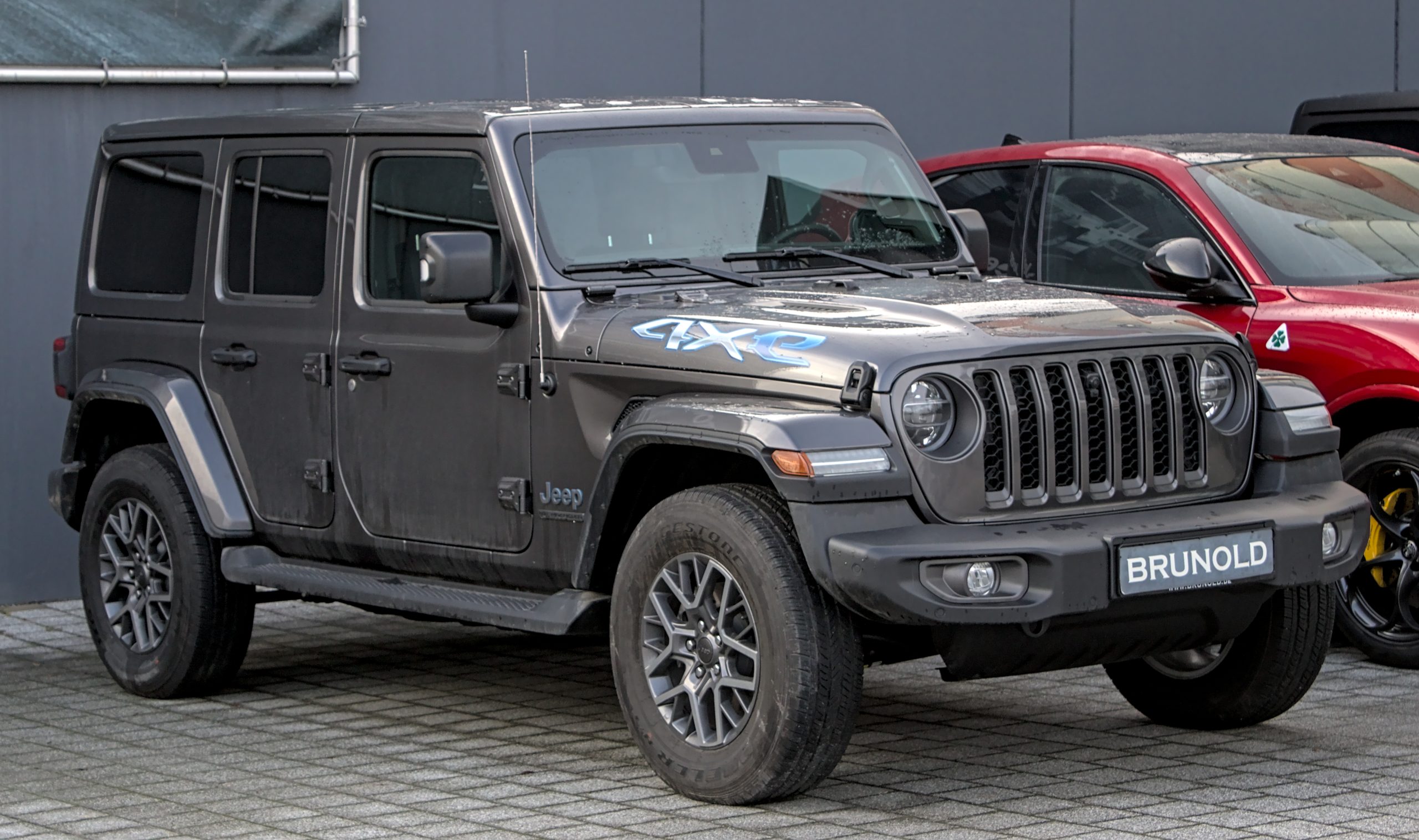
1. Jeep Wrangler (JL, 2018–Present)
The Jeep Wrangler JL is widely celebrated for its exceptional off-road capabilities and trail reliability. Built on a proven body-on-frame platform, it emphasizes simplicity and ruggedness over excessive electronic complexity. Drivers often report that even after extended use on rough trails, the Wrangler’s mechanical systems remain highly dependable.
Its suspension, drivetrain, and four-wheel-drive system are engineered to handle extreme terrain with minimal intervention. The JL maintains a balance between comfort and durability, allowing for extended off-road adventures without frequent breakdowns.
One of the Wrangler JL’s strengths is its modular design, which allows for easy replacement and upgrade of components. Electrical systems are simplified compared to other modern SUVs, reducing the likelihood of persistent faults.
Owners benefit from robust wiring harnesses, reliable sensors, and durable connectors designed to withstand water, mud, and vibration. This focus on mechanical reliability helps ensure that off-road performance is consistent, even in harsh conditions where other vehicles might fail.
The Wrangler’s drivetrain is particularly trail-friendly. Solid axles, strong differentials, and robust transfer cases provide traction in challenging conditions such as rocks, mud, and steep inclines. Even heavily modified versions maintain reliability, thanks to Jeep’s emphasis on toughness in the base engineering. This makes the JL a popular choice among off-road enthusiasts who prioritize capability and durability over luxury features or high-tech convenience systems.
Another factor contributing to the Wrangler JL’s reputation is its body construction. Welded steel frames, reinforced panels, and well-protected underbody components help resist damage from trail hazards.
Skid plates, reinforced bumpers, and durable suspension mounts provide extra protection during off-road excursions. These design choices contribute to a vehicle that can endure demanding terrain without compromising essential systems.
Finally, the Wrangler JL has strong community and aftermarket support, which further enhances its trail toughness. Owners have access to parts, modifications, and advice specifically aimed at maintaining reliability under extreme conditions. The combination of robust factory engineering and practical upgrades ensures that the Wrangler remains a benchmark for trail-ready Jeeps.
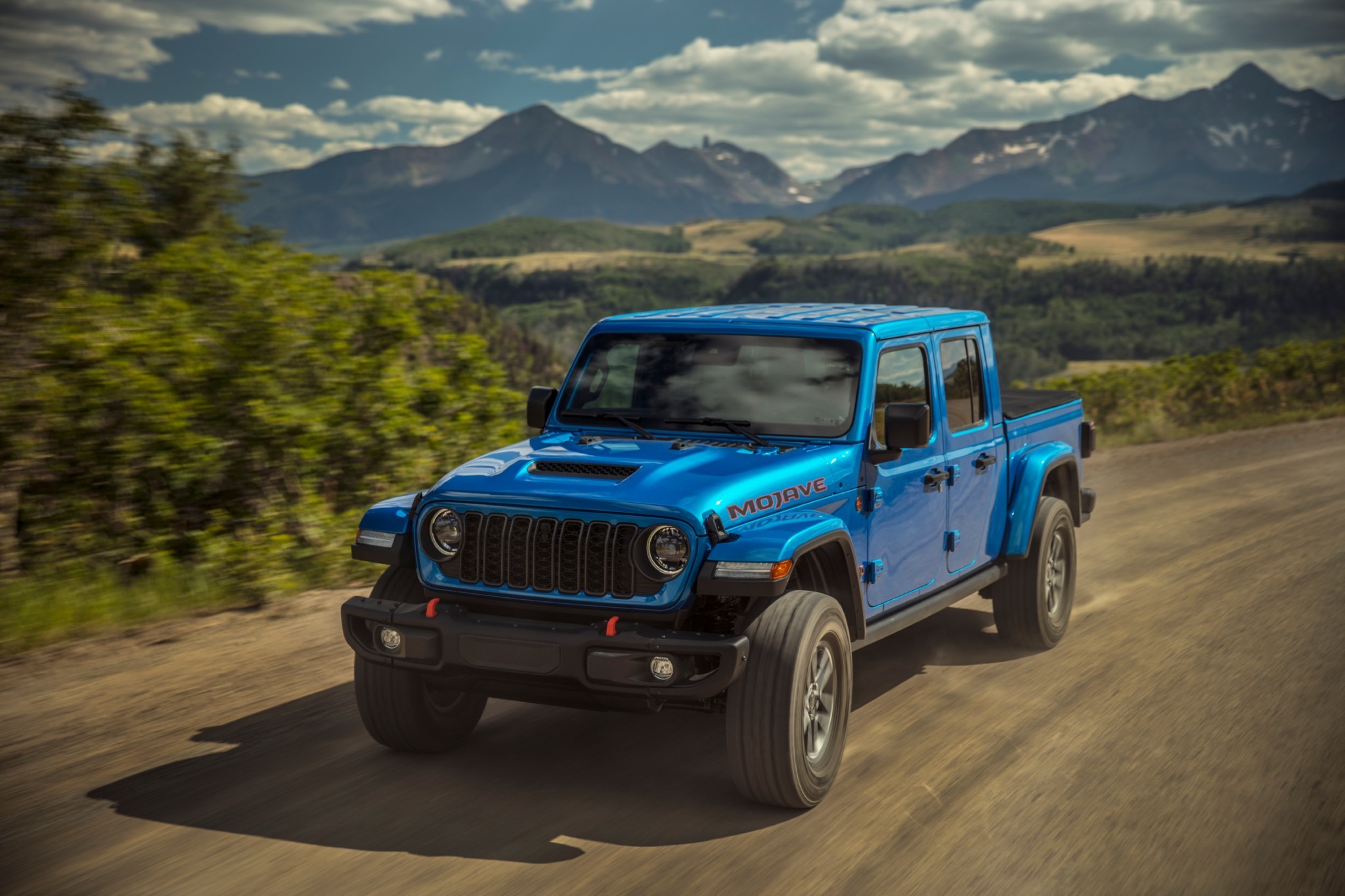
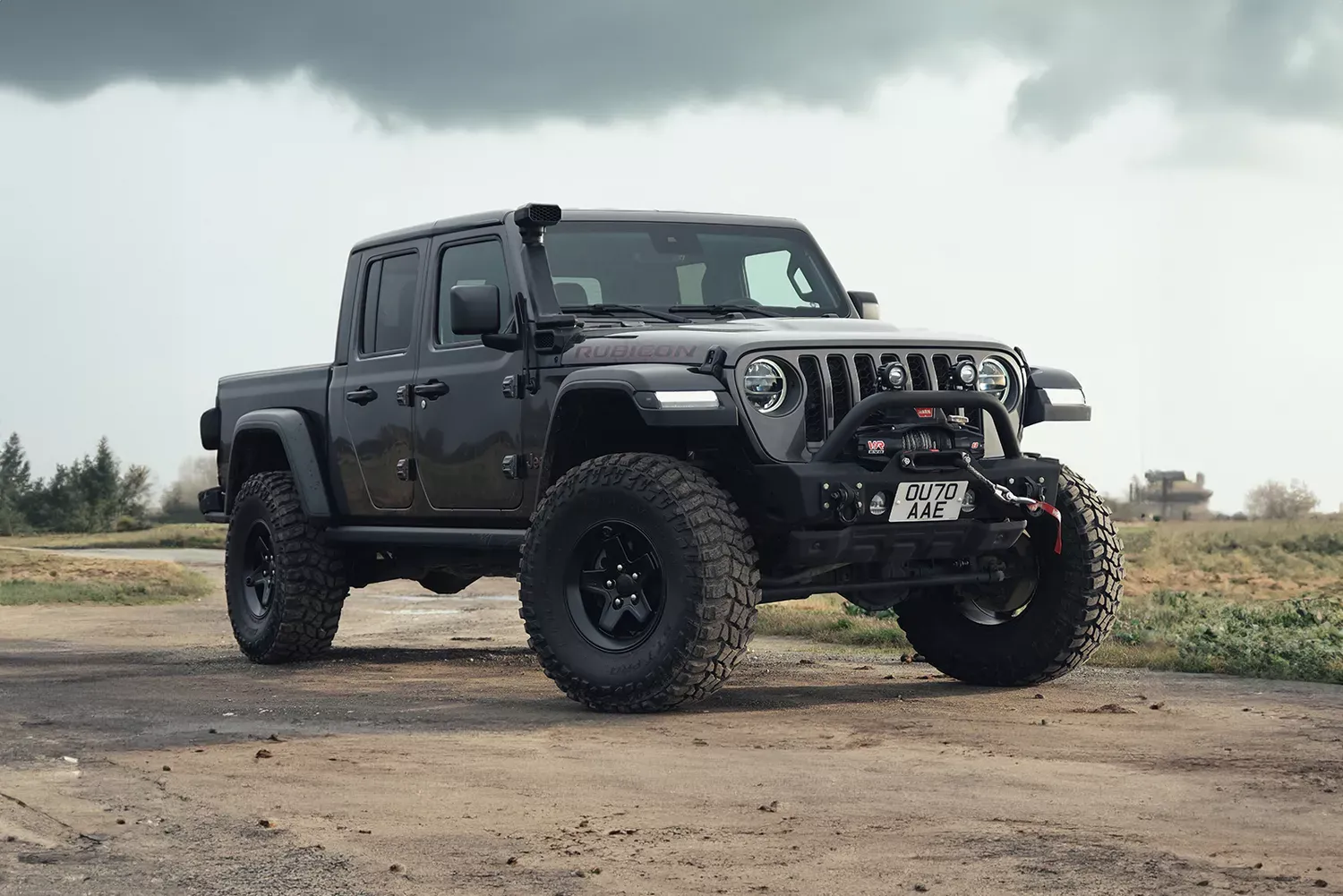
2. Jeep Gladiator (JT, 2020–Present)
The Jeep Gladiator JT combines pickup utility with Jeep’s legendary off-road capability. Built on a modified Wrangler platform, it inherits the same rugged design principles that make the Wrangler so reliable on trails.
Its drivetrain, suspension, and frame are engineered to withstand the stresses of both off-road driving and cargo hauling. Owners consistently report strong reliability even when the vehicle is used for towing, hauling, or extended trail excursions.
The Gladiator’s electronic systems are purposefully simplified compared to modern luxury SUVs. Critical off-road systems such as traction control, four-wheel-drive modes, and hill descent control are robust and designed to function reliably under extreme conditions.
The vehicle avoids the overly complex infotainment and sensor systems that sometimes plague other Jeep models. This approach minimizes potential points of failure while maintaining the convenience and safety features necessary for daily driving.
The Gladiator excels in drivetrain performance. Its solid axles, locking differentials, and durable transfer case ensure excellent traction on mud, rocks, and steep terrain. Suspension components are designed to handle heavy loads without compromising stability or comfort. Even when subjected to prolonged off-road abuse, owners find that drivetrain and chassis systems remain dependable.
Cargo and utility features enhance the Gladiator’s practical durability. A strong bed, reinforced tailgate, and load-friendly suspension allow the vehicle to perform demanding work while retaining trail capability. Skid plates and protective underbody elements further ensure that vital systems are shielded from damage during off-road excursions. These features make the Gladiator a versatile choice for both work and adventure.
Finally, the Gladiator benefits from the same strong community and aftermarket ecosystem as the Wrangler. Replacement parts, off-road upgrades, and user-tested modifications are readily available, allowing owners to enhance performance without compromising reliability. This combination of factory engineering and practical adaptability solidifies the Gladiator’s reputation as a trail-tough Jeep.
3. Jeep Wrangler Rubicon (JL & JK, 2007–Present)
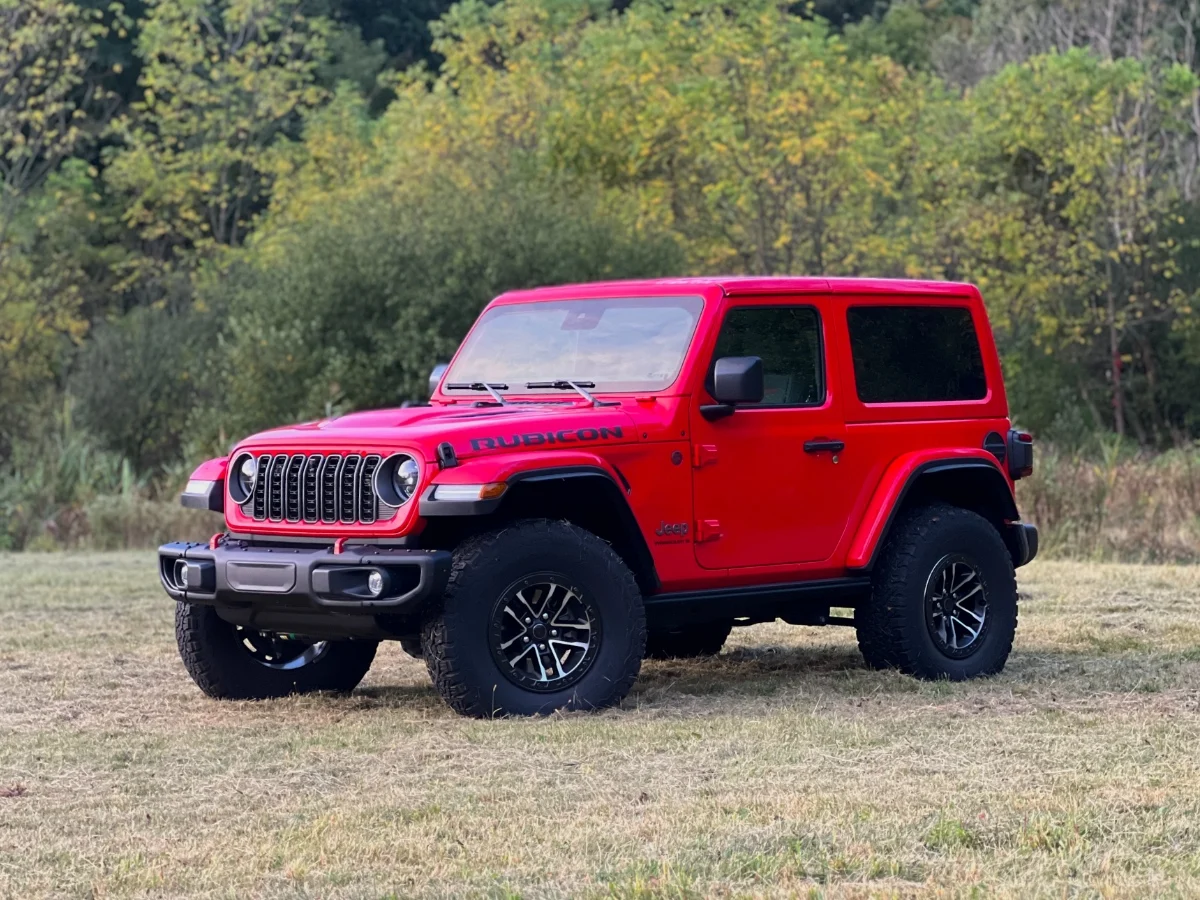
The Jeep Wrangler Rubicon is widely recognized as one of the most capable off-road vehicles ever produced. Compared to standard Wranglers, the Rubicon features enhanced axles, locking differentials, and a stronger transfer case designed to handle the harshest terrain.
Its suspension is engineered for rock crawling, steep inclines, and uneven trails, allowing drivers to tackle challenging routes without fear of damage. Owners often report that even after years of off-road use, the Rubicon maintains remarkable reliability and performance.
One of the Rubicon’s greatest strengths is its off-road-focused drivetrain. Dana 44 axles, electronic locking differentials, and low-range gearing work together to provide exceptional traction. The vehicle’s suspension geometry and heavy-duty components absorb shocks from rocks, roots, and deep ruts, preserving both ride comfort and mechanical integrity. This robust design ensures that the Rubicon can handle extreme conditions that would challenge lesser SUVs.
The Rubicon’s electrical systems are simple and rugged. Essential features like four-wheel-drive controls, hill descent, and traction systems are purpose-built to survive dirt, water, and vibration.
Unlike models with excessive electronics, the Rubicon avoids unnecessary complexity, reducing the likelihood of electrical failure in remote locations. This focus on durability ensures that critical systems continue to function even under the harshest environmental conditions.
Body and chassis construction further enhance the Rubicon’s trail toughness. Reinforced steel frames, skid plates, and heavy-duty bumpers protect key components from damage during off-road excursions. Even aftermarket modifications are supported by the factory design, allowing owners to upgrade suspension, tires, and armor without compromising reliability. The result is a vehicle that balances rugged capability with long-term durability.
Finally, the Wrangler Rubicon enjoys strong community and aftermarket support. Owners share advice, upgrades, and troubleshooting tips that help maintain peak performance over time.
This ecosystem complements the vehicle’s built-in toughness, ensuring that the Rubicon remains a benchmark for trail-ready Jeeps. Its combination of mechanical strength, simple electronics, and durable construction sets it apart as a vehicle capable of handling extreme conditions consistently.
4. Jeep Grand Cherokee Trailhawk (WK2, 2014–2021)
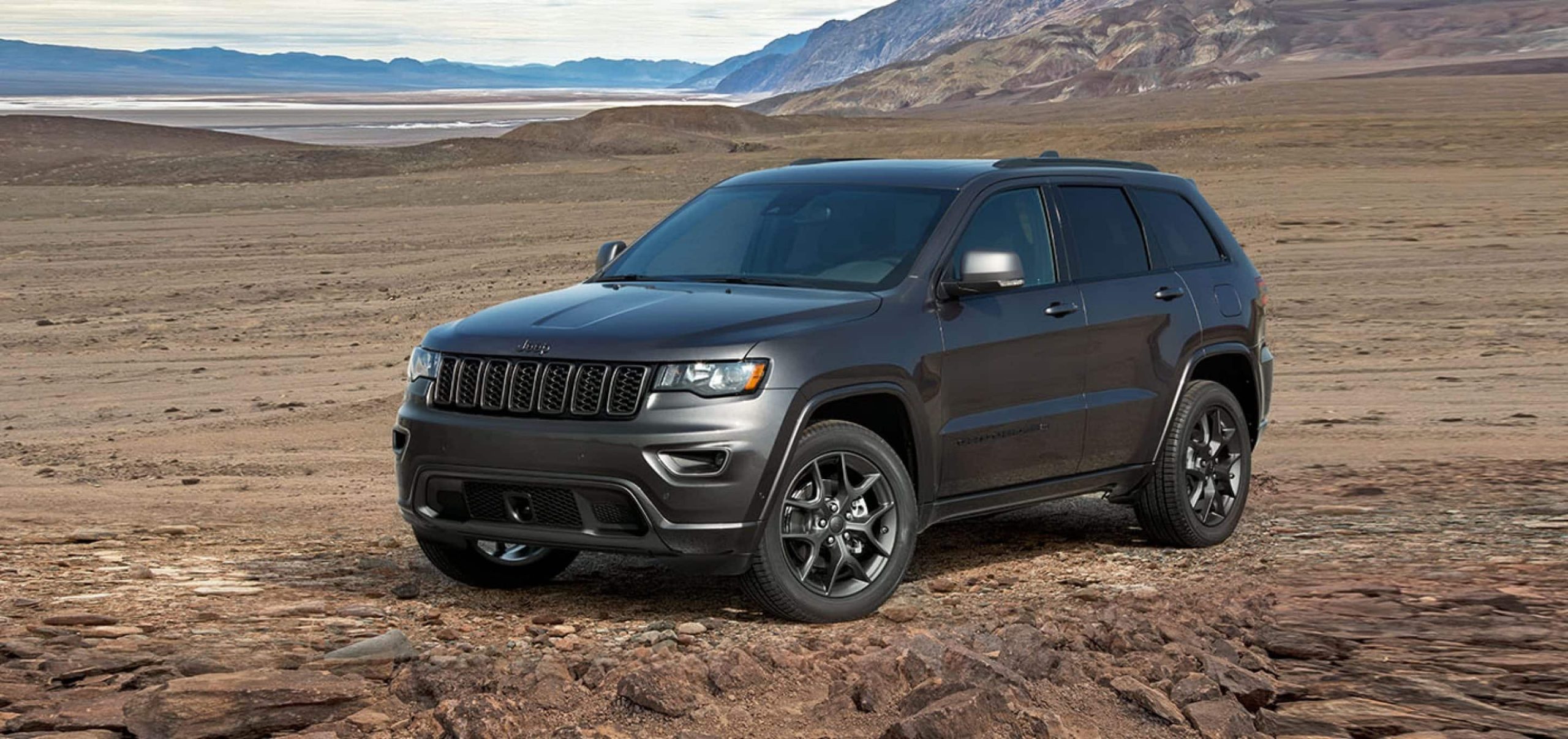
The Jeep Grand Cherokee Trailhawk represents the off-road-focused variant of the popular WK2 platform. While the standard Grand Cherokee suffers from electronic quirks, the Trailhawk benefits from reinforced systems designed for serious trail use. Enhanced suspension, skid plates, and an advanced but reliable four-wheel-drive system allow the vehicle to tackle mud, snow, and steep inclines with confidence. Owners consistently praise its ability to combine luxury comfort with rugged off-road capability.
One of the Trailhawk’s defining features is its Quadra-Drive II system. This advanced four-wheel-drive setup includes a rear electronic limited-slip differential and active traction control to provide maximum grip in challenging terrain.
Low-range gearing and robust suspension tuning ensure that the vehicle maintains stability while navigating obstacles. Drivers often note that this system functions dependably even under demanding off-road conditions, making it ideal for adventure enthusiasts.
Electrical reliability is also enhanced in the Trailhawk model. While it includes driver assistance and infotainment systems, these features are designed with ruggedness in mind. Wiring harnesses are better protected against moisture, vibrations, and dirt, reducing the likelihood of persistent faults. Essential functions such as traction control, hill descent, and AWD modes maintain consistent performance, allowing the vehicle to remain dependable on the trail.
The Trailhawk’s underbody protection and chassis reinforcement contribute to its trail toughness. Skid plates shield the engine, transfer case, and fuel tank from damage, while reinforced suspension components absorb shocks from rough terrain.
This engineering allows drivers to confidently traverse obstacles that might damage less rugged vehicles, making the Trailhawk a true off-road capable SUV without compromising comfort or safety.
Finally, owner feedback highlights the Trailhawk’s balance of capability and everyday usability. Drivers can rely on it for off-road adventures while still enjoying a smooth, comfortable ride on paved roads.
The combination of factory engineering, reinforced components, and thoughtful design ensures that this Jeep model remains dependable and trail-ready for years, earning it a reputation as one of the most capable SUVs in its class.
5. Jeep Cherokee Trailhawk (KL, 2019–Present)
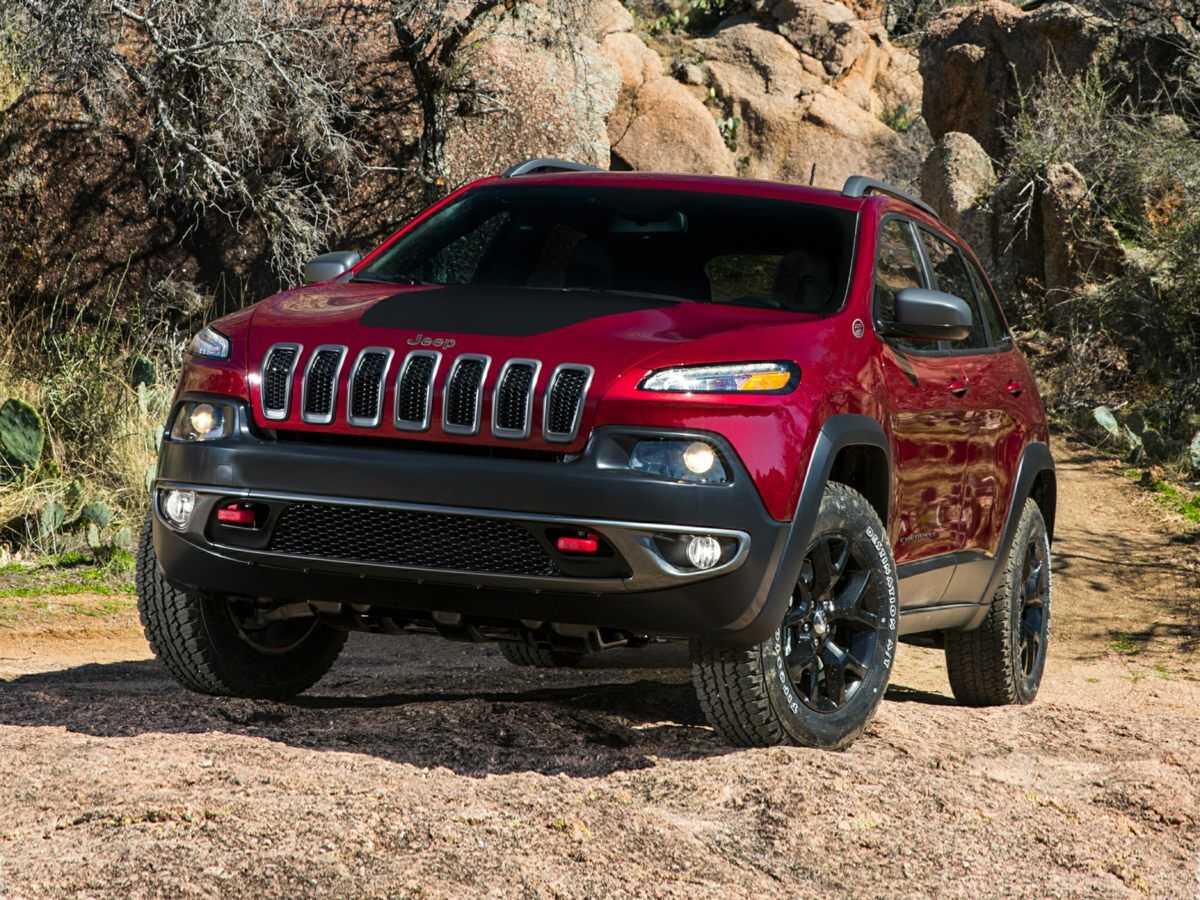
The Jeep Cherokee Trailhawk is the off-road-focused version of the Cherokee KL, designed to provide enhanced durability and capability compared to the standard model. While the base KL experienced electrical issues, the Trailhawk benefits from reinforced wiring, more robust sensors, and additional protective elements.
Its suspension, skid plates, and four-wheel-drive system are optimized for rough trails, allowing it to handle mud, rocks, and uneven terrain without compromising performance. Owners often report confidence in both reliability and off-road performance.
A key advantage of the Trailhawk is its Jeep Active Drive Lock system. This full-time four-wheel-drive setup includes a locking rear differential and low-range mode, ensuring traction in challenging conditions.
The vehicle’s suspension is tuned to improve articulation and absorb shocks from obstacles, while reinforced components prevent damage during intense off-road excursions. This combination allows the Cherokee Trailhawk to outperform the standard model in trail environments.
Electrical systems on the Trailhawk are deliberately simplified in critical areas. Essential off-road functions such as four-wheel-drive mode selection, hill descent, and traction control are reliable and less prone to gremlins. Non-essential systems like infotainment and driver assistance are robustly integrated, reducing the likelihood of failures that plagued the base Cherokee KL. This approach enhances vehicle reliability while maintaining convenience features for daily driving.
Body construction and underbody protection further support trail readiness. Reinforced skid plates, durable suspension mounts, and protective guards prevent damage to vital mechanical and electronic components.
The Cherokee Trailhawk’s design ensures that critical systems remain functional even after extended off-road use, allowing owners to confidently tackle challenging terrain without concern for major repairs.
Finally, the Cherokee Trailhawk combines off-road capability with comfort and usability. It delivers a smoother ride on paved roads than traditional Wranglers while retaining strong trail performance.
Owners appreciate the balance between toughness and refinement, noting that the Trailhawk provides dependable off-road reliability without the persistent electrical issues that affect the base Cherokee KL. This model exemplifies Jeep’s ability to engineer a capable, trail-ready vehicle with enhanced durability.