
Direct injection engines have become increasingly common in modern vehicles due to their ability to improve fuel efficiency and boost performance. Unlike traditional port fuel injection, direct injection sprays fuel directly into the combustion chamber, allowing for more precise control over fuel-air mixture.
This technology can produce more power with less fuel, making it appealing to drivers seeking both efficiency and performance. However, one downside of direct injection engines is their susceptibility to carbon buildup on intake valves, which can lead to reduced performance, rough idling, and even costly repairs if left unchecked.
Carbon buildup occurs because fuel does not wash over the intake valves in direct injection systems, unlike in port-injected engines, making them prone to accumulation over time.
Despite these challenges, some automakers have managed to design engines that minimize or almost eliminate the carbon buildup problem, making their direct injection systems far more reliable.
These brands have optimized fuel spray patterns, improved valve design, and incorporated engineering solutions such as dual injection systems to keep engines cleaner for longer periods.
Drivers of these vehicles often experience fewer maintenance headaches, allowing them to enjoy the benefits of direct injection without frequent carbon cleaning. Choosing a vehicle with a reliable direct injection system can save thousands in maintenance costs over the lifespan of a car.
Reliability in direct injection engines is influenced by a variety of factors, including fuel quality, driving habits, and engine design. While aggressive driving and frequent short trips can accelerate carbon buildup, a well-designed engine can resist these effects more effectively.
Brands that prioritize engineering quality and precision fuel delivery tend to have engines that maintain cleaner intake valves. They often undergo extensive testing to ensure that carbon buildup remains minimal even after thousands of miles.
For prospective car buyers, knowing which brands are known for reliable direct injection engines can make a significant difference in long-term satisfaction and lower ownership costs.
Moreover, automotive enthusiasts often weigh reliability against performance. Some high-performance engines suffer from carbon buildup because they prioritize power output over engine longevity. Conversely, brands that balance efficiency, reliability, and performance tend to design their direct injection systems with anti-carbon measures.
These solutions may include dual injection, regular oil cooling, or variable valve timing to prevent deposit formation. Understanding which brands have adopted these technologies helps consumers avoid unnecessary maintenance headaches.
This article highlights ten car brands recognized for the reliability of their direct injection systems. These brands have proven track records of minimizing carbon buildup and reducing the need for expensive cleaning procedures.
Each brand is accompanied by details about their engineering approach, key models with reliable systems, and insights into why their engines are considered less prone to carbon deposits. By reviewing these brands, drivers can make more informed decisions and enjoy the benefits of direct injection without the constant worry of carbon buildup.

1. Toyota
Toyota has long been associated with reliability, and its direct injection systems are no exception. Their engines are designed with precision fuel delivery and careful combustion chamber design to minimize carbon buildup.
By using high-quality materials and components, Toyota reduces the risk of deposits forming on intake valves. Many owners report minimal maintenance requirements even after extended driving periods, which reinforces the brand’s reputation.
The automaker has also incorporated technologies such as dual VVT-i, which optimizes valve timing and contributes to cleaner combustion. These innovations help prevent fuel from leaving residue in the intake system.
Regular maintenance using recommended fuel and oil can keep Toyota engines running smoothly for hundreds of thousands of miles. This balance of engineering and practicality makes Toyota a reliable choice for direct injection engines.
Toyota models like the Camry, Corolla, and RAV4 feature engines that rarely require carbon cleaning. This is largely due to the design of the intake ports and fuel spray patterns, which promote efficient combustion.
Users often notice consistent engine performance over time without any signs of carbon buildup. In addition, Toyota’s focus on durability ensures parts like fuel injectors and intake valves are resistant to wear.
Another factor contributing to Toyota’s reliability is the brand’s conservative approach to engine tuning. Unlike some performance-oriented brands, Toyota prioritizes longevity over extreme power output.
This reduces the likelihood of deposit formation, even in engines with high direct injection pressures. Drivers benefit from a combination of efficiency, performance, and low maintenance.
Lastly, Toyota has a history of continuous improvement. Feedback from previous engine designs has led to small but important changes in newer models. These refinements help maintain a cleaner intake system and extend the intervals between any required service. For drivers seeking hassle-free direct injection engines, Toyota remains a top recommendation.
2. Honda
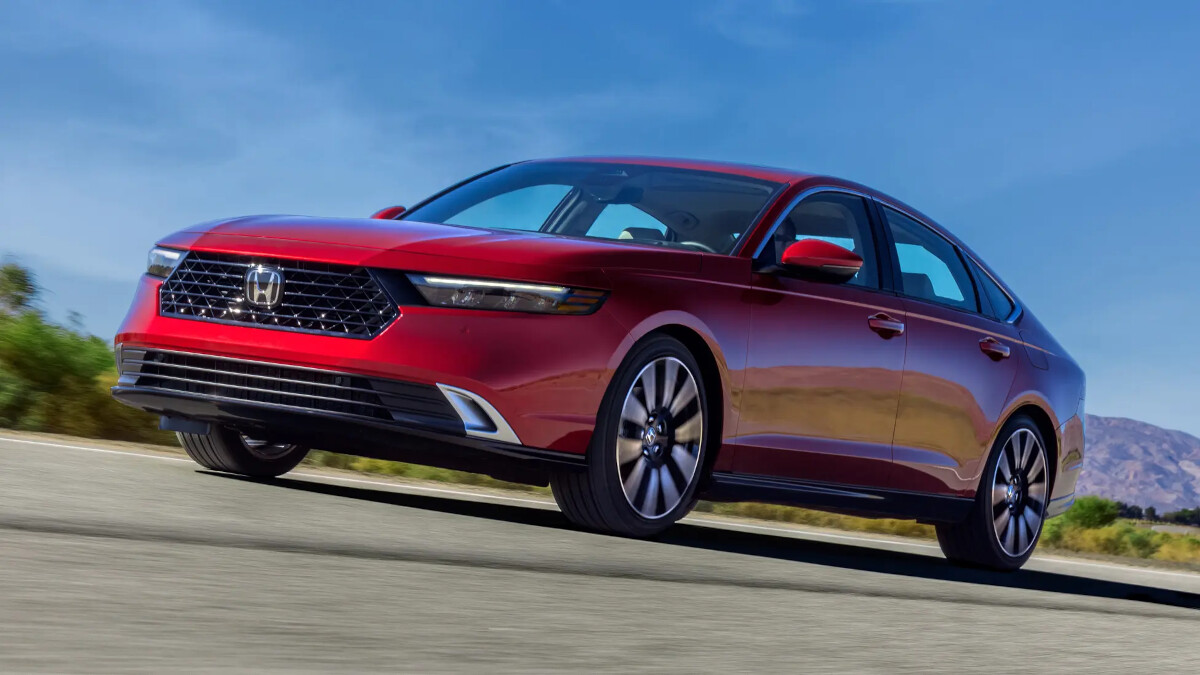
Honda’s direct injection engines are known for their efficiency and reliability. By optimizing fuel spray angles and combustion chamber design, Honda minimizes the chances of carbon deposits. These engines often incorporate advanced VTEC systems, which adjust valve timing according to engine load. The result is smoother performance and reduced carbon accumulation.
Models such as the Accord, Civic, and CR-V have engines that consistently demonstrate low maintenance needs. Owners rarely report carbon buildup issues even after extensive use. Honda’s engineering focus ensures that fuel and air mix thoroughly, allowing combustion to remain clean. This careful attention to fuel delivery is central to their direct injection reliability.
Another factor is Honda’s dual-injection strategy on some newer engines. By combining port and direct injection, the system washes the intake valves while maintaining efficient combustion. This hybrid approach significantly reduces carbon buildup and extends the life of critical engine components. Drivers benefit from improved fuel economy without sacrificing long-term reliability.
Honda also emphasizes material quality and precision manufacturing. Fuel injectors, intake valves, and combustion chambers are built to resist corrosion and residue formation. Regular oil changes with recommended specifications further enhance engine cleanliness. These steps collectively contribute to one of the most dependable direct injection systems in the industry.
Finally, Honda’s history of careful tuning ensures performance does not compromise reliability. Rather than pushing engines to extreme pressures, Honda balances efficiency and longevity. This philosophy results in engines that maintain consistent performance while reducing the need for interventions like carbon cleaning.

3. Lexus
Lexus, Toyota’s luxury brand, combines premium materials with highly refined engine design. Its direct injection systems benefit from Toyota’s expertise while incorporating additional engineering measures.
Precision fuel atomization and optimized combustion chambers help prevent carbon deposits. Lexus owners often report engines that remain smooth and clean even after long-term use.
The brand’s hybrid and turbocharged models are particularly noteworthy. Lexus employs advanced dual injection and variable valve timing to reduce carbon buildup. These measures keep engines performing efficiently while maintaining longevity. Regular maintenance and high-quality fuel further contribute to system reliability.
Lexus vehicles like the ES, RX, and NX models demonstrate excellent fuel efficiency without compromising engine cleanliness. Direct injection systems in these vehicles are designed to resist clogging, which helps maintain power and responsiveness. Many owners report consistent performance well past 100,000 miles.
Additionally, Lexus often includes enhanced cooling and oil flow systems that protect intake valves from residue formation. These improvements extend service intervals and reduce the likelihood of carbon cleaning. Luxury engineering ensures that performance and reliability coexist.
Finally, the attention to detail in Lexus engines makes them highly dependable. From material choice to fuel injection precision, every aspect is engineered to minimize problems. Drivers can enjoy direct injection benefits without worrying about frequent maintenance.
4. Mazda
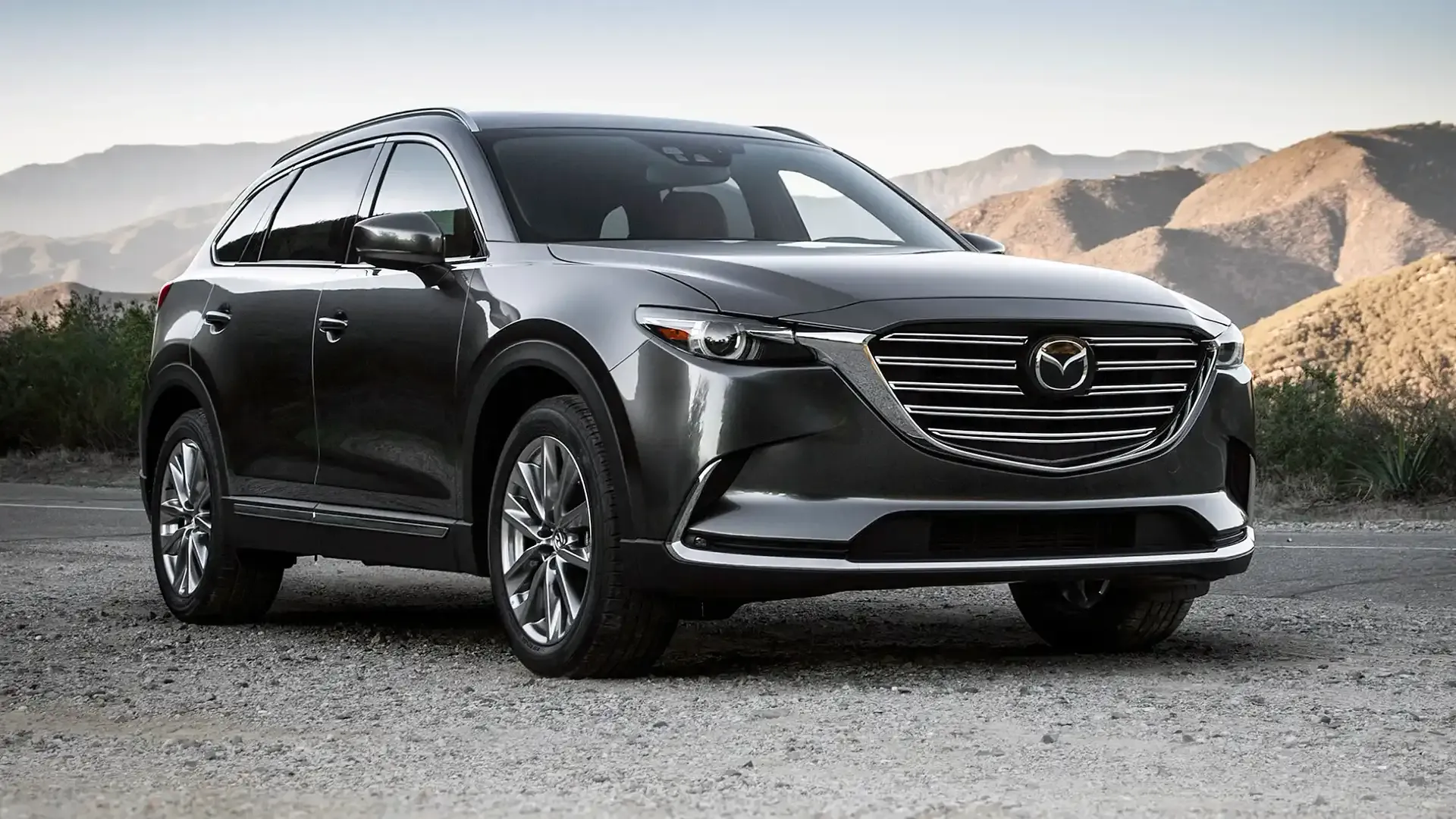
Mazda has gained recognition for its SkyActiv technology, which focuses on efficiency and reliability. Direct injection is a key component, designed to provide precise fuel delivery while limiting carbon accumulation. Mazda’s combustion systems are engineered for clean burning, reducing deposit formation. This makes Mazda vehicles particularly low-maintenance over time.
Models such as the Mazda3, CX-5, and Mazda6 benefit from carefully optimized intake ports and injector placement. Fuel is distributed evenly, ensuring thorough combustion and minimal residue. Owners frequently report engines that stay clean even with regular urban driving.
Mazda also implements a form of indirect assistance through oil and airflow management. By ensuring consistent lubrication and reducing hotspots in the combustion chamber, carbon buildup is minimized. These engineering choices enhance the reliability of their direct injection systems.
Performance-oriented engines maintain a balance between power and engine health. Even with turbocharged units, Mazda prevents extreme conditions that accelerate deposit formation. Fuel efficiency remains high without sacrificing durability.
Finally, Mazda’s continuous improvement process results in incremental enhancements to fuel injection systems. The combination of engineering innovation and practical maintenance guidance creates some of the most dependable direct injection engines on the market.

5. Subaru
Subaru is widely known for its boxer engines and symmetrical all-wheel-drive systems. Its direct injection engines are engineered with unique combustion chamber geometry, reducing carbon accumulation. By optimizing air-fuel mixture and injector placement, Subaru keeps intake valves cleaner for longer. This contributes to strong engine reliability.
The Forester, Outback, and Legacy feature engines designed for both performance and durability. Direct injection is complemented by technologies such as dual AVCS, which continuously adjusts valve timing. This system promotes efficient combustion and minimizes deposits.
Subaru also prioritizes engine cooling and oil circulation, helping to prevent carbon buildup. Proper lubrication and thermal management reduce hotspots that can accelerate residue formation. Owners often report minimal issues even after years of driving.
For turbocharged engines, Subaru incorporates careful tuning and fuel delivery optimization. These measures balance performance with long-term engine health, keeping maintenance requirements lower than many competitors. Regular oil and fuel choices further extend engine life.
Finally, Subaru’s commitment to reliability is reflected in customer experiences. Drivers benefit from engines that maintain strong performance while requiring fewer interventions like carbon cleaning. This makes Subaru a solid choice for direct injection vehicles.

6. Audi
Audi has engineered direct injection engines with a focus on precision and performance. Fuel injectors are designed to spray fuel at optimal angles, reducing the risk of carbon deposits on intake valves. Turbocharged units benefit from careful combustion chamber design, keeping engines cleaner over time.
Models such as the A4, A6, and Q5 showcase engines that balance power and reliability. Dual injection systems are often implemented in newer models, combining port and direct injection to clean intake valves. This system significantly reduces carbon buildup.
Audi also emphasizes materials and coatings that resist residue formation. Intake valves, pistons, and cylinder heads are designed for minimal carbon accumulation. Combined with quality fuel and oil, these systems offer longevity and low maintenance needs.
Advanced engine management software further optimizes fuel delivery. By precisely timing injection events and monitoring combustion conditions, Audi minimizes incomplete combustion, which is a common cause of carbon buildup. Owners benefit from engines that remain responsive for many miles.
Finally, the combination of German engineering and innovation ensures that Audi’s direct injection systems are both high-performing and dependable. With proper care, these engines can avoid the costly carbon cleaning associated with less optimized systems.

7. BMW
BMW’s reputation for sporty performance extends to its direct injection engines, which are engineered with anti-carbon measures. Precision fuel atomization and variable valve timing reduce the formation of deposits. Turbocharged engines are tuned for clean combustion, keeping intake valves in optimal condition.
The 3 Series, 5 Series, and X5 feature engines that rarely require carbon cleaning when maintained properly. BMW incorporates dual injection technology on some units to wash intake valves while preserving fuel efficiency. Drivers experience consistent performance over time.
BMW also uses advanced coatings and cooling techniques to limit carbon buildup. By reducing hotspots and ensuring consistent combustion, these engines resist deposit formation. Proper maintenance intervals further enhance reliability.
Fuel and oil quality play a critical role in BMW engine longevity. Using manufacturer-approved products ensures injectors and valves remain clean, reducing maintenance frequency. This reflects BMW’s careful approach to direct injection reliability.
Finally, BMW balances high-performance tuning with engine health. Rather than pushing engines to extremes, careful engineering ensures long-term dependability. This makes BMW one of the more reliable brands for direct injection systems despite their sporty image.

8. Mercedes-Benz
Mercedes-Benz designs engines with precision injection systems that prioritize reliability alongside performance. Direct injection technology is combined with sophisticated valve timing and combustion chamber geometry. These features help minimize carbon buildup. Mercedes owners often enjoy engines that stay clean with standard maintenance.
Models such as the C-Class, E-Class, and GLC include engines designed to resist deposits. Dual injection systems are employed in many newer models, combining port and direct injection to clean valves. This reduces long-term maintenance concerns.
Mercedes also focuses on advanced materials and coatings to prevent residue formation. Engine components are treated to resist carbon accumulation, and careful thermal management keeps combustion consistent. These measures enhance longevity.
Software-driven injection optimization ensures fuel is delivered precisely under all conditions. By controlling timing and spray pattern, Mercedes minimizes incomplete combustion that causes deposits. Owners experience engines that remain responsive and efficient.
Finally, Mercedes engineering emphasizes reliability even in high-performance models. Proper maintenance, combined with precise design, reduces the likelihood of carbon buildup. Direct injection owners benefit from a blend of performance and low maintenance.

9. Hyundai
Hyundai has improved the reliability of its direct injection engines in recent years. By refining fuel injection and combustion chamber design, carbon buildup is minimized. Engines remain clean and efficient with standard maintenance. This reflects Hyundai’s focus on engineering quality and affordability.
The Sonata, Tucson, and Elantra feature engines with advanced dual injection systems. These help wash intake valves while maintaining fuel efficiency. Carbon buildup is less common, even after long-term urban driving.
Hyundai also employs variable valve timing and optimized intake geometry to prevent residue accumulation. Fuel is dispersed evenly, promoting thorough combustion. This reduces maintenance costs and improves engine longevity.
Materials and coatings are designed to resist carbon formation. Intake valves, pistons, and injectors are built to last, even in high-mileage engines. Combined with recommended oil and fuel, Hyundai engines remain reliable over time.
Finally, Hyundai’s continuous improvements and consumer-focused engineering make their direct injection systems dependable. Drivers benefit from reduced maintenance needs and strong engine performance, making the brand a practical choice.

10. Kia
Kia, closely related to Hyundai, also produces reliable direct injection engines. Fuel injectors are designed to optimize spray patterns, reducing carbon accumulation. Engines maintain performance while requiring minimal cleaning interventions. Kia models demonstrate strong dependability over time.
The Sorento, Sportage, and K5 are equipped with dual injection systems in newer models. These systems combine port and direct injection to keep intake valves clean. Carbon buildup is uncommon when recommended maintenance practices are followed.
Variable valve timing and careful combustion chamber design prevent residue formation. Fuel mixes evenly, and combustion remains efficient. These measures contribute to engine longevity and lower maintenance costs.
Kia emphasizes high-quality materials and coatings for engine components. Intake valves and injectors are treated to resist carbon deposits, and proper oil use ensures continued performance. Owners benefit from long-term reliability.
Finally, Kia’s engineering philosophy balances performance, fuel efficiency, and durability. Drivers enjoy direct injection benefits without frequent carbon cleaning. This makes Kia a strong contender among reliable direct injection brands.