

Owning an older vehicle comes with a soundtrack that newer cars simply do not produce, and learning to interpret that soundtrack is one of the most useful skills any long-term car owner can develop. New cars are engineered for near-silence, with tight tolerances, modern synthetic lubricants, noise-dampening materials, and electronic management systems that suppress almost every mechanical sound before it reaches the driver.
Older engines operate differently, and they communicate differently, producing a range of sounds that can trigger genuine alarm in owners who are not sure whether what they are hearing represents normal mechanical behavior or the beginning of something expensive.
Here is the reassuring truth that experienced mechanics know and that anxious car owners need to hear: most sounds from older engines are completely normal. Some of them are characteristic of specific engine designs and have been present since the day the car left the factory.
Others develop gradually as components wear within acceptable tolerances and produce sounds that confirm normal aging rather than imminent failure. A few sounds appear only under specific conditions, such as cold starts in winter or hard acceleration up a grade, and disappear once the engine reaches operating temperature or the load decreases.
Misidentifying normal engine sounds as mechanical emergencies is a consistent source of unnecessary anxiety and unnecessary shop visits for owners of older vehicles. A mechanic who hears a healthy older engine and immediately reassures the owner that what they heard was normal is providing as much value as one who identifies a genuine problem, because the accurate assessment of what is actually happening is the foundation of all good mechanical decision-making.
This page covers ten mechanical sounds that are normal for an older engine. Each sound is explained with the context that determines whether it falls within the range of acceptable behavior, the specific conditions under which it typically occurs, and the boundary where the same basic sound type crosses from normal to concerning. Read through all ten before your next anxiety-inducing drive.
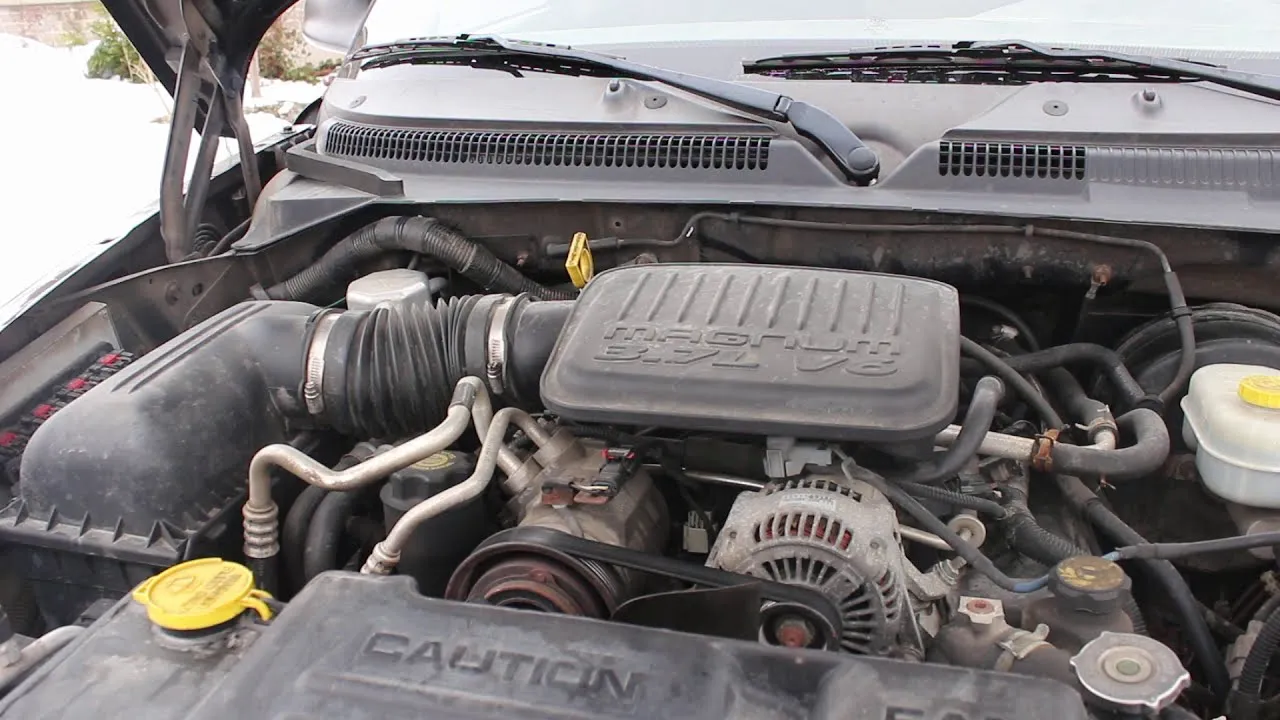
1. Cold Start Valve Train Ticking: What That Morning Clatter Is Actually Telling You
Cold start valve train ticking is one of the most commonly misdiagnosed sounds in older engines, and it is one that sends owners racing to their phones to call mechanics before the engine has even fully warmed up. That rapid, metallic ticking sound that appears within the first few seconds of a cold start and disappears within one to three minutes of running is almost always completely normal on an older engine, and understanding why it occurs is the most effective way to stop worrying about it every winter morning.
Valve train ticking on a cold start results from oil drainage. When an engine sits overnight, the thin film of oil that normally coats every internal surface drains downward under gravity, returning to the oil pan and leaving upper engine components with very little lubricant present when the engine first fires.
Hydraulic valve lifters, which are small cylindrical components that maintain valve clearance automatically through oil pressure, lose their oil charge when the engine has been sitting for several hours. When the engine starts, these lifters are momentarily collapsed and rattle against their mating surfaces until oil pressure reaches the top of the engine and refills them.
This process takes longer in cold weather because cold oil is thicker and flows more slowly through narrow oil passages than warm oil. An engine that shows two minutes of cold start ticking at 20 degrees Fahrenheit may show only thirty seconds at 65 degrees, and that variation is entirely normal rather than a sign that the cold weather has revealed a problem.
Consider the 2001 Toyota Land Cruiser UZJ100 with its 4.7-liter 2UZ-FE V8 engine. This engine is legendary for longevity, with documented examples running past 300,000 miles, and it produces characteristic valve train ticking on cold starts that has accompanied every Land Cruiser UZJ100 since the day it was built.
An owner hearing this sound for the first time without knowing the engine’s character might reasonably think something was wrong. An experienced 2UZ-FE owner recognizes it immediately as the engine’s normal morning greeting and thinks nothing more of it.
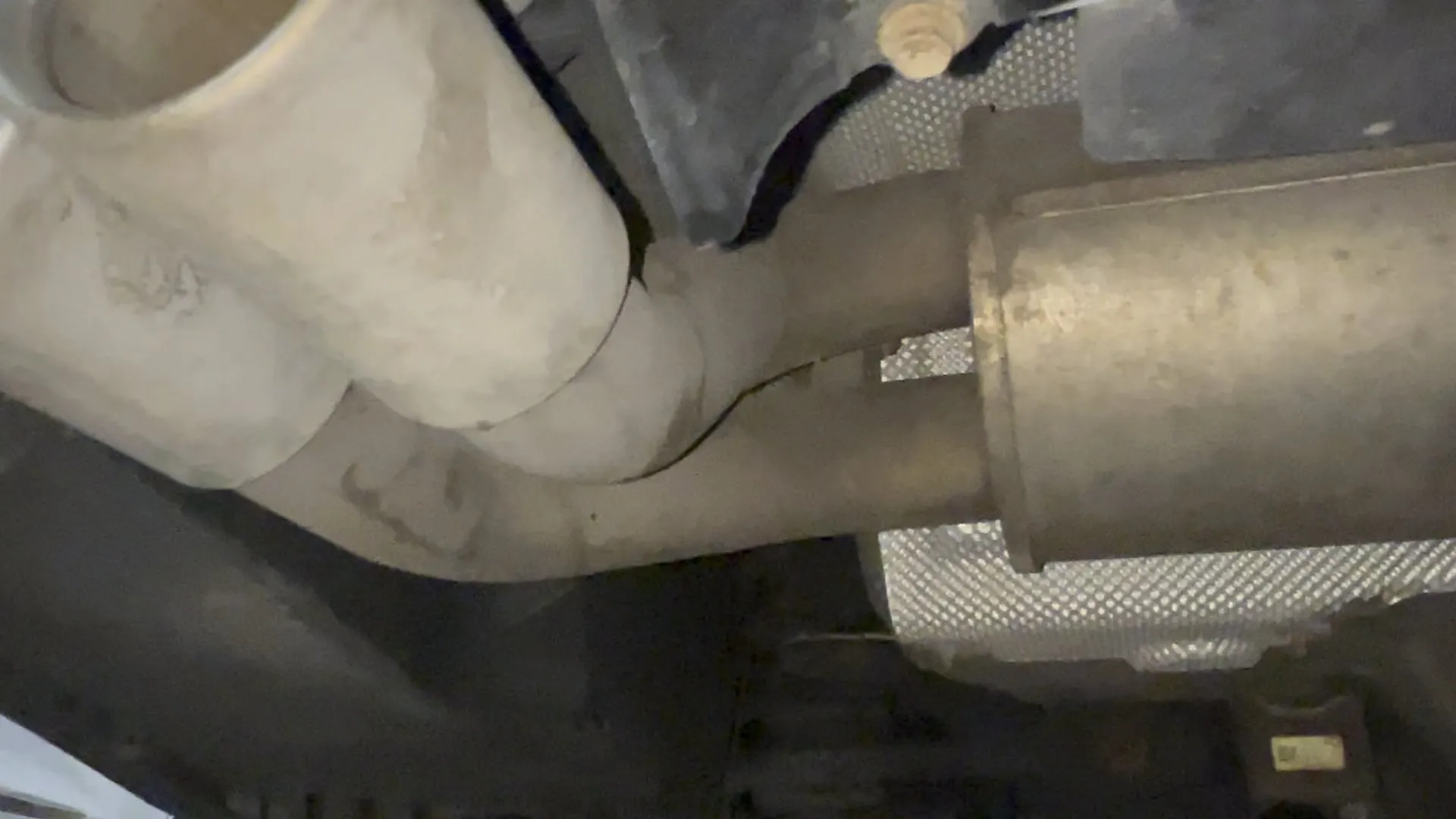
2. Exhaust System Ticking After a Hot Shutdown: Thermal Contractions You Can Hear
A hot engine that has just been shut down after a long drive often produces a ticking or tapping sound from beneath the vehicle that sounds alarming the first time you hear it, particularly if you are unfamiliar with the physical reason behind it.
Standing next to a recently parked older vehicle and hearing a rapid tick-tick-tick from the exhaust system can easily be mistaken for an active mechanical problem, but in the vast majority of cases, it represents a completely benign physical process that every older vehicle with a metal exhaust system produces.
Metal expands when it heats, and contracts when it cools, and this basic physical property plays out with audible results in every exhaust system after a hot shutdown. During driving, exhaust components reach elevated temperatures that cause them to expand measurably, moving slightly in their mounting positions and changing their contact geometry with mounting brackets, heat shields, and adjacent body components.
When the engine shuts off, and exhaust gas flow stops, the system begins cooling rapidly, contracting back toward its ambient-temperature dimensions. This contraction process is not uniform or simultaneous across the exhaust system’s length, and the non-uniform contraction of different components produces the popping and ticking sounds that owners hear from the underside of a recently parked vehicle.
Frequency and intensity of post-shutdown exhaust ticking depend on how hot the exhaust system became during the preceding drive, how quickly ambient air is cooling the system after shutdown, and the specific mounting and heat shield configuration of the particular vehicle’s exhaust system.
A vehicle returning from an extended highway run on a cold day will produce louder and more prolonged contraction sounds than the same vehicle after a short urban trip on a warm day, because both the temperature differential and the cooling rate are greater in the first scenario.
Also Read: Top 10 Most Durable Engines Ever Produced by Toyota and Honda in the 80s
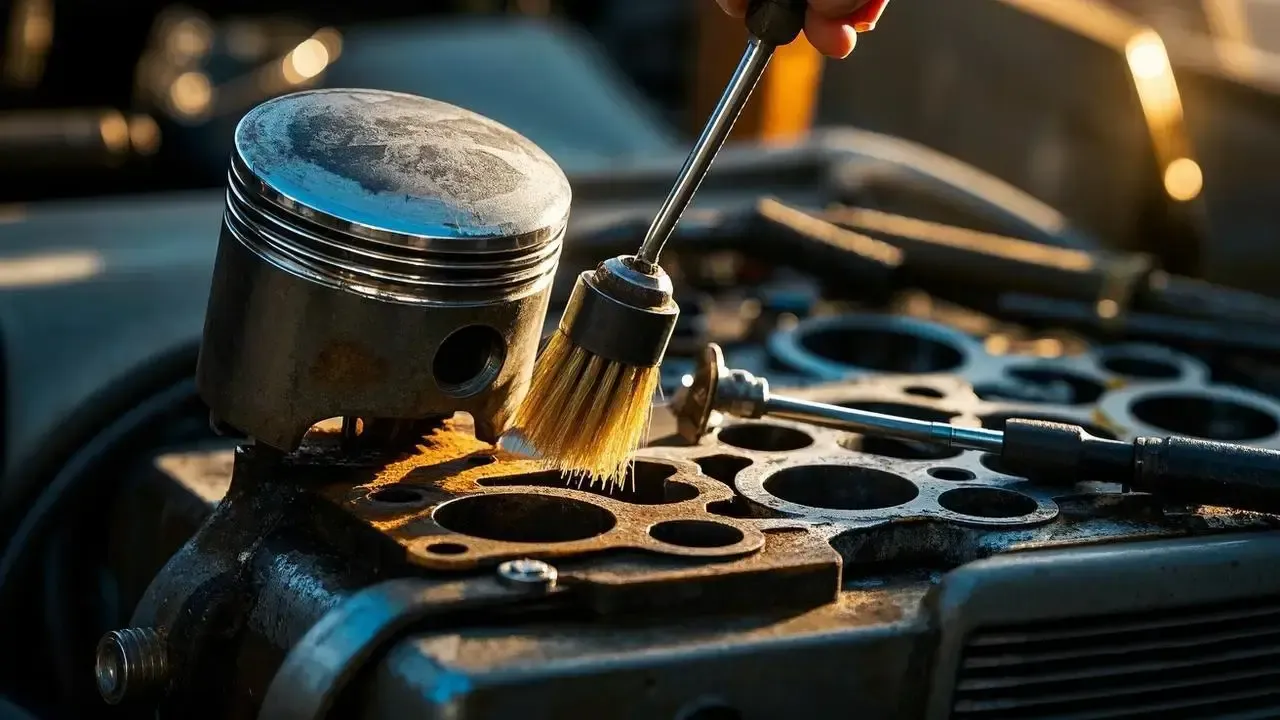
3. Cold Engine Piston Slap: A Rhythmic Knock That Should Worry You Less Than It Does
Piston slap is a sound that causes more unnecessary mechanical anxiety than almost any other normal older engine noise, primarily because the word “knock” attached to engine sounds carries such strong associations with serious mechanical failure.
Piston slap is a rhythmic, hollow, slightly knocking sound that appears at cold start and diminishes or disappears as the engine warms up, and while it deserves monitoring, it is a completely normal characteristic of many older engines with slightly worn piston-to-bore clearances.
Worn engines develop greater piston-to-bore clearance than new engines because both the piston skirt and the cylinder bore wear slightly across high mileage, increasing the gap that must be closed by thermal expansion before the piston fits precisely in the bore.
This means that cold piston slap typically increases in prominence as an engine ages, and an engine that showed minimal cold start piston slap at 60,000 miles may produce a more audible version of the same sound at 150,000 miles. This progression is normal rather than a sign of accelerating deterioration.
An owner of a 2004 Chevrolet Silverado 1500 Classic with the 5.3-liter LM7 V8 will likely have encountered this topic in Silverado owner communities, where cold start piston slap on this engine is thoroughly documented as a normal characteristic affecting a substantial proportion of these engines across the mileage spectrum.
GM acknowledged the sound as a characteristic of this engine design, and professional mechanics familiar with the 5.3 LM7 consistently report that engines producing this sound in the described pattern outlast engines from competitors that never produced any cold start noise at all.
The monitoring rule for piston slap is clear: if the sound disappears or substantially diminishes within five minutes of running as the engine warms, it falls within the normal range. If it persists at full operating temperature, or if it is accompanied by reduced oil pressure or metal particles in the oil at service intervals, further investigation is warranted.
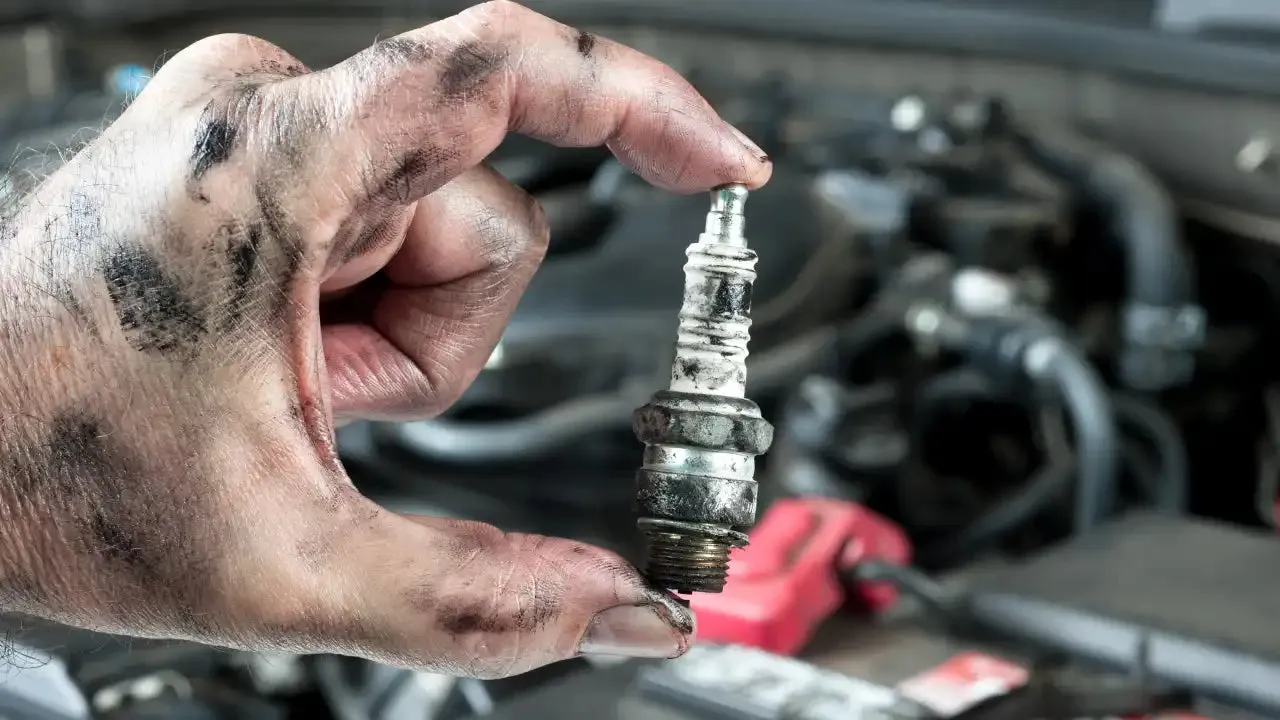
4. Fuel Injector Clicking: High-Speed Mechanical Chatter That Belongs in Your Engine
Modern fuel injection systems operate by firing electrical solenoids thousands of times per minute to deliver precisely metered fuel pulses to each cylinder, and this firing process produces a rapid, high-frequency clicking sound that is both normal and functionally necessary for the engine to operate.
Fuel injector clicking on older engines is sometimes more audible than on newer vehicles because acoustic dampening materials age, engine mount compliance changes, and the engine bay’s sound deadening deteriorates with exposure to heat and time. Fuel injector clicking sounds like a rapid, light chattering that is most audible when the engine compartment hood is open, and the engine is at idle.
Individual injector clicks merge into a continuous, rapid-fire sound at higher RPM, but at idle, the distinct click-click-click rhythm of individual injectors firing can often be distinguished with a practiced ear. Placing a stethoscope or a long screwdriver handle against the fuel rail and putting your ear to the other end amplifies individual injector sounds in a way that clearly demonstrates the normal high-frequency mechanical operation of these components.
Drivers of older vehicles who have replaced an aged vehicle with a newer example often notice how much quieter the new vehicle is and then become newly aware of the sounds their previous vehicle was producing. This comparison effect can make perfectly normal injector clicking seem more alarming when heard with fresh attention rather than the comfortable familiarity that years of ownership provide.
A 1998 Honda Accord EX V6 Coupe (sixth generation) with its J30A1 naturally aspirated V6 produces injector clicking that is clearly audible from the driver’s seat on a quiet morning with the radio off, particularly as the vehicle ages past 100,000 miles.
Owners who have serviced these vehicles for years recognize the injector sound immediately and correctly categorize it as normal mechanical operation rather than anything requiring attention.
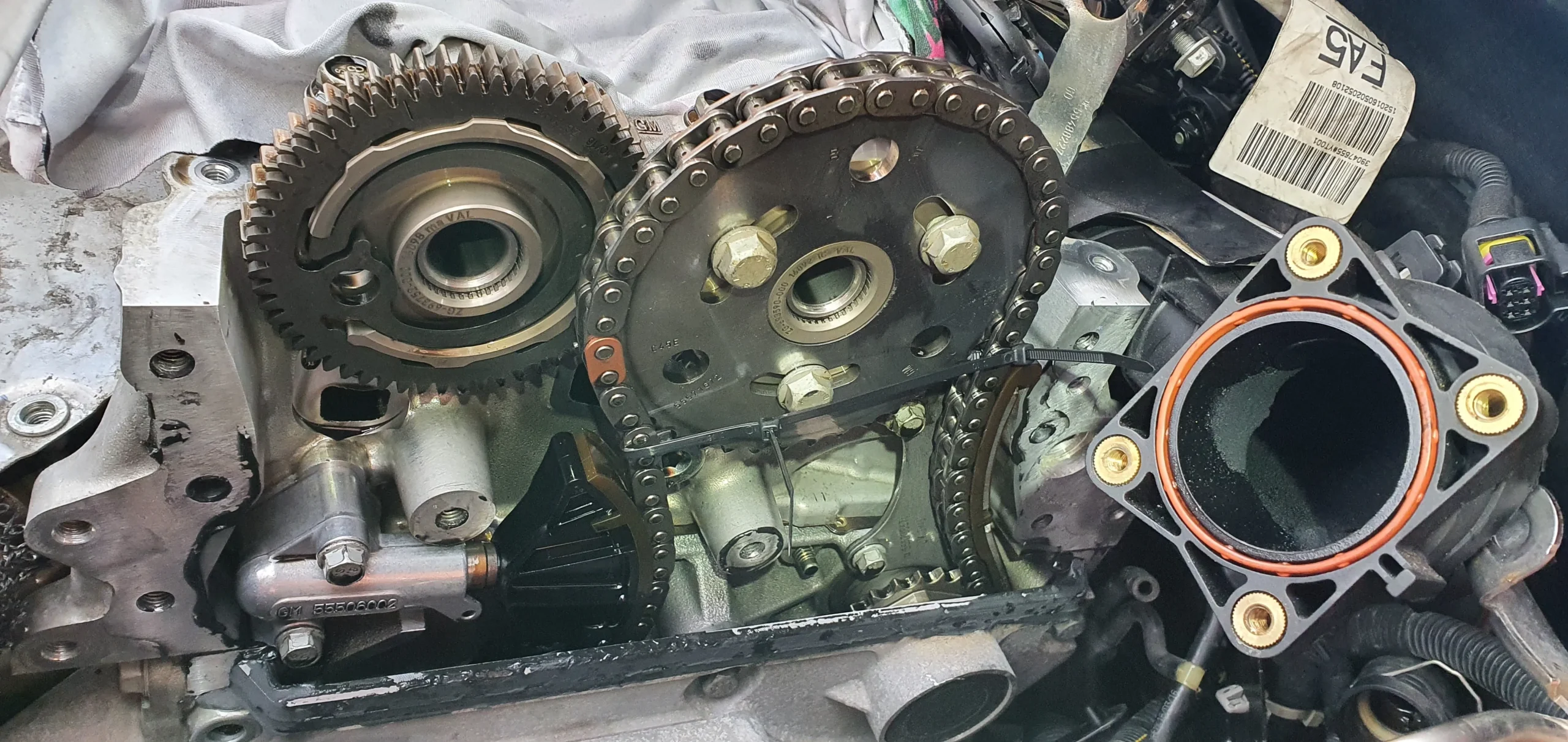
5. Timing Chain Rattle on Cold Start: What the First Few Seconds Are Telling You
Timing chain rattle on cold start is a sound category that spans from completely normal and inconsequential to genuinely serious mechanical territory, and distinguishing between the two requires understanding both the physical cause of the sound and the specific behavior characteristics that separate the benign version from the concerning one.
Getting this distinction right can mean the difference between peaceful ownership of a high-mileage vehicle and an urgent repair that becomes necessary before engine damage occurs. Normal cold start timing chain rattle results from the same oil drainage mechanism that causes valve train ticking: oil drains from the upper engine during extended shutdown periods, leaving the timing chain and its tensioner temporarily without the hydraulic pressure that maintains proper chain tension.
A momentarily slack timing chain produces a rattling sound against its guide rail that can be dramatic in volume and alarming in character, particularly in a quiet garage on a cold morning when the sound echoes against concrete walls and parked vehicles. This rattle typically lasts between two and fifteen seconds before oil pressure is established, the hydraulic tensioner pressurizes, and the chain is pulled back to its proper tension.
An owner of a 2008 BMW 328i Sedan (E90 generation) with the N52 inline-six has likely encountered this topic in BMW owner communities, where cold start timing chain rattle is a documented characteristic of this engine’s variable valve timing system during the oil pressure establishment phase of a cold start.
BMW mechanics familiar with the N52 consistently assess this sound in the context of duration and progression rather than presence or absence, which is exactly the evaluation framework that every older engine’s timing chain noise deserves.
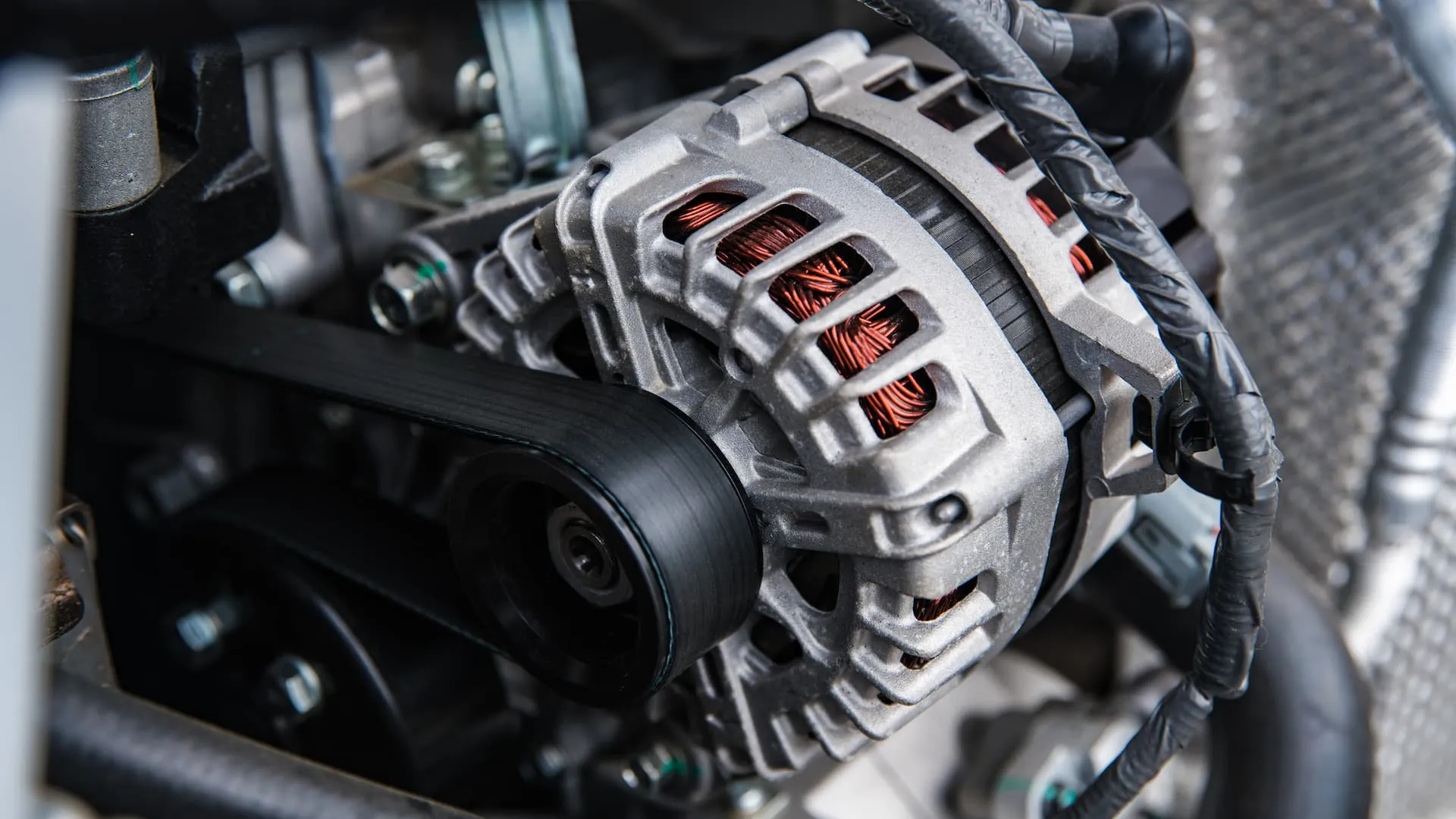
6. Serpentine Belt Chirping Under Load: Reading What Your Accessory Drive Is Saying
Serpentine belt chirping is a sound that appears in older engines under specific load conditions and triggers concern that is usually disproportionate to the actual mechanical situation producing it. A brief, high-pitched chirping sound that occurs when the air conditioning compressor engages, when the power steering is turned to full lock, or during the first seconds of a cold start before the belt warms and seats on its pulleys is a normal characteristic of an aging accessory drive system that does not necessarily indicate imminent belt failure or a misaligned pulley.
Belt chirping under load results from momentary belt slip on the drive pulleys when the load increases rapidly. When the air conditioning compressor clutch engages, for example, it adds a sudden rotational resistance load to the serpentine belt that the belt must transmit from the crankshaft pulley across the full accessory drive system.
If the belt’s tension has relaxed slightly from the automatic tensioner’s original specification, or if the belt’s surface has glazed slightly from age and heat exposure, the brief slip that occurs during this sudden load transition produces a chirping sound that is proportional to the degree of slip.
Intermittent chirping that occurs consistently during the same load condition, such as every air conditioning compressor engagement, but that has been consistent in character and duration for an extended period without worsening, falls within the normal range for older accessory drive systems.
Progressive worsening of chirping frequency, duration, or intensity is the characteristic that distinguishes normal aging belt behavior from a belt approaching the end of its service life.
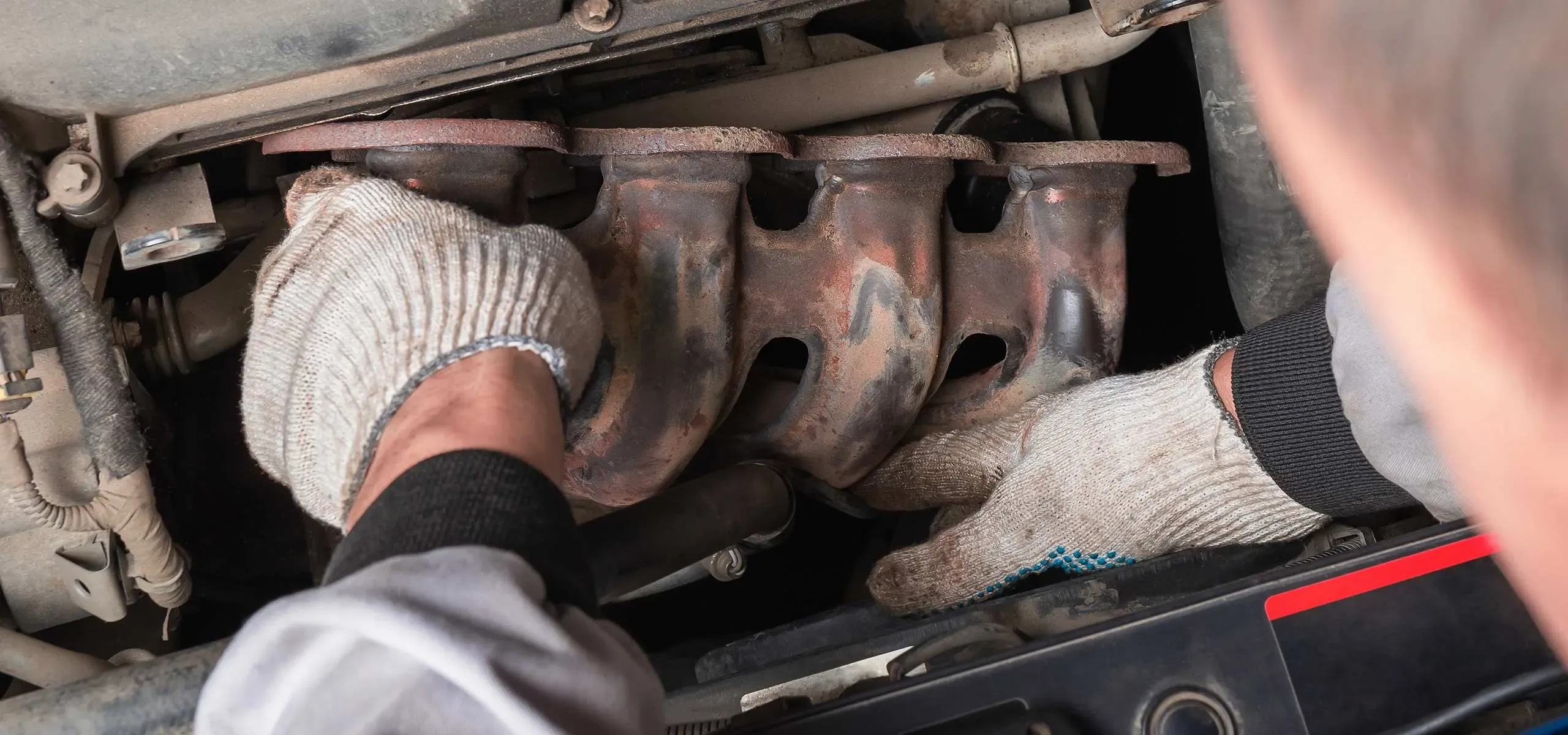
7. Exhaust Manifold Ticking at Operating Temperature: Why This Sound Is More Common Than You Think
Exhaust manifold ticking at operating temperature is one of the most persistently misidentified engine sounds in older vehicles because it produces a tick or tap that is superficially similar to valve train problems, leading many owners to assume the worst when they should instead be reaching for an appropriate manifold sealant or a replacement gasket at their next convenient service opportunity.
An exhaust manifold leak produces a sharp, rhythmic ticking sound whose frequency corresponds to engine RPM, typically most audible at idle and during light acceleration, and which is directly connected to exhaust gas escaping through a failed or cracked gasket rather than anything happening internally.
Exhaust manifold gaskets fail on older engines for straightforward reasons. Repeated thermal cycling over many years causes the gasket material to compress, harden, and eventually lose its ability to maintain a seal at the joint between the exhaust manifold and the cylinder head.
Crack-based ticking may be irregular in character compared to the more consistent tick of a failed gasket, varying in intensity with minor differences in manifold flex under changing temperature conditions. Diagnosing an exhaust manifold leak versus a valve train problem involves several approaches that a careful owner can perform without professional assistance.
Exhaust manifold leaks often produce a ticking sound that is more prominent when the engine is cold and slightly less prominent when fully warmed, because manifold expansion at operating temperature can partially close small leaks. Valve train problems, if present at operating temperature at all, typically remain consistent or worsen with temperature rather than improving as the engine warms.
An owner of a 2002 Ford Explorer Sport Trac 4.0L V6 SOHC (first generation) may be familiar with the exhaust manifold cracking reputation that accompanies this engine in enthusiast and owner communities. Ford’s 4.0-liter SOHC V6 is known for developing exhaust manifold cracks that produce exactly the described ticking sound, and this is acknowledged as a characteristic of the design rather than evidence of engine neglect or impending catastrophic failure.
A flashlight inspection of manifold gasket areas and manifold surfaces during a cold engine inspection often reveals the distinctive black soot signature that accompanies exhaust leaks.
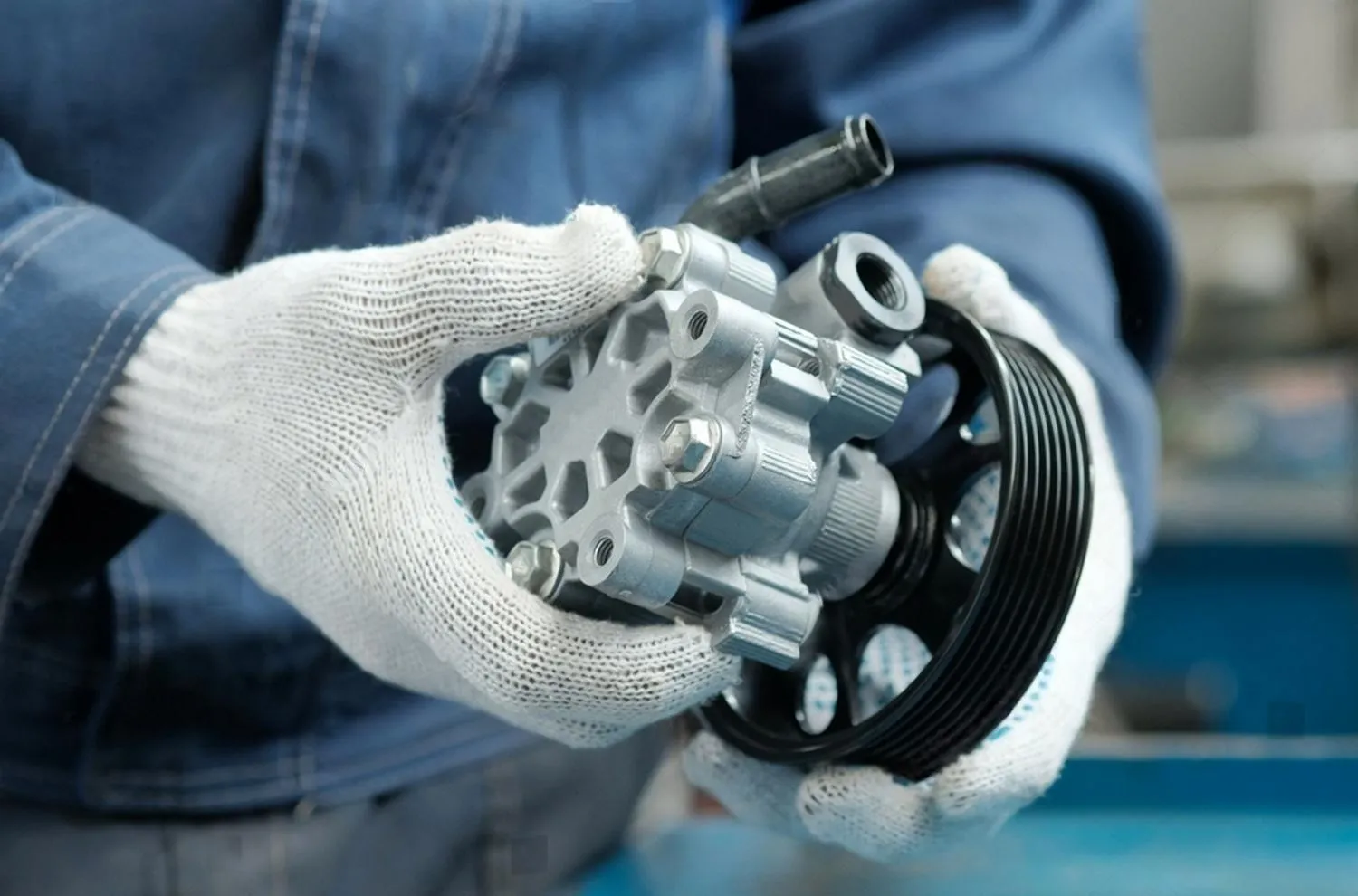
8. Power Steering Pump Moan Under Full Lock: Hydraulic Protest That Stays Within Limits
Hydraulic power steering pumps on older vehicles are inherently vocal components, and the moaning sound they produce when the steering is held at full lock is one of the most reliably normal sounds in the entire catalog of older vehicle acoustics.
A sustained, low-frequency moan or groan that appears when the steering wheel is turned to or near the full lock position and disappears when the wheel is returned toward the center is the hydraulic power steering system communicating that it is working at its pressure limit, not that it is failing.
Hydraulic power steering systems maintain working fluid pressure through a vane or roller pump driven by the engine’s serpentine belt. Steering at full lock compresses the power steering cylinder against its end stops, creating maximum resistance to fluid flow that causes system pressure to rise to its relief valve setting.
At this maximum pressure condition, the pump is working at its hardest, and the hydraulic fluid under maximum pressure creates the vibration and noise that owners hear as moaning or groaning from the pump and high-pressure line area of the system. Holding the steering at full lock for extended periods generates heat in the power steering fluid through the continuous bypass of pressurized fluid across the relief valve, and this heat generation is a genuine concern for fluid longevity and seal condition.
Performing a power steering fluid flush on an older vehicle with prominent full-lock moaning often reduces the sound noticeably by restoring fluid viscosity and cleanliness to specification. A driver of a 2006 Nissan Frontier SE Crew Cab 4×4 (D40 generation) with its power steering system will recognize full-lock moaning as a characteristic that the truck has likely produced since its early life and that has simply become more audible as the truck has aged.
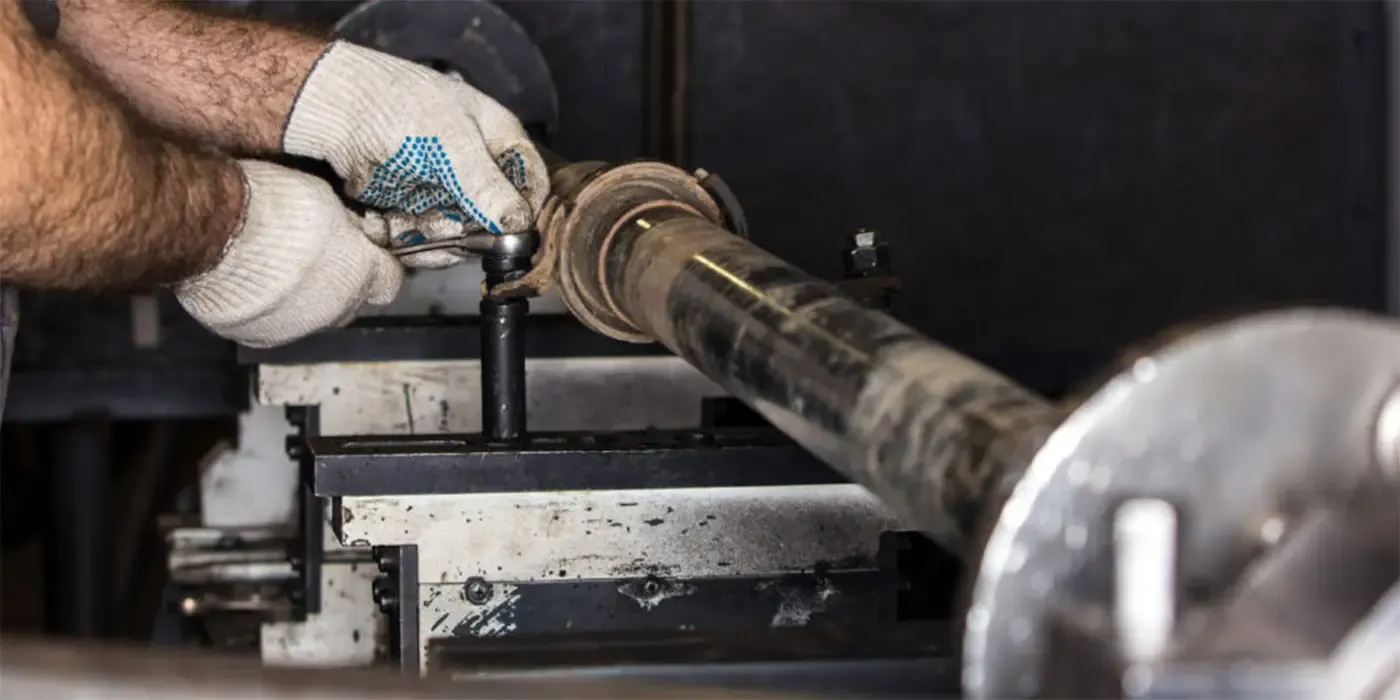
9. Differential Whine at Specific Speeds: What That Harmonic Sound Actually Means
Differential whine in older vehicles is a speed-sensitive harmonic sound that many owners discover gradually rather than suddenly, making it one of the sounds that seems to appear from nowhere and prompts the question of whether it was always there or has just developed.
A smooth, continuous whining or singing sound that is present at specific road speeds, changes character when coasting versus under acceleration, and varies with vehicle speed rather than engine speed is characteristic of a differential ring and pinion gear set that has developed a slight wear pattern producing audible harmonics during normal operation.
Rear differential whine in older rear-wheel-drive and four-wheel-drive vehicles typically produces its most audible sound within a specific speed range, often between 35 and 55 miles per hour, where the gear mesh frequency falls within the range that transmits efficiently through the drivetrain and floor structure to the passenger compartment.
Outside this speed range, the sound may be inaudible despite the same gear mesh conditions persisting, because the sound’s transmission characteristics change with the mechanical properties of the structure at different vibration frequencies. Distinguishing normal differential whine from a differential approaching failure requires assessing the sound’s character and progression.
A smooth, steady whine that has been consistent in volume and frequency for an extended period, that does not have any grinding or roughness mixed into it, and that is not accompanied by any vibration through the floor or seat base falls within the normal range of wear-related differential harmonics.
A whine that is rapidly increasing in volume, that has an irregular or grinding character mixed into the smooth harmonic sound, or that is accompanied by mechanical vibration, indicates a deteriorating bearing or gear condition that warrants inspection. Differential oil condition is directly related to the development and severity of ring and pinion wear harmonics.
Also Read: Top 8 Engines That Feature Low Maintenance Hydraulic Valve Lifters
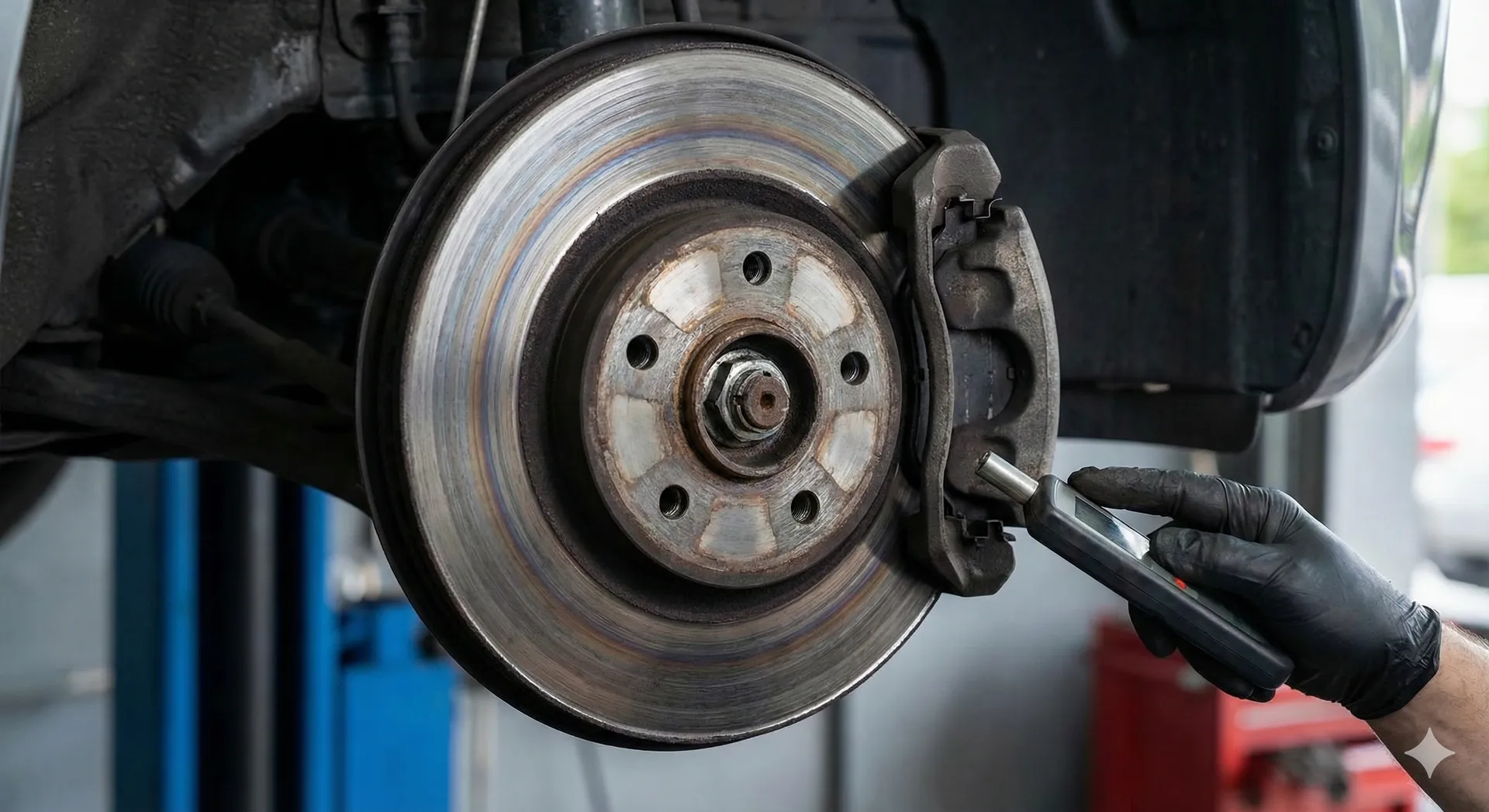
10. Brake Pad Dust Shields Vibrating: A Sound That Is Annoying Rather Than Dangerous
Brake dust shield vibration produces a buzzing, humming, or light rattling sound from the wheel area that changes with vehicle speed and disappears under braking, and it consistently triggers brake-related anxiety in owners who have not encountered this specific noise source before.
Understanding what dust shields are, why they vibrate, and what distinguishes their sound from actual brake system mechanical concerns allows owners to correctly categorize this sound and address it through a simple, inexpensive correction rather than an expensive brake system investigation.
A dust shield that has been slightly bent toward the rotor, or that has deformed slightly from corrosion or impact, will make intermittent contact with the rotating rotor surface at a frequency corresponding to vehicle speed. This contact produces a buzzing or light grinding sound that is rhythmic, speed-dependent, and clearly associated with wheel rotation rather than engine speed.
The sound disappears under braking because brake application forces the caliper against the rotor, stabilizing the rotor’s rotational dynamics and reducing or eliminating the light contact that the dust shield is making. Diagnosing dust shield vibration versus brake pad wear wear indicators requires noting whether the sound changes under braking.
Brake pad wear indicators produce a higher-pitched, sustained squeal that typically intensifies under braking as the wear indicator tab contacts the rotor under brake pressure. Dust shield contact produces a sound that reduces or stops under braking because the additional mechanical forces present during brake application change the dynamic relationship between the shield and the rotor.
