Finding a used car that looks far more expensive than its actual price is a dream for many buyers, combining the allure of luxury with practical affordability. The vehicles on this list demonstrate that style, presence, and premium features do not always require a new-car price tag.
From executive sedans to sporty coupes, each model delivers a sense of sophistication and quality that often exceeds expectations in the used market. Cars like the Lexus LS 460 and BMW 3 Series prove that understated design and refined interiors can convey prestige without the hefty cost of newer luxury rivals.
Meanwhile, models such as the Porsche Boxster and Mercedes-Benz CLA showcase performance-focused styling that immediately commands attention. This guide explores ten standout options, highlighting their design, performance, features, and value, helping buyers identify cars that make a powerful visual and driving statement while remaining budget-conscious.
1. Lexus LS (2007–2012): Timeless Luxury and Dependable Performance
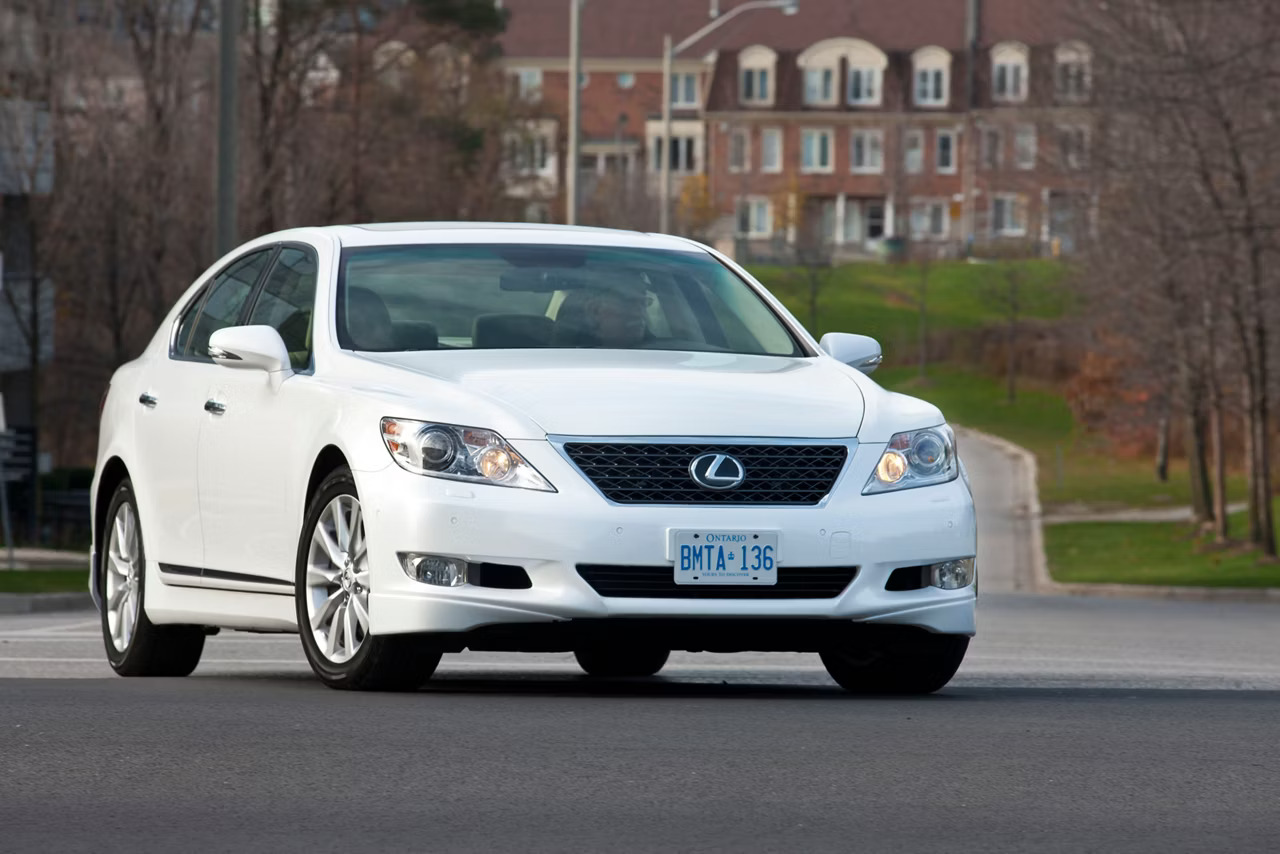
The 2007–2012 Lexus LS 460 is a benchmark of understated luxury, offering refinement, comfort, and long-term reliability that make it a top choice among used executive sedans. Its design is elegant and restrained, avoiding the bold styling trends of newer models.
Even a 2010 LS maintains a sophisticated presence that commands respect without being flashy. Inside, passengers enjoy semi-aniline leather, genuine wood trim, and rear-seat amenities comparable to private jets, creating a quiet, cocoon-like environment ideal for long drives.
Performance comes from a refined 4.6L V8 engine producing around 380 horsepower and 367 lb-ft of torque, paired with an 8-speed automatic transmission. This combination delivers smooth, effortless acceleration and a driving experience that feels both powerful and composed.
The LS 460’s flagship-quality ride matches its premium interior, offering comfort on par with much more expensive vehicles. Optional features such as massaging seats and advanced climate control contribute to a luxurious and comfortable experience.
A key strength of the LS 460 is its reliability. Unlike many German luxury competitors, it delivers Toyota-level dependability, often lasting beyond 148,000 miles with proper maintenance.
Routine repairs are typically modest in cost, although complex systems like the brake actuator or air suspension can be expensive if service is required. Fuel economy is modest, averaging in the high teens to low 20s MPG, reflecting the vehicle’s focus on comfort and performance rather than efficiency.
Technology is somewhat dated, with navigation and infotainment systems that feel slow by modern standards, and some interior plastics lacking a premium feel. The 2012 refresh brought updated styling and features such as the Climate Concierge system, keeping the model competitive with newer executive sedans. Potential buyers should inspect items such as worn control arms, brake actuator issues, and oil leaks.
The 2007–2012 Lexus LS 460 combines quiet, refined luxury with dependable V8 performance and long-lasting value.
Its understated elegance, comfortable ride, and durability make it a luxury sedan that allows owners to enjoy high-end features without the frequent repair bills common among German rivals. The LS 460 continues to represent sophistication, comfort, and reliability for anyone seeking a distinguished used executive car.
2. Audi A3 (2015–2017): Compact Luxury That Feels Expensive
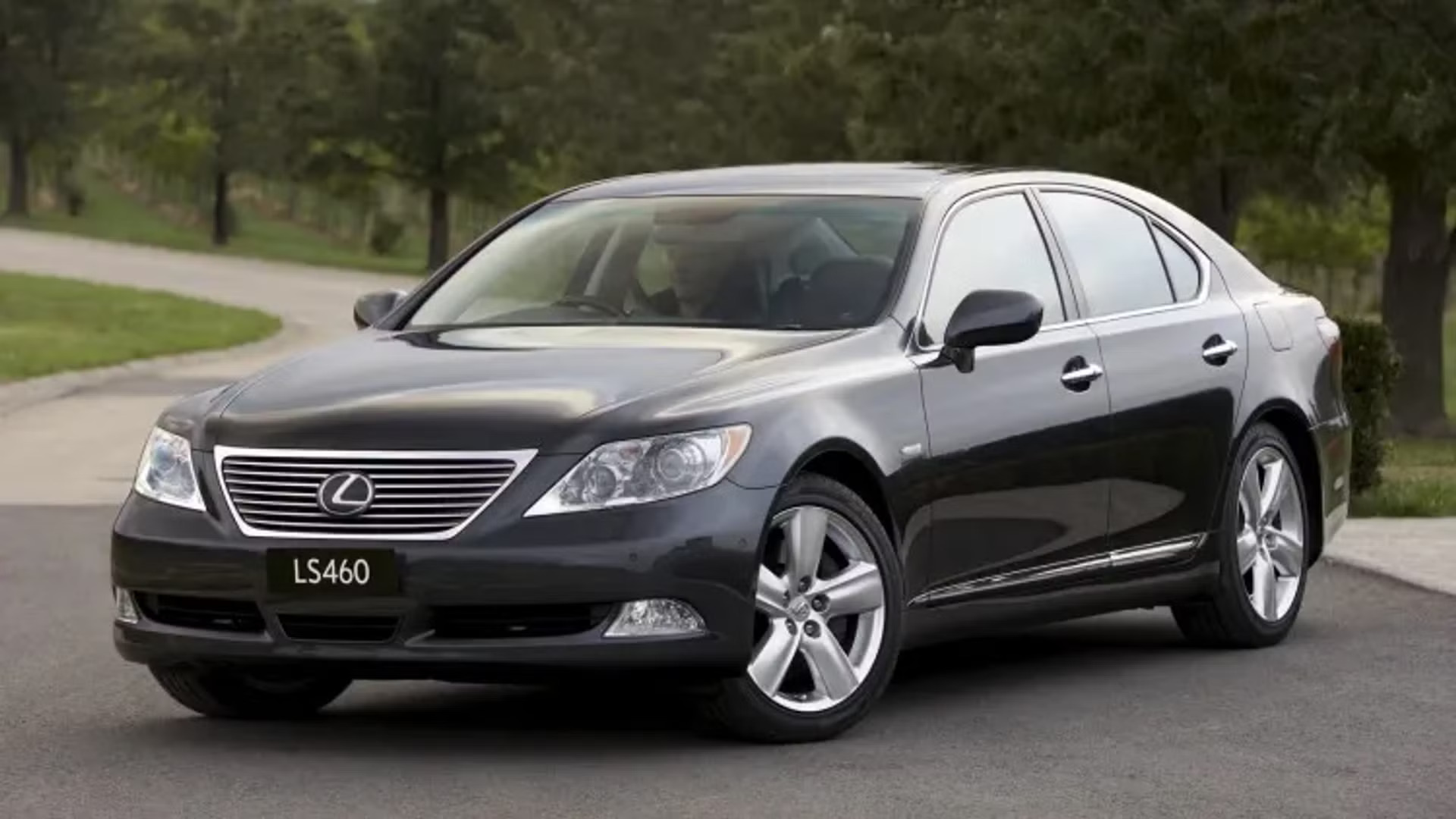
The 2015–2017 Audi A3 delivers a premium experience that belies its compact size and entry-level price. Its design mirrors Audi’s higher-end models, such as the A4 and A6, featuring sharp lines, signature LED daytime running lights, and the prominent Singleframe grille. These details give it an aggressive, modern look that has aged well.
Inside, the cabin combines minimalism with sophistication, highlighted by aviation-inspired turbine vents, high-quality materials, and a pop-up infotainment screen, creating a sense of refinement typically found in far pricier cars. Tight panel gaps and a polished paint finish reinforce its “jewelry-like” quality, making it look far more expensive than its used-market cost.
The A3 offers an enjoyable and composed driving experience with efficient engines, including 1.4L and 2.0L petrol options and a 2.0L TDI diesel. The petrol engines provide punchy, responsive performance, while the diesel excels in fuel efficiency. Ride comfort is generally smooth, though sport suspension variants may feel firm at low speeds. Quattro all-wheel drive is available on select models, improving traction and handling.
The cabin is noted for its high-quality materials and intuitive infotainment system, which complements the minimalist design. Optional features, including Audi’s Virtual Cockpit, introduced later in the cycle, enhance the high-tech feel of the car. Despite this, the rear seats are relatively tight, making the A3 more suitable for individuals or couples than families.
Reliability is generally strong, though common issues include electronic glitches with the retractable screen and navigation, rattles in the center console, and occasional low-speed jerkiness from the S-Tronic automatic gearbox. Buyers should also check for recalls related to passenger airbag modules on early models and rear hub carrier issues on 2017 cars.
The Audi A3 depreciates faster than larger luxury models, which makes it an excellent value in the used market. Its entry-level positioning was designed to attract younger buyers seeking an accessible luxury experience without sacrificing refinement.
The combination of a stylish, well-built interior, sophisticated technology, and composed driving dynamics ensures the 2015–2017 A3 feels more luxurious than many competitors, offering a premium brand experience at a fraction of the cost of higher-end Audis.
3. Mazda 3 (2019–Present): Stylish, Premium Feel at Mainstream Prices
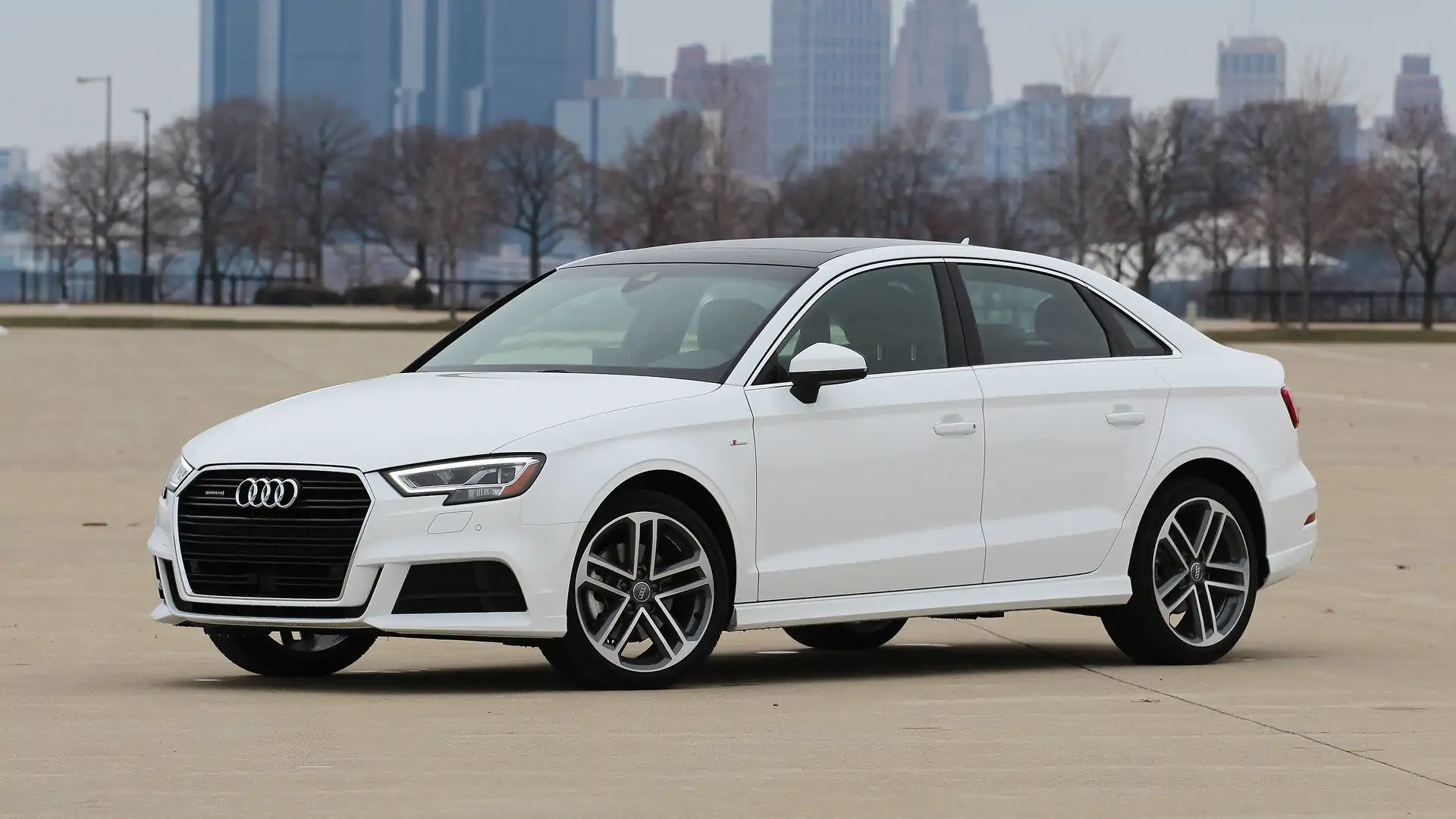
The 2019–present Mazda 3 combines sophisticated design, high-quality materials, and refined driving dynamics, offering a near-luxury experience without the premium badge cost. Its Kodo design philosophy emphasizes smooth, flowing surfaces and light-reflecting curves instead of busy character lines, giving the car a sleek, liquid-metal appearance reminiscent of high-end European vehicles.
Both sedan and hatchback versions carry a mature, sporty aesthetic, while the minimalist, driver-focused cabin reinforces a sense of understated luxury. Soft-touch materials, felt-lined compartments, and a clean, elegant dashboard create a “stealth wealth” feel, often surpassing entry-level Mercedes-Benz interiors in quality and refinement.
The Mazda 3 offers a limited but capable range of engines. Early models featured 2.0L petrol engines in 120bhp Skyactiv-G and 178bhp Skyactiv-X forms, as well as a short-lived 1.8L diesel. Post-2020 updates introduced the e-Skyactiv G petrol with mild-hybrid technology and improved fuel economy, along with enhanced Skyactiv-X engines that deliver diesel-like efficiency with petrol performance.
Manual gearboxes are standard, with automatic and all-wheel-drive options available on higher trims. Ride and handling are firm but composed, providing nimble cornering and responsive steering, although wet-weather grip can be limited, and the suspension is less forgiving than some competitors.
Inside, the Mazda 3 delivers a high-quality, well-equipped cabin, often rivalling the Volkswagen Golf in refinement. Safety features are comprehensive, including adaptive cruise control, lane-keeping assist, blind-spot monitoring, and rear cross-traffic alert, with higher trims adding heated seats, Bose audio, and 360-degree cameras.
Rear seating is tight, and boot space, while generous for the class, is hindered by a high sill in the hatchback. Visibility is reduced by thick roof pillars and small rear windows.
Reliability is mixed, with petrol models generally trouble-free but diesel versions prone to DPF and emissions faults. Minor electrical issues such as infotainment glitches occasionally occur, and dealer servicing experiences vary.
Fuel efficiency is strong, with the Skyactiv-X engine achieving nearly 49mpg and the Skyactiv-G around 45mpg. Road tax and maintenance costs remain reasonable compared with more premium alternatives.
Priced competitively on the used market, the Mazda 3 combines striking design, premium cabin quality, modern safety tech, and efficient engines, making it an excellent choice for drivers seeking style, refinement, and practicality without paying luxury-car premiums.
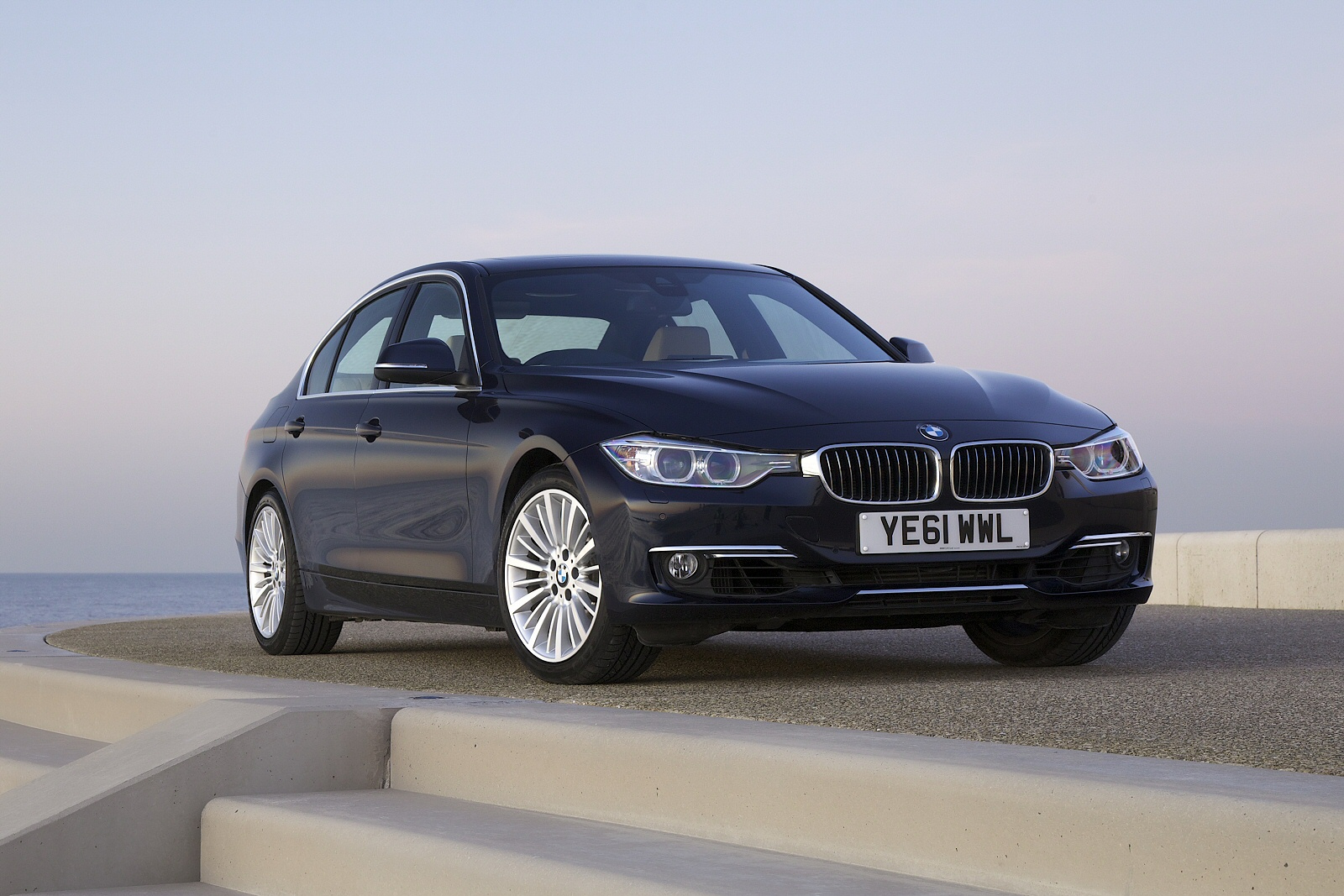
4. BMW 3 Series (F30, 2012–2018): Luxury Sports Sedan with Timeless Appeal
The BMW 3 Series F30 generation is a benchmark for luxury sports sedans, combining style, performance, and prestige. Its wide stance, iconic kidney grilles, and distinctive halo headlights give it an instantly recognizable and upscale presence. The long hood, short overhangs, and balanced proportions highlight classic sporty aesthetics, projecting success without needing to shout.
Even years after its debut, the F30 maintains a modern and sophisticated look, particularly in the popular M Sport trim, which adds aggressive bumpers, aerodynamic body kits, and 18-inch alloys. The BMW badge alone carries strong social status, and combined with its refined interior and athletic stance, the F30 continues to look far more expensive than its current used market price.
Inside, the cabin is well-crafted, with premium materials and thoughtful ergonomics across all trims. Entry-level models provide high-quality finishes, while Modern and Luxury lines add leather, wood trim, and refined dashboards. Controls are driver-focused and intuitive, and even older models feature functional infotainment screens, climate control, and Bluetooth connectivity.
Comfort and refinement remain strong, with most versions offering a pliant ride and suppressed noise. The M Sport’s firmer suspension improves handling but can feel harsh at low speeds, whereas ES, SE, and Sport trims provide a balanced ride suitable for everyday driving.
Rear seat legroom is adequate but can feel tight for taller passengers, and boot openings are narrower than some rivals, though split-folding seats improve practicality.
Performance is a highlight of the F30, with a wide range of engines including efficient 2.0L diesels, responsive petrol units, and six-cylinder high-performance variants. Diesel engines, such as the 320d and 318d, dominate the used market, offering a blend of power and economy.
Petrol options like the 320i, 328i, and 330i provide spirited driving, while plug-in hybrid 330e models deliver an electric-only range of about 25 miles. Handling is sharp and engaging, aided by responsive steering and optional xDrive all-wheel drive, making it one of the most enjoyable executive sedans to drive.
Ownership costs are manageable, with servicing typically ranging from about $250 for four-cylinder diesel models to around $620 for six-cylinder petrol versions. Fuel economy varies significantly, with smaller diesels achieving over 60 miles per gallon, while six-cylinder petrol engines are less efficient.
Reliability is generally good, though some engines, particularly early N20/N26 petrols, are prone to timing chain issues, oil leaks, and carbon build-up in diesels. Infotainment glitches are occasionally reported, and M Sport models can require more attention due to suspension wear.
The F30 BMW 3 Series remains a top choice for used executive car buyers seeking a blend of performance, luxury, and status at a realistic price. With timeless design, engaging dynamics, and well-equipped cabins, models like the post-2015 320d Sport offer a balanced mix of refinement, practicality, and driving enjoyment, making it a standout in its segment.
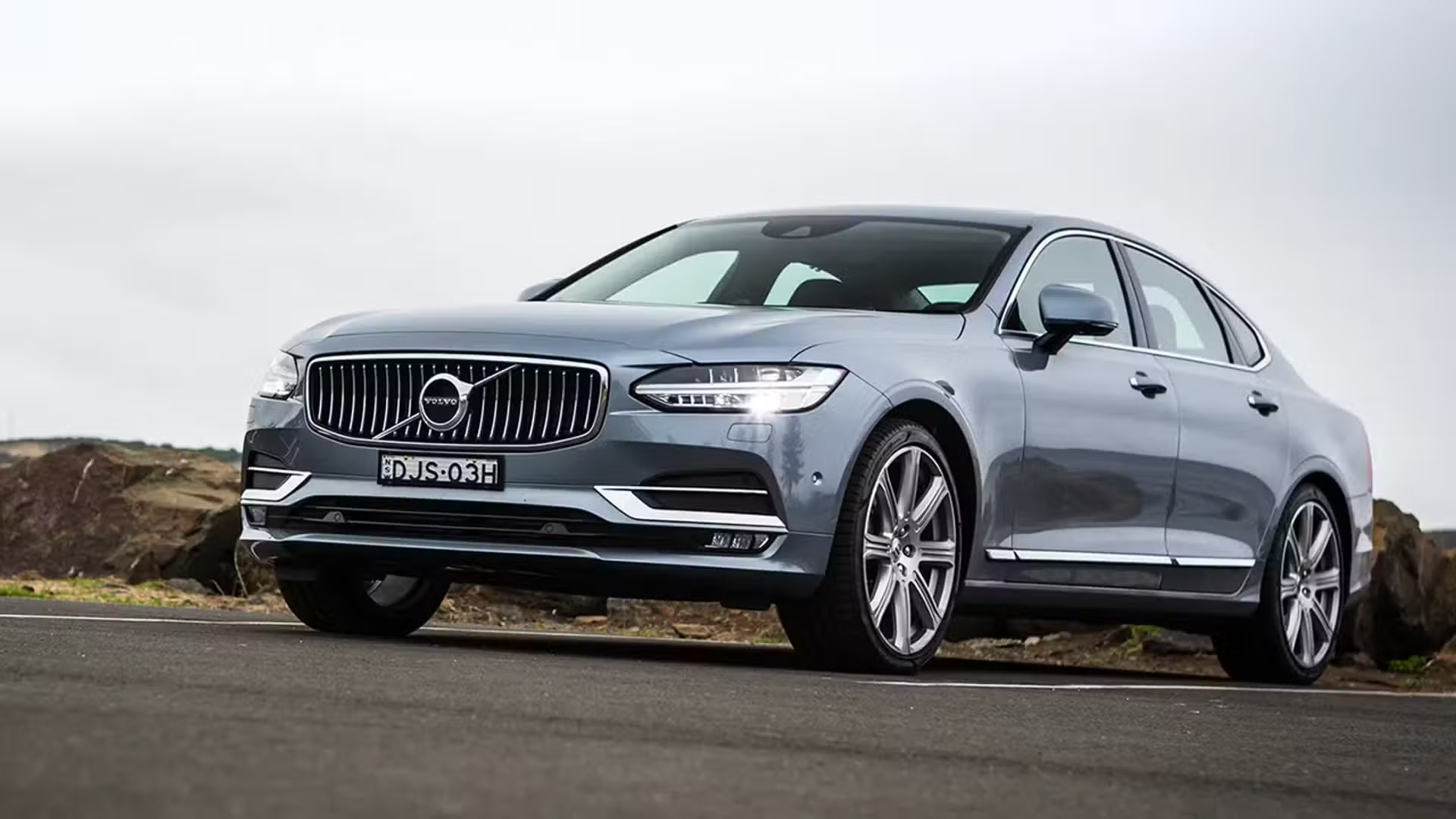
5. Volvo S90 (2017–Present): Scandinavian Luxury and Comfort
The Volvo S90 is a prime example of Scandinavian elegance in the executive sedan segment. Its long, graceful body, minimalist lines, and signature “Thor’s Hammer” LED headlights create a calm, sophisticated presence that contrasts with the aggressive styling of German rivals.
The S90 looks far more expensive than its used-market price due to its understated design and luxurious interior, which combines natural wood inlays, soft-touch materials, and a tablet-style Sensus interface. It conveys wealth and refinement without relying on flashy or gimmicky features, appealing to buyers who prefer timeless design over overt extravagance.
The cabin is spacious, exceptionally comfortable, and built to a high standard, rivaling German sedans in quality. Seats are supportive with excellent rear legroom, and the interior incorporates advanced technology, including Pilot Assist, adaptive cruise control, and safety systems like Large Animal Detection.
The S90’s user interface, though modern, can be slow to respond and prone to smudging, but it adds to the car’s high-tech, minimalist aesthetic. Many used models come well-equipped, often including panoramic sunroofs, premium leather seating, and driver-assistance features that were optional on competing vehicles, enhancing value for buyers.
Under the hood, the S90 offers a range of efficient and refined powertrains. Petrol options include the 2.0L turbocharged T5, the supercharged and turbocharged T6, and the plug-in hybrid T8, while certain markets also offer diesel D4 and D5 engines. The sedan prioritizes comfort and serenity over sporty handling.
Steering can feel heavy, and ride quality may become harsh over bumps, especially with larger 20-inch wheels. Handling is less dynamic than German rivals, but the S90 provides a composed, relaxed driving experience that appeals to those seeking luxury and refinement over sportiness.
Ownership requires attention to reliability and maintenance. While many owners enjoy trouble-free driving, surveys indicate a mixed reliability record, with occasional electrical issues, suspension wear, and engine concerns. Servicing costs are higher than average, so buyers should seek models with a well-documented service history.
The Volvo S90’s strengths lie in its design, comfort, and safety, offering a premium experience at a lower price than comparable Mercedes-Benz E-Class or BMW 5 Series models.
It is ideal for those prioritizing Scandinavian craftsmanship, high-tech features, and a serene, luxurious driving experience over outright sporty performance. With careful selection, the S90 provides an impressive blend of style, space, and executive appeal.
Also read: 5 Cars With Simple Interiors That Age Well vs 5 With Too Much Fragile Plastic
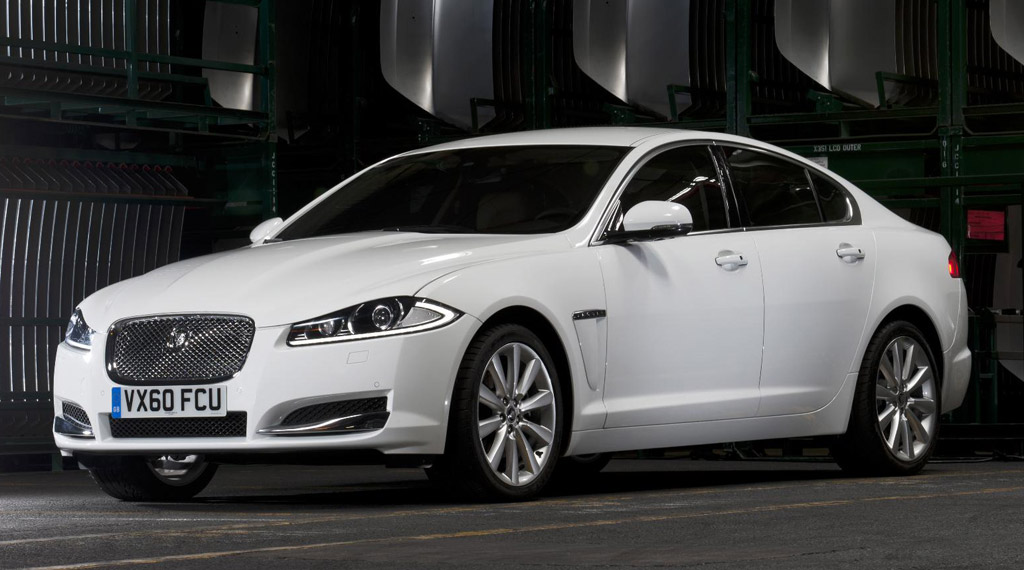
6. Jaguar XF (2012–2015): British Luxury with Distinctive Style
The 2012–2015 Jaguar XF combines British elegance, sporty styling, and dramatic interior design to create a luxury executive car that feels far more expensive than its used-market price. With a sleek, coupe-like roofline, growling front fascia, and refined proportions, the XF exudes old-money charm while modernizing Jaguar’s image.
Its bold design has aged gracefully, particularly after the 2012 facelift, which introduced sharper headlights and a more aggressive front end, aligning it visually with the XJ flagship. The car’s distinctive presence and stylish exterior continue to draw attention, making it a standout alternative to German rivals like the BMW 5 Series, Audi A6, and Mercedes E-Class.
The interior is where the XF truly impresses. Jaguar’s “theater” concept includes motorized air vents and a rotary gear selector that rises from the console when the car starts, creating a sense of occasion uncommon in mainstream cars.
Premium materials, including soft-grain leather, aluminum accents, and real wood veneers, contribute to a tactile, luxurious cabin. Even base models are well-equipped with features such as sat-nav, climate control, electrically adjustable seats, leather upholstery, and parking sensors.
Higher trims, including Premium Luxury, add upgraded leather, larger alloys, keyless entry, and more refined interior details. Despite a sloping roofline and firm rear seats limiting long-journey comfort, the cabin feels high-end and visually dramatic.
Under the hood, the XF offers a mix of petrol and diesel engines, with the 3.0-litre diesel and 5.0-litre V8 providing strong performance and a rewarding driving experience. Early models featured a 2.7-litre diesel, while the 2.2-litre diesel introduced later prioritized fuel efficiency.
The XF delivers agile handling and a composed ride, although sports suspension can feel firm, and heavier engines, especially the V8s, come with higher running costs. Fuel economy ranges from around 42mpg for the 2.2-litre diesel in real-world driving to 41.5mpg for the 3.0-litre diesel, with CO2 emissions varying depending on engine choice.
While depreciation has lowered used prices significantly, maintenance can be expensive, and reliability is mixed, particularly with electronics and older diesel engines. A well-documented service history is essential for buyers seeking a balance of performance, style, and long-term ownership.
The Jaguar XF stands out as a stylish, fun-to-drive alternative to German executive sedans. Its combination of dramatic cabin design, premium materials, and sharp exterior styling makes it an attractive used luxury option for drivers who value character, elegance, and distinctive British charm. Popular choices include the 3.0 D V6 Premium Luxury for its blend of performance, features, and refinement.
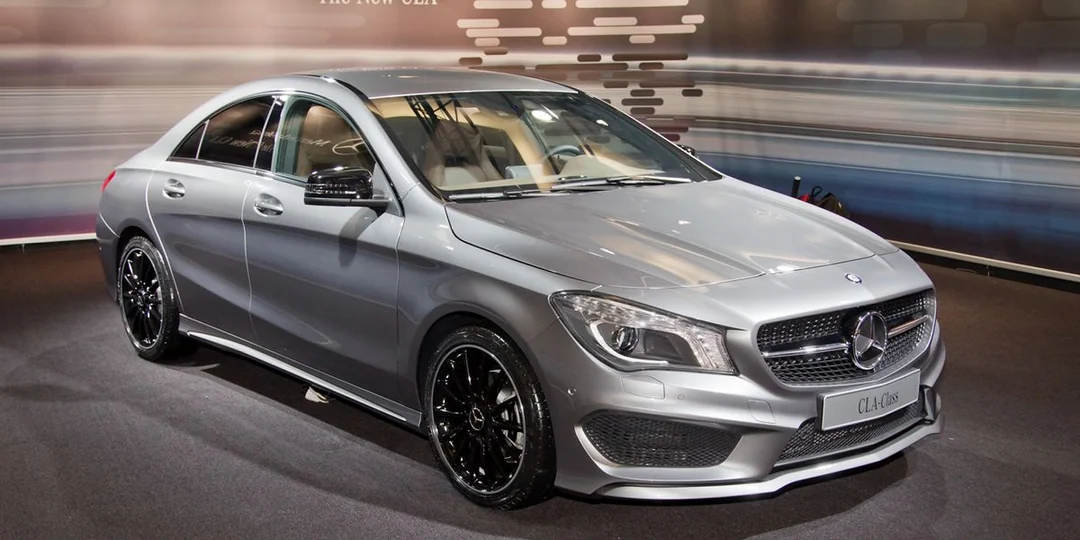
7. Mercedes-Benz CLA (2014–2019): Compact Luxury with Striking Style
The 2014–2019 Mercedes-Benz CLA offers a dramatic, coupe-like silhouette that makes it appear far more expensive than its entry-level price. Styled as a miniature CLS-Class, the CLA features swooping rooflines, frameless windows, and the iconic three-pointed star in the grille, giving it a sporty, high-end presence on the road.
Even base models look aggressive and upscale, while optional AMG-style wheels and bumpers enhance their performance-inspired aesthetic. Its design prioritizes visual appeal, ensuring that most onlookers perceive it as a top-tier luxury vehicle despite its compact size and front-wheel-drive architecture.
Inside, the CLA’s cabin carries recognizable Mercedes design cues, with circular air vents, a dash-mounted infotainment screen, and modern materials creating a refined, sporty environment. Space is limited compared with larger sedans like the C-Class, particularly in the rear, but front occupants enjoy generous adjustment for comfort.
Standard equipment is generous, including dual-zone climate control, cruise control, Bluetooth, USB connectivity, and a 7-inch infotainment display. Safety technology includes seven airbags, Attention Assist, and electronic stability systems, which contribute to the car’s appeal as an accessible luxury option.
The CLA range includes three petrol and two diesel engines, offering choices from the modest 1.6-litre CLA 180 with 120bhp to the high-performance 355bhp AMG CLA 45 capable of 0-62mph in 4.6 seconds. Diesel options provide better fuel economy, with the 134bhp CLA 200d and 168bhp CLA 220d offering practical efficiency.
Petrol models generally consume more fuel, with the CLA 250 averaging around 42.8mpg. All engines pair with smooth gearboxes, though AMG Sport suspension delivers a firmer, less forgiving ride, whereas standard Sport versions maintain better comfort over uneven surfaces.
Used CLA prices in the U.S. start at around $10,000 for older high-mileage diesel models, increasing to $17,000–$22,000 for 2017–2019 examples.
The CLA 220d Sport is recommended for its balance of low-down torque, fuel efficiency, and well-rounded equipment, while AMG variants carry higher running costs. Servicing can be expensive at main dealers, but independent specialists offer more affordable maintenance without compromising quality.
With its eye-catching exterior, well-equipped interior, and Mercedes-Benz prestige at an accessible price, the CLA remains a compelling choice for buyers seeking style, safety, and entry-level luxury in a compact executive package.
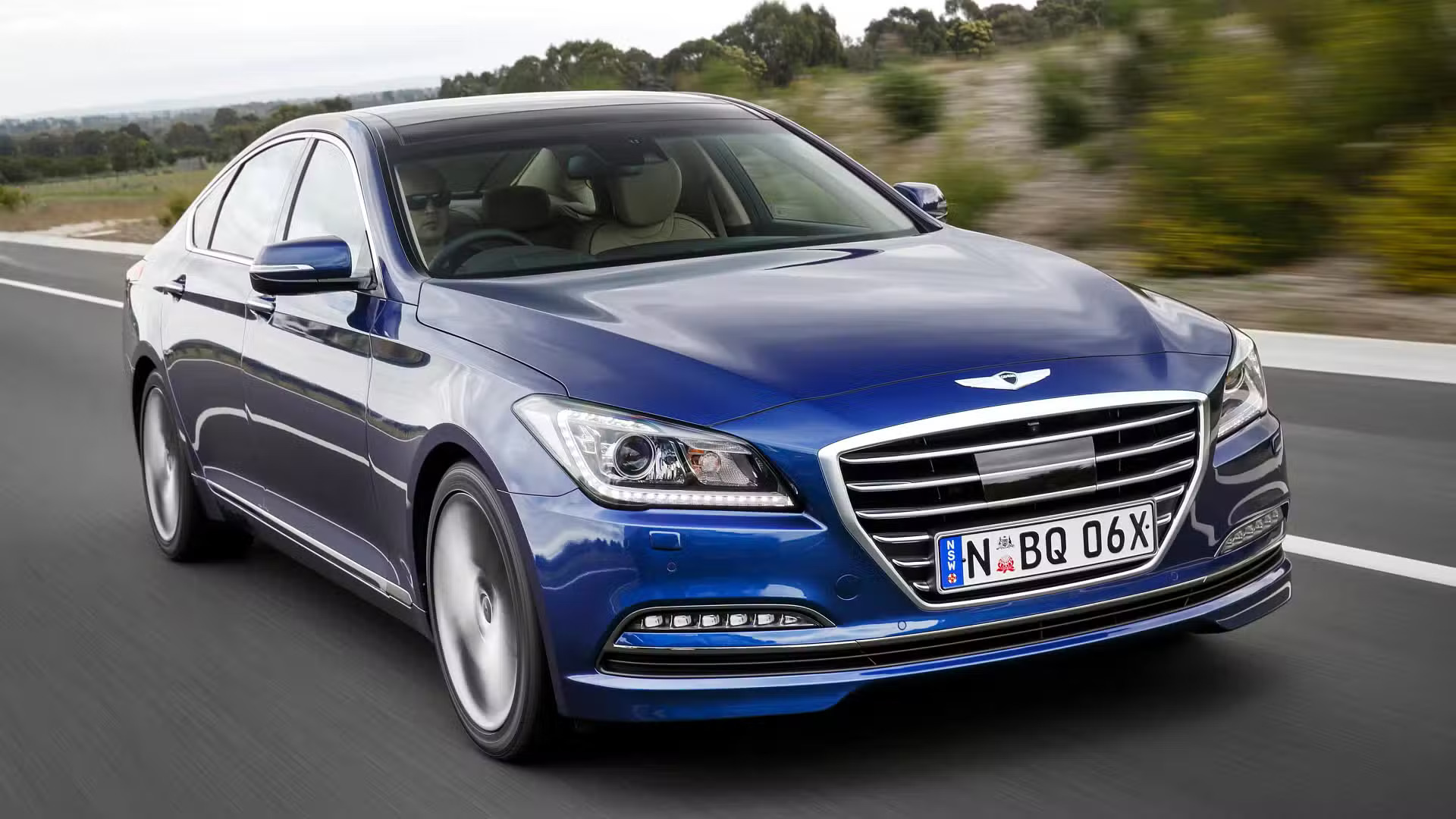
8. Hyundai Genesis (2015–2016): Executive Luxury at a Bargain
The 2015–2016 Hyundai Genesis delivers premium luxury at a price far below European rivals. Its bold design, wide stance, and chrome accents create a commanding presence. The Genesis wing emblem replaces the Hyundai badge, giving it an upscale appearance that many mistake for a Bentley or Aston Martin.
The “Fluidic Sculpture 2.0” styling includes a large grille, HID headlights, LED daytime running lights, and a long wheelbase, all contributing to a sophisticated, executive look that stands out on the road.
Inside, the Genesis offers high-end materials and advanced technology. The cabin features matte-finish wood, aluminum trim, soft-touch surfaces, and ventilated leather seats in both front and rear. A head-up display, cabin CO2 sensor, and the Smart Trunk add convenience and comfort.
Technology is impressive with a 9.2-inch touchscreen, 17-speaker Lexicon audio system, and available rear and side window shades, providing a luxurious experience that rivals much more expensive sedans.
The Genesis is powered by a standard 3.8-liter V6 with 311 horsepower or an optional 5.0-liter V8 producing 420 horsepower, both paired with an eight-speed automatic transmission. Rear-wheel drive is standard, with all-wheel drive available. The ride is quiet, refined, and smooth, with minimal cabin vibration.
Safety features include adaptive cruise control and automatic emergency braking, earning the Genesis a Top Safety Pick+ rating. Fuel economy is limited, with the V6 AWD averaging around 16 miles per gallon in the city and 25 on the highway.
The 2015–2016 Genesis is highly valued as a used luxury sedan due to its low depreciation, primarily from carrying the Hyundai badge. Common issues include rough idling, occasional speaker problems, and rare power steering failures, with estimated annual repair costs of $500 to $611.
Pros include excellent value for money, a luxurious interior, powerful engines, and a comfortable ride. Cons are low fuel efficiency, a heavy body, and the lack of brand prestige compared to BMW or Mercedes, making it a smart choice for buyers prioritizing luxury features and performance at a bargain price.
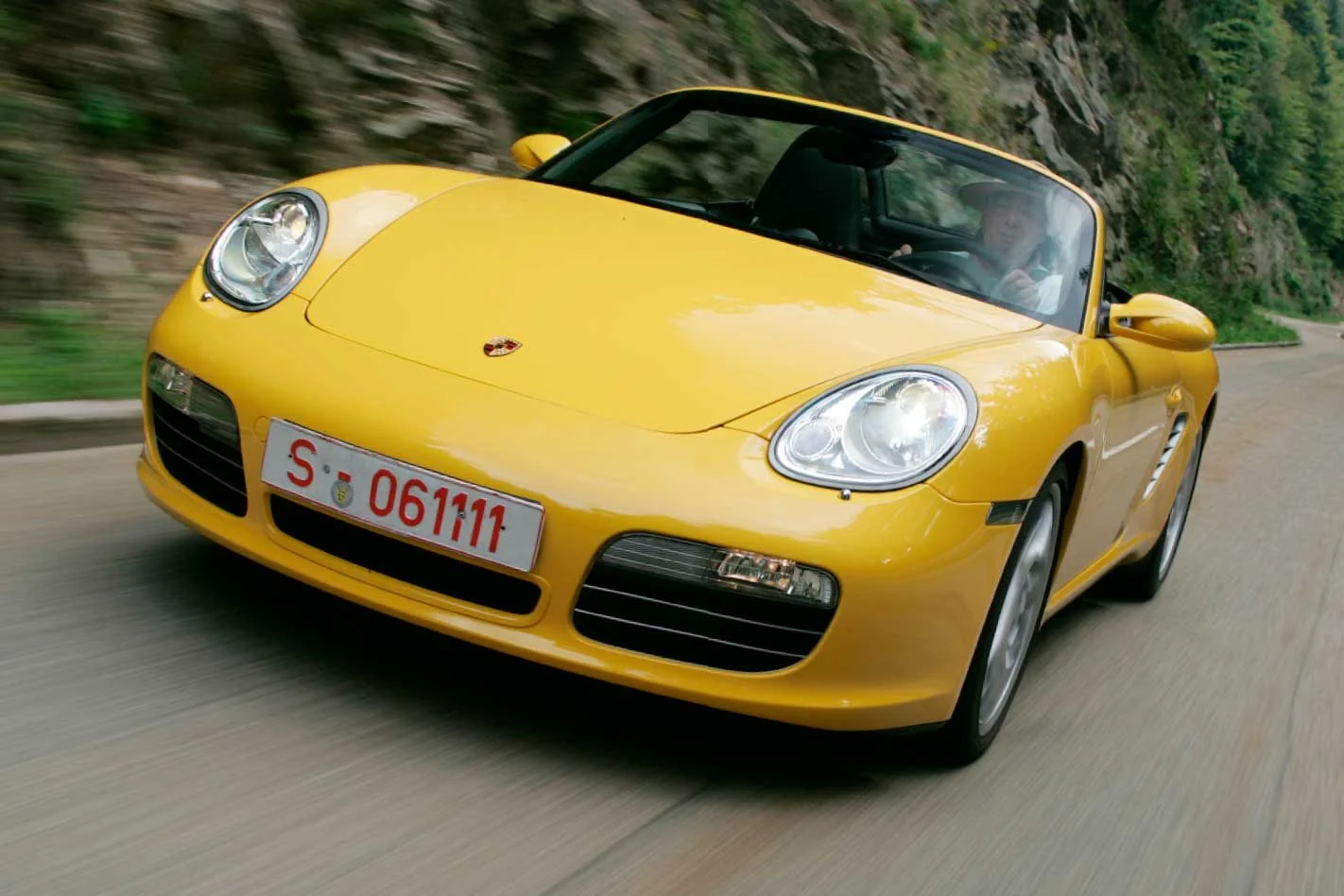
9. Porsche Boxster (2005–2012): Affordable Supercar Prestige
The 2005–2012 Porsche Boxster, known as the 987 generation, combines timeless sports car styling with mid-engine performance, delivering supercar appeal at an accessible price. Its design closely mirrors the 997-generation 911, with circular headlights, muscular flared wheel arches, and classic proportions that remain modern even after 15 years.
The Boxster’s low, wide stance, short overhangs, and available 18- or 19-inch wheels create a commanding presence, while the high-quality interior with leather, metal trim, and solid assembly elevates it above contemporaries like the BMW Z4 or Mercedes SLK.
The Boxster benefits from the Porsche badge, giving it instant prestige and signaling a high-value sports car. Shared components with the 911, including premium interior parts, reinforce the perception of a luxury vehicle.
Drivers enjoy precise handling, a balanced mid-engine layout, and strong build quality with tight body gaps and solid-feeling doors. The S models, with 3.2L or 3.4L engines, deliver rapid acceleration, reaching 0-60 mph in under 5.5 seconds, while the standard 2.7L engine provides a responsive, enjoyable drive. Practicality is notable for a sports car, with two trunks and an electric convertible top that operates in about 12 seconds.
While the 987 Boxster looks expensive, its lower purchase price reflects maintenance costs and known engine issues. Early 987.1 models (2005–2008) are prone to Intermediate Shaft Bearing (IMS) failures and bore scoring, which can be costly if neglected.
The facelifted 987.2 models (2009–2012) introduced more reliable engines and the PDK transmission, improving longevity and performance but increasing price. Owners should also check for worn suspension components, oil leaks, rear main seal failures, and convertible top wear when buying used. Maintenance, tires, and insurance costs remain high due to its premium sports car status.
Pros of the Porsche Boxster include its timeless styling, mid-engine balance, engaging driving dynamics, and surprisingly practical features such as dual trunks and a quick electric roof.
Cons are the potential IMS and bore scoring engine issues on early models, high maintenance and repair costs, and some interior trim wear over time. Used prices range from around $15,000 for early 987.1 models to over $30,000 for well-maintained later 987.2 cars, offering buyers the thrill and prestige of Porsche ownership without the new-car cost.
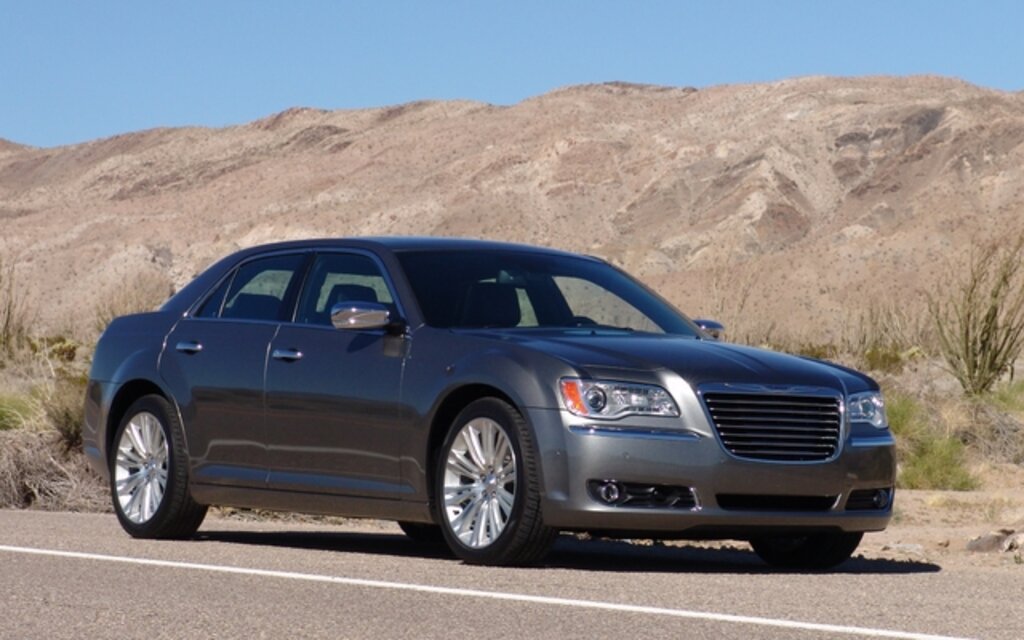
10. Chrysler 300 (2011–Present): Affordable American Luxury
The Chrysler 300, often called the “Baby Bentley,” delivers a bold and imposing presence that rivals more expensive executive sedans. Its boxy, muscular proportions, upright stance, and large grille give it a commanding road presence reminiscent of full-size American limousines.
The long hood, prominent wheel arches, and subtle chrome accents help it maintain a modern, high-end look even on older models. This timeless design has allowed the 300 to age gracefully, and well-kept vehicles can easily pass for newer luxury sedans, making it a standout choice for buyers seeking visual impact on a budget.
Built on a rear-wheel-drive platform, the Chrysler 300 provides a smooth, planted ride, with handling characteristics more akin to luxury sedans than typical family cars. Engine options include the standard 3.6L Pentastar V6, which offers strong and reliable performance, and the optional 5.7L HEMI V8, delivering significant power for those seeking extra performance.
The spacious interior features premium touches such as quilted leather seats, high-quality trim, and available 19-speaker Harman Kardon audio, enhancing its luxurious feel. Some models also offer all-wheel drive, adding versatility and confidence in varying road conditions.
While the 300 delivers a luxury experience at a relatively low cost due to rapid depreciation, potential buyers should be aware of some factors. Older pre-2017 models may experience issues with the UConnect infotainment system, and while interior materials have improved since the 2011 redesign, some plastics can feel less premium than the exterior suggests.
Fuel economy is a concern, particularly on V8 variants, despite cylinder-deactivation technology. Maintenance for V8 models can be more expensive, so reviewing service history is essential. Buyers should also check for rust in common areas, such as wheel wells, to ensure longevity.
Pros of the Chrysler 300 include its striking design, spacious and comfortable cabin, strong V6 or V8 performance, and smooth, confident ride. Cons are high fuel consumption on V8 models, occasional infotainment and electronics issues, and less nimble handling compared to European competitors.
With prices significantly reduced from new, a well-maintained used Chrysler 300 offers the style and comfort of a full-size luxury sedan without the high purchase cost, making it a strong value-driven choice for executive sedan buyers.
The “Top 10 Used Cars That Look Much More Expensive Than Their Actual Price” shows that premium aesthetics and high-quality features can be enjoyed without spending a fortune. Vehicles like the Chrysler 300, Volvo S90, and Porsche Boxster provide stylish exteriors, comfortable interiors, and strong performance at a fraction of the cost of new luxury models.
While some require attention to maintenance or fuel consumption, these cars reward buyers with long-lasting style, prestige, and driving enjoyment. Selecting any of these models allows drivers to enjoy a luxurious appearance, advanced features, and confidence on the road while keeping a sensible budget.
Also read: 10 Cars With the Most Unusual Engine Placements in History