For commuters managing tight budgets, fuel efficiency, affordability, and low maintenance costs are essential factors when choosing a vehicle. Non-hybrid cars remain an attractive option for drivers who want dependable daily transportation without the higher upfront cost and complexity of hybrid systems.
These vehicles combine small-displacement engines, lightweight designs, and clever engineering to deliver impressive fuel economy in both city and highway driving. Many also offer practical interiors, modern technology, and safety features, ensuring comfort and convenience for everyday use.
From ultra-compact hatchbacks like the Mitsubishi Mirage and Suzuki Celerio to more spacious sedans such as the Hyundai Elantra and Toyota Corolla, this list highlights ten non-hybrid models that provide reliable, cost-effective commuting solutions. Each vehicle balances efficiency, practicality, and affordability, making them ideal choices for drivers seeking maximum value for their money.
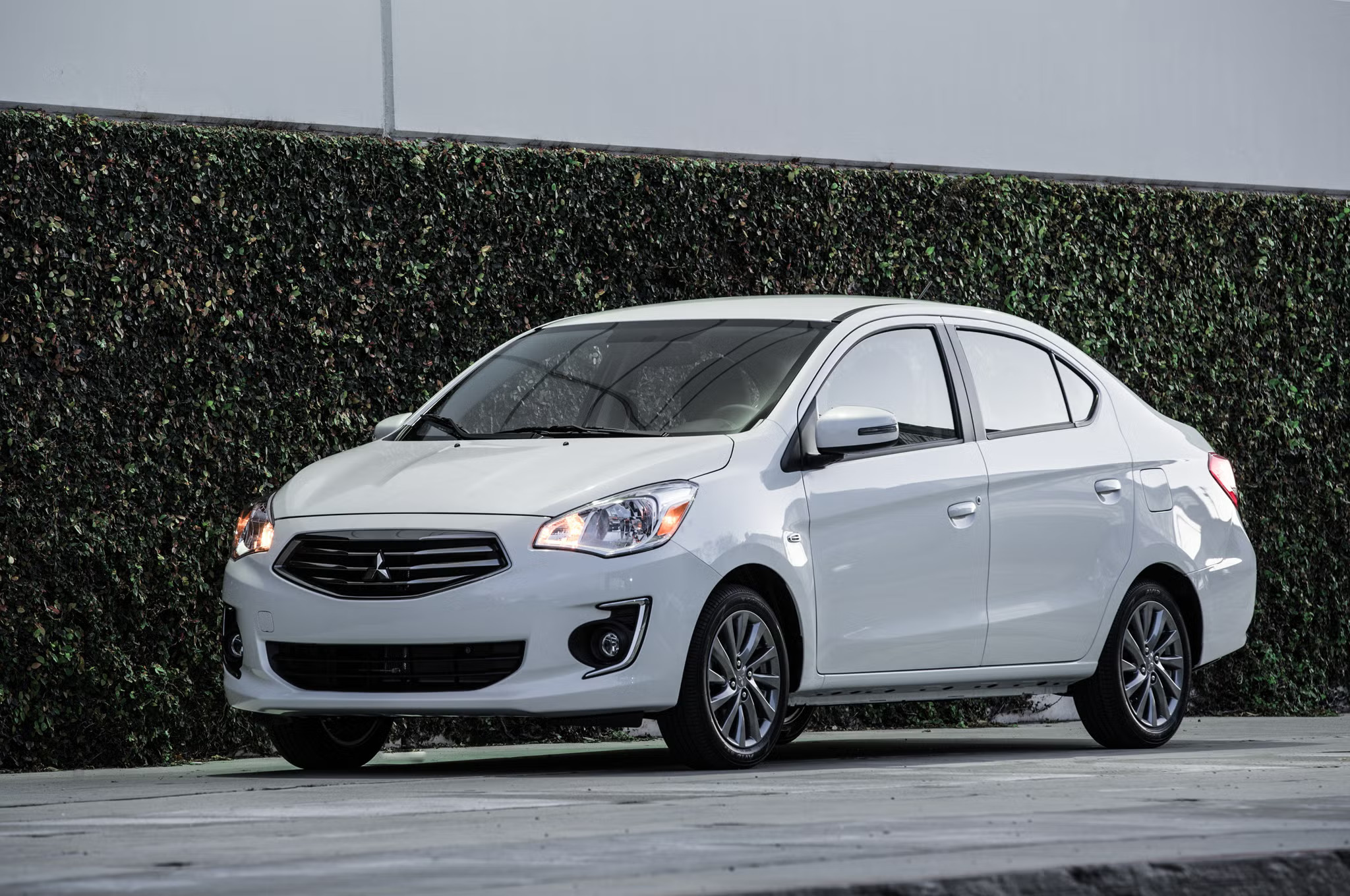
1. Mitsubishi Mirage (Hatchback/G4): Ultra-Efficient Budget Commuter
The Mitsubishi Mirage hatchback and its sedan variant, the Mirage G4, are known for exceptional fuel efficiency and affordability. Powered by a 1.2-liter three-cylinder MIVEC engine, the Mirage focuses on economy rather than performance.
It delivers up to 39 miles per gallon combined, with even higher figures on highways, making it one of the most fuel-efficient gasoline cars available. This efficiency makes it especially appealing to budget-conscious drivers who want to reduce fuel expenses for daily use.
One of the main reasons for its strong fuel economy is its lightweight design, which reduces the workload on the small engine. The available continuously variable transmission helps keep engine speeds low, improving efficiency in stop-and-go traffic as well as steady cruising.
Its compact size and tight 4.6-meter turning radius make it easy to handle in crowded urban areas and tight parking spaces, adding to its practicality as a city car.
Affordability is a major highlight of the Mirage. It is among the least expensive vehicles to purchase and maintain, with low servicing costs and a reputation for reliability. In some markets, it also comes with an extended warranty, increasing long-term value.
Despite its compact footprint, the Mirage G4 offers good passenger space and a cargo capacity of around 450 liters, making it more versatile than expected for a subcompact vehicle.
There are some trade-offs to consider. Performance is limited, with slow acceleration and reduced power when carrying heavier loads or climbing hills. The engine can become noisy under acceleration, and ride quality may feel less refined on uneven roads.
Interior materials are basic, focusing on durability rather than luxury, which results in a simple and functional cabin. The Mitsubishi Mirage is best suited for drivers who prioritize efficiency, affordability, and practicality over speed and premium features.
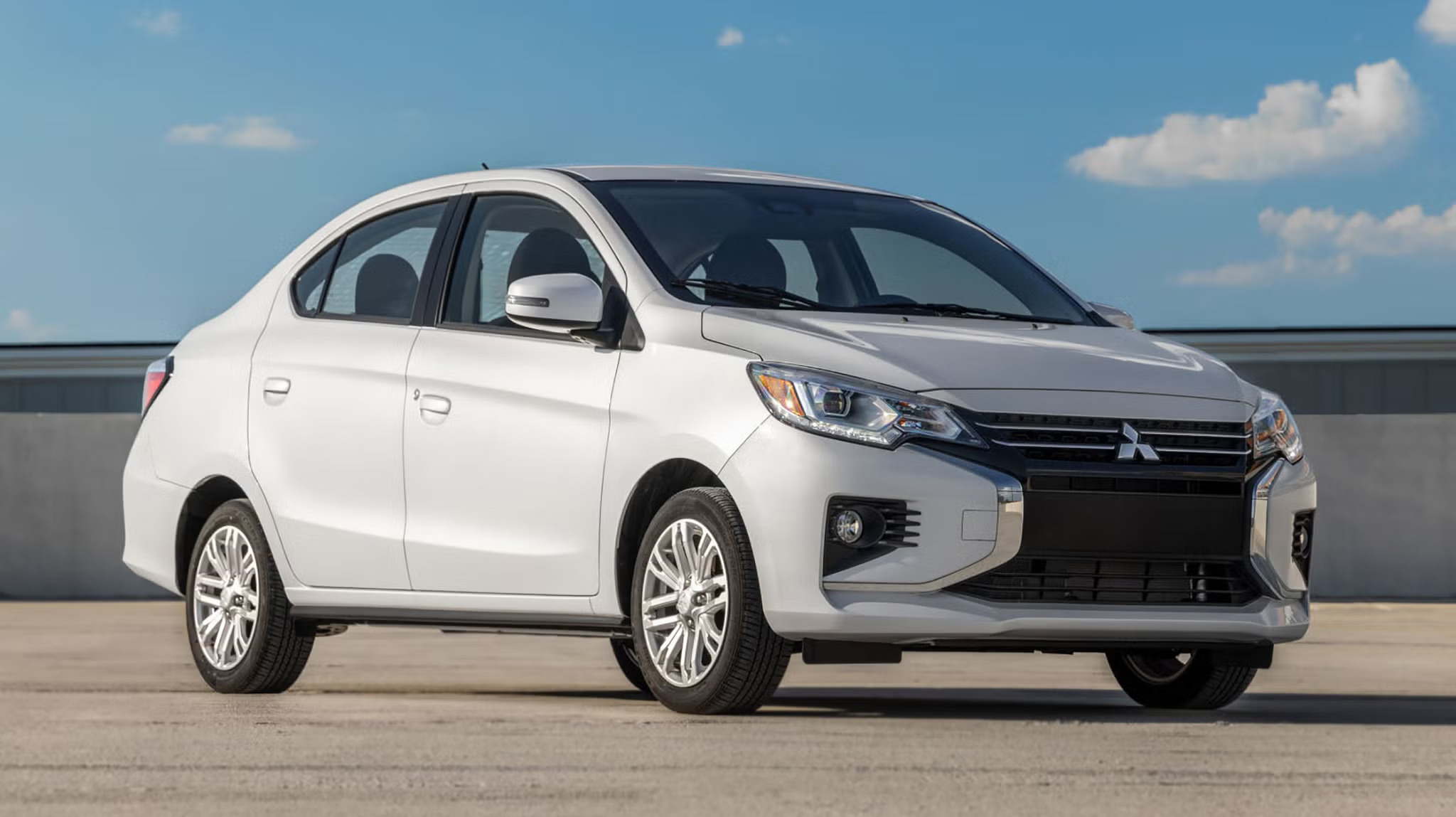
2. Nissan Versa: Affordable Efficiency with Everyday Practicality
The Nissan Versa stands out as one of the most affordable new sedans in North America while delivering impressive fuel efficiency and practical features. With a starting price around $18,330, it appeals strongly to budget-conscious buyers seeking reliable daily transportation.
Equipped with a 1.6-liter four-cylinder engine producing 122 horsepower, the Versa provides adequate performance for city driving and highway merging. When paired with the Xtronic continuously variable transmission, it achieves up to 35 miles per gallon combined and as much as 40 miles per gallon on the highway, making it a highly economical non-hybrid option.
Efficiency is a key strength of the Versa. Its lightweight construction and aerodynamic design help maximize fuel economy without relying on hybrid technology. The car runs on regular fuel, keeping operating costs low, while its simple engineering contributes to reduced maintenance expenses.
With a 10.8-gallon fuel tank, the Versa can travel long distances on a single fill-up, offering convenience for commuters who want fewer fuel stops. These qualities make it an excellent choice for those prioritizing savings in both purchase price and day-to-day use.
Despite its low cost, the Versa offers a surprising level of comfort and technology. The cabin is roomy for a subcompact sedan, and the 14.7 cubic feet of trunk space provides strong practicality for groceries, luggage, or daily errands. Standard safety features include automatic emergency braking and other driver-assist technologies, which are often optional in competing budget cars.
Higher trims add features such as a larger touchscreen, heated seats, and improved connectivity, giving buyers the option to enhance comfort without a significant price increase.
There are some compromises. Acceleration is modest, and the engine can feel underpowered during high-speed passing or when fully loaded. Interior materials rely heavily on hard plastics, reflecting the car’s focus on affordability rather than luxury.
Engine noise can also become noticeable under hard acceleration. The Nissan Versa remains a smart choice for drivers who want dependable, fuel-efficient transportation with modern safety features at a very accessible price point.
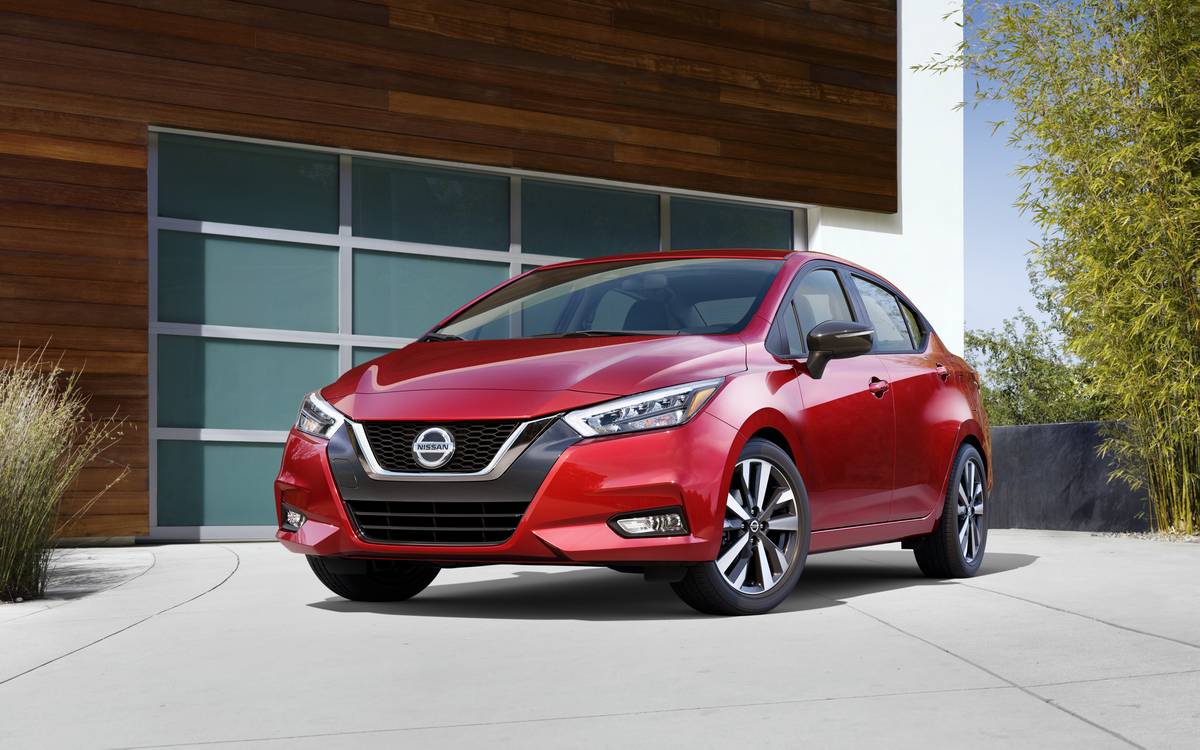
3. Suzuki Celerio: Fuel-Saving City Hatchback
The Suzuki Celerio is widely recognized as one of the most fuel-efficient non-hybrid cars in its class, making it a strong choice for budget-conscious commuters. Powered by a compact 1.0-liter three-cylinder engine, the Celerio is engineered for maximum efficiency rather than performance.
In ideal conditions, it can achieve fuel economy figures of up to 66 miles per gallon, placing it among the most economical gasoline vehicles available. This impressive efficiency is supported by its lightweight construction and smart engineering, which reduce the amount of energy needed for everyday driving.
A major contributor to its performance is the HEARTECT platform, which uses high-strength materials to create a lighter yet more rigid body. This design improves fuel economy while maintaining structural integrity and handling stability.
The Celerio is available with either a five-speed manual transmission or an Automated Gear Shift system, which combines the convenience of an automatic with the efficiency of a manual. An engine auto stop-start system further enhances fuel savings by shutting off the engine during idle moments, particularly useful in heavy traffic conditions.
Despite its compact size, the Celerio offers a surprisingly spacious interior. Clever design allows for generous headroom and legroom, making it comfortable for daily use. It also includes practical technology such as a touchscreen infotainment system with Apple CarPlay and Android Auto on higher trims.
Its small footprint and easy handling make it ideal for tight streets and parking spaces, reinforcing its role as a practical urban vehicle. Low maintenance costs and simple mechanical components add to its appeal as an affordable long-term option.
There are some trade-offs to consider. The small engine provides limited power, which can make highway driving and overtaking more challenging. Ride quality may feel firm on uneven roads, and road noise becomes more noticeable at higher speeds.
The Automated Gear Shift transmission can also feel less smooth compared to traditional automatics. The Suzuki Celerio is best suited for city drivers and first-time car owners who prioritize fuel efficiency, affordability, and ease of use over speed and refinement.
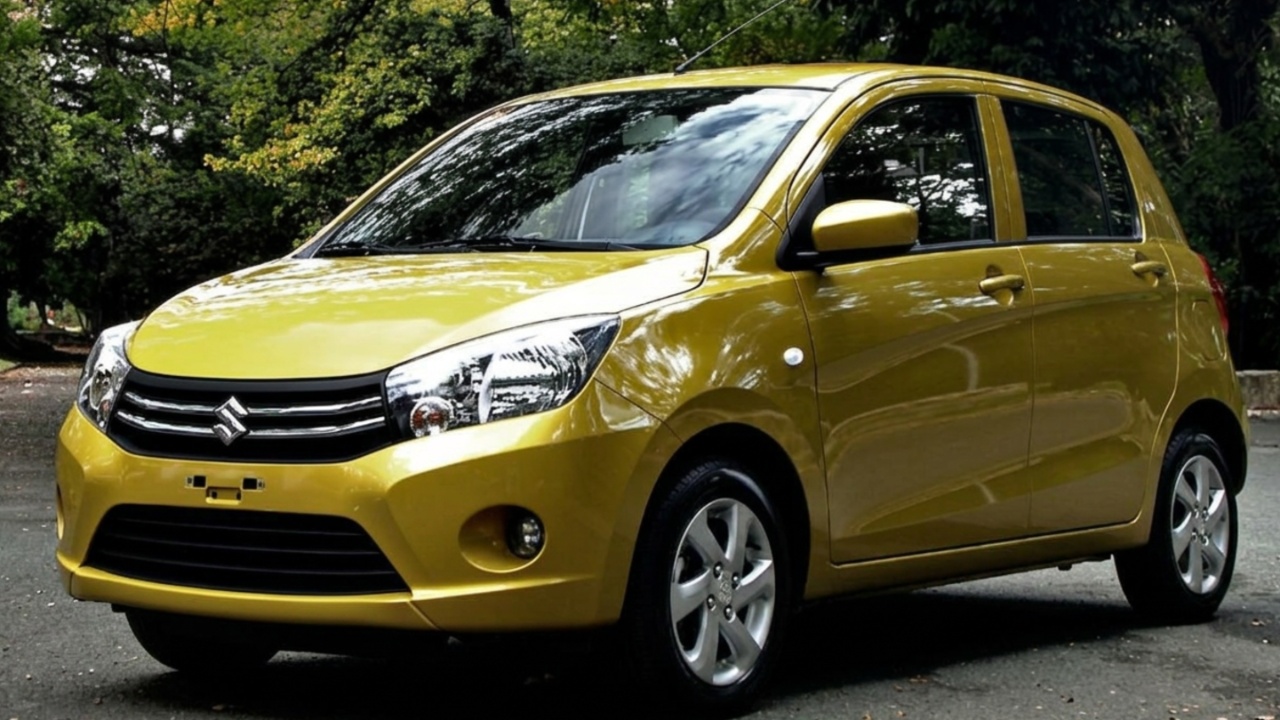
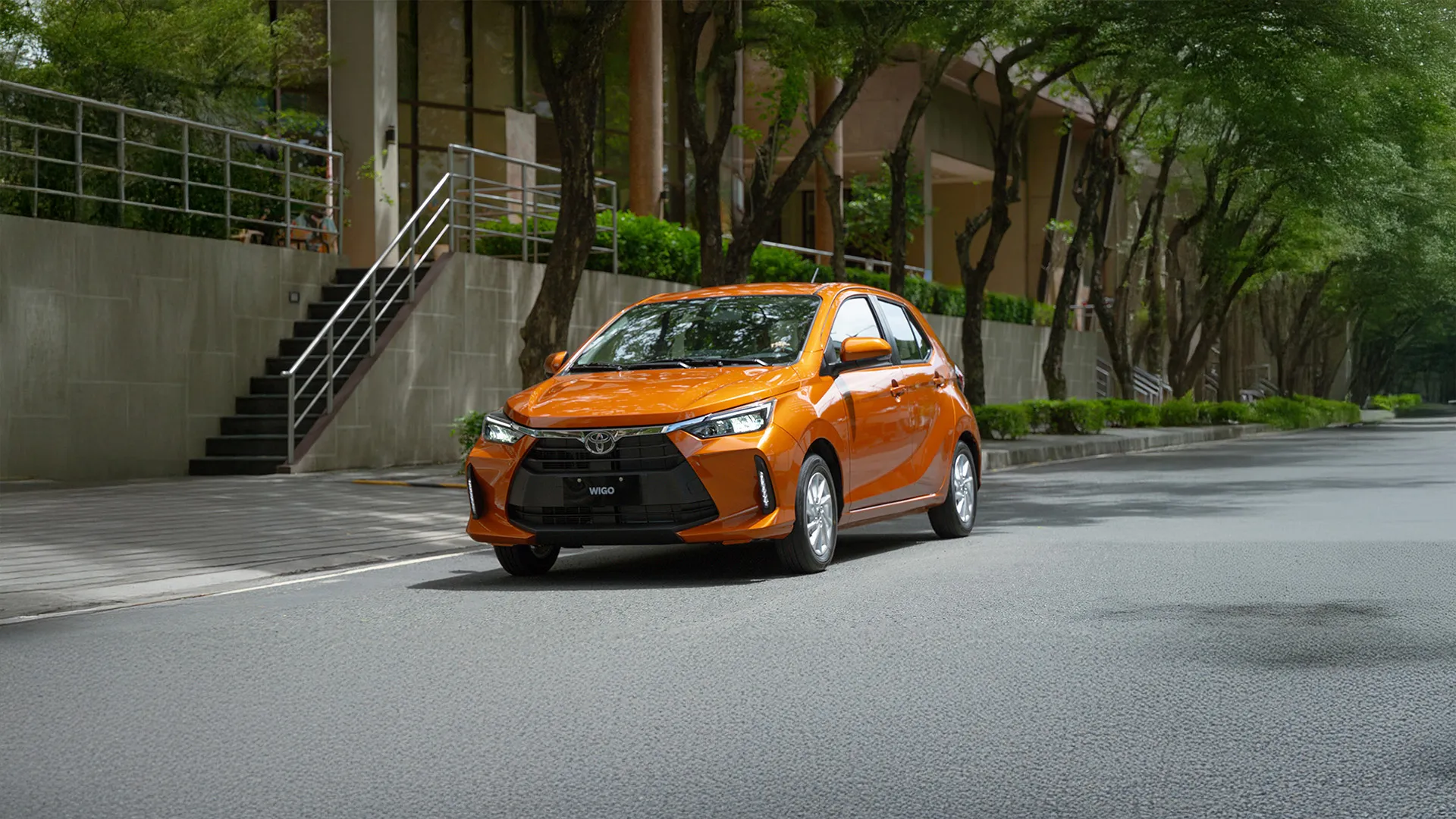
4. Toyota Wigo: Practical and Affordable City Hatchback
The Toyota Wigo is a popular entry-level car designed for affordability, efficiency, and ease of use in urban environments. Known for its low purchase cost, the Wigo appeals to first-time buyers and budget-conscious commuters who want dependable transportation without high expenses.
It is powered by a 1.0-liter three-cylinder engine that prioritizes fuel savings, delivering around 13 to 14 kilometers per liter in heavy city traffic and up to 20 kilometers per liter or more on highways. This balance of efficiency and simplicity makes it a practical choice for daily driving.
One of the Wigo’s biggest advantages is its low cost of ownership. Its small engine and lightweight construction help keep fuel consumption and maintenance expenses minimal. As a non-hybrid vehicle, it avoids the added complexity and cost associated with battery systems.
Another key benefit is the strong support network provided by Toyota, which ensures easy access to parts and servicing. This widespread availability contributes to the car’s long-term reliability and helps maintain its resale value, making it a sensible financial option for long-term ownership.
The Wigo is well-suited for city use due to its compact size, which makes it easy to park and handle in tight spaces. Recent updates, particularly in newer models, include a continuously variable transmission that provides smoother acceleration compared to older automatic options.
Inside, the cabin focuses on essential features while still offering modern touches such as a touchscreen infotainment system, smartphone connectivity in higher variants, and effective air conditioning. Despite its small exterior, it provides reasonable interior space, including decent rear legroom for passengers.
There are some compromises. The engine produces modest power, which can make steep inclines and highway driving more challenging. Cabin materials are mostly basic, with a focus on durability rather than luxury.
Engine and road noise can also become noticeable at higher speeds, and the ride may feel firm on rough surfaces. The Toyota Wigo remains a reliable and economical choice for drivers who value efficiency, practicality, and low ownership costs over performance and premium features.
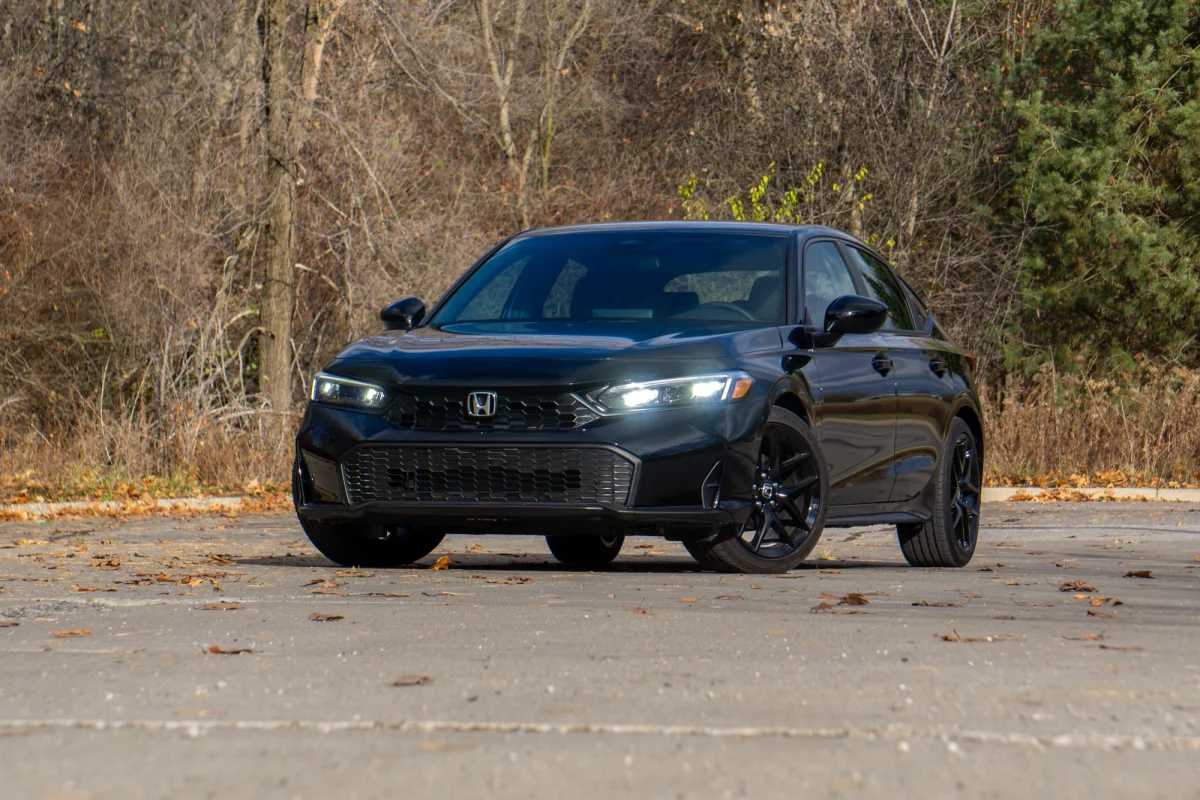
5. Honda Civic (Gas Variants): Efficient and Refined Daily Performer
The Honda Civic gas-powered variants offer a strong balance of fuel efficiency, performance, and everyday practicality, making them a popular choice for commuters who want more refinement than typical subcompacts. Equipped with either a 1.5-liter turbocharged engine or a 2.0-liter naturally aspirated option, the Civic delivers solid performance while maintaining impressive efficiency.
The 1.5-liter turbo model, in particular, achieves around 36 miles per gallon combined and up to 40 miles per gallon on the highway, providing excellent fuel savings without the added complexity or cost of a hybrid system.
A key factor behind the Civic’s efficiency is its advanced engineering. Features such as variable valve timing, direct fuel injection, and a continuously variable transmission help optimize fuel consumption in both city and highway conditions. The CVT keeps the engine operating within its most efficient range while still delivering smooth acceleration.
Additional features like ECON mode further improve efficiency by adjusting throttle response and climate control usage. Combined with a lightweight and aerodynamic design, these elements allow the Civic to achieve strong real-world fuel economy while remaining responsive and enjoyable to drive.
Beyond efficiency, the Civic stands out for its refined driving experience and upscale feel. The cabin features a clean, modern design with high-quality materials, offering more comfort than most vehicles in its class. Higher trims include premium touches such as advanced infotainment systems, wireless smartphone connectivity, and upgraded audio systems.
The Civic also comes equipped with Honda Sensing, a suite of safety technologies that includes features like collision mitigation braking and adaptive cruise control, adding confidence for daily driving. Its composed ride, balanced handling, and quiet highway performance make it suitable for longer trips as well.
There are some considerations. The Civic’s purchase price is higher than that of many entry-level cars, which may not suit stricter budgets. While the CVT is efficient, it can produce noticeable engine noise under hard acceleration.
Rear headroom may also feel slightly limited due to its sloping roofline. The Honda Civic gas variants remain an excellent option for drivers seeking a reliable, fuel-efficient car with a more refined and comfortable driving experience.
Also Read: 5 Cars With Simple Interiors That Age Well vs 5 With Too Much Fragile Plastic
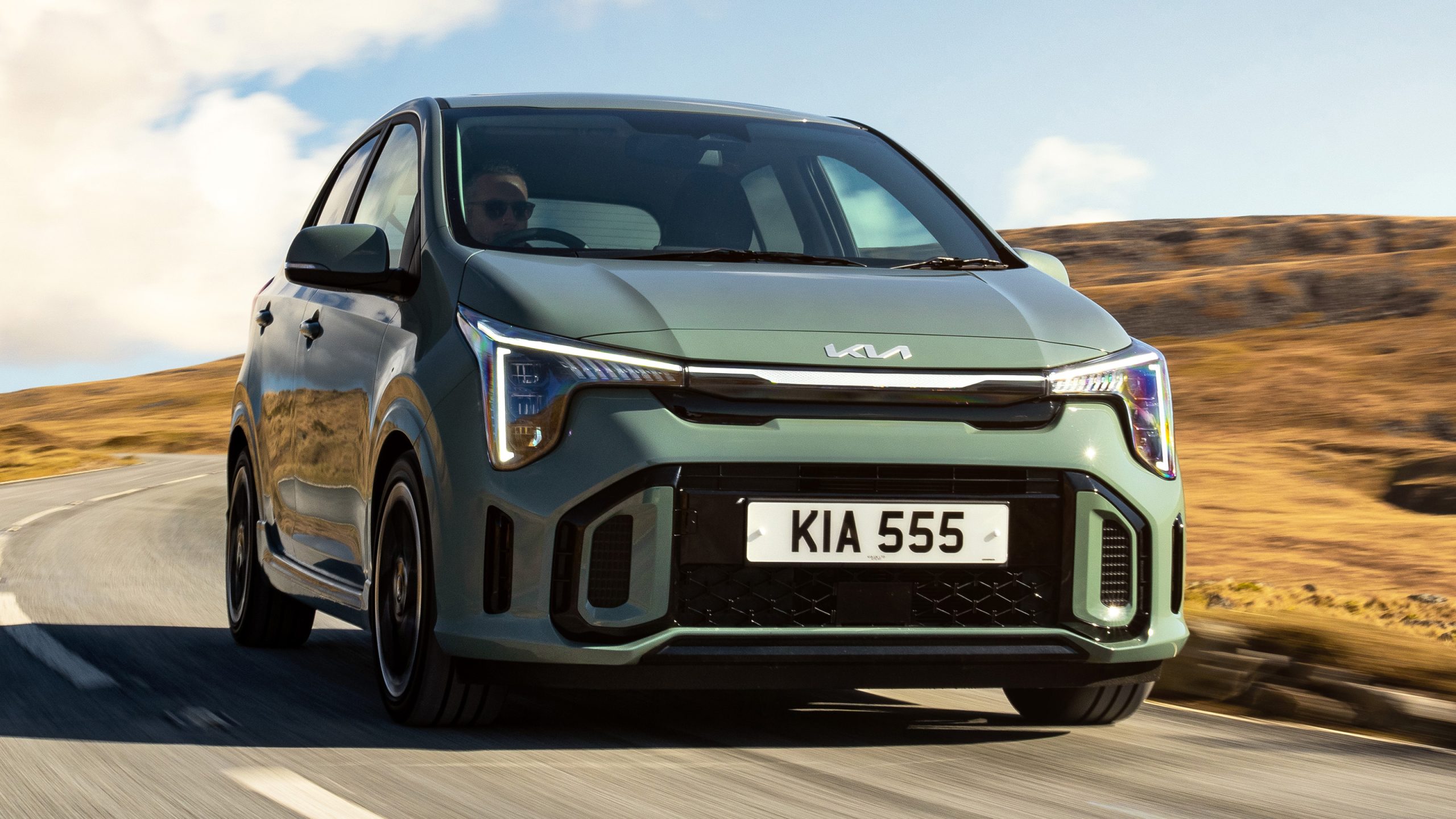
6. Kia Picanto: Compact, Stylish, and City-Friendly
The Kia Picanto is a well-regarded ultra-compact hatchback designed for urban drivers who prioritize efficiency, affordability, and ease of use. Equipped with either a 1.0-liter or 1.2-liter gasoline engine, the Picanto delivers strong fuel economy that competes with the best in the subcompact segment.
Its lightweight design and small-displacement engines help it achieve impressive mileage, making it an economical choice for daily commuting without the added cost of hybrid technology. This focus on efficiency ensures low fuel consumption, especially in stop-and-go city conditions.
One of the Picanto’s biggest strengths is its compact size, which makes it highly maneuverable in crowded streets and tight parking areas. Its small footprint allows drivers to handle narrow roads and limited parking spaces with ease, making it ideal for dense urban environments.
Despite its size, the Picanto feels stable and easy to control, offering a driving experience that is both practical and enjoyable. Its efficient design also contributes to lower running costs, including reduced fuel expenses and generally affordable maintenance.
Inside, the Picanto offers more refinement than expected for an entry-level vehicle. The cabin features a clean, user-friendly layout with tactile controls and modern technology such as a touchscreen infotainment system with smartphone connectivity in higher trims.
The interior quality is solid for its class, giving it a more premium feel compared to many rivals. It also includes a respectable set of safety features, enhancing its appeal for first-time buyers and city commuters. While the front seats are comfortable, rear passenger space is limited, making it better suited for smaller groups or short trips.
There are some compromises. The small engines prioritize efficiency, so highway performance can feel modest, especially during overtaking. Ride quality may be slightly firm on rough roads, and higher speeds can introduce more road noise.
Rear legroom and cargo space are also limited compared to larger vehicles. The Kia Picanto remains a practical, stylish, and cost-effective option for drivers seeking a reliable and efficient city car with modern features.
7. Hyundai Elantra (Non-Hybrid): Stylish and Efficient Compact Sedan
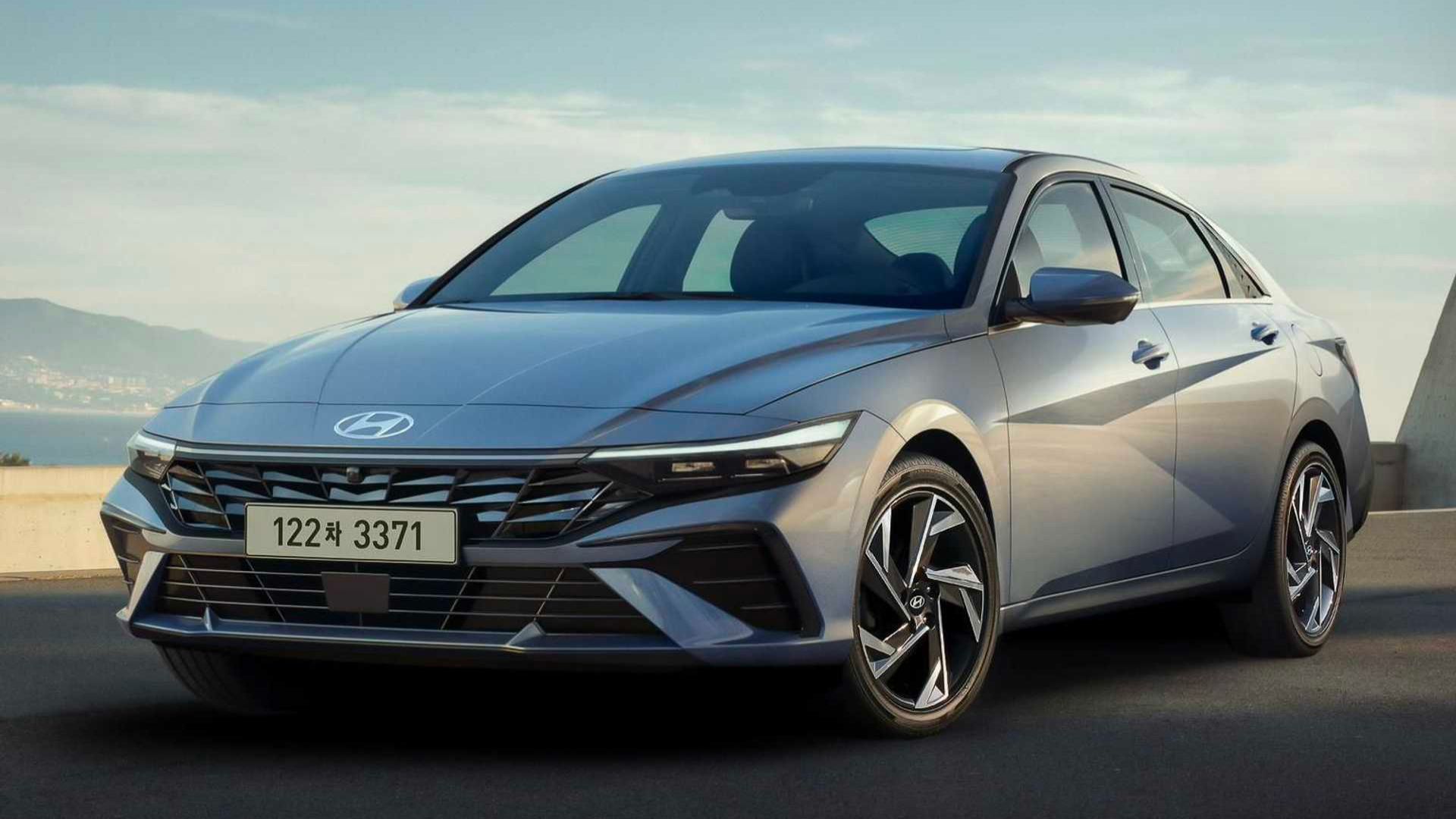
The Hyundai Elantra non-hybrid variant offers a compelling mix of fuel efficiency, modern styling, and everyday practicality. Powered by a 2.0-liter gasoline engine, it achieves around 36 miles per gallon combined, making it an economical choice for commuters who want to avoid the higher upfront cost of hybrid models.
Its efficient design, paired with a competitive starting price, helps keep both ownership and operating expenses within reach for budget-conscious buyers.
A major highlight of the Elantra is its bold “Parametric Dynamics” design language, which gives it a sharp and futuristic appearance compared to more traditional compact sedans. Inside, the cabin follows a similar theme, featuring a sleek, driver-focused layout with large digital displays and intuitive controls.
Many versions include dual 10.25-inch screens, along with smartphone connectivity and modern infotainment features. While some interior materials are simple, the design and technology create a refined and contemporary environment that feels more upscale than expected for its class.
The Elantra is also well-suited for daily commuting and longer drives. Its Intelligent Variable Transmission is engineered to mimic the behavior of a traditional automatic, resulting in smoother acceleration and a more natural driving feel. The suspension is tuned for comfort, delivering a composed ride on highways and absorbing most road imperfections effectively.
A suite of advanced safety features, such as lane-keeping assist and forward collision avoidance, adds reassurance for drivers and passengers alike. The interior provides good space for a compact sedan, making it practical for small families or shared commuting.
There are a few compromises. The base engine prioritizes efficiency, so performance may feel modest during rapid acceleration or overtaking. Rear passenger space is adequate but not class-leading, and some trims do not include rear air vents.
The suspension setup focuses on comfort rather than sporty handling, which may not appeal to driving enthusiasts. The Hyundai Elantra non-hybrid remains a strong option for drivers seeking a stylish, efficient, and technology-focused sedan for everyday use.
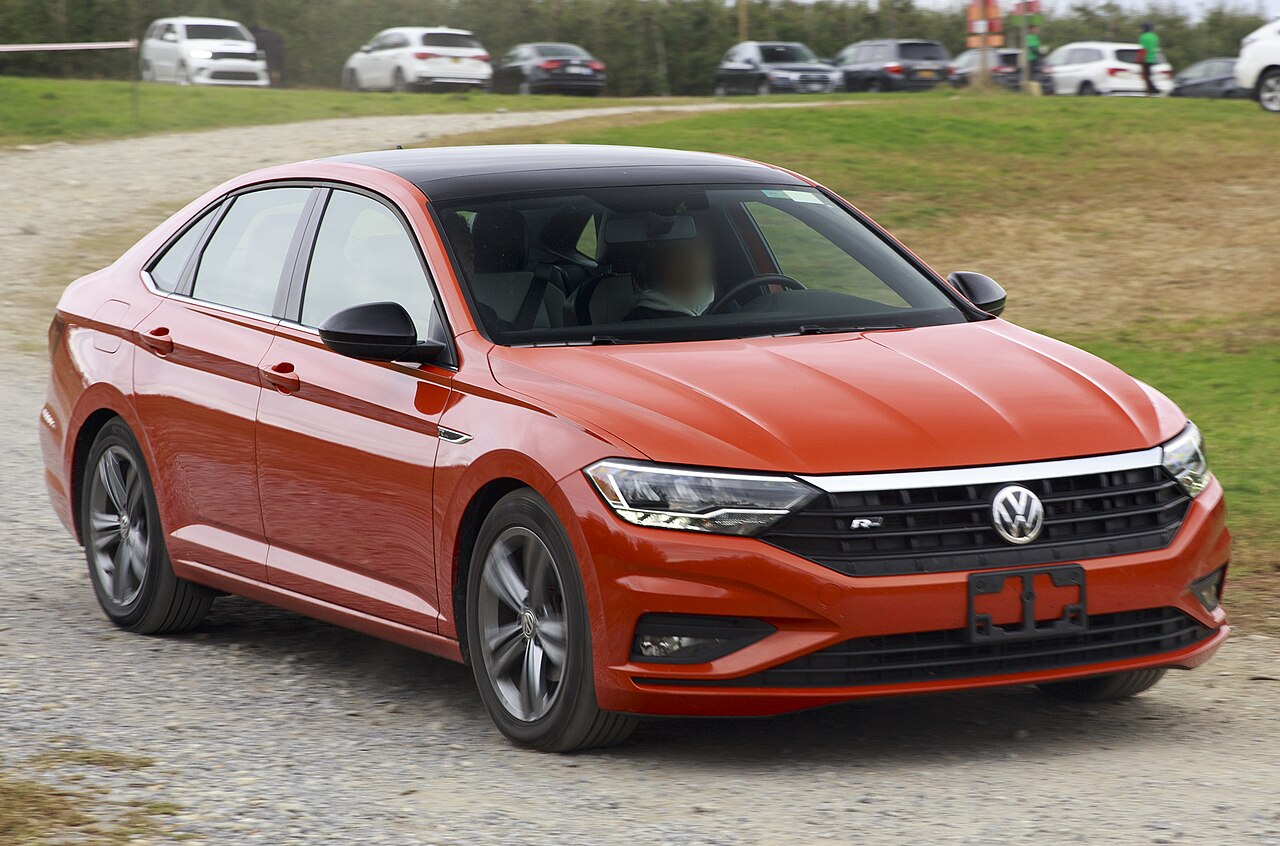
8. Volkswagen Jetta: Efficient and Comfortable Highway Cruiser
The Volkswagen Jetta stands out as a fuel-efficient non-hybrid sedan that combines European driving refinement with strong practicality. Powered by a 1.5-liter turbocharged engine, the Jetta delivers impressive efficiency, reaching up to 42 miles per gallon on the highway.
This allows it to rival some hybrid models in fuel savings while maintaining a lower purchase cost. With 184 lb-ft of torque, it also provides better low-end power than many competitors, making highway merging and passing easier without sacrificing efficiency.
A key strength of the Jetta is its balance between performance and economy. The turbocharged engine is designed to deliver responsive acceleration while remaining fuel-efficient, especially during long-distance driving. Available driving modes, including an Eco setting, help optimize fuel usage based on conditions.
Its relatively low maintenance costs and straightforward engineering further enhance its appeal as a budget-friendly commuter car. These qualities make it particularly suitable for drivers who spend a lot of time on highways and want a mix of comfort and efficiency.
Inside, the Jetta offers a clean and minimalist cabin with a focus on functionality. It comes equipped with modern features such as a standard digital instrument cluster, often referred to as the Digital Cockpit, along with an intuitive infotainment system.
The interior is spacious for a compact sedan, offering generous rear legroom and a large trunk that adds to its practicality. Comfortable seating and a stable ride contribute to a relaxed driving experience, especially on long trips where refinement becomes more noticeable.
There are some trade-offs to consider. While the design is practical, some interior materials feel less premium compared to rivals. The driving dynamics lean toward comfort and stability rather than sportiness, which may not satisfy those looking for a more engaging drive.
Additionally, while generally reliable, proper maintenance of the transmission is important for long-term durability. The Volkswagen Jetta remains a strong option for commuters seeking an efficient, comfortable, and practical sedan with a more refined driving character.
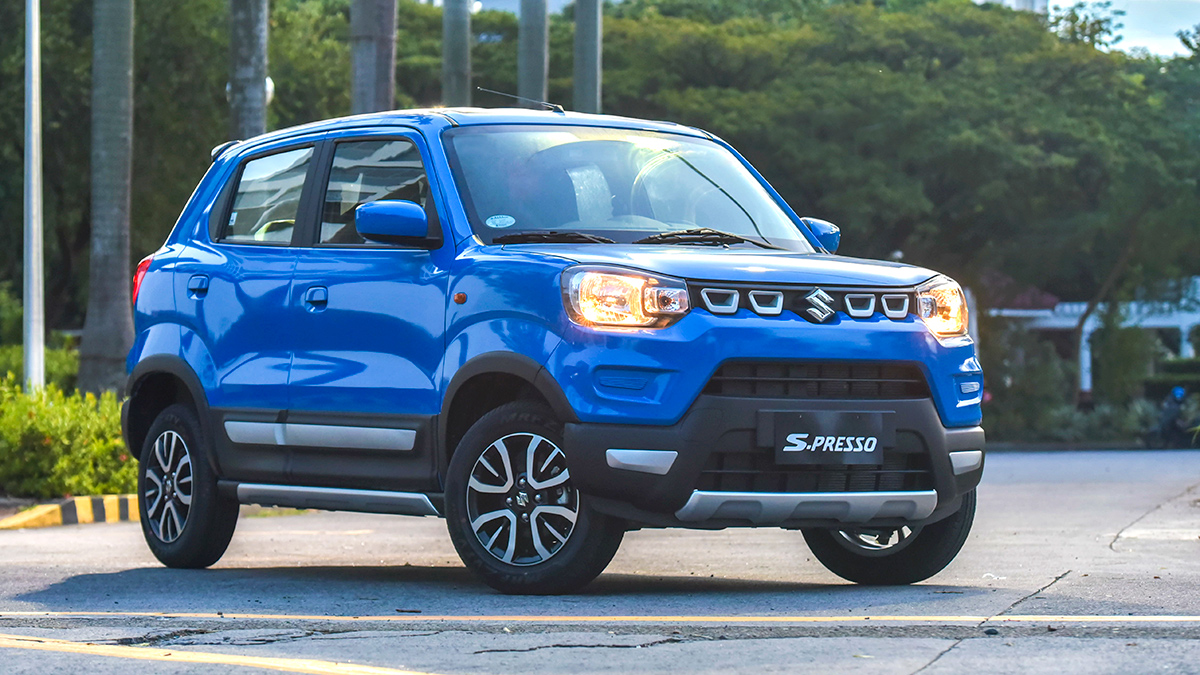
9. Suzuki S-Presso: Efficient and Affordable Micro-SUV for City Commuters
The Suzuki S-Presso is a highly practical, fuel-efficient compact vehicle tailored for budget-conscious drivers seeking versatility in urban and mixed-road conditions. Marketed as a “micro-SUV,” it combines a small footprint with high ground clearance (180mm), making it well-suited for congested city streets, tight parking spaces, and occasional urban flooding.
Starting at roughly ₱620,000, the S-Presso delivers an affordable entry point for first-time car buyers or daily commuters. Its lightweight 726–770 kg frame, paired with a 1.0-liter K10B/K10C three-cylinder engine producing 66–67 hp, enables impressive fuel economy of up to 25 km/L in city driving, while heavy traffic conditions yield 14–20 km/L.
Fuel efficiency is further enhanced by the Engine Auto Stop-Start (EASS) system, which automatically shuts off the engine at stops, reducing fuel waste. Transmission options include a 5-speed manual or 5-speed Auto Gear Shift (AGS), with the AGS providing convenience while maintaining low fuel consumption, though shifts can feel jerky compared to traditional automatics.
Despite its modest engine output, the S-Presso’s lightweight body allows adequate city acceleration, making it a practical solution for urban commutes.
The interior prioritizes function over luxury, featuring a centrally mounted digital speedometer and hard, durable plastics. Recent GL AGS variants include modern conveniences like a 7-inch touchscreen and Apple CarPlay/Android Auto, expanding connectivity for drivers while keeping costs manageable. Visibility is excellent thanks to the boxy design, and headroom is surprisingly generous for a vehicle of its size.
While the S-Presso excels in efficiency and practicality, it has limitations. Ride quality can feel bumpy, and cabin noise, especially at higher speeds, is noticeable due to minimal noise, vibration, and harshness (NVH) insulation.
Safety ratings are basic, with ABS, dual airbags, and hill-hold control included, but its lightweight structure is less secure in high-speed impacts. The compact design and low purchase price, however, make it an ideal starter car or city commuter for short trips, urban errands, and mixed road conditions.
The Suzuki S-Presso offers an affordable, ultra-efficient, and maneuverable driving experience for commuters who need a functional city car. Its combination of fuel-saving technology, high ground clearance, and practical interior features makes it a standout option for budget-minded urban drivers, though it is less suitable for long-distance highway travel or high-speed performance.
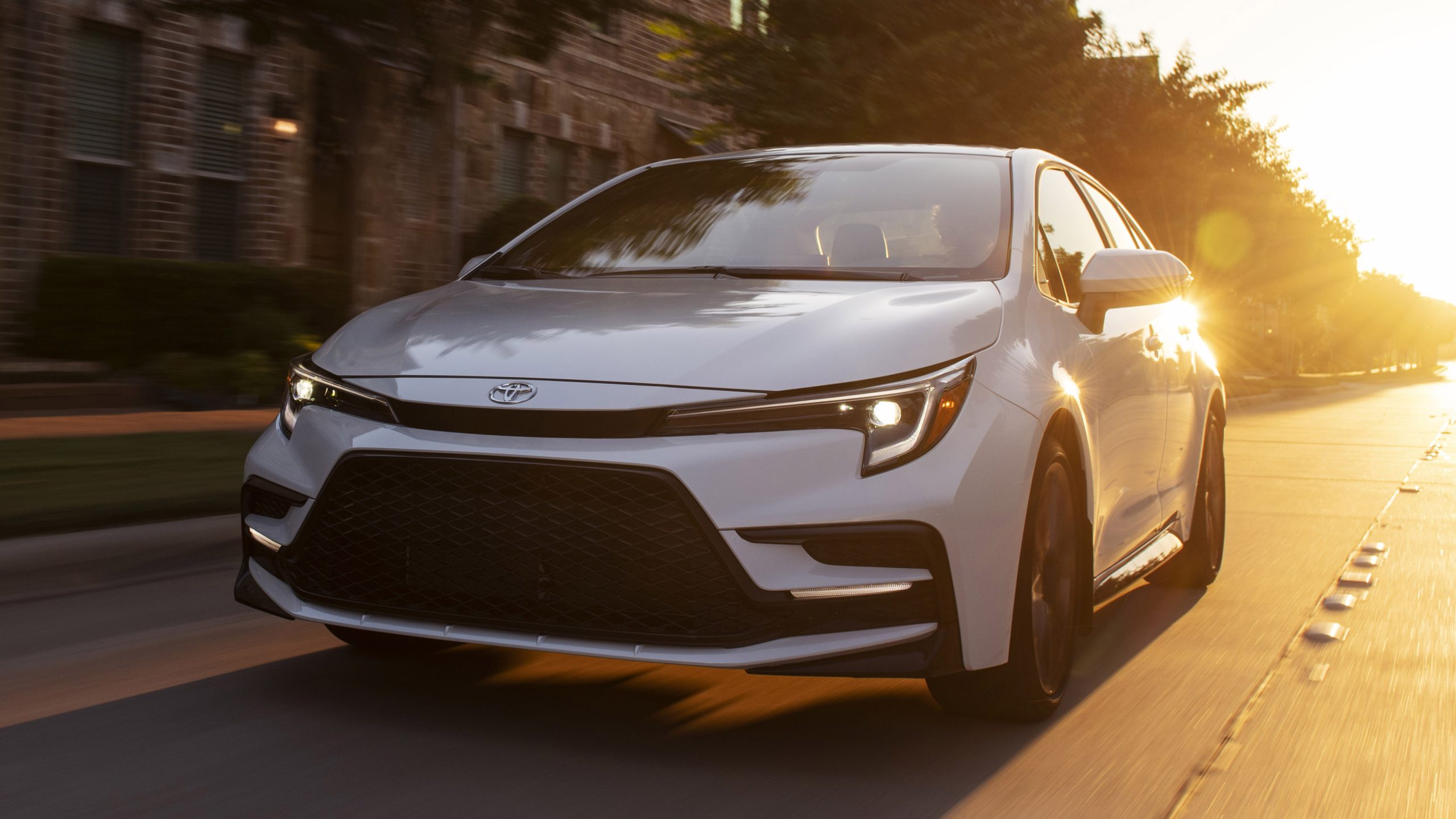
10. Toyota Corolla Gas Variants: Reliable, Efficient, and Budget-Friendly
The Toyota Corolla remains a top choice for commuters seeking reliability, fuel efficiency, and low-cost ownership without the higher price of a hybrid. Its 2.0L Dynamic Force engine paired with a CVT delivers an EPA-estimated 32 city, 41 highway, and 35 combined MPG, providing strong efficiency for a non-hybrid compact car.
While the Corolla costs more than smaller models like the Wigo or Mirage, its long-term durability, excellent resale value, and low maintenance make it a smart financial choice for drivers planning to keep a vehicle for over a decade.
Fuel economy is one of the Corolla’s key strengths. The 2.0L engine provides smooth, consistent power for daily driving while achieving up to 41 MPG on the highway. In city traffic, many owners report real-world mileage above 30 MPG, approaching hybrid-level efficiency. The non-hybrid model avoids the higher purchase cost of hybrid technology, making it ideal for those with a strict budget.
Maintenance and ownership costs remain low due to Toyota’s reputation for reliability. The Corolla’s engines and transmissions are known to last for high mileage without major issues. Parts are widely available and inexpensive, reducing the risk of unexpected repair bills. High resale value also enhances long-term affordability.
The Corolla offers practical and comfortable commuting. Its mature engine technology and CVT optimize fuel use, while standard Toyota Safety Sense features, including adaptive cruise control, lane departure alerts, and automatic emergency braking, provide security on the road.
The cabin uses functional materials with some soft-touch surfaces, and Apple CarPlay and Android Auto are included for convenience. Rear legroom may feel tight in some trims, and hatchback cargo is smaller than competitors’, but front space and ride comfort are suitable for city and suburban travel.
The Corolla comes with a 1.8L engine for efficiency or a 2.0L engine for more spirited driving. Acceleration can produce some CVT noise, but ride quality is smooth with responsive steering.
The gas-powered Toyota Corolla combines fuel efficiency, comfort, and long-term affordability. Its strong reliability, high resale value, and non-hybrid performance make it a practical and sensible choice for budget-conscious commuters seeking a durable, capable compact car.
These ten non-hybrid cars offer practical and budget-conscious options for commuters who prioritize fuel savings and long-term reliability. Vehicles like the Mitsubishi Mirage, Nissan Versa, and Suzuki Celerio excel in city driving with their compact dimensions and efficient engines, while models such as the Honda Civic, Hyundai Elantra, and Toyota Corolla provide more comfort, technology, and highway efficiency for longer commutes.
The Kia Picanto, Toyota Wigo, and Suzuki S-Presso deliver excellent maneuverability and low ownership costs, making them well-suited for urban environments and stop-and-go traffic. The Volkswagen Jetta combines European driving refinement with strong fuel economy, offering a practical yet premium-feeling option for highway commuters.
Together, these ten vehicles represent some of the best non-hybrid choices for strict-budget drivers, offering dependable performance, affordability, and impressive fuel efficiency for daily transportation.
Also read: 10 Cars With Such High Resale Value You Should Only Buy Them Brand New