
Nothing captures the spirit of 1950s American automotive design quite like a set of tail fins rising dramatically from the rear of a long, chrome-laden cruiser. These were cars designed in an era of genuine optimism, postwar prosperity, and a collective fascination with space-age imagery that translated jet aircraft design language directly onto automobiles.
Designers at the major American manufacturers competed aggressively to see who could push the fin concept further, higher, and more dramatically than the year before, producing a decade of design escalation that remains one of the most distinctive chapters in automotive styling history.
But the 1950s were not a monolithic design era. Running parallel to the fin wars was a quieter design movement that rejected excess in favor of proportion, restraint, and a kind of timeless elegance that owed more to European coachbuilding traditions than to aerospace fantasy.
These minimalist cruisers were no less American in character, no less luxurious in execution, and no less impressive to encounter on the road, but they made their statement through refined understatement rather than dramatic gestures. Understanding both sides of 1950s automotive design gives you a more complete picture of what this era actually produced and why so many of these cars remain powerful design statements today.
Whether you are drawn to the audacious drama of a 1959 Cadillac’s soaring rear fins or the quiet authority of a Lincoln’s clean horizontal lines, both approaches produced genuinely great automobiles that defined what American luxury and style meant in the middle of the twentieth century.
This page pairs five of the decade’s greatest fin designs against five of its most elegant minimalist cruisers. Each car is discussed with the context that explains why its design approach succeeded, what made it distinctive within its category, and why it remains a reference point for collectors, designers, and enthusiasts who care about the art of automotive styling. Part One covers the fin designs. Part Two covers the minimalists.
5 Cruisers With Massive Tail Fins
1. 1959 Cadillac Series 62 Convertible
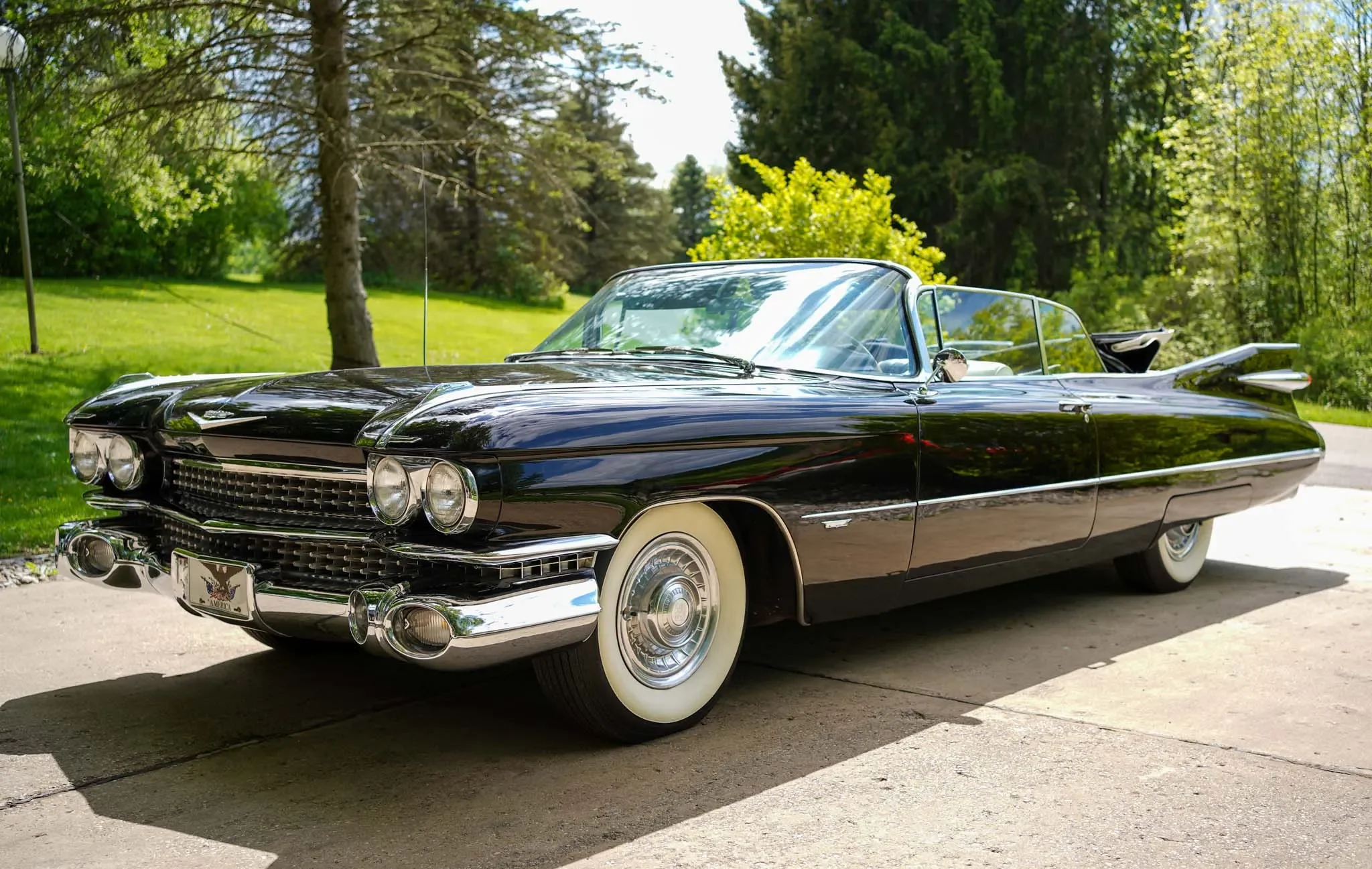
No conversation about 1950s tail fins begins anywhere other than the 1959 Cadillac Series 62 Convertible. Harley Earl’s final gift to American automotive design before his retirement produced tail fins so tall, so dramatically sculpted, and so confidently excessive that they became the definitive statement of everything the tail fin era was trying to say.
These are not merely fins. They are declarations, executed in chrome and steel at a scale that made every competing design look tentative by comparison. Earl’s design team built the 1959 Cadillac’s fins around a visual concept borrowed directly from the Lockheed F-104 Starfighter jet fighter, whose twin vertical stabilizers provided the visual reference that translated into automotive form with extraordinary directness.
Standing at the rear of a 1959 Series 62 Convertible and looking at those twin rocket-shaped rear bullet lights sitting atop tapering fins that rise to sharp points well above the roofline is an experience that communicates the era’s design philosophy without any additional explanation. This was a car designed to make people feel that they were living in the future.
Chrome work on the 1959 Series 62 amplified the fins’ drama through precise placement that drew the eye along the entire rear section of the car. Horizontal chrome strips along the fin faces caught light differently at different viewing angles, creating a dynamic visual effect that changed as the car moved or as the viewer circled it.
Rear bullet lights, integrated into the fin tips as separate torpedo-shaped elements, were simultaneously functional and purely decorative in the best sense of that phrase. Cadillac’s 390 cubic inch V8 engine powering the Series 62 Convertible was as capable as the car’s appearance promised, producing enough power to move the substantial vehicle with the authority that Cadillac buyers expected.
But the engine was almost irrelevant to this car’s identity. People did not buy the 1959 Series 62 Convertible for its powertrain. They bought it because nothing else looked like it from any angle, at any distance, in any light condition.
2. 1957 Chrysler 300C Two-Door Hardtop
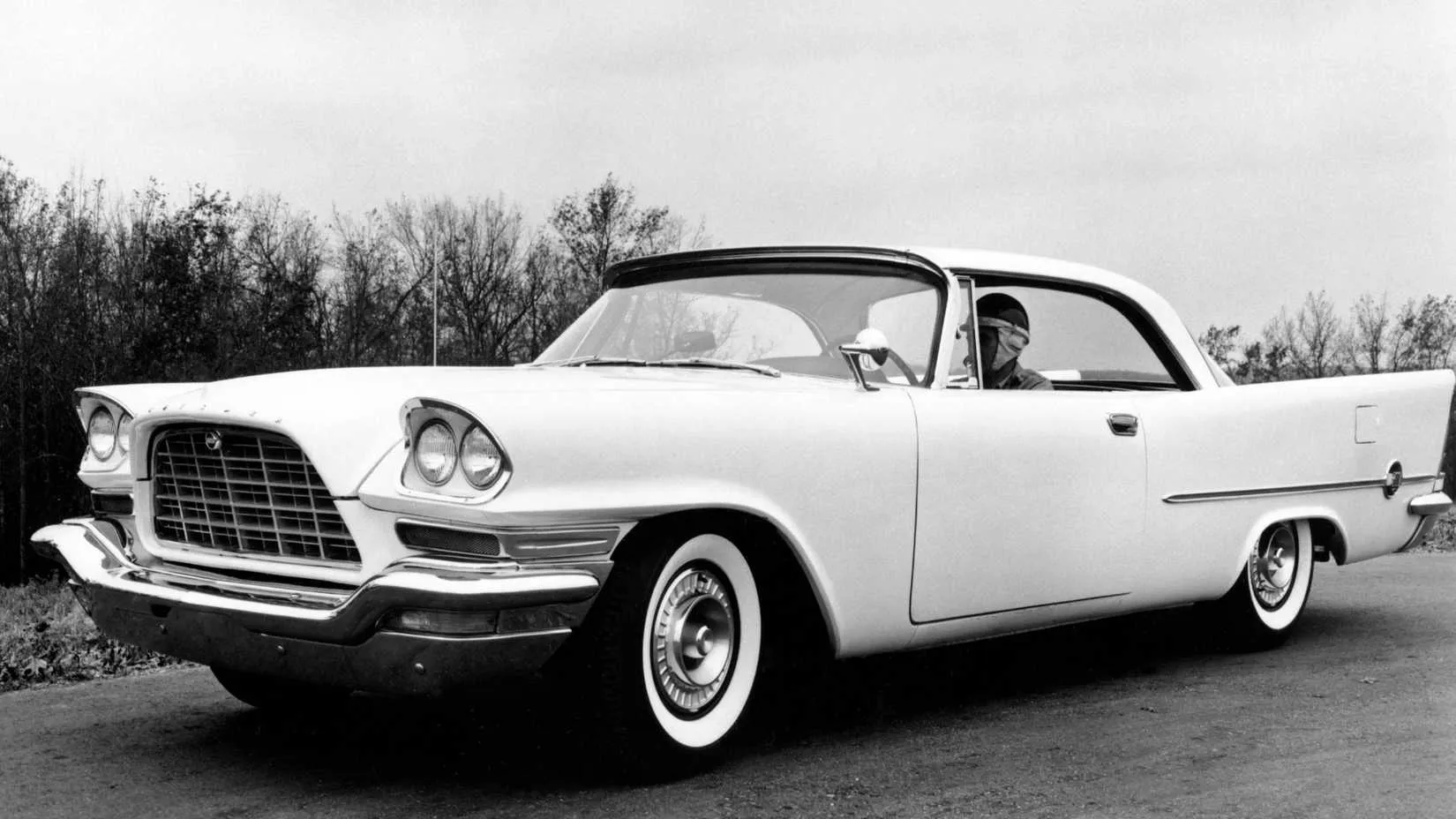
Virgil Exner’s Forward Look programme at Chrysler reshaped American automotive styling during the mid-1950s by introducing aerodynamic logic and visual direction inspired by speed rather than ornament alone. The 1957 Chrysler 300C Two-Door Hardtop stands as the clearest expression of this philosophy, presenting a design where fins served a structural and visual purpose closely tied to mechanical strength. Unlike rival manufacturers that treated fins as decorative monuments,
Chrysler aligned exterior form with performance intent, producing a motor car that communicated capability as clearly as luxury. The fins of the 300C rose from the rear body panels with deliberate continuity, following the roofline in a manner that suggested motion and stability.
Their surfaces flowed naturally from the body, avoiding the impression of separate elements added for display. This approach gave the rear design a sense of unity, allowing the fins to appear as part of the vehicle’s engineering logic rather than surface decoration. The body sides reinforced this impression through long horizontal lines that directed the eye toward the rear, reinforcing the car’s purposeful stance.
Mechanical specification supported this visual authority. The 392 cubic inch Hemi V8 delivered 375 horsepower in standard form, with a higher output option available for buyers seeking enhanced acceleration. This powerplant placed the 300C among the fastest American production vehicles of its time, capable of sustained high-speed travel that matched its imposing appearance. The car was not styled to suggest performance alone; its drivetrain delivered measurable results that validated its aggressive proportions.
Chrysler’s Torsion-Aire front suspension further separated the 300C from competitors. This system improved road holding and ride balance, allowing the car to maintain composure at speeds that challenged conventional suspension designs of the period. Steering response and cornering stability reflected engineering priorities focused on driver control, reinforcing the vehicle’s standing as more than a luxury statement.
Also Read: 8 Classic Models That Featured Early Versions of Fuel Injection
3. 1958 Buick Roadmaster 75 Four-Door Hardtop
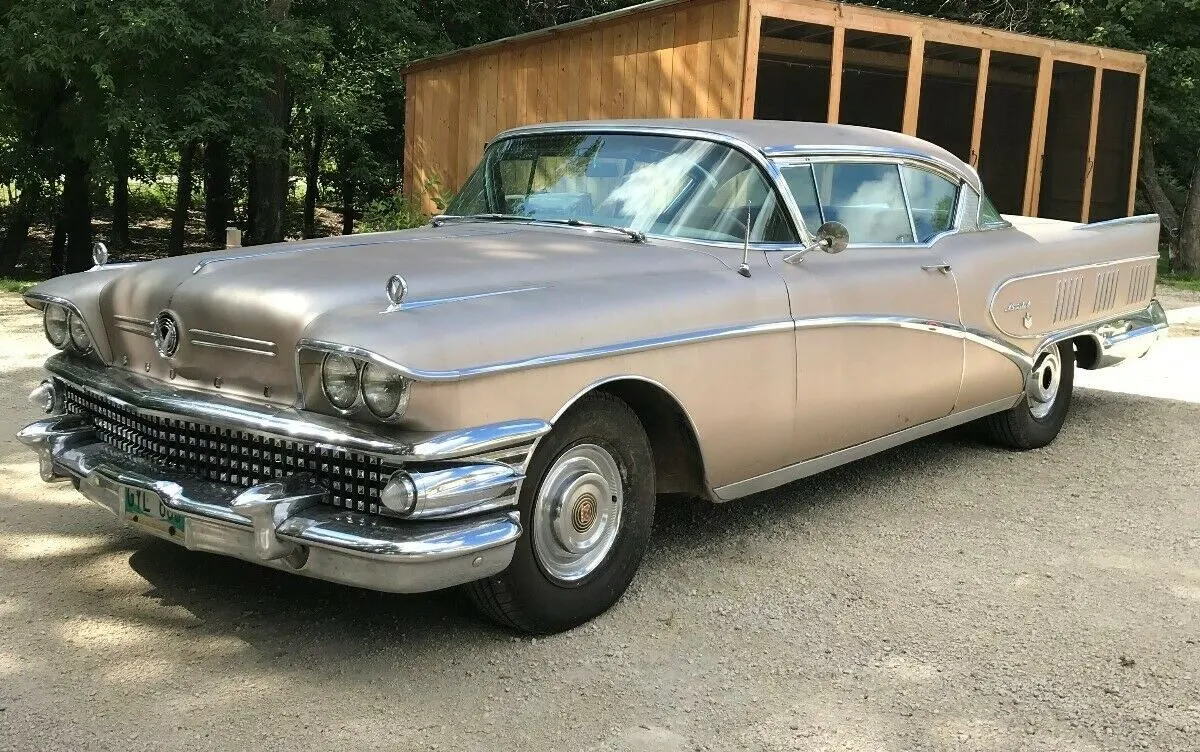
Buick’s 1958 model year represented a period of deliberate visual abundance, and the Roadmaster 75 Four-Door Hardtop embodied this direction without reservation. Under the guidance of designer Ned Nickles, Buick adopted a philosophy that equated luxury with material presence and surface richness. The Roadmaster 75 expressed this belief through extensive brightwork, pronounced fins, and a body form that treated visual density as a marker of prestige.
The rear design featured dual fins rising sharply from the quarter panels, extending upward with confidence. These fins interacted with a body already defined by sculpted surfaces and sweeping chrome mouldings. At the front, the grille presented a dense arrangement of horizontal elements, creating a commanding face that dominated the vehicle’s frontal view. The effect was deliberate and forceful, signalling that understatement held no place in Buick’s design brief for this model.
VentiPorts along the front fenders added another layer of visual coding. Originally conceived as functional outlets, they had become symbolic identifiers of engine capacity by the late 1950s. On the Roadmaster 75, four VentiPorts per fender indicated eight-cylinder power, a message easily recognised by buyers of the period. Their placement reinforced the vehicle’s aircraft-inspired styling language, aligning with jet-age imagery that defined American aspirations during that decade.
Chromium was applied generously across the exterior, covering bumpers, mouldings, trim panels, and decorative accents. This use of bright metal reflected Buick’s position within the General Motors hierarchy, supported by manufacturing resources capable of maintaining tight tolerances and consistent finishes. The result was a car that displayed craftsmanship through surface treatment and assembly precision, even when visual restraint was absent.
Power delivery came from a 364 cubic inch V8 paired with the Variable Pitch Dynaflow automatic transmission. This combination prioritised smoothness and quiet operation, allowing the large sedan to move with minimal effort. Ride quality favoured comfort, particularly for rear-seat occupants, whose experience aligned with the Roadmaster’s role as a prestige conveyance.
The 1958 Roadmaster 75 expressed luxury through abundance and presence. Its design reflected an era when excess signified confidence, and Buick embraced that belief fully.
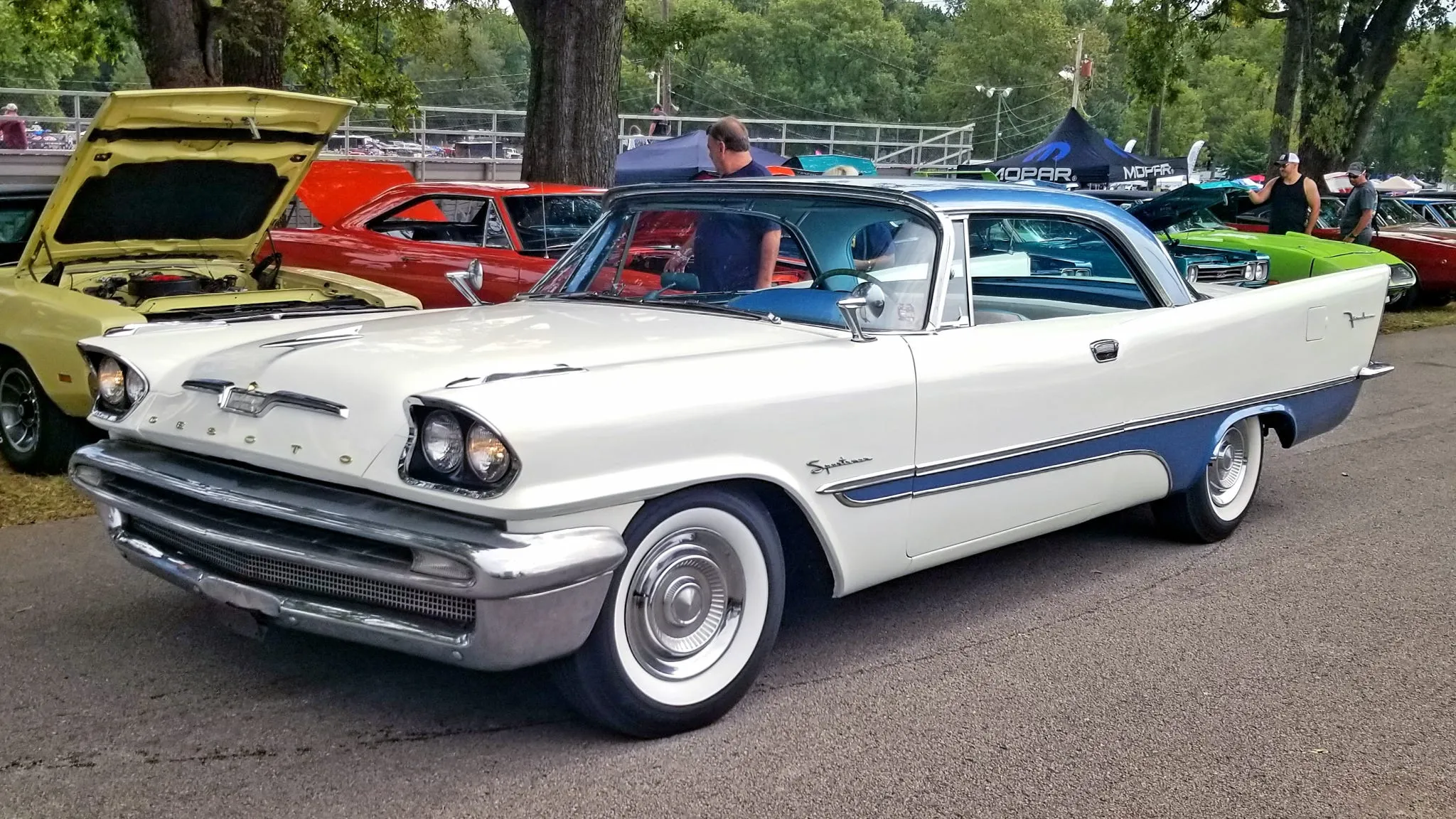
4. 1957 De Soto Fireflite Convertible
De Soto occupied a middle position within Chrysler’s product structure, requiring its vehicles to deliver strong visual appeal while maintaining cost discipline. The 1957 Fireflite Convertible demonstrated how this balance could be achieved through careful interpretation of Virgil Exner’s Forward Look principles. The design achieved dramatic presence without relying on the expense associated with flagship models, allowing De Soto to present a compelling alternative within its price range.
The rear fins formed the centrepiece of the Fireflite’s exterior identity. Sweeping upward in a forward-leaning arc, they suggested motion and energy even when stationary. Chrome accents along the fin surfaces added depth without overwhelming the form. Tail lamps were integrated into the base of the fins as torpedo-shaped units, creating a cohesive assembly where lighting and bodywork functioned as a single composition. This treatment avoided the impression of separate elements applied after the fact.
Paint options played an essential role in reinforcing the design. Two-tone combinations highlighted the separation between fins and body, directing attention to the rear quarter where the car made its strongest visual impression. Promotional imagery from the period frequently adopted rear three-quarter views, recognising that this angle best communicated the Fireflite’s character and styling confidence.
Mechanical specifications supported the exterior’s sporting tone. The 341 cubic inch Hemi V8 produced 295 horsepower, delivering brisk acceleration suitable for an open car aimed at style-conscious buyers. Chassis engineering benefited from Chrysler’s broader development efforts, providing predictable handling and controlled ride behaviour that complemented the engine’s output.
Interior design balanced comfort with visual flair, offering upholstery and trim treatments aligned with the convertible’s aspirational positioning. Controls and instrumentation reflected Chrysler group standards, ensuring familiarity and functional clarity.
De Soto’s discontinuation in the early 1960s has given the 1957 Fireflite Convertible historical weight as a reminder of a brand that achieved design distinction during its final years. The model demonstrated that thoughtful styling and solid engineering could coexist within a constrained price structure, leaving a lasting impression beyond its brief production life.
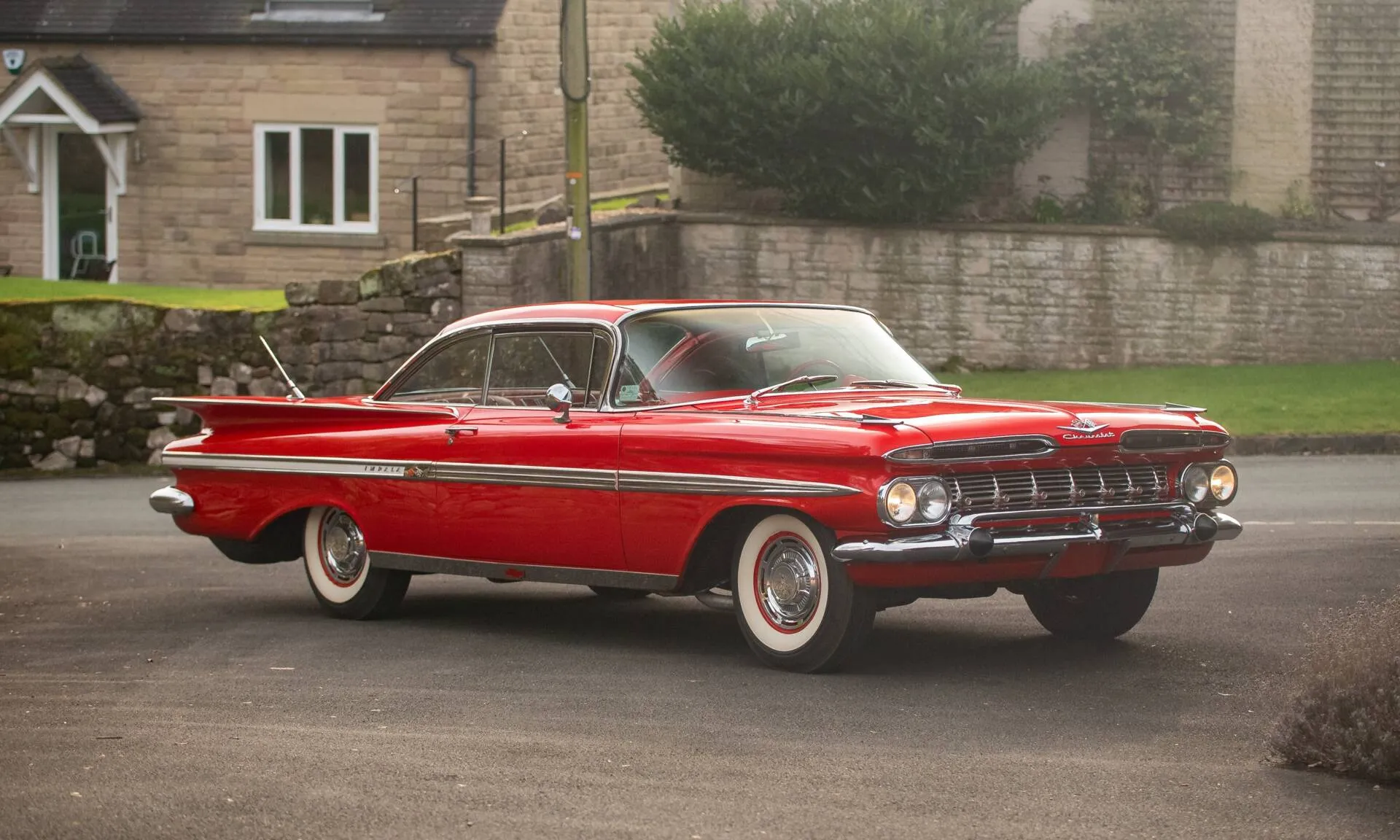
5. 1959 Chevrolet Impala Sport Coupe
General Motors’ decision to redesign Chevrolet comprehensively for 1959 produced a car whose dramatic styling change from the 1958 model shocked buyers who had not anticipated how aggressively GM would pursue design change within a single model year.
Virgil Exner at Chrysler had shaken GM with his Forward Look designs, and GM’s response with the 1959 Chevrolet Impala Sport Coupe was to produce one of the most dramatically styled mainstream American cars of the decade, featuring rear fins, or “wings” in Chevrolet’s marketing language, of extraordinary horizontal width and a roofline that was unlike anything in the American mainstream market.
Panoramic windshield and compound curved rear window glass gave the 1959 Impala Sport Coupe a greenhouse design that was architecturally radical for a mainstream American car, with thin pillars and dramatically wrapped glass that created an almost open feeling in the passenger compartment.
GM’s investment in compound curved glass manufacturing for this design reflected the company’s willingness to commit production investment to styling ambitions rather than limiting design to what existing manufacturing could easily accommodate. Chevrolet’s 283 or available 348 cubic inch V8 options gave 1959 Impala buyers a range of performance choices appropriate to different use patterns, from economical family transport with the smaller engine to genuinely spirited driving with the larger option.
Popularity at the time of production means surviving examples are more available than some competitors on this list, making the 1959 Impala one of the more accessible entry points into 1950s fin car collecting for buyers working with realistic budgets.
5 Cruisers With Minimalist Designs
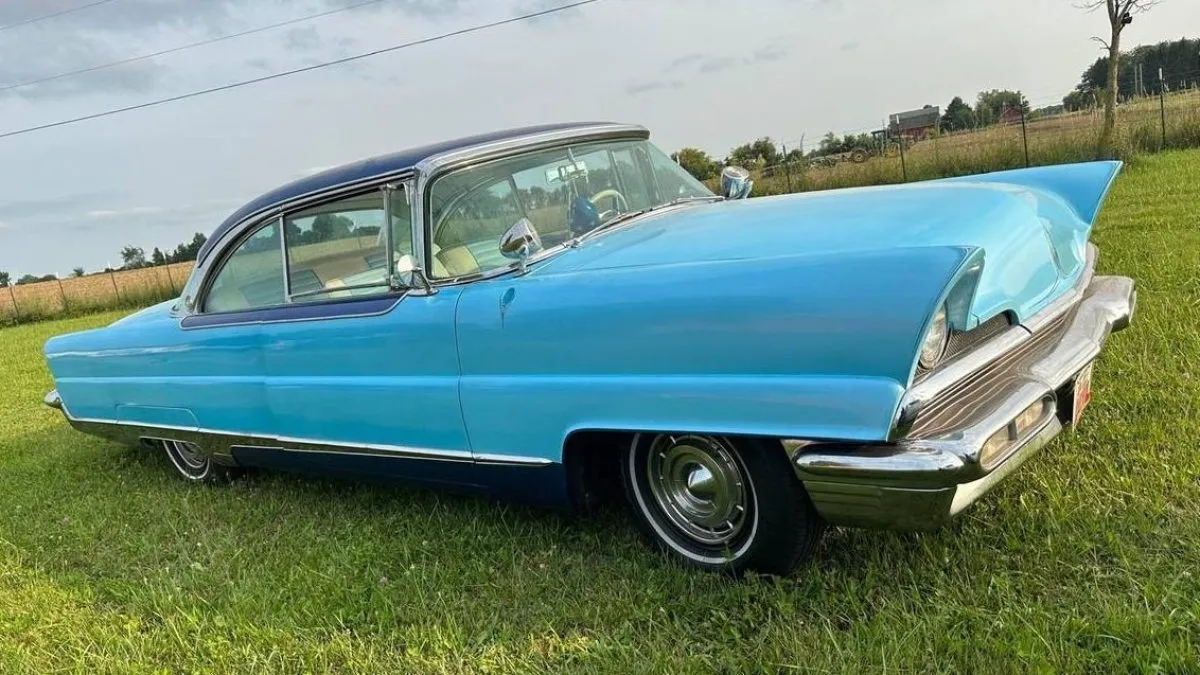
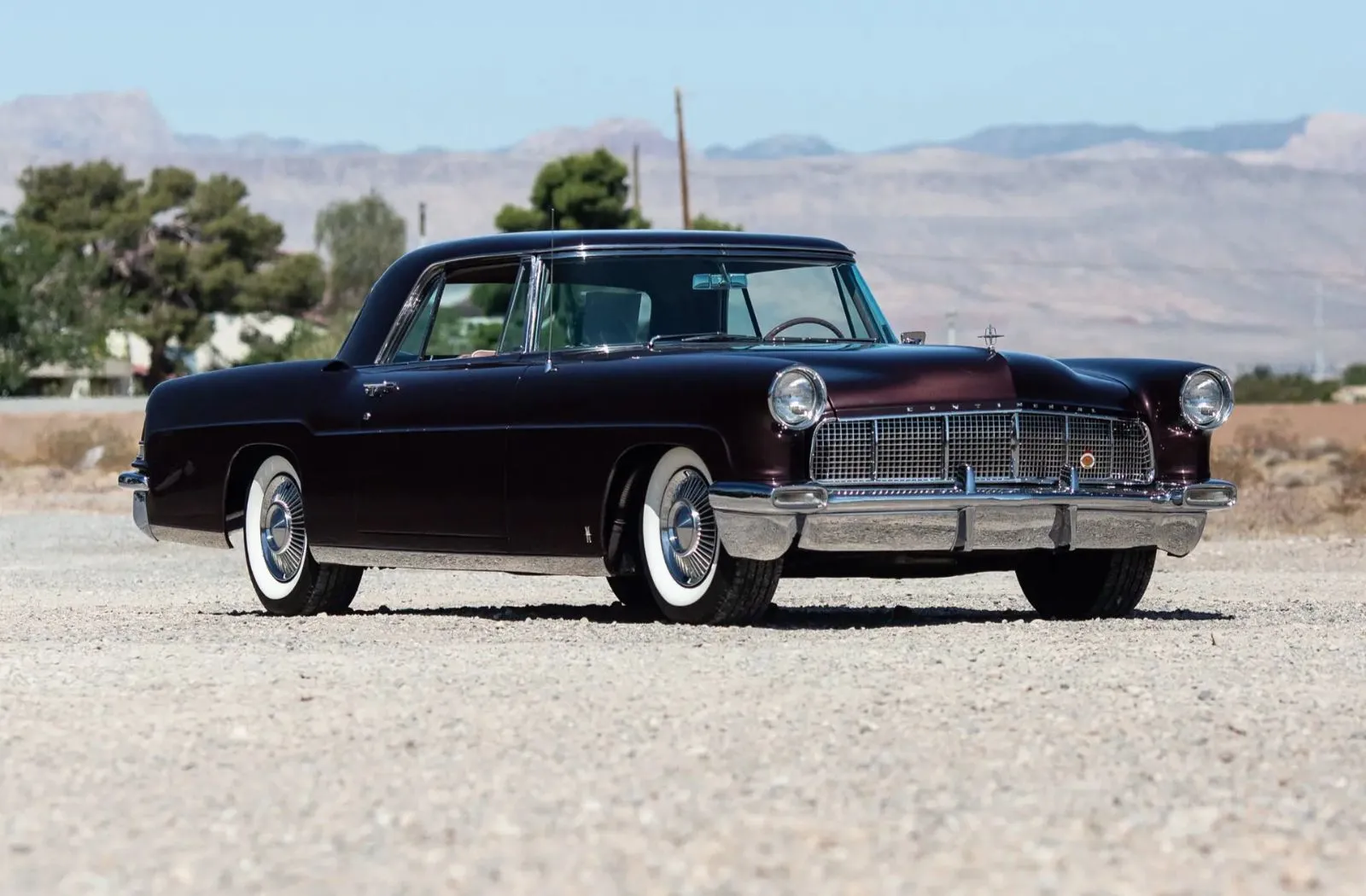
1. 1956 Lincoln Premiere Two-Door Hardtop
Lincoln’s design direction in the mid-1950s reflected a deliberate choice to pursue restrained European elegance rather than participate in the fin escalation that was consuming American design energy at competing manufacturers. Gordon Buehrig’s influence on Lincoln’s design philosophy, combined with Lincoln’s positioning as Ford Motor Company’s flagship luxury brand, produced a design language that emphasized proportion, clean surface work, and precise chrome detail over visual drama and dimensional excess.
For the 1956 Lincoln Premiere Two-Door Hardtop, this philosophy produced one of the decade’s most quietly authoritative luxury cars. Clean horizontal body lines defined the Premiere’s visual character from bumper to bumper. Chrome treatment was precise and purposeful rather than applied for its own sake, with bright work concentrated at the beltline, window surrounds, and bumper areas in a way that created visual structure without visual noise.
Body surfaces between the chrome elements were clean and well-resolved, with no excess sculpture or unnecessary body creases that would have broken the surface into competing visual fragments. Rear treatment on the 1956 Lincoln Premiere used subtle, barely-there rear fins that read more as body surface accent lines than as genuine fin gestures.
This restraint was entirely intentional and reflected Lincoln’s understanding that its target buyer wanted to be distinguished from Cadillac’s customer rather than competing for the same visual territory. A 1956 Lincoln Premiere parked next to a 1956 Cadillac DeVille communicated the presence of two different luxury philosophies rather than two cars from competing manufacturers competing for the same buyer.
Collector appreciation for mid-1950s Lincoln products has grown steadily as enthusiasts who initially focused on the more dramatic designs of the era have come to recognize the genuine design achievement that Lincoln’s restraint represented. Finding a well-preserved 1956 Premiere Two-Door Hardtop with original paint and unmodified trim is a rewarding search that produces a car whose design intelligence becomes more apparent with each passing decade rather than less.
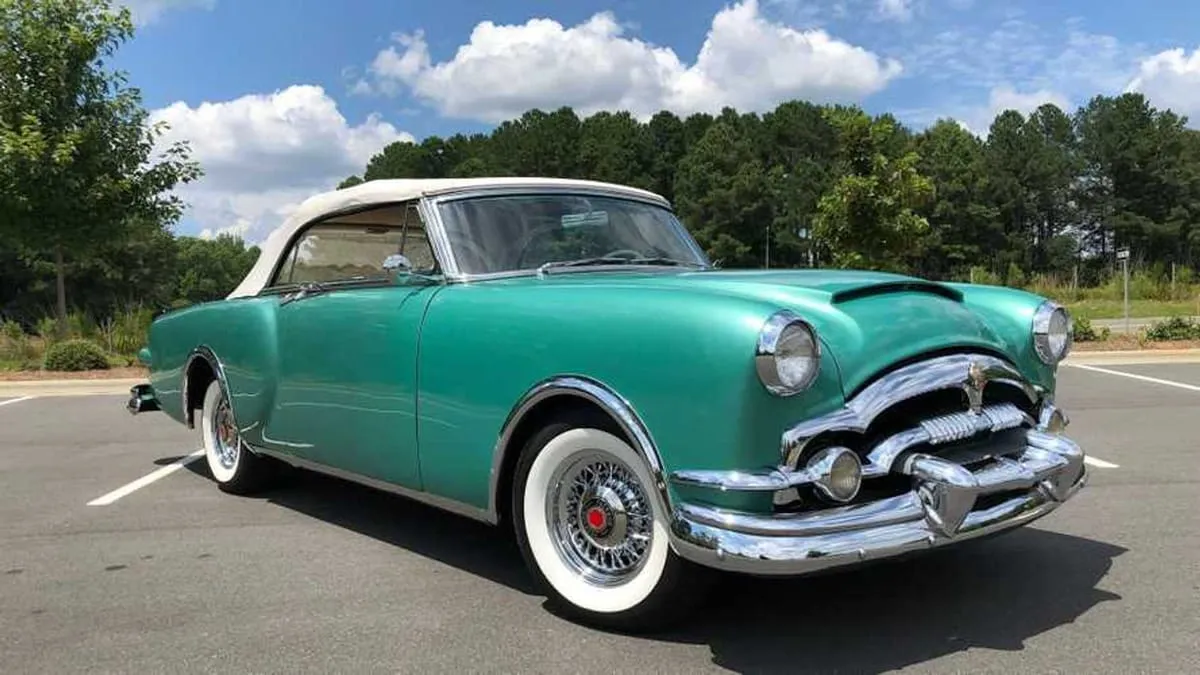
2. 1955 Packard Caribbean Convertible
Packard’s reputation as a leading American luxury automobile manufacturer was firmly established before the Second World War, and this reputation shaped the design culture that influenced the 1955 Caribbean Convertible. Even at a time when the company was facing financial strain and declining market strength, the Caribbean represented an attempt to preserve long-standing values associated with craftsmanship, dignity, and refined styling.
The vehicle emerged as a statement of continuity, reflecting a belief that luxury should be expressed through balance, proportion, and disciplined surface treatment rather than excess ornamentation. The exterior design developed under Dick Teague showed careful attention to classical form. Instead of following the dominant domestic trend of dramatic fins and exaggerated ornament, the Caribbean relied on elongated body lines that emphasised width and stability.
The horizontal emphasis created a composed presence on the road, projecting confidence through shape rather than spectacle. Each surface appeared deliberately resolved, allowing the body panels to communicate quality through precision and restraint. A defining visual element of the Caribbean was its carefully executed two-tone paintwork.
Colour separations followed exact body contours, demanding a level of production accuracy uncommon in mid-century American manufacturing. This process required specialised skill, and the success of the result reflected Packard’s retained expertise in low-volume luxury production. The paint scheme was not decorative alone; it reinforced the body’s proportions and highlighted its sculptural clarity.
Wire wheels, offered as an option, added a subtle reference to European grand touring traditions. Their presence signalled a preference for established design values associated with prestige motoring rather than contemporary aerospace imagery. Such wheels were rare on American luxury cars of the period, and their inclusion distinguished the Caribbean as a product aimed at discerning buyers with international taste.
Mechanically, the Caribbean combined refinement with adequate power. Its 352 cubic inch V8 engine delivered 275 horsepower through the Ultramatic automatic transmission, providing smooth acceleration suited to relaxed long-distance travel. Ride comfort received careful engineering attention, reflecting Packard’s long practice of prioritising passenger experience through chassis tuning and suspension geometry.
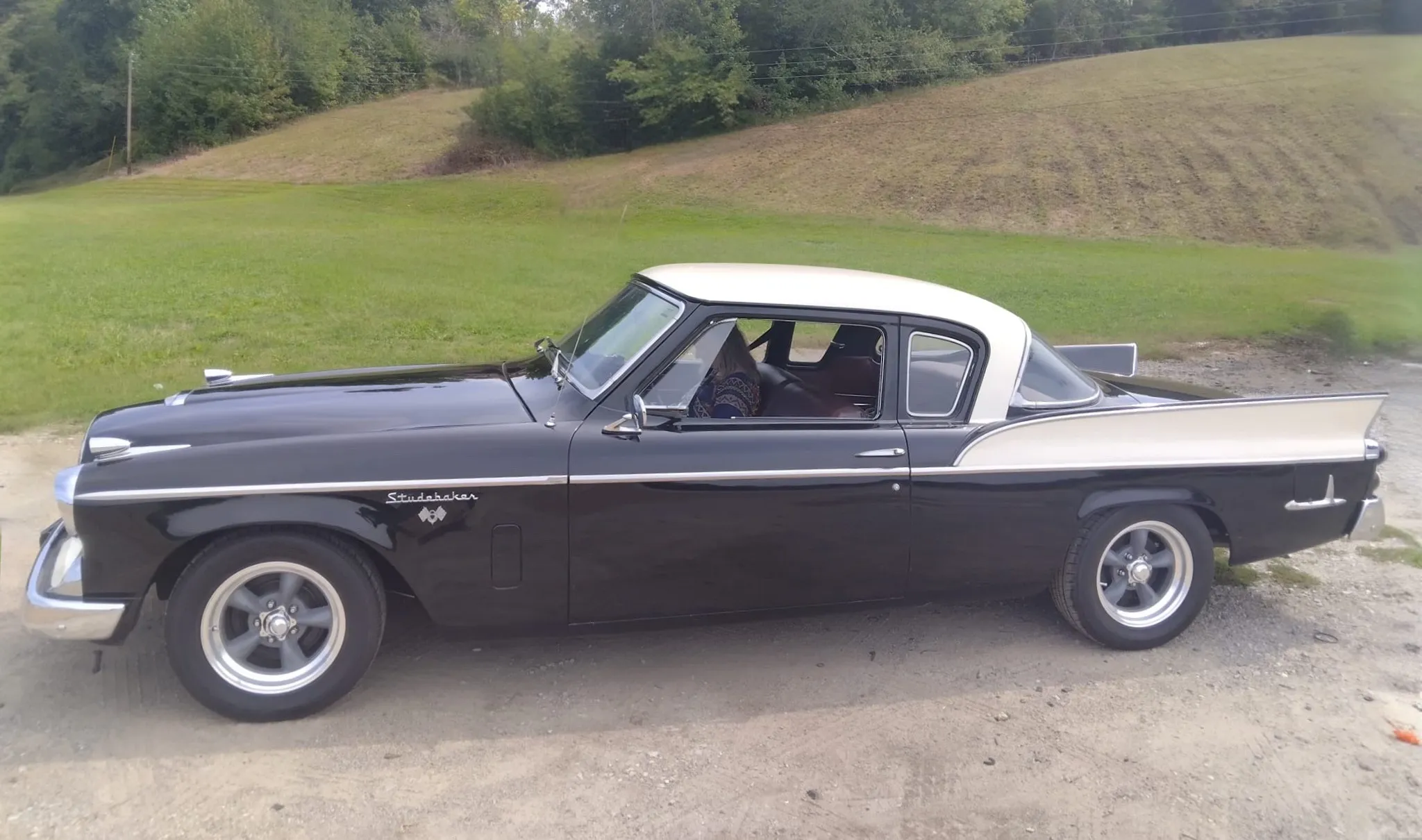
3. 1958 Studebaker Silver Hawk Coupe
The 1958 Studebaker Silver Hawk Coupe embodied the design principles long advocated by Raymond Loewy, whose influence set Studebaker apart from other American manufacturers during the 1950s. While competitors pursued increasingly dramatic styling gestures, Loewy maintained a disciplined approach rooted in clarity of form and proportional harmony. The Silver Hawk carried forward this philosophy at a time when restraint had become a rarity in domestic automotive styling.
The body design rejected exaggerated ornament in favour of integrated surfaces that worked as a unified whole. Lines flowed cleanly from front to rear without interruption, allowing the shape itself to define character. This approach resulted in a vehicle that appeared confident without visual aggression. The Silver Hawk did not seek attention through spectacle; instead, it communicated sophistication through coherence.
Its roofline illustrated this thinking with particular effectiveness. The pillar structure was slim and carefully angled, creating a light greenhouse that echoed European sporting coupes more closely than American hardtops of the same era.
Visibility and proportion were treated as design priorities rather than compromises. At the rear, modest fins were present, yet they remained tightly controlled in scale. Their role was to complete the composition, not dominate it, ensuring the rear view remained composed and balanced.
Bright metal trim was applied with similar discipline. Chrome appeared only where it clarified edges, highlighted functional components, or framed major design features. This selective use distinguished the Silver Hawk from contemporaries that relied heavily on extensive brightwork to create visual impact.
The result was a car whose form remained readable and uncluttered, allowing each element to serve a purpose. Economic pressure affected Studebaker during this period, and production limitations sometimes influenced build consistency.
Panel alignment and interior materials could vary between examples, reflecting financial constraints rather than design intent. Buyers and collectors today must therefore assess individual cars carefully, as execution quality differs more noticeably than among higher-volume competitors.
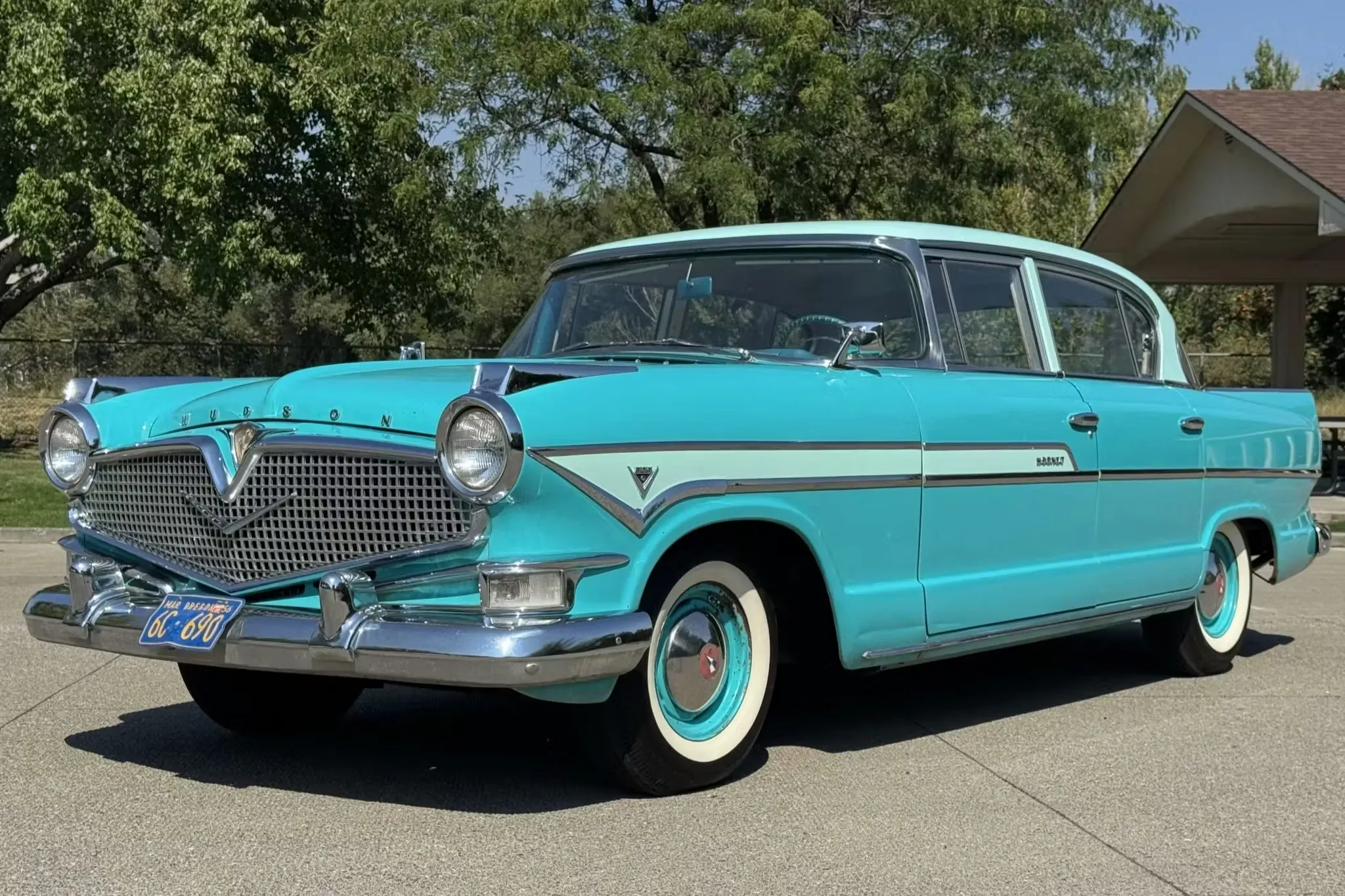
4. 1957 Hudson Hornet Hollywood Hardtop
Hudson’s merger with Nash to form American Motors in 1954 created a complicated design situation in which Hudson’s unique design identity was progressively subordinated to AMC’s need for manufacturing efficiency through platform sharing.
By 1957, the Hudson Hornet Hollywood Hardtop represented the last expression of Hudson’s distinctive design heritage within an AMC body structure that was primarily a Nash derivative, yet the car retained enough visual identity to communicate its origin and design philosophy with genuine character.
Hudson’s step-down body design philosophy, which had defined the brand’s engineering approach since 1948 by placing the passenger floor inside the perimeter frame rather than on top of it, continued to influence the car’s proportional character even in its AMC-shared final form.
Minimal rear fin treatment on the 1957 Hudson acknowledged the era’s design direction without fully embracing it, using small, integrated fin accents that read as period-appropriate styling cues rather than as genuine fin designs.
This moderation reflected both the design heritage that Hudson was trying to maintain and the manufacturing realities of AMC’s shared body program that limited how dramatically Hudson’s body could be distinguished from its Nash equivalent.
Collector interest in late-period Hudson products combines historical appreciation for a brand at the end of its independent design life with genuine interest in cars that represented a specific alternative to mainstream 1950s American design philosophy. Finding a clean 1957 Hornet Hollywood Hardtop requires patience, but the reward is a car that occupies a unique historical position.
Also Read: Top 10 Classic Engines Known for Their Unique Exhaust Notes
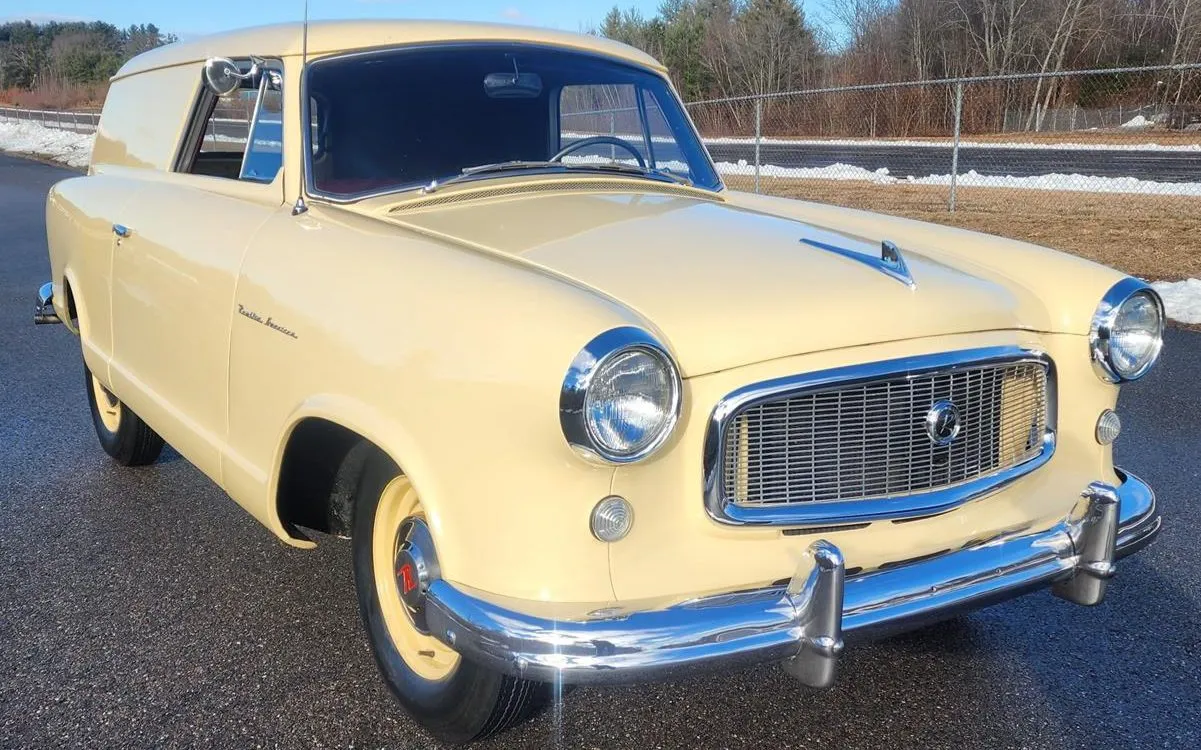
5. 1959 Rambler Ambassador Custom Four-Door Sedan
American Motors Corporation’s Rambler brand spent the late 1950s making a virtue of everything that Cadillac, Buick, and Chrysler were treating as irrelevant: fuel efficiency, compact dimensions, straightforward design, and practical value. George Romney’s strategic decision to position AMC against the excess of the American automotive mainstream was controversial at the time but prescient in retrospect, and the 1959 Rambler Ambassador Custom Four-Door Sedan represented the most upscale expression of this philosophy in AMC’s lineup.
Edmund Anderson’s design for the 1959 Ambassador avoided tail fins, excessive chrome, and dramatic body sculpture in favor of clean, resolved body surfaces with chrome applied at structural and functional locations rather than decoratively. A well-proportioned greenhouse with adequately sized glass areas provided genuine passenger space and light interior quality that the deliberately darkened interiors of some fin car competitors did not offer.
Rambler’s reputation in 1959 was decidedly unglamorous compared to the dramatic fin designs that dominated automotive conversation, and this unglamorous quality was entirely intentional. Romney’s marketing positioned the Ambassador against the excesses of the competition by emphasizing what it lacked as much as what it had, an unusual and effective strategy that made Rambler’s restrained design a feature rather than a limitation.
Ambassador’s economy of design translated directly to economy of operation, with fuel consumption figures that the gas-guzzling fin cars of the era could not approach. As the decade closed, consumer interest in exactly these qualities was beginning to grow in ways that the 1960s would amplify dramatically, and the 1959 Rambler Ambassador’s design restraint was precisely calibrated for the market moment that was approaching, even if it did not fully define the moment it was built in.
