
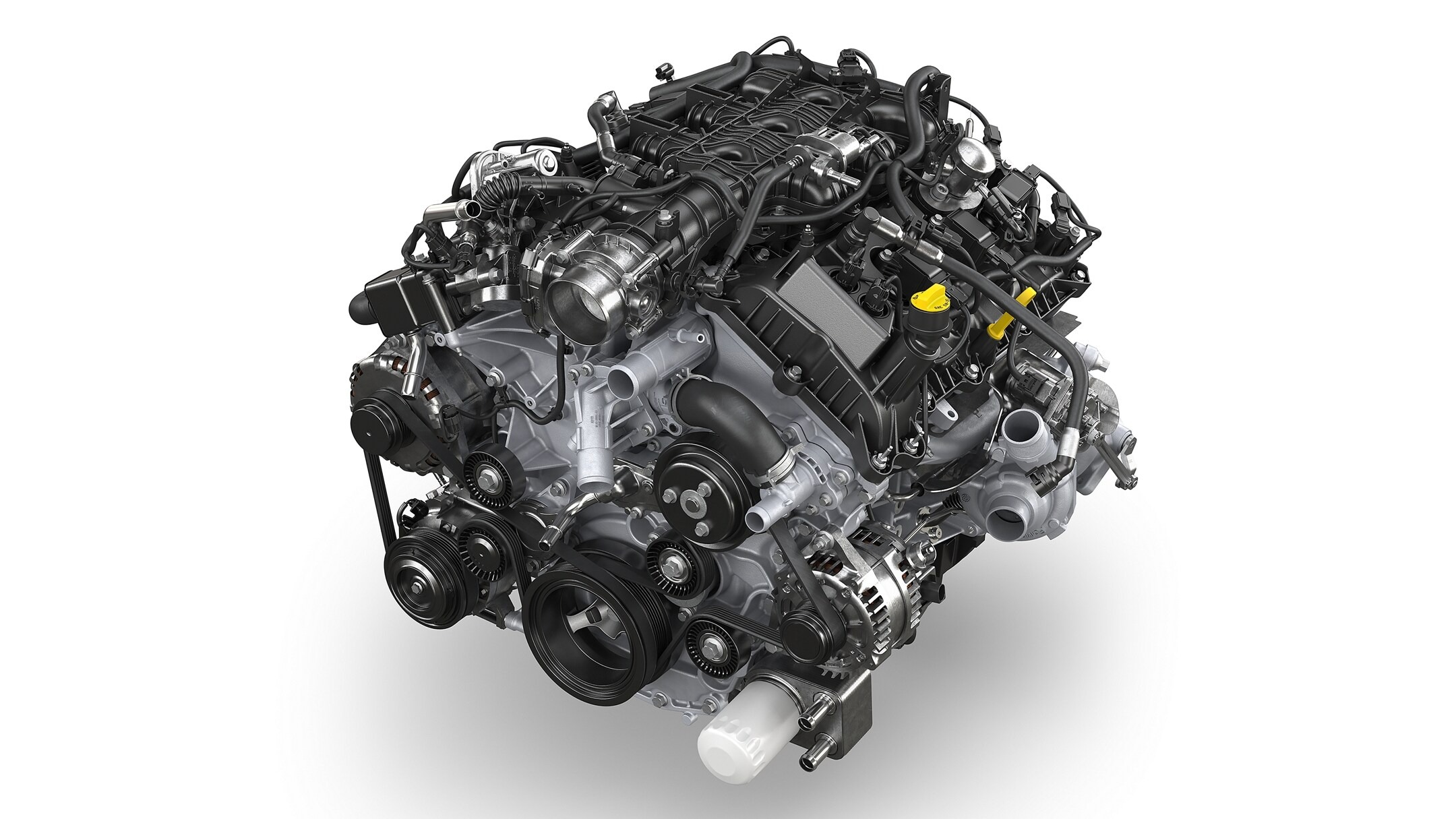
Modern engine design is no longer just about horsepower and torque numbers. Engineers today are equally focused on durability, friction reduction, thermal efficiency, and long term reliability under increasing power density.
One of the most important innovations supporting these goals is plasma transferred wire arc cylinder liner technology, often shortened to PTWA.
Traditional engines relied on thick iron cylinder liners pressed into aluminum blocks. While strong, these liners added weight and limited heat transfer.
Plasma wire arc coatings changed this approach by allowing manufacturers to spray a microscopic iron based coating directly onto aluminum cylinder walls, eliminating the need for heavy sleeves.
This process creates an extremely thin but very hard surface that resists wear, improves heat dissipation, and reduces internal friction. Better heat transfer allows tighter tolerances, which improves efficiency and power consistency over time. Reduced friction also means less energy loss inside the engine.
Another advantage is structural rigidity. Removing thick liners allows tighter bore spacing and stronger block architecture. This is why many high performance engines and modern turbocharged powerplants now use this technology, especially where thermal stress is high.
The technology first appeared in motorsports and aerospace applications before entering production vehicles.
Today it is used in everything from supercars to trucks and luxury sedans. Manufacturers such as Ford, Nissan, Mercedes Benz, Porsche, and BMW have adopted variations of this process to improve engine longevity.
What makes these engines particularly interesting is how differently each manufacturer applies the same core idea.
Some use it to support extreme boost pressure. Others use it to reduce weight. Some apply it for emissions compliance, while performance divisions use it to handle track abuse.
The following engines represent some of the most interesting applications of plasma wire arc cylinder coatings. Each demonstrates a unique engineering philosophy and shows how surface science has become just as important as mechanical design in modern powertrains.
Also Read: Top 8 Vintage Racing Engines That Were Adapted for Street Use
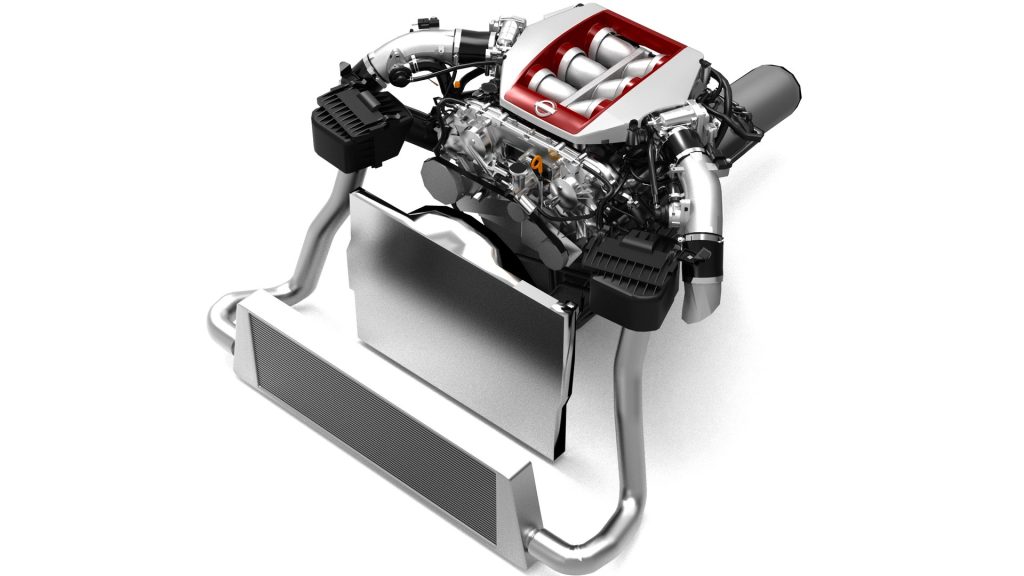
1. Nissan GT R VR38DETT
The VR38DETT engine powering the Nissan GT R represents one of the most famous uses of plasma bore coating in a production performance engine.
Nissan calls its process mirror bore coating, a plasma sprayed cylinder surface designed to reduce friction while improving cooling efficiency.
Instead of using traditional iron liners, the VR38 engine uses a sprayed iron compound that is roughly half the thickness of conventional liners.
This allows better heat transfer into the aluminum block, which is extremely important in a twin turbo engine producing high cylinder pressures.
One major advantage appears during sustained high speed driving. Turbocharged engines generate intense localized heat, especially near the exhaust side of the cylinder. Better heat transfer helps prevent hot spots that can distort cylinder geometry over time.
Another interesting benefit is piston ring stability. The extremely smooth but porous plasma surface holds microscopic oil layers more effectively than conventional liners. This helps maintain lubrication under high RPM stress conditions and reduces long term scoring.
Nissan also benefited from weight reduction. Removing traditional liners reduced engine mass while allowing tighter internal packaging. This contributed to the GT R’s reputation for mechanical toughness despite extreme performance output.
Unlike many engines where this technology is mainly about efficiency, here the goal was survival under extreme performance tuning. Many VR38 engines operate far above factory power levels, yet the cylinder walls often remain remarkably resistant to wear.
The engine also shows how manufacturing precision matters. Each VR38 is hand assembled in a clean room environment, emphasizing how surface treatments and assembly tolerances must work together to achieve durability.
This engine proved plasma bore technology could survive real world abuse, not just laboratory testing. Its long term reliability under aggressive driving helped convince other manufacturers to adopt similar cylinder coating strategies.
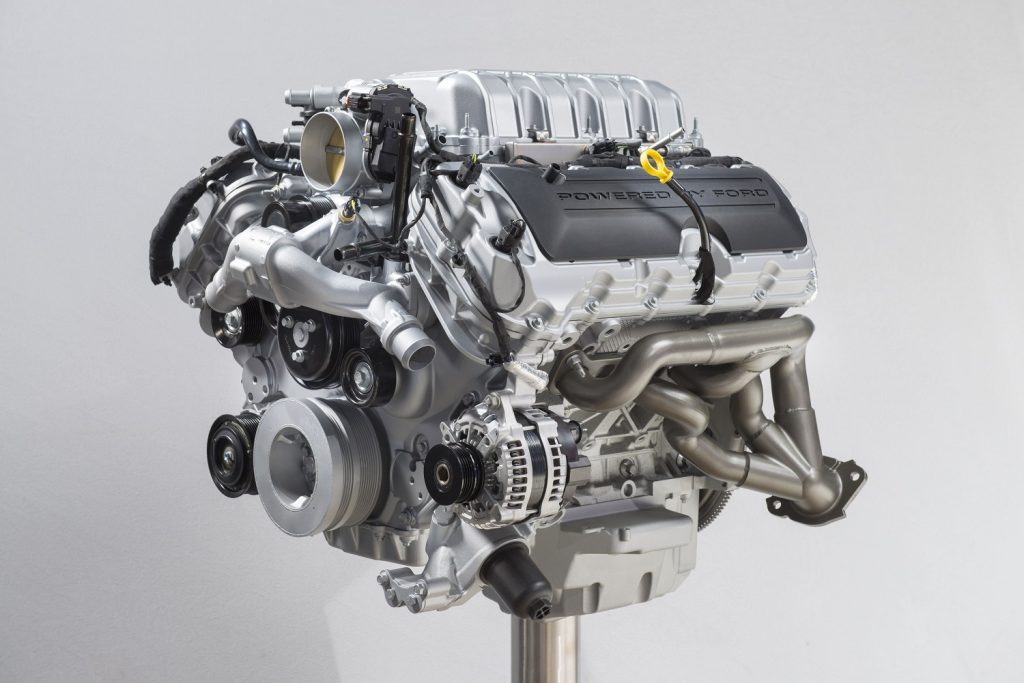
2. Ford 5.2L Predator V8
Ford introduced plasma transferred wire arc cylinder coating to a wide audience through its high performance V8 programs. The 5.2 liter Predator engine used in the Shelby GT500 demonstrates how this technology can support extreme combustion pressure without sacrificing reliability.
Ford adapted PTWA technology from its diesel engine programs and applied it to gasoline performance engines. The coating is applied using a high temperature plasma arc that melts a steel wire and sprays it onto the cylinder surface at very high velocity.
This produces a textured microscopic surface that improves oil retention while remaining extremely resistant to abrasion. The coating is also significantly thinner than a pressed liner, which improves cooling response during rapid temperature changes.
One of the main engineering goals of the Predator engine was thermal stability during repeated acceleration runs. Supercharged engines produce heat rapidly, and the plasma coated bores help move that heat away from the combustion chamber faster than iron liners would allow.
Ford engineers also used the technology to strengthen the block. Without thick liners interrupting the aluminum structure, the block maintains better rigidity under load. This improves head gasket sealing and helps maintain bore roundness during high boost operation.
An additional benefit comes from manufacturing consistency. Because the coating is applied robotically, bore surfaces can be controlled very precisely. This helps maintain compression uniformity across cylinders, which improves smoothness and long term performance balance.
Unlike the Nissan application which focused heavily on ultimate performance durability, Ford used PTWA as part of a broader durability strategy. The engine had to survive track use, daily driving, and warranty expectations simultaneously.
This engine illustrates how racing technology transitions into production reliability solutions. Plasma cylinder coatings here are not just a performance feature. They are part of a complete engineering approach focused on strength, cooling, and long service life.
3. Mercedes AMG M178 4.0L Biturbo V8
Mercedes AMG approached plasma cylinder technology from a durability through precision engineering perspective rather than purely performance experimentation. The M178 V8 uses what Mercedes calls NANOSLIDE cylinder wall technology, a twin wire arc spray process derived from Formula 1 engine development.
The idea behind NANOSLIDE was simple in theory but difficult in execution. Reduce internal friction while making the engine capable of surviving extreme thermal cycles. AMG engineers wanted an engine that could behave calmly in city driving but tolerate track temperatures without material fatigue.
The coating itself is extremely thin, often described as being about twice the thickness of a human hair. Despite this, it provides exceptional hardness. The reduced thickness also allows more aluminum in the block structure, which improves stiffness and reduces distortion when the engine is under heavy load.
One of the less discussed advantages is cold start protection. Most engine wear happens during startup before full lubrication develops. The plasma surface structure allows oil to remain embedded in microscopic pores, helping reduce dry contact between piston rings and cylinder walls.
AMG also focused on efficiency improvements. Reduced friction inside the cylinders contributes to lower parasitic losses. This helps the engine deliver strong fuel efficiency numbers despite its high output and aggressive tuning characteristics.
A unique design choice was the hot inside V turbo layout, where the turbochargers sit between the cylinder banks. This creates extreme heat concentration in the engine valley. Plasma coated cylinders help manage these thermal stresses by improving heat flow away from combustion zones.
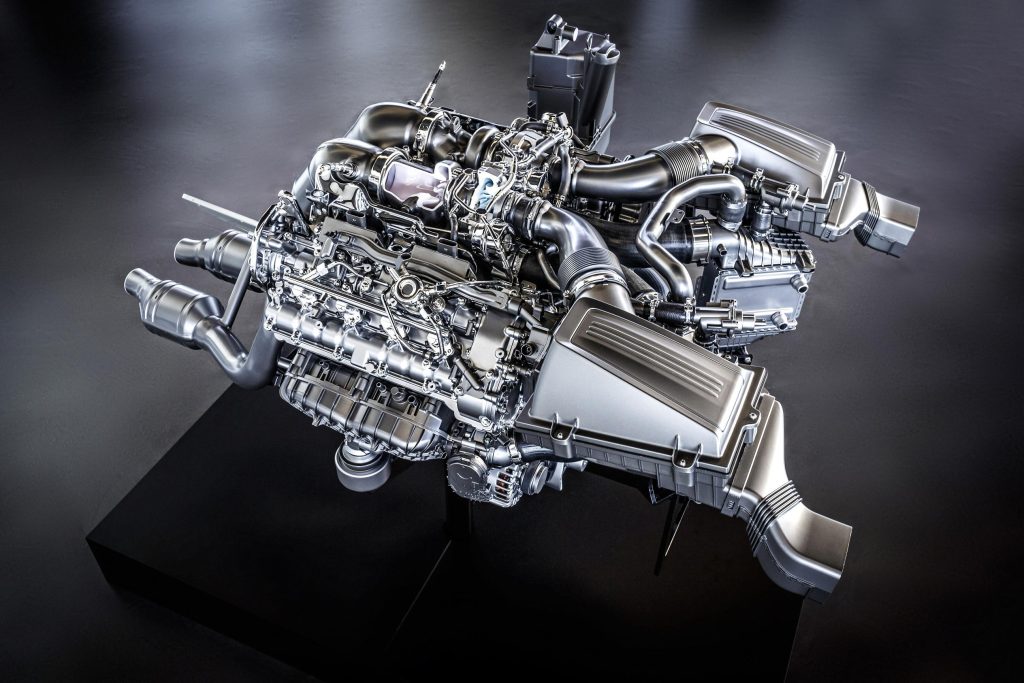
The M178 demonstrates how surface technology can influence multiple engineering goals at once. Instead of being used for only power or only longevity, the plasma coating supports strength, efficiency, emissions control, and packaging flexibility.
This engine shows how modern performance engineering is increasingly about microscopic material science rather than just displacement increases.
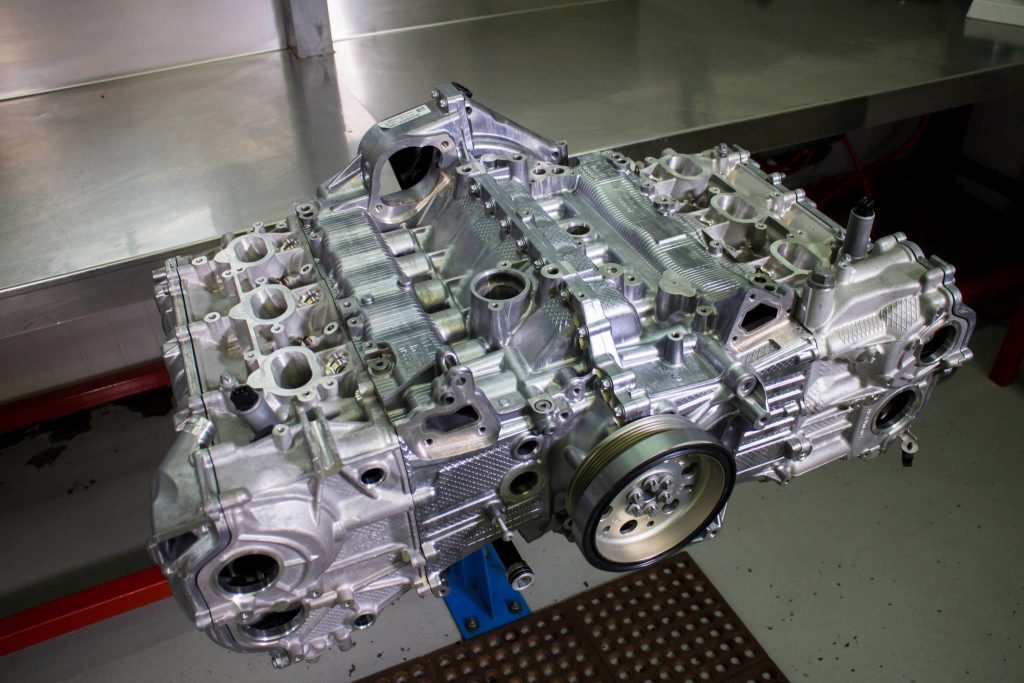
4. Porsche 9A2 Flat Six Turbo Engine
Porsche adopted plasma cylinder coating as part of a broader strategy to modernize its turbocharged boxer engines without sacrificing the brand’s reputation for endurance. The 9A2 engine family uses a plasma iron coating process to improve both efficiency and long term wear resistance.
Unlike some manufacturers who emphasize only performance, Porsche treated this as a balance between racing durability and everyday drivability. The flat six layout presents unique cooling challenges because the cylinders sit horizontally. Heat distribution must be carefully controlled to prevent uneven expansion.
Plasma coated cylinders help solve this problem by allowing faster thermal equalization. Instead of heat staying trapped near combustion chambers, it spreads more evenly through the aluminum structure. This reduces the chance of localized expansion differences.
Another interesting aspect is how this technology supports Porsche’s downsizing strategy. Turbocharging smaller engines increases cylinder pressure significantly. Stronger cylinder surfaces allow Porsche to safely extract more output from reduced displacement designs.
Instead of describing this engine through raw numbers, it is more interesting to look at the philosophy behind it: First, Porsche wanted reduced friction to improve responsiveness rather than just fuel economy.
Second, engineers aimed to maintain consistent compression after years of use, which is critical for maintaining the predictable throttle response Porsche customers expect.
Third, the company wanted engines capable of handling repeated high speed Autobahn use without gradual bore wear affecting performance.
The coating also allows tighter piston clearance. This improves mechanical refinement and reduces unwanted vibration, which contributes to the smooth character these engines are known for.
Rather than treating plasma coating as a headline feature, Porsche integrated it quietly as part of a complete reliability formula. This reflects the company’s engineering culture, where durability improvements are often hidden beneath familiar design traditions.
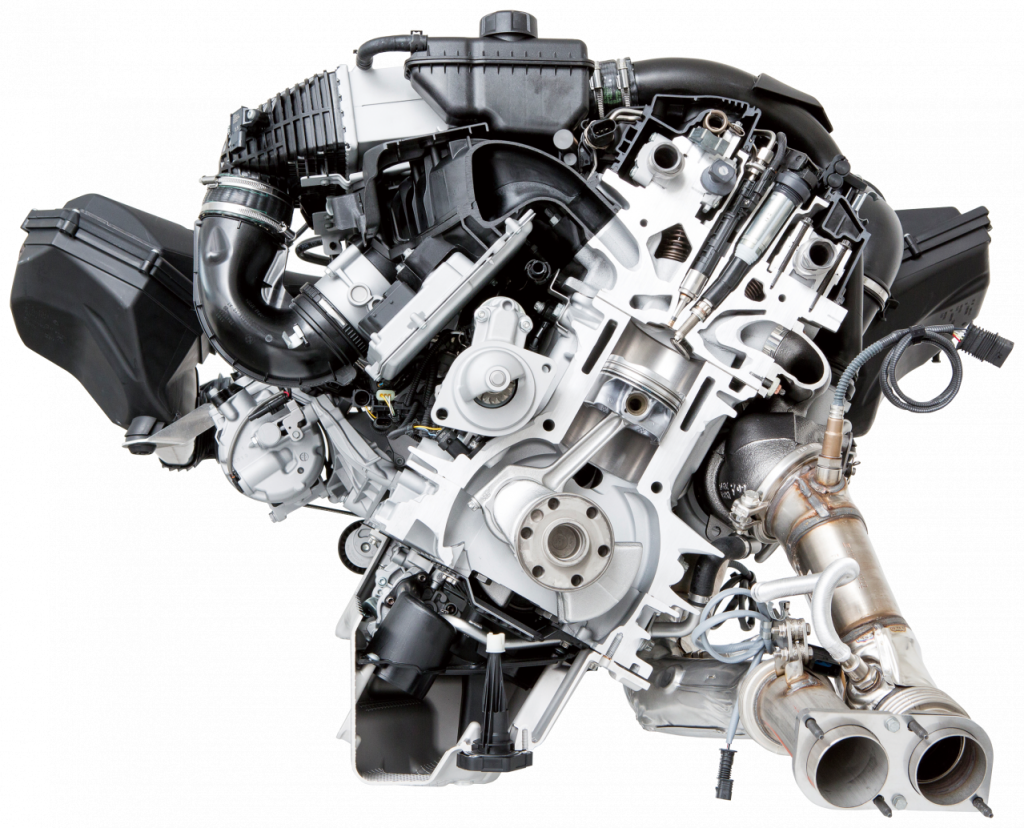
5. BMW S55 Twin Turbo Inline Six
BMW introduced plasma arc wire cylinder coating in the S55 engine as part of its effort to make turbocharged M engines maintain the same durability reputation as its naturally aspirated predecessors. This engine needed to tolerate both track punishment and long service intervals, which made cylinder surface technology extremely important.
Instead of promoting the coating as a marketing feature, BMW focused on what it enabled. Higher cylinder pressure capability, improved thermal management, and consistent piston sealing were some of the hidden advantages built into the design.
The S55 uses a closed deck block architecture combined with arc sprayed cylinder walls. This combination creates a very rigid structure capable of resisting deformation under high boost loads. Maintaining cylinder shape is critical because even small distortions can lead to uneven wear patterns over time.
Another interesting angle is how this engine benefits from reduced friction during sustained high RPM use. Many turbo engines suffer gradual efficiency losses after extended stress due to internal wear. The plasma surface helps maintain consistent mechanical behavior even after repeated heat cycles.
BMW engineers also designed this engine with future tuning potential in mind. Strong cylinder surfaces mean higher tolerance for aftermarket performance upgrades. This is one reason the S55 has become popular among enthusiasts who increase boost levels significantly.
The engineering story here is really about consistency rather than just strength. Plasma coated cylinders help the engine deliver the same response characteristics after years of operation instead of slowly losing sharpness.
Cooling behavior also improves because the coating transfers heat more effectively than traditional liners. This helps prevent oil breakdown and protects piston rings from excessive thermal exposure.
Instead of describing the S55 as simply a strong engine, it is better described as a carefully balanced system. The plasma bore treatment plays a quiet but essential role in maintaining the engine’s personality over time rather than just protecting it from failure.
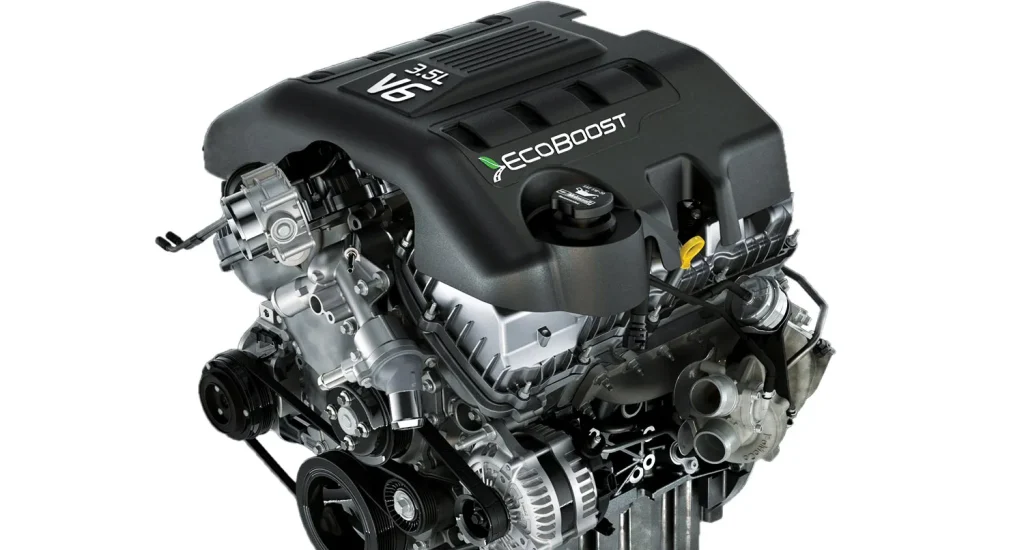
6. Ford 3.5L EcoBoost V6 (Second Generation)
Ford expanded its PTWA technology beyond performance cars and into mainstream high output truck engines with the second generation 3.5L EcoBoost V6. This shows how plasma cylinder coatings are no longer limited to exotic applications.
Truck engines face a different kind of stress compared to sports cars. Instead of high RPM track use, they deal with towing loads, long idle periods, and constant thermal cycling. Ford needed a solution that would maintain cylinder durability under these conditions.
The plasma transferred wire arc coating allowed Ford to remove heavy liners, which reduced engine weight. Even small weight reductions matter in trucks because they contribute to fuel efficiency improvements across a vehicle’s lifespan.
Rather than presenting this engine in a traditional narrative format, it is useful to understand its advantages through practical engineering outcomes.
Durability under load became one of the main benefits. Towing creates sustained cylinder pressure rather than short bursts. The coated cylinder walls resist the gradual wear that can develop during these conditions.
Service life consistency also improved. Engines used in commercial fleets need predictable longevity. Plasma coated cylinders help reduce variability in wear rates between different operating environments.
Ford also benefited from improved warm up behavior. Better heat transfer means the engine reaches optimal operating temperature faster, which helps reduce cold running emissions and improves combustion efficiency.
The technology also allowed Ford to refine bore geometry more precisely during manufacturing. This improved sealing performance and reduced blow by gases, which helps maintain oil quality longer.
What makes this application interesting is not extreme performance numbers but scalability. Ford proved that plasma cylinder coating could be used in high volume production engines while maintaining cost efficiency.
This engine demonstrates how advanced material technologies eventually move from specialty performance vehicles into everyday transportation platforms once manufacturing methods mature.
7. Ferrari F154 Twin Turbo V8
Ferrari adopted plasma transferred wire arc technology as part of its transition from naturally aspirated V8 engines to turbocharged designs. The F154 engine family shows how cylinder surface engineering became essential when Ferrari began extracting higher torque from smaller displacement engines.
Rather than focusing only on strength, Ferrari engineers treated cylinder coating as part of a responsiveness strategy. Turbocharging can sometimes dull throttle feel, but reducing internal friction helped preserve the sharp engine character Ferrari customers expect.
The plasma coating also helped address one major challenge of turbocharging: combustion temperature spikes. Turbo engines operate with higher peak pressures, and traditional liners can struggle with uneven thermal expansion under these conditions.
Ferrari’s solution involved combining lightweight aluminum construction with extremely hard plasma coated cylinder walls. This combination allows rapid heat dissipation while maintaining the strength required for high output operation.
Another important detail is how this technology supports Ferrari’s long term performance stability goals:
The engine is expected to deliver consistent power output even after extended aggressive driving. Cylinder sealing must remain stable to preserve precise fuel control.
Internal wear must remain minimal to maintain engine sound quality and response characteristics.
Ferrari also used the coating to reduce rotating mass indirectly. Lower friction means less resistance against piston movement, which contributes to the free revving behavior Ferrari engines are known for.

Instead of presenting this as just another durability feature, Ferrari used plasma cylinder coating to protect brand identity. Maintaining emotional driving characteristics while adopting turbocharging required minimizing the mechanical compromises often associated with forced induction.
This engine shows how even exotic manufacturers rely heavily on microscopic material improvements to preserve driving feel while meeting modern emissions and efficiency demands.
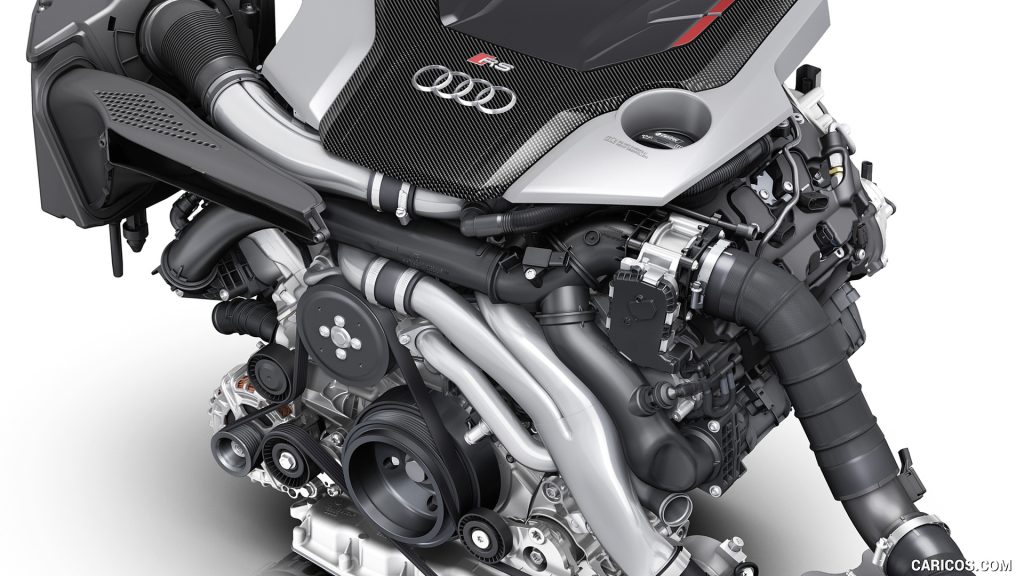
8. Audi 2.9L Twin Turbo V6 (EA839 RS Engine)
Audi implemented plasma wire arc cylinder coating in its high performance EA839 based RS engines as part of a strategy to combine compact packaging with strong thermal control. This engine is used in performance sedans and coupes where both space efficiency and sustained output matter.
Audi engineers approached the technology from a thermal stability standpoint. Smaller engine bays and tighter packaging increase heat concentration. Plasma coated cylinders help counteract this by improving thermal conductivity inside the block.
Instead of explaining this engine through traditional storytelling, it can be understood through its engineering priorities.
Precision was one of the main drivers. The plasma coating allows extremely accurate bore dimensions, which improves combustion efficiency and reduces fuel variability between cylinders.
Long term refinement was another goal. Audi vehicles emphasize smoothness, and maintaining bore integrity helps prevent subtle vibration increases that can develop as engines age.
Emissions stability also benefited. Maintaining tight piston ring sealing helps reduce particulate formation and improves catalytic converter efficiency over the engine’s lifespan.
The engine also benefits from reduced internal drag. Less friction allows the turbochargers to operate more efficiently since less power is lost overcoming internal resistance.
Audi also used this technology to support compact block dimensions. Removing thick liners allowed slightly tighter packaging, which helps with crash structure design and weight distribution.
The story of this engine is really about balance. Audi did not use plasma coating just to chase performance numbers. The real objective was maintaining smoothness, efficiency, and durability simultaneously within a compact high output engine design.
9. Jaguar Land Rover Ingenium Inline Six (AJ300)
Jaguar Land Rover developed the Ingenium engine family as a modular platform designed around efficiency, lightweight construction, and future scalability. Plasma arc cylinder coating became an important part of achieving these objectives because the company wanted strong aluminum blocks without the penalties of traditional liners.
The Ingenium inline six demonstrates how this technology supports refinement rather than just outright durability. Luxury vehicles demand quiet operation and smooth torque delivery, and maintaining cylinder precision plays a major role in achieving that goal.
One major benefit comes from how the coating improves structural uniformity. Without separate liners expanding at different rates than the aluminum block, the engine maintains more consistent internal geometry during temperature changes.
This contributes to several real world advantages: More predictable oil consumption behavior over long mileage. Reduced mechanical noise as the engine ages. Better compression retention across extended service intervals.
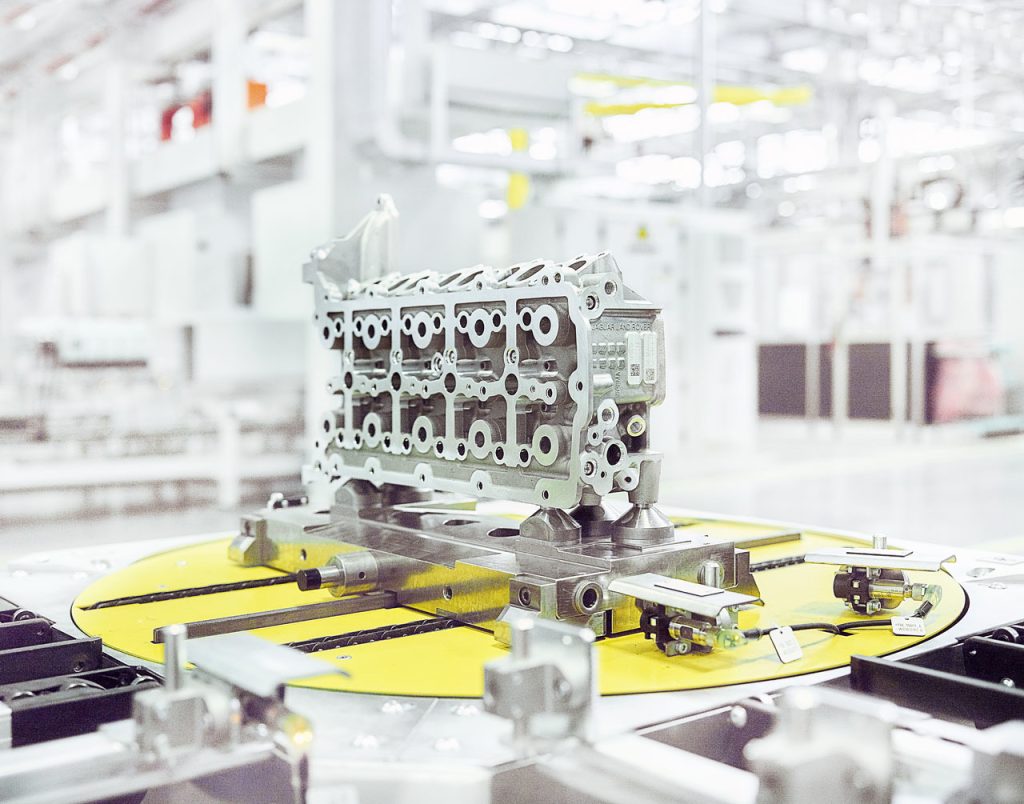
Jaguar Land Rover also used the coating to support electrification integration. Many Ingenium engines operate with mild hybrid systems, which means the engine frequently starts and stops. Plasma coated cylinders help reduce wear during these repeated restart cycles.
Another benefit comes from friction reduction during low load cruising. Luxury vehicles often operate in smooth steady driving conditions, and reduced internal drag contributes to improved fuel economy during highway travel.
The technology also helped engineers achieve weight distribution targets. Removing heavy liners allowed slightly lighter engine construction, helping vehicle balance and suspension tuning.
Instead of focusing on extreme stress capability like some performance engines, the Ingenium story is about controlled engineering refinement. The plasma coating helps maintain the quiet, smooth character expected from premium vehicles even after years of operation.
This engine shows how advanced cylinder coatings are just as valuable in refinement focused engineering as they are in high performance development.
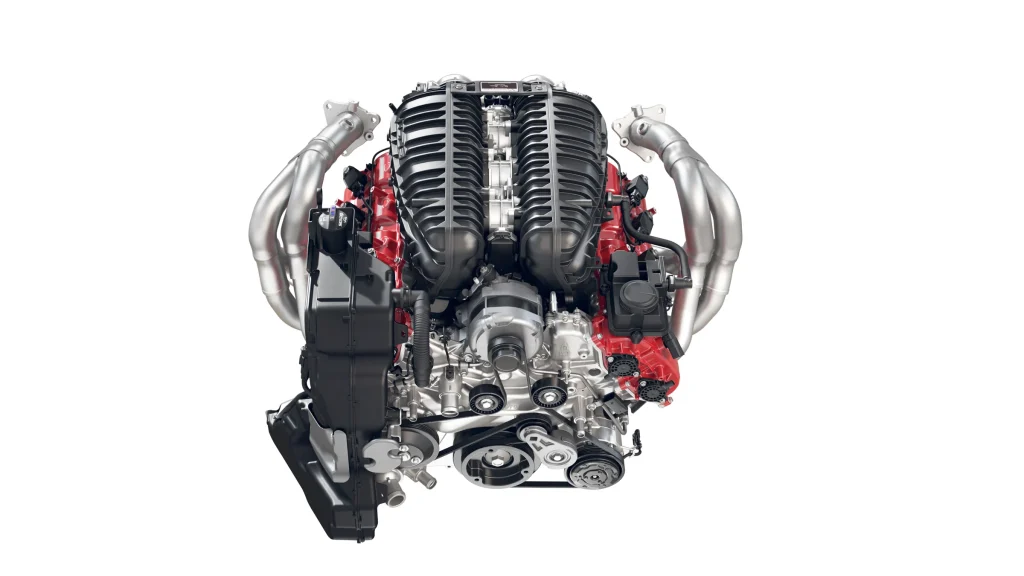
10. Chevrolet LT6 5.5L Flat Plane Crank V8
The Chevrolet LT6 engine represents one of the most advanced American applications of plasma transferred wire arc technology. Developed for the Corvette Z06, this naturally aspirated flat plane crank V8 required extremely durable cylinder surfaces due to its very high operating speeds.
High revving engines face different wear challenges compared to turbocharged engines. Instead of high boost pressure, they deal with extreme piston speeds and rapid directional changes. Cylinder walls must resist micro scuffing that can develop from these repeated stresses.
Chevrolet engineers applied PTWA coating to allow the LT6 to operate safely at engine speeds exceeding 8000 RPM. At these speeds even small friction reductions become important for both durability and power delivery.
Rather than describing this engine in a conventional descriptive format, its significance becomes clearer when viewed through its engineering intentions.
First, engineers wanted a lightweight block capable of supporting racing level RPM capability. Second, they needed cylinder surfaces capable of maintaining ring sealing at extreme piston velocity.
Third, they wanted to reduce heat concentration that could affect oil stability at sustained high speeds. Another interesting aspect is how this technology helps maintain consistent performance during track sessions. As temperatures rise, traditional liners can expand differently than aluminum blocks. Plasma coatings reduce this mismatch.
The LT6 also demonstrates how racing influence continues to shape production engines. Many of the material techniques used here originated from endurance racing programs where engines must survive hours of continuous stress.
This engine stands as proof that plasma cylinder coating is not just a durability solution. It is also an enabling technology that allows engineers to safely push mechanical limits that would otherwise be risky.
Plasma wire arc cylinder liner technology represents a major shift in how modern engines are designed. Instead of relying purely on mechanical strength through heavy materials, manufacturers are increasingly using surface engineering to improve durability, efficiency, and performance simultaneously.
One clear trend is how widely this technology has spread. It is no longer limited to supercars or racing programs. It now appears in trucks, luxury vehicles, sports sedans, and high volume turbocharged engines.
Another interesting takeaway is that each manufacturer uses the technology differently. Some prioritize weight reduction. Others focus on heat control. Some use it to support higher cylinder pressure, while others use it to improve refinement and longevity.
What connects all these engines is the idea that microscopic improvements can create major long term benefits. Reduced friction improves efficiency. Better heat transfer improves reliability. Stronger surfaces maintain compression consistency.
Future engine development will likely continue moving toward advanced coatings and surface treatments rather than simply increasing displacement. As emissions rules tighten and efficiency demands grow, material science will play an even larger role in engine evolution.
These engines demonstrate that modern durability is not just about using stronger metals. It is about using smarter engineering at the microscopic level to ensure engines can deliver performance, efficiency, and longevity at the same time.
Also Read: Top 10 Mechanical Sounds That Are Normal for an Older Engine
