
Modern internal combustion engines operate under extreme mechanical and thermal stress, especially when designed for sustained high speed driving.
Whether on unrestricted highways, racing circuits, or long distance endurance routes, engines built for continuous high RPM operation must withstand enormous combustion temperatures and valve train stress.
One of the lesser known but extremely important engineering solutions that allows this durability is the use of sodium filled valves.
Sodium filled valves are primarily used on the exhaust side of high performance engines because exhaust valves face the highest thermal loads.
During combustion, exhaust gas temperatures can exceed 800 degrees Celsius, and without proper heat management, valve heads can warp, crack, or burn.
Engineers solved this problem by creating hollow valve stems partially filled with metallic sodium. As the valve heats up, the sodium melts and begins to move inside the valve, transferring heat away from the valve head into the cooler stem where it can dissipate into the cylinder head.
This simple but brilliant thermal management technique dramatically improves valve longevity during continuous high speed operation.
Instead of allowing heat to concentrate at the valve face, sodium circulation spreads the heat load. This reduces metal fatigue, prevents hot spots, and allows engines to operate at higher loads for longer periods without valve failure.
Automakers typically reserve sodium filled valves for engines expected to see prolonged stress. These may include endurance racing engines, Autobahn capable performance cars, heavy duty turbocharged engines, and vehicles designed for aggressive track use.
In many cases, these engines are also built with forged internals, improved cooling channels, oil squirters, and reinforced valve seats to complement the thermal advantages of sodium cooled exhaust valves.
Another important advantage is consistency. Engines equipped with sodium filled valves tend to maintain compression and valve sealing integrity for longer service intervals when driven hard. This is particularly important for drivers who regularly operate at high highway speeds or in environments where engine cooling is constantly challenged.
Not every performance engine uses this technology because it increases manufacturing complexity and cost. The valves must be precisely sealed, properly balanced, and manufactured to strict tolerances.
However, for engines designed with durability as a priority rather than just peak horsepower figures, sodium filled valves remain one of the most effective reliability upgrades available.
The following engines represent excellent examples of this engineering philosophy. Each one was designed with the expectation of sustained performance rather than short bursts of power.
Their use of sodium filled valves reflects a broader design strategy focused on long term durability, thermal stability, and mechanical resilience under demanding driving conditions.
Below are five engines known for incorporating sodium filled valve technology to support continuous high speed operation and long term reliability.
Also Read: 10 Best Infotainment Systems That Support Full Wireless Integration
1. Audi 4.2L FSI V8 (BNS)
The naturally aspirated 4.2 liter FSI V8 used in the Audi RS4 stands as one of the most mechanically robust high revving V8 engines of its era.
Developed with direct input from Audi’s motorsport engineering programs, this engine was designed to deliver sustained performance rather than just impressive peak output numbers.
This engine revs to over 8000 RPM, which already places significant stress on exhaust components. High rotational speeds mean more combustion cycles per minute, which translates directly into more thermal exposure for exhaust valves.
Audi addressed this challenge by using sodium filled exhaust valves to ensure temperature stability even during aggressive driving.
Unlike many performance engines that rely heavily on forced induction, this V8 achieved its performance through high compression, advanced fuel injection timing, and extremely efficient airflow. The high compression ratio naturally increases combustion temperature, making thermal protection of the exhaust valves absolutely necessary.
Audi engineers also combined the sodium valve design with carefully engineered oil cooling passages and a sophisticated cylinder head cooling layout. The result was an engine capable of running repeatedly at high speed without the valve failures that sometimes plagued earlier high performance V8 designs.
Another interesting feature is how the intake and exhaust port geometry was optimized for continuous airflow efficiency rather than peak dyno numbers. This means the engine could maintain stable thermal behavior even during long duration aggressive driving, which is exactly where sodium valve cooling becomes valuable.
The RS4’s intended use case also influenced this design. German performance cars must be capable of sustained Autobahn speeds, not just short acceleration runs. That requirement changes engineering priorities. Components must survive long periods at high load, and sodium filled exhaust valves help guarantee that durability.
Maintenance data from long term owners has shown that these engines often maintain strong compression even after extensive high speed use when properly serviced. This indicates that the valve sealing surfaces remain stable over time, a direct benefit of improved thermal distribution.
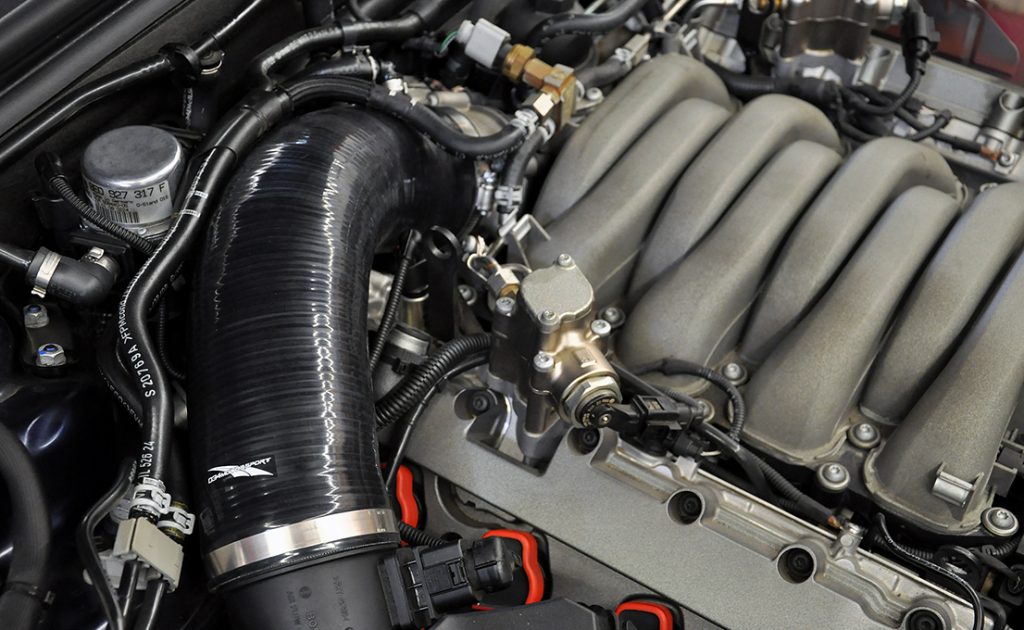
The engine also used chain driven camshafts located at the rear of the engine to reduce torsional vibration at high RPM. This attention to stability further complements the durability provided by sodium valve technology.
Rather than being marketed as a racing gimmick, sodium filled valves in this engine were simply part of a broader reliability strategy. Audi engineers treated thermal management as a durability requirement, not just a performance advantage.
This engine remains a strong example of how proper thermal engineering can allow naturally aspirated performance engines to remain reliable even under conditions where lesser engines would quickly develop valve damage.
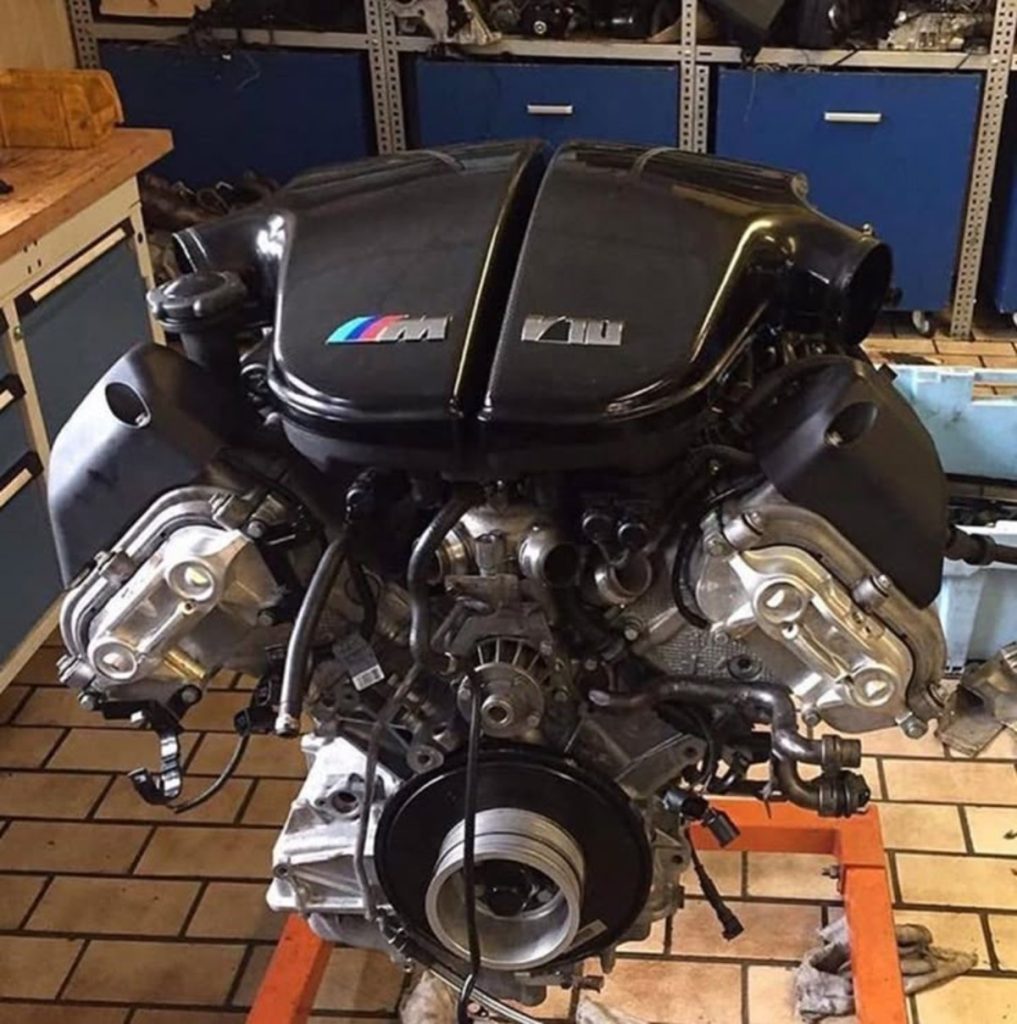
2. BMW S85 V10
BMW’s S85 V10 engine, famously used in the E60 M5 and E63 M6, represents one of the most ambitious naturally aspirated engine projects ever placed into a production sedan. Inspired heavily by BMW’s Formula One development experience of the early 2000s, this engine was built with an emphasis on sustained high RPM operation.
Producing over 500 horsepower and revving to 8250 RPM, the S85 operates in a thermal environment far more extreme than typical road car engines.
At these speeds, exhaust valves experience intense heating cycles that would quickly degrade conventional solid valves. BMW addressed this through the use of sodium filled exhaust valves to maintain structural integrity.
Instead of focusing only on brute strength, BMW concentrated on thermal balance. The S85 cylinder heads were designed with complex coolant pathways to maintain even temperatures across all cylinders. Sodium valves acted as a secondary safeguard, removing localized heat from the most stressed components.
This engine also used individual throttle bodies for each cylinder, allowing extremely precise airflow control. While this improved throttle response, it also increased combustion efficiency, which in turn increased combustion temperatures. Again, sodium cooled exhaust valves became essential rather than optional.
What makes the S85 particularly interesting is how it behaves under extended high speed conditions.
Unlike many high horsepower engines that begin to suffer from heat soak after extended use, the S85 was engineered to maintain consistent operating characteristics. Valve cooling was one of many strategies used to prevent thermal fatigue.
The valvetrain itself was built with lightweight components to allow stable high RPM operation. Reduced mass meant less inertia and reduced stress on the camshafts and valve springs. However, lighter valves alone would not solve the heat problem, which is why sodium filled construction was necessary.
Another design factor was BMW’s choice to use a very high redline compared to typical V8 engines of the time. Higher RPM increases exhaust gas velocity and temperature. Without sodium filled valves, long term durability at these speeds would have been difficult to achieve.
Engine teardown analyses from high mileage examples have shown surprisingly low valve deformation considering the engine’s performance capability. This suggests that the heat transfer design worked exactly as intended.
BMW also integrated advanced knock detection and temperature monitoring systems to protect the engine during extreme use. Sodium filled valves worked quietly in the background as a passive durability feature rather than an advertised selling point.
The S85 remains an example of how race inspired engineering can be adapted for road durability. Sodium filled exhaust valves played a small but critical role in allowing this engine to operate safely in a performance range rarely attempted in production sedans.
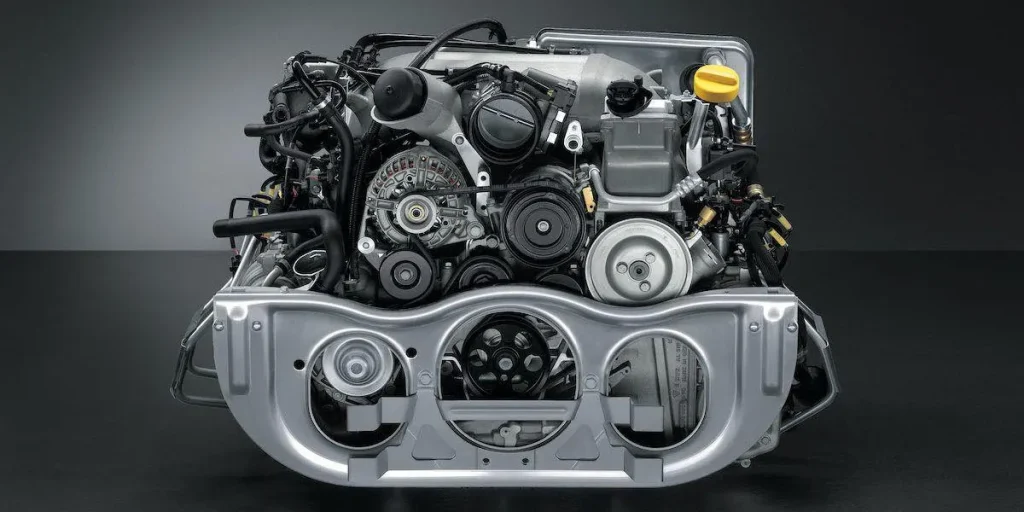
3. Porsche Mezger 3.6L Twin Turbo (997 Turbo)
When discussing engines engineered for sustained punishment rather than occasional performance bursts, the Mezger derived Porsche 3.6 liter twin turbo flat six deserves special attention.
This engine traces its design roots back to Porsche endurance racing programs, particularly those focused on 24 hour reliability rather than short sprint racing. That philosophy shaped every internal component including the sodium filled exhaust valves.
Unlike many modern engines that evolved from standard production blocks, the Mezger engine followed a motorsport first architecture.
The crankcase design separated the crankshaft housing from the cylinder barrels, improving rigidity and heat management. This structure allowed the engine to handle prolonged boost pressure while maintaining internal stability.
Turbocharging naturally increases exhaust gas temperatures because forced induction increases cylinder pressure and fuel burn intensity. Under repeated high boost operation, exhaust valves become one of the most thermally stressed parts in the engine.
Porsche addressed this risk by implementing sodium filled valves capable of transferring heat away from the valve face during extended boost cycles.
One major difference in Porsche’s approach was how they engineered the cooling system around endurance use rather than peak output numbers. The coolant routing focused heavily on the exhaust side of the heads.
Combined with sodium valves, this created a layered heat management strategy rather than relying on a single solution.
Drivers often report that these engines feel just as strong after extended aggressive driving as they do when cold. That consistency reflects the effectiveness of temperature stabilization techniques like sodium valve cooling. Stable temperatures help prevent power loss caused by heat soak.
Another area worth noting is material selection. Porsche used extremely high quality alloys for valve seats and guides. When sodium valves reduce peak temperatures, these surrounding components also benefit. Lower heat exposure means less guide wear and better long term sealing.
Interestingly, the Mezger engine avoided some of the integrated design compromises seen in later Porsche engines. It used a true dry sump lubrication system with external oil reservoirs.
This allowed continuous lubrication even under sustained high speed cornering. While not directly related to sodium valves, it demonstrates the same engineering goal of durability during prolonged stress.
Mechanics who specialize in Porsche performance engines often note that valve related failures are extremely rare in properly maintained Mezger engines.
That reputation is not accidental. Porsche deliberately overbuilt the exhaust side thermal protection because turbocharged endurance use leaves little margin for weakness.
The engine was never marketed around sodium valve technology, yet it remains one of the quiet reasons these engines tolerate repeated high speed operation. Porsche focused on solving problems before they could appear rather than reacting to failures later.
This engine shows how sodium filled valves work best when integrated into a complete durability strategy. They are not magic parts on their own. Their real value appears when combined with strong cooling design, strong metallurgy, and a clear focus on endurance capability.
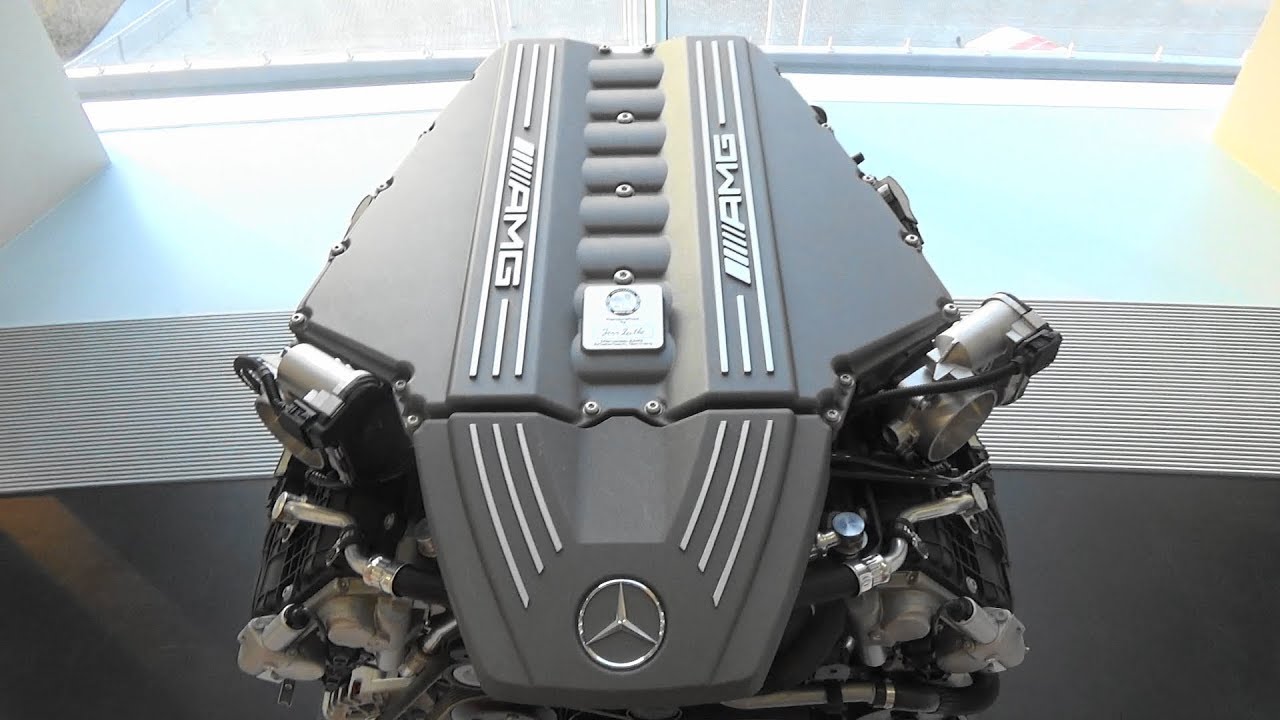
4. Mercedes Benz M159 6.2L V8
Some engines are designed to impress on paper. Others are designed to survive extreme real world punishment. The Mercedes Benz M159 V8 belongs firmly in the second category. Used in the SLS AMG, this naturally aspirated 6.2 liter engine represents a heavily revised evolution of the M156, upgraded specifically for track durability.
One of the biggest challenges AMG engineers faced was ensuring reliability during repeated track laps. Track driving creates a very different stress profile compared to street use. Engines spend long periods near redline, cooling airflow varies, and exhaust temperatures remain elevated for extended time periods.
To address these conditions, AMG upgraded the exhaust valves to sodium filled designs. The goal was not just heat resistance but thermal predictability. Engineers wanted the valves to behave consistently lap after lap without developing microscopic deformation that could eventually cause sealing problems.
The M159 also received improved valve train geometry, stiffer valve springs, and reinforced cam followers. These upgrades ensured precise valve control even at high RPM. Sodium cooling allowed AMG to maintain that precision without worrying about valve expansion changing tolerances.
Another interesting engineering decision was relocating certain oiling pathways to better cool the upper cylinder head region. Heat rises inside an engine, and the upper valvetrain often experiences the highest sustained temperatures. Sodium filled exhaust valves complemented this improved oil cooling approach.
AMG also modified the crankcase breathing system to reduce internal pressure buildup during aggressive operation. While this may sound unrelated, stable crankcase pressure helps maintain consistent oil delivery to the valve train. Every small reliability improvement worked together.
Instead of focusing only on raw horsepower, AMG invested heavily in friction reduction. Revised camshaft coatings and low friction bucket tappets reduced heat generated by mechanical motion. This reduced the total thermal load the sodium valves had to manage.
Owners who track these cars often observe that the engine tolerates repeated hot laps without developing rough idle or compression inconsistencies. Stable exhaust valve temperatures contribute significantly to this behavior because valve sealing remains consistent even after severe use.
The M159 also benefited from extensive testing at demanding circuits like the Nürburgring. Long duration testing allowed engineers to observe how exhaust components behaved after continuous high load driving. Sodium valves were validated in exactly the environment they were meant to survive.
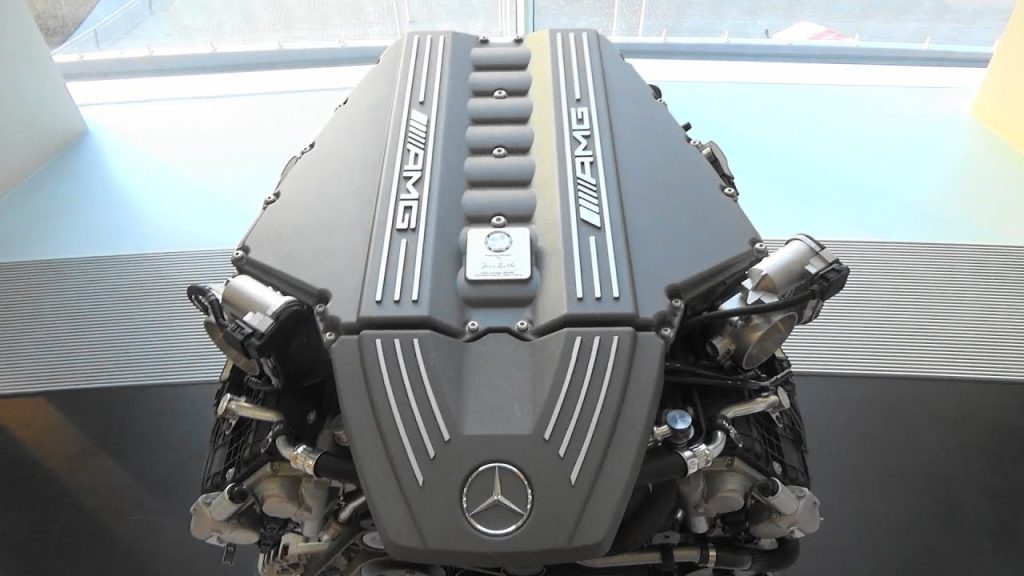
Rather than being a marketing headline, these valves were simply part of AMG’s philosophy of engineering engines that could handle serious use without fragile behavior. The focus was always confidence under stress rather than just acceleration statistics.
This engine stands as a reminder that true performance is not just about speed. It is about the ability to maintain that speed repeatedly without degradation. Sodium filled exhaust valves helped AMG achieve that goal by quietly protecting one of the engine’s most heat sensitive components.
5. Nissan VR38DETT Twin Turbo V6
The Nissan VR38DETT engine represents a very different philosophy compared to the previous engines. Instead of relying purely on high revving naturally aspirated design or endurance racing heritage, this engine was built around the idea of controlled brutality.
From the beginning, it was meant to tolerate massive boost pressure, repeated launch control use, and sustained high speed acceleration without losing mechanical composure.
This 3.8 liter twin turbocharged V6, used in the Nissan GT R, operates in a thermal environment that few production engines ever experience. Turbochargers dramatically increase exhaust heat because they are powered by expanding exhaust gases.
Under heavy acceleration or prolonged high speed driving, exhaust temperatures can rise extremely quickly. Without strong thermal control, exhaust valves would become a failure point.
To counter this, Nissan engineers equipped the VR38DETT with sodium filled exhaust valves. The goal was not simply performance but survivability.
This engine was expected to be modified, pushed hard, and driven aggressively by enthusiasts around the world. That expectation meant the internal components had to tolerate abuse beyond normal design margins.
A unique aspect of this engine is its hand built assembly process. Each VR38DETT is assembled by a single master technician under Nissan’s Takumi program.
While this is often discussed from a craftsmanship perspective, it also reflects the precision required for components like sodium filled valves. Proper balance and sealing of these valves is critical, and careful assembly ensures they function exactly as intended.
The cylinder heads were also designed with strong emphasis on exhaust side cooling. Large coolant passages surround the hottest areas of the head casting. This design works together with the sodium valves, reducing the likelihood of localized hot spots forming during long high speed runs.
Unlike engines that depend on extremely high RPM to make power, the VR38 focuses on sustained torque delivery. High torque means high cylinder pressure, which directly increases combustion heat.
Sodium valves therefore become essential not because of RPM alone but because of the intense pressure environment created by turbocharging.
Another important factor is how this engine responds to tuning. Many VR38 engines are modified to produce far more power than factory levels.
Even in these cases, the sodium filled valves often remain reliable because they were designed with significant thermal margin. This shows how over engineering certain components can provide long term benefits.
Cooling is also supported through piston oil jets that spray oil at the underside of the pistons. Lower piston temperatures indirectly reduce exhaust heat load.
When combustion chambers remain thermally balanced, exhaust valves benefit from reduced peak exposure. This demonstrates how sodium valves work best as part of a complete thermal ecosystem.
Interestingly, the VR38 also uses a plasma sprayed cylinder bore coating rather than traditional iron liners. This improves heat transfer into the block structure. Better heat movement across the engine reduces stress concentration in any single component including exhaust valves.
Long term ownership reports show that valve failures are extremely uncommon even in cars that see track use. Most reliability issues tend to appear in external systems rather than the core rotating assembly or valve train. This reflects how carefully Nissan engineered the thermal limits of the engine.
Instead of designing an engine that performs well only under ideal conditions, Nissan created one capable of maintaining composure during repeated high stress use. Sodium filled valves are a hidden but essential reason the VR38 can repeatedly handle conditions that would quickly damage less prepared engines.
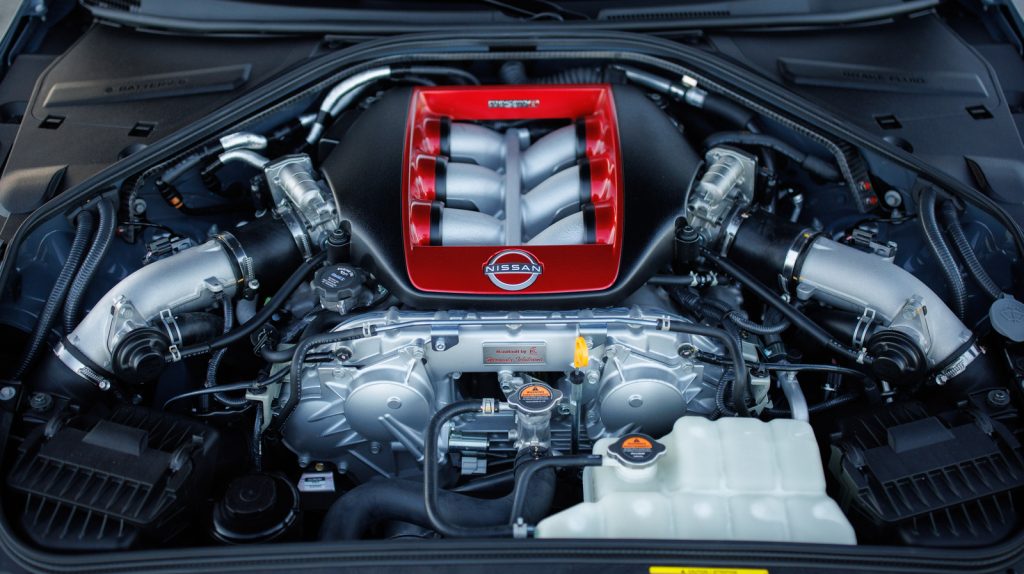
The engine demonstrates that real engineering strength often comes from solving problems most drivers never see. While turbo size and horsepower numbers get attention, it is the quiet thermal protection strategies like sodium filled valves that allow an engine to keep performing year after year.
Sodium filled exhaust valves may not be widely discussed outside engineering circles, yet they remain one of the most effective durability technologies used in high performance engines.
Their ability to transfer heat away from the valve face helps prevent warping, cracking, and sealing loss during continuous high speed operation. The five engines discussed here show that this technology appears in very different types of performance machines.
Some focus on high RPM operation, others on turbocharged endurance strength, while some are built for track consistency. Despite these differences, they all share one common engineering priority, controlling heat where it matters most.
What makes sodium valves especially valuable is that they work passively. They require no sensors, no software, and no maintenance schedules. Once installed, they continuously move heat away from the most vulnerable areas simply through the physics of liquid sodium movement inside the valve stem.
This also explains why they are usually found in engines where failure is not acceptable. Manufacturers tend to use them when reliability under stress is just as important as performance output. They represent preventive engineering rather than reactive engineering.
Another lesson from these engines is that durability rarely comes from one single feature. Sodium filled valves work best when combined with strong cooling systems, quality materials, effective lubrication, and intelligent airflow design.
Together these elements allow engines to survive conditions that would destroy less carefully engineered designs.
As performance expectations continue to rise, especially with turbocharging and higher compression becoming common, thermal management will only become more important. Technologies like sodium filled valves will likely continue to play a role wherever sustained performance matters.
In the end, the true measure of a great performance engine is not just how fast it can go, but how long it can maintain that performance without failure. These engines prove that sometimes the most important engineering solutions are the ones most drivers never notice.
Also Read: 10 New Car Features in 2026 That Are Actually Just Gimmicks
