
Heavy duty SUVs built on half ton truck frames occupy a special place in the American vehicle market because they combine the comfort of a family SUV with the strength of a pickup truck. These vehicles are not just large for appearance.
Their durability comes from body on frame construction, the same engineering approach used in trucks designed for towing, hauling, and surviving harsh conditions for hundreds of thousands of miles.
Unlike crossover SUVs that use unibody construction, these traditional SUVs use ladder frames derived from half ton trucks such as the Ford F 150, Chevrolet Silverado 1500, and Ram 1500.
This gives them strong torsional rigidity, higher towing ratings, better resistance to structural fatigue, and the ability to handle off road punishment without developing body flex or long term rattles.
Another advantage of these truck based SUVs is serviceability. Because they share platforms with mass produced pickup trucks, parts availability is excellent and repair knowledge is widespread.
Owners who plan to keep their vehicles for long periods often prefer these SUVs because their mechanical layouts are proven, simple to maintain, and built for commercial duty cycles rather than just daily commuting.
These SUVs are also favored by people who regularly tow trailers, boats, and campers. The strong frames allow heavy hitch loads while maintaining stability at highway speeds.
Long wheelbases also improve ride stability, while solid rear axles increase load carrying capability compared to independent rear suspension designs found in many modern crossovers.
Over the years, manufacturers have refined these SUVs to include modern technology while keeping their rugged foundations intact. Features like advanced four wheel drive systems, locking differentials, heavy duty cooling systems, and reinforced suspension components help them survive demanding use.
This list focuses on ten heavy duty American SUVs that use half ton truck architecture as their backbone. Each vehicle stands out for different reasons such as longevity, towing confidence, off road strength, or structural toughness, making them excellent choices for buyers who value durability above everything else.
Also Read: 10 Iconic American Car Names That Were Actually Stolen From Nature
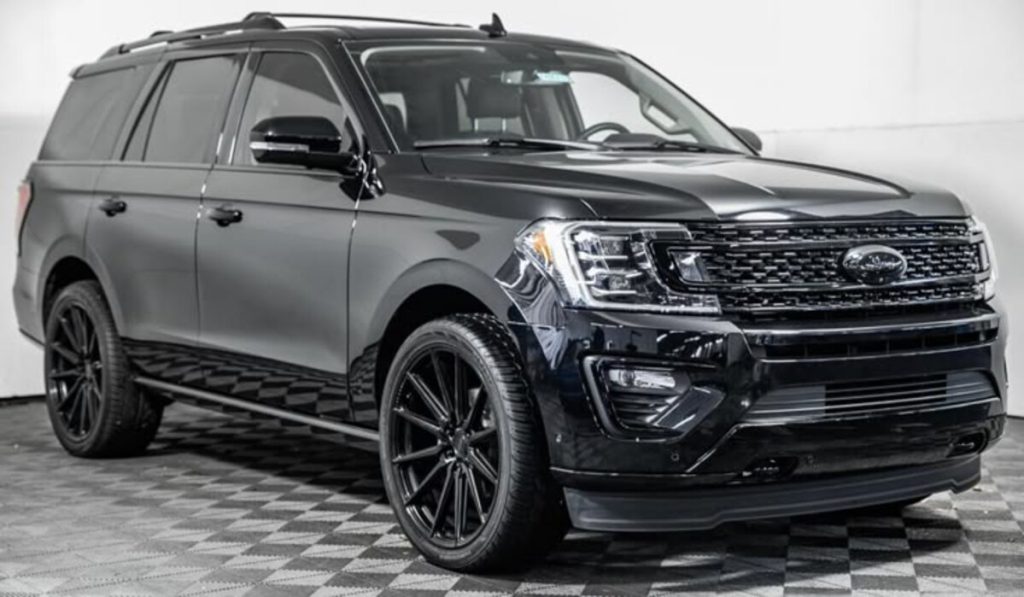
1. Ford Expedition
The Ford Expedition represents one of the clearest examples of a half ton truck transformed into a full size SUV without compromising strength. Built on the same basic architecture as the Ford F 150, this SUV benefits from decades of truck engineering improvements that focused on durability under heavy use.
What makes the Expedition particularly interesting is how Ford engineered it to maintain truck toughness while still delivering everyday usability.
The fully boxed frame design improves structural strength and helps distribute stress loads evenly when towing or driving on rough roads. This significantly reduces the chances of long term frame fatigue compared to lighter SUV platforms.
Powertrain choices also contribute to durability. The twin turbo EcoBoost V6 may seem unconventional compared to traditional V8 engines, but it was engineered with heavy duty internals, strong cooling capacity, and torque characteristics designed for towing rather than just performance. This means the engine does not need to work excessively hard to move the vehicle.
Another major strength comes from its suspension tuning. The Expedition uses heavy duty control arms and reinforced mounting points designed to handle weight transfer during towing and cargo hauling. This results in predictable handling even when the vehicle is loaded close to its capacity.
Owners who maintain these SUVs often report very high mileage with minimal structural issues. Much of this comes from Ford’s decision to retain truck grade components in areas such as driveline parts, differentials, and transmission cooling systems.
From a durability perspective, the Expedition is less about luxury and more about engineering confidence. It is designed for buyers who want something that can function as a long distance hauler, tow vehicle, and long term ownership platform without feeling fragile after years of demanding use.
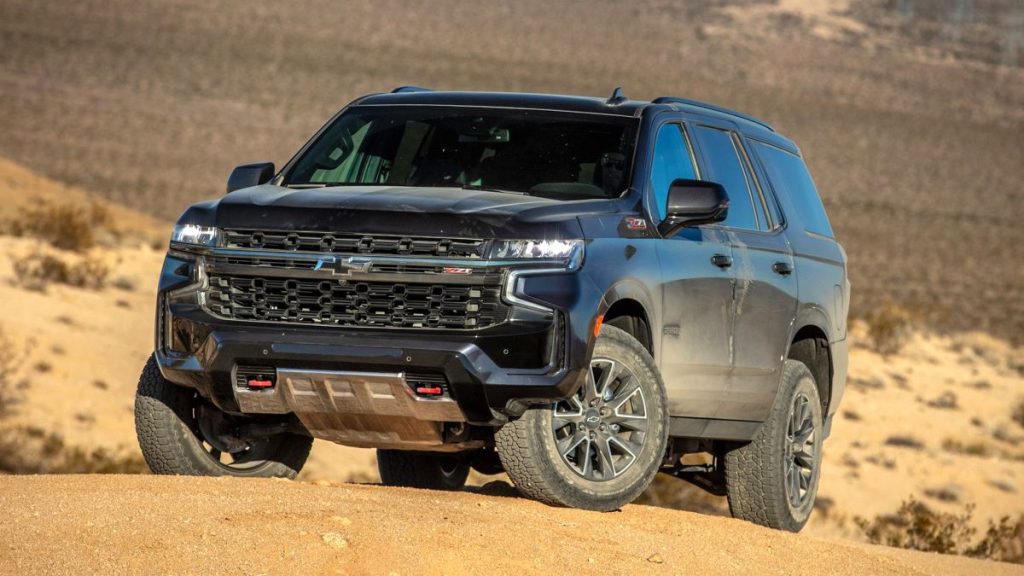
2. Chevrolet Tahoe
The Chevrolet Tahoe has built a reputation over decades as one of the most structurally dependable full size SUVs in America. Sharing its bones with the Chevrolet Silverado 1500, the Tahoe benefits from a truck frame designed to survive work environments rather than just suburban driving conditions.
One of the Tahoe’s biggest strengths is how General Motors tuned the chassis for longevity. Engineers focused on reinforcing stress points where suspension components meet the frame. This helps prevent long term wear in vehicles that frequently encounter uneven terrain or carry heavy loads.
The Tahoe also stands out because of its naturally aspirated V8 engines, particularly the long running small block V8 family. These engines are known for simple construction, strong low end torque, and relatively low mechanical stress during normal driving.
Their reputation for long life comes partly from their ability to operate without excessive turbo pressure or complex forced induction systems.
Cooling capacity is another durability factor often overlooked. The Tahoe uses large radiators and transmission cooling setups that help maintain stable operating temperatures even when towing. Consistent temperatures reduce long term wear on seals, gaskets, and internal engine components.
Another detail that contributes to its reputation is the solid rear axle design used for many generations. This setup may seem old fashioned, but it is extremely strong and well suited for vehicles expected to carry heavy loads over long periods.
Fleet use also tells an important story. Many law enforcement and government fleets choose the Tahoe not because it is flashy but because it can survive continuous use with predictable maintenance requirements. This real world validation says a lot about its structural and mechanical resilience.
For buyers who want a proven design with a long track record of reliability, the Tahoe represents a practical example of how truck based engineering can translate into SUV durability.
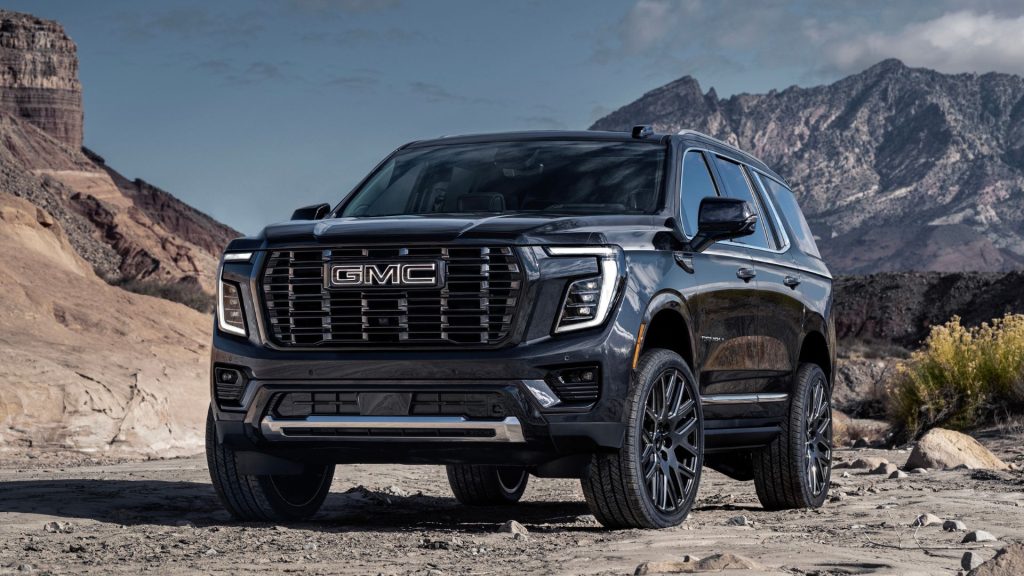
3. GMC Yukon
The GMC Yukon approaches durability from a slightly different angle compared to its Chevrolet sibling. While it shares the same Silverado derived half ton frame, GMC positions the Yukon as a more premium interpretation of a heavy duty SUV while keeping its structural strength intact.
Instead of focusing purely on rugged image, the Yukon emphasizes structural refinement. Engineers paid attention to vibration control, frame isolation, and mounting bushings to ensure the vehicle can remain tight and quiet even after years of use.
This matters because many large SUVs begin to develop interior noise as frames age, but the Yukon was designed to resist this type of long term wear.
The Yukon also benefits from strong drivetrain calibration. Its transmission programming focuses on smooth torque delivery rather than aggressive shifting. This reduces shock loads on driveline components, which can extend the life of universal joints, driveshafts, and differential gears.
Material thickness in critical areas is another strength. Frame cross members and mounting brackets were designed to handle repeated stress cycles. This becomes important for drivers who regularly travel on broken pavement or gravel roads where constant vibration can slowly weaken lighter structures.
The vehicle also appeals to buyers who want durability without sacrificing long distance comfort. Long highway drives place different types of stress on vehicles compared to off road use. The Yukon manages this balance by combining a rigid structure with suspension tuning that absorbs impacts rather than transferring them directly into the frame.
From a long term ownership perspective, the Yukon often attracts people who want a vehicle that still feels solid after ten years rather than something that only feels impressive when new. Its durability comes not from one single feature but from the way multiple truck grade systems work together to prevent gradual mechanical decline.
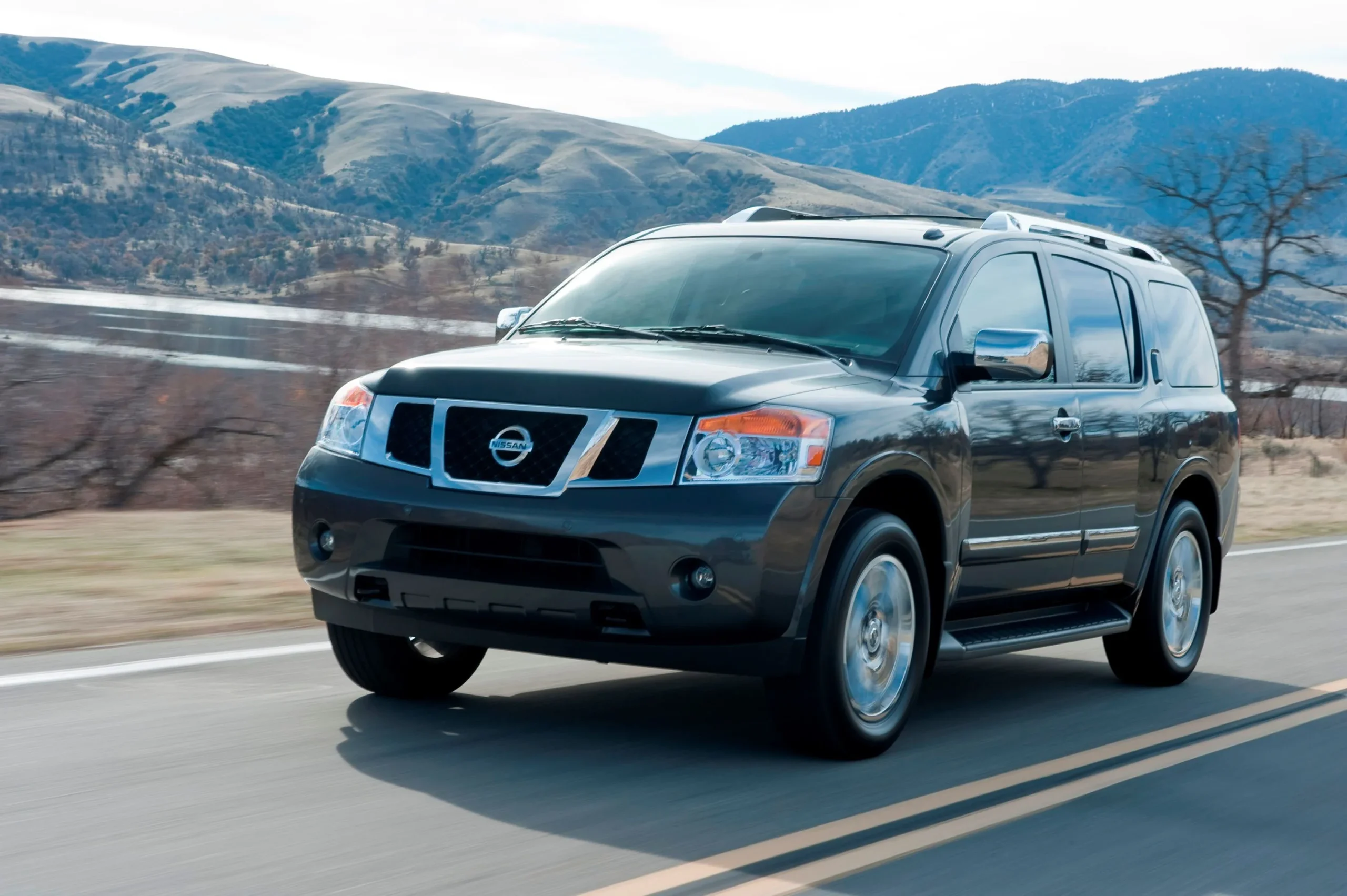
4. Nissan Armada
The Nissan Armada may not always be the first name mentioned in American SUV discussions, but its durability credentials are very strong because of its truck based development philosophy. Built with a frame related to the Nissan Titan half ton pickup, the Armada was engineered with heavy usage in mind.
A major difference with the Armada is its traditional approach to power. The naturally aspirated V8 engine focuses on mechanical simplicity and consistent torque delivery. This type of design often results in predictable long term wear patterns rather than the complexity that sometimes comes with smaller turbocharged engines.
Another notable durability trait is the strength of its drivetrain components. The transfer case, driveshafts, and axle housings were built with a safety margin intended for towing and off road travel. Even if many owners never fully use this capability, having that extra strength often means reduced stress during normal driving.
The Armada also benefits from conservative engineering choices. Instead of chasing aggressive weight reduction, Nissan prioritized structural confidence. Heavier components in certain areas may slightly reduce efficiency, but they can increase resistance to fatigue over time.
Interior durability also deserves mention. While luxury features are present, the materials are chosen to withstand repeated use. Controls, seat structures, and mounting hardware tend to hold up well even in vehicles that see family duty or commercial transport use.
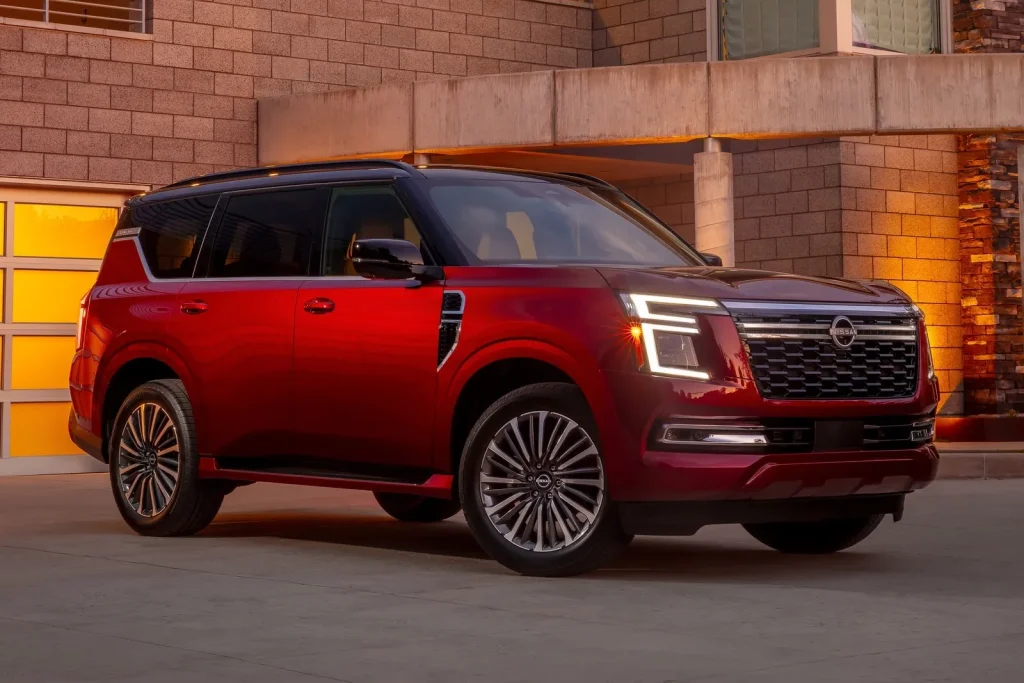
Another overlooked factor is the vehicle’s global engineering background. Because similar platforms are used in markets with rough road conditions, the structural expectations tend to be higher than what typical city driving requires.
The Armada therefore becomes a choice for buyers who want something slightly different from domestic options while still getting the benefits of a half ton truck based foundation designed to last through demanding use.
5. Toyota Sequoia
The Toyota Sequoia takes a very different approach to heavy duty SUV durability compared to many American competitors. While it is built on a half ton truck platform related to the Toyota Tundra, its design philosophy focuses heavily on long term reliability rather than just raw strength figures.
One of the most important aspects of the Sequoia is how Toyota engineers mechanical stress reduction into the vehicle. Instead of pushing components close to their limits, Toyota often designs systems to operate well within their capacity. This approach may not always produce the highest performance numbers, but it often leads to exceptional longevity.
The frame construction itself is designed with corrosion resistance in mind. Many Sequoia models are known for strong rust protection measures, including protective coatings and drainage paths that help prevent moisture from getting trapped in structural areas. This is a major factor in long term durability, especially in regions where vehicles face harsh weather.
The hybrid powertrain in newer models also represents an interesting durability strategy. Instead of focusing purely on fuel economy, the electric motor assists the gasoline engine during heavy acceleration. This reduces strain on the engine during high load situations and can improve long term mechanical health.
Another area where the Sequoia stands out is quality control. Toyota has a long history of emphasizing manufacturing precision. Tight assembly tolerances help prevent vibration related wear, which can slowly damage components over years of driving.
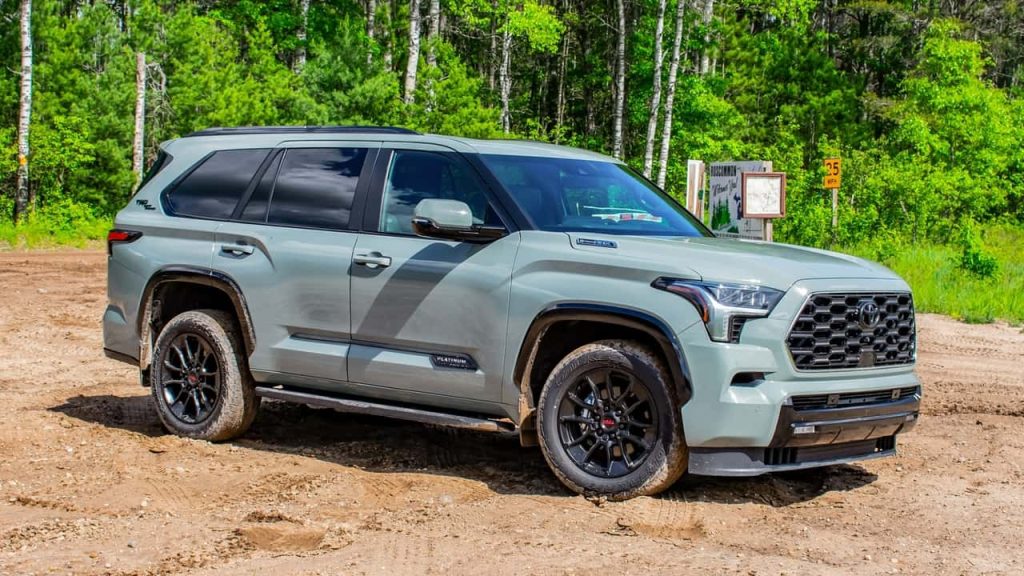
Owners often describe the Sequoia as a vehicle that feels overbuilt rather than just strong. Door hinges, seat frames, and suspension components often feel heavier than expected, suggesting a focus on longevity rather than cost cutting.
The Sequoia appeals strongly to buyers who plan to keep their vehicles for extremely long periods. It is less about aggressive styling and more about creating a dependable long term ownership experience built on a proven truck foundation.
6. Ram 1500 Based Dodge Durango (Historical Body on Frame Generation)
The Dodge Durango has gone through several design changes over the years, but its earlier body on frame generation stands out as a true truck derived SUV. Built with architecture related to Ram half ton trucks, this version of the Durango was designed with strength as a primary goal rather than crossover comfort.
One of the defining traits of this generation was its straightforward mechanical design. The use of traditional V8 engines, conventional automatic transmissions, and simple four wheel drive systems made the vehicle easier to maintain compared to more complex modern designs.
Durability in this Durango came from its ability to handle abuse without requiring delicate treatment. The suspension geometry was tuned to handle rough surfaces without excessive component stress. This made it suitable for owners who used their SUVs on construction sites or in rural environments.
Another interesting aspect was its approach to load handling. The frame was designed to tolerate significant weight transfer during towing. Reinforced rear sections helped manage trailer tongue weight, which is a common source of long term structural strain in weaker SUV platforms.
What also made this Durango unique was its personality. It was not designed to hide its truck origins. The driving feel, steering weight, and road feedback all reminded drivers that this was essentially a pickup truck with an enclosed body.
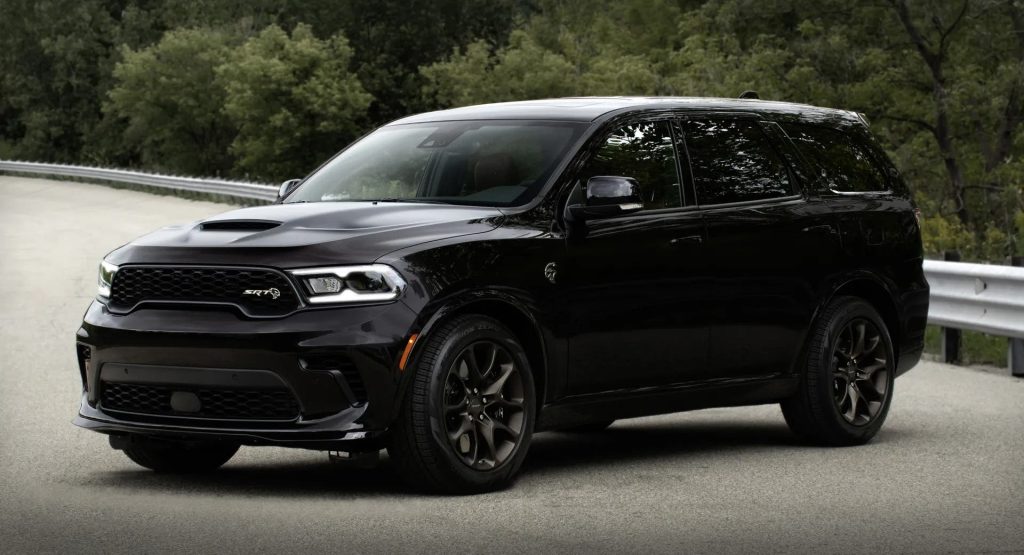
Maintenance accessibility also played a role in its long term durability. Engine bays were relatively open, allowing easier servicing. This often leads to better maintenance compliance because routine work is less difficult and less expensive.
Although newer Durango models moved toward unibody construction, the earlier truck based version remains notable as a tough SUV built for buyers who valued strength and simplicity over refinement.
7. Chevrolet Suburban
The Chevrolet Suburban represents one of the longest running examples of a truck based SUV built for durability. Its history stretches back decades, and its continued evolution has always remained tied to the half ton Silverado platform.
This long development history allowed engineers to refine weaknesses over multiple generations instead of constantly reinventing the structure.
One reason the Suburban stands apart is its sheer structural length. The extended wheelbase does more than increase passenger space.
It improves weight distribution and highway stability, which reduces constant suspension corrections that can slowly wear steering and suspension parts. This creates a calmer mechanical environment during long distance driving.
Cooling management is another area where the Suburban shows its truck roots. Larger fluid capacities in the transmission and differential systems help maintain stable operating temperatures. Heat is one of the biggest enemies of mechanical durability, and this design approach helps protect internal components from thermal breakdown.
Instead of focusing only on raw toughness, Chevrolet also designed the Suburban to survive constant usage cycles. Many examples spend their lives as airport shuttles, security transport vehicles, or long distance family haulers. These use cases involve continuous operation rather than occasional driving, which is often harder on vehicles.
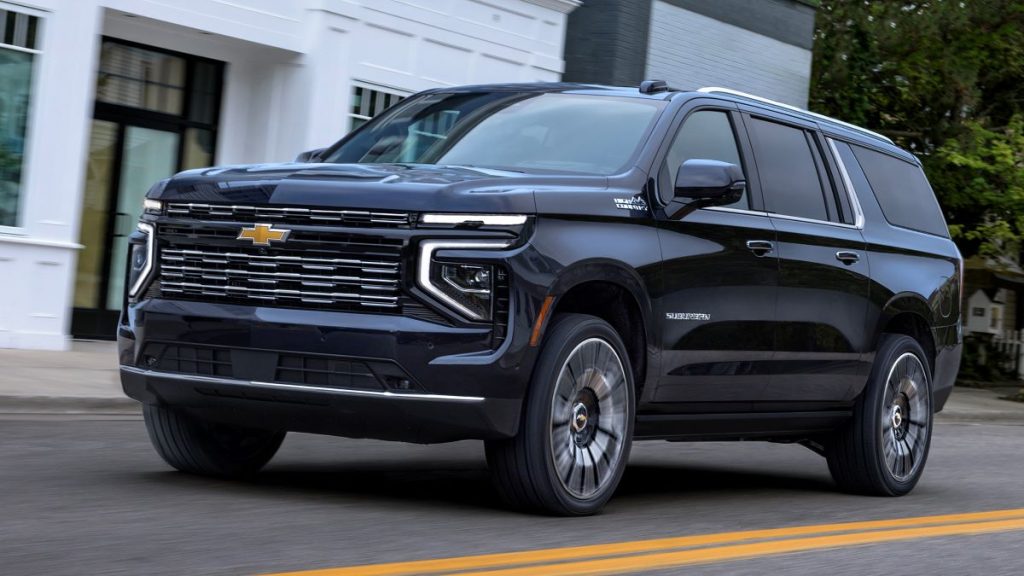
Another interesting durability advantage comes from parts commonality. Because many components are shared with the Silverado, replacement parts are widely available and relatively affordable. This helps keep aging vehicles on the road longer because maintenance remains economically practical.
The Suburban also demonstrates how gradual engineering improvement can create durability. Rather than radical redesigns, most updates focus on strengthening known stress points. This evolutionary development process tends to produce dependable long term results.
For buyers who want a vehicle that feels engineered for decades of service rather than short ownership cycles, the Suburban continues to represent one of the strongest examples of truck based SUV endurance in the American market.
8. Lincoln Navigator
The Lincoln Navigator shows how a luxury SUV can still retain the core toughness of a half ton truck. Built on the same basic structure as the Ford Expedition, the Navigator proves that premium comfort and heavy duty construction do not have to be opposites.
Where the Navigator differs is in how it manages durability through refinement rather than just visible toughness. Lincoln focused heavily on structural stiffness because a luxury vehicle must remain quiet even after years of use. A flexible frame can cause squeaks and vibration, so engineers reinforced key areas to preserve long term cabin integrity.
Another durability factor comes from how power delivery is managed. The twin turbo engine used in the Navigator produces strong torque at low speeds. This allows the vehicle to move heavy weight without needing aggressive throttle input. Reduced mechanical strain during acceleration can improve long term drivetrain life.
Air suspension systems in some models may seem complex, but they also serve a durability purpose. By automatically adjusting ride height and stiffness, the system helps control impact forces. Reducing harsh impacts helps protect both the frame and interior mounting points from cumulative damage.
The Navigator also benefits from strict material standards. Luxury buyers expect long term quality, so Lincoln invested in higher grade interior fasteners, stronger seat frames, and improved sound insulation mounting methods. These details may not be obvious but they help the vehicle age more gracefully.
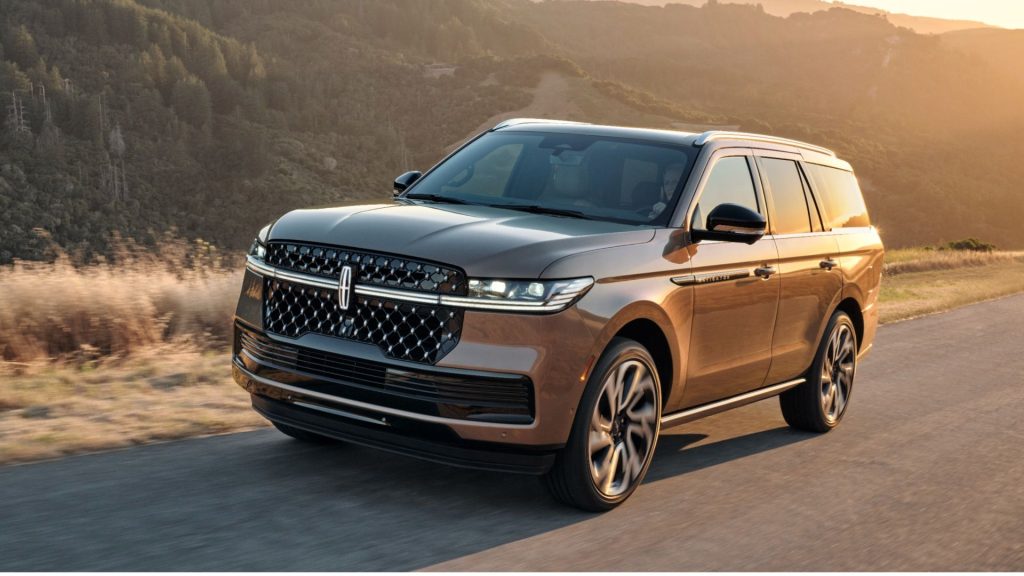
Another factor is how these SUVs are typically used. Many Navigators are driven primarily on highways, which results in more predictable wear patterns compared to constant off road use. Combined with a truck grade structure, this often leads to excellent long term durability.
The Navigator ultimately proves that durability is not only about surviving harsh environments. It can also mean maintaining structural tightness, smooth operation, and mechanical consistency over many years of ownership.
9. Cadillac Escalade
The Cadillac Escalade presents an interesting case where extreme durability is hidden beneath a luxury focused presentation. While most people associate the Escalade with premium interiors and advanced technology, its foundation comes directly from the Chevrolet Silverado half ton truck platform, giving it serious structural capability.
A major reason for the Escalade’s durability is the way General Motors engineered the frame to handle both comfort and strength requirements at the same time.
Luxury SUVs must isolate road harshness without weakening the structure. To achieve this, the Escalade uses reinforced frame sections combined with carefully tuned mounting points that absorb vibration without compromising rigidity.
Engine choices also play an important role in long term durability. The traditional GM V8 engines used in the Escalade have decades of engineering refinement behind them.
Their pushrod design may appear old compared to overhead cam layouts, but fewer moving parts often translate into fewer failure points and easier long term maintenance.
Weight management is another hidden durability factor. Because luxury features add mass, Cadillac reinforced suspension mounting points and braking systems to compensate. Stronger components operating below their maximum limits often last longer because they experience less fatigue during normal use.
Interior durability is approached differently than in work focused SUVs. Instead of just using tough materials, Cadillac focuses on structural integrity beneath the visible surfaces. Seat frames, dashboard supports, and console mounting brackets are designed to prevent looseness that could develop into rattles over time.
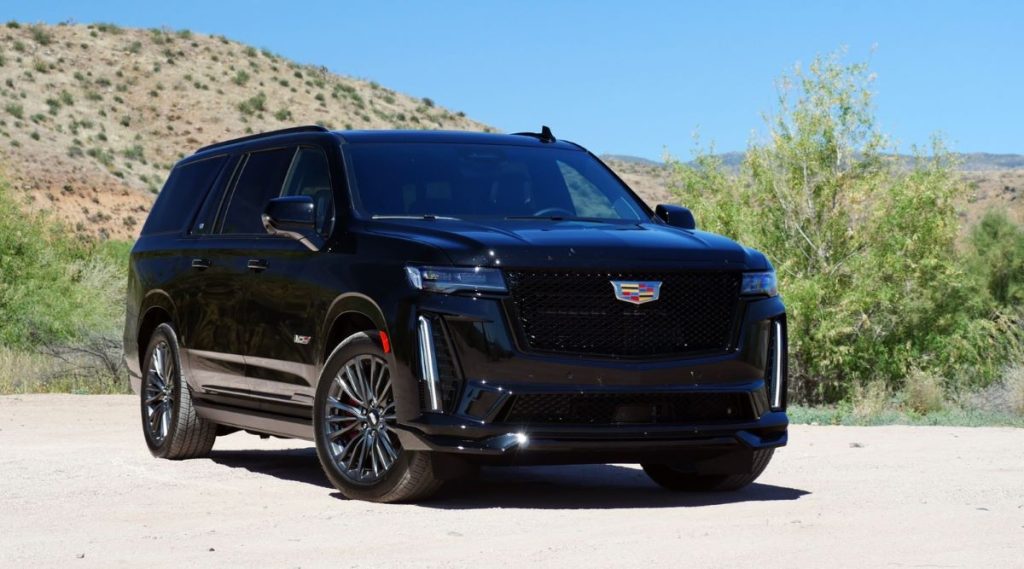
Another advantage comes from the Escalade’s typical ownership patterns. Many are used for executive transportation or highway travel. These driving conditions produce less severe suspension shock compared to off road driving, allowing the strong truck frame to age under relatively controlled stress conditions.
The Escalade demonstrates that a vehicle can be both highly refined and structurally tough. Beneath the luxury image is a platform designed to handle far more punishment than most owners will ever demand.
10. Ford Expedition EL / Max
The extended length version of the Ford Expedition, known as the Expedition EL and later the Expedition Max, shows how increasing size can actually contribute to durability when engineered correctly. Built on the same F 150 derived platform, this version focuses on long distance strength and load stability.
The longer frame does more than create cargo room. Engineers designed additional reinforcement sections to maintain structural rigidity across the increased length. Without these reinforcements, longer vehicles can suffer from frame flex, but Ford compensated with stronger cross members and structural bracing.
Another durability strength comes from how these vehicles manage cargo stress. Families and commercial users often load the rear heavily during travel. The Expedition Max uses rear suspension designs intended to manage repeated heavy loads without premature sagging or bushing wear.
Fuel system and cooling system capacity also support durability. Larger SUVs often operate under heavier loads, so Ford engineered these models with systems capable of handling extended highway driving with full passenger and cargo weight. This helps prevent overheating related wear.
This version of the Expedition also appeals to buyers who travel long distances regularly. Long highway use tends to produce consistent wear patterns rather than unpredictable stress. When combined with a strong truck frame, this can result in vehicles that remain structurally sound even after very high mileage.
Another factor that helps these SUVs last is the widespread knowledge of Ford truck maintenance. Because the mechanical systems closely match the F 150, many technicians are already familiar with service procedures. This improves the chances of proper maintenance throughout the vehicle’s life.
The Expedition Max represents the idea that durability is not only about surviving harsh terrain. It is also about surviving years of heavy family use, cargo hauling, and highway travel without structural decline.
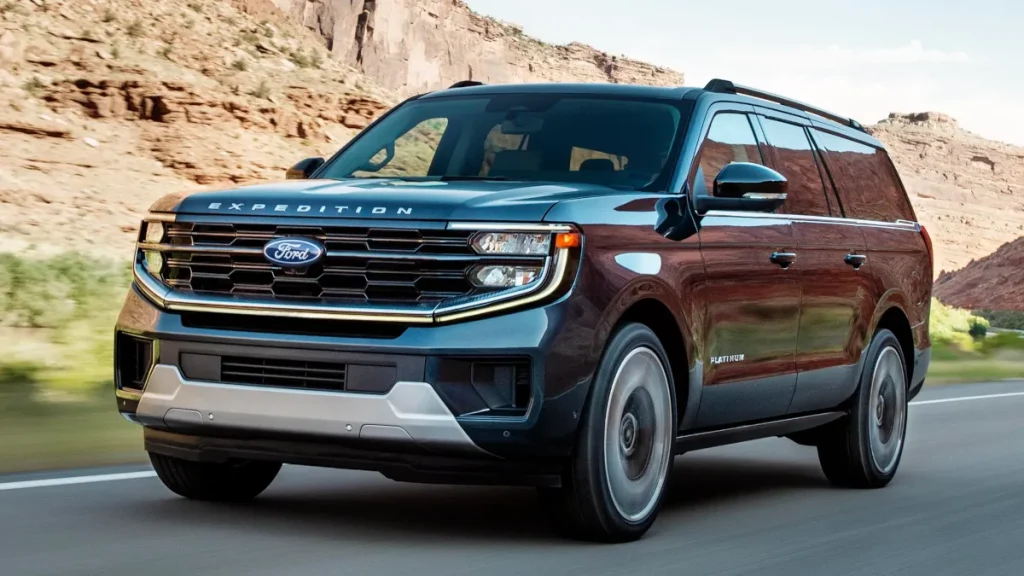
Heavy duty SUVs built on half ton truck frames continue to stand out because they are engineered with strength as their foundation rather than just comfort or styling.
By using proven pickup truck platforms, these vehicles benefit from reinforced frames, strong drivetrains, and suspension systems designed to tolerate heavy loads and difficult driving conditions over long periods.
Another important advantage is their long term ownership value. Because these SUVs share components with widely produced trucks, maintenance remains practical and parts remain available for many years. This makes them attractive to buyers who prioritize durability and long service life instead of short term ownership.
Each SUV on this list demonstrates durability in a different way. Some focus on towing stability, others on mechanical simplicity, and some on structural refinement. This variety shows that durability is not defined by a single feature but by how well the entire vehicle is engineered to resist wear.
For buyers seeking vehicles capable of surviving years of demanding use, truck based SUVs remain among the most dependable choices available.
Also Read: 10 Best Compact Cars for College Students Who Park in Tight Garages
