
Rural delivery drivers face a very different set of challenges compared to city drivers. Instead of smooth highways and frequent service centers, they often deal with broken pavement, gravel roads, long distances between towns, unpredictable weather, and heavy daily mileage. Because of this, reliability becomes more important than styling, technology, or even performance.
A good rural delivery vehicle must start every morning without drama, tolerate constant stop and go use, and survive rough road conditions without suspension failures. Fuel efficiency also matters because rural routes can cover large distances daily, making operating cost an important factor in long term ownership.
Another critical factor is ease of repair. Delivery drivers cannot afford long downtime. Cars with simple engines, widely available parts, and proven mechanical designs tend to be better choices than complex luxury vehicles.
This is why many of the most reliable used cars come from manufacturers known for conservative engineering and long term durability.
Models like the Toyota Corolla and Honda Civic consistently rank among the most dependable used vehicles thanks to their low ownership costs and strong reliability records. Their simple construction and strong resale demand reflect their reputation for longevity.
Ground clearance, strong suspension tuning, and proven automatic transmissions also matter for rural use. Vehicles that can handle uneven surfaces without frequent alignment issues or premature wear tend to save drivers significant money over time.
This list focuses on ten used cars that stand out for their reputation for reliability, ease of maintenance, durability under heavy mileage, and ability to handle demanding delivery work. Each vehicle offers a different strength, whether it is fuel economy, mechanical simplicity, or the ability to survive years of constant use.
For rural delivery drivers who depend on their vehicle for income, choosing the right used car can mean the difference between consistent earnings and constant repair bills.
Also Read: 10 Iconic American Car Names That Were Actually Stolen From Nature
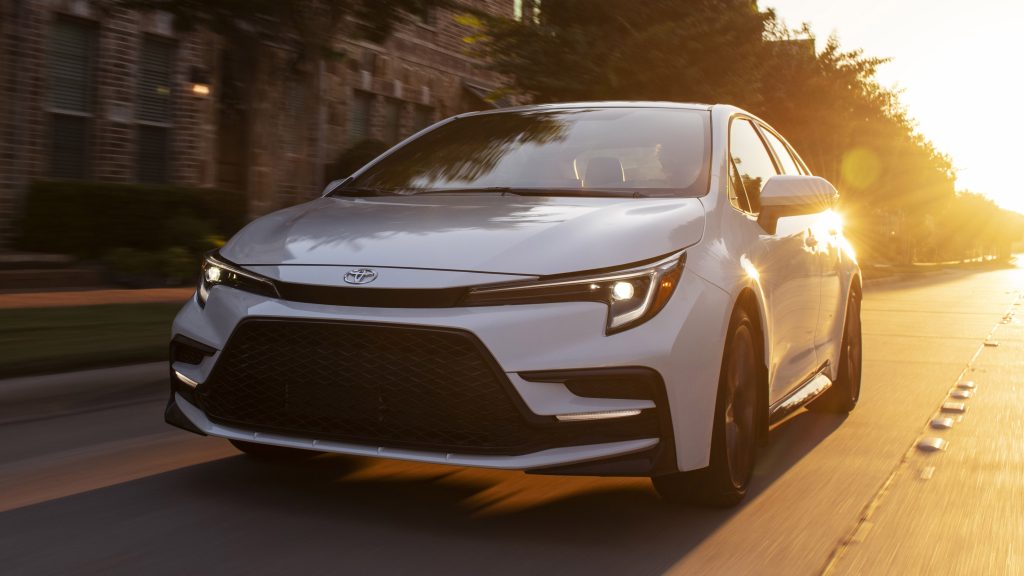
1. Toyota Corolla
The Toyota Corolla has earned its reputation not through marketing but through decades of consistent dependability. For rural delivery drivers, this matters because predictable performance is more valuable than exciting performance.
One of the biggest strengths of the Corolla is its mechanical simplicity. Most used models use naturally aspirated four cylinder engines paired with conventional automatic transmissions. This type of setup reduces complexity and makes repairs easier compared to turbocharged or highly electronic drivetrains.
Another advantage is operating cost stability. Rural delivery drivers often put extremely high mileage on their vehicles. The Corolla’s reputation for low maintenance requirements makes it attractive for people who cannot afford frequent repair interruptions.
Many reliability studies consistently place it among the safest used car choices because of its long proven track record.
Fuel economy also plays a role in why this car is often chosen for delivery work. Efficient engines allow drivers to complete long routes without excessive fuel expenses. Over months and years, this can make a meaningful difference in profitability.
The Corolla also performs well in another area that is rarely discussed, predictable aging. Many vehicles become unreliable as they age because of complex electronics. The Corolla tends to age gradually rather than suddenly developing major failures, which helps owners plan maintenance instead of reacting to emergencies.
From a practical standpoint, the suspension design is also well suited for imperfect roads. While it is not an off road vehicle, its tuning allows it to tolerate rough pavement better than many low profile sport sedans.
For a rural delivery driver who values consistency, the Corolla is less about excitement and more about dependable daily function. It is the type of vehicle chosen by people who need transportation that behaves like a tool rather than a hobby.
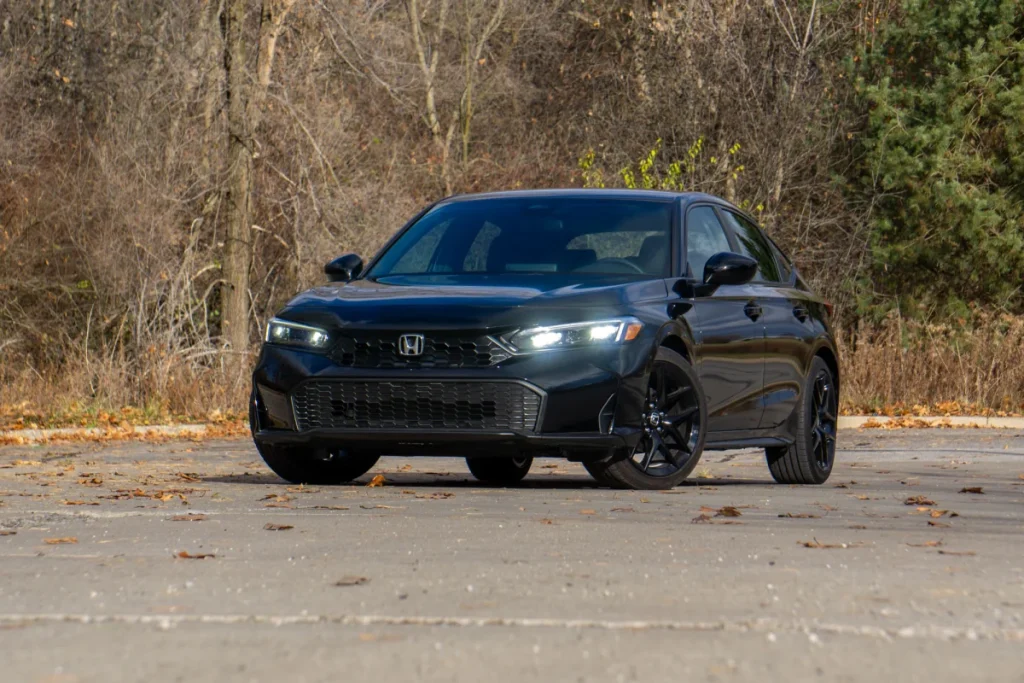
2. Honda Civic
If the Corolla represents conservative reliability, the Honda Civic represents durability combined with efficiency. It has long been considered one of the safest used car purchases for drivers who need a balance of fuel economy and mechanical trustworthiness.
One thing that makes the Civic attractive for delivery drivers is its engine durability. Honda has historically focused on building engines that tolerate high mileage when maintained properly. Many examples remain on the road well past typical ownership periods, which shows how well they handle continuous use.
Reliability surveys often show very low fault rates for the Civic, with only a small percentage of owners reporting significant problems. This kind of consistency is exactly what delivery drivers look for because reliability directly affects income stability.
Another important detail is driver comfort. Delivery work involves long hours behind the wheel. The Civic has historically provided good seating position, clear visibility, and controls that are easy to use repeatedly throughout the day.
The Civic also benefits from widespread mechanical familiarity. Because so many were sold, most mechanics understand their common service needs. This helps reduce diagnostic time and repair uncertainty.
Handling characteristics also help in rural conditions. The Civic has predictable steering and stable braking behavior, which becomes important when driving on narrow roads or in changing weather conditions.
Instead of being the cheapest option, the Civic often represents the smart long term choice. It appeals to drivers who understand that fewer breakdowns often matter more than a slightly lower purchase price.
For someone delivering goods across long rural routes, the Civic represents a balance of endurance, efficiency, and everyday usability that has kept it relevant for decades.
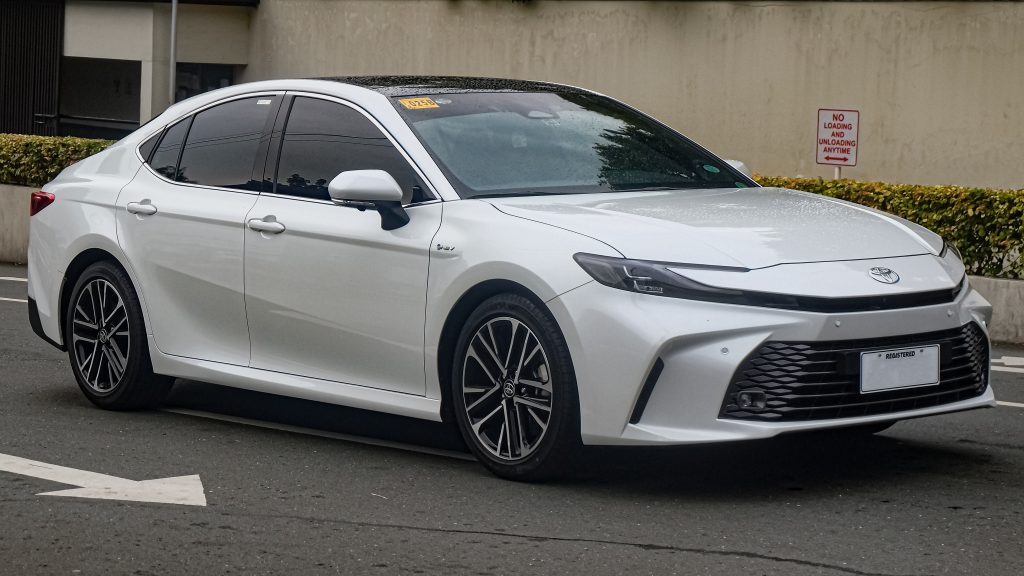
3. Toyota Camry
Not every rural delivery driver wants a compact car. Some prefer something slightly larger that still maintains a reputation for mechanical strength. This is where the Toyota Camry becomes a very practical choice because it combines midsize comfort with long term dependability.
What makes the Camry particularly suitable is its reputation for tolerating neglect better than many competitors. While proper maintenance is always important, the Camry is known for continuing to operate reliably even when maintenance intervals are slightly delayed. For drivers covering large rural routes, this tolerance can make a real difference.
The engine designs used in most Camry models focus on smooth operation rather than aggressive output. Lower stress operation helps internal components last longer. Many drivers report extremely high mileage without major engine or transmission failures, which is exactly what a delivery driver needs.
Ride quality also becomes a hidden advantage. Rural roads are rarely perfect. The Camry’s suspension tends to absorb rough surfaces without transferring harsh impacts into the cabin or damaging components quickly. This reduces driver fatigue and mechanical wear at the same time.
There is also a psychological benefit to driving a vehicle known for reliability. When a driver trusts their car, they can focus on work instead of worrying about unexpected failures. That confidence is often why the Camry remains popular among high mileage drivers.
This car does not try to impress with flashy design or sporty claims. Instead it succeeds by doing ordinary things extremely well for very long periods. For delivery work, that kind of quiet strength matters more than anything else.
4. Honda Accord
Some delivery drivers prefer a car that feels solid at highway speeds while still maintaining a strong reliability record. The Honda Accord fills this role by offering a slightly larger platform than compact sedans while keeping the dependability Honda is known for.
The Accord stands out because of how balanced it feels in daily use. The steering feels stable, braking response remains predictable, and the drivetrain usually delivers smooth power without sudden behavior. These qualities matter when a driver spends entire days behind the wheel.
Durability also comes from how Honda engineered the transmission behavior. Smooth shifting reduces shock loads on internal components. Over time this can reduce wear on gears and clutches, especially in vehicles that see constant daily operation.
Interior layout is another advantage. Storage spaces, large door openings, and comfortable seating make repeated entry and exit easier. This may seem minor, but delivery drivers can enter and exit their vehicles dozens of times per day.
The Accord also tends to maintain structural tightness as it ages. Many older examples do not develop excessive rattles or loose interior parts. This suggests strong assembly quality and durable mounting hardware.
Rather than focusing purely on economy, the Accord appeals to drivers who want something that feels substantial and trustworthy. It gives the impression of a vehicle built to continue functioning year after year rather than something designed only for short term ownership.
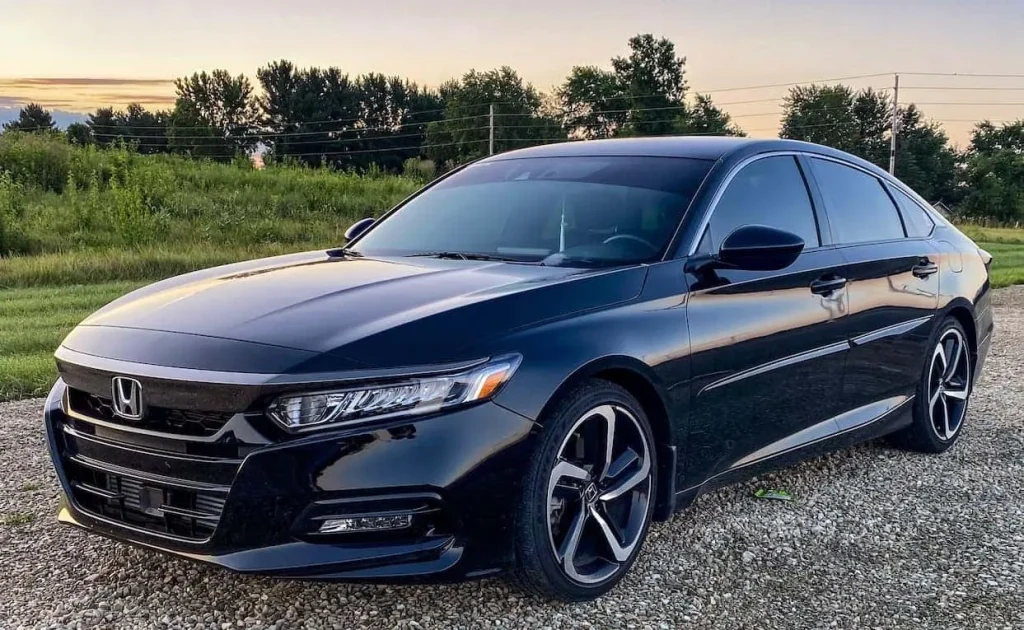
For rural delivery use, the Accord offers a useful combination of space, comfort, and long term mechanical dependability that makes it a very practical working vehicle.
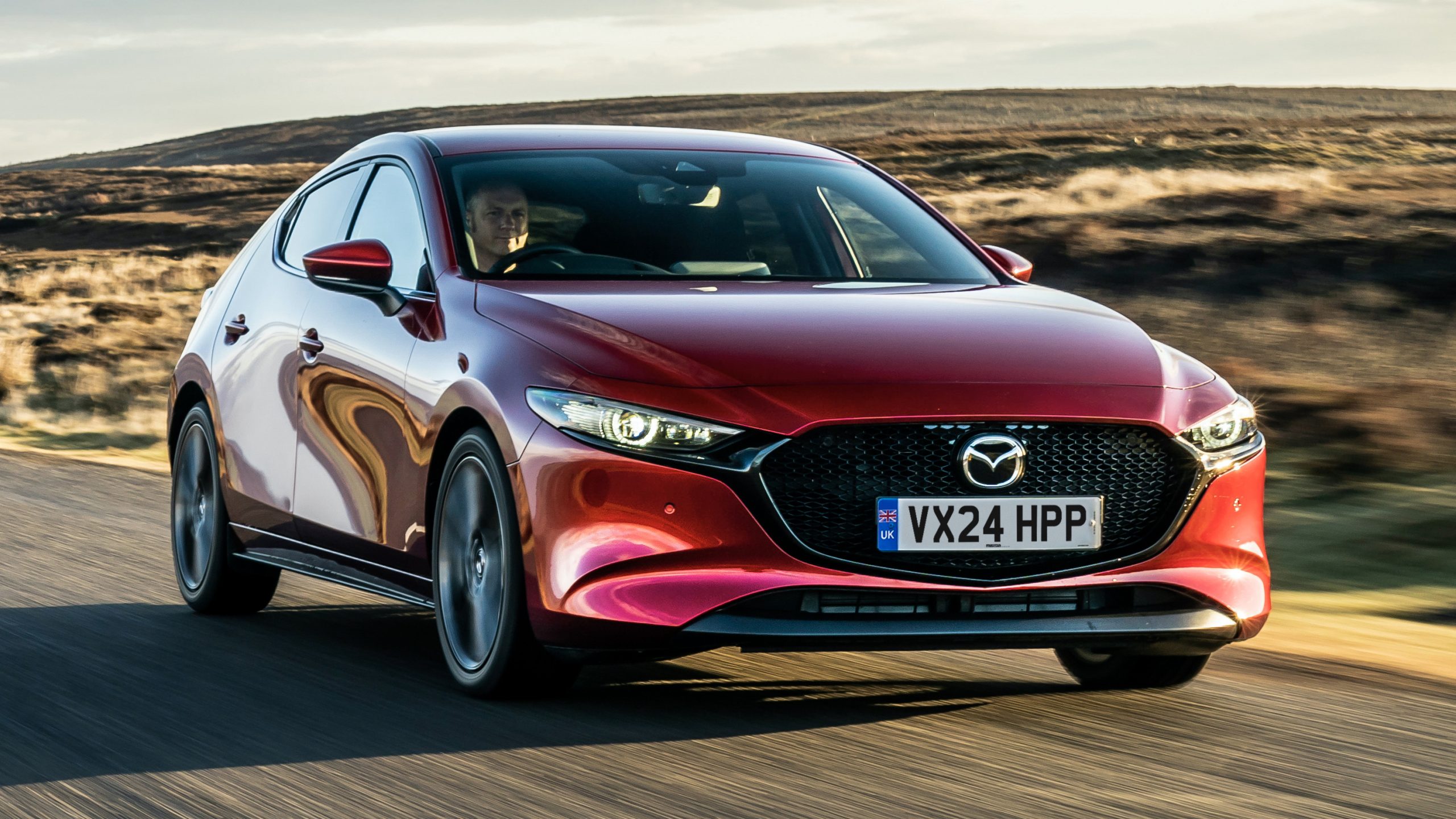
5. Mazda3
Some vehicles earn respect not because they dominate reliability rankings but because they consistently prove themselves in real world high mileage driving. The Mazda3 fits into this category as a car that quietly delivers durability while also being engaging to drive.
What separates the Mazda3 from many competitors is its approach to mechanical design. Mazda focused heavily on reducing unnecessary complexity in its Skyactiv engines. Higher compression designs were engineered for efficiency without relying heavily on turbocharging in many models, which helped maintain mechanical simplicity.
Rural delivery drivers may also appreciate how responsive the car feels during daily use. Quick steering response and controlled body movement can make long delivery days feel less tiring compared to vehicles that feel vague or disconnected from the road.
The structure of the car also deserves attention. Mazda invested in rigid body construction to improve both safety and durability. A stiffer structure reduces flex when driving over uneven roads, which can help prevent long term wear in body joints and suspension mounting areas.
Another benefit is how the Mazda3 tends to age cosmetically. Paint quality and interior materials in many model years hold up well under constant use. For a delivery driver, this means the vehicle can still look respectable even after years of work duty.
Instead of being the obvious choice, the Mazda3 is often selected by drivers who research dependability carefully. It rewards owners who want something slightly different from the usual choices but still demand strong reliability.
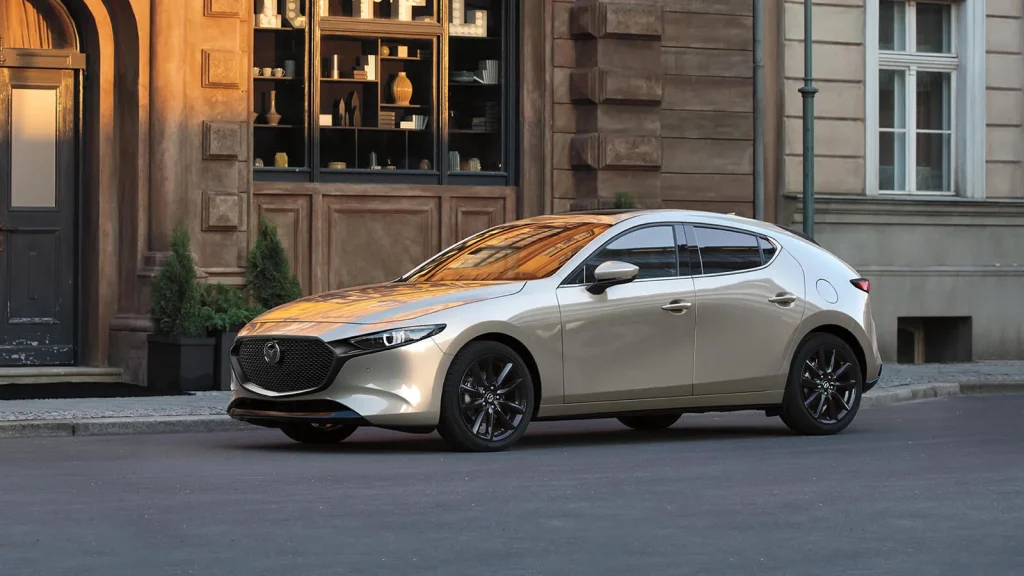
For someone covering rural routes every day, the Mazda3 offers a blend of structural strength, mechanical honesty, and daily usability that makes it a very capable delivery partner.
6. Subaru Outback
Not every rural delivery route is friendly to low ground clearance vehicles. Some drivers face dirt roads, loose gravel, or winter conditions that make traction more important than pure fuel economy. This is where the Subaru Outback becomes extremely valuable.
The Outback approaches reliability from a capability perspective. Instead of just focusing on mechanical longevity, it focuses on making sure the driver can actually complete the route regardless of road conditions. Standard all wheel drive gives it a major advantage when roads become unpredictable.
Another strength is ground clearance. Compared to typical sedans, the Outback sits higher, which reduces the risk of underbody damage on rough surfaces. This can prevent costly repairs that might affect lower vehicles used on the same routes.
The horizontally opposed engine design also contributes to stability. By keeping weight lower in the chassis, Subaru improves balance. This can help the vehicle remain composed on uneven surfaces or during sudden maneuvers.
Cargo space also becomes a practical advantage. Delivery drivers often carry packages of different sizes. The wagon design allows flexible storage compared to traditional sedans with fixed trunk openings.
Rather than excelling in only one area, the Outback succeeds by being adaptable. It may not always be the cheapest vehicle to buy, but its ability to handle difficult environments can make it extremely valuable for drivers working outside major cities.
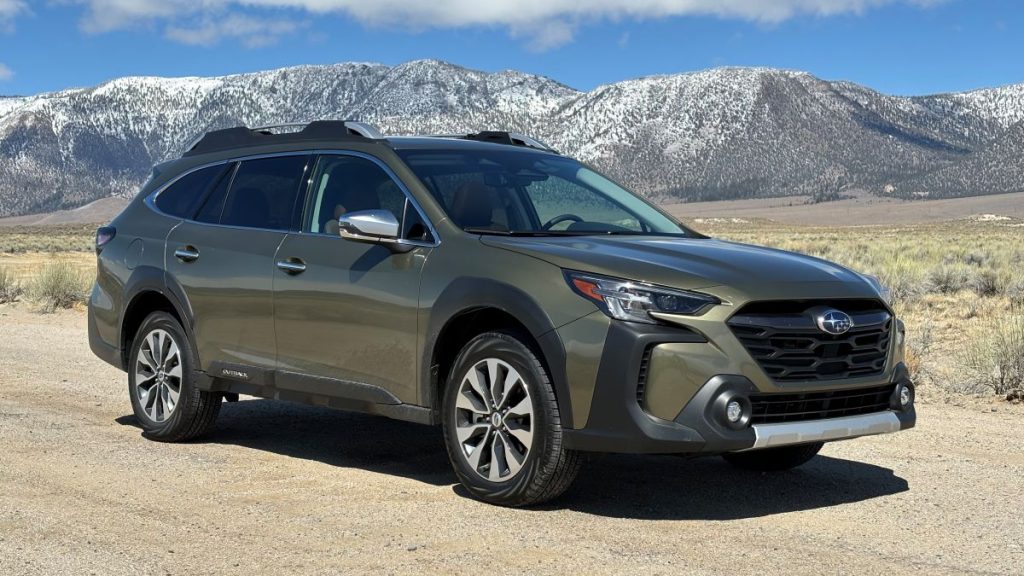
For rural delivery drivers who deal with changing road conditions, the Outback represents reliability not just in mechanical survival but also in the ability to keep working when conditions become difficult.
7. Ford Crown Victoria
There is a reason the Ford Crown Victoria became the backbone of taxi fleets and law enforcement agencies for decades.
Vehicles used in those environments must survive constant operation, rough driving, and minimal downtime. That same toughness makes it an interesting choice for rural delivery drivers who value durability over modern styling.
The Crown Victoria comes from a different era of automotive engineering. It was built on a body on frame platform, a design more commonly associated with trucks. This construction gives it a strong structural base that can tolerate rough road impacts better than many modern unibody sedans.
Another major strength is the naturally aspirated V8 engine. While it is not the most fuel efficient option, it is known for its simple layout and long service life. These engines were designed to idle for long periods and still handle daily driving without complaint. That kind of endurance translates well into delivery work.
Suspension design also contributes to its reputation. The car was designed to handle heavy use, including curb impacts and uneven city streets. That strength can be useful for rural drivers dealing with broken pavement and poorly maintained roads.
A unique advantage comes from parts availability. Because so many Crown Victorias were used in fleets, replacement parts remain widely available and relatively affordable. This makes repairs practical even for older examples.
There is also something to be said about its straightforward nature. The Crown Victoria does not try to be complicated. Large engine bay space makes repairs easier, and many mechanics are familiar with its design.
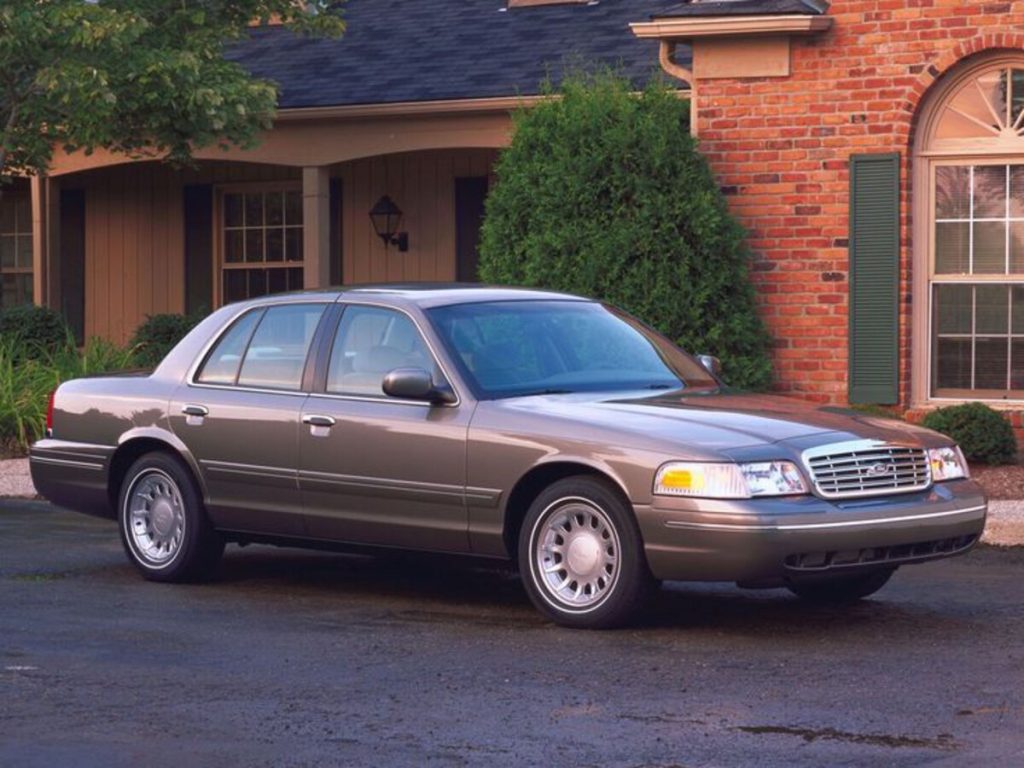
This is not a modern choice, and it does not pretend to be. It is chosen by drivers who want something proven through years of hard service rather than something filled with the latest features.
For rural delivery drivers who want a car that feels more like a work tool than a consumer product, the Crown Victoria stands as one of the toughest traditional sedans ever built.
8. Hyundai Elantra
The Hyundai Elantra represents a different type of reliability story. Instead of relying on old school truck like toughness, it shows how consistent manufacturing quality and improving engineering standards can produce a dependable daily work vehicle.
Over the past two decades, Hyundai focused heavily on improving long term durability. The Elantra became one of the biggest beneficiaries of this effort. Later generations in particular developed a reputation for solid engines, dependable electronics, and predictable maintenance needs.
One reason the Elantra works well for delivery driving is cost efficiency. Purchase prices in the used market are often lower than Japanese competitors while still offering strong dependability. For drivers starting delivery work, this can reduce financial pressure.
Another strength is its fuel efficiency. Rural routes often involve long distances between stops. A vehicle that minimizes fuel consumption helps protect profit margins over time. The Elantra’s engine designs often prioritize smooth efficiency rather than aggressive performance.
The interior also deserves attention. Controls are simple and easy to understand. For a driver entering the car repeatedly throughout the day, ease of use becomes more important than luxury materials.
Hyundai also improved corrosion protection in later models. Vehicles used in rural environments often face dust, moisture, and temperature changes. Good rust protection helps maintain structural integrity over time.
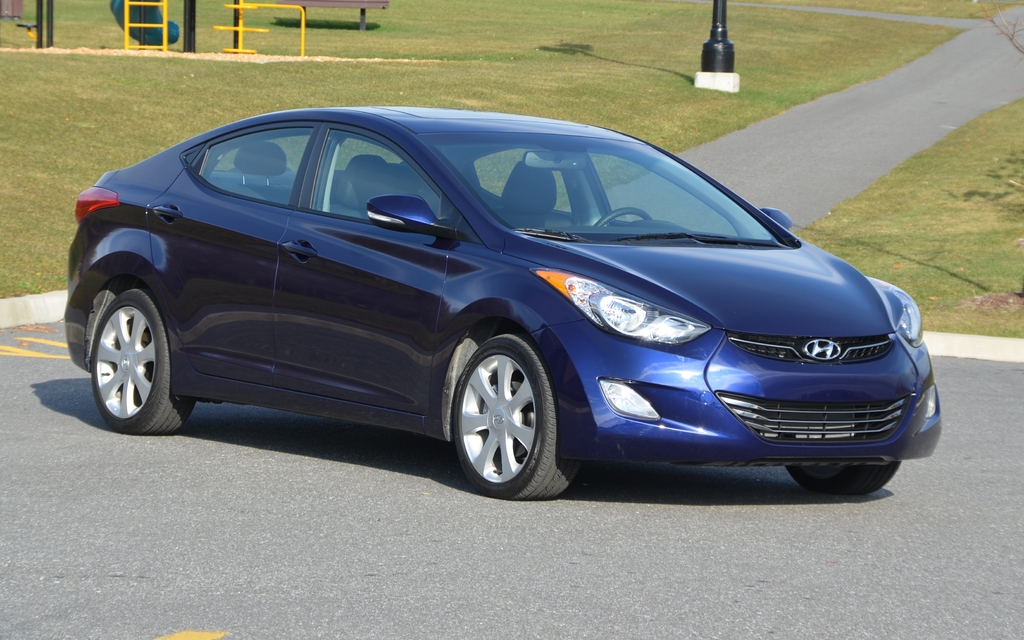
Instead of being the obvious first choice, the Elantra is often selected by practical thinkers. It appeals to drivers who want a dependable machine without paying premium brand prices.
For delivery drivers who want a balance between affordability, efficiency, and modern reliability improvements, the Elantra represents a smart and often overlooked option that can handle demanding daily use.
9. Toyota Prius
At first glance, the Toyota Prius may not seem like a typical rural delivery vehicle, but its reputation for extreme longevity has made it a favorite among drivers who accumulate very high mileage.
Many examples have crossed hundreds of thousands of miles while still maintaining dependable operation, which makes it worth considering for delivery work.
The hybrid system is often misunderstood. Instead of adding complexity that reduces reliability, the design actually reduces strain on certain components. The electric motor assists during acceleration, which means the gasoline engine does not always carry the full workload. Over time this can reduce mechanical fatigue.
Brake wear is also reduced because of regenerative braking. The system uses the electric motor to slow the vehicle while recovering energy. This reduces wear on brake pads and rotors, something that can save money for drivers constantly stopping during deliveries.
Fuel savings also become a major advantage in rural areas where routes can stretch for many kilometers. The Prius is known for maintaining excellent efficiency even after years of use. Lower fuel costs can significantly improve long term earnings for delivery drivers.
Another often ignored advantage is how gently the Prius treats its engine oil. Because the hybrid system allows the engine to shut off when not needed, internal components sometimes experience less continuous stress compared to traditional vehicles.
Interior durability also plays a role. Many Prius vehicles used as taxis have demonstrated how well the seats, controls, and basic components hold up under constant daily use.
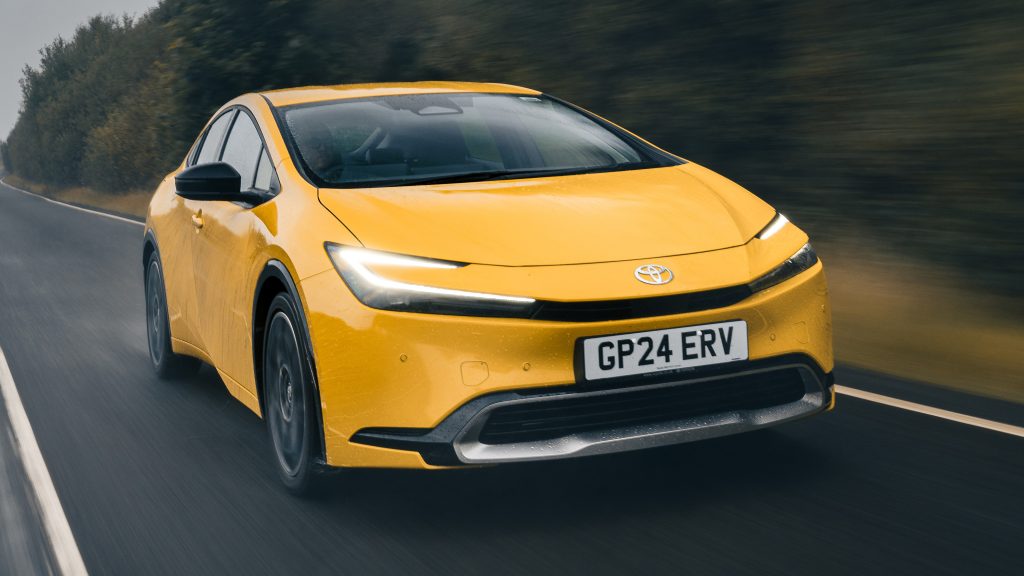
The Prius may not appeal to drivers looking for excitement, but for someone who measures a vehicle by operating cost, mechanical survival, and long term predictability, it represents one of the most financially logical delivery vehicles ever built.
10. Chevrolet Impala
The Chevrolet Impala represents the idea that a large comfortable sedan can also serve as a dependable work vehicle. While often associated with family use, many of these cars have proven capable of handling high mileage driving without major mechanical drama.
One of the biggest advantages of the Impala is ride comfort. Rural delivery drivers often spend entire days in their vehicles. A car with a smooth ride can reduce fatigue and allow drivers to remain focused for longer periods. The Impala was tuned to absorb road imperfections rather than transmit them harshly.
Engine durability is another factor. Many Impala models used proven V6 engines that were designed for steady long distance travel. These engines typically operate at relaxed stress levels, which can help extend their service life when properly maintained.
Cabin space also becomes useful for delivery work. The large trunk allows drivers to organize packages more easily than in smaller sedans. Wide openings make loading and unloading quicker, which can improve efficiency during busy workdays.
Another benefit is highway stability. The longer wheelbase helps the car remain composed at speed. For drivers traveling between rural towns, this stability can make long trips less tiring.
The Impala also benefits from widespread parts availability. As a mass produced American sedan, service parts are easy to find and generally affordable. This helps keep maintenance costs predictable as the vehicle ages.
Rather than focusing on sportiness or image, the Impala succeeds through practicality. It offers space, comfort, and proven mechanical components in a package that can handle years of steady work.
For rural delivery drivers who want a dependable vehicle with more room and comfort than a compact sedan, the Impala provides a strong and practical solution.
Rural delivery work is one of the toughest real world tests for any vehicle. Long daily distances, rough road surfaces, unpredictable weather, and constant stop and go driving can quickly expose weaknesses in poorly built cars.
Because of this, reliability is not just a convenience for delivery drivers, it is directly connected to income stability and work consistency.
The vehicles in this list stand out because they have proven their durability through years of real world use. Models like the Toyota Corolla and Honda Civic show how simple engineering and strong manufacturing quality can create cars that continue working long after many competitors begin to fail. Their reputation comes from consistency rather than innovation.

Larger sedans such as the Toyota Camry, Honda Accord, and Chevrolet Impala demonstrate another important advantage, driver comfort. Delivery drivers spend many hours inside their vehicles, so ride quality, seating support, and cabin space become important factors in reducing fatigue and maintaining productivity.
Vehicles like the Subaru Outback show that reliability is not just about mechanical survival but also about capability. Ground clearance and all wheel drive can allow drivers to continue working even when road conditions become difficult. This type of practical reliability can be just as valuable as engine longevity.
Cars such as the Ford Crown Victoria represent old school durability. Their heavy duty construction and simple mechanical layouts show how overbuilt engineering can create vehicles that survive extreme mileage and harsh usage patterns.
Meanwhile, the Hyundai Elantra and Mazda3 highlight how modern improvements in manufacturing quality have allowed newer vehicles to become dependable long term options while still maintaining efficiency and affordability.
The Toyota Prius also proves that efficiency and durability can exist together. Its hybrid design shows how reducing mechanical stress can contribute to long service life when engineering is done properly.
Ultimately, the best car for a rural delivery driver is one that minimizes downtime, controls operating costs, and continues to perform without constant repair needs. A reliable vehicle becomes more than transportation in this line of work. It becomes a business partner.
Choosing a proven, dependable used car allows delivery drivers to focus on completing their routes instead of worrying about breakdowns, making reliability the most valuable feature any working vehicle can offer.
Also Read: 10 Best Used Hatchbacks for Carrying Dorm Room Gear Every Semester
