
Engine valvetrain design has evolved significantly over the last few decades. With the push toward higher efficiency, lower emissions, and reduced maintenance costs, manufacturers have experimented with various valve actuation technologies.
Some engines use solid lifters for precision at high RPM, others use shim under bucket systems for stability, and some rely on fully electronic valve timing systems.
Despite all these advancements, one older technology continues to survive in many modern engines because of its practical benefits. That technology is the hydraulic lifter.
Hydraulic lifters, also called hydraulic valve lash adjusters, exist for one main reason. They automatically maintain proper valve clearance.
In engines without hydraulic lifters, valve clearance must be checked and adjusted periodically because metal expands and wears over time. Without adjustment, improper clearance can cause noise, power loss, or even valve damage.
A hydraulic lifter solves this by using engine oil pressure to automatically compensate for small changes in valve clearance. Inside the lifter is a small piston and spring mechanism.
When oil pressure enters the lifter, it fills a chamber and removes any gap in the valvetrain. As parts expand with heat or wear slightly over time, the hydraulic system quietly adjusts to maintain correct clearance.
This design provides two major advantages. First, it reduces maintenance requirements because manual valve adjustments are usually unnecessary. Second, it reduces valvetrain noise because there is no excessive clearance to create ticking sounds.
These benefits make hydraulic lifters especially valuable in daily driven vehicles where long service intervals are important.
Many people assume modern engines have completely abandoned this simple system, but that is not true. While some high performance engines use solid lifters for maximum precision, many modern engines still rely on hydraulic lifters because they provide an excellent balance of durability, refinement, and low ownership cost.
Hydraulic lifters are particularly common in engines designed for longevity and real world usability rather than extreme racing performance.
Trucks, long distance commuter vehicles, and even some performance cars still use them because they help reduce ownership complexity. For many drivers, not needing periodic valve adjustments is a major advantage.
Another reason manufacturers continue using hydraulic lifters is long term reliability. Modern hydraulic lifters are far more advanced than early versions from decades ago. Improved oil control, better internal coatings, and more precise machining have made them extremely dependable even at higher RPM ranges.
It is also important to understand that hydraulic lifters do not necessarily limit performance. Many engines using them still achieve impressive power outputs while maintaining quiet operation and long service intervals. Engineers simply design around their characteristics.
The engines discussed below show how even in the modern era of complex variable valve timing and turbocharging, some manufacturers still rely on hydraulic lifters because they work extremely well. Each of these engines demonstrates how simple mechanical solutions can sometimes provide the best long term results.
Below are five modern engines that continue to use hydraulic lifter technology to eliminate regular valve adjustments while maintaining durability and smooth operation.
Also Read: 10 Best Handling Front Wheel Drive Cars Ever Sold in the US
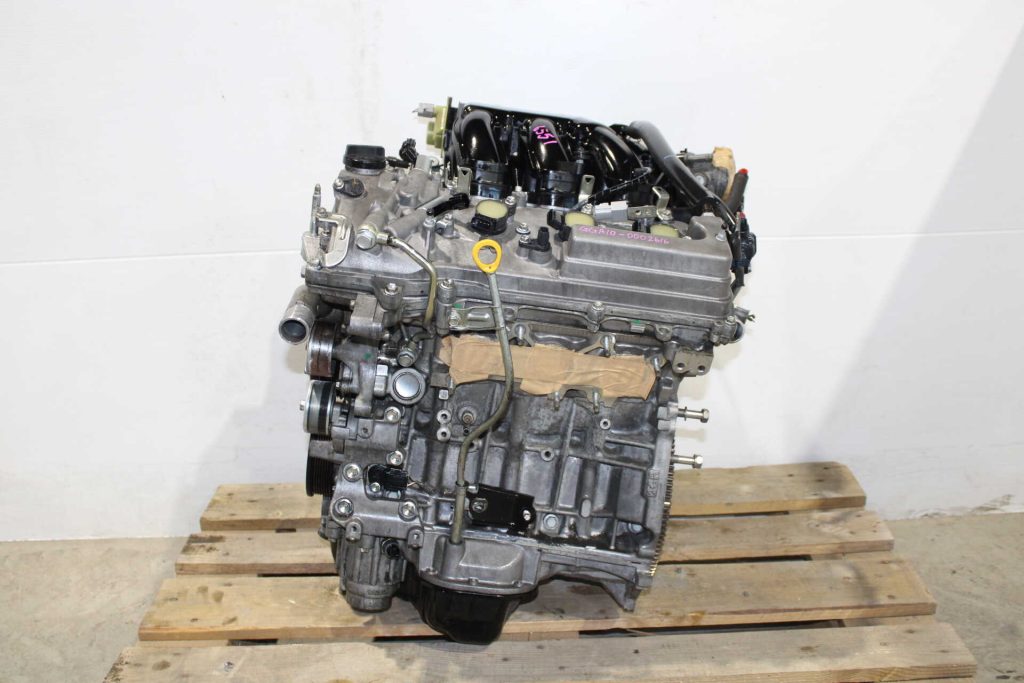
1. Toyota 2GR FE V6
Toyota has long built a reputation around engines that prioritize durability and low maintenance ownership. The 2GR FE V6 perfectly represents that philosophy. Found in vehicles such as the Toyota Camry V6, Avalon, Lexus ES350, and several crossovers, this engine focuses on reliability first and performance second.
One of the key design choices that supports this goal is the use of hydraulic valve lash adjusters. Toyota understood that most owners of these vehicles would never want to deal with periodic valve adjustments.
By using hydraulic lifters, the company ensured the engine could maintain correct valve clearance automatically over hundreds of thousands of kilometers.
This engine uses dual overhead camshafts with four valves per cylinder, yet Toyota still chose hydraulic adjusters rather than a solid bucket system. This shows their focus was not extreme RPM performance but consistent everyday reliability.
Another important factor is how smoothly this engine operates over time. Engines with solid lifters sometimes develop minor ticking noises as clearances slowly change. The hydraulic lifters in the 2GR FE continuously compensate for wear, allowing the engine to maintain quiet operation even at high mileage.
Toyota also engineered the oiling system carefully to support these lifters. Consistent oil pressure ensures the lash adjusters function correctly. The company also specified long oil change intervals only because they were confident in the oil system stability supporting these hydraulic components.
Unlike engines that require expensive valve adjustment services after certain mileage intervals, the 2GR FE generally avoids this requirement entirely. This reduces long term ownership cost significantly, which is one reason these engines remain popular among high mileage drivers.
The engine also uses variable valve timing on both intake and exhaust camshafts. This shows that hydraulic lifters can still work alongside modern technologies. Some people assume simple lifters mean outdated design, but this engine proves otherwise.
Thermal expansion management is another hidden benefit. Aluminum engines expand significantly with temperature changes. Hydraulic lifters automatically compensate for this expansion, helping maintain proper valve seating across a wide temperature range.
Long term fleet use has shown these engines often exceed 300000 kilometers without major valvetrain service when properly maintained. That kind of durability highlights the advantage of automatic clearance adjustment.
The 2GR FE demonstrates that modern engineering does not always mean replacing simple solutions. Sometimes it means refining proven designs. Hydraulic lifters may seem like old technology, but in this engine they remain an important part of Toyota’s long term durability strategy.
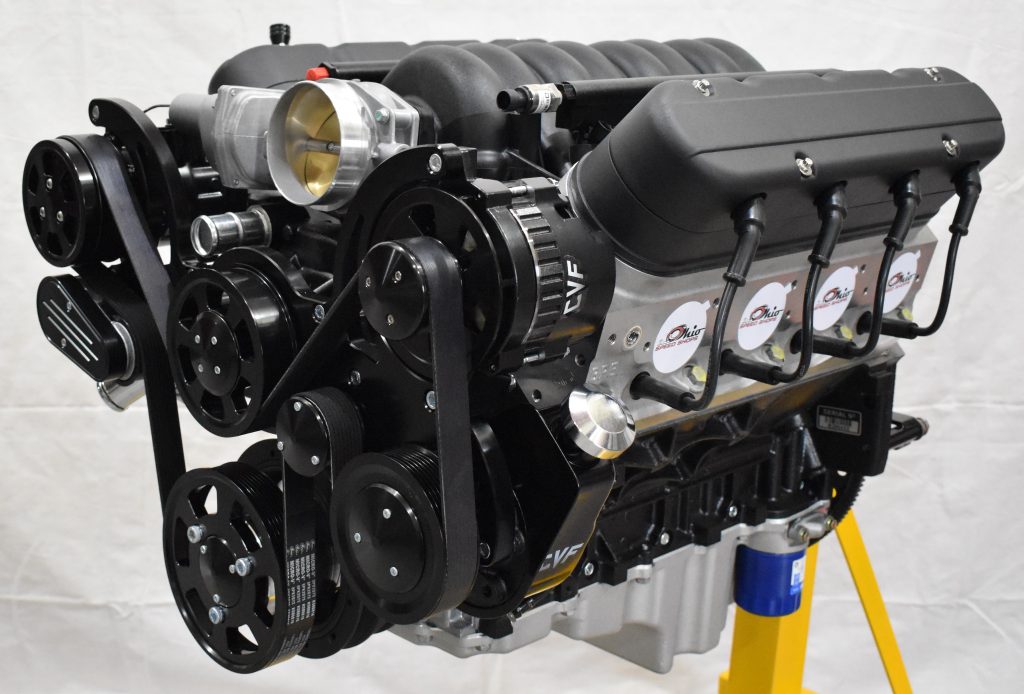
2. Chevrolet LS3 6.2L V8
If one engine family proves that hydraulic lifters can coexist with serious performance, it is General Motors’ LS series. The LS3 V8, used in the Chevrolet Corvette and Camaro SS, shows that even performance focused engines can benefit from hydraulic lifter simplicity.
Unlike many overhead cam performance engines, the LS3 uses a traditional pushrod layout. This design naturally integrates hydraulic roller lifters, which help maintain zero valve lash automatically. The advantage is a valvetrain that remains both simple and extremely strong.
General Motors chose hydraulic lifters partly because they help maintain consistent performance without frequent maintenance. Performance car owners often drive aggressively, but they rarely want complex service requirements. Hydraulic lifters allow the LS3 to maintain proper valve geometry without periodic adjustments.
The LS3 also benefits from hydraulic roller lifters rather than flat tappet designs. Roller lifters reduce friction and wear while maintaining the automatic adjustment benefit. This improves durability at higher RPM compared to older pushrod designs.
Oil control again plays a critical role. The LS3 uses a priority main oiling system that ensures stable oil supply to critical components including the lifters. Stable oil pressure helps maintain lifter stability even during aggressive driving.
One interesting advantage is how well these lifters tolerate modifications. Many LS3 engines receive camshaft upgrades without losing hydraulic lifter functionality. This allows tuners to increase power while still benefiting from automatic valve clearance control.
Noise control is another benefit. Despite being a large displacement performance V8, the LS3 remains relatively quiet mechanically compared to many solid lifter performance engines. Hydraulic adjustment helps absorb small mechanical variations that would otherwise create noise.
Durability testing also showed that hydraulic lifters improved long term consistency. By maintaining correct valve lash automatically, valve seat wear remains more predictable. This contributes to the LS engine family’s well known longevity.
The LS3 proves that hydraulic lifters are not limited to economy engines. They can exist in high horsepower applications when properly engineered. This engine produces strong power while still maintaining simple service requirements.
Rather than chasing complexity, GM kept the LS3 mechanically straightforward. Hydraulic lifters are a perfect example of that philosophy. They reduce ownership complexity while still allowing strong performance capability.
This engine shows that sometimes the smartest engineering choice is not the most complicated one. Hydraulic lifters remain relevant because they solve a real problem in a simple and reliable way.
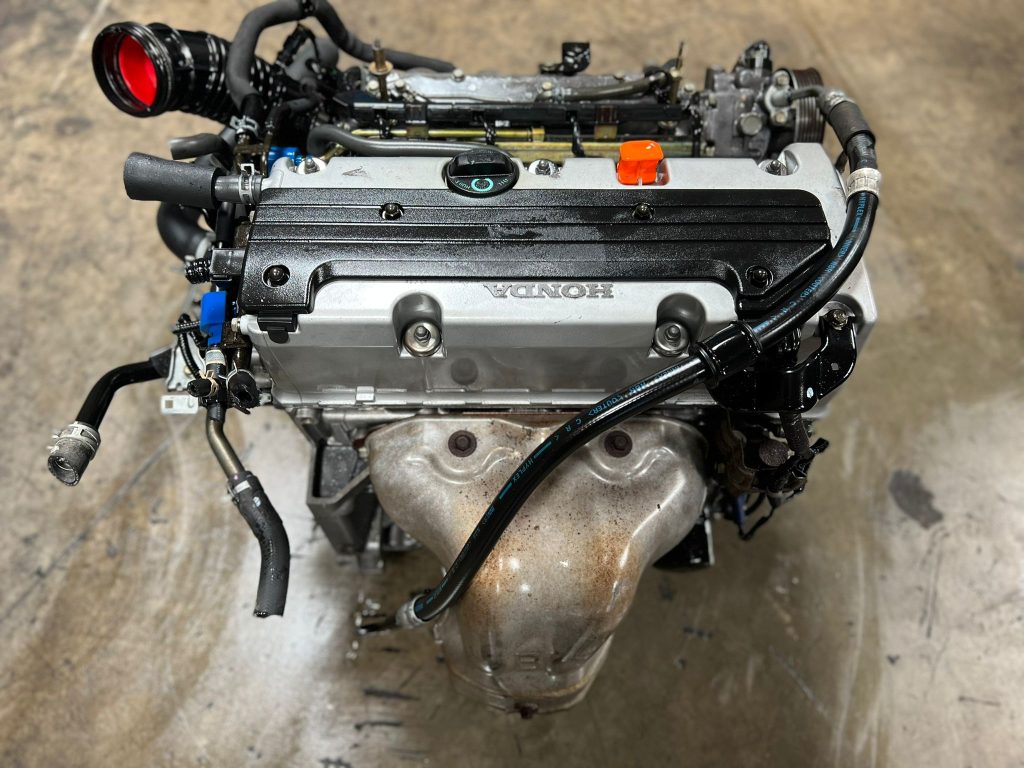
3. Honda K24W Earth Dreams Inline Four
Not every modern engine that focuses on efficiency abandons mechanical simplicity. Honda’s K24W engine from the Earth Dreams family shows how an engine can remain technologically advanced while still keeping practical features like hydraulic valve lash adjusters.
Used in vehicles such as the Honda Accord and CR V, this engine was designed to balance fuel efficiency, smoothness, and long service life rather than focusing only on peak output.
Instead of designing an engine that requires periodic valve clearance checks like older Honda performance engines, engineers moved toward hydraulic adjustment to reduce ownership maintenance.
This was a noticeable shift because Honda historically preferred mechanical adjustment systems. The decision reflects changing customer expectations where convenience now matters as much as engineering purity.
Inside the K24W valvetrain, the hydraulic lash adjusters continuously maintain correct clearance as the engine heats and cools through daily operation. Temperature cycles can slowly change tolerances in aluminum cylinder heads. With automatic adjustment, Honda eliminated the need for periodic manual correction while also improving refinement.
Another benefit appears during cold starts. Mechanical lifter engines sometimes produce slight ticking sounds before reaching operating temperature.
Hydraulic adjusters help minimize this effect by maintaining consistent valve contact from startup. This contributes to the quiet character Honda aimed for in this generation of engines.
This engine also integrates direct injection and variable valve timing, showing that modern efficiency technology does not conflict with hydraulic lifter simplicity. Engineers simply optimized oil passages to ensure reliable oil supply to the adjusters even with complex cam phasing systems operating.
The combustion design also plays a role. By improving combustion efficiency, Honda reduced unnecessary heat buildup. Lower thermal stress indirectly benefits valvetrain components including the hydraulic adjusters, allowing them to maintain stable operation over very long mileage.
Durability testing focused heavily on real world commuting patterns. Stop and go traffic, long highway operation, and temperature cycling were all considered. Hydraulic lash adjusters helped ensure that even under these varied conditions the engine would not require expensive valve service.
The K24W also benefits from improved internal coatings that reduce microscopic wear on cam lobes. When wear is minimized, hydraulic adjusters have less correction to perform. This creates a positive cycle where durability improvements reinforce each other.
Fuel economy goals also influenced this decision. Reduced friction inside the valvetrain improves efficiency slightly. Hydraulic adjusters help maintain optimal geometry, preventing efficiency losses that could occur with improper valve clearance.
Honda also understood that many buyers keep these vehicles for long periods. Removing the need for valve adjustments reduces long term service costs and increases owner satisfaction. This practical advantage often matters more than small performance gains from more complex lifter systems.
What makes this engine interesting is not extreme horsepower but engineering balance. It demonstrates how a manufacturer known for high revving engines adapted its approach to modern expectations while still maintaining mechanical integrity.
The K24W shows that even a company famous for precision mechanical valvetrains recognizes the value of hydraulic simplicity. It represents a shift toward making engines not only efficient and powerful enough, but also easier to live with over years of ownership.
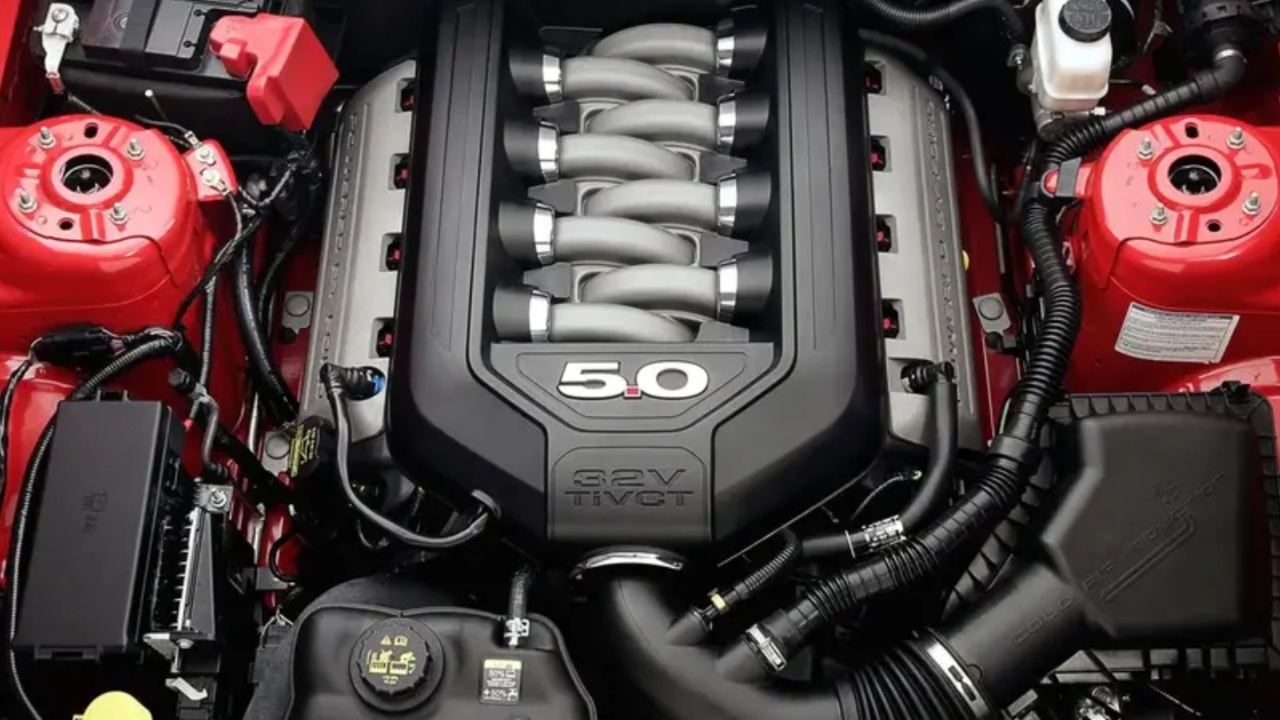
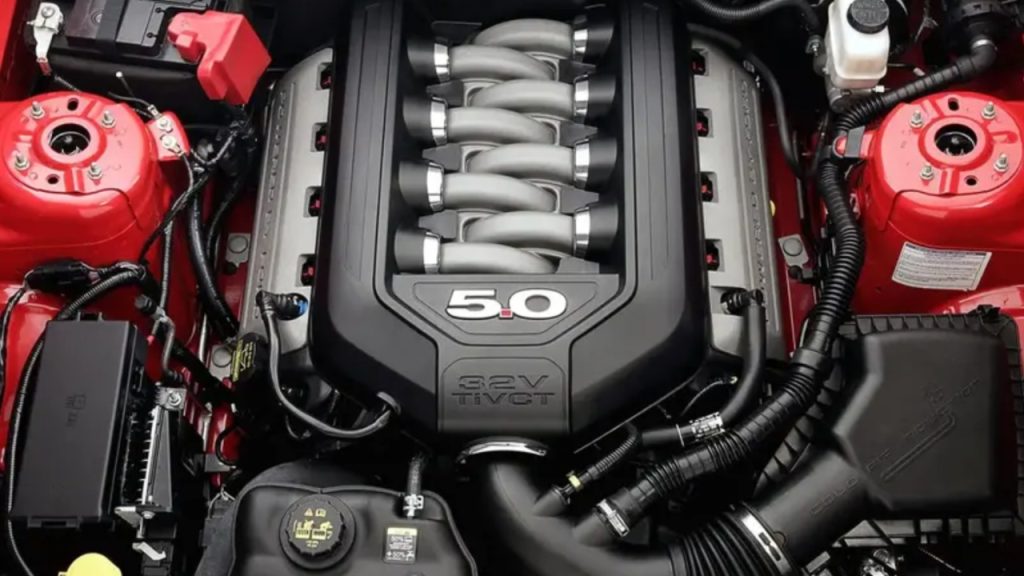
4. Ford Coyote 5.0L V8
Some engines are defined by their evolution rather than their initial design. Ford’s Coyote 5.0 liter V8 is one such example.
Introduced to bring modern technology to the traditional V8 formula, the Coyote combines dual overhead camshafts, variable valve timing, and modern combustion design. Yet despite this advanced architecture, it still uses hydraulic lash adjusters to eliminate routine valve adjustments.
Ford engineers knew this engine would see a wide range of usage. Some would be daily driven Mustangs, others weekend track cars, and some heavily modified builds. Hydraulic lash adjusters provided a way to maintain consistent valve operation regardless of how the engine was used.
Instead of requiring owners to periodically measure and correct valve clearance, the Coyote automatically compensates for wear through oil pressure fed adjusters. This makes the engine easier to maintain despite its sophisticated design.
The engine also demonstrates how hydraulic systems can support high RPM capability. Modern materials and precise oil control allow these adjusters to function reliably even as the engine approaches its upper rev limits.
Earlier generations of hydraulic lifters struggled at high speeds, but modern versions have largely solved these issues.
Another important design consideration was noise reduction. Performance V8 engines often struggle to balance mechanical sound character with refinement. Hydraulic adjusters help damp unwanted valvetrain noise while still allowing the engine to produce its characteristic exhaust note.
The Coyote also uses cam torque actuation for variable valve timing. Stable lash control is critical for accurate cam timing operation. Hydraulic adjusters ensure that camshaft movement translates into precise valve movement without clearance variation affecting timing accuracy.
Thermal management again plays a role. Aluminum construction allows the engine to reduce weight, but aluminum expands more than iron. Hydraulic lash adjusters compensate automatically for these dimensional changes, ensuring stable operation from cold start to full operating temperature.
Another benefit becomes clear in modified engines. Many Coyote engines receive superchargers or turbochargers. Even with increased cylinder pressure, the hydraulic lash system continues to maintain proper clearance, demonstrating the strength of the design.
Fleet durability testing showed the engine could maintain valvetrain stability over extended mileage without service intervention. This helped Ford reduce expected ownership maintenance costs, making the engine more attractive to a broader customer base.
One subtle advantage is how hydraulic adjusters protect against minor oil viscosity variation. As oil ages within service intervals, the adjusters continue functioning properly, maintaining correct lash without driver awareness.
Ford’s approach shows that modern performance does not require abandoning proven mechanical solutions. Instead, the company refined hydraulic lifter technology so it could coexist with modern power and efficiency demands.
The Coyote V8 ultimately proves that engineering progress often means improving existing ideas rather than discarding them. Hydraulic lash adjusters remain part of this engine because they continue to solve real mechanical problems in a reliable and cost effective way.
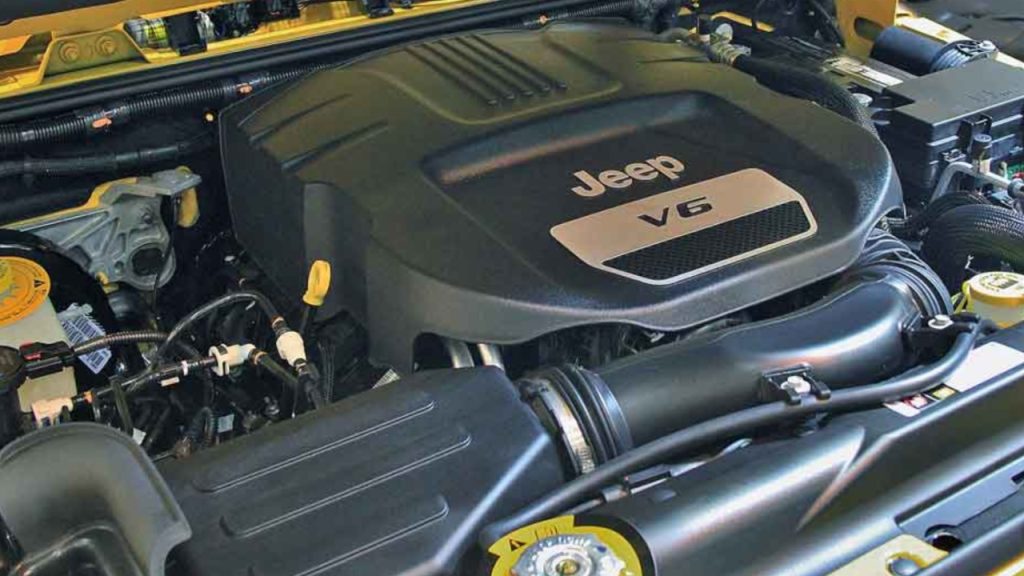
5. Chrysler 3.6L Pentastar V6
Some engines are designed to impress engineers, while others are designed to make life easier for owners. The Chrysler Pentastar 3.6 liter V6 clearly belongs to the second category.
Introduced as a global replacement for several older V6 engines across Chrysler, Dodge, and Jeep vehicles, this engine was created with a strong emphasis on durability, service simplicity, and long term usability. One of the decisions supporting this goal was the continued use of hydraulic lifters.
Rather than expecting owners to perform periodic valve inspections, Chrysler designed the Pentastar to operate for very long service intervals without requiring valvetrain attention. Hydraulic lash adjusters made this possible by continuously maintaining correct clearance as internal parts slowly wore in during normal use.
This engine operates in a wide variety of environments. It powers family sedans, SUVs, and utility vehicles that often see long highway drives, heavy traffic use, and varying climate conditions.
Because of this, engineers focused on consistency. Hydraulic lifters help maintain that consistency by preventing clearance drift that could otherwise appear after years of operation.
Looking deeper into the cylinder head design reveals another interesting detail. Oil flow routing was carefully planned to ensure the lash adjusters receive steady lubrication even during cold starts. Early lubrication helps the lifters stabilize quickly after startup, reducing mechanical noise and preventing long term wear patterns.
The Pentastar also uses roller rocker arms, which work together with hydraulic lifters to reduce friction. Lower friction means less heat and slower wear progression. When wear progresses slowly, hydraulic adjusters have less correction to perform, which improves their lifespan as well.
Another advantage of hydraulic lifters in this engine becomes clear when considering real world maintenance habits. Not every owner follows perfect maintenance schedules.
Hydraulic lifters provide some tolerance against minor service delays by automatically compensating for small dimensional changes. While proper maintenance is always important, this added tolerance improves real world durability.
Unlike engines built purely for performance excitement, the Pentastar was engineered as a dependable long term workhorse. It was expected to accumulate high mileage in varied driving conditions. Automatic lash adjustment plays a quiet but important role in allowing the engine to meet those expectations.
Engine refinement was also a design target. Chrysler wanted the engine to feel smooth and quiet across different vehicle platforms. Hydraulic lifters help achieve this by preventing small clearance gaps that could otherwise produce ticking noises over time.
The Pentastar also demonstrates how modern engines combine traditional mechanical ideas with newer electronic control systems.
While the engine uses modern electronic throttle control and variable valve timing, the hydraulic lifters remain purely mechanical. This mix of old and new shows how proven solutions remain valuable even as other technologies change.
Long term reliability data from fleet vehicles suggests these engines often maintain stable valvetrain operation without requiring adjustment even after extensive mileage. This reflects the original design intent of reducing maintenance requirements while maintaining mechanical durability.
This engine represents practical engineering rather than experimental engineering. Chrysler chose hydraulic lifters not because they were the newest idea, but because they were the right solution for an engine expected to serve a wide range of drivers reliably.
Hydraulic lifters may appear simple compared to modern variable valve technologies, but their continued presence in modern engines shows how effective they remain.
Their main strength lies in their ability to automatically maintain correct valve clearance without owner involvement. This not only reduces maintenance costs but also improves long term reliability.
The five engines discussed here show that hydraulic lifters are not limited to one type of vehicle. They appear in family sedans, sports cars, trucks, and performance vehicles. This wide usage proves that automatic valve lash adjustment remains relevant across very different engineering goals.
Another important takeaway is that modern hydraulic lifters are far more advanced than early designs. Improvements in machining precision, lubrication pathways, and internal coatings have made them capable of supporting higher RPM and more demanding conditions than before.
These engines also demonstrate that simplicity can coexist with modern technology. Variable valve timing, direct injection, turbocharging, and advanced electronics can all function alongside hydraulic lash adjustment. Good engineering often means combining proven mechanical ideas with modern control systems.
Ownership experience is another major reason manufacturers continue using hydraulic lifters. Eliminating valve adjustment intervals reduces long term maintenance planning. For many drivers, this convenience is just as important as performance numbers.
Durability is also improved because consistent valve clearance helps maintain proper combustion sealing. When valves seat correctly over long periods, compression remains stable and efficiency stays consistent. This contributes to longer engine life.
These engines highlight a larger engineering lesson. New technology does not always replace old ideas. Sometimes the best solution is refining something that already works well. Hydraulic lifters continue to exist because they solve a real mechanical problem with minimal complexity.
As engines continue evolving, especially with hybrid assistance and increased efficiency demands, reducing maintenance complexity will likely remain important. Hydraulic lifters fit well into that future because they reduce service needs without adding electronic complexity.
In the end, while drivers may focus on horsepower figures and acceleration times, long term satisfaction often comes from reliability and low maintenance demands. Hydraulic lifters contribute directly to that ownership experience by quietly ensuring the engine continues operating smoothly year after year.
Also Read: Top 10 Most Iconic American Car Grilles Ever Designed
