
Living in the Pacific Northwest means adapting to one of the most unique driving environments in North America.
Cities like Seattle, Portland, and Vancouver experience long rainy seasons, frequent fog, wet highways, moss covered backroads, and mountain passes that can change from heavy rain to snow within hours.
Because of this, the best vehicles for this region are not necessarily the fastest or most luxurious, but the ones engineered to handle constant moisture, slippery pavement, and unpredictable terrain.
Rain affects more than just visibility. It affects braking distance, tyre grip, electrical durability, and even long-term corrosion resistance.
Vehicles that perform well in dry climates may struggle in months of damp weather, especially if they lack proper sealing, underbody protection, or traction management systems.
This is why drivers in the Pacific Northwest often prioritize all wheel drive, stable chassis tuning, and proven reliability over flashy performance numbers.
Another important factor is ground clearance. The region is known for gravel forest roads, muddy trailheads, and uneven access roads leading to hiking destinations.
Even urban drivers encounter deep puddles, poor drainage areas, and construction damaged pavement. A vehicle that sits slightly higher with good suspension travel can prevent underbody damage and improve confidence when conditions deteriorate.
Technology also plays a major role. Modern traction control systems, rain sensing wipers, heated mirrors, and advanced defogging systems make a real difference when dealing with daily moisture.
Features like adaptive headlights and strong LED lighting can improve safety during the region’s long dark winters where rain often falls during already limited daylight hours.
Long term ownership costs matter too. Constant exposure to moisture can test paint quality, rubber seals, and electrical connectors.
Vehicles known for durable weather sealing and strong reliability records tend to age better in these conditions. Owners in rainy climates often discover that durability matters more than raw performance.
Fuel efficiency is another consideration because many Pacific Northwest commuters drive long highway distances between suburbs and urban job centers. A good rain friendly car should balance efficiency with stability.
A vehicle that feels planted at highway speeds in heavy rain is often more valuable than one that simply has good fuel economy numbers.
Interior practicality cannot be ignored either. Rain means wet jackets, muddy boots, and outdoor gear. Cars with easy to clean interiors, rubber floor options, and cargo flexibility become much more practical for daily life. Small details like wide door openings and smart storage can make a difference when constantly dealing with umbrellas and rain gear.
The five vehicles in this list were selected because they demonstrate strong real world capability in wet climates.
Some focus on legendary all wheel drive systems. Others stand out for reliability or balanced engineering. Each one approaches the challenge differently, which shows there is no single formula for the perfect Pacific Northwest vehicle.
What they all share is a reputation for stability, durability, and confidence when the weather refuses to cooperate. These are vehicles that owners trust when the forecast shows rain for the tenth day in a row and the roads never fully dry.
Below are five of the best choices for drivers who want dependable transportation in one of the rainiest regions in the United States.
Also Read: Top 10 Naturally Aspirated Engines That Love to Rev High
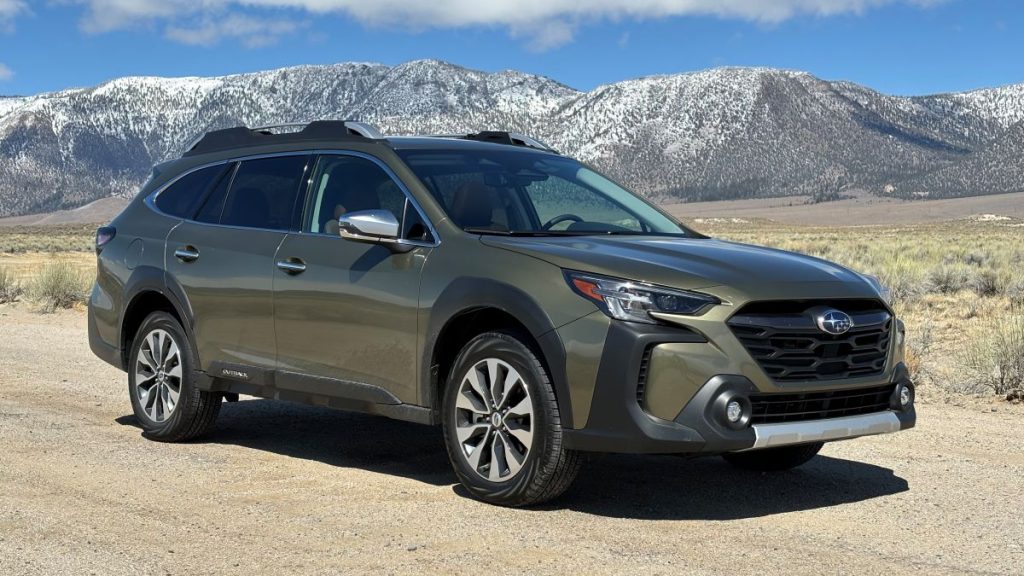
1. Subaru Outback
The Subaru Outback has almost become a symbol of Pacific Northwest culture. It is as common in Seattle parking lots as coffee shops and hiking backpacks. There is a practical reason for this popularity. Subaru designed this vehicle around conditions that closely match the region’s climate and terrain.
At the center of the Outback’s capability is Subaru’s symmetrical all wheel drive system. Unlike many crossovers that primarily operate as front wheel drive vehicles until slip is detected, this system constantly distributes power to all four wheels.
That design improves balance and stability on wet pavement because traction adjustments happen instantly rather than reactively.
Another strength comes from the horizontally opposed boxer engine layout. This design allows the engine to sit lower in the chassis compared to traditional inline engines. A lower center of gravity improves handling stability, which becomes especially valuable during heavy rain where sudden steering inputs can cause instability in taller vehicles.
The Outback also offers generous ground clearance compared to typical wagons. This allows drivers to travel through flooded streets, muddy campground entrances, and poorly maintained backroads without worrying about scraping the underbody.
The added height does not make the vehicle feel top heavy because Subaru carefully tuned the suspension to maintain predictable handling.
Interior durability is another reason it works well in wet climates. Subaru offers water resistant seating materials in several trims, and the cargo area is designed to handle outdoor gear without excessive wear.
Many owners regularly load wet camping equipment, bikes, and muddy hiking boots without worrying about damaging the interior.
Visibility is another area where the Outback performs well. Large windows, thin pillars, and a relatively upright design give drivers a strong view of their surroundings. This becomes especially valuable during heavy rain when visibility naturally drops and situational awareness becomes more important.
Subaru also engineered the vehicle with strong safety priorities. Features such as EyeSight driver assistance technology include adaptive cruise control and collision mitigation systems that function well even during poor weather. This adds another layer of confidence for long commutes during storms.
Reliability also contributes to its reputation. Subaru has spent decades refining this platform, and the Outback benefits from evolutionary improvements rather than constant redesign. Owners often report high mileage durability when maintenance is followed properly.
Fuel economy remains reasonable despite the full time all wheel drive system. This makes it practical for daily commuting while still providing weekend adventure capability. That balance is one of the reasons the Outback attracts such a loyal following.
The Outback is not about luxury or aggressive styling. Its appeal comes from consistency and confidence. It is built for people who expect rain and want a vehicle that treats wet weather as normal rather than challenging.
For drivers who want a vehicle that feels purpose built for rainy climates, the Outback remains one of the safest and most proven choices available.
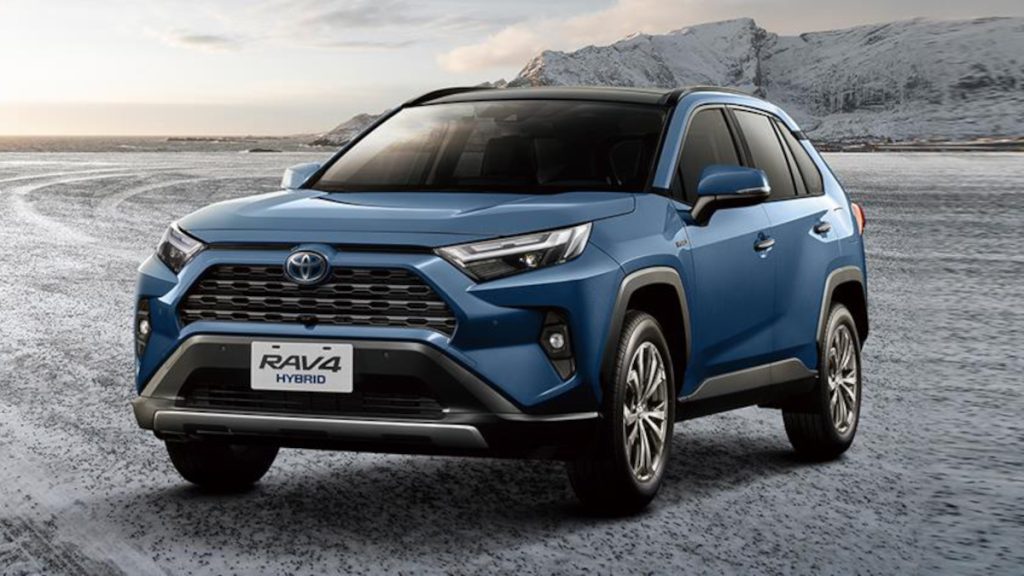
2. Toyota RAV4 Hybrid
Rainy climates demand consistency, and the Toyota RAV4 Hybrid delivers that through a very different philosophy than the Subaru. Instead of focusing primarily on mechanical symmetry, Toyota approaches wet weather performance through efficiency, smart engineering, and a unique electronic all wheel drive strategy.
The hybrid system itself offers an unexpected advantage in rain. Because the rear wheels are powered by an independent electric motor rather than a mechanical driveshaft, torque can be adjusted instantly. This allows very fast traction responses when the system detects slip, which improves stability on soaked highways and slick intersections.
Toyota also tuned the RAV4 Hybrid with predictable steering behavior. Rather than sporty sharpness, the steering emphasizes smooth control inputs. This characteristic becomes valuable in rain because sudden reactions can cause loss of grip. A calmer steering response encourages smoother driving habits.
One overlooked strength is Toyota’s reputation for electrical durability. Hybrid vehicles contain more electrical components than traditional cars, and Toyota has spent decades perfecting moisture protection and long term reliability. That experience translates into confidence for owners dealing with constant damp conditions.
The braking system is also worth mentioning. Hybrid regenerative braking systems can sometimes feel unnatural, but Toyota refined the transition between regenerative and friction braking so that stopping remains predictable even in rain. This helps drivers maintain smooth deceleration on wet roads.
From a daily usability perspective, the RAV4 Hybrid excels in practicality. The cargo area is shaped for real use rather than styling, and the rear seats fold easily to accommodate larger items. Many Pacific Northwest drivers appreciate vehicles that can handle both commuting and outdoor recreation without compromise.
Fuel efficiency is where this vehicle separates itself from many AWD competitors. Even with all wheel drive capability, the RAV4 Hybrid delivers strong fuel economy. For commuters driving long rainy highway routes, fewer fuel stops can become a meaningful advantage over time.
Toyota also focused on corrosion resistance. Paint quality, underbody coatings, and weather sealing contribute to long term durability. This matters in wet climates where constant moisture exposure can accelerate wear on poorly protected vehicles.
Comfort details also support rainy day driving. Heated seats, dual zone climate control, and effective defogging systems make daily drives more comfortable. These may seem like small details but they become important when rain is a daily reality rather than an occasional inconvenience.
The RAV4 Hybrid succeeds because it does not try to be extreme in any one category. Instead, it combines reliability, efficiency, and quiet competence into a vehicle that simply works regardless of the weather.
For drivers who want dependable transportation that handles rain without drama while keeping operating costs reasonable, the RAV4 Hybrid stands as one of the smartest choices available.
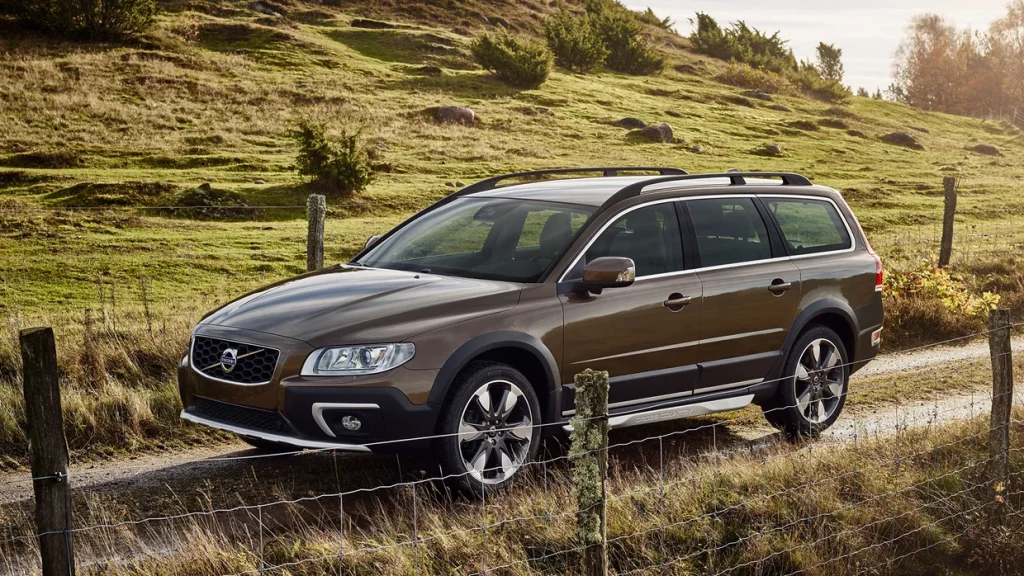
3. Volvo XC70
If there is a vehicle that represents Scandinavian thinking about bad weather, it is the Volvo XC70. Designed by a company from a region known for cold rain, snow, and dark winters, this wagon takes a very different approach compared to typical crossovers. Instead of focusing on height or aggressive styling, Volvo focused on safety engineering and weather confidence.
The XC70 feels planted in a way that is difficult to describe until experienced. Volvo tuned the chassis to prioritize stability rather than sportiness.
On wet highways this becomes obvious because the car feels calm even when driving through standing water or during heavy downpours. The steering is steady and reassuring rather than quick and reactive.
Volvo’s all wheel drive system was designed to emphasize smooth torque transfer rather than aggressive intervention.
When traction changes, the system quietly redistributes power without making the driver feel sudden corrections. This contributes to a relaxed driving experience, which is valuable when dealing with constant rain fatigue.
Where this vehicle truly separates itself is safety philosophy. Volvo built its reputation on accident protection, and the XC70 reflects that mindset. Strong structural design, excellent crash ratings, and advanced stability systems were priorities long before many competitors treated them as marketing features.
Lighting is another area where Volvo traditionally excels. The XC70 offers strong headlight performance and smart beam patterns that improve visibility in rain and fog. Good lighting is not just about brightness but about how well it reduces glare from wet pavement, something Volvo engineers clearly considered.
Material quality inside the cabin also shows long term thinking. Volvo interiors are known for understated durability. The materials are not flashy but they age well.
Buttons, switches, and seat fabrics are designed for years of use rather than showroom appeal. That matters in climates where interiors regularly deal with wet clothing and temperature swings.
Another unique advantage comes from the wagon body style itself. Wagons naturally offer lower loading heights compared to SUVs. This makes it easier to load heavy or wet equipment without lifting items too high. Owners who regularly transport outdoor gear often find this more convenient than taller crossovers.
Volvo also engineered excellent seat comfort. Long rainy commutes can become tiring, and Volvo seats are known for strong ergonomic support. Proper seat design reduces fatigue and improves concentration during difficult driving conditions.
Unlike some modern vehicles overloaded with complicated technology, the XC70 emphasizes functional design. Controls are straightforward and visibility remains a priority. This reduces driver distraction during poor weather where attention must remain on the road.
Ownership appeal also comes from uniqueness. While many drivers choose common crossovers, the XC70 appeals to those who want something different yet practical. It attracts buyers who value engineering depth rather than trends.
The XC70 is not about following automotive fashion. It represents a philosophy built around real world driving challenges. It rewards drivers who value calm behavior, thoughtful safety engineering, and proven bad weather capability.
For someone living in a region where rain becomes part of daily life, the XC70 offers a refreshing alternative to typical crossover thinking by focusing on confidence rather than image.
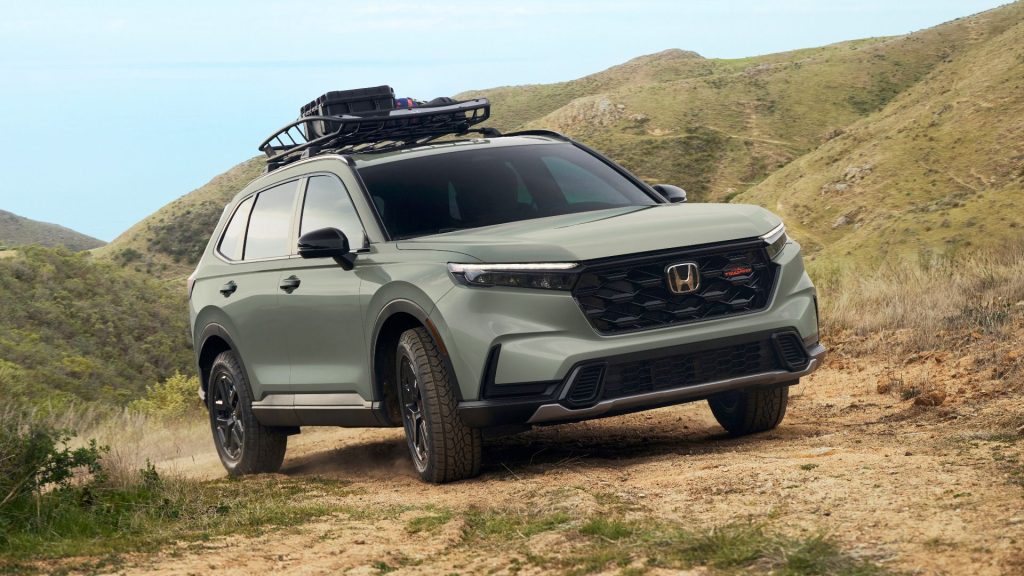
4. Honda CR-V
Some vehicles earn their reputation not through dramatic engineering decisions but through years of consistent real world performance. The Honda CR-V fits this description perfectly. It represents the idea that a well balanced vehicle often performs better in harsh daily conditions than one designed around extremes.
The CR-V does not try to dominate any single category. Instead, it quietly delivers strong results in reliability, predictability, and everyday usability. In rainy environments, predictability often matters more than raw capability because drivers need vehicles that behave consistently when traction changes.
Honda engineered the CR-V’s all wheel drive system to activate smoothly when needed. The system prioritizes fuel efficiency during normal driving but quickly sends power rearward when the front wheels begin to slip. This approach helps balance efficiency with weather readiness.
One area where Honda stands out is steering precision. Honda traditionally focuses on making vehicles easy to control, and the CR-V reflects this philosophy. The steering response feels natural and progressive, which helps drivers make small corrections during rain without overreacting.
Another strength is braking consistency. Honda tends to tune brake pedal feel carefully, and the CR-V demonstrates this with smooth stopping behavior. On wet roads this becomes important because predictable braking reduces panic reactions and improves driver confidence.
Interior packaging may be the CR-V’s greatest strength. Honda is known for clever space design, and this vehicle makes excellent use of its footprint. Rear passengers get useful space, cargo storage is practical, and the layout feels designed for daily life rather than marketing photos.
Cabin visibility also deserves attention. The CR-V provides good outward sightlines, which help drivers monitor traffic in heavy rain. Clear visibility reduces stress when merging onto wet highways or navigating crowded urban streets during storms.
Honda reliability history also plays a major role. Many buyers choose the CR-V because they expect it to start every morning regardless of weather. That reputation did not happen by accident. Honda built it through decades of conservative engineering and gradual improvement.
Maintenance accessibility is another subtle benefit. Honda vehicles are generally designed with serviceability in mind. This can help reduce long term ownership costs and simplify routine maintenance, something practical owners appreciate.
Ride comfort also supports its rainy climate suitability. The suspension absorbs rough pavement without feeling disconnected. This matters in regions where potholes and broken pavement become hidden under standing water.
Rather than presenting itself as adventurous or rugged, the CR-V focuses on dependability. It is a vehicle for people who want transportation that works every day without demanding attention.
For Pacific Northwest residents who value long term ownership satisfaction and calm everyday usability, the CR-V represents one of the most sensible and proven choices available.
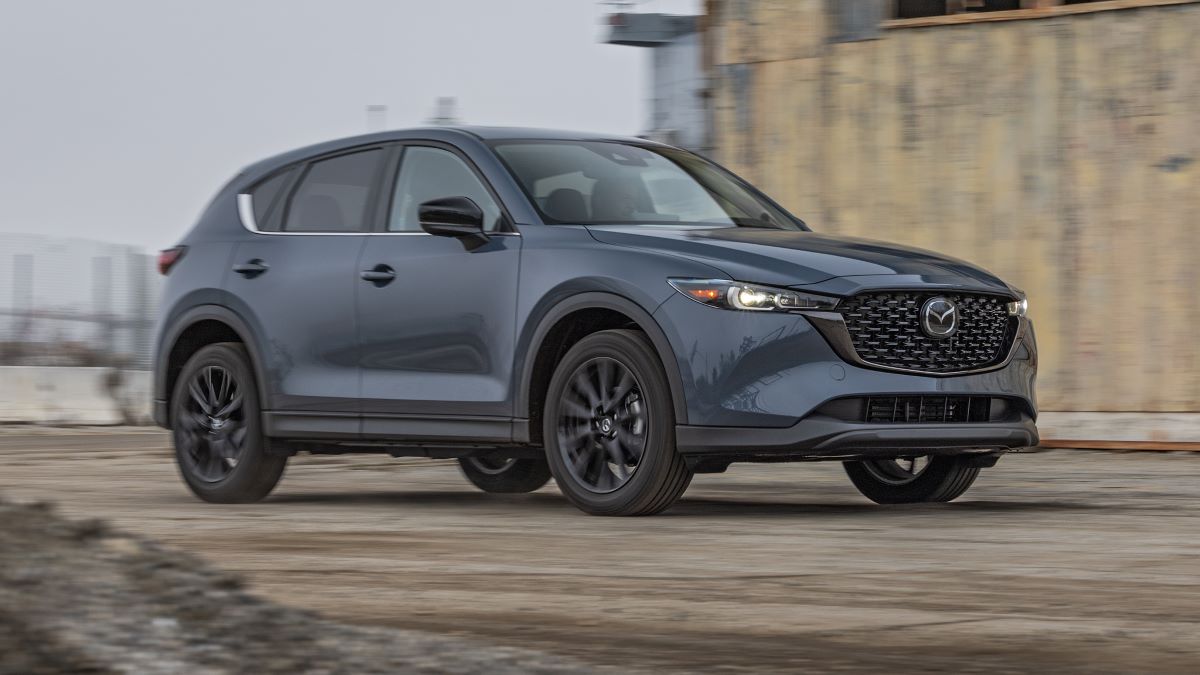
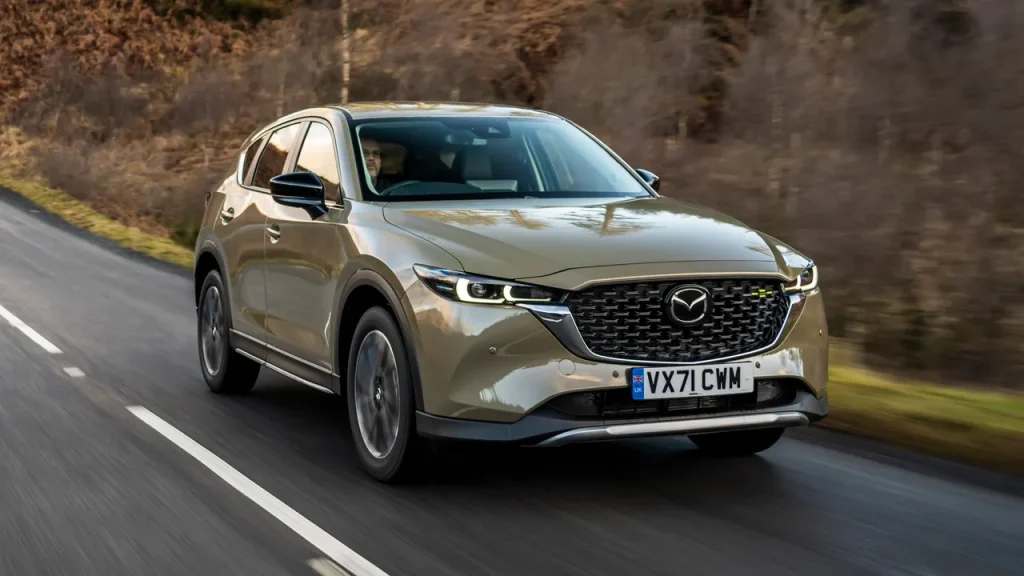
5. Mazda CX-5
Not every rain capable vehicle has to focus purely on utility. The Mazda CX-5 proves that a vehicle can deliver strong wet weather confidence while still offering an engaging driving experience.
Mazda approached this crossover differently from most competitors by emphasizing driver connection and chassis balance rather than just specifications.
Mazda’s engineering philosophy revolves around what the company calls human centered design. Instead of simply adding technology, the CX-5 was tuned to respond naturally to driver inputs.
In rainy conditions this becomes surprisingly important because smooth control responses help maintain traction better than abrupt reactions.
The CX-5’s all wheel drive system operates with a predictive strategy. Rather than waiting for wheel slip, the system monitors driver behavior, steering input, and even windshield wiper usage to anticipate traction needs. This proactive approach helps the vehicle remain composed when road conditions suddenly change.
Handling balance is where the CX-5 really distinguishes itself. Many crossovers feel tall and disconnected, but Mazda tuned this vehicle to feel more like a sedan. The result is a crossover that feels stable when cornering on wet roads instead of feeling like it is leaning excessively.
Mazda also paid attention to body rigidity. A stiff chassis allows the suspension to work more effectively because the structure itself is not flexing. This contributes to more consistent tire contact with the road surface, which directly improves grip during rain.
Another area where the CX-5 feels different is throttle tuning. Mazda programmed the accelerator to deliver smooth power progression rather than sudden bursts. This reduces the chance of wheel spin when accelerating from wet intersections and improves control during slippery conditions.
Cabin design follows a very different philosophy compared to most compact SUVs. Mazda chose a clean, almost minimalist layout that reduces distractions. Controls are positioned to minimize the need for drivers to take their eyes off the road, something that becomes more valuable during heavy rain.
Material quality inside also stands above many vehicles in this category. Mazda focused on tactile surfaces and solid switchgear feel. While this may sound like a luxury detail, solid interior construction often correlates with long term durability when exposed to constant humidity changes.
Sound insulation is another unexpected benefit. The CX-5 does an excellent job reducing road noise, including the sound of rain striking the body. This creates a calmer driving environment which can reduce fatigue during long wet commutes.
Mazda also invested heavily in paint quality and exterior finishing. This helps resist the visual wear that can happen when vehicles are constantly exposed to moisture and road grime. Owners often note that these vehicles maintain their appearance well with proper care.
Unlike some competitors that focus purely on numbers, Mazda built the CX-5 around how a vehicle feels to operate daily. That difference becomes clear over time. A vehicle that feels natural to control reduces driver stress, especially when weather conditions are constantly challenging.
The CX-5 appeals to drivers who want practicality but refuse to give up driving enjoyment. It shows that a rain friendly vehicle does not have to feel dull or purely functional.
For drivers who want a vehicle that makes everyday commuting enjoyable while still providing the confidence needed for Pacific Northwest weather, the CX-5 stands as a compelling and well engineered option.
Choosing a vehicle for the Pacific Northwest is less about chasing trends and more about understanding the reality of living with constant rain. A good vehicle in this region must provide confidence every single day, not just during ideal weather.
The difference between an average car and a well suited one often becomes clear during the tenth straight day of rain when road surfaces stay permanently damp and visibility rarely improves.
The five vehicles listed above succeed because they approach the problem from different engineering philosophies. The Subaru Outback focuses on mechanical traction and outdoor durability.
The Toyota RAV4 Hybrid emphasizes efficiency and intelligent electronic control. The Volvo XC70 highlights safety driven engineering. The Honda CR-V proves the value of consistency and reliability. The Mazda CX-5 shows that driver engagement can still exist alongside wet weather stability.
This variety shows there is no universal solution. Some drivers want adventure capability for mountain trips and forest roads. Others simply want a dependable commuter that handles long wet highway drives without stress.
Some prioritize safety heritage while others want efficiency or driving enjoyment. The right choice depends on how a person actually lives rather than what looks impressive on paper.
One clear pattern appears across all these vehicles. They all prioritize balance. None rely on a single feature. Instead they combine traction systems, stable suspension tuning, strong safety development, and proven reliability. That balanced engineering is exactly what performs best in regions where weather conditions are rarely ideal.
Another important takeaway is that confidence matters more than power. Wet climates reward predictable behavior, smooth steering response, and progressive braking feel. A vehicle that communicates clearly with the driver often proves more valuable than one with higher horsepower but less stability.
Long term ownership thinking also becomes more important in rainy regions. Vehicles with strong corrosion protection, durable interior materials, and proven electrical reliability often age better than vehicles designed mainly around initial appeal. In a damp climate, durability becomes visible much sooner.
Interior practicality also deserves more credit than it usually receives. Features like easy to clean materials, flexible cargo space, and comfortable seating quietly improve daily life. When rain is constant, these practical details stop being optional conveniences and become real quality of life improvements.
Ultimately the best Pacific Northwest vehicle is one that removes stress from bad weather driving.
A good rain vehicle should allow the driver to focus on the journey rather than worrying about traction or visibility. The best compliment such a vehicle can receive is that the owner stops thinking about the weather entirely.
These five vehicles represent some of the strongest examples of that philosophy. They prove that good engineering can turn a difficult climate into just another normal driving day.
Also Read: 10 Best Used Sports Cars That Will Not Double Your Insurance Premium
