
Driving in the American Southwest presents challenges that many vehicle owners in other regions rarely consider.
States such as Arizona, New Mexico, Nevada, and parts of Texas experience extremely dry climates where dust, fine sand, and windblown debris are part of everyday driving conditions.
Over time, these elements can enter a vehicle’s cabin if it is not properly sealed, affecting comfort, air quality, and even long term interior durability.
Cabin sealing is a rarely discussed but very important part of vehicle engineering. Automakers invest significant effort into designing door seals, window channels, firewall insulation, and ventilation filtration systems that prevent outside contaminants from entering the interior.
In desert environments, these design choices become extremely important because fine dust particles can enter through even very small gaps.
Modern vehicles that perform well in dusty environments usually share certain traits. Multiple layered weather stripping, tight panel fitment, well designed HVAC filtration, and positive cabin pressure ventilation systems all help keep dust out.
Some vehicles even include specialized air filtration systems designed to trap microscopic particles before they reach passengers.
Another factor that helps is structural design. Vehicles built for off road use often include better sealing because they are expected to operate in harsh environments. Trucks and SUVs designed for desert testing often feature reinforced door seals and improved tailgate sealing to prevent dust intrusion during long drives on unpaved roads.
Interior longevity is also connected to good sealing. Dust particles may seem harmless, but over time they can damage electronics, clog vents, wear down seat materials, and create persistent interior rattles. A well sealed vehicle not only keeps occupants comfortable but also protects long term build quality.
This list focuses on ten vehicles known for strong cabin sealing, either because of their off road engineering standards, premium build quality, or advanced filtration systems.
Each represents a different approach to keeping interiors protected from harsh desert environments. In dusty regions, what stays outside matters just as much as what is built inside.
Also Read: 5 Modern 10 Speed Transmissions With Known Shifting Issues vs 5 That Are Flawless
1. Toyota Land Cruiser
Few vehicles have earned a global reputation for operating in harsh environments like the Toyota Land Cruiser.
From deserts in the Middle East to remote mining regions in Australia, this SUV has been trusted in places where dust infiltration can quickly destroy poorly sealed vehicles. That global testing history plays a major role in why its cabin sealing remains among the best.
Toyota designed the Land Cruiser with extreme environment durability as a priority rather than an afterthought. This includes thick multi layer door seals that create a tight closure when doors are shut. These seals are designed not just to reduce noise but also to prevent fine particulate entry during long off pavement drives.
The rear cargo area is another place where many vehicles struggle with dust entry, particularly around tailgates. The Land Cruiser uses strong compression sealing around the rear hatch to reduce the vacuum effect that often pulls dust inside during highway travel on desert roads.
This becomes especially noticeable when compared with vehicles that allow visible dust buildup in cargo areas.
Its HVAC filtration system is also designed with longevity in mind. The cabin air filters are capable of capturing very fine particles, which helps maintain air quality even when driving behind other vehicles on dirt roads. Combined with strong blower motor sealing, this reduces the chances of dust entering through the ventilation system.
Interior switchgear design also contributes to its resistance. Buttons and controls are built with tight tolerances that reduce particle intrusion over years of use. While this may seem minor, it helps prevent the gritty feel that develops in vehicles exposed to heavy dust.
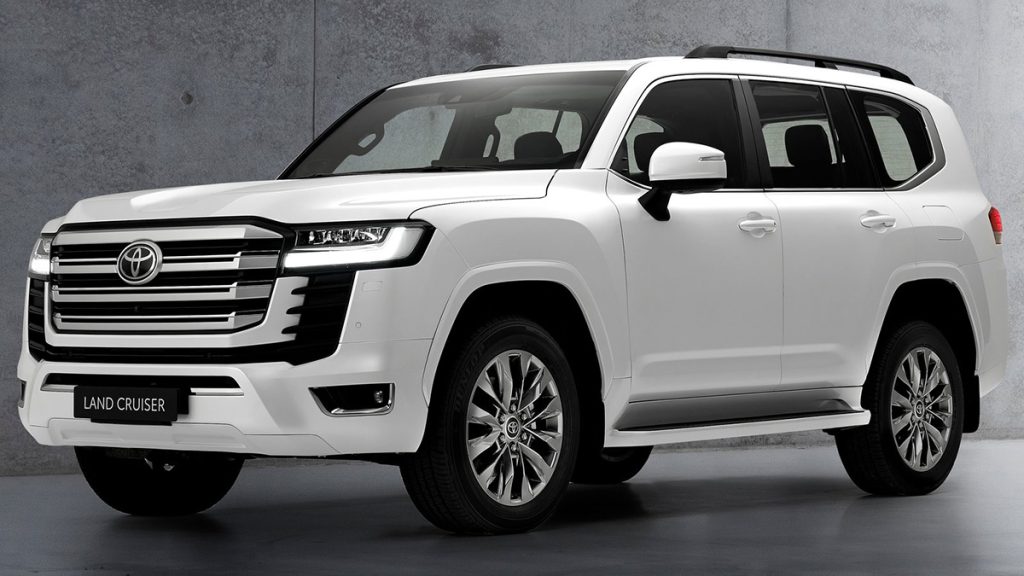
Another hidden factor is body panel fitment. Toyota’s conservative manufacturing tolerances help maintain consistent gaps between panels. Smaller and more consistent gaps reduce potential dust entry points compared to vehicles with more flexible body designs.
The Land Cruiser’s ability to maintain a clean interior even after extended desert use reflects its engineering priorities. It is not simply about luxury or comfort. It is about ensuring the vehicle continues functioning properly in environments where dust exposure is constant.
2. Lexus LX
The Lexus LX takes the proven environmental sealing strength of its Land Cruiser foundation and enhances it further through luxury focused refinement.
While many people associate luxury vehicles with comfort features, the LX demonstrates how premium engineering often results in superior environmental isolation, including protection from dust and sand.
One of the most noticeable differences comes from the additional sound insulation used throughout the cabin. While primarily intended to reduce road noise, this extra insulation also acts as an additional barrier against airborne particles. Thicker insulation materials around the firewall and floor help prevent fine dust from entering through structural openings.
Door sealing design is also taken further in the LX. Lexus uses double sealing strategies in certain areas, meaning there is both a primary and secondary sealing surface. This creates a layered defense against dust entry, particularly during high speed desert travel where wind pressure can force particles into weaker designs.
The LX also benefits from advanced climate control filtration. Lexus focuses heavily on interior air quality, which leads to highly efficient cabin filtration capable of removing extremely fine particles. This helps maintain a noticeably cleaner interior environment even in areas known for airborne dust.
Attention to interior longevity also shows in how materials are selected. Lexus often uses tightly woven materials and soft touch surfaces that are less likely to trap dust. Smooth surface design allows easier cleaning and prevents particles from embedding into interior textures.
Another interesting advantage comes from aerodynamic refinement. Luxury vehicles often receive additional wind tunnel development to reduce noise. This same work helps minimize airflow paths that could otherwise carry dust into the cabin through micro gaps.
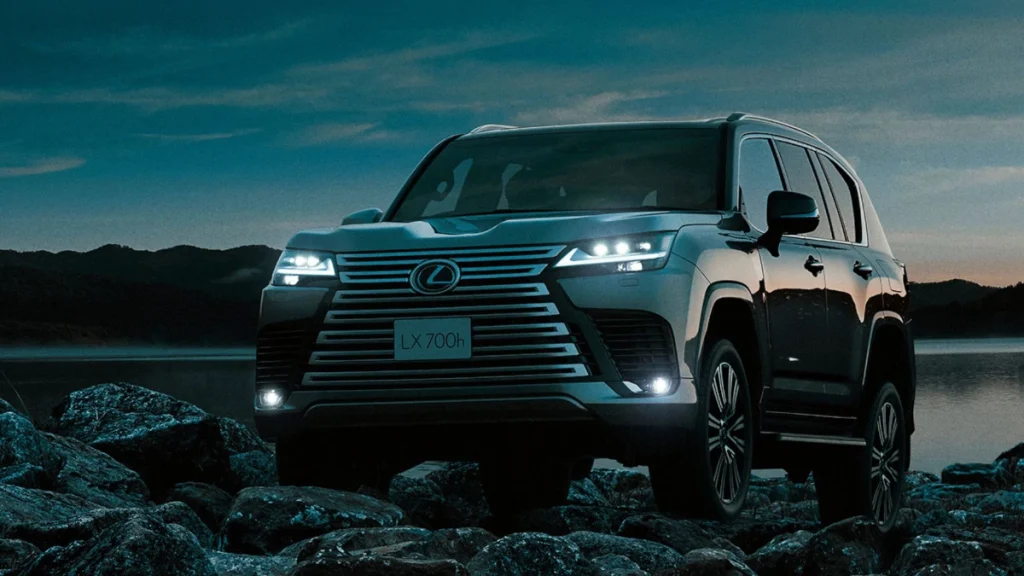
The Lexus LX demonstrates how luxury engineering can serve a practical purpose beyond comfort. By focusing on isolation, filtration, and material quality, it becomes one of the most effective vehicles at maintaining a clean and protected interior even when operating regularly in desert conditions.
3. Ford Raptor
High speed desert testing is part of the Ford Raptor’s development identity. Unlike many trucks that are only occasionally exposed to dusty conditions, the Raptor was engineered with desert running as a primary objective.
This focus naturally pushed Ford engineers to improve cabin sealing to ensure the interior remains protected even when the truck is traveling quickly across sandy terrain.
One major difference comes from the way the Raptor manages cabin pressure. At speed, dust often enters vehicles because of pressure differences between the interior and exterior.
The Raptor’s ventilation design helps maintain controlled airflow so dust is less likely to be pulled inside through small gaps. This becomes especially important when driving on trails where multiple vehicles create heavy dust clouds.
Door sealing strength is another key factor. The Raptor uses thick weather stripping designed to handle body flex during off road driving. Trucks that experience frame movement can sometimes develop small seal gaps, but the Raptor’s reinforced sealing helps maintain consistent contact even when the chassis is under load.
The tailgate area also shows attention to detail. Pickup trucks often struggle with dust entering through the bed area and reaching the cabin through rear pressure flow. Ford addressed this by improving rear cabin sealing and using tighter fitment around the rear wall of the cab.
Another advantage comes from interior durability planning. Ford selected materials that resist dust abrasion, particularly around frequently touched surfaces. Hard wearing switchgear and coated controls help prevent premature wear caused by fine sand particles.
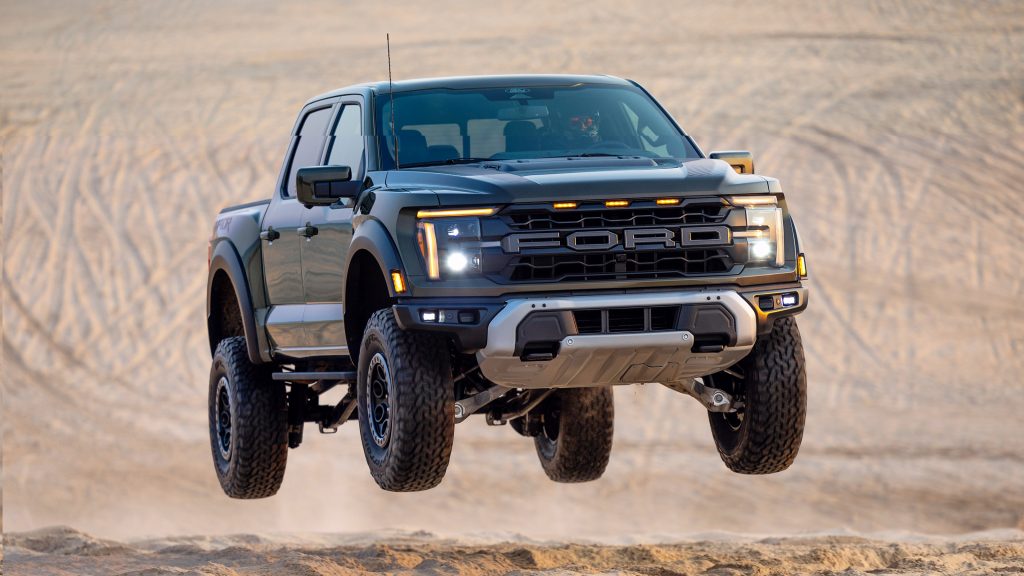
The Raptor also benefits from off road tested HVAC systems. Because the truck is expected to operate in dusty racing style conditions, its cabin filter system is designed to maintain airflow even when filters begin collecting debris. This allows the system to continue protecting occupants without rapid performance loss.
Instead of simply adapting a normal truck for dusty conditions, the Raptor was built with those conditions in mind from the beginning. That focus results in a vehicle that not only performs well mechanically in the desert but also keeps its interior environment impressively controlled.
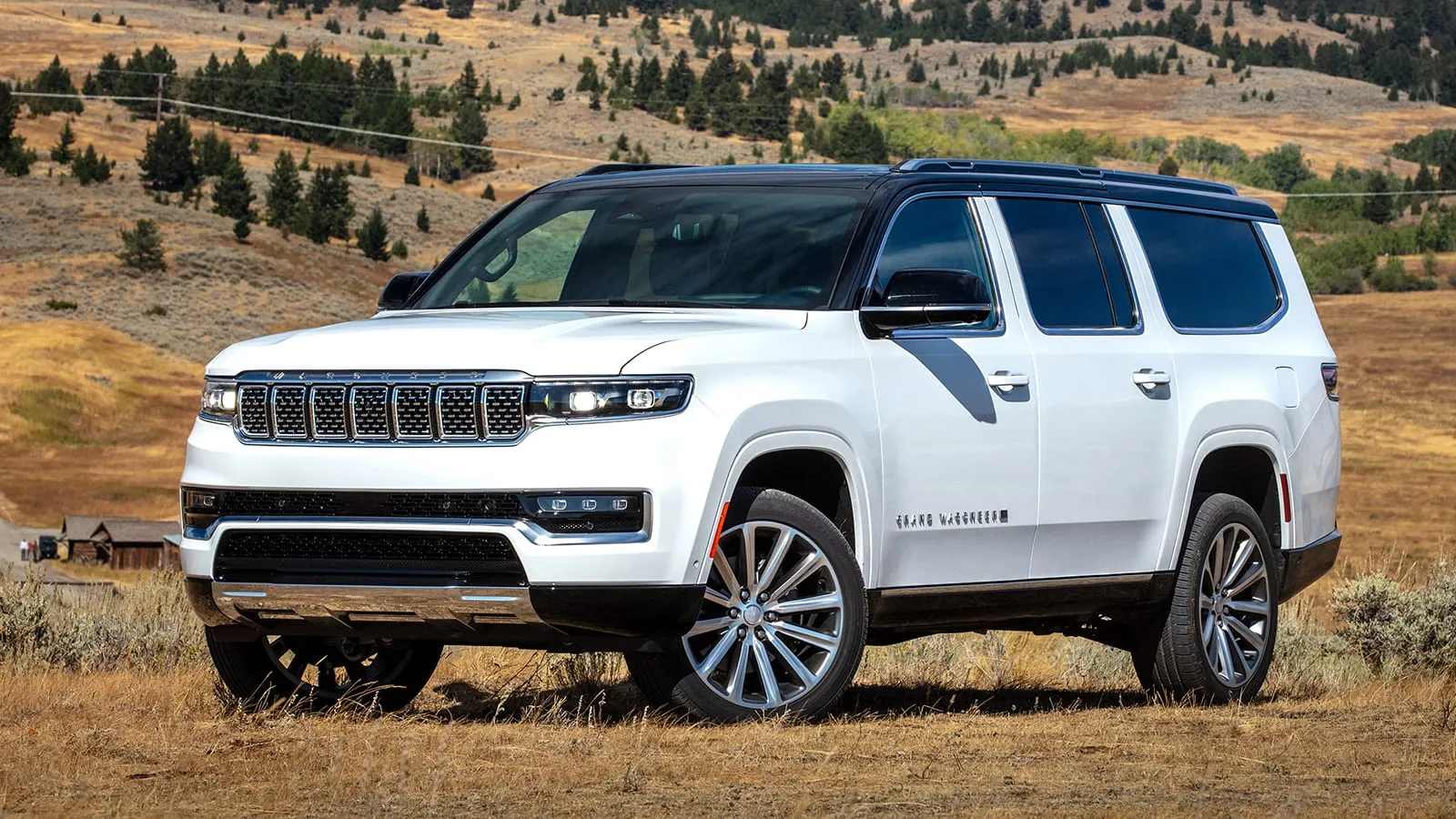
4. Jeep Grand Wagoneer
Large luxury SUVs are often expected to isolate passengers from outside conditions, but the Jeep Grand Wagoneer takes this responsibility further by combining premium comfort engineering with rugged environmental protection.
This makes it particularly effective in dusty climates where interior isolation becomes just as important as mechanical durability.
The Grand Wagoneer benefits from extensive acoustic glass usage. Thicker laminated glass is primarily intended to reduce outside noise, but it also helps block the entry of fine airborne dust. Strong window sealing combined with this glass design improves overall cabin isolation during highway driving in desert areas.
Jeep also invested heavily in door closure engineering. The doors are designed to close with high compression sealing, creating a tight barrier against outside air intrusion. This is especially useful during long drives through dry regions where crosswinds can push dust toward vehicle seams.
Interior air quality also receives strong attention. The vehicle uses advanced filtration systems that monitor incoming air and filter out contaminants before they circulate inside the cabin. This type of system helps maintain a consistently clean breathing environment even when the vehicle is surrounded by airborne particles.
Another overlooked design element comes from underbody sealing. Dust does not only enter from doors and windows. It can also be pulled upward from underneath the vehicle through wiring passages or structural openings. The Grand Wagoneer includes extensive underbody insulation panels that help block this pathway.
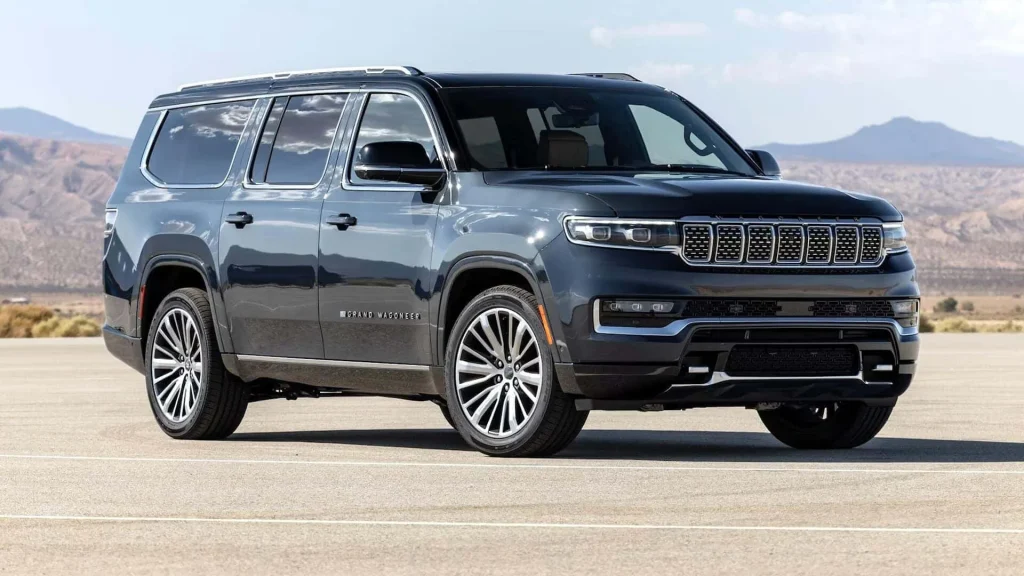
Material fit and finish also plays a role. Premium manufacturing tolerances help ensure consistent panel alignment. When panels fit precisely, there are fewer opportunities for dust entry compared to vehicles where panel gaps vary.
The Grand Wagoneer shows how modern luxury SUVs can go beyond comfort and actively protect interior environments. Through careful sealing strategies, filtration improvements, and structural attention to detail, it delivers a quiet and clean cabin even when traveling through regions known for persistent dust exposure.
5. Honda Passport TrailSport
Not every vehicle designed to resist dust comes from the heavy duty truck category. The Honda Passport TrailSport demonstrates how thoughtful engineering in a midsize SUV can produce impressive environmental sealing without relying on extreme off road construction.
Its development focused on adventure travel, which naturally includes exposure to dirt roads and dry climates.
Honda approached this challenge through structural rigidity and careful sealing placement. A stiff body structure helps maintain consistent door alignment, which allows weather seals to remain effective over time. When body flex is reduced, seals maintain even pressure and are less likely to develop small gaps where dust could enter.
The Passport also benefits from carefully designed door channel drainage systems. These channels direct debris and fine particles away from sealing areas, preventing buildup that could eventually compromise sealing performance. This type of detail is rarely discussed but becomes important in dry environments.
Another strength comes from Honda’s climate control filtration. Honda tends to prioritize reliable HVAC performance, and the Passport uses dense cabin air filters capable of capturing very small airborne particles. Combined with strong blower motor housing seals, this helps ensure outside air is properly filtered before entering the cabin.
Interior control layout also contributes indirectly to dust resistance. The Passport uses physical controls with tight actuation tolerances rather than overly complex touch sensitive panels. This reduces the chances of dust interfering with interior electronics over long periods of exposure.
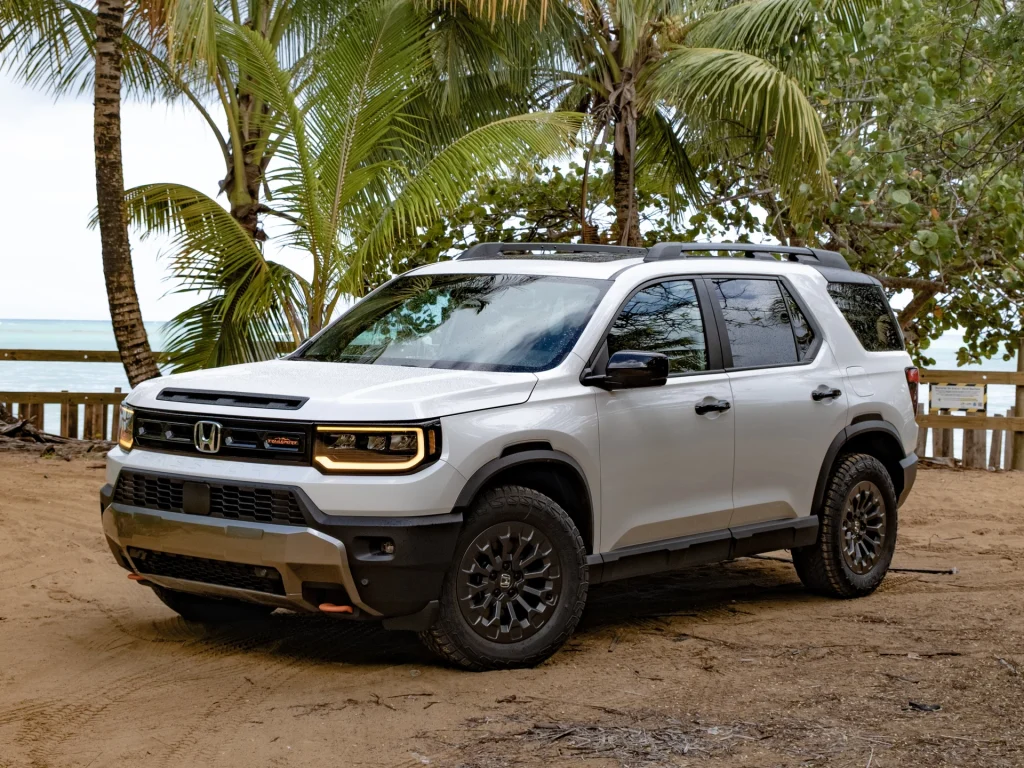
Cargo sealing also receives attention. The rear hatch uses wide rubber sealing surfaces designed to maintain pressure contact even after years of use. This helps prevent the fine dust trails that sometimes appear in poorly sealed cargo areas after driving on dirt roads.
The Passport TrailSport shows how practical engineering decisions can deliver real world benefits. Instead of focusing on extreme specifications, Honda focused on durability, structural stability, and consistent sealing performance. The result is a vehicle that quietly excels at keeping dust where it belongs, outside the cabin.
6. Chevrolet Suburban
The Chevrolet Suburban approaches dust protection from a different angle. Its advantage does not come from compact design or specialized off road engineering but from scale, structural refinement, and decades of development as a long distance transport vehicle often used in harsh environments.
One factor that works in the Suburban’s favor is its long body design. Because the passenger compartment is positioned further from the rear airflow turbulence zone, less dust is naturally drawn toward the main seating area. This aerodynamic separation can reduce how much dust attempts to enter through rear seals.
General Motors also focused on improving sealing consistency in newer generations. Triple layer door seals in certain areas help block both sound and environmental particles. Multiple sealing surfaces create redundancy, meaning even if one layer is exposed to debris, others continue maintaining the barrier.
Another advantage is the Suburban’s large and powerful climate control system. Because the vehicle is designed to move a high volume of air for multiple rows of passengers, it maintains strong cabin airflow. This can help maintain slight positive pressure inside the vehicle, reducing the likelihood of dust entering through micro openings.
Attention was also given to rear hatch engineering. Large SUVs often struggle with tailgate dust entry due to their vertical rear surfaces. Chevrolet improved hatch sealing by increasing compression strength and refining latch alignment, reducing the fine dust lines that older designs sometimes developed.
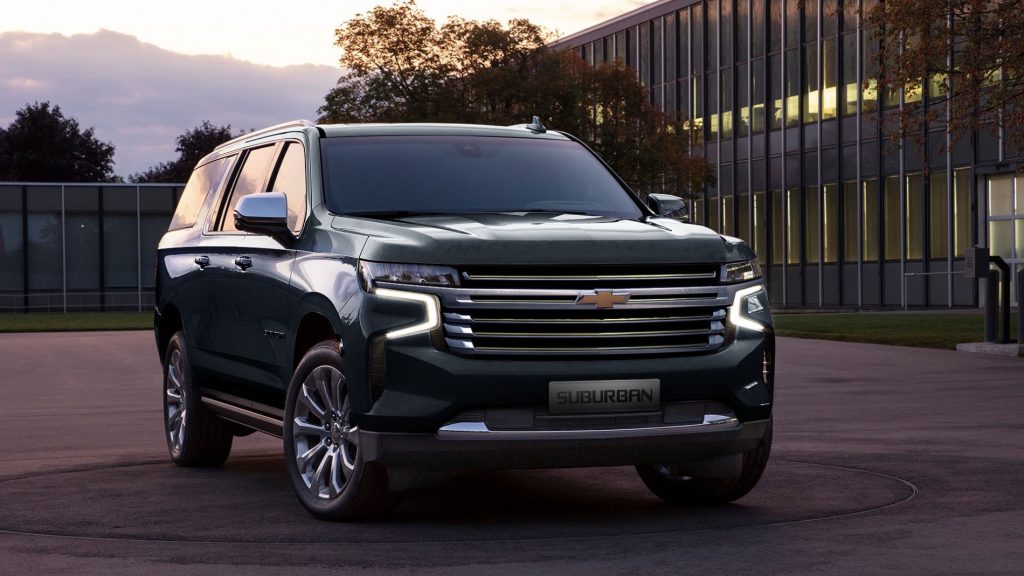
Interior durability also supports long term dust resistance. Surfaces are selected to tolerate frequent cleaning, and vent designs are shaped to reduce particle buildup. These details help maintain interior quality even when the vehicle is used frequently on unpaved roads.
The Suburban’s strength in dust resistance comes from refinement rather than specialization. By improving sealing layers, managing airflow, and maintaining strong interior durability standards, it remains highly capable of keeping occupants comfortable even when the outside environment is dry and unforgiving.
7. Toyota 4Runner
The Toyota 4Runner has earned a strong following among drivers who regularly travel through deserts, national parks, and remote dry regions.
Its reputation for durability often focuses on its drivetrain, but an equally important reason for its popularity in these environments is how well it protects the cabin from dust intrusion during extended off pavement travel.
One of the biggest contributors is its old school body on frame construction. While often discussed in terms of strength, this type of construction also allows Toyota to use heavy duty sealing between the body and frame mounting points.
This reduces vibration gaps that can sometimes allow fine dust to enter in lighter unibody vehicles after years of rough road use.
The rear liftgate window design also shows thoughtful engineering. Toyota reinforced sealing channels around the power sliding rear glass to maintain tight closure even after repeated use. This helps prevent the common problem of dust lines forming around rear glass in SUVs used frequently on desert trails.
Another interesting strength comes from Toyota’s conservative approach to electronic ventilation routing. Wiring and ventilation passages are carefully routed and sealed to reduce open exposure to underbody airflow. Dust often travels upward from underneath vehicles, and limiting those entry paths helps keep the interior cleaner.
Switch durability is another small but important factor. The 4Runner uses large physical buttons with strong sealing behind them, helping prevent dust intrusion into frequently used controls.
Vehicles with delicate touch interfaces sometimes show wear faster in sandy regions, but the 4Runner’s simpler approach helps maintain long term usability.
Toyota also designed the door seals with wide contact surfaces that tolerate dirt accumulation without losing effectiveness. This means even when seals become dusty themselves, they continue to perform their function rather than immediately allowing infiltration.
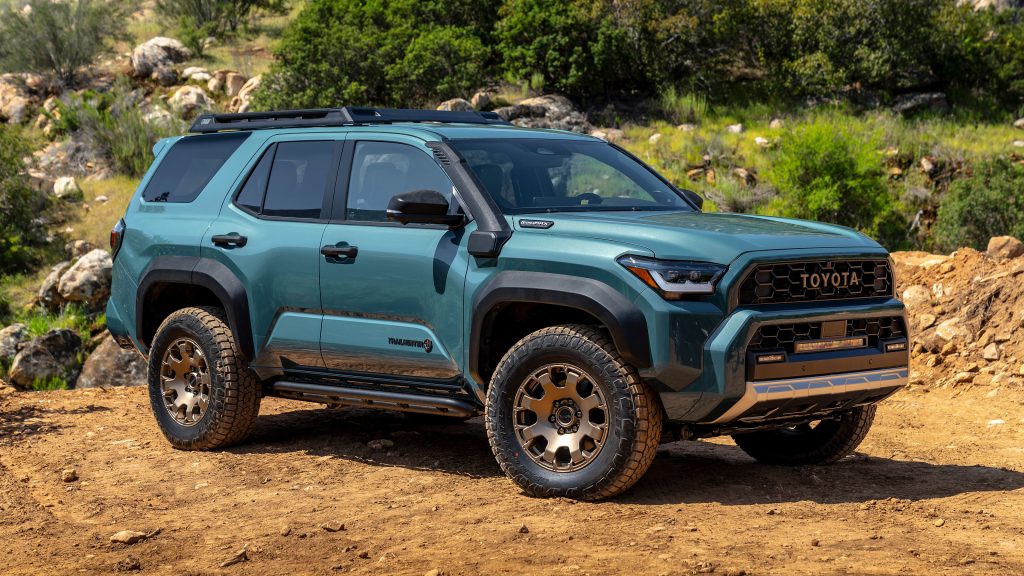
The 4Runner succeeds because it was designed for environments where reliability matters more than trends. By combining strong structural sealing, durable materials, and practical engineering decisions, it remains one of the most trusted SUVs for drivers who regularly deal with dry and dusty terrain.
8. Rivian R1T
Electric trucks face unique challenges when it comes to environmental sealing, and the Rivian R1T demonstrates how modern EV engineering can actually create advantages in dust protection.
Because electric vehicles must protect sensitive battery systems from contamination, they often benefit from extremely tight environmental sealing throughout the entire structure.
The R1T’s skateboard platform places the battery pack inside a heavily sealed structural enclosure. This requires extensive underbody sealing that also benefits the passenger cabin. With fewer open mechanical pathways compared to traditional drivetrains, there are fewer opportunities for dust migration through the chassis.
Another interesting feature is Rivian’s focus on adventure travel design. The truck was developed with overlanding in mind, meaning long exposure to dirt and sand was part of its testing program. Door seals and storage compartments were designed with this use case in mind, resulting in tight closures that help maintain interior cleanliness.
The R1T also includes a unique gear tunnel storage system positioned between the cab and bed. This area uses strong compression seals to prevent environmental entry. While primarily a storage feature, it demonstrates the company’s attention to environmental protection in every opening built into the vehicle.
Electric climate systems also provide an advantage. EVs often maintain precise control over cabin airflow because thermal management is tied closely to battery performance. This allows more controlled air intake and filtration compared to simpler combustion vehicle systems.
Interior design also reflects a dust conscious approach. Rivian selected materials that resist particle embedding and allow easy cleaning after off road travel. Smooth surface transitions reduce the small crevices where dust can accumulate.
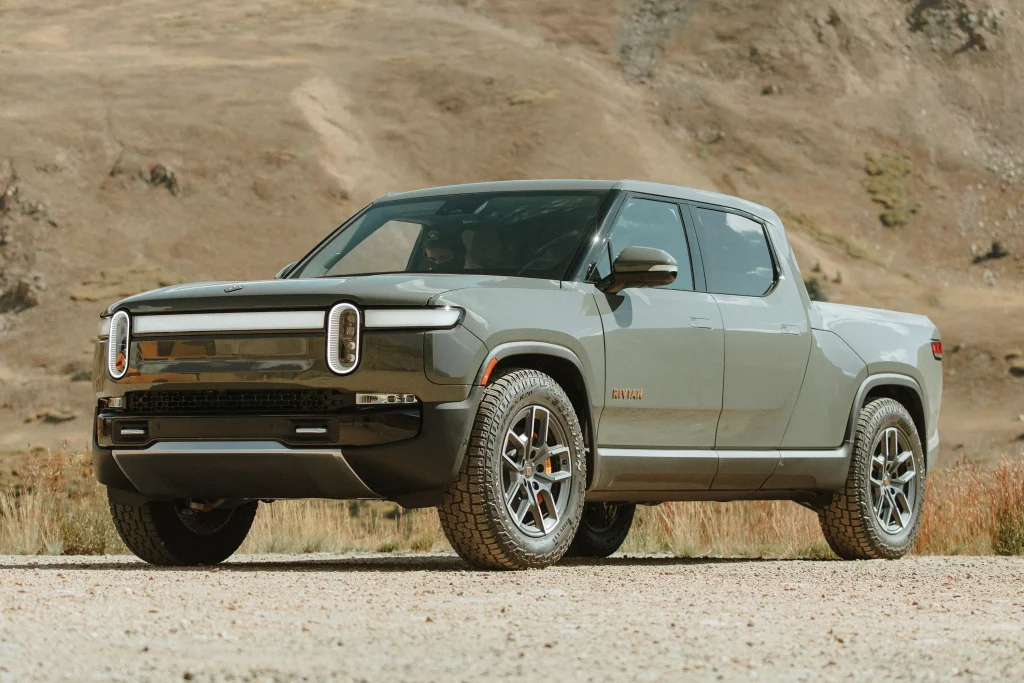
The R1T shows how new vehicle architecture can improve environmental isolation. Through careful structural sealing, controlled airflow management, and modern design thinking, it proves that electric trucks can be just as capable as traditional off road vehicles when it comes to keeping desert dust outside.
9. Mercedes Benz GLS
The Mercedes Benz GLS represents a different philosophy of dust protection. Instead of focusing primarily on rugged environmental testing, Mercedes approaches the problem through precision manufacturing and high level cabin isolation standards. The result is a vehicle where refinement naturally helps block unwanted environmental intrusion.
One of the biggest advantages of the GLS comes from its manufacturing tolerances. Mercedes places heavy emphasis on panel alignment accuracy, which leads to extremely consistent door and window fitment. When the gaps between panels are tightly controlled, there are fewer opportunities for airborne particles to find entry points.
The GLS also benefits from extensive use of multi stage door sealing. Instead of relying on a single rubber barrier, multiple sealing layers are used to trap air between them. This layered approach works similarly to insulation by reducing airflow movement, which helps prevent dust from being forced inside at highway speeds.
Air quality engineering is another major strength. Mercedes integrates advanced cabin filtration systems capable of capturing extremely small airborne contaminants. In dusty environments, this allows outside air to be cleaned before entering the cabin rather than simply relying on physical sealing alone.
Attention to aerodynamic smoothness also contributes to dust resistance. A well managed airflow pattern around the vehicle reduces turbulent air that could otherwise push particles toward vulnerable areas. Luxury vehicles often benefit from this type of development because it also improves noise reduction.
Interior component longevity also benefits from these sealing improvements. Precision switch construction and well protected electronic modules help prevent the long term wear sometimes seen when dust infiltrates lesser protected cabins.
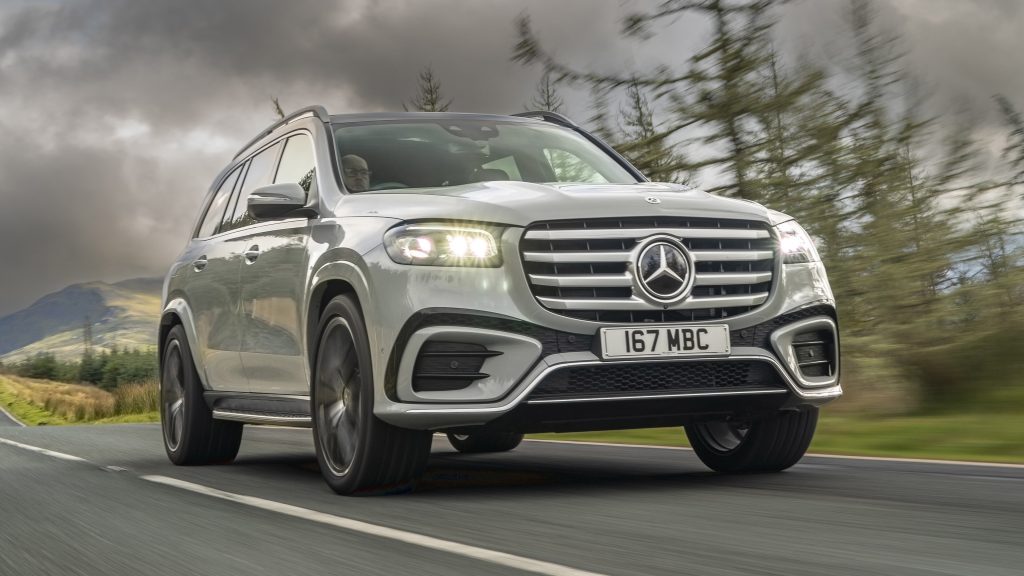
Rather than relying on heavy duty off road construction, the GLS shows how precision engineering can deliver similar results. Through careful assembly quality, layered sealing strategies, and advanced filtration, it maintains a remarkably clean and controlled interior environment even when operating in dry and sandy climates.
10. Subaru Outback Wilderness
The Subaru Outback Wilderness was designed with outdoor travel as a core focus, and that includes environments filled with dry dirt roads and windblown sand. Subaru understood that adventure travel often involves exposure to dust, which led to improvements in sealing and filtration compared to standard versions of the Outback.
One area Subaru improved was door sealing pressure. The Wilderness trim uses reinforced weather stripping designed to maintain tighter contact during rough driving. This helps maintain sealing integrity even when the vehicle experiences vibration on unpaved terrain.
Roof rail mounting areas were also strengthened and sealed more carefully. Adventure vehicles often include roof carrying systems, but these mounting points can sometimes become unnoticed entry paths for dust. Subaru addressed this by improving sealing around attachment points to prevent particle migration.
The Wilderness also benefits from Subaru’s symmetrical all wheel drive packaging. Because the drivetrain layout is compact and balanced, engineers were able to limit the number of openings required for mechanical routing. Fewer openings naturally reduce potential entry points for environmental debris.
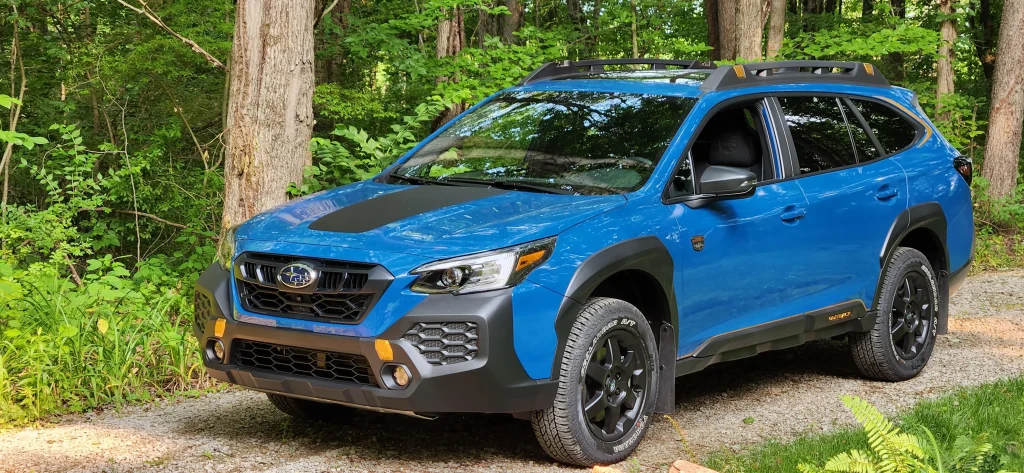
Another advantage comes from its updated cabin filtration system. Subaru tuned the HVAC intake to better manage dusty airflow situations, particularly when driving behind other vehicles on dry trails. Effective filtration allows occupants to continue using outside air ventilation rather than constantly switching to recirculation.
Interior materials were also selected with outdoor use in mind. Water resistant seating surfaces and easy clean trim make it easier to remove dust after extended trips. This supports long term interior preservation in environments where dust exposure is unavoidable.
The Outback Wilderness reflects Subaru’s practical design philosophy. By improving sealing strength, reducing entry points, and selecting durable materials, it offers strong protection against dust while maintaining the everyday usability that made the Outback popular in the first place.
Also Read: 5 Luxury Sedans With Bulletproof Transmissions vs 5 With Fragile Electronic Shifters
