
Forest Service roads are very different from paved highways. These routes often include loose gravel, washboard surfaces, unexpected potholes, exposed tree roots, mud after rain, and occasional rocky sections that can quickly challenge vehicles not designed for rough travel.
For people who regularly use these roads to reach campsites, trailheads, cabins, or remote work locations, choosing the right SUV becomes less about luxury and more about durability and control.
One of the most important factors for these conditions is ground clearance. Vehicles that sit too low risk underbody damage from rocks or ruts. Off road focused SUVs typically offer at least about nine inches of clearance along with good approach and departure angles to help avoid scraping on uneven terrain.
Traction systems also play a major role. All wheel drive may be enough for light gravel roads, but regular forest road drivers often benefit from true four wheel drive systems, low range gearing, or terrain management software that can handle mud, loose dirt, and steep access paths.
Durable suspension systems also matter because washboard roads can quickly expose weaknesses in cheaper setups.
Another often overlooked factor is structural durability. Forest roads may not look extreme, but repeated vibration can wear down interior components and suspension parts over time.
Vehicles designed for off road use usually include stronger bushings, skid plates, and reinforced mounting points to tolerate these conditions over many years.
Visibility and size balance are also important. Large SUVs may offer strength, but narrower vehicles can be easier to maneuver on tight forest routes with limited turnaround space. Practical design often matters more than extreme capability.
This list highlights ten SUVs that combine durability, traction, clearance, and real world usability for people who regularly depend on unimproved Forest Service roads.
Each vehicle represents a slightly different solution, from traditional body on frame off roaders to modern AWD adventure crossovers. For these drivers, reliability and confidence matter far more than appearance.
Also Read: 10 Best Fleet Vehicles You Can Buy Used for Half the Price of Retail
1. Toyota 4Runner TRD Off Road
For drivers who treat forest access roads as part of their normal routine, the Toyota 4Runner TRD Off Road stands out because it focuses on mechanical dependability rather than trends. It is one of the few remaining midsize SUVs built on a truck style frame, which gives it a durability advantage when roads become uneven or heavily rutted.
Its ground clearance sits around the range commonly recommended for serious off pavement travel, allowing it to clear obstacles that would contact the underside of lower crossovers.
Instead of relying only on electronics, the 4Runner uses a traditional part time four wheel drive system with a low range option. This gives drivers the ability to crawl slowly over rough sections without stressing the drivetrain. On steep forest access routes, this low speed torque delivery can make travel far easier.
Another benefit comes from suspension design. The TRD Off Road version includes hardware meant to tolerate repeated impacts from rough surfaces. Forest roads with washboard patterns can cause constant vibration, and this type of suspension tuning helps reduce long term wear.
Interior durability also matters for people who regularly track dirt into their vehicles. The 4Runner uses large physical controls and simple materials that tend to tolerate dust and mud better than delicate touch sensitive systems.
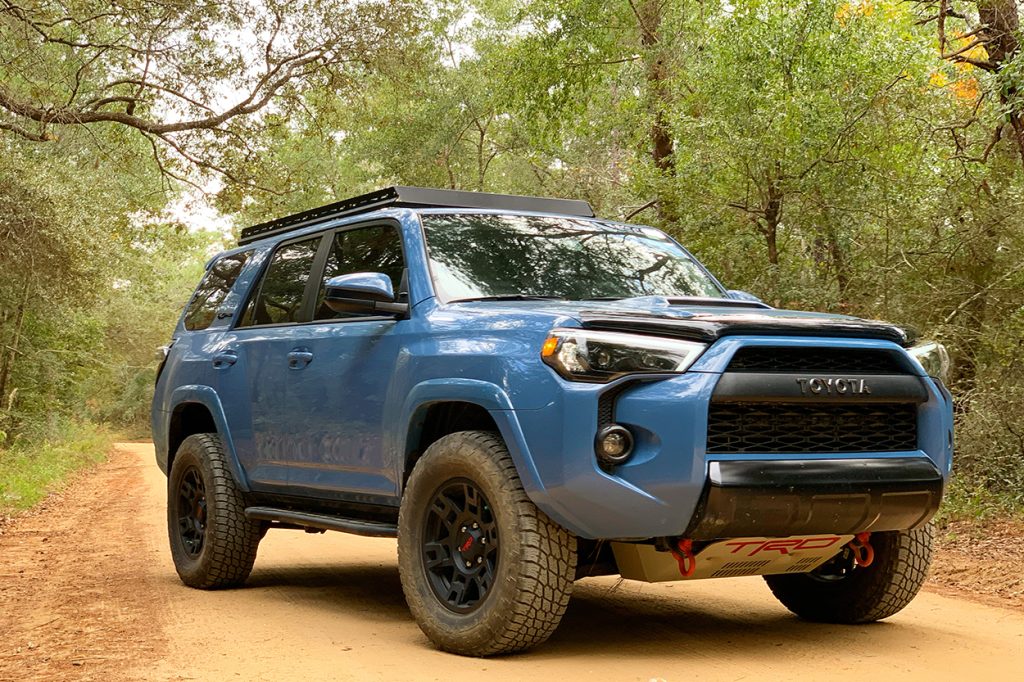
Cargo practicality is another strong point. Forest road users often carry recovery boards, air compressors, spare fuel, or camping equipment. The 4Runner’s square cargo design makes it easy to organize this type of equipment without sacrificing passenger space.
The vehicle’s reputation also plays a role. Many outdoor users choose it because it has been used for decades in demanding environments. That consistency gives buyers confidence that it will tolerate repeated rough travel without becoming fragile.
The 4Runner remains popular not because it is the newest design, but because it continues to deliver exactly what frequent forest road drivers actually need, strength, simplicity, and long term reliability.
2. Ford Bronco
Some SUVs are built to tolerate rough roads occasionally. The Ford Bronco was engineered with the expectation that owners would actively seek them out. That design philosophy makes it particularly well suited for drivers who regularly travel deep into national forest areas.
One of its biggest advantages is its exceptional ground clearance, which in some configurations exceeds thirteen inches. This extra height can prevent underbody contact on rocky access paths and deeply rutted sections.
The Bronco also offers multiple terrain management modes designed to help drivers adapt to loose gravel, mud, and uneven ground. These systems adjust throttle behavior and traction control response to help maintain grip. This can be especially helpful for people who may not have extensive off road driving experience.
Another important factor is its removable sway bar feature on certain trims. This allows better suspension articulation when traveling slowly over uneven surfaces. When tires stay in contact with the ground, available traction improves dramatically.
The Bronco also benefits from strong aftermarket support. Many forest road users customize their vehicles with skid plates, all terrain tires, or extra lighting. Having strong parts availability allows owners to tailor the vehicle to their exact travel conditions.
Its upright design also improves trail visibility. Being able to clearly see the corners of the vehicle helps drivers place tires accurately between rocks or deep potholes. On narrow forest roads, that precision can prevent unnecessary damage.
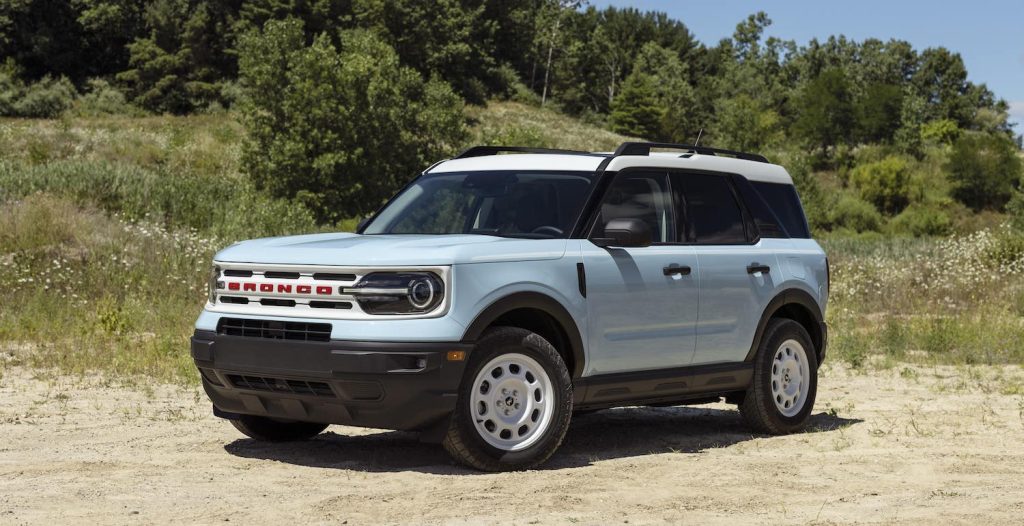
Unlike some large SUVs, the Bronco’s available two door configuration also makes it easier to maneuver through tight switchbacks or narrow tree lined sections. Size flexibility becomes a real advantage in these environments.
The Bronco succeeds because it was built with adventure travel in mind rather than just occasional off road marketing. For people who regularly depend on rough access roads, that intention shows in how confidently it handles difficult terrain.
3. Subaru Outback Wilderness
Not every Forest Service road requires extreme rock crawling hardware. Many are long stretches of gravel, dirt, and uneven surfaces where comfort, traction, and durability matter more than extreme off road geometry.
The Subaru Outback Wilderness fits perfectly into this category because it focuses on real world backcountry usability rather than extreme off road specialization.
One of the biggest advantages of the Outback Wilderness is its balance between ride comfort and rugged capability.
Its suspension is tuned to absorb repeated small impacts from washboard roads, helping reduce driver fatigue during long drives into remote areas. People who travel many miles on these surfaces often value comfort just as much as strength.
The standard symmetrical all wheel drive system also plays an important role. Unlike some systems that wait for wheel slip, Subaru’s setup constantly distributes power. This allows steady traction on loose gravel where sudden loss of grip can happen without warning.
The Wilderness trim also increases ground clearance compared to the standard Outback, giving it the ability to clear moderate obstacles without sacrificing stability. This makes it suitable for drivers who want off pavement confidence without stepping into a large truck based SUV.
Another advantage comes from fuel efficiency. Many forest areas are far from fuel stations, and efficient vehicles allow longer exploration without worrying about range. This becomes a practical advantage for people who spend entire weekends exploring backcountry routes.
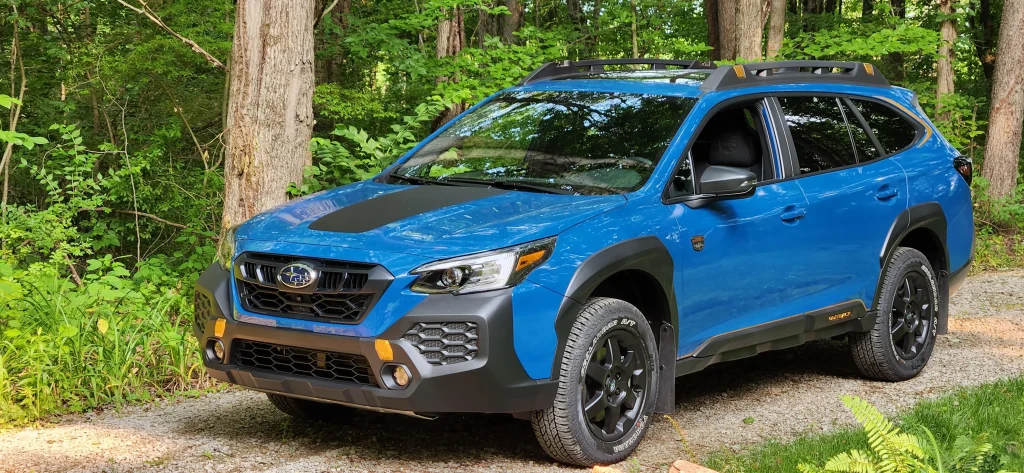
Roof load capability is another reason outdoor users appreciate this model. Reinforced roof rails allow carrying kayaks, rooftop tents, or cargo carriers. This makes it especially attractive to people who combine forest road travel with camping or outdoor sports.
The Outback Wilderness succeeds because it understands the reality of how most people actually use Forest Service roads. It offers enough strength for rough access routes while remaining comfortable, efficient, and easy to live with during daily driving.
4. Jeep Grand Cherokee Trailhawk
The Jeep Grand Cherokee Trailhawk offers a different type of solution for forest road drivers. Instead of focusing purely on rugged construction or everyday comfort, it attempts to combine advanced traction technology with practical off road capability, making it a versatile choice for people who travel between highways and remote trails.
One of its most useful features is the Quadra Drive four wheel drive system. This system can actively move torque between wheels depending on which tires have traction. On uneven forest roads where one side may be loose gravel and the other solid dirt, this helps maintain forward movement without driver intervention.
The available air suspension also provides flexibility. Drivers can raise the vehicle when approaching rough sections and lower it again for normal driving. This type of adaptability is useful for people who encounter both maintained and unimproved roads in the same trip.
Another strength is Jeep’s Selec Terrain system. This allows drivers to choose settings designed for mud, rocks, or loose surfaces. Each setting changes throttle behavior and stability control tuning, which helps the vehicle remain composed without requiring advanced off road skills.
The Trailhawk trim also includes underbody protection. Skid plates protect key components such as the transfer case and fuel tank. On forest roads where hidden rocks may be present after storms, this type of protection can prevent costly damage.
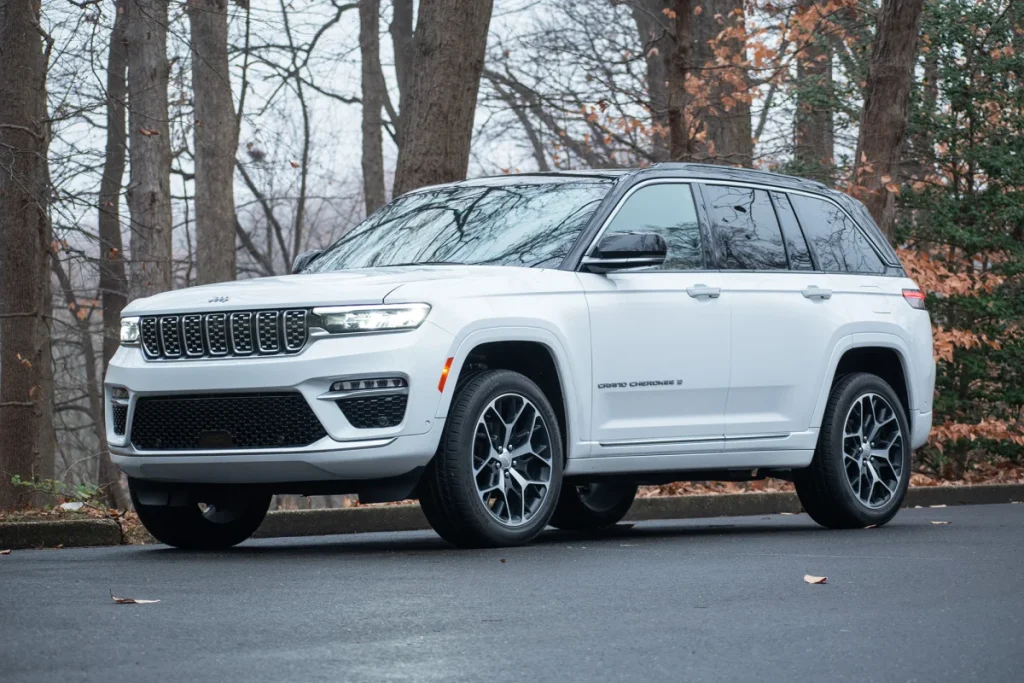
Interior design also helps support long trips. Comfortable seating and strong climate control make it easier to travel long distances into remote locations without fatigue. For many owners, forest roads are part of longer travel plans rather than short adventures.
The Grand Cherokee Trailhawk stands out because it offers intelligent capability. Instead of relying only on mechanical toughness, it combines smart traction control, adjustable ride height, and protective hardware to help drivers confidently reach remote destinations without feeling like they are driving a dedicated off road machine.
5. Toyota Land Cruiser Prado
Some vehicles earn their reputation not through advertising but through decades of dependable service in remote environments. The Toyota Land Cruiser Prado falls into this category.
Developed for global markets where paved infrastructure cannot always be guaranteed, it brings a level of durability that makes it extremely suitable for people who frequently travel on Forest Service routes.
The Prado’s strongest quality is consistency. Instead of chasing aggressive performance numbers, Toyota focused on creating a drivetrain that can handle repeated stress.
Forest roads often look simple but can quietly wear down weaker vehicles through constant vibration and uneven surfaces. The Prado is engineered to tolerate that kind of long term exposure.
Four wheel drive capability is supported by a low range transfer case and locking center differential. These features help when encountering steep dirt climbs or muddy sections after rainfall. Controlled torque delivery allows the vehicle to climb slowly without losing traction or overworking the transmission.
Suspension travel is another important factor. The Prado uses a design that allows enough movement to absorb larger bumps without transferring harsh impacts into the cabin. This helps both passenger comfort and component longevity, which matters for drivers who frequently travel long distances off pavement.
Another strength is its cooling durability. Vehicles that regularly operate at low speeds on rough roads often receive less airflow through the radiator. Toyota engineered strong cooling margins into the Prado to help maintain stable temperatures even during slow climbs.
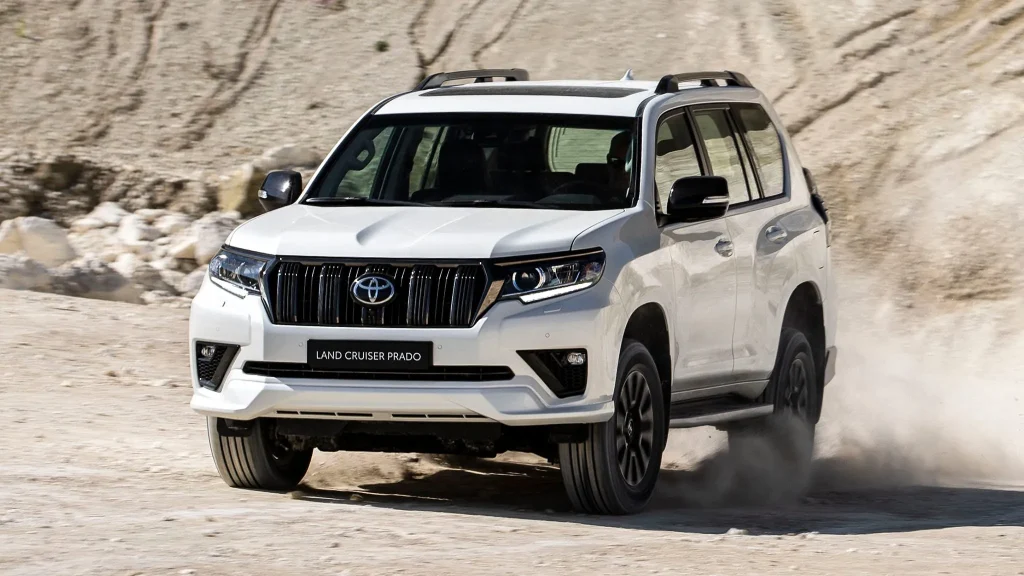
The interior also reflects practical thinking. Durable materials, simple switch layouts, and strong sealing help maintain long term usability even with repeated dust exposure. Owners who regularly use these vehicles in remote conditions often value function over complex luxury interfaces.
The Land Cruiser Prado works well because it focuses on the fundamentals that matter most for remote travel. Strength, reliability, and predictable mechanical behavior allow it to quietly handle the daily realities of forest road driving without unnecessary complication.
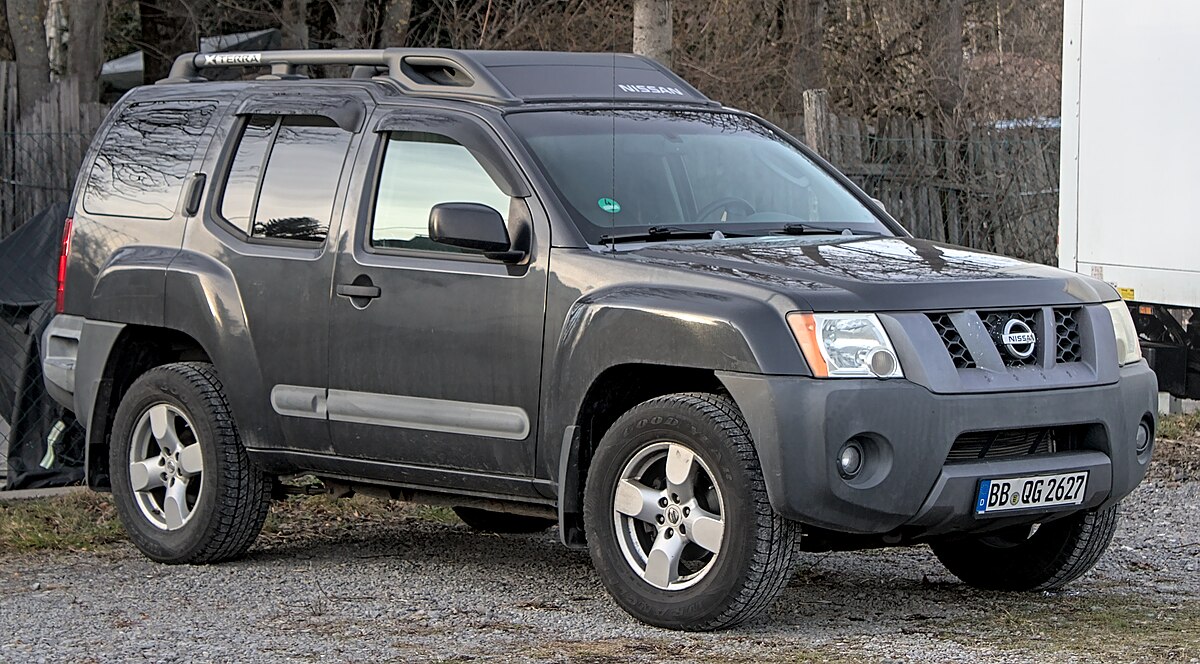
6. Nissan Xterra (Pro-4X)
The Nissan Xterra represents a more old school approach to off pavement travel, and that is exactly why it remains respected among outdoor enthusiasts. Designed during a time when SUVs were expected to handle real terrain rather than just look rugged, it remains a practical choice for people who regularly navigate unimproved access roads.
Its design philosophy focused on utility first. The boxy shape is not about style. It allows good outward visibility and practical cargo storage. When navigating narrow forest roads, being able to judge the vehicle’s corners helps avoid contact with rocks or fallen branches.
The Pro-4X trim included features that directly support rough road use. A locking rear differential improves traction when one wheel encounters loose gravel or a rut. This helps the vehicle maintain forward progress without requiring aggressive throttle input.
Another important advantage is its relatively short overall length compared to some larger SUVs. This makes it easier to maneuver around tight bends or find space to turn around when a road becomes blocked. Many forest routes were never designed for large modern vehicles.
Roof utility was also part of the Xterra’s design focus. Integrated roof rack systems with reinforced mounting points allowed owners to carry recovery gear or outdoor equipment. For drivers who frequently travel into remote areas, this built in practicality made preparation easier.
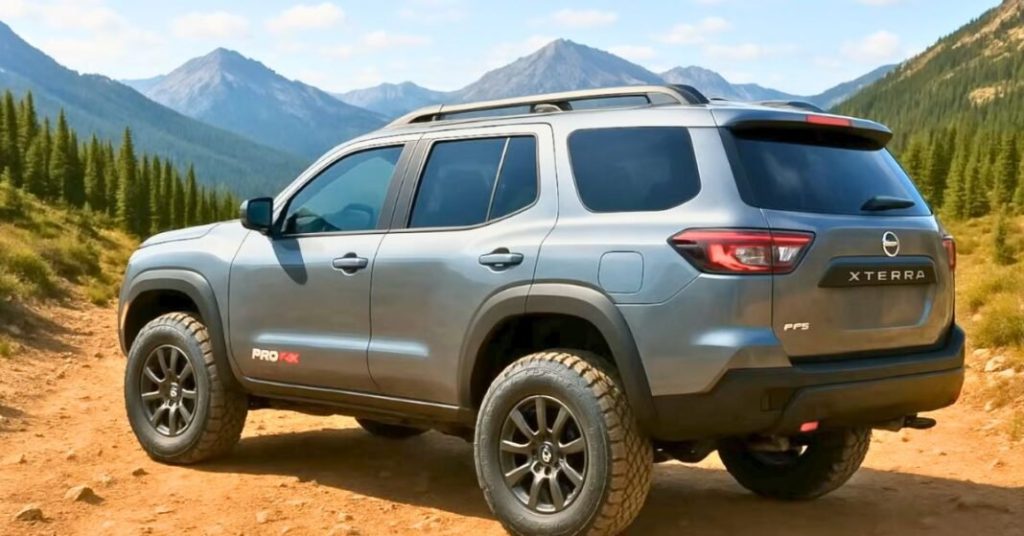
Interior materials were also chosen with outdoor use in mind. Easy to clean surfaces and durable fabrics helped owners manage dirt and mud tracked in after hikes or campsite setups. Some models even included washable cargo flooring.
The Xterra remains appreciated because it was built for people who actually use rough roads as part of their routine. It does not rely on complex technology or luxury positioning. Instead it delivers straightforward capability that supports reliable access to remote locations year after year.
7. Land Rover Defender
Forest Service roads can change dramatically depending on weather and maintenance schedules. Some sections may be smooth gravel while others may suddenly become deeply rutted or scattered with embedded rocks.
The Land Rover Defender was engineered with this kind of unpredictability in mind, which makes it particularly well suited for drivers who never know exactly what conditions they will face.
One of the Defender’s most valuable advantages is its Terrain Response system. Instead of requiring the driver to manually manage every traction situation, the system can adjust throttle response, differential behavior, and stability control to match the surface.
This is helpful for drivers who may encounter multiple surface types during a single trip into a forest region.
The vehicle also benefits from impressive suspension travel. Its design allows the wheels to move independently over uneven surfaces while maintaining cabin stability. This balance between articulation and comfort becomes noticeable when traveling long distances on rough gravel roads.
Another area where the Defender performs well is structural strength. Its rigid body structure helps maintain consistent alignment even after repeated exposure to twisting terrain. Maintaining structural integrity helps preserve suspension geometry, which directly affects traction performance over time.
Water fording capability also adds versatility. Forest roads sometimes include shallow stream crossings or flooded sections after storms. Having a vehicle designed to tolerate these conditions adds another layer of confidence for people traveling far from paved routes.
Interior technology also supports long journeys. Clear camera systems and terrain monitoring displays help drivers understand surface conditions ahead. This reduces guesswork and helps prevent unnecessary risks when exploring unfamiliar areas.
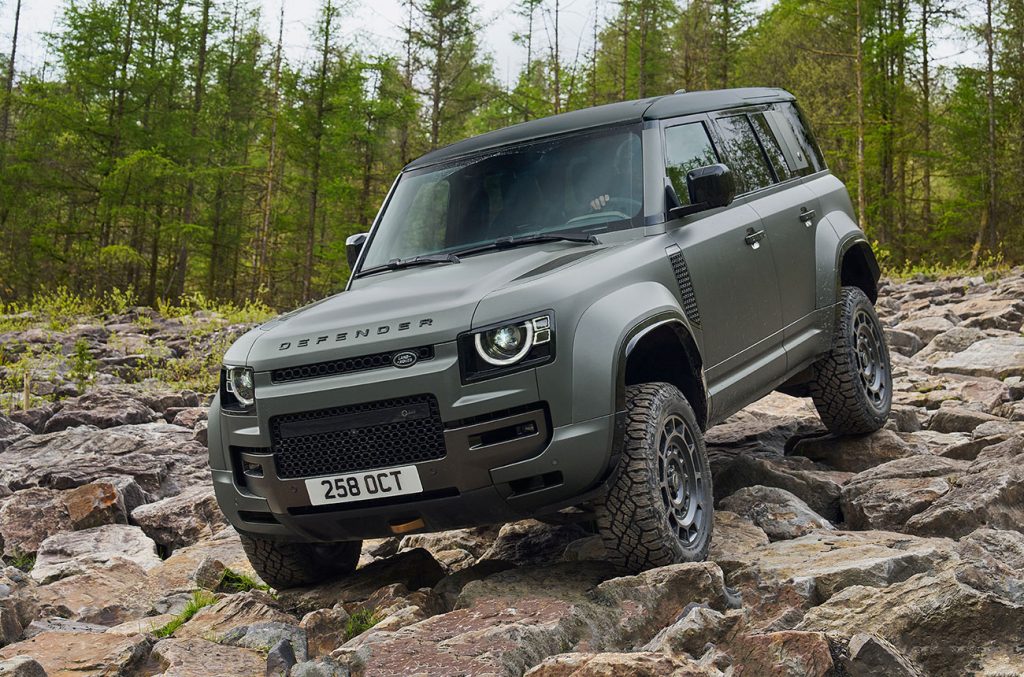
Rather than focusing on one type of terrain, the Defender was developed to handle constantly changing environments. That adaptability makes it especially useful for drivers who rely on forest access roads that may vary greatly depending on season and usage.
8. Chevrolet Tahoe Z71
The Chevrolet Tahoe Z71 demonstrates how a full size SUV can still be practical for rough road travel when engineered correctly. While large vehicles can sometimes feel out of place on narrow forest routes, the Z71 package adds features that help make the Tahoe far more capable than its size might suggest.
One major advantage is its off road tuned suspension. The Z71 trim includes components designed to better absorb impacts from uneven terrain. This helps reduce harsh jolts when encountering potholes or exposed rocks on access roads that may not be regularly maintained.
The Tahoe also benefits from strong torque delivery. Larger engines provide steady pulling power when climbing loose or uneven inclines. Instead of requiring aggressive acceleration, the vehicle can rely on smooth torque to maintain progress.
Protection is another important factor. The Z71 package includes skid plates that protect key mechanical components. When traveling on remote roads where assistance may be far away, preventing damage becomes just as important as having capability.
Another benefit is long distance comfort. Many forest access routes require significant highway travel before reaching dirt sections. The Tahoe’s comfortable seating and quiet interior help reduce fatigue during these longer journeys, making it suitable for people who frequently travel between urban and remote environments.
Cargo flexibility also helps. The large rear area allows carrying spare tires, tools, or camping supplies without overcrowding passengers. For people who spend extended time in remote areas, having enough space for preparation equipment is essential.
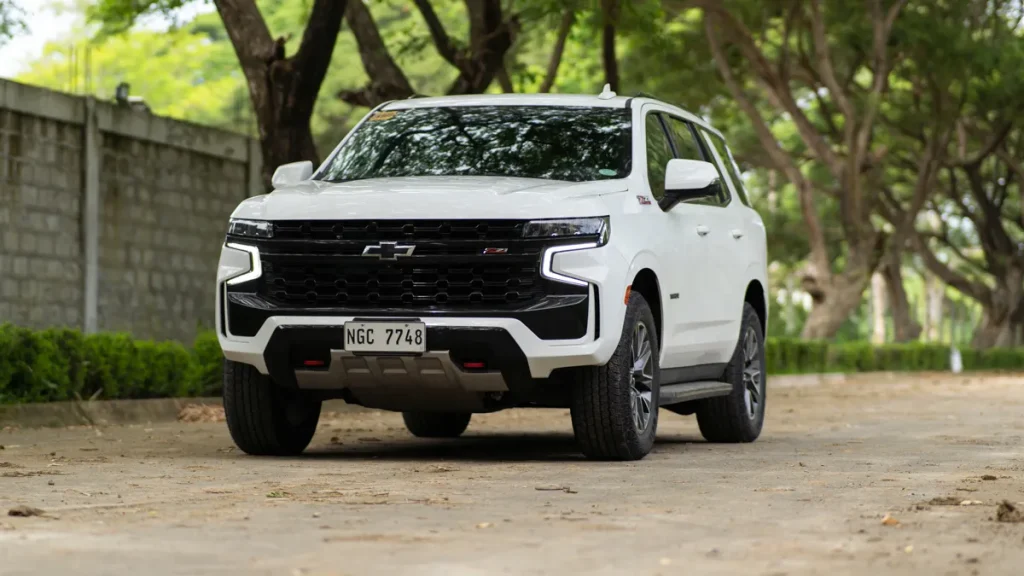
The Tahoe Z71 works well because it combines size with thoughtful upgrades. By reinforcing suspension durability, adding protection, and maintaining strong power delivery, it proves that even large SUVs can serve as dependable tools for accessing remote forest locations.
9. Mitsubishi Pajero
The Mitsubishi Pajero built its legacy in environments where paved roads were often optional. Developed with rally experience and global expedition use in mind, it became known as a vehicle capable of handling long distances on unpredictable surfaces. That background makes it a natural fit for people who regularly travel on Forest Service roads.
Its Super Select four wheel drive system is one of the more versatile setups found in traditional SUVs. Unlike basic systems that only allow two wheel or four wheel drive, this design gives multiple operating modes.
Drivers can choose the most appropriate traction setting depending on whether they are driving on gravel, mud, or mixed surfaces.
Another reason the Pajero performs well on rough access roads comes from its suspension durability. It was engineered to handle repeated shock loads rather than just occasional impacts. This matters on forest roads where constant vibration from washboard surfaces can wear down lesser vehicles over time.
The Pajero also benefits from relatively balanced dimensions. It is large enough to provide stability but not so wide that it becomes difficult to manage on narrower forest paths. This balance makes it easier to navigate routes where passing space may be limited.
Braking control is another strong point. Mountain forest roads often include downhill sections with loose surfaces. The Pajero’s braking stability helps maintain controlled speed without requiring excessive pedal input, which helps reduce wheel lockup on gravel.
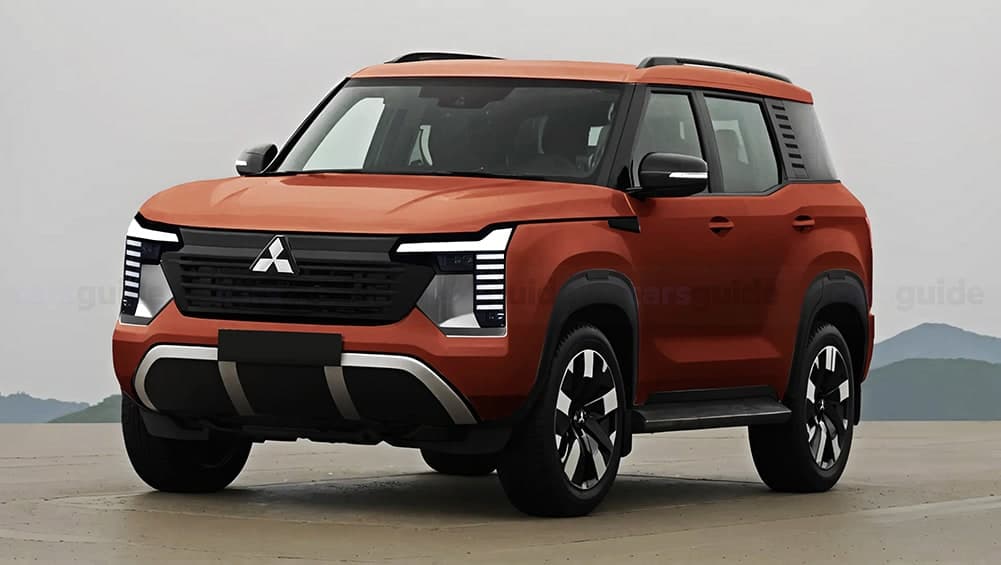
Interior layout also reflects practical thinking. Large controls, clear gauges, and durable materials make it easier to manage the vehicle while dealing with dusty or muddy conditions. Drivers who regularly travel off pavement often prefer controls that can be used easily even when wearing gloves.
The Pajero represents a philosophy that values real world usability. It was built for regions where drivers cannot always rely on perfect infrastructure. That same mindset makes it a dependable companion for people who frequently depend on remote forest access roads.
10. Kia Telluride X-Pro
Modern SUVs are not always associated with rough road durability, but the Kia Telluride X-Pro shows how newer designs can still be adapted for outdoor travel.
While it may not have the heavy duty background of some traditional off road vehicles, its thoughtful upgrades make it surprisingly capable for regular use on unimproved access routes.
The X-Pro trim increases ground clearance compared to the standard Telluride. This helps reduce the risk of scraping on uneven surfaces or deeper ruts. For drivers who mainly encounter gravel roads and moderate rough sections rather than extreme trails, this added height provides useful confidence.
All wheel drive tuning also supports light off pavement travel. The system can direct torque where it is needed to maintain stability on loose surfaces. While not designed for extreme rock crawling, it performs well in the type of conditions most forest access roads present.
Another strength is its reinforced cooling capacity. Traveling at low speeds on rough roads can sometimes reduce airflow, which can increase drivetrain temperatures. The X-Pro package includes improvements that help maintain consistent performance during these slower travel situations.
Tire selection also contributes to its capability. The trim includes all terrain focused tires designed to provide better grip on gravel and dirt compared to standard highway tires. Tire choice alone can make a significant difference in how confident a vehicle feels on loose surfaces.
Interior comfort also deserves attention. Supportive seating and a well designed cabin help reduce fatigue during long trips that combine highways and rough roads. Many forest road drivers value a vehicle that remains comfortable after hours of travel.
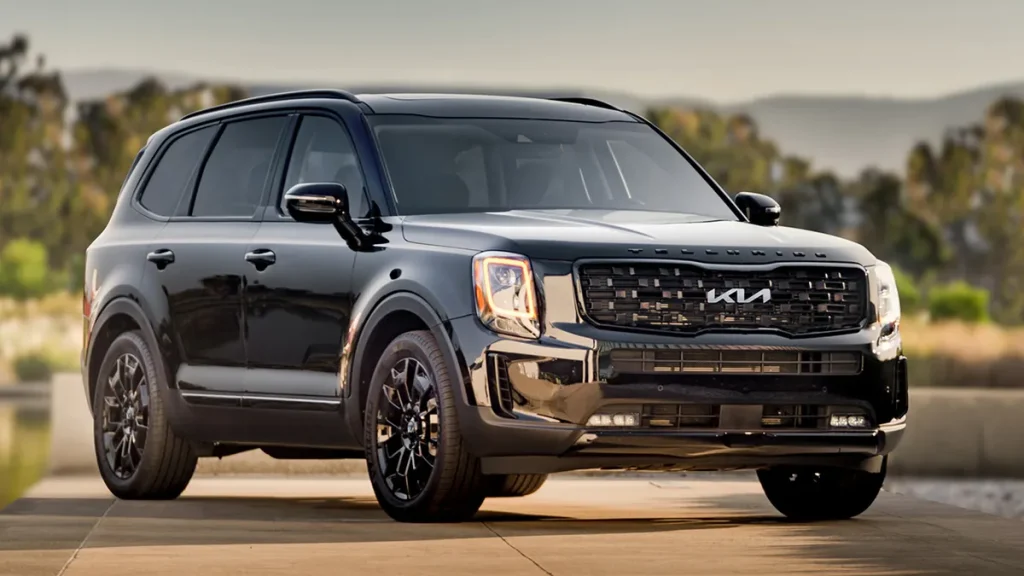
The Telluride X-Pro demonstrates that capability does not always require traditional truck construction. By focusing on practical upgrades such as clearance, traction tuning, and durability improvements, it offers a balanced option for drivers who want both everyday usability and dependable access to remote destinations.
Regularly driving on Forest Service roads places very different demands on a vehicle compared to normal commuting.
These routes may appear mild compared to extreme off road trails, but their combination of loose gravel, potholes, mud, and long term vibration can quietly test durability. Choosing the right SUV for these conditions often comes down to how well it balances strength, comfort, and reliability.
Also Read: 10 Used Hybrids With Batteries That Are Easy and Cheap to Refurbish
