
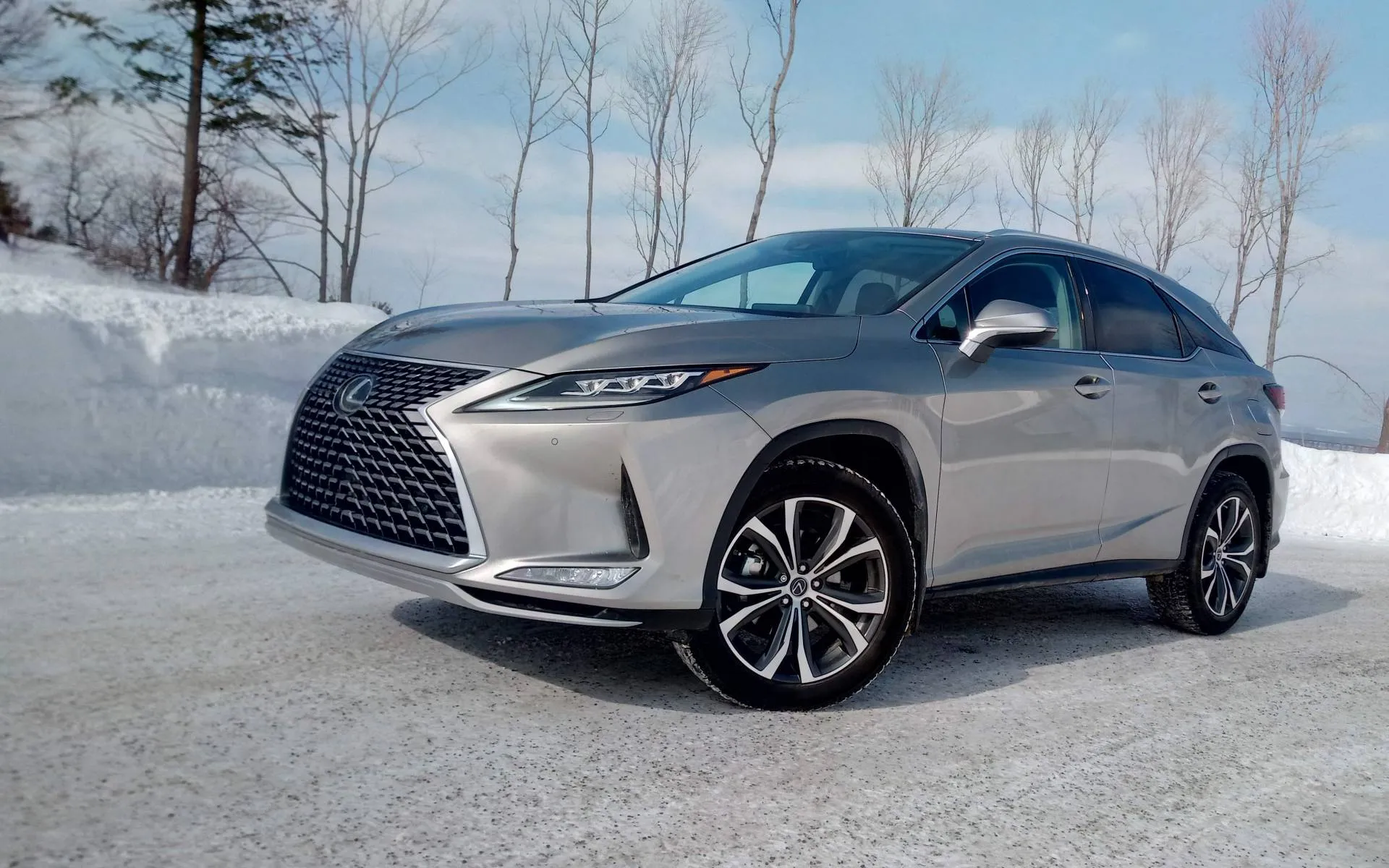
The Deep South presents one of the toughest environments for automotive climate control systems.
States like Texas, Louisiana, Alabama, Mississippi, and Florida regularly experience extreme summer temperatures combined with high humidity levels that can make even short drives uncomfortable without a strong air conditioning system.
In these conditions, air conditioning is not a luxury feature. It becomes a survival tool for daily driving comfort.
Heat in southern states behaves differently compared to dry desert heat. Humidity makes the air feel heavier and slows down the body’s natural cooling process.
This means a car must not only produce cold air quickly but must also remove moisture efficiently. A weak air conditioning system might blow cool air, but without proper dehumidification it will still feel uncomfortable.
Vehicle manufacturers approach this challenge differently. Some focus on compressor strength. Others emphasize cabin insulation. Some rely on multi zone cooling systems while others focus on airflow design. The best vehicles for hot climates combine multiple approaches rather than relying on one solution.
Cabin size also plays a major role. Larger vehicles require stronger compressors and well placed vents to maintain consistent temperatures.
Poor vent placement can leave rear passengers uncomfortable even when the front feels cold. This is why vehicles with thoughtful airflow design often stand out more than those simply advertising cold temperature numbers.
Material choice inside the cabin also influences how effective an AC system feels. Light colored interiors reflect heat better. Ventilated seats can dramatically improve comfort. Heat resistant dashboard materials reduce thermal buildup when parked outside for long hours under intense sun exposure.
Remote start systems are another important factor in hot regions. The ability to cool the cabin before entering the vehicle can make a dramatic difference in comfort. Many modern vehicles now integrate climate preconditioning features that allow the AC to begin cooling before the driver even opens the door.
Reliability matters just as much as cooling strength. In extremely hot climates, AC systems operate at maximum output for long periods.
Vehicles known for durable compressors, strong condensers, and long lasting refrigerant systems tend to maintain cooling performance longer than those designed primarily for moderate climates.
Another overlooked factor is how quickly the system cools after startup. Some vehicles take several minutes to deliver strong cooling, while others can reduce cabin temperature rapidly. Fast cooldown ability is highly valued in the Deep South where interior temperatures can become dangerously high after sitting in the sun.
Noise levels also matter. A powerful system that sounds strained can become irritating over time. The best systems operate quietly while still delivering strong airflow. This balance reflects thoughtful engineering rather than brute force design.
The five vehicles in this list were selected because they demonstrate exceptional real world air conditioning performance. Some are known for oversized HVAC systems. Others stand out for airflow engineering or premium cooling features. Each one solves the heat problem in a different way.
What they all share is the ability to make extreme southern heat manageable. These are vehicles that owners trust when outside temperatures climb past comfort levels and humidity refuses to drop.
Below are five vehicles known for delivering some of the best air conditioning performance for drivers living in the hottest parts of the United States.
Also Read: 10 Most Reliable Turbocharged Performance Engines From the Last 5 Years
1. Toyota Land Cruiser
When discussing vehicles that can handle extreme environments, the Toyota Land Cruiser almost always enters the conversation. While it is famous for off road durability, one of its lesser discussed strengths is its extremely capable climate control system designed for global markets including deserts and tropical regions.
Toyota engineered the Land Cruiser to operate in some of the hottest places on earth. Because of this, the air conditioning system is intentionally oversized compared to typical SUVs. It is designed to cool large cabins quickly even when ambient temperatures are extreme.
One major advantage is the multi zone cooling design. Rear passengers receive strong airflow rather than leftover air from the front vents. Dedicated rear climate controls allow passengers to adjust comfort independently, which becomes especially valuable in a large cabin where temperature differences can develop.
The Land Cruiser also benefits from powerful compressor design. Toyota built this system for durability first. This means it can run at high output for long periods without significant performance drop. In extremely hot regions, this kind of endurance matters more than peak cooling numbers.
Another strength comes from insulation quality. The Land Cruiser uses thick glass, strong door seals, and heavy insulation materials. This helps keep cooled air inside while preventing outside heat from quickly entering the cabin. Good insulation makes the AC system more effective because it does not have to constantly fight external heat.
Vent placement also reflects thoughtful engineering. Ceiling mounted vents in some versions help distribute cold air evenly instead of concentrating it only in the dashboard area. This improves comfort for all passengers and reduces hot spots inside the vehicle.
Durability also extends to long term ownership. Land Cruisers are known for maintaining AC performance even after many years of use. This reflects Toyota’s focus on reliability rather than short term performance.
Another benefit comes from large cabin air filters. Strong filtration improves air quality and helps maintain airflow efficiency. In humid environments where mold and dust can become concerns, good filtration helps maintain consistent performance.
The vehicle also often includes ventilated seats depending on the model year. This feature directly cools occupants rather than only cooling the surrounding air. In humid climates this can dramatically improve comfort during long drives.
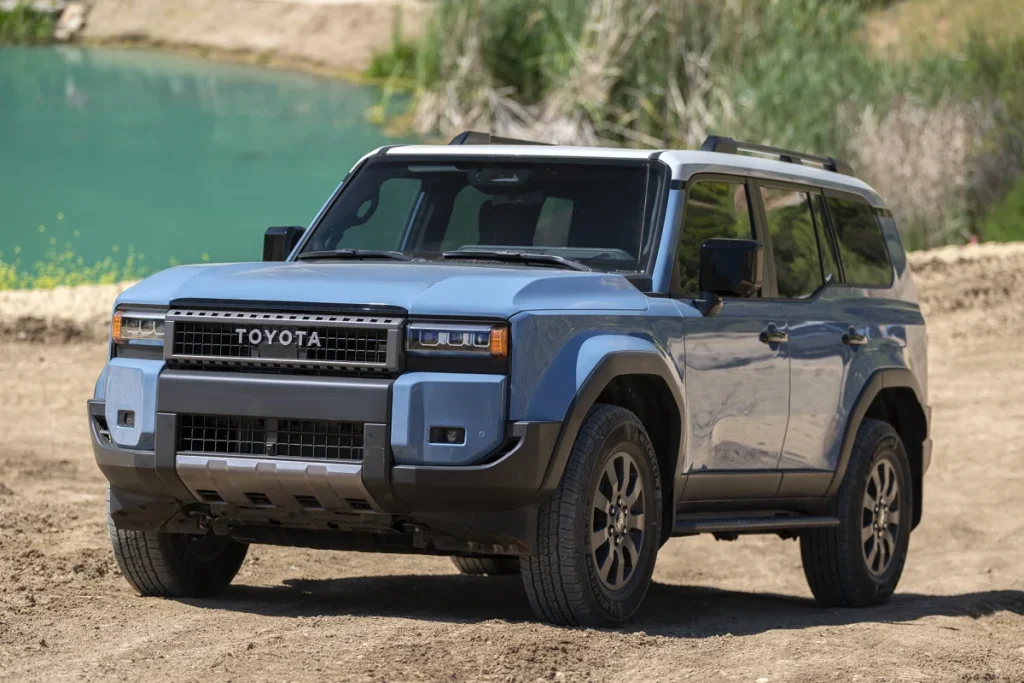
The Land Cruiser does not try to impress through flashy technology. Instead it relies on overengineering and proven solutions. It is built for owners who expect their vehicles to perform reliably in extreme climates year after year.
For drivers living in regions where summer heat feels relentless, the Land Cruiser delivers cooling performance that matches its reputation for toughness.
2. Mercedes Benz S Class
If the Land Cruiser represents durability focused climate engineering, the Mercedes Benz S Class represents the luxury approach to staying cool. Mercedes treats climate comfort as a science, and the S Class often introduces technologies that later spread across the industry.
The S Class uses highly advanced climate management systems rather than basic air conditioning. Instead of simply cooling air, the system monitors humidity, sunlight intensity, and cabin temperature variations. Sensors continuously adjust airflow to maintain a consistent comfort level.
One of the most impressive aspects is airflow precision. Mercedes engineers carefully design vent shapes to spread air smoothly rather than blasting cold air directly. This creates a more natural cooling sensation and reduces fatigue caused by harsh airflow.
The system often includes fragrance filtration and advanced air purification. While these features are often marketed as luxury touches, they also improve comfort in humid regions where air quality can feel heavy.
Seat cooling technology in the S Class is among the best available. Multi level ventilated seats pull heat away from occupants and circulate cooled air through perforated leather. This helps passengers remain comfortable even when entering a hot vehicle.
Mercedes also integrates intelligent pre climate functions. The vehicle can begin cooling the cabin before passengers enter. Some systems even allow remote climate activation through mobile applications, which is particularly useful in southern climates.
Another difference is noise isolation. The S Class uses acoustic glass and advanced sealing to keep outside heat and sound away from the cabin. This helps the AC system work more efficiently while also maintaining a quiet interior environment.
Build quality also supports long term performance. Mercedes designs these systems to maintain consistent airflow and temperature control rather than gradually weakening over time. Proper maintenance helps these systems continue performing at a high level.
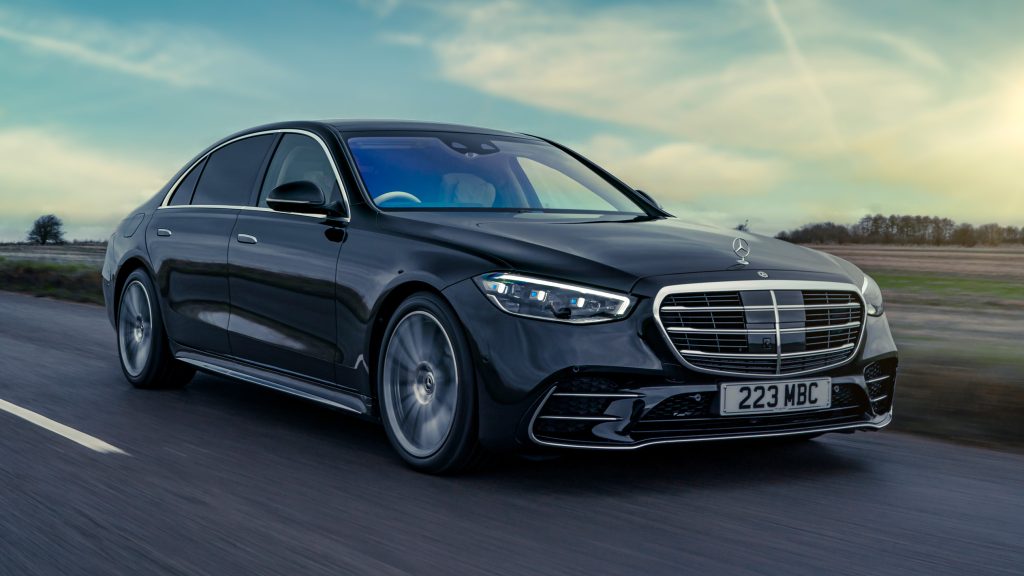
The S Class also offers advanced sun protection through specialized glass coatings and power sunshades. Reducing solar heat load helps the air conditioning system maintain cooler temperatures with less effort.
Rather than focusing only on cooling strength, Mercedes focuses on the experience of being cooled. The result is a vehicle that feels consistently comfortable rather than simply cold.
For drivers who want the most refined climate control experience available, the S Class demonstrates how advanced engineering can transform extreme heat into a manageable environment.
3. Ford F 150 King Ranch
Heat management in a full size pickup requires a very different engineering approach compared to luxury sedans or SUVs.
The Ford F 150 King Ranch demonstrates how a truck designed for southern buyers can deliver one of the strongest climate control systems in its class while maintaining the rugged character expected from a work vehicle.
Instead of approaching cooling as a luxury feature, Ford treats it as a necessity for people who spend long hours inside their trucks. Whether used on construction sites, ranch land, or long highway drives across Texas, the King Ranch trim reflects feedback from real owners who deal with intense heat daily.
The first thing noticeable about this truck’s cooling performance is airflow volume. The vents are large and designed to move significant amounts of air quickly.
Rather than subtle airflow, the system is capable of rapidly pushing hot air out of the cabin after startup, which helps shorten the uncomfortable waiting period after entering a sun baked vehicle.
Ford also designed strong rear airflow support. Crew cab models especially benefit from well positioned rear vents that ensure passengers in the back do not experience delayed cooling. This is important because large truck cabins can otherwise develop uneven temperature zones.
Another interesting advantage comes from the remote start feature. Many F 150 owners rely on this feature during summer months to begin cooling before entering the vehicle. Because the truck allows the climate system to start at full power remotely, the cabin often feels dramatically more comfortable by the time the driver gets inside.
The King Ranch trim also includes ventilated leather seats designed specifically for hot climates. These seats do not simply blow air but actively circulate cooled air through the seating surfaces. This reduces the discomfort that comes from sitting on sun heated leather, which can otherwise remain hot even after the cabin begins cooling.
Ford also paid attention to solar load management. The truck uses tinted glass and interior materials selected to resist heat absorption. Dark dashboards can store heat for long periods, but material engineering can reduce how much heat is retained and how quickly it transfers into the air.

The dual zone climate system allows the driver and passenger to maintain separate temperature settings.
While this sounds like a common feature, the effectiveness depends on system strength. In the King Ranch, the system is powerful enough that separate zones actually maintain distinct comfort levels rather than blending together.
Durability also plays a role in why this truck makes the list. Trucks in southern states often idle for long periods while running the AC. Ford designed the compressor and cooling components to handle extended operation without significant wear. This reflects the truck’s work focused mission.
Even small details like steering wheel material matter. The King Ranch often includes heat resistant leather treatments that reduce how hot the wheel becomes when parked outside. Combined with cooled seating, these details create a more complete heat management experience.
This truck succeeds because it approaches cooling from a practical user perspective. It is designed for people who cannot avoid the heat rather than those who only occasionally experience it.
For drivers who need a vehicle that combines work capability with serious cooling performance, the F 150 King Ranch proves that a pickup truck can be just as effective at climate control as many premium vehicles.
4. Lexus RX
The Lexus RX takes a completely different approach to cooling compared to a large truck. Instead of emphasizing raw airflow power, Lexus focuses on refinement, consistency, and intelligent temperature management. The result is a vehicle that maintains comfort through precision rather than brute force.
Lexus benefits from Toyota’s long history of HVAC reliability but adds a luxury layer focused on passenger experience. The RX demonstrates how a carefully tuned system can often feel more effective than a system that simply produces the coldest air.
One of the biggest advantages is temperature consistency. Some vehicles cool quickly but struggle to maintain stable temperatures. The RX instead focuses on maintaining a steady environment once the desired temperature is reached. This reduces the need for constant manual adjustment.
The system also responds smoothly to changing conditions. For example, when sunlight suddenly increases through one side of the cabin, the system can adjust airflow direction and intensity automatically. This keeps passengers comfortable without noticeable system changes.
Seat ventilation is another area where Lexus excels. The RX uses well calibrated seat cooling that spreads airflow evenly rather than creating pressure points. This creates a more natural cooling sensation, especially during long drives in humid environments.
Interior craftsmanship also plays a role. Lexus uses materials that resist heat buildup while maintaining a premium feel. Soft touch materials are chosen not only for appearance but also for how they respond to temperature changes.
Another benefit comes from quiet operation. The RX keeps fan noise low even at higher speeds. This helps maintain the calm cabin environment Lexus is known for while still delivering strong cooling performance.
Humidity management is also important. Effective air conditioning must remove moisture, not just heat. The RX performs well in humid climates because its system efficiently removes moisture from the cabin air, making the environment feel cooler even without extremely low temperature settings.
The RX also features well designed air distribution. Instead of concentrating cooling in one direction, the airflow spreads evenly across the cabin. This reduces hot zones and improves overall passenger comfort.
Reliability again becomes a major advantage. Lexus vehicles are known for long term dependability, and this extends to their HVAC systems. Owners often report consistent performance even after many years of use.
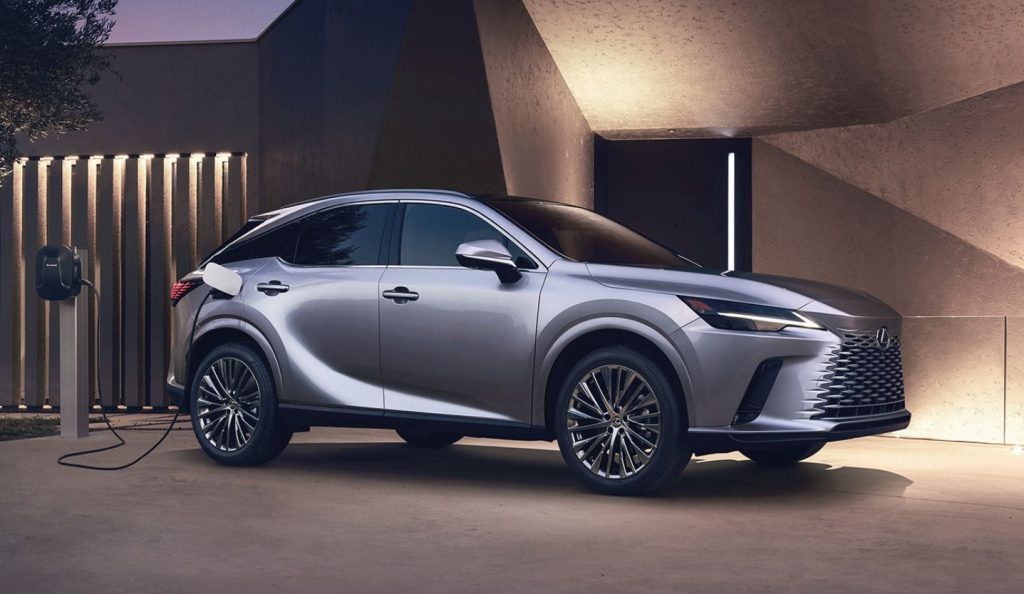
The RX does not attempt to impress through aggressive cooling blasts. Instead it focuses on maintaining a comfortable atmosphere with minimal effort from the driver. This approach reflects Lexus philosophy of effortless luxury.
For drivers in the Deep South who want a calm, consistently cool interior without noise or harsh airflow, the Lexus RX stands as one of the most thoughtfully engineered climate control vehicles available.
5. Chevrolet Tahoe
When temperatures climb deep into southern summer territory, large body on frame SUVs like the Chevrolet Tahoe show why size can sometimes be an advantage rather than a disadvantage.
Cooling a large cabin may sound difficult, but Chevrolet approached this challenge by designing a heavy duty HVAC system capable of handling both passenger comfort and long duration operation.
The Tahoe benefits from its size because it allows engineers to install larger climate components than what would normally fit in a smaller crossover.
This includes a strong compressor, a large condenser surface area, and high capacity blower motors. These parts are designed not just for quick cooling but for maintaining performance during long drives in extreme temperatures.
One of the biggest advantages comes from the tri zone climate control system. Instead of forcing all passengers to share one temperature setting, the Tahoe allows front passengers and rear passengers to manage their own cooling preferences. This becomes particularly useful for families where comfort preferences may vary significantly.
Rear cooling performance is where the Tahoe stands out strongly. Many large SUVs struggle to properly cool the third row, but Chevrolet designed overhead vents and dedicated airflow channels to ensure cooling reaches all seating areas. This prevents the common problem of rear passengers feeling heat long after the front cabin becomes comfortable.
General Motors also focused on rapid cooldown performance. The Tahoe is capable of dropping cabin temperatures quickly after startup, which is essential when interior temperatures can exceed safe levels after sitting in direct sunlight.
Strong initial fan speeds combined with effective refrigerant flow help remove trapped heat efficiently.
Another strength is glass treatment. Many Tahoe models include solar absorbing glass designed to reduce heat penetration. By lowering the amount of heat entering the cabin, the air conditioning system can maintain cooler temperatures with less strain.
The Tahoe also frequently includes remote start capability. Owners in southern states often use this feature daily during summer months. Being able to start the vehicle and activate maximum cooling before entering can transform the ownership experience in extreme climates.
Ventilated seating is another valuable feature often included in higher trims. These systems help reduce body heat buildup during long drives and can make a noticeable difference in humid conditions where traditional air conditioning alone may not feel sufficient.
Chevrolet also considered durability. Large SUVs are often used for long family trips, towing, and extended idling with passengers inside. Because of this, the Tahoe’s climate system is built to maintain consistent performance during extended use rather than only short trips.
Cabin insulation also supports cooling efficiency. Thick door seals and sound insulation not only reduce noise but also help maintain interior temperature. This prevents cooled air from escaping quickly and improves overall efficiency of the system.
Another interesting advantage is the simplicity of control layout. The Tahoe uses clear physical controls for climate adjustment, allowing quick changes without navigating complex menus. In extremely hot conditions, simple usability becomes a real benefit.
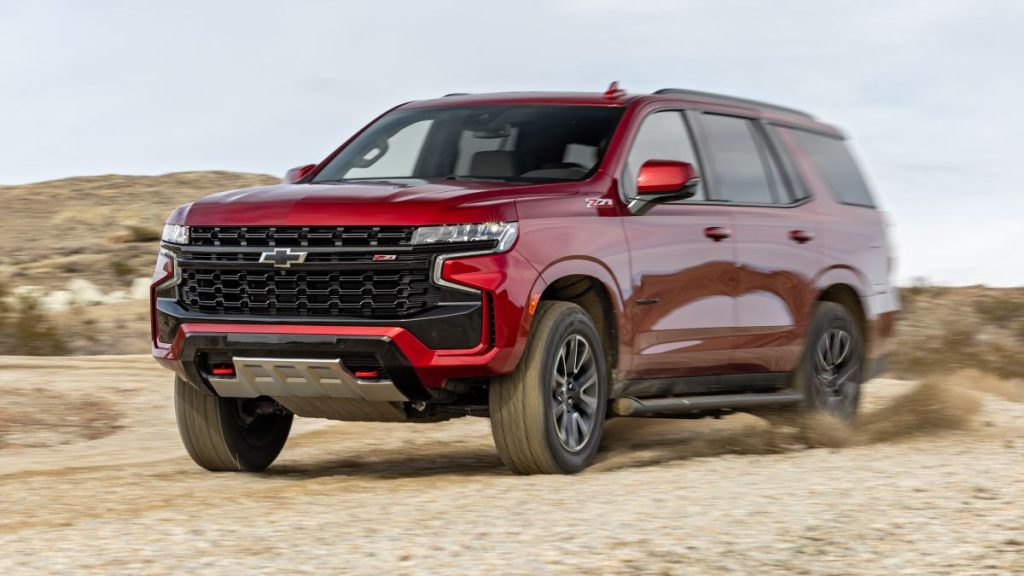
The Tahoe succeeds because it treats cooling as a core requirement rather than an afterthought. Everything from component sizing to airflow design reflects the expectation that this vehicle will operate in challenging heat conditions.
For families and drivers who need space, durability, and powerful climate control in equal measure, the Chevrolet Tahoe proves that a properly engineered large SUV can deliver outstanding air conditioning performance even in the harshest southern summers.
Extreme heat changes what people should value in a vehicle. In cooler regions, buyers might focus mostly on performance, styling, or technology.
In the Deep South, however, a powerful and dependable air conditioning system becomes one of the most important features a vehicle can offer. Comfort during daily driving often depends more on cooling performance than acceleration or luxury features.
The five vehicles discussed show that excellent climate control can come from very different engineering approaches. The Toyota Land Cruiser shows how overbuilt durability can produce reliable cooling in the harshest environments.
The Mercedes Benz S Class demonstrates how advanced technology can create a perfectly controlled cabin atmosphere. The Ford F 150 King Ranch proves that even work focused trucks can deliver serious cooling capability.
The Lexus RX highlights precision and consistency, while the Chevrolet Tahoe shows how size and smart airflow design can benefit passenger comfort.
What becomes clear is that strong air conditioning is not just about how cold the air feels. True effectiveness comes from how quickly a vehicle cools down, how evenly air is distributed, how well humidity is removed, and how comfortable passengers remain during long drives. The best systems focus on the complete environment rather than just temperature numbers.
Another important lesson is durability. In hot regions, air conditioning systems operate under constant stress. Weak components can begin to fail after years of heavy use.
Vehicles known for long term reliability often maintain cooling performance much better than those designed mainly for mild climates. Strong compressors, quality seals, and well designed condensers all play an important role.
Interior design also contributes more than many people realize. Ventilated seats, heat resistant materials, tinted glass, and strong insulation all reduce the workload on the climate system. When these elements work together, the vehicle stays comfortable with less effort.
Convenience features also become more meaningful in extreme heat. Remote start, multi zone climate control, and easy to use controls can significantly improve daily comfort. These features may seem small individually, but together they shape the overall ownership experience.
There is also a lifestyle factor involved. In very hot regions, people often plan errands around temperature peaks. A vehicle that cools quickly and stays comfortable allows more flexibility and reduces the stress of summer travel. Over time this becomes one of the most appreciated qualities of a well chosen vehicle.
Ultimately, the best vehicle for the Deep South is one that makes extreme heat feel manageable. A strong air conditioning system allows drivers to focus on their day rather than worrying about the weather. That kind of dependability becomes more valuable every summer.
These five vehicles stand out because they consistently deliver comfort when temperatures become difficult to tolerate. They show that thoughtful engineering can make even the hottest climates easier to live with through something as simple, yet essential, as cold air.
Also Read: Top 10 Easiest Classic Cars for Learning Basic Mechanical Skills
