
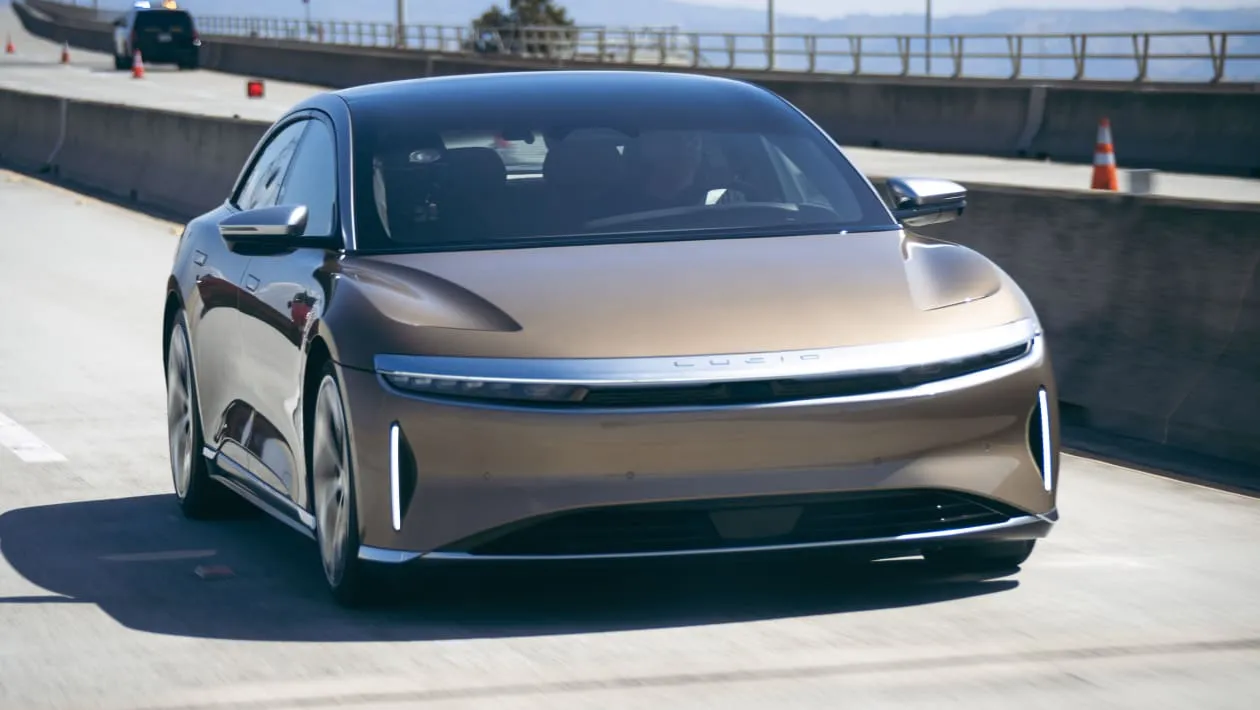
Range anxiety has long been one of the biggest psychological hurdles for anyone considering switching to an electric vehicle. But as the EV market matures rapidly in 2025 and 2026, the focus has shifted from simply “how far can I go?” to “how easily can I find a reliable charger when I get there?” The answer to that second question depends enormously on which electric vehicle you drive because not all charging locator systems are created equal.
With over 200,000 public charging ports now spread across tens of thousands of locations in the United States alone, the public charging network has never been larger or more complex to go through.
With the network growing this fast, an EV’s built-in navigation and charging locator needs to be intelligent, real-time, and deeply integrated with the car’s software ecosystem to be truly useful.
The best EVs on the market today don’t just show you a dot on a map they calculate your remaining range, pre-condition the battery for faster charging, predict station availability, and route you seamlessly to the nearest compatible charger.
In this guide, we rank the 10 best EVs that excel specifically in this department: delivering precise, reliable, and user-friendly public charging station locator systems that make every road trip less stressful and more efficient.
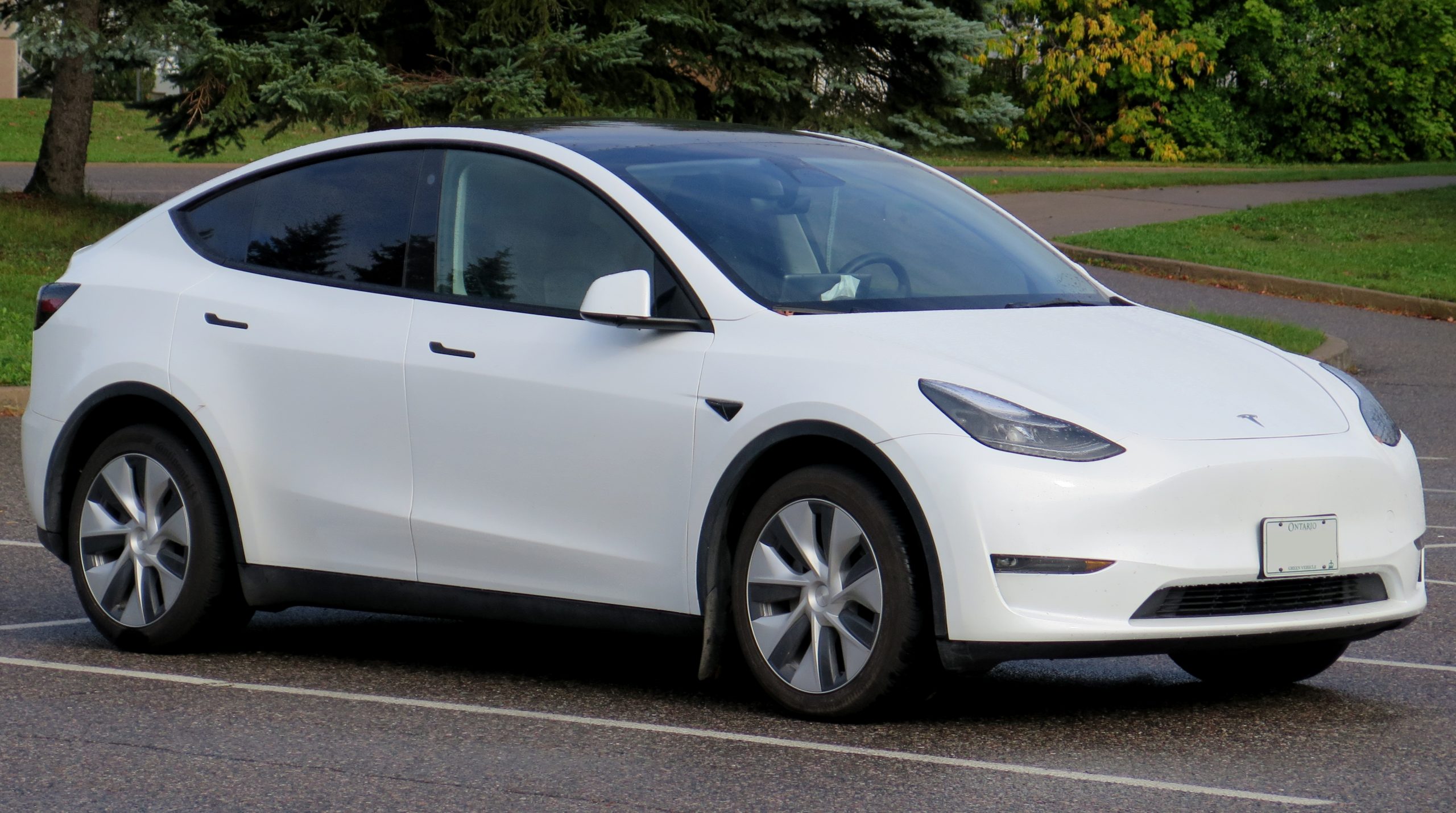
1. Tesla Model Y
When it comes to integrated charging locator technology, the Tesla Model Y remains in a class of its own, and its dominance in this area is arguably the single biggest reason it continues to be the world’s best-selling electric vehicle.
The secret lies not just in software, but in the fact that Tesla owns and operates its own vast Supercharger network, meaning the data flowing into your navigation system comes directly from the source with no third-party delays or inaccuracies.
The Model Y’s built-in navigation system is deeply intelligent. When you input a destination, the car automatically calculates whether you need to stop for charging, selects the most efficient Supercharger along your route, and begins pre-conditioning the battery to reach its optimal temperature for fast charging well before you arrive.
This battery pre-conditioning feature alone can dramatically reduce charging time, and it happens automatically without any input from the driver.
What sets Tesla’s locator apart is the live data accuracy. Tesla began building its Supercharger network around the same time it delivered its first Model S back in 2012, and over more than a decade, that network has grown into the gold standard for EV fast-charging infrastructure.
Every Supercharger stall communicates its real-time status whether it is occupied, available, or out of service directly to the car’s display. Drivers can see exactly how many stalls are free at a station before they even leave their current location.
Tesla’s Supercharging network in the US now exceeds 3,000 locations, with charging options spread across urban centers, suburban highways, and an increasing number of rural corridors. The sheer density of the network means the locator almost always has a viable nearby option.
The 2026 Model Y further refines the system with a redesigned 15.4-inch infotainment screen that makes charger browsing intuitive and fast. Drivers can tap any Supercharger on the map to see real-time stall availability, charging speeds, nearby amenities, and estimated wait times.
Beyond Superchargers, the Tesla system also displays third-party charging locations, giving drivers a layered view of all their options. The combination of proprietary network depth, live stall availability, automatic route planning, and battery pre-conditioning makes the Model Y’s charging locator arguably the most accurate and useful of any EV on sale today.
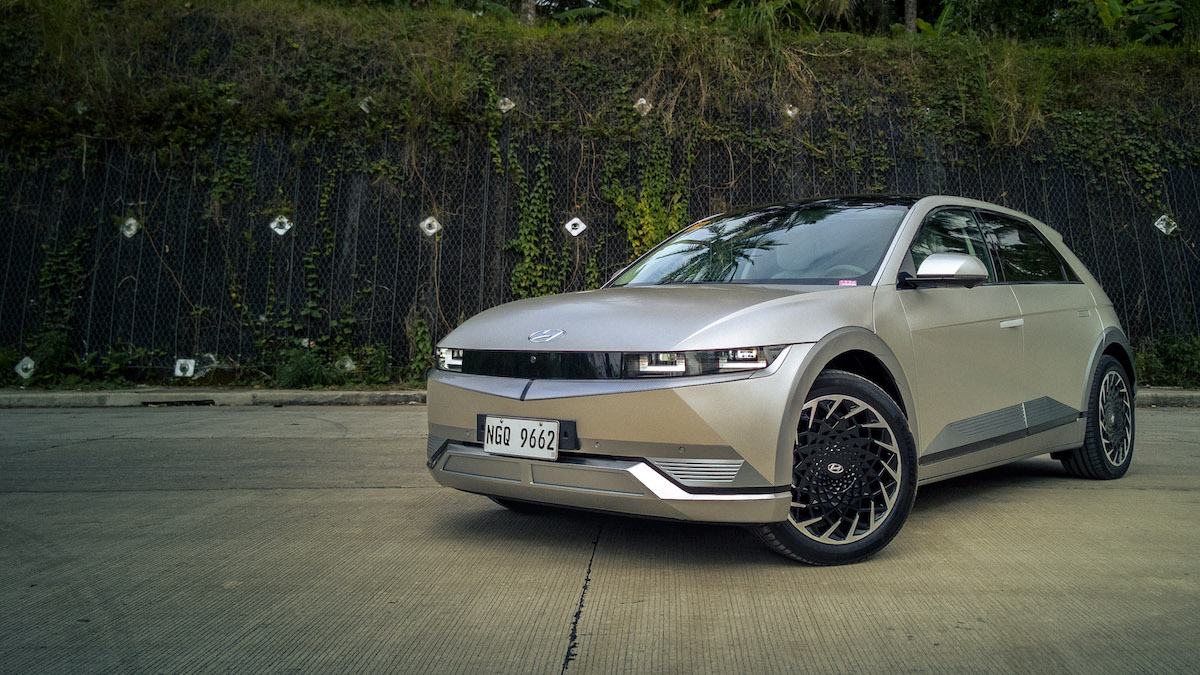
2. Hyundai Ioniq 5
The Hyundai Ioniq 5 has evolved into a charging locator powerhouse, largely thanks to a landmark update that made it one of the first mainstream non-Tesla vehicles to ship with a built-in NACS port. This means Ioniq 5 owners can now access Tesla’s enormous Supercharger network directly, without adapters, and the Supercharger locations appear natively within the car’s navigation and the MyHyundai with Bluelink app.
This is a massive leap forward for a non-Tesla EV. The Ioniq 5’s native locator is no longer limited to CCS charging infrastructure it displays and routes you to Tesla Superchargers as well, effectively doubling the pool of fast chargers visible inside the car’s navigation system.
Owners can find, select, activate, and pay for charging sessions directly within the Bluelink ecosystem, making the whole process remarkably streamlined.
The Ioniq 5 runs on Hyundai’s E-GMP 800V architecture, which enables charging speeds of up to 350 kW at compatible chargers. The navigation system is intelligent enough to automatically select chargers that can support the car’s peak charging rate, ensuring you are not routed to a slower station when a faster one is available nearby.
The 2025 Ioniq 5 features refreshed styling, expanded battery capacities, and wireless Apple CarPlay and Android Auto, the latter of which allows drivers to run third-party charging apps on the center screen for an additional layer of station discovery.
The built-in locator also displays real-time charger availability pulled from multiple network APIs, and the Bluelink connected services platform receives over-the-air updates that keep charger database information continuously current.
Hyundai has worked directly with charging networks to ensure status information is as live and accurate as possible. The Ioniq 5’s combination of 800V charging capability, NACS compatibility, a seamlessly integrated app ecosystem, and intelligent route-based charger selection earns it a strong second place on this list.
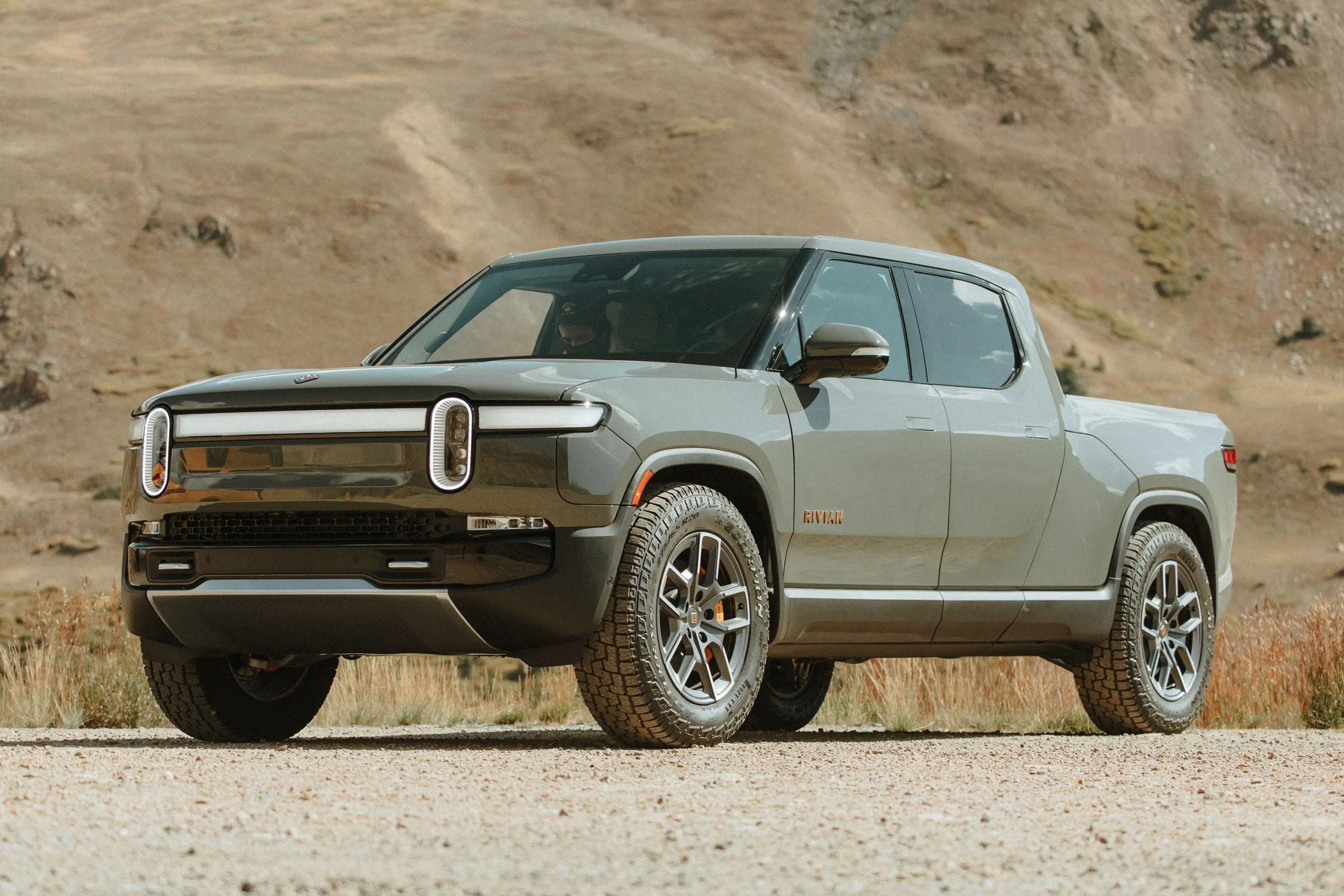
3. Rivian R1T
Rivian has built one of the most thoughtful and adventure-focused charging locator systems in the industry, perfectly suited to the R1T’s identity as a truck designed to go places other EVs simply cannot.
The Rivian app and in-vehicle navigation display Rivian’s own Adventure Network DC fast chargers alongside Tesla Supercharger locations and thousands of third-party charger options, all within a single unified interface. What makes the R1T’s locator particularly impressive is its multi-network awareness.
Rather than being siloed within a single charging ecosystem, the R1T’s system pulls in data from Rivian’s proprietary Adventure Network, the Tesla Supercharger network via the official NACS port, and third-party DC fast chargers from across the country. This gives drivers a comprehensive and accurate view of their options across virtually all major networks without ever needing to open a separate app.
The R1T entered its second generation for the 2025 model year, gaining an updated infotainment system alongside improvements in range and suspension. The refreshed infotainment is noticeably faster and smoother when browsing charger locations, with improved map rendering and more detailed station information cards.
Each charger listing shows the number of stalls, charging speed, current availability status, and user-submitted reliability notes that help drivers make informed decisions in real time.
Rivian’s Adventure Network chargers communicate live status data directly to the vehicle, ensuring that when the car routes you to one of its own stations, the information displayed is highly accurate. For third-party chargers, Rivian aggregates data from network APIs to provide the best available real-time picture.
The R1T’s navigation can also plan multi-stop charging routes for long off-road adventures, accounting for the vehicle’s current load, elevation changes, and terrain type all factors that significantly affect energy consumption and charging needs on the trail. For adventure-focused EV drivers, no other truck on the market offers this level of intelligent charging integration.
4. Ford Mustang Mach-E
The Ford Mustang Mach-E benefits from one of the most rapidly improving charging locator ecosystems in the mainstream EV space, driven by Ford’s early and decisive move to adopt NACS and partner directly with Tesla’s Supercharger network.
New Ford EVs produced starting in 2025 come with the NACS port built in as standard, which means the Mach-E’s built-in navigation has access to the full breadth of Tesla’s Supercharger network alongside Electrify America, ChargePoint, EVgo, and thousands of other public chargers.
All of this is displayed within the SYNC 4A infotainment system in a clean, well-organized interface. Ford has worked to integrate live charger status data directly into the navigation, so the system does not just show you chargers on a map it indicates whether they are currently functioning and whether stalls are available before you commit to a route.
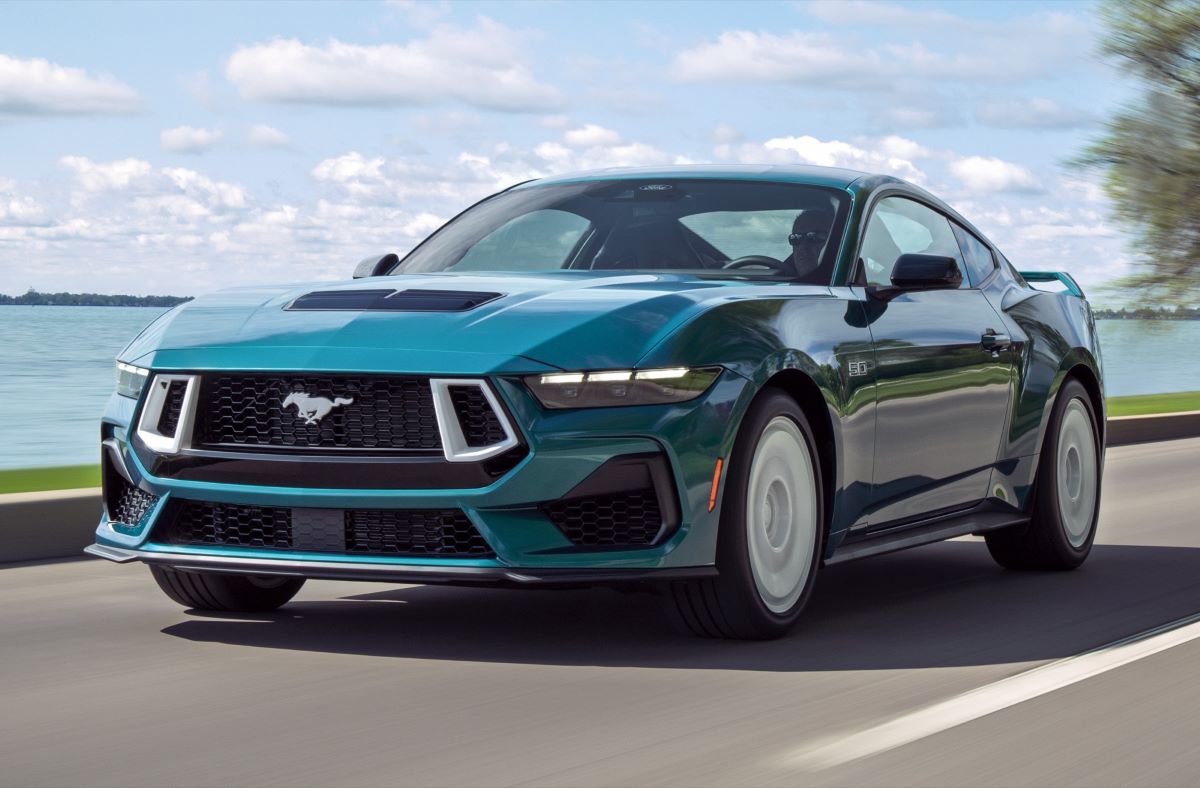
The BlueOval Charge Network, Ford’s unified charging ecosystem, curates data from multiple networks and presents it within a single interface. The Mach-E’s navigation is also smart enough to account for the vehicle’s current state of charge when planning a route, automatically inserting charging stops when needed and directing you only to chargers compatible with your plug type.
The Mach-E supports charging speeds of up to 150 kW, and its locator prioritizes DC fast chargers capable of delivering speeds close to that peak rating.
The FordPass app acts as a powerful companion, allowing remote monitoring of charging sessions, charger discovery, and pre-trip planning from a smartphone. Drivers can send a selected charger’s location directly to the car’s navigation before they even get in the vehicle.
The Mach-E’s charging locator has matured significantly with successive software updates, and the addition of NACS compatibility has made it one of the most network-inclusive and accurate locator systems available in the mid-range EV segment today.
Also Read: 8 Tips for Teaching Your Teen to Drive in a High Tech Car
5. Lucid Air
The Lucid Air earns its place on this list through a combination of extraordinary range and a deeply integrated charging partnership with Electrify America one of the largest DC fast-charging networks in North America.
When a driver selects an Electrify America station through the Lucid navigation system, they can plug in and begin a charging session without needing to open a separate app or use a separate payment method. The car handles authentication and billing automatically, making the process as seamless as stopping at a Tesla Supercharger.
The Lucid Air’s navigation also displays charger locations from Tesla’s Supercharger network and a wide range of third-party providers, giving drivers an exceptionally broad view of available infrastructure.
Drivers can send directions from the Lucid app directly to the vehicle’s navigation before a journey begins, making pre-trip planning fast and intuitive.
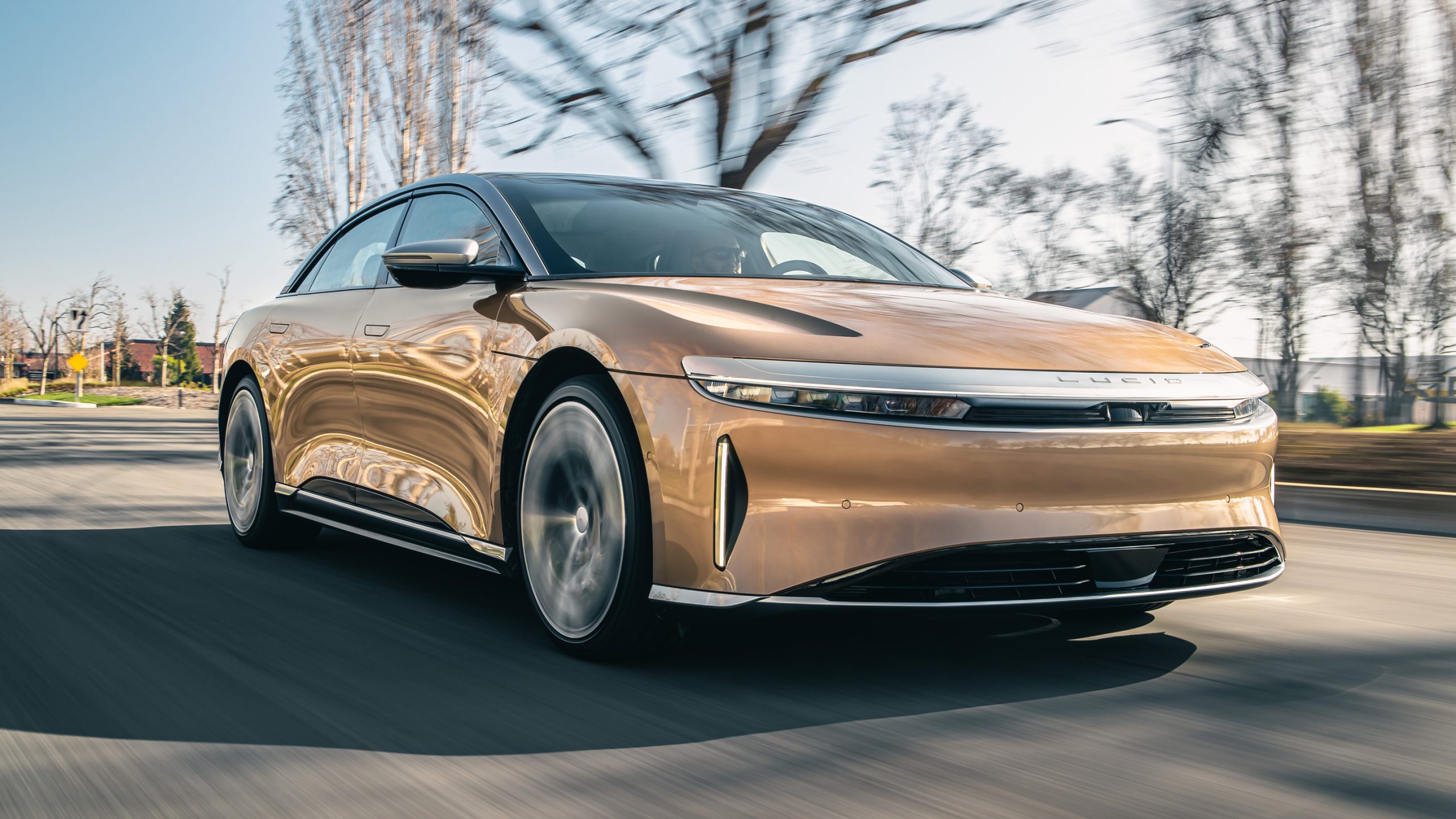
The Air’s onboard navigation is capable of planning ultra-long-distance routes which is especially important given that the Lucid Air Grand Touring can exceed 500 miles on a single charge and the system ensures charging stops are spaced to maintain optimal battery health throughout the journey.
The Lucid Air supports charging at up to 900V and can accept peak charge rates of over 300 kW at compatible chargers. The navigation system routes you specifically to chargers that can support these ultra-high power levels, so you are never wasted at a slower station when a faster one is a short detour away.
The station locator displays real-time charger availability, and Lucid’s software team has consistently pushed over-the-air updates to keep the charger database accurate and expanding in step with the network. For long-distance travelers seeking a luxury experience with zero compromise on charging convenience, the Lucid Air is in a league of its own.
6. BMW iX
The BMW iX represents one of the most refined and user-friendly charging locator experiences available in the premium EV segment. BMW has built its EV charging integration on the foundation of the brand’s well-regarded iDrive infotainment platform, and the result is one of the most polished, information-rich, and reliable charger navigation systems on the market.
The BMW iX uses the My BMW app in conjunction with its onboard navigation to display a comprehensive map of charging stations from multiple networks.
The system shows real-time charger availability, pricing, connector types, and charging speed ratings for each station. BMW’s Charging Planner feature, embedded within the navigation system, automatically calculates charging stops for long routes, taking into account the current battery level, ambient temperature, driving speed, and even topography to produce accurate estimates of how much charge the vehicle will have at each stop.
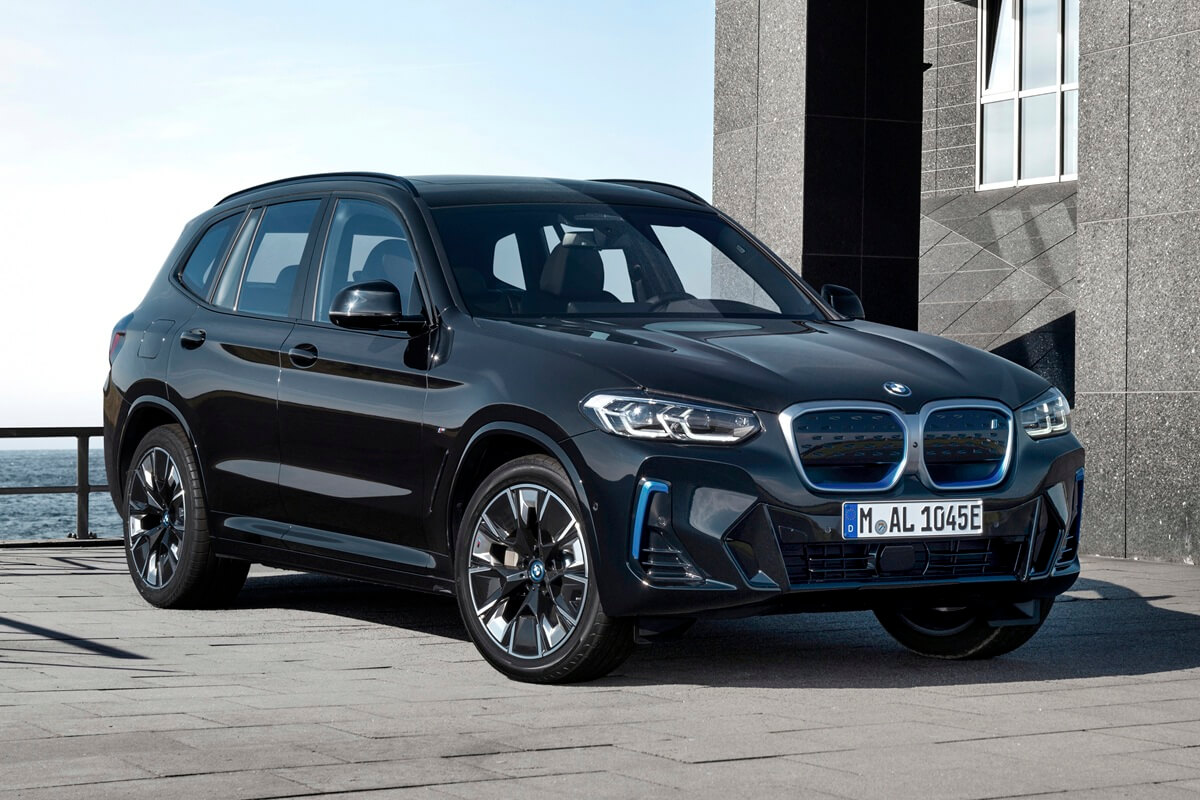
BMW joined the NACS ecosystem in 2025, with new models featuring the Tesla-compatible charging port built in as standard. This dramatically expanded the pool of chargers visible within the iX’s navigation system, adding thousands of Supercharger locations to an already extensive database.
The iX also benefits from a robust over-the-air update infrastructure, ensuring the charger database is continuously refreshed as new stations come online.
The iDrive interface makes it easy to browse charger details, filter by network or charging speed, and send a chosen station to navigation with a single tap.
The quality of the interface design means drivers spend less time hunting for information and more time driving. Premium build quality, exceptional software integration, real-world route planning precision, and high owner satisfaction scores make the BMW iX one of the most trustworthy choices for drivers who demand accuracy from their charging locator system.
7. Kia EV6
The Kia EV6 shares its E-GMP 800V platform with the Hyundai Ioniq 5, and that shared architecture brings with it many of the same significant charging infrastructure advantages including NACS access and ultra-fast 350 kW peak charging capability.
The 2025 and 2026 EV6 models feature a standard NACS connector, giving drivers direct access to Tesla Superchargers alongside CCS-compatible chargers across every major network.
The EV6’s built-in navigation integrates live charger data from multiple networks, displaying station locations, real-time availability, and compatibility information on a clear, responsive touchscreen.
Kia’s connected services platform provides a companion app experience that mirrors much of what is available in the car, allowing drivers to plan charging stops and locate stations before starting a journey from the comfort of their home or office.
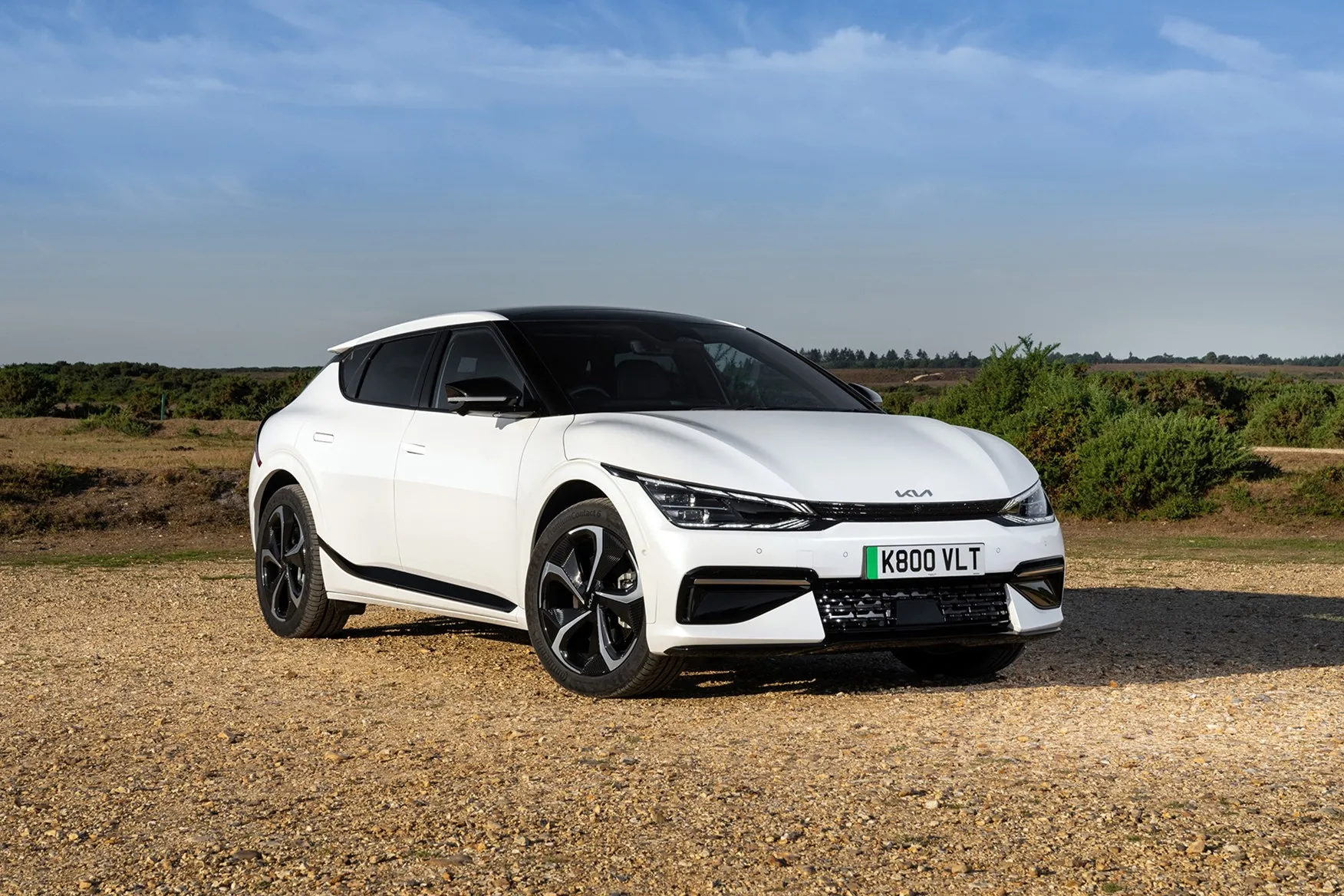
One of the EV6’s most impressive navigation features is its ability to initiate battery pre-conditioning automatically when a DC fast charger is selected as a destination.
This is critical for the 800V architecture to operate at peak efficiency arriving at a charger with a cold battery significantly reduces the speed at which you can charge and having this happen seamlessly without driver intervention is a hallmark of a well-integrated system.
The EV6 also benefits from Kia’s strong relationships with major charging networks, meaning station data within the native navigation is frequently updated and highly accurate.
The EV6 is offered at a competitive price point while still delivering a charging locator experience that rivals much more expensive vehicles, making it exceptional value for drivers who place a premium on charging infrastructure integration without wanting to pay luxury car prices to get it.
8. Chevrolet Equinox EV
The Chevrolet Equinox EV has rapidly become one of the most compelling affordable EVs on the market, and General Motors has invested significantly in making its charging locator system as accurate and useful as possible.
A key advantage of the Equinox EV is that its navigation is built on Google’s mapping and location platform, which is updated continuously and reflects newly installed chargers far faster than many proprietary navigation databases.
The Equinox EV displays charger locations from across the major networks including Tesla Superchargers via NACS within its Google Built-in navigation system.
Google’s traffic and routing algorithms make intelligent suggestions about when and where to charge, factoring in real-world driving conditions and battery consumption rates rather than relying on simple distance calculations. This produces charging stop recommendations that are noticeably more practical than what older, less intelligent systems would suggest.
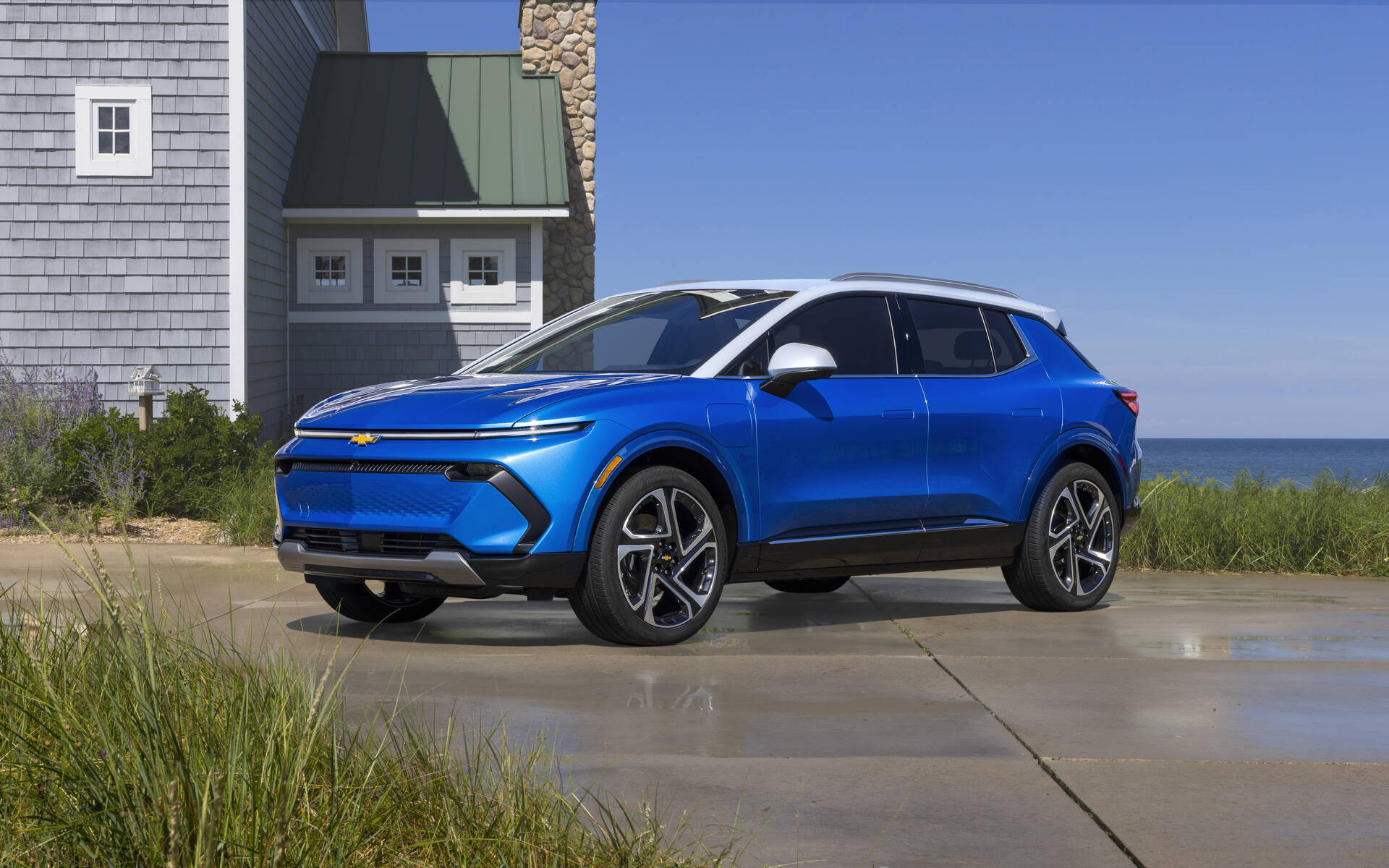
GM adopted NACS across its EV lineup, giving the Equinox EV access to Tesla’s Supercharger network in addition to ChargePoint, EVgo, Blink, and Electrify America stations.
The myChevrolet app provides seamless companion functionality, allowing remote charger searches and the ability to push a charger location to the car’s navigation system from a smartphone before the journey begins.
At its price point making it accessible to a far broader audience than many of the vehicles on this list the Equinox EV delivers a level of charging locator sophistication that was simply unavailable in affordable EVs just a few years ago. GM continues to push regular over-the-air updates that improve data accuracy and expand network coverage with each passing month.
9. Porsche Taycan
The Porsche Taycan approaches the charging locator experience with the same obsessive attention to detail that defines every other aspect of the car.
Porsche’s deep partnership with the Electrify America network ensures that EA’s DC fast chargers appear prominently and accurately within the Taycan’s navigation, and the car’s 800V architecture allows it to charge at the full 350 kW peak speed that the best Electrify America stations can deliver making it one of the fastest-charging EVs available anywhere.
The Porsche Communication Management system, which powers the Taycan’s infotainment and navigation, includes a dedicated EV route planner that accounts for real-world variables, including current battery state, ambient temperature, elevation profiles, and even the driver’s typical driving style to estimate precise charging needs for any given route.
This is not a simple distance-based calculation it is a sophisticated energy modeling tool that produces accurate charging stop recommendations that drivers can genuinely rely on, even on unfamiliar roads.
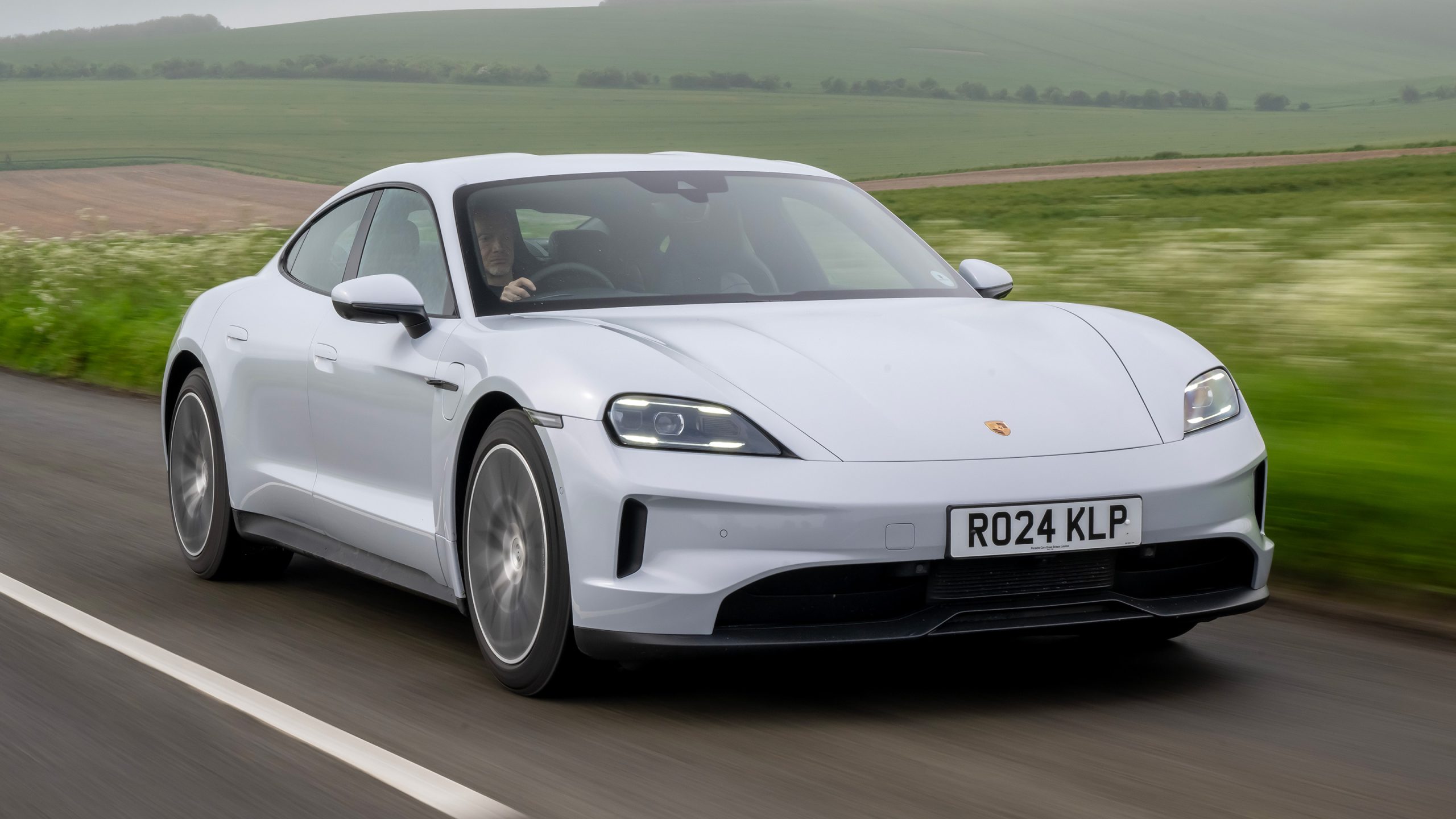
The Taycan’s charger locator displays stations from multiple networks with real-time status updates, pricing information, and speed ratings. The My Porsche app extends this functionality to smartphones, allowing pre-trip planning and charger reservations where available.
The 2025 Taycan refresh improved both its charging performance and its range, and the navigation system was updated in tandem, incorporating additional network partnerships and improved live data feeds.
The result is a charging locator that is as precise and trustworthy as the car’s celebrated chassis and powertrain. For performance EV buyers who demand the very best in every aspect of ownership, the Taycan’s charging locator delivers without compromise.
10. Genesis GV60
The Genesis GV60 rounds out this list as a premium EV that combines genuine luxury craftsmanship with a highly capable and accurate charging locator system.
Like its Hyundai and Kia siblings on the E-GMP platform, the GV60 benefits from 800V ultra-fast charging capability and full access to the NACS ecosystem, meaning its navigation system can display a wide range of charger options from multiple networks, including the entire Tesla Supercharger network.
All new and refreshed Genesis EVs now come exclusively with an NACS port, giving the GV60 one of the broadest charger compatibility profiles of any luxury EV in its class.
The GV60’s infotainment system uses a striking high-resolution curved display setup that makes browsing charger maps genuinely pleasant a detail that matters when you are trying to make a quick charging decision on a long journey.
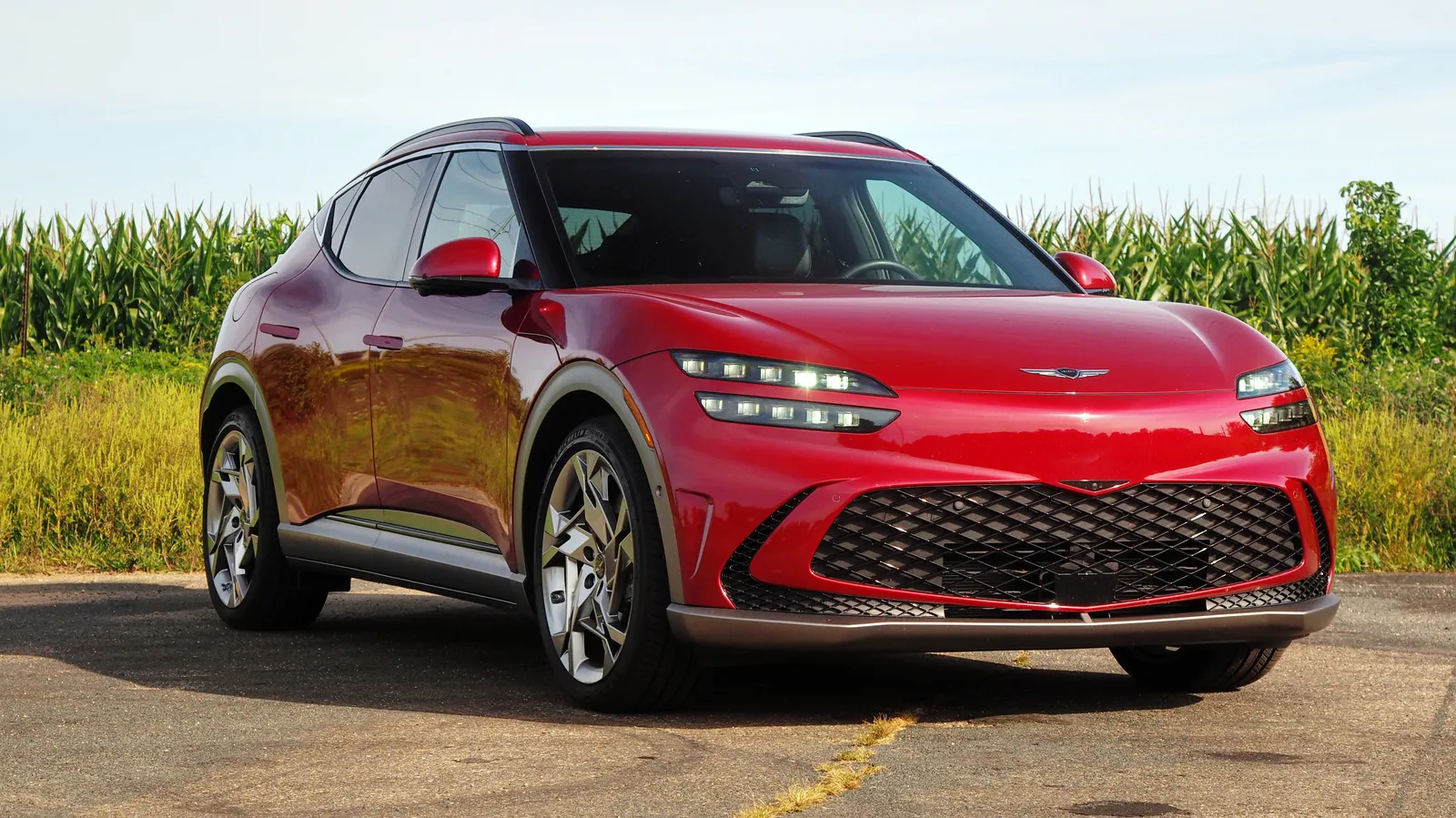
The Genesis Connected Services platform provides live charger data integration, pulling real-time availability and status information from partner charging networks and displaying it directly in the car’s navigation.
The system is capable of initiating battery pre-conditioning when going through a fast charger, ensuring the GV60 arrives at the station ready to accept charge at its peak rate. Under ideal conditions, a compatible fast charger can replenish the GV60’s battery from 10 percent to 80 percent in as little as 18 minutes, and the car’s locator system is smart enough to route you to chargers capable of delivering that kind of speed when time is of the essence.
The GV60’s blend of luxury interior quality, advanced E-GMP platform technology, multi-network charger integration, and intelligent pre-conditioning makes it an outstanding choice for premium EV buyers who value both elegance and practicality on long journeys.
Genesis may not have the brand recognition of BMW or Porsche in the EV space, but in terms of charging locator capability, the GV60 stands shoulder to shoulder with any vehicle on this list.
Also Read: 8 Reasons Why Manual Windows Are More Satisfying Than Power Ones
