The 1950s marked one of the most visually expressive periods in American automotive design. It was an era defined by chrome, tailfins, jet-age inspiration, and a sense that cars were not just machines but symbols of optimism and status.
While much of the attention goes to exterior styling, the interiors, especially steering wheels, were equally ambitious.
Steering wheels in this decade became sculptural centerpieces, combining functionality with artistry in ways that feel almost excessive by modern standards.
Thin rims, elaborate horn rings, translucent materials, and aircraft-inspired motifs turned a simple control into a statement piece.
Below is a detailed exploration of ten of the most iconic steering wheel designs from the 1950s chrome era, selected for their innovation, aesthetics, and cultural impact.
1. 1959 Cadillac Eldorado
Few steering wheels capture the spirit of 1950s excess like the 1959 Cadillac Eldorado. Its wheel featured a thin, elegant rim paired with a massive chrome horn bar that stretched across the diameter like a piece of industrial sculpture.
The central hub often included crest detailing and deep chrome finishes that reflected light dramatically.
What makes this design stand out is its integration with the dashboard theme. The wheel didn’t exist in isolation, it was part of a cohesive, aircraft-inspired cockpit.
The exaggerated proportions and gleaming finishes symbolized Cadillac’s dominance in the luxury market and reflected America’s fascination with aviation and space exploration.
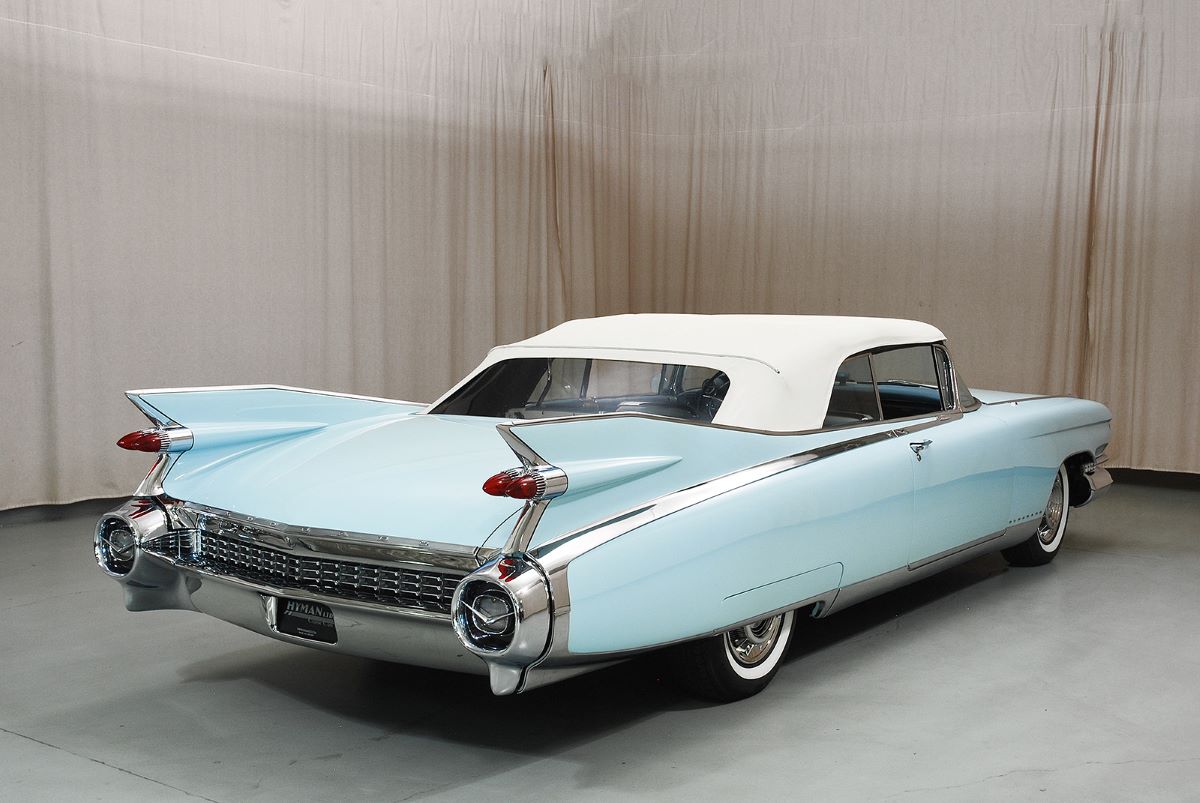
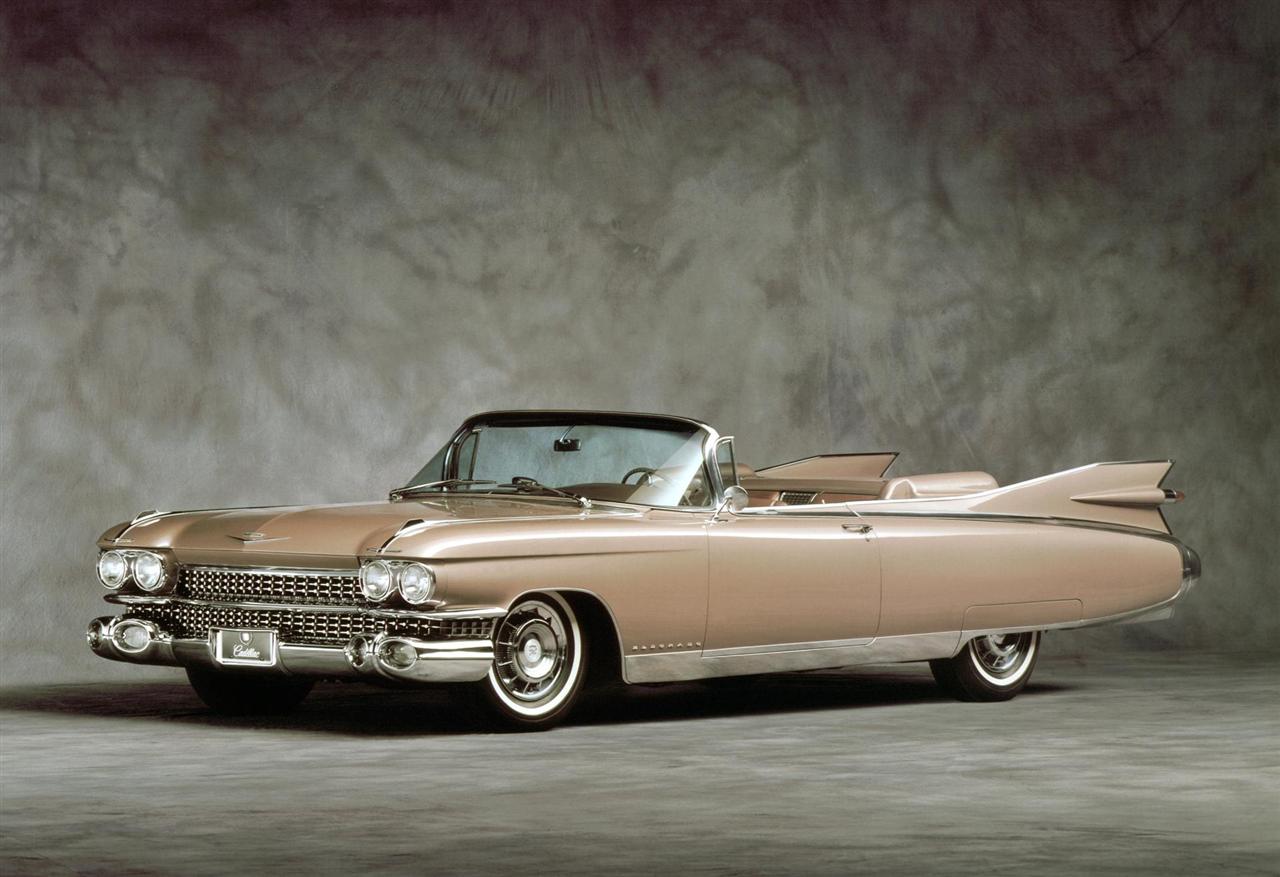
The 1959 Cadillac Eldorado stands as one of the most recognizable and extravagant American cars ever produced, embodying the peak of late-1950s automotive design. Manufactured by Cadillac, this model represents a period when style, presence, and excess defined the luxury segment in the United States.
The most defining feature of the 1959 Eldorado is its dramatic tailfins, arguably the largest ever fitted to a production car.
These towering fins, capped with bullet-style taillights, were inspired by the aerospace and jet-age fascination of the era. Combined with an abundance of chrome trim, dual headlamps, and a wide, low stance, the Eldorado projected a futuristic aesthetic that still captures attention decades later.
Under the hood, the Eldorado was powered by a 390 cubic-inch V8 engine producing approximately 345 horsepower.
This engine was paired with a four-speed Hydra-Matic automatic transmission, delivering smooth, effortless acceleration typical of luxury vehicles of the time. While not designed for agility or fuel efficiency, the car excelled at providing a comfortable and commanding driving experience.
Inside, the 1959 Eldorado offered a level of luxury that was exceptional even by modern standards. The cabin featured high-quality leather upholstery, power-adjustable seats, air conditioning, and an advanced-for-its-time Autronic Eye system, which automatically controlled the headlights.
The dashboard design emphasized symmetry and space-age styling, reinforcing the car’s futuristic theme.
The Eldorado lineup included several variants, most notably the Eldorado Biarritz convertible and the Eldorado Seville coupe.
Both versions catered to affluent buyers seeking exclusivity and prestige, with prices significantly higher than standard Cadillac models. Production numbers were relatively limited, further enhancing their desirability among collectors today.
Culturally, the 1959 Cadillac Eldorado has become a symbol of American optimism, consumerism, and design ambition during the post-war economic boom. It frequently appears in films, music videos, and exhibitions as a representation of classic Americana.
Today, the 1959 Eldorado remains a highly sought-after collector’s car. Its bold design, historical significance, and unmistakable identity ensure its place as an enduring icon in automotive history.
2. 1957 Chevrolet Bel Air
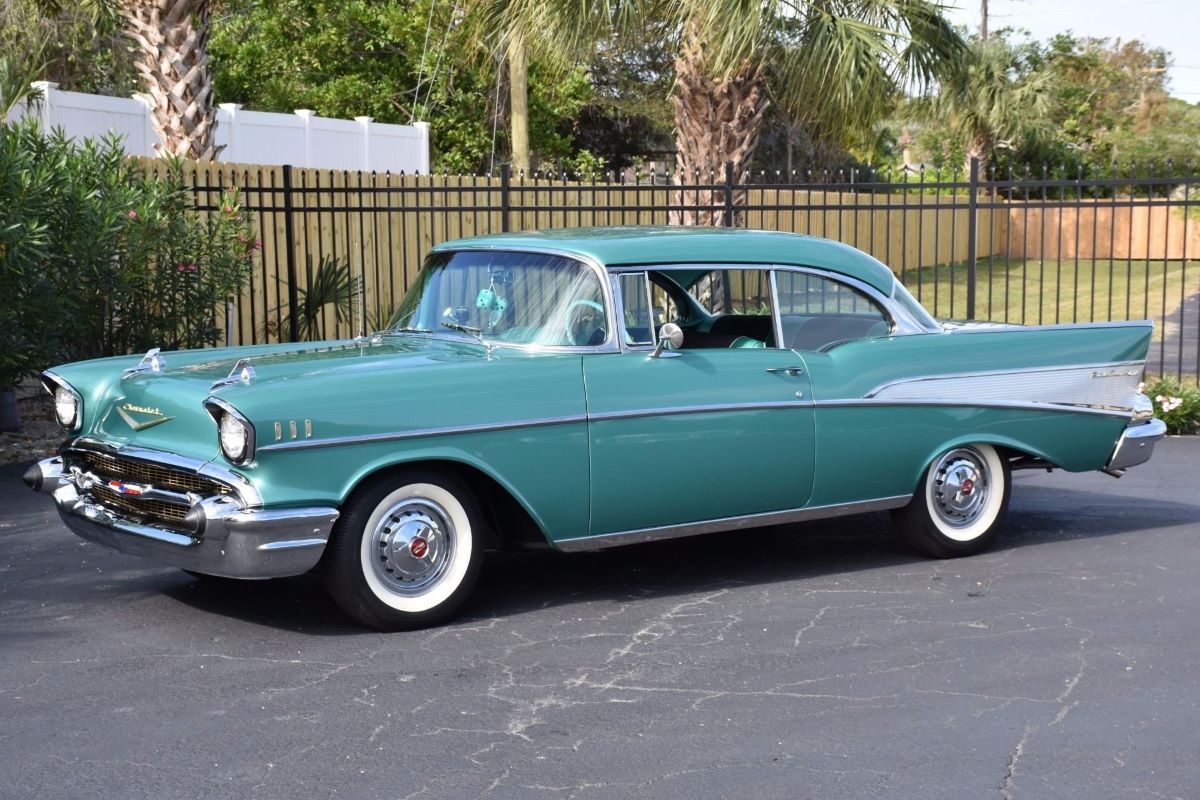
The 1957 Chevrolet Bel Air is one of the most celebrated American cars of the 20th century, widely regarded as a defining symbol of 1950s automotive culture.
Produced by Chevrolet, the ’57 Bel Air combined stylish design, accessible performance, and broad appeal, making it an enduring favorite among collectors and enthusiasts.
Visually, the 1957 model is distinguished by its clean, balanced proportions and restrained use of chrome compared to earlier years. The tailfins were present but modest, giving the car a sleek, forward-looking profile without the exaggerated flair seen in some competitors.
Signature elements included the gold anodized grille, dual headlamps, and the iconic “Bel Air” script badging. The availability of two-tone paint schemes further enhanced its visual appeal, allowing buyers to personalize their vehicles in bold combinations.
Under the hood, the Bel Air offered a range of engines, but its legacy is most closely tied to the introduction of Chevrolet small-block V8 options.
The 283 cubic-inch V8 was available in multiple configurations, including a fuel-injected version producing up to 283 horsepower, achieving the notable benchmark of one horsepower per cubic inch.
This innovation positioned the Bel Air as a performance-oriented car at a relatively affordable price point, appealing to a wide segment of buyers.
The interior reflected a blend of practicality and mid-century style. Upholstery options included cloth and vinyl combinations, with color schemes that often matched the exterior.
The dashboard layout was simple and driver-focused, featuring clear instrumentation and intuitive controls. While not as opulent as luxury models of the time, the Bel Air provided a comfortable and well-appointed cabin suitable for everyday use.
The 1957 Bel Air was available in multiple body styles, including two-door and four-door sedans, hardtops, convertibles, and station wagons. This versatility contributed significantly to its popularity, as it catered to both families and performance enthusiasts.
The ’57 Bel Air has achieved near-mythical status. It is frequently featured in films, television, and car shows, symbolizing the optimism and prosperity of post-war America. Today, it remains one of the most desirable classic cars, valued for its timeless design, mechanical simplicity, and strong aftermarket support.
This design became iconic because it brought high-end styling cues to middle-class buyers.
The use of color coordination between the wheel and the interior upholstery created a unified aesthetic that defined 1950s Americana. It’s a reminder that design excellence wasn’t limited to luxury brands.
3. 1958 Buick Limited
Buick’s 1958 Limited took steering wheel design into more experimental territory. The wheel incorporated multiple intersecting chrome elements, creating a layered, almost architectural appearance.
The horn ring wasn’t just functional, it was a design statement with asymmetrical geometry.
This complexity mirrored Buick’s broader design philosophy at the time: bold, expressive, and slightly unconventional. The wheel’s intricate detailing required precise manufacturing, highlighting the craftsmanship of the era.
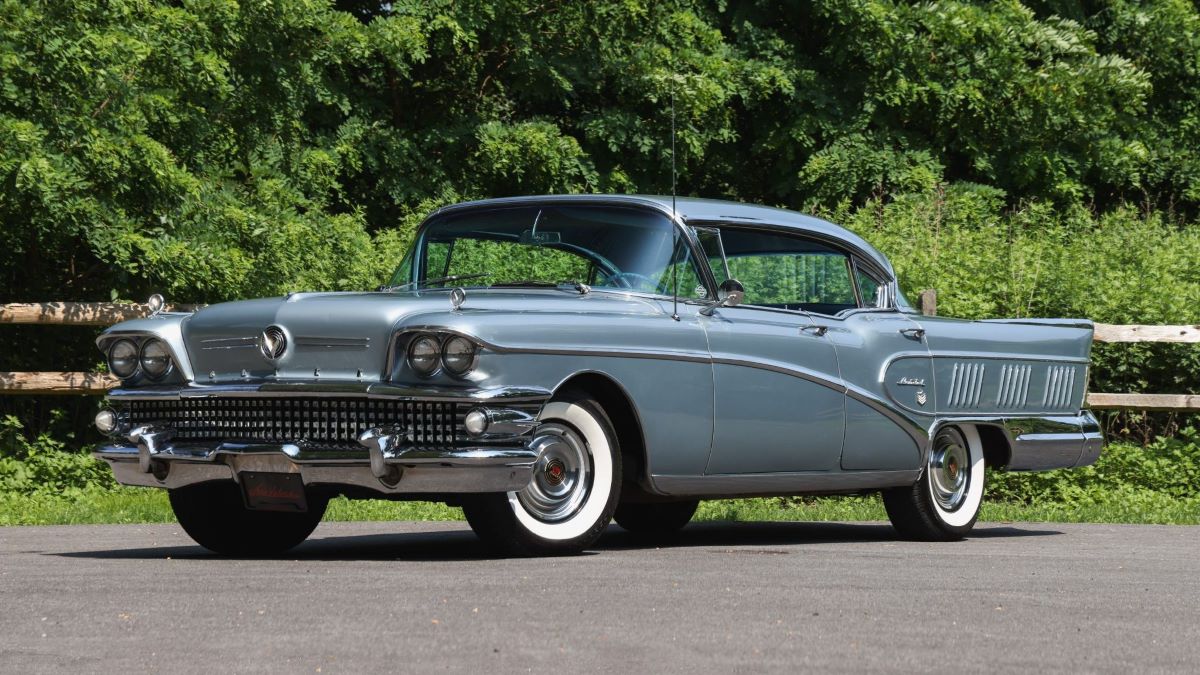
The 1958 Buick Limited represents the absolute pinnacle of Buick’s late-1950s design and luxury ambitions. Produced by Buick, the Limited was a short-lived flagship model, offered only for the 1958 model year, making it one of the rarest and most distinctive American cars of its era.
From a design standpoint, the 1958 Limited is immediately recognizable for its bold and heavily ornamented styling. The front end featured an expansive grille packed with square chrome elements, flanked by quad headlamps, an increasingly popular trend at the time.
The body was massive and imposing, with a long wheelbase and substantial overhangs that emphasized presence over subtlety. Unlike the extreme tailfins seen on some contemporaries, Buick opted for more restrained rear styling, though it still incorporated sculpted lines and bright chrome accents.
One of the most notable exterior features was the extensive use of chrome. The Limited carried more brightwork than nearly any other Buick model, including intricate side trim and distinctive “VentiPorts” on the front fenders, circular porthole-like design elements that had become a Buick signature.
The aesthetic reflected the late-1950s fascination with excess, space-age influence, and visual impact.
Under the hood, the 1958 Buick Limited was powered by a 364 cubic-inch “Nailhead” V8 engine, producing around 300 horsepower.
This engine was paired with a Dynaflow automatic transmission, designed to deliver exceptionally smooth acceleration rather than aggressive performance. The driving experience prioritized comfort, quietness, and effortless cruising, aligning with its role as a top-tier luxury vehicle.
Inside, the Limited offered a highly refined cabin with premium materials and advanced features for its time.
Interiors often included leather upholstery, deep-pile carpeting, and extensive use of polished metal accents. Buick emphasized passenger comfort, providing generous seating space and a soft ride quality thanks to its substantial size and suspension tuning.
Despite its impressive features, the 1958 Buick Limited had a very limited production run, with fewer than 10,000 units built. Its high price and the economic recession of the late 1950s contributed to its short lifespan.
The 1958 Buick Limited is prized among collectors for its rarity, distinctive styling, and representation of an era when American automakers pushed design and luxury to dramatic extremes.
4. 1956 Chrysler 300B
The Chrysler 300B, often considered one of the first American muscle cars, featured a steering wheel that balanced sportiness with luxury.
It had a relatively thin rim but incorporated a clean, purposeful horn ring and minimal ornamentation compared to its competitors.
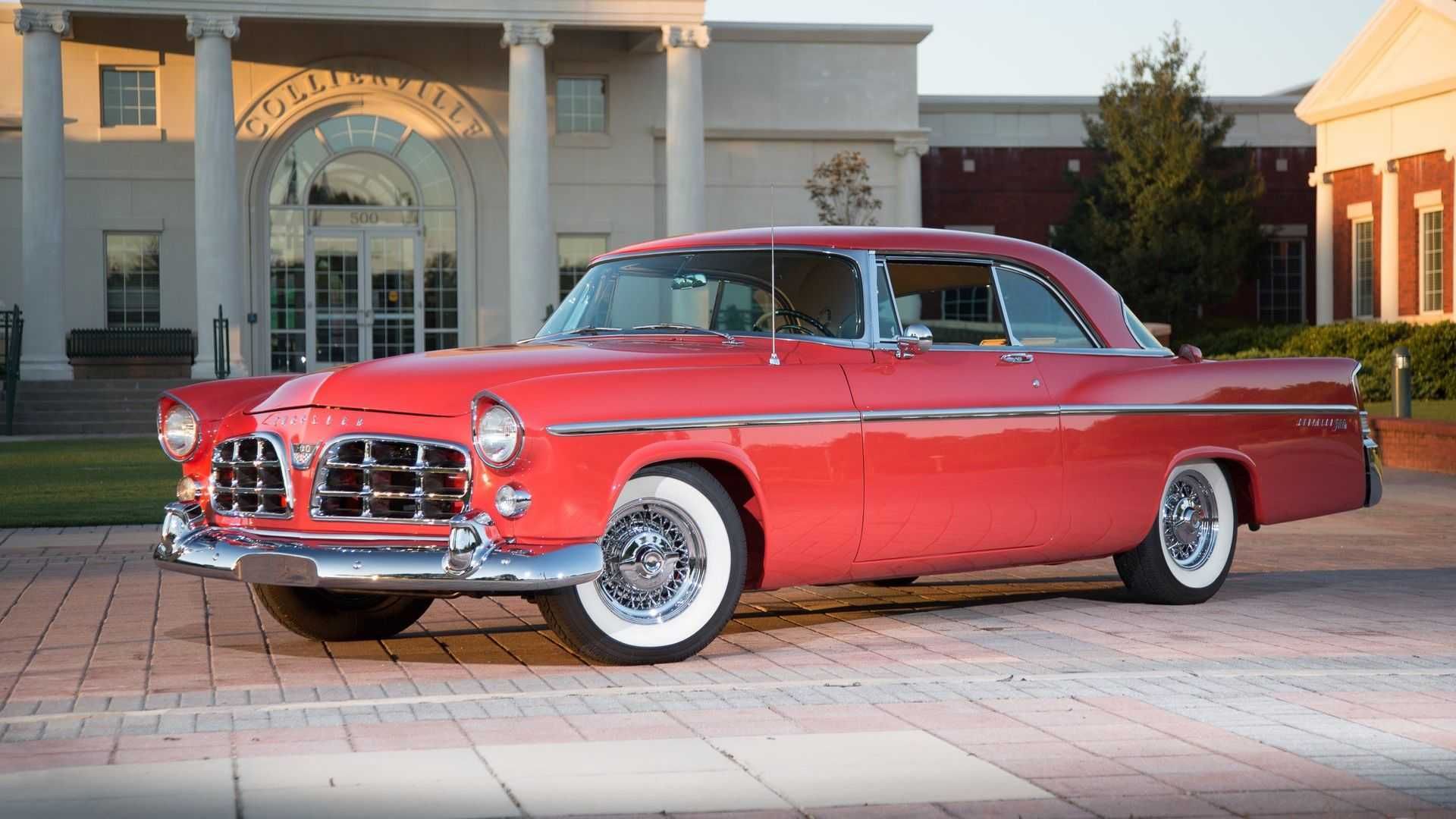
What sets it apart is restraint. While others leaned heavily into chrome excess, Chrysler opted for a more driver-focused design. This made it a precursor to later performance-oriented interiors, where clarity and usability began to matter more.
5. 1954 Oldsmobile Super 88
1954 Oldsmobile Super 88
The 1954 Oldsmobile Super 88 represents a key moment in early postwar American automotive development, blending evolving styling trends with strong V8 performance.
Produced by Oldsmobile, the Super 88 was positioned as a mid-to-upper-tier offering, balancing luxury features with a more performance-oriented character than many of its contemporaries.
Visually, the 1954 model marked a transition toward more modern, streamlined design. Compared to earlier, more upright forms, the Super 88 featured a lower, wider stance with smoother body lines.
The front end was dominated by a broad chrome grille and prominent bumper, while subtle tail contours replaced the exaggerated fin designs that would emerge later in the decade. Chrome detailing was still abundant, but more controlled, giving the car a refined yet substantial presence.
At the core of the Super 88’s identity was its engine. It was powered by the renowned Oldsmobile Rocket V8, a 324 cubic-inch V8 producing approximately 170 horsepower.
This engine was paired with the Hydra-Matic automatic transmission, one of the earliest widely adopted automatic gearboxes in the industry. The combination delivered smooth power and relatively strong acceleration for its time, contributing to Oldsmobile’s reputation as a performance leader in the early 1950s.
The interior of the 1954 Super 88 reflected a balance between practicality and comfort. Upholstery options included cloth and vinyl combinations, often in coordinated color schemes.
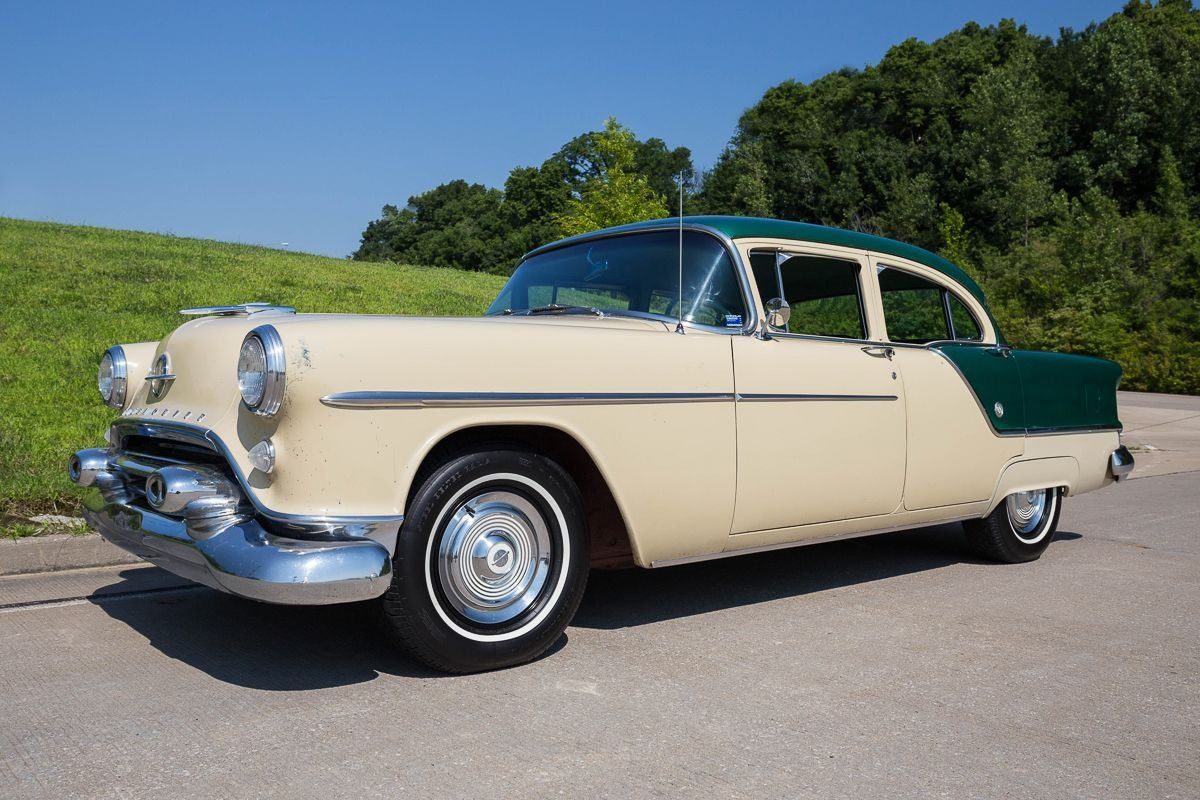
The dashboard design was clean and symmetrical, with large, easy-to-read gauges and straightforward controls. While it did not reach the opulence of higher-end luxury brands, it offered a comfortable and well-equipped environment for daily driving.
The Super 88 was available in several body styles, including two-door and four-door sedans, convertibles, and hardtops. This versatility helped broaden its appeal across different buyer segments, from families to drivers seeking a more stylish and capable vehicle.
The Super 88 played an important role in establishing the popularity of V8-powered American cars. It helped bridge the gap between pre-war design philosophies and the more expressive, performance-driven vehicles that would define the later 1950s.
The design is notable for bridging the gap between the simpler wheels of the late 1940s and the more extravagant creations later in the decade. It shows how quickly design language evolved during this period.
6. 1955 Ford Fairlane
Ford’s 1955 Fairlane introduced a steering wheel that felt modern without being overly ornate. It featured a semi-circular horn ring and a clean central hub, often accented with chrome but not dominated by it.
The 1955 Ford Fairlane marked a significant turning point for Ford, introducing a fresh design language and improved performance that helped the brand compete more aggressively in the mid-1950s American market.
Positioned as Ford’s top-tier full-size model at the time, the Fairlane combined modern styling, new engineering, and broad consumer appeal.
From a design perspective, the 1955 Fairlane showcased a cleaner, more contemporary look compared to its predecessors.
The body sat lower and wider, emphasizing a longer, more streamlined profile. A prominent wraparound windshield, a redesigned front grille, and tasteful chrome accents contributed to a more refined appearance.
Unlike the extreme styling that would dominate later in the decade, the Fairlane maintained balance and restraint, making it visually appealing without excessive ornamentation. Two-tone paint options became a defining feature, often highlighting the car’s body lines and adding a sense of customization.
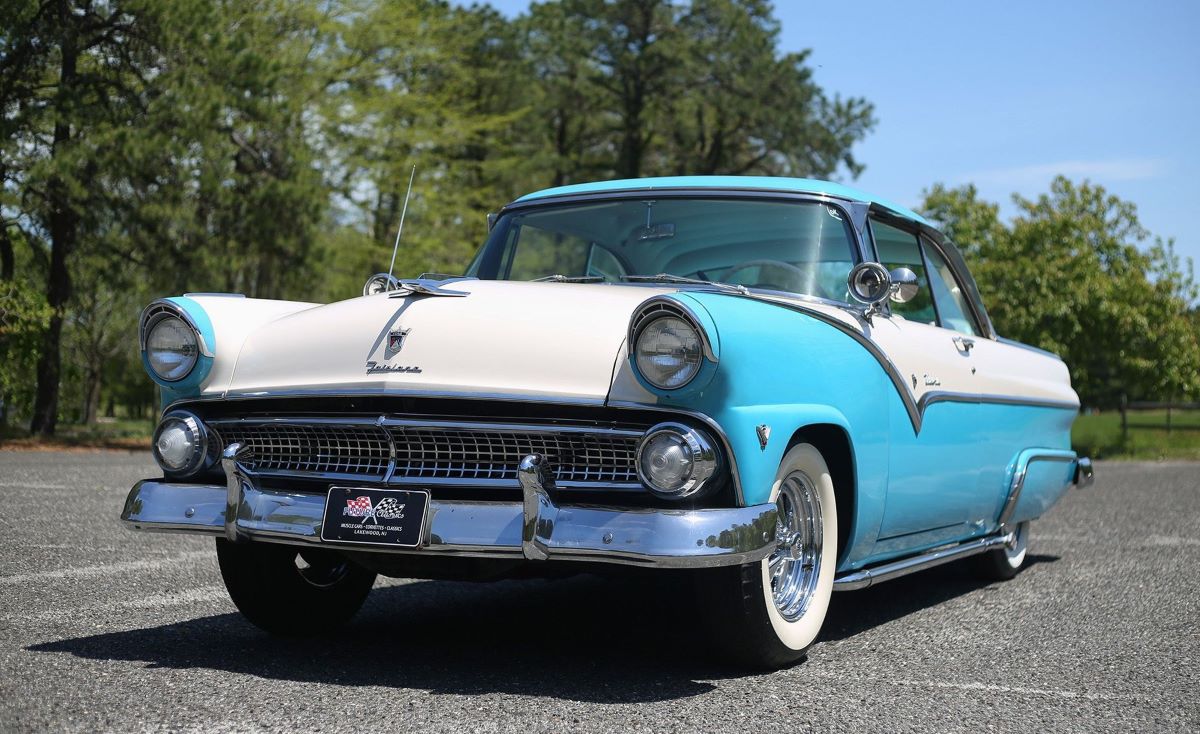
Under the hood, Ford introduced new powertrain options that significantly enhanced performance. The standout was the Y-block V8 engine, available in multiple configurations, producing up to around 182 horsepower depending on setup.
This engine marked Ford’s renewed focus on V8 performance, allowing the Fairlane to compete directly with rivals offering increasingly powerful engines. Buyers could choose between manual transmissions and the Ford-O-Matic automatic, catering to both traditional drivers and those seeking convenience.
Inside, the Fairlane offered a well-appointed cabin that balanced comfort with practicality. The interior featured improved materials, with vinyl and cloth upholstery combinations available in coordinated color schemes.
The dashboard was redesigned for better ergonomics, incorporating clear instrumentation and updated controls. While not as luxurious as premium brands, the Fairlane delivered a comfortable and modern driving environment suitable for families and long-distance travel.
The 1955 Fairlane lineup included multiple body styles, such as sedans, hardtops, and the distinctive Crown Victoria variant, which featured a stainless-steel roof band that became one of the model’s most recognizable elements. This variety allowed Ford to appeal to a wide range of customers with different preferences and budgets.
7. 1953 Studebaker Commander
Studebaker was known for pushing design boundaries, and the 1953 Commander is a prime example. Its steering wheel adopted a more minimalistic approach, with a sleek, almost futuristic layout that avoided heavy chrome overload.
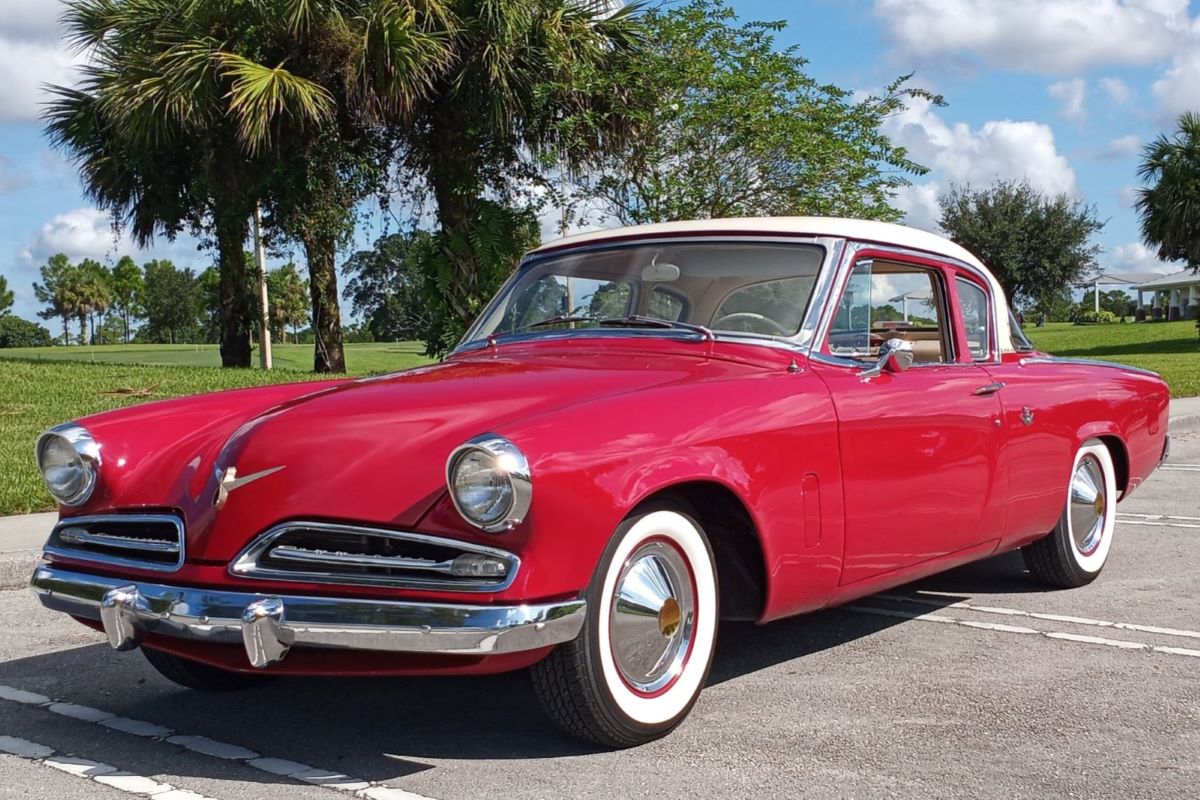
This design stood out because it looked forward rather than following trends. While other manufacturers emphasized decoration, Studebaker focused on form and flow, anticipating design philosophies that would become more common decades later.
8. 1959 Pontiac Bonneville
The Pontiac Bonneville’s steering wheel reflected the brand’s performance-oriented image. It featured a wide stance with a bold horn ring that emphasized horizontal lines, complementing the car’s low, wide body.
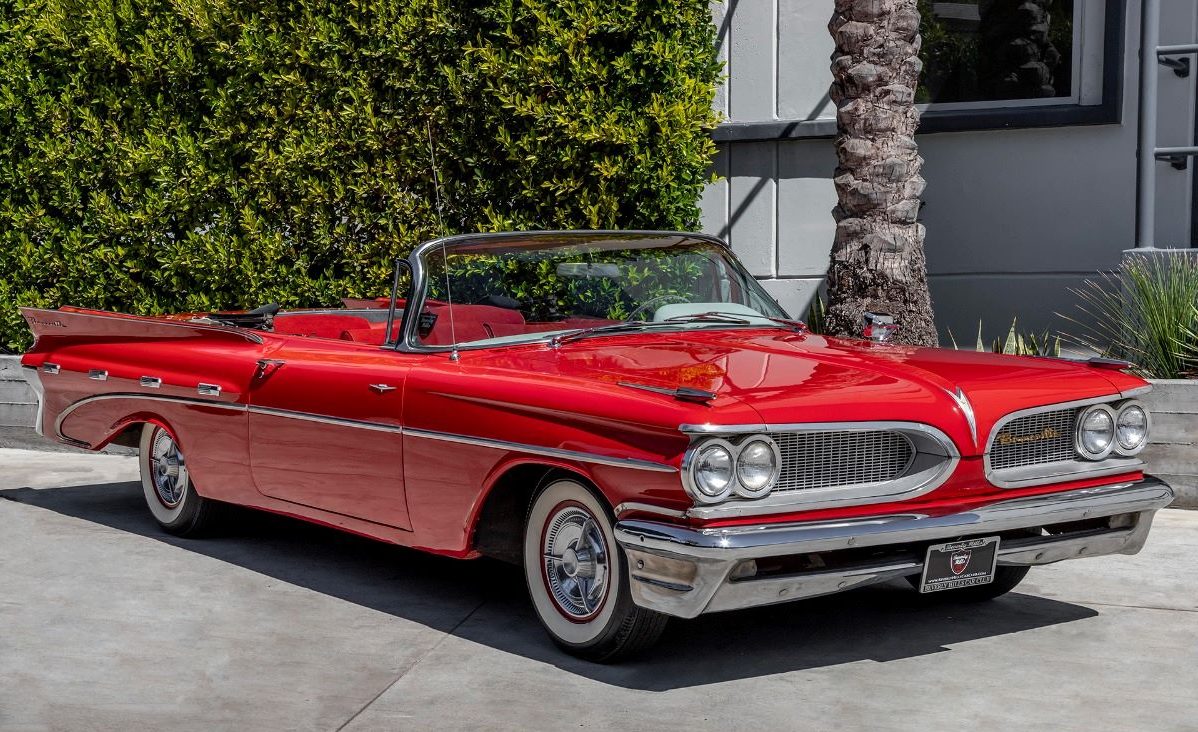
The design conveyed motion even when stationary. It’s a subtle but effective example of how interior elements were used to reinforce a vehicle’s identity.
The 1959 Pontiac Bonneville represents one of the boldest design and engineering statements from Pontiac during the late 1950s.
As Pontiac’s flagship model, the Bonneville combined dramatic styling with strong V8 performance, helping reposition the brand as a more youthful and performance-oriented alternative within General Motors’ lineup.
Visually, the 1959 Bonneville stood apart from its competitors with a uniquely wide and low body. Pontiac adopted a distinctive “split grille” design at the front, which would later become a long-standing brand signature.
The car’s proportions emphasized horizontal width rather than vertical height, giving it a planted and aggressive stance.
At the rear, instead of tall tailfins, Pontiac used more subtle fin contours integrated into the body, along with wide-set taillights that reinforced the car’s broad appearance. Chrome detailing was still extensive, but more integrated into the overall design rather than dominating it.
Under the hood, the Bonneville delivered serious performance for its time. It was powered by a 389 cubic-inch V8 engine, often equipped with Pontiac’s “Tri-Power” setup, three two-barrel carburetors, which could produce up to approximately 345 horsepower.
This configuration provided strong acceleration and positioned the Bonneville as one of the more performance-capable full-size cars of its era. The engine was typically paired with a Hydra-Matic automatic transmission, offering smooth yet responsive power delivery.
Inside, the Bonneville offered a well-appointed cabin that reflected its premium positioning. Interiors featured high-quality materials, including leather upholstery in some trims, along with extensive chrome and brushed metal accents.
The dashboard design was driver-focused, with clear instrumentation and a layout that emphasized both style and usability. Comfort was a priority, with ample seating space and a ride quality tuned for smooth highway cruising.
The Bonneville was available in several body styles, including hardtops, sedans, and convertibles, allowing it to appeal to a wide range of buyers seeking both luxury and performance.
Its combination of distinctive styling and powerful engine options made it particularly attractive to drivers who wanted more than just traditional comfort.
9. 1956 Packard Caribbean
Packard’s Caribbean showcased a steering wheel that emphasized craftsmanship and material quality. The wheel often combined chrome with high-quality plastics and featured detailed cresting in the center.
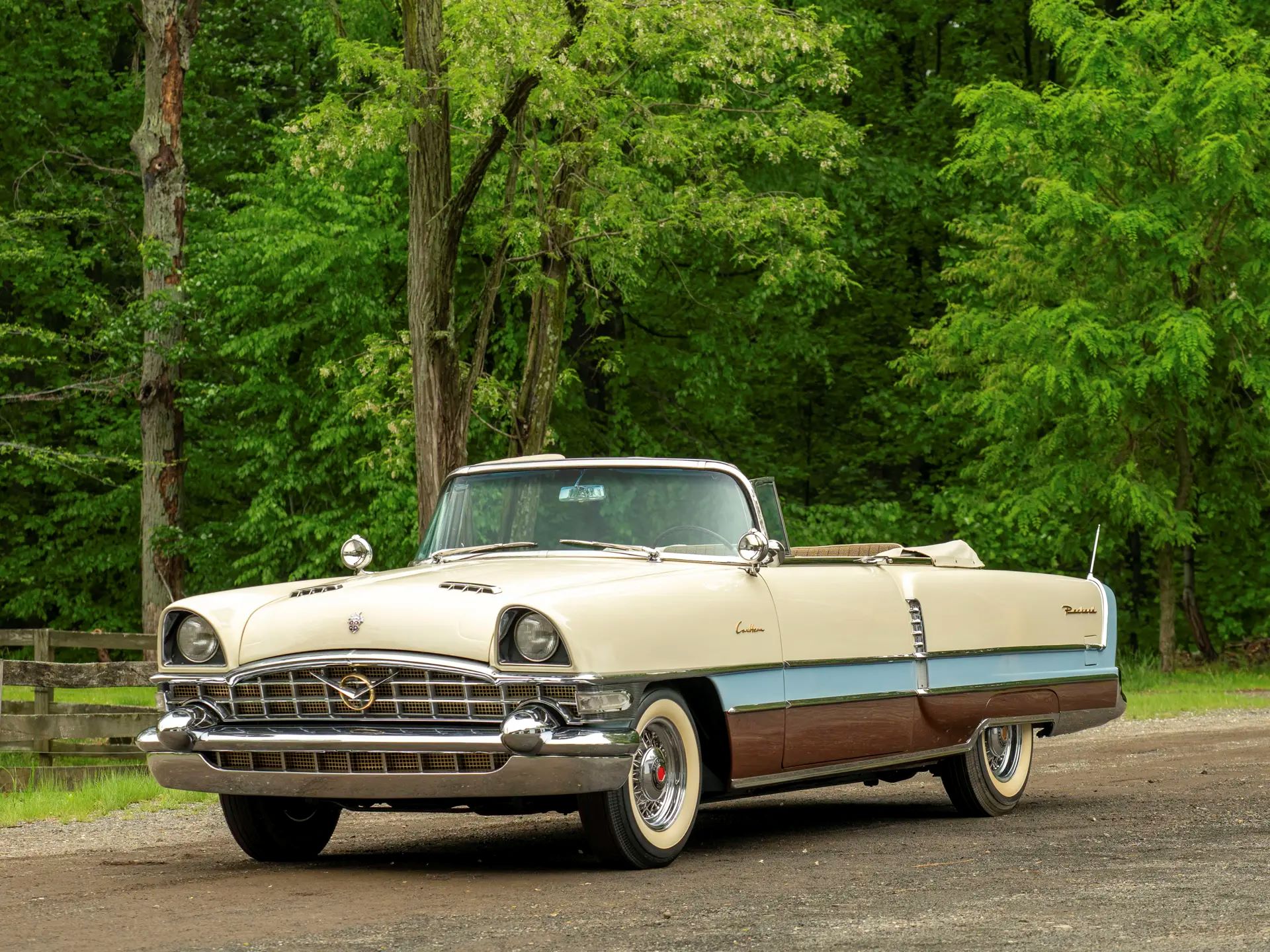
What distinguishes this design is its refinement. Rather than relying solely on visual impact, it focused on tactile experience and precision. It represents the final flourish of Packard’s luxury heritage before the brand’s decline.
10. 1958 Edsel Citation
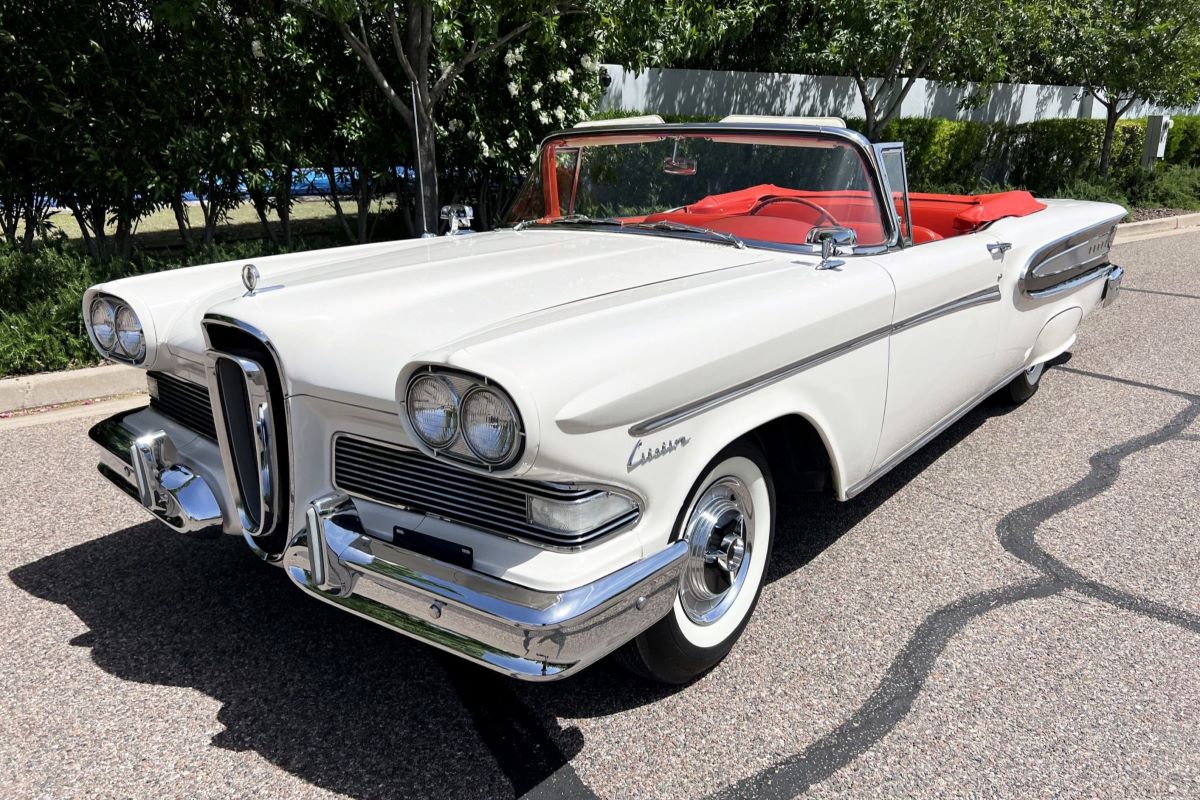
The Edsel Citation is remembered for its controversial design, and its steering wheel followed suit. It featured an unconventional layout with a distinctive central hub that echoed the car’s unique grille shape.
While divisive, the design is undeniably iconic. It reflects a willingness to take risks, even if those risks didn’t always resonate with consumers. In retrospect, it stands as a fascinating example of how far designers were willing to push boundaries during the chrome era.
The steering wheels of the 1950s are more than nostalgic artifacts, they represent a period when automotive design prioritized emotion and identity.
Unlike modern wheels, which are often constrained by safety regulations and ergonomics, 1950s designs had fewer limitations. This allowed designers to treat the steering wheel as a canvas for creativity.
For modern audiences in the United States, these designs offer insight into a time when the automobile was central to cultural identity.
The post-war economic boom allowed manufacturers to prioritize style and individuality, resulting in interiors that felt as expressive as the exteriors.
Today, while safety standards and technology have reshaped steering wheel design, introducing airbags, controls, and digital integration, the influence of the 1950s remains visible. Retro-inspired models and restomod builds frequently draw on these classic designs, proving their enduring appeal.
In summary, the steering wheels of the 1950s chrome era are iconic not just because of how they look, but because of what they represent: a moment in history when design ambition was virtually limitless, and even the most functional components were transformed into works of art.