When you are passionate about outdoor pursuits like mountain biking, kayaking, snowboarding, or camping, having a reliable vehicle with a capable roof rack system becomes essential. A good roof rack does more than just hold gear, it gives confidence that your expensive and bulky equipment will remain secure during long drives.
Some vehicles are better suited to this job because of how their roof rack mounts are engineered, how much weight they can reliably carry, and how easy they are to use day after day.
Roof rack systems vary widely depending on the vehicle’s design and intent. Trucks, SUVs, and crossovers typically have stronger supports, larger footprints, and higher maximum weights. These allow large gear such as expedition boxes, heavy bikes, and paddleboards to be transported without worry.
In contrast, smaller cars often use lightweight systems with lower limits, better suited for lighter items like skis and soft bags. The best vehicles for heavy-duty roof load tasks combine structural strength with practical ease of use in real world outdoor scenarios.
Purchasing a vehicle with a strong roof rack system means thinking beyond the engine size or ground clearance. Consider how the rack mounts to the roof, whether it is fixed, modular, or removable, and if it integrates with aftermarket accessories.
Some systems allow direct mounting points to the vehicle’s frame, ensuring weight is distributed over strong sections of the roof. Others depend on aftermarket crossbars and feet that can adapt multiple accessories, giving flexibility when hauling bikes, surfboards, or rooftop tents.
Weight capacity matters, but so does usability. A system that makes it easy to slide gear into place, lock it securely, and access it at rest stops gives a much better experience. Vehicles that allow the rack to be adjusted or removed without tools create convenience when gear hauling is not needed.
Also, certain roof rack systems are designed to minimize wind noise and drag, improving comfort and fuel efficiency on long journeys with heavy loads mounted up high.
In this article, there are ten vehicles selected because they are known for strong roof rack capabilities and outdoor gear friendliness. Each vehicle is noted for a combination of factors including roof load capacity, ease of use, reliability, aftermarket options, and versatility.
These choices reflect a broad range of uses, from daily commuting with occasional outdoor trips to full blown adventure travel where roof cargo becomes an indispensable part of the journey. Whether you are transporting large kayaks over mountain passes or bikes across state lines, knowing which vehicles offer reliable roof rack support can make your outdoor plans smoother and more enjoyable.
1. Toyota 4Runner
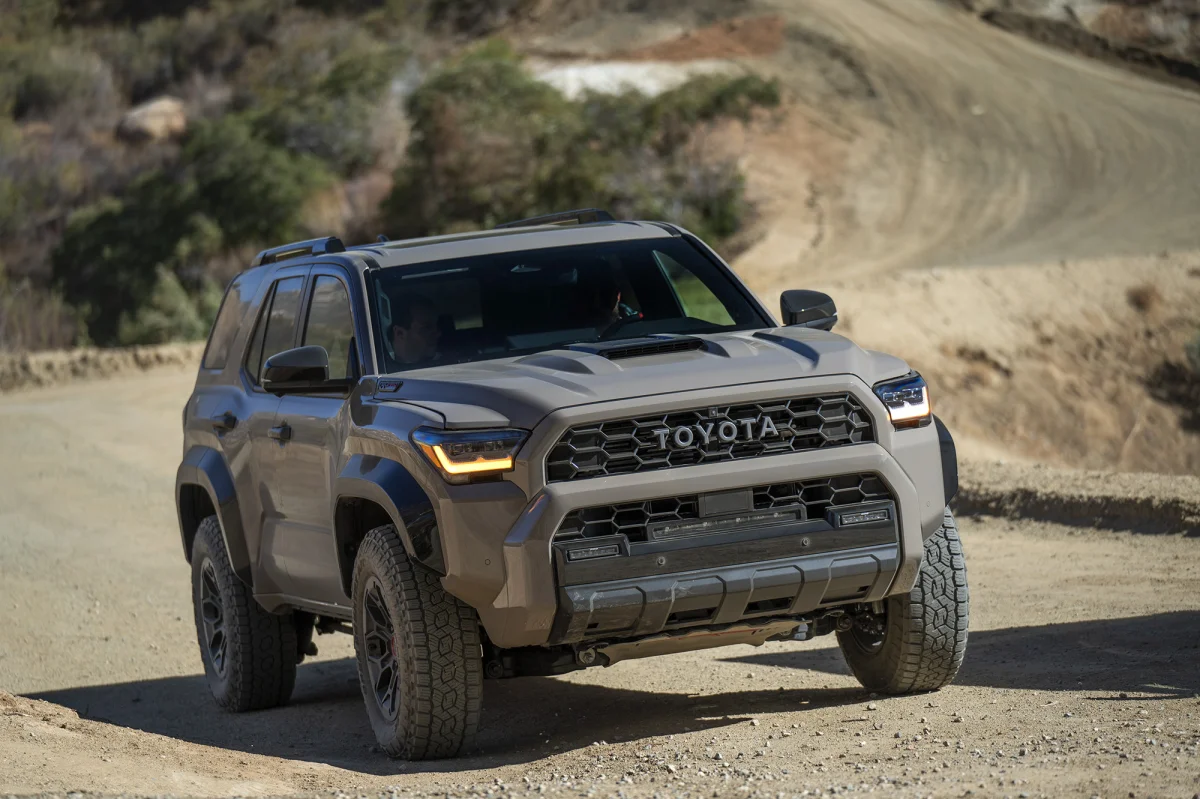
Toyota’s mid size SUV has long been a favorite for people who like rugged trips and frequent gear hauling. The 4Runner’s factory roof rack system is designed to take significant weight while staying stable on uneven roads. Its design allows heavy items like rooftop tents and long boards to sit securely even on rough dirt paths and gravel roads.
With a strong ladder frame design, the 4Runner excels at weight support on the roof. This frame type spreads loads evenly and reduces stress on the roof sheet metal. As a result, off road enthusiasts often choose this vehicle because its rack handles large gear without sagging or creating instability during travel.
The 4Runner’s roof rack footprints are generous, giving plenty of space for multiple accessories at once. Users can mount bike trays next to cargo boxes or kayaks beside a rooftop tent without overcrowding. The system also accommodates a range of aftermarket rails and crossbars for custom setups.
Ease of installation and adjustment is another reason people like this roof rack system. The rack’s design allows shifting accessories along the bars to balance loads exactly where needed. When empty, many users simply remove crossbars to reduce wind drag and improve fuel economy on highway trips.
Another advantage of the 4Runner roof rack is integration with accessory lighting and gear mounts. Adventurers who travel in low light appreciate mounting work lights and flags directly to the rack. This capability adds more usefulness to the vehicle beyond simple cargo transport.
2. Jeep Wrangler
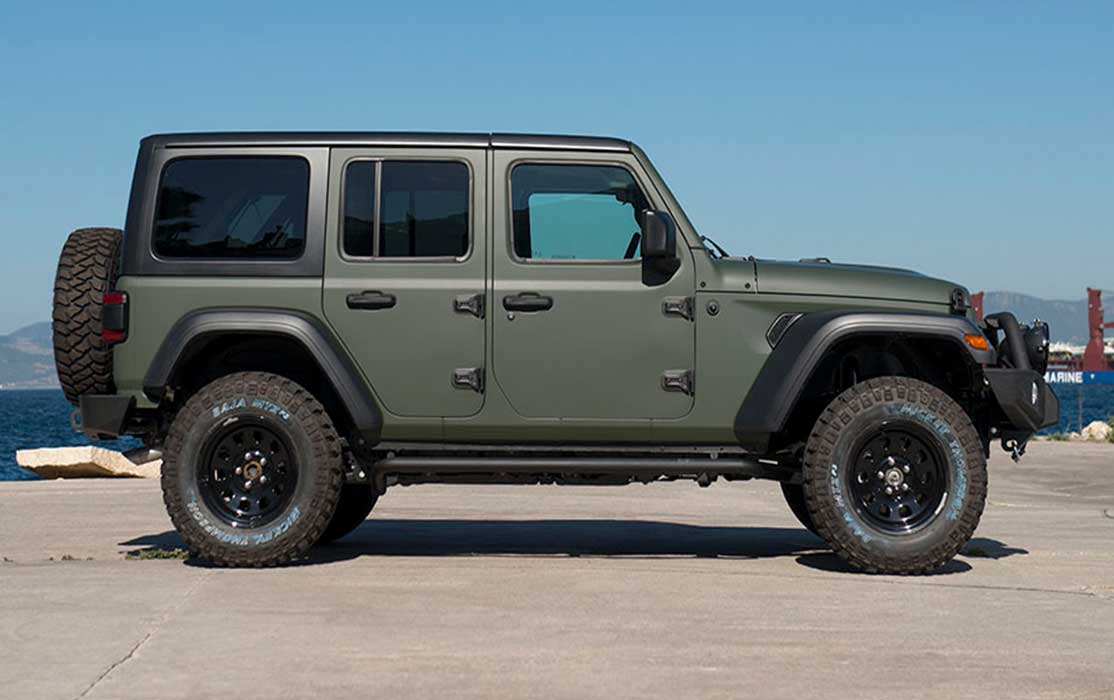
Jeep Wrangler has a long reputation for tackling tough terrain while carrying outdoor equipment with confidence. Its roof rack systems, factory or aftermarket, are known for being strong and compatible with many types of gear. The modular nature means users can adapt the system for bikes, boards, or cargo boxes as needed.
The high clearance roof and robust structure make the Wrangler sticker choice for adventure seekers. Whether climbing steep trails or cruising open highways, the rack holds gear with minimal flex or movement. People often trust this vehicle to secure expensive equipment through demanding conditions.
Compatibility with aftermarket crossbars and accessories is a big reason for Jeep’s popularity. Owners can choose lightweight aluminum bars or heavy duty steel options, depending on how much gear they plan to carry. This flexibility ensures a custom fit for gear of all shapes and sizes.
Roof rack systems on Wranglers typically support high weight limits, allowing full sized kayaks, rooftop tents, and multiple bikes to be transported simultaneously. This is helpful for groups or long trips where gear volume is large and demands reliable support. Balance and weight distribution are key focuses for serious outdoor adventurers.
Despite its off road focus, the Wrangler’s roof system is not overly complicated to use daily. Quick release attachments and modular mounts let users install and remove accessories with relative ease. For many, the combination of heavy duty support and straightforward usability makes this vehicle a top pick for serious outdoor use.
3. Subaru Outback
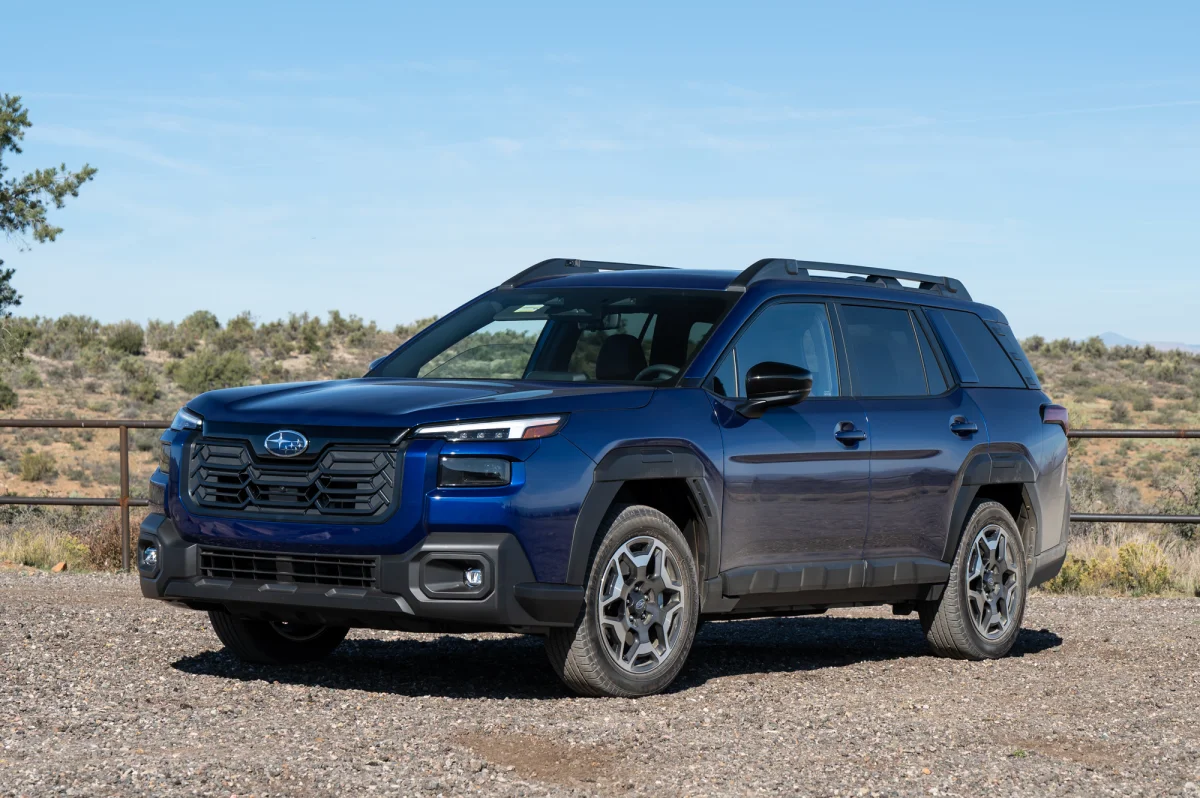
The Subaru Outback is often seen as a daily driver, but its roof rack capacity surprises many outdoor enthusiasts. Designed with a reputation for reliability and practicality, this wagon style vehicle supports robust roof systems compatible with heavy gear. It becomes a favorite for people who balance daily driving with weekend adventures.
Outback’s roof rails are factory fitted and ready to accept a wide range of crossbar accessories. This means owners can quickly add racks for bikes, kayaks, or cargo carriers without complex modifications. The system’s straightforward design allows for interchangeability when adventure needs change.
Though not as tall as SUVs, the Outback’s roof remains strong thanks to engineered reinforcement. Outdoor gear like loaded rooftop boxes and boards can be carried without concern about undue flex. The rack’s positioning also helps maintain a lower center of gravity compared to higher vehicles, which some drivers find stabilizes handling under load.
Over time, many owners report that the Outback’s roof system stands up well to frequent use. Whether hauling paddleboards during summer or skis in winter, the rack remains secure and dependable. This consistency over years of trips and seasons makes the vehicle valuable for long term gear transport.
Ease of access is another benefit with the Outback. Its moderate roof height makes reaching accessories easier than taller SUVs, reducing the strain of mounting and securing heavy items. Travelers appreciate this practical balance when preparing for trips or unpacking at destinations.
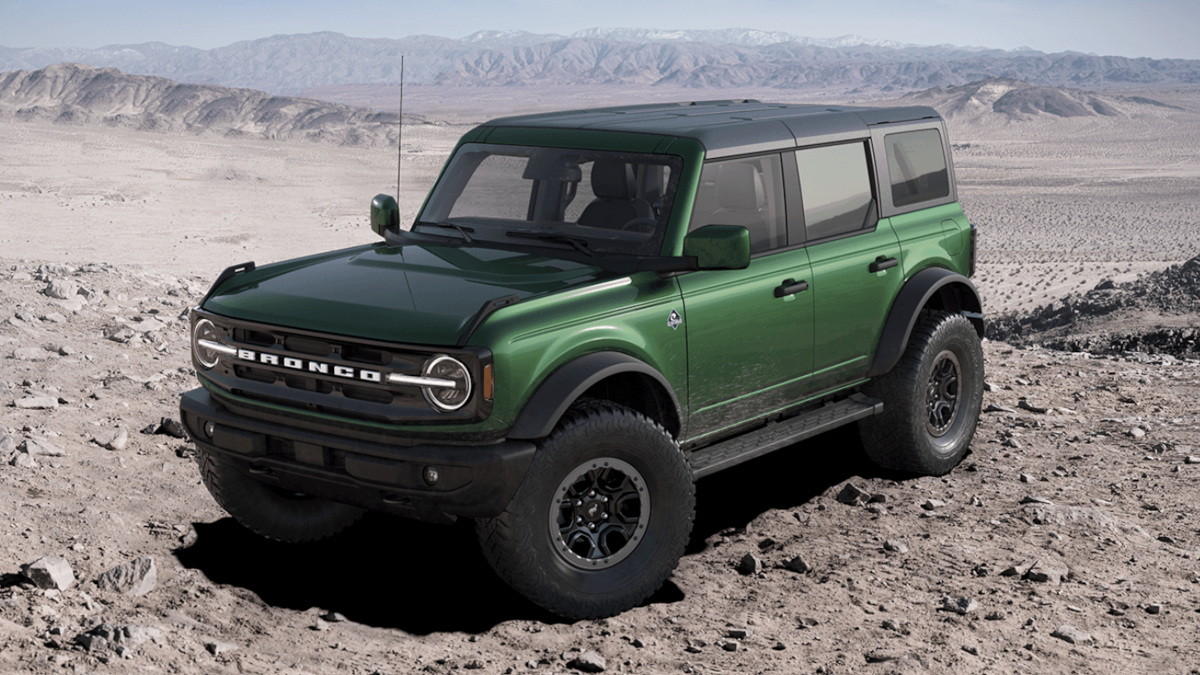
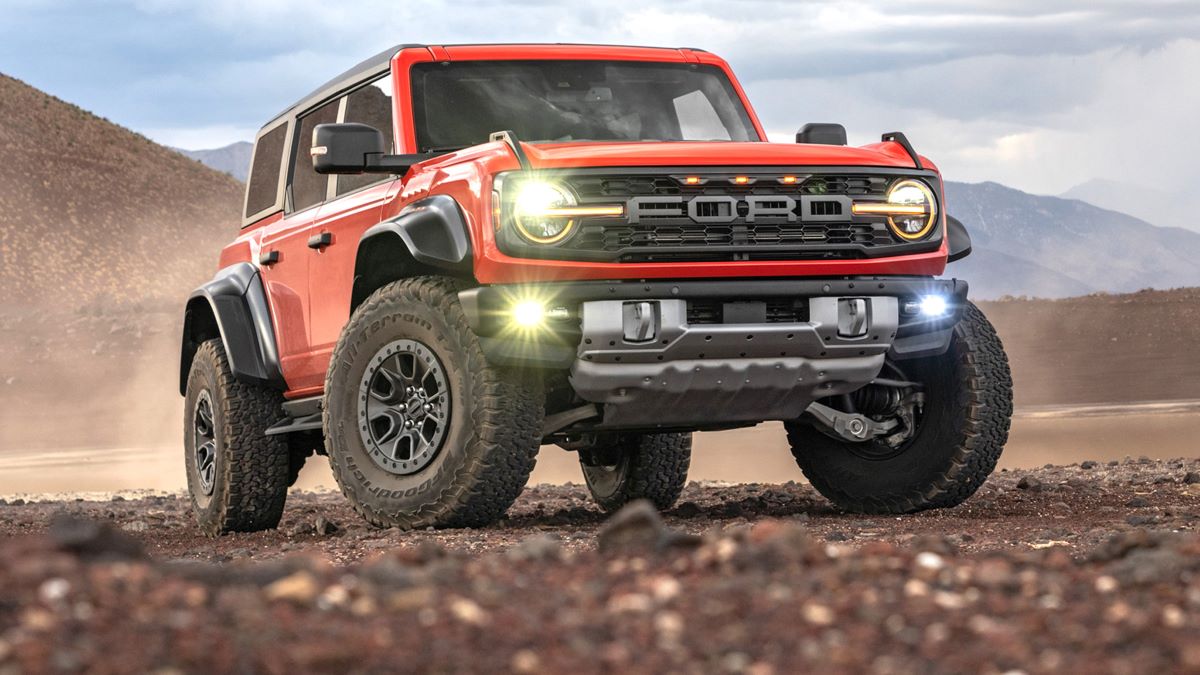
4. Ford Bronco
The modern Ford Bronco has drawn strong interest from outdoor lovers because of its combination of rugged design and thoughtful features. Its roof rack capability is built to handle demanding gear loads and rough road conditions. Many Bronco owners configure racks to carry boards, tents, and other large equipment securely.
Bronco’s factory roof rails are robust, designed to accept heavy crossbars without compromise. The system maintains strength whether gear is mounted at the rear or toward the front. This flexibility allows adventurers to balance cargo and maintain vehicle stability on rough terrain.
The vehicle’s shape and height also contribute to its ability to carry large equipment without causing excessive drag or wind noise. While tall, the Bronco’s roof profile helps reduce disturbances while driving long distances with gear above. Some owners further refine this by choosing aerodynamic crossbars.
Another advantage is the range of compatible accessories available. Bronco owners can pick from multiple rack brands and mounting systems to suit specific gear. This adaptability ensures that whether carrying long kayaks or heavy bikes, the equipment is well supported.
People who frequently transition between different types of gear appreciate how modular the Bronco’s system is. Switching from ski carriers in winter to bike racks in summer becomes less of a chore, allowing more time on trails and less time adjusting hardware.
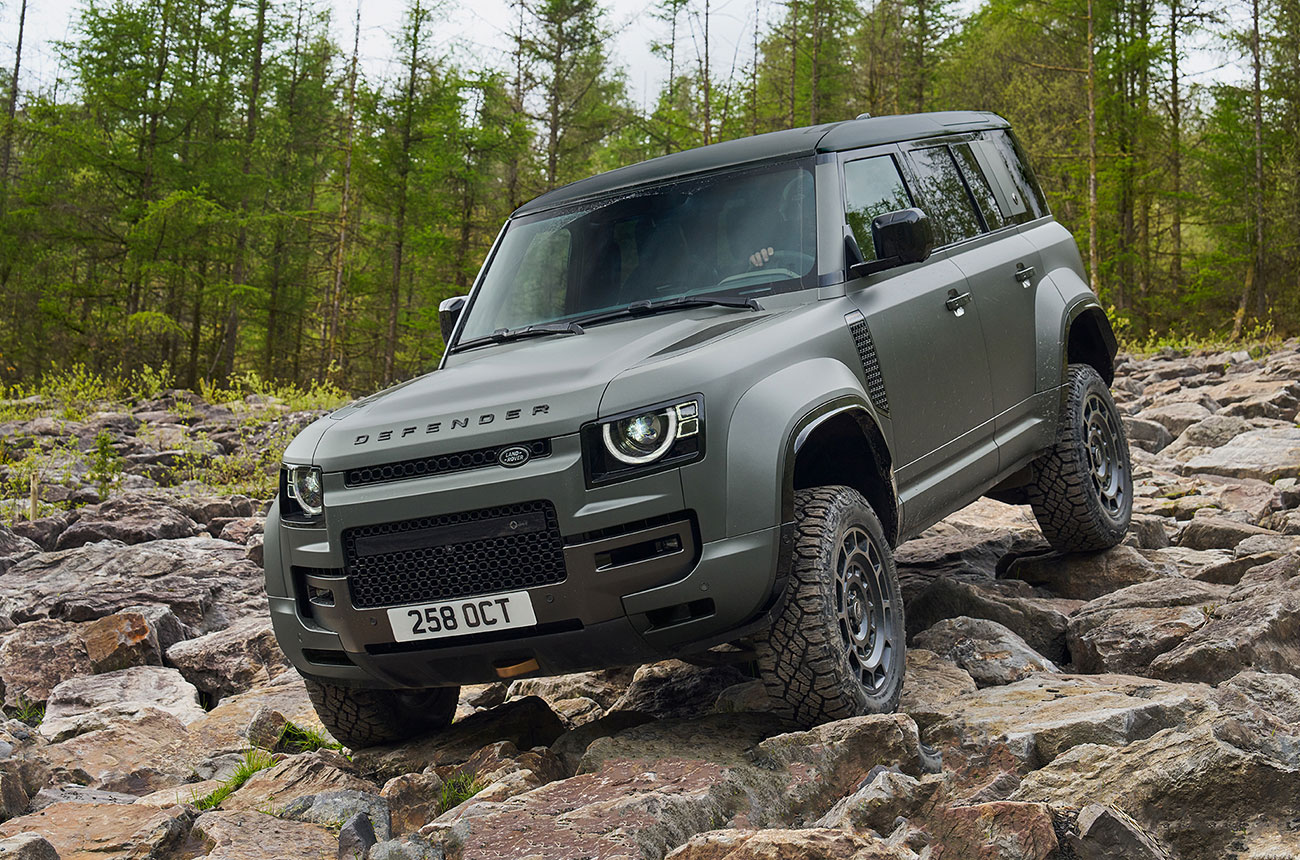
5. Land Rover Defender
The Land Rover Defender combines refined engineering with impressive capability, making its roof rack system ideal for heavy outdoor gear. Though often seen as a premium vehicle, its structure supports significant roof loads while maintaining stability and comfort. For those who want a blend of performance and practicality, this choice stands out.
Defender’s roof rails are tightly integrated into the vehicle’s design, ensuring weight loads are carried efficiently. This integration reduces stress on isolated points and keeps load distribution even across the roof structure. As a result, heavier gear such as rooftop tents and large cargo boxes behave predictably on highway and off road travel.
The high quality of fit and finish for the rack components also gives users confidence in long trips. Parts align precisely, and accessories mount cleanly, reducing time spent fiddling with attachments. For journeys that require frequent loading and unloading, this adds noticeable convenience.
Another benefit is Defender’s compatibility with a variety of genuine accessories made specifically for its rack. These accessories are engineered to integrate seamlessly, avoiding the need for adapters that can complicate setup. Outdoor lovers appreciate this cohesion when planning gear heavy excursions.
Vehicle stability under load is also noteworthy. Defender manages roof cargo with minimal effect on handling, allowing drivers to feel secure when traveling mountain roads or highway grades. This consistent performance under load is a key requirement for serious outdoor adventurers looking for long term reliability.
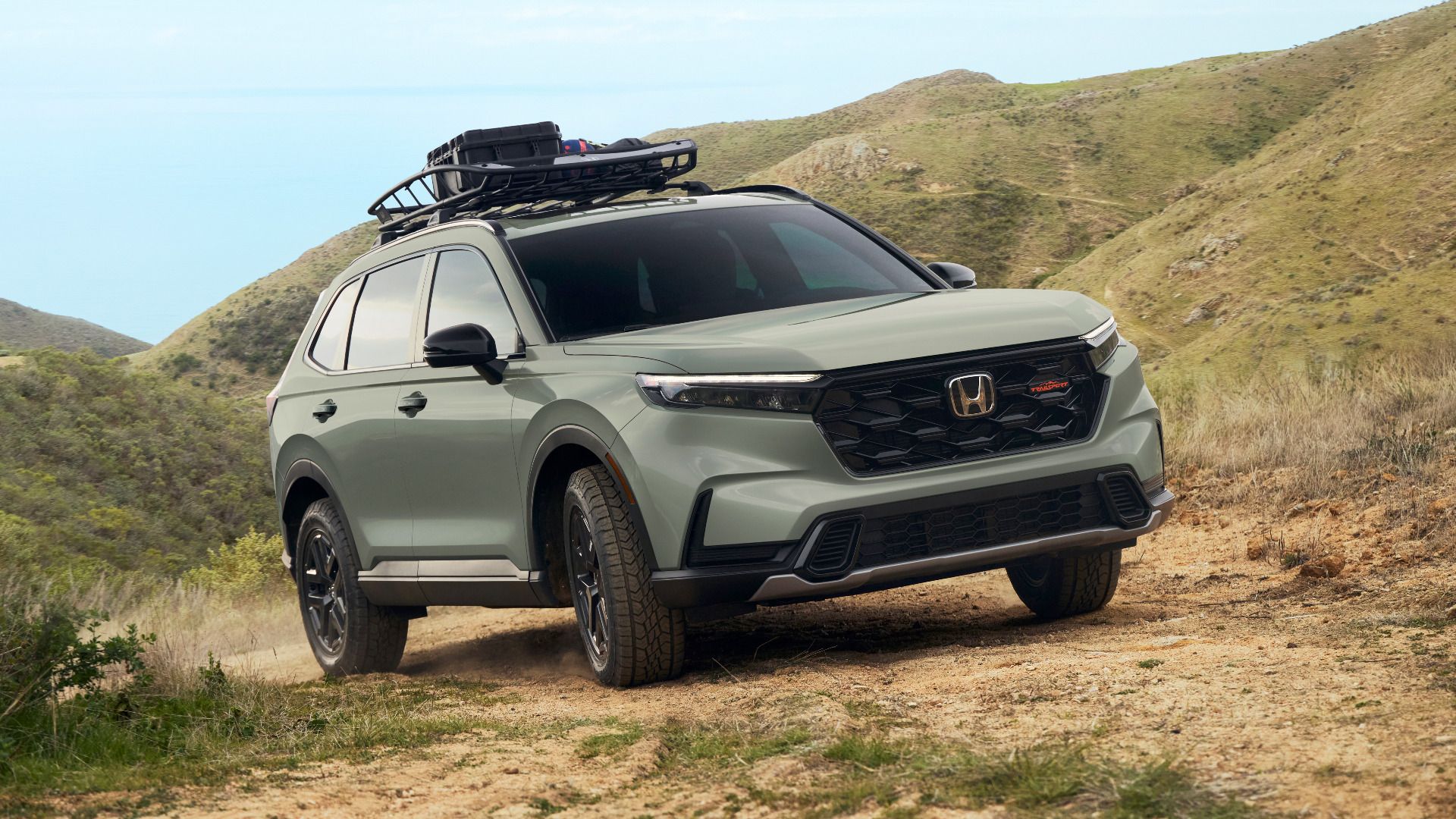
6. Honda CR-V
The Honda CR-V is widely appreciated for its balance between urban usability and outdoor utility. While smaller than traditional off-road vehicles, its roof rack system can handle moderate to heavy gear when outfitted with quality crossbars.
The CR-V’s rails are factory-installed and designed to accommodate bikes, kayaks, cargo boxes, and other bulky equipment without compromising structural integrity. This makes it a practical choice for weekend adventurers who want a reliable setup without moving up to a larger SUV.
One of the CR-V’s strengths is ease of installation for aftermarket accessories. Users can attach crossbars and carriers with minimal effort, ensuring that gear is securely fastened for both short trips and extended journeys.
The roof rails themselves are engineered to evenly distribute weight across the roof, minimizing the risk of bending or fatigue, even when carrying heavier items such as multiple mountain bikes or a loaded rooftop tent.
Aerodynamics and stability are also key factors for the CR-V. Its roof rails and bars are designed to reduce drag, helping to maintain fuel efficiency while loaded with gear. Even when fully equipped, drivers notice a minimal increase in wind noise compared to less optimized systems. This consideration is especially valuable on highway drives or long-distance trips where constant noise can become fatiguing.
The versatility of the CR-V’s roof rack is enhanced by a variety of compatible accessories. Owners can easily switch between ski racks, bike mounts, kayak carriers, and storage boxes, making the vehicle suitable for seasonal outdoor activities. This adaptability allows the CR-V to remain useful throughout the year, supporting everything from winter sports to summer camping excursions.
Long-term durability is another reason people trust the CR-V’s roof system. Regular use, whether for daily commuting with occasional gear loads or frequent outdoor adventures, shows that the factory rails and well-fitted crossbars withstand repeated loading and exposure to weather. This durability ensures that owners can plan their trips confidently, knowing that the roof system will perform consistently over time.
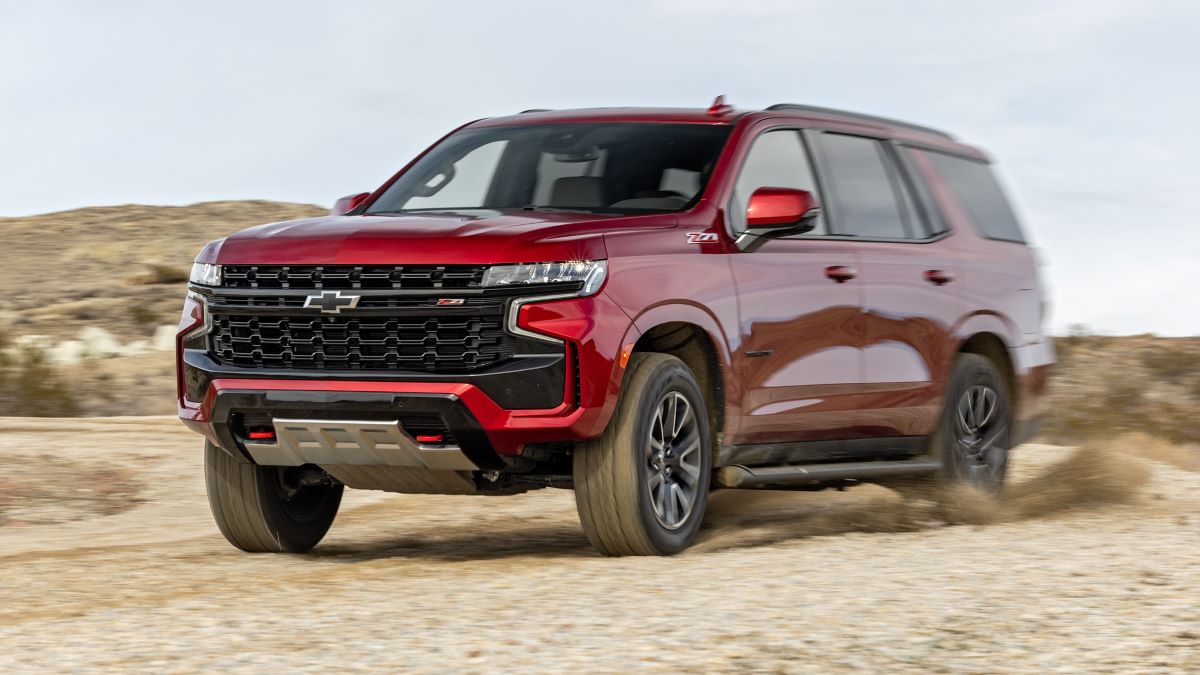
7. Chevrolet Tahoe
The Chevrolet Tahoe is a full-size SUV engineered for substantial payloads, and its roof rack reflects this capability. With a wide, reinforced roof and factory rails, the Tahoe can support multiple large items such as kayaks, skis, bikes, and rooftop tents simultaneously.
Its design allows for a variety of load configurations, giving outdoor enthusiasts the flexibility to transport diverse gear for long trips and family adventures.
The Tahoe’s roof system is built to complement its large frame and powerful chassis. Heavy loads are supported by reinforced mounting points, ensuring stability even during high-speed driving or on uneven surfaces. The system is particularly useful for hauling long or bulky equipment, allowing users to carry multiple items safely without the need for additional trailers or complicated tie-down setups.
Ease of access is a key advantage, given the vehicle’s height. Many users install step stools or small ladders to simplify loading, but the Tahoe’s roof rails and bars are designed for convenience, enabling secure attachment points that minimize shifting. This allows outdoor enthusiasts to organize gear efficiently, reducing the risk of damage during transport.
Another strength is the compatibility with aftermarket accessories. Chevrolet provides mounting points for various cargo solutions, including full-size roof baskets and specialized racks for sporting equipment. This flexibility ensures that the Tahoe can adapt to changing needs, whether it’s carrying surfboards for summer trips or skis and snowboards in the winter season.
The Tahoe also balances performance and comfort with heavy loads. Its suspension and frame support the additional weight on the roof without significantly affecting driving dynamics. This makes it possible to maintain confidence on highways, mountain roads, or rural trails, making the vehicle a dependable companion for outdoor adventures of all types.
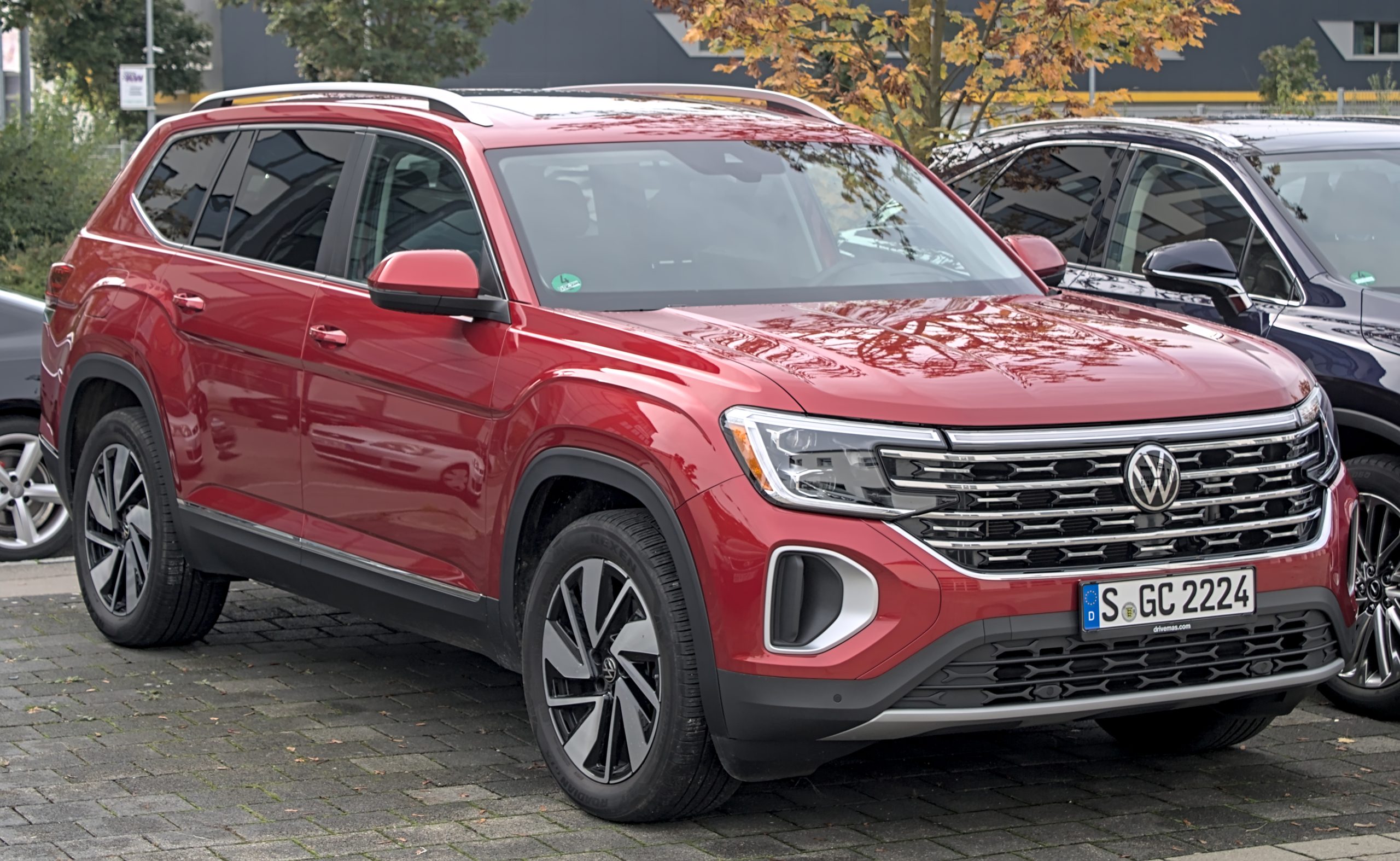
8. Volkswagen Atlas
The Volkswagen Atlas combines roomy interior space with practical roof rack capabilities suitable for moderate to heavy loads. Its factory-installed rails are strong and durable, allowing families to transport kayaks, bikes, luggage boxes, and other bulky equipment with confidence. The Atlas is designed to balance the demands of daily driving with outdoor recreation, making it a versatile option for both weekday commutes and weekend trips.
The Atlas roof rails are wide and reinforced, allowing flexible attachment of crossbars and carriers. Users can install multiple accessories simultaneously without worry of overloading or imbalance. This flexibility ensures that large items like roof boxes or multiple bikes can be carried safely, giving adventurers freedom in planning extended trips.
Aerodynamic considerations are also important for the Atlas. The rails and bars are designed to minimize wind resistance, reducing noise and maintaining fuel efficiency while loaded. This is particularly valuable for long drives, where constant wind turbulence can affect comfort, tire performance, and stability.
Accessibility is another advantage. The Atlas sits at a manageable height for loading gear, reducing strain when lifting heavy items onto the roof. With compatible step aids or small ladders, users can quickly secure items, making the vehicle convenient for families and solo adventurers alike.
Finally, the Atlas roof system is engineered for durability under repeated use. Whether transporting heavy sports equipment, luggage, or adventure gear, the rails and crossbars maintain their integrity over time. This ensures reliability and safety, which is crucial for outdoor enthusiasts who frequently travel with valuable or bulky items.
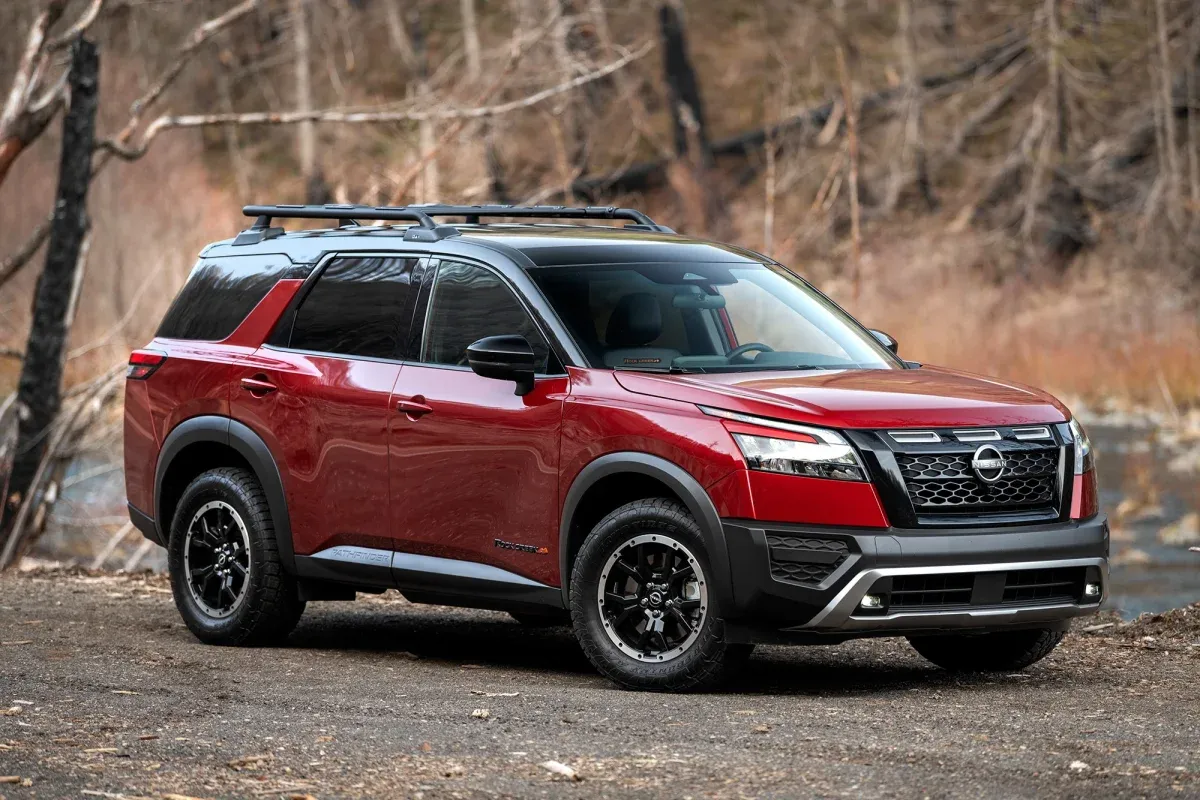
9. Nissan Pathfinder
The Nissan Pathfinder has earned a reputation for reliable performance and practical roof rack systems capable of carrying substantial outdoor loads. Its roof rails are designed to accommodate crossbars, boxes, and specialty racks, giving users flexibility in organizing gear.
Outdoor enthusiasts appreciate this system because it balances strength, stability, and ease of use, making it suitable for a variety of recreational activities.
Pathfinder’s roof structure is engineered to distribute weight evenly across reinforced points. This ensures stability when hauling heavy items such as bicycles, kayaks, or rooftop tents. Even on uneven terrain or during long-distance highway drives, the vehicle maintains safe handling, giving confidence to both drivers and passengers.
The roof rack system is compatible with many aftermarket accessories. This allows for customization depending on the type of outdoor activity, whether it is skiing, biking, camping, or water sports. Such flexibility ensures that the vehicle remains versatile for changing recreational demands throughout the year.
Ease of access is an important feature of the Pathfinder roof system. Its height allows for straightforward loading and unloading, which is further simplified with step stools or ramps. This makes it easier to secure heavier items safely without strain or risk of dropping equipment during placement.
Long-term reliability is another key strength. Pathfinder owners report that repeated loading and exposure to the elements do not compromise the roof system’s integrity. This durability is essential for people who depend on their vehicle to transport gear fre
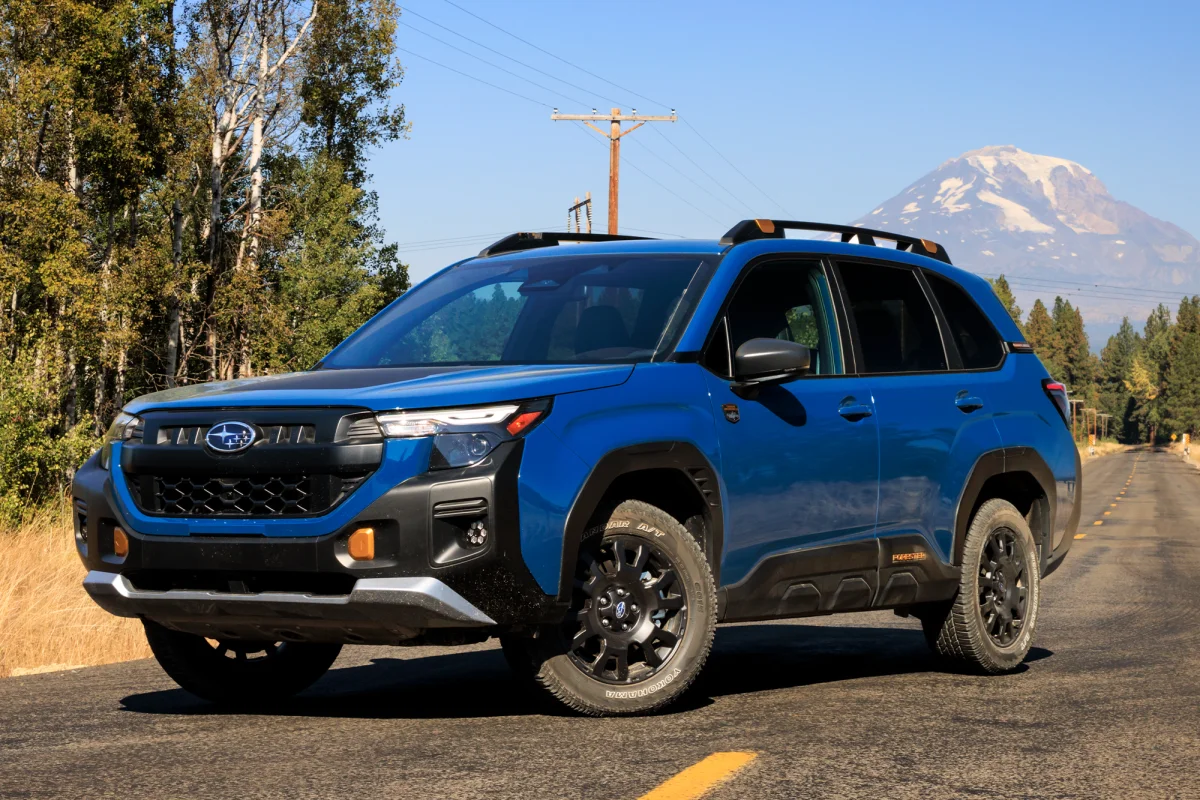
10. Subaru Forester
The Subaru Forester is a smaller SUV with impressive roof rack strength relative to its size. Its factory rails and compatible crossbars support moderate to heavy outdoor gear loads, making it suitable for kayaks, bikes, skis, and luggage boxes. The vehicle’s balance of compact design and roof utility appeals to users who need a versatile vehicle for both daily use and weekend excursions.
Forester’s roof system distributes weight efficiently across reinforced points. This ensures stability when loaded with bulky items, reducing sway and preventing structural stress. Outdoor enthusiasts often rely on this consistent performance when traveling mountain roads or longer trips, knowing that gear will remain secure.
The roof rails are compatible with a variety of accessories, allowing customization for specific needs. Whether it is a rooftop tent, cargo box, or specialized bike rack, users can adapt the system to suit seasonal activities. This versatility keeps the Forester useful year-round, even as recreational interests evolve.
The vehicle’s moderate height and design improve usability. Loading heavy equipment is more manageable compared to taller SUVs, reducing strain and making quick adjustments possible. This is especially helpful for solo adventurers or families who regularly need to load and unload multiple items.
Durability over repeated use is a highlight of the Forester’s roof rack system. Owners report that even after years of hauling diverse gear, the rails and crossbars remain sturdy and reliable. This long-term dependability, combined with versatility and practical access, makes the Subaru Forester an excellent choice for compact adventure vehicles capable of supporting heavy outdoor gear.