
The 1960s marked a transformative era in American automotive design, one where style, identity, and engineering converged in bold, unmistakable ways.
While tailfins began to recede and muscle cars emerged, one design element remained a powerful visual statement: wheels and hubcaps. Far more than functional components, they became symbols of status, performance, and brand identity.
Automakers used intricate hubcap designs, spinner elements, turbine-inspired patterns, and even simulated knock-off wheels to convey luxury or sportiness.
In a decade defined by optimism, speed, and cultural shifts, wheels became a subtle but critical design language that still influences modern cars and restorations today.
This list highlights ten of the most iconic wheel and hubcap designs from the 1960s, each representing a unique blend of aesthetic innovation and automotive storytelling.
1. 1963 Chevrolet Corvette
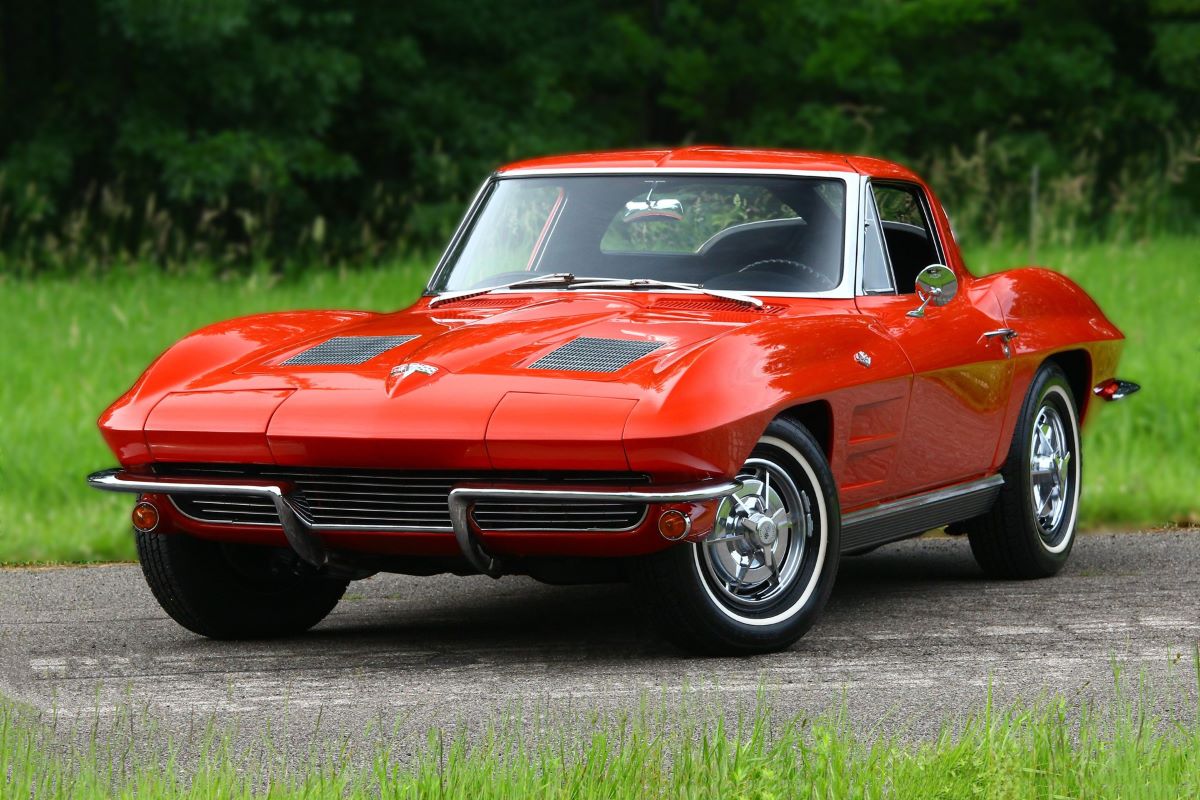
The 1963 Chevrolet Corvette arrived at a pivotal moment in American automotive design, inaugurating the second-generation “C2” Corvette and redefining the sports car’s visual and engineering identity.
Developed under the direction of Bill Mitchell and shaped by Larry Shinoda, the ’63 model drew heavily from the experimental Sting Ray Racer, translating its sharp, purposeful lines into a production car. This was the first year of the now-legendary Sting Ray designation, and it introduced the dramatic split-window coupe, a one-year-only design that has since become one of the most recognizable silhouettes in automotive history.
Beneath its sculpted fiberglass body, the 1963 Corvette featured a front-engine, rear-wheel-drive layout anchored by Chevrolet’s small-block V8. Buyers could choose from several variants of the 327-cubic-inch engine, with outputs ranging from 250 to 360 horsepower, depending on carburetion and tuning.
The car also marked a significant engineering leap with the introduction of an independent rear suspension, replacing the outgoing solid axle and dramatically improving ride quality and handling precision.
Paired with either a four-speed manual or a two-speed Powerglide automatic transmission, the Corvette delivered performance that could compete with contemporary European sports cars while retaining a distinctly American character.
Design-wise, the ’63 Corvette balanced aggression and elegance, with hidden headlamps, a sharply creased beltline, and a tapered tail that emphasized motion even at rest. Yet, for a list focused on iconic wheels and hubcaps, it is the Corvette’s wheel design that warrants special attention.
Standard models featured 15-inch steel wheels fitted with turbine-style knock-off hubcaps that echoed the look of racing wheels without the cost of true center-lock hardware. These covers incorporated faux spinners and radial fin patterns, giving the impression of speed and mechanical sophistication.
In an era when Detroit was increasingly influenced by motorsport and jet-age design, the Corvette stood at the intersection of both, and its wheels served as a visual shorthand for that ambition. This combination of advanced engineering, bold styling, and culturally resonant details secures the 1963 Corvette a rightful place among the most iconic wheel and hubcap designs of the decade.
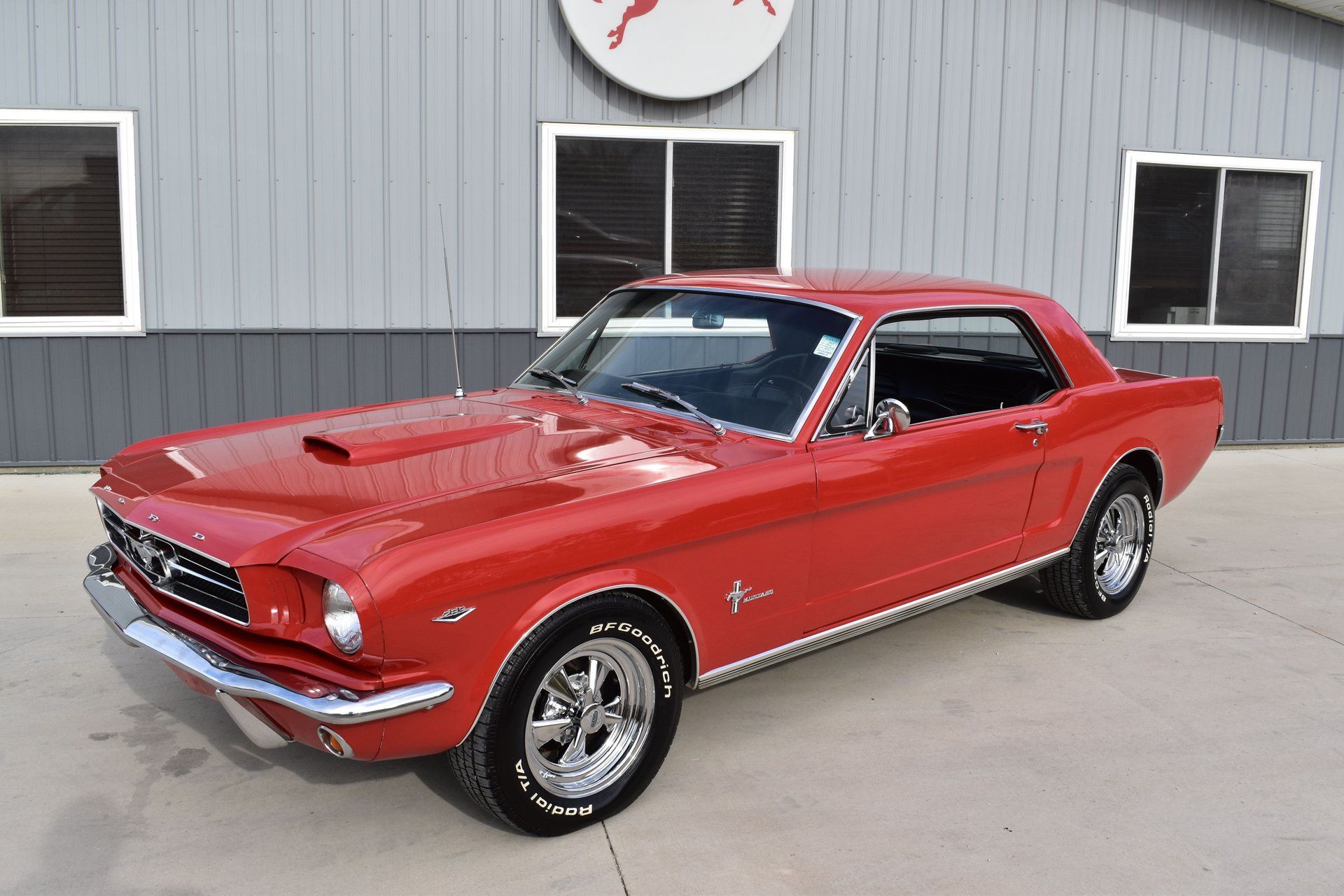
2. 1965 Ford Mustang Styled Steel Wheels
Introduced as part of the Mustang’s rapid evolution from a stylish compact to a bona fide performance icon, the 1965 Ford Mustang’s optional Styled Steel Wheels captured the essence of mid-1960s American automotive personalization. Launched just a year after the Mustang’s sensational 1964½ debut, these wheels were developed as Ford responded to growing demand for sportier visual differentiation within its lineup.
The Mustang itself, built on the Falcon platform, featured a conventional front-engine, rear-wheel-drive layout with a range of inline-six and small-block V8 engines, including the increasingly popular 289-cubic-inch V8. This mechanical flexibility made the car accessible yet performance-capable, and the introduction of Styled Steel Wheels complemented that dual-purpose appeal.
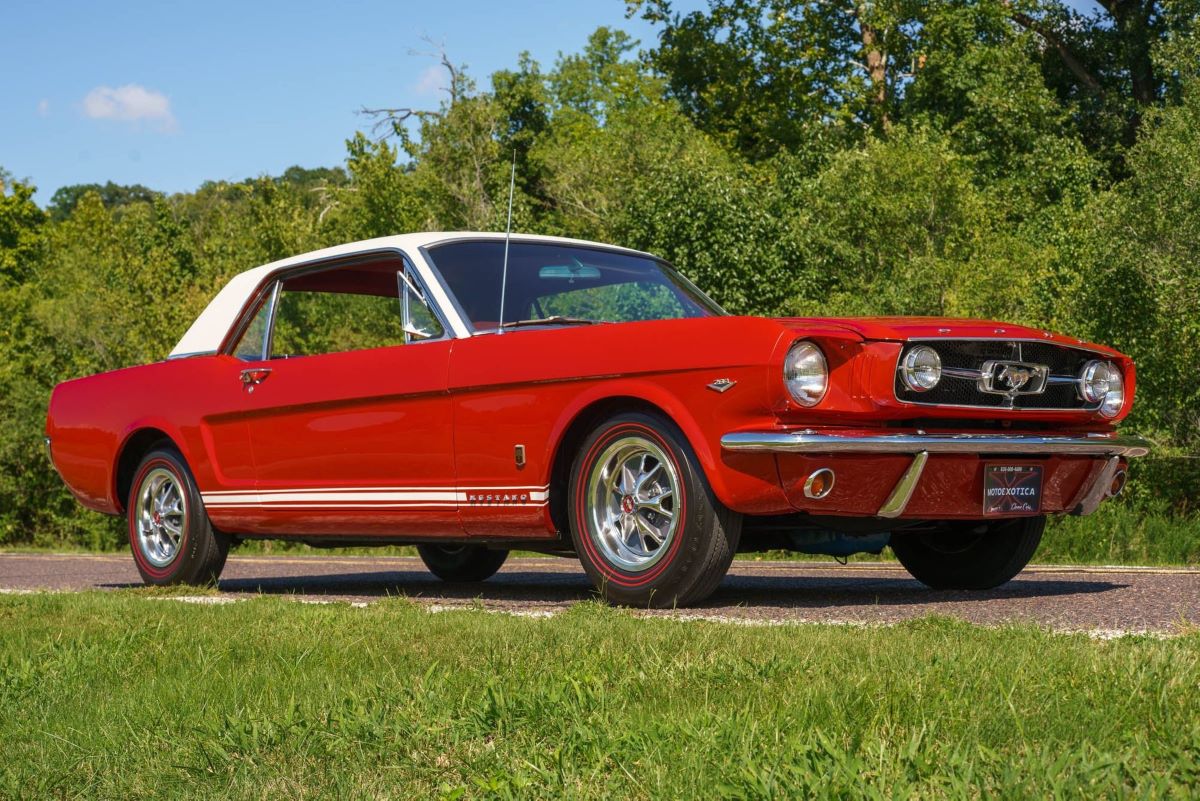
From an engineering standpoint, the Mustang retained a simple but effective configuration, with a unitized body structure, independent front suspension, and a live rear axle. Power was delivered through either manual or automatic transmissions, and while the chassis was not exotic, it provided a solid foundation for both daily driving and spirited performance.
The Styled Steel Wheels did not alter the mechanical fundamentals, but they significantly enhanced the car’s visual identity, especially as buyers began to prioritize factory-backed customization options.
3. 1961 Lincoln Continental Turbine Hubcaps
Luxury in the early 1960s leaned heavily on futuristic themes, and Lincoln executed this perfectly with turbine-style hubcaps on the Continental. These hubcaps featured a radial pattern resembling jet engine turbines, a nod to the aviation-inspired optimism of the era.
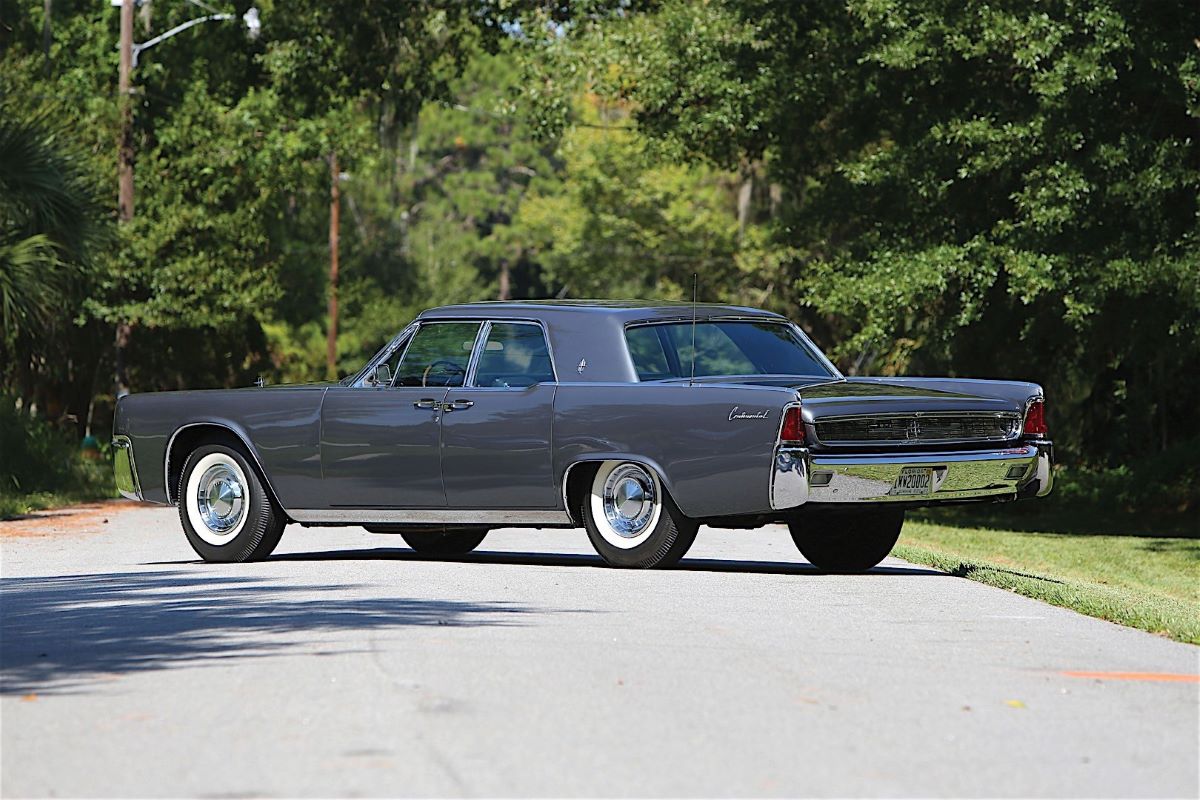
The 1961 Lincoln Continental marked a decisive shift in American luxury design, introducing a restrained, modern aesthetic that stood in stark contrast to the excess of the late 1950s.
Developed under the direction of Elwood Engel, the Continental was reimagined as a clean, formal sedan and convertible with crisp slab sides, minimal ornamentation, and perfectly balanced proportions.
Riding on a unibody platform, it featured a front-engine, rear-wheel-drive layout powered by a 430-cubic-inch MEL-series V8, paired with a smooth-shifting three-speed automatic transmission. While its engineering emphasized refinement over outright performance, the Continental’s presence was unmistakable, projecting authority and sophistication.
Within this disciplined design language, the turbine-style hubcaps emerged as a defining visual detail. Unlike the flamboyant, chrome-heavy wheel covers of the previous decade, Lincoln’s approach was subtle yet technically evocative.
The hubcaps featured a series of finely radiating ribs that spread outward from a modest central medallion, creating a turbine-like effect suggestive of jet propulsion.
This was not accidental; early 1960s automotive design was deeply influenced by aerospace themes, but the Continental interpreted this trend with restraint. The result was a wheel cover that conveyed motion and modernity without overwhelming the car’s design.
From a functional standpoint, these full wheel covers were fitted over standard steel wheels, providing both protection and a cohesive visual finish. However, their importance extended far beyond utility.
The precise symmetry and understated detailing aligned perfectly with the Continental’s broader design philosophy, where every element was carefully considered and integrated. The turbine motif added a layer of visual interest at the wheel level, subtly reinforcing the car’s forward-looking character while maintaining its formal demeanor.
4. 1967 Pontiac Rally II Wheels
Pontiac’s Rally II wheels marked a turning point where performance branding became visually explicit. Unlike traditional full wheel covers, Rally II wheels used a painted steel design with five split spokes, accented by trim rings and center caps.
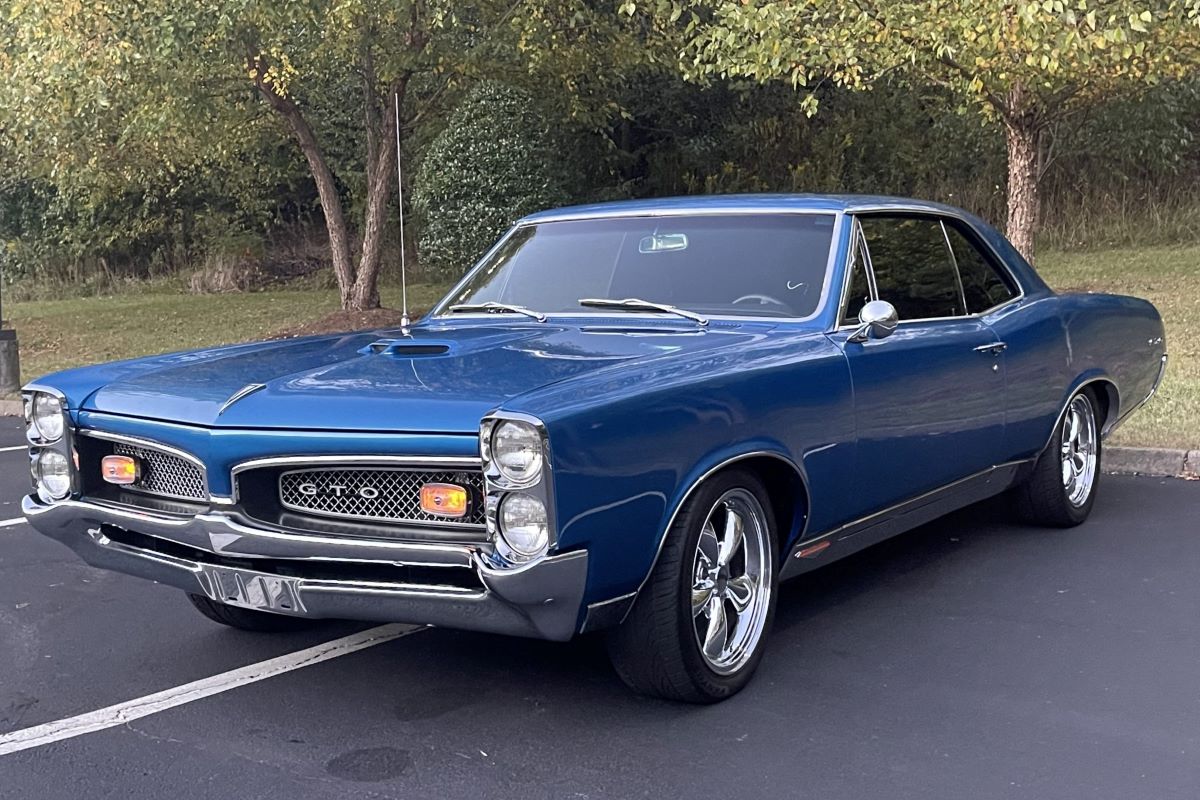
Typically finished in dark gray with machined edges, they provided a rugged, purposeful look. Found on GTOs and Firebirds, these wheels became synonymous with muscle car aggression.
5. 1964 Buick Wildcat Aluminum Wheels
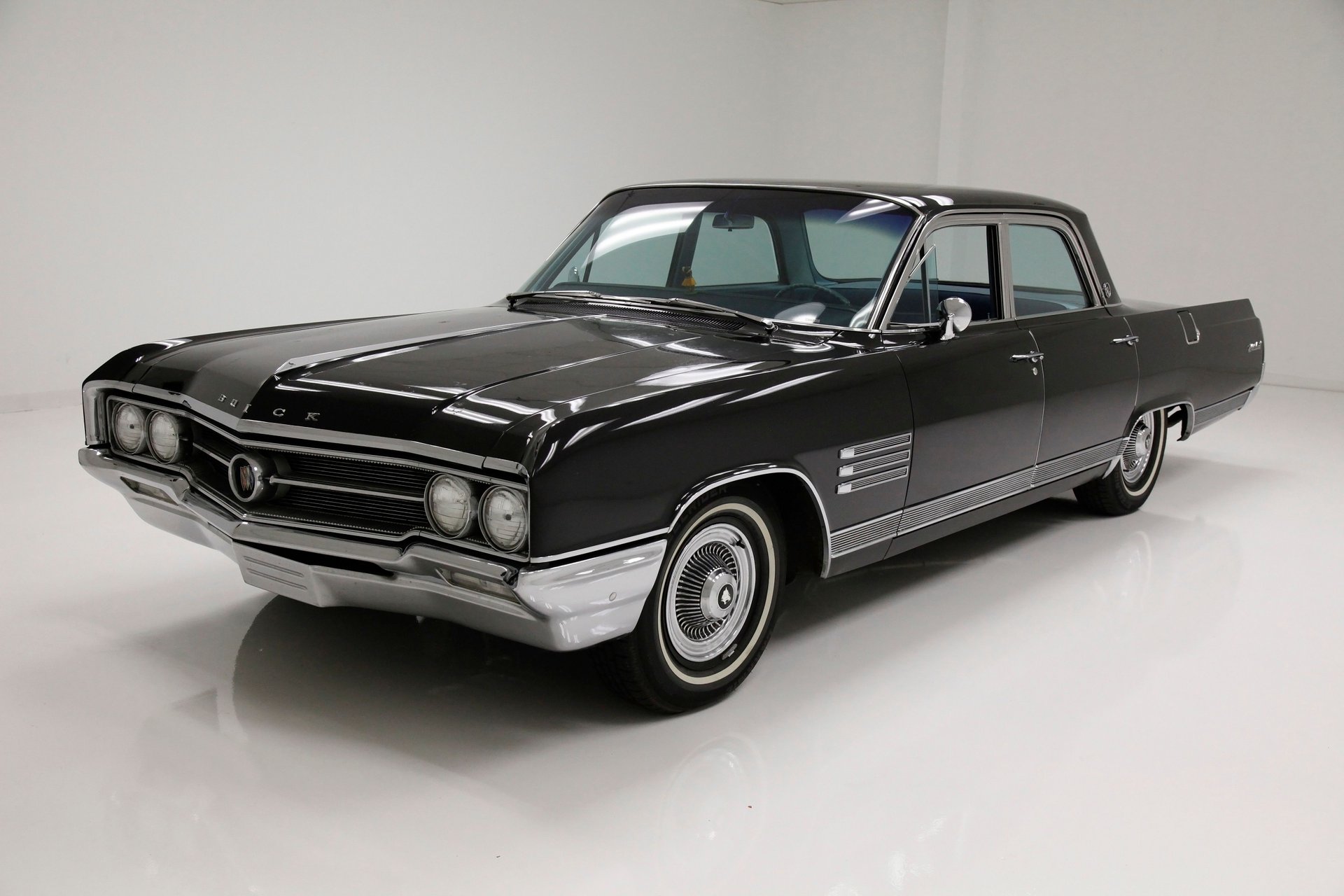
Buick’s approach to performance-luxury was embodied in the Wildcat’s optional aluminum wheels. At a time when most wheels were steel, these cast aluminum designs stood out for both weight reduction and visual appeal.
The turbine-like spoke arrangement blended elegance with subtle performance cues, aligning with Buick’s upscale yet powerful brand positioning. They were early indicators of the industry’s eventual shift toward alloy wheels.
The 1964 Buick Wildcat occupied a distinctive niche in Buick’s lineup, positioned as a full-size performance-oriented model that blended luxury with understated muscle. Emerging during a period when General Motors divisions were refining their brand identities, the Wildcat evolved from a trim level into a standalone model by the early 1960s.
Built on GM’s B-body platform, it featured a traditional front-engine, rear-wheel-drive layout and was powered by Buick’s robust 401-cubic-inch “Nailhead” V8, with later availability of the larger 425-cubic-inch variant.
Known for its high torque output and smooth delivery, the Nailhead engine paired with a Super Turbine automatic transmission, reinforcing the Wildcat’s role as a refined yet potent cruiser rather than a stripped-down performance machine.
Engineering-wise, the Wildcat retained a conventional setup with a perimeter frame, independent front suspension, and a live rear axle, prioritizing ride comfort and straight-line stability.
However, Buick distinguished the model through thoughtful design and material choices, most notably with its optional aluminum wheels, an uncommon and forward-looking feature for a full-size American car in 1964. At a time when most domestic vehicles relied on steel wheels with decorative hubcaps, Buick’s use of aluminum represented a subtle but meaningful step toward performance-oriented engineering.
6. 1966 Dodge Charger Spinner Hubcaps
The 1966 Dodge Charger debuted as a bold fastback interpretation of Chrysler’s B-body platform, signaling Dodge’s intent to compete in the growing personal luxury and performance segment.
Conceived during the height of the muscle car era, the Charger combined dramatic styling with serious V8 power, offering engines ranging from the 318-cubic-inch small-block to the formidable 426 HEMI.
Its front-engine, rear-wheel-drive layout, torsion-bar front suspension, and leaf-sprung rear axle provided a solid performance foundation, while available four-speed manual and automatic transmissions catered to both enthusiasts and grand touring buyers. Inside, the Charger pushed boundaries with a full-length center console and four individual bucket seats, reinforcing its upscale, driver-focused identity.
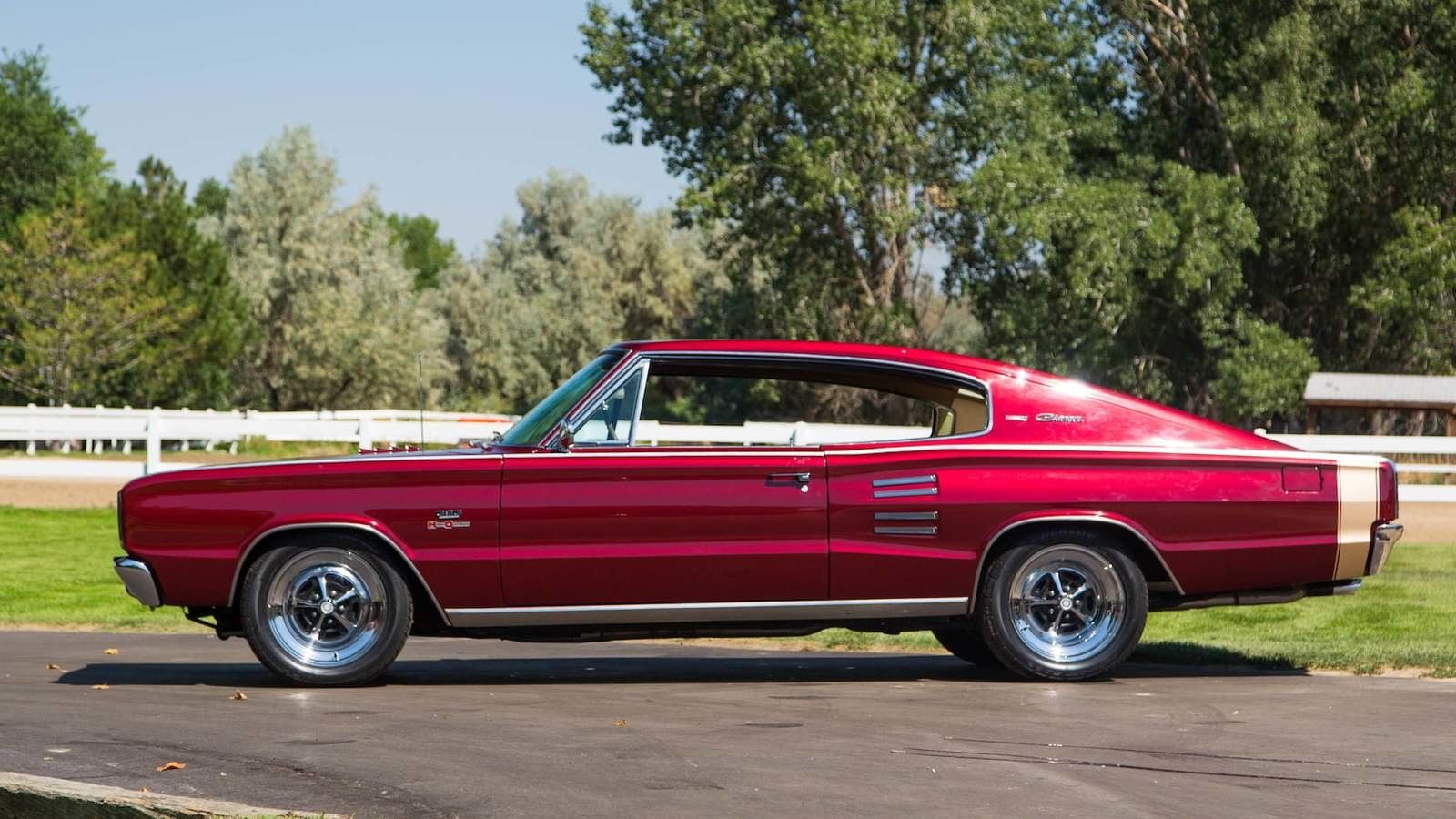
Visually, the 1966 Charger stood apart with its sweeping fastback roofline, hidden headlamps, and full-width taillights, all of which contributed to a futuristic, almost concept-car presence. Yet, within this striking design, the spinner hubcaps played a key role in defining the car’s period-correct attitude.
These full wheel covers featured a central three-bar “spinner” motif, surrounded by a bright chrome finish that reflected the era’s fascination with motion and speed. While the spinner element was fixed rather than free-spinning, its design evoked the knock-off wheels seen on racing cars, translating that competition-inspired look into a mass-produced, road-going vehicle.
7. 1962 Chrysler 300 “Letter Series” Hubcaps
The 1962 Chrysler 300 “Letter Series,” specifically the 300H, represented the final evolution of Chrysler’s original high-performance luxury lineage before the model line transitioned into a more mainstream identity.
Introduced at a time when the American performance market was beginning to diversify, the 300H retained the core formula that had defined the “Letter Series” since 1955: full-size proportions, premium appointments, and serious V8 power.
Built on Chrysler’s full-size platform, it employed a front-engine, rear-wheel-drive layout and was powered by a 413-cubic-inch wedge-head V8, delivering up to 380 horsepower when equipped with dual four-barrel carburetors. A three-speed TorqueFlite automatic transmission was standard, emphasizing smooth, authoritative performance over raw, driver-intensive engagement.
From an engineering perspective, the 300H continued to utilize a unibody construction with torsion-bar front suspension and a leaf-sprung rear axle, a configuration that balanced ride comfort with high-speed stability.
While not as overtly aggressive as emerging muscle cars, the “Letter Series” models were engineered for sustained performance, particularly in highway cruising and long-distance driving. This duality, luxury and speed, was central to the car’s identity, and it extended to its exterior detailing, including the distinctive hubcap design.
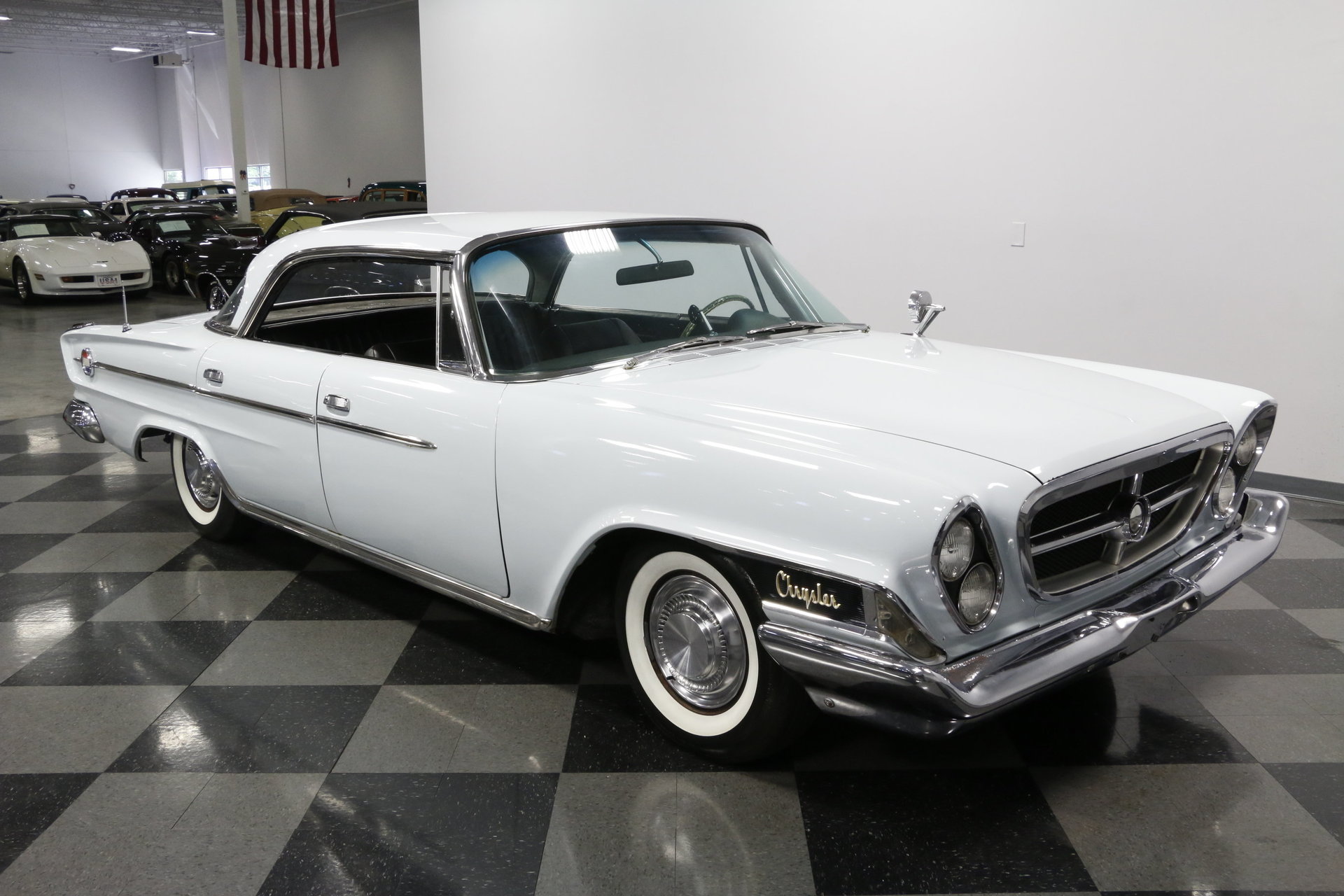
The hubcaps on the 1962 Chrysler 300H reflected a more restrained yet purposeful aesthetic compared to the flamboyant wheel covers of the late 1950s. Featuring a clean, turbine-inspired pattern with subtle radial lines and a prominent central medallion, the design incorporated the “300” insignia as a mark of exclusivity.
The use of brushed and polished metallic finishes created a layered effect, giving the hubcaps visual depth without excessive ornamentation. This approach aligned with the broader industry shift toward cleaner, more modern design language in the early 1960s.
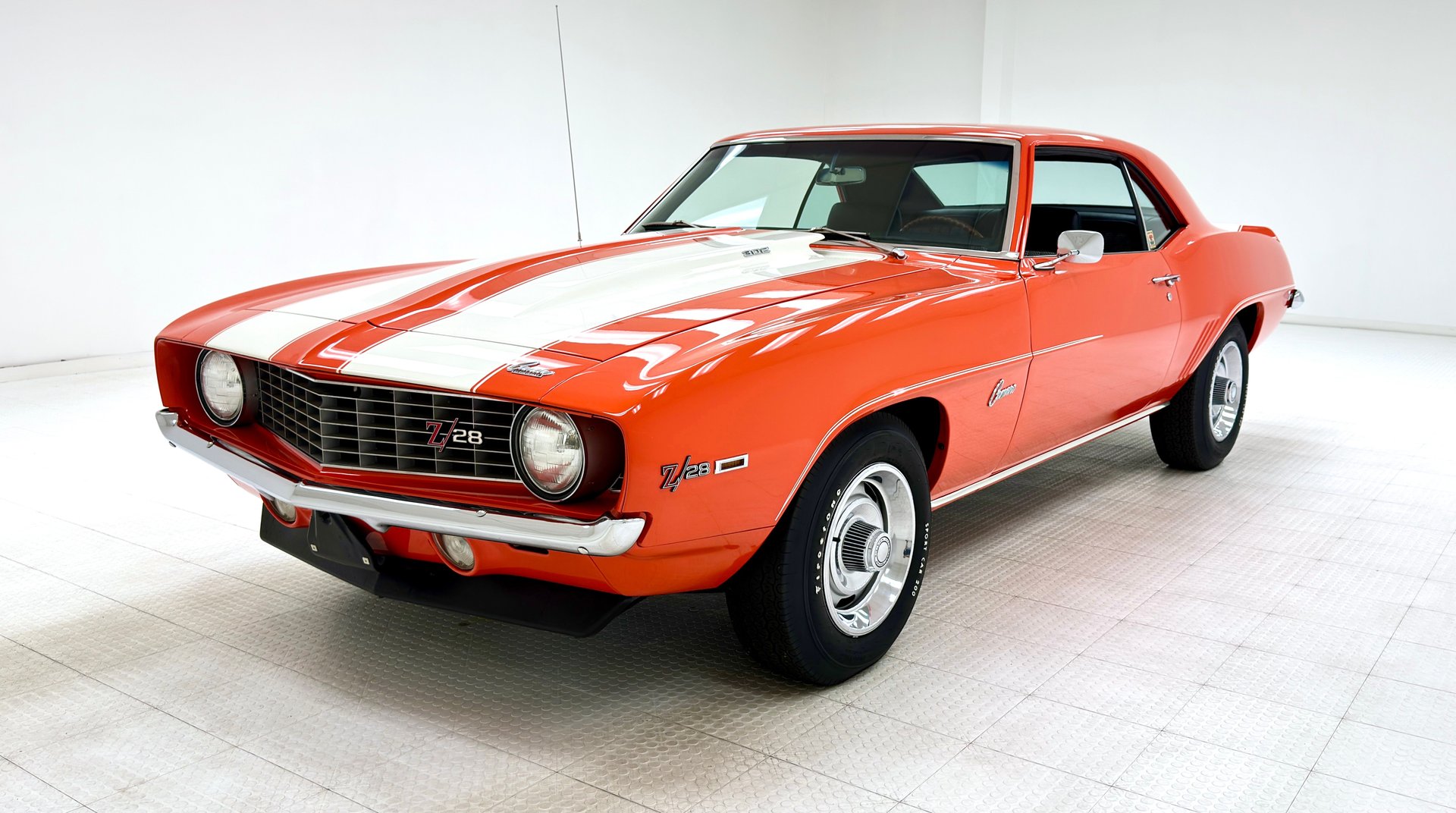
8. 1969 Chevrolet Camaro Rally Wheels
The 1969 Chevrolet Camaro arrived at the apex of the first-generation F-body program, representing the most refined and visually assertive iteration of Chevrolet’s answer to the pony car wars.
Introduced amid escalating competition with the Ford Mustang and Plymouth Barracuda, the ’69 Camaro combined aggressive styling updates with a broad spectrum of performance options.
Built on a front-engine, rear-wheel-drive platform with a unitized body and subframe construction, it offered a wide engine range, from the inline-six to multiple small-block and big-block V8s, including the high-output 302, 350, and 396 cubic-inch variants. Paired with manual or automatic transmissions, the Camaro catered to both entry-level buyers and serious performance enthusiasts, solidifying its place in the muscle car hierarchy.
From an engineering standpoint, the Camaro retained a conventional but effective setup, with independent front suspension and a live rear axle, tuned for a balance of everyday usability and straight-line performance.
However, much of the car’s appeal lay in its visual identity and option packages, where Chevrolet allowed buyers to tailor both appearance and capability. Among these options, the Rally Wheels emerged as one of the most enduring and recognizable design elements of the era.
The 1969 Camaro’s Rally Wheels represented a shift away from full wheel covers toward exposed wheel designs that emphasized performance. Constructed from steel but styled to resemble more advanced racing wheels, they featured a distinctive five-slot configuration with a contrasting finish, typically a silver-painted face with darker inset accents.
A bright trim ring encircled the outer edge, while a small center cap bearing Chevrolet branding completed the look. This combination created a layered, purposeful aesthetic that balanced sportiness with a degree of refinement appropriate for a street car.
Functionally, the Rally Wheels offered improved durability and easier maintenance compared to traditional hubcaps, while also allowing for better brake cooling due to their open design.
They visually aligned the Camaro with motorsport influences, echoing the look of competition wheels without the cost or complexity of true alloy or knock-off designs. This made them highly appealing to buyers seeking an authentic performance image directly from the factory.
9. 1960 Cadillac Sombrero Hubcaps
The 1960 Cadillac stood at the high-water mark of late-1950s American automotive exuberance, carrying forward the dramatic fins, expansive proportions, and lavish detailing that defined Cadillac’s flagship identity.
Positioned as the pinnacle of General Motors luxury, the 1960 lineup featured a front-engine, rear-wheel-drive configuration powered by a 390-cubic-inch V8, delivering smooth, effortless performance through a Hydra-Matic automatic transmission.
Built on a robust body-on-frame platform with a coil-spring suspension setup, the car prioritized ride isolation and road presence over sporting dynamics, reinforcing Cadillac’s role as a statement of status and technological confidence.
Within this context of visual opulence, the “Sombrero” hubcaps emerged as one of the most recognizable and theatrical wheel designs of the era. Named for their domed, hat-like profile, these full wheel covers extended outward in a pronounced convex shape, creating a bold three-dimensional effect unlike the flatter hubcaps seen on most contemporaries.
The design featured a large, smooth central dome, often finished in body color or bright chrome, surrounded by a wide, polished outer ring. Subtle crest detailing and fine concentric lines added texture without disrupting the overall sense of scale and drama.
Functionally, the Sombrero hubcaps were mounted over standard steel wheels, serving primarily as protective and decorative elements. However, their significance was almost entirely visual.
The exaggerated dome amplified the car’s sense of motion and grandeur, catching light in a way that made the wheels appear larger and more dynamic. This was consistent with Cadillac’s broader design philosophy at the time, where every surface was treated as an opportunity to convey luxury, innovation, and spectacle.
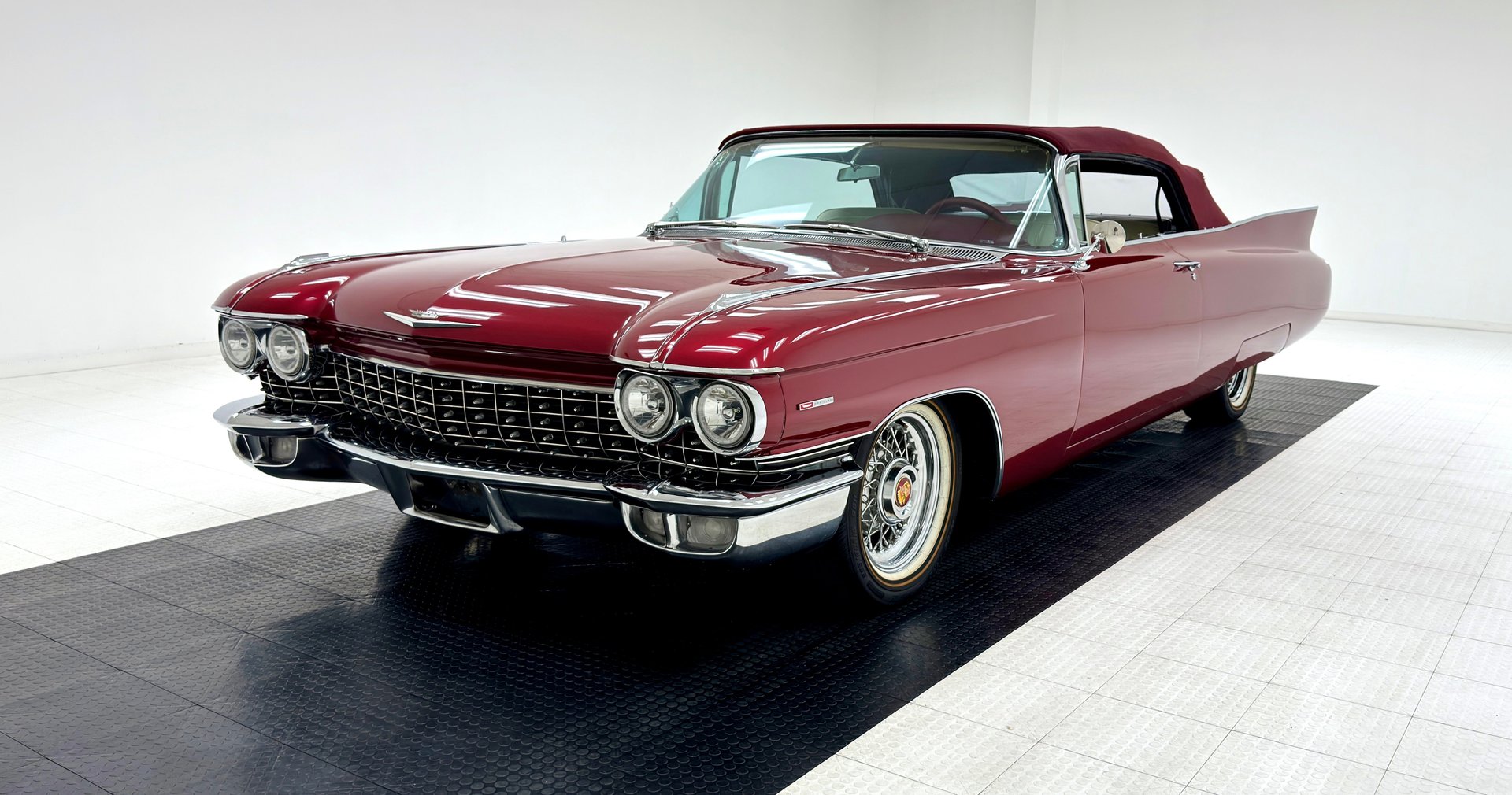
The Sombrero hubcaps also reflected the cultural and stylistic influences of the late 1950s and early 1960s, particularly the fascination with space-age forms and bold geometric experimentation.
While many manufacturers embraced chrome and ornamentation, Cadillac elevated these elements to an art form, and the hubcaps became a focal point rather than a secondary detail. Their sheer presence complemented the towering tailfins and extensive brightwork, contributing to a cohesive, unmistakable identity.
In the context of iconic 1960s wheel and hubcap designs, the 1960 Cadillac Sombrero hubcaps represent the zenith of decorative excess before the industry shifted toward cleaner, more restrained aesthetics.
They encapsulate a moment when wheel covers were not just accessories but central design statements, embodying the optimism and flamboyance of the era. Their enduring recognition and unmistakable form secure their place as one of the most iconic and culturally significant hubcap designs of the decade.
10. 1968 American Racing Torq Thrust Wheels
Although not factory-standard on most vehicles, the Torq Thrust wheels from American Racing became an aftermarket legend during the 1960s. Featuring a simple five-spoke magnesium or aluminum design, they prioritized weight reduction and performance.
Their minimalist aesthetic contrasted sharply with ornate hubcaps, signaling a shift toward function-driven design. Popular among hot rodders and racers, these wheels laid the groundwork for modern performance wheel styling.
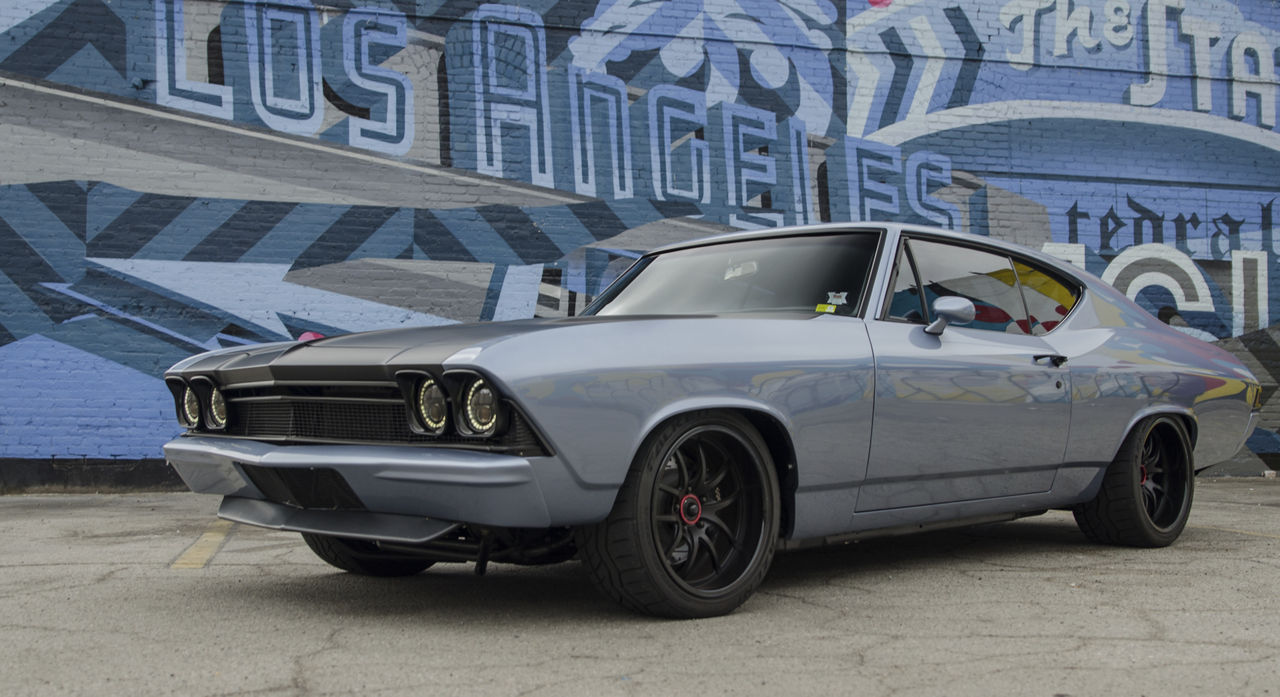
By 1968, the American aftermarket performance scene had matured into a defining force in automotive culture, and few components symbolized that shift more clearly than the American Racing Torq Thrust wheels.
Originally introduced earlier in the decade by American Racing Equipment, these wheels gained widespread popularity by the late 1960s as muscle cars, hot rods, and drag racers sought both functional upgrades and a more aggressive visual identity.
Unlike factory wheel covers or styled steel options, the Torq Thrust was a purpose-built performance component, designed to reduce weight and enhance durability under demanding conditions.
Constructed from cast aluminum, an advanced material choice for the time, the Torq Thrust wheels offered a significant reduction in unsprung weight compared to traditional steel wheels. This translated into measurable improvements in acceleration, braking response, and handling, particularly in high-performance applications.
Typically paired with a front-engine, rear-wheel-drive layout common to American muscle cars of the era, these wheels complemented vehicles equipped with large-displacement V8 engines and four-speed manual transmissions, where traction and responsiveness were critical.
The design itself was both simple and instantly recognizable. Featuring a five-spoke layout with thick, slightly tapered spokes radiating from a compact central hub, the Torq Thrust wheel emphasized strength and clarity of form.
The spokes were often finished in a machined or polished aluminum surface, contrasted by darker painted recesses that added depth and visual definition. A small center cap completed the look, maintaining a clean, purposeful appearance that avoided the excessive ornamentation of earlier hubcap designs.
Whether through turbine motifs inspired by jet travel or racing-derived knock-off spinners, each design told a story about where the industry was headed.
For American consumers at the time, these details mattered. Cars were more than transportation; they were personal statements. A set of Rally wheels or spinner hubcaps could distinguish a base model from a premium trim, or signal an owner’s taste for performance or luxury.
Even today, collectors and restorers place immense value on correct wheel designs, recognizing their role in preserving authenticity.
Modern automotive design has largely moved away from traditional hubcaps in favor of alloy wheels, but the influence of 1960s designs remains evident.
Five-spoke layouts, turbine-inspired patterns, and performance-oriented aesthetics continue to dominate. In many ways, the 1960s established the visual vocabulary that designers still draw from today.
Ultimately, these iconic wheels and hubcaps represent more than decorative elements, they are artifacts of a dynamic era in American history.
They reflect technological ambition, cultural change, and the enduring human desire to stand out, even in the smallest details.
