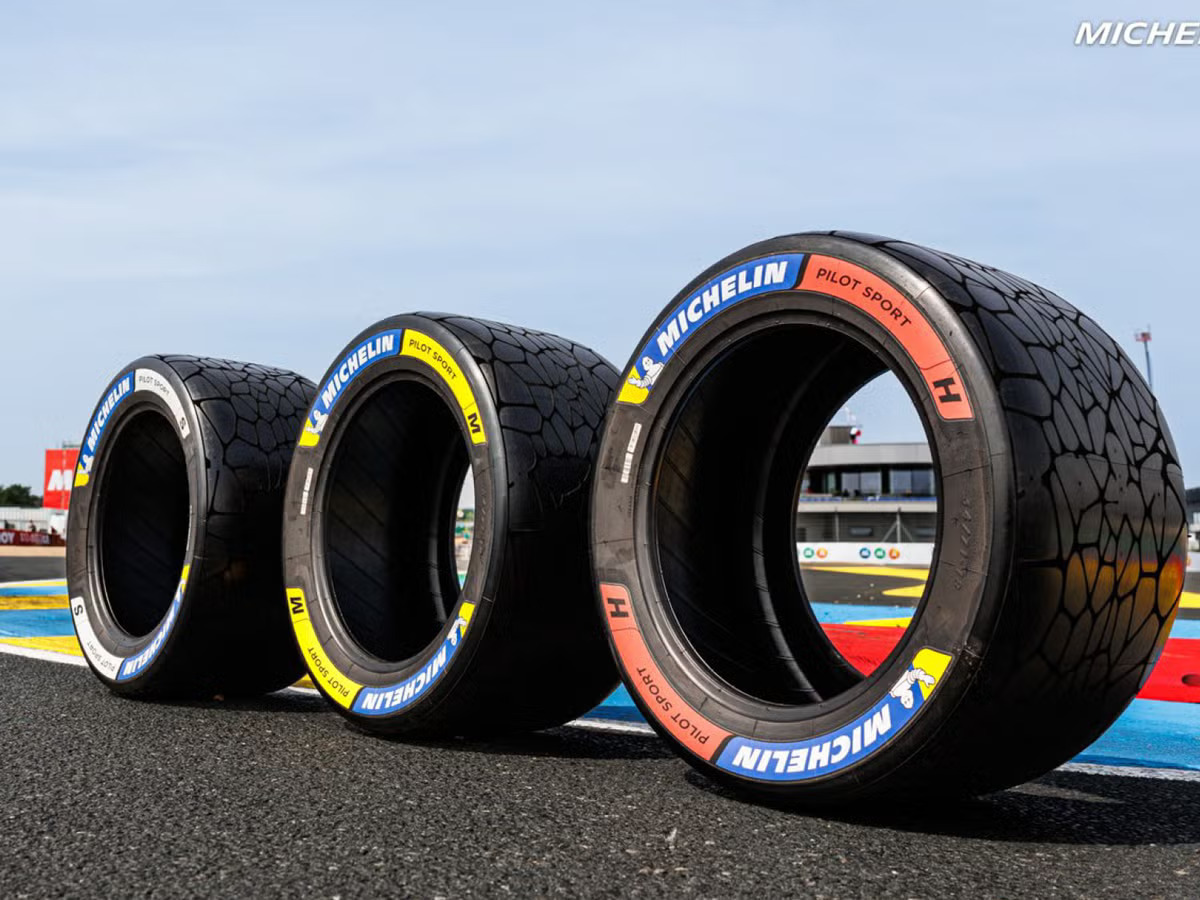
Choosing the right tire can dramatically affect both vehicle performance and long-term costs. While some brands are engineered to last well beyond 70,000 miles, offering durability, comfort, and safety, others wear out much faster, often around 30,000 miles.
High-mileage tires from manufacturers like Michelin, Hankook, Goodyear, and Bridgestone prioritize advanced rubber compounds, reinforced construction, and precise tread designs that resist heat, abrasion, and uneven wear. These tires are ideal for drivers seeking long-term reliability and lower replacement frequency.
On the other hand, ultra-budget or performance-oriented options, such as Westlake, Chaoyang, or Telluride, often use softer compounds, shallower tread, and simpler engineering.
While they may provide acceptable grip and initial performance, their tread life is significantly shorter, leading to more frequent replacements and higher cost-per-mile over time. Understanding these differences helps drivers make informed decisions that balance safety, comfort, and value.
10 Tire Brands That Last 70000 Miles
1. Michelin
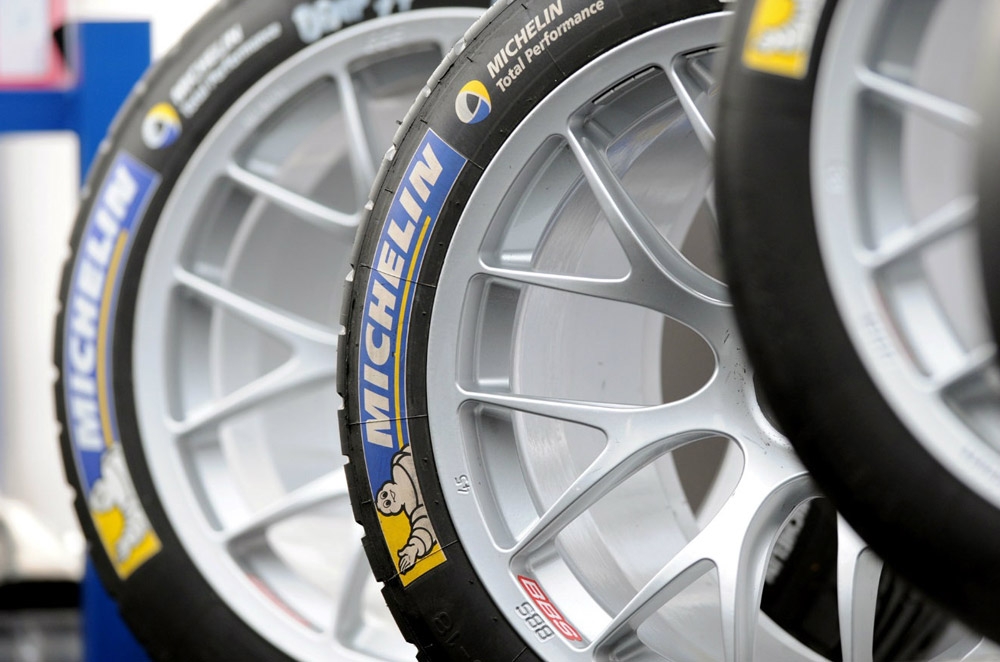
Michelin is widely recognized for its advanced tire engineering and long-lasting performance. The brand’s Defender2 model, backed by an 80,000-mile limited treadwear warranty, showcases technologies like the EverTread 2.0 compound and MaxTouch Construction, which help distribute road forces evenly and minimize uneven wear. These innovations allow Michelin tires to maintain consistent performance over extended periods.
Many Michelin tires exceed 70,000 miles and can even reach 90,000 miles with proper use. This longevity is achieved through high-treadwear ratings and specialized rubber compounds that resist premature wear.
In addition, EveryGrip technology ensures that tread patterns adapt as they wear, maintaining strong traction in wet conditions and enhancing safety throughout the tire’s lifespan. Michelin also focuses on low rolling resistance, which reduces friction and heat buildup while improving fuel efficiency and structural durability.
Michelin tires are highly regarded for their safety, handling, and ride comfort. They provide reliable grip in both wet and dry conditions and are known for producing minimal road noise. The company offers a wide selection of tires, including all-season models like the CrossClimate2, performance options such as the Pilot Sport 4S, and winter tires like the X-Ice Snow.
Although Michelin tires come with a higher price, their extended lifespan and reduced replacement frequency can justify the investment. Some users report reduced traction near the end of use, but the brand remains a leading choice for drivers seeking durability, comfort, and consistent performance.
2. Hankook
Hankook is a South Korean tire manufacturer that has grown into a major competitor by offering a strong mix of durability, performance, and affordability. One of its most notable models, the Kinergy PT (H737), features an impressive 90,000-mile treadwear warranty, placing it among the longest-lasting tires in its class.
This is made possible through ProMileage Technology and a specialized carbon black compound that improves road contact while reducing friction and wear. The Visual Alignment Indicator also helps drivers detect alignment problems early, preventing uneven tread wear.
Hankook tires are known to last over 70,000 miles in many cases, with typical lifespans ranging from 45,000 to 70,000 miles depending on maintenance and driving habits.
Their durability comes from engineered rubber compounds that resist heat and abrasion, reinforced sidewalls that enhance structural strength, and tread patterns designed to promote even wear. High treadwear ratings further support extended mileage and consistent performance.
In terms of performance, Hankook tires deliver strong wet and dry handling, especially in braking situations. They also provide a quiet and comfortable ride, making them well-suited for everyday commuting. Popular lines include Ventus for performance driving, Dynapro for SUVs and trucks, and Kinergy for touring and fuel efficiency.
Hankook is widely viewed as a high-quality mid-range brand that offers near-premium performance at a lower price. While some models may not match top-tier options in extreme conditions, they provide dependable quality, long lifespan, and excellent value.
3. Goodyear
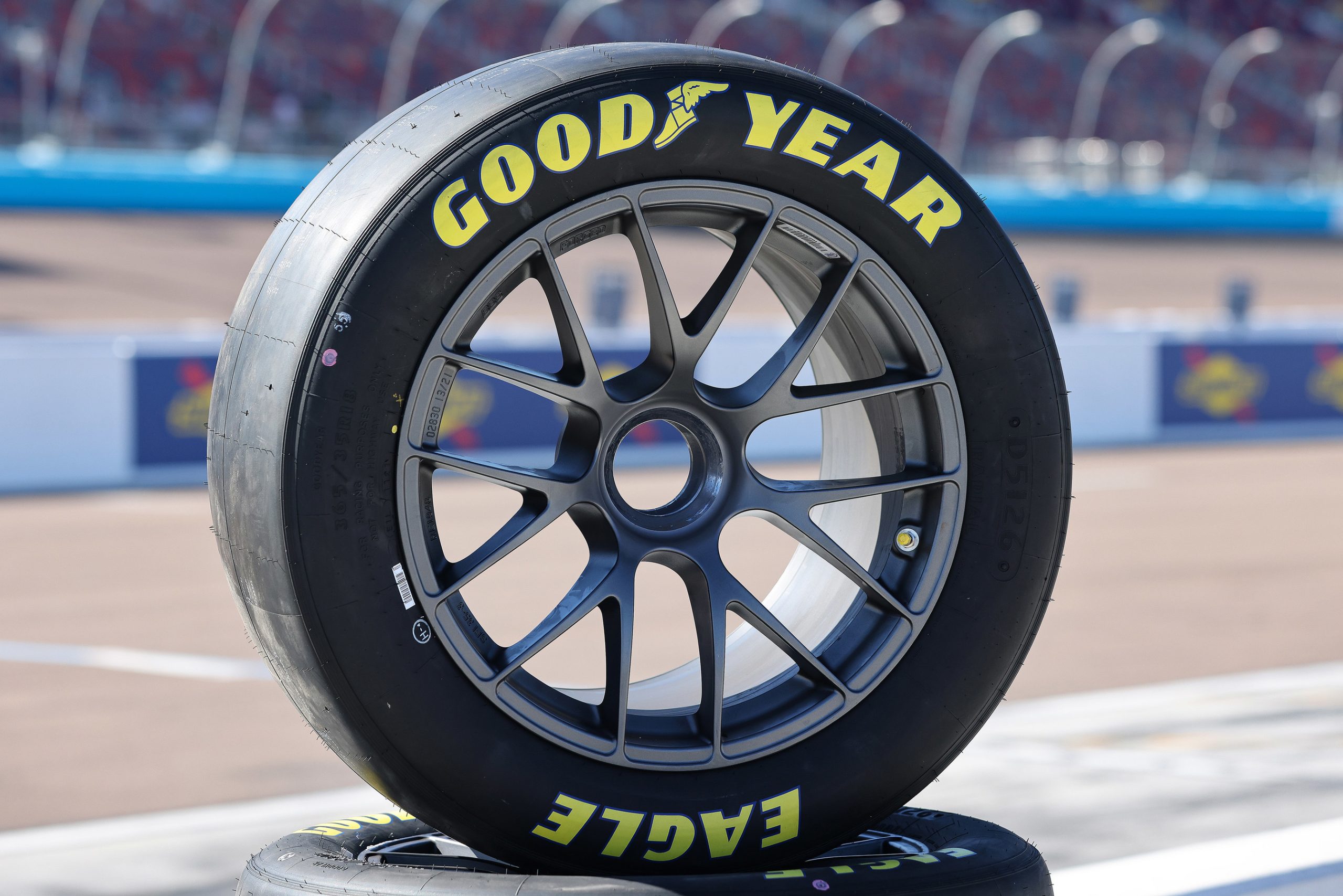
Goodyear is one of the world’s largest and most established tire manufacturers, known for producing durable and high-performing tires across a wide range of vehicles. A standout example is the Assurance MaxLife, which is designed for long-term use and backed by an 85,000-mile warranty.
It features TredLife Technology, combining a durable tread compound with deep siping to maintain traction even as the tire wears. Built-in wear gauges also allow drivers to easily monitor tread depth and remaining life.
Goodyear tires typically last between 50,000 and 70,000 miles or more, depending on usage and maintenance. Their longevity is supported by advanced tread compounds, reinforced construction, and all-season designs that promote even wear and consistent performance.
Many models come with high-mileage warranties ranging from 60,000 to 85,000 miles, making them a strong option for drivers who prioritize durability and value.
In terms of performance, Goodyear tires offer reliable traction in both wet and dry conditions, along with solid braking and handling. The brand provides a wide selection of tire lines, including Assurance for everyday driving, Wrangler for trucks and off-road use, and Eagle for performance-focused vehicles. This variety allows drivers to find options suited to different needs and driving conditions.
Goodyear is considered a premium brand, often priced higher than mid-range competitors but offering strong value through durability and technology. While some users report mixed customer service experiences, the brand remains widely trusted for its balance of safety, longevity, and dependable performance.
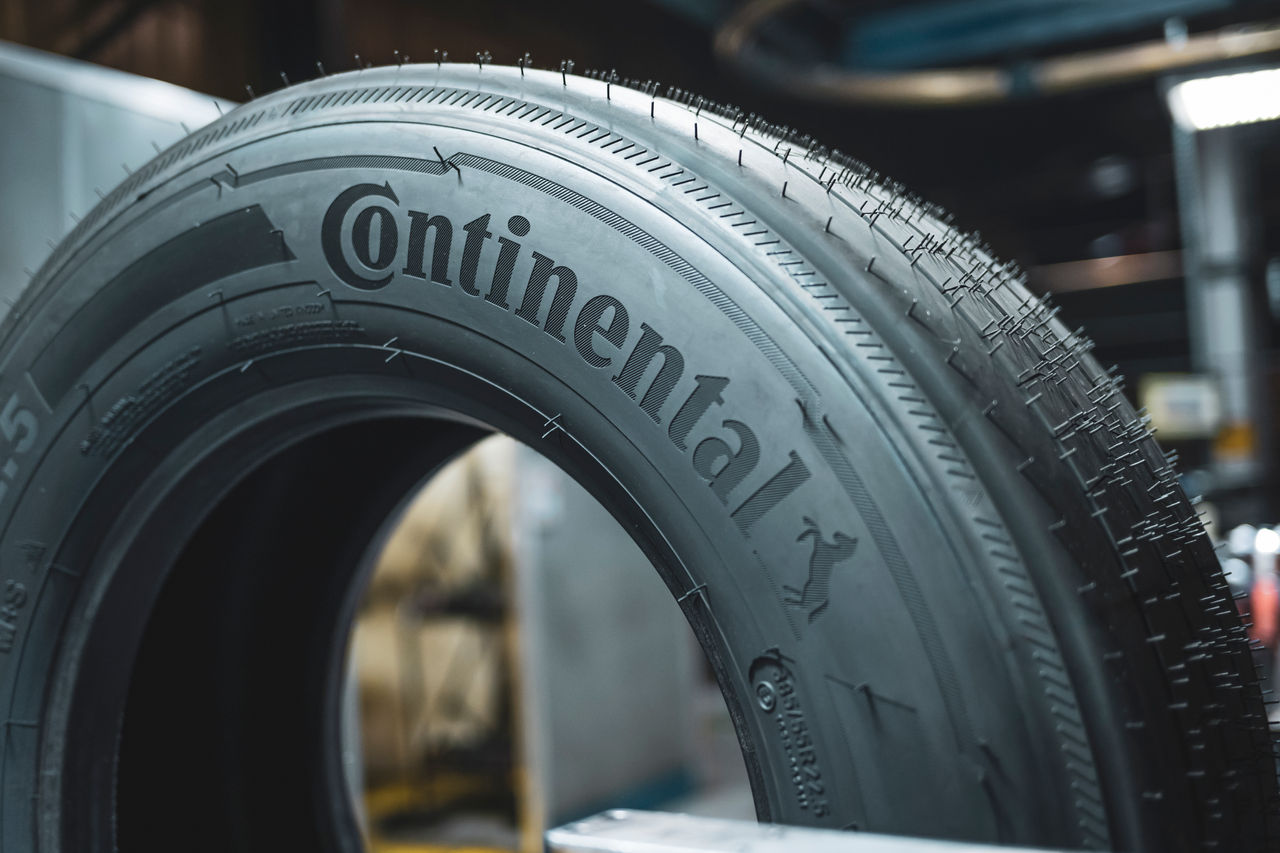
4. Continental
Continental is a premium tire manufacturer known for its strong focus on safety, precision handling, and durability. One of its most notable models, the TrueContact Tour, offers an 80,000-mile warranty and is designed for long-lasting performance. The brand incorporates EcoPlus Technology, which uses advanced polymer compounds to reduce treadwear while also improving fuel efficiency through lower rolling resistance.
Continental tires are built to exceed 70,000 miles in many cases, supported by high UTQG treadwear ratings that often range from 800 to 840. These ratings indicate strong resistance to wear and long service life.
Features such as QuickView indicators allow drivers to monitor alignment and tread condition, helping prevent uneven wear and extending tire lifespan. Additional engineering elements, including reinforced structures and comfort-focused underlays, reduce vibration and promote even tread distribution over time.
The brand is widely praised for its exceptional wet-weather performance, frequently ranking highly in independent tests for grip and braking. This makes Continental a popular choice for safety-conscious drivers and owners of premium vehicles. In addition to durability, the tires are known for providing a quiet and comfortable ride, making them suitable for both daily commuting and long-distance travel.
Continental offers a broad range of products, including all-season, performance, and winter tires. While pricing is typically on the higher end, the brand delivers strong value through advanced engineering, safety features, and consistent performance. Some high-performance models may wear faster, but Continental remains a top choice for drivers seeking reliability, comfort, and excellent road confidence.
5. Pirelli
Pirelli is widely known for its high-performance tires, but it also offers durable touring options designed for long-distance driving. A key example is the P4 Four Seasons Plus, which can reach up to 90,000 miles depending on the speed rating.
This longevity is supported by high-silica rubber compounds that maintain flexibility across varying temperatures while resisting wear from road friction. Pirelli’s strong customer satisfaction ratings reflect its ability to combine premium design with dependable durability.
Many Pirelli touring tires are built to last up to 70,000 miles, particularly models in the “Plus” lineup. These include the Scorpion All Season Plus 3 for SUVs and the Cinturato P7 All Season Plus for sedans, both backed by 70,000-mile warranties.
Their durability comes from advanced tread compounds, even wear technology, and optimized tread designs that distribute driving forces evenly. Features such as 3D sipe technology improve tread stability, enhance grip in wet and light snow conditions, and help maintain consistent wear over time. High UTQG ratings further support extended tread life.
Beyond longevity, Pirelli tires are praised for excellent handling, braking, and road grip, especially in both dry and wet conditions. Technologies like the Pirelli Noise Cancelling System also contribute to a quieter and more comfortable ride. The brand offers a diverse lineup, including performance-focused models like the P Zero and SUV-oriented options such as the Scorpion series.
While Pirelli tires are typically more expensive and some performance models may wear faster, they remain a strong choice for drivers seeking a blend of durability, comfort, and sporty performance.
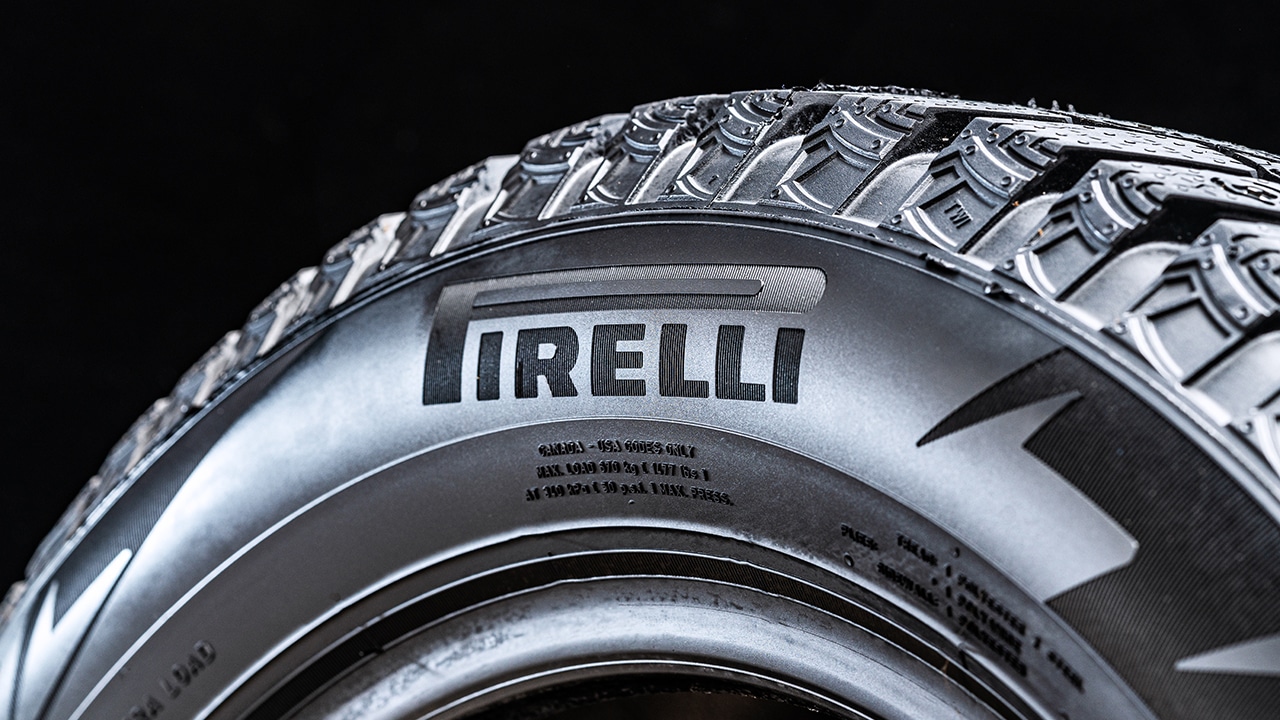
6. Yokohama
Yokohama is a well-respected Japanese tire manufacturer known for producing durable, high-quality tires with advanced engineering. A standout model, the AVID Ascend LX, offers an 85,000-mile limited warranty and is designed for long-term reliability. Its L-2 compound uses a unique polymer blend that reduces heat buildup, one of the main causes of tread wear.
Yokohama also designs its tires with a wide, flat footprint to ensure even pressure distribution, helping prevent uneven wear such as cupping, especially in vehicles that carry heavy loads like crossovers and minivans.
Many Yokohama tires are capable of lasting 70,000 miles or more, thanks to a combination of innovative materials and structural design. Technologies like Orange Oil compounds and silica-enhanced rubber improve flexibility, traction, and fuel efficiency while reducing wear. Nano-Ellipse Technology further strengthens the rubber at different temperatures, maintaining consistent performance in various conditions.
Yokohama also uses advanced tread engineering, including multi-compound designs and optimized contact patches that promote even wear. Features such as 3D siping and deep grooves enhance grip while maintaining tread stability over time. Reinforced sidewalls and internal steel belts add durability and resistance to punctures.
The brand is known for strong wet and dry performance, quiet ride comfort, and good value for money. Popular models include the Avid Ascend GT, Geolandar H/T G056, and YK-GTX. While some users note minor quality inconsistencies, Yokohama remains a reliable choice for drivers seeking durability, comfort, and balanced performance at a competitive price.
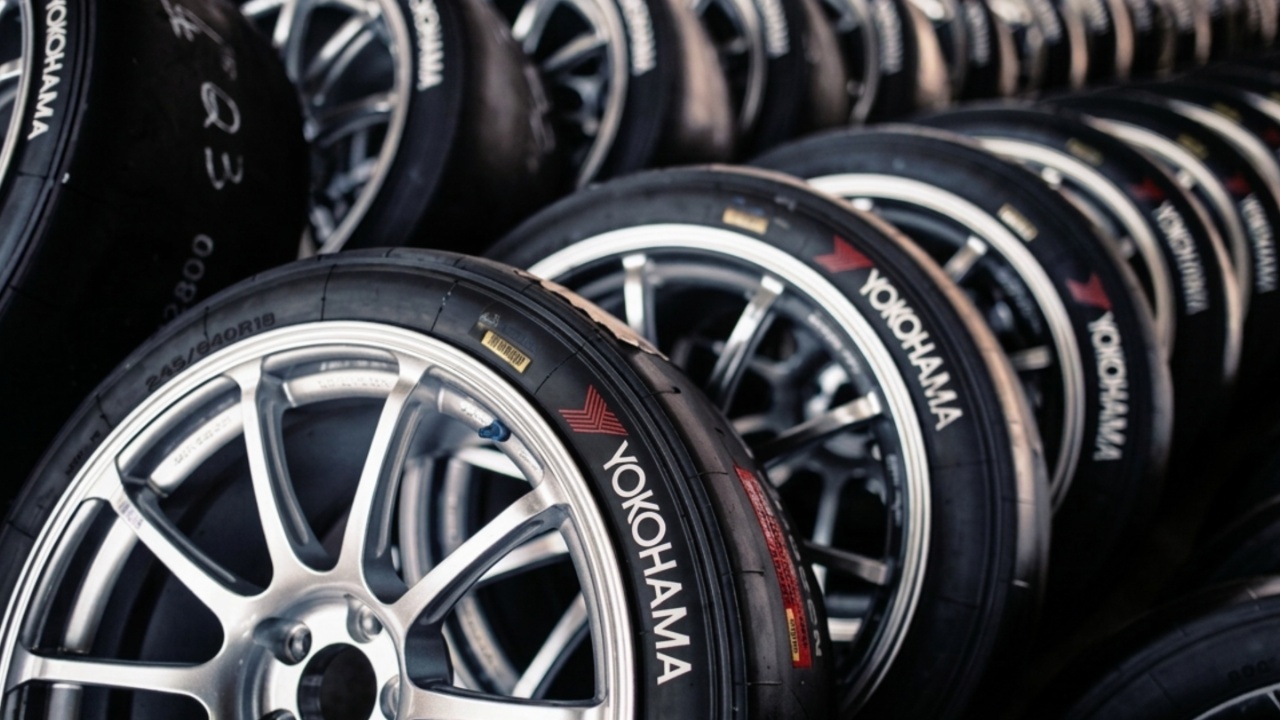
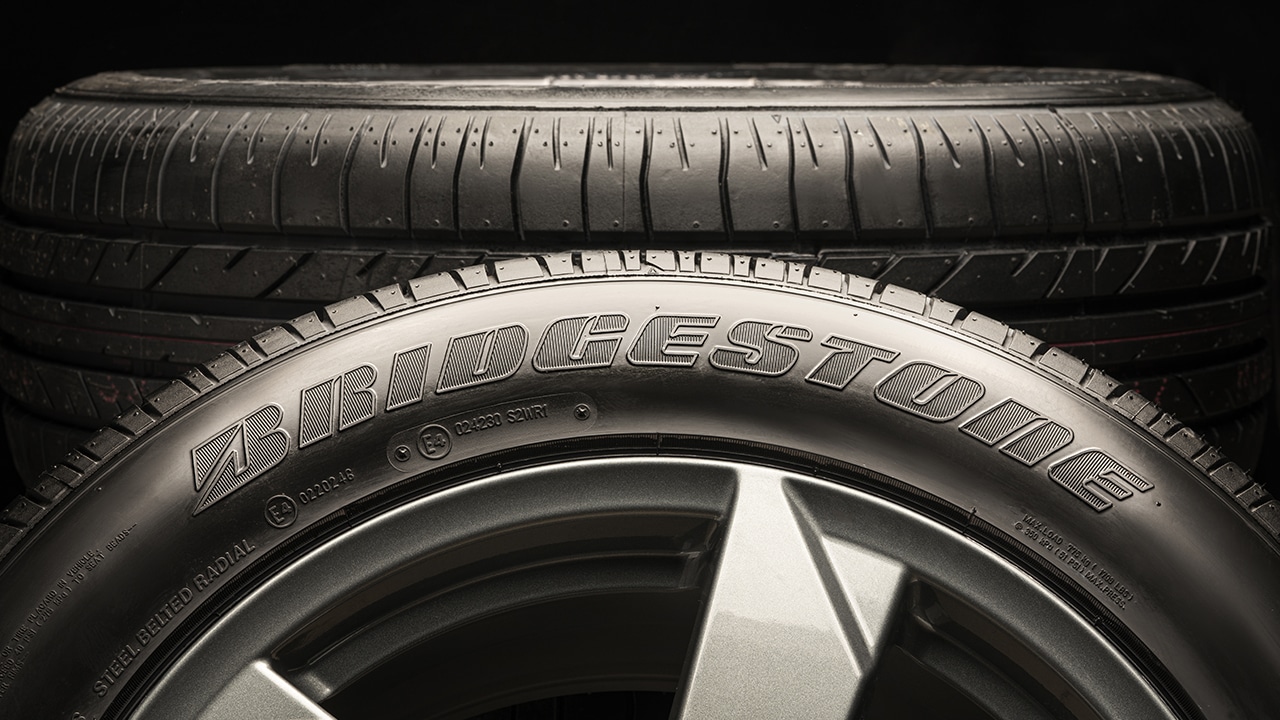
7. Bridgestone
Bridgestone, the world’s largest tire manufacturer, is known for producing premium tires that combine durability, safety, and advanced technology. A notable example is the Dueler H/L Alenza PLUS, an SUV-focused tire with an 80,000-mile rating.
It features Ever-Black sidewall technology to maintain appearance while its internal construction ensures long-term strength. Bridgestone also emphasizes all-season versatility, allowing tires to deliver high mileage without sacrificing traction in varying weather conditions.
Many Bridgestone tires are capable of lasting over 70,000 miles, supported by high-mileage warranties ranging from 70,000 to 80,000 miles. This longevity is driven by advanced compound technologies such as Nanoprotech, which optimizes rubber structure to reduce heat buildup and slow wear.
Carefully engineered tread designs promote even wear and consistent performance, while reinforced construction enhances durability under different driving conditions.
Bridgestone also focuses on ride comfort and quietness, particularly in touring lines like Turanza, which are designed to reduce road noise and vibration.
Their tires are widely used as original equipment by luxury automakers, though replacement models often provide improved tread life and performance. The brand offers a diverse lineup, including Potenza for high performance, Dueler for SUVs and trucks, Blizzak for winter conditions, and Ecopia for fuel efficiency.
Bridgestone is widely regarded as a top-tier brand, delivering strong wet and dry traction, stability, and long-lasting reliability. While pricing is typically higher and model choices can be complex, the brand remains a trusted option for drivers seeking durability, comfort, and consistent all-season performance.
8. Nokian
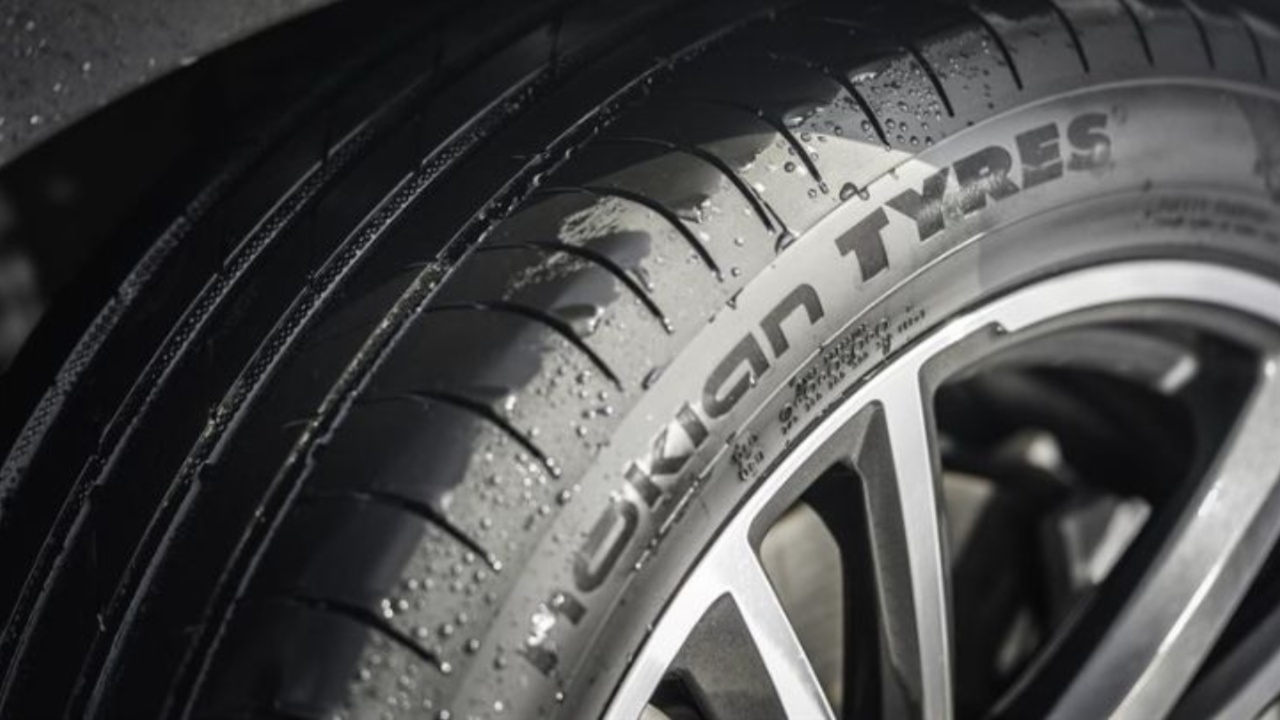
Nokian, a Finnish tire manufacturer renowned for its expertise in harsh winter conditions, produces highly durable and versatile tires designed for long-term use. A standout model, the Nokian Tyres One, offers an 80,000-mile warranty and is built for year-round performance.
One of its most distinctive features is Aramid Sidewall Technology, which uses the same fiber found in bulletproof vests to protect against potholes, cuts, and road hazards that can shorten a tire’s lifespan.
Nokian tires commonly last between 70,000 and 80,000 miles due to their advanced materials and engineering. Silica-infused rubber compounds enhance flexibility, reduce rolling resistance, and improve wear resistance, extending tread life significantly.
The brand also uses even-wear tread designs with symmetric patterns and reinforced shoulder blocks, ensuring balanced pressure distribution and preventing premature wear. In addition, features like the Driving Safety Indicator allow drivers to monitor tread depth easily, helping maintain optimal performance over time.
A key advantage of Nokian tires is their ability to perform in a wide range of climates. Designed with Nordic expertise, they maintain strong traction in both hot summers and light snow conditions. Nokian also emphasizes sustainability, using eco-friendly materials and manufacturing processes that help prevent early material degradation.
Although priced in the premium range, Nokian tires offer excellent value through durability, safety, and innovative protection features. They are especially well-suited for drivers in regions with unpredictable weather or rough road conditions, providing reliable, long-lasting performance without compromising safety or comfort.
9. General
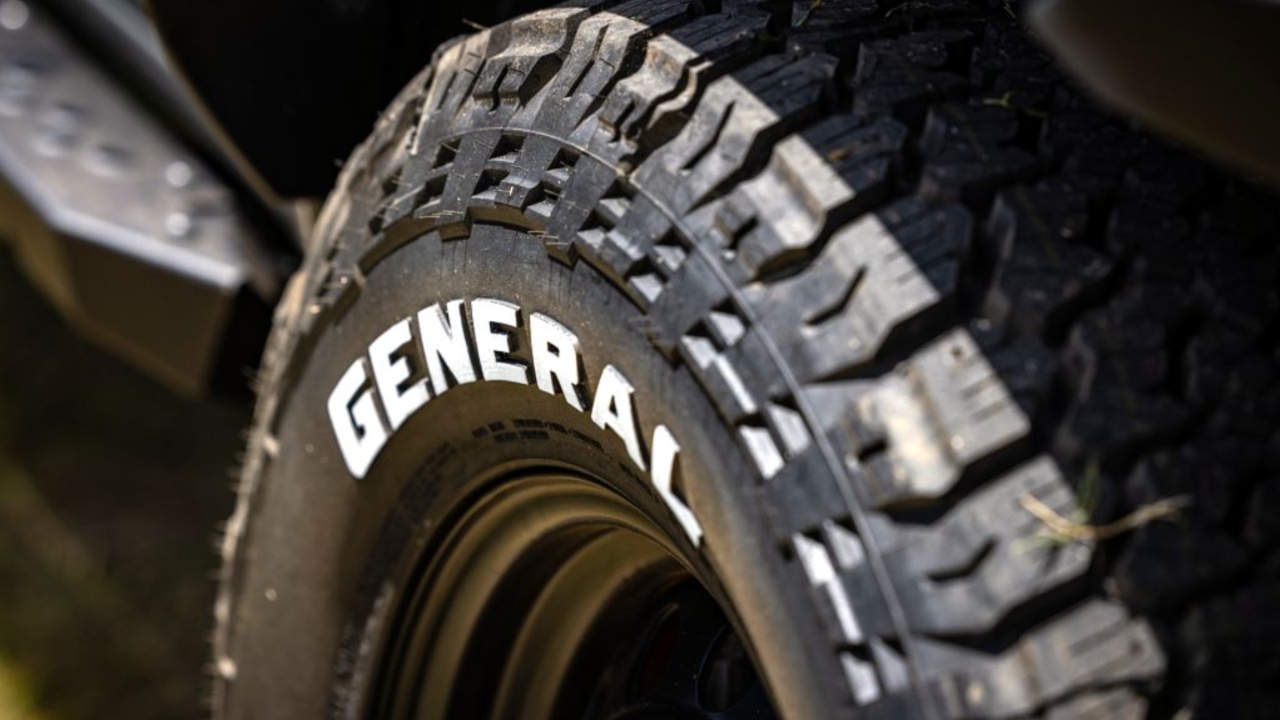
General Tire, a brand owned by Continental, is known for offering long-lasting, reliable tires at a more accessible price point. A key example is the AltiMAX RT45, which comes with a 75,000-mile warranty and features Replacement Tire Monitors that clearly indicate when it’s time for a new tire.
Designed for stable traction in both wet and dry conditions, General tires are a top choice for drivers who want durability without the premium brand cost.
Many General Tire models achieve 65,000 to 75,000 miles of tread life through advanced engineering and proprietary technologies. StabiliTread technology optimizes the tread footprint for even wear and improved stability, while DuraGen compounds reinforce the rubber to resist chipping, tearing, and chunking.
TractionNotch designs enhance grip on mud and loose surfaces without reducing street performance. High UTQG treadwear ratings, combined with 3-ply sidewalls, further extend tire life and protect against punctures. Visual Alignment Indicators allow drivers to detect early wear and correct it before it becomes permanent, contributing to long-lasting performance.
General Tire offers a broad lineup suitable for various vehicles and driving needs. The Grabber series focuses on SUVs and trucks with all-terrain and highway options, while the AltiMAX series provides dependable all-season and winter tires for sedans and crossovers. The G-MAX line targets high-performance vehicles, delivering cornering stability and highway control.
Praised for value, durability, and comfort, General Tire provides strong performance across conditions while remaining budget-friendly. With Continental engineering behind it, the brand is widely regarded as a reliable mid-tier option for drivers seeking long-lasting, well-built tires without paying premium prices.
10. Nexen
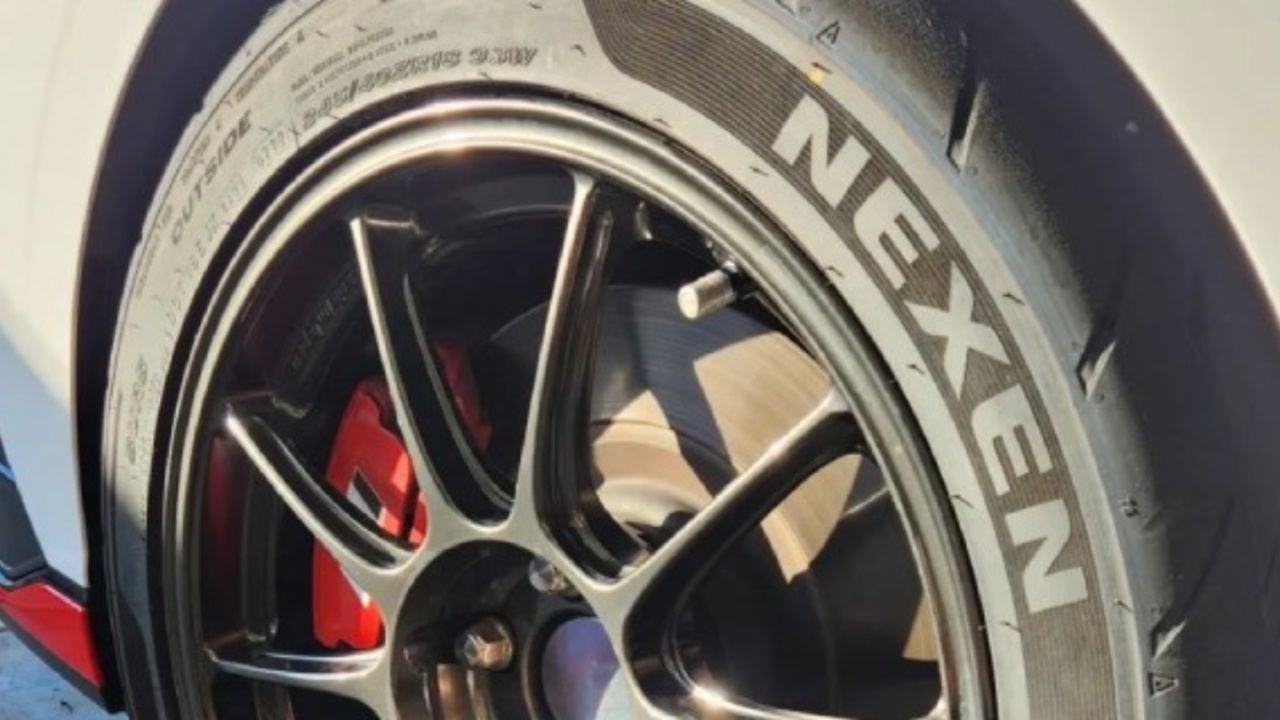
Nexen has evolved from a budget brand into a mid-range tire manufacturer recognized for durability, reliability, and long tread life. Models like the Aria AH7 offer an 80,000-mile warranty, reflecting the brand’s focus on longevity.
Using specially formulated rubber compounds, Nexen tires resist hardening over time, maintaining grip and performance even as they age. The brand emphasizes quiet rides and tread stability, making their tires well-suited for daily highway commuting.
Many Nexen tires last 70,000 miles or more, supported by advanced materials, reinforced structures, and optimized tread designs. High-silica rubber compounds combined with synthetic polymers increase resistance to abrasion, heat, and cracking, while aramid-reinforced sidewalls used in models like the Roadian MTX enhance durability and protect against potholes and road debris.
Computer-aided design ensures even pressure distribution, reducing premature wear, while 3D tread blocks and multi-pitch patterns enhance stability. High-tensile steel belts and reinforced sidewalls strengthen the tire’s structure, enabling it to maintain shape under heavy loads and harsh conditions.
Popular high-mileage models include the Aria AH7, Roadian GTX/ATX for SUVs, and the all-weather N Blue 4S 2, all offering 70,000–80,000-mile tread warranties. Nexen’s tires are frequently used as original equipment on vehicles from Porsche, Volkswagen, Kia, and Hyundai, demonstrating their quality and reliability.
While Nexen tires are generally well-regarded for long life, quiet rides, and affordability, some users report mixed wet-weather performance and occasional premature wear. Nexen provides strong value for drivers seeking durable, cost-effective tires with solid all-season traction and competitive warranties.
10 That Wear Out at 30000
1. Westlake
Westlake is a Chinese tire brand known for affordability, making it a popular choice for drivers seeking low-cost replacements. Models like the SA07 and SU318 provide functional performance for everyday commuting but often lack the long-lasting compounds and advanced engineering found in premium tires.
While some models are marketed with 40,000–50,000-mile warranties, real-world experience shows that many Westlake tires reach wear bars around 25,000 to 30,000 miles, particularly in high-heat climates or under heavy use.
The shorter lifespan is largely due to softer rubber compounds, which enhance traction but wear down quickly. Budget-oriented manufacturing priorities also mean that advanced wear-resistant polymers and reinforced construction are often absent.
Some models feature thinner sidewalls, making them more prone to uneven wear and damage from potholes or rough roads. Performance-focused models, such as the SA07, trade longevity for handling, resulting in faster degradation.
Despite these limitations, certain Westlake tires, like the SU318 highway terrain model, can last 40,000–50,000 miles, especially when maintained properly. Regular tire rotation, alignment checks, and careful driving can help extend the tire’s life. Model selection is crucial, as lifespan varies significantly between performance and touring designs.
Westlake is best suited for budget-conscious drivers, older vehicles, or short-term ownership situations where cost outweighs longevity. While they provide acceptable traction and safety for everyday driving, they are not ideal for drivers seeking long-term durability or high-mileage performance compared to mid-range or premium brands. Essentially, Westlake delivers functional tires at a low cost but with limited tread life.
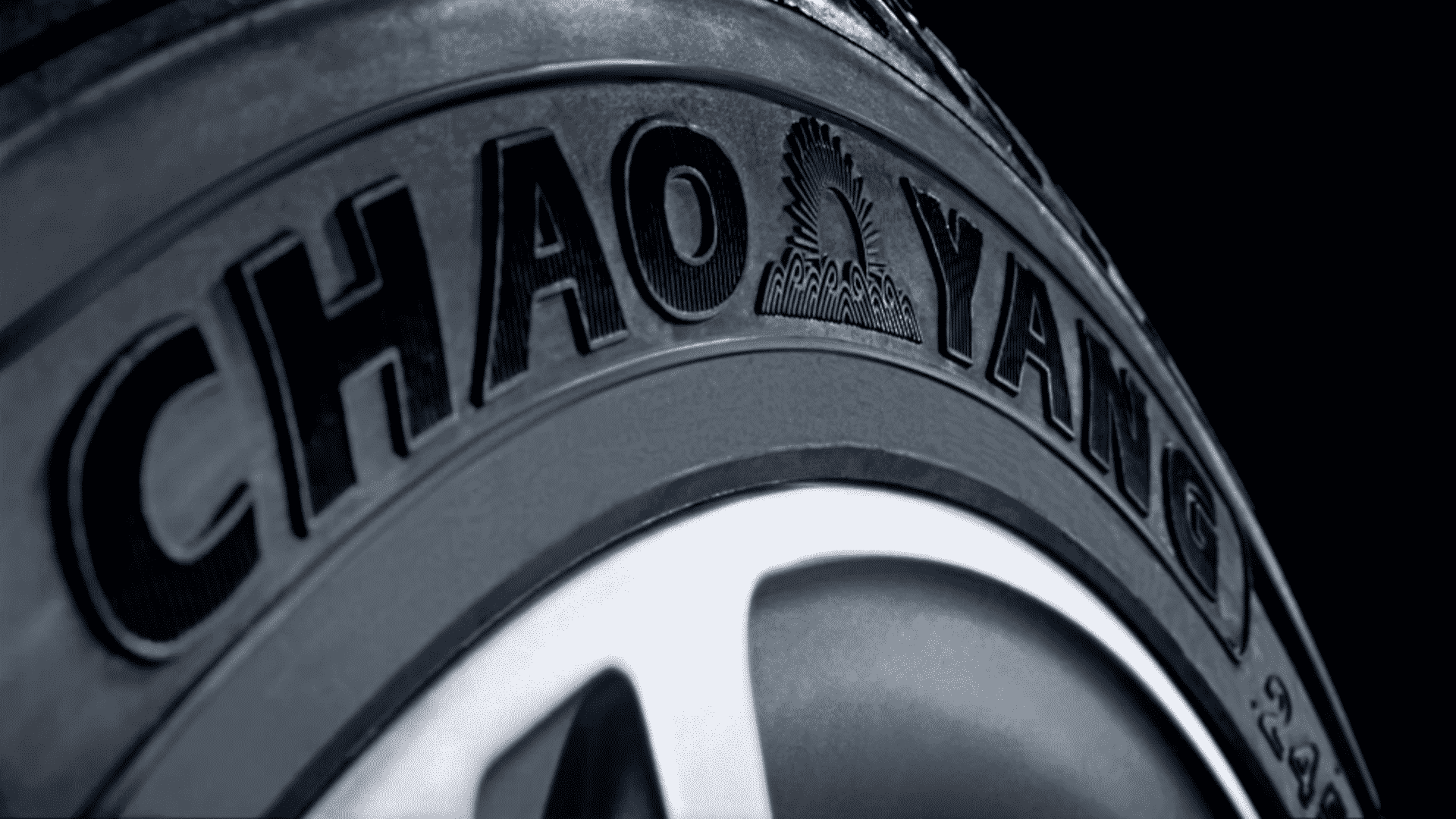
2. Chaoyang
Chaoyang, a major Chinese tire manufacturer, focuses on producing high-volume, low-cost tires for entry- to mid-tier markets worldwide. Their products are designed to be affordable and provide acceptable traction, but they often lack the advanced R&D and durable additives, such as silica polymers, that premium brands include.
As a result, many Chaoyang tires, especially high-grip or performance models, wear faster, typically reaching the end of their service life around 30,000 miles or 48,000 kilometers.
One key reason for the shorter lifespan is the use of softer rubber compounds. These compounds improve wet-weather traction and cornering performance, but they accelerate tread wear. Standard economy or all-season models tend to last longer, ranging from 40,000 to 60,000 miles, particularly with moderate daily commuting and careful driving.
Chaoyang’s market positioning also influences tire longevity. To keep costs low, the company forgoes certain wear-resistant technologies found in premium tires. Despite this, Chaoyang tires often provide better durability than other budget options in the same price range.
Driving conditions and vehicle type play an important role in tire life. Frequent city driving, rough roads, or neglecting maintenance, such as skipping tire rotations or driving with incorrect inflation, can shorten tread life further.
Chaoyang tires are best suited for drivers seeking affordable replacements or short-term solutions where cost is a priority over extreme durability.
While they provide adequate safety and traction for everyday driving, they generally require more frequent replacement than mid-range or premium tires. Proper maintenance, including regular rotations and correct inflation, can help extend their use, but their primary appeal remains low price and functional performance.
3. Autogreen
Autogreen is a budget tire brand known for offering very low prices, but this affordability comes with significant trade-offs in tread life and performance. Many users report that their tires wear out quickly, often between 10,000 and 30,000 miles, with some failing to reach 20,000 miles under standard driving conditions.
The brand provides limited warranties, giving drivers little protection against rapid tread loss. Uneven wear patterns can also lead to increased road noise and vibration as the tires age.
The short lifespan of Autogreen tires is largely due to softer rubber compounds. These compounds provide basic traction on dry roads but wear down much faster than the durable rubbers used in premium brands.
Budget-focused manufacturing and simpler designs also mean fewer technologies are in place to extend tread life or prevent uneven wear. Performance-oriented models, designed for grip or handling, tend to degrade even faster.
User reviews are mixed. Some drivers appreciate Autogreen for affordability, acceptable comfort, and decent dry-road performance. Many others criticize rapid tread wear, poor wet traction, and uneven wear patterns. Mileage warranties, where available, usually range from 15,000 to 20,000 miles, far below the 50,000 to 70,000 miles typical of mid-range or premium tires.
Autogreen tires are best suited for drivers seeking inexpensive replacement tires for short-term use, city commuting, or older vehicles. Proper maintenance, including regular rotation, alignment checks, and correct inflation, can help extend their life slightly, but they remain a choice where low upfront cost is the main priority rather than long-term durability or high-mileage performance.
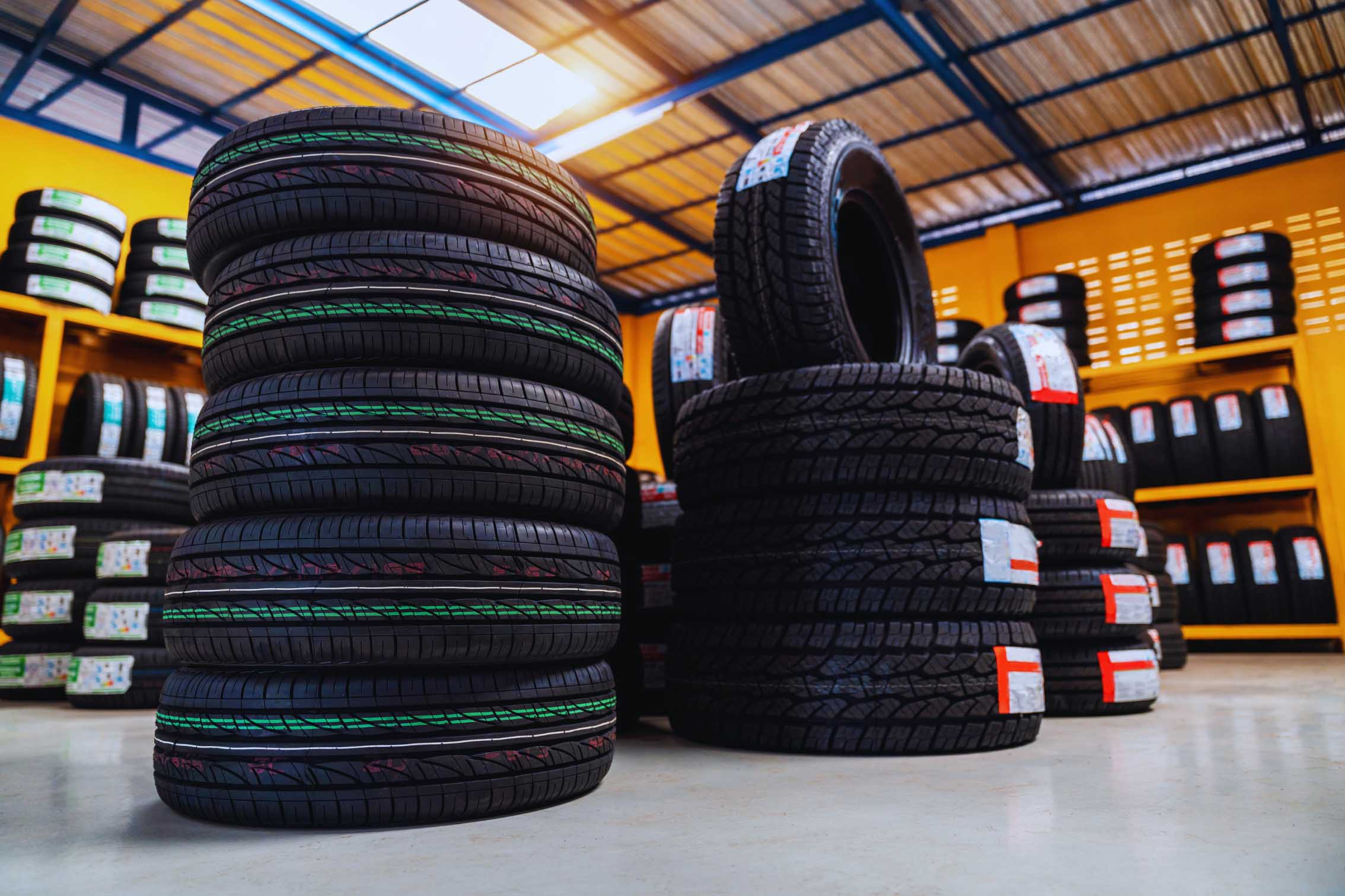
4. Goodride
Goodride is an ultra-budget tire brand that prioritizes low cost over long-term durability. While these tires perform adequately when new, their softer rubber compounds degrade faster under heat and heavy use, particularly on highways.
Many owners find themselves replacing their tires within two years, reducing the initial savings. Goodride tires are most suitable for city driving, where lower speeds and lighter loads reduce stress on the tread.
The shorter lifespan of Goodride tires, often around 30,000 to 40,000 miles, is mainly due to the soft rubber compounds used to enhance grip. While this provides better handling in dry and wet conditions initially, the material wears down much faster than the tougher compounds used in premium tires.
Performance-oriented models, such as the SA37, are especially prone to rapid wear, often reaching the end of their effective life between 20,000 and 30,000 miles under heavy use.
Other factors affecting wear include the budget-focused design, which lacks advanced tread technologies found in higher-tier brands. Improper maintenance, such as under- or over-inflation, failure to rotate tires regularly, and aggressive driving, can accelerate degradation. Uneven wear is also reported, sometimes due to manufacturing inconsistencies, which can cause vibration and reduced performance.
Although some models may reach 50,000 miles under ideal conditions, Goodride tires are best for drivers seeking low-cost, short-term solutions for urban or moderate-speed driving. They provide basic traction and safety but are not intended for long-distance or high-performance use, making them a choice where affordability is more important than longevity.
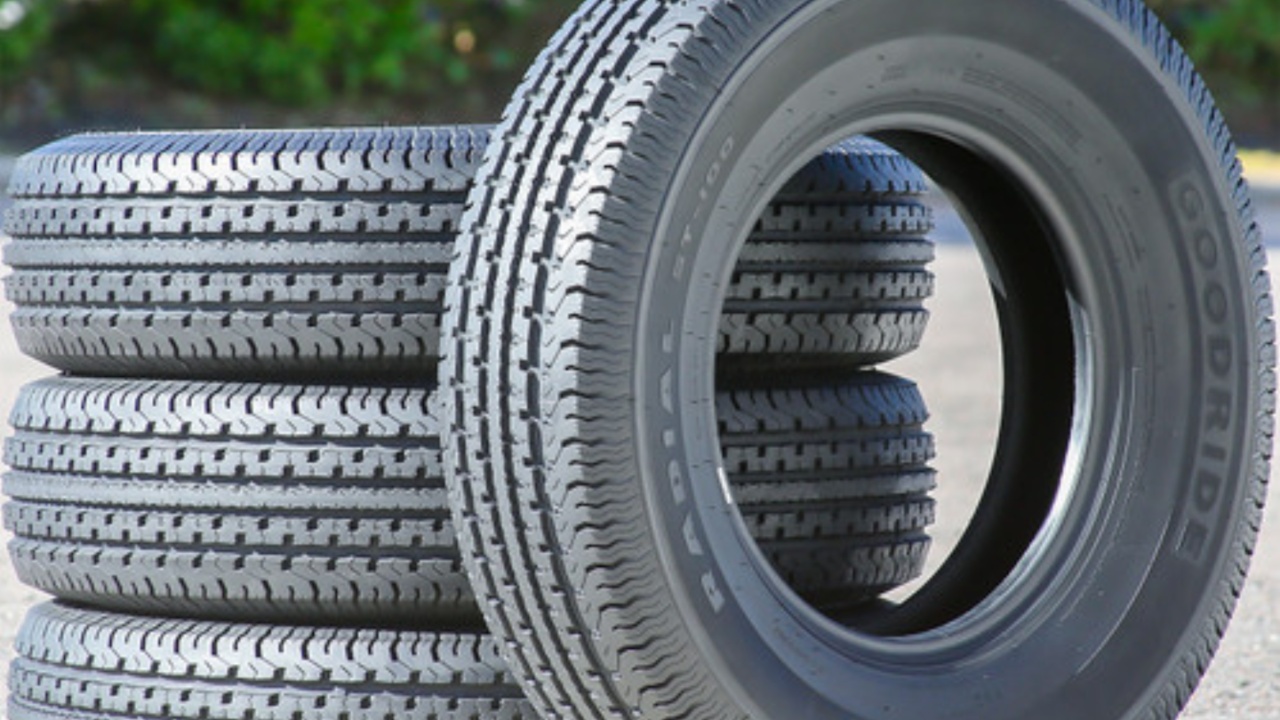
5. Triangle
Triangle tires are a value-oriented brand designed for affordability and wide availability rather than extended tread life. They often feature simpler tread patterns and less sophisticated internal construction compared to premium brands, which can lead to faster wear under heavy braking, high-speed driving, or frequent highway use.
Many Triangle models are noted for reaching around 30,000 miles before needing replacement, making them less suitable for drivers covering high annual mileage.
The shorter lifespan of Triangle tires is largely due to softer rubber compounds. These compounds provide better initial grip, especially in performance lines, but wear down faster than the harder, longer-lasting rubbers used in premium tires.
The brand emphasizes cost-effectiveness, so advanced features like asymmetric tread designs or reinforced internal structures that prolong tread life are often absent. Rapid wear is particularly noticeable under demanding conditions, such as highway driving or heavy loads.
Triangle offers limited treadwear warranties, often reflecting the expected 30,000-mile life of higher-performance models like the TH201. Maintenance plays a critical role in tire longevity. Regular rotation every 5,000 to 6,000 miles, proper alignment, and correct inflation are necessary to prevent uneven or accelerated wear.
Despite these limitations, Triangle tires can provide good value for certain users. They are often chosen for commercial vehicles, construction equipment, or drivers seeking inexpensive replacements for short-term use. Following the manufacturer’s maintenance recommendations can help maximize their service life, but for those prioritizing high mileage and long-term durability, premium alternatives may be a better investment.
6. OEM
OEM, or factory-installed, tires are designed by major brands such as Bridgestone and Michelin specifically for new vehicles, but they often prioritize ride comfort and fuel efficiency over long-term durability.
Automakers select softer rubber compounds and slightly shallower tread to deliver a quiet cabin, smooth handling, and improved MPG during initial ownership. As a result, these tires commonly wear out by 30,000 miles, which can surprise owners who assume a premium brand reputation guarantees an extended lifespan.
Softer compounds used in OEM tires improve grip and handling but naturally wear faster than the harder, longer-lasting compounds found in many replacement tires. Manufacturers also often recommend slightly lower inflation pressures to enhance comfort, which accelerates tread wear.
These tires are tailored to the specific handling characteristics of a vehicle, which can further emphasize performance and smoothness over longevity. Reduced tread depth, a design choice to lower rolling resistance and improve fuel economy, also limits the total usable life of the tire.
While aftermarket tires from the same brands may offer warranties of 60,000 miles or more, OEM tires are focused on delivering an ideal driving experience during the first months or years of ownership.
Their shorter lifespan is a trade-off for comfort, low noise, and immediate performance. Drivers who plan to keep a vehicle long-term often replace OEM tires with higher-durability models designed to last significantly longer while maintaining acceptable ride quality and traction.
7. Summer Performance
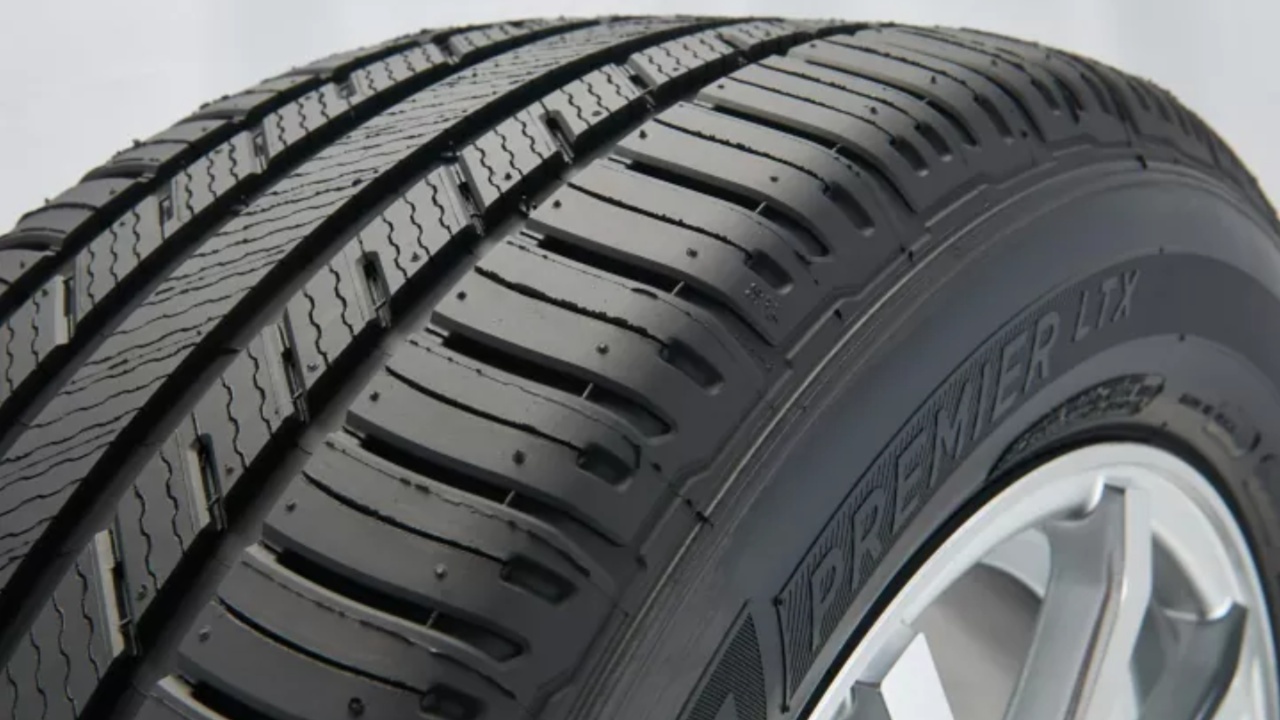
Summer performance tires, such as the Pirelli P Zero and Bridgestone Potenza, are engineered for maximum traction, handling, and braking rather than extended mileage. These tires typically wear out around 20,000 to 30,000 miles, and spirited driving can reduce that further. Their shorter lifespan is a deliberate trade-off to deliver superior cornering, acceleration, and stopping performance.
The primary reason for rapid wear is the use of softer rubber compounds. These “sticky” treads remain flexible in warm conditions, allowing the tire to conform to the road for optimal grip.
However, this flexibility accelerates tread loss, as the rubber literally erodes on contact with the pavement. Combined with shallower tread depths and specialized designs, summer tires maximize road contact but reach wear bars sooner than touring or all-season tires.
Heat also contributes to faster degradation. High friction during performance driving generates significant heat, breaking down the rubber compound more quickly. Additionally, many summer tires have directional or asymmetrical tread patterns, limiting rotation options and preventing wear from being evenly distributed across all four tires.
Drivers often choose summer tires for performance, accepting shorter tread life as part of the package. While standard all-season tires might last 60,000 to 80,000 miles, summer tires typically last 20,000 to 40,000 miles, depending on driving habits.
For those seeking extreme handling and cornering precision, these tires excel, but they are not designed for endurance. Proper maintenance, such as alignment and pressure checks, can slightly improve longevity, though performance priorities will always limit total mileage.
8. Ultra-High-Performance
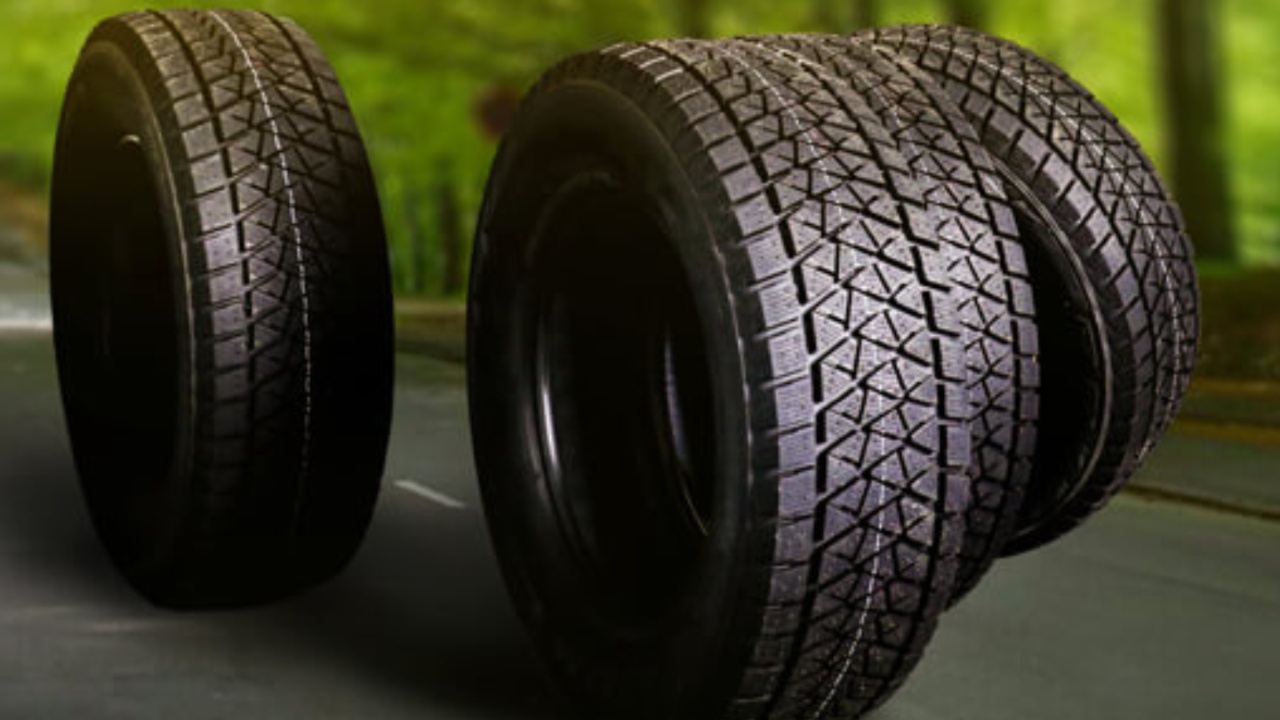
Ultra-High-Performance (UHP) tires, such as the Michelin Pilot Sport series, are engineered for sports cars and high-performance SUVs. Their primary focus is on delivering exceptional handling, cornering stability, and braking performance at high speeds, rather than long-term durability. As a result, UHP tires typically wear out around 20,000 to 30,000 miles, with some driven aggressively lasting even less.
The key factor behind their rapid wear is the use of soft, sticky rubber compounds. These materials provide superior traction by maximizing road contact, but they erode faster than the harder compounds used in touring or all-season tires. UHP tires also often have shallower tread depths to prevent lateral “tread squirm” during aggressive cornering, which further reduces their lifespan.
High-heat operation contributes to faster degradation. The friction generated during high-speed driving or spirited acceleration and braking heats the rubber, accelerating wear. Many UHP tires are mounted on vehicles that are regularly driven aggressively, which further reduces mileage potential.
Construction elements that enhance performance, such as reinforced sidewalls and stiffer structures, increase grip and stability but limit the tire’s resistance to wear compared to premium touring tires.
UHP tires come in summer and all-season varieties. Summer UHP tires typically last 20,000 to 30,000 miles, while all-season UHP models can reach 30,000 to 40,000 miles. Regular all-season tires, by contrast, often last 50,000 to 80,000 miles.
To maximize performance and life, proactive maintenance, including tire pressure monitoring, rotations when possible, and proper alignment, is essential. These tires are a deliberate compromise: peak handling and grip come at the cost of significantly reduced mileage.
9. Geostar
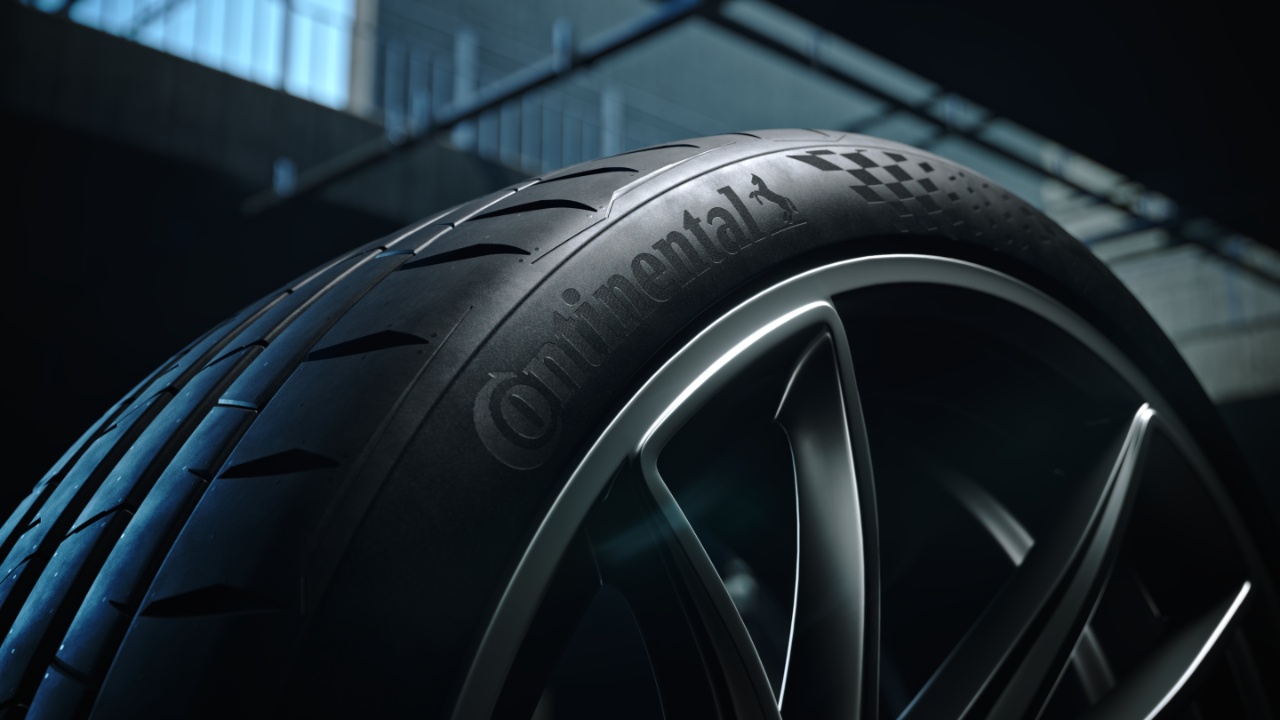
Geostar is a value-tier tire brand often grouped with ultra-budget options, known for rapid wear and inconsistent quality. Unlike premium brands that invest in extensive longevity testing, Geostar tires are built to meet low-cost targets, which can compromise durability.
Many users report that passenger and light truck models lose tread or experience performance degradation within 25,000 to 30,000 miles, making them suitable only for short-term or city driving. Some trailer-specific models, like the G574, perform better, but most Geostar tires fall short compared to premium alternatives.
The primary reason for their shorter lifespan is the use of softer, cheaper rubber compounds. These materials offer adequate initial grip and comfort but wear down quickly under heat, frequent braking, or heavy loads.
Geostar tires often lack advanced tread technology, such as silica-enriched compounds or optimized patterns that prolong tread life. Production is also limited by “value engineering” constraints, prioritizing low price over long-term performance. This results in tires that may feel fine when new but degrade in traction and handling before reaching the end of their tread life.
Premature wear can be worsened by external factors. Skipping rotations, poor inflation, or misalignment accelerates tread loss. Aggressive driving, high-speed use, or rough roads can also shorten mileage. Environmental factors, including high temperatures, UV exposure, and infrequent use, may lead to cracking or dry rot.
Geostar is best suited for drivers seeking inexpensive replacement tires for occasional use, but those requiring long-term durability or high mileage should consider premium alternatives, as Geostar tires often need replacement after just two seasons.
10. Telluride
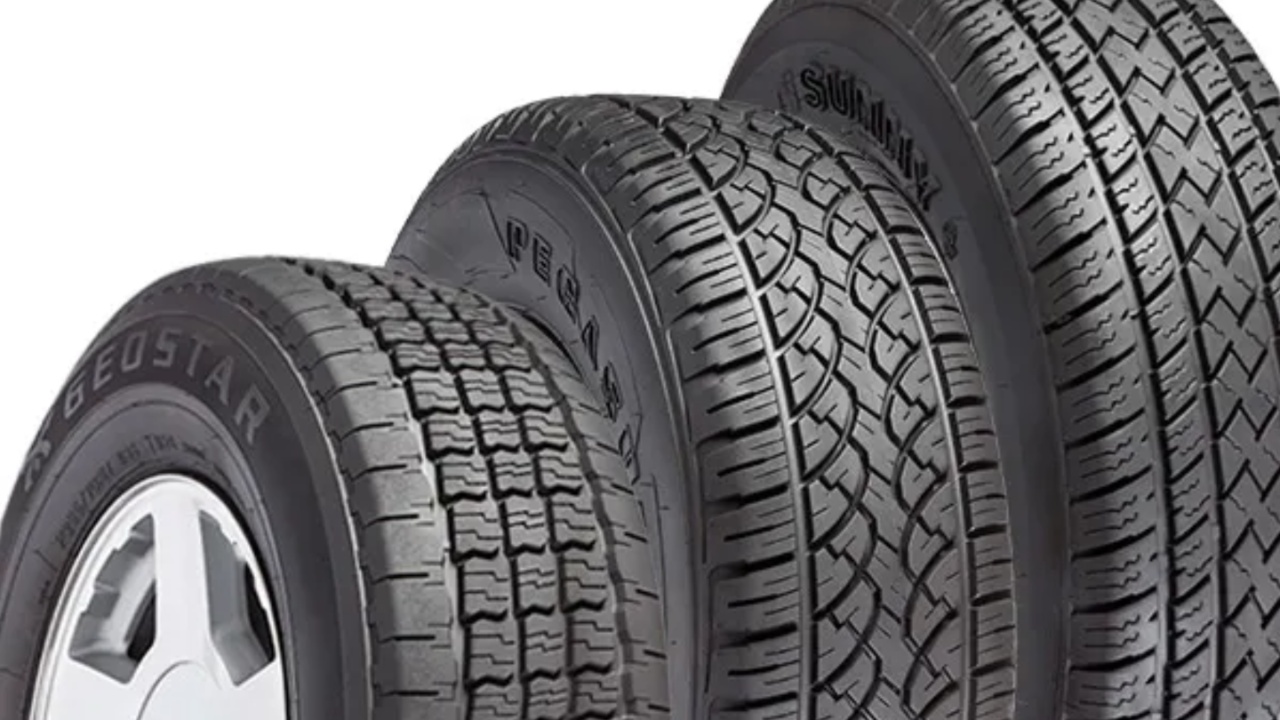
Telluride tires, often supplied as original equipment on the Kia Telluride SUV, are considered budget-tier options where durability is sacrificed for cost and comfort. Users frequently report tread life of 30,000 miles or less, with some experiencing wear as low as 15,000 to 20,000 miles.
The factory tires, such as Pirelli Scorpion Zero A/S or Michelin Primacy Tour A/S, prioritize quietness, handling, and initial grip over longevity, resulting in softer compounds that wear down quickly under daily driving.
Several factors contribute to the rapid wear of Telluride OEM tires. The soft rubber compounds offer better performance in wet conditions and a smoother ride, but degrade faster than harder all-season replacement tires. The vehicle’s size and weight, especially in AWD models, put additional stress on the tires during braking, cornering, and acceleration.
Factory alignment and limited rotation schedules can further accelerate uneven wear, particularly on the front inner edges. Dealership-installed tires are often designed to meet lease-cycle requirements or reduce initial vehicle costs rather than achieve maximum mileage.
To extend tire life, owners should rotate tires every 5,000–7,500 miles and monitor alignment, especially after the first 15,000 miles. Replacing factory tires with high-durability aftermarket options, such as Michelin Defenders, can provide significantly longer tread life, often reaching 50,000–70,000 miles.
While Telluride tires perform adequately when new, their limited lifespan means the cost-per-mile can be higher than premium alternatives, particularly for drivers who frequently commute or drive long distances.
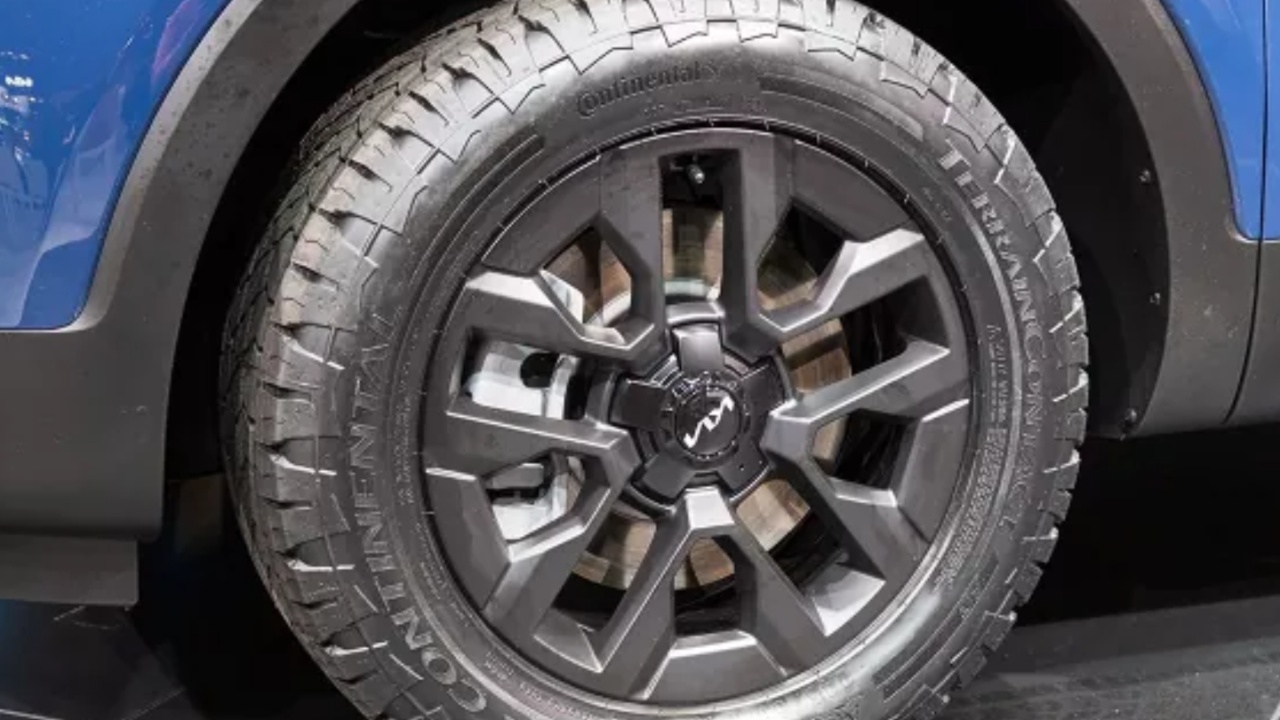
When choosing tires, both lifespan and intended use should guide the decision. Tires lasting 70,000 miles or more provide durability, reliable traction, and structural strength, making them suitable for daily commuting, highway travel, and a range of weather conditions.
Budget or performance tires that wear out around 30,000 miles may seem cost-effective initially, but require more frequent replacement, especially under heavy use or aggressive driving.
Regular maintenance, including tire rotations, proper inflation, and alignment checks, can help extend tire life, but it cannot fully compensate for softer compounds or simpler construction.
Drivers who value safety, comfort, and long-term savings benefit most from premium, high-mileage tires, while budget or performance options remain suitable for short-term use, city driving, or specific performance needs. Proper tire selection ensures a balance between performance, durability, and cost efficiency.
Also read: 10 Cars With Such High Resale Value You Should Only Buy Them Brand New