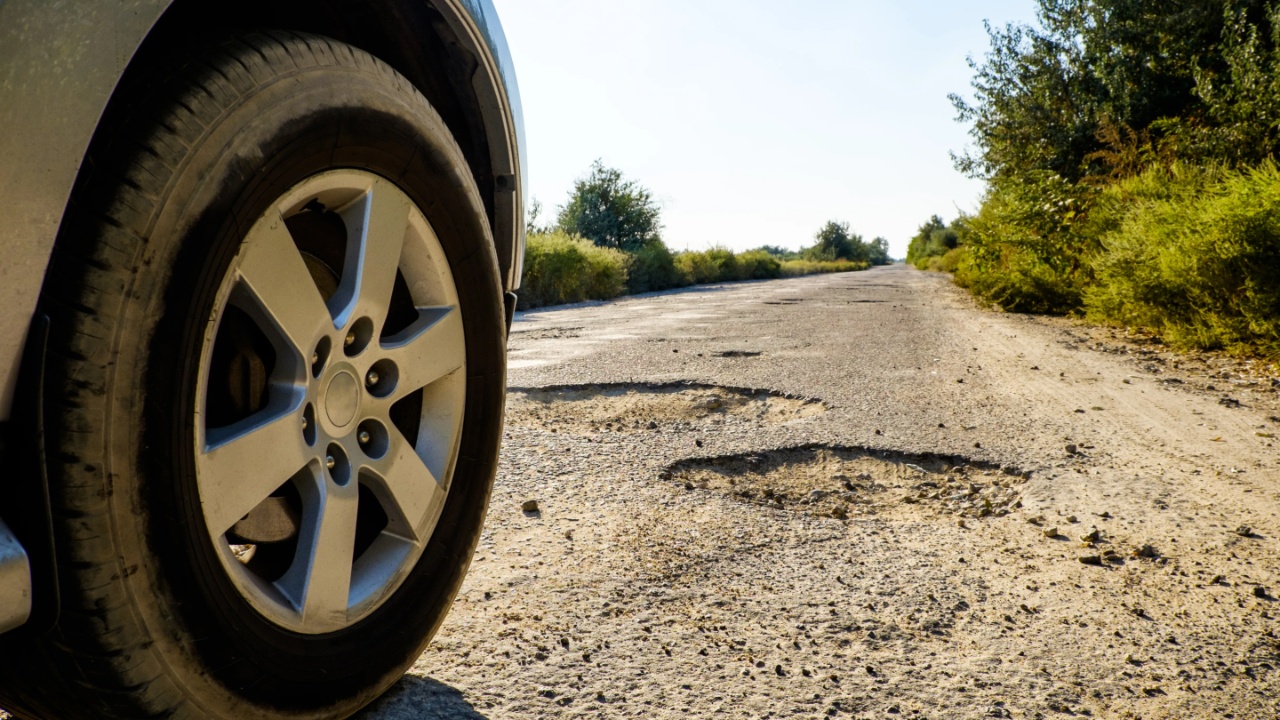
Modern low-profile tires have become a defining feature of today’s vehicles, offering sharper handling, sleek styling, and a more aggressive stance. While these benefits appeal to many drivers, they come with hidden drawbacks that become obvious on the pothole-filled roads common across the United States.
The same design elements that improve performance, such as shorter sidewalls and stiffer construction, also reduce the tire’s ability to absorb impacts from rough surfaces.
Instead of cushioning bumps and road imperfections, low-profile tires transfer much of that force directly into the wheel, suspension, and chassis. This can lead to discomfort, higher repair costs, and increased safety risks over time. What seems like a performance upgrade can quickly become a liability in everyday driving conditions.
In this article, we explore 8 Reasons Why Modern Low Profile Tires Are a Nightmare for US Potholes, breaking down the mechanical, financial, and safety challenges they introduce.
1. The Physics of Low-Profile Tire Impacts
Tire sidewalls play a critical role in a vehicle’s suspension by acting as the first line of defense against road impacts. In traditional tires with high aspect ratios, the tall, flexible sidewalls contain significant air volume, which acts as a pneumatic cushion.
When a vehicle hits a pothole, the sidewall flexes and compresses, absorbing most of the kinetic energy before it reaches the wheel rim or suspension components. This natural deflection ensures a smoother ride and protects the car from structural fatigue.
Low-profile tires, typically with an aspect ratio of 45 or lower, prioritize style and sharper steering over cushioning. Their short sidewalls, often only two to three inches tall, offer minimal flex, drastically reducing the tire’s ability to absorb impact.
When a vehicle traveling at high speed strikes a sharp-edged pothole, the energy from the collision has almost nowhere to dissipate. Instead of being absorbed by the tire, the force is transmitted directly into the wheel rim and vehicle chassis. This produces harsh vibrations that reverberate through the steering column and create a brittle, uncomfortable ride.
Over time, repeated high-velocity impacts on poorly maintained roads cause metal components in the suspension and chassis to fatigue, increasing the risk of structural wear. While low-profile tires enhance aesthetics and handling precision, they compromise impact absorption, turning minor road irregularities into jarring shocks.
Essentially, these tires trade ride comfort and vehicle longevity for sporty appearance, transforming what would be a soft “thump” with standard tires into a punishing “crack” for both driver and machine.
This explanation highlights the physics behind energy transfer in tire impacts and illustrates why low-profile tires demand careful consideration on rough roads.
2. High Risk of Catastrophic Rim and Wheel Damage
Low-profile tires significantly increase the risk of severe wheel damage due to their minimal sidewall height. In traditional tires, the tall sidewall acts as a protective buffer, preventing the metal rim from hitting road hazards. With low-profile tires, the thin rubber can easily “bottom out” when a vehicle strikes a pothole, causing the rim to collide directly with concrete or asphalt.
Most vehicles equipped with low-profile tires use large-diameter alloy wheels, typically 19 to 22 inches. While these aluminum wheels are lightweight and stylish, they are prone to damage under high-impact stress.
A pothole strike can make the rim “out of round,” creating a permanent vibration that balancing cannot fix. The impact may also bend the wheel’s lip, breaking the tire’s airtight seal. In extreme cases, the alloy can crack or even shatter, leaving the vehicle inoperable.
The cost of repairs is substantial. Replacing a single OEM alloy wheel can range from $600 to $1,200, excluding a new tire and labor. On roads riddled with potholes, even a short drive can result in thousands of dollars in damage. The underlying issue is the lack of rubber to absorb impact, leaving the costly metal rim exposed to direct force.
In essence, low-profile tires trade impact protection for appearance and handling precision. While they offer a sporty look and sharper steering, they expose the wheel to catastrophic failures that standard tires would typically prevent, turning everyday road hazards into expensive mechanical problems.
3. Vulnerability to Internal “Pinch Cuts” and Sidewall Bubbles
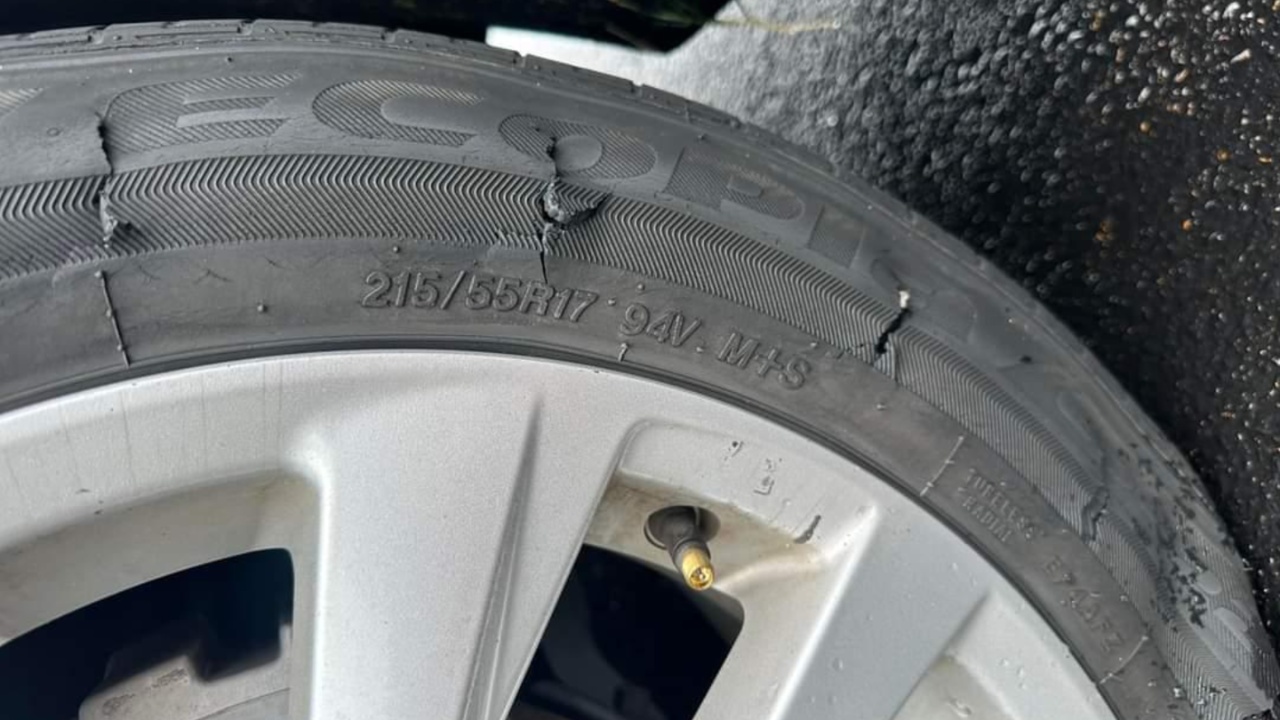
Low-profile tires are particularly susceptible to a hidden form of damage known as a “pinch cut” or impact break. Beneath the visible rubber lies a complex structure of fabric plies, steel belts, and nylon cap plies that give the tire its strength and ability to hold high pressure. When a low-profile tire strikes a pothole, the short sidewall is violently compressed between the pothole edge and the metal rim.
In taller tires, the rubber has enough flexibility to absorb the impact without damaging the internal cords. In low-profile tires, the compression is so sudden and severe that these internal cords can snap or crush against the rim. Externally, the tire may appear unharmed, but internally, the structural integrity is compromised. Over days or weeks, the trapped air forces its way through the damaged plies, forming a visible bubble on the sidewall.
These sidewall bubbles are weak points where only a thin layer of rubber prevents catastrophic failure. Unlike tread punctures, they cannot be patched; the tire is effectively unsafe and must be replaced. Even a pothole strike that does not visibly bend the rim can render a $300 tire unusable. For drivers, this risk creates constant vigilance, as every bump could potentially produce a bubble, risking sudden high-speed failure.
This hidden vulnerability highlights how low-profile tires, while visually appealing and offering sharper handling, compromise safety. Minor road imperfections can quickly escalate into expensive or dangerous tire failures, making them less forgiving than traditional tires with taller sidewalls.
4. Increased Blowout Risk and Roadside Safety Hazards
Low-profile tires present a serious safety concern on rough roads due to their heightened risk of blowouts. A blowout occurs when a tire loses pressure catastrophically, and low-profile designs are particularly vulnerable. These tires have smaller air volumes and require higher pressures, often 35–45 PSI, to support the vehicle on a thin sidewall. This creates high internal stress, making the tire prone to sudden sidewall tears when hitting potholes or sharp edges.
In contrast, standard tires with taller sidewalls can absorb similar impacts, often maintaining some structural integrity that allows drivers to retain partial steering control. With low-profile tires, a blowout causes the vehicle to drop instantly onto the rim, producing a violent tug on the steering wheel. At highway speeds, this sudden loss of control can quickly escalate into a dangerous situation.
Compounding the risk, many modern vehicles equipped with low-profile tires do not carry full-sized spares. Instead, they provide temporary solutions like “fix-a-flat” kits or small pumps, which are ineffective for sidewall tears or rim damage caused by potholes. A blown low-profile tire often leaves drivers stranded on highways, relying on a tow truck to move the car safely.
The danger is not limited to repair costs; it is a genuine roadside hazard. Sudden structural failure of a tire in heavy traffic can lead to accidents, injury, or worse. While low-profile tires may improve aesthetics and handling precision, they compromise safety by increasing the likelihood of blowouts and leaving drivers vulnerable on poorly maintained roads.
Also read: 10 Reasons Why Your Transmission Fluid Change Is More Critical for Modern 8 Speed Units
5. Accelerated Suspension and Chassis Wear with Low-Profile Tires
A vehicle’s suspension is designed as a multi-stage system to absorb and filter road vibrations. The tire sidewall serves as the first stage, dampening high-frequency, small-amplitude movements, the “chatter” of uneven pavement. With low-profile tires, this critical buffer is greatly reduced.
The short, stiff sidewalls cannot flex, so energy from potholes and rough roads transfers directly into the suspension and chassis. On pothole-ravaged streets, like those in Detroit or Philadelphia, this creates a constant “hammering” effect that accelerates wear on mechanical components.
Over time, this unmitigated stress drastically shortens the lifespan of expensive suspension parts. Ball joints, which connect the steering system to the suspension, are especially vulnerable. The internal nylon or metal seats can crack or develop excessive play far sooner than with standard tires.
Control arm bushings, designed to isolate metal parts from direct contact, tear or degrade more quickly. Even gas-charged struts, engineered to absorb sharp shocks, can suffer internal valve damage or fluid leaks when repeatedly subjected to high-energy impacts.
The financial consequences for drivers can be significant. Repairs that would normally be needed after 100,000 miles can occur at just 40,000 miles. A single deep pothole strike can trigger front-end suspension repairs costing over $2,000.
Low-profile tires, by eliminating the tire’s natural “give,” force the vehicle’s suspension to absorb impacts it was never designed to handle, effectively turning the car itself into the sacrificial component.
In addition to repair costs, this accelerated wear degrades ride quality. Vibrations that would have been partially absorbed by standard tires resonate through the chassis, creating a harsh, uncomfortable driving experience and contributing to driver fatigue.
While low-profile tires provide sharper handling and a sportier appearance, they compromise suspension longevity, chassis durability, and driving comfort, making them a risky choice for vehicles frequently driven on pothole-prone roads.
6. Harsh and Noisy Ride with Low-Profile Tires
Low-profile tires are designed with stiff, short sidewalls to enhance cornering performance and prevent the tire from rolling over the rim during aggressive driving. While effective on smooth racetracks, this design translates poorly to everyday roads, especially the “washboard” surfaces and expansion joints common on U.S. highways.
The reinforced sidewalls, often made with high-tensile steel or aramid fibers, act like a drum skin, transmitting every crack, pebble, or minor pavement transition directly into the steering column and seat frames. This results in a constant stream of high-frequency vibrations that taller tires would naturally absorb.
In addition to harshness, low-profile tires significantly amplify road noise. Their wider contact patches and stiffer construction generate more tire roar and hum at highway speeds. With less internal air volume to buffer impacts, the sound of the tread striking pavement is louder and more penetrating, often turning long commutes into a physically taxing and mentally fatiguing experience.
For many drivers, the combination of stiffness and amplified noise transforms what should be a smooth, comfortable ride into a jarring, headache-inducing ordeal. The tires’ sporty design, intended for performance, becomes a daily source of discomfort on ordinary roads.
Instead of cushioning the driver from imperfections in the pavement, low-profile tires transmit them directly into the cabin, creating a ride that is both loud and physically taxing. While they improve handling, aesthetics, and cornering precision, the compromise in ride comfort is significant, making them a poor choice for vehicles driven regularly on rough or uneven surfaces.
7. High Replacement and Maintenance Costs of Low-Profile Tires
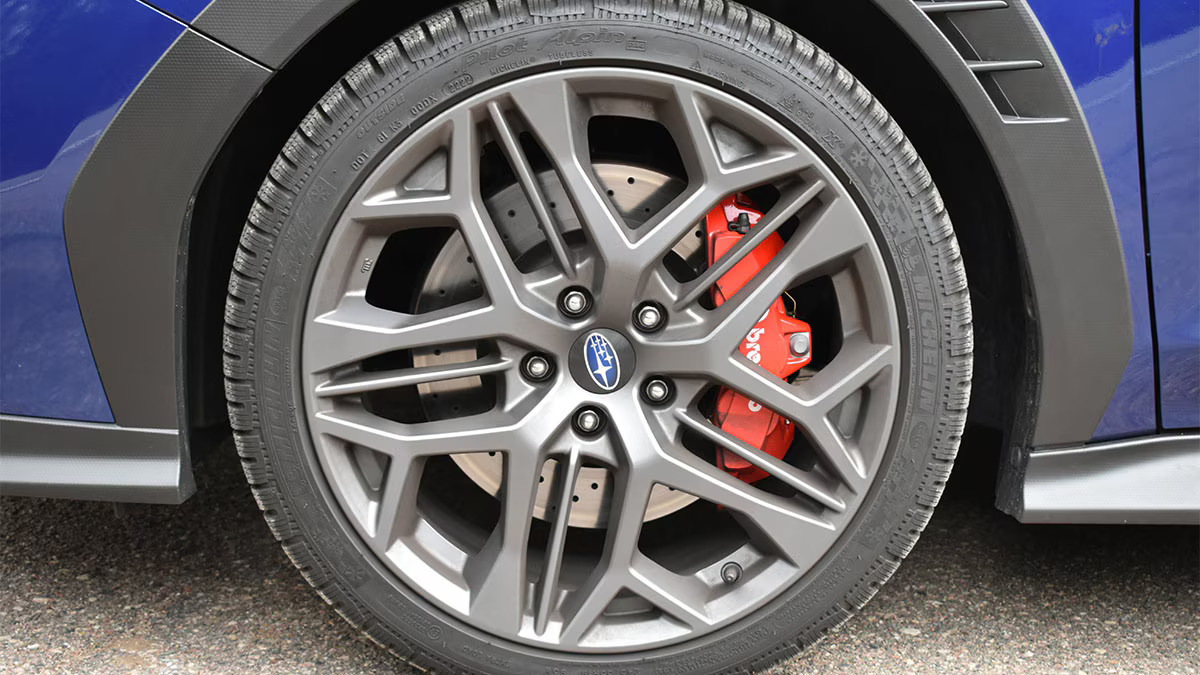
Low-profile tires come with a steep financial burden that extends beyond their initial purchase. These tires are marketed as performance products and require advanced manufacturing to maintain strength in short, stiff sidewalls. As a result, a single 20-inch low-profile tire can cost 50% to 100% more than a standard 17-inch tire for the same vehicle.
Additionally, low-profile tires are often made from sticky, high-performance rubber compounds that prioritize grip over longevity, causing them to wear out much faster. A set of these tires can become bald by 25,000 miles, whereas touring tires may last up to 60,000 miles.
The costs escalate dramatically when a single tire is damaged. Modern All-Wheel Drive (AWD) vehicles, increasingly common in the U.S., require all four tires to have nearly identical tread depths to protect the center differential.
A single puncture, sidewall bubble, or pothole impact can therefore necessitate replacing all four tires, even if the others are relatively new. Specialized “road force” balancing, often required for low-profile wheels to prevent vibrations, adds yet another layer of expense.
Owning low-profile tires subjects drivers to a recurring “performance tax.” Every day, road hazards, such as potholes or cracked pavement, can trigger repairs or replacements that would be minor with standard tires.
Between higher purchase prices, accelerated wear, and the potential need for full-set replacements and specialized balancing, the total cost of ownership can quickly become prohibitive. Low-profile tires may offer enhanced handling and aesthetics, but their financial impact makes them a high-risk investment for drivers on poorly maintained roads.
8. Wheel Alignment Disruption and Subframe Stress
Low-profile tires can significantly disrupt a vehicle’s alignment and structural geometry due to their inability to absorb sharp impacts. Wheel alignment depends on precise angles of camber, caster, and toe, which keep the tires properly oriented.
With standard tires, taller sidewalls cushion pothole impacts, allowing the suspension to move within its intended range. In contrast, low-profile tires transmit forces so abruptly that even a single hard impact can shift suspension components such as tie rods or eccentric bolts, immediately throwing the alignment off.
Once misaligned, a vehicle begins to suffer uneven tire wear. The tires may “scrub” along the road surface, wearing down the inner or outer edges rapidly. This can ruin expensive low-profile tires in just a few thousand miles, compounding the already high cost of ownership. The problem does not stop at tire wear.
Because these tires provide minimal damping, the force of a pothole can travel deeper into the vehicle’s structure, affecting the subframe the metal framework that supports the engine and suspension.
In severe cases, this can lead to subframe shift, where the vehicle’s structural mounting points move slightly out of position. This creates complex alignment issues that standard repair shops may not be able to fix, often requiring specialized and costly frame-straightening procedures.
Low-profile tires increase the risk of long-term structural misalignment. What might be a minor bump with standard tires can become a serious mechanical issue, leaving the vehicle driving unevenly and requiring expensive repairs to restore proper handling and stability.
Low-profile tires may enhance appearance and handling, but their disadvantages become clear on poorly maintained roads. As outlined in these eight reasons, their limited ability to absorb impacts leads to a chain reaction of issues, including wheel damage, tire failure, suspension wear, and alignment problems.
These tires also raise important safety concerns. A higher risk of blowouts, reduced control during sudden impacts, and limited emergency repair options can put drivers in dangerous situations. At the same time, the financial burden grows due to faster wear, higher replacement costs, and the possibility of replacing multiple tires at once.
While low-profile tires perform well on smooth roads, they are far less suited to real-world conditions filled with potholes and uneven pavement. For many drivers, the trade-off between style and practicality becomes difficult to justify.
Also read: 5 Reasons to Buy a CPO Vehicle vs 5 Reasons to Buy From a Private Seller