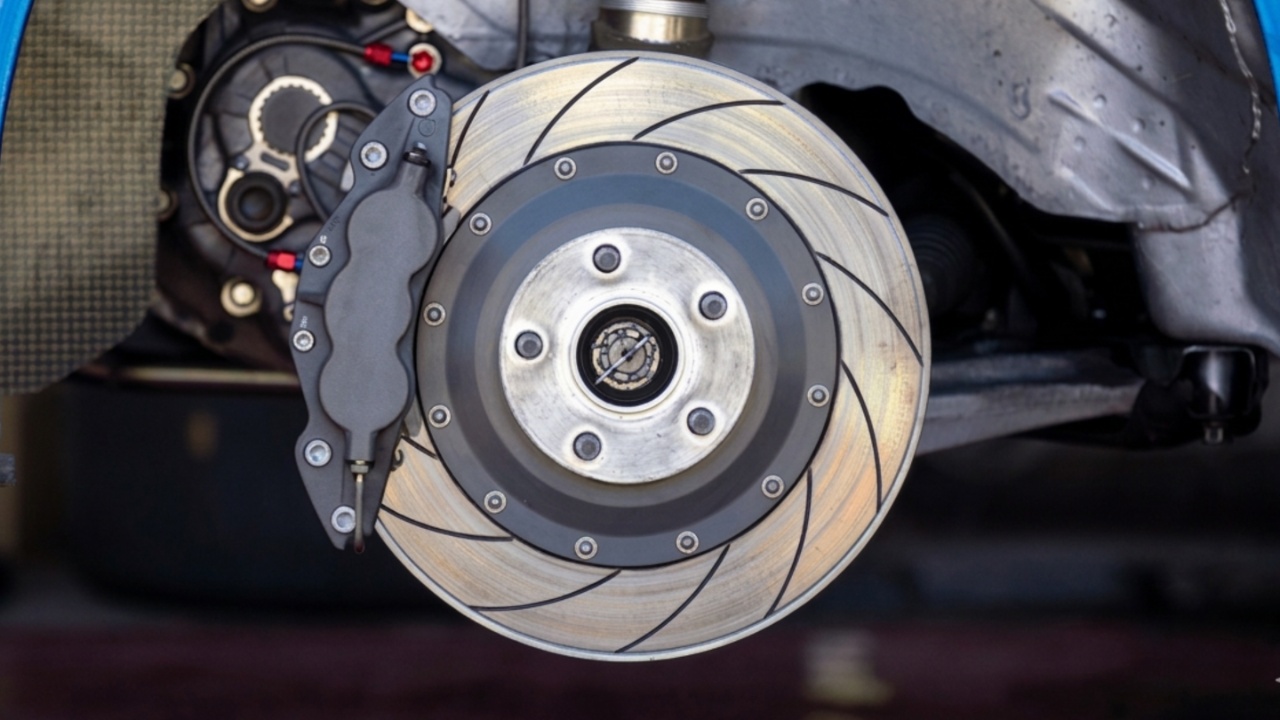
Brake calipers play a crucial role in vehicle safety, but when they stick, the consequences extend beyond braking performance. A caliper that fails to release keeps the brake pad in constant contact with the rotor, creating drag that the engine must continuously overcome.
This hidden resistance not only strains engine components but also directly reduces fuel efficiency, leading to higher operating costs. Sticking calipers can present in several ways, from a constant braking sensation and vehicle pulling to intense heat, excessive brake dust, and abnormal grinding or squealing noises.
Recognizing these early warning signs is essential, as prolonged issues can cause uneven tire wear, warped rotors, boiling brake fluid, and even total brake failure. Understanding the indicators of a sticking caliper allows drivers to take timely action, restore fuel economy, and maintain both vehicle performance and safety on the road.
1. The Sensation of Constant “Braking” and Drag
A primary sign of a sticking brake caliper is the sensation of constant “braking” or drag. Normally, a vehicle should coast freely when the accelerator is released, but a stuck caliper keeps the brake pad in contact with the rotor. This persistent friction, known as brake drag, can feel like the parking brake is partially engaged, requiring more throttle just to maintain speed on flat ground.
The engine must work harder to overcome this resistance, causing higher RPMs and reduced fuel efficiency. Many drivers notice sluggish acceleration and a sudden drop in mileage, often misattributing the problem to the transmission when the true culprit is the braking system.
The underlying mechanics of brake drag involve the failed retraction of the caliper piston. When the brake pedal is released, the piston should pull back slightly, allowing the pad to disengage from the rotor.
Rust, dirt, or debris can cause the piston to stick, while seized caliper guide pins or collapsed brake hoses can trap hydraulic pressure, keeping the pad pressed against the rotor. The result is continuous friction that effectively works against the engine, adding strain and fuel consumption.
Fuel economy suffers significantly because the engine is constantly fighting this hidden resistance. Coasting becomes difficult, acceleration feels sluggish, and more fuel is burned to maintain the same speed. Essentially, the dragging brake acts like an invisible hand holding the vehicle back. Over time, this not only increases fuel costs but also places additional stress on engine and drivetrain components.
Several telltale signs indicate a sticking caliper. The affected wheel may run hotter than others, often accompanied by a burning smell or visible smoke. The car may pull to one side, reflecting uneven braking force, and brake pads may wear unevenly, with the inner pad typically deteriorating faster than the outer.
Ignoring these symptoms can result in serious consequences, including warped rotors from excessive heat, boiled brake fluid that reduces braking efficiency, and uneven tire wear. In severe cases, complete brake failure can occur, posing a significant safety risk.
Addressing a sticking caliper usually involves inspecting and replacing the caliper assembly, guide pins, and often the pads and rotors. Prompt repair restores normal coasting, protects fuel efficiency, and prevents further damage to the braking system. Being attentive to the early warning signs of brake drag not only ensures safer driving but also prolongs the life of key vehicle components.
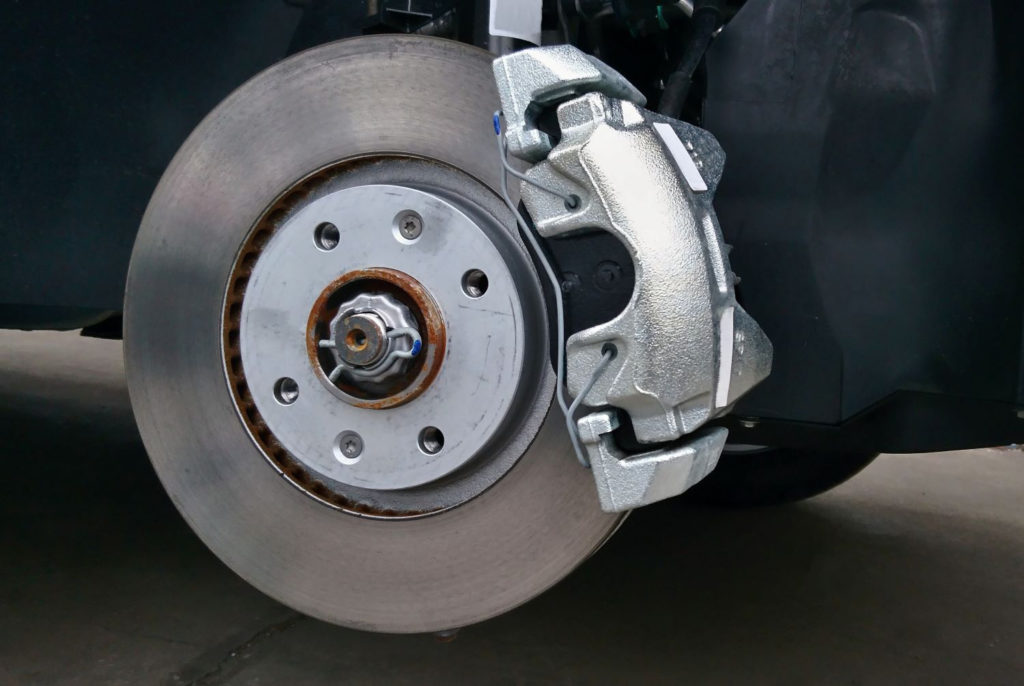
2. Significant Vehicle Pulling to One Side
A significant vehicle pull to one side is a common and dangerous sign of a sticking brake caliper. Brake calipers rarely seize simultaneously; usually, one caliper becomes stuck while the others function normally, creating an imbalance in rolling resistance. When a front caliper sticks, the affected wheel rotates with more difficulty than its counterpart, causing the vehicle to drift toward the side with the malfunctioning brake.
This pull is particularly noticeable at highway speeds, where drivers may find themselves constantly adjusting the steering wheel to maintain a straight path. The continuous correction not only wears tires unevenly but also increases mechanical and aerodynamic drag, reducing fuel efficiency. If a car pulls sharply in one direction without any brake input, a seized caliper piston is often the culprit.
The core reason for the pull lies in the imbalanced braking force. A sticking caliper keeps the brake pad in constant contact with the rotor, even when the brake pedal is not engaged. Calipers rely on piston seals and slide pins to retract the piston after braking. Corrosion, dirt, or lack of lubrication can cause these components to fail, preventing the piston from pulling back and keeping the pad pressed against the rotor.
As a result, one wheel experiences persistent friction while the others spin freely, producing uneven braking forces. This can lead to different scenarios: the vehicle may pull while driving normally, grab harder during braking on the affected side, or, in cases of a completely seized front caliper, pull toward the opposite side as the other brakes compensate.
Sticking calipers also directly impact fuel economy. Constant drag forces the engine to work harder to maintain speed, effectively acting like driving with a partially engaged handbrake. The friction between the pad and rotor generates heat, wasting energy that could otherwise propel the car.
This added resistance increases fuel consumption, reduces miles per gallon, and can accelerate wear on drivetrain components. Drivers may also notice a burning smell from the affected wheel, a sign of excessive heat generated by the stuck caliper.
Other warning signs include uneven pad wear, with the pads on the stuck side deteriorating faster than the others, and increased brake dust accumulation on the affected wheel.
Ignoring these symptoms can lead to warped rotors, total brake failure, or even compromised vehicle safety. Prompt inspection and repair are crucial. Typically, addressing a sticking caliper involves replacing the caliper assembly, guide pins, and often the associated pads and rotors to restore balance and proper braking function.
Recognizing the pull and other symptoms early is essential for safe driving. A vehicle that consistently drifts or exhibits excessive heat, uneven pad wear, or unusual smells should be serviced immediately to prevent further damage, restore fuel efficiency, and ensure reliable braking performance.
Also read: 5 Reasons Why Sealed Transmissions Are Leading to Premature Failures in US SUVs
3. Intense Heat and Burning Odors
One of the clearest signs of a sticking brake caliper is the generation of extreme heat and burning odors. When a caliper fails to release the brake pad after driving, even for a short distance, the affected wheel assembly can become very hot.
Drivers may notice a sharp, acrid smell similar to burning chemicals or a clutch-like odor coming from the wheel well. In severe cases, smoke may rise from the wheel. This heat is not just a warning of wear.
It also indicates wasted energy because fuel from the engine is being converted into heat by the dragging brake instead of moving the vehicle forward. Feeling unusually high temperatures from one wheel after a drive is a strong sign that a caliper is sticking. This condition also reduces fuel efficiency because the engine must work harder to overcome the added resistance.
The reason for this heat buildup is constant friction and drag. A stuck or seized caliper keeps the brake pads partially engaged with the rotor at all times, even when the brake pedal is released. This continuous contact creates high friction, which slows acceleration and generates excessive heat.
Over time, this can warp brake rotors, damage brake pads, and in extreme situations, boil brake fluid or create a fire hazard. A caliper may fail to retract due to rust, dirt, or insufficient lubrication on the guide pins, which prevents the sliding mechanism from functioning properly.
Fuel economy is also affected. Because the brake remains partially applied, the engine must produce more power to maintain speed. This constant resistance increases fuel consumption while the vehicle may pull to one side due to uneven braking, further reducing efficiency. Drivers may notice sluggish acceleration, a dragging sensation, or a drop in miles per gallon when a caliper is sticking.
Key warning signs include intense heat radiating from one wheel after driving, strong burning odors, reduced acceleration, uneven fuel consumption, and the vehicle pulling to one side when driving straight. Excessive brake dust on the affected wheel is another common indication of a stuck caliper.
Prompt attention is necessary. If these symptoms appear, it is recommended to stop driving and allow the brakes to cool before having a professional inspection. Ignoring the problem can lead to total brake failure and expensive damage to the braking system.
Fixing a sticking caliper usually involves replacing the caliper assembly, guide pins, and often the brake pads and rotors. Recognizing early signs of intense heat and burning odors helps maintain safe vehicle operation, preserve fuel efficiency, and prevent severe damage to critical braking components.
4. Excessive and Uneven Brake Dust
While all brakes produce some dust as pads wear, a sticking brake caliper can cause excessive and uneven dust on a single wheel. If one rim is consistently coated in a thick, dark layer of metallic soot while the others remain relatively clean, it is a strong warning sign.
This dust is the result of the brake pad being ground away prematurely by the rotor due to constant contact. The continuous friction not only accelerates pad wear but also represents wasted energy. Every extra speck of dust indicates fuel and engine power spent overcoming unnecessary resistance caused by the stuck caliper.
The primary reason for this problem is constant friction, or brake drag. A caliper may stick because of corroded slide pins, debris, rust, or a seized piston, preventing the pad from fully disengaging from the rotor.
This partial engagement causes continuous abrasion, leading to excessive pad and rotor wear and the generation of large amounts of dust. Over time, the heat generated by the constant friction can warp rotors, damage pads, and reduce braking efficiency. One-sided dust accumulation, often reddish or rust-colored, is a clear indicator that the issue is localized to the affected wheel.
Fuel economy suffers directly from a dragging caliper. The constant friction creates high rolling resistance, which the engine must overcome to maintain vehicle speed. This extra workload causes the engine to burn more fuel and can make the car feel sluggish.
Drivers may also notice that the vehicle pulls to one side, mimicking the sensation of a partially engaged parking brake. In addition to reduced fuel efficiency, prolonged drag can put extra strain on drivetrain components, leading to premature wear and potential mechanical issues.
Other warning signs often accompany excessive and uneven brake dust. These include unusual heat radiating from the affected wheel after driving, a strong burning smell from overheated pads, and uneven pad wear where one pad is much thinner than its counterpart on the same wheel. A combination of these symptoms indicates that the caliper is stuck and should be addressed immediately to prevent further damage.
Addressing a sticking caliper usually requires inspecting and replacing the caliper assembly, guide pins, and sometimes the pads and rotors.
Prompt action ensures the brakes function properly, restores fuel efficiency, and prevents costly damage to the braking system. Observing brake dust patterns and other warning signs early can help drivers maintain safe vehicle operation, avoid uneven tire wear, and protect the engine from unnecessary strain.
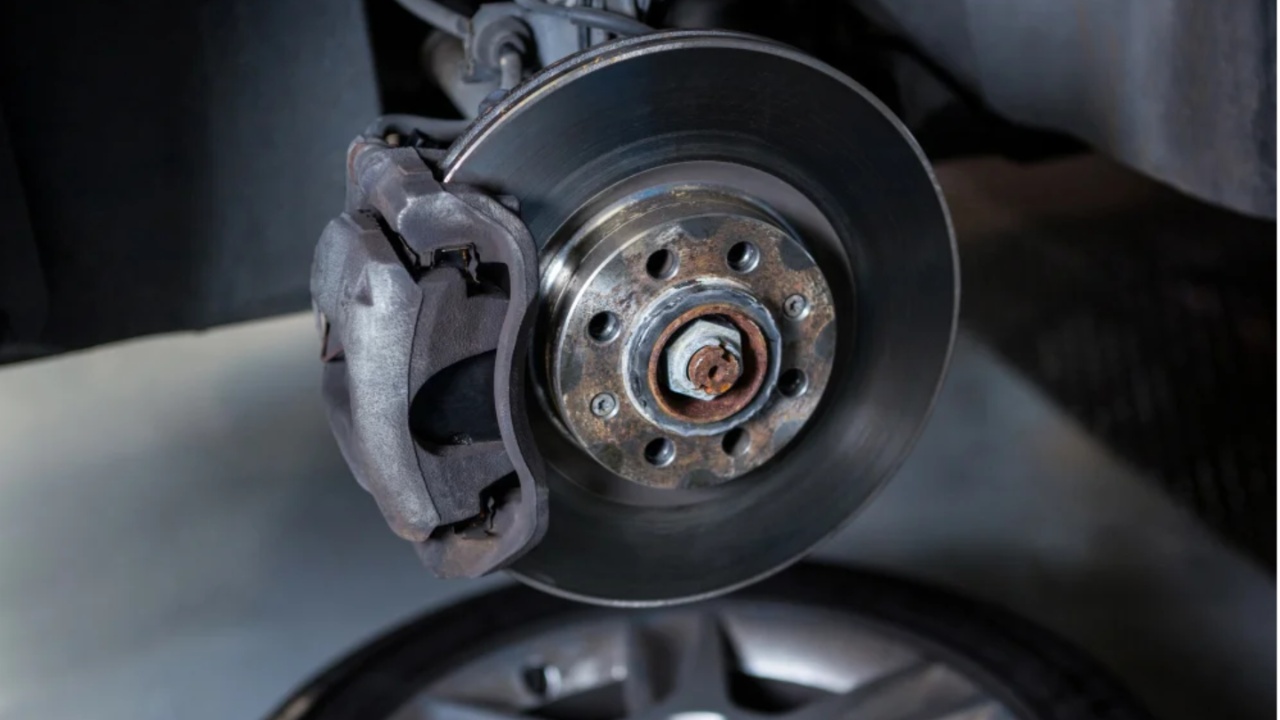
5. Abnormal Grinding and Squealing Noises as Indicators of Sticking Brake Calipers
One of the most obvious signs of a sticking brake caliper is abnormal grinding or squealing noises coming from the wheel. Unlike the occasional squeak that can occur when brakes are cold, a seized caliper produces persistent, localized sounds.
These may include a high-pitched squeal, a rhythmic scraping, or a low-frequency grinding noise. Unlike normal brake noises, these sounds continue even when the brake pedal is not being pressed. They are caused by the brake pad vibrating against the rotor or by the wear indicator maintaining constant contact.
Any noise that changes in pitch or intensity relative to vehicle speed without braking suggests that the brake surfaces are continuously touching. This constant friction not only signals a problem with the braking system but also reduces fuel efficiency by forcing the engine to overcome the resistance created by the sticking caliper.
The root cause of these noises is the improper, continuous contact between the brake pad and the rotor. When a caliper sticks, the piston fails to retract fully, leaving the pad partially or fully engaged even when the brakes are not applied. This results in ongoing friction that gradually wears down the pad and generates heat.
High-pitched squealing occurs when the pad rubs against the rotor continuously, creating intense friction and vibration. Over time, if the caliper is not addressed, the pad material can wear away completely, exposing the metal backing plate. This leads to a loud grinding sound as metal contacts metal, signaling severe wear and the need for immediate attention.
Sticking calipers also drain fuel economy significantly. The constant drag from the partially applied brake acts like a vice grip on the wheel, creating resistance that the engine must overcome. Maintaining vehicle speed requires additional engine power, which increases fuel consumption.
The friction between the pad and rotor produces extreme heat, sometimes enough to cause a burning smell or smoke from the wheel. This heat can further damage the brake system by warping rotors and reducing the effectiveness of the brake fluid, increasing mechanical resistance and compounding fuel inefficiency.
Other warning signs often accompany abnormal brake noises. The vehicle may pull to one side, usually toward the wheel with the stuck caliper. One wheel may feel noticeably hotter than the others after driving due to the constant friction.
Drivers may also experience unusual drag, sluggish acceleration, or difficulty maintaining speed, as if the parking brake is partially engaged. These symptoms are critical to recognize because ignoring them can result in severe brake damage, total caliper failure, and drastically reduced fuel efficiency.
Addressing a sticking caliper typically requires inspecting and replacing the caliper assembly, guide pins, and often the brake pads and rotors.
Recognizing the early warning signs of abnormal noises, vehicle pull, heat, and drag is essential for safe vehicle operation, preventing further damage, and restoring normal fuel efficiency. Being attentive to these symptoms allows drivers to take action before more costly and dangerous problems develop.
Ignoring the signs of a sticking brake caliper can quickly escalate into costly repairs and compromised safety. Constant drag, vehicle pull, overheating, uneven brake dust, and abnormal noises all signal that a caliper is not functioning correctly, forcing the engine to work harder and consuming unnecessary fuel.
Addressing these issues promptly through professional inspection and replacement of the caliper assembly, guide pins, pads, and rotors can restore proper braking performance, improve fuel efficiency, and prevent further damage.
By staying vigilant for these five key symptoms, drivers can protect both their vehicles and their wallets, ensuring smoother, safer, and more economical driving. Regular maintenance and early intervention are the best defenses against the hidden costs of sticking calipers.
Also read: 10 Reasons Why Your Transmission Fluid Change Is More Critical for Modern 8 Speed Units