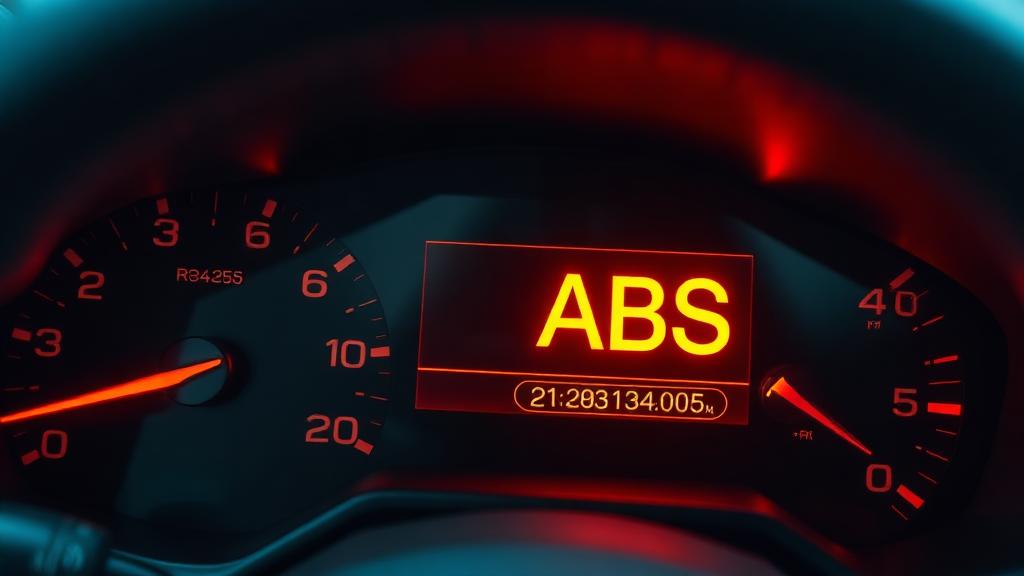
Seeing your ABS light turn on can be alarming, especially if you are unsure what it means or how serious the problem might be. The Anti-lock Braking System is a critical safety feature designed to prevent your wheels from locking up during sudden stops, helping you maintain control of your vehicle.
When the ABS light illuminates, it is a warning that something within the system is not functioning properly. While your regular brakes may still work, the added safety of ABS could be compromised.
Understanding the possible causes behind this warning can save you time, stress, and money. From simple fixes like low brake fluid or a blown fuse to more complex issues such as a faulty control module or hydraulic pump, the cost and urgency of repairs can vary widely. In this guide, we break down the five most common reasons your ABS light is on and what you can expect to pay to fix each one.
1. Faulty Wheel Speed Sensor
A faulty wheel speed sensor is the most common reason an ABS warning light turns on. These sensors are mounted at each wheel hub and track wheel rotation, sending critical data to the vehicle’s computer.
Because they are positioned near the road, they are constantly exposed to harsh conditions such as dirt, brake dust, moisture, road salt, and vibrations. Over time, these factors can damage the sensor’s magnetic pickup or internal wiring, leading to inaccurate or “implausible” signals.
When a sensor fails, the ABS system can no longer determine whether a wheel is locking up during braking. As a safety measure, the system shuts down and activates the warning light, often disabling both ABS and traction control. Common causes include dirty or contaminated sensors, wiring damage from debris or corrosion, and issues with the tone ring (reluctor ring), which can rust or shift and disrupt signal accuracy.
Diagnosing the issue typically involves using a scan tool to identify the affected wheel. In some cases, cleaning the sensor may resolve the problem. However, many modern vehicles integrate the sensor into the wheel hub assembly, meaning the entire unit must be replaced if the sensor fails, increasing repair costs.
Repair expenses vary depending on the vehicle and parts used. On average, replacement costs range from about $150 to $900 per sensor, including labor. While the sensor itself may be relatively inexpensive, labor costs can rise significantly if access is difficult or if the hub assembly must be replaced.
2. Low Brake Fluid Levels
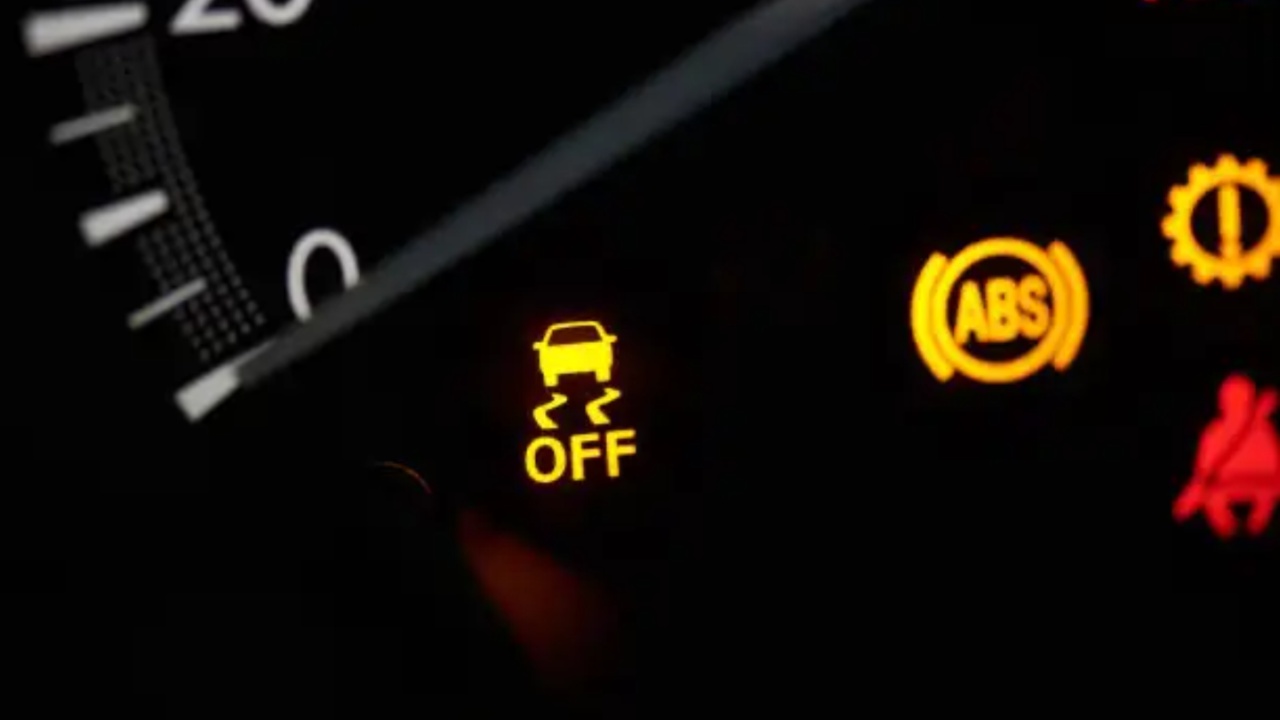
Low brake fluid is another common cause of an illuminated ABS warning light. The Anti-lock Braking System relies on consistent hydraulic pressure to function properly, and brake fluid plays a critical role in maintaining that pressure. Sensors inside the brake fluid reservoir monitor fluid levels, and when levels drop too low, they trigger both the ABS light and the primary brake warning light as a safety alert.
A low fluid level is not considered normal and usually signals an underlying issue. One possible cause is worn brake pads. As pads wear down, the calipers extend further, which draws more fluid into the braking system and lowers the reservoir level.
A more serious cause is a leak within the braking system, such as in the brake lines, hoses, calipers, or master cylinder. These leaks reduce hydraulic pressure, preventing the ABS from working properly and potentially weakening braking performance.
When hydraulic pressure drops, the ABS pump cannot function as intended, forcing the system to shut down as a safety measure. This not only disables ABS but can also reduce stopping power, making driving more dangerous. In severe cases, ignoring low brake fluid can lead to complete brake failure.
Fixing the issue starts with a thorough inspection. A mechanic will check for leaks, refill the reservoir with the correct type of brake fluid, and may perform a brake bleed to remove trapped air. Simply topping off the fluid is often a temporary solution if a leak exists.
Costs vary depending on the severity of the problem. A simple fluid top-off may cost between $5 and $30, while repairing leaks can range from $75 to $500 or more. Prompt attention is essential to ensure safety and prevent more expensive repairs.
Also read: 5 Cars With Simple Interiors That Age Well vs 5 With Too Much Fragile Plastic
3. Malfunctioning ABS Control Module
A malfunctioning ABS control module is a major cause of an illuminated ABS warning light and can completely disable the system. This module serves as the brain of the Anti-lock Braking System by processing data from wheel speed sensors and controlling hydraulic pressure during braking. When it fails, the system can no longer prevent wheel lockup, which reduces safety during sudden stops.
The ABS control module is an electronic component usually located in the engine bay. Because of its position, it is exposed to high temperatures, vibration, and electrical stress. Over time, these conditions can damage internal circuits or weaken solder connections.
Other causes of failure include corrosion, electrical faults, or power surges. When the module becomes faulty, it may lose communication with the vehicle’s computer or fail to interpret sensor data correctly, which triggers the ABS warning light.
Common symptoms include a constant ABS light, loss of traction control, and irregular braking performance. While the standard braking system still works, the absence of ABS increases the risk of wheel lockup and skidding, especially in emergency situations or on slippery roads.
Proper diagnosis requires a professional scan tool to confirm whether the control module is the source of the problem. Repair options include removing the unit and sending it to a specialist for rebuilding or replacing it with a new one. Replacement often requires programming to match the vehicle’s system, which adds complexity to the repair.
Repair costs vary depending on the vehicle and the extent of the issue. Rebuilding the module typically costs between $200 and $600, while a full replacement with programming can range from $500 to $2,000 or more. Prompt repair is important to restore full braking performance and ensure safe driving.
4. Blown Fuse or Electrical Issue
A blown fuse or electrical problem is another common reason for the ABS warning light to turn on. The Anti-lock Braking System relies on a steady electrical supply to operate its sensors, control module, and hydraulic pump. Fuses and relays protect this system from power surges and overloads. When a fuse blows, it immediately cuts power to the ABS, causing the system to shut down and trigger the warning light.
The most straightforward cause is a simple blown fuse, which can result from a temporary power surge. However, this issue is often a sign of a deeper electrical problem. Short circuits, damaged wiring, corrosion in the fuse box, or even rodent damage can disrupt the electrical flow. In some cases, a failing ABS control module may draw excessive power, leading to repeated fuse failures.
When the ABS loses power, it becomes inactive. This means the system can no longer monitor wheel speed or prevent wheel lockup during hard braking. While the standard braking system will still function, the added safety benefits of ABS are lost, increasing the risk of skidding, especially on wet or slippery roads. Electrical faults can also interfere with wheel speed sensors, preventing them from sending accurate data to the system.
Fixing the issue often begins with locating and replacing the blown fuse with one of the correct amperage rating. This is a quick and inexpensive repair. However, if the new fuse blows again, further diagnostics are required to identify underlying problems such as wiring damage or short circuits.
Costs vary depending on the severity of the issue. A simple fuse replacement may cost between $5 and $20. Electrical diagnostics and repairs can range from $100 to $300 or more, while major component repairs may increase costs further. Prompt attention helps prevent more serious and expensive damage.
5. Faulty Hydraulic Pump
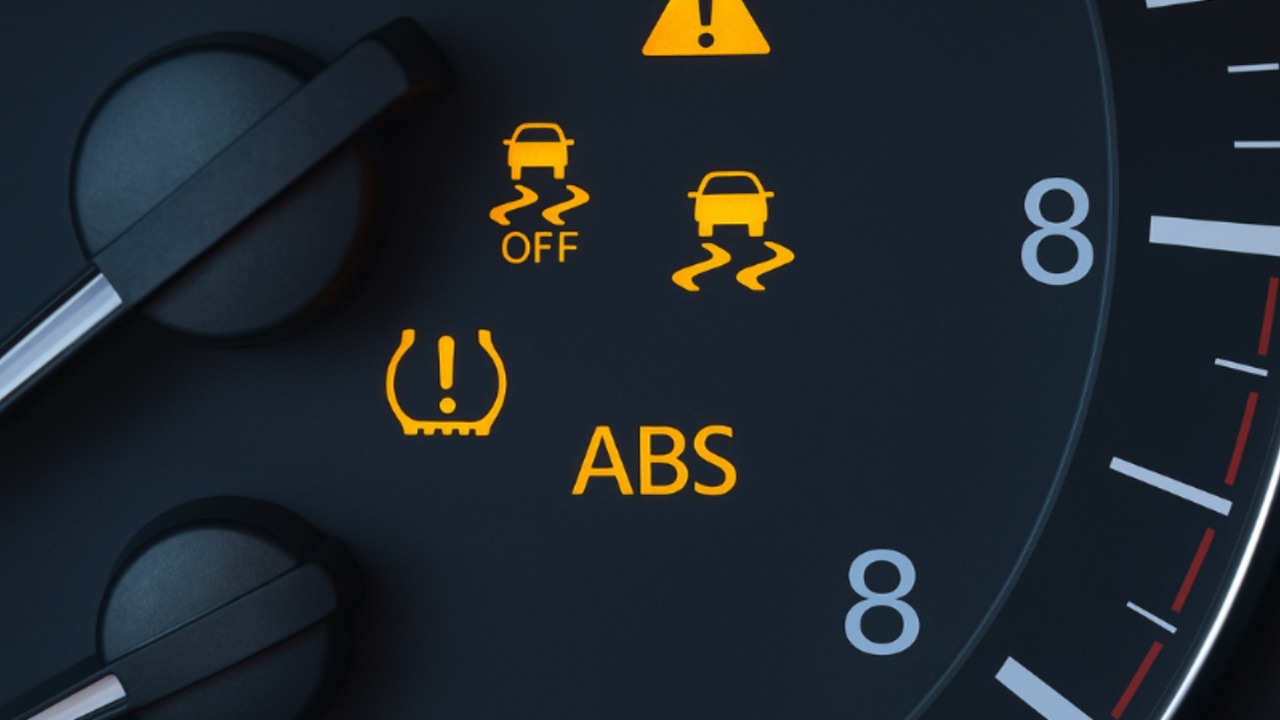
A faulty hydraulic pump is a serious issue that can trigger the ABS warning light and disable the system’s ability to prevent wheel lockup. The hydraulic pump is a key mechanical component of the Anti-lock Braking System, responsible for rapidly adjusting brake pressure during sudden or hard braking. When it fails, the system can no longer regulate pressure effectively, forcing the ABS to shut down as a safety precaution.
Hydraulic pump failure is often caused by contaminated brake fluid, especially if the fluid has not been flushed regularly. Moisture buildup inside the fluid can lead to corrosion, internal wear, or stuck valves within the pump assembly. In some cases, the pump motor itself may seize or fail due to electrical issues. When this happens, the ABS control module detects that the pump is not responding correctly or maintaining proper pressure, which activates the warning light.
Common symptoms of a failing hydraulic pump include a hard or stiff brake pedal, unusual noises such as whining or humming, and complete loss of ABS functionality. While normal braking will still work, the vehicle loses its anti-lock capability, which is especially dangerous during emergency stops or when driving on wet or slippery surfaces.
Repairing this issue is complex and labor-intensive. It typically involves replacing the entire hydraulic pump or modulator assembly. Because the braking system must be opened, technicians must also perform a full brake fluid flush and a power bleed to remove any trapped air and restore proper pressure.
Costs for this repair are among the highest for ABS-related problems. Total expenses usually range from $800 to $1,500 or more, including parts and labor. Prompt repair is essential to maintain safe braking performance and prevent further damage to the braking system.
An illuminated ABS light should never be ignored, even if your vehicle still seems to brake normally. Each of the five causes discussed ranges from minor and inexpensive fixes to more serious and costly repairs. Addressing the issue early can prevent further damage and help you avoid higher repair bills down the line.
More importantly, keeping your ABS system in proper working condition ensures safer driving, especially in emergency situations or on slippery roads. Whether the problem is a worn sensor, low fluid, an electrical fault, or a failing component, timely diagnosis is key. If you are unsure of the cause, having a professional inspection can quickly identify the issue and restore your vehicle’s braking performance.
Staying informed about these common ABS problems not only helps you make better repair decisions but also keeps you and others on the road safer.
Also read: 10 Reasons Why Your Transmission Fluid Change Is More Critical for Modern 8 Speed Units