Choosing the right vehicle for family safety goes beyond airbags and seatbelts. Active side-impact protection has become a cornerstone of modern automotive safety, helping prevent injuries before collisions occur or minimizing their effects during side crashes.
From midsize sedans to luxury SUVs and cutting-edge electric vehicles, manufacturers are increasingly integrating structural reinforcements, side airbags, and advanced driver-assistance systems designed specifically to protect passengers in lateral collisions.
Features like center-side airbags, Blind-Spot Collision-Avoidance, Safe Exit Assist, and reinforced B-pillars are now standard in many family-oriented vehicles, reflecting the industry’s commitment to proactive safety.
For parents and caregivers, these technologies provide not only peace of mind but real-world protection for children and adults alike. In this roundup, we highlight the 10 best vehicles with active side-impact protection for family safety, focusing on a blend of structural integrity, intelligent systems, and family-focused design to ensure optimal occupant protection.
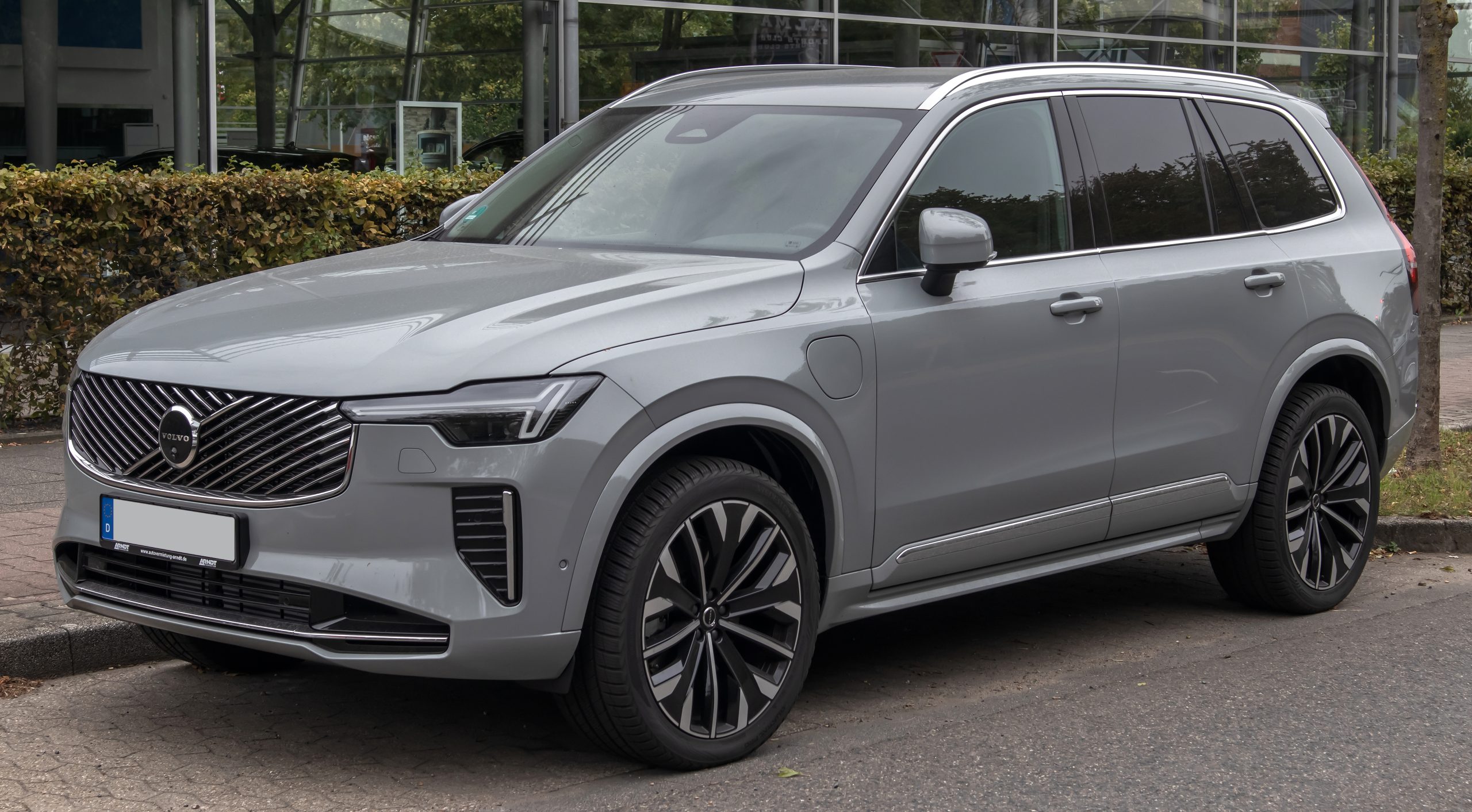
1. Volvo XC90 / EX90
The Volvo XC90 and its all-electric successor, the EX90, showcase Volvo’s long-standing commitment to safety, innovation, and family-focused design. Both SUVs are built around a high-strength steel safety cage engineered to absorb and redirect crash forces, particularly in side-impact collisions.
A key feature in both models is the Side Impact Protection System (SIPS), which uses ultra-high-strength boron steel and carefully designed deformation zones to protect occupants. Complementing this structure is an advanced airbag system, including curtain airbags that extend across all three rows, along with seat-mounted side airbags for comprehensive protection.
The EX90 elevates safety further with its new Safe Space Technology. This system integrates eight cameras, five radars, and LiDAR to create a 360-degree awareness shield capable of detecting pedestrians and hazards up to 250 meters away, even in low-visibility conditions.
Additional active safety features include Blind Spot Information System (BLIS) with Steer Assist, which gently corrects the vehicle’s path if a side collision risk is detected, and intersection collision mitigation that can automatically brake when reversing or merging.
Both vehicles are designed with families in mind. They include integrated child booster seats and advanced occupant monitoring systems. The EX90, in particular, can detect subtle movements such as a child’s breathing, helping prevent passengers from being accidentally left behind. In crash testing, the EX90 exceeds standard requirements, engineered to withstand impacts significantly more severe than typical benchmarks.
Beyond safety, the XC90 and EX90 differ in powertrain and driving experience. The XC90 is available as a plug-in hybrid, offering a balance of fuel efficiency and long-distance convenience, while the EX90 is fully electric, delivering a quieter ride and greater range.
The EX90 also introduces a more modern, minimalist interior with a large touchscreen interface, though some users find it overly reliant on digital controls. Meanwhile, the XC90 remains valued for its practicality, physical controls, and lower price point.
The XC90 suits buyers seeking reliability and familiarity, while the EX90 appeals to those wanting cutting-edge electric performance and next-generation safety technology.
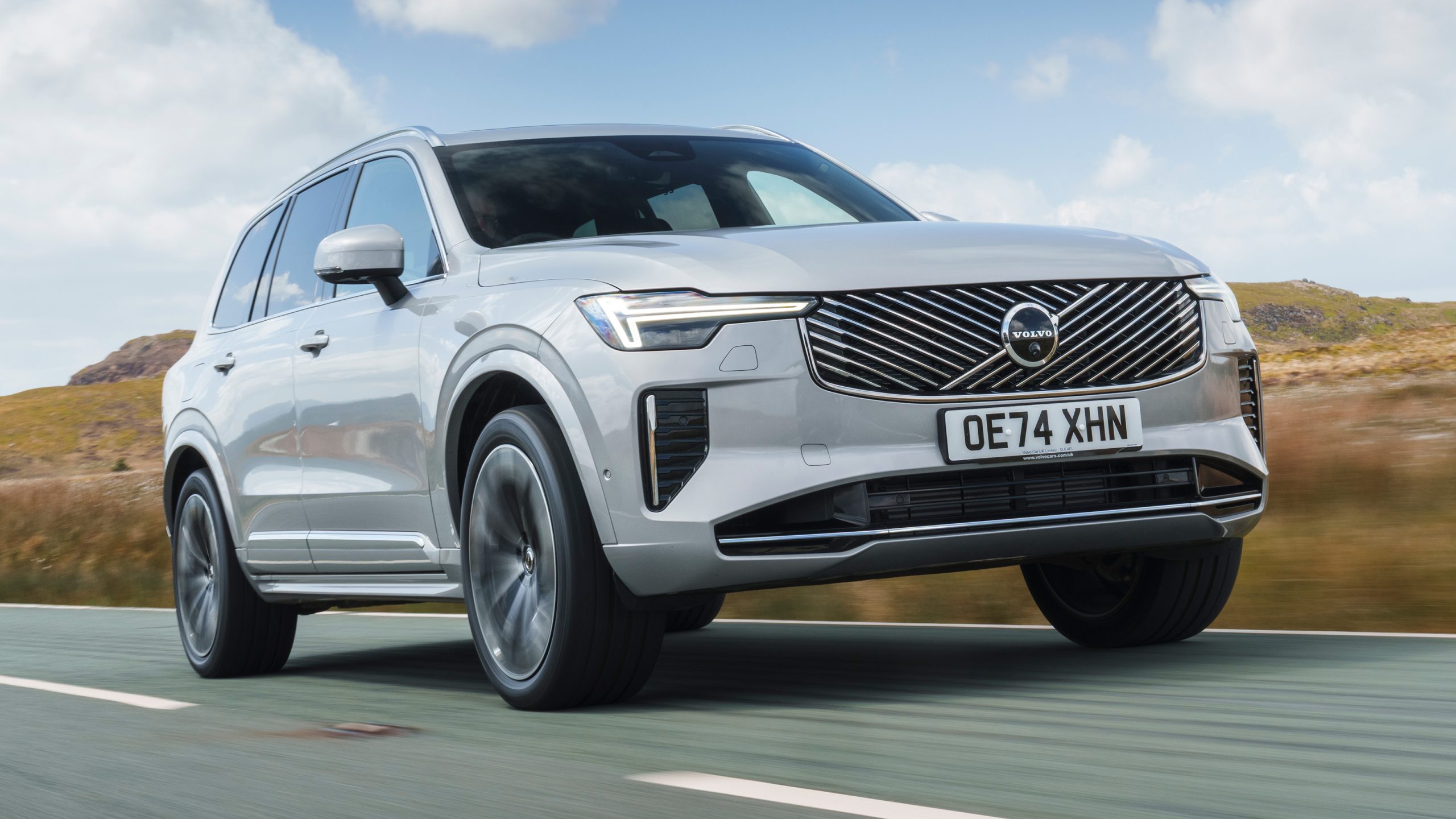
2. Hyundai Ioniq 5 / Ioniq 9
The Hyundai Ioniq 5 and the larger, three-row Ioniq 9 highlight Hyundai’s focus on advanced electric mobility and family-oriented safety. Both models are built on the dedicated E-GMP platform, which positions a heavy battery pack low in the chassis. This design improves stability and enhances protection in side-impact collisions by lowering the vehicle’s center of gravity and strengthening the structural base.
A standout innovation in both vehicles is the driver’s seat center-side airbag, which reduces the risk of occupants colliding with each other during a lateral crash. The Ioniq 5 comes equipped with seven airbags, while the Ioniq 9 expands this to ten, adding second-row side airbags and full-length curtain airbags that extend to the third row, making it especially suitable for larger families.
These features contribute to top-tier safety ratings, including five-star Euro NCAP scores and strong recognition from safety organizations.
Active safety systems further reinforce side-impact protection. Blind-Spot Collision-Avoidance Assist (BCA) uses sensors and cameras to monitor adjacent lanes and can automatically brake or steer to prevent side-swiping incidents. The Blind-Spot View Monitor provides a live video feed of hidden areas, helping drivers make safer lane changes.
Meanwhile, Safe Exit Assist prevents rear passengers, particularly children, from opening doors when a vehicle is approaching from behind, reducing the risk of accidents in busy environments. Additional features like Rear Cross-Traffic Collision Avoidance and a Surround View Monitor help drivers navigate tight spaces and avoid low-speed side impacts.
The Ioniq 5 is a midsize crossover aimed at urban users and small families. It is praised for its retro-futuristic design, spacious flat-floor interior, and impressive range of up to حوالي 318 miles in rear-wheel-drive form. It also offers rapid charging and a smooth, quiet driving experience, though ride comfort may vary depending on wheel size.
In contrast, the Ioniq 9 is a flagship SUV designed for larger families and long-distance travel. It offers three rows of seating, generous interior space, and powerful dual-motor options with strong acceleration. With an estimated range of up to 335 miles and ultra-fast charging capability, it balances performance with practicality.
The Ioniq 5 suits urban lifestyles, while the Ioniq 9 caters to families needing maximum space, safety, and long-range capability.
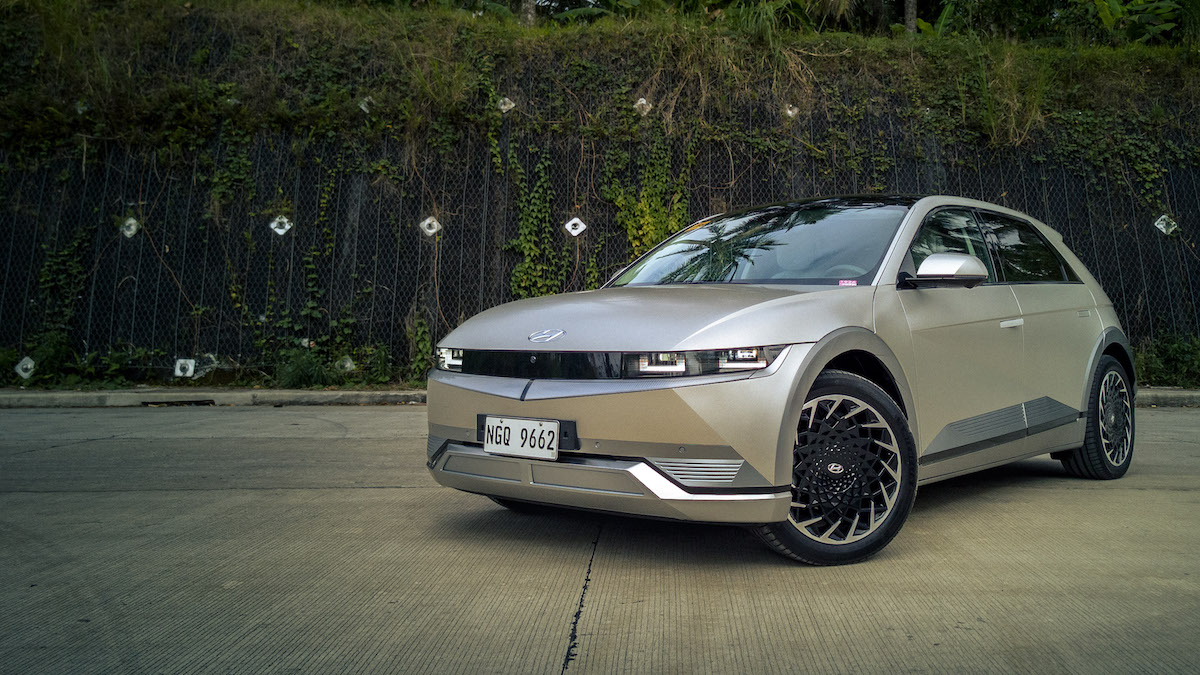
3. Tesla Model Y
The Tesla Model Y is a leading family SUV known for its excellent side-impact protection and advanced safety features. Its strength comes from a rigid battery pack that spans the width of the vehicle, acting as a reinforced crumple zone in lateral collisions. Positioned low in the chassis, the battery pack lowers the center of gravity, reducing rollover risk and enhancing vehicle stability.
Additional structural reinforcements, energy-absorbing side sills, and far-side airbags protect occupants from secondary impacts during side collisions. Over-the-air updates continuously refine these systems to ensure optimal performance in real-world crashes.
Active safety is powered by Tesla Vision, a camera-based system that enables Emergency Lane Departure Avoidance. The system, along with Forward Collision Warning, Lane Departure Warning, and Automatic Emergency Braking, helps prevent or reduce the severity of accidents by steering or braking when hazards are detected.
Child occupant safety is also prioritized, with Euro NCAP ratings showing a 95 percent protection score and the ability to fit three child seats in the rear. The Model Y earned a 5-star rating from the National Highway Traffic Safety Administration and ranks among SUVs with the lowest recorded rollover risks.
Performance varies across models. Rear-wheel-drive variants produce around 295 to 300 horsepower, while dual-motor all-wheel-drive versions deliver 375 horsepower. The Performance trim features upgraded suspension, a widened track, and 21-inch wheels, allowing acceleration from 0 to 60 miles per hour in approximately 3.3 seconds.
Real-world range depends on wheel size and drivetrain, ranging from 303 to 357 miles. High-speed DC charging can add up to 182 miles of range in 15 minutes for the Premium RWD model.
The interior emphasizes minimalism with a 15.4-inch central touchscreen that controls most functions. A glass roof adds an open feel, while faux-leather seats, power-adjustable front seats, and dual-zone climate control enhance comfort. Standard seating accommodates five passengers, with an optional third row available on Premium AWD models. Cargo space is generous, holding up to 19 carry-on suitcases with the rear seats folded.
The Tesla Model Y combines strong passive and active safety, long-range capability, responsive performance, and family-friendly practicality, making it a top choice among electric SUVs.
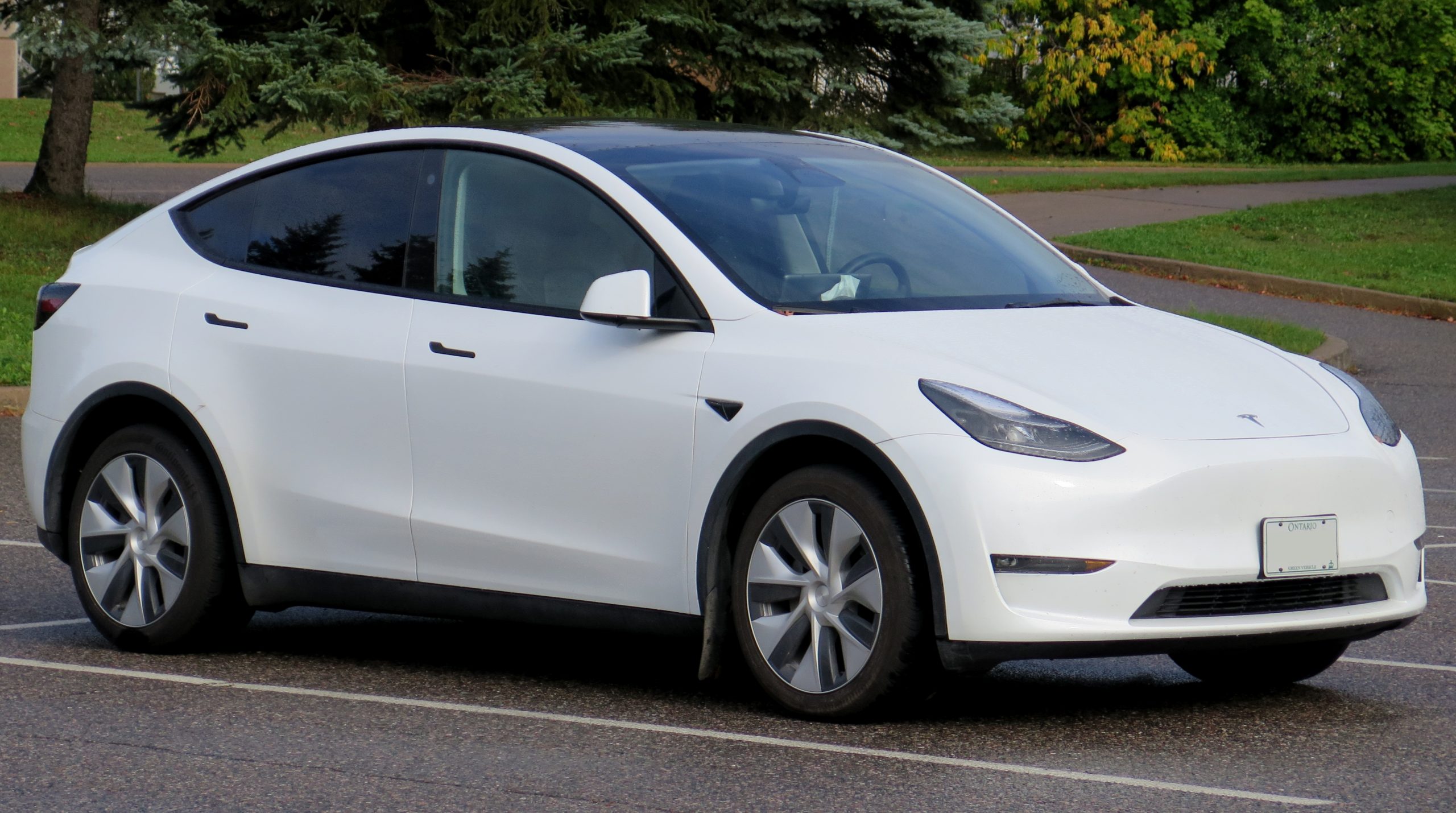
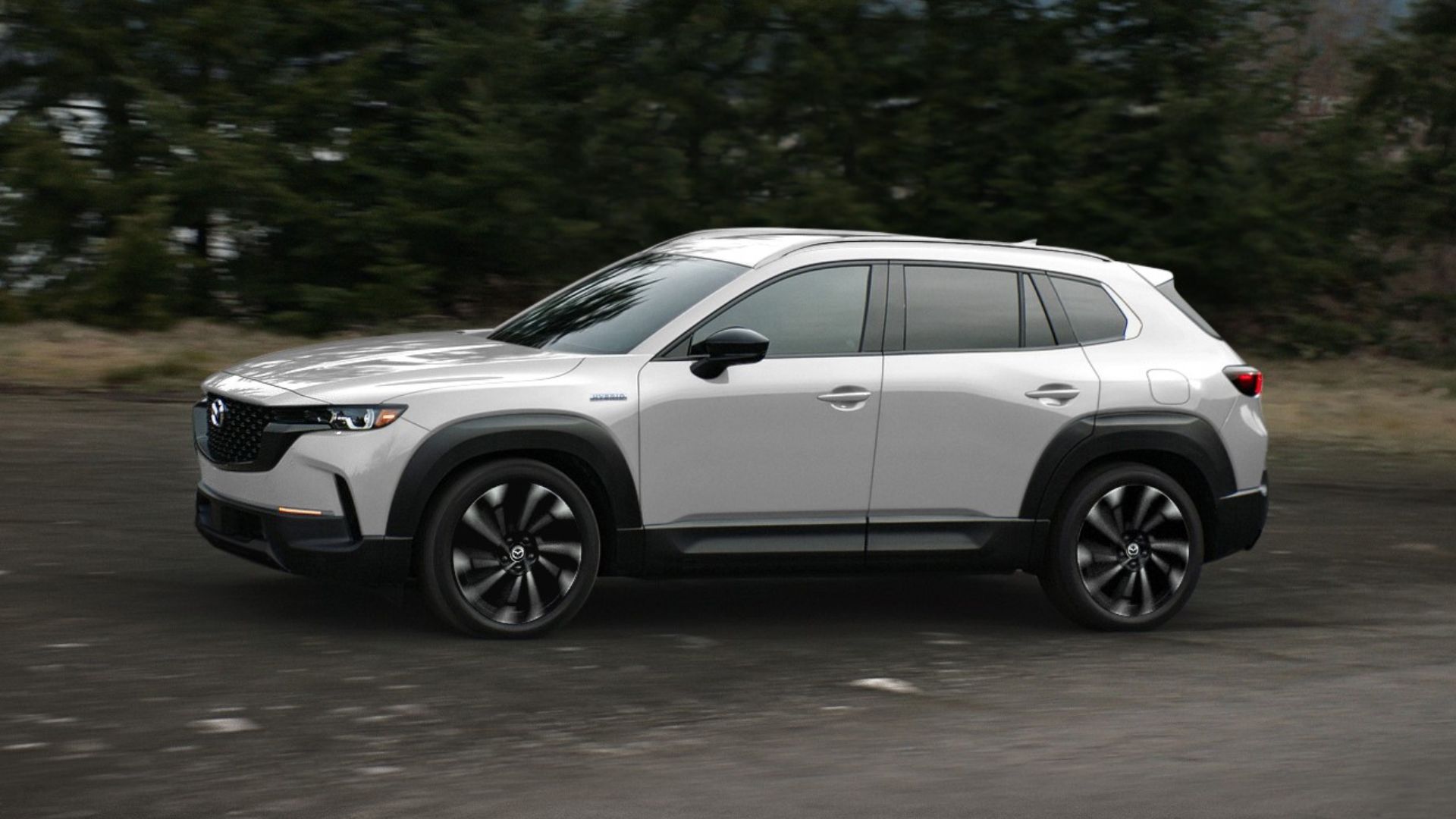
4. Mazda CX-50
The Mazda CX-50 is a compact SUV widely recognized for its strong safety credentials, earning the IIHS Top Safety Pick+ award and a 5-star rating from the NHTSA.
Its robust side-impact protection begins with a high-strength steel safety cage that performed exceptionally in IIHS side-impact tests, maintaining driver survival space even in severe collisions. Side impact air curtains provide rollover protection and shield the entire side window area, while reinforced door beams absorb crash energy and limit cabin intrusion.
The CX-50 also features Mazda’s i-Activsense active safety suite. Standard systems include Blind Spot Monitoring with Rear Cross Traffic Alert, which warns drivers of vehicles approaching from the sides or rear, and Smart Brake Support, which can intervene to prevent collisions at low speeds.
Lane-Keep Assist and pedestrian detection further enhance safety, reducing the likelihood of side-impact incidents. The SUV is designed to be family-friendly, offering high ratings for LATCH hardware that simplifies the installation of child seats.
Performance options include a 2.5-liter naturally aspirated four-cylinder engine producing 187 horsepower and a turbocharged 2.5-liter variant delivering 256 horsepower. Both engines are paired with a six-speed automatic transmission and all-wheel drive as standard.
The CX-50 Turbo accelerates from 0–60 mph in 6.4 seconds, while the base 2.5 S model achieves the sprint in 8.4 seconds. Mazda tuned the CX-50 for precise handling without sacrificing comfort, providing an engaging yet smooth ride.
Towing capacity ranges from 2,000 pounds for the base engine to 3,500 pounds with the turbocharged version, placing it among the stronger tow-capable compact crossovers. Fuel economy is competitive, with EPA ratings of 23–24 mpg in the city and 29–30 mpg on the highway, while real-world testing shows the turbo model achieving 29 mpg at 75 mph.
Inside, the CX-50 offers a stylish, slightly rugged interior with supportive front seats, a tilt-and-telescoping steering wheel, and a partially digital gauge cluster. Rear-seat space is slightly below average for the segment, and cargo capacity is moderate, fitting nine carry-on suitcases with seats up and twenty with seats folded.
All models include a 10.3-inch infotainment touchscreen with Mazda Connect, wireless Apple CarPlay and Android Auto, and an eight-speaker stereo, with premium trims offering a 12-speaker Bose system.
Standard safety and driver-assistance features include automated emergency braking, lane-keeping assist, and adaptive cruise control, while optional features include adaptive headlights, parking sensors, and a 360-degree camera system. Warranty coverage includes three years or 36,000 miles for the limited warranty and five years or 60,000 miles for the powertrain, though Mazda does not include complimentary maintenance.
The Mazda CX-50 combines strong crash protection, proactive driver-assistance features, capable performance, and refined interior design, making it a practical and safe choice for families seeking a compact SUV.
5. Kia Telluride
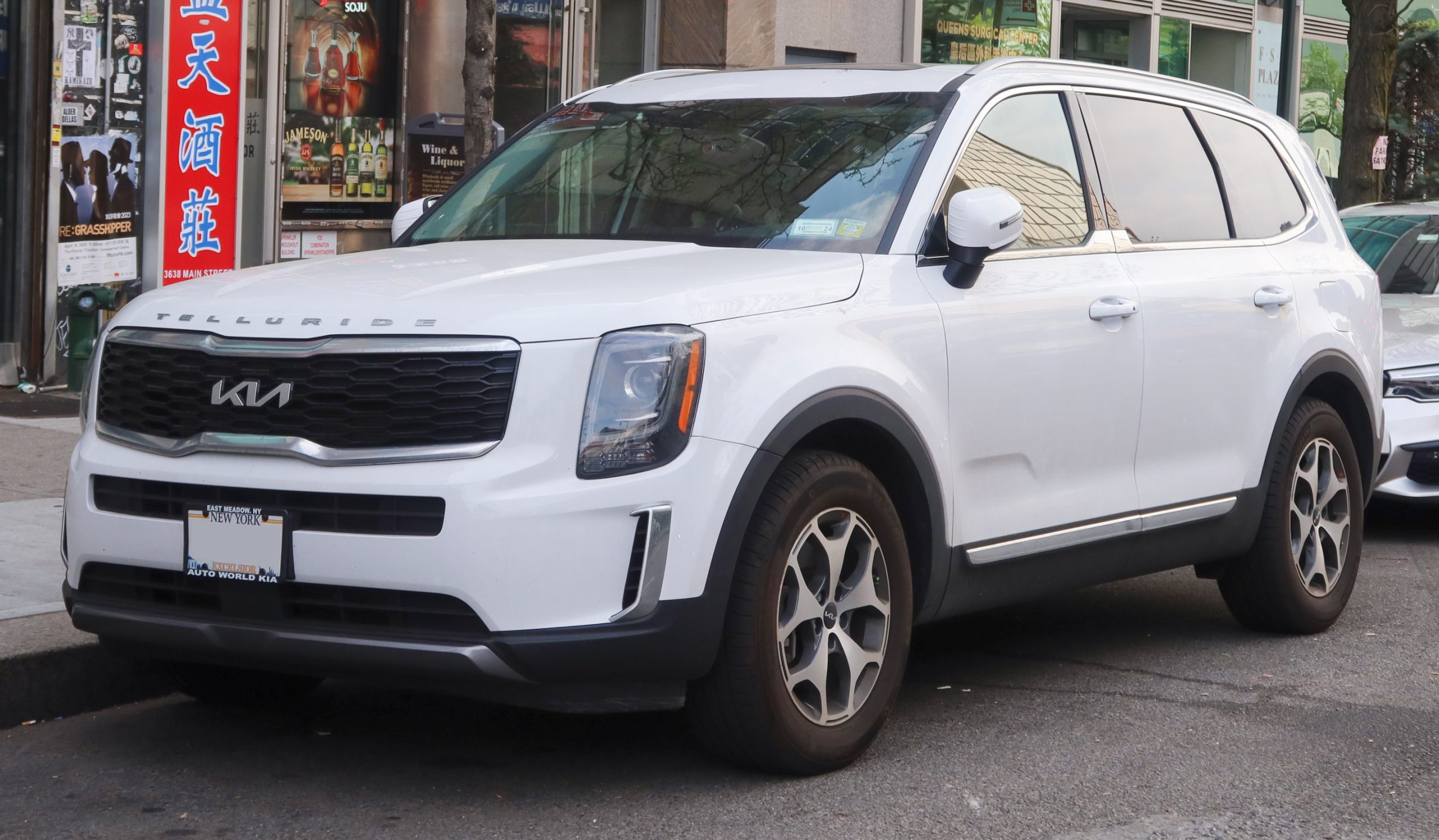
The 2025–2026 Kia Telluride is a midsize SUV that excels in family safety, earning the IIHS Top Safety Pick+ award and a 5-star rating from the NHTSA. Its robust crash protection is anchored by a reinforced high-strength steel structure and side-impact airbags in all three rows, including standard second-row side-impact airbags for enhanced rear-passenger safety.
Structural reinforcements maintain cabin integrity during side collisions, while Smart Brake Support and Blind-Spot Collision-Avoidance Assist help prevent accidents before they occur. The Telluride also includes Safe Exit Assist to prevent rear doors from opening when a vehicle is approaching, enhancing child safety.
Active safety features include Blind-Spot Collision-Avoidance Assist-Parallel Exit, which helps prevent side impacts when exiting parking spaces, and Rear Cross-Traffic Collision-Avoidance Assist, which detects vehicles approaching from behind.
The Blind-Spot View Monitor provides a live video feed of adjacent lanes in the instrument cluster whenever a turn signal is activated, reducing blind-spot risks. Additional systems such as Forward Collision-Avoidance Assist with pedestrian and cyclist detection, Lane Keeping Assist, and a 360-degree camera system further enhance driver awareness and prevent collisions.
The Telluride is powered by a turbocharged 2.5-liter four-cylinder engine producing 274 horsepower, paired with an eight-speed automatic transmission. Front-wheel-drive or all-wheel-drive options are available. Performance is smooth and responsive, with a 0–60 mph time of 7.4 seconds, and handling is competent yet comfortable for long drives.
Towing capacity reaches up to 5,000 pounds, making it capable of carrying family trailers and recreational use. Fuel economy ranges from 17 to 20 mpg in the city and 22 to 26 mpg on the highway, depending on drivetrain and trim.
Inside, the Telluride offers a modern, spacious cabin with a large center console, optional faux-wood trim, and wireless smartphone charging pads. Front seats are supportive, and the second row can be configured with either a three-across bench or optional captain’s chairs with heated and ventilated features.
The third row is best suited for children or smaller adults, yet it provides more space than Kia’s smaller SUVs. Cargo capacity ranges from 22 cubic feet behind the third row to 87 cubic feet with all seats folded.
Infotainment is anchored by a 12.3-inch touchscreen and optional 12.3-inch digital gauge cluster, with wireless Apple CarPlay and Android Auto standard. Audio options include a 12-speaker stereo with a 14-speaker Meridian premium system available. Kia offers one of the best warranties in the segment, with a limited warranty of five years or 60,000 miles and a powertrain warranty of 10 years or 100,000 miles.
The Kia Telluride combines top-tier crash protection, advanced active safety technology, a spacious family-friendly interior, and refined performance, making it an excellent choice for families prioritizing safety and comfort in a midsize SUV.
Also read: 5 Cars That Are Unstoppable in Deep Snow vs 5 AWD Models That Get Stuck
6. Honda Passport
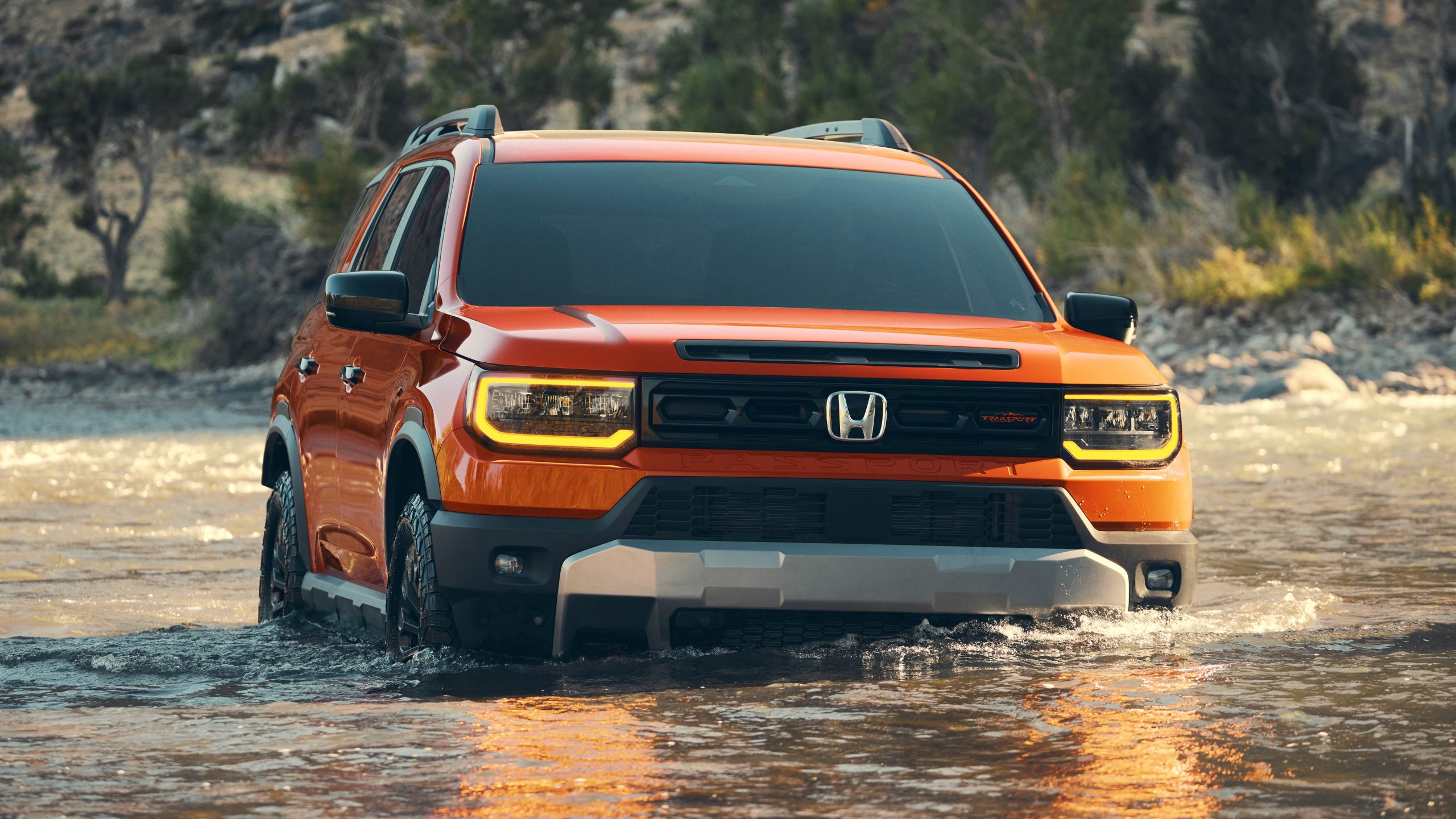
The fully redesigned Honda Passport is a midsize SUV built for family safety, earning the IIHS Top Safety Pick+ award. Its Advanced Compatibility Engineering (ACE) body structure uses high-strength steel to disperse side-impact energy away from the cabin, while reinforced B-pillars and increased vehicle width further protect passengers in lateral collisions.
Standard Honda Sensing technology provides active safety, including Blind Spot Information, Cross Traffic Monitor, Lane Keeping Assist, and Collision Mitigation Braking with pedestrian detection. New Side Curtain Airbags with rollover sensors safeguard both rows of occupants, making the Passport a strong contender for families prioritizing safety.
Rear-seat passenger safety has been enhanced in the model, with improved head injury protection in IIHS testing and lap belts that maintain proper positioning during side impacts. The Passport also offers a spacious five-seat cabin with 41 inches of rear legroom and headroom, accommodating car seats comfortably.
Its rugged construction and 8.3 inches of ground clearance provide stability for off-road or uneven terrain. The Passport was recognized by the Parents’ Best Family Cars Awards for combining safety, space, and style.
Under the hood, the Passport is powered by a 285-horsepower 3.5-liter V6 paired with a 10-speed automatic transmission and Honda’s i-VTM4 torque-vectoring all-wheel-drive system. Seven drive modes, including Sport, Trail, and Tow, allow drivers to optimize performance for different conditions.
TrailSport versions feature all-terrain tires and skid plates, enhancing off-road capability, while the ride remains quiet and refined. The Passport achieves 0–60 mph in 7.3 seconds, and towing capacity reaches up to 5,000 pounds, surpassing many competitors.
Fuel economy for the standard model is rated at 21 mpg combined, with TrailSport versions slightly lower due to larger tires. On our real-world highway test, the TrailSport returned 25 mpg.
The interior blends comfort and technology with standard power-adjustable and heated front seats, a 12.3-inch touchscreen, a 10.2-inch instrument cluster, wireless Apple CarPlay and Android Auto, 5G LTE Wi-Fi hotspot, and a wireless phone charger.
TrailSport Elite trims include ventilated front seats, rear climate controls, ambient lighting, and a 12-speaker Bose audio system. Cargo capacity has increased, accommodating 16 carry-on suitcases behind the rear seat and 38 with the seats folded.
Honda Sensing ensures comprehensive driver-assistance coverage, including automated emergency braking, blind-spot monitoring, adaptive cruise control, and rear cross-traffic alert. Warranty coverage includes a three-year or 36,000 miles limited warranty, five years or 60,000 miles powertrain coverage, and one year or 12,000 miles of complimentary maintenance.
The Honda Passport combines robust crash protection, advanced active safety, a spacious family-friendly interior, and capable performance, making it an ideal SUV for families seeking both safety and versatility.
7. Subaru Forester
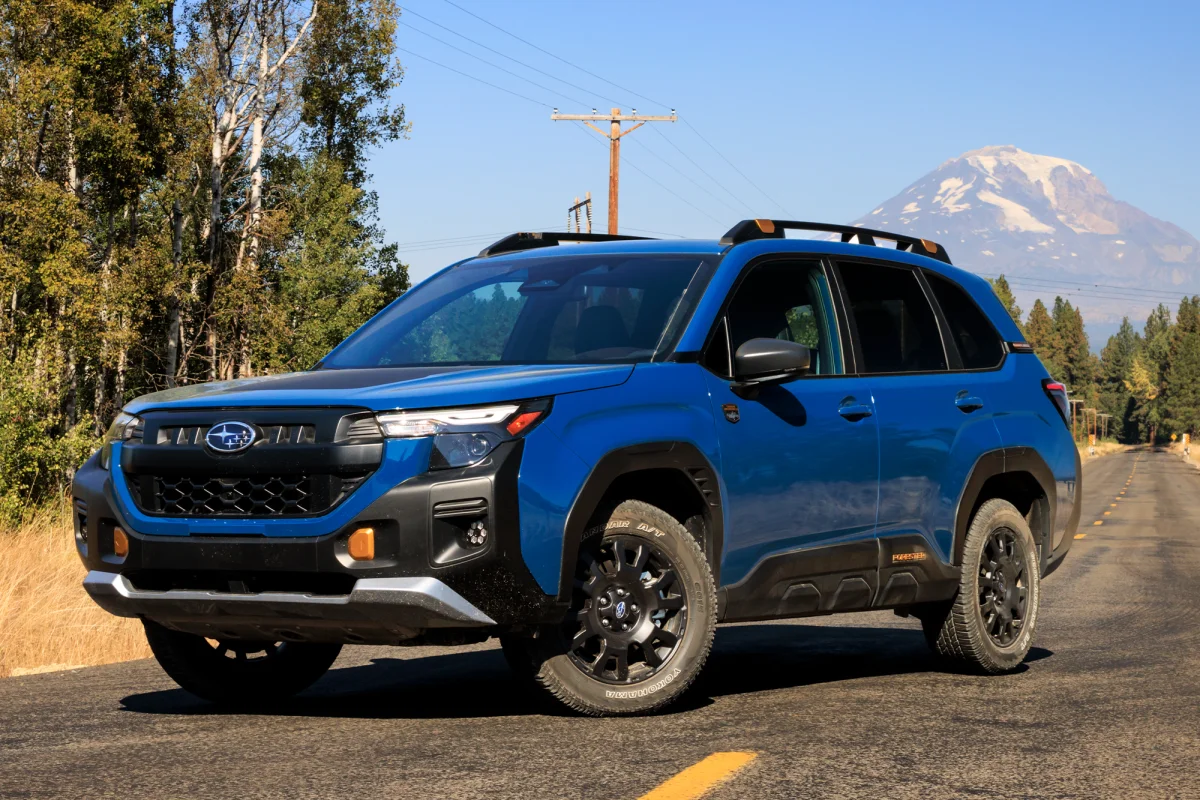
The all-new Subaru Forester is a top choice for family safety, earning the IIHS Top Safety Pick+ award. Its Ring-Shaped Reinforcement Frame acts like a roll cage, protecting the passenger compartment from side intrusions and improving crash energy absorption by up to 40 percent.
Built on the Subaru Global Platform, the Forester has a 10 percent increase in structural rigidity over its predecessor and high-tensile steel that enhances torsional stiffness by about 70 percent. These design elements provide strong passive protection in side-impact collisions.
Active safety comes from the updated EyeSight Driver Assist suite, which includes Automatic Emergency Steering to help avoid collisions when braking alone is insufficient. The system also provides Blind-Spot Detection, Rear Cross-Traffic Alert, and adaptive cruise control.
Its wider field of view allows earlier detection of side-approaching pedestrians and cyclists. Standard side-curtain airbags and reinforced side-door beams further protect occupants in T-bone collisions and rollovers. A 360-degree camera system is available to enhance visibility during parking and low-speed maneuvers.
Family-focused features include standard child LATCH points, child safety locks, and a rear-seat reminder system. Combined with the strong passenger cell and excellent visibility, the Forester offers comprehensive protection for families.
Power comes from a 2.5-liter flat-four engine producing 180 horsepower and 178 pound-feet of torque, paired with a continuously variable transmission and all-wheel drive. Acceleration is modest, with the Sport trim reaching 60 miles per hour in 8.3 seconds and the Wilderness trim in 8.4 seconds. The Wilderness trim can tow up to 3,500 pounds, while other trims are rated at 1,500 pounds.
Fuel economy is estimated at 26 miles per gallon in the city and 33 on the highway, with the Wilderness slightly lower at 24 and 28 miles per gallon due to larger tires. Real-world highway testing showed 31 miles per gallon for the Sport and 27 for the Wilderness.
Inside, the Forester offers a spacious and bright cabin with tall windows and a panoramic sunroof. Rear-seat passengers enjoy generous headroom, legroom, and hiproom. Cargo space measures 30 cubic feet behind the rear seats and 75 cubic feet with the second row folded.
Materials range from cloth to water-repellent leatherette, with higher trims adding heated and ventilated front seats. An 11.6-inch touchscreen is standard on most trims and supports wireless Apple CarPlay and Android Auto.
The Subaru Forester combines strong structural safety, advanced driver-assist systems, and practical family-friendly features, making it a reliable SUV for families seeking protection and comfort. Its standard safety suite includes automated emergency braking, lane-keeping assist, and adaptive cruise control, providing both proactive and reactive protection.
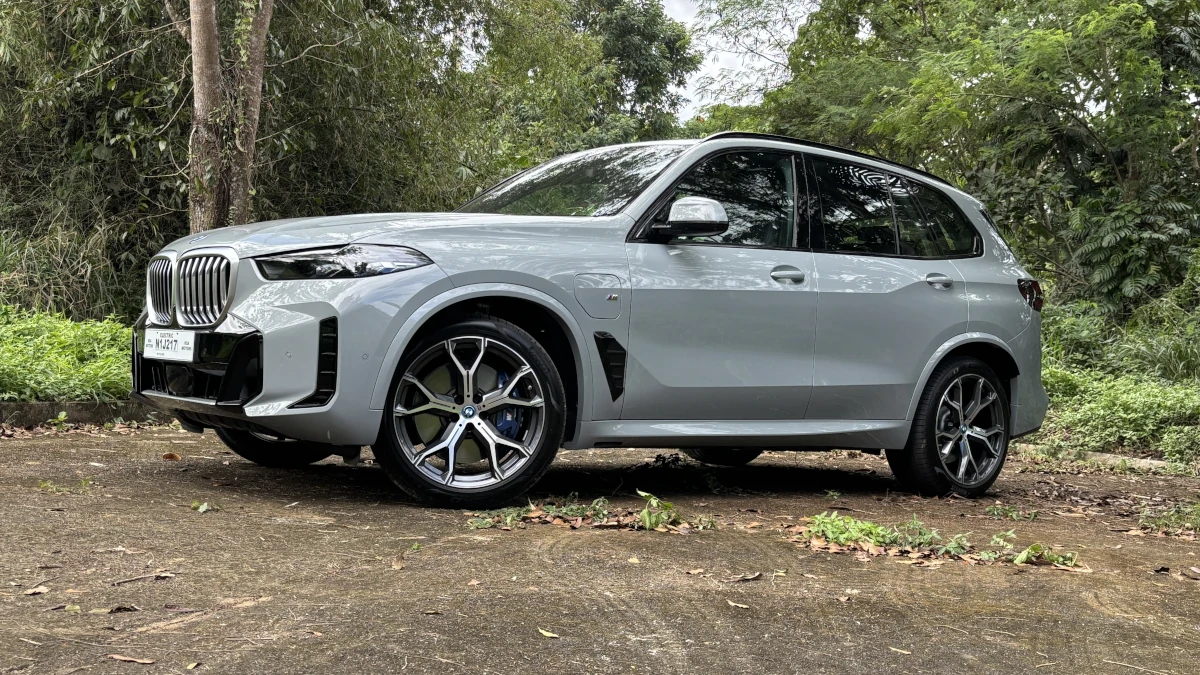
8. BMW X5
The BMW X5 is a luxury SUV that pairs high-end comfort with advanced side-impact safety, making it a strong choice for families seeking both performance and protection. Its Active Protection System detects imminent collisions and prepares the cabin by pretensioning seatbelts, closing windows, and shutting the sunroof to improve occupant safety.
Structurally, the X5 uses ultra-high-strength steel in the B-pillars and door sills to prevent cabin deformation. Side-impact protection is further enhanced by the Head Protection System, which deploys side-curtain airbags covering both rows. Active Blind Spot Detection provides haptic feedback and visual alerts to help prevent side-swipes, while rollover sensors trigger airbags and pretensioners if needed.
The X5 consistently earns “Good” ratings in IIHS side crash tests and a “Superior” rating for Front Crash Prevention. Its advanced safety suite includes automated emergency braking, lane-departure warning, and pedestrian and cyclist detection.
Post-crash safety features include automatic emergency calls and post-crash braking to help mitigate secondary accidents. Together, these proactive and reactive systems provide comprehensive occupant protection.
Powertrain options include the sDrive40i and xDrive40i models with a 375-horsepower turbocharged inline-six, the plug-in hybrid xDrive50e combining a turbo inline-six and electric motor for 483 horsepower, and the M60i with a 523-horsepower twin-turbo V8. All models use an eight-speed automatic transmission.
The X5 delivers a refined ride, stable handling, and precise steering. Acceleration ranges from 4.4 seconds for the xDrive40i to 3.6 seconds for the M60i. Towing capacity reaches 7,200 pounds and payload up to 1,193 pounds on select trims. Fuel economy is rated up to 23 miles per gallon city and 27 highway, with real-world tests exceeding estimates at 28 miles per gallon.
Inside, the X5 combines spacious seating with premium materials, including power-adjustable and heated front seats, dual-zone climate control, panoramic sunroof, and high-quality trim. The rear seats fold easily, offering 26 cases of cargo space with the second row down and 11 with the seats up.
Infotainment is handled by a dual curved display, including a 12.3-inch gauge cluster and a 14.9-inch iDrive touchscreen, with Apple CarPlay, Android Auto, wireless charging, and 5G Wi-Fi. Optional luxury features include massaging seats, Bowers & Wilkins audio, and soft-close doors.
The BMW X5 effectively combines robust side-impact protection, cutting-edge driver-assistance features, and upscale comfort, making it a top-tier family SUV in the premium segment. Standard safety features are comprehensive, and advanced options add convenience and peace of mind, ensuring the X5 excels in both proactive and passive family safety.
9. Genesis GV80
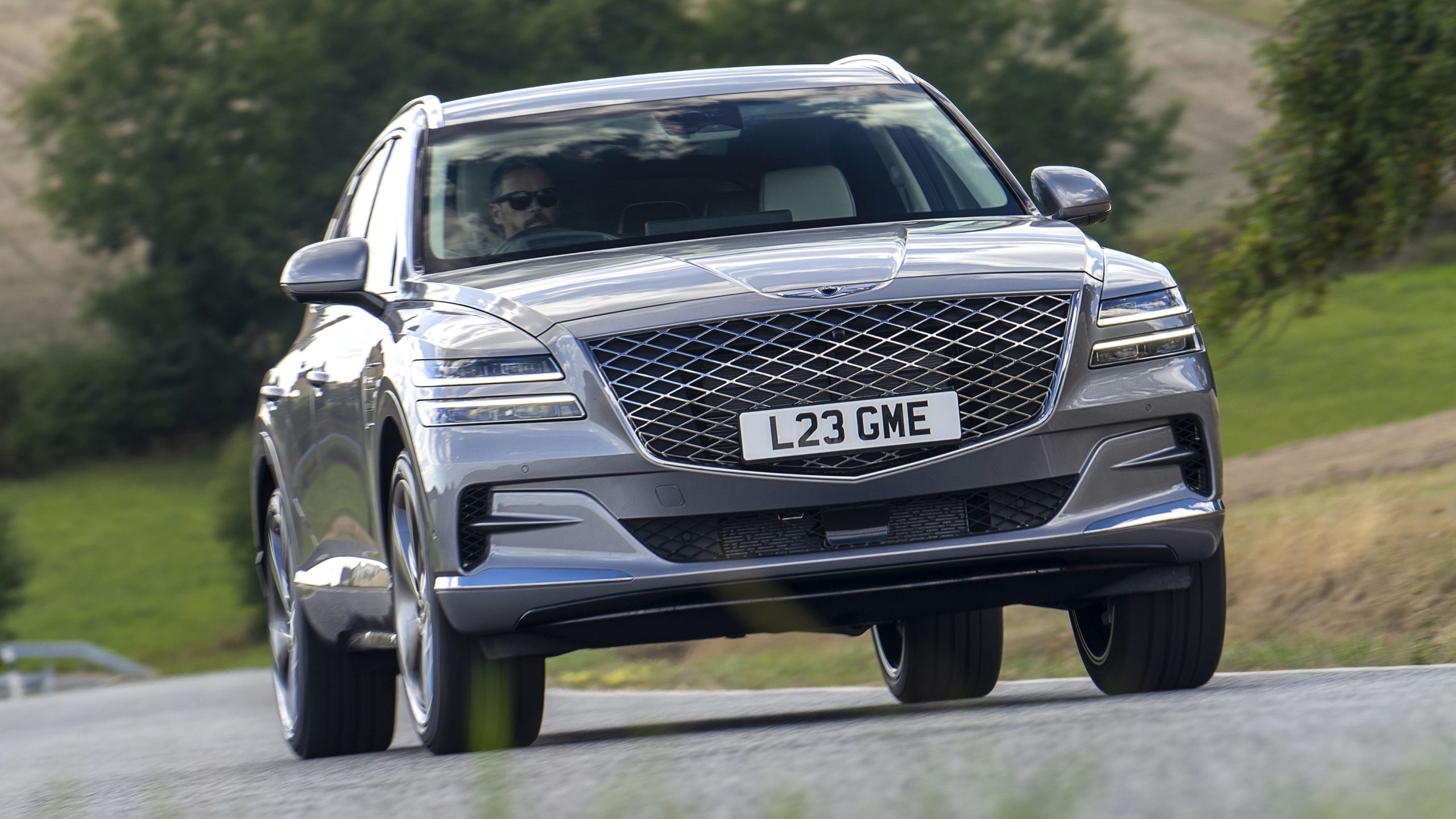
The Genesis GV80 is a luxury SUV designed with family safety as a top priority, offering advanced side-impact protection and innovative active safety systems. It features a total of 10 standard airbags, including a rare front-center airbag that deploys between the driver and front passenger to prevent head-to-head collisions.
Its high-strength chassis is made of a combination of high-tensile steel and aluminum, balancing weight and side-impact resistance. The GV80 also includes a Surround View Monitor and Blind-Spot View Monitor, giving drivers a 360-degree top-down perspective and live feeds of blind spots, which reduces the risk of side collisions, especially around children and pedestrians.
The SUV’s proactive safety suite incorporates Blind-Spot Collision-Avoidance Assist, which can apply brakes on one side to guide the vehicle back into its lane. Forward Collision-Avoidance Assist includes intersection turning, lane-change oncoming, and evasive steering technology to mitigate potential side collisions.
Side curtain airbags cover both rows, and the reinforced safety cage earns “Good” ratings in IIHS side, roof, and overlap tests, while Highway Driving Assist II reduces driver fatigue on longer trips. These features, combined with child safety seat compatibility and a family-focused cabin, make the GV80 a top-tier option for family protection.
Powertrain options include a 300-horsepower turbocharged 2.5-liter four-cylinder and a 375-horsepower twin-turbo 3.5-liter V6. Rear-wheel drive is available on the base four-cylinder, while all-wheel drive is standard on higher trims. The GV80 delivers a smooth, quiet ride and predictable handling, although steering feedback is modest.
Acceleration ranges from 6.1 seconds to 60 mph for the 2.5T AWD to 5.7 seconds for the 3.5T AWD. Towing capacity reaches 6,000 pounds. Fuel economy ranges from 16-20 mpg city and 22-26 mpg highway, depending on engine and drivetrain, with real-world testing exceeding estimates for some models.
The interior of the GV80 emphasizes comfort and luxury, with high-grade materials, burled wood trim, customizable ambient lighting, and a 27.0-inch OLED infotainment display combining the gauge cluster and touchscreen.
Standard features include wireless Apple CarPlay and Android Auto, wireless charging, and a 12-speaker audio system, with an 18-speaker Bang & Olufsen system optional. Cargo capacity is generous, accommodating 28 carry-on suitcases with the second row folded.
With a comprehensive standard safety suite, luxurious interior, advanced technology, and an industry-leading 10-year powertrain warranty, the Genesis GV80 excels as a safe, refined, and family-oriented luxury SUV.
10. Toyota Camry
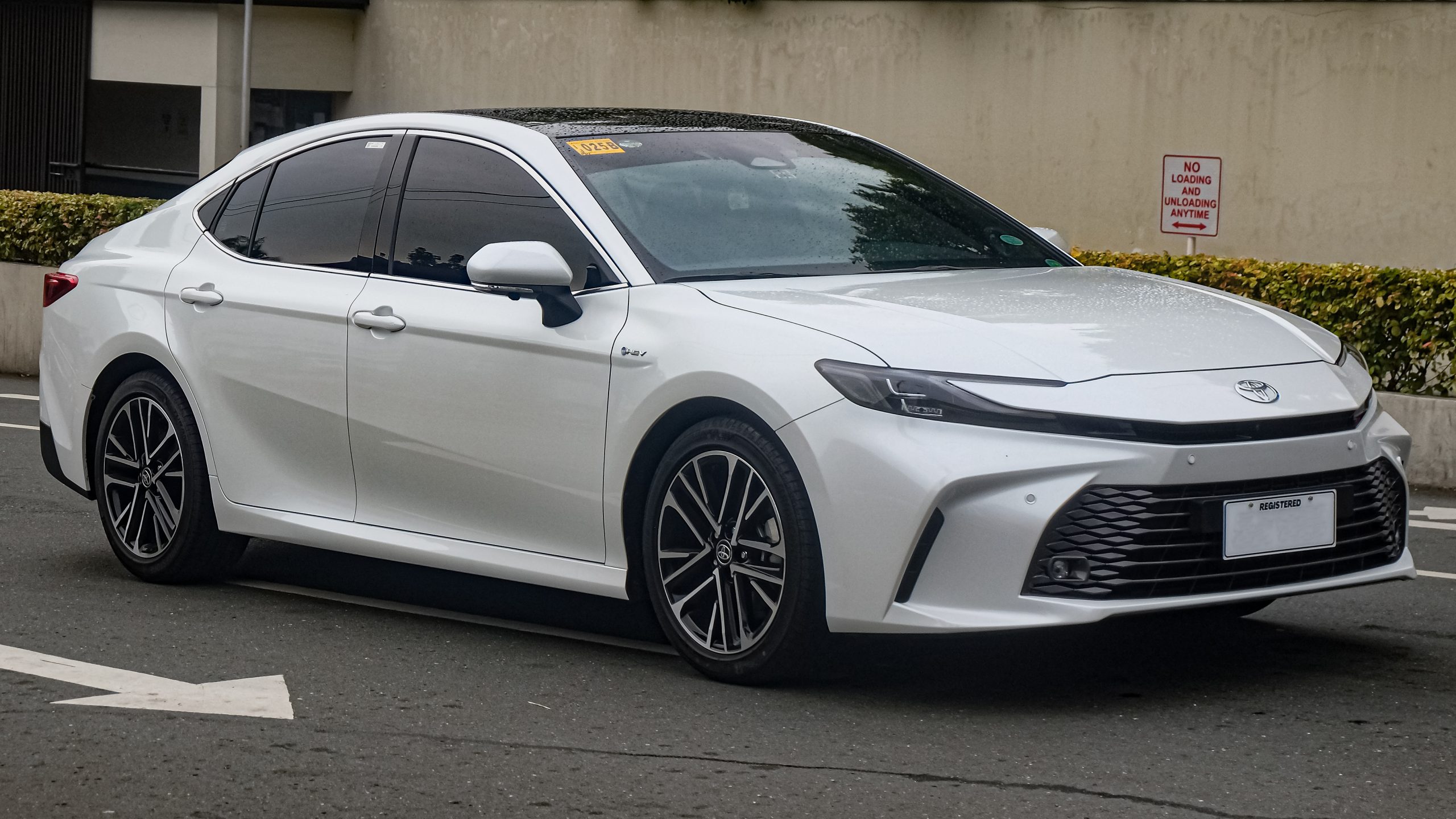
The Toyota Camry is a standout midsize sedan offering comprehensive side-impact protection and advanced safety technology for families. Built on Toyota’s TNGA-K platform, the Camry features a reinforced body structure designed to absorb and deflect energy during side collisions.
Standard safety equipment includes 10 airbags, covering frontal, side, curtain, driver’s knee, and a center airbag to protect front passengers in lateral impacts. The Camry earned a five-star NHTSA safety rating and a 95% adult occupant protection score, reflecting its strong crashworthiness.
Active safety features are integrated through Toyota Safety Sense 3.0, which includes Proactive Driving Assist to provide gentle braking or steering support when vehicles or cyclists approach from the side.
Blind Spot Monitor with Rear Cross-Traffic Alert and Safe Exit Assist warns drivers of potential collisions when changing lanes or opening doors. Junction Assist and full-speed radar cruise control further enhance safety while reducing driver fatigue. LATCH connectors accommodate child seats, making the Camry family-friendly and practical.
Powertrain options include hybrid systems for both front-wheel-drive and all-wheel-drive models. The front-drive hybrid pairs a 2.5-liter four-cylinder engine with two electric motors, producing 225 horsepower. The all-wheel-drive version adds a third motor to drive the rear axle, boosting output to 232 horsepower.
Both configurations use a continuously variable automatic transmission. In testing, the XSE AWD reached 60 mph in 6.8 seconds, providing smooth, responsive performance around town. Sportier trims feature tighter suspension tuning, though steering feedback remains modest.
Fuel economy is impressive, with EPA ratings up to 52 mpg city and 49 mpg highway for front-wheel-drive LE models. All-wheel-drive and higher trims achieve slightly lower efficiency, with real-world testing confirming these estimates.
Inside, the Camry offers a spacious cabin with comfortable seating for adults in both rows. Standard cloth upholstery and dual-zone climate control are included, while XLE and XSE trims add leather seats, heated and ventilated front seats, a heated steering wheel, ambient lighting, and adjustable rear headrests.
Cargo space accommodates up to 19 carry-on suitcases with the rear seats folded. Infotainment features include an 8.0-inch standard display, a 12.3-inch option on mid- to high-level trims, Apple CarPlay, Android Auto, and an available nine-speaker JBL stereo.
With its combination of robust structural safety, proactive collision-mitigation technology, hybrid efficiency, and family-friendly interior, the Toyota Camry remains a top choice for safe, practical, and reliable family transportation.
The vehicles on this list show how far side-impact protection has come, combining advanced engineering, active safety systems, and family-oriented design. Luxury SUVs like the Volvo EX90 and Genesis GV80 use multiple sensors, airbags, and collision-avoidance features, while practical sedans such as the Toyota Camry provide strong crash protection and hybrid efficiency.
Electric vehicles, including the Tesla Model Y and Hyundai Ioniq series, demonstrate that safety and sustainability can work together, with reinforced chassis and low centers of gravity.
From compact SUVs to three-row family haulers, these vehicles prioritize occupant protection without sacrificing comfort, performance, or convenience. Choosing a vehicle with advanced active side-impact protection is an important step for families who want to ensure the highest level of safety on the road.
Also read: 10 Cars With Such High Resale Value You Should Only Buy Them Brand New