
Luxury coupes often carry a reputation for elegance over raw performance, but several used models combine refinement with surprising modifiability. “8 Used Luxury Coupes That Are Surprisingly Easy to Modify for More Power” highlights vehicles that offer both everyday usability and immense tuning potential.
From the track-focused BMW M2 to the mid-engine precision of the Porsche 718 Cayman, these cars are engineered to handle extra horsepower without compromising reliability.
Many of them feature robust turbocharged or supercharged engines, overbuilt drivetrains, and strong aftermarket support, allowing enthusiasts to unlock significant performance gains through ECU remaps, bolt-on upgrades, and stage tuning.
Whether it’s the sleeper Infiniti Q60, the German-engineered Audi RS5, or the iconic Toyota Supra, each coupe provides a unique blend of style, handling, and tuning potential. For drivers seeking a thrilling yet practical luxury sports car, this list serves as a roadmap to maximizing power and enjoyment without starting from scratch.
1. BMW M2 (F87/G87): The Ultimate Driver and Tuner Machine
The BMW M2, in both its F87 (2016–2021) and G87 (2023–present) generations, is celebrated as a purist’s dream and a tuner’s playground. Compact, powerful, and precisely engineered, it combines exhilarating driving dynamics with exceptional modification potential.
Built around robust turbocharged straight-six engines, both generations are structurally overbuilt, allowing significant power gains with minimal internal changes, making the M2 one of the easiest BMWs to tune.
The F87 M2 originally used the N55 engine, which featured strong forged internals, and later switched to the S55 twin-turbo straight-six in the Competition and CS models. These engines can tolerate substantial increases in boost and output, allowing simple Stage 1 ECU remaps to add 50+ horsepower almost instantly.
The G87 M2 employs a detuned version of the S58 engine from the M3/M4, equipped with a closed-deck block, forged crankshaft, and improved cooling. With modern tuning modules or ECU flashes, the S58 can gain up to 100 additional horsepower and 100 Nm of torque, pushing this compact coupe into supercar-level performance territory.
The M2 responds exceptionally well to “bolt-on” modifications. High-flow downpipes, larger intercoolers or charge coolers, and upgraded intake systems enhance airflow, reduce heat, and increase turbo efficiency, all without requiring internal engine work.
A major advantage is the extensive aftermarket support: engines shared with other BMW models (N55/S55 with 3-series/4-series and S58 with M3/M4) ensure a wide selection of parts and a strong community documenting proven upgrades, from Stage 1 tunes to high-power Stage 2/3 builds.
Even at high output levels, the drivetrain remains robust, with the F87’s 7-speed DCT and the G87’s 8-speed automatic handling high torque reliably. Tuners have pushed the G87 M2 close to 700 hp with just tuning, downpipes, and exhaust upgrades, demonstrating its extraordinary potential.
Driving the F87 M2 offers a raw, visceral experience, thanks to its short wheelbase, agile chassis, and engaging steering. It is often praised as one of the last “true” small M cars, perfect for enthusiasts seeking direct feedback and playful dynamics.
The G87 M2, on the other hand, provides modern refinement: a wider, heavier chassis, adaptive damping, Active M differential, and BMW’s curved iDrive 8 display enhance comfort, stability, and usability for daily driving while delivering blistering track performance.
The BMW M2 F87 appeals to those seeking a compact, thrilling, old-school M experience, while the G87 offers higher power, cutting-edge technology, and a more refined ride. Both generations exemplify BMW’s blend of performance, tunability, and driving enjoyment, making the M2 a standout choice for enthusiasts and tuners alike.

2. Infiniti Q60 3.0t: A Sleeper Coupe with Untapped Potential
The Infiniti Q60 3.0t is a stylish, modern luxury coupe that often flies under the radar, earning a reputation as a “sleeper” thanks to its potent VR30DDTT twin-turbo V6 engine, a close relative of the Nissan GT-R powerplant. In stock form, particularly in the Silver Sport trim, the engine is deliberately detuned, but simple upgrades such as a more efficient heat exchanger and an ECU recalibration can yield nearly 100 extra horsepower.
Bolt-on modifications, including lower downpipes and upgraded air intakes, deliver immediate performance improvements, making it one of the most cost-effective ways to push output toward the 450–500 horsepower range.
Despite its potential, the Q60 faces stiff competition from German rivals like the Audi A5 and Mercedes C-Class Coupé. Entry-level models use a 2.0-liter turbocharged engine producing 208 bhp and 258 lb-ft of torque, which lags behind competitors in both acceleration and fuel efficiency.
While the V6-powered Q60 3.0t adds four-wheel drive and adaptive suspension, lower trims come with passive suspension, rear-wheel drive, and a seven-speed automatic transmission, which can feel hesitant during spirited driving.
One of the Q60’s more innovative features is Infiniti’s Direct Adaptive Steering (DAS), a by-wire electronic system designed to improve steering responsiveness. In practice, however, the system can feel inconsistent, woolly, and unnatural, undermining driver confidence in handling and stability.
Even on smooth roads, DAS struggles to replicate the feel of a conventional steering rack, and its performance in semi-autonomous lane-keeping situations can feel disconcerting. For enthusiasts, the standard hydraulic power steering may offer a more engaging alternative.
Inside, the Q60 delivers a generally comfortable experience. Leather sports seats are supportive, and rear seating is adequate for smaller adults or children. Storage is generous, with a roomy armrest cubby, cupholders, and a sizable glovebox.
However, the dual-screen infotainment setup feels disjointed, slow to respond, and visually dated compared to the slick systems in rival German coupes. Trim levels range from Premium to Sport Tech, offering features such as adaptive LED headlights, Bose audio, ambient lighting, and electronically adjustable front seats, depending on the specification.
Ride quality, however, suffers due to firm suspension, 19-inch run-flat tires, and a somewhat harsh chassis, which can feel over-damped and coarse on uneven surfaces. As speeds increase, the Q60’s body control and grip become more composed, but when paired with the DAS system, the driving experience can still feel muted and less engaging than its competitors.
While the Infiniti Q60 3.0t offers significant engine potential and stylish design, its shortcomings in drivability, steering feel, ride comfort, and infotainment prevent it from competing effectively against German rivals. Enthusiasts seeking a raw, engaging coupe may find its performance underwhelming unless substantial modifications are undertaken to unlock its true potential.
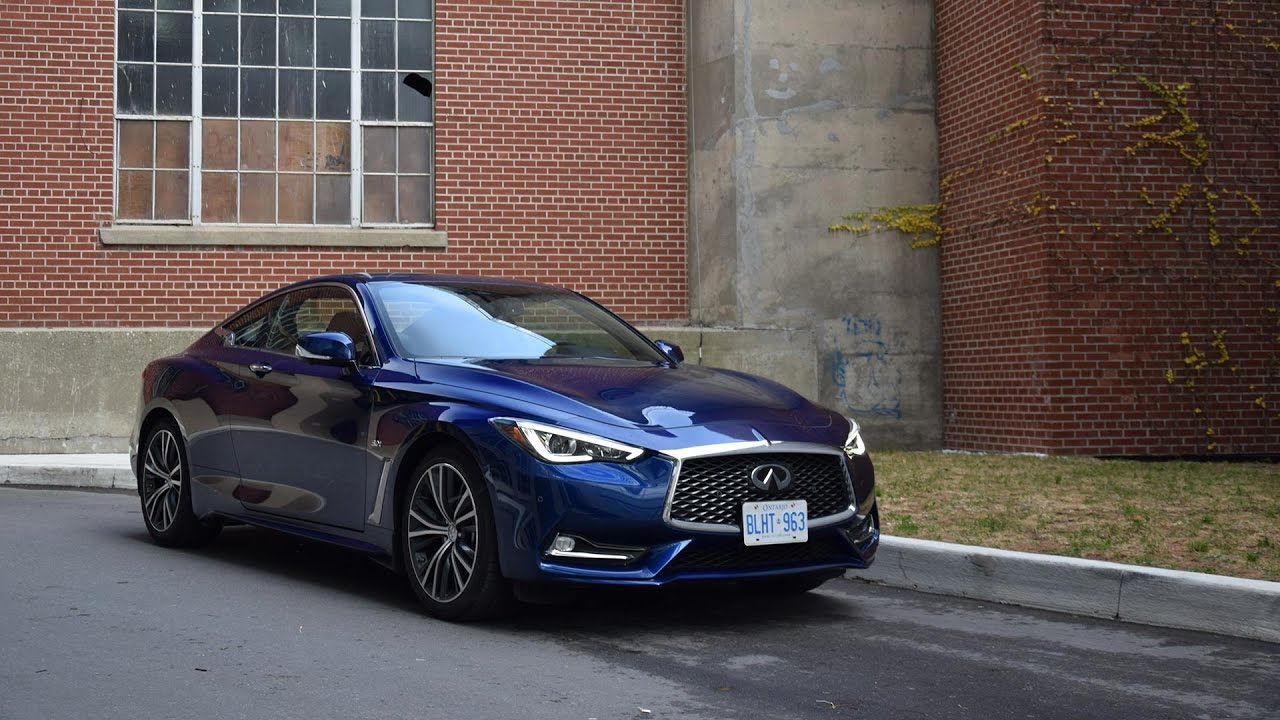
3. Audi TT (2.0T / RS): Stylish, Agile, and Tuner-Friendly
The Audi TT, including both the 2.0T and TT RS variants, is a standout luxury sports coupe that combines stylish design, solid build quality, and exceptional tuning potential. Part of the Volkswagen Group ecosystem, the TT benefits from shared components with models like the Golf GTI, Golf R, and Audi S3, making aftermarket upgrades widely available.
Its turbocharged engines are robust, and coupled with the Quattro all-wheel-drive system, they deliver traction and performance that can be easily enhanced. Even a simple Stage 1 ECU tune can unlock 30–70 horsepower with no mechanical modifications, transforming the car’s acceleration and responsiveness.
The 2.0T models use the EA888 turbocharged four-cylinder engine, which is over-engineered and capable of handling higher boost pressures than stock settings. Modifications such as high-flow downpipes, upgraded intercoolers, cold-air intakes, and hybrid turbos can boost power from 250–310 hp to 350–500+ hp for Stage 2 and 3 builds.
The TT RS features Audi’s legendary five-cylinder engine, capable of around 400 hp from the factory and over 470 hp with a simple ECU remap. These engines are tuner-friendly, and many upgrades can be performed through the OBD-II port at home. Upgrading the high-pressure fuel system enables the use of E85 fuel for further gains.
The TT combines performance with everyday usability. Its Quattro all-wheel-drive system ensures that added power translates to the road efficiently, improving acceleration and cornering stability. The third-generation TT (2014–2024) offers a hatchback layout, two occasional rear seats, and a practical interior with ample storage cubbies.
The interior materials feel high-quality, and trims range from Sport to S line, with features like air conditioning, Bluetooth, LED headlights, and optional climate control or sat-nav. Ride quality is generally comfortable, and the car is agile, quick in corners, and refined at low speeds, although the TT RS is heavier and less nimble.
Economically, the TT is reasonable to own, with insurance groups ranging from 35 to 45 and modest servicing costs. Fuel economy varies by engine, with the 1.8 TFSI achieving around 47 mpg NEDC, the 2.0 TFSI between 43–46 mpg WLTP, and the 2.0 TDI diesel up to 60 mpg. Road tax and optional luxury surcharges should be considered, and owners of S Tronic automatic models must maintain gearbox fluid to avoid expensive repairs.
The Audi TT remains a highly desirable used coupe, offering style, solid driving dynamics, and excellent tuning potential. The 2.0T provides balanced performance and economy, while the TT RS delivers thrilling acceleration.
Its combination of practicality, build quality, and upgradeability keeps it competitive against rivals like the BMW 2 Series, Toyota GT86, and Subaru BRZ, making it a versatile choice for enthusiasts seeking both daily usability and performance.
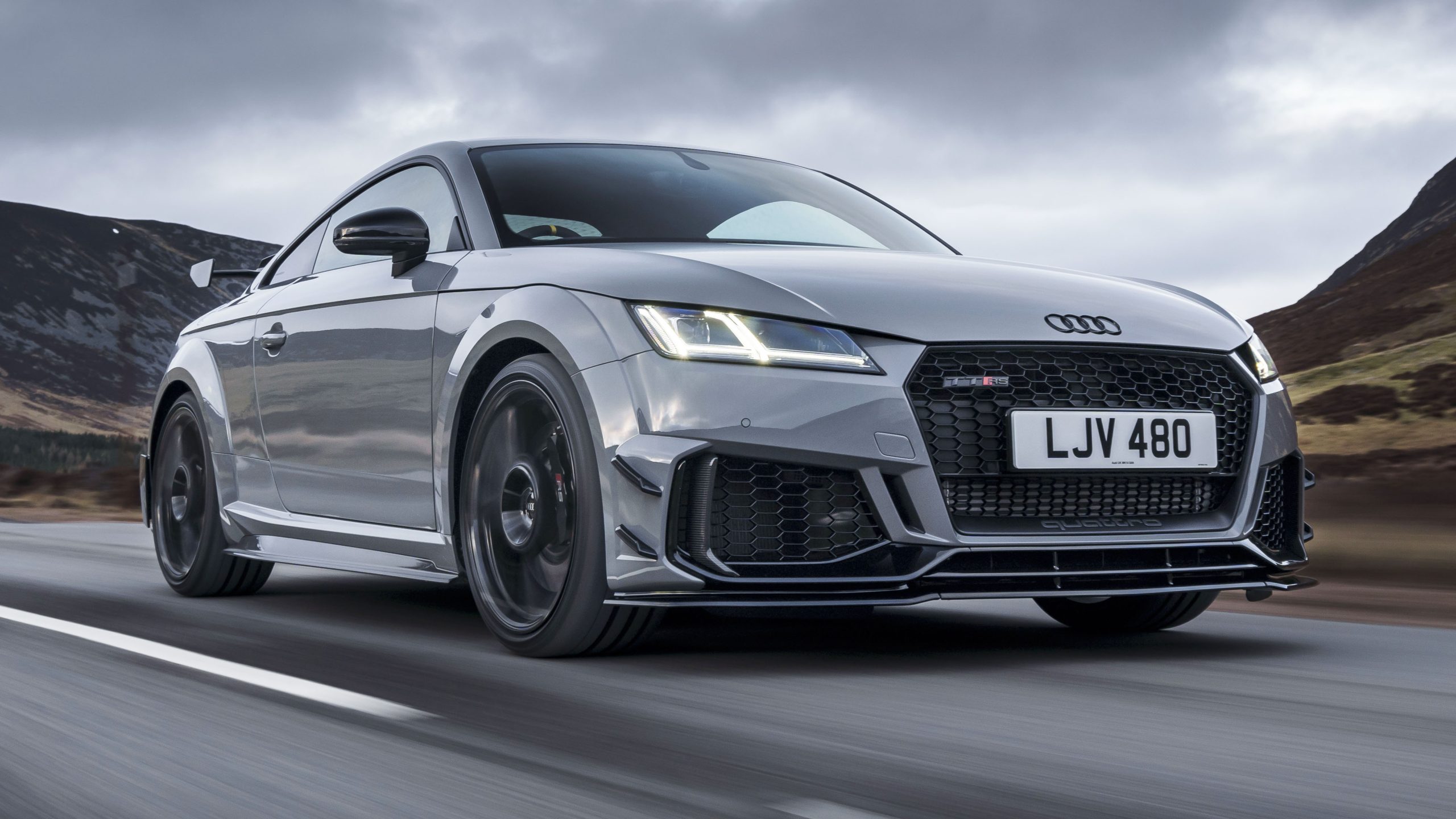
4. Toyota Supra (A90/A91): Modern Icon with Tremendous Tuning Potential
The Toyota Supra A90/A91, produced from 2020 onward, marks the return of one of Japan’s most iconic sports cars. While it wears a Toyota badge, under the hood lies BMW’s B58 3.0-liter turbocharged inline-six engine, renowned for its reliability and exceptional tunability.
This engine, often called the “modern 2JZ,” is forged from robust internals and a closed-deck block, allowing it to handle increased boost without internal upgrades. In stock form, the Supra produces roughly 382 horsepower and 368 lb-ft of torque, but a simple Stage 1 ECU flash or piggyback tuning can yield an extra 60–80 horsepower almost instantly.
Combined with aftermarket support for intakes, downpipes, hybrid turbos, and high-pressure fuel upgrades, the Supra can easily surpass 500 wheel horsepower while retaining everyday drivability.
Bolt-on modifications are particularly effective. Upgraded downpipes and cold-air intakes improve turbo spool and power delivery, while Stage 2 tunes with enhanced fueling and exhaust push outputs into the 450–480 horsepower range. Stage 3 builds, often including hybrid turbochargers, charge pipes, and intercooler upgrades, can achieve 550–650+ horsepower.
Platforms like Bootmod3 and JB4 allow for convenient OBD-port tuning, while Flex Fuel capability and anti-lag features enable further optimization. Late-model A90s with locked ECUs can still be bench-unlocked for full tuning potential.
The Supra’s chassis and ergonomics are engineered with enthusiasts in mind. Pre-drilled mounting points for braces, functional cooling vents, adaptive suspension, and active rear differential enhance handling, while the 2022 introduction of a six-speed manual provides a more visceral driving experience alongside the 8-speed ZF automatic.
Steering is sharp, the chassis feels responsive, and Toyota’s tuning imparts a more playful personality than its BMW Z4 sibling, making it a rewarding car on both road and track.
Inside, the Supra blends Toyota and BMW influences, featuring iDrive infotainment, high-quality materials, and a well-appointed cabin. Minor flaws include limited rear-seat space, visibility issues, and quirks such as wind buffeting, emblem degradation in hot climates, and some infotainment or wireless charging inconsistencies.
Reliability is generally solid, though external plastic components like the cooling system, oil filter housing, and heat management module may require maintenance after 100,000–150,000 km. The ZF 8-speed automatic and 6-speed manual are both durable when properly maintained, and suspension, steering, and brakes are robust under normal use.
The Toyota Supra A90/A91 is a modern sports coupe that excels in tuning potential, driver engagement, and everyday usability. Stock models are highly capable, but enthusiasts can unlock extraordinary performance with modest modifications.
However, prospective buyers should prioritize well-maintained, stock, or expertly tuned examples, as poor modifications or neglect can quickly lead to costly repairs. For those willing to invest carefully, the Supra remains an exciting and iconic choice.
Also read: 5 Cars With Simple Interiors That Age Well vs 5 With Too Much Fragile Plastic
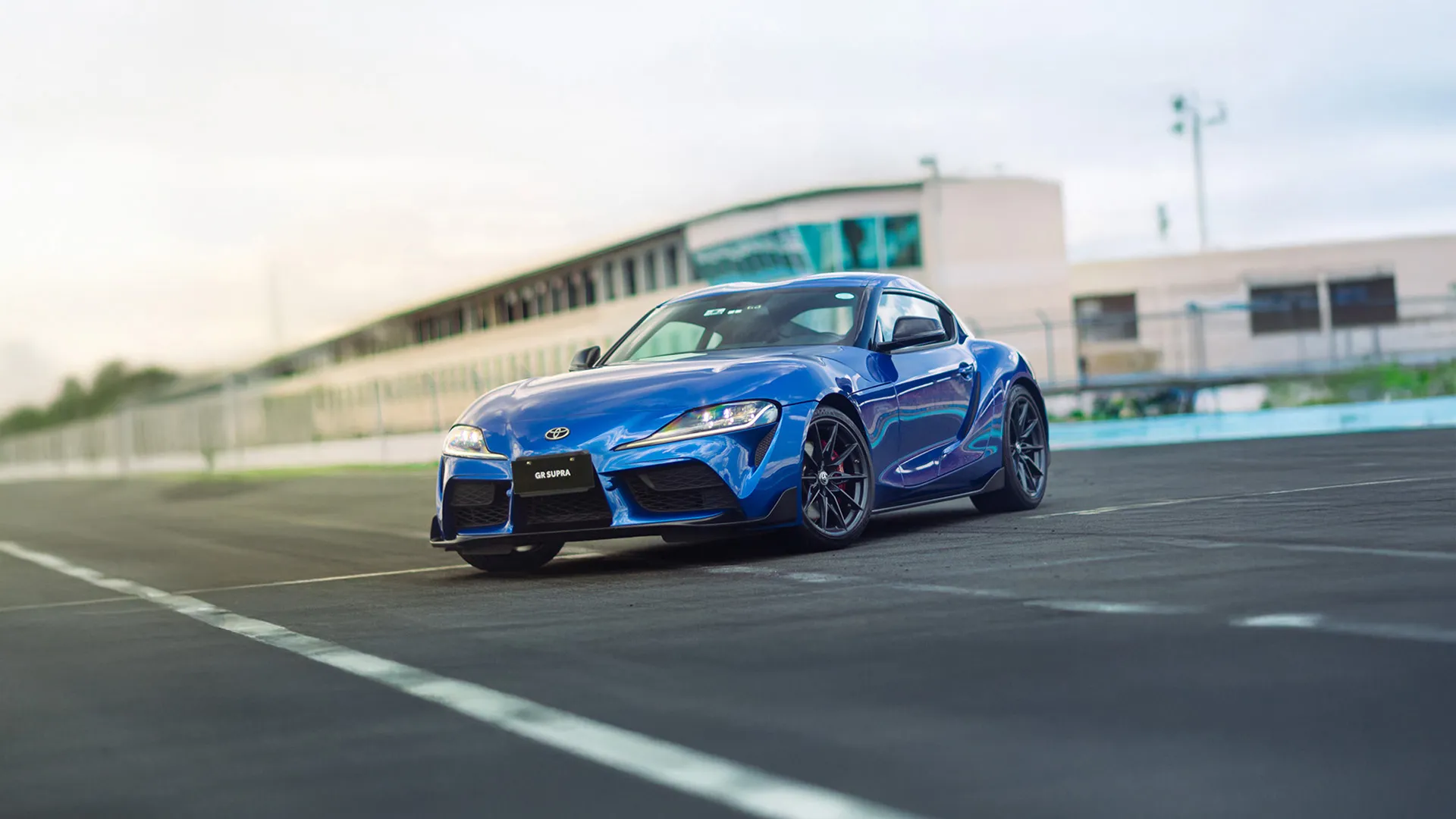
5. Jaguar F-Type (V6 & V8): Stylish, Loud, and Mod-Friendly
The Jaguar F-Type, produced between 2013 and 2024, is a luxury sports coupe that combines dramatic styling, British character, and powerful supercharged engines. Available with a 3.0-liter V6 or 5.0-liter V8, the F-Type offers a unique blend of performance, sound, and modifiability.
Both engines are robust, derived from Jaguar-Land Rover architectures, and are well-documented within the tuning community. Enthusiasts often focus as much on enhancing the iconic exhaust note as on increasing power.
A simple pulley swap to a smaller supercharger drive, combined with an ECU remap, instantly raises boost, producing substantial horsepower gains. Adding high-flow intakes or upgraded exhaust components further transforms performance, making even base models feel like higher-tier SVR variants.
The F-Type’s supercharged engines are inherently easy to modify. Unlike turbocharged setups that require complex boost management, the Eaton superchargers are directly driven, so power gains are immediate and predictable.
The 5.0-liter V8, in particular, provides a solid platform, with outputs ranging from 488 hp in the base R to 567 hp in the SVR, and shared components across the V6 and V8 make many upgrades interchangeable.
Even early V6 models with 335–375 hp can benefit from pulley swaps, intake upgrades, and remaps, unlocking performance previously reserved for the most expensive variants. Many used F-Types already feature performance hardware such as electronically limited-slip differentials and strong braking systems, reducing the need for foundational modifications.
The F-Type combines modern tech with aesthetic appeal. Its exterior remains timeless, while the interior uses high-quality materials, though some soft-touch plastics can become sticky over time. Infotainment glitches, non-functional pop-out door handles, and seatbelt recalls are the most commonly reported issues.
Mechanically, prospective buyers should inspect the cooling system, rear differential oil, and active cabin components. Transmission options include an 8-speed automatic across most models, with a 6-speed manual available on select early V6 cars.
Aftermarket modifications are well-supported, allowing owners to further tune performance or improve handling, though maintenance costs are higher than average, especially for V6S or V8 models with ceramic brakes.
Driving the F-Type is a sensory experience. The V6 provides a balanced, enjoyable drive with a thrilling exhaust note, while the V8 models, particularly R and SVR trims, deliver explosive performance with all-wheel-drive traction after 2015.
The car prioritizes character, sound, and style over razor-sharp handling, making it a unique option compared to rivals like the Porsche 911. Its combination of bold aesthetics, tunable engines, and distinctive British flair makes the F-Type an attractive used sports coupe for enthusiasts seeking both performance and presence.
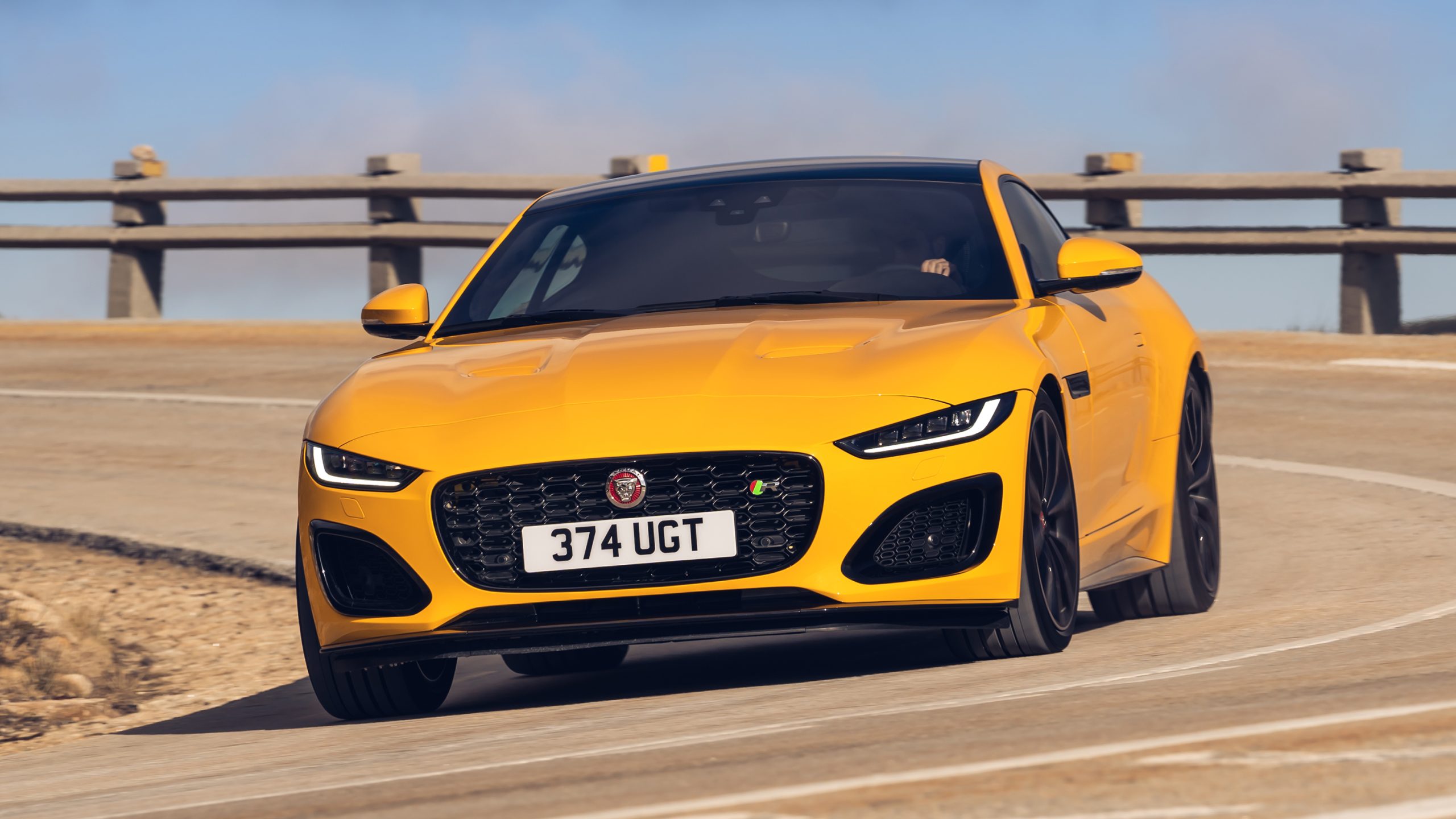
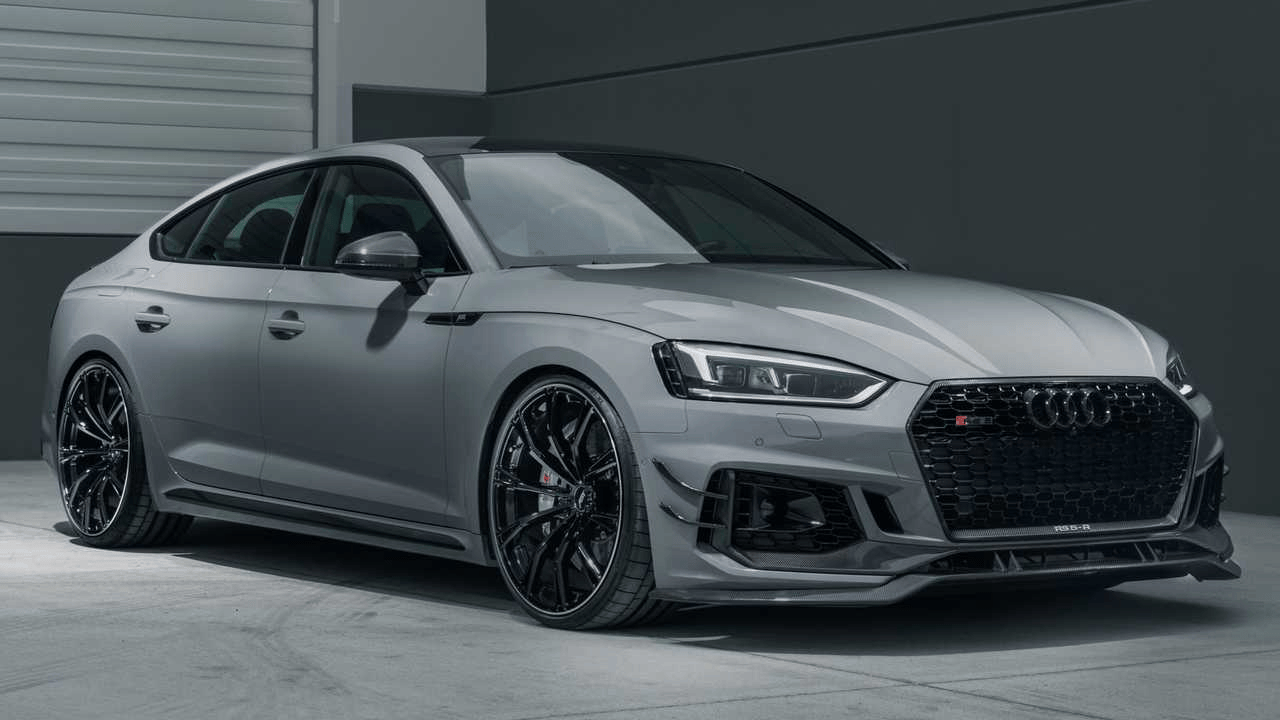
6. Audi RS5 / S5 (B8/B9): Tunable Power Meets Everyday Refinement
The Audi RS5 and S5, spanning the B8/B8.5 (2010–2015) and B9/B9.5 (2017–2024) generations, combine performance, luxury, and modifiability in a compelling package. The B8 RS5 features a naturally aspirated 4.2-liter V8 producing 450 hp, celebrated for its high-revving character and thrilling exhaust note, making it a favorite among enthusiasts who value analogue engagement.
The B8 S5, meanwhile, uses a 3.0-liter supercharged V6, offering strong performance with better fuel efficiency and a more approachable price point. Both B8 models respond well to simple modifications: the V6 benefits from a pulley swap and ECU remap, while the V8 can be enhanced through intake, exhaust, and tuning upgrades.
However, the B8 engines are more maintenance-intensive, with common issues including carbon buildup on intake valves, oil consumption, and PCV failures, so a careful service history is essential.
The B9 generation marked a significant evolution. Both the RS5 and S5 switched to a 2.9-liter twin-turbocharged V6, delivering 444 hp in the RS5 and slightly lower outputs in the S5. These engines are robust and handle increased boost pressures with ease, making them ideal candidates for performance tuning.
Common upgrades include upgraded intercoolers, high-flow intakes, pulley swaps, and transmission tunes to improve shift speed. Stage 1 ECU remaps typically unlock 30–70 additional horsepower, while Stage 2 mods with supporting hardware can push the RS5 to supercar-challenging levels. The S5, while slightly detuned, also enjoys strong tuning potential, offering a balanced compromise between power, comfort, and efficiency.
Both generations benefit from Audi’s quattro all-wheel-drive system, ensuring that power delivery remains controlled, even with substantial modifications. The B9 models also introduce modern technology and improved usability, including the Virtual Cockpit, adaptive suspension, and better cooling systems, enhancing daily drivability compared to the older B8 variants.
Despite these advancements, potential buyers should monitor for rocker arm failures, suspension wear, carbon buildup, and transmission health when considering a used example.
From a usability standpoint, the S5 is a highly capable daily driver, offering a comfortable ride even on 20-inch wheels, while still maintaining sporty handling.
The RS5, particularly in B9 trim, provides a more aggressive experience without sacrificing refinement, bridging the gap between grand tourer and sports car. Pre-purchase inspections are essential for both models, focusing on the drivetrain, suspension, and electronic components like MMI screens and seat bolsters.
The Audi RS5 and S5 stand out as mod-friendly, high-performance luxury coupes. The B8 generation appeals to enthusiasts seeking an analogue, visceral driving experience, while the B9 delivers a modern, refined package capable of serious tuning gains.
Both generations combine Audi’s engineering excellence, quattro traction, and solid aftermarket support, making them excellent choices for drivers who want thrilling performance without compromising on comfort.
7. BMW 4 Series (435i / 440i): The Everyday Modder’s Dream
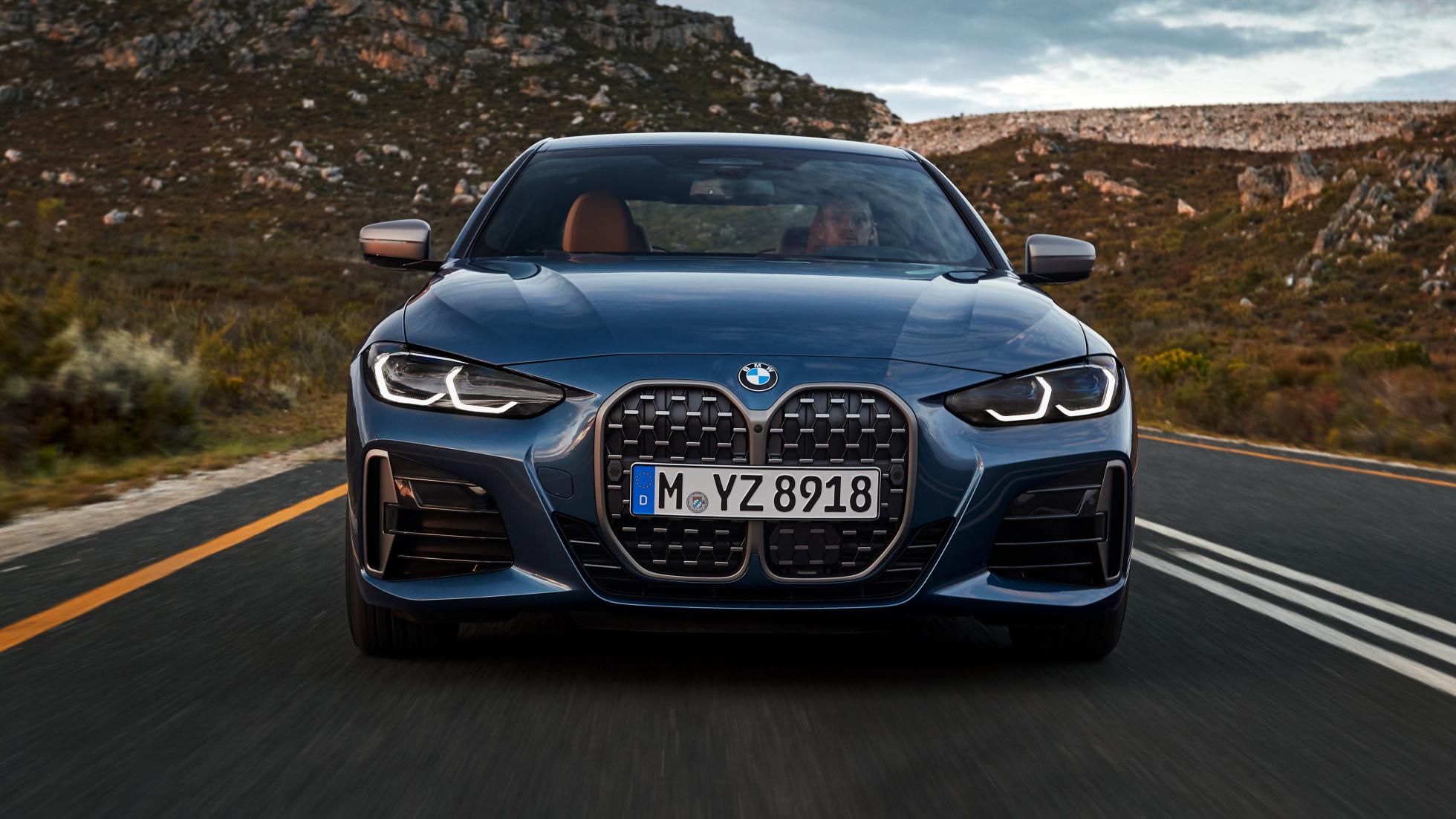
The BMW 4 Series, particularly the 435i (N55 engine) and 440i (B58 engine) from the F32/F33/F36 generation (2013–2020), has earned a reputation as one of the most tunable luxury coupes on the used market.
While less aggressive than the “M” models, the 4 Series shares much of its mechanical robustness, making it ideal for enthusiasts who want serious performance without the high cost of ownership associated with full M variants. The 440i, with its B58 3.0-liter straight-six, is especially praised for reliability, refinement, and its ability to handle substantial power increases through simple ECU tuning.
At the heart of the 4 Series’ appeal is its engine potential. The B58 engine is often called the “German 2JZ” due to its over-engineered construction, including a closed-deck block capable of safely handling high boost pressures. Stage 1 tuning, which generally involves only an ECU flash, can push power beyond 400 hp.
The N55 engine in the 435i is similarly robust and responds well to ECU tuning and bolt-on upgrades like downpipes and intakes, making 380–460+ hp achievable without extensive hardware modifications. Advanced Stage 3 upgrades, including hybrid turbos, ethanol (E85) tuning, and upgraded fuel pumps, allow serious enthusiasts to reach 500–600+ hp, highlighting the model’s remarkable modifiability.
ECU tuning is made especially simple thanks to platforms like MHD Tuning and Bootmod3, allowing power maps to be changed from a smartphone or laptop. Piggyback systems like JB+ and Dinan also offer plug-and-play solutions that are dealer-friendly and reversible, making the 4 Series accessible for both casual and serious tuners.
The 4 Series benefits from an extensive aftermarket ecosystem, sharing much of its chassis and drivetrain with the popular 3 Series. High-performance upgrades, from M Performance suspension components to aesthetic kits, are abundant and easy to install.
The B58’s advanced air-to-liquid intercooler allows for safer power increases, maintaining reliability even under spirited driving. Models with the M Sport package are especially desirable, providing a drivetrain capable of handling higher power outputs and sharper handling characteristics.
Beyond tuning, the 4 Series remains a practical daily driver. Coupe and Convertible models emphasize style and sportiness, while the Gran Coupe offers four doors and a hatchback for added functionality.
Adaptive suspension improves comfort without sacrificing handling, and the interior is well-built and luxurious, though similar to the 3 Series. Potential buyers should check for minor electrical issues, sensor glitches, and full service histories to ensure long-term reliability.
The BMW 4 Series 435i and 440i offer a perfect balance of luxury, usability, and tunability. They are ideal for drivers seeking a high-performance coupe that can be personalized for power, handling, and aesthetics, while still functioning comfortably as a daily driver.
8. Porsche 718 Cayman: Mid-Engine Precision Meets Tunability
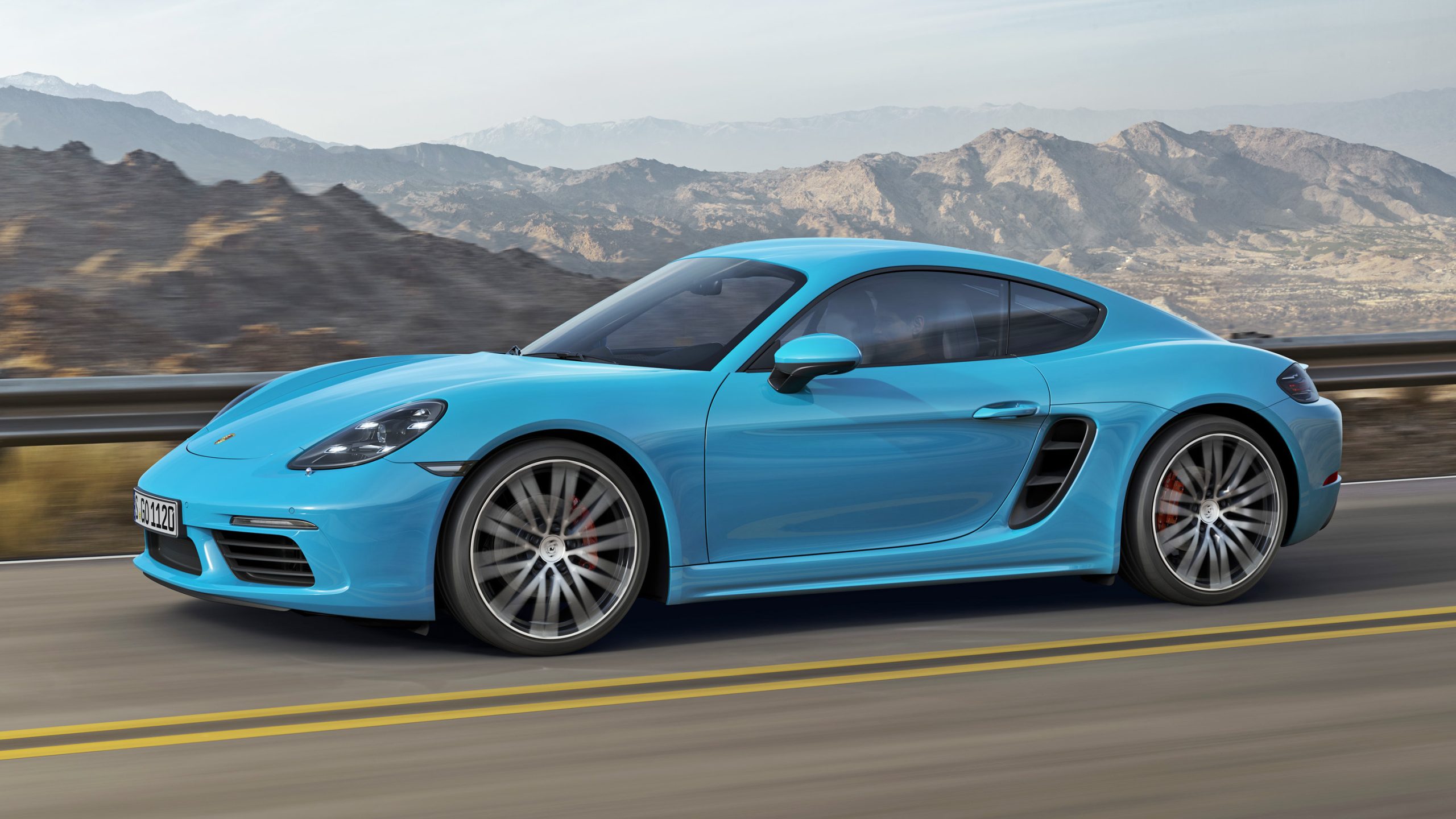
The Porsche 718 Cayman (982 generation, 2017–present) has become a standout used luxury sports coupe thanks to its turbocharged flat-four engines, mid-engine layout, and strong aftermarket support. While purists initially balked at the move from naturally aspirated flat-sixes to turbocharged four-cylinders, this change made the 718 Cayman a tuner’s dream.
The turbo engines allow significant power gains through simple ECU remaps, often bringing a base Cayman S close to 911 Carrera performance levels. With its inherently balanced chassis, low center of gravity, and precise steering, the 718 is a surgical tuning platform that remains manageable even after substantial upgrades.
Turbocharged power gains are straightforward. Base 2.0L and S 2.5L models benefit from Stage 1 ECU remaps, which can add 50–70 horsepower with no hardware modifications. Flash tools like the COBB Accessport enable quick software updates, allowing the 300 hp 2.0L engine to reach near S-spec performance in minutes.
Beyond software, Stage 2 upgrades such as high-flow catalytic converters, sport exhaust systems, and upgraded intercoolers unlock further power efficiently. Larger turbos, like those from Pure Turbos, can push the base engine past 400 hp, transforming the car into a high-performance weapon without compromising drivability.
The 718 platform itself is over-engineered for performance, which means the chassis, brakes, and PDK dual-clutch transmission can handle significant increases in power without immediate reinforcements.
The mid-engine layout provides exceptional balance and grip, allowing drivers to exploit added horsepower on both road and track. Porsche’s engineering ensures that handling precision is never compromised, making power upgrades feel safe and intuitive.
Aftermarket support is extensive, with dedicated tuners and bolt-on parts widely available. High-performance components such as turbo inlets, charge pipes, and intercoolers improve heat management, sharpen throttle response, and increase engine efficiency.
The Cayman’s lightweight, mid-engined architecture ensures that these modifications amplify performance without destabilizing the car’s handling characteristics.
While four-cylinder models offer excellent modding potential, naturally aspirated six-cylinder variants, like the GTS 4.0 and GT4, are more expensive and challenging to tune for extra power. These engines, however, restore the classic flat-six sound that enthusiasts love.
The 718 Cayman also boasts a driver-focused, well-built interior, although entry-level models are Spartan. Comfort, visibility, and practicality are surprisingly good for a sports car, with two small boots and room for two occupants.
The Porsche 718 Cayman balances precise mid-engine handling, excellent build quality, and tunable turbo engines. Base 2.0L and 2.5L S models are the most accessible for modifications, offering rapid performance gains while retaining Porsche’s hallmark driving experience.
Its combination of engineering, modifiability, and driving engagement makes it a premier choice for enthusiasts seeking a high-performance sports car that can be tailored to individual tastes.
These eight luxury coupes prove that high-performance tuning doesn’t have to be limited to exotic or hyper-expensive machines. Cars like the BMW 4 Series and Audi TT demonstrate that even everyday luxury coupes can be transformed into powerful, track-capable machines with minimal modifications.
Meanwhile, vehicles like the Jaguar F-Type and Porsche 718 Cayman combine distinctive design, excellent handling, and robust engineering to offer both an engaging driving experience and impressive aftermarket potential. For enthusiasts, the ability to customize power, handling, and aesthetics creates a rewarding ownership experience that balances practicality with excitement.
Choosing a mod-friendly coupe from this list means not only enjoying a thrilling drive out of the showroom but also unlocking its hidden potential over time. Ultimately, these vehicles show that luxury, style, and tunability can coexist, offering drivers a chance to personalize performance and create a truly unique automotive experience.
Also read: Top 10 Cars with Most Iconic 1950s Paint Colors for Luxury Sedans