In an age when many new vehicles feel like mobile computers on wheels, there is a growing number of drivers who want a return to simple, intuitive controls that rely on tactile buttons, physical knobs, and clear analog displays.
These drivers value ease of use while keeping their focus on the road ahead, and they appreciate cabins that feel familiar instead of transformed into expansive digital canvases that demand constant swipes and taps.
Not every automaker has followed the trend of replacing every button with a touchscreen region, and for 2026 there are more choices than ever before for people who value clarity over complexity, simplicity over distraction, and direct physical feedback over menus nested several layers deep.
The vehicles that made this list have been chosen because they allow drivers to adjust climate, audio, and navigation with physical controls that are easy to find without looking, and because their designers recognized that not all drivers want a massive screen dominating the dash.
In many cases these vehicles strike a balance, offering modern features such as smartphone integration and safety systems while keeping core controls in familiar formats. Whether you drive in busy city traffic, take long highway journeys, or need a dependable vehicle for everyday errands, the cars and trucks presented here are excellent options for those who prefer buttons and knobs they can feel with confidence.
In compiling this list, we considered user accessibility, comfort, fuel or energy efficiency, performance in daily driving, and how well the vehicle’s interface supports safe driving habits. Drivers who are tired of hunting through digital menus will find in these picks a refreshing alternative that proves that cutting‑edge automotive design need not sacrifice practicality for novelty.
Each of the following ten vehicles brings its own strengths to the table, from rugged off‑road capability to refined luxury appointments, and all demonstrate that one can enjoy the best of 2026 automotive engineering without surrendering to massive touchscreen dominance.
After reading through these descriptions, you will have a strong sense of which models deserve your attention if you want a modern driving experience rooted in straightforward control.
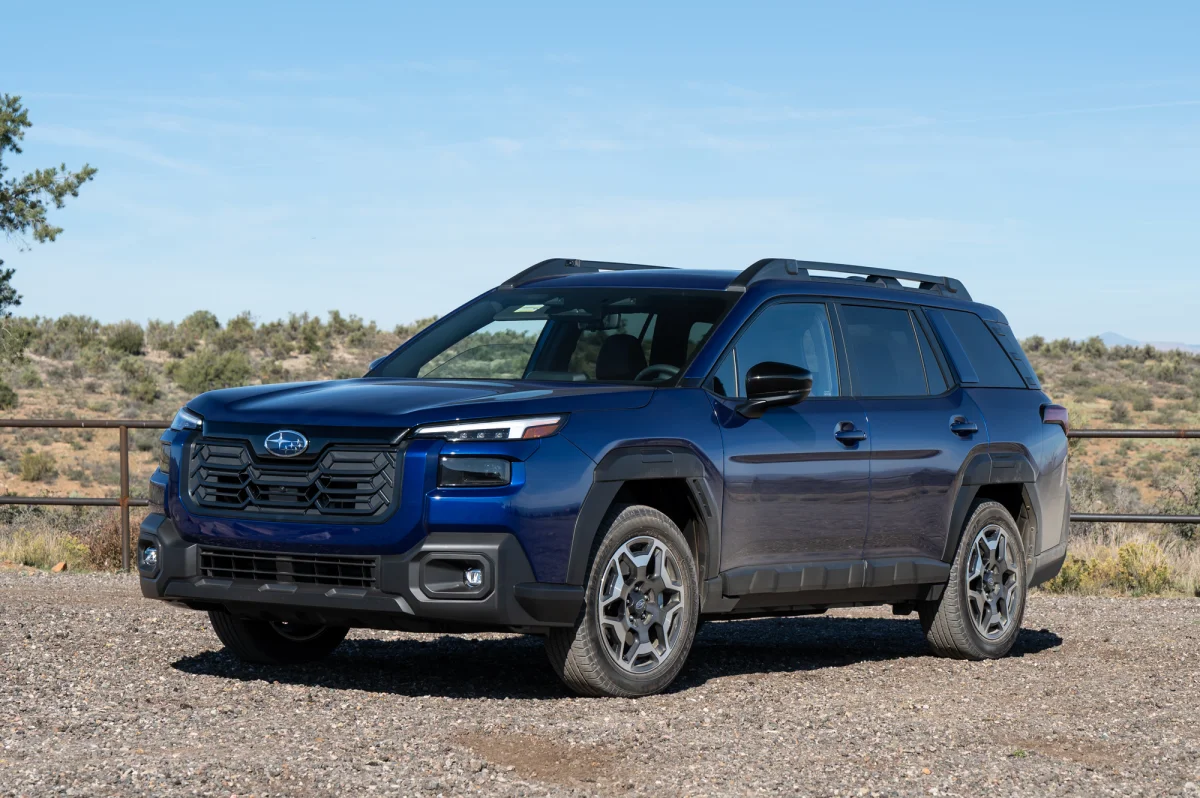
1. 2026 Subaru Outback
The 2026 Subaru Outback continues to impress with a rugged yet refined package that appeals to adventurous drivers. Its cabin blends practicality with comfort, and its controls are laid out logically. The Outback’s physical buttons for climate and audio are easy to reach. The tactile feel makes adjusting settings effortless on dusty paths or city streets.
Subaru smartly includes simple rotary knobs for temperature and fan speed right below the central vents. The audio system is controlled by well‑placed buttons, avoiding the need to scroll menus. Drivers appreciate how these controls can be used without distraction. It contributes to the vehicle’s reputation as a dependable companion.
Visibility remains strong in the Outback thanks to thoughtfully placed dash elements that don’t compete for attention. The lack of an oversized touchscreen means that the driver’s eyes are naturally drawn to the road. Comfort and functionality go hand in hand inside this wagon. Every interface choice feels purposeful.
Outback also comes equipped with modern safety features that integrate seamlessly without dominating the interior. Adaptive cruise and collision avoidance systems work quietly in the background. Physical controls for these systems are intuitive. Subaru’s commitment to driver‑focused design shows in every detail.
This blend of practicality, usability, and everyday capability makes the 2026 Outback a standout choice for those who still value traditional controls. It maintains the rugged spirit of the model while respecting driver preferences. For many, this vehicle represents the best of what a modern car can offer without overwhelming digital walls.
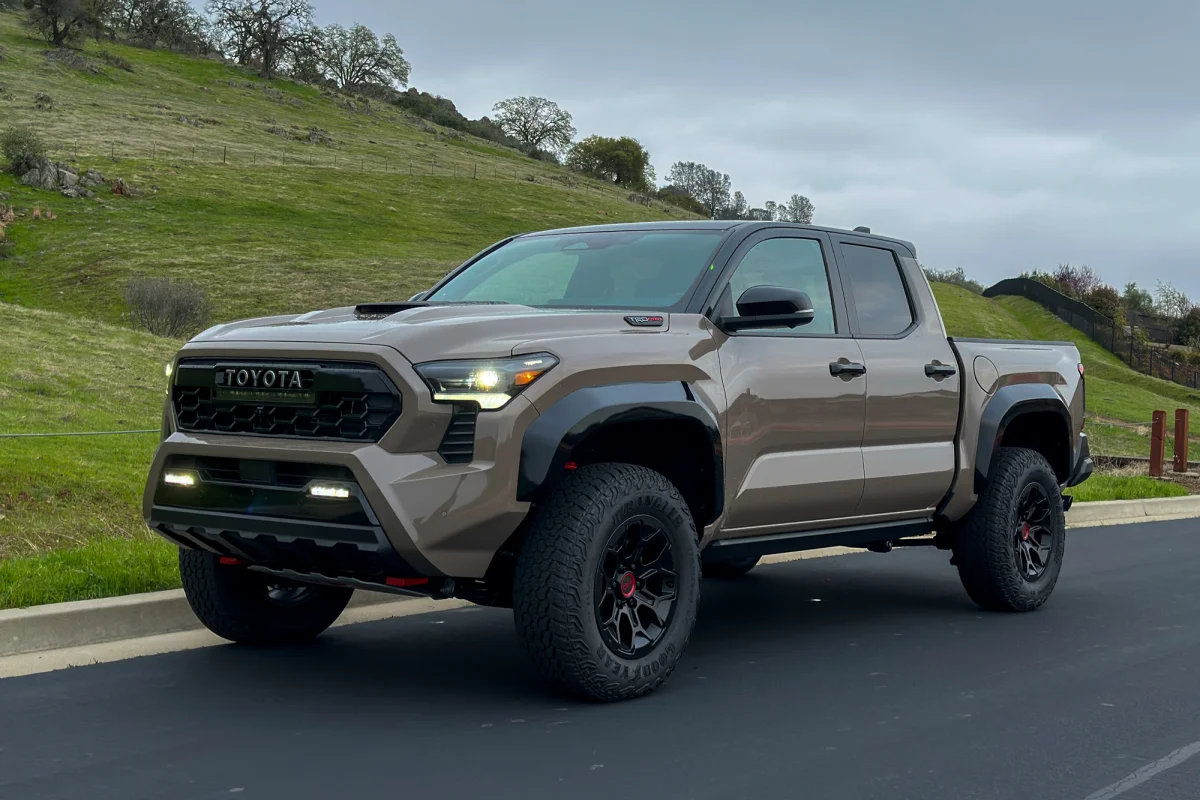
2. 2026 Toyota Tacoma
The 2026 Toyota Tacoma continues the tradition of the beloved midsize pickup with a cabin designed around durability and function. Instead of overwhelming drivers with a massive central display, Toyota focuses on clearly marked physical controls. Climate dials and audio buttons are positioned for quick operation even with work gloves. This design respect for tactile interaction makes the Tacoma an ideal truck for hands‑on drivers.
Despite its rugged capability, the Tacoma’s interior feels surprisingly cohesive. The manual controls for ventilation and sound systems are easy to understand and use. There is no need to scroll through touchscreen menus to change basic settings. For many owners who spend long hours behind the wheel, this is a welcome relief.
Toyota has also placed commonly used drive mode selectors within easy reach. Whether you’re navigating rocky trails or highway traffic, switching between modes is direct and responsive. Feedback through physical switches provides confidence that settings have been changed without second‑guessing.
The infotainment system in the Tacoma is present without dominating the dash. Basic navigational functions and media playback integrate without forcing users to sacrifice physical controls. Toyota has found a balance between modern features and driver‑centered ergonomics.
Tacoma’s blend of rugged design and practical control layout makes it a standout choice in 2026 for drivers who want simplicity without compromise. It respects the expectations of truck owners while offering a comfortable daily driving experience. For those who value control and clarity, this pickup earns its place.
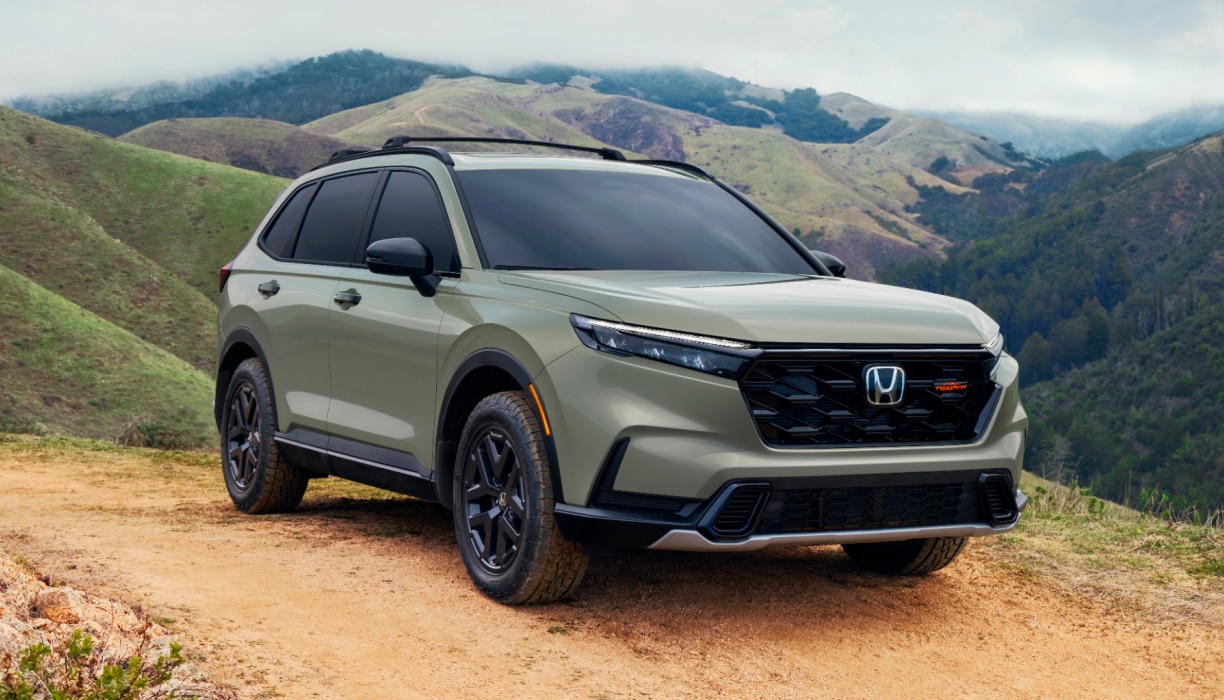
3. 2026 Honda CR-V
The 2026 Honda CR-V emphasizes practicality and comfort for daily driving while keeping a familiar interface. Physical knobs for climate control and volume sit prominently on the center console, allowing adjustments without taking eyes off the road.
The tactile nature of these controls ensures that drivers can operate them instinctively. This approach maintains focus and reduces distraction in heavy traffic or adverse weather conditions.
Honda’s design team focused on intuitive layout, placing all frequently used controls within easy reach. Radio, media, and hazard switches are clearly labeled, and the CR-V offers a standard analog instrument cluster. This combination of analog and simple digital readouts provides clarity, letting drivers absorb essential information at a glance without overwhelming complexity.
The cabin offers ample space and storage, designed to accommodate families and commuters alike. Cup holders, door pockets, and a central console enhance utility while keeping the focus on functionality rather than unnecessary flair. Even the seating adjustments are simple, with tactile levers and buttons that respond reliably to touch.
Safety and driver assistance features integrate unobtrusively, complementing the physical controls rather than dominating them. Lane-keeping assistance, adaptive cruise, and collision mitigation systems are managed through small, clearly labeled buttons, making it easy for drivers to understand and interact with these systems confidently. The balance between technology and usability is a standout feature.
The 2026 Honda CR-V demonstrates that a modern vehicle can be technologically capable without forcing drivers into a touchscreen-centric interface. Its interior design reflects thoughtful ergonomics, prioritizing function and accessibility. This model appeals to those who desire advanced features but prefer a tactile, familiar driving experience.
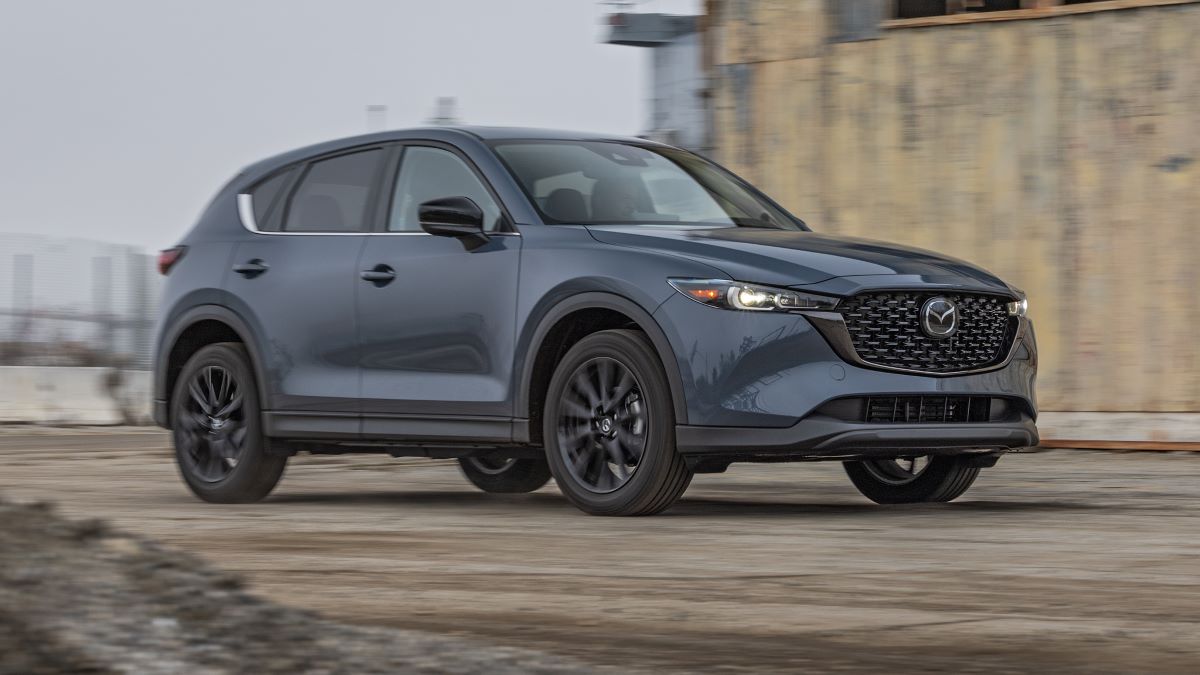
4. 2026 Mazda CX-5
The Mazda CX-5 for 2026 retains the brand’s commitment to driver engagement and simplicity. Unlike many modern SUVs, it resists the trend of replacing knobs and buttons with giant screens.
Instead, Mazda provides precise rotary dials and clear, responsive buttons for audio, climate, and navigation. These elements allow drivers to adjust systems quickly and confidently, improving both convenience and safety.
Mazda emphasizes subtle, elegant design, combining tactile controls with a well-organized dashboard layout. The placement of knobs ensures they are reachable without stretching or awkward hand movements. Each button provides firm feedback, giving drivers confidence that their inputs have been registered immediately.
Interior materials reinforce the feeling of quality and durability. Soft-touch surfaces, supportive seats, and straightforward instrument clusters create a cabin that is both luxurious and practical. The CX-5 manages to offer a sophisticated driving environment without sacrificing the simplicity of physical control interfaces.
Technology integration is present but discreet. Standard infotainment features connect smartphones efficiently while leaving critical driving functions separate from digital menus. This prevents clutter on the dash and keeps attention focused on driving, aligning perfectly with the preference for straightforward control.
The combination of aesthetic refinement, tactile controls, and intuitive layout makes the 2026 Mazda CX-5 a strong choice for drivers seeking a reliable SUV without touchscreen dependence. Its thoughtful design promotes usability, comfort, and driving satisfaction, appealing to those who appreciate quality without unnecessary digital complication.
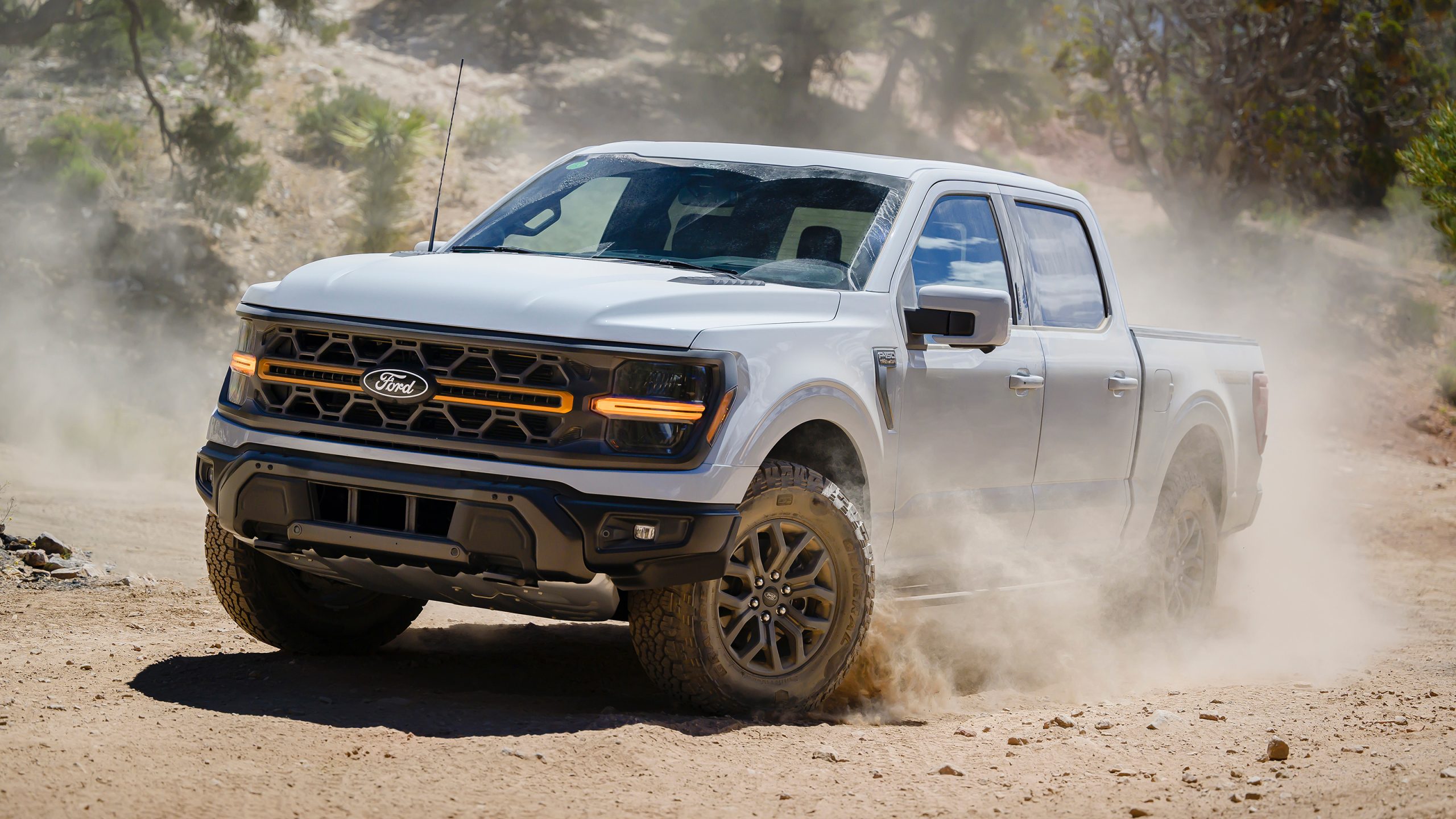
5. 2026 Ford F-150
The 2026 Ford F-150 continues to be a benchmark in the pickup segment, particularly for drivers who prioritize hands-on operation. Physical controls for the climate system, audio, and off-road functions are prominent and easy to reach. This traditional approach ensures that drivers can operate essential systems even in rugged environments or when wearing gloves.
Ford also integrates practical features for long-haul and work-focused drivers. Multiple storage options, large cup holders, and an ergonomically designed center console support convenience and function. Buttons for towing, bed controls, and drive modes are clearly labeled, reducing the chance of error during complex maneuvers.
The F-150 balances technology with practicality. Optional screens are smaller and supplemental, providing navigation and media while keeping primary vehicle operation firmly in the physical domain. Essential systems never require scrolling through deep menus, preserving usability for drivers who value tactile interaction.
Safety features are accessible through physical buttons and switches. Lane assist, adaptive cruise, and parking sensors integrate seamlessly with the cabin design. Drivers can adjust these systems without navigating through touchscreen layers, maintaining a focus on driving and control.
By emphasizing intuitive physical controls, the 2026 Ford F-150 offers functionality, comfort, and capability in equal measure. It caters to those who rely on proven designs, combining modern features with an interface that prioritizes confidence and practicality. For truck enthusiasts, it remains an unmatched choice for work or recreation.
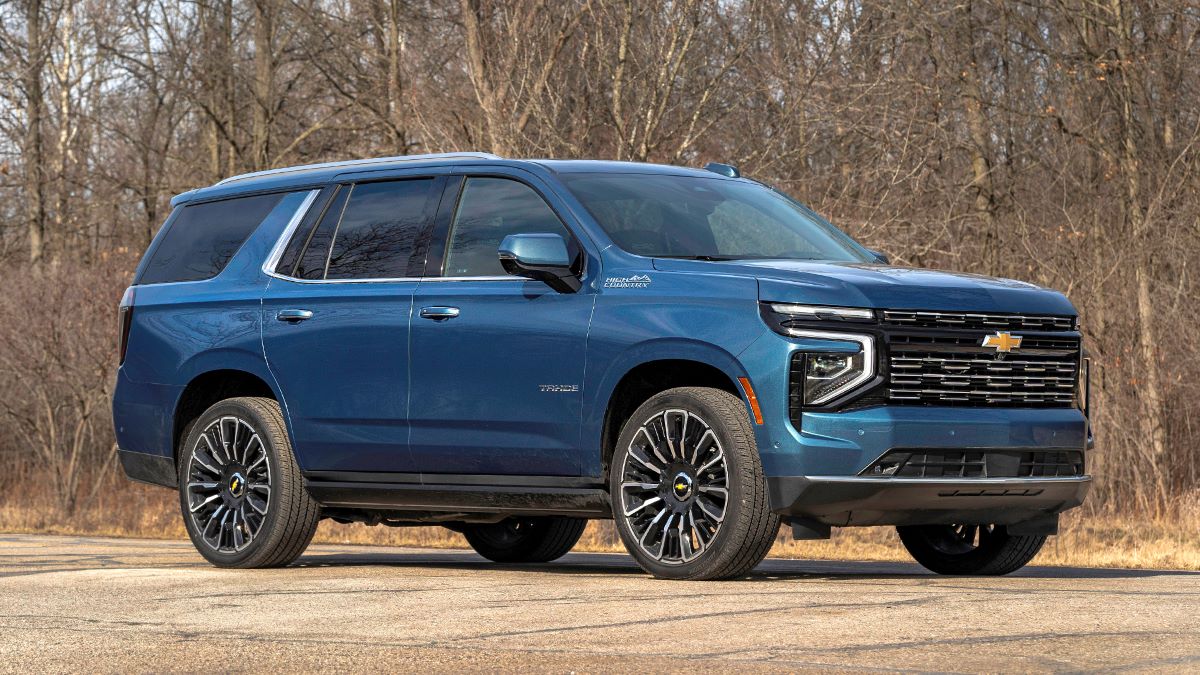
6. 2026 Chevrolet Tahoe
The 2026 Chevrolet Tahoe emphasizes utility and comfort, with interior controls designed for clarity and accessibility. Large knobs for climate adjustments and clearly labeled buttons for audio and navigation dominate the dash. This setup allows drivers to manage essential functions quickly, without needing to interpret complex touchscreen interfaces.
Chevrolet designed the Tahoe’s cabin to accommodate families and long-distance travelers. The seating layout, storage options, and user-friendly control placement contribute to an interior that is both spacious and functional. Drivers and passengers alike benefit from the tactile nature of these controls.
The instrument cluster combines analog dials with modest digital readouts. This hybrid approach provides essential information in a clear, readable format while maintaining an intuitive experience. The focus remains on making driving tasks straightforward, minimizing distraction, and enhancing comfort.
Safety and assistance features are integrated through physical switches, ensuring that drivers can activate or adjust systems without consulting digital menus. This design choice supports both convenience and confidence, particularly when operating the large SUV in busy traffic or difficult terrain.
The 2026 Chevrolet Tahoe provides a strong balance of size, capability, and driver-centric control design. Its focus on tactile interaction and layout simplicity ensures that drivers can enjoy modern comfort without being overwhelmed by touchscreen-heavy interfaces. It is a versatile option for those who value practicality.

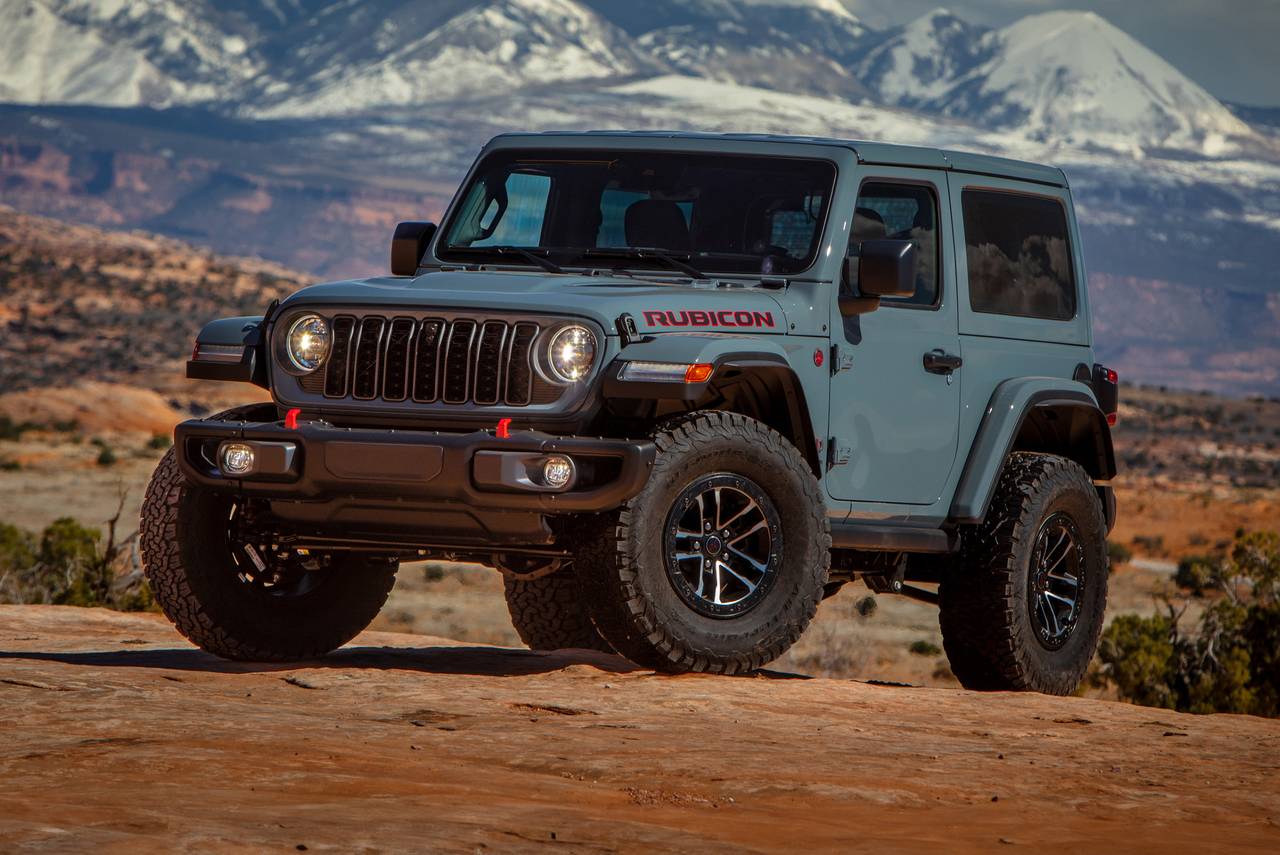
7. 2026 Jeep Wrangler
The 2026 Jeep Wrangler remains the quintessential off-road vehicle, designed with durability and simplicity in mind. Its interior emphasizes straightforward, tactile controls that drivers can operate even in muddy or wet conditions. Large knobs for climate, audio, and fan control sit within easy reach. Buttons and switches provide physical feedback, making adjustments quick and confident.
Wrangler’s layout focuses on usability in extreme conditions. The gear selectors, 4×4 controls, and traction mode buttons are prominently positioned, allowing the driver to make changes without removing hands from the wheel. This design philosophy ensures safety and functionality when traversing trails or rugged terrain.
The cabin is rugged yet comfortable, featuring washable materials and durable seating. Analog gauges dominate the instrument cluster, providing essential information at a glance. Digital elements are minimal, serving only as supplemental displays for fuel economy or off-road data, preserving simplicity in critical areas.
Jeep integrates modern safety features while maintaining tactile control. Buttons for traction control, hill descent, and parking sensors are clearly labeled. These systems can be adjusted confidently without navigating through touchscreen menus, which is especially important for off-road adventures where distractions can be dangerous.
The 2026 Jeep Wrangler proves that a modern SUV can combine technological capability with hands-on simplicity. Its rugged interior, well-placed controls, and intuitive design make it a top choice for drivers who demand real-world functionality without sacrificing reliability or focus on driving.
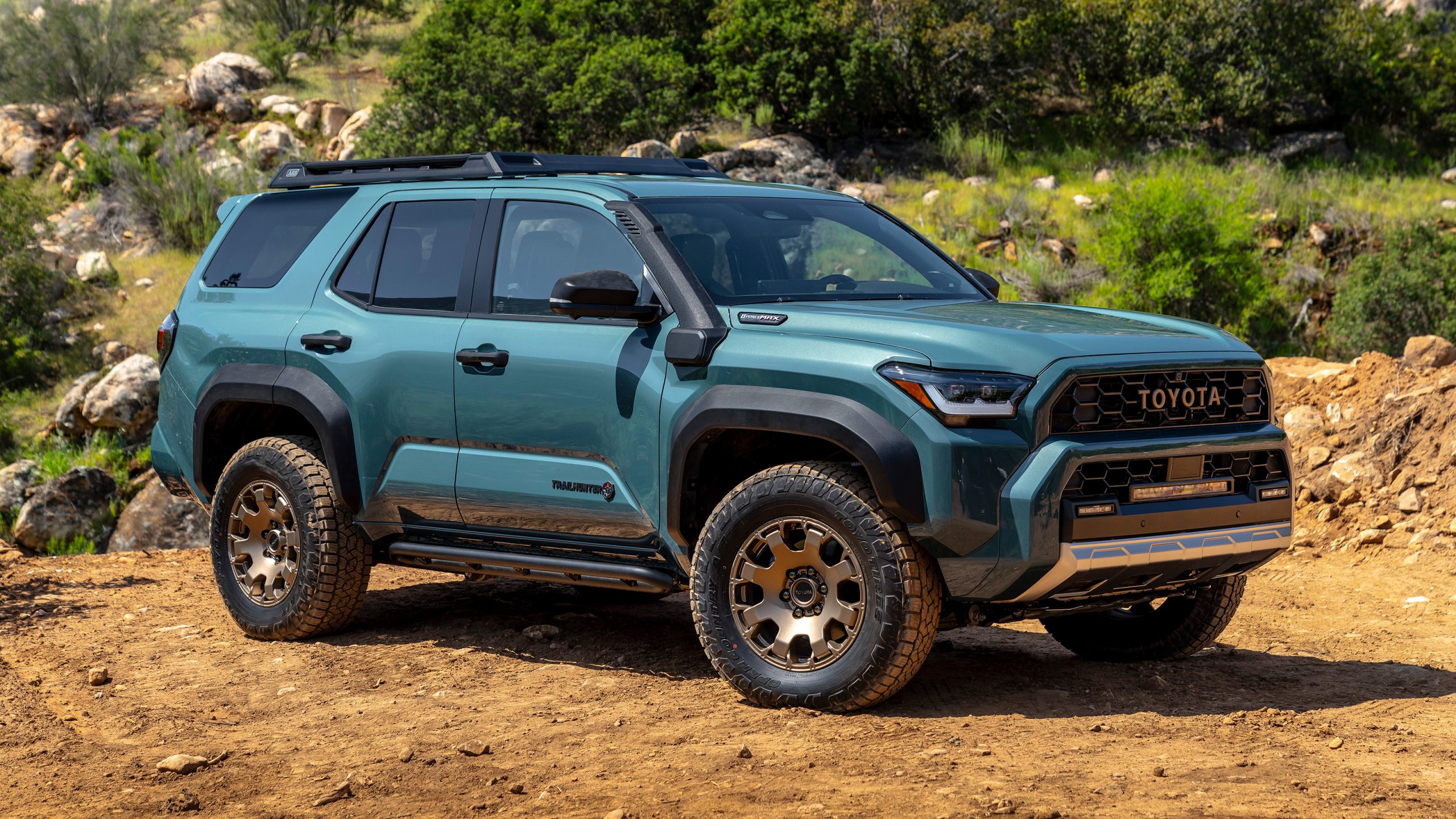
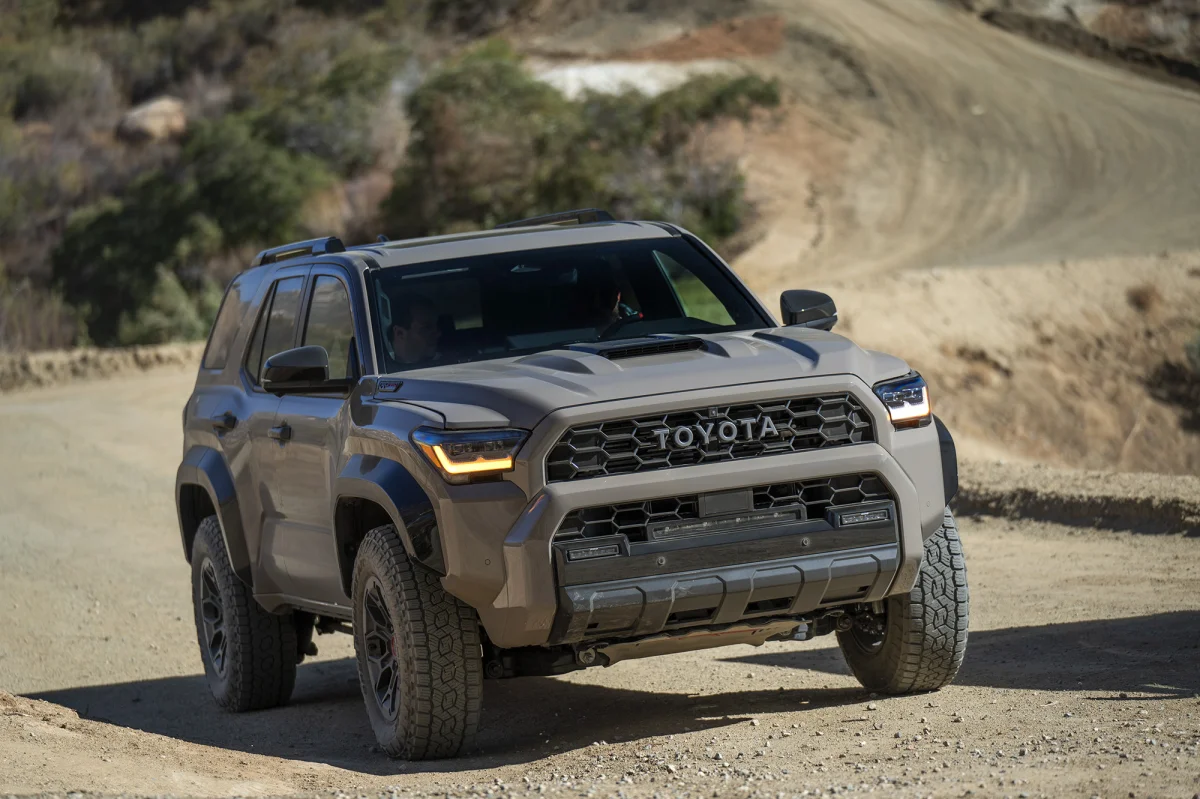
8. 2026 Toyota 4Runner
The 2026 Toyota 4Runner is built to handle both urban commuting and off-road exploration while maintaining driver-focused usability. Physical knobs and buttons for climate, audio, and terrain management dominate the dash. These tactile controls make it simple to adjust settings without navigating through touchscreen menus, keeping attention on the road ahead.
Toyota has organized the 4Runner’s cabin for practicality and accessibility. Drive mode selectors, traction control, and seat heaters are within easy reach, and their tactile feel ensures that drivers can operate them confidently. This is especially beneficial when driving over uneven terrain or during long road trips.
Interior materials are durable, with thoughtful touches that enhance comfort without complicating functionality. Analog gauges provide clear information, complemented by small, simple digital displays that do not interfere with the core controls. Drivers can access key data without distraction.
Safety and convenience features integrate seamlessly with physical controls. Lane departure alerts, pre-collision systems, and adaptive cruise functions are easily activated through buttons and switches. Toyota’s attention to layout ensures these modern features complement the driving experience without overwhelming it.
The 2026 Toyota 4Runner offers a strong blend of capability, reliability, and tactile control. Its design prioritizes practical usability, making it an excellent choice for those who value clarity and function over oversized digital displays. It embodies the balance between adventure readiness and driver comfort.
9. 2026 Nissan Frontier
The 2026 Nissan Frontier emphasizes utility and simplicity in a modern midsize pickup. The cabin is designed around straightforward controls, with knobs for temperature and fan speed, buttons for media, and clearly labeled switches for drive modes. This tactile approach ensures adjustments can be made confidently, even when hands are full or weather conditions are challenging.
Nissan has placed the most frequently used controls within easy reach of the driver. Physical buttons for hazard lights, four-wheel drive engagement, and towing functions are positioned logically on the center console. The layout prioritizes efficiency and minimizes distraction while driving.
The interior combines durable materials with functional design. Seats are supportive, storage compartments are accessible, and the instrument cluster is primarily analog, allowing drivers to read key information at a glance. Small digital readouts supplement the analog gauges for secondary information.
Modern safety features are integrated thoughtfully into the tactile interface. Adaptive cruise, blind-spot monitoring, and rear parking sensors are controlled with physical switches, enabling quick adjustments without relying on touchscreen menus. This approach enhances usability, particularly in work or off-road environments.
The 2026 Nissan Frontier stands out as a practical, hands-on pickup. Its focus on tactile control, durability, and driver-oriented design makes it ideal for those who value straightforward operation. It proves that a capable, modern pickup does not need to rely on giant digital displays.
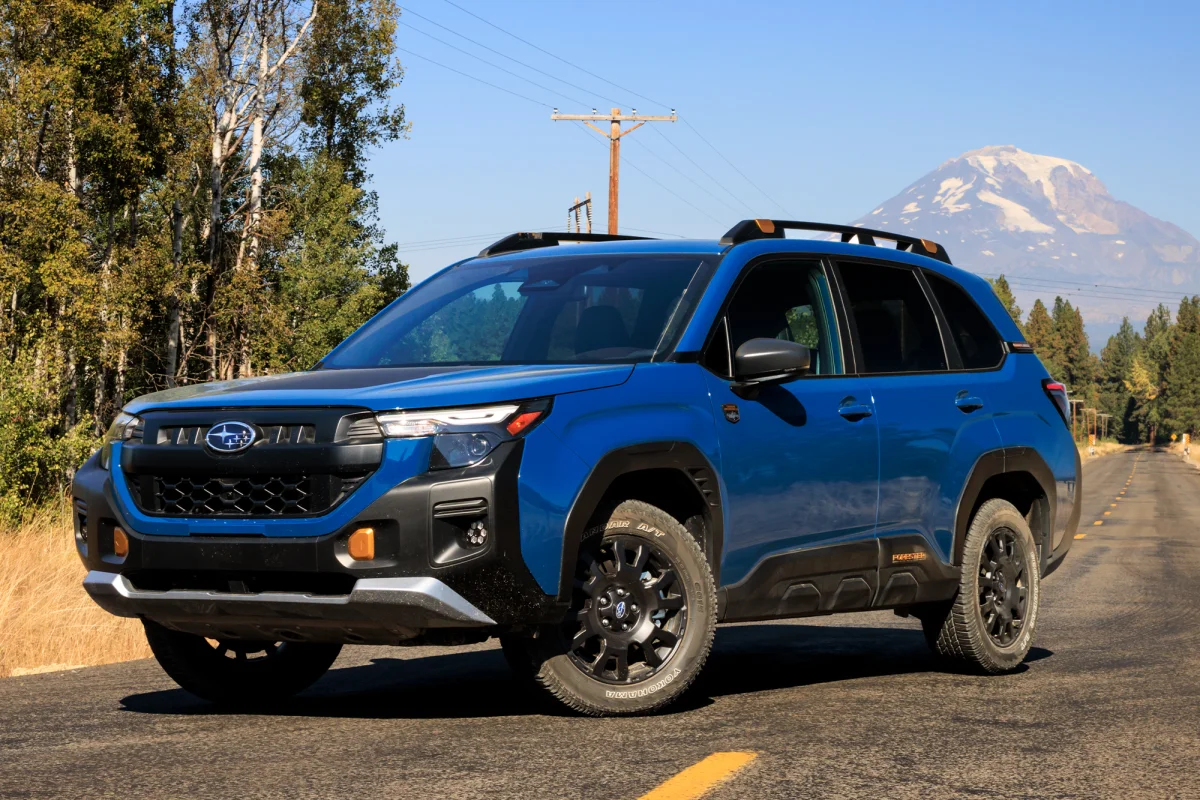
10. 2026 Subaru Forester
The 2026 Subaru Forester continues to prioritize driver comfort, visibility, and control simplicity. Physical knobs and buttons dominate essential functions, including climate, audio, and navigation shortcuts. These tactile elements allow quick, confident adjustments without requiring the driver to navigate complex touchscreen menus.
Subaru designed the Forester’s interior with accessibility in mind. Controls for all essential systems are logically placed within reach of the driver. Seat adjustments, media buttons, and hazard switches respond with clear feedback, enhancing usability for both experienced drivers and newcomers alike.
The instrument panel emphasizes clarity, using analog gauges complemented by small digital displays. This combination ensures drivers receive critical information without distraction. Subaru balances technology with ergonomics to create a cabin that is functional and comfortable.
Safety features are integrated seamlessly into the physical interface. Buttons for lane assist, traction control, and adaptive cruise control are prominent and easy to operate. The tactile layout allows drivers to interact with these systems without diverting attention from the road.
The 2026 Subaru Forester exemplifies a modern crossover that values driver-centered design. Its tactile controls, intuitive layout, and thoughtful integration of technology make it a compelling option for those who prefer functionality over large touchscreens. It maintains Subaru’s reputation for practicality and reliability.