
Summer heat tests patience in ways few classic car owners expect during their first long drive of the season. Vinyl seats warm quickly, thin insulation offers little relief, and wide glass areas invite sunlight inside with enthusiasm. Air conditioning, now considered standard, was either optional, ineffective, or completely absent in many older vehicles.
Yet these machines were not built for storage or short drives alone. They were engineered to move, cruise, and carry people across long roads under real weather conditions. Smart comfort solutions existed long before modern climate systems took over dashboards.
Engineers, drivers, and mechanics relied on airflow, smart materials, and mechanical balance to manage cabin temperatures. Those same ideas still work today when applied with intention and care. Comfort without factory AC does not require sacrificing originality or character. Instead, it calls for thoughtful upgrades, disciplined driving habits, and a better understanding of how heat behaves inside a moving vehicle.
This guide focuses on proven methods that preserve vintage design while improving drive performance in warm months. Each section pairs a practical cooling strategy with a classic car example that benefits especially well from that approach.
Expect real-world insight, clear explanations, and advice shaped by ownership experience rather than theory. Every solution works independently, allowing owners to choose based on budget, authenticity goals, and driving conditions.
Comfort matters because enjoyment fades quickly once heat becomes distracting. A classic car should invite long drives, relaxed cruising, and confidence behind the wheel. With the right approach, staying cool without modern air conditioning becomes less of a challenge and more of a rewarding skill.
1. Mastering Natural Airflow With Window Vent Design
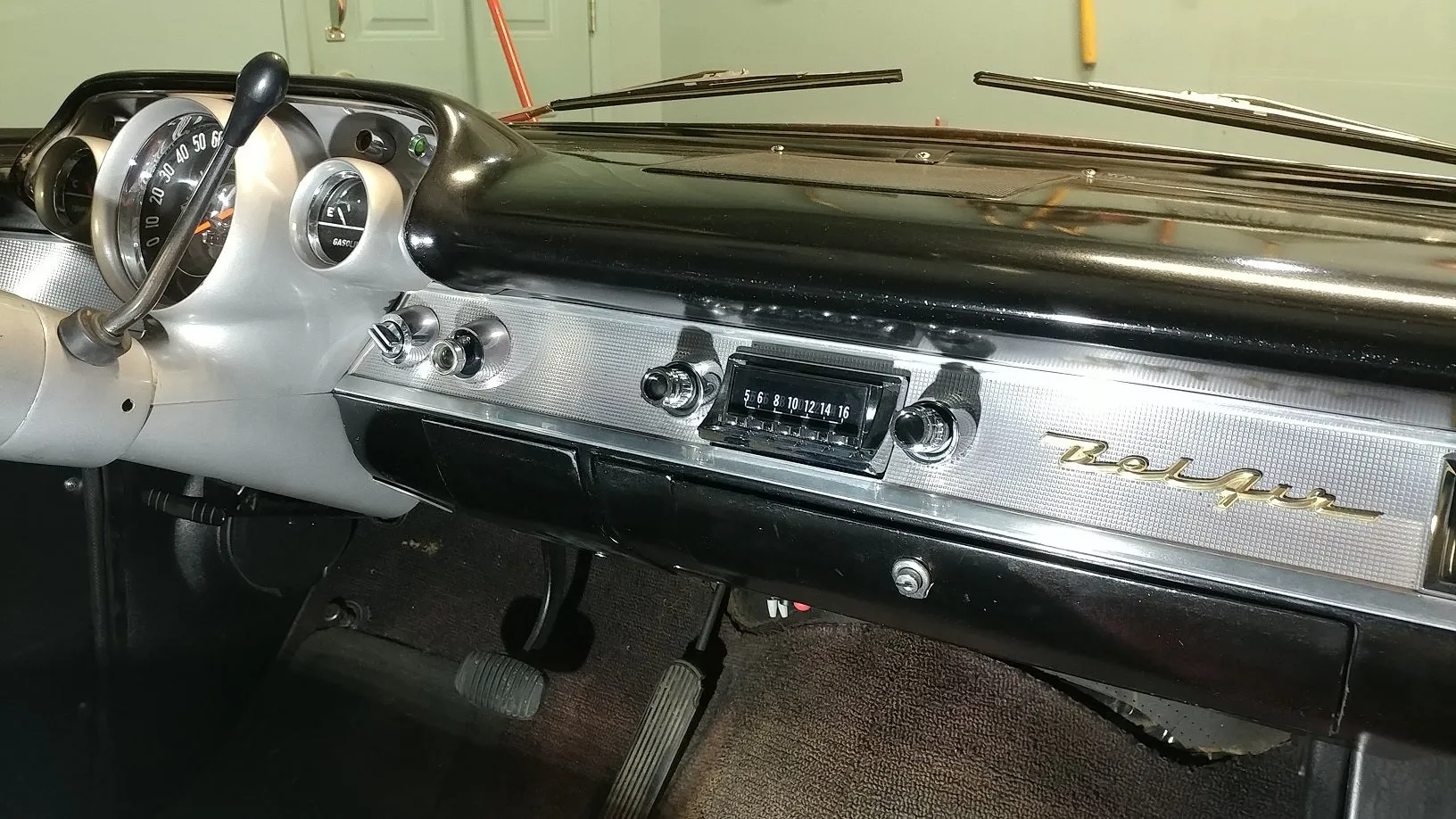
1957 Chevrolet Bel Air Two-Door Sedan
Air movement provides the most reliable relief inside older vehicles, and few designs illustrate this better than the 1957 Chevrolet Bel Air Two-Door Sedan. Engineers from that era understood airflow physics in practical terms.
Vent windows, tall side glass, and generous cabin volume were deliberate choices rather than styling accidents. Proper use of these features creates a steady breeze that cools occupants without electrical assistance. Triangular vent windows serve a specific purpose when angled correctly.
Opening them slightly and directing the leading edge inward channels air across the front seats instead of forcing it straight past the cabin. Side windows should follow a staggered approach. Lowering the front windows halfway while cracking the rear windows encourages pressure balance that draws warm air out rather than trapping it inside.
Driving speed matters. Moderate cruising between forty and fifty miles per hour produces smoother airflow than stop-and-go traffic. Wind turbulence increases at higher speeds, which can reduce cooling effectiveness while increasing noise. On two-lane roads, this balance becomes especially noticeable.
Interior layout also plays a role. Bench seats in the Bel Air allow air to pass across the cabin freely compared to later bucket designs. Removing unnecessary seat covers or heavy floor mats improves circulation further. Even small adjustments, such as directing dash vents upward rather than toward the face, reduce heat concentration around the torso.
Timing drives around peak heat hours makes airflow more effective. Early morning and late afternoon drives benefit from cooler ambient air, allowing vent systems to perform at their best. Combined with smart window positioning, natural airflow becomes a dependable cooling method that preserves originality while delivering comfort.
2. Reducing Heat Transfer Through Smart Insulation Choices
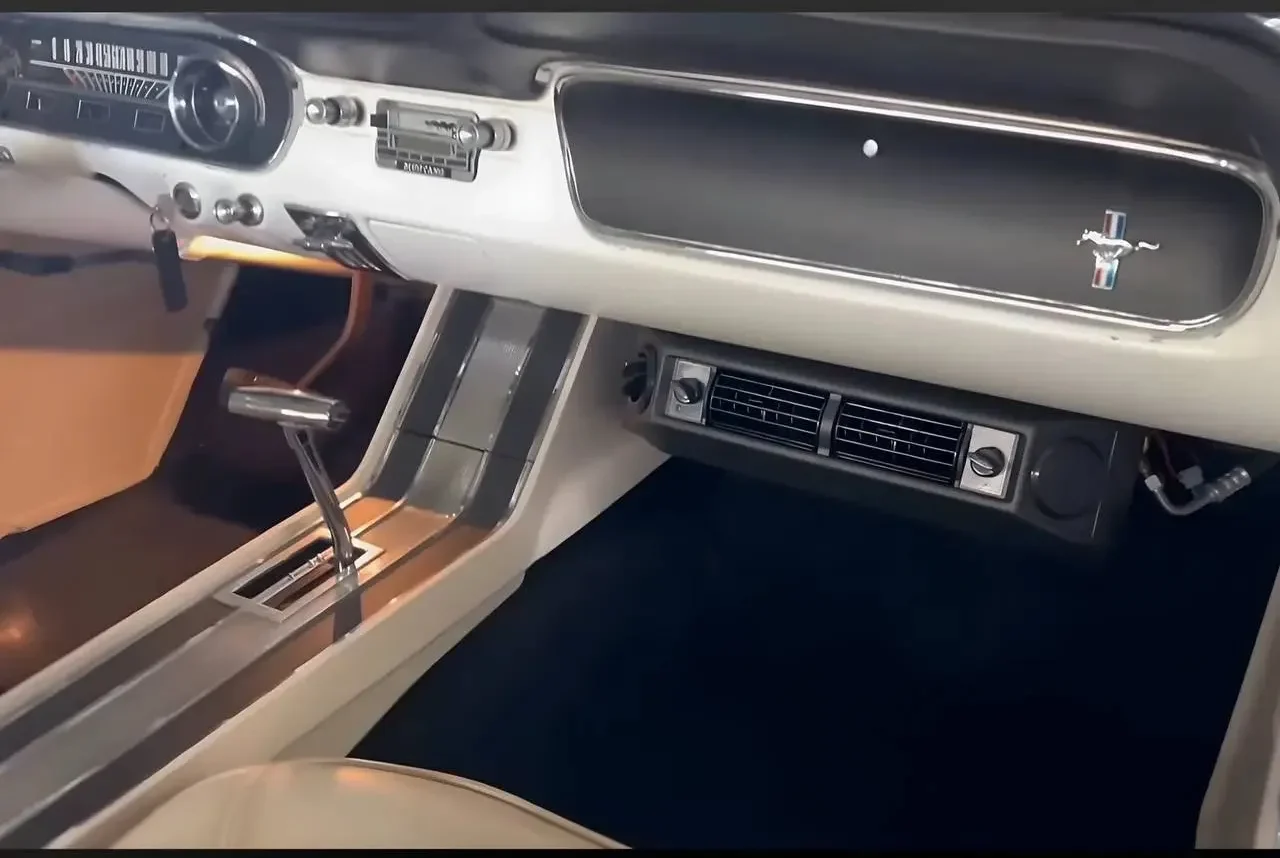
1965 Ford Mustang Fastback
Heat enters a cabin long before passengers feel discomfort, and insulation determines how quickly that heat builds. The 1965 Ford Mustang Fastback demonstrates how targeted insulation upgrades can reduce interior temperature without altering appearance. Factory materials from the era focused on noise reduction rather than thermal control, leaving room for improvement.
Floor pans absorb radiant heat from exhaust systems and pavement. Installing modern thermal barrier materials beneath original style carpeting creates a noticeable difference. Products designed to reflect heat rather than absorb it prevent warmth from rising into footwells. Installation remains hidden, maintaining factory visual appeal.
Firewall insulation deserves equal attention. Engine heat transfers directly into the cabin through thin metal panels. Adding a layered barrier behind the dashboard reduces heat creep during long drives. Careful trimming allows these materials to fit without interfering with pedals or wiring.
Roof insulation often goes overlooked. Fastback designs feature large roof surfaces that absorb sunlight throughout the day. A discreet thermal liner beneath the headliner reduces radiant heat while protecting original upholstery from sun damage. Light colored headliners also reflect heat more effectively than dark replacements.
Door panels contribute more than expected. Adding thin insulation sheets inside door cavities limits heat transfer from sun-exposed exterior surfaces. This step also improves sound quality, offering dual benefits without a visible change. Proper insulation works silently.
Once installed, temperature stability improves regardless of driving speed or outside conditions. For classic Mustangs, this approach supports long summer drives without altering the vehicle’s character or relying on electrical systems.
Also Read: Top 10 Most Famous Classic Cars From Television History
3. Improving Engine Bay Cooling to Protect Cabin Comfort
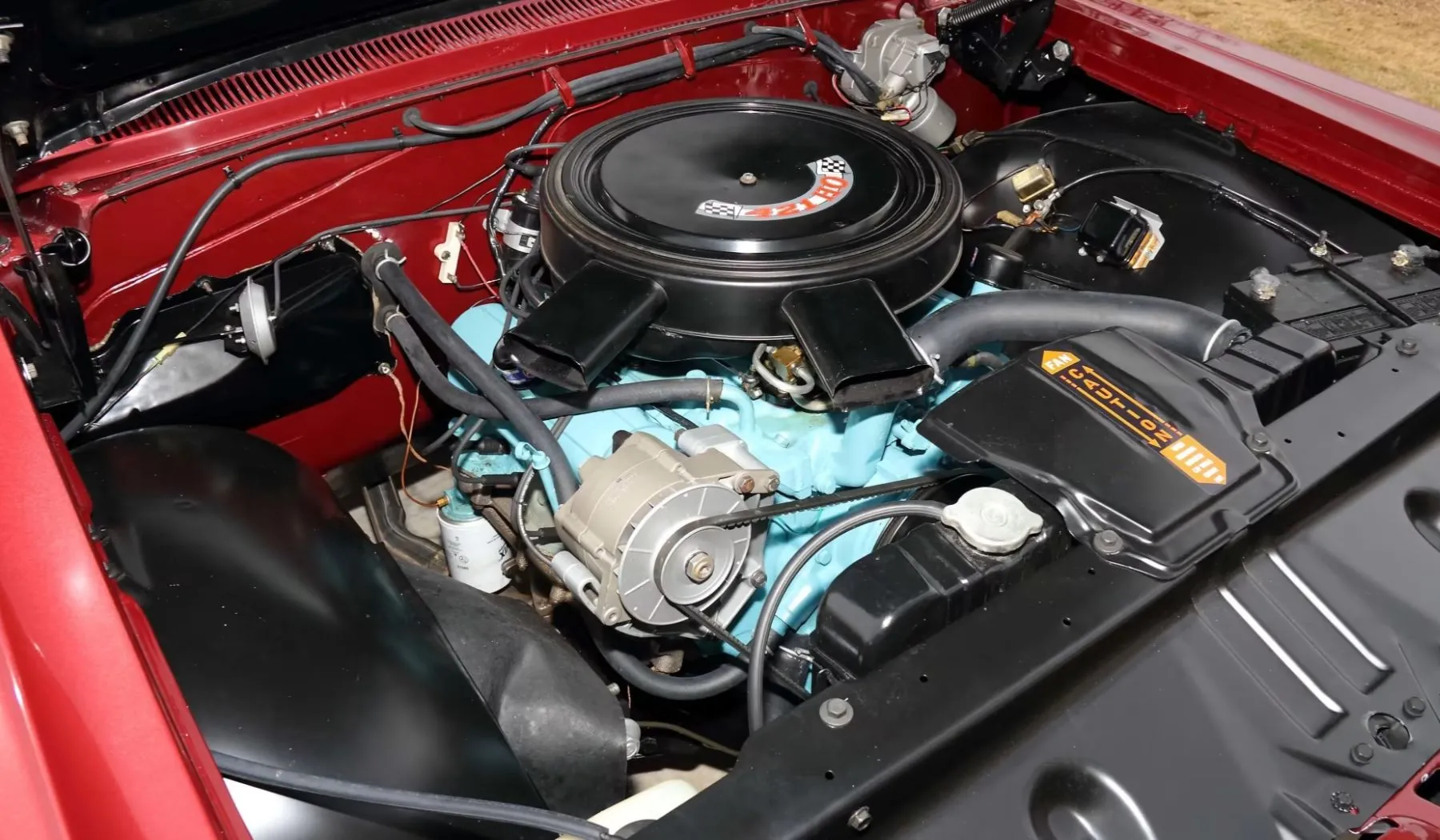
1963 Pontiac Catalina Coupe
Cabin heat discomfort in older American motor vehicles frequently originates not within the passenger compartment itself but rather beneath the bonnet, where the thermal output of large displacement powerplants accumulates with considerable intensity before transferring progressively into the interior through the firewall and surrounding structural members.
For owners of the 1963 Pontiac Catalina Coupe, whose generously proportioned engine bay accommodates substantial mechanical modifications without visual compromise, addressing thermal management at the source represents the most technically sound and practically effective approach to achieving meaningful interior comfort improvements.
Radiator efficiency constitutes the primary intervention point in any responsible engine bay cooling programme. The installation of a high-capacity radiator unit engineered to replicate the original factory mounting dimensions ensures that coolant temperature remains within its designed operational range throughout extended driving periods, including sustained low-speed urban operation where natural airflow contributions are minimal.
This upgrade, when paired with a thermostat selected in accordance with the engine’s specific thermal requirements, establishes a stable cooling foundation upon which all subsequent interventions depend for their full effectiveness. Fan selection exerts considerable influence upon airflow management at reduced road speeds, a condition that presents the greatest thermal challenge for vehicles operated in congested environments.
A properly rated mechanical fan employing a thermostatic clutch mechanism modulates rotational speed in direct response to ambient temperature conditions, thereby eliminating unnecessary rotational resistance under cool operating conditions whilst delivering maximum airflow capacity precisely when thermal demands are most acute.
Radiator shroud installation of correct dimensional specification is equally important, as it directs the entirety of available airflow through the radiator core rather than permitting dissipation around its perimeter. Reflective heat shielding positioned between exhaust manifolds and the firewall surface provides a documented reduction in radiant thermal transfer toward the passenger compartment.
These barriers, which remain substantially concealed within the engine bay’s normal operational configuration, address a heat transfer pathway that frequently receives insufficient attention in thermal management programmes focused exclusively on coolant temperature.
Hood seal and gasket condition requires careful inspection and restoration, as deteriorated or absent sealing permits hot engine bay air to escape upward into the cowl ventilation pathway, from which it enters the interior through climate ventilation apertures. Restored sealing directs thermal exhaust downward and rearward as originally engineered.
Ceramic-coated exhaust components further reduce surface temperatures of pipes and headers, protecting adjacent wiring, hoses, and structural components from accelerated heat-related deterioration whilst contributing measurably to the reduction of floor-level radiant heat within the cabin. Disciplined application of these measures transforms Catalina’s engine bay from a thermal liability into a properly managed mechanical environment.
4. Using Light Control to Manage Interior Temperature
1956 Volkswagen Beetle Type 1 Sedan
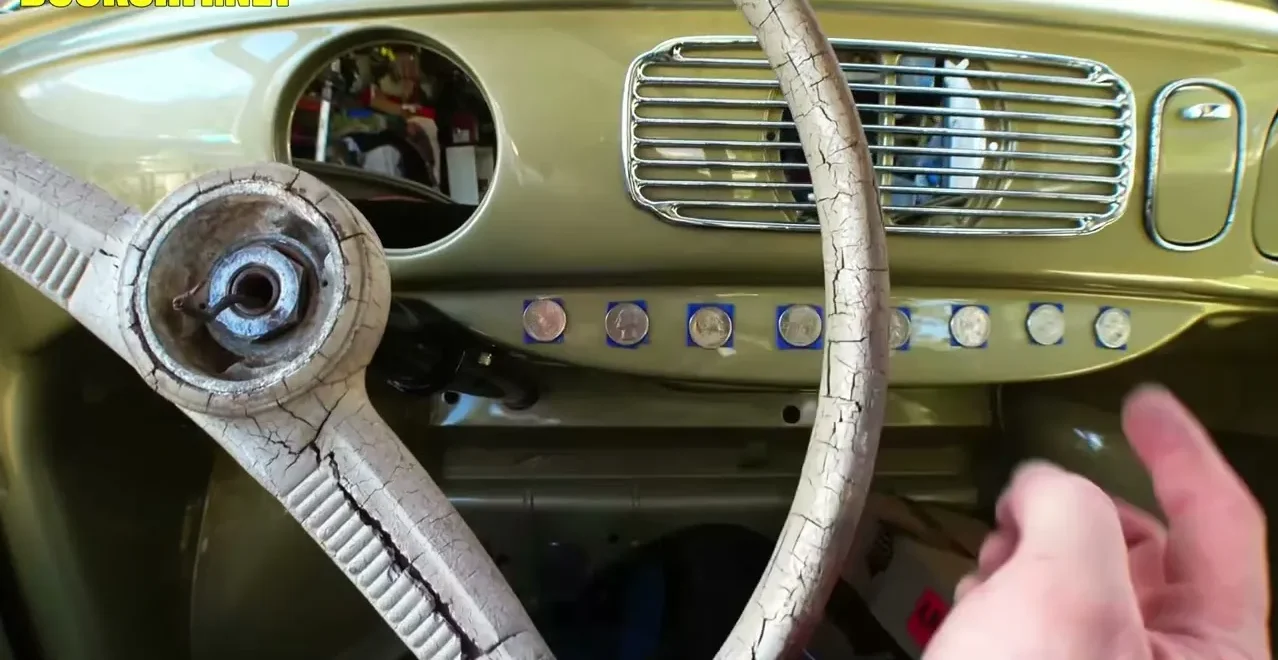
Solar radiation represents one of the most persistent and underestimated contributors to interior temperature elevation in classic motor vehicles, and for owners of the 1956 Volkswagen Beetle Type 1 Sedan, whose compact cabin volume and proportionally generous glass surface area create conditions of accelerated thermal accumulation, managing direct and diffuse sunlight through deliberate and methodical means constitutes an approach of considerable practical value.
A compact enclosed space responds to solar exposure with substantially greater temperature velocity than larger passenger compartments, rendering preventative intervention particularly worthwhile in this specific vehicle category.
Window film products formulated and tested for compatibility with the curved glass profiles characteristic of older vehicle construction offer a technically sound solution for reducing solar heat gain through side and rear glazing without imposing visible alteration upon the vehicle’s exterior appearance.
Films engineered to block ultraviolet and infrared radiation components, which are responsible for the majority of solar heat transfer rather than the visible light spectrum alone, deliver measurable reductions in interior temperature accumulation whilst fully preserving outward optical transparency and the visual authenticity that owners of historically accurate restorations properly regard as a priority consideration.
Reflective windshield sun shades, when deployed consistently during all periods of stationary parking, prevent the dashboard surface, steering wheel, and forward interior panels from absorbing and re-radiating thermal energy throughout the subsequent period of occupation.
This preventative measure reduces the ambient interior temperature at the commencement of each driving period, producing an immediately more comfortable cabin environment without any mechanical or structural modification to the vehicle itself.
Interior material colour selection influences thermal comfort to a degree that many owners underestimate until direct comparative experience confirms the relationship. Light-coloured upholstery and trim materials reflect incident radiation rather than absorbing it, maintaining lower surface temperatures under equivalent solar exposure conditions relative to darker alternatives.
Removable seat covering solutions in lighter tones offer a reversible seasonal adaptation that preserves the original interior specification whilst delivering practical warm-weather comfort benefits that justify the modest investment they require.
Parking discipline, whilst requiring no financial expenditure whatsoever, delivers thermal benefits that rival those of installed products when practised with genuine consistency. Positioning the vehicle in shaded locations or orienting it such that the rear glazing rather than the windscreen receives direct solar exposure reduces heat accumulation at the primary occupant positions most immediately.
Partial window ventilation during stationary periods, facilitated by rain deflector accessories specifically designed for older vehicle window frames, permits convective heat dissipation without creating conditions conducive to water intrusion during inclement weather.
Collectively, these light management strategies demonstrate that intelligent behavioural discipline combined with selective material investment produces interior thermal conditions of genuine comfort within the Beetle’s characteristically intimate cabin environment.
5. Relying on Mechanical Ventilation Upgrades That Stay Period Appropriate
1969 Dodge Charger R T Hardtop
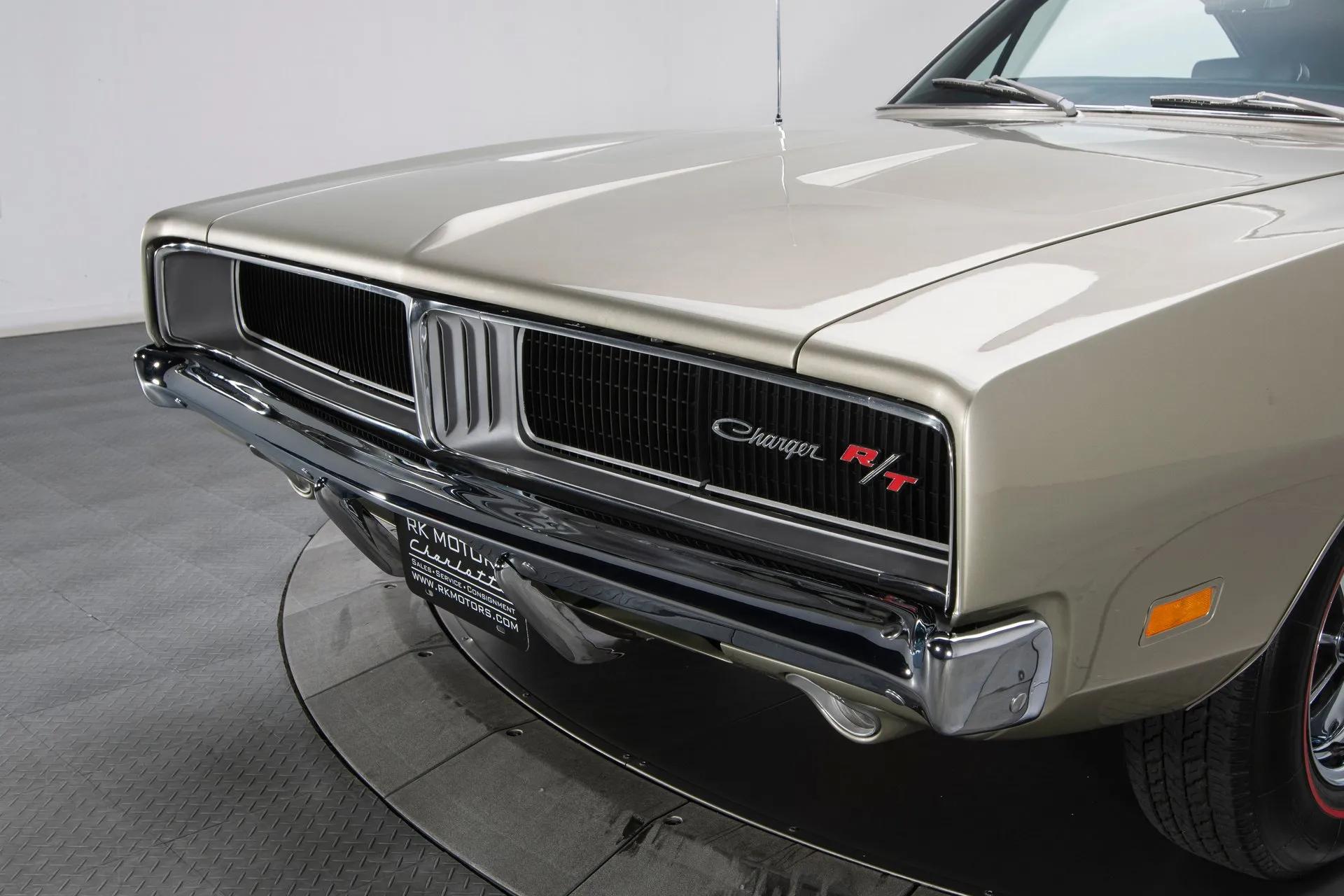
Mechanical ventilation formed an essential part of cabin comfort long before electronically controlled climate systems became common, and this reality is clearly demonstrated by the 1969 Dodge Charger R T Hardtop. Vehicles from the muscle car period were designed with strong visual presence, expansive dashboards, and long engine compartments, all of which contributed to internal heat retention. Addressing cabin warmth in such a vehicle requires respect for its original structure while introducing discreet solutions that assist air movement without visual disruption.
Auxiliary electric fans provide one of the most practical approaches. When mounted beneath the dashboard and aligned carefully with existing trim lines, these units support air circulation without drawing attention to themselves. Their function lies not in cooling air directly, but in maintaining continuous movement.
Warm air that remains stagnant becomes oppressive, whereas moving air disperses heat more evenly across the cabin. Proper orientation determines effectiveness. Units directed toward the footwell or angled gently across the torso create comfort without harsh airflow.
Attention to fresh air intake systems delivers immediate benefit. Cowl vents located at the base of the windscreen often accumulate debris after years of exposure. Leaves, dust, and aged sealant restrict airflow and reduce ventilation capacity. Clearing these passages restores the volume of air originally intended by the manufacturer. Rubber seals surrounding the intake area require close inspection, as damaged components permit engine heat to enter the ventilation path rather than fresh outside air.
Firewall integrity also influences cabin temperature. Cable openings, wiring passages, and aged grommets provide channels through which heat travels directly into the passenger compartment. Replacing worn rubber fittings reduces this transfer while improving airflow efficiency. Such repairs remain invisible once completed, preserving originality.
Fan speed regulation adds a layer of adaptability. Variable speed controls allow airflow adjustment based on road conditions. Lower speeds suit steady cruising, while higher settings assist during traffic delays. Selecting well-engineered units ensures quiet operation that aligns with the Charger’s interior character.
Electrical routing must follow established wiring paths to maintain safety and visual order. Proper grounding prevents interference with instrumentation and lighting systems. When completed with discipline, mechanical ventilation upgrades deliver dependable comfort while maintaining the Charger’s identity and structural integrity.
6. Choosing Seat Materials That Breathe Instead of Trapping Heat
1954 Mercedes-Benz 300 Adenauer Sedan
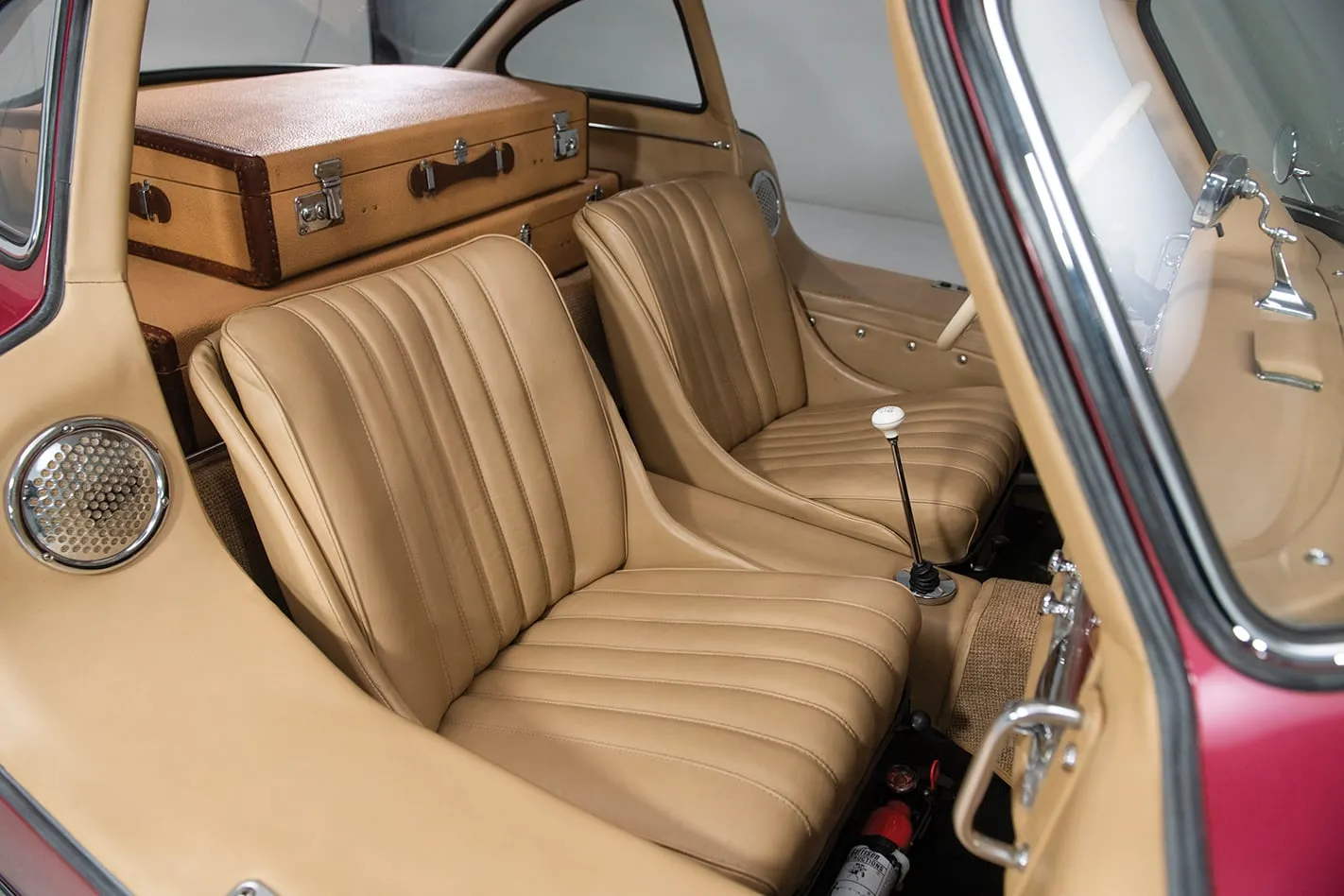
Interior seating materials strongly influence thermal comfort, and the 1954 Mercedes-Benz 300 Adenauer Sedan illustrates how thoughtful material selection enhances cabin conditions. Early luxury vehicles frequently relied on natural materials that responded favourably to temperature variation, offering lessons that remain applicable for present-day preservation and restoration efforts.
Cloth upholstery promotes air movement across seating surfaces, allowing body heat to disperse rather than accumulate. Unlike vinyl, fabric does not seal warmth against the occupant. For vehicles originally trimmed in cloth, maintaining accurate weave patterns ensures both comfort and authenticity. Modern reproduction fabrics often improve breathability while remaining visually faithful to period standards.
Leather seating demands careful consideration. Solid leather surfaces retain heat, whereas perforated panels allow air circulation. Selecting perforated leather that matches the original styling improves comfort while maintaining a refined appearance. Conditioning products must also be chosen wisely. Treatments designed to preserve breathability prevent surface hardening that restricts airflow.
Seat padding composition contributes meaningfully to thermal behaviour. Natural materials such as horsehair and fibre padding, common in early luxury vehicles, disperse heat more effectively than dense synthetic foams. During restoration, returning to correct padding materials enhances long-distance comfort while preserving historical accuracy.
Interior colour selection affects temperature response. Lighter shades reflect heat, reducing surface temperature during warm conditions. Choosing factory-correct light upholstery during refurbishment supports comfort objectives without altering the vehicle’s character.
Seasonal seat covers provide a practical option for preserving original materials while improving breathability. Removable cotton covers protect upholstery and introduce a cooler seating surface during warm months. This solution avoids permanent alteration and offers flexibility.
Seating materials shape the driving experience quietly yet decisively. Careful attention to upholstery design allows extended summer driving to remain comfortable without reliance on mechanical systems or visual compromise.
7. Managing Heat Through Smart Driving Patterns and Route Selection
1971 Volvo 1800E Coupe
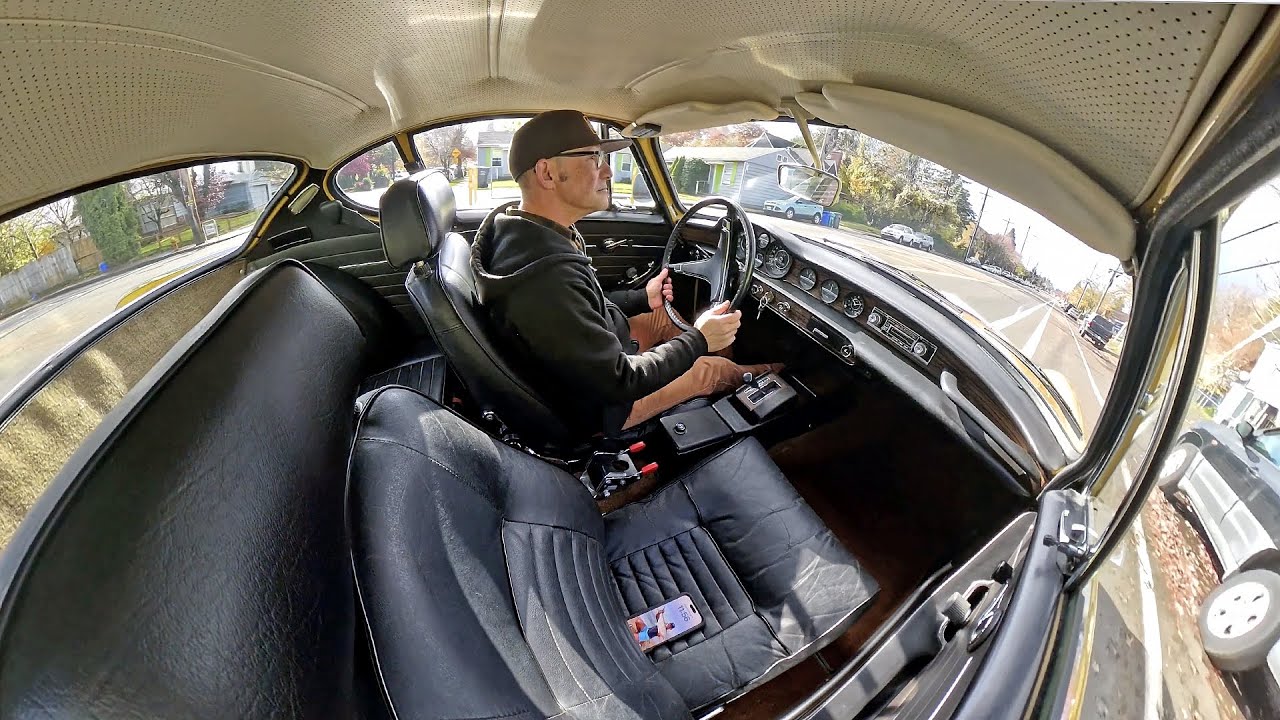
Driver behaviour plays a decisive role in how much heat accumulates inside a classic car, and the 1971 Volvo 1800E Coupe responds particularly well to thoughtful decisions made behind the wheel. Long before electronic climate aids became common, manufacturers expected drivers to work with the vehicle’s design features and environmental conditions.
This expectation remains relevant today, especially for a car like the 1800E, whose sleek body and balanced proportions reward careful use. Route choice directly affects cabin temperature. Roads with steady traffic flow allow air to move continuously through the cabin, assisting natural cooling.
Stop-and-go traffic, by comparison, traps heat inside while increasing engine bay temperature. Selecting routes with fewer junctions, reduced congestion, and consistent speed limits allows the car to maintain airflow that supports interior comfort. Secondary roads, where traffic moves predictably, often remain cooler at the surface level than densely built urban streets.
Time of travel also deserves attention. Sun position determines how much heat enters through glass areas, particularly the windscreen and rear window. Morning drives benefit from lower ambient temperatures and softer sunlight, while late afternoon journeys gain relief as solar intensity declines. Midday driving, especially during clear weather, exposes the cabin to sustained heat input that even good airflow struggles to offset.
Speed discipline influences both airflow quality and mechanical heat generation. Sustained moderate speeds allow the engine to operate within a comfortable temperature range while encouraging smooth air passage through open windows and vents. Aggressive acceleration or prolonged high-speed driving raises engine and exhaust temperatures, increasing heat transfer through the bulkhead and transmission tunnel.
Planned breaks also improve comfort. Brief stops with doors opened allow trapped warm air to escape quickly. Parking in shaded areas during these intervals prevents fresh heat accumulation. Even short pauses can reset cabin conditions before continuing a journey.
Window management requires adjustment based on speed and wind direction. Partial opening of front windows combined with controlled rear venting maintains internal pressure balance, drawing warm air outward. Small changes in window position often produce noticeable differences in comfort.
Awareness of these factors transforms heat control into a deliberate practice. When driving habits align with vehicle design and environmental conditions, cabin comfort improves through methodical choice rather than mechanical alteration.
Also Read: Top 10 Easiest Classic Cars for Learning Basic Mechanical Skills
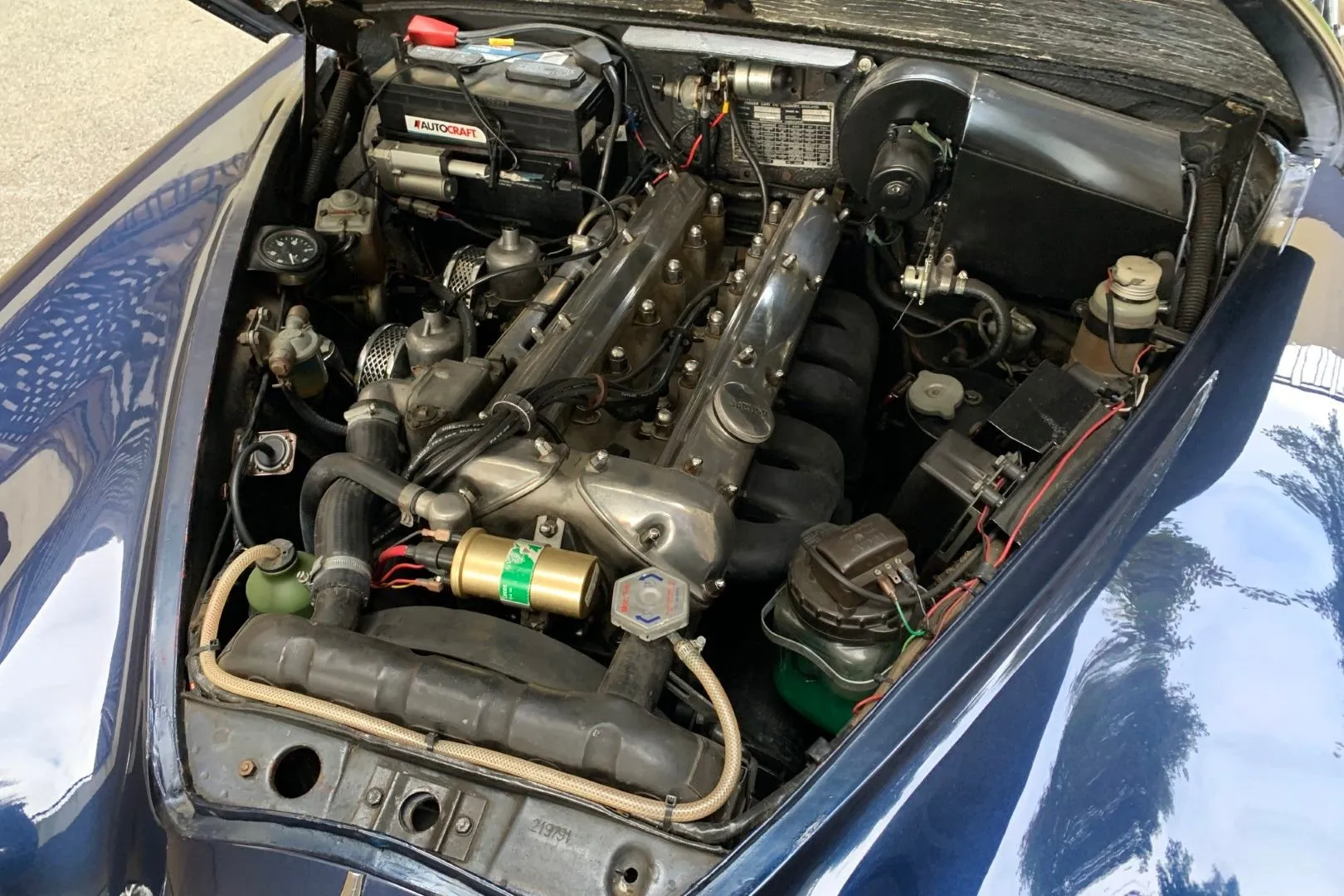
8. Using Engine Tune and Cooling System Balance To Reduce Cabin Heat
1962 Jaguar Mark II 3.8 Sedan
Mechanical condition determines how much heat a classic car generates and how efficiently that heat is managed. The 1962 Jaguar Mark II 3.8 Sedan demonstrates this relationship clearly, as its powerful engine and refined interior respond sensitively to proper tuning and cooling system balance.
Heat produced by inefficiency does not remain confined to the engine bay; it travels through metal structures and openings, influencing passenger comfort directly. Ignition timing stands at the centre of thermal control. An engine set too far advanced burns fuel at higher temperatures, increasing heat output without delivering proportional performance benefits.
Correct timing, adjusted to factory specification, allows combustion to occur efficiently, reducing unnecessary thermal stress. This adjustment lowers engine bay temperature and improves smoothness during steady driving.
Fuel delivery also affects heat behaviour. Carburettor calibration must maintain a balanced mixture. Excessively rich settings raise exhaust temperature, while lean conditions increase combustion heat within the cylinders. Proper adjustment stabilises operating temperature and prevents heat spikes that radiate through the firewall and floor pan.
Cooling system condition demands careful attention. Radiator efficiency depends on cleanliness, internal flow, and external airflow. Deposits within the core reduce heat exchange capacity, while blocked fins restrict air movement. Maintaining a correct coolant mixture ensures effective heat transfer while protecting internal components. Hoses, belts, and seals must remain sound to prevent pressure loss and uneven cooling.
Transmission heat contributes quietly to cabin warmth. Automatic gearboxes generate thermal energy during normal operation, particularly under load. Correct fluid levels and clean fluid improve heat dissipation. Where fitted, transmission coolers must function properly to prevent heat buildup beneath the cabin.
Exhaust routing influences underbody temperature. Pipes positioned too close to the floor transmit warmth directly into the interior. Proper hanger alignment restores clearance, allowing heat to disperse safely beneath the vehicle rather than into the passenger space.
Attention to these mechanical details produces a calmer thermal environment. When engine systems operate in harmony, heat generation remains controlled, and the cabin benefits without reliance on added equipment or modern systems.
